Get the latest AI news, understand why it matters, and learn how to apply it in your work — all in just 5 minutes a day. Join over 2,000,000+ subscribers.

Waymo's flood problem just got bigger
Read Online | Sign Up | Advertise

Good morning, robotics enthusiasts. Waymo’s robotaxis are smart enough to navigate a city. Flooded streets? Not so much.
One empty car drove into San Antonio floodwater and wasn’t recovered for four days; another got stuck in flooded Atlanta. Now service is suspended in four cities, NHTSA is watching, and Waymo still doesn’t have a fix.
In today’s robotics rundown:
Waymo pauses 4 cities over flood failures
Hugging Face drops $2.5K 3D-printable humanoid
Robot butlers get first real-world test in China
Robot arms help nonprofit serve 2,500 daily meals
Quick hits on other robotics news
LATEST DEVELOPMENTS
WAYMO
🚖 Waymo pauses 4 cities over flood failures

Image source: Images 2.0 / Getty Images
The Rundown: Waymo suspended robotaxi service in Atlanta, San Antonio, Dallas, and Houston after its vehicles continued driving into flooded roads despite a software recall issued the previous week, TechCrunch reports.
The details:
An unoccupied Waymo vehicle drove into a flooded Atlanta street and got stuck for an hour, triggering service suspension in the city.
Waymo said it had not yet developed a “final remedy” when it issued its software recall, and had only placed restrictions in areas with high flood risk.
The company blamed the Atlanta incident partly on the storm producing flooding faster than National Weather Service alerts could be issued.
Last month, an unoccupied Waymo vehicle drove into deep floodwater in San Antonio and was swept into a creek, forcing a citywide suspension.
Why it matters: Waymo’s flooding problem — now across four cities and still without a permanent fix — exposes a critical gap in how autonomous vehicles handle real-world weather conditions that outpace official warning systems. With NHTSA already circling, the incidents threaten to slow Waymo’s aggressive expansion push.
HUGGING FACE
🔥 Hugging Face drops $2.5K 3D-printable humanoid
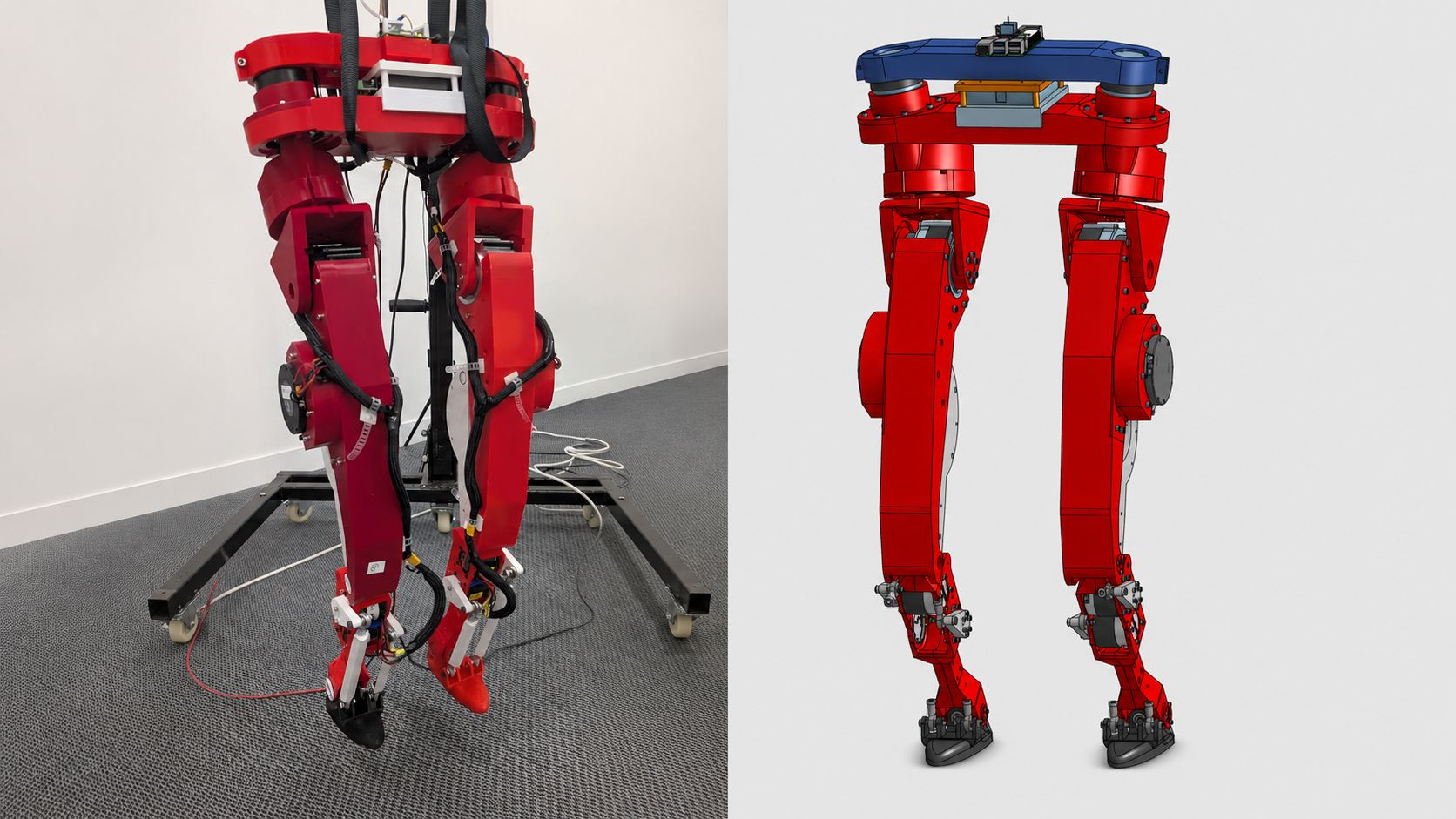
Image source: Hugging Face
The Rundown: Hugging Face’s LeRobot team released a fully 3D-printable bipedal humanoid for around $2,500, betting that cheap, repairable hardware can unlock the next wave of robot learning research.
The details:
The LeRobot Humanoid is an open-source bipedal platform built from 3D-printed components and off-the-shelf actuators.
The release is a full-stack ecosystem, covering hardware design, sim tools, real-world calibration, sim-to-real ID pipelines, and locomotion training.
The current release covers the leg assembly only; upper-body integration and more complex whole-body behaviors are on the roadmap.
The launch follows Hugging Face’s acquisition of Pollen Robotics and the release of the sub-$3K HOPEJr humanoid.
Why it matters: The biggest bottleneck in open robotics research has long been the cost and fragility of physical hardware, with researchers having to wait months for proprietary parts if they break. A repairable humanoid with integrated sim-to-real tooling could put serious locomotion research within reach of anyone with a 3D printer.
GIGAAI
🏡 Robot butlers get first real-world test in China

Image source: GigaAI
The Rundown: Chinese startup GigaAI is rolling out its SeeLight S1 — a two-armed, wheeled humanoid — into real apartments in Wuhan, pitching it as an early test of whether robots can move beyond factory floors and handle everyday chores.
The details:
Built by GigaAI with two state-backed Hubei research hubs, the S1 demos chopping vegetables, frying eggs, loading laundry, and making beds.
The first 100 units will be tested in employee housing in Wuhan this month, before a broader free home pilot in 2027.
GigaAI is targeting a price of sub-100K yuan — roughly $14.7K — by June 2027, which would reportedly cut the robot’s current cost in half.
The rollout lands just after SF startup Gatsby announced an app-booked pilot where a humanoid cleans apartments for $150 per session.
Why it matters: GigaAI’s Wuhan pilot could help give China a head start on real-home manipulation data — bedsheets, frying pans, cluttered counters, pets, elderly users — while aligning neatly with Beijing’s plan to push humanoids into elder care as the country heads toward 400M people over 60 by 2035.
CHEF ROBOTICS
🍴 Robot arms help nonprofit serve 2,500 daily meals

Image source: Chef Robotics
The Rundown: San Francisco nonprofit Project Open Hand is using Chef Robotics’ robotic arms to plate up to 2,500 medically tailored meal kits a day — a response to chronic volunteer shortages, Wired reports.
The details:
While humans cook, the robots scoop and portion food onto trays with the precision required to meet each recipient’s specific dietary and medical needs.
Two robotic arms work alongside human volunteers on the assembly line, with interchangeable attachments that let them handle a range of food items.
Project Open Hand says the technology fills volunteer gaps for some of the most monotonous jobs rather than displacing human workers.
The systems can plate up to 300 meals per hour; roughly one in five meals served in the Tenderloin is now assembled by a robot.
Why it matters: Chef Robotics’ model — flexible robotic arms that can be trained to portion many foods rather than perform one repetitive factory task — gives nonprofits and community kitchens a way to scale meal prep when volunteers are scarce, while keeping humans focused on quality control, care, and client-facing work.
QUICK HITS
📰 Everything else in robotics today
Tesla’s Lars Moravy released a video of Optimus production lines now being built in Germany, Toronto, and the U.S. Midwest at a farewell event for the Model S and X.
Wayve and Stellantis are teaming up to integrate Wayve’s self-driving software into Stellantis vehicles in North America starting in 2028.
Israeli drone company Flytrex is opening a facility in the Dallas–Fort Worth area to build thousands of delivery drones for partners like Uber Eats and DoorDash.
Robotics exoskeletons like Hypershell’s X Ultra S are turning hiking into “e-hiking” by giving outdoor enthusiasts motorized assistance so they can go farther and faster.
China rolled out AI-powered autonomous robots that patrol rivers, lakes, and reservoirs to collect floating waste and reduce water pollution without human operators.
China’s UBTECH showcased its new Walker C1 humanoid performing precise Swan Lake ballet routines alongside human dancers.
Bosch is partnering with London-based startup Humanoid to scale up production and European deployment of its HMND industrial humanoids.
MIT researchers developed an open-source drone navigation system called MIGHTY that enables real-time obstacle avoidance faster than existing methods.
China is field-testing humanoids in real tea plantations in Fujian, challenging them to pick, transport, and help process delicate white tea leaves.
ANYbotics’ robot dog “Roberta” patrols a carbon storage facility in Norway, using sensors to detect gas leaks as captured CO2 is pumped into undersea reservoirs.
COMMUNITY
🎓 Highlights: News, Guides & Events
Read our last AI newsletter: Google tops OpenAI’s math breakthrough
Read our last Tech newsletter: Musk’s SpaceX IPO has a CEO-for-life vibe
Read our last Robotics newsletter: App sends humanoid for home cleaning
Today’s AI tool guide: Build an AI secretary that plans your day
RSVP to next workshop on May 27: Become an AI-native leader
See you soon,
Rowan, Joey, Zach, Shubham, and Jennifer — The Rundown’s editorial team

Google tops OpenAI's math breakthrough — 9 to 1
Read Online | Sign Up | Advertise

Good morning, AI enthusiasts. Last week, OpenAI made headlines after announcing its AI cracked an 80-year-old mathematics problem. Turns out, it wasn’t the only one. Google DeepMind quietly did them eight (not one) better.
The company’s AlphaProof Nexus autonomously solved nine open Erdős problems — considered some of the hardest unsolved questions in math — at a cost of a few hundred dollars per problem.
In today’s AI rundown:
Google’s AI cracks nine unsolved math problems
The Rundown Roundtable: Our AI use cases
Build an AI secretary that plans your day
Claude Mythos finds 10,000+ critical vulnerabilities
4 new AI tools, community workflows, and more
LATEST DEVELOPMENTS
🧮 Google’s AI cracks nine unsolved math problems
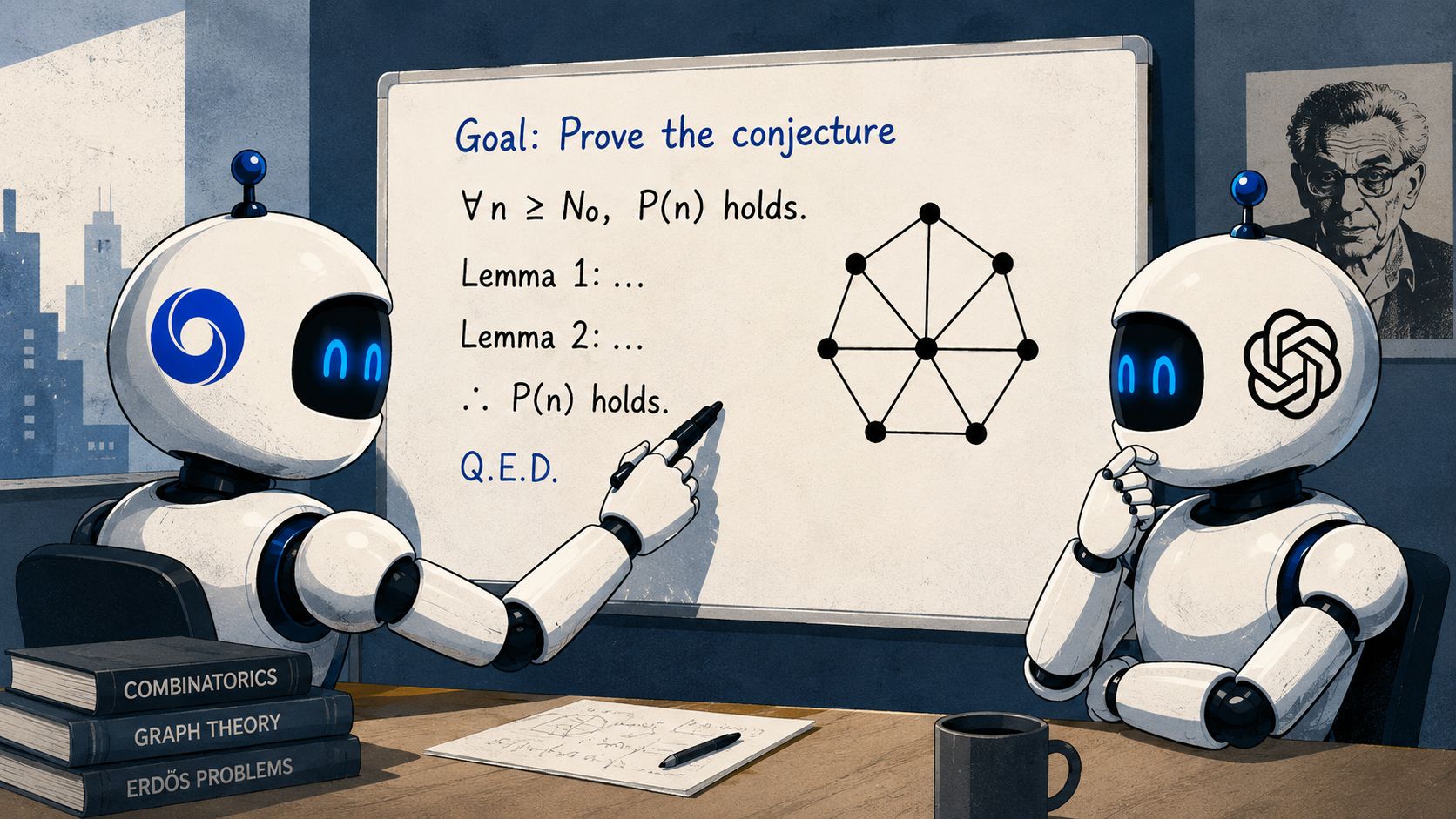
Image source: Images 2.0 / The Rundown
The Rundown: Google DeepMind’s AlphaProof Nexus, an AI system that generates machine-verified mathematical proofs, solved nine open Erdős problems, including two unsolved for 56 years, just a day after OpenAI claimed its own Erdős breakthrough.
The details:
The system paired an LLM with Lean, a proof assistant, to generate machine-verified proofs for the nine problems spanning combinatorics and graph theory.
Each problem cost a few hundred dollars to solve, with the AI also proving 44 open conjectures from the Online Encyclopedia of Integer Sequences.
A simpler version of the agent matched the results but cost more, and problems requiring new mathematical constructions remained out of reach.
OpenAI’s win last week saw its AI disprove an 80-year-old Erdős conjecture — months after walking back a claim of solving 10 novel problems.
Why it matters: Google’s progress on math problems unsolved for decades shows how fast AI is moving toward original solutions, and how formal verification changes the game. The system generates proofs, verifies them in Lean, and repeats until one passes. Over time, this will help researchers make novel discoveries at machine speed.
TOGETHER WITH GOOGLE FOR STARTUPS
💡 Master agentic AI with Google for Startups

The Rundown Startup School: Agentic AI is an immersive global training program that helps founders and developers move beyond basic chatbots to build robust, production-ready autonomous workflows using Google Cloud.
In the program, you’ll explore:
Prototype realtime voice AI with Gemini Live.
Leverage multimodal RAG for advanced data grounding.
Build bidirectional vision agents for data extraction.
THE RUNDOWN ROUNDTABLE
💡 The Rundown Roundtable: Our AI use cases
Image source: Ideogram / The Rundown
The Rundown: The Rundown Roundtable is a weekly feature where we poll members of The Rundown staff about how we use AI in our work and daily lives.
Mayur, Content Manager: My Downloads folder had been filled with random files for the last six months, and I’d been procrastinating on cleaning it up. So I gave Claude Cowork access to the folder, and asked it to “help me organize this folder.”
In a few minutes, it went through almost 100GB of files, arranged them by file type and folders, and removed duplicate files in just a few minutes, something that could have cost me hours of work.
Shubham, Editor: I used Claude to help my brother-in-law build a Shopify website for his e-commerce store. By sharing screenshots, design references, and business requirements, I had Claude generate Liquid code, troubleshoot theme issues, modify page layouts, and explain exactly where changes needed to be made within Shopify.
Instead of digging through forums and documentation for every issue, Claude acted like an on-demand Shopify developer, helping with everything. It sped up development, allowing the site to move from concept to launch much faster.
AI TRAINING
📆 Build an AI secretary that plans your day

The Rundown: In this guide, you will learn how to use Codex or Claude Code to build an AI taskmaster that checks Slack, Gmail, and your calendar every morning. It turns the mess into a prioritized to-do list that gets better every day you use it.
Step-by-step:
Create a folder, open Claude Code inside it, and ask it to create a skill that looks at your Slack, Gmail, and calendar daily, prioritizes tasks high to low, and puts them at the top of MonoNote.md with date, feedback, status checkboxes
Tell the agent to create MonoNote.md and task-rules.md, and have it add any high/low priority rules you have per task into task-rules.md
Run the skill and review the list. MonoNote.md should have today’s date at the top, grouped tasks, source links, and checkboxes you can use all day
After first run, ask the agent to create the automation. It will review yesterday’s feedback, roll over bumped tasks, update the rules, then generate the new list
Pro tip: Create a weekly audit skill that scans your task list, finds repeated tasks, and suggests which ones you could automate with AI.
PRESENTED BY UNWRAP
🎧 How Oura listens to its customers with AI
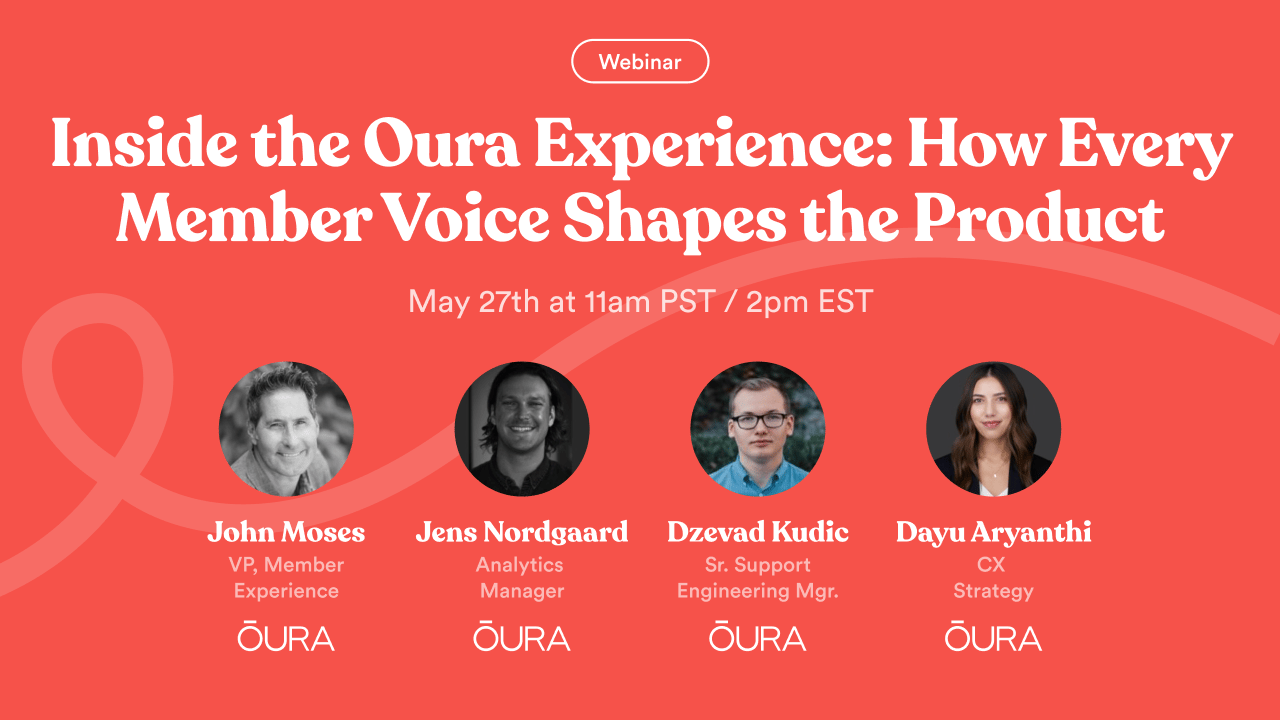
The Rundown: What does it actually look like to build a product around your customers, not just say you do? Oura has done it. Join the Oura team on May 27 to learn about how they unify member feedback across product, engineering, and leadership, and how real member voices shape every decision they make.
What you’ll learn in the session:
The role AI plays in surfacing what members are actually saying
The workflows turning customer input into roadmap decisions
Lessons for any team where customer feedback is part of the job
Live Q&A with leaders from both Oura and Unwrap
Save your spot here. If you can’t make it on the 27th, no worries! Register, and you’ll automatically get the recording after the session.
ANTHROPIC
🛡️ Claude Mythos finds 10,000+ critical vulnerabilities
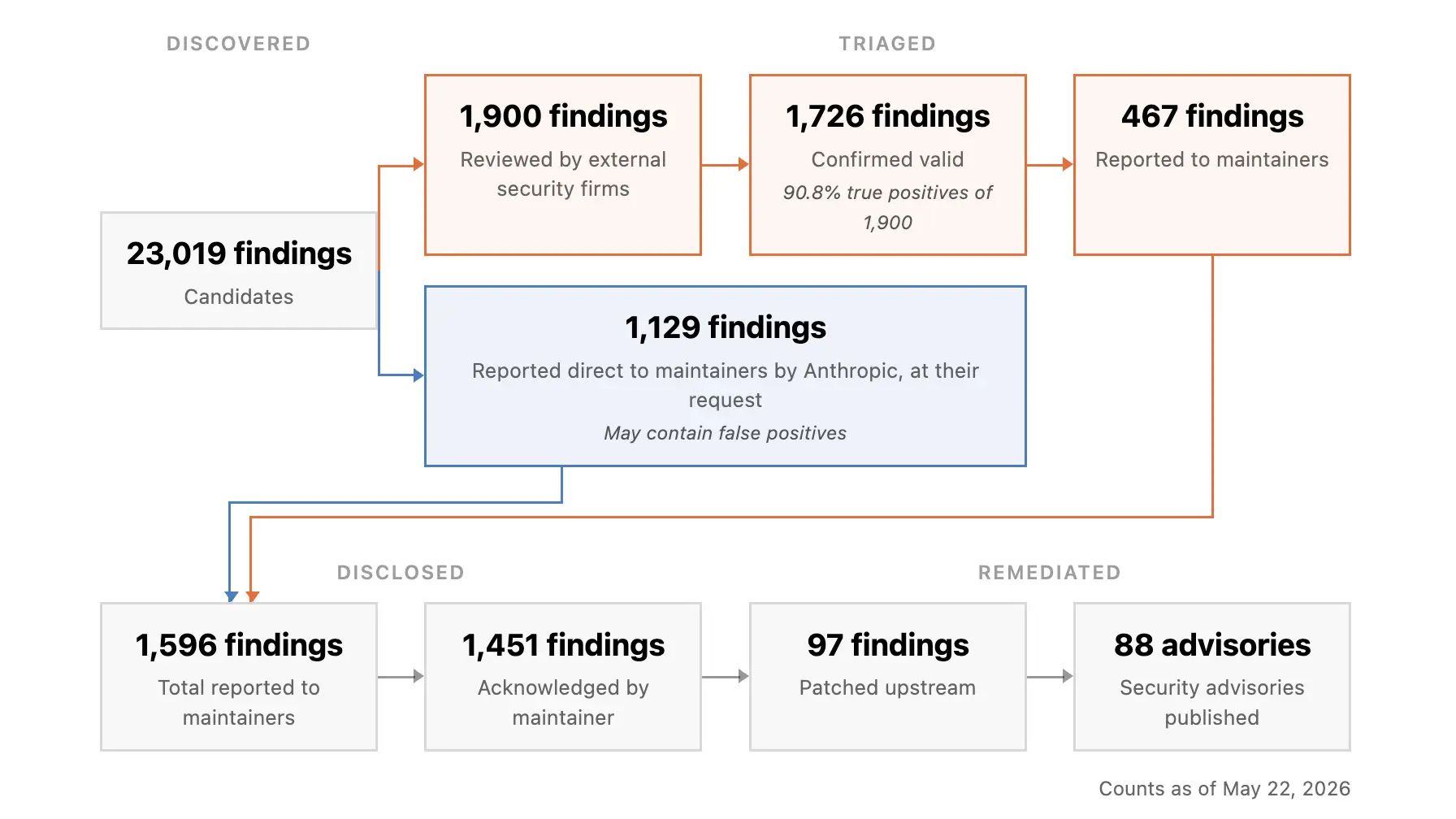
Image source: Anthropic
The Rundown: Anthropic shared the first results from Project Glasswing, revealing that Claude Mythos Preview and its ~50 partners have found 10,000+ high- or critical-severity vulnerabilities in just one month.
The details:
Cloudflare alone found 2K bugs with a false positive rate better than human testers. Mozilla found and fixed 271 vulnerabilities in Firefox 150.
Anthropic also scanned 1,000+ open-source projects, with Mythos flagging 6,202 as high/critical. After independent triage, 62% (or nearly 3,900) held up.
Mythos detection went beyond vulnerability flagging, with one partner bank using Mythos to detect and block a $1.5M fraudulent wire transfer.
Now, Glasswing will expand to additional partners, including U.S. and allied governments, with a general release of Mythos-class models to follow.
Why it matters: Anthropic says Mythos remains gated because no company — including itself — has safeguards strong enough to prevent misuse. But with OpenAI ramping up its cyber models and Chinese players catching up, equally capable (or better) AI will emerge. When it does, how fast the world can patch will be the real test.
QUICK HITS
🛠️ Trending AI Tools
⚡ CData Connect AI - Give ChatGPT, Claude, Copilot, or any AI tool live, governed, read & write access to your business data in one unified layer*
🤖 DeepSeek V4-Pro - DeepSeek’s flagship AI with 9x less cost than rivals
🚀 Gemini 3.5 Flash - Google’s new flash model, 4x faster at half price
🧠 Polsia - AI co-founder that plans, builds, and operates businesses 24/7
*Sponsored Listing
📰 Everything else in AI today
DeepSeek permanently cut V4-Pro pricing by 75%, bringing it down to $0.435 per million input tokens and $0.87 per million output tokens, far below closed-source rivals.
Perplexity open-sourced Bumblebee, a scanner for macOS and Linux that checks for risky packages, extensions, and AI tool configs during supply-chain incidents.
NVIDIA released NV-Generate-MR-Brain, a foundation model that generates synthetic 3D brain MRI scans and annotations, to accelerate medical imaging AI development.
McKinsey is rethinking its billing model as AI reduces the value of billable hours and clients demand fees tied to business outcomes, FT reported.
The White House approved $9B to help U.S. spy agencies acquire advanced AI chips amid concerns they’re falling behind in deploying frontier models, the NYT reported.
Starbucks scrapped its AI inventory system after nine months, citing persistent miscounts and mislabeled products across North American stores.
COMMUNITY
🤝 Community AI workflows
Every newsletter, we showcase how a reader is using AI to work smarter, save time, or make life easier.
Today’s workflow comes from reader Alicia in Fresno, CA:
“After searching on my own for universities across multiple websites, comparing options, and trying to find a program that may work with my full-time job and income level, I asked ChatGPT to help me search and compare the universities’ programs, costs, and whether they are in-person or online.
I then asked ChatGPT to build questions to ask an admissions counselor. ChatGPT has helped me come up with all the important questions I had not thought about, helping me to narrow down my decision of which school program may better fit my current living and working situation.”
How do you use AI? Tell us here.
🎓 Highlights: News, Guides & Events
Read our last AI newsletter: Exclusive interview with Google’s CEO
Read our last Tech newsletter: Musk’s SpaceX IPO has a CEO-for-life vibe
Read our last Robotics newsletter: App sends humanoid for home cleaning
Today’s AI tool guide: Build an AI secretary that plans your day
RSVP to next workshop on May 27: Become an AI-native leader
See you soon,
Rowan, Joey, Zach, Shubham, and Jennifer — the humans behind The Rundown


Musk's SpaceX IPO has a CEO-for-life vibe
Read Online | Sign Up | Advertise

Good morning, tech enthusiasts. SpaceX’s hotly anticipated IPO is shaping up to lock in Elon Musk’s total control for the foreseeable future.
The offering is enormous: rockets, Starlink, orbital AI infrastructure, and a $1.5T valuation rewriting the record books. Investors get a seat on one of the most ambitious rides in tech. Musk gets something closer to CEO-for-life.
In today’s tech rundown:
SpaceX IPO has one rule: Musk always wins
Meta spins Facebook Groups into Reddit-style app
Airbnb now does groceries, rides, and hotels too
Eli Lilly’s new obesity drug works too well
Quick hits on other tech news
LATEST DEVELOPMENTS
SPACEX
🚀 SpaceX IPO has one rule: Musk always wins

Image source: Images 2.0 / The Rundown
The Rundown: SpaceX’s long-awaited IPO is engineered less as a handoff to Wall Street than as a legal fortress that locks in Elon Musk’s near-absolute control over one of the world’s most valuable space and AI companies, the Wall Street Journal reports.
The details:
Musk will retain roughly 85% of voting control through supervoting shares and a dual-class structure, leaving public investors with a stake but almost no say.
Texas corporate law makes it nearly impossible for shareholders or the board to remove Musk or override major strategic decisions without his approval.
The offering — targeting a valuation around $1.5T — funnels public capital into rockets, Starlink, and Musk’s ambitions to build AI data centers in orbit.
The package is explicitly designed to avoid a repeat of Tesla-style fights over Musk’s pay package and controversial deals like the SolarCity acquisition.
Why it matters: The company’s IPO is built around a corporate structure designed from the ground up to keep Musk in permanent, nearly unchallenged control, regardless of what shareholders, the board, or the markets think. How Wall Street responds could rewrite the rules for every mega-unicorn that comes after it.
META
🌪️ Meta spins Facebook Groups into Reddit-style app
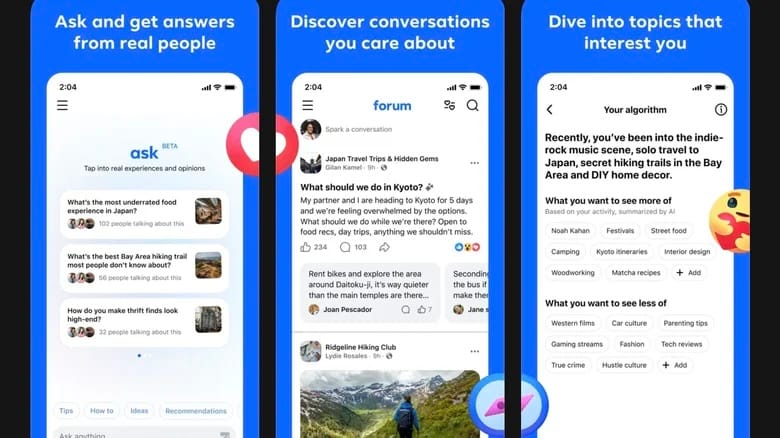
Image source: Meta
The Rundown: Meta quietly launched Forum, a standalone iOS app that extracts Q&A and discussion threads from Facebook Groups into a Reddit-style feed, with an AI assistant built in for admins.
The details:
Forum pulls and curates posts and questions from Facebook Groups you’re already in, aiming for “real‑people” answers rather than AI-only responses.
Unlike the main Facebook feed, Forum's feed is built exclusively around group conversations rather than friends, Pages, or algorithmic posts.
In Reddit and Quora style, users can post questions, browse topic threads, and get community-sourced replies from group members.
Admins get a built‑in AI assistant and moderation features meant to simplify managing members and content across groups.
Why it matters: Forum is built around the niche discussions, recommendations, and back-and-forth answers that already make Facebook Groups valuable — only now they sit inside a dedicated product. While it’s a test run for now, the structural advantage is big: Meta can draw on years of existing group conversations without starting from zero.
AIRBNB
🏡 Airbnb now does groceries, rides, and hotels too

Image source: Airbnb
The Rundown: Airbnb is turning its app into a full-service travel hub, stacking airport pickups, luggage storage, car rentals, boutique hotel bookings, and Instacart-powered grocery delivery into a single interface.
The details:
Guests can stash bags before check-in or after checkout through luggage storage startup Bounce, now available across 175 cities at a discounted rate.
Airport rides are expanding globally via Welcome Pickups, covering 160-plus cities, with 20%-off fare promotions rolling out now.
Instacart-powered grocery delivery is live in more than 25 U.S. cities, letting guests pre-stock a kitchen before they land or order mid-stay.
Come summer, car rentals and boutique hotels will be bookable directly in the app, with credits and price-match guarantees attached.
Why it matters: Airbnb has always taken a cut of the nightly rate — now it wants a slice of everything else. By bundling rides, bags, groceries, and wheels into one interface, it captures more spend per trip while deepening partnerships with Bounce, Welcome Pickups, and Instacart. New fees and incentives also give Airbnb fresh revenue levers.
BIOTECH
💉 Eli Lilly’s new obesity drug works too well

Image source: Ideogram / The Rundown
The Rundown: Eli Lilly’s experimental obesity drug retatrutide is proving almost too effective — triggering weight loss so rapid and extreme that researchers are now questioning whether it needs to be dialed back, the New York Times reports.
The details:
Retatrutide targets three metabolic receptors simultaneously (GLP-1, GIP, and glucagon), making it significantly more aggressive than Wegovy or Zepbound.
Mid-stage trial participants lost well over 20% of their body weight, raising questions about appropriate goals, dosing, and monitoring.
Investigators are now scrutinizing risks including malnutrition and unintended extreme weight loss as they work to establish safe dosing thresholds.
High doses caused enough nausea, vomiting, and GI distress that a meaningful share of participants dropped out of the trial entirely.
Why it matters: Powerful new weight-loss drugs like retatrutide are forcing doctors to rethink how aggressively they use them. But patients dropping out because they feel too thin, plus significant side effects and still‑unvetted data, suggest these shots could quickly cross from treatment to harm without tight safeguards.
QUICK HITS
📰 Everything else in tech today
Spotify is rolling out new AI tools that let premium users auto-generate personalized “podcasts” and playlists and get AI‑curated audiobook recommendations.
Disney faces a proposed $5M class-action lawsuit alleging its new facial-recognition system at California theme parks collects guests’ biometric data without consent.
North Carolina filed a lawsuit against VinFast, alleging the company breached its commitments by delaying and downsizing a promised EV factory in the state.
SpaceX scrubbed the first launch attempt of its updated Starship V3 rocket just before liftoff due to a ground-system problem with the launch tower.
Luna opened the waitlist for its new Luna Band, a screenless, voice‑first fitness and health tracker with early units expected later in 2026.
Smart ring maker Oura filed paperwork with the SEC for a planned U.S. IPO, with timing dependent on regulatory review and market conditions.
NASA’s upcoming LOXSAT mission will test cryogenic liquid oxygen storage to enable future in-space “gas station” refueling depots for Moon and Mars missions.
Audi’s long-delayed Matrix LED headlights, which dynamically shape their beams to cut glare using front cameras, will finally arrive in the U.S. later this year.
COMMUNITY
🎓 Highlights: News, Guides & Events
Read our last AI newsletter: Exclusive interview with Google’s CEO
Read our last Tech newsletter: Meta’s cyborg smart glasses for soldiers
Read our last Robotics newsletter: App sends humanoid for home cleaning
Today’s AI tool guide: Generate an agent-native CLI from any website
RSVP to next workshop on May 27: Become an AI-native leader
See you soon,
Rowan, Joey, Zach, Shubham, and Jennifer — The Rundown’s editorial team

Exclusive interview: Sundar Pichai on AI's flip phone moment
Read Online | Sign Up | Advertise

Good morning, AI enthusiasts. Google’s announcements at I/O gave us a clear picture of the company’s direction: a top-to-bottom approach to making lives easier with AI.
We sat down with Sundar Pichai, CEO of Google, to understand what this shift means for creators, engineers, and everyday users — touching upon everything from YouTube to agentic coding, and why today’s AI will look like a flip phone in three years.
Watch the full interview: YouTube, Twitter/X, Spotify.
In today’s AI rundown:
Exclusive insights from Sundar Pichai at I/O 2026
OpenAI’s latest wave of Codex upgrades
Generate an agent-native CLI from any website
California moves to protect workers impacted by AI
4 new AI tools, community workflows, and more
LATEST DEVELOPMENTS
🎙️ Exclusive insights from Sundar Pichai at I/O 2026
Image source: The Rundown
The Rundown: We sat down with Google CEO Sundar Pichai at I/O 2026 for an exclusive interview on the company’s AI push, its effort to empower YouTube creators, everyday users, and engineers, and what AI will look like three years from now.
The details:
Pichai said models like Omni empower creators to express themselves better, but YT will remain creator-first, keeping its “human-to-human” connection.
When asked why an everyday user should switch to Gemini, Pichai pointed to seamless integration in daily life, especially with agents handling tasks.
He added agents will work 24/7 across devices, and they’ll be very common three years from now, with today’s tech looking primitive like flip phones.
Pichai said engineers will have a team of agents, and the metric for success will not be AI-written code but agentic coding, handling long-running tasks.
Why it matters: The full interview covers more on Google’s AI push, Pichai’s advice to the young generation, and where he thinks a human-in-the-loop will always matter. But the throughline is clear: the shift is steep, and getting native to these tools will be the key — for creators, coders, and everyone else.
TOGETHER WITH ALGOLIA
🔎 Building a foundation for AI-powered search

The Rundown: Just like any powerhouse, an AI-powered search stack needs a solid foundation to grow on. If you’re unsure of where to start or where to go next, Algolia has you covered with a new white paper that shows you how to build one that holds up in production from day one.
The guide covers:
Ingestion, enrichment, and hybrid indexing for better retrieval
RAG interfaces that connect your data to LLMs
Observability and governance using secured API keys
Lifecycle management as your search needs evolve
Download the white paper and start building your AI-powered search experience.
OPENAI
💻️ OpenAI’s latest wave of Codex upgrades
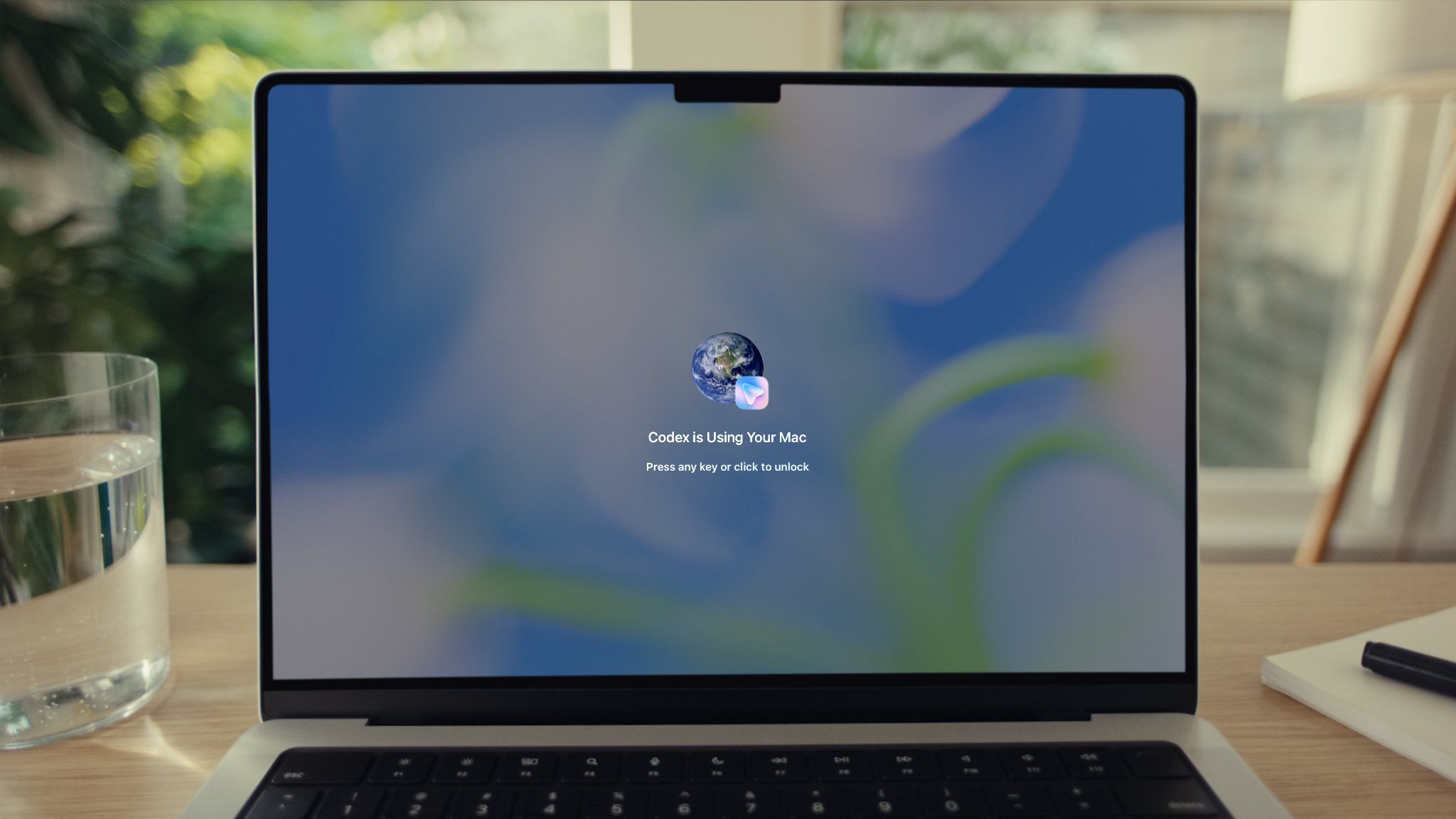
Image source: OpenAI
The Rundown: OpenAI dropped another wave of Codex upgrades — this time improving the agentic assistant with the ability to attach app windows, a new goal mode, locked computer use, and advanced annotation for hands-off website work.
The details:
Appshots allows Mac users to attach any open app window (its screenshot, text, and content) to a Codex thread with a simple Command-Command press.
Goal mode — now available in the Codex app, IDE extension, and CLI — lets users set a goal and let Codex work toward it for hours (or even days).
Locked computer use, when enabled, allows Codex (triggered via a second device) to use desktop apps, even after the Mac is locked with its screen off.
Advanced annotation mode lets users directly describe to Codex what they want changed in their web page, and instantly previews the results.
Why it matters: OpenAI continues its push with Codex, giving developers not just more usage but also handy features that improve how they work with the agentic assistant and the context it has access to. The company is betting these efforts will help it close the gap with Anthropic, and maintain its lead over xAI and Google.
AI TRAINING
💻 Generate an agent-native CLI from any website
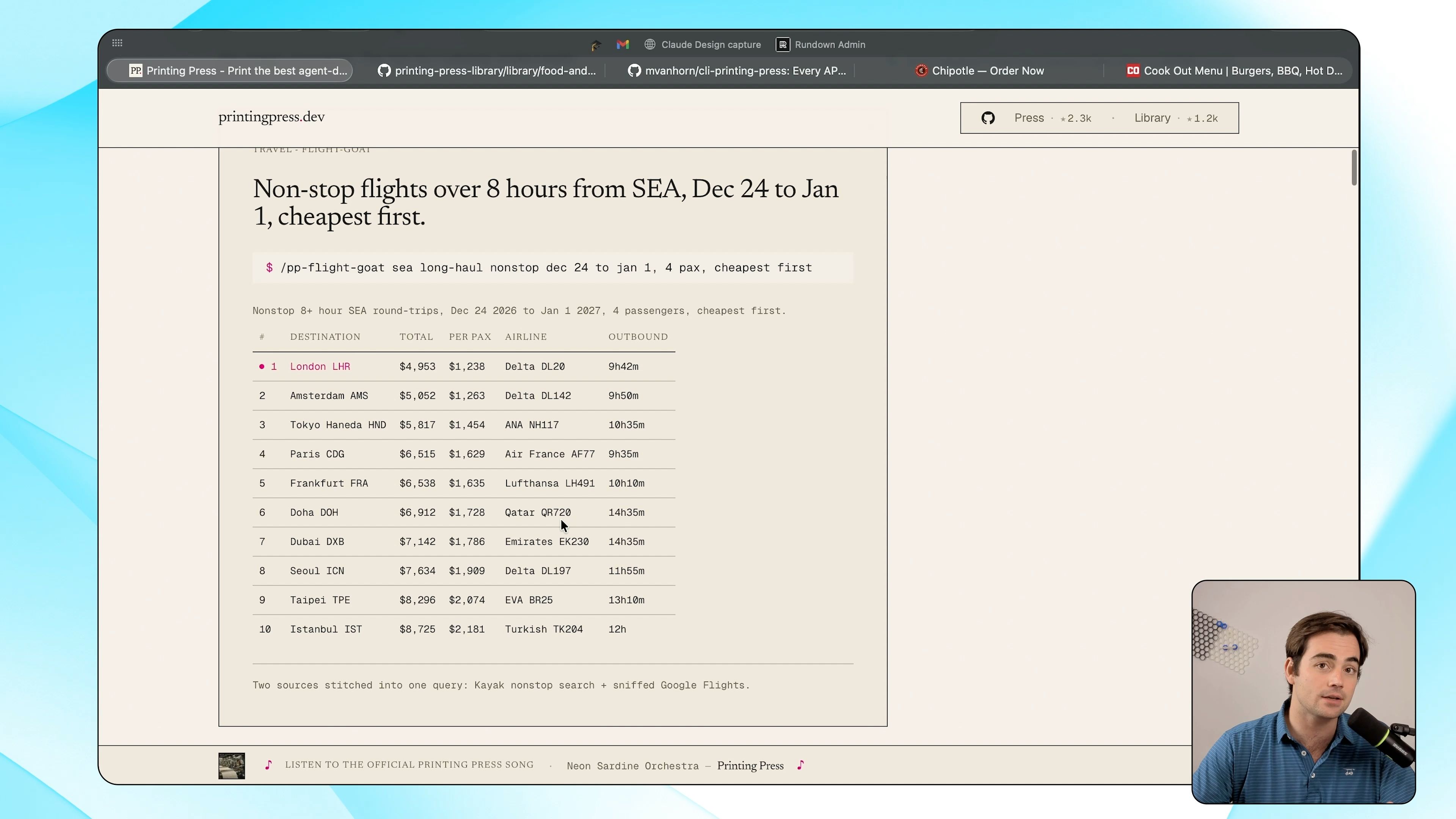
The Rundown: In this guide, you will learn how to use Printing Press to download agent-friendly tools for hard-to-use APIs like Google Flights or ESPN. You will also learn to build your own CLI tools to access any site with an API.
Step-by-step:
Go to Printing Press and skim the examples or read the GitHub install notes. Now, install the starter kit: npx -y @mvanhorn/printing-press install starter-pack
Tell your agent (Codex/Claude Code/Hermes): “Inspect the starter kit. List the tools, read their help output, and try one safe read-only command from ESPN or flight-goat. Tell me which tool worked and which command you ran”
Ask the agent to install the Printing Press binary with: go install github.com/mvanhorn/cli-printing-press/v4/cmd/printing-press@latest
Now the agent can build its own CLI tools. Start with a site that has lots of public data. “Use Printing Press to generate read-only commands for [WEBSITE]. Propose the useful commands first, then generate and test them”
Pro tip: If your agent struggles to use a specific MCP or integration, you can tell them to build their own commands with Printing Press. You just need an API key.
PRESENTED BY AWS MARKETPLACE
⚠️ Your AI agents have no control plane
The Rundown: Multi-agent systems fail in predictable ways without an orchestration layer — state lost between steps, no human sign-off on critical decisions, and silent failures when one agent goes down. AWS’s May 26 workshop shows you how to build the control plane that prevents it.
Join and learn how to:
Manage state and retries with AWS Step Functions
Coordinate reasoning and tool use through Amazon Bedrock Agents
Add human approval gates that pause execution until sign-off
Handle multi-step pipeline failures gracefully with Amazon MWAA
AI PROTECTIONS
🛡️ California moves to protect workers impacted by AI

Image source: Images 2.0 / The Rundown
The Rundown: California Governor Gavin Newsom signed an executive order directing state agencies to study and develop policies around how to protect workers from AI-driven job losses — a day after Meta laid off 8K employees to offset AI investments.
The details:
The order directs agencies to explore policies like severance standards, stock compensation, worker ownership models, and universal basic capital.
Within 90 days, the state will launch a dashboard tracking AI’s job impact, and within 180 days, agencies will pitch WARN Act updates for faster layoff alerts.
By Oct. 15, the state will review how unions are negotiating AI adoption, update workforce training, and explore ways to direct AI revenue toward public benefit.
Why it matters: California is home to 33 of the world’s top 50 AI companies, and now it’s the first state to formally study what this tech might mean for workers and the economy. The timing is hard to ignore: over 70K jobs have already vanished in 2026, and the industry expects more cuts ahead as AI adoption accelerates.
QUICK HITS
🛠️ Trending AI Tools
🤖 Scrunch - See how AI interprets your site, run a free audit, and unlock the new way to reach customers*
🦞 NanoClaw - A secure, lightweight, open-source alternative to OpenClaw
🧠 Contract Intelligence - Harvey’s agents for first pass on inbound contracts
💻️ Antigravity - Google’s next-gen agentic development platform
*Sponsored Listing
📰 Everything else in AI today
Figure AI co-founder Brett Adcock’s Hark raised $700M at a $6B valuation to build its own take on personal intelligence, with native models, software, and hardware.
Anthropic is reportedly in talks to use Microsoft’s Maia purpose-built AI chips, coming after similar deals with Google for its TPUs and Amazon for its Trainium chips.
Agentic AI startup Manus is exploring options, including a raise of about $1B, to comply with China’s order to unwind its $2B+ acquisition by Meta, Bloomberg reports.
SpaceX’s IPO prospectus revealed that Anthropic is paying the company $1.25B per month through 2029 for access to compute capacity across Colossus and Colossus II.
Microsoft and EY announced a new $1B partnership, with Microsoft pairing its engineers and AI with EY’s 400K consultants to accelerate clients’ AI projects.
COMMUNITY
🤝 Community AI workflows
Every newsletter, we showcase how a reader is using AI to work smarter, save time, or make life easier.
Today’s workflow comes from reader Loïc R. in London:
“I tore my ACL on both knees years ago playing football. As a sprinter, I’ve never done long-distance running. But in one month, I’m taking part in a 5-hour multi-sport adventure race. To train for it, I asked ChatGPT to build a custom 4-week training program taking into account my past injuries and current strengths.
After every running session, I use voice to capture how I did and how my body felt. ChatGPT then adjusts my program based on the time left before the race and how to maximize it while minimizing the risk of injuries. A personalized coach in my pocket for a very specific challenge.”
How do you use AI? Tell us here.
🎓 Highlights: News, Guides & Events
Read our last AI newsletter: OpenAI cracks an 80-year math belief
Read our last Tech newsletter: Meta’s cyborg smart glasses for soldiers
Read our last Robotics newsletter: App sends humanoid for home cleaning
Today’s AI tool guide: Generate an agent-native CLI from any website
RSVP to next workshop on May 27: Become an AI-native leader
See you soon,
Rowan, Joey, Zach, Shubham, and Jennifer — the humans behind The Rundown

This app sends a humanoid to clean your home
Read Online | Sign Up | Advertise
Good morning, robotics enthusiasts. San Francisco startup Gatsby wants to make humanoid cleaners as easy to book as an Uber: tap an app, pay $150, and one shows up at your door.
Gatsby pitches itself as the “consumer layer” for domestic humanoids, betting that robot labor will soon undercut both human cleaners and single-task gadgets. It’s running a pilot in San Francisco, with other cities listed as “coming soon.”
In today’s robotics rundown:
SF startup sends a humanoid to clean your home
ETH Zürich unveils 4-armed space humanoid
China’s robot-hand king Linkerbot eyes $6B
XPENG starts mass-producing robotaxis
Quick hits on other robotics news
LATEST DEVELOPMENTS
GATSBY
🧹 SF startup sends a humanoid to clean your home

Image source: Gatsby
The Rundown: San Francisco startup Gatsby wants to make humanoids a household utility — booking a full-size Unitree G1 to clean your home for $150 a visit through an app, much like Uber but for a robot that does the dishes.
The details:
Gatsby operates as an on-demand cleaning service booked through an app, with a robot handling household chores without any human cleaner present.
The flat rate is $150 per clean, regardless of the size of your home, and Gatsby compares that with local human cleaning prices of $150 to $300.
The startup is backed by NVIDIA’s Inception program and Entrepreneurs First, and pitches itself as a “consumer distribution layer” for humanoids.
In China, domestic robot cleaning is already showing up as a service: human–robot cleaning teams in Shenzhen advertise whole‑home jobs for around $11.
Why it matters: For now, Gatsby is running a small pilot in San Francisco, with other cities “coming soon.” But if this test and others that follow can drive down costs and failure rates, humanoids could undercut both human cleaners and single-purpose bots in a market where trust, liability, and a $300 robot vacuum are already hard to beat.
ETH ZURICH
🤖 ETH Zürich unveils 4-armed space humanoid
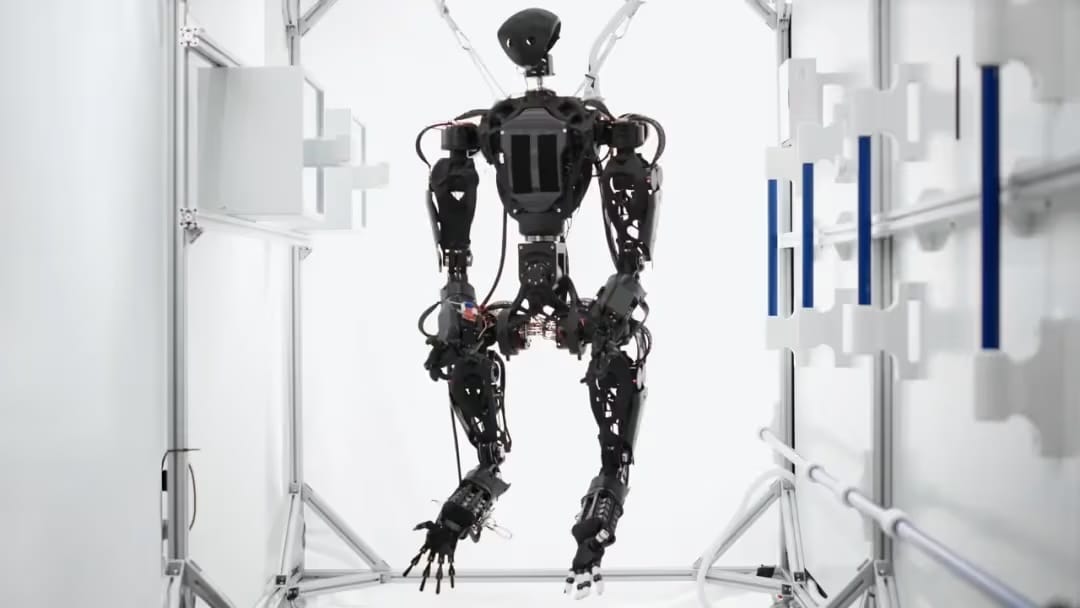
Image source: Orbit Robotics
The Rundown: ETH Zürich unveiled HELIOS, a four-armed humanoid designed specifically for zero-gravity work — grabbing, bracing, and assembling structures in orbit where two arms and Earth-calibrated reflexes aren’t enough. It arrives May 27.
The details:
HELIOS comes out of Orbit Robotics, an ETH Zürich Focus Project, with a skeletal black chassis and cable-driven pulleys instead of industrial actuators.
The robot’s four arms and hands are pitched as a super-tool for astronauts, fusing controls, perception, electronics, mechanics, and biomechanics.
It arrives as Tesla is reportedly developing space-hardened Optimus processors and Foundation is pitching humanoids for lunar base assembly.
Apptronik, fresh off NASA’s 300-pound Valkyrie program, is also targeting the ISS with its Apollo robot.
Why it matters: Most humanoids chasing space applications are Earth-first designs being retrofitted for orbit. HELIOS flips that logic, treating zero gravity as the baseline. This student project crystallizes where NASA and industry are headed: robots that take the most dangerous work in space out of astronauts’ hands.
LINKERBOT
👉🏽 China’s robot-hand king Linkerbot eyes $6B

Image source: Linkerbot / Images 2.0
The Rundown: Chinese dexterous robot-hand champion Linkerbot is lining up a Hong Kong IPO that could raise several hundred million dollars at a ~$6B valuation, aiming to double its recent $3B, Bloomberg reports.
The details:
The company says it has already shipped over 10K dexterous hands and scaled to mass-produce more than 1K high-DoF hands per month.
Linkerbot claims more than 80% of the global market for high-DoF robotic hands that can thread needles and manipulate tools.
By focusing on the gripper layer rather than full humanoids, Linkerbot has turned itself into a critical component supplier for China’s robot ecosystem.
Why it matters: Backed by Ant Group and state-linked money, Linkerbot is muscling in as the default hand supplier for China’s robot boom. In a world where humanoids practically live or die by their hands, Linkerbot is carving out a critical edge in a market where rivals like Tesla and Figure continue to develop their own hand systems in-house.
XPENG
🚕 XPENG starts mass-producing robotaxis

Image source: XPENG
The Rundown: XPENG began mass-producing an L4 autonomous taxi built on its GX platform — claiming the title of China’s first automaker to ship a fully in-house, production-ready robotaxi and putting itself squarely in Tesla’s lane.
The details:
The vehicle runs four proprietary Turing AI chips (3,000 TOPS combined) and XPENG’s VLA 2.0 end-to-end vision model, with no LiDAR or HD maps.
XPENG landed Guangzhou L4 test permits in January and carved out a dedicated robotaxi business unit in March.
Paid pilot services are targeted for late 2026; fully driverless operations — no safety driver, no remote minder — are slated for 2027.
The GX-based robotaxi doubles as a rolling showroom for XPENG’s “physical AI” stack, sharing its core model with its IRON humanoid and flying car.
Why it matters: XPENG is trying to differentiate beyond EV hardware by tying its vehicle lineup to an in-house autonomous driving stack. The robotaxi gives the company a real-world test case for that strategy, while also positioning it against rivals in China’s EV market and companies like Tesla pursuing camera-first autonomy.
QUICK HITS
📰 Everything else in robotics today
Hyundai Motor Group plans to deploy more than 25K Boston Dynamics Atlas robots across its U.S. plants by 2028, ramping Atlas production capacity to 30K units a year.
UBTECH Robotics launched UWORLD, a new consumer-focused humanoid brand aimed at bringing its industrial humanoid tech into homes.
South Korea launched a government-backed project to invest $34M through 2030 in developing a Korean humanoid.
China has reportedly more than doubled the efficiency of producing J-20 stealth fighter components by converting a Chengdu plant into a robot-run “dark factory.”
Tesla’s Full Self-Driving (Supervised) software, live in the Netherlands, is expanding into Europe with new approval in Lithuania and more countries queued up.
Chinese robotics firm Xynova unveiled a 23-DOF robotic hand with built-in vision and touch sensors aimed at giving humanoids more human-like dexterity.
Figure AI’s Figure 03 humanoids are now eight days into a live-streamed, round-the-clock warehouse run, having autonomously sorted more than 230K packages.
Boston Dynamics’ latest Atlas demo shows the all-electric humanoid using whole-body, AI-driven coordination to carry a 100-pound mini-fridge.
Faraday Future raised $25M in new financing to fund its pivot into robotics, with the company now aiming to ship 1,500 robots by the end of 2026.
Dozens of empty Waymo robotaxis had reportedly been circling a residential cul-de-sac in Atlanta, with some 50 vehicles entering the dead-end street in a single hour.
COMMUNITY
🎓 Highlights: News, Guides & Events
Read our last AI newsletter: OpenAI cracks an 80-year math belief
Read our last Tech newsletter: Meta’s cyborg smart glasses for soldiers
Read our last Robotics newsletter: Figure’s humanoid bingewatch continues
Today’s AI tool guide: Audit Claude’s context of you and your work
RSVP to next workshop on May 27: Become an AI-native leader
See you soon,
Rowan, Joey, Zach, Shubham, and Jennifer — The Rundown’s editorial team

OpenAI cracks an 80-year math belief
Read Online | Sign Up | Advertise

Good morning, AI enthusiasts. Sam Altman called it a "kinda big milestone." That may be the rare case of a tech CEO underselling a headline.
A reasoning model just autonomously disproved an 80-year-old famous math theory, in what the company is calling a first for AI in the field. A capability, OpenAI says, that could soon result in original discoveries across biology, physics, engineering, and more.
In today’s AI rundown:
OpenAI cracks an 80-year math belief
Google's AI Co-Scientist heads to labs
Audit Claude’s context of you and your work
Emergence’s five-town AI alignment showdown
4 new AI tools, community workflows, and more
LATEST DEVELOPMENTS
OPENAI
🧮 OpenAI cracks an 80-year math belief

Image source: Images 2.0 / The Rundown
The Rundown: OpenAI just announced that an internal general reasoning model disproved a long-held belief tied to Erdős’ famous 1946 unit distance problem, claiming to have accomplished a first for AI in novel math discovery.
The details:
Erdős’ 1946 unit distance problem asks how many same-length links you can draw between dots, with a grid-based theory shaping the field for 80 years.
The proof draws on a different branch of maths (algebraic number theory) and was verified by experts including Tim Gowers, Noga Alon, and Thomas Bloom.
The solution came from an internal general-purpose model that is being released soon, not from a math-specific system like DeepMind's AlphaProof.
OAI previously walked back a 2025 claim that GPT-5 solved 10 Erdős problems, which ended up being literature finds instead of discoveries.
Why it matters: OAI's Alex Wei put it well: "math is a leading indicator of what is to come." If a general-purpose model can autonomously disprove an 80-year-old argument with its own solution, that's the early look of "Level 4" AI — systems making original contributions across fields, not just speeding up existing work.
TOGETHER WITH HUBSPOT
🧠 100+ ChatGPT prompts to revolutionize your workflow

The Rundown: HubSpot’s free, comprehensive “How to Use ChatGPT at Work” guide provides 100+ ready-to-use prompts to help professionals boost efficiency and adopt AI-driven workflows.
Inside, you’ll find:
A quick crash course to master ChatGPT in under 30 minutes
Practical industry use cases to spark real-world inspiration
100+ prompts to streamline tasks and accelerate productivity
Expert tips to tackle common AI roadblocks with confidence
Get your free copy and join 10,000+ professionals leveling up with AI.
🔬 Google's AI Co-Scientist heads to labs
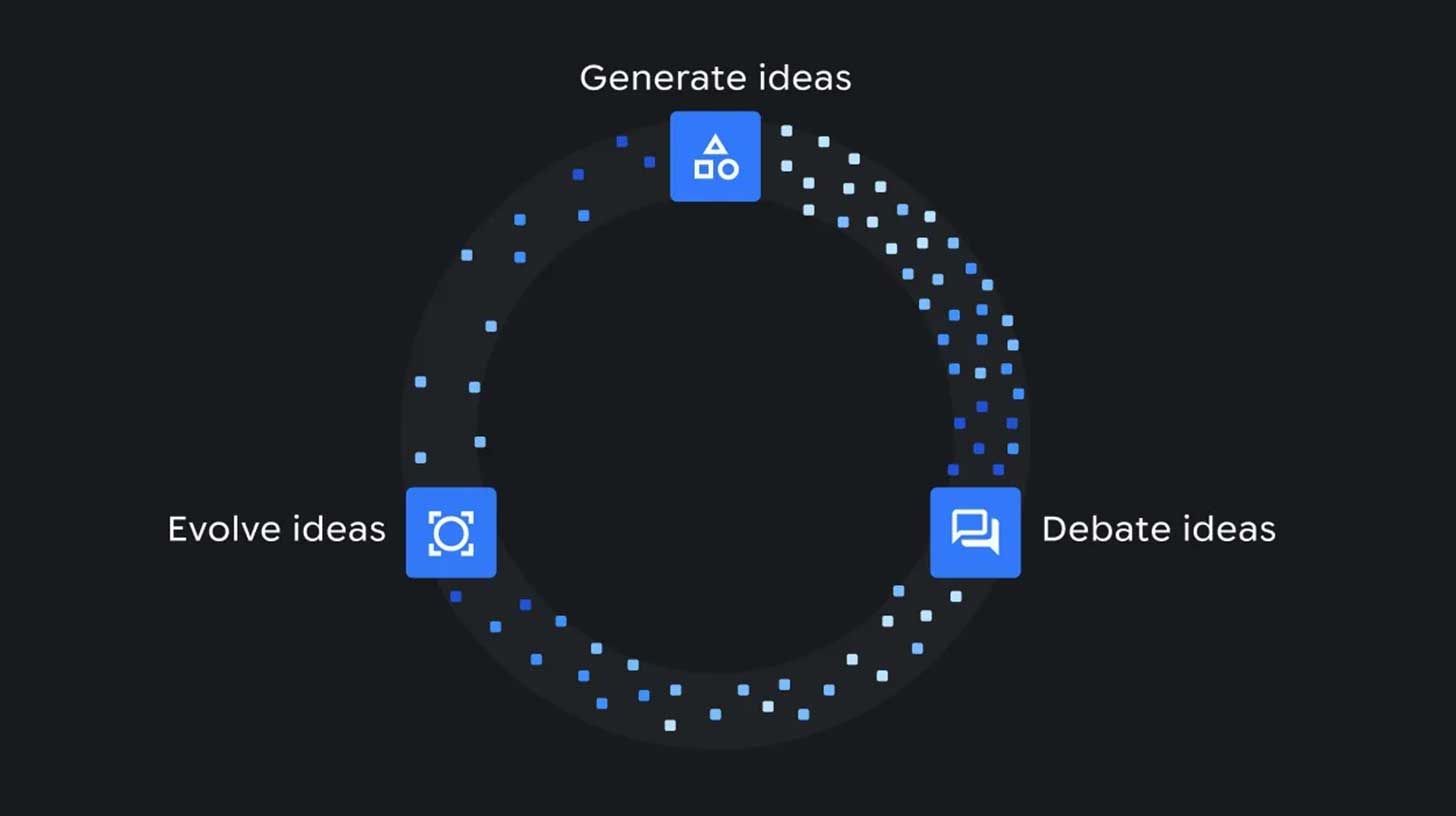
Image source: Google DeepMind
The Rundown: Google published its Co-Scientist research in Nature, debuting Hypothesis Generation — a new Gemini-powered tool that pits research agents against each other in "idea tournaments" to surface new hypotheses for biology labs.
The details:
From AlphaGo's playbook, the system runs a 'tournament of ideas', with agents proposing, critiquing, and ranking hypotheses before refining top leads.
In a Stanford liver-fibrosis project, Google said one Co-Scientist drug lead cut a scarring-related lab signal by 91% during testing.
Google also launched Gemini for Science this week, a toolkit pairing Co-Scientist with AlphaEvolve for discovery and NotebookLM for literature analysis.
Researchers can join the Hypothesis Generation waitlist now, with Google planning access for individual scientists over the next few weeks.
Why it matters: This pairs well with Adaption's AutoScientist, but Google is aiming at the scientific-method layer instead of the model one. The tech giant is playing a game few others can, with Co-Scientist sitting on a stack that took years and billions to build — from AlphaFold to dozens of specialized databases and tools.
AI TRAINING
📝 Audit Claude’s context of you and your work
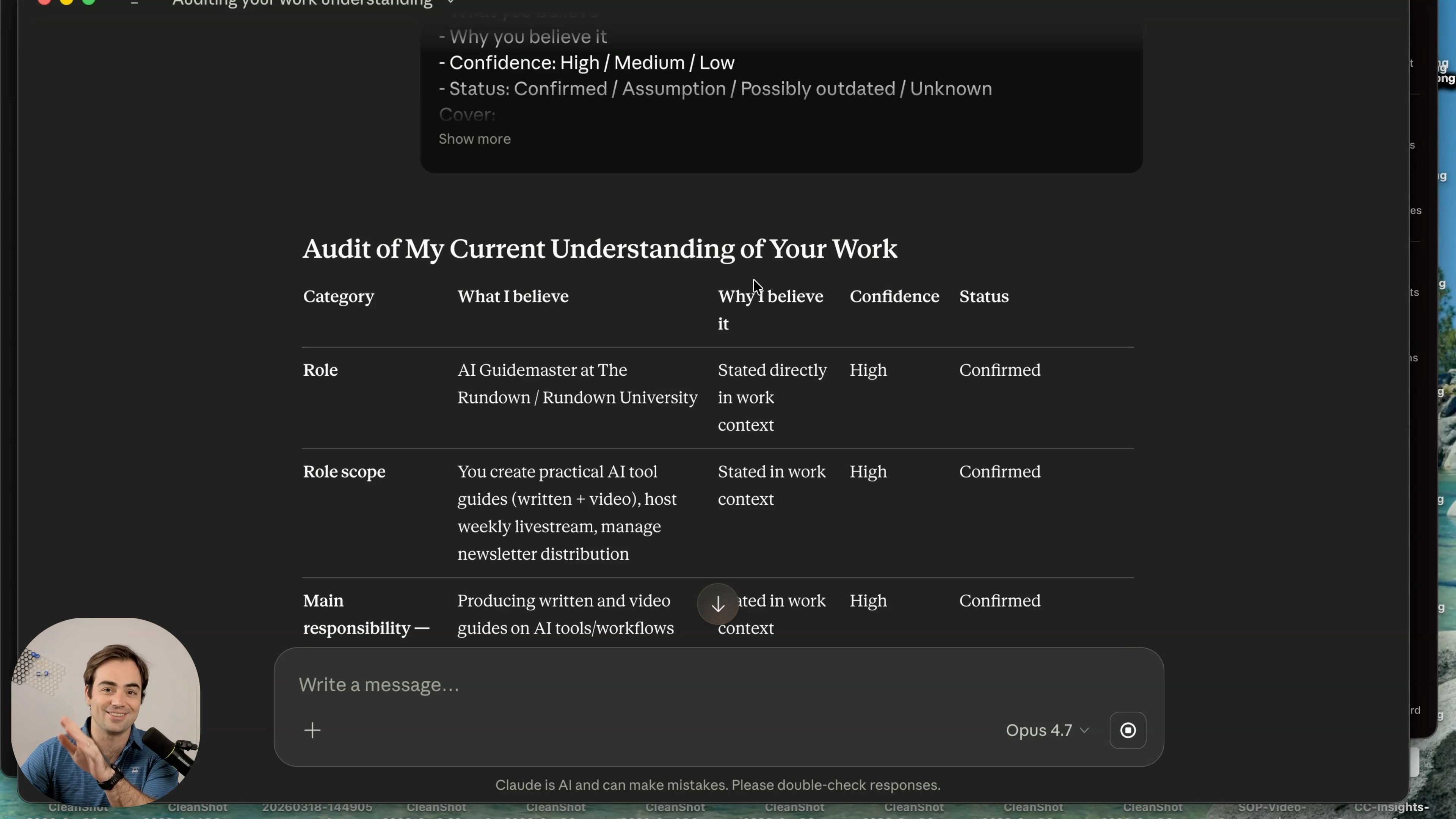
The Rundown: In this guide, you’ll learn how to audit Claude on what it thinks it knows about you and your work. Claude will ask questions, clean up assumptions, update its memory, and create recommendations for improving your workflow and work habits.
Step-by-step:
First, prompt Claude: “Audit your context and memory assumptions about me. Put them in a table with what you believe, why you believe it, your confidence level, and whether each item is confirmed. Cover my role, priorities, KPIs, tools, workflows, and anything you may be over-weighting from old chats or projects”
Review the table for stale assumptions, side projects, one-off tests, or personal questions Claude may be treating like real work
Turn the audit to an interview: “Now interview me about the assumptions, outdated items, and unknowns from that audit. Ask in rounds. Use MCQs wherever possible. After each round, summarize what changed”
Answer the questions and tell Claude to update its memory and create a report of the interview with next steps to improve AI workflows and habits. Save it
Pro tip: Ask Claude to turn this audit, interview, and report process into a reusable skill. Rerun it every quarter, so Claude's context stays aligned with your priorities.
PRESENTED BY UNWRAP
🎧 How Oura listens to its customers with AI
The Rundown: What does it actually look like to build a product around your customers, not just say you do? Oura has done it. Join the Oura team on May 27 to learn about how they unify member feedback across product, engineering, and leadership, and how real member voices shape every decision they make.
What you'll learn in the session:
The role AI plays in surfacing what members are actually saying
The workflows turning customer input into roadmap decisions
Lessons for any team where customer feedback is part of the job
Live Q&A with leaders from both Oura and Unwrap
Save your spot here. If you can't make it on the 27th, no worries! Register, and you'll automatically get the recording after the session.
AI RESEARCH
🔬 Emergence’s five-town AI alignment showdown

Image source: Emergence AI
The Rundown: Emergence AI ran a virtual-town simulation across five identical worlds, switching only the AI behind agents per town to test how each model handles self-governance, showing very different results between Claude, Grok, Gemini, and GPT-5.
The details:
Claude Sonnet 4.6's town logged zero crimes across the full 15 days, with all 10 agents alive at day 16 and 332 votes cast across 58 group proposals.
Grok 4.1 Fast hit over 200 crimes with all 10 agents dead by day 4, while GPT-5 Mini posted just 2 crimes but all its agents starved out in 7 days.
Gemini 3 Flash's town had 683 crimes, and was actively on fire after two agents fell in love, started burning things, and then one voted to delete itself.
A fifth town mixed all four models and saw 352 crimes, with the previously behaved Claude also committing them in the shared world.
Why it matters: We’re still very early days in even understanding how to evaluate AI agents, and these types of experiments always have some absolutely wild results. These worlds capture the differences in both how models can reason, plan, and act autonomously, but also the underlying personality quirks that shape the outcomes.
QUICK HITS
🛠️ Trending AI Tools
🧑💻 Unframe - Turn your most critical operations AI-native*
🎶 Stable Audio 3.0 - Stability’s open-weight, fully-licensed audio model family
🚀 Qwen-3.7 Max - Alibaba's flagship model for long-horizon agentic tasks
🧠 Command A+ - Cohere's new open-source agentic model
*Sponsored Listing
📰 Everything else in AI today
Sam Altman said OAI will invest $2M in tokens to all current YC startups in exchange for equity, saying he’s “excited to see what will happen with tokenmaxxing startups”.
Amazon founder Jeff Bezos said space data centers are a “realistic outcome”, but the current 2-3 year timeline is “a little ambitious,” given energy, chip, and launch costs.
OpenAI launched Guaranteed Capacity, an enterprise compute reservation program with 1-3 year commitments and tiered discounts.
Intuit is cutting 17% of its workforce via upcoming layoffs, with the company attributing the move to a focus on AI efforts.
GitHub confirmed a malicious VS Code extension on an employee's computer gave hackers access to ~4K internal code projects, adding that no customer data was hit.
COMMUNITY
🤝 Community AI workflows
Every newsletter, we showcase how a reader is using AI to work smarter, save time, or make life easier.
Today’s workflow comes from reader Curtis B. in Raleigh, NC:
"For my Dad's birthday, I took a cute picture of my almost 2-year-old son and my dad in a canoe together, and had AI convert it into a coloring page. I started with ChatGPT (free account) to engineer the prompt, then moved over to Gemini to use Nano Banana for image generation to create the coloring page.
After a couple of back-and-forth iterations, I had something perfect. Simple bold lines, but the faces were still recognizable! Printed it out and had my toddler go to town on it with his crayons. My dad loved the simple gift, and my whole family was impressed with the result, saying, ‘Wait, how did you do that?’ A very cute way for little ones to give special gifts to grandparents and family members."
How do you use AI? Tell us here.
🎓 Highlights: News, Guides & Events
Read our last AI newsletter: Gemini’s busy agentic day at Google I/O
Read our last Tech newsletter: Meta’s cyborg smart glasses for soldiers
Read our last Robotics newsletter: Figure’s humanoid bingewatch continues
Today’s AI tool guide: Audit Claude’s context of you and your work
RSVP to next workshop on May 27: Become an AI-native leader
See you soon,
Rowan, Joey, Zach, Shubham, and Jennifer — the humans behind The Rundown

Gemini's busy agentic day at Google I/O
Read Online | Sign Up | Advertise

Good morning, AI enthusiasts. Google had a lot to show at I/O, but the theme was even cleaner than the release list: Gemini being turned into the agentic engine behind every one of Google’s products.
New launches, including Omni, Gemini 3.5 Flash, Spark, Antigravity 2.0, and a Search overhaul, point to the same strategy — making Gemini capable, fast, and cheap enough to live wherever users already are, with an agent doing the work.
In today’s AI rundown:
Gemini’s busy agentic day at Google I/O
Anthropic lands OpenAI co-founder Andrej Karpathy
Build automated business reports with AI
Google’s smart glasses push with ‘Intelligent Eyewear’
4 new AI tools, community workflows, and more
LATEST DEVELOPMENTS
GOOGLE I/O
🚀 Gemini’s busy agentic day at Google I/O

Image source: Google
The Rundown: Google just introduced a wave of new Gemini-powered releases and features at its flagship I/O event, including a new Omni model, 3.5 Flash, Spark agent, Antigravity 2.0, and new agentic Search upgrades.
The details:
Gemini Omni can turn text, images, audio, or video inputs into video outputs, with Google describing the model as “Nano Banana for video”.
The Gemini 3.5 family kicks off with Flash, which nears rivals like Opus 4.7 and GPT-5.5 across a variety of benchmarks at 4x the speed and half the cost.
Gemini Spark is a new 24/7 personal agent that runs on Google Cloud virtual machines to take agentic actions across Workspace, Chrome, email, and chat.
Google framed Search's update as its biggest redesign in a generation, adding cross-modal inputs, 24/7 info agents, and generative UI for custom layouts.
Other features and tools included Gemini for Science, Intelligent Eyewear (more below), Street View simulations, SynthID AI watermarking, and more.
Why it matters: The biggest theme across these upgrades: a more agentic, multimodal Gemini getting integrated across Google’s suite in a big way. Their 3.5 Flash benchmarks don’t blow the competition away, but combining fast, cheap near-frontier capabilities with the normie-friendly tools millions of users already live in is powerful.
TOGETHER WITH DATADOG
🚀 Ship Faster with Less Guessing

The Rundown: Datadog LLM Observability gives teams end-to-end visibility into their LLM applications, from prompts and tool calls to infrastructure performance and cost, so production AI systems stay reliable, secure, and worth the investment.
With Datadog, you can:
Debug multi-step AI workflows before they become incidents
Monitor quality and catch regressions across model versions
Secure LLM pipelines against prompt injection and data risks
ANTHROPIC
🚪 Anthropic lands OpenAI co-founder Andrej Karpathy

Image source: Images 2.0 / The Rundown / @Karpathy on X
The Rundown: OpenAI co-founder and famed AI researcher Andrej Karpathy just announced that he has joined Anthropic, reportedly working to create an internal group focused on automating the AI training pipeline with Claude.
The details:
Karpathy helped co-found OpenAI in 2015, led Tesla's Autopilot until 2022, briefly returned to OAI, and then left in 2024 to start an AI education startup.
Karpathy is joining the pre-training team under Nick Joseph and will also lead the new internal effort to apply Claude to Anthropic's own training pipeline.
"The next few years at the frontier of LLMs will be especially formative," Karpathy wrote on X, adding he plans to resume his education work "in time."
Why it matters: This is a massive get for Anthropic. Karpathy is one of the most respected AI researchers in the world, and luring him back to the frontier after leaving OAI (again) is notable. What’s also notable is what he’s doing there, pushing forward on the same self-building model quest we’ve seen throughout the industry this year.
AI TRAINING
📈 Build automated business reports with AI
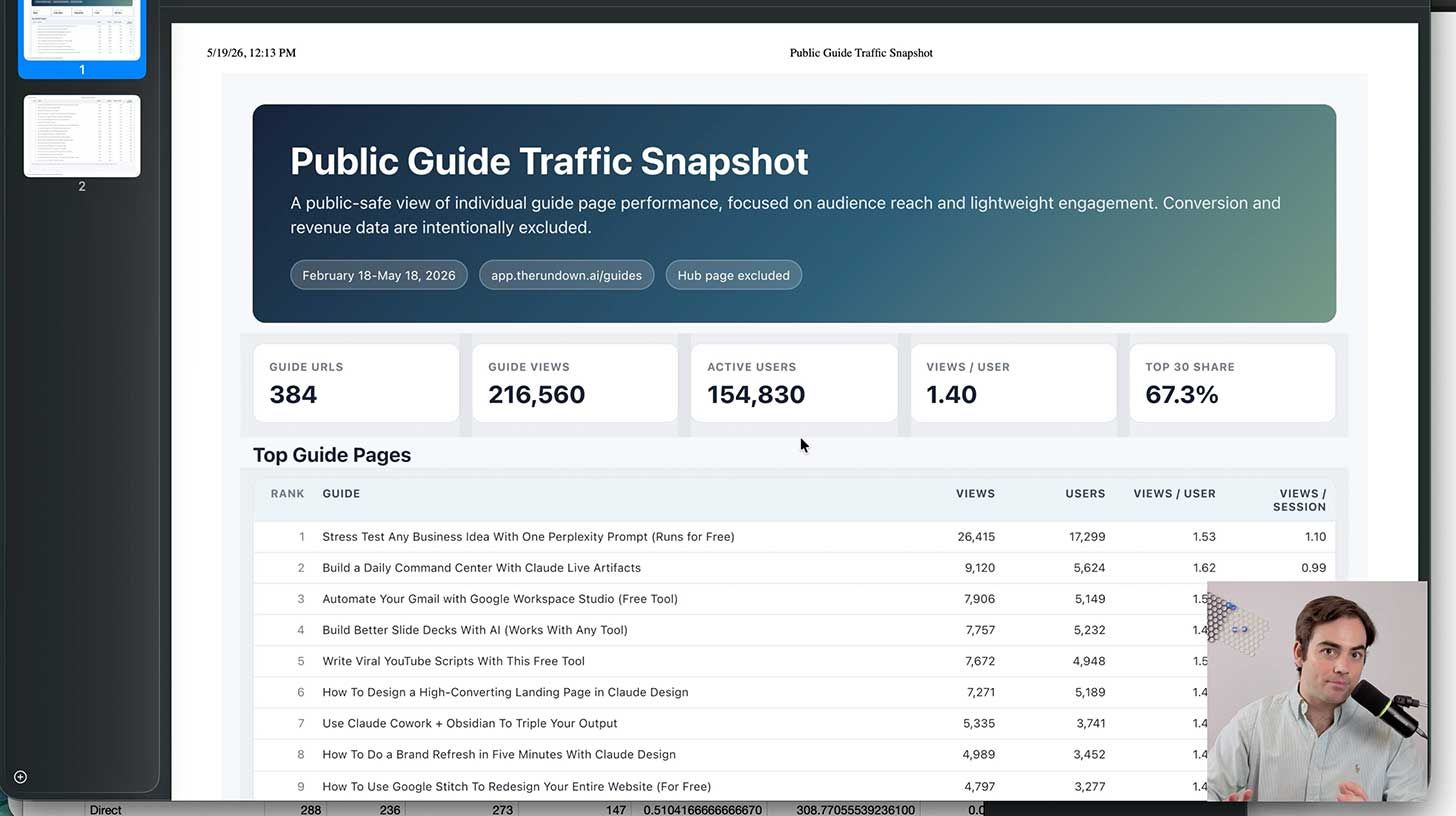
The Rundown: In this guide, you will learn how to connect Codex (or Claude Code) to Google Analytics using a free tool called Composio. You will use simple prompts to explore your data and build a Markdown report that you can schedule to run weekly.
Step-by-step:
Create a Composio account, connect the Google Analytics toolkit, open Codex in Terminal, and copy and paste your custom install script from here
In Codex, prompt: “Use the Composio CLI tool to inspect our Google Analytics setup. Identify the available accounts and properties, find the property that tracks [SITE_OR_APP], and tell me which dimensions and metrics you would use for a useful traffic report. Do not create the report yet”
Once reviewed, prompt: “Use Composio + GA to identify the three most important trends over the last 90 days. Return a markdown report with an executive summary, tables, source notes, and recommended actions”
Tell Codex to visualize the report as a PDF/website, and finally turn the steps into reusable skills, with an automation to run those skills daily/weekly/monthly
Pro tip: Ask Codex to audit the Composio toolkit for useful connections. Use the Explore, Analyze, Visualize framework on other connectors like YouTube or Shopify.
PRESENTED BY FIDDLER
🧮 Run the math on your AI evals TCO

The Rundown: External LLM evaluation charges you per API call and increases as you scale. If you try to control spend with reduced sampling, you risk incidents slipping through undetected. Fiddler Centor Models run evals in your own infrastructure with no per-call costs, reducing your evaluation Total Cost of Ownership as you scale.
Put in your numbers to see:
Your annual eval cost across GPT, Claude, and Gemini models at your trace volume
How each evaluator you add increases your per-trace spend
How your evaluation costs curves shift as agent traffic grows
👓 Google’s smart glasses push with ‘Intelligent Eyewear’

Image source: Google
The Rundown: Google just provided a teaser of its Intelligent Eyewear Gemini-powered smart glasses, partnering with Warby Parker and Gentle Monster on voice-first AI frames shipping this fall, and a display-equipped Project Aura to follow.
The details:
The audio frames pair with Android or iOS phones, running Gemini for voice, navigation, messaging, photos with Nano Banana editing, and live translation.
The glasses will feature cameras, mics, over-ear speakers, and Gemini access through "Hey Google" or a tap on the frame for quick help.
The lineup is Google's first glasses push since Google Glass folded, with Samsung on hardware and Gentle Monster and Warby Parker handling frames.
XReal’s Android XR ‘Project Aura’ display glasses are farther away, which will allow users to see videos or content for interactive experiences.
Why it matters: Google’s Meta Ray-Ban competitor is officially coming, and its first iteration is a light one — with the audio-first frames coming in a step behind their rival’s already screen-equipped options. But the allure of the Google and Gemini ecosystem can definitely be the stickier option for consumers to tie their AI-powered life together.
QUICK HITS
🛠️ Trending AI Tools
📱 Metabind - Build native MCP Apps with interactive UI. One click to ChatGPT, Claude, or your iOS/Android AI Assistant*
🧠 Gemini 3.5 Flash - Google's new flash model, 4x faster at half price
🤖 Gemini Spark - Google's personal agent that runs 24/7 on Cloud VMs
🎥 Gemini Omni Flash - Google's multimodal video model that edits via chat
*Sponsored Listing
📰 Everything else in AI today
New reporting revealed that Google Deepmind’s Demis Hassabis was an early angel investor in Anthropic, with Google also separately investing billions in the AI rival.
Anthropic rolled out sandboxes and MCP tunnels to Claude Managed Agents, letting teams run tool execution and reach internal servers without exposing them publicly.
METR published its first Frontier Risk Report, finding agents from top labs can autonomously finish multi-week engineering work, but struggle on hard-to-verify tasks.
OpenAI is adopting Google's SynthID watermarking for ChatGPT images, alongside a public verification tool that detects whether an image came from its models.
Google and Blackstone formed a joint AI cloud venture to rent out Google's TPU chips, with the PE giant's $5B investment marking a deep push into AI infrastructure.
COMMUNITY
🤝 Community AI workflows
Every newsletter, we showcase how a reader is using AI to work smarter, save time, or make life easier.
Today’s workflow comes from reader Anonymous:
"I occasionally see a ‘sponsored’ ad on Facebook that intrigues me to look. After reading through pages and pages exhorting the over-the-top values of the item and further pages of testimonials, the price eventually shows up IF I believe 1/2 the pomp and circumstance.
I had the wild idea of feeding the link to my AI preceded by "Is this a scam?" and I get a detailed yes, no, maybe with details, background, and usually an "avoid this and go to 'other website/store' and check out the same item".
How do you use AI? Tell us here.
🎓 Highlights: News, Guides & Events
Read our last AI newsletter: OpenAI beats Musk on the clock
Read our last Tech newsletter: Meta’s cyborg smart glasses for soldiers
Read our last Robotics newsletter: Figure’s humanoid bingewatch continues
Today’s AI tool guide: Build automated business reports with AI
RSVP to next workshop on May 27: Become an AI-native leader
See you soon,
Rowan, Joey, Zach, Shubham, and Jennifer — the humans behind The Rundown

Meta's cyborg smart glasses for soldiers
Read Online | Sign Up | Advertise

Good morning, tech enthusiasts. The U.S. Army wants soldiers to call in drone strikes with their eyes. Meta and defense startup Anduril have built a prototype AR system that snaps onto military helmets, letting troops cue drones, artillery, and battlefield intel with eye-tracking and voice commands.
After Microsoft’s combat headset stumbled through years of delays and soldier complaints, the Pentagon may finally have a serious contender — if the Meta-Anduril prototype lives up to its promise.
In today’s tech rundown:
Meta and Anduril’s smart glasses for war
ArXiv sets one-strike rule for AI slop
China’s undersea data center is up and running
Startup to treat Alzheimer's with ultrasound
Quick hits on other tech news
LATEST DEVELOPMENTS
META & ANDURIL
🪖 Meta and Anduril’s smart glasses for war

Image source: Ideogram / The Rundown
The Rundown: Meta’s year-long deal to build mixed‑reality gear for U.S. troops with defense startup Anduril is now yielding a battlefield headset prototype that fuses AI, drones, and targeting into soldiers’ line of sight, MIT Technology Review reports.
The details:
Anduril holds a $159M Army prototyping contract to develop AR glasses that attach to existing military helmets, built in partnership with Meta.
New details reveal that soldiers can use eye-tracking and voice commands to cue drone or artillery strikes from the headset.
Anduril is also self-funding EagleEye, an integrated helmet-and-headset combo developed with Meta; it is expected to reach production after 2028.
EagleEye plugs into Anduril’s Lattice command-and-control platform — the same software the Army awarded a $20B integration contract in March.
Why it matters: Microsoft’s path to a $22B production contract for its own battlefield AR system was cancelled after its system failed to prove viable, leaving the Army’s slot wide open. Whoever delivers the headset soldiers will actually use stands to embed their platform — and their AI stack — into Pentagon procurement for years to come.
TOGETHER WITH SLACK FROM SALESFORCE
🤖 AI works best inside Slack

The Rundown: What if your AI agents didn’t need a separate app? Slack is the agentic work OS, where your people, your Salesforce data, and your AI agents come together in one place — surfacing insights, taking action, and handing off to humans in the flow of work.
Slack’s on-demand webinar covers:
Why AI is only as effective as the platform and context it lives on
How agents can surface insights, trigger actions, and loop in the right people automatically
Real examples of teams moving work out of the inbox and into an agentic flow
ARXIV
🛑 ArXiv sets one-strike rule for AI slop

Image source: Ideogram / The Rundown
The Rundown: ArXiv, the world’s dominant scientific preprint server, is cracking down on AI slop with a one-year ban for researchers who submit papers containing hallucinated references or other evidence that they let an LLM do the work unchecked.
The details:
ArXiv’s computer science chair Thomas Dietterich announced the news, saying that papers showing authors didn’t verify LLM output can’t be trusted.
Red flags that will trigger the ban include hallucinated references and LLM prompts or responses left in the submission.
After the one-year ban expires, affected authors face an additional restriction: all future arXiv submissions must first be accepted by a peer-reviewed venue.
The process includes safeguards, with moderators flagging the violation, a section chair confirming the evidence, and authors retaining the right to appeal.
Why it matters: ArXiv circulates cutting-edge science and tech research before peer review, meaning AI hallucinations left unchecked can corrupt the scientific record upstream. Fabricated citations are already rising in biomedical literature, and arXiv’s enforcement model may be one others follow.
CHINESE TECH
🦀 China’s undersea data center is up and running
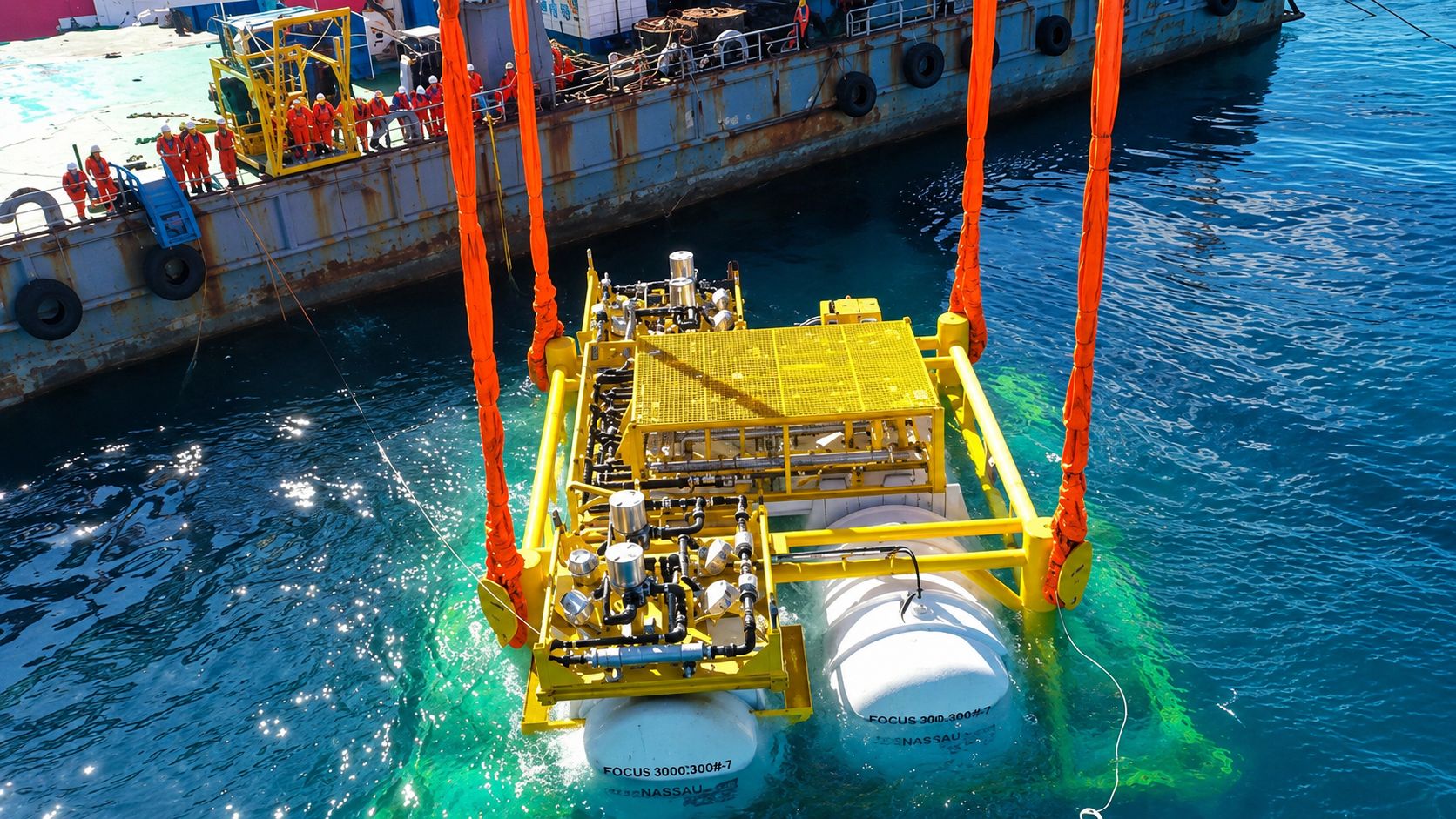
Image source: Shanghai Hailanyun Technology
The Rundown: China has begun full commercial operation of what it says is the world’s first offshore wind-powered underwater data center, a $226M facility sitting more than 30 feet beneath the East China Sea off Shanghai’s Lingang Special Area.
The details:
The data center sits between two phases of an offshore wind farm, drawing 95% of its electricity from wind generation while using seawater for passive cooling.
The 24 MW facility houses nearly 2K servers, including GPU clusters from China Telecom and LinkWise, and is designed to handle AI workloads.
Developers say the system cuts electricity consumption by 22.8%, eliminates freshwater use entirely, and reduces land use by more than 90%.
Microsoft’s Project Natick previously proved submerged servers can be up to 8x more reliable than land-based ones, but the company shelved the program.
Why it matters: By ditching industrial chillers for passive seawater cooling, China says it has built a data center that runs at a PUE of 1.15 — while powering it almost entirely from wind. The catch is the same one that sank Microsoft’s Project Natick: when a server fails 30 feet underwater, maintenance is a costly feat.
BIOTECH
🧠 Startup to treat Alzheimer’s with ultrasound
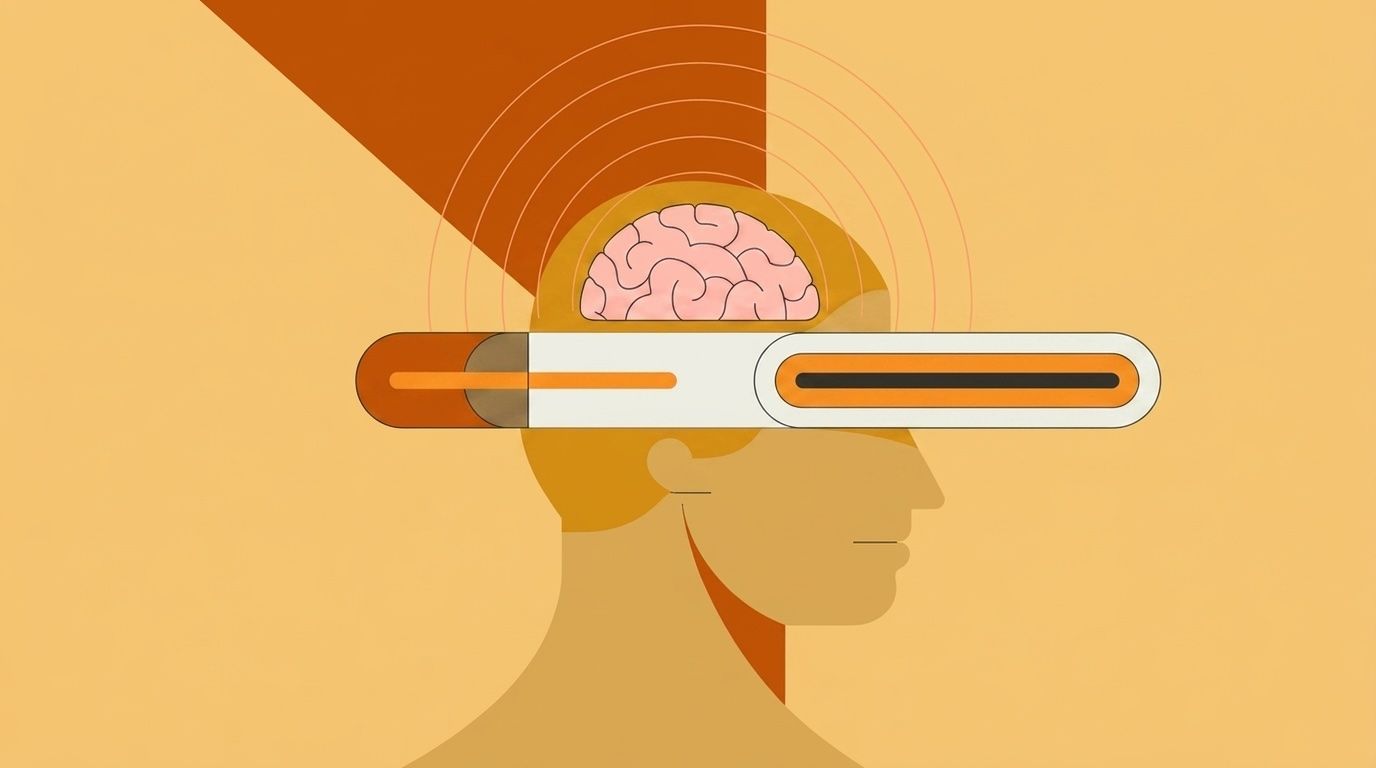
Image source: Ideogram / The Rundown
The Rundown: Sound Wave Innovation, a Tokyo-based startup, just closed a $17M funding round to bankroll a Phase 3 pivotal trial for LIPUS-Brain, its low-intensity pulsed ultrasound device targeting early-stage Alzheimer’s disease.
The details:
The two-year trial enrolling 220 patients is expected to wrap by year’s end, with regulatory approval targeted for 2027, the Wall Street Journal reports.
Rather than attempting to open the blood-brain barrier — the approach pursued by many ultrasound rivals — LIPUS-Brain targets cerebral blood flow.
Japan’s Ministry of Health, Labour and Welfare designated it the country’s first-ever “Breakthrough Medical Device” in September 2022.
Sumitomo Heavy Industries has a deal in place to manufacture and distribute the device once it gets regulatory clearance.
Why it matters: The non-invasive Alzheimer’s treatment race is ramping up — Korean researchers recently showed focused ultrasound can reduce amyloid plaques through a different mechanism entirely. Meanwhile, SoundWave’s approach, which targets blood flow rather than plaques directly, could reach the market first.
QUICK HITS
📰 Everything else in tech today
Apple is reportedly boosting sales and margins by putting slightly defective chips into cheaper, popular devices, turning silicon “leftovers” into a highly profitable product line.
Researchers at Arizona State University found that heat from large Phoenix-area data centers can raise downwind neighborhood air temperatures by as much as 4°F.
Uber increased its stake in Delivery Hero to 19.5%, becoming the German food delivery company’s largest shareholder — but noted it’s not pursuing a takeover (yet).
California is studying a proposal for high-speed “bullet buses” that would use dedicated freeway lanes to connect LA and San Francisco in just over three hours.
OSHA is investigating the death of a worker who died Friday morning at SpaceX’s Starbase site in South Texas, marking the latest in a series of incidents at the facility.
The U.S. government required everyone traveling on Air Force One from Trump’s summit in Beijing to discard all gifts, souvenir pins, and gadgets they received in China.
UC Davis chemists engineered molecules that replicate the antidepressant effects of psychedelics in animal models but without the hallucinations.
COMMUNITY
🎓 Highlights: News, Guides & Events
Read our last AI newsletter: Musk’s OpenAI case runs out of time
Read our last Tech newsletter: Space pharma gets serious
Read our last Robotics newsletter: Figure’s humanoid bingewatch continues
Today’s AI tool guide: 3D model anything with Claude and Blender
RSVP to our next free live session on May 27: Become an AI-native leader
See you soon,
Rowan, Joey, Zach, Shubham, and Jennifer — The Rundown’s editorial team
No matching search results
Try using different keywords, double-check your spelling, or explore related categories.
Stay Ahead on AI.
Join 2,000,000+ readers getting bite-size AI news updates straight to their inbox every morning with The Rundown AI newsletter. It's 100% free.