Google's Texas-sized data center problem
PLUS: Four NASA astronauts fly to the moon

Jennifer Mossalgue
April 3, 2026
Read Online | Sign Up | Advertise

Good morning, tech enthusiasts. Google is reportedly tying its AI expansion in Texas to a giant gas plant that could belch 4.5M tons of CO₂ a year — more than some U.S. cities.
That’s a jarring turn for the company that spent years evangelizing 24/7 carbon-free energy, especially since this plant appears to have no carbon capture at all. But Google, like the rest of Big Tech, says that AI’s appetite for power is growing faster than the clean grid can supply it.
In today’s tech rundown:
Google to power Texas AI data center on gas
Artemis II astronauts head to the moon
Amazon is coming for Walmart — with robots
Whoop is now a $10B fitness tracker
Quick hits on other tech news
LATEST DEVELOPMENTS
😷 Google to power Texas data center on gas

Image source: Ideogram / The Rundown
The Rundown: Google reportedly plans to power a new AI data center in Texas with a gas power plant that could emit about 4.5M tons of CO₂ a year, in what critics say is a major rollback from its earlier 2030 carbon‑free energy goals.
The details:
Google confirmed it is partnering with Crusoe on the Goodnight data center campus in Texas, where Crusoe has filed for a 933 MW gas plant.
The data center could cost nearly $30B, and the gas plant could emit roughly 4.5M tons of CO₂ annually — more yearly emissions than San Francisco.
Unlike Google’s recent gas deal in Illinois, the Goodnight plant reportedly has no carbon capture technology whatsoever.
Google confirmed the partnership but says no offtake agreement for the gas plant has been signed.
Why it matters: Google built its brand on climate leadership — it pioneered 24/7 carbon-free energy and has signed more than 22 gigawatts of clean energy power purchase agreements. A bare-gas, no-capture plant of this scale is a different animal entirely, but Google says surging AI demand is outpacing the clean energy buildout.
TOGETHER WITH KESTRA
⚒️ Fix your broken automation stack
The Rundown: Kestra is an open-source workflow orchestration platform that replaces scattered scripts and cron jobs with one unified layer. With 26k+ GitHub stars, it’s already trusted by Apple, JPMorgan Chase, Toyota, and BHP for mission-critical workflows.
Do more with Kestra:
Orchestrate any language, tool, or service
Deploy on-prem, hybrid, or any cloud
Build from the UI or code, fully in sync
NASA
🌝 Artemis II astronauts head to the moon
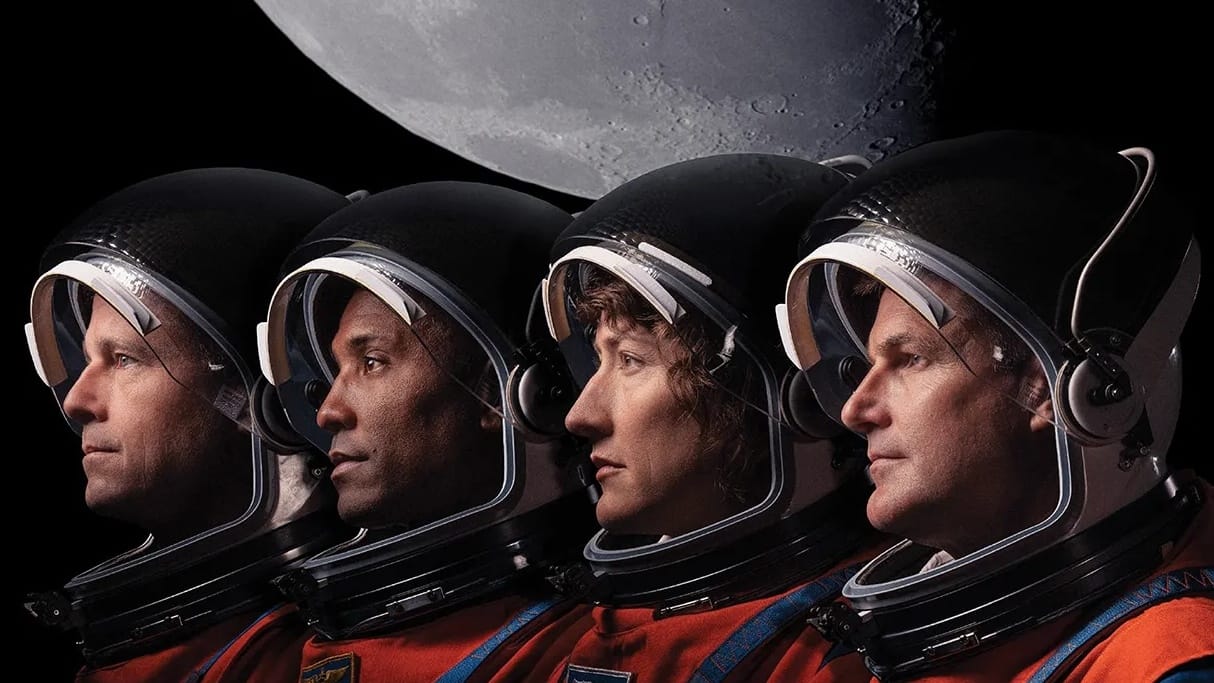
Image source: NASA
The Rundown: NASA’s Artemis II mission has just launched four astronauts into a looping flyby of the Moon, rebooting crewed deep‑space exploration more than half a century after Apollo’s final flight.
The details:
The Space Launch System mega-rocket lifted off on April 1, sending four astronauts aboard Orion on a 10-day test flight around the Moon and back.
A roughly six-minute translunar injection burn broke the crew free of Earth orbit — the first time humans have departed Earth orbit since Apollo 17 in 1972.
Updated trajectory data puts the crew’s maximum distance from Earth at 252,021 miles — surpassing the Apollo 13 distance record by 3,366 miles.
The lunar flyby is scheduled for Monday, April 6, when the crew will photograph areas of the far side never directly seen by human eyes.
Why it matters: What’s learned on this flight is critical to future Artemis missions — NASA is targeting Artemis III for lunar technology demonstrations in 2027 and a crewed surface landing with Artemis IV in 2028. Every telemetry point from this mission could write the rulebook for what comes next.
AMAZON
🛒 Amazon is coming for Walmart — with robots
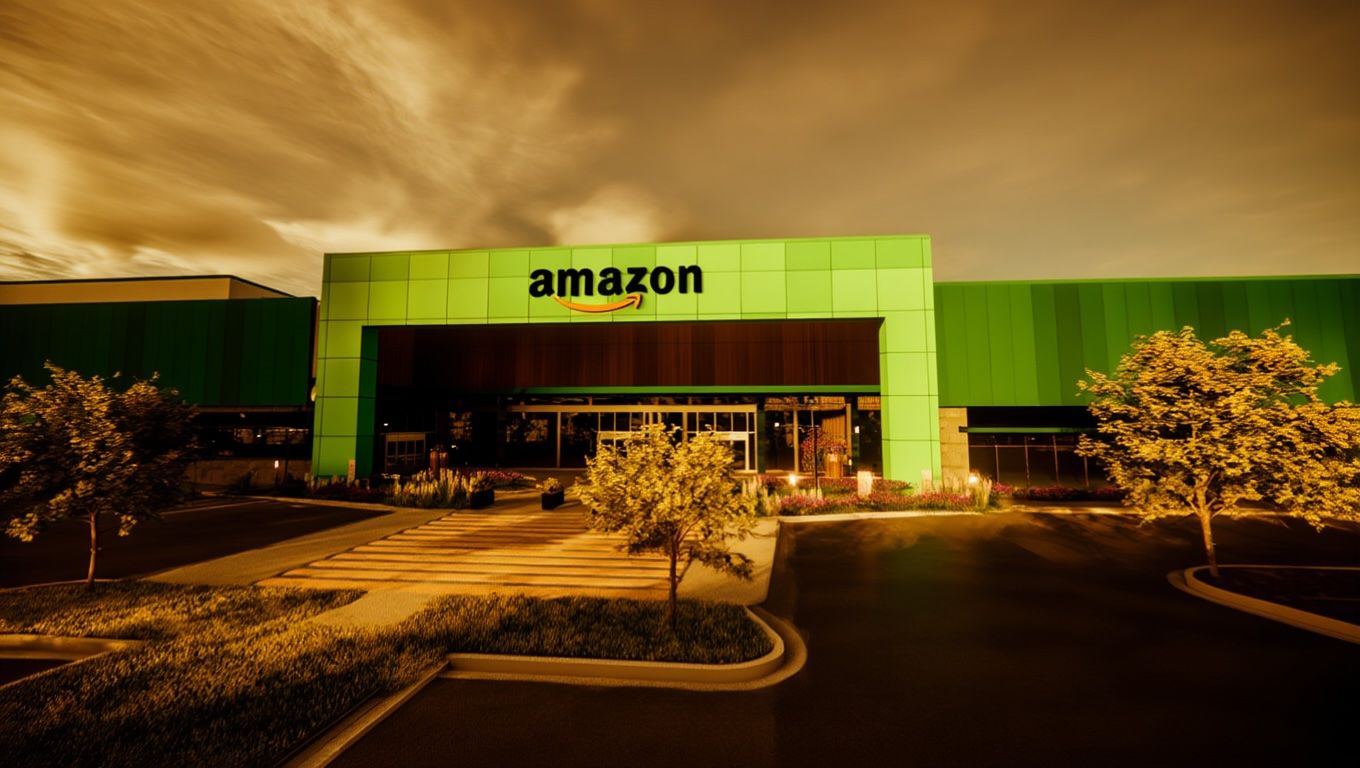
Image source: Reve AI / The Rundown
The Rundown: Amazon has been developing a network of massive, robot-heavy hybrid supercenters under an internal initiative called Project Kobe — and leaked documents obtained by Business Insider reveal just how serious the bet is.
The details:
Each store would clock in at 225K square feet, with nearly half the floor plan dedicated to back-of-house robotics and fulfillment infrastructure.
AutoStore robotic systems handle warehouse operations; a future in-house platform called Orbital is also in the pipeline.
An AI tool named Frida is designed to help category managers automate inventory decisions at the local level.
The first approved site is in Orland Park, Illinois (late 2027 opening), with additional locations in New Jersey and Illinois on the table.
Why it matters: Amazon and Whole Foods hold just 3% of the U.S. grocery market versus Walmart’s 21% — and Project Kobe is Amazon’s most ambitious attempt yet to close that gap, by collapsing the e-commerce fulfillment center and the big-box store into one. If the pilots work, Amazon is prepared to roll the format out at scale.
WHOOP
🏋🏽♂️ Whoop is now a $10B fitness tracker
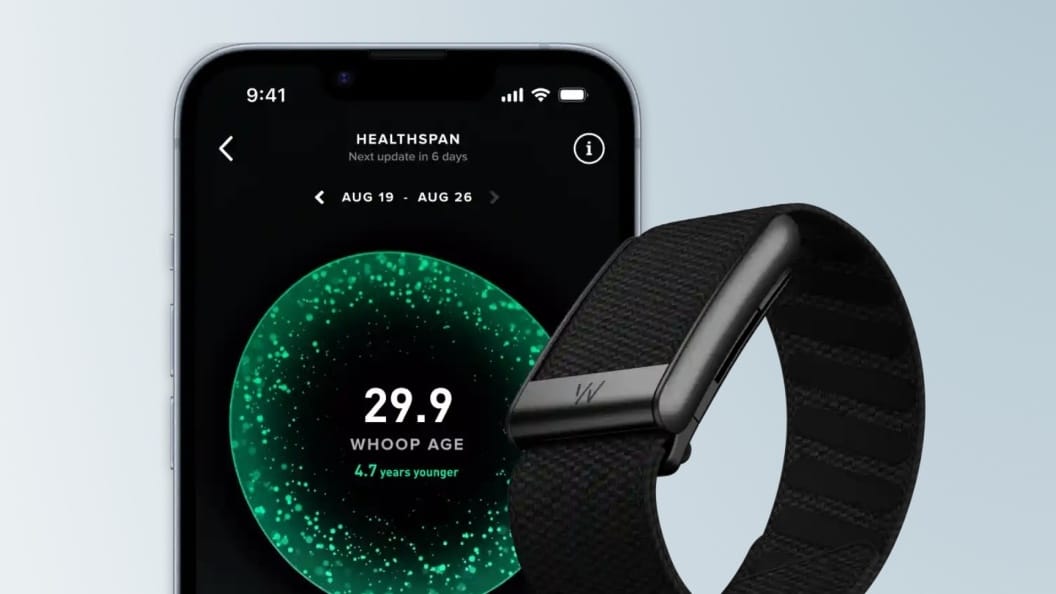
Image source: Whoop
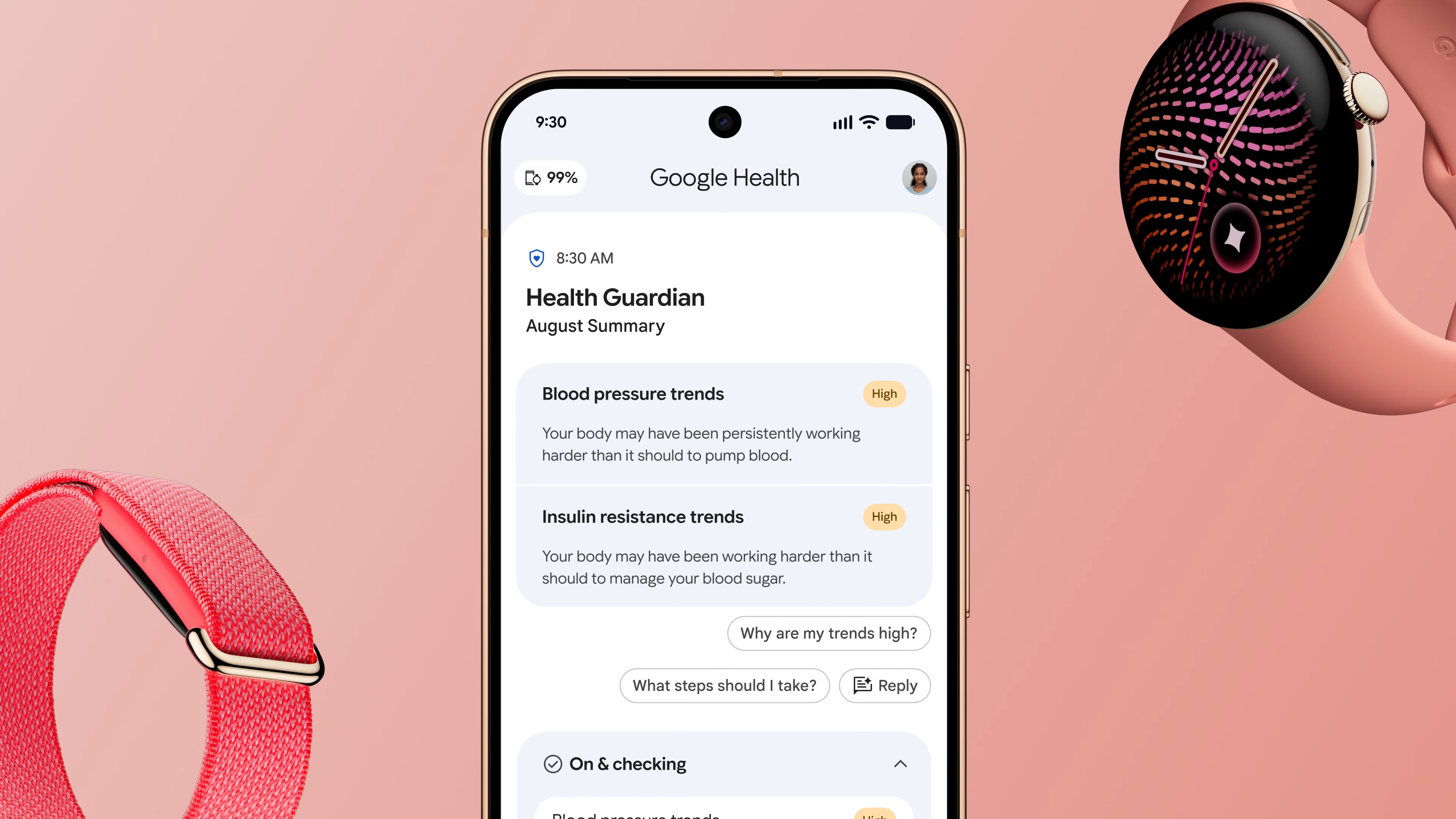
The Rundown: Whoop just closed a massive $575M Series G round that nearly triples its valuation to $10.1B — a sign the market is backing its pivot from elite fitness tracker to full-blown health platform.
The details:
Diagnostic device maker Abbott and Mayo Clinic joined as strategic investors, alongside athletes Cristiano Ronaldo, LeBron James, and Rory McIlroy.
The platform already includes FDA-cleared ECG, blood pressure insights, and Advanced Labs blood biomarker analysis, with Whoop promising “more to come.”
Abbott’s move mirrors Dexcom’s 2024 investment in Oura’s smart ring, a pattern of medtech players buying strategic footholds in consumer biometric platforms.
Whoop now counts 2.5M members and exited 2025 with a $1.1B annualized bookings run rate, up 103% year over year.
Why it matters: Whoop’s new backers aren't typical venture money — Abbott makes diagnostic devices, Mayo Clinic runs hospitals. Whether that translates into actual regulated products or just credibility remains to be seen. The FDA’s 2025 warning letter to Whoop over its blood pressure claims is also a hint of the hurdles ahead.
QUICK HITS
📰 Everything else in tech today
Amazon is in talks to acquire satellite telecoms group Globalstar in a deal worth about $9B, aiming to build a rival to Elon Musk’s Starlink satellite internet network.
Microsoft will invest about $10B in Japan from 2026 to 2029 to expand AI infrastructure, train 1M tech workers, and deepen cybersecurity cooperation.
Google is now rolling out a feature that lets users in the U.S. change their existing Gmail address without creating a new account.
SpaceX confirmed that one of its Starlink satellites suffered an unexplained anomaly that caused it to break apart into debris fragments in low Earth orbit.
London-based hardware company Nothing is reportedly planning to launch AI-powered smart glasses in 2027 and AI earbuds in 2026.
Amazon will start adding a 3.5% “fuel and logistics” surcharge to fulfillment fees it charges many third‑party sellers, blaming higher fuel costs linked to the Iran war.
China’s cyberspace regulator issued draft rules to tightly control “digital humans,” requiring clear labeling and banning features that could addict children.
The New York Times dropped freelance critic Alex Preston after he admitted using an AI tool that inserted language from a Guardian review into his own book review.
Alexa+ subscribers with Echo Show displays can now link their Uber Eats or Grubhub accounts and order delivery in a natural, back‑and‑forth conversation.
Lucid Motors is recalling more than 4K Gravity SUVs because a supplier improperly welded some of their second-row seat belt anchors.
Chinese researchers developed a new electrolyte for lithium batteries that more than doubles energy density and EV range while still working reliably in extreme cold.
Renewable power made up nearly half of the world’s electricity capacity in 2025, reaching 49.4% after solar additions drove renewable capacity to 5,149 GW.
Newsletter platform Beehiiv is launching podcast hosting so creators can produce podcasts alongside newsletters on one platform, to challenge Patreon and Substack.
China’s CAS Space successfully launched its new Kinetica‑2 Y1 rocket at a cost reportedly comparable to SpaceX’s Falcon 9.
COMMUNITY
🎓 Highlights: News, Guides & Events
Read our last AI newsletter: AI just made the billion-dollar solo founder real
Read our last Tech newsletter: This startup wants to grow your next body
Read our last Robotics newsletter: Waymo hits 500k weekly rides
Today’s AI tool guide: Turn any flat image into a fully editable design
See you soon,
Rowan, Joey, Zach, Shubham, and Jennifer — The Rundown’s editorial team


Stay Ahead on AI.
Join 2,000,000+ readers getting bite-size AI news updates straight to their inbox every morning with The Rundown AI newsletter. It's 100% free.