Get the latest AI news, understand why it matters, and learn how to apply it in your work — all in just 5 minutes a day. Join over 2,000,000+ subscribers.

Musk's OpenAI case runs out of time
Read Online | Sign Up | Advertise

Good morning, AI enthusiasts. Three weeks of high-profile testimonies, spicy leaked messages, and $100B in claims made for a blockbuster trial — but Elon Musk vs. OpenAI’s conclusion didn’t live up to the hype.
With jurors dismissing the suit in OpenAI’s favor and Musk calling the ruling a “calendar technicality” and vowing to appeal, a more dramatic conclusion to the massive tech trial may have to wait for another day in court.
In today’s AI rundown:
Elon Musk loses lawsuit against OpenAI, Microsoft
Cursor’s Composer 2.5 nears coding frontier
3D model anything with Claude and Blender
Odyssey’s multimodal, multiplayer world models
4 new AI tools, community workflows, and more
LATEST DEVELOPMENTS
ELON MUSK VS. OPENAI
👨🏻⚖️ Elon Musk loses lawsuit against OpenAI, Microsoft

Image source: Images 2.0 / The Rundown / @ElonMusk on X
The Rundown: Elon Musk’s $100B+ lawsuit against OpenAI, Sam Altman, Greg Brockman, and Microsoft was just dismissed after a high-profile three-week trial, with the jury unanimously finding that the case was filed years too late.
The details:
The lawsuit alleged that Altman and Brockman 'stole a charity' by shifting OAI to for-profit, but the jury felt that Musk knew for years before suing.
OAI's attorneys had argued that Musk backed a for-profit structure himself, pushed for control, and only sued after starting his own AI rival xAI in 2023.
Musk’s Microsoft claim was also dismissed, after he had accused the company of aiding OpenAI through its multibillion-dollar backing.
Musk posted on X that the jury’s ruling wasn’t on “the merits of the case, just on a calendar technicality” and that he will be appealing the decision.
Why it matters: The blockbuster trial, packed with private texts and billionaire testimony, did not end with a bang but with a quick dismissal due to the legal clock. It’s a big win for OAI, but an unsatisfying one for anyone hoping the case would settle the question of who controls a nonprofit AI giant once billions of dollars enter the picture.
TOGETHER WITH YOU.COM
⚖️ Don’t put all your API eggs in the latency basket

The Rundown: Picking an API by scanning a benchmark table and calling it done is a shortcut that can obscure what actually matters in production—like accuracy. This guide from You.com breaks down why raw latency is a deceptive signal and why accuracy, along with other real-world metrics, is what you should be measuring instead.
What you'll learn:
Why p50 latency hides the failures your users actually experience
The "time-to-useful-result" framework that captures what benchmarks leave out
Four hidden cost drivers that show up in your logs, not vendor tables
How to evaluate APIs at your actual concurrency levels, not the demo conditions
CURSOR
⚙️ Cursor’s Composer 2.5 efficiently coding frontier

Image source: Cursor
The Rundown: Cursor just released Composer 2.5, the company’s upgraded in-house coding model built on Moonshot’s Kimi K2.5, showing near-frontier benchmark performance at much lower token prices.
The details:
Composer 2.5 nears Anthropic’s 4.7 and OAI’s GPT 5.5 across top development benchmarks, while showing a nearly 10% step up from its predecessor.
An average CursorBench task costs under $1 with Composer 2.5, compared to up to $11 per task for Opus 4.7 and GPT-5.5 at similar score levels.
Composer 2.5 was “partially trained on Colossus 2”, with Cursor also revealing it is currently training a larger SpaceXAI model with 10x more compute.
Why it matters: Months back, Composer 2 was swinging at the frontier at 1/10th the cost of GPT-5.4. Composer 2.5 picks up that thread, this time landing Opus 4.7-class scores while staying under $1 per task. With xAI’s Colossus compute muscle now fully behind Cursor, its next model could be the one that takes over the frontier.
AI TRAINING
🧊 3D model anything with Claude and Blender
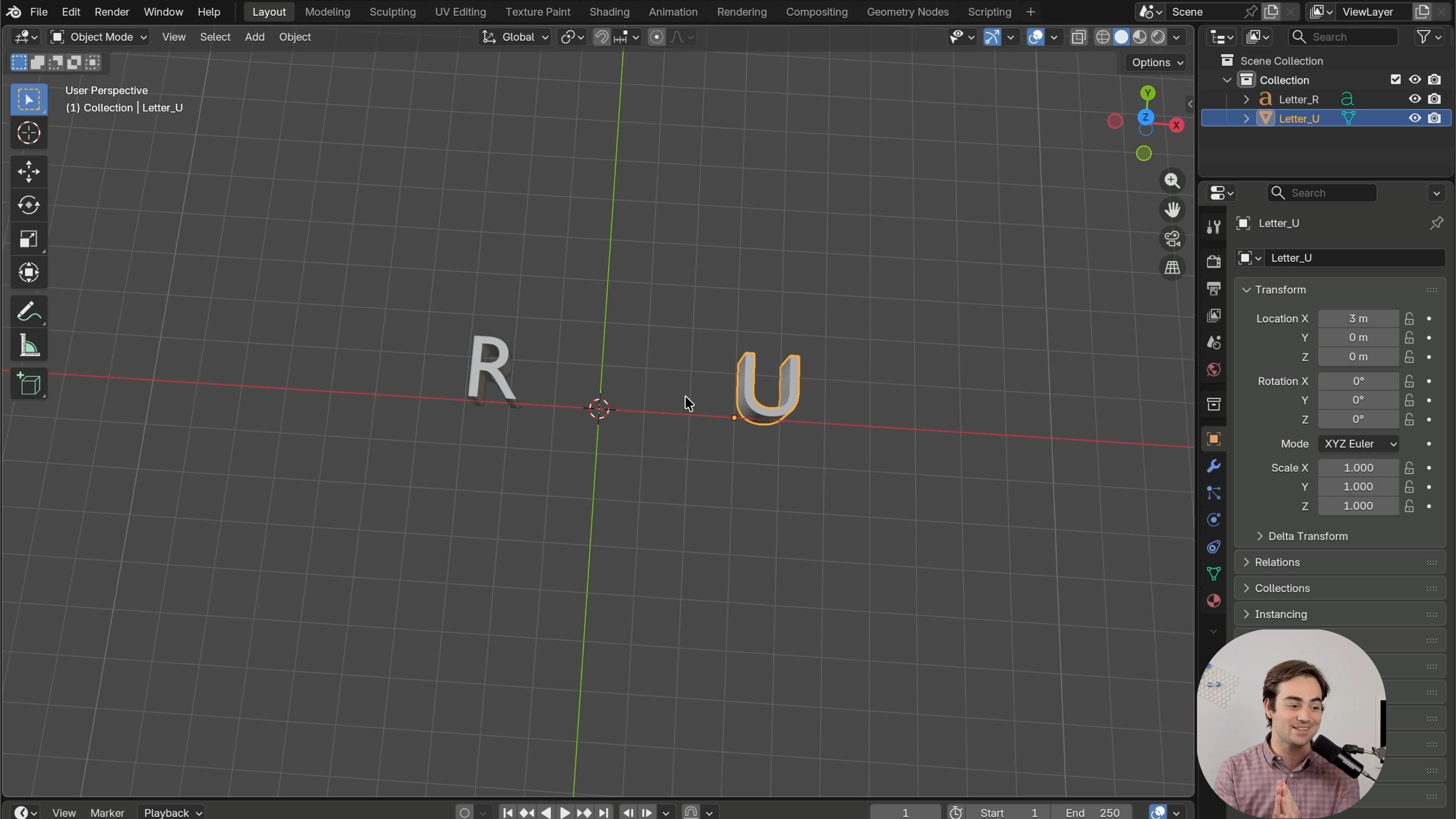
The Rundown: In this guide, you will learn how to connect Blender to Claude Code with MCP, then use plain English to create and edit a 3D scene.
Step-by-step:
Download and install Blender as well as its MCP extension. Once done, Open Edit > Preferences in Blender, search MCP, and enable the extension
In Terminal, open Claude Code in your project folder and connect Blender with: “claude mcp add blender -- uvx blender-mcp-server claude mcp get blender”
Ask Claude to verify the setup with: “Connect Claude Code to Blender and make sure my mcp.json or Claude MCP config is set up correctly. Check Blender is running MCP server, confirm the host and port, register Blender, and verify the connection before editing"
Test with: ”Use Blender MCP to model my name in 3D. Add disco balls and lighting, reflective materials, and a camera angle to make it like an event poster”
Pro tip: Once connected, download models from sites like BlenderKit, open them in Blender, and ask Claude to arrange objects, adjust lighting, and prepare a render.
PRESENTED BY LIGHTFIELD
🤖 Outbound agents that run on your CRM

The Rundown: Lightfield is the AI CRM with agents that prospect for you. They find companies that look like your fastest-growing customers and engage them with messaging that’s proven to work from your previously won deals.
In Lightfield, you can:
Score accounts on fit, signals, and mutual connections
Run email and LinkedIn sequences in your customers' words
Refresh your target list based on what works
ODYSSEY
🌎 Odyssey’s multimodal, multiplayer world models

Image source: Odyssey
The Rundown: Odyssey just marked two world model firsts back-to-back, dropping Starchild-1, which the company calls the first real-time, multimodal world model, and Agora-1, which lets multiple players interact inside the same AI-generated world.
The details:
Starchild-1 can generate synchronized audio and video on the fly while taking in and adjusting to user inputs, with no fixed generation length.
Agora-1 can host up to 4 players in one AI-generated world stream, demoed via a GoldenEye video game simulation where every pixel is produced live.
Agora keeps a shared game state across participants, tracking agent details like position and health as actions change the world.
The company frames Agora as an early preview for multiplayer games, robotics, and agents training together inside simulations.
Why it matters: Many of the sharpest minds in tech believe world models are the future of the industry, and these previews look like a major move up the capability ladder. Going from rendered clips to live, adjustable shared streams opens whole new avenues for both creative (gaming, storytelling) and simulation (robotics, AI training).
QUICK HITS
🛠️ Trending AI Tools
🐳 Moby 2 - The AI ecommerce operator brands trust to run Meta ads, build Klaviyo campaigns, and generate creatives that actually work*
⚙️ Composer 2.5 - Cursor's near-frontier and efficient in-house coding model
🎆 Krea 2 - Krea’s first in-house image model, now generally available
🧑💻 Devin - New Auto-Triage coding security feature with long-term memory
*Sponsored Listing
📰 Everything else in AI today
Anthropic acquired Stainless, the startup behind its official SDKs and MCP server tooling, adding the team previously responsible for Claude's developer libraries.
OpenAI partnered with Malta to offer free ChatGPT Plus to every citizen who completes a national AI literacy course, the first country-wide deal of its kind.
Amazon rolled out Alexa Podcasts, a new NotebookLM-style custom podcast creator in Alexa+ that creates a conversation between two AI hosts on any topic.
Meta is laying off as many as 8,000 employees this week and is no longer planning to hire for another 6,000 open roles, coming as part of the company’s AI efficiency push.
OpenAI announced a new partnership with Dell to run Codex inside corporate data centers, connecting the coding agent to enterprise internal systems.
COMMUNITY
🤝 Community AI workflows
Every newsletter, we showcase how a reader is using AI to work smarter, save time, or make life easier.
Today’s workflow comes from reader Michael D. in Littleton, CO:
“I teach mindfulness and meditation. I'm not a master - just someone in the middle of a long path with several years of serious practice and a pile of small wins, stumbles, and reframings that tend to be relatable for newer students.
Over those years, my notes accumulated everywhere—Gmail, OneNote, Word, paper, the Notes app—none of it organized, most of it "somewhere else" when I actually wanted it. A few weeks ago I started moving all of it into Obsidian as markdown files, each tagged with metadata: title, date, themes, teaching potential, and free-form notes.
Now that Claude is pointed at my Obsidian vault in Claude Cowork, it can pull in my own reflections, the stories I've actually lived, and the quotes I've actually saved. Students get a teaching grounded in real practice rather than a generic synthesis.
The unexpected payoff is for my own practice. Claude sometimes uses my notes in ways I wouldn't have thought of, and I end up with a new perspective on my own experience that I didn't even plan for.”
How do you use AI? Tell us here.
🎓 Highlights: News, Guides & Events
Read our last AI newsletter: AI anger comes for Claude (Monet)
Read our last Tech newsletter: Space pharma gets serious
Read our last Robotics newsletter: Figure’s humanoid bingewatch continues
Today’s AI tool guide: 3D model anything with Claude and Blender
RSVP to our next free live session on May 27: Become an AI-native leader
See you soon,
Rowan, Joey, Zach, Shubham, and Jennifer — the humans behind The Rundown

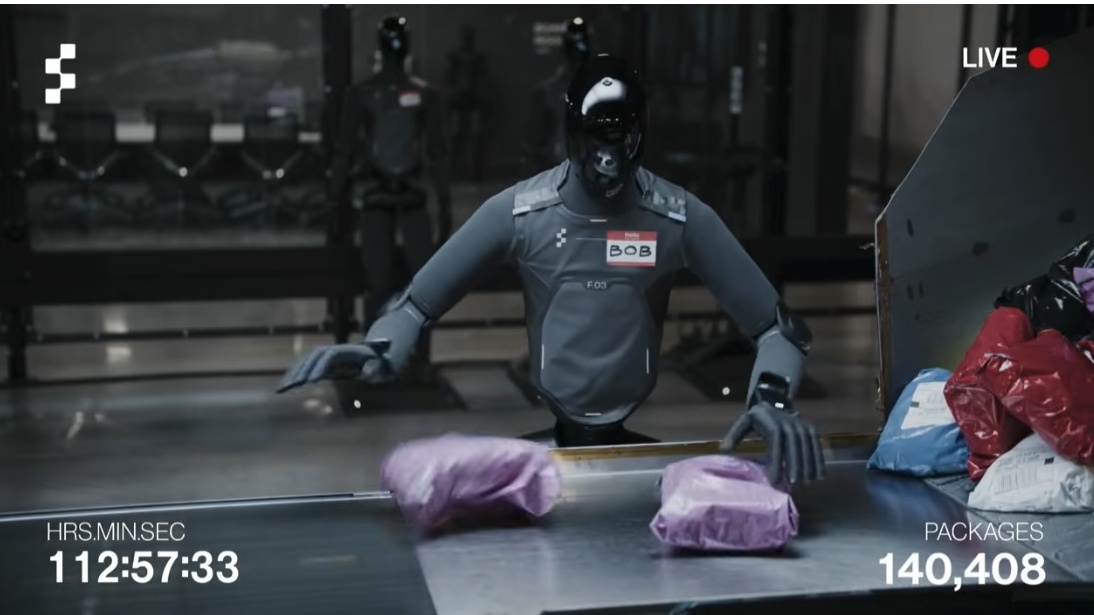
Figure’s humanoid bingewatch is still ongoing
Read Online | Sign Up | Advertise

Good morning, robotics enthusiasts. Figure’s Helix-powered humanoids have been sorting packages — live, on camera, for days — and the company says it won’t stop until something breaks.
The startup’s marathon livestream has drawn millions of viewers tuning in like it’s robotic ASMR, rooting for bots named Jim, Bob, Frank, Gary, and Rose. It’s part endurance test, part internet spectacle, and part sales pitch for Figure’s $40B bet that warehouses won’t need humans for much longer.
In today’s robotics rundown:
Figure’s humanoid live-stream hits day 5
Japan can’t build robot wolves fast enough
Tesla’s robotaxi safety net has a human problem
This living bandage is made out of algae robots
Quick hits on other robotics news
LATEST DEVELOPMENTS
FIGURE AI
🤖 Figure’s humanoid live-stream hits day 5
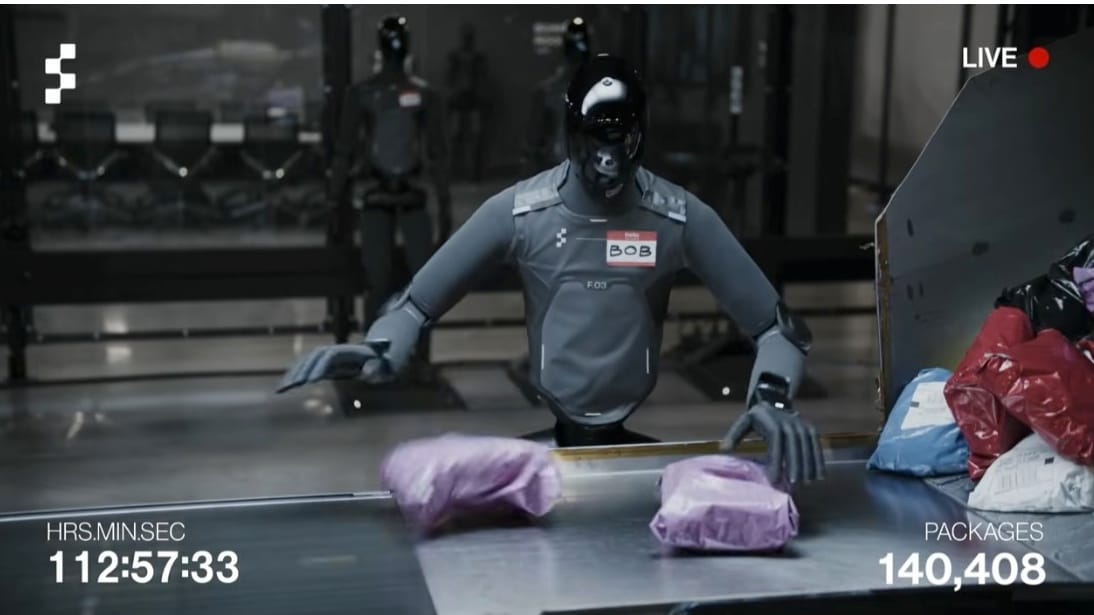
Image source: Figure AI / YouTube
The Rundown: What started as an eight-hour demo is now an ongoing endurance test: Figure humanoids have sorted more than 140K packages over 100+ hours of continuous operation — and Figure says it won’t stop until “robot failure.”
The details:
Figure’s Helix‑02–powered humanoids have now pushed past 110 hours of largely autonomous parcel sorting, processing over 140K packages.
The YouTube/X streams have drawn millions of views and turned robots nicknamed Jim, Bob, Frank, Gary, and now Rose into must‑see “robotic ASMR.”
Some viewers, after seeing the robots pause or even touch their heads, have speculated about hidden teleoperation, which CEO Brett Adcock flatly denied.
Robotics experts say the marathon run is technically impressive but still “more like a science project,” pointing to accuracy issues and narrow task scope.
Why it matters: Figure’s livestream is the clearest proof yet that a single humanoid platform can run a repetitive job for days at human-like throughput, strengthening the case for 24/7 “dark” warehouses staffed mostly by robots. For a startup valued at near $40B, this livestream stunt is also a sales pitch to move its robots into paying jobs.
JAPANESE ROBOTICS
🐺 Japan can’t build robot wolves fast enough

Image source: Ohta Seiki
The Rundown: Japan is in such a bad bear season that it’s literally running out of $4K animatronic “Monster Wolf” robots that blink red, shriek, and patrol farms as the country’s unlikeliest frontline against marauding wildlife.
The details:
A Hokkaido manufacturer, Ohta Seiki, says it’s swamped with orders as Japan records a surge in bear encounters, including 13 human deaths in the last year.
The life‑size robo‑wolves use motion or infrared sensors, 50‑plus sound effects, and LEDs to scare off bears from farms, golf courses, and schools.
Demand is so intense that customers are being told to wait months for delivery, and local governments are competing with farmers to grab limited units.
Ohta Seiki is now planning handheld and AI‑enhanced versions of the Monster Wolf, for robo‑wildlife deterrents for hikers, kids walking to school, etc.
Why it matters: Japan’s robo‑wolves are a strange preview of how climate‑driven wildlife conflicts, rural depopulation, and cheap mechatronics are converging into a new class of everyday defensive robots. It’s less Boston Dynamics showpiece, more screaming lawn ornament with real stakes for human safety.
TESLA
🚖 Tesla’s robotaxi safety net has a human problem

Image source: Eric Gay / AP
The Rundown: Tesla just disclosed that two of its Austin robotaxis crashed while being steered by remote human teleoperators, exposing new weaknesses in what is supposed to be the system’s ultimate safety backstop.
The details:
Newly unredacted NHTSA crash reports show 17 incidents involving Tesla’s Austin robotaxi pilot.
In two cases, safety drivers requested remote assistance after the autonomous system stalled, and teleoperators then crashed the vehicles at low speeds.
Other reports flag repeat trouble with low-speed maneuvers, including minor collisions, striking fences and stalled cars, and backing into poles and curbs.
Tesla’s smaller-scale pilot, higher crash rate per mile, and prior decision to fully redact narratives are likely to intensify regulatory scrutiny of its robotaxi rollout.
Why it matters: The crashes expose a gap in Tesla’s safety logic: if the human override can also crash, what’s the actual backstop? Recurring failures on mundane obstacles — fences, curbs, construction barricades — only deepen the question of whether a tightly supervised Austin pilot is anywhere close to ready to scale.
MICROBOTS
🩹 This living bandage is made out of algae robots

Image source: Professor Joseph Wang and Professor Liangfang Zhang Labs (algae microbot)
The Rundown: Scientists built swarms of light-steered living algae microrobots that self-assemble into a “smart bandage” capable of sensing wounds and precisely delivering drugs.
The details:
The biohybrid microrobots use a naturally light-sensitive alga, forming dense therapeutic swarms under blue light and dispersing under red.
An AI system maps wound geometry and generates a matching light mask, guiding the algae to assemble on medical tape to the wound’s exact contours.
Once the tape is applied, a red-light pulse deploys the swarm directly into the wound cavity — nearly 90% transfer in under two minutes.
While this platform is currently limited to surface wounds, similar algae bots have already shown they can ferry chemo agents directly to tumors.
Why it matters: This approach points toward programmable, shape-matched living materials that can conform to irregular wounds, deliver treatment only where needed, and be switched on or off with light. It’s a step toward smarter, more responsive medicine rather than one-size-fits-all bandages.
QUICK HITS
📰 Everything else in robotics today
Nepal is reportedly weighing a proposal from U.S. nonprofit Geologic Dome to send a Chinese-made Unitree G1 humanoid on a cleanup mission up Mount Everest.
Unitree Robotics reportedly said it received orders immediately after unveiling its GD01 manned mech, a production-ready transformable robot priced at $650K.
Southwest Airlines announced it will no longer allow humanoid or animal-like robots in the cabin or as checked baggage, citing safety and lithium‑ion battery concerns.
San Francisco startup Rotaku launched its Domo Developer humanoid, starting at $2,999, undercutting Chinese competitors at roughly half the price of similar models.
Researchers developed a battery-free, jellyfish-inspired magnetic soft robot that swims at 14.85 body lengths per second for biomedical applications like drug delivery.
The U.S. military will test 14 gun-toting robot dogs from Australian firm Skyborne Technologies under a $6.5M Special Operations Command contract.
Japan’s FANUC is plugging its industry-standard robot simulation software directly into NVIDIA’s Isaac Sim, so the virtual version of a robot moves like the physical one.
Automated Tire, a Boston startup, built a robot that can inspect, swap, and balance tires in about 30 minutes, roughly twice as fast as a human shop working alone.
ECOVACS launched LilMilo, an $800 emotional AI companion robot featuring biomimetic fur, expressive eyes, voice mimicry, and multimodal perception.
COMMUNITY
🎓 Highlights: News, Guides & Events
Read our last AI newsletter: AI anger comes for Claude (Monet)
Read our last Tech newsletter: Space pharma gets serious
Read our last Robotics newsletter: Meet Unitree’s giant new mech
Today’s AI tool guide: Build your own cloud-based web crawler with Manus
RSVP to our next free live session on May 27: Become an AI-native leader
See you soon,
Rowan, Joey, Zach, Shubham, and Jennifer — The Rundown’s editorial team

AI anger comes for Claude (Monet)
Read Online | Sign Up | Advertise

Good morning, AI enthusiasts. Thousands of people on X just confidently explained why an AI-generated image was inferior to a real Monet. Just one problem: It WAS a real Monet.
Conceptual artist SHL0MS’ latest experiment says less about AI art and more about the reflexive hostility baked into the tech, with critics lining up to trash an artwork the moment they thought a machine made it.
In today’s AI rundown:
Artist shines mirror on AI anger with Monet post
The Rundown Roundtable: Our AI use cases
Build your cloud-based web crawler with Manus
ChatGPT starts connecting to your money
4 new AI tools, community workflows, and more
LATEST DEVELOPMENTS
AI, ART & ANGER
🖼️ Artist shines mirror on AI anger with viral Monet post

Image source: Images 2.0 / The Rundown / @SHL0MS on X
The Rundown: Artist SHL0MS sparked a frenzy on X over a post that presented a real image of a painting from famed impressionist Claude Monet as AI-generated, sparking critiques of the work and shining a mirror on anti-AI bias seen in the creative world.
The details:
SHL0MS posted that he generated the image in the style of Monet, asking users to describe why the "AI image" is inferior in as much detail as possible.
The post received thousands of responses calling the image ‘emotionless’, ‘slop’, and critiquing specific features like depth, reflections, and composition.
The image was an image of a real Monet, identified as from his Water Lilies collection from around 1915.
The saga aligns with 2024 research, with Norwegian researchers finding people actually prefer AI art but show a clear negative bias against it.
Why it matters: This Monet-gate was one painting, but the reflex it exposed runs through the entire creative world right now. For a growing crowd, the word 'AI' alone triggers backlash regardless of context — and that knee-jerk hostility is only growing as the tech changes the world around us and embeds deeper into everyday life.
TOGETHER WITH UNWRAP
⚡ See how Oura automates customer feedback analysis

The Rundown: Unwrap’s customer intelligence platform pulls all your feedback (surveys, reviews, support tickets, social comments, etc.) into one view, then uses AI + NLP to surface the most actionable insights straight to your inbox. Teams at Perplexity, Oura, Stripe, lululemon and DoorDash rely on Unwrap to ensure no customer voice gets lost.
With Unwrap, you get:
All customer feedback automatically categorized
Query feedback using Unwrap Assistant, or in your favorite tools using Unwrap's MCP
Real-time alerts from feedback and a clear view of customer sentiment
New, out-of-the-box AI surveys with dynamic follow-up
Unwrap is offering free trials to Rundown AI subscribers — grab 15 minutes with the team to get set up.
THE RUNDOWN ROUNDTABLE
💡 The Rundown Roundtable: Our AI use cases
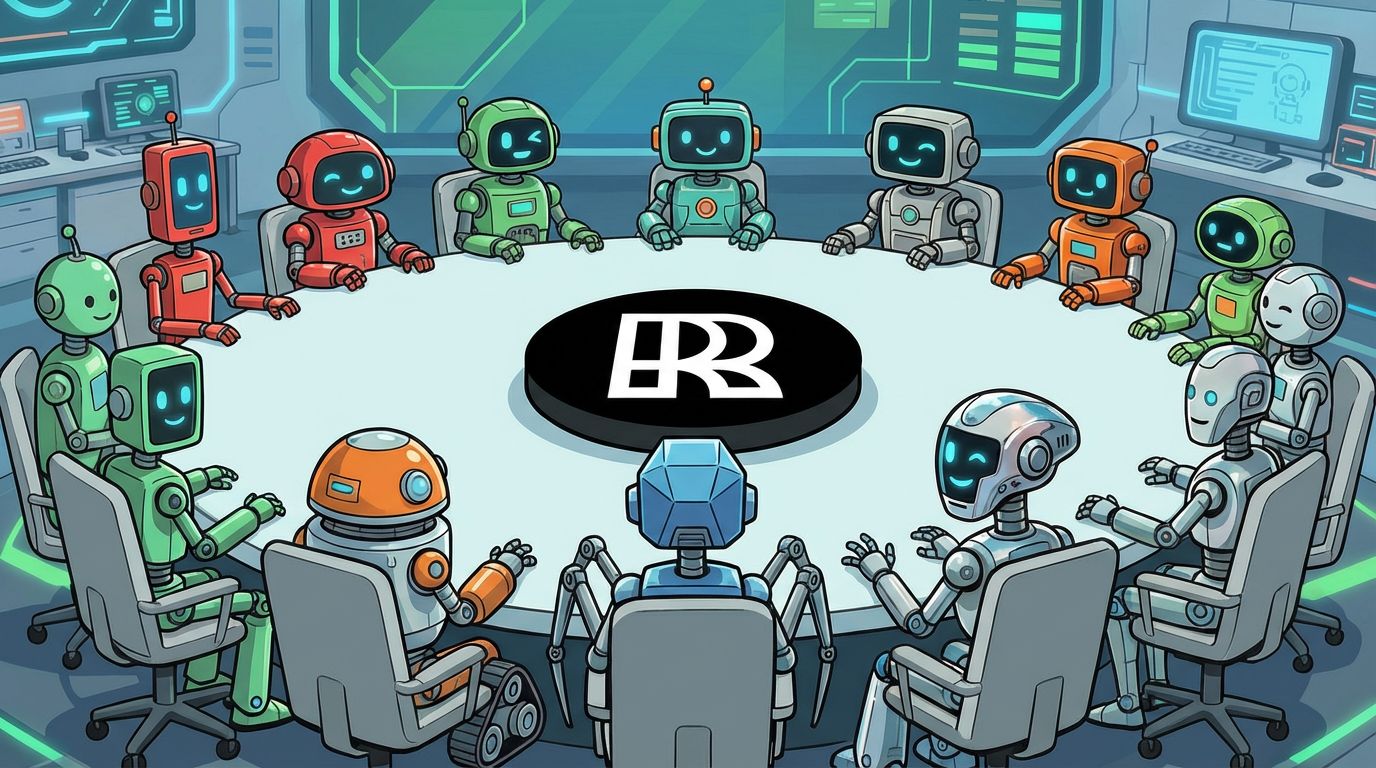
Image source: Ideogram / The Rundown
The Rundown: The Rundown Roundtable is a weekly feature where we poll members of The Rundown staff about how we use AI in our work and daily lives.
Billy, University Educator: I made Claude Code my apprentice CAD designer because I don't know anything about engineering.
My wife needed a ring container to attach to her water bottle at the gym. I drew my idea for a threaded container and told Claude to prototype it. The first few prints were rough. But after the 8th prototype, we had the perfect design.
Rishi, Growth: YouTube is one of the best free education platforms out there, but the problem is that it takes a ton of time to sit through long videos just to find the few ideas that actually matter.
That’s where Gemini has been really useful for me. Since it’s built into Google, I can use it to quickly summarize a specific YouTube video, or even scan the last 5–10 videos from a creator to pull out the key takeaways.
Instead of spending hours watching everything, I can quickly understand the main ideas, find the best nuggets, and decide what’s worth digging into deeper. It’s basically a shortcut for learning from long-form content without consuming every minute of it.
AI TRAINING
☁️ Build your cloud-based web crawler with Manus
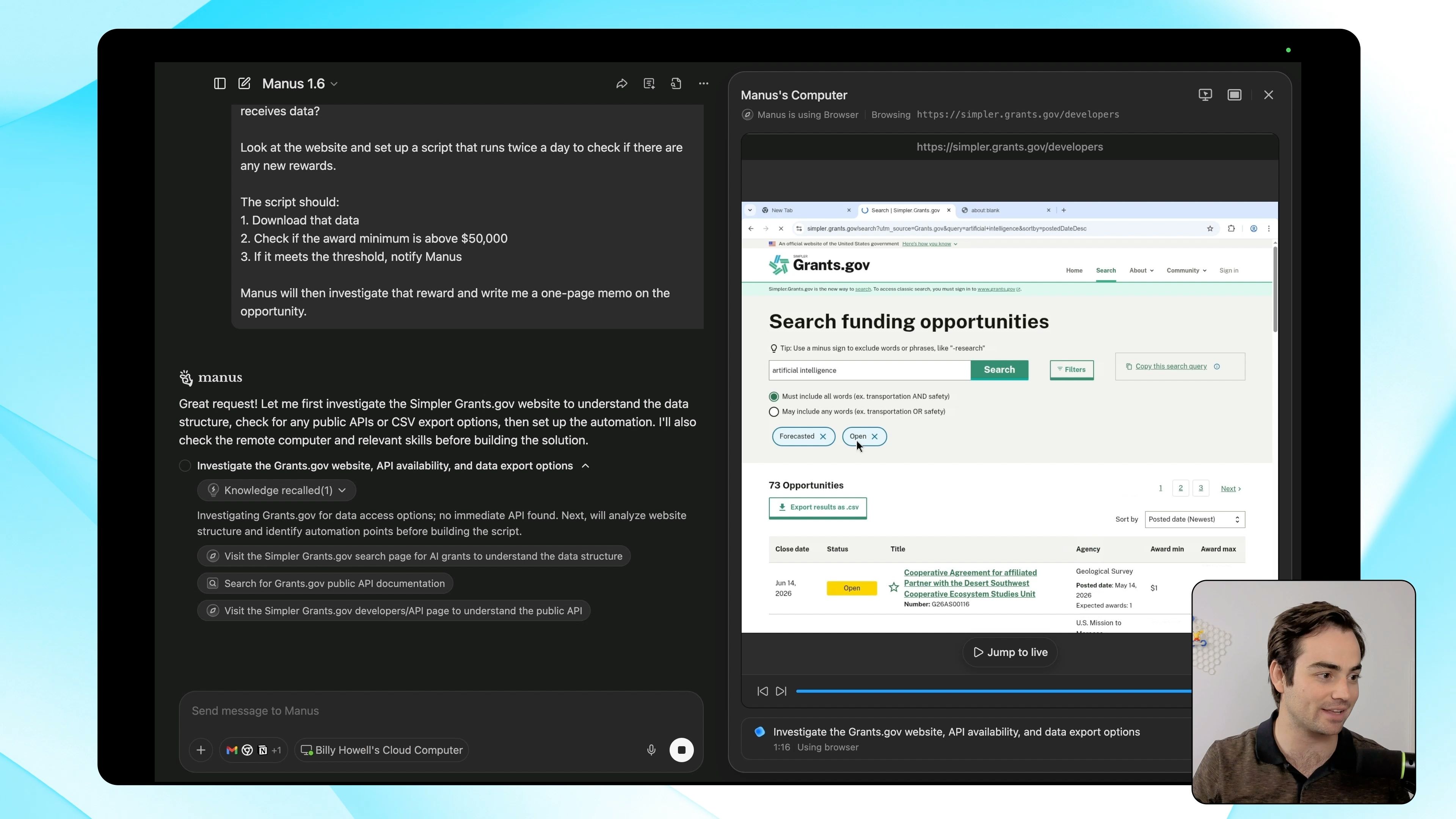
The Rundown: In this guide, you will learn how to turn Manus Cloud Computer into a private 24/7 web crawler for any site you want to monitor. Instead of having Manus burn tokens checking the same site each day, your cloud computer does it for cheap.
Step-by-step:
Open the Manus desktop app, go to Settings > My Computer, and click Create now under Cloud Computer to give Manus an always-on server
Start a new Manus task, select your Cloud Computer in the composer
Prompt: Set up a web crawler on my Cloud Computer for [URL]. First, inspect the site formatting and tell me the best way to check it reliably. Check for [info] twice a day. Log it to a CSV. Create a small script, schedule it with cron, log every run, and only save results that match [criteria]
Have Manus run the script once, then run it on 24/7. Once done, you can have Manus check the collected data anytime from your phone or laptop
Going further: Start with a Manus/Claude skill, or any AI workflow you use. Ask Manus which repetitive parts can run "for free" on your cloud computer, then save the agent.
PRESENTED BY FUNCTION HEALTH
🩺 Your body has receipts
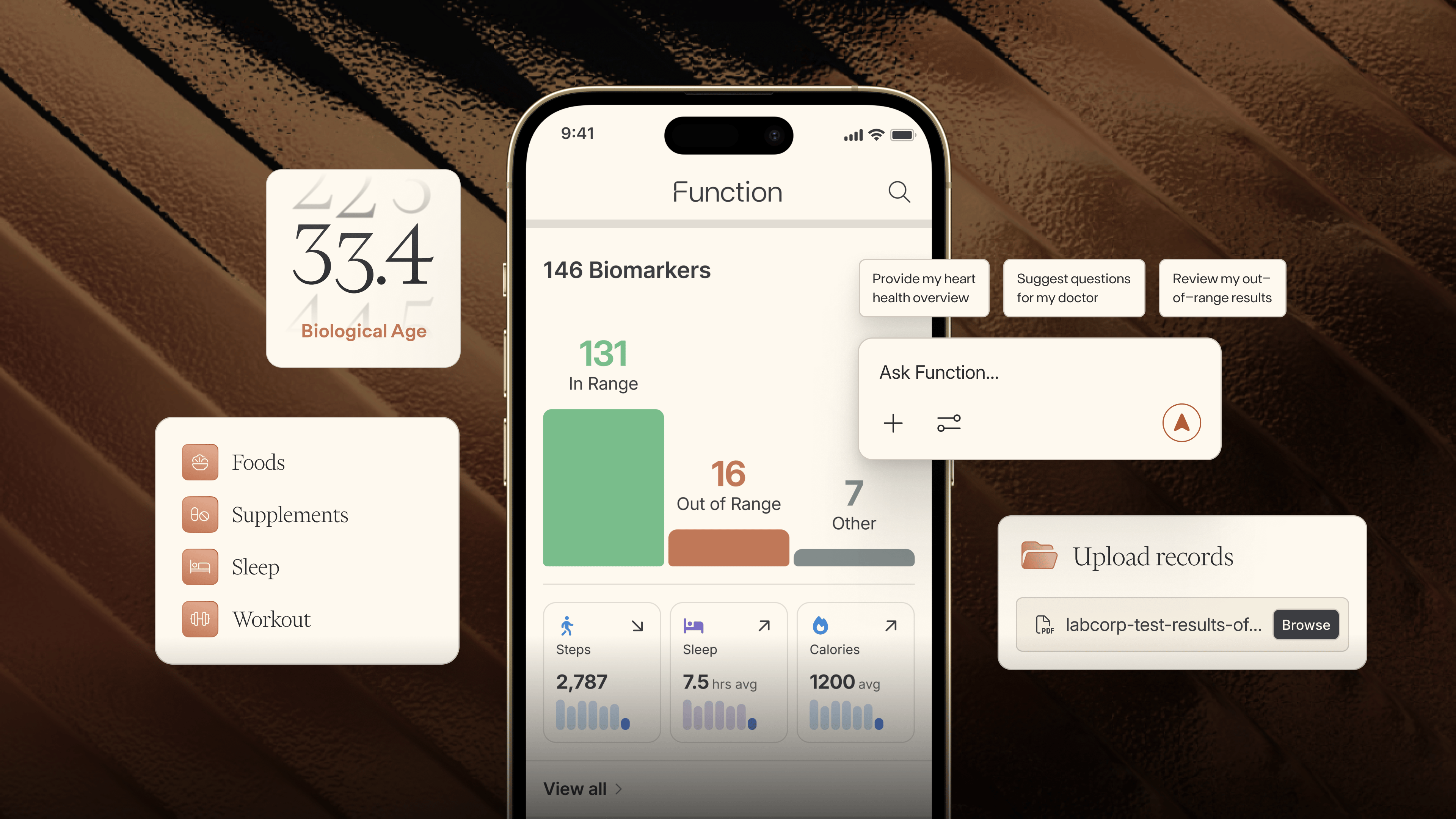
The Rundown: Function gives you access to 160+ lab tests, personalized insights, and ongoing tracking in one place — so you can see what's happening inside your body before symptoms show up.
A Function membership gives you:
160+ lab tests run annually across key health markers
Private AI Chat trained on your individual results
Clinician-reviewed insights to put your data in context
Continuous tracking so you can see what changes over time
Own your health and use code RUNDOWN50 for $50 off your membership.
OPENAI
💸 ChatGPT starts connecting to your money

Image source: OpenAI
The Rundown: OpenAI released a new personal finance experience inside ChatGPT, partnering with Plaid to connect users’ financial institutions and give the chatbot real-time access to spending, investments, and bills for personalized financial insights.
The details:
Users can connect via Plaid across Chase, Schwab, Robinhood, and 12,000+ institutions, with a dashboard tracking spending, portfolio, and upcoming bills.
Intuit support is planned next for flows like tax estimates, credit-card approval odds, and connecting users to live experts.
ChatGPT can analyze connected data, but cannot move money, pay bills, make trades, or file taxes (yet).
The feature preview starts with U.S.-based Pro accounts, accessible via a new ‘finance’ sidebar or by tagging @finance directly in chats.
Why it matters: Financial guidance has been locked behind pricy advisors or clunky apps for a decade, and having a complete view of a user’s finances as context can unlock a seriously powerful experience. The biggest hurdle might be getting users to trust AI with that information, which is where Plaid comes in as the secure layer.
QUICK HITS
🛠️ Trending AI Tools
💸 ChatGPT for Personal Finance - Personal finance experience in ChatGPT
📱 Codex - OpenAI’s agentic platform, now available via mobile
💻 Higgsfield Supercomputer - Cloud AI agent with tools, memory, and more
🌌 Krea 2 - Krea's image AI with style transfer, moodboard-based generation
📰 Everything else in AI today
OAI’s Greg Brockman is reportedly moving to product strategy, with Thibault Sottiaux now leading core product and platform, and Nick Turley shifting to enterprise products.
Anthropic formed a $200M partnership with the Gates Foundation to deploy Claude in vaccine screening, disease forecasting, and K-12 tutoring in developing nations.
OpenAI reportedly acquired Weights.gg in January, a voice-cloning social network with celebrity replicas, with six staff members joining the company.
Pope Leo XIV established a Vatican AI advisory body and signed his first encyclical, which is expected to frame the technology as this generation's Industrial Revolution.
Poetiq released new research showing its self-building Meta-System can create and improve on its own harness, and achieve SOTA scores on a top coding benchmark.
A Gallup survey found that 70% of Americans oppose data centers being built nearby, with the infrastructure polling as less popular than local nuclear power plants.
COMMUNITY
🤝 Community AI workflows
Every newsletter, we showcase how a reader is using AI to work smarter, save time, or make life easier.
Today’s workflow comes from reader Anonymous:
"I'm learning to play guitar and kind of stuck at an advanced beginner level. I used Claude to create a practice journal to document each session - minutes practiced, chords learned, songs in progress, things to work on, that then creates a visual data dashboard of trends, song learning status, etc.
At the end of each updated dashboard, Claude gives me three to five new things to work on based on what I am practicing, similar songs to learn to take to the next level."
How do you use AI? Tell us here.
🎓 Highlights: News, Guides & Events
Read our last AI newsletter: OpenAI takes Codex mobile
Read our last Tech newsletter: Space pharma gets serious
Read our last Robotics newsletter: Meet Unitree’s giant new mech
Today’s AI tool guide: Build your own cloud-based web crawler with Manus
RSVP to our next free live session on May 27: Become an AI-native leader
See you soon,
Rowan, Joey, Zach, Shubham, and Jennifer — the humans behind The Rundown

Space pharma gets serious
Read Online | Sign Up | Advertise

Good morning, tech enthusiasts. Space has been a drug lab for decades — just one that never actually sold anything. Varda Space Industries wants to change that with a drug factory that rides to orbit on a SpaceX rocket, cooks up cleaner crystals, and parachutes home.
Its new deal with biotech firm United Therapeutics is the first real test of whether space manufacturing can graduate from science project to pharmacy shelf.
In today’s tech rundown:
This startup wants to sell space-made drugs
Anduril just doubled its valuation to $61B
Ray-Ban Display’s neural writing opens to everyone
NASA unveils new details on Artemis III
Quick hits on other tech news
LATEST DEVELOPMENTS
BIOTECH
💊 This startup wants to sell space-made drugs

Image source: Varda Space Industries (reentry capsule)
The Rundown: Varda Space Industries, the California startup that has been pitching drug experiments in space, just signed a deal with biotech firm United Therapeutics, marking what could be the first commercial path to drugs manufactured in orbit.
The details:
Varda and United Therapeutics will process small-molecule pulmonary medicines aboard Varda’s orbital platform across multiple LEO missions.
On Earth, sedimentation disrupts crystal formation; in microgravity, molecules assemble more slowly and uniformly, producing purer crystal structures.
Varda already crystallized HIV drug Ritonavir in orbit, which CEO Will Bruey calls “just the tip of the iceberg” for how broadly the tech could apply.
Varda flies as a SpaceX secondary payload, recovers capsules in Australia, and expects to launch United Therapeutics’ first samples as early as next year.
Why it matters: Government-backed experiments on the ISS have explored space pharma for decades, but no drug manufactured in orbit has ever been returned to Earth and sold. Redwire is still running NASA-funded ISS investigations; Varda has its own reentry capsules and is now attempting to close the loop commercially, at scale.
TOGETHER WITH FIN
🗽 Join Fin Labs in NY from June 2-4

The Rundown: Fin Labs is coming to New York. For three days only, join a unique learning space in the heart of the city to explore transforming customer experience with AI. You’ll hear from leaders at Intercom (building Fin), Clay, and more on scaling AI for customer experience, and see how leaders are transforming their organizations and shaping the future of CX.
Standout events include:
2x AI: See how the Fin team doubled productivity with AI.
Winning with AI Agents: Learn what the best CX teams do differently.
Exec Briefing with Kyle Poyar from Growth Unhinged: Join an executive session on leading GTM Transformation.
See the full schedule and book your spot — RSVP now.
ANDURIL
🪖 Anduril just doubled its valuation to $61B

Image source: U.S. Air Force (Anduril’s Fury drone)
The Rundown: Nine-year-old autonomous weapons maker Anduril closed a $5B Series H round at a $61B valuation — more than doubling its worth in under a year and becoming the darling of Silicon Valley's defense gold rush.
The details:
The round was led by Thrive Capital and Andreessen Horowitz, and comes just under a year after Anduril raised $2.5B at a $30.5B valuation.
CEO Brian Schimpf said the company doubled annual revenue to $2.2B in 2025 and nearly doubled its workforce.
In March, the U.S. Army awarded Anduril an up to 10-year contract with a ceiling of up to $20B, consolidating 120 to 130 existing orders in one.
The Pentagon also confirmed an agreement with Anduril and three other companies to purchase ~10 hypersonic missiles over the next three years.
Why it matters: Anduril is plowing new capital into manufacturing, R&D, and infrastructure, accelerating a model built on drones, counter-drone systems, hypersonic missiles, and AI battlefield software, rattling Lockheed and Boeing. With $11B raised, it’s the clear VC favorite — but rivals Shield AI and Helsing are closing fast.
META
👓 Ray-Ban Display’s neural writing opens to everyone

Image source: Images 2.0 / The Rundown
The Rundown: Meta is rolling out neural handwriting to all Ray-Ban Display users and opening the glasses to third-party web developers, reports The Verge — moves that reframe the smart glasses as a full-fledged wearable computer.
The details:
Neural handwriting is graduating from early access to a full release, letting you text by tracing letters on any surface instead of pulling out your phone.
The feature is powered by Meta’s Neural Band wristband, which reads wrist signals to translate hand movements into text input.
Meta is also opening Ray-Ban Display to third-party developers, who can now build lightweight “Web Apps” for the glasses using standard web technologies.
Developers can adapt mobile experiences via Meta’s new wearables toolkit, bringing text, images, buttons, and video to the tiny display in the lenses.
Why it matters: Moving neural handwriting from demo to default makes Ray‑Ban Display more of a viable, always‑on interface for messaging and micro‑apps. By opening a developer path alongside that new input, Meta is nudging its smart glasses closer to the “everyday AR computer” it has been promising for years.
NASA
🌜 NASA unveils new details on Artemis III

Image source: NASA/ Jim Ross
The Rundown: NASA released new details for Artemis III, sharing that it is no longer Moon-bound: a 2027 Earth-orbit rehearsal to test Orion, docking, and commercial landers before a planned Moon landing in 2028.
The details:
Earlier this year, NASA reframed the 2027 flight as a low-Earth-orbit rehearsal with four astronauts aboard Orion, rather than a crewed lunar landing.
Orion is now expected to rendezvous and dock with test versions of SpaceX’s Starship lander and/or Blue Origin’s Blue Moon lander.
Artemis III will fly with a structural “spacer” instead of the rocket’s upper stage, freeing NASA to reserve its remaining upper-stage hardware for Artemis IV.
NASA’s hedged language leaves open the possibility that astronauts won’t enter either lander at all, Ars Technica reports.
Why it matters: Artemis III is a trial run for the program’s weakest links — commercial landers that may not yet be crew-ready, docking choreography, and scarce SLS hardware. How robust that turns out to be will go a long way toward determining if Artemis becomes a sustainable lunar campaign or a fragile, delay-prone program.
QUICK HITS
📰 Everything else in tech today
Instagram has globally launched “Instants,” a BeReal-style feature for disappearing photos that automatically sends images the moment users tap the shutter button.
California Governor Gavin Newsom proposed a 7.25% sales tax on digital software and SaaS products starting January 2027 to generate $900M annually.
LinkedIn, owned by Microsoft, is preparing to lay off about 5% of its roughly 17,500 employees worldwide as it reorganizes teams despite recent revenue growth.
YouTube said viewers now watch more than 2B hours of vertical Shorts on TVs each month.
Cisco is cutting nearly 4K jobs, or about 5% of its workforce, to shift more spending into AI infrastructure even as it reports record quarterly revenue.
Longevity influencer Bryan Johnson, who spends over $2M a year on anti-aging protocols, shared a list of 41 mostly simple, low-cost health “hacks” on X.
Uber will open two large campuses in India and partner with Adani Group on its first data center in the country to expand its product development, AI, and infrastructure.
An early-stage U.S. trial found that a highly personalized DNA-based vaccine for glioblastoma, an aggressive brain cancer, is safe and triggers broad immune responses.
Blue Origin is reportedly considering taking on external investors for the first time to help fund a major ramp‑up in New Glenn launches and meet its ambitious flight targets.
COMMUNITY
🎓 Highlights: News, Guides & Events
Read our last AI newsletter: OpenAI takes Codex mobile
Read our last Tech newsletter: Venmo kills its most criticized feature
Read our last Robotics newsletter: Meet Unitree’s giant new mech
Today’s AI tool guide: Automate marketing assets with Images 2.0
See you soon,
Rowan, Joey, Zach, Shubham, and Jennifer — The Rundown’s editorial team

OpenAI takes Codex mobile
Read Online | Sign Up | Advertise

Good morning, AI enthusiasts. AI coding agents can now run for hours at a time. Sitting at your desk the entire time shouldn't be a requirement… Or carrying around a computer to keep things moving.
Codex going mobile inside the ChatGPT app is OpenAI's long-awaited answer to that problem, letting users approve decisions, start new tasks, and make changes from their phone while agents grind away back at the desk.
In today’s AI rundown:
OpenAI’s Codex moves beyond the desktop
OpenAI, Apple’s ‘deteriorating’ relationship
Automate marketing assets with ChatGPT Images 2.0
Anthropic angers devs with new agent credit split
4 new AI tools, community workflows, and more
LATEST DEVELOPMENTS
OPENAI
📱 OpenAI’s Codex moves beyond the desktop
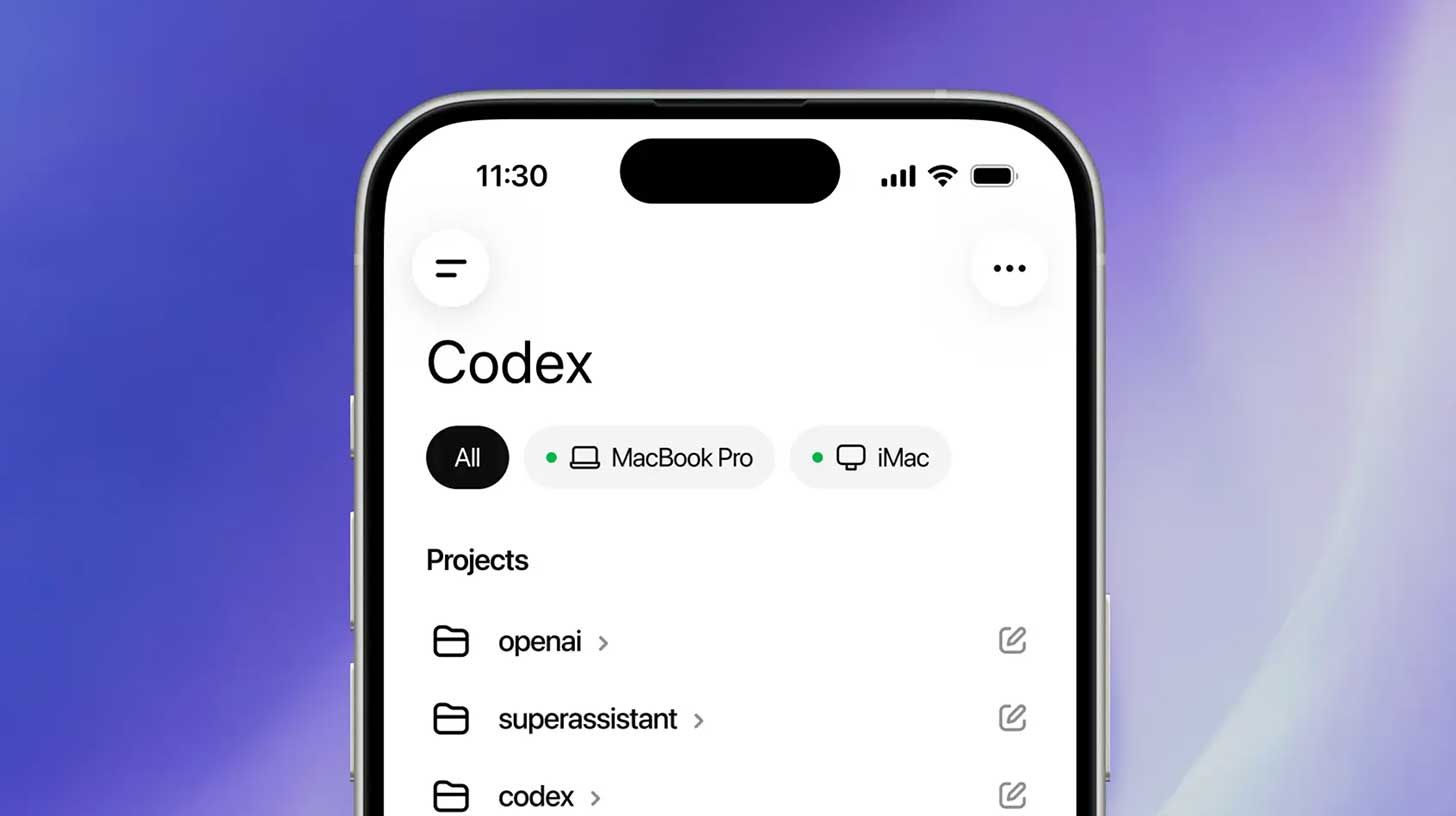
Image source: OpenAI
The Rundown: OpenAI just rolled out Codex in preview inside the ChatGPT iOS app across all plans, giving developers a way to track, manage, and act on long-running AI tasks from their phone as the company battles Anthropic for the coding tool market.
The details:
Codex continues to run on a laptop or remote host, with users able to access live threads, code changes, approvals, plugins, and start new tasks via mobile.
OAI said the mobile system uses a “secure relay layer” that doesn’t expose the computer to the open internet, and syncs with other ChatGPT instances.
OAI seemed to point right at Anthropic in its blog, saying it’s “more than the ability to remotely control a single task or dispatch new tasks to your computer.”
Anthropic introduced Remote Control in February and Dispatch in March, giving Claude limited mobile access and desktop accessibility on the go.
Why it matters: The days of users walking around with open computers to keep agents running may be coming to an end. Especially as models continue to improve at running for hours at a time, keeping things moving on the go is a major quality of life update that unshackles users from desks and computers.
TOGETHER WITH BRAINTRUST
🚀 Start shipping AI products like the leading teams
The Rundown: Braintrust is the end-to-end platform for evaluating, monitoring, and iterating on AI products. Teams at Notion, Vercel, and Stripe use it to catch regressions before users do, debug agent behavior across thousands of traces, and turn iterations from guesswork into a measurable, repeatable workflow.
Using Braintrust, you can:
Eval prompts, models, and agents side-by-side
Trace every agent and application LLM call
Run evals against production traces
OPENAI & APPLE
💔 OpenAI, Apple’s ‘deteriorating’ relationship

Image source: Images 2.0 / The Rundown
The Rundown: OpenAI is reportedly considering legal action against Apple over their 2024 ChatGPT-Siri deal, enlisting a law firm to explore options that may include a breach-of-contract notice due to the results of the “deteriorating” partnership.
The details:
The two sides entered a deal in 2024 during the initial Apple Intelligence launch, giving Siri the ability to call on ChatGPT for more complex queries.
OAI expected the deal to drive “billions” in paid ChatGPT signups, but internal data showed users favor the standalone app over Apple's limited integration.
The iPhone maker plans to open Siri to rival AI providers like Anthropic's Claude and Google Gemini in iOS 27, reportedly set to debut at WWDC on June 8.
Apple was also allegedly “fuming” over OAI poaching from its hardware teams, with OAI also emerging as a potential competitor through its Jony Ive deal.
Why it matters: Like everything else Apple Intelligence, the ChatGPT integration was a bust, and now yet another OAI relationship with a tech giant seems to be on thin ice. But with rumors of its own phone coming in 2027, there could be a big new rivalry in the AI hardware market — especially if the Siri relaunch doesn’t live up to expectations.
AI TRAINING
🎨 Automate marketing assets with ChatGPT Images 2.0
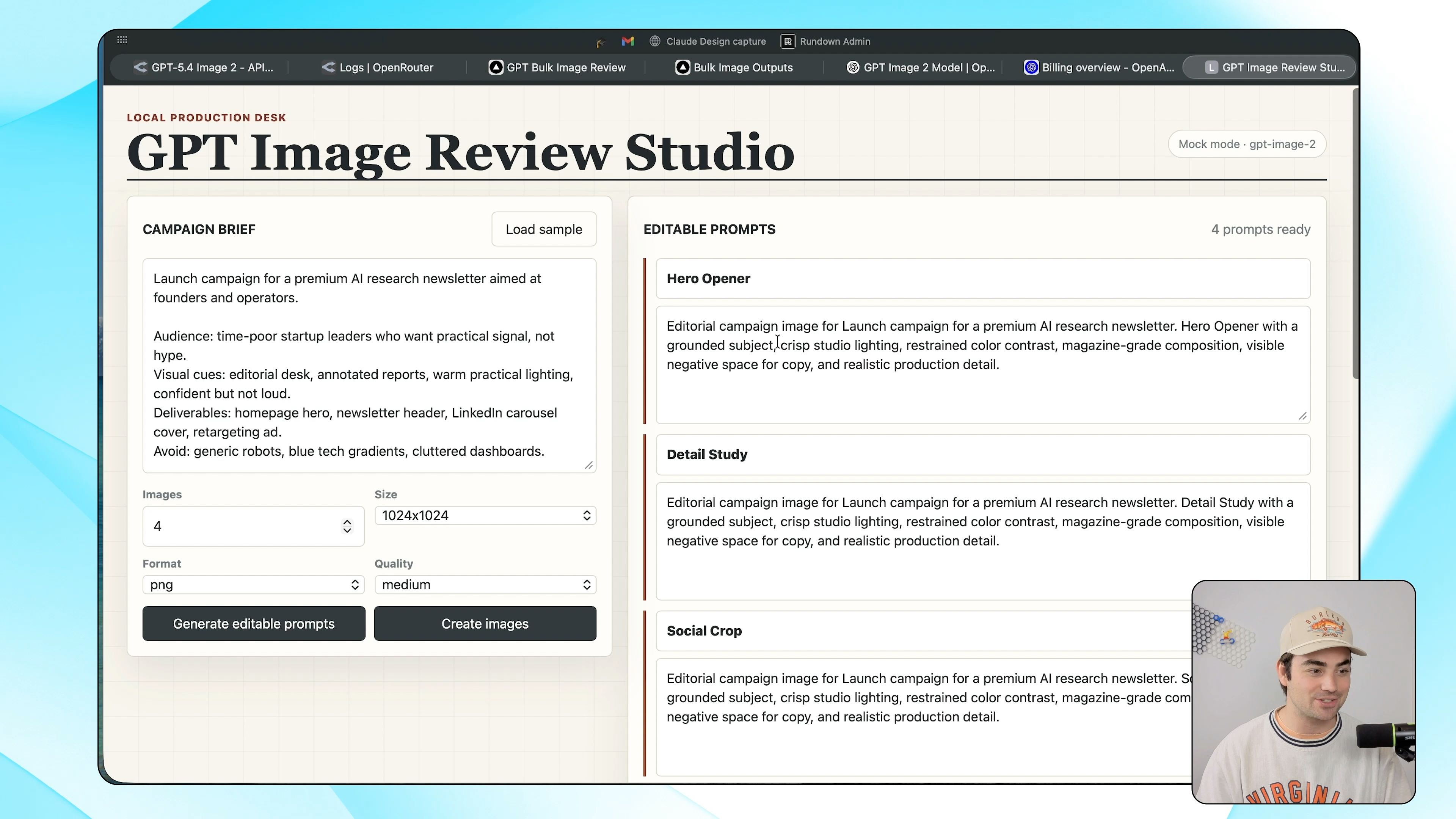
The Rundown: In this guide, you will learn how to use Codex Desktop to build a ChatGPT Images 2.0 app that turns a marketing campaign and design brief into prompts, test images, and a review gallery.
Step-by-step:
Create a project folder and initialize git: mkdir gpt-image-review-app cd gpt-image-review-app git init. Open the folder in Codex Desktop
Ask Codex to build a local browser app for GPT Image 2.0, where you can enter a marketing brief, generate editable prompts, create test images, choose image dimensions, and review outputs with Keep, Reject, and Needs revision controls
After the build, add your OpenAI API key to the app’s .env file, run the app locally, and describe your campaign, design brief, and desired image formats
Click "Generate Prompts," then click "Generate Images to Test." Review the outputs with Keep, Reject, and Needs labels, then save the strongest results
Pro tip: Once the app works, use Codex Desktop Annotation Mode to click or drag over fixes for aspects like labels, spacing, states, controls, or layout.
PRESENTED BY NEXTSENSE SMARTBUDS
🧠 Neuroscience, built into earbuds

The Rundown: NextSense Smartbuds use clinical-grade EEG sensors to detect your brainwaves in real time, and respond with audio that achieves your desired mental state, such as sleep, relaxation, or deep meditation. Track your mind as it shifts, experience deeper recovery, and explore a new interface to the brain.
Smartbuds’ features include:
EEG sensors that monitor brain activity in real-time
Sounds that adapt to your brain to enhance wellbeing
Dynamic experiences to support sleep, meditation, and more
ANTHROPIC
💰 Anthropic angers devs with new agent credit split

Image source: Images 2.0 / The Rundown
The Rundown: Anthropic announced a policy that will split Claude's agent usage into a monthly credit pool, restoring support for third-party agentic tools but angering power users in the process by walling them off from normal subscription limits.
The details:
Starting June 15, Agent SDK and claude -p no longer draw from subscription limits, and will be solely used towards Claude Code, Cowork, and chat.
Pro users will get $20/month in agentic credits, Max 5x gets $100, and Max 20x gets $200 — with credits resetting after each billing cycle and not rolling over.
The move reverses Anthropic's April ban on third-party agents like OpenClaw, but removes the subsidy that gave its plans significantly more value in compute.
The move resulted in backlash from power users, with T3 founder Theo Browne and hundreds of others publicly cancelling their subscriptions.
Why it matters: Agents’ ability to burn through tokens has broken the AI subscription model, but Anthropic has also not done itself any favors with the dev community of late. These tiny token allocations feel even worse than blocking agents outright — and it comes right as OAI continues to up Codex limits to encourage switching.
QUICK HITS
🛠️ Trending AI Tools
🗣️ Unwrap Customer Intelligence - Get AI-driven insights from your unstructured customer feedback to build your product roadmap*
🎨 Recraft V4.1 - Image AI with improved photorealism, illustration, and more
⚙️ Notion Developer Platform - Open platform to build directly on Notion
🔬 AutoScientist - Adaption's new tool for automating AI model training
*Sponsored Listing
📰 Everything else in AI today
xAI released Grok Build, an initial beta version of the company’s agentic CLI, currently limited to SuperGrok Heavy subscribers.
U.S. AI chipmaker Cerebras officially went public, with its stock more than doubling from its open just hours into trading and marking the biggest IPO of the year so far.
Higgsfield AI launched Supercomputer, a cloud AI agent that can complete full creative and marketing tasks end-to-end while orchestrating multiple models and tools.
Runway introduced Agent, a new agentic assistant on its video platform that collaborates with users through their creative workflows.
Dating app Bumble is phasing out its swipe feature to instead rely on a new AI dating assistant called ‘Bee’ for matchmaking, profile optimization, and more.
COMMUNITY
🤝 Community AI workflows
Every newsletter, we showcase how a reader is using AI to work smarter, save time, or make life easier.
Today’s workflow comes from reader Nicolas D. in Quebec:
For months, Claude has been my personal coach — tracking my habits, building my workouts, adjusting my plans. Every Sunday, I feed Claude a log of the past week — sessions, wellbeing, and soreness — and it generates next week's program.
Then it hit me: my habits are tied to long-term goals. So why not manage them like projects?
I've worked in project management for years. I built a Gantt chart linked directly to my habit-tracking software. The tracker now acts as a time-punch system — every session logged becomes a task completed on the timeline. I'm running my life's projects the way I run work projects. Best decision I've made for staying consistent."
How do you use AI? Tell us here.
🎓 Highlights: News, Guides & Events
Read our last AI newsletter: The enterprise shift OpenAI saw coming
Read our last Tech newsletter: Venmo kills its most criticized feature
Read our last Robotics newsletter: Meet Unitree’s giant new mech
Today’s AI tool guide: Automate marketing assets with Images 2.0
See you soon,
Rowan, Joey, Zach, Shubham, and Jennifer — the humans behind The Rundown
Meet Unitree's giant new mech
Read Online | Sign Up | Advertise
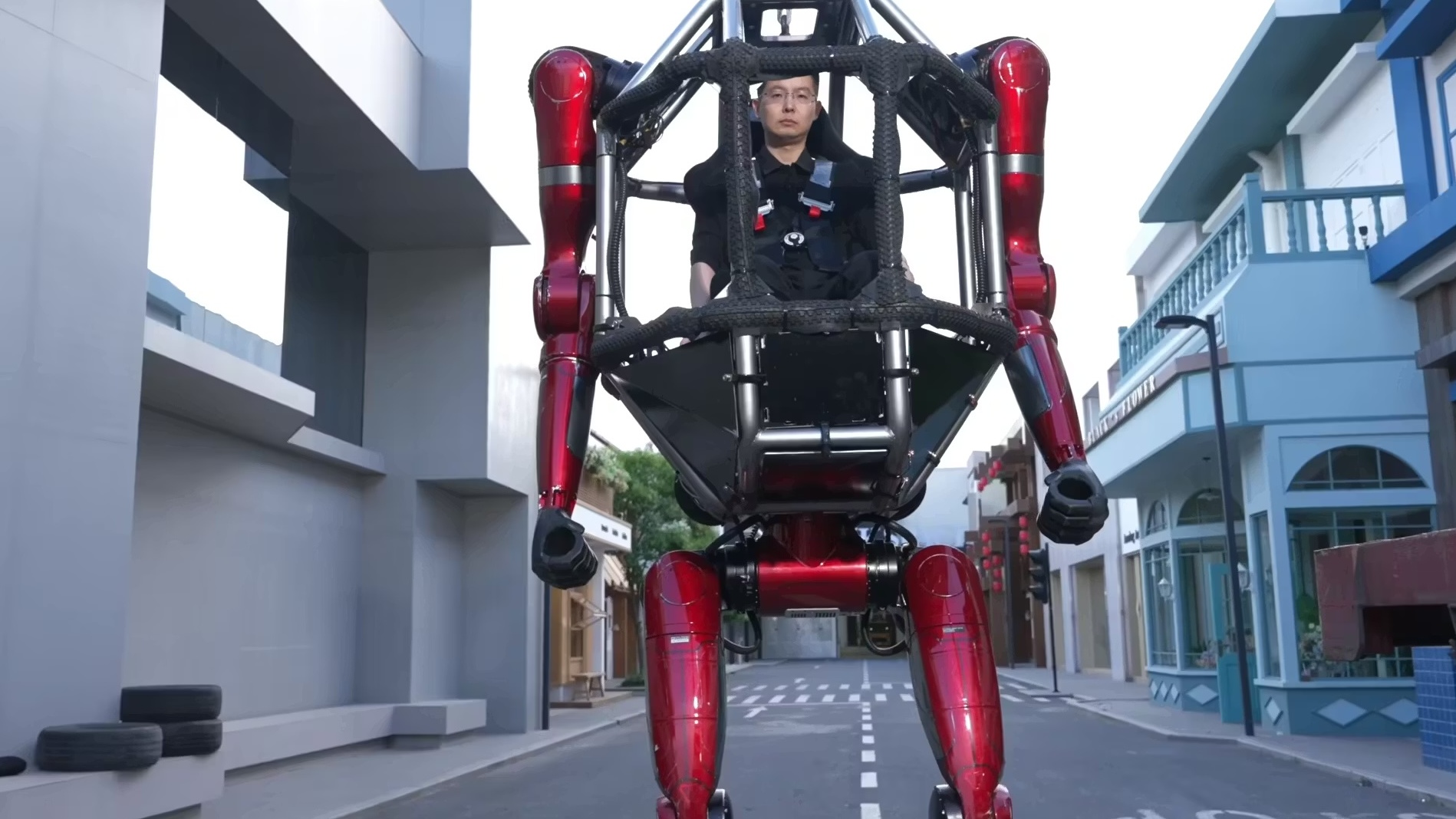
Good morning, robotics enthusiasts. Unitree Robotics just unveiled the GD01, a nearly nine-foot-tall commercial-grade mech that switches between bipedal and quadrupedal modes.
A demo clip shows Unitree founder Wang Xingxing in the pilot seat, and the bot autonomously smashing through brick walls. It’s being marketed as a civilian transport platform — and can be yours for just $650K.
In today’s robotics rundown:
Unitree’s $650K mech you can actually ride
Waymo recalls robotaxis after flood incident
Rivian CEO’s robotics startup hits $1B
Two labs crack the robot muscle problem
Quick hits on other robotics news
LATEST DEVELOPMENTS
UNITREE
🤖 Unitree’s $650K mech you can actually ride
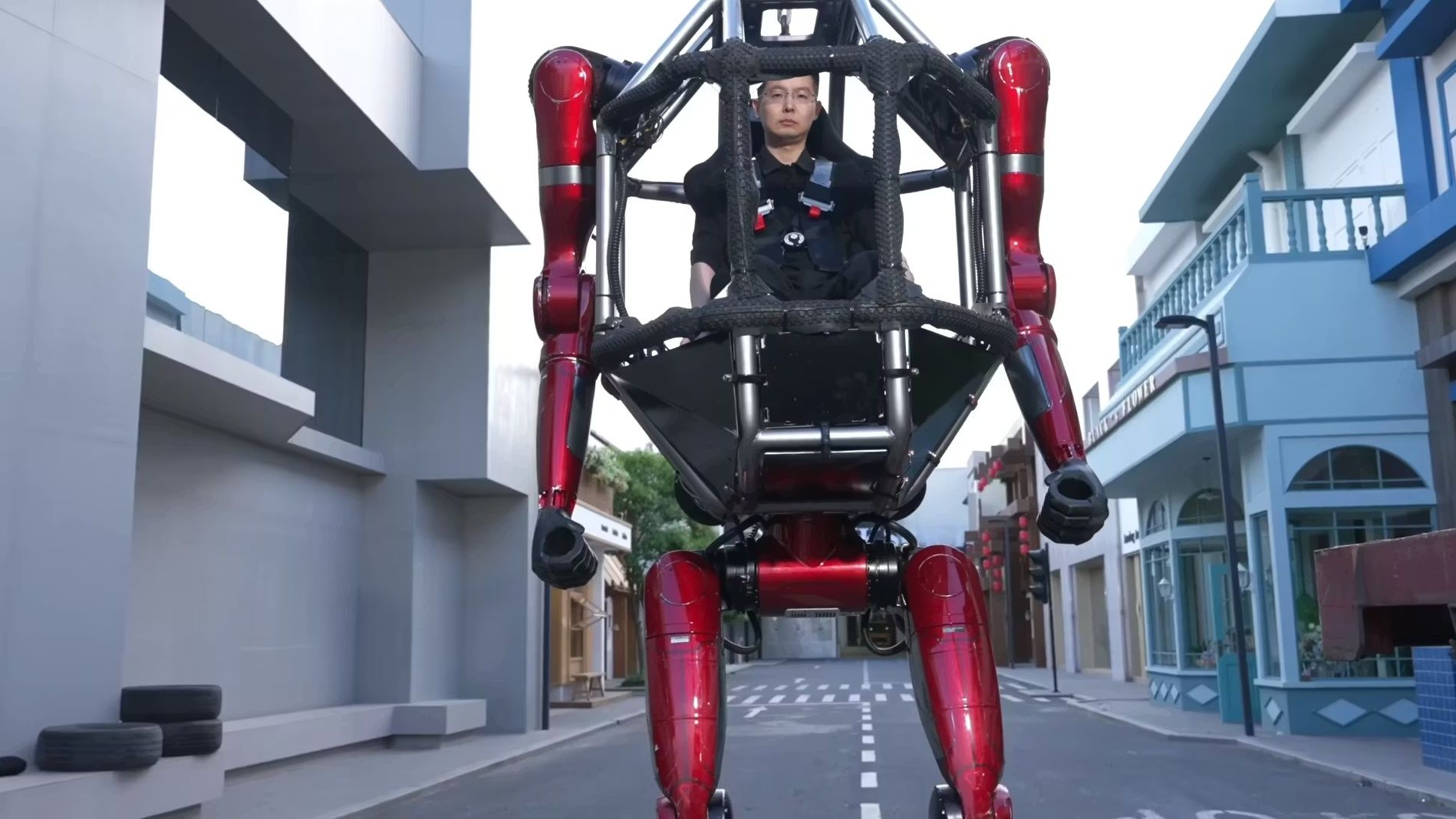
Image source: Unitree / YouTube
The Rundown: Chinese robotics company Unitree just unveiled the GD01, a piloted, transformable mech standing 8.9 feet (2.7 m) that switches between bipedal and quadruped modes and starts at $650K.
The details:
The GD01 is billed as the world’s first mass‑produced transformable mech, shifting between bipedal and quadruped modes in seconds.
Weighing ~500 kg with a pilot, the demo shows it walking, knocking down a brick wall with a mechanical arm, then reconfiguring into a four-legged crawler.
Unitree CEO Wang Xingxing climbed into the cockpit in the debut video, and the company is positioning it as a civilian transport platform.
Chinese companies now account for nearly 90% of global humanoid sales, with Unitree saying it shipped more than 5,500 humanoids last year.
Why it matters: Unitree launched the GD01 to a pounding rock-guitar soundtrack and a safety notice asking buyers to please use their $650K mech “in a Friendly and Safe manner.” What’s wild is that a piloted, transforming wall-demolishing robot has gotten mundane enough to need something that reads like a terms-of-service warning.
WAYMO
⛈️ Waymo recalls robotaxis after flood incident

Image source: Images 2.0 / The Rundown
The Rundown: Waymo is recalling nearly 3,800 U.S. robotaxis for a software fix after an empty robotaxi in San Antonio, Texas, drove into deep floodwater and was swept into a creek during April storms, forcing the company to suspend services in the city.
The details:
The voluntary recall, filed with U.S. regulators, targets vehicles running Waymo’s fifth- and sixth‑generation self‑driving systems.
An incident on April 20 saw an unoccupied Waymo vehicle in San Antonio drive into deep floodwater on a 40 mph road and get swept away.
Footage from Austin and other cities shows Waymo cars steering onto flooded roads or simply freezing in traffic as heavy rain pounds their sensors.
Waymo has already pushed an over-the-air update and says it is developing additional software safeguards to limit operations during extreme weather.
Why it matters: Floodwater is exactly the kind of chaotic hazard that autonomous vehicles are supposed to navigate better than humans, so watching robotaxis float away undercuts the safety case at the industry’s core. This could boost regulatory scrutiny and raise the bar for what “safe” means in climate-stressed conditions.
MIND ROBOTICS
🦄 Rivian CEO’s robotics startup hits $1B

Image source: Images 2.0 / The Rundown
The Rundown: Mind Robotics, the industrial AI spinoff founded by Rivian CEO RJ Scaringe, closed a $400M round led by Kleiner Perkins — crossing $1B in total funding less than a year after launch.
The details:
The raise is Mind’s third since launching in late 2025, following a $115M seed and a $500M Series A in March, and values the company at $3.4B.
Mind Robotics was founded and is led by Scaringe, who spun the company out of the EV maker in late 2025 to focus on AI‑driven industrial robots.
The startup is building a vertically integrated stack of AI models, custom hardware, and orchestration software designed to learn from real factory data.
Scaringe also co‑founded and spun out a micromobility startup called Also, which has already pulled in more than $300M in funding.
Why it matters: Scaringe is betting industrial robotics will produce far more morphological variety than the humanoid wave dominating investment at Tesla and Chinese rivals — a contrarian wager that, if right, could reshape factory floors through task-specific machines long before general-purpose robot workers arrive.
ROBOTICS RESEARCH
🦾 Two labs crack the robot muscle problem
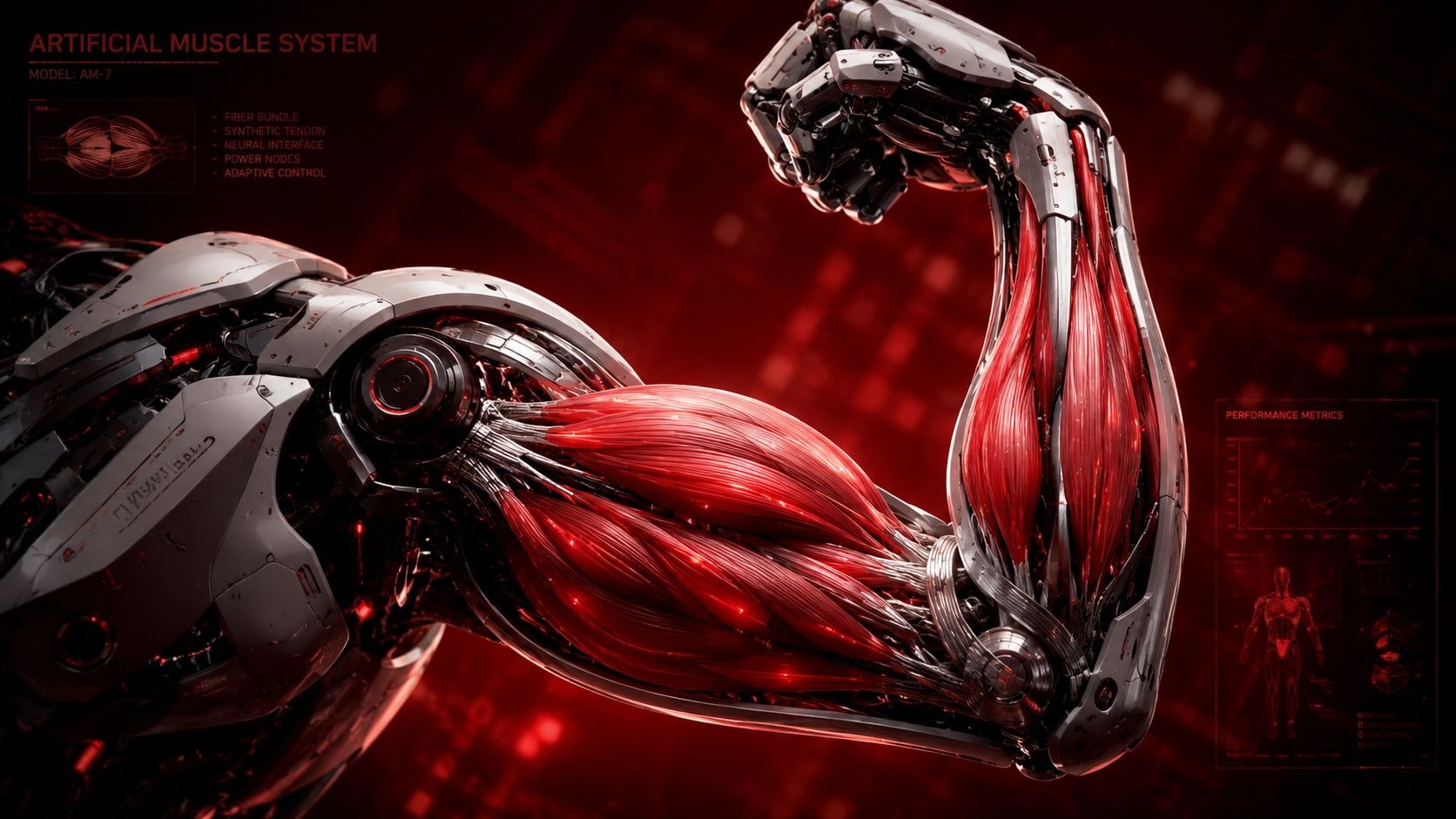
Image source: Images 2.0 / The Rundown
The Rundown: In two new studies, roboticists are reinventing “muscle” itself, potentially giving humanoids elastic, sensor‑packed actuators that flex like real flesh, lift like machines, and can understand how hard they’re pulling.
The details:
Researchers at Arizona State University unveiled HARP actuators — air-powered artificial muscles that can lift up to 100x their own weight.
The coiled, pasta-like tubes inflate with a small burst of compressed air to expand and contract, achieving contraction ratios up to 75%.
Seoul National University developed liquid-crystal-elastomer artificial muscles with embedded liquid-metal channels that both actuate and sense force/length.
The system pairs antagonistic actuators to achieve closed-loop control, already demoed in a robotic finger and gripper.
Why it matters: Robotic actuators have always forced a choice: strength or sensitivity, power or mobility. These two papers attack both sides at once — one solving the mechanics, the other the nervous system. While it’s still early, together they sketch what a genuine muscle analog for humanoids and soft robots could look like.
QUICK HITS
📰 Everything else in robotics today
Figure live‑streamed its Helix‑02–powered humanoids running 8-hour warehouse shifts, autonomously moving packages at nearly human performance levels.
A Tokyo university opened a world-first unmanned medicine lab where humanoids automate experiments, with 2K research robots planned by 2040.
Tesla’s new robotaxi service in Dallas and Houston is drawing complaints of long waits, raising questions about how ready it is to scale beyond Texas, Reuters reported.
A South Korean startup is strapping cameras on staff at a five-star hotel to capture napkin-folding and other hospitality skills as training data for humanoids.
Persona AI launched an early-stage R&D partnership with Under Armour to test advanced performance textiles as external layers for industrial humanoids.
Fanuc’s shares surged to a record high after the Japanese industrial robotics giant announced a deal with Google to develop an AI-powered agent system for its robots.
An AI-powered underwater robot homes in on fish sounds to pinpoint and map coral reef biodiversity hotspots for conservation.
Researchers showed that advances in noninvasive brain-computer interfaces are making assistive robotic arms more practical for use by people with motor impairments.
Bee-inspired Bee-Nav lets tiny drones learn a route with brief flights, then autonomously fly out and return using only a few kilobytes of onboard neural memory.
COMMUNITY
🎓 Highlights: News, Guides & Events
Read our last AI newsletter: The enterprise shift OpenAI saw coming
Read our last Tech newsletter: Venmo finally kills its most criticized feature
Read our last Robotics newsletter: Figure’s robots make a bed together
Today’s AI tool guide: Create content with Claude Code and Higgsfield
RSVP to our next workshop @ 2 PM EST today: Getting AI to do real work
See you soon,
Rowan, Joey, Zach, Shubham, and Jennifer — The Rundown’s editorial team

The enterprise shift OpenAI saw coming
Read Online | Sign Up | Advertise

Good morning, AI enthusiasts. Two months ago, OpenAI's Fidji Simo told staff the company was in a "code red" over Anthropic's enterprise rise. New spend data says the leaderboard has actually flipped.
Ramp’s latest AI Index just showed Anthropic leading adoption among its paid business users for the first time, a 4x adoption surge since 2025 that may tell the story of why OpenAI has been drastically shifting its priorities throughout 2026.
P.S. — Our next live workshop, 'Finally Getting AI to Do Real Work', is today at 2 PM EST. Join for a breakdown of how AI actually works in 2026 and the context habits power users layer on top to get reliable output from any model. RSVP here.
In today’s AI rundown:
Anthropic seizes OpenAI's business AI lead
Amazon doubles down on Alexa+ for shopping
Create content with Claude Code and Higgsfield
Adaption automates AI training with AutoScientist
4 new AI tools, community workflows, and more
LATEST DEVELOPMENTS
ANTHROPIC & OPENAI
🏢 Anthropic seizes OpenAI's business AI lead
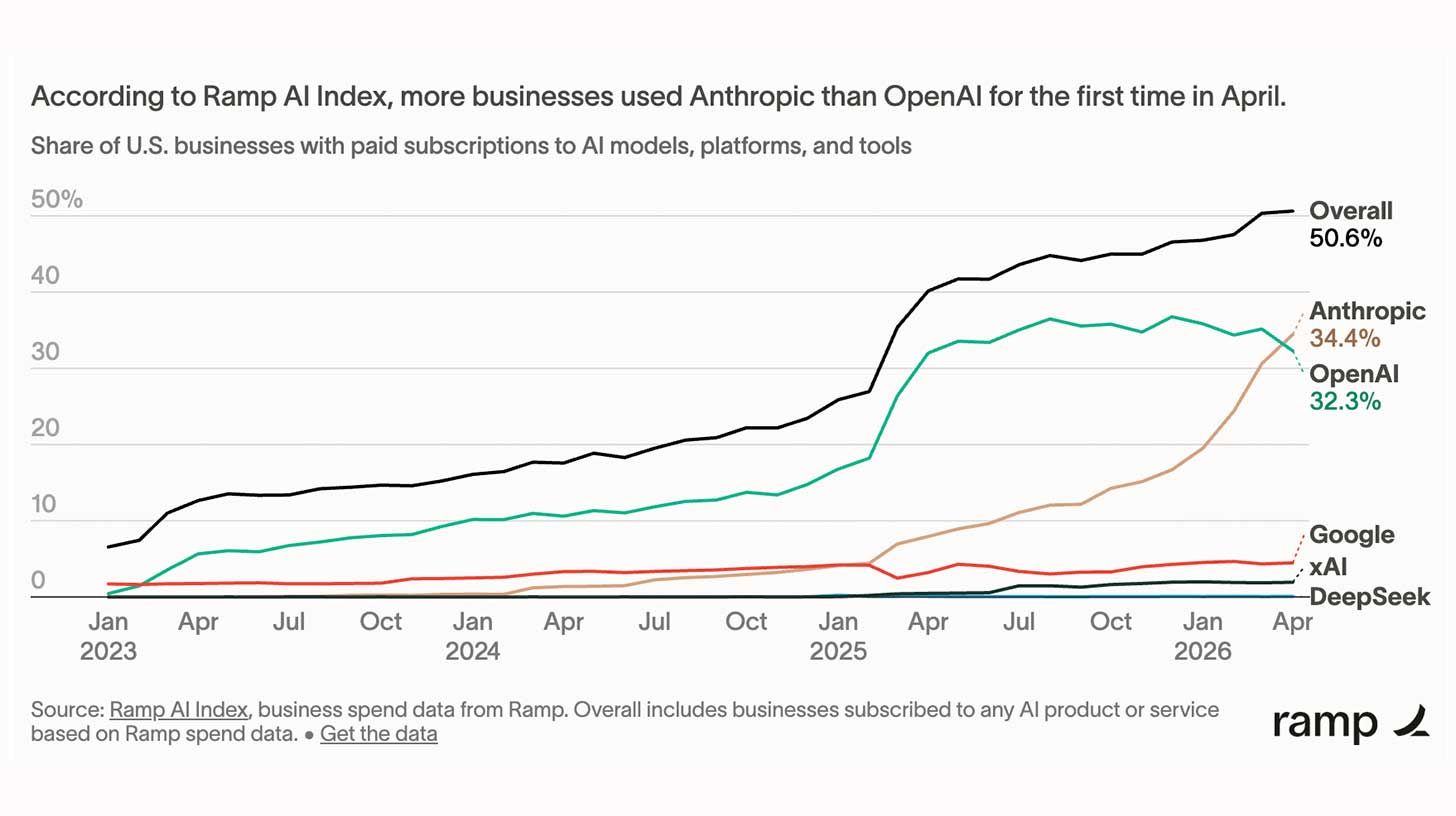
Image source: Ramp
The Rundown: Fintech firm Ramp just published its latest AI Index, showing Anthropic taking the paid business-adoption lead from OpenAI for the first time, an enterprise surge that has quadrupled its usage over the past year while OpenAI has leveled off.
The details:
Ramp tracks corporate card and invoice payments from 50K+ U.S. businesses, making this a spend signal, not full market share.
Anthropic rose 3.8% in April to 34.4% of adoption, while OpenAI fell 2.9% to 32.3% as overall AI use continued to climb to 50.6%.
Claude Code anchored much of the swing, with Anthropic expanding from technical teams into finance, legal, and research workflows.
Ramp highlighted several risks facing Anthropic despite the trend, including recent Claude outages and increasing costs compared to OAI and open-source.
Why it matters: OpenAI is not suddenly cooked, with Ramp not tracking some large enterprise deals and ChatGPT remaining the bigger consumer brand. The yearly trend speaks louder, and was likely the same type of chart that caused OAI’s Fidji Simo-led pivot, which has become evident from recent Codex and other enterprise pushes.
TOGETHER WITH GOOGLE CLOUD
🤖 Build a Multi-Agent AI System
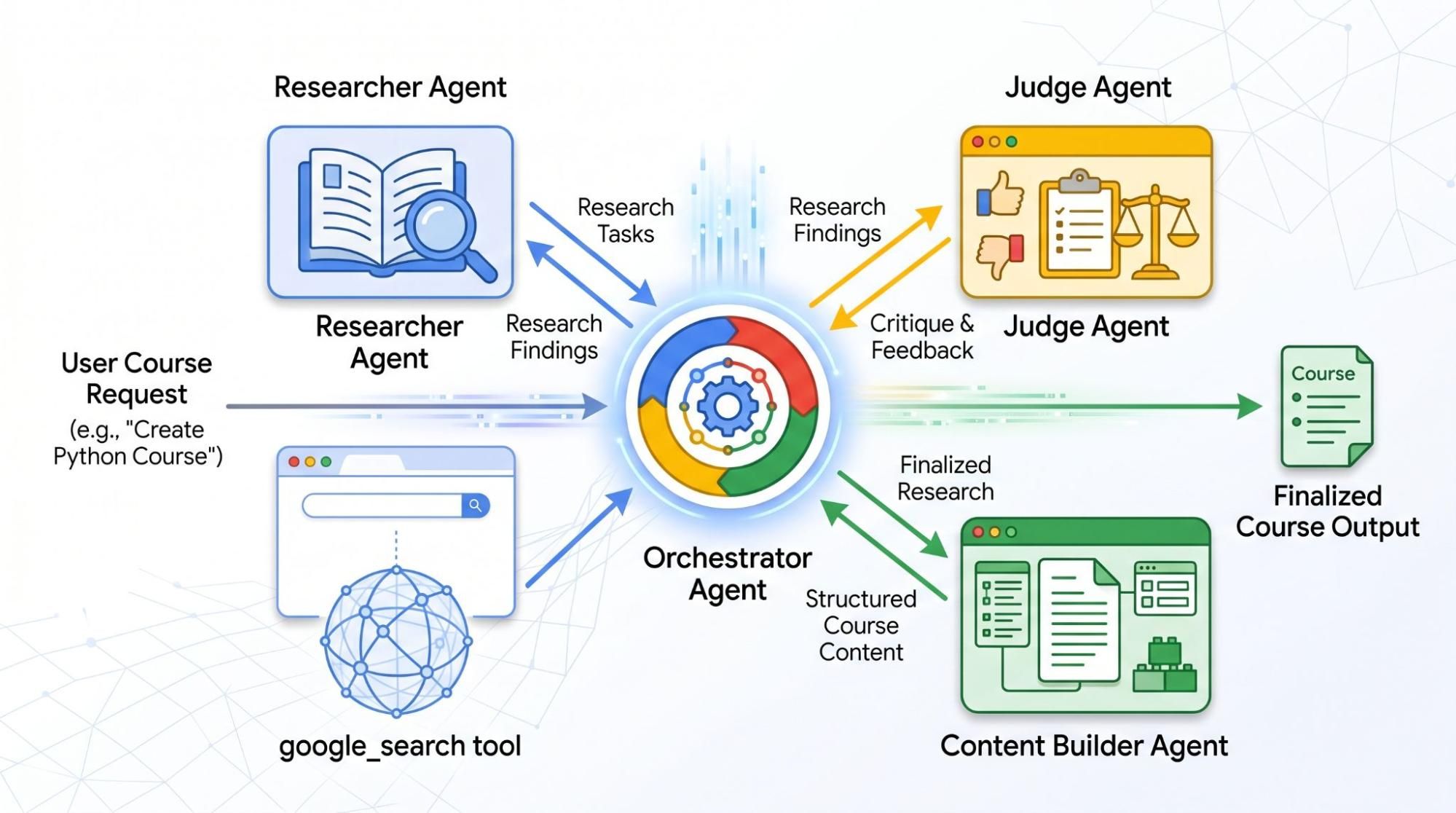
The Rundown: Scale your AI operations with the Gemini Enterprise Agent Platform, Google’s new evolution for building, governing, and optimizing AI agents. Using the open-source Agent Development Kit (ADK), this hands-on codelab teaches you to orchestrate specialized agents like Researchers and Judges into self-correcting workflows that solve complex problems at enterprise scale.
In this codelab, you will:
Construct self-correcting AI feedback loops.
Orchestrate task hand-offs between specialized agents.
Deploy production-ready workflows to Google Cloud Run.
AMAZON
🛒 Amazon doubles down on Alexa+ for shopping
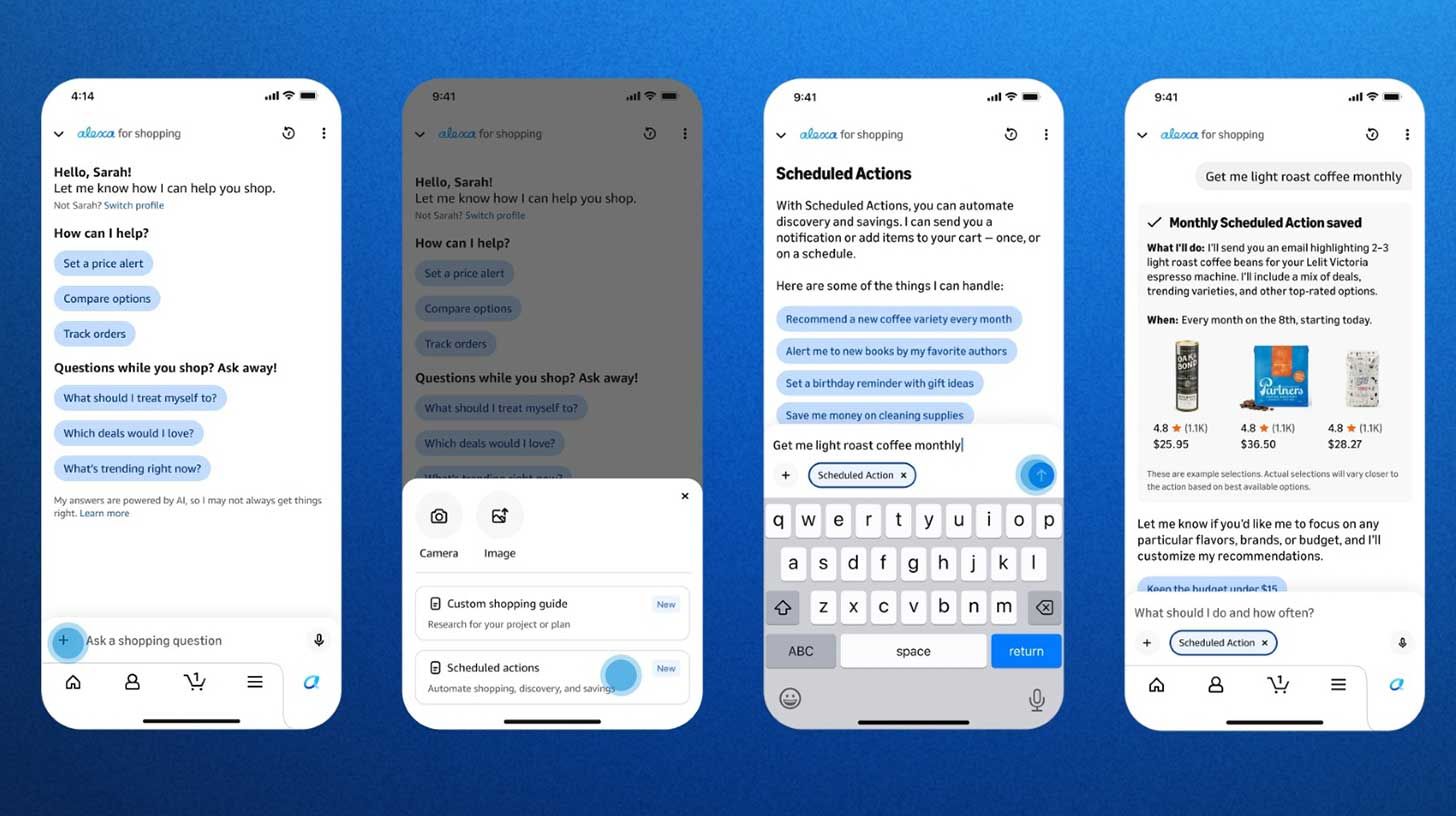
Image source: Amazon
The Rundown: Amazon folded its standalone shopping chatbot ‘Rufus’ inside "Alexa for Shopping", a new agent that takes over Amazon search and follows shoppers across devices with a shared memory of purchases, preferences, and prior chats.
The details:
Rufus drew 300M+ users in 2025 while still in beta, with its product knowledge and shopping history now feeding Alexa for Shopping answers.
Amazon says the new assistant draws on catalog data, reviews, delivery timing, past purchases, and Alexa conversations for information.
Alexa can now field questions in the search bar, run side-by-side comparisons, track pricing, and Auto-Buy items when prices hit a target.
A new Buy for Me handles checkouts on non-Amazon stores, with Scheduled Actions able to automatically restock products on a cadence.
Why it matters: RIP to Rufus, but consolidating under one Alexa AI brand feels like a better play, and the sheer amount of customer history Amazon has gives its agent quite the moat to work with. But with a consumer base that is already moving to other AI platforms for their agentic shopping needs, will Alexa play nice and integrate with them?
AI TRAINING
📸 Create content with Claude Code and Higgsfield

The Rundown: In this guide, you will learn how to connect Higgsfield to Claude Code with the Higgsfield CLI, then use Claude Code to send one image prompt to several AI image models at once.
Step-by-step:
Create a new project folder, install Higgsfield CLI (npm install -g @higgsfield/cli), authenticate (higgsfield auth login), and add Higgsfield skill (npx skills add higgsfield-ai/skills) for Claude Code
Open Claude Code in the same folder and ask it to inspect higgsfield.ai/cli, verify the installation, and list available image models
Give Claude Code an image prompt and tell it to run it across six models, save outputs into a higgsfield-model-test folder, and generate a comparison.md file with notes for each result
Pick the best direction, then ask Claude Code to refine the winning prompt or run one more comparison
Pro tip: If setup gets confusing, ask Claude Code to check Node/npm and give a walkthrough. Higgsfield also supports video, so you can also try this for short clips.
PRESENTED BY STRIPE
💰 Pricing AI: Lessons from leading AI companies

The Rundown: AI companies are hitting revenue milestones faster than ever—but figuring out how to monetize AI products is still one of the hardest problems founders face. Stripe interviewed teams at Anthropic, Vercel, Clay, and more to build a five-step pricing framework for AI products.
Download the guide to learn best practices for how to:
Pick the right pricing model
Prevent billing surprises
Refine your pricing over time
ADAPTION
🔬 Adaption automates AI training with AutoScientist
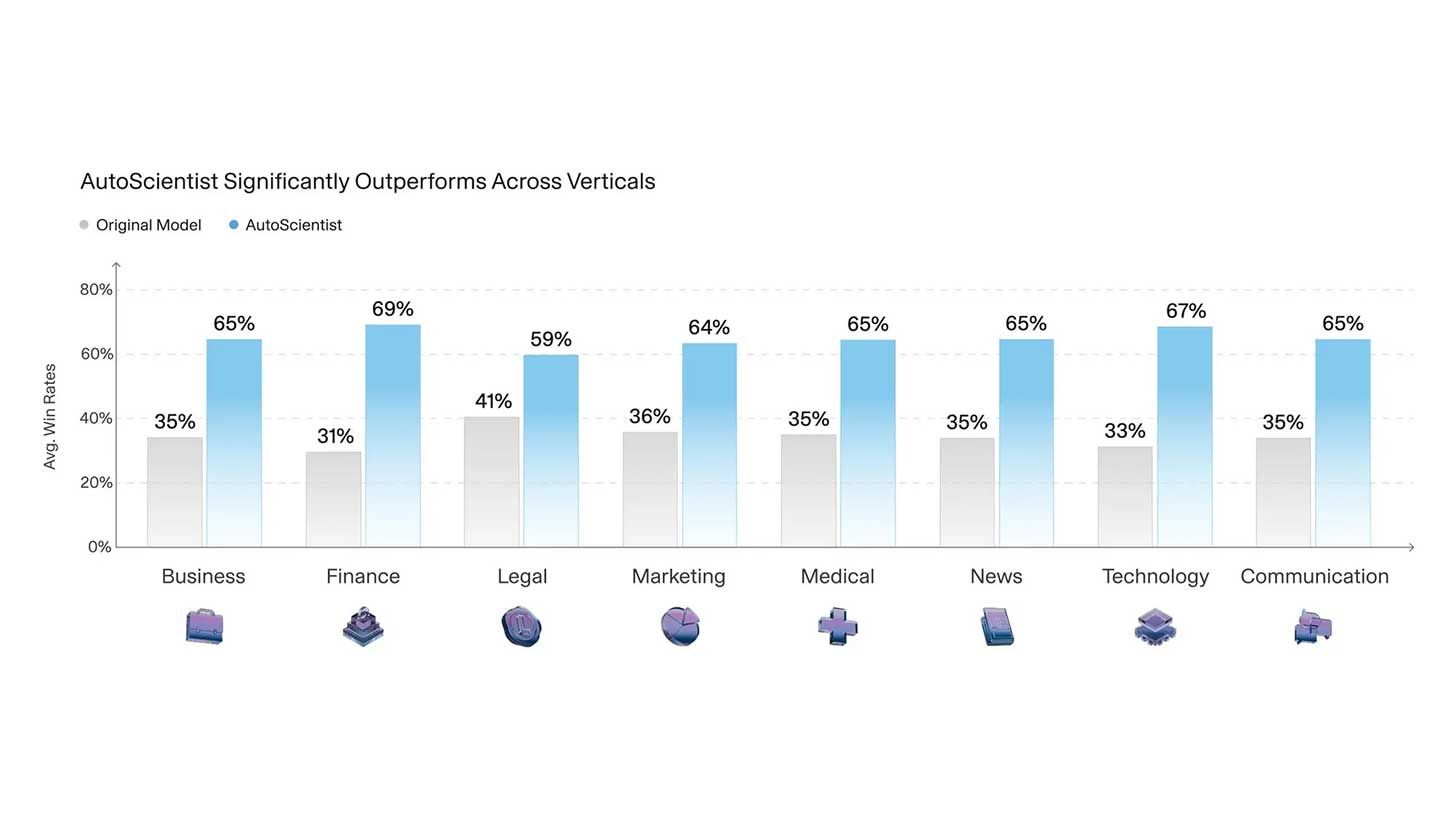
Image source: Adaption
The Rundown: Adaption, the AI startup from ex-Cohere VP of Research Sara Hooker, just introduced AutoScientist, a new system that automatically customizes AI models for specific jobs by adjusting both what the model learns from and how it learns.
The details:
AutoScientist tests different training data and settings, then iterates until the model meets the user's goal.
In internal tests, AutoScientist outperformed its own expert-tuned models by 35% on average, with success rates jumping from 48% to 64%.
Results held across multiple AI models, a wide range of dataset sizes, and 8 varied industries, including finance, legal, and medical domains.
Adaptive’s initial Adaptive Data release in February aimed at increasing the quality of datasets, with Autoscientist now moving toward customizing models.
Why it matters: A few thousand people in the world know how to properly train and fine-tune a frontier model, and nearly all of them work at the same handful of labs. If a tool like Autoscientist can start to automate that expertise, models customized for individual businesses and use cases may become a lot more practical to create.
QUICK HITS
🛠️ Trending AI Tools
🛍️ Alexa for Shopping - Shopping agent for Q&A, price tracking, and auto-buy
💻 Higgsfield Supercomputer - Cloud AI agent with tools, memory, and more
🔐 Incognito Chat - New way to have private chats with Meta AI on WhatsApp
🏪 Claude for Small Business - New tools for payroll, invoices, and campaigns
📰 Everything else in AI today
Nvidia became the first company to hit a $5.5T market cap, coming as CEO Jensen Huang arrived in China to join U.S. President Donald Trump in meetings with Xi Jinping.
Sam Altman testified in the Elon Musk vs. OpenAI legal battle that Musk’s “specific plans on safety” made him worry, and proposed passing the company to his children.
David Silver’s Ineffable Intelligence and Nvidia announced a partnership to build training pipelines for RL agents, with early work targeting Nvidia's Vera Rubin hardware.
Microsoft introduced MDASH, an AI security harness that chains 100+ specialized agents to hunt for software bugs, with the system catching 16 flaws across Windows.
UK's AI Safety Institute said that AI’s ability to complete cyberattacks is doubling every few months, with Mythos Preview and GPT-5.5 finishing its simulated breaches.
COMMUNITY
🤝 Community AI workflows
Every newsletter, we showcase how a reader is using AI to work smarter, save time, or make life easier.
Today’s workflow comes from reader Rod R. in Elizabethtown, KY:
"I am an avid cyclist. I turned 61 years old this year, but I am still participating in multi-day cycling events. I needed advice on the type of riding I should be doing to prepare, and I thought I could benefit from a coach, but I can’t afford one. Then it occurred to me to try ChatGPT.
That has worked out tremendously! We had a “conversation” about my goals, medical history, current fitness, event dates, etc. I have been following a training plan for about 6 weeks now.
ChatGPT continues to coach me as I report on each ride, helps me restructure the plan when life requires me to modify it, and also remembers things we have already discussed. I love how this has helped me to prepare, and I have peace of mind from knowing what I should be doing each day. Today is a rest day! 😊"
How do you use AI? Tell us here.
🎓 Highlights: News, Guides & Events
Read our last AI newsletter: Android enters its Gemini Intelligence era
Read our last Tech newsletter: Venmo finally kills its most criticized feature
Read our last Robotics newsletter: Figure’s robots make a bed together
Today’s AI tool guide: Create content with Claude Code and Higgsfield
RSVP to our next workshop @ 2 PM EST today: Getting AI to do real work
See you soon,
Rowan, Joey, Zach, Shubham, and Jennifer — the humans behind The Rundown

Android enters its Gemini Intelligence era
Read Online | Sign Up | Advertise

Good morning, AI enthusiasts. Google’s headlining I/O event isn’t until next week, but Android just gave a pretty big performance for an opening act.
The company just introduced a new line of AI-native Googlebooks, a new Gemini Intelligence system across devices, a Gemini-infused mouse cursor, and more — bringing AI into its device ecosystem in a more unified way than ever before.
In today’s AI rundown:
New Googlebooks, Gemini Intelligence for Android
Google circles SpaceX for orbital AI compute
Turn Claude Code into your Wall Street analyst
Amazon's AI scoreboard warps work incentives
4 new AI tools, community workflows, and more
LATEST DEVELOPMENTS
💻 New Googlebooks, Gemini Intelligence for Android

Image source: Google
The Rundown: Google just rolled out major new Gemini integrations and hardware at its Android Show event, including a new line of AI-native Googlebook laptops, a Gemini Intelligence system for devices, an AI-infused mouse cursor interface, and more.
The details:
Googlebooks ship this fall as Gemini-native laptops built with Dell, HP, Lenovo, Acer, and Asus, featuring a 'Magic Pointer' AI cursor shown in a new demo.
These new laptops will run Android phone apps and files, blending ChromeOS, Android, Google Play, and Gemini.
Gemini Intelligence acts as Android’s cross-device AI platform, able to carry out agentic tasks within apps and operate with on-screen context.
Other releases include a Create My Widget tool, a Rambler dictation tool that strips filler words, Gemini auto-browse in Chrome on-device, and more.
Why it matters: I/O isn’t until next week, but this was a pretty big appetizer. While the world awaits Apple’s Siri AI revival, Gemini is being woven directly into Android instead of as another bolted-on feature. An ‘intelligence system’ across devices is a clear path to making AI actually useful, and Google might be the first one to actually crack it.
TOGETHER WITH OPTIMIZELY
🧪 Where AI meets the future of experimentation

The Rundown: Test + Learn 2026, hosted by Optimizely, is a free two-hour virtual event on June 17 built for digital leaders putting AI to work in their experimentation programs. Expect honest takes, live agent demos, and real frameworks teams are using today.
At the event, you'll:
Hear career-shaping AI advice from Elena Verna and top minds in the field
See 5 live AI agent demos covering everything from ideation to reporting
Learn how Salesforce, BBC, ASOS, and more run more tests without extra headcount
Get exclusive content and an invite to free AI certificate training
GOOGLE & SPACEX
🛰️ Google circles SpaceX for orbital AI compute

Image source: Images 2.0 / The Rundown
The Rundown: Google is reportedly exploring a rocket-launch deal with SpaceX for orbital data centers, putting two already-linked companies on the same side of a moonshot that could also become a future AI infrastructure rivalry.
The details:
Google has held a 6.1% stake in SpaceX since investing $900M in 2015, and its VP Don Harrison occupies a board seat at the company.
Google’s own moonshot Project Suncatcher is aiming to launch prototype Google satellites by 2027, with Planet Labs helping build the first hardware.
Anthropic finalized a compute deal with SpaceX last week, with Anthropic also saying it “expressed interest… in multiple GW of orbital AI compute capacity”.
SpaceX has filed for approval for up to 1M satellites, making orbital compute a major piece of its pre-IPO pitch to investors.
OAI's Altman called the concept of orbital compute 'ridiculous' at an event in New Delhi, saying it won't 'matter at scale this decade.
Why it matters: The deal makes a lot of sense for both sides — Google gets launch capacity for Suncatcher without building its own rockets, and SpaceX gets a marquee customer to validate its orbital pitch before its IPO. Despite Altman’s sentiment, betting against ideas from both Google and Elon Musk hasn’t been a great move historically.
AI TRAINING
📈 Turn Claude Code into your Wall Street analyst

The Rundown: In this guide, you will learn how to add Anthropic's financial services plugin marketplace to Claude Code, install market research skills, and use them to create market research reports, equity analysis, earnings reviews, and Excel sheets.
Step-by-step:
Open a terminal and start Claude Code. Once it’s running, type: /marketplace and hit enter on the plugin marketplace option to open the plugin manager
Go to the Marketplaces tab in the plugin manager, select Add Marketplace, and paste this GitHub link to add the new claude-for-financial-services marketplace
Open the new marketplace and browse plugins. For us, market-researcher, earnings-reviewer, equity-research, and financial-analysis did well
Install the skills you want, then use them inside Claude Code to create sourced reports, compare companies, review earnings, or financial analysis outputs
Pro tip: Treat this as research support, not financial advice. Use public information, ask Claude to cite sources, and verify anything important before making decisions.
PRESENTED BY ASAPP
♻️ Five CX agents, one coordinated system

The Rundown: Most enterprises automate containment and call it done. ASAPP's five new coordinated agents — Discovery, Developer, Simulation, Optimization, and Insights — take you from finding what to automate to building, testing, running, and improving it all in one governed platform with human oversight built in.
ASAPP’s agents can:
Spot highest-ROI automation opportunities and ship CX workflows without the engineering wait
Test new experiences before launch and tune live performance continuously
Turn every customer interaction into intelligence the business can act on
AMAZON
🧮 Amazon's AI scoreboard warps work incentives

Image source: Images 2.0 / The Rundown
The Rundown: Amazon's internal AI ‘tokenmaxxing’ push has resulted in employees gaming its MeshClaw agent to burn extra tokens, with staff telling FT that adoption and public consumption metrics have turned token usage into an office competition.
The details:
The company had set an internal goal for over 80% of developers to use AI weekly, and started tracking model and token usage via staff rankings this year.
MeshClaw, a tool built by Amazon staffers, lets users create AI agents with access to deploy code, sort emails, and operate across company software.
Amazon staff told FT the pressure to adopt AI is causing “perverse incentives”, with employees burning tokens on unnecessary tasks to raise their numbers.
Amazon says token stats are not performance-review inputs, but recently pulled back usage number visibility to individual employees and their managers.
Why it matters: The quality > quantity adage feels like an important lesson for the rise of tokenmaxxing seen within companies like Amazon and Meta. A token counter can prove AI was used, but it can’t prove the work got better — and if companies reward usage instead of outcomes, employees will only optimize for the scoreboard.
QUICK HITS
🛠️ Trending AI Tools
🧠 Pave - Skip prototype purgatory. Build custom AI apps your business can actually run. No tools, setup, or cost*
🌌 Krea 2 - Krea's image AI with style transfer, moodboard-based generation
🎨 Step Image Edit 2 - StepFun’s new lightweight image editing model
🗣️ GPT-Realtime-2 - Voice AI that thinks, call tools, maintains flow in live calls
*Sponsored Listing
📰 Everything else in AI today
Google’s Isomorphic Labs announced $2.1B in funding for its drug discovery AI, with Demis Hassabis saying “the No. 1 application of AI should be to improve human health.”
Krea introduced Krea 2, the company’s first proprietary image model specifically designed for aesthetic range, with features like style transfer and moodboard tools.
A hacker planted data-stealing code called ‘Mini Shai-Hulud’ inside 42 of its open-source agentic npm packages, with the wide-scale attack impacting several AI tools.
Meta employees reportedly organized a protest against the company’s mouse-tracking software being used to train AI and create agents.
Rivian rolled out an AI assistant across its EVs that controls car hardware, chains agentic tasks, and more via a steering wheel button or “Hey Rivian” command.
COMMUNITY
🤝 Community AI workflows
Every newsletter, we showcase how a reader is using AI to work smarter, save time, or make life easier.
Today’s workflow comes from reader Corey S. in Ft. Lauderdale, FL:
"Six months ago, my little brother passed away unexpectedly. On the night before his funeral, we realized that the hundreds of people attending likely held a treasure trove of photos we had never seen—snapshots of his life from childhood to adulthood.
On the morning of the service, I quickly vibe-coded and deployed a simple site that allowed guests to scan a QR code and upload photos directly from their phones.
As people arrived, a live wall of memories began to grow, giving everyone a chance to reflect on his life while they waited. Afterward, I was able to download every single one of those photos and send them to my mother."
How do you use AI? Tell us here.
🎓 Highlights: News, Guides & Events
Read our last AI newsletter: Thinking Machines gets interactive with new AI
Read our last Tech newsletter: Venmo finally kills its most criticized feature
Read our last Robotics newsletter: Figure’s robots make a bed together
Today’s AI tool guide: Turn Claude Code into a personal financial analyst
See you soon,
Rowan, Joey, Zach, Shubham, and Jennifer — the humans behind The Rundown
No matching search results
Try using different keywords, double-check your spelling, or explore related categories.
Stay Ahead on AI.
Join 2,000,000+ readers getting bite-size AI news updates straight to their inbox every morning with The Rundown AI newsletter. It's 100% free.