Get the latest AI news, understand why it matters, and learn how to apply it in your work — all in just 5 minutes a day. Join over 2,000,000+ subscribers.

Ideogram and Reve rethink how AI images get made
Read Online | Sign Up | Advertise

Good morning, AI enthusiasts. How you use an AI image model is starting to change, and two back-to-back releases show where it's going.
The new (open-source!) Ideogram 4.0 and Reve 2.0 make a similar case: the prompt gets you close, but letting users edit and control typography, regions, and layout after the fact is where the next breakthrough lives.
In today’s AI rundown:
New image models swap text prompts for layouts
Meta turns business chats into AI agents
Automate social content calendar with Manus
Study: AI tutors edge out law faculty
4 new AI tools, community workflows, and more
LATEST DEVELOPMENTS
IDEOGRAM & REVE
🖼️ New image models swap text prompts for layouts

Image source: Ideogram / Reve
The Rundown: Two image labs just shipped new models, with Ideogram open-sourcing Ideogram 4.0 and Reve launching Reve 2.0 — and both pushing a more layout- focused, agentic iteration process for more user input and creative control.
The details:
Ideogram 4.0 takes the top spot for open models and ranks behind only OpenAI and Google’s closed models on Design Arena.
4.0 excels at text rendering, typography, and graphic design, preferred by professional human designers over top rivals on Contra’s testing.
Reve 2.0 surpasses Nano Banana 2 on Arena’s Text-to-Image leaderboard to take the No. 2 overall spot, trailing only GPT-image-2.
The model’s outputs include labeled segments, allowing users to tweak specific parts of an image rather than regenerate it entirely.
Reve creates the image ‘like code’, editing it by rewriting the layout rather than the prompt, while Ideogram uses a similar technique via JSON.
Why it matters: Image models have come a long way from the slot-machine days, when the only move was to re-roll the prompt. The real step change now is the granular control and editing that people used to jump to other apps for. With Ideogram, the open weights are the story: proving open source is not far behind the frontier.
TOGETHER WITH FUNCTION HEALTH
🩺 Your body has receipts

The Rundown: Function gives you access to 160+ lab tests, personalized insights, and ongoing tracking in one place — so you can see what's happening inside your body before symptoms show up.
A Function membership gives you:
160+ lab tests run annually across key health markers
Private AI Chat trained on your individual results
Clinician-reviewed insights to put your data in context
Continuous tracking so you can see what changes over time
Own your health and use code RUNDOWN50 for $50 off your membership.
META
💬 Meta turns business chats into AI agents

Image source: Meta
The Rundown: Meta just launched Meta Business Agent globally, rolling out AI agents across WhatsApp, Instagram, and Messenger that can answer questions, book appointments, and close sales for any business on the platform.
The details:
Meta first floated the feature in October as a free test in international markets, with over 1M businesses already utilizing the tool.
Agents can close sales, recommend items, qualify leads, and book appointments across languages, with human takeover available at any point.
A standalone Business Agent Platform plugs agents into outside tools like Zendesk and Shopify, with broader business operations abilities coming later.
The agent is free to start, though Meta said it will be rolling out paid subscription tiers across different business sizes.
Why it matters: Meta’s sprawling social media empire is already a major driver for businesses, so embedding agents for them is a sharp move. The question will be trust. Stories like hackers fooling Meta's own support bot this week won’t help, as the tech giant hopes businesses will trust its agents with their own customers.
AI TRAINING
🤳 Automate social content calendar with Manus
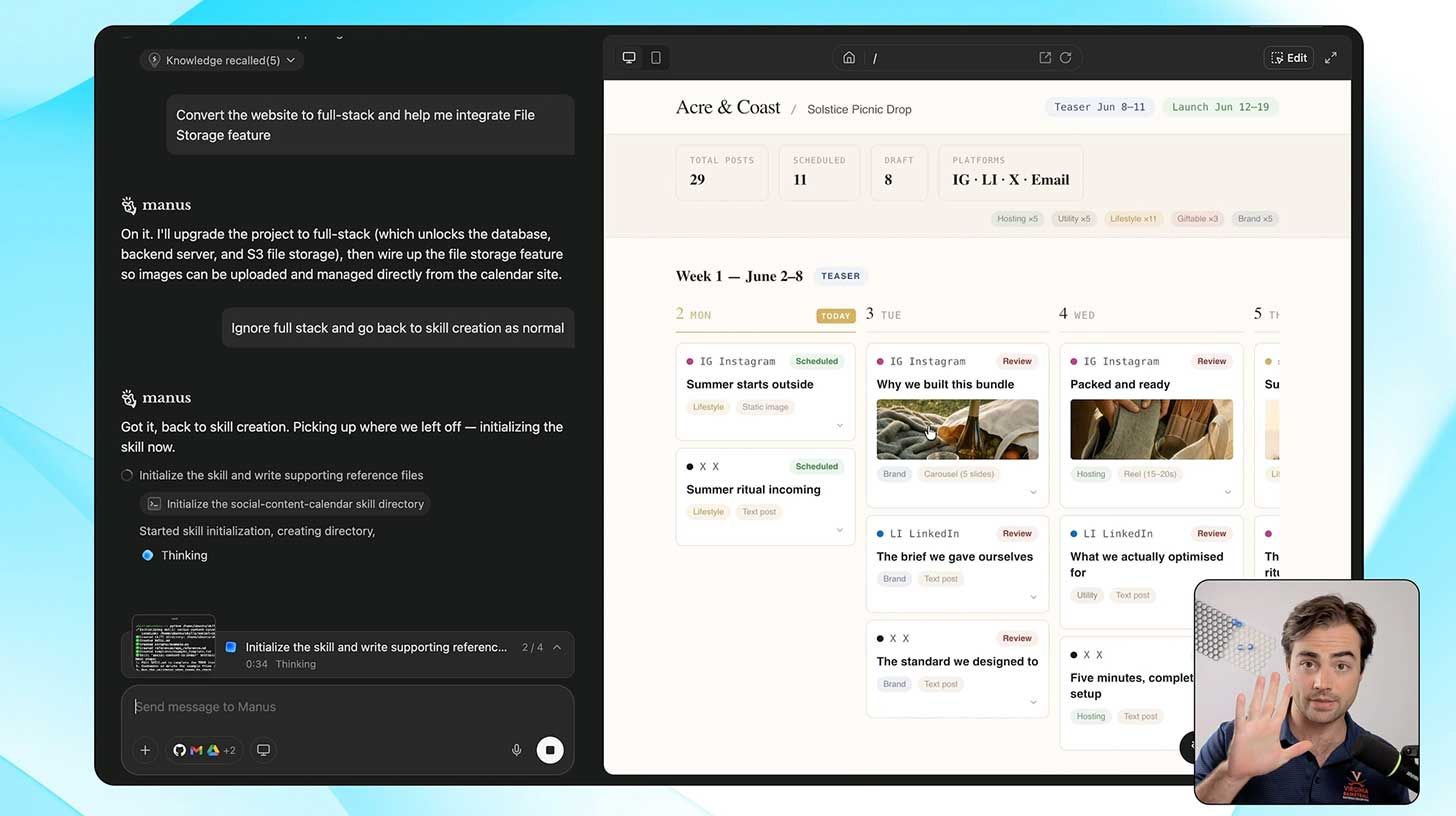
The Rundown: In this guide, you will learn how to build a custom content calendar in Manus that updates, plans, and generates each week of social posts for you. It will automatically save generated posts in your Google Drive so you can easily access them.
Step-by-step:
Sign up for Manus and get its desktop app, then create a Google Drive folder and add your brand documents, briefs, example posts, or product notes
Open the Manus Connectors page, choose Google Drive, authorize your account, then create a new project for this calendar
Prompt: “Build a one-page HTML content calendar I can use as a visual planning dashboard for one week of content. Use the brand documents in my Google Drive folder to generate post titles, captions, and assets for [Instagram, LinkedIn, X, email]. Show each post and asset in the calendar page, and save the generated posts and assets back into Google Drive”
Tell Manus to generate the first week of posts based on the brand assets you added to Google Drive, then turn that planning process into a reusable skill
Pro tip: Once the skill is working, ask Manus to make it a weekly automation that refreshes the next seven days of posts and updates the calendar.
PRESENTED BY VANTA
👋 Find your Calm-pliance

The Rundown: Your employee just added their 67th AI tool. Congrats. You also just created your 67th security blind spot. The Vanta Agent is the sharpest GRC engineer you’ve never had to hire, working tirelessly across the platform to draft policies, complete questionnaires, and flag issues before they escalate.
Here's what Vanta Agent takes off your plate:
Continuous policy drafting as your tool stack grows
Security questionnaires completed automatically
Compliance gaps flagged before they become audit findings
Always-on coverage across your existing Vanta workflows
Don't be the last one scrambling before an audit — watch the on-demand demo to learn more.
AI RESEARCH
⚖️ Study: AI tutors edge out law faculty

Image source: Images 2.0 / The Rundown
The Rundown: A new study led by Stanford ran a blind test of AI legal tutoring, asking 16 contract professors to judge anonymized answers from their peers and from two of Google's AI systems — with the faculty siding with the AI outputs 75% of the time.
The details:
The study tested contract-law office-hours questions, a setting where strong answers need judgment and critical thinking instead of just one correct answer.
Sixteen professors from 14 schools blindly judged 2,918 matchups between their own answers and those of Google’s Gemini 2.5 Pro and NotebookLM.
Faculty chose Gemini 2.5 Pro and NotebookLM responses 75% of the time, with only a single top professor staying level with the models in evaluations.
Extending the testing with an AI stand-in judge, the team ranked nine more systems, with Claude Opus 4.7 on top and all models beating the professors.
Why it matters: Early models like GPT-4 were already passing the bar exam, but this study puts AI in tougher, more subjective judgment situations on office hours contract law questions. AI’s rollout into the education world is still controversial and jagged, but areas like on-demand tutoring can help change the learning process for the better.
QUICK HITS
🛠️ Trending AI Tools
⚡ CData Connect AI - Give Claude, ChatGPT, Copilot or any AI tool live, governed, read & write access to your business data in one unified layer.*
🎆 Ideogram 4.0 - Ideogram's new top-rated open-weight image model
👋 Meta Enterprise Agent - Meta’s AI agent for customer sales and support
💻 Personal Computer - Perplexity’s local orchestrator, now on Windows
*Sponsored Listing
📰 Everything else in AI today
Suno raised over $400M at a $5.4B valuation, with the AI music startup rolling out its first model built in partnership with the music industry “in the coming months.”
Google released Gemma 4 12B, a new multimodal model able to run on a 16GB laptop, and the first Gemma variant of this size built for native audio.
xAI rolled out Grok Imagine 1.5 Preview, the company’s latest image-to-video update, which brings upgraded realism, audio syncing, and prompt following.
Microsoft and the Mayo Clinic are building a frontier healthcare AI, trained on anonymized patient data and owned by the clinic, with Azure handling distribution.
Google Labs launched a new experiment called Dreambeans, connecting to users’ Gmail, Calendar, Photos, and Search to generate a feed of personalized daily stories.
COMMUNITY
🤝 Community AI workflows
Every newsletter, we showcase how a reader is using AI to work smarter, save time, or make life easier.
Today’s workflow comes from reader Jeff M. in Great Falls:
“A simple but surprisingly useful use of AI came while shopping for a used vehicle. I had a browser page open with hundreds of listings and asked Gemini in Chrome to extract the data and plot it by price, model year, and mileage. Within seconds, it generated a visualization showing the distribution of asking prices across different years and mileage ranges.
The chart made it easy to see how much value was gained or lost by moving one model year newer or older, and quickly highlighted listings that deserved further investigation. It also exposed suspicious outliers, such as unusually low-priced vehicles that appeared to be stale or bait listings designed to generate leads and encourage buyers to contact the dealership.
What would have taken hours became digestible in a matter of seconds.”
How do you use AI? Tell us here.
🎓 Highlights: News, Guides & Events
Read our last AI newsletter: Microsoft paves its own AI way at Build
Read our last Tech newsletter: Microsoft’s first AI-native laptop
Read our last Robotics newsletter: Nvidia’s plug-and-play humanoid
Today’s AI tool guide: Automate social content calendar with Manus
RSVP to our next workshop on June 18: Build a Marketing Creative Studio
See you soon,
Rowan, Joey, Zach, Shubham, and Jennifer — the humans behind The Rundown


Microsoft paves its own AI way at Build
Read Online | Sign Up | Advertise

Good morning, AI enthusiasts. For years, Microsoft's AI story was really OpenAI's story. At Build 2026, it felt like the tech giant was finally writing its own path.
With seven new in-house models, an OpenClaw-based agent, agent-first hardware, and more, Microsoft stopped looking like a distribution partner and started looking like the company rebuilding the agent era around its own rails.
In today’s AI rundown:
Microsoft kicks off Build with models, agents, and qubits
Trump softens AI executive order into voluntary review
Use Claude Design’s slide decks feature like a pro
Legendary Hollywood director opens the door to AI
4 new AI tools, community workflows, and more
LATEST DEVELOPMENTS
MICROSOFT
🏗️ Microsoft kicks off Build with models, agents, and qubits

Image source: Microsoft
The Rundown: Microsoft just made a full-stack agentic AI push at Build 2026, releasing new models, its first always-on agent, a quantum chip, a platform for “agent-first” devices — positioning Windows and Microsoft 365 as the control layer for agents.
The details:
Microsoft AI released seven new MAI in-house models spanning reasoning, coding, image, voice, and transcription, with access through Microsoft Foundry.
Microsoft Scout, its first "Autopilot" agent built on OpenClaw, runs in Teams and takes proactive actions like scheduling meetings and prepping materials.
Majorana 2, a quantum chip AI agents helped design, shows a 1,000x reliability improvement, speeding timelines for a usable machine to as soon as 2029.
The company previewed Project Solara, an upcoming platform for agentic devices, with hardware concepts including a badge and desk companion.
On the heels of its Surface Laptop Ultra reveal, Microsoft also introduced the Surface RTX Spark Dev Box, a new mini-PC built for AI workloads.
Why it matters: Build is a timely piggyback off of Nvidia’s big day, with Microsoft following the agentic theme and even partnering with the chipmaker for AI laptops and PCs. With in-house models, an OpenClaw agent, and agentic hardware, Microsoft is paving a bold new path in the first year of independence from OpenAI’s shadow.
TOGETHER WITH TELEPORT
🚫 Don’t give AI agents standing access

The Rundown: AI agents are touching your production systems without an identity. Teleport gives every autonomous agent a unique, cryptographic identity with least-privileged, JIT access that expires automatically.
With Teleport, you get:
4.5x fewer security incidents
An audit log of every prompt, query, and tool call
A unique cryptographic identity per agent
AI & THE GOVERNMENT
⚖️ Trump softens AI executive order into voluntary review
Image source: The White House
The Rundown: U.S. President Donald Trump signed an executive order asking AI labs to voluntarily hand frontier models to the government for a 30-day security review before release — retreating from the previously expected 90-day requirement.
The details:
Trump scrapped a 90-day draft hours before a planned May 21 ceremony, telling reporters it would "get in the way of" the U.S. AI race with China.
Labs are asked to share “covered frontier models” flagged by a classified process as capable of finding security flaws in a 30-day window before launch.
Former AI czar David Sacks, who reportedly fought the first draft, came around once the review window shrank from 90 days to 30.
The order also rules out any mandatory licensing or permits for new models, and directs the DOJ to go after AI-powered hacking of computer systems.
Why it matters: With Anthropic’s Claude Mythos nearing a public release and GPT-5.6 likely to have similar capabilities, the cybersecurity threats are becoming very real, very fast. But this EO looks more like the government pushing for a (voluntary) front-row seat to the frontier AI action more than a fix for a potential security concern.
AI TRAINING
👨💻 Use Claude Design’s slide decks feature like a pro
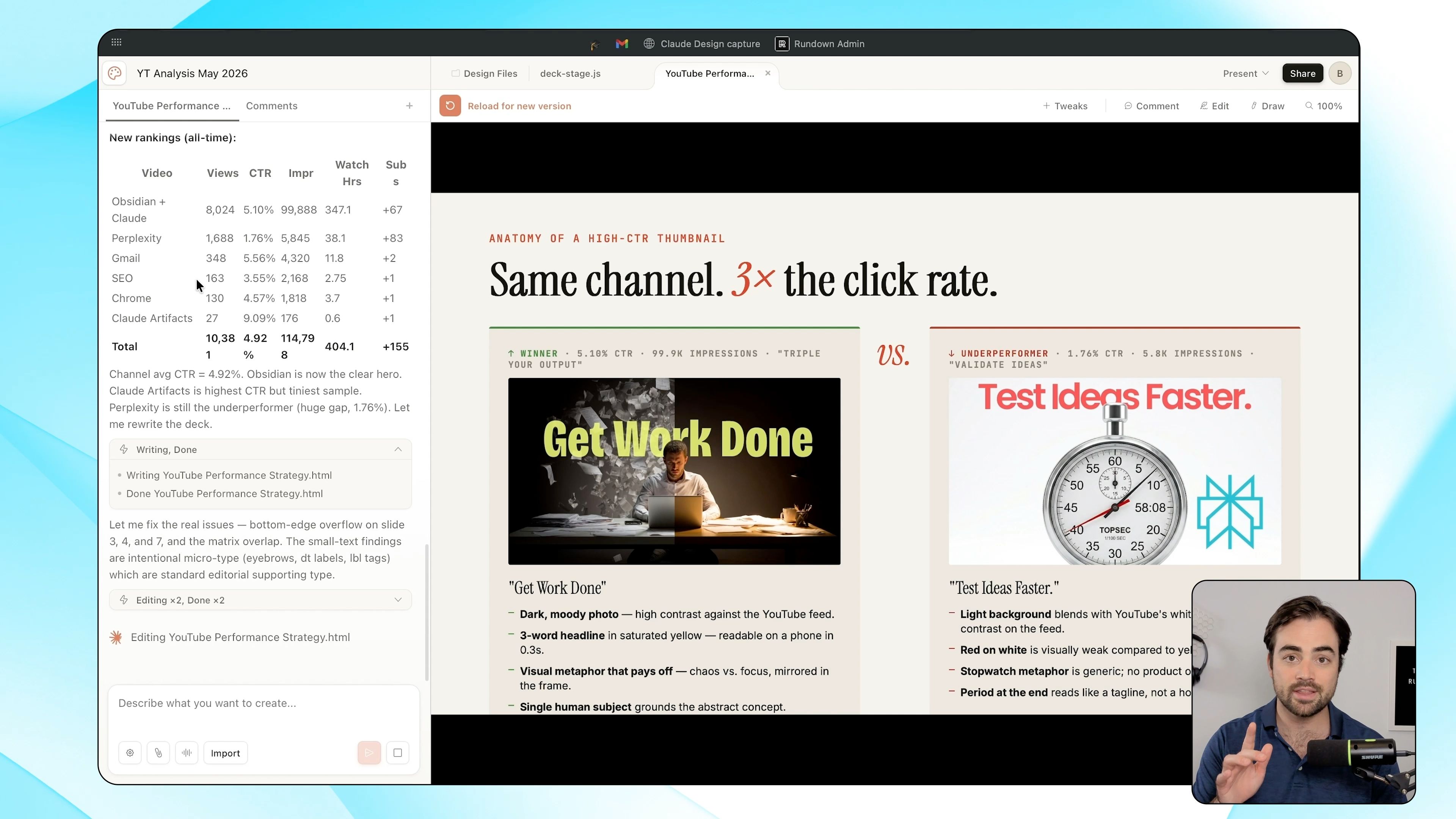
The Rundown: In this guide, you will learn how to use Claude Design to turn your raw data into a useful strategy deck complete with actual insights. Claude Design analyzes what is working and gives concrete recommendations your team can use.
Step-by-step:
Start with a messy CSV report (YT data, Facebook ads, etc.) and decide what the deck needs to do (like find patterns and turn it into a repeatable system)
Open claude.ai/design, choose Slide deck, skip the design system, toggle on speaker notes, and upload your data
Prompt: “Turn these files into a strategy deck on performance. Analyze the results by item and extract best practices from the data and assets. Use charts, rankings, and concrete recommendations. Match images or creative files to CSV using the filename or matching field. Keep it presentation-ready”
Generation will take 10-15 minutes. You can export to PowerPoint or Google Slides when it's ready
Pro tip: Duplicate the project and upload more data sources for Claude to incorporate into the presentation.
PRESENTED BY GITLAB
🚀 The future of agentic AI dev
The Rundown: Agentic AI is reshaping software development, and the leaders adopting it early are setting the pace. GitLab Transcend streams live from London on June 10 with unfiltered insights from peers deploying it now — plus an early look at where GitLab is taking it next.
With GitLab Transcend, you'll get:
Unfiltered insights from peers deploying agentic AI
An early look at GitLab's roadmap
New research and live demos
All virtual, streaming from London
AI & HOLLYWOOD
🎬 Legendary Hollywood director opens the door to AI
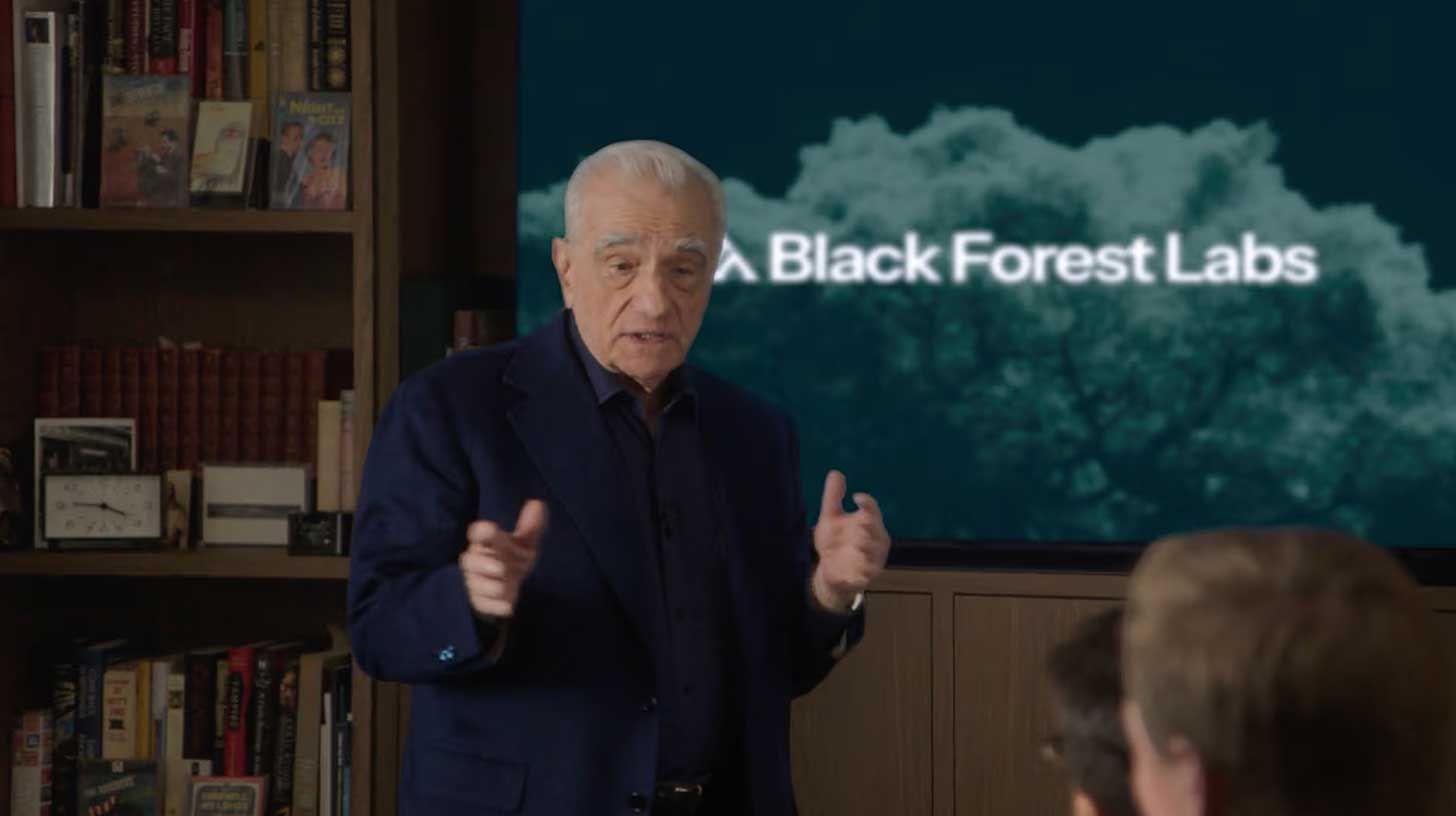
Image source: Black Forest Labs
The Rundown: Martin Scorsese just went public as an adviser to AI image startup Black Forest Labs, with a new video detailing the Academy Award-winning director using the company’s FLUX model to help storyboard a new film.
The details:
Scorsese signed on last year as a partner and adviser to Black Forest Labs, utilizing its FLUX AI image models for preproduction of a new film.
His use is for storyboarding only, with no generated actors, sets, or footage — calling being able to share a storyboard instantly "creatively freeing."
Scorsese also said that “Cinema is a young medium, only around 125 years old, so we have to be open to how it can evolve”.
Why it matters: This is going to ruffle some anti-AI Hollywood feathers, but a figure of Scorsese’s level coming out in support of an AI tool is a big deal. It’s also a good example of using the tech in a way that aids the creative process without replacing it, a more stomachable entry point for skeptical filmmakers than full AI films or studios.
QUICK HITS
🛠️ Trending AI Tools
🤖 MAI - Microsoft AI’s in-house model family, with seven new models
🖥️ Holo3.1 - H Company’s upgraded computer use model, running fully locally
💻 Hermes Desktop - Nous Research's agent as a native desktop app
🚀 Codex - OpenAI’s agentic coding tool with new Sites, role-specific plugins
📰 Everything else in AI today
Anthropic expanded Project Glasswing, giving 150 new organizations across 15 countries access to its powerful Claude Mythos Preview model.
OpenAI launched new Codex updates, including Sites that allow users to create and share hosted websites and apps, alongside new role-specific plugins across domains.
Cognition rebranded its Windsurf IDE as Devin Desktop, a single surface for running agents locally or in the cloud, with support across agents like Codex and Claude.
Famed investor Elad Gil said humanity is “likely in very early lift off and exponential”, saying the models released in December crossed a major technological threshold.
Google's parent company, Alphabet, is selling $80B in stock to fund its AI infrastructure expansion, with the company planning up to $190B in spending this year.
COMMUNITY
🤝 Community AI workflows
Every newsletter, we showcase how a reader is using AI to work smarter, save time, or make life easier.
Today’s workflow comes from reader An in Cape Town, Africa:
"I wanted to analyse the income and expenses of our Airbnb properties to see trends and if Claude could give me some recommendations. So I used Cowork and pointed it to my folder where all income and expenses info (including the agent, property management costs, and income, rates and taxes, internet costs, etc.) is stored.
Claude analysed all the files and came up with a Five Tab Dashboard: Overview, Net Income & Trends, Expenses, Occupancy & ADR, and Recommendations. It is fully interactive, and I can look at each property individually and all together, see trends over the years, and look at how low season impacts our income.
I used to have to go through every single invoice and put it into a spreadsheet, which took a lot of time, and therefore, I did not do it as often as I should or wanted to. Now, with all the graphs and everything included, it makes it much easier to analyse the data.”
How do you use AI? Tell us here.
🎓 Highlights: News, Guides & Events
Read our last AI newsletter: Nvidia corners the AI agent stack
Read our last Tech newsletter: Microsoft’s first AI-native laptop
Read our last Robotics newsletter: Nvidia’s plug-and-play humanoid
Today’s AI tool guide: Use Claude Design’s slide decks feature like a pro
RSVP to our next workshop on June 18: Build a Marketing Creative Studio
See you soon,
Rowan, Joey, Zach, Shubham, and Jennifer — the humans behind The Rundown

Microsoft's first AI-native laptop
Read Online | Sign Up | Advertise

Good morning, tech enthusiasts. Microsoft just dropped its most powerful Surface ever — and it could actually give the MacBook Pro some real competition.
The new Surface Laptop Ultra pairs Nvidia’s freshly announced RTX Spark superchip with up to 128GB of unified memory and a petaflop of AI compute. Microsoft’s just first in line, with a whole wave of Nvidia-powered Windows laptops landing this fall.
In today’s tech rundown:
Microsoft’s first truly AI-native laptop
BYD will cover costs if its self-driving crashes
Apple delays AI glasses to late 2027
New pill moves the needle on pancreatic cancer
Quick hits on other tech news
LATEST DEVELOPMENTS
MICROSOFT
💻 Microsoft debuts its first truly AI-native laptop

Image source: Microsoft
The Rundown: Microsoft just unveiled the Surface Laptop Ultra at Computex — the first laptop built on Nvidia’s new RTX Spark platform, shipping this fall with pricing still TBD, and gunning straight at the MacBook Pro.
The details:
The Microsoft Surface Laptop Ultra is an RTX Spark machine offering up to 128GB of unified memory, “aimed at creators, developers, and AI builders.”
Spark “superchip” packs 20 ARM CPU cores, a Blackwell GPU with 6,144 CUDA cores, and up to a petaflop of AI compute.
The unified memory pool is dynamically allocated between CPU and GPU, enabling AI creation, 3D rendering, and multi-model workflows.
The 15-inch chassis features a mini-LED PixelSense Ultra touchscreen, hitting up to 2K nits of peak HDR brightness — Surface’s brightest display so far.
Why it matters: No price has been confirmed, but analysts expect it to land in MacBook Pro 16 territory — around $3K at entry, potentially hitting $7K fully loaded. With Asus, Acer, Dell, and others already lining up RTX Spark devices, the race for the Windows on ARM premium segment is just getting started.
TOGETHER WITH GITLAB
🚀 GitLab’s AI dev event is here
The Rundown: GitLab Transcend streams live from London June 10-11 with an agenda built for developers — packed with live demos of Duo Agent Platform, agentic AI use cases from your peers, and The Developer Show hosted live by Colleen Lake.
With GitLab Transcend, you’ll get:
Live demos of Duo Agent Platform
Agentic AI use cases from your peers
The Developer Show with Colleen Lake
An agenda built for developers
BYD
🚙 BYD will cover costs if its self-driving crashes

Image source: BYD
The Rundown: Chinese EV powerhouse BYD said it will pay for crash damage when drivers in China are using its God’s Eye 5.0 driver-assistance system, positioning itself as the first automaker to take financial responsibility for an autonomous-driving feature.
The details:
BYD will cover repairs, third-party property damage, and injuries if Urban Navigate on Autopilot is used legally and still triggers an at-fault crash.
The company backs the pledge with a fleet of more than 3.15M ADAS-equipped vehicles, over 124M miles of God’s Eye driving data logged daily.
When BYD rolled out a similar guarantee for its smart parking feature last year, usage jumped from 21% to 93%.
Tesla, meanwhile, has repeatedly contested liability for Autopilot crashes, as Chinese EV makers gain ground on range, charging speed, and features.
Why it matters: BYD taking on crash liability marks a pivotal shift from marketing autonomy to seriously underwriting it, that too at an impressive scale of 3.15M vehicles. If the move pays off, it could reset consumer expectations and pressure rivals like Tesla, which still puts the onus of crash liability on the driver.
APPLE
👓 Apple delays AI glasses to late 2027

Image source: Images 2.0 / The Rundown
The Rundown: Apple has pushed its AI-powered smart glasses back by about a year, with the iPhone-tethered “N50” eyewear now targeting a late-2027 debut, Bloomberg’s Mark Gurman reports.
The details:
Apple shifted the roadmap from a late-2026 reveal and early-2027 ship date after development delays caught up with the project.
The Ray-Ban Meta-style frames are designed as lightweight, screenless AI companions — cameras, mics, and an on-device assistant with no display.
The delay buys Apple time to get the multimodal AI right, the difference between a wearable that feels inevitable and one that is experimental.
In the meantime, Meta, Google, and several wearable AI upstarts get more time to entrench themselves before the Cupertino giant arrives with its own version.
Why it matters: Siri looks on track to debut at the end of this year, but Apple is conceding that the visual AI may not be ready to make the glasses feel truly magical. The year-long wait, though, could hand Meta and every other face-worn AI upstart a wide-open runway to own the category before the company even shows up.
BIOTECH
💊 New pill moves the needle on pancreatic cancer

Image source: Anne Weston, The Francis Crick Institute (micrograph of pancreatic cancer cells)
The Rundown: A once-daily oral pill called daraxonrasib just became the first drug to nearly double survival in previously treated metastatic pancreatic cancer, offering a rare glimmer of progress against one of the deadliest malignancies.
The details:
In the phase 3 trial of 500 patients, daraxonrasib extended median overall survival to 13.2 months compared with 6.7 months on chemotherapy.
The once-daily RAS(ON) inhibitor cut the risk of death by 60% and nearly doubled progression-free survival to 7.2 months vs. about 3.6 months on chemo.
Patients on daraxonrasib tolerated side effects better than those on chemo, and about a third saw their tumors shrink by 30% or more on imaging.
Already on an FDA fast track with expanded access open, the drug targets KRAS‑driven tumors that underlie most pancreatic cancers.
Why it matters: Pancreatic cancer has resisted targeted therapies for decades. A 60% reduction in the risk of death is a number oncologists have never seen in any phase 3 trial in this indication. The same KRAS mutation drives other major cancers, meaning daraxonrasib just validated an entirely new therapeutic path.
QUICK HITS
📰 Everything else in tech today
Malaysia started enforcing its Online Safety Act, barring under-16s from social media and forcing platforms to implement mandatory ID checks or face fines up to $2.5M.
Google is opening its first international flagship Google Store in Tokyo this summer, marking its first directly managed retail location outside the U.S.
NASA chief Jared Isaacman told CNBC that repairing Blue Origin’s damaged New Glenn launch pad will take “serious time,” with a 2028 recovery plausible.
Meta is developing an AI-powered pendant, based on tech from its 2025 acquisition of wearable startup Limitless, The Information reports.
Apple is reportedly building a new Apple Cash tool that lets iPhone users snap a photo of a receipt to split the bill with friends via Wallet and Messages.
Ultrahuman’s new Photon is a $249 handheld red-light therapy device that syncs with its smart rings to turn your data into personalized recovery or skin treatments.
GLP‑1 weight‑loss drugs were linked to markedly slower progression to stage 4 disease in several major obesity‑related cancers in a large Cleveland Clinic study.
COMMUNITY
🎓 Highlights: News, Guides & Events
Read our last AI newsletter: Nvidia corners the AI agent stack
Read our last Tech newsletter: Meta launches paid tiers across its apps
Read our last Robotics newsletter: Nvidia’s plug-and-play humanoid
Today’s AI tool guide: Turn Claude sessions into better skills w/ daily audits
RSVP to our next workshop on June 18: Build a Marketing Creative Studio
See you soon,
Rowan, Joey, Zach, Shubham, and Jennifer — The Rundown’s editorial team

Nvidia corners the AI agent stack
Read Online | Sign Up | Advertise

Good morning, AI enthusiasts. Nvidia CEO Jensen Huang had a simple but bold statement at COMPUTEX in Taiwan to open his keynote: “Agentic AI has arrived.” He then pointed his whole ecosystem at backing that claim up.
The chipmaker's latest reveals stretched from the laptop to the data center to the factory floor, unified by the bet that AI agents will dominate future compute demand far more than the people using them.
In today’s AI rundown:
Nvidia threads agents across the stack
Bernie Sanders seeks a public AI stake with new bill
Turn Claude sessions into skills with a daily audit
Hackers access IG accounts by… asking Meta AI?
4 new AI tools, community workflows, and more
LATEST DEVELOPMENTS
NVIDIA
💻 Nvidia threads agents across the stack

Image source: Nvidia
The Rundown: Nvidia just introduced a series of new AI releases across hardware, robotics, models, and more at COMPUTEX 2026, all built around the idea that agents will soon be the biggest consumers of compute power.
The details:
The new RTX Spark supercomputer chips built with Microsoft run AI agents directly on PCs, with Nvidia saying it takes Windows “from tool to teammate.”
Nvidia called Vera the “CPU for agents”, a processor that finishes tasks 1.8x faster than rivals and is now being used by Anthropic, OpenAI, and the NYSE.
Cosmos 3 is a new open robotics model, giving robots and self-driving cars the ability to plan ahead and anticipate moves instead of just reacting.
Nemotron 3 Ultra is a new 550B parameter model that moves to the top of U.S. open-source and competes with Chinese rivals like Qwen3.5 and Kimi K2.6.
Why it matters: Nobody builds across the entire tech stack quite like Nvidia, but the central theme in the chipmaking giant's latest moves is the prioritization of AI agents themselves as the consumers of compute — with a company worth $5T+ now organizing its entire lineup around enabling software that didn't exist two years ago.
TOGETHER WITH YOU.COM
🔍 What makes a good web search API?

The Rundown: If you’re looking for hallucinations and unpredictable failures, pick a search provider by running a few test queries and hoping for the best. If you’re looking for accurate, reliable, fresh data, this technical guide from You.com gives you access to an exact framework to evaluate AI search and retrieval.
What you’ll get:
A four-phase framework for evaluating AI search
How to build a golden set of queries that predicts real-world performance
Metrics and code for measuring accuracy
Go from “looks good” to proven quality. Learn how to run an eval.
AI & THE U.S. GOVERNMENT
🏛️ Bernie Sanders seeks a public AI stake with new bill

Image source: Erik Carter / The New York Times
The Rundown: In an NYT op-ed, Bernie Sanders previewed the American A.I. Sovereign Wealth Fund Act, an upcoming bill proposal that would route half the stock of the largest AI companies into a public fund and pay the gains back to Americans.
The details:
Sanders framed it as a one-time tax collected in equity, with the government gaining voting power and a board seat at OAI, Anthropic, and xAI.
Sanders cites the AI labs themselves as precedent, with each already pitching public funds or "universal high income" to spread AI's gains.
He pointed to Norway’s $2T oil fund and Alaska’s oil dividends to residents as examples of “ensuring ordinary people benefit from national wealth”.
Sanders said, “A.I. is being built on a public resource far more valuable than oil: the accumulated knowledge, creativity, and labor of mankind.”
Why it matters: With public AI sentiment at a low and mega IPOs from top AI labs coming at valuations that leave little room for the average investor, Sanders’ concerns that ordinary people are not benefiting are real. Getting the AI labs on board to give up 50% of their equity, despite the posturing, is another question.
AI TRAINING
✍️ Turn Claude sessions into better skills with a daily audit
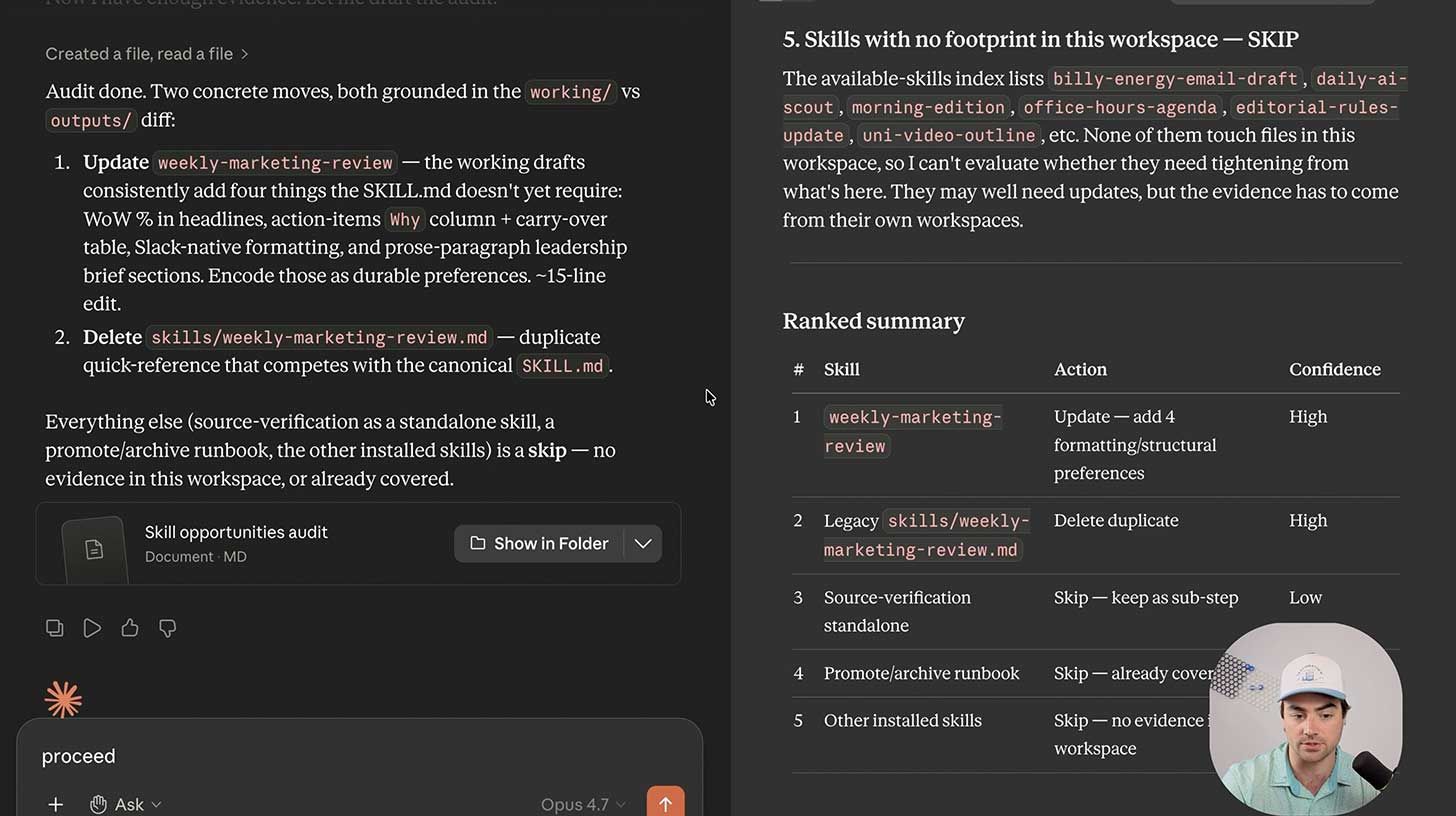
The Rundown: In this guide, you will learn how to make Claude Cowork look through dozens of session files and improve the skills you use. It will also suggest new skills and help you turn the audit into a repeatable skill and automation.
Step-by-step:
Open Cowork, start a chat, and prompt to scan sessions from the past 7 days and suggest with evidence if any personal skills should be created or improved
Review the suggestions and approve the ones with repeated friction, repeated corrections, or a workflow you will reuse. Reject anything that feels one-off
Tell Claude to turn the audit process itself into a skill, and then tell it to set up an automation to run the audit weekly or daily
You can open the "Scheduled Task" tab to adjust timing or move it to a lower-cost model like Sonnet
Going further: Run the same audit on automations. Ask which scheduled tasks are noisy, stale, expensive, or missing approval steps, then improve the ones with evidence.
PRESENTED BY UNWRAP
⚡ See how Oura automates customer feedback analysis
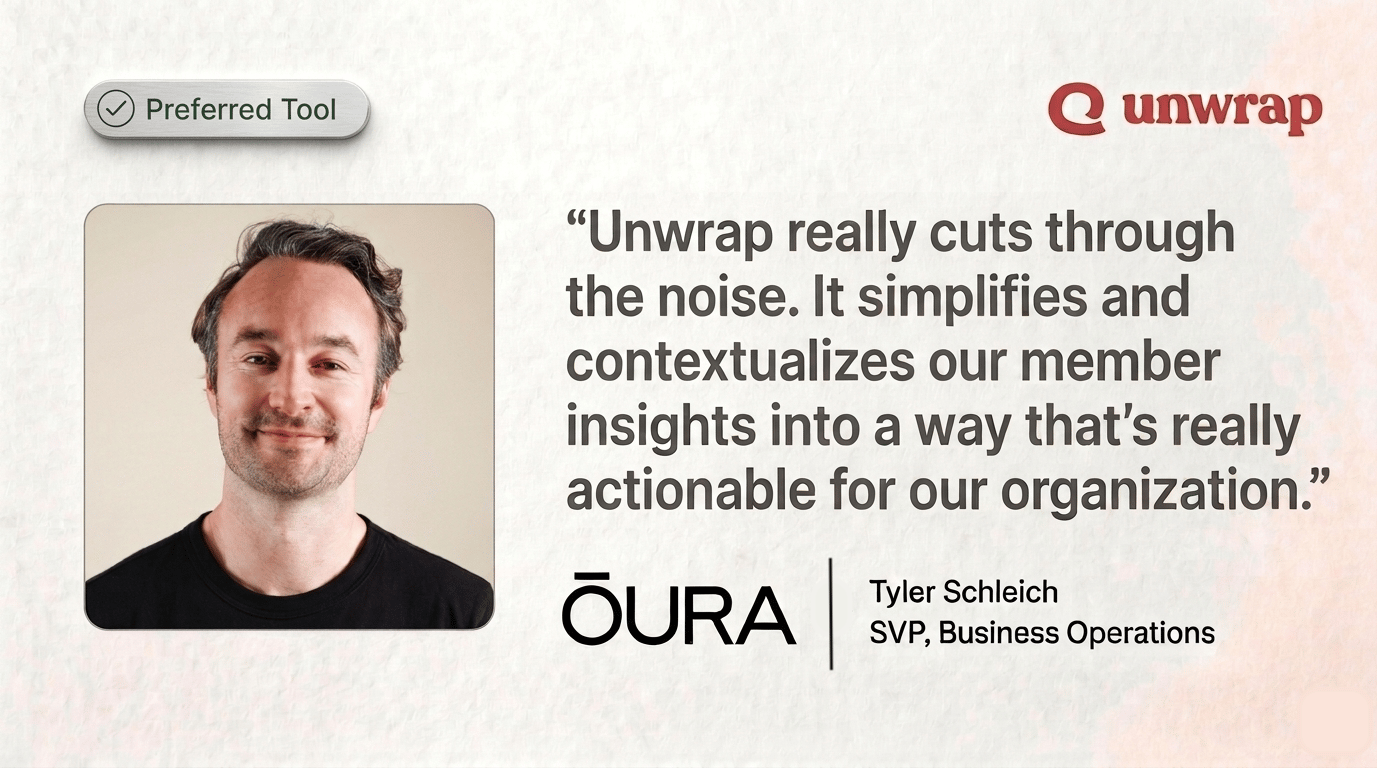
The Rundown: Oura was sitting on thousands of signals (surveys, app reviews, support tickets, social comments) with no way to connect them fast enough to act. Issues hid in the noise until they became problems. With Unwrap, they turned that fragmented data into a single source of truth. Analysis that took days or weeks now happens instantly.
Unwrap's customer intelligence platform gives you:
All feedback automatically categorized across every channel
Alerts that surface the most actionable insights straight to the right owner
Natural language queries via Assistant or your favorite tools using Unwrap’s MCP
Unwrap is offering free trials to Rundown AI readers. Grab 15 minutes with the team to get set up.
META & AI SECURITY
🔓 Hackers access IG accounts by… asking Meta AI?

Image source: 404 Media
The Rundown: Meta just fixed an Instagram security flaw that allowed hackers to use its AI help tool to take over prominent profiles by simply asking the chatbot to use a different email address and gaining the codes needed to access the accounts.
The details:
Meta gave its AI the power to handle password resets on Facebook and Instagram starting in March, with the exploit reportedly active for months.
Accounts hacked include a dormant Barack Obama account, Sephora, and Space Force head John Bentivegna, with accounts then resold in minutes.
Hackers switched a VPN near a target’s region and asked AI support for a password reset and email change, and AI sent a code to the new email.
Meta told 404 Media that the exploit “has been resolved and we are securing impacted accounts.”
Why it matters: This isn’t the first AI support story gone wrong, and won’t be the last — but the bigger issue might be the reach of a company like Meta (which has frontier AI ambitions) turning its entire support process over to a tool so easily exploited. Hackers might not need Mythos-level capabilities… Sometimes you just have to literally ask.
QUICK HITS
🛠️ Trending AI Tools
💡 AhaCreator 3.0 - Your 24/7 AI agent for influencer marketing*
🚀 M3 - Minimax’s new open-weight model with 1M context and computer use
🎥 Aleph 2.0 - Runway’s SOTA video editing model
🤖 Claude Opus 4.8 - Anthropic’s newly updated top model class
*Sponsored Listing
📰 Everything else in AI today
Anthropic announced it has filed with the U.S. Securities and Exchange Commission to go public, officially pushing forward on the race with OpenAI to hit the open markets.
Apollo’s chief economist shared data claiming “zero evidence of job losses because of AI”, saying that “cheaper technology is creating more demand and more jobs.”
MiniMax released M3, an open-weight model it claims tops GPT-5.5 and Gemini 3.1 Pro on coding benchmarks while approaching Anthropic's Opus 4.7.
OpenAI started construction on ‘The Barn’, a 1 GW Stargate data center campus in Michigan, promising 2,500 union jobs and $45M in Codex credits for in-state students.
Florida’s AG brought the first state-led lawsuit against OpenAI and CEO Sam Altman, alleging ChatGPT played a role in planning mass shootings and instances of self-harm.
COMMUNITY
🤝 Community AI workflows
Every newsletter, we showcase how a reader is using AI to work smarter, save time, or make life easier.
Today’s workflow comes from reader Johannes P. in Ilomantsi, Finland:
"I turned The Rundown into a personal AI idea bank. I saved many of your newsletters into one email folder, downloaded them to my computer, and asked an LLM to analyze the archive. I wanted to find the most useful ideas and AI use cases.
I also gave the model a simple “about me” markdown file, explaining what I do, what I care about, and what kinds of AI tools are useful for my work and everyday life. Then I asked it to rank the Rundown examples based on what would be relevant to me.
This made the newsletter much more useful. Instead of reading each issue once and forgetting many good ideas, I can now ask: “Which of these examples should I try?” or “What use cases are most useful for my research, coding, and writing?”
How do you use AI? Tell us here.
🎓 Highlights: News, Guides & Events
Read our last AI newsletter: AI’s next dataset is your apartment
Read our last Tech newsletter: Meta launches paid tiers across its apps
Read our last Robotics newsletter: Nvidia’s plug-and-play humanoid
Today’s AI tool guide: Turn Claude sessions into better skills w/ daily audits
RSVP to our next workshop on June 18: Build a Marketing Creative Studio
See you soon,
Rowan, Joey, Zach, Shubham, and Jennifer — the humans behind The Rundown
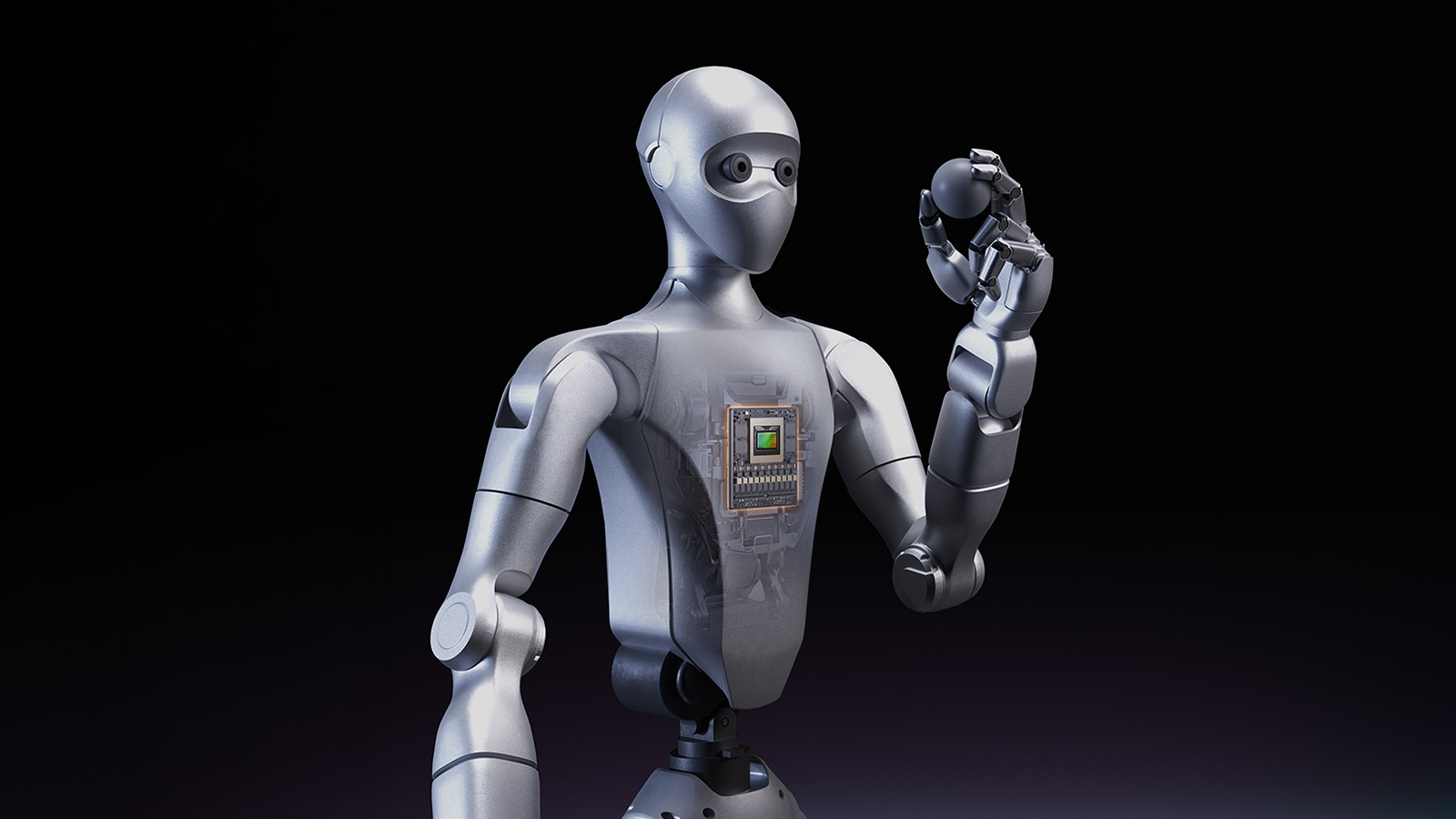
Nvidia's plug-and-play humanoid
Read Online | Sign Up | Advertise

Good morning, robotics enthusiasts. Nvidia wants to do for humanoids what it did for AI: turn a frontier science project into a platform — with its silicon at the center.
Its new Isaac Gr00t reference design pairs a nearly 6 ft. Unitree body, tactile five-fingered hands, and Blackwell-powered Jetson Thor compute into an open-ish stack for researchers chasing the general-purpose machine. The catch, naturally, is pure Nvidia: the future of robotics may be open, but it still runs on its chips.
In today’s robotics rundown:
Nvidia, Unitree debut plug-and-play humanoid
Meet the Ojai, Waymo’s new minivan robotaxi
UK self-driving startup Wayve launches robotics lab
This robotic suit fakes weightlessness on Earth
Quick hits on other robotics news
LATEST DEVELOPMENTS
NVIDIA
🤖 Nvidia, Unitree debut plug-and-play humanoid
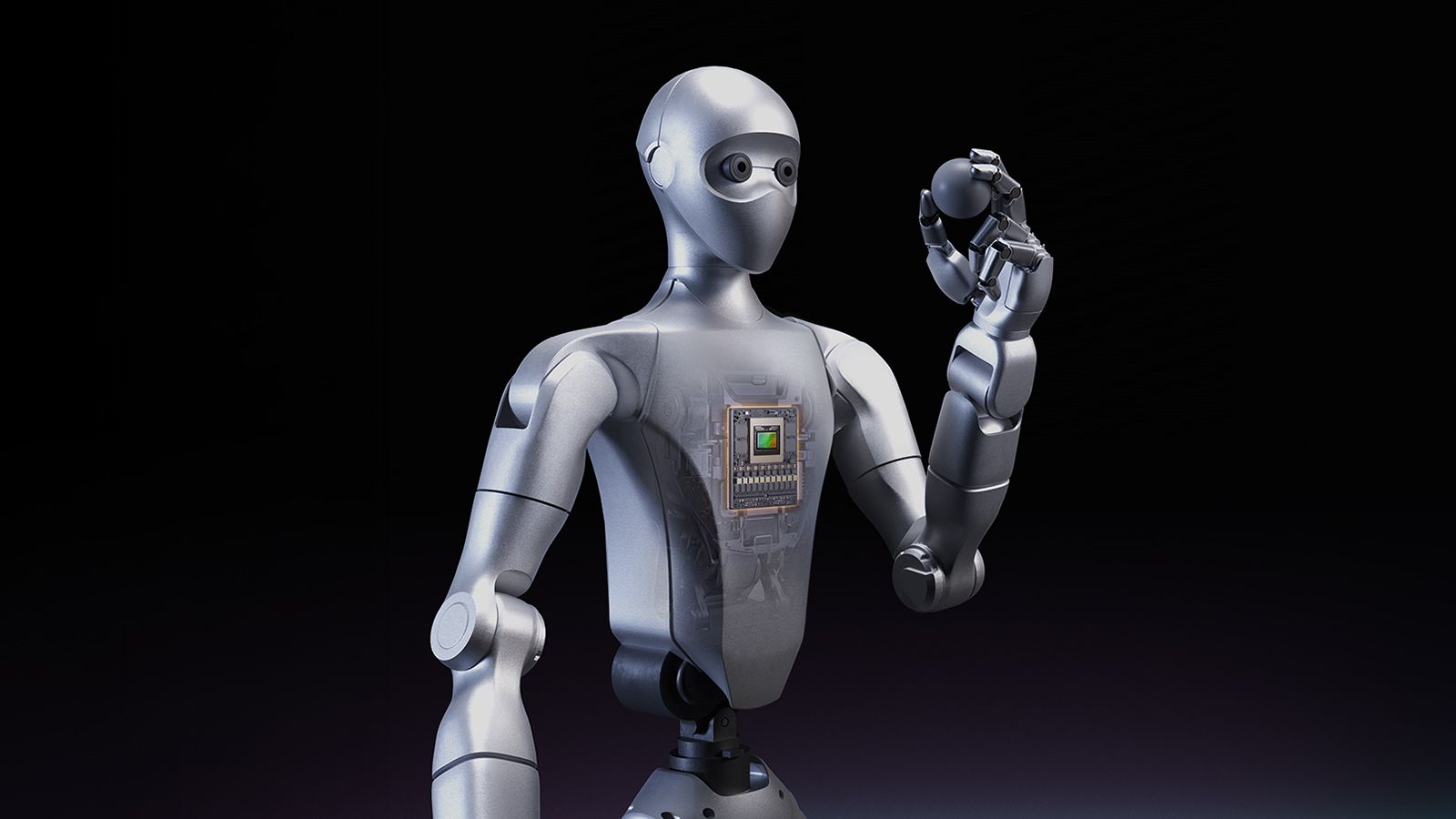
Image source: Nvidia
The Rundown: Nvidia is teaming up with China’s Unitree and Singapore's Sharpa to launch the Isaac GR00T Reference Humanoid — a nearly six-foot research robot with an onboard Blackwell GPU, tactile hands, and a full open-source AI stack.
The details:
The H2 Plus body pairs with Nvidia’s Jetson Thor compute module and Sharpa’s tactile hands, all unified under the open Isaac GR00T software stack.
Stanford, ETH Zurich, Ai2, and UC San Diego have already signed on as launch partners; units ship from Unitree in late 2026.
The same Isaac GR00T software stack will also support Unitree’s more widely used G1 robot, with workflows expected on GitHub and Hugging Face soon.
The deal lands as Unitree pursues a ~$620M IPO on Shanghai’s STAR board, with 40% of revenue from international markets.
Why it matters: A shared reference design means researchers finally stop reinventing the same hardware stack and start comparing results on equal footing. By open-sourcing the software and anchoring it to accessible hardware, Nvidia is positioning itself as the infrastructure layer for physical AI research, as it did for cloud AI training.
WAYMO
🚖 Meet the Ojai, Waymo’s new minivan robotaxi

Image source: Waymo
The Rundown: Waymo just started giving select riders free access to its newest robotaxi — a purpose-built, Chinese-made electric minivan called the Ojai — as it looks to cut costs and scale its fleet across U.S. cities.
The details:
Built in partnership with Chinese EV maker Zeekr, the Ojai is manufactured in China and imported with all Chinese-connected software removed.
The large, light blue electric van offers a low step-in height, flat floor, sliding doors, and more interior space than its Jaguar I-PACE fleet.
The Ojai runs on Waymo’s sixth‑gen self-driving stack, with 13 cameras, four lidar units, six radar sensors, and a ring of external audio receivers.
Public rides are starting free for select users in San Francisco, LA, and Phoenix, with plans to expand to more cities and eventually start charging fares this year.
Why it matters: The Ojai arrives just as Waymo’s freeway service remains suspended across multiple cities over construction zone concerns and major flooding problems. A purpose-built platform that performs in tougher conditions is exactly what it needs to make the economics work, and close the gap between robotaxi promise and reality.
WAYVE
🚙 UK self-driving startup Wayve launches robotics lab

Image source: Wayve
The Rundown: Wayve, the UK autonomous driving startup backed by Microsoft, is spinning up Wayve Labs — a dedicated research unit aimed at stretching its embodied AI well beyond the car, Business Insider reports.
The details:
The new lab will focus on frontier embodied AI, including spatial reasoning, causality, and risk-aware decision-making in the physical world.
Former Microsoft researcher Jamie Shotton, Wayve’s chief scientist, will lead the unit and is actively building out a dedicated team of AI researchers.
No near-term commercialization is planned — this is pure research — though the lab already has staffers in place and hiring is underway.
Earlier this year, Wayve closed a $1.5B round from Microsoft, Nvidia, Uber, and Mercedes-Benz, pushing its valuation to $8.6B.
Why it matters: Waymo and Tesla are building closed systems. Wayve is making a different move, where its embodied-AI stack can become infrastructure that other companies build robots on top of. Wayve Labs gives that logic room to breathe: years of real-world driving data, serious compute, and a funding base few rivals can match.
SPACE ROBOTICS
🚀 This robotic suit fakes weightlessness on Earth
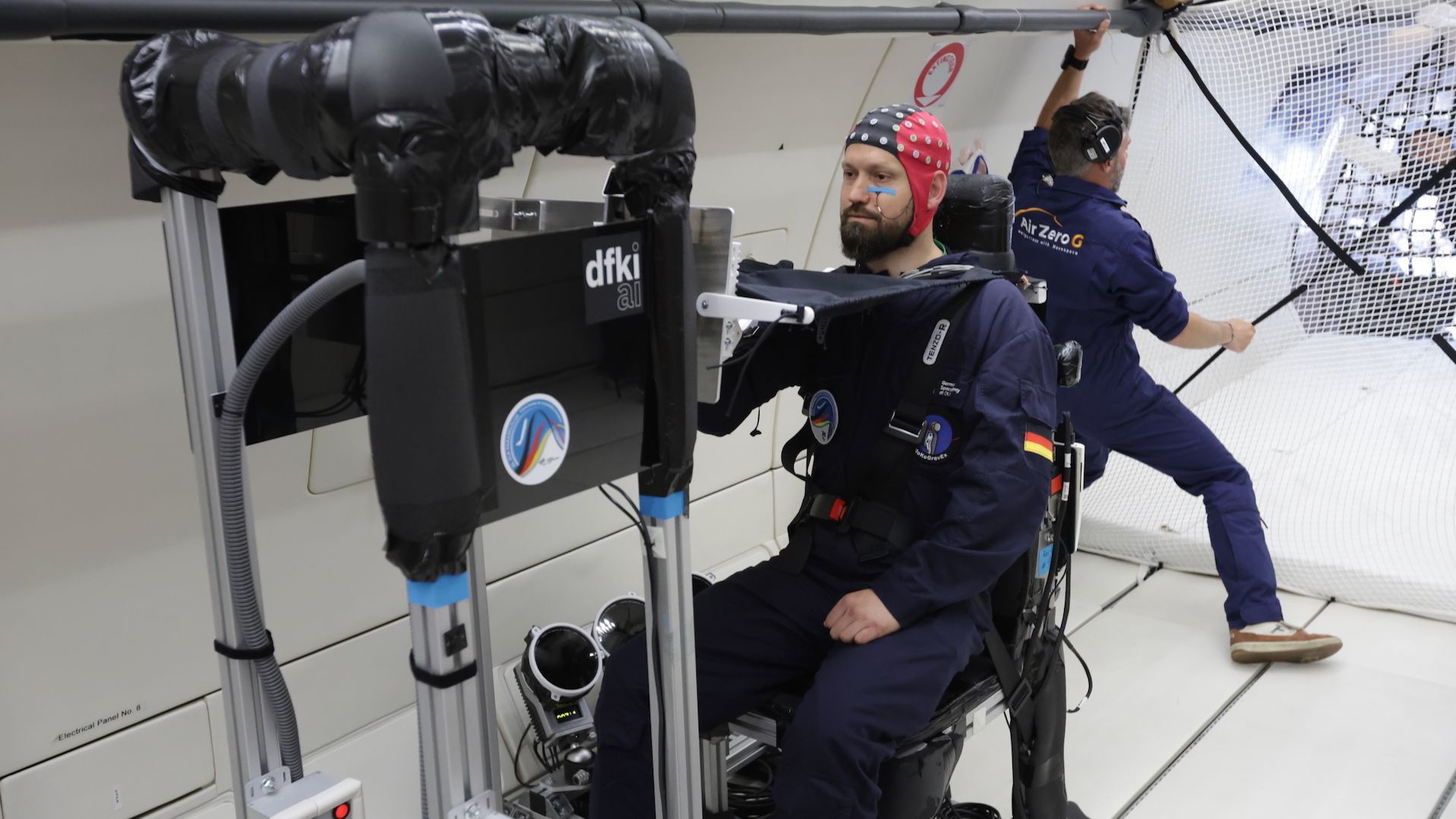
image source: Novespace
The Rundown: A German research team is testing an AI-driven robotic exoskeleton that cancels out the weight of a wearer’s arm to mimic microgravity on Earth and train astronauts’ fine motor skills for future missions to the Moon and Mars.
The details:
Built by DFKI and the University of Duisburg-Essen, the suit uses AI to estimate arm weight and apply counterforces that feel like weightlessness.
Volunteers flew two weeks of Airbus Zero-G parabolas, tapping on hidden touchscreens during 22-second microgravity arcs.
Half of the volunteers trained in the exoskeleton for a month, letting researchers see how simulated weightlessness stacks up against the real thing.
The same tech could double as a low-cost neurotech tool to help stroke patients relearn grasping and other fine motor skills.
Why it matters: Training astronauts for precision work in true microgravity is expensive, so a wearable system that can fake weightlessness on Earth could make mission prep more accessible. It also hints at a second life as rehab gear, turning an astronaut training rig into a tool for rebuilding fine motor control after a stroke.
QUICK HITS
📰 Everything else in robotics today
Nvidia said it plans to work with humanoid makers in the U.S., Europe, and South Korea, beyond its partnership with Unitree to develop research-focused humanoids.
Nvidia also unveiled Cosmos 3, an open multimodal world model trained on 20T tokens to help physical AI better predict and understand real-world environments.
Berlin-based defense drone startup Stark, backed by Peter Thiel, is raising $330M at a potential $2.75B valuation to scale its Virtus single-use autonomous strike drones.
Shenzhen-based Astribot launched the T1, a $13K wheeled humanoid aimed at practical, real-world manipulation tasks like cooking, lab work, and light chores.
JD.com founder Liu Qiangdong pledged that the e‑commerce giant will do everything possible to protect its 900K workers from layoffs as it adopts AI and robots.
AGIBOT’s new AGILE model fuses vision and motion control into a single real-time system, letting its humanoids read terrain and adjust their gait on the fly.
The Pentagon is fast-tracking a sweeping drone initiative, backed by Pete Hegseth, aimed at accelerating autonomous warfare capabilities to counter China’s advances.
Tesla’s Texas robotaxi rollout is reportedly one-tenth the size of Waymo’s, with filings showing 42 Tesla robotaxis versus 577 Waymos in the state.
China Post began using humanoids at its high-volume Guangzhou logistics hub to autonomously sort up to 1,200 parcels per hour alongside existing automated systems.
Researchers developed a tiny underwater antenna that lets robots communicate more effectively in dark, murky conditions, improving coordination for marine missions.
USC built a robotic hand that teaches itself to play piano pieces by ear after just two minutes of exploration, a capability that could translate into new therapies.
San Francisco startup The Bot Company is accused in a lawsuit of secretly using an Airbnb to test a household robot and causing thousands of dollars in damage.
COMMUNITY
🎓 Highlights: News, Guides & Events
Read our last AI newsletter: AI’s next dataset is your apartment
Read our last Tech newsletter: Meta launches paid tiers across its apps
Read our last Robotics newsletter: Figure’s humanoids get a retail job
Today’s AI tool guide: Build a video workstation with Higgsfield and Claude
RSVP to next workshop on June 18: Build a Marketing Creative Studio
See you soon,
Rowan, Joey, Zach, Shubham, and Jennifer — The Rundown’s editorial team

AI's next dataset is your apartment
Read Online | Sign Up | Advertise

Good morning, AI enthusiasts. A startup will clean your New York apartment for free. The bill comes due in a currency you might not expect: the data captured during the process.
MicroAGI’s new Shift app subsidizes the cleanings by recording workers on the job, turning a free service into a strange preview of AI’s next data hunt — where humans are the customer, the labor, and the training material for automation.
In today’s AI rundown:
Startup cleans apartments in exchange for AI data
The Rundown Roundtable: Our AI use cases
Build a video workstation with Higgsfield and Claude
Ex-DeepMind group tackles self-improving science AI
4 new AI tools, community workflows, and more
LATEST DEVELOPMENTS
PHYSICAL AI
🧹 Startup cleans apartments in exchange for AI data

Image source: Shift
The Rundown: German startup MicroAGI’s Shift app just opened a free home-cleaning service in New York City that records its cleaners through head-mounted cameras, trading chores for first-person data to both sell to AI labs and use in its own AI research.
The details:
A vetted cleaner shows up wearing a camera that co-founder Bercan Kilic calls a "magic hat," filming the roughly two-hour job point-of-view style.
Despite covering the cost of the cleaning, the human footage is worth more to robot makers for training, letting Shift cover the bill and still profit.
Shift's site claims to already pay people across the world $20 an hour to film everyday chores, with $5M+ paid out in Q1 across a variety of tasks.
GM Harry Kilberg said the launch drew "thousands and thousands of bookings," with New York first and London, Munich, and Zurich next.
Why it matters: As we've seen with DoorDash paying couriers to capture task data, the next AI dataset is coming from ordinary human work instead of the internet. Shift pushes that model deeper into the home, where people are both the customers getting free service and the workforce teaching robots how to replace pieces of the job.
TOGETHER WITH NEBIUS
🚀 Open-source LLMs in real production
The Rundown: Nebius Token Factory is an AI cloud platform that lets you run open-source LLMs in real production. Capture live traffic, fine-tune and optimize, then deploy your own checkpoints to dedicated GPU endpoints, with stable latency, predictable cost, and clear data residency.
With Nebius, you can:
Deploy 60+ open-source models via one API
Fine-tune and serve your own checkpoints
Scale to 100M+ tokens per minute
THE RUNDOWN ROUNDTABLE
💡 The Rundown Roundtable: Our AI use cases
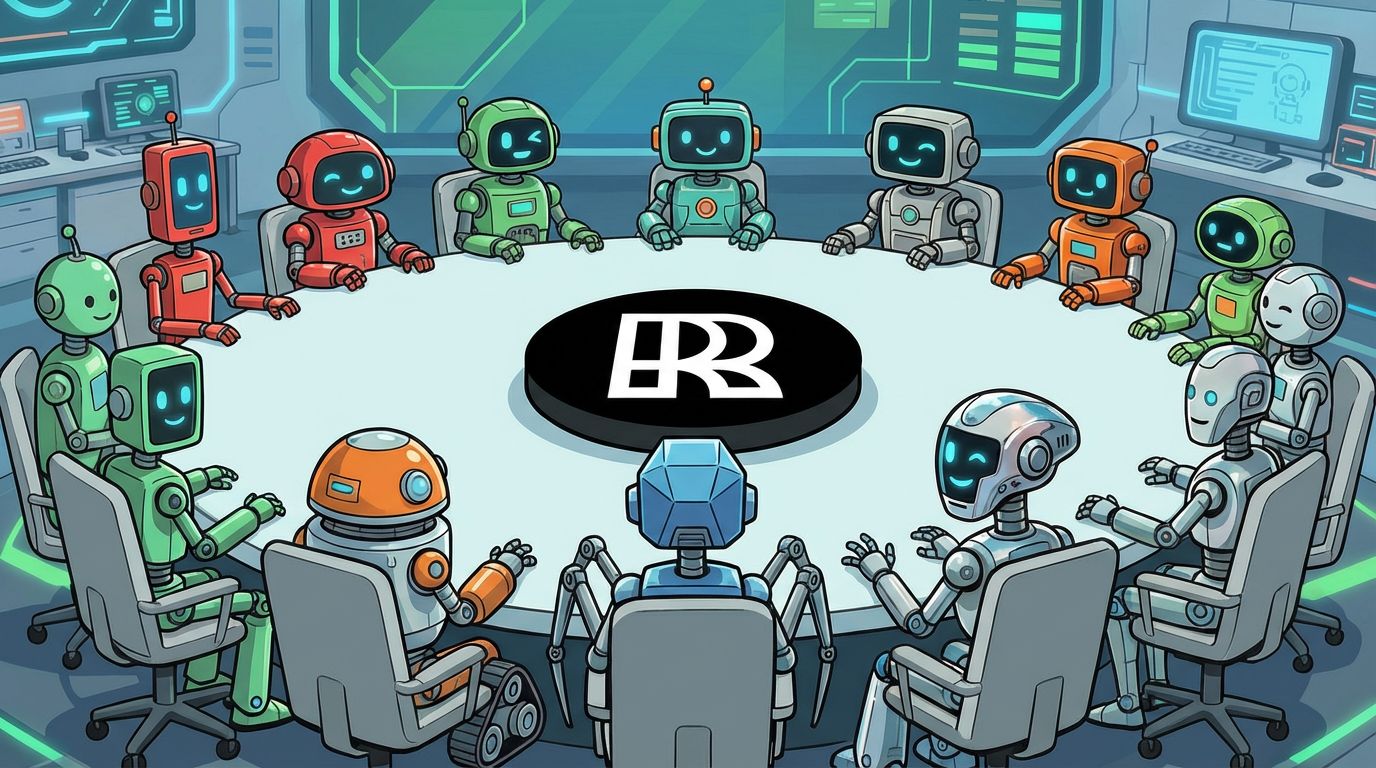
Image source: Ideogram / The Rundown
The Rundown: The Rundown Roundtable is a weekly feature where we poll members of The Rundown staff about how we use AI in our work and daily lives.
Zach, AI Writer: It’s finally gardening season in the Midwest, and I wanted to do a big overhaul of my space with a new large in-ground bed and a more organized layout of crops.
I first took some images of the space and had ChatGPT / Codex generate some visualizations of what it could look like based on my rambling list of requirements and measurements. After deciding on the vision, I asked for help creating a materials list, a step-by-step guide to building the bed (with instructions on sawing, drilling, etc.).
I also provided a list of what we wanted to grow, and was able to get a well-planned map of where to place each plant, optimizing for aspects like shade vs. sun, companion plants, vining, etc. Several trips to Home Depot and a couple of days of work later, we have an awesome, refreshed space and a thoughtful, organized garden for the season!
Joey, Partnerships: I recently had an Evolt body scan. I've uploaded my results to Claude, shared my daily habits (sleep, diet, schedules, etc.), and asked it to create a full workout and diet plan based on the areas I want to improve.
I was also able to include my recent Oura ring report to see if there's anything wrong with me. Will I follow it? We'll see....
AI TRAINING
📽️ Build a video workstation with Higgsfield and Claude
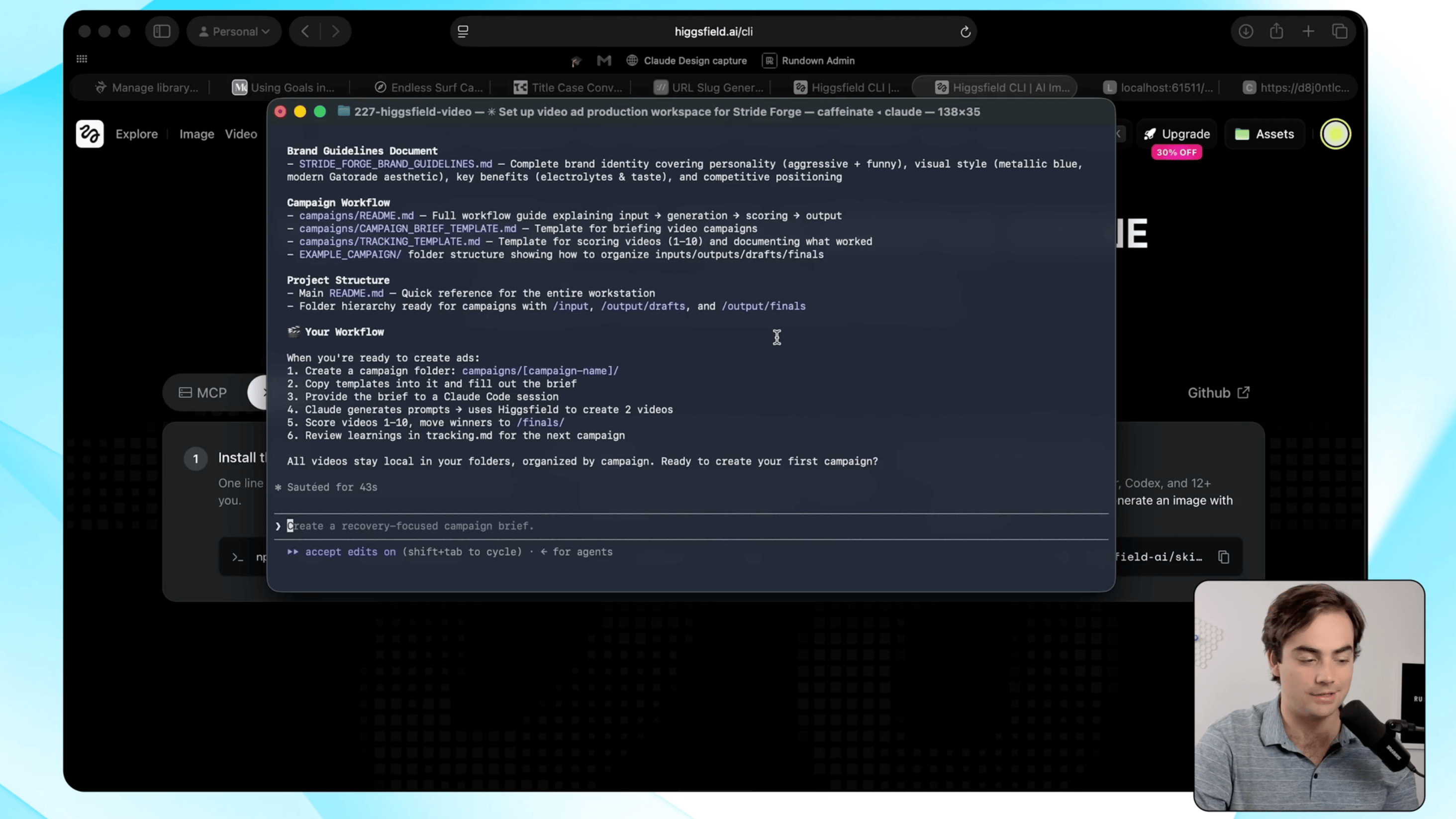
The Rundown: In this guide, you’ll learn how to build a short-form video workstation with Higgsfield + Claude Code that can generate campaigns, track results, improve prompts from feedback, and turn successful workflows into reusable skills.
Step-by-step:
Create a dedicated project folder, open it in Claude Code, install the Higgsfield CLI, authenticate your account, and add the Higgsfield skills package
Ask Claude to interview you about brand, audience, and content goals, then set up campaign folders (with input, output, draft, and final folders), files for brand guidelines, tracking, and a workflow README
Create the first campaign by prompting to generate two video concepts, turning them into Higgsfield-ready prompts, then, once approved, generating the videos and saving them in the output folder
Finally, turn the campaign workflow into a reusable skill, then create a second skill that improves future videos from feedback, prompt revisions, and notes
Pro tip: Run at least a few campaigns manually before automating. The best skills come from real feedback.
PRESENTED BY GITLAB
🚀 The future of AI dev, live
The Rundown: GitLab Transcend is a free virtual event streaming live from London on June 10, with regional replays for APAC and AMER on June 11 — packed with live demos and agentic AI use cases from your peers.
With GitLab Transcend, you'll get:
Live demos of Duo Agent Platform
Agentic AI use cases from your peers
The Developer Show with Colleen Lake
INHERENT LABS
🧪 Ex-DeepMind group tackles self-improving science AI
Image source: Inherent Labs
The Rundown: Several Ex-Google DeepMind employees came out of stealth with $50M for Inherent Labs, a London startup building an AI science platform that puts scientists alongside self-improving AI to work out which problems are worth pursuing.
The details:
Co-founders Tantum Collins, Edward Hughes, and Louis Kirsch came from DeepMind, while Kaloyan Aleksiev previously worked at Reka AI and Microsoft.
The Faraday platform will pair researchers with self-improving agents built to spot higher-value scientific questions instead of only answering prompts.
The lab says it will test recursive self-improvement across the research org, including everything from agent training to resource allocation and decisions.
Inherent is also exploring what “AI taste” looks like in science as the research process shifts, and how humans and machines can best work together.
Why it matters: Self-improving AI is a quest many of the top AI labs and newly funded startups are trying to tackle, and Inherent adds another group with strong pedigrees to the list. Inherent is applying the recursive logic to science itself, making the entire lab and organization the loop instead of just the model training.
QUICK HITS
🛠️ Trending AI Tools
⚙️ Codex - OAI’s agentic coding tool, with new feature expansions on Windows
🚀 Claude Opus 4.8 - Anthropic’s newly updated top model class
🍎 Koji by Brilliant - AI tutor for math and coding
🫂 Dynamic Workflows - Deploy subagents within Claude Code
📰 Everything else in AI today
5-Day AI Agents Vibe Coding Intensive with Google, June 15–19 – Learn to build real AI agents in just five days. Registration closes tomorrow. Sign up now.*
Microsoft is reportedly set to merge GitHub Copilot, chat, Cowork, and Autopilot into one super app, matching similar all-in-one plays OAI and Musk's X are already making.
SoftBank committed up to $87B to build what will be the largest AI data center project in France, extending an infrastructure spree that includes a $60B+ OAI stake.
Nvidia unveiled RTX Spark, a superchip designed for personal AI agents, bringing up to 1 petaflop of AI performance to Windows laptops with all-day battery life.
Sam Altman posted that OpenAI is hiring for its Robotics division, saying that the company imagines “everyone having a personal robot doing anything they need.”
OpenAI launched Rosalind Biodefense, giving the U.S. government and vetted partners access to its biology AI for pandemic-preparedness and outbreak-response.
*Sponsored Listing
COMMUNITY
🤝 Community AI workflows
Every newsletter, we showcase how a reader is using AI to work smarter, save time, or make life easier.
Today’s workflow comes from reader Wyatt B. in Athens, AL:
"I’m using a product within HubSpot (SalesHub) called Prospecting Agent. The prospecting agent can be set up to run specific “plays” where I enroll companies from our CRM (as well as contacts associated with those companies) and constantly look for buying signals and other trigger events that could provide a warm lead.
For example, if I enroll a fictions company called Acme Corp, and associated contacts John and Jane Smith, my prospecting agent will look for buying signals in relevant news, articles published by the company or contacts, acquisitions, stock alerts, or other relevant events that could warm a lead so my SDRs aren't going in cold.
I can also build custom sequences where the agent will take the trigger event and write an email from one of my SDRs or me and reach out to the prospect, and choose to approve on demand. This has allowed my company to hire fewer SDRs, allowing existing SDRs to focus on prospecting and closing deals faster."
How do you use AI? Tell us here.
🎓 Highlights: News, Guides & Events
Read our last AI newsletter: Anthropic just eclipsed OpenAI
Read our last Tech newsletter: Meta launches paid tiers across its apps
Read our last Robotics newsletter: Figure’s humanoids get a retail job
Today’s AI tool guide: Build a video workstation with Higgsfield and Claude
RSVP to next workshop on June 18: Build a Marketing Creative Studio
See you soon,
Rowan, Joey, Zach, Shubham, and Jennifer — the humans behind The Rundown

Meta launches paid tiers across its apps
Read Online | Sign Up | Advertise

Good morning, tech enthusiasts. Meta’s free-app empire is getting a price tag. Under a new “Meta One” umbrella, Instagram, Facebook, WhatsApp, and even Meta AI are being sliced into paid tiers with perks for power users, creators, and businesses.
As AI infrastructure devours cash, Meta is betting feature-heavy subscriptions can help pick up the slack.
In today’s tech rundown:
Meta turns its free apps into a subscription stack
Oura made its smart ring 40% smaller
Blue Origin’s New Glenn rocket just exploded
MIT found a cleaner way to mine lithium
Quick hits on other tech news
LATEST DEVELOPMENTS
META
💰 Meta turns its free apps into a subscription stack

Image source: Ideogram / The Rundown
The Rundown: Meta is officially rolling out paid tiers across Instagram, Facebook, and WhatsApp worldwide, bundling them under a new Meta One brand that transforms the company’s core social apps into a layered menu of premium features.
The details:
Instagram Plus and Facebook Plus ($3.99/month) and WhatsApp Plus ($2.99/month) add paid extras like customization and deeper story analytics.
For Meta AI, Meta is testing two paid tiers: Meta One Plus ($7.99) and Premium ($19.99), with the Premium offering faster “thinking mode” responses.
The company is also testing creator and business subscriptions that bundle verification-style protections, expanded link and promo tools, and analytics.
Meta says the Plus subscriptions sit alongside its existing Meta Verified program rather than replacing it.
Why it matters: Meta’s ad business is enormous — $201B in 2025 — but the tech giant is burning through cash just as fast, with up to $145B committed to AI infrastructure in 2026 alone. Subscriptions are a bet on diversification, arriving in the same month Meta cut 8K jobs to offset its AI spending.
OURA
🤜🏼 Oura made its smart ring 40% smaller
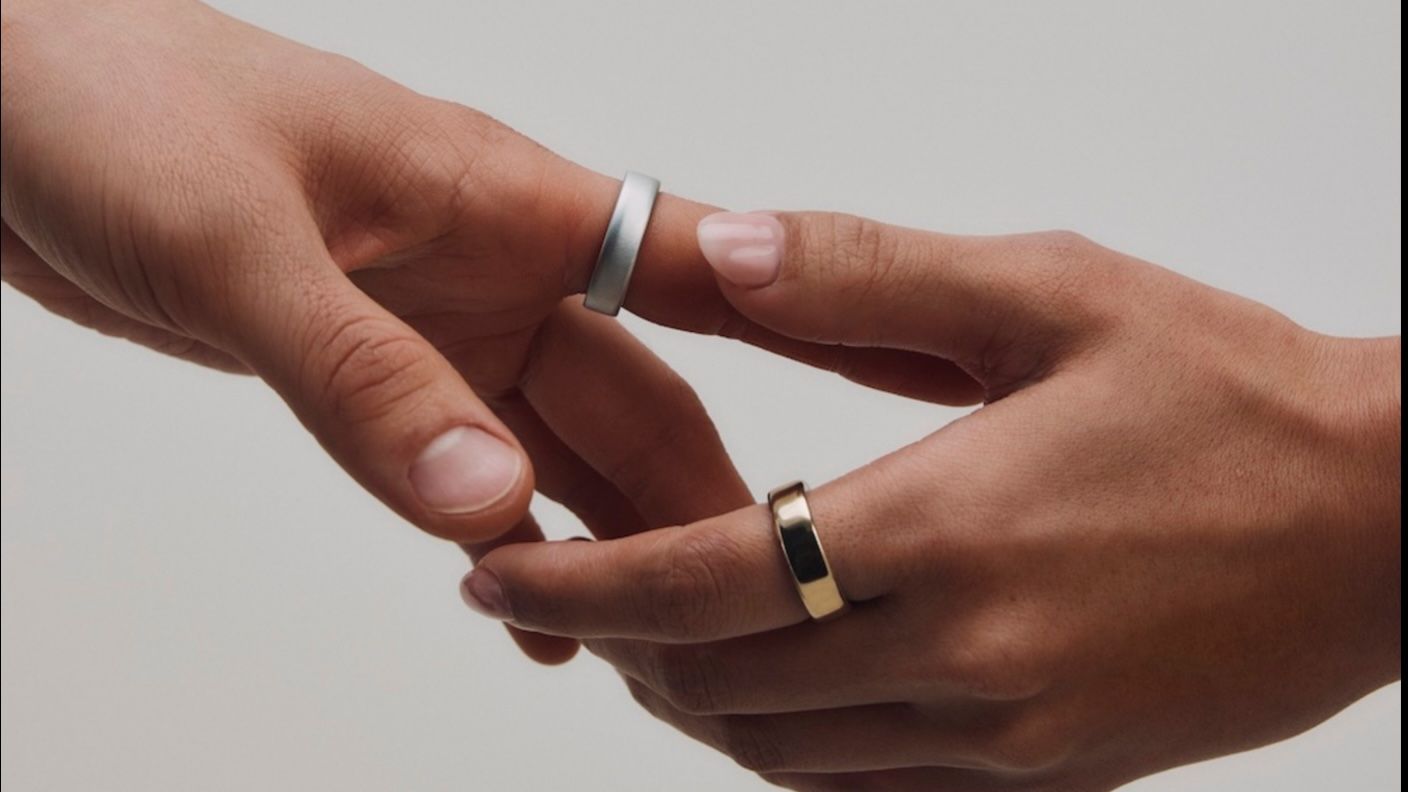
Image source: Oura
The Rundown: Oura’s new fifth-gen smart ring is its thinnest yet — 40% smaller than its predecessor, and it’s packing more health intelligence than ever, from blood pressure pattern tracking to AI-assisted access to real healthcare providers.
The details:
The Ring 5 is crafted from titanium and starts shipping June 4, priced at $399 for Silver and Black or $499 for Gold, Stealth, Brushed Silver, and Deep Rose.
Oura’s expanded Health Radar software adds Blood Pressure Signals and Nighttime Breathing, using ring biometrics to surface longer-term patterns.
A new Oura Labs AI-care feature, via Counsel Health, will let eligible U.S. members in 43 states connect with licensed providers directly in the app.
Full access to Oura’s deeper health insights still requires an Oura Membership, priced at $5.99/month or $69.99/year.
Why it matters: Samsung, RingConn, and Ultrahuman are all gunning for Oura’s crown, with subscription-free pricing as their sharpest weapon. Oura is betting the other direction — filing confidentially for an IPO at nearly $11B while using patent enforcement and clinical-grade features to make the Ring 5 tough to replicate.
BLUE ORIGIN
🚀 Blue Origin’s New Glenn rocket just exploded

Image source: Spaceflight Now on X
The Rundown: Jeff Bezos’s Blue Origin suffered a major setback when its New Glenn rocket exploded during a static fire test at Cape Canaveral, forcing the company to halt operations at a critical moment in its comeback bid.
The details:
New Glenn was undergoing a “green run,” a ground firing ahead of its fourth planned flight, slated to carry Amazon’s Project Kuiper satellites into orbit.
Blue Origin confirmed no injuries, and regulators reported no disruption to air traffic — but New Glenn is effectively grounded until further notice.
The blast follows a rough April mission in which New Glenn’s upper stage failed to deliver an AST SpaceMobile satellite to orbit.
Upcoming Artemis and Pentagon payloads are now in limbo: New Glenn was supposed to serve as a credible reusable alternative to SpaceX.
Why it matters: New Glenn is one of the only serious challengers to SpaceX in heavy-lift, and its grounding, however temporary, tightens the squeeze on U.S. launch options. For NASA and the Pentagon, the explosion is a fresh reminder of the risks that come with betting on rockets still proving they can consistently deliver.
MIT
⛏️ MIT found a cleaner way to mine lithium

Image source: Images 2.0 / The Rundown
The Rundown: Researchers at MIT say they’ve cracked a cleaner way to extract battery-grade lithium from hard rock, with no acid roasting, no toxic sludge, and almost zero waste.
The details:
A new ammonium‑fluoride process dissolves the silicate matrix in spodumene, then separates and purifies lithium, aluminum, and silica for industrial use.
Lab tests recovered more than 95% of the lithium in rock samples, and the chemical reagent loops back into the process rather than going to waste.
Running at low temperatures, it skips the energy-hungry roasting step that makes conventional hard-rock mining so carbon-intensive and expensive.
MIT has spun out a startup, Rock Zero, pitching the technique as the cheapest path to lithium from any natural source.
Why it matters: Lithium supply is already struggling to keep pace with EV and grid-storage demand, leaving battery makers exposed to price shocks and China’s grip on refining. If Rock Zero can scale this at cost, it could give Western battery supply chains a cleaner, cheaper foundation to build on.
QUICK HITS
📰 Everything else in tech today
Meta is reportedly preparing to announce new AI glasses soon, likely as part of its next smart-glasses push with possible new Ray-Ban models and more AI features.
Jeff Bezos–backed startup Slate Auto will reportedly reveal pricing and begin taking non-refundable preorders for its low-cost EV on June 24 for deliveries later this year.
Amazon killed an internal AI-use leaderboard after staff started spamming pointless prompts just to climb the rankings, the Financial Times reports.
California’s attorney general is suing 23andMe, alleging it failed to prevent and downplayed a 2023 breach that exposed sensitive data from roughly 7M users.
Lamborghini CEO Stephan Winkelmann says the backlash to Ferrari’s Luce shows dropping Lamborghini’s full EV in favor of plug‑in hybrids was the right call.
Kia’s flagship EV9 electric SUV is reportedly plagued by high-voltage battery failures, forcing some owners to wait months for battery replacements.
WeRoad, a Milan-based group travel platform backed by Airbnb, raised $58M to expand its social travel experiences from Europe into the U.S., starting with Austin.
COMMUNITY
🎓 Highlights: News, Guides & Events
Read our last AI newsletter: Anthropic just eclipsed OpenAI
Read our last Tech newsletter: Ferrari’s first EV, designed by Jony Ive
Read our last Robotics newsletter: Figure’s humanoids get a retail job
Today’s AI tool guide: Use Codex to build a game in one prompt
RSVP to next workshop on June 18: Build a Marketing Creative Studio
See you soon,
Rowan, Joey, Zach, Shubham, and Jennifer — The Rundown’s editorial team
Anthropic just eclipsed OpenAI
Read Online | Sign Up | Advertise

Good morning, AI enthusiasts. Anthropic just took the lead from OpenAI — not just with a more powerful frontier model, but in the market too.
With the new Opus 4.8 crushing on benchmarks, a more powerful Mythos on the way, and a valuation closing in on $1T, Dario and co finally seem to have all the pieces in place for a blockbuster public listing.
In today’s AI rundown:
Anthropic’s Opus 4.8, nearly $1T valuation
Apple’s new AI Siri to take on ChatGPT
Use Codex to build a game in one prompt
AI doubles dev output, but not for everyone
4 new AI tools, community workflows, and more
LATEST DEVELOPMENTS
ANTHROPIC
🚀 Anthropic’s Opus 4.8, nearly $1T valuation
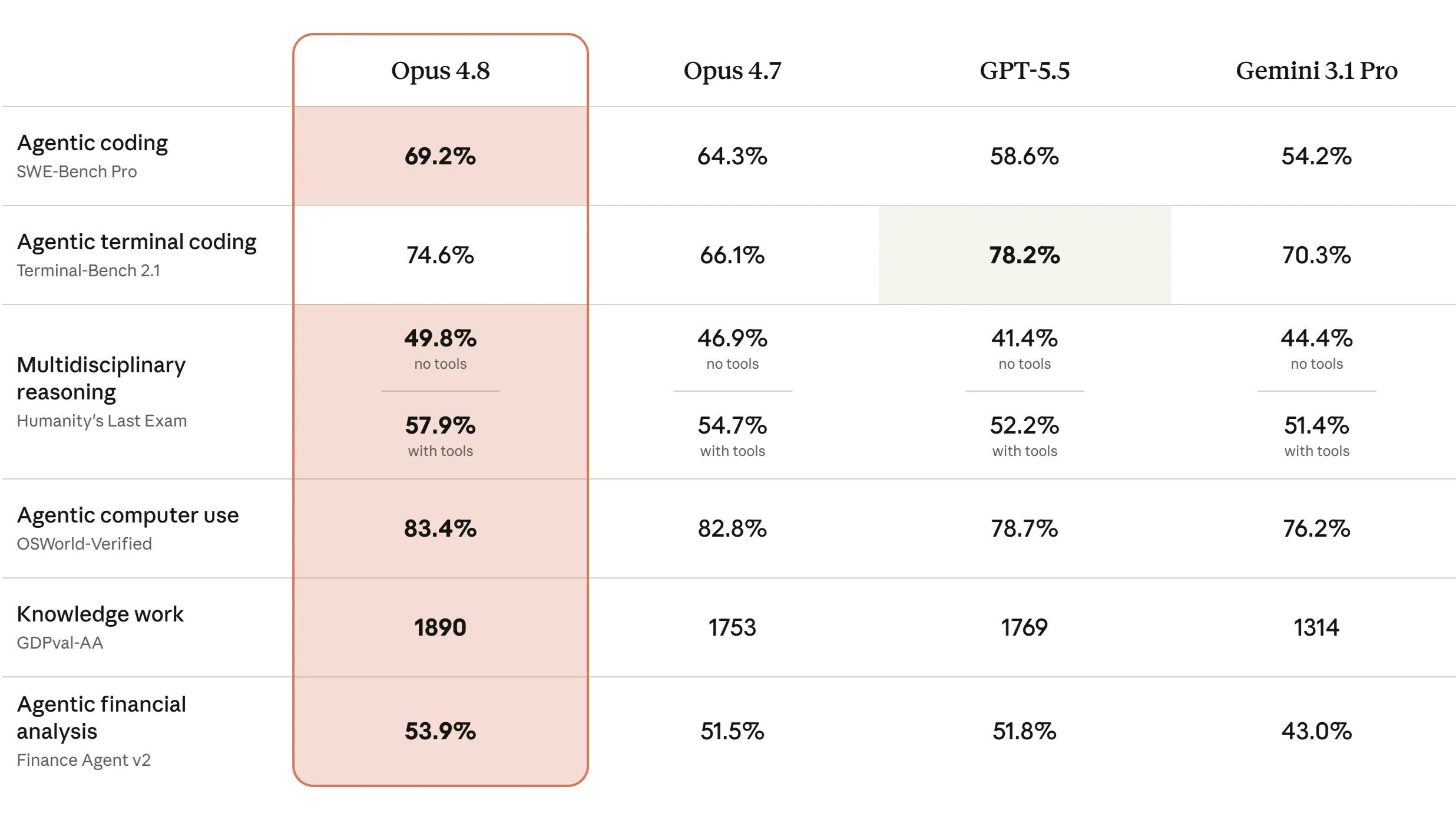
Image source: Anthropic
The Rundown: Anthropic made two big announcements on the same day — Claude Opus 4.8, which crushes almost all major benchmarks, and a massive funding round that makes it the most valuable AI lab in the world.
The details:
Coming at the same price as 4.7, Opus 4.8 bests GPT-5.5 and Gemini 3.1 Pro on agentic coding, computer use, financial analysis, and Humanity’s Last Exam.
4.8 is the least lazy among all Anthropic models and more honest, with increased likelihood to flag uncertainties instead of making unverified claims.
The model’s Fast mode is 3x cheaper, plus claude.ai gets new effort control, and Claude Code gets parallel sub-agents for complex, long-running tasks.
Anthropic paired the release with a $65B raise, taking its valuation to $965B (beyond OpenAI), and the promise of a Mythos-class AI in “the coming weeks.”
Why it matters: While the race isn’t over, Anthropic has crossed a milestone that would have seemed unlikely two years ago — a valuation higher than OpenAI and a model that leads on nearly every benchmark. Clearly, its safety-first push is paying off commercially, even as Sam Altman calls the strategy “fear-based marketing.”
TOGETHER WITH UNWRAP
⚡ See how Oura automates customer feedback analysis
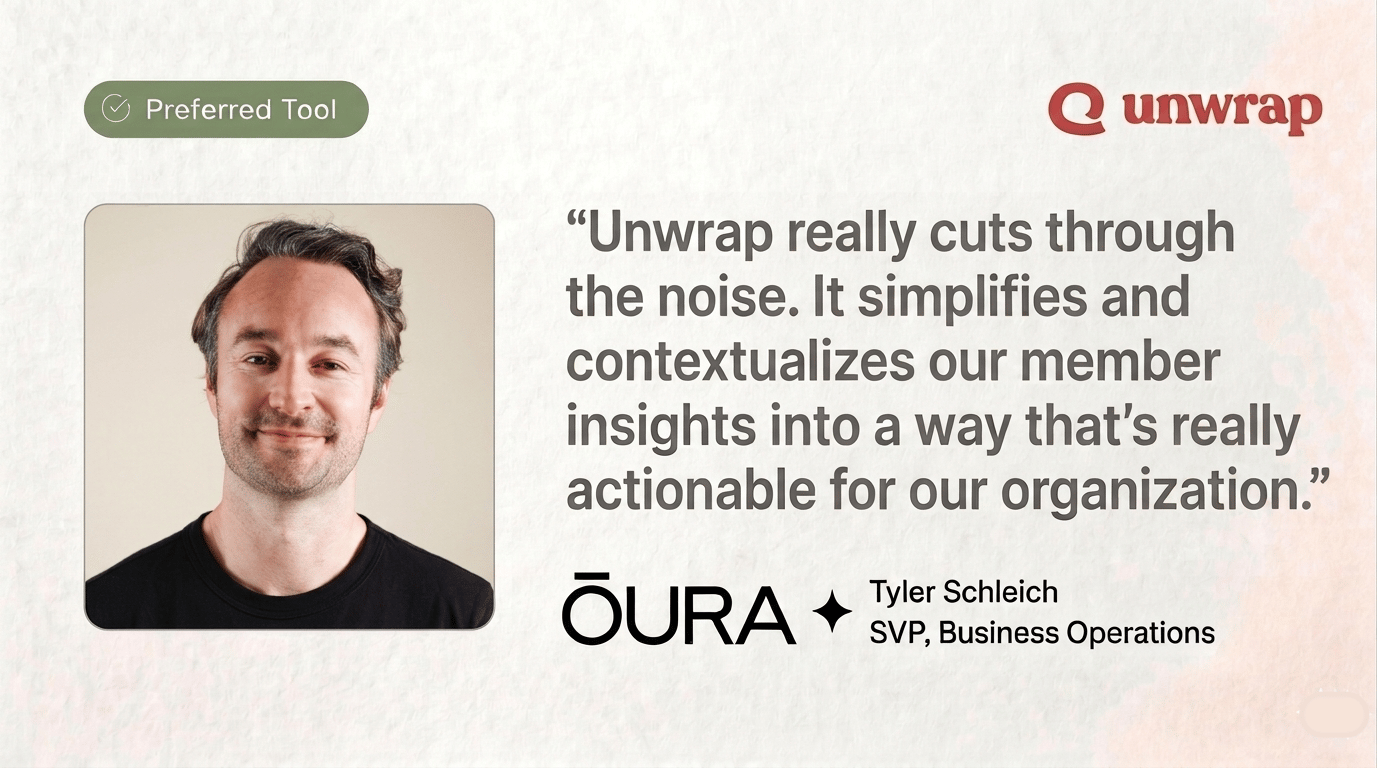
The Rundown: Unwrap’s customer intelligence platform that pulls all your feedback — surveys, reviews, support tickets, social comments — into one view, then uses AI to surface the most actionable insights and deliver them to your inbox. Teams at Perplexity, Stripe, Oura, lululemon, and DoorDash rely on Unwrap to ensure no customer voice gets lost.
With Unwrap, you get:
All customer feedback automatically categorized
Query feedback using Unwrap Assistant, or in your favorite tools using Unwrap’s MCP
Real-time alerts from feedback as they arise
A clear view of customer sentiment
Unwrap is offering free trials to Rundown AI subscribers! Grab 15 minutes with the team to get set up.
APPLE
🧠 Apple’s new AI Siri to take on ChatGPT
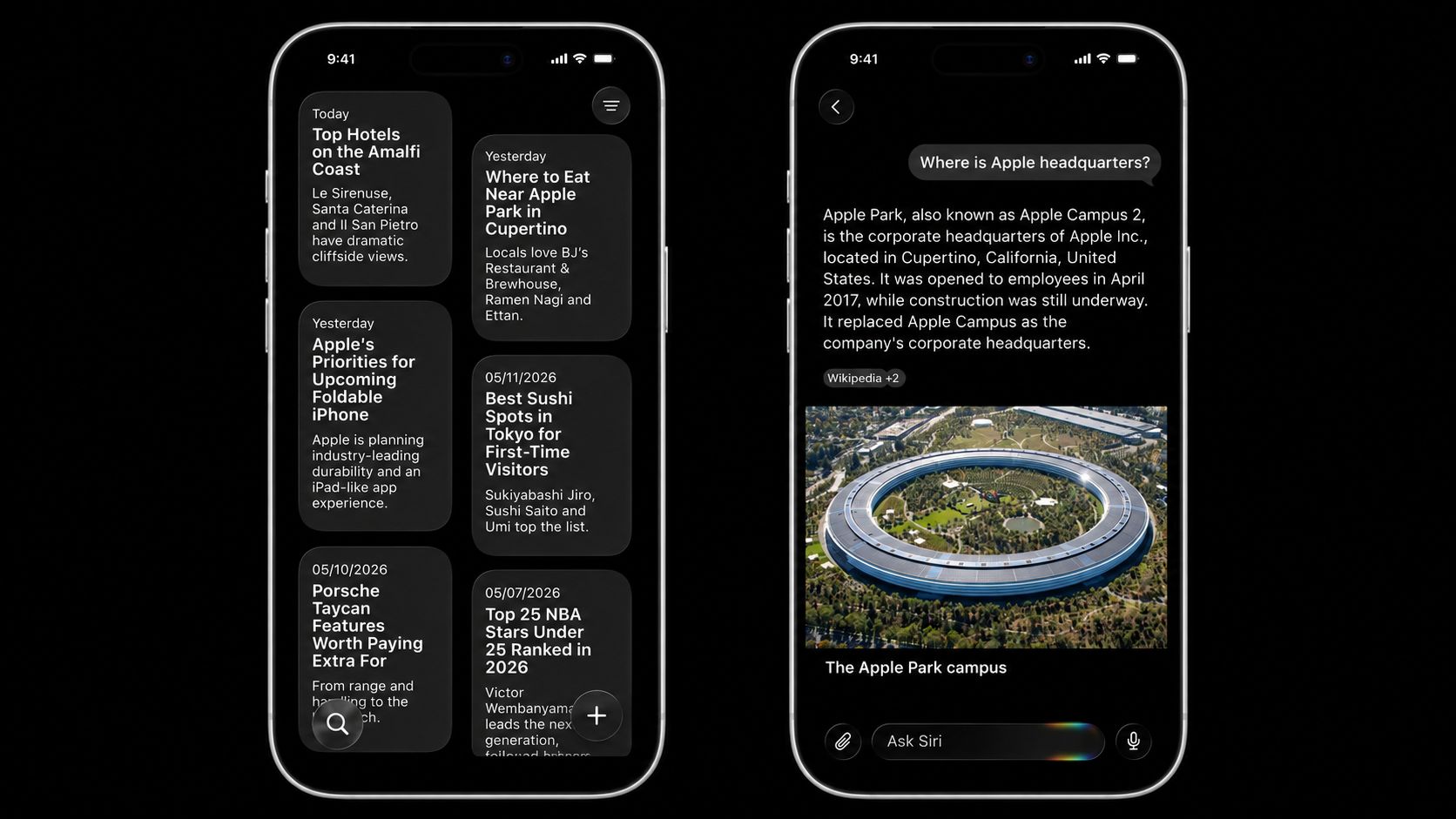
Image source: Bloomberg
The Rundown: Apple’s long-overdue AI Siri finally appears to be taking shape, with Bloomberg giving a glimpse of the revamped assistant, rebuilt on Google Gemini, with a dedicated ChatGPT-style app and support for third-party AI agents.
The details:
Siri will live inside Dynamic Island, with a swipe-down interface to run AI search, chat, or iOS tasks, using on-device data, screen content, and the web.
The assistant, rebuilt on Google Gemini, will run AI-powered web searches similar to Perplexity, with answers surfacing as rich cards in the Dynamic Island.
Swiping down farther on the cards brings up a dedicated ChatGPT-style Siri app, with users getting the option to route queries to external AI models.
The revamped Siri will land in the Camera app, with advanced AI-based photo editing, wallpapers, and natural language shortcut-creation also in the pipeline.
Why it matters: Apple has been very slow in the AI race, promising features in 2024 that never shipped, while OpenAI and Google pulled ahead. If this overhaul lands, Apple’s 1B+ iPhone users will experience AI through the phone they use every day. But if it doesn’t, there will be a lot on John Ternus’ plate as he takes over as the new CEO.
AI TRAINING
👾 Use Codex to build a game in one prompt
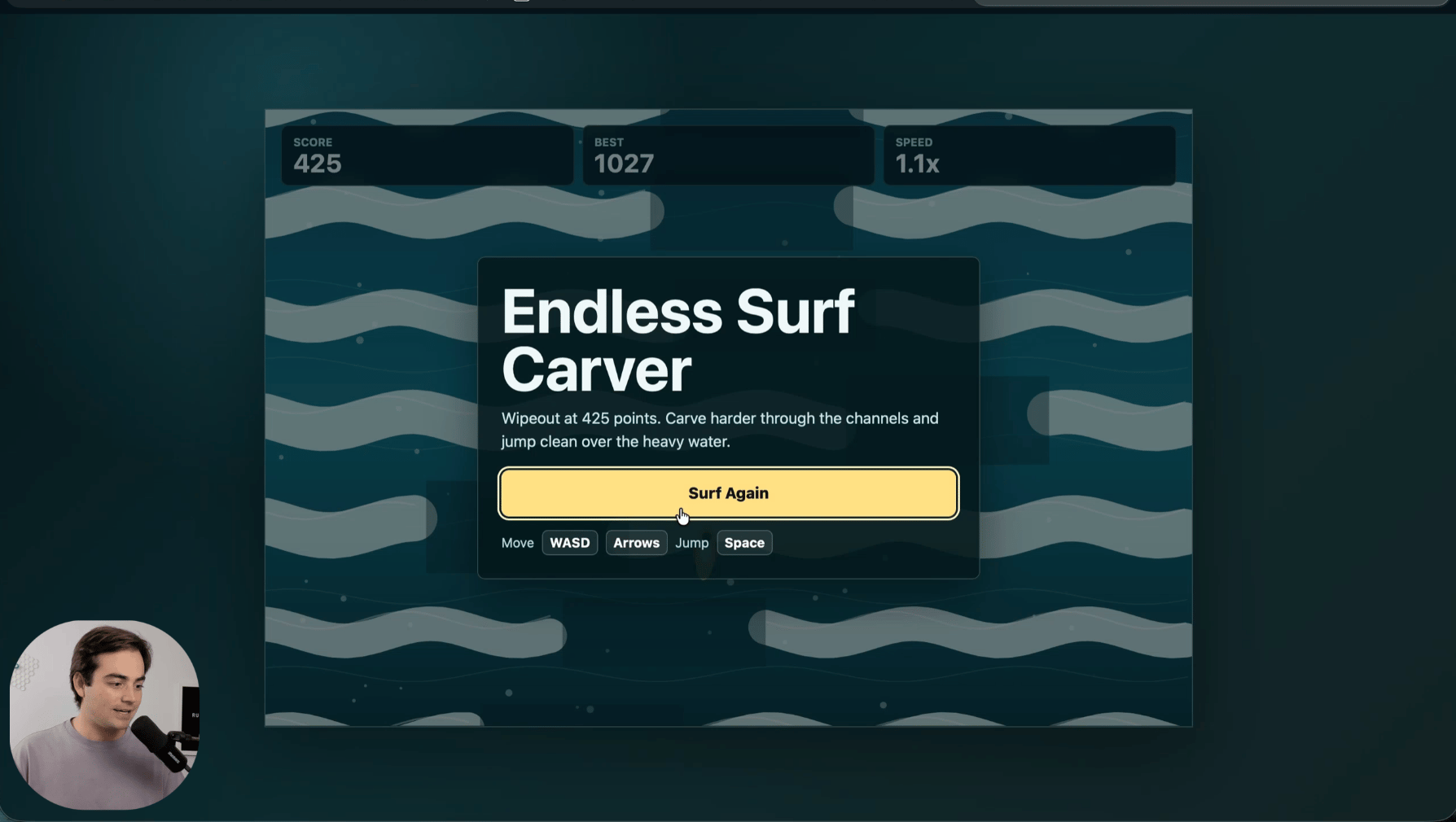
The Rundown: In this guide, you will learn how to use Codex /goal to build a small browser game without nudging the agent every few minutes. The game is the demo, but the real move is learning to give Codex a finish line it can work toward on its own.
Step-by-step:
Open Terminal and enable goals with: “codex features enable goals.” Then, think of a short, simple game idea with rules you can test
If the idea feels fuzzy, ask ChatGPT to rewrite it in 100 words or fewer with objective tests. If it cannot do that, the scope is probably too big for one /goal
Paste the description after /goal, then follow the checklist Codex creates. For a simple game, expect about 5–6 minutes of building, testing, and fixing
When testing, give feedback as another /goal command. Be specific with instructions, like: “Add distinct animations for every action the user can take”
Pro tip: This works beyond games. List three business processes, choose a metric that proves each works, then ask Codex to improve the process against that metric.
PRESENTED BY DATADOG
📊 Scale your LLM applications with confidence

The Rundown: Datadog’s free guide walks teams through building observability into their LLM stack, so engineers can move fast on production AI without flying blind on errors, costs, or security risks.
In the guide, you’ll learn how to:
Monitor LLM workflows for errors, latency, and token costs
Detect prompt injections and sensitive data exposure before they escalate
Evaluate output quality at scale with built-in and custom checks
Download the LLM Observability Best Practices Guide for free.
AI RESEARCH
🧑💻 AI doubles dev output, but not for everyone
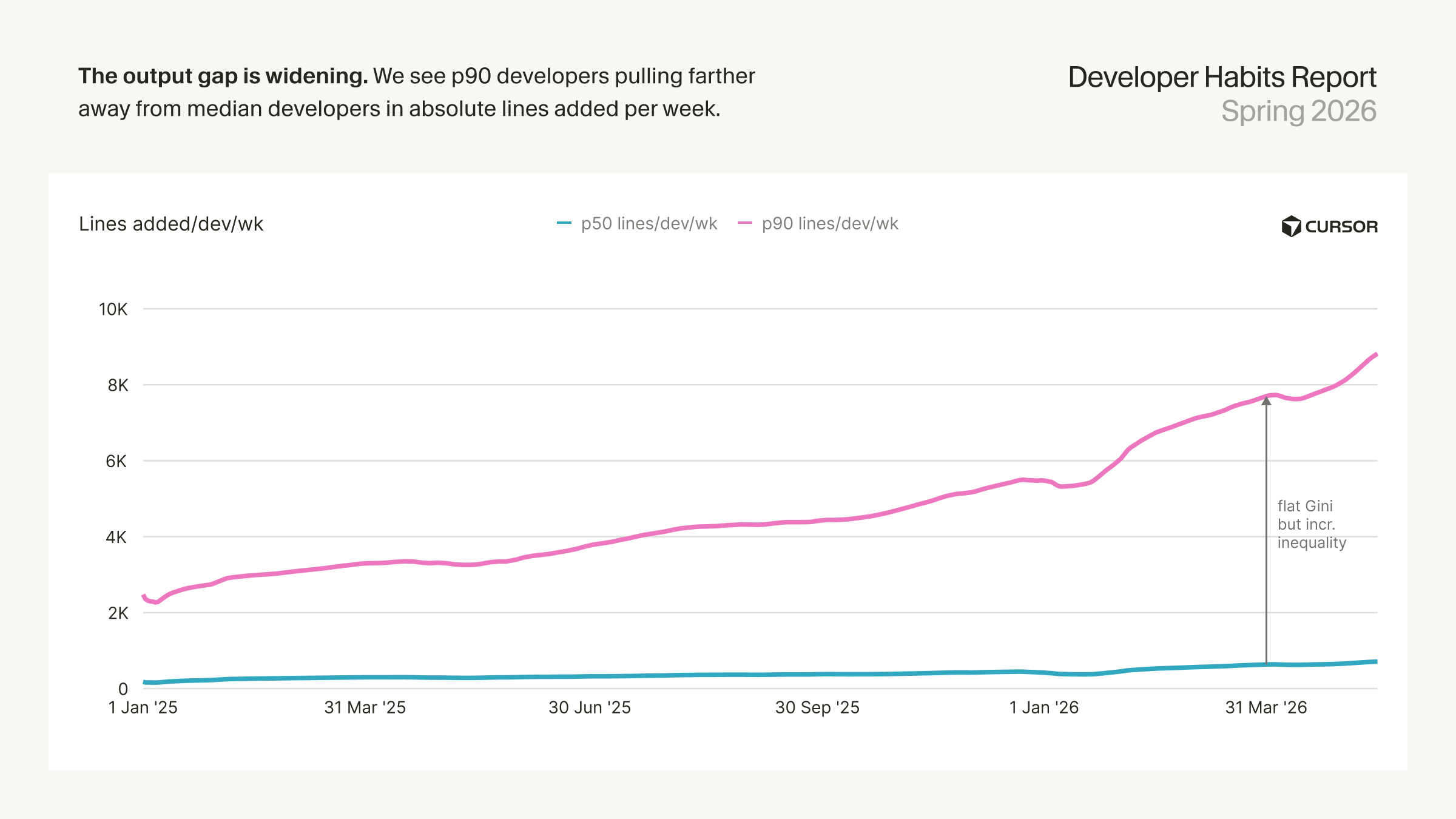
Image source: Cursor
The Rundown: Cursor released its Developer Habits Report, based on its own product and engineering data, showing dev output has more than doubled, but the gains are concentrated, with a small group of power users pulling far ahead of everyone else.
The details:
Lines of code added by each dev per week have gone from 3.6K to 8.6K in 18 months, with mega PRs with 1K+ lines changed becoming more common.
Agents are doing more end-to-end work, with tool calls up 30% in two months and 5x more AI-made changes reaching commits without manual review.
Cost per agent request varies 9x across models (Opus 4.7 being the most expensive), meaning the cost of one workflow can vary a lot with underlying AI.
However, the gains remain concentrated, with the top 1% of devs producing 46x more code than the median active user and the gap widening every month.
Why it matters: AI doing deeper work and contributing more code falls in line with growing capabilities, but the usage gaps are worth noting. Not everyone is capturing the full productivity gains, and with the cost per agent request varying heavily across models, many teams may not be using the most cost-efficient AI for their tasks.
QUICK HITS
🛠️ Trending AI Tools
💡 Founder Starter Kit - Pika’s Claude skills to go from product to launch
🎙️ Dubbing V2 - ElevenLabs’ new dubbing AI that adapts across 90 languages
📽️ Paris 2.0 - Bagel’s efficient, decentralized-trained video generation AI
💻️ Computer - Perplexity’s agent, now inside Excel, Word, and PowerPoint
📰 Everything else in AI today
Workday DevCon Digital Experience, June 2 & 4 — Build agents. Build skills. Build your career on Workday’s developer platform. Register today.*
Google doubled Omni generations for Ultra users and fixed Gemini’s usage-limit issues with free Flash-Lite prompts, caps on high-cost requests, and improved tracking.
Elon Musk said that SpaceX’s compute deal with Anthropic is for 180 days, not three years (as mentioned in the S-1 filing), but indicated a longer deal is possible.
CNN filed a lawsuit against Perplexity, alleging the startup’s AI tools generate a “verbatim” copy of its articles while providing information locked behind a paywall.
An AI consultant revealed to Axios that their client accidentally spent nearly $500M in one month after failing to set usage limits on employees’ Claude licenses.
*Sponsored Listing
COMMUNITY
🤝 Community AI workflows
Every newsletter, we showcase how a reader is using AI to work smarter, save time, or make life easier.
Today’s workflow comes from reader Gabriela in Austin, TX:
“I really wanted to know what my best colors are. I uploaded several selfies to ChatGPT and asked it to perform a color palette analysis. The results aligned with my best guesses, so I moved on to hairstyles based on face shape and outfits based on my body style. I uploaded more photos and shared my measurements, and had it get really specific about colors, styles, shapes, etc.
Next, I asked ChatGPT to write those into custom instructions to create a Project within ChatGPT just for style. I used what it wrote, making minor revisions, then started the Project with some additional photos included (some of me, some for inspiration).
Now I use that Project to get feedback on daily outfits, haircuts, new clothes, etc. It’s been working great, and I feel more confident and more myself.”
How do you use AI? Tell us here.
🎓 Highlights: News, Guides & Events
Read our last AI newsletter: A world model for proteins is here
Read our last Tech newsletter: Ferrari’s first EV, designed by Jony Ive
Read our last Robotics newsletter: Figure’s humanoids get a retail job
Today’s AI tool guide: Use Codex to build a game in one prompt
RSVP to next workshop on June 18: Build a Marketing Creative Studio
See you soon,
Rowan, Joey, Zach, Shubham, and Jennifer — the humans behind The Rundown
No matching search results
Try using different keywords, double-check your spelling, or explore related categories.
Stay Ahead on AI.
Join 2,000,000+ readers getting bite-size AI news updates straight to their inbox every morning with The Rundown AI newsletter. It's 100% free.