UBTech offers $18M a year for AI scientist
PLUS: Harvard's microscopic 'neurobots'

Jennifer Mossalgue
April 6, 2026
Read Online | Sign Up | Advertise

Good morning, robotics enthusiasts. Chinese robotics firm UBTech is offering up to $18M a year for a single AI scientist to help power its humanoid ambitions.
In a talent market where Silicon Valley giants have reportedly put $20M annual pay packages — and even $100M-plus incentives — on the table for elite AI researchers, the price of winning is starting to look absurd. Is this hype, or is the humanoid race getting very real?
In today’s robotics rundown:
UBTech offers $18M a year for one AI scientist
This tiny bot grows its own nervous system
Japan’s new workforce: robots wanted
New gig economy teaches humanoids how to work
Quick hits on other robotics news
LATEST DEVELOPMENTS
UBTECH
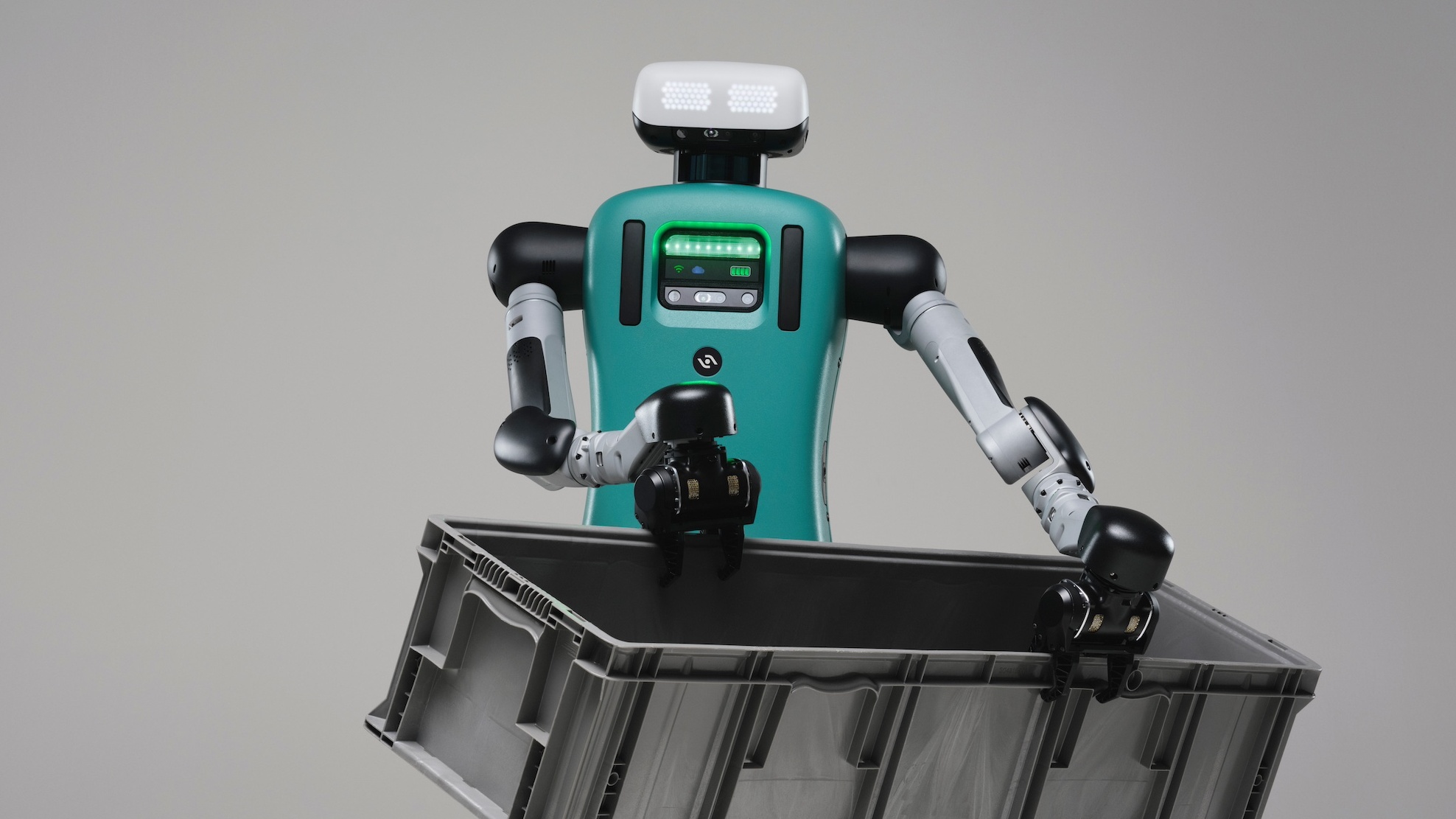
🤖 UBTech offers $18M a year for one AI scientist
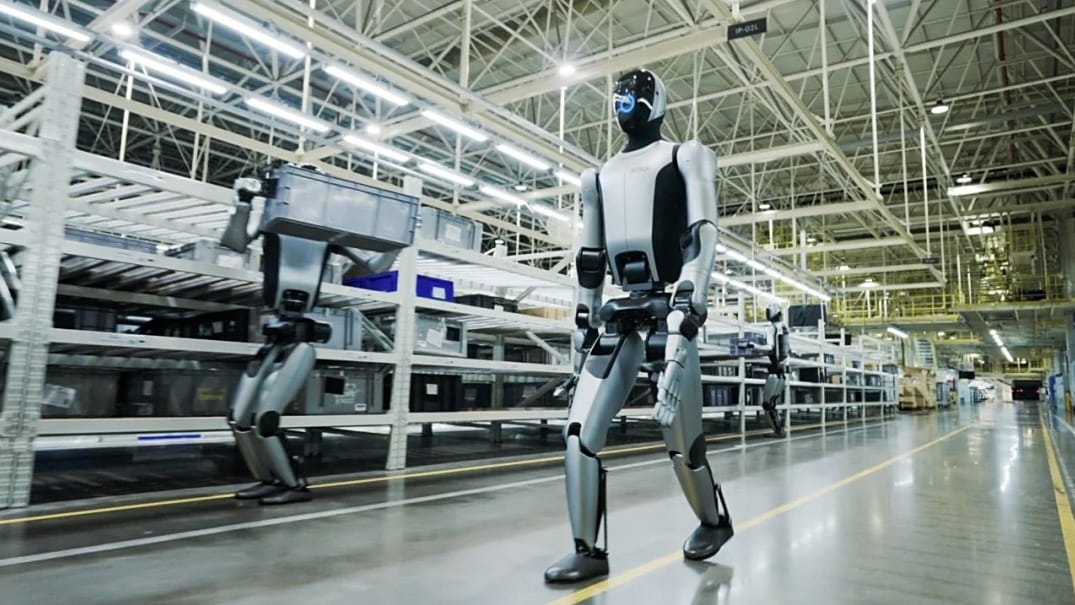
Image source: UBTech
The Rundown: Chinese humanoid maker UBTech is offering up to $18M annually for a single chief AI scientist, turning one job listing into a neon sign for just how extreme the global humanoid race has become.
The details:
The role will lead “embodied intelligence” research, translating VLA and robotics models into dependable software for full-size industrial humanoids.
In January, Airbus deployed UBTech’s Walker S2 robots on aircraft production lines, proving these machines can handle real factory floors, not just demos.
The company says full-size humanoid revenue has surged, with sales climbing more than 50% and claiming a growing slice of total income.
By dangling CEO-level pay, UBTech looks to be turning a single AI scientist role into a spectacle meant to signal dominance while attracting talent.
Why it matters: UBTech is racing against OpenAI, Google DeepMind, Tesla’s humanoid push, and fast‑moving rivals like Geekplus-W — backed by Beijing’s 2026 robotics priority and Geekplus-W’s February hire of Tsinghua’s Dr. Zhao Hao — making its blockbuster talent grab a matter of survival.
BIOTECH
🔬 This tiny bot grows its own nervous system
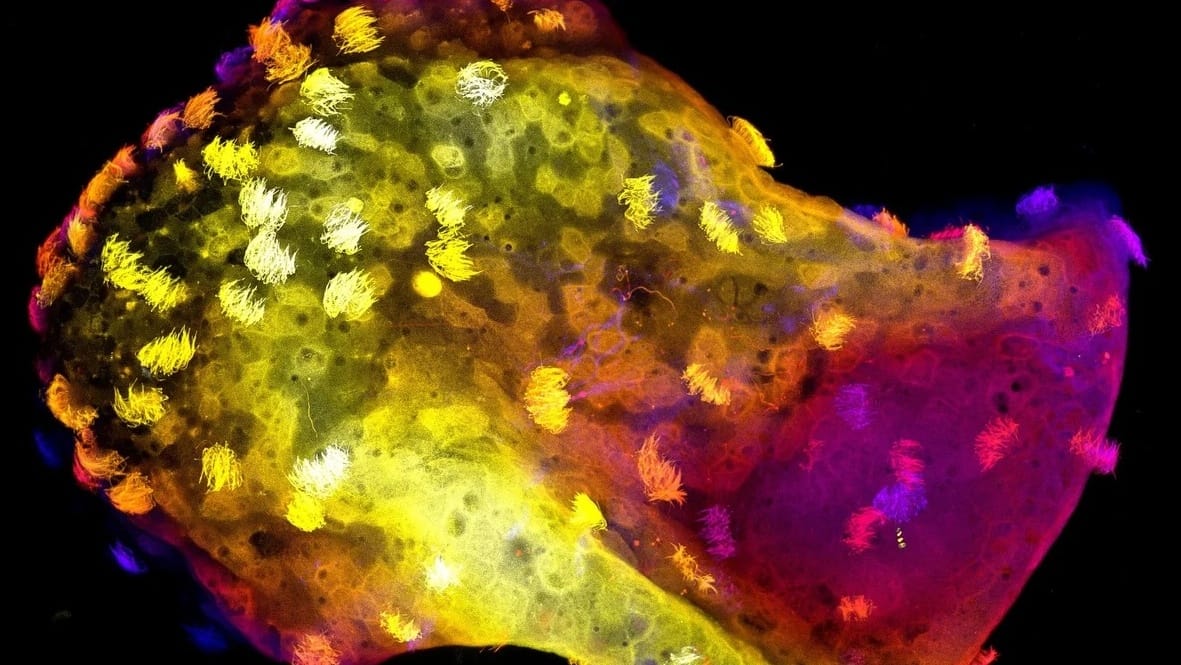
Image source: Haleh Fotowat
The Rundown: Researchers at Tufts and Harvard just created “neurobots,” microscopic living machines built from frog cells that develop their own nervous systems, reorganizing their bodies and behavior in ways evolution never produced.
The details:
These engineered neurobots are tiny living robots assembled from frog cells that autonomously grow rudimentary nervous systems from scratch.
As neurons spread through each bot, they wire directly into the outer cell layer and begin influencing how the organism moves.
Unlike earlier frog-cell bots, neurobots swim with greater intensity and display varied, unpredictable movement patterns rather than looping the same motion.
Once the nervous system emerges, gene activity shifts — switching on pathways associated with brain formation and even eye development.
Why it matters: Neurobots demonstrate that a cluster of frog cells can self-organize not only a functional body but a nervous system capable of reshaping that body’s behavior. The implications are early-stage but could hint at a coming class of engineered life that thinks and repairs like tissue but deploys like hardware.
JAPAN
💼 Japan’s new workforce: robots wanted

Image source: Ideogram / The Rundown
The Rundown: With a working-age population that makes up just 59.6% of the country’s total, Japan is reportedly running out of humans to do the work. Robots are filling roles no one is left to take, Techcrunch reports.
The details:
Japan faces such an extreme labor shortage that companies are rolling out robots not to cut jobs, but because there are no workers left to hire.
Robots are filling frontline roles in convenience stores, logistics, and hospitality, from stocking shelves and cleaning floors to delivering room service.
Elderly care facilities are adopting robotic assistants to lift patients, monitor vital signs, and provide companionship in a rapidly aging society.
Policymakers and business leaders are reframing automation as critical economic infrastructure rather than a threat to employment.
Why it matters: Japan is becoming a real-time lab for how advanced economies can survive when demographics make full employment mathematically impossible, with nearly a third of citizens already over 65. How it balances robots, regulation, and human dignity could set expectations for aging countries everywhere.
HUMANOIDS
🤖 New gig economy teaches humanoids how to work
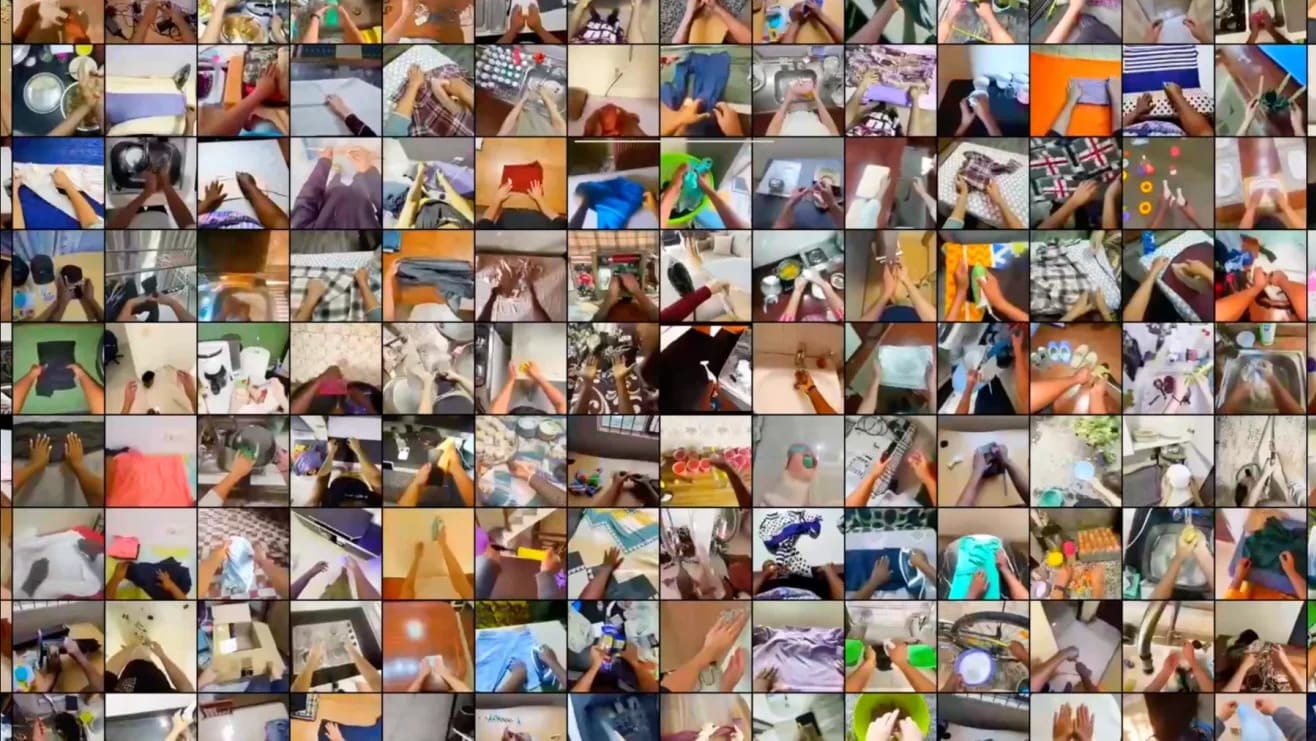
Image source: Micro1
The Rundown: Around the world, gig workers are strapping cameras to their chests and filming themselves doing dishes, folding laundry, and stocking shelves for roughly $15 an hour — all to train the robots that may one day replace them.
The details:
Palo Alto startup Micro1 has recruited thousands of "robotics generalists" across 50+ countries to film tasks for humanoid training datasets.
Encord and Scale AI run robotics programs that pay people to record manipulation tasks, claiming up to 100K hours of robot-training video.
DoorDash has also paid drivers to film themselves doing chores, turning its workforce into an embodied-AI data pipeline.
Stealth robotics startups are reportedly posting Craigslist-style ads offering $10–$20 an hour for people to record everyday tasks on their phones.
Why it matters: Training humanoids on human movement is the robotics equivalent of what scraped text did for LLMs: source the raw material cheaply, capture the value at the top. Meanwhile, workers in Nigeria and India filming themselves folding laundry are training machines that could one day automate the very jobs they rely on.
QUICK HITS
📰 Everything else in robotics today
Rivian spinoff, Also, raised $200M at a $1B valuation and partnered with DoorDash to build autonomous last‑mile delivery vehicles.
Waymo began offering robotaxi pickups and drop-offs at San Antonio International Airport — its first airport service in Texas and fourth major airport overall.
Uber and WeRide began fully driverless, fare‑charging robotaxi operations in several districts of Dubai via the Uber app.
San Francisco startup NomadicML raised $8.4M at a $50M valuation to grow its platform that converts autonomous‑vehicle video into training data for fleet monitoring.
Researchers developed pasta-shaped, air-powered artificial muscles that let robots lift up to 100x their own weight.
A fleet of Maximo construction robots installed 100 megawatts of utility-scale solar capacity, marking one of the largest robotic solar deployments to date.
Robot “police dogs” are patrolling Atlanta streets to deter crime, sparking debate over surveillance, civil liberties, and the privatization of law-enforcement tech.
A homemade solar-powered quadcopter set an unofficial multirotor endurance record by flying for over five hours using 28 solar panels and a small backup battery.
Georgia Tech researchers built tiny vibration-powered robot swarms that can latch, release, and reorganize without any electronics or batteries.
Cornell researchers developed MirrorBot, a small robot with dual mirrors that uses shared reflections and eye contact to spark conversations and social connections.
U.S. researchers created a new silicone actuator that stays resilient in extreme cold, heat, and near-vacuum, showing promise for soft robots in space missions.
Chinese researchers developed a new soft optical sensor that lets a robot hand sense finger positions precisely enough to perform delicate, human-like tasks.
U.S.-based entertainment startup Dollhouse unveiled Belmont, a cute robot butler that can be rented to roam parties serving guests snacks and drinks.
COMMUNITY
🎓 Highlights: News, Guides & Events
Read our last AI newsletter: Anthropic tells OpenClaw users to pay up
Read our last Tech newsletter: Google’s Texas-sized data center problem
Read our last Robotics newsletter: Waymo hits 500k weekly rides
Today’s AI tool guide: How to take AI notes on phone calls
Watch our last live workshop: The State of AI Presentation Tools in 2026
See you soon,
Rowan, Joey, Zach, Shubham, and Jennifer — The Rundown’s editorial team

Stay Ahead on AI.
Join 2,000,000+ readers getting bite-size AI news updates straight to their inbox every morning with The Rundown AI newsletter. It's 100% free.