Get the latest AI news, understand why it matters, and learn how to apply it in your work — all in just 5 minutes a day. Join over 2,000,000+ subscribers.
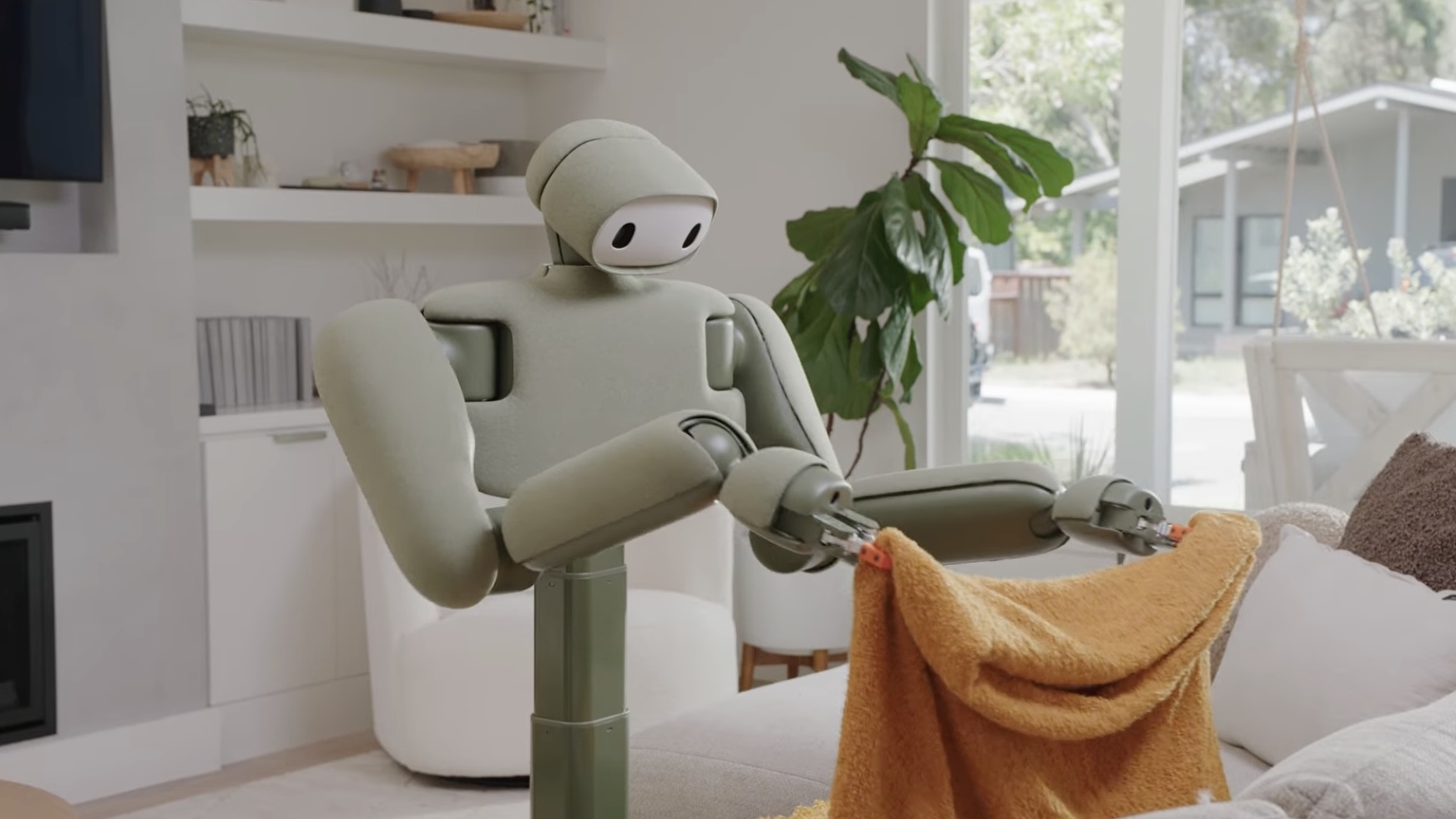
This $8K robot can do your laundry
Read Online | Sign Up | Advertise

Good morning, robotics enthusiasts. A San Francisco startup just started taking preorders for a robot that will fold your laundry, make your bed, and clear your clutter — for less than half the price of its humanoid rivals.
Weave Robotics’ Isaac 1 skips the sci-fi styling — wheels instead of legs, claws instead of fingers — and bets everything on nailing a short list of chores. But it inherits the catch shadowing home humanoids like 1X’s Neo: when the AI gets stuck, a stranger takes over remotely.
In today’s robotics rundown:
Meet Isaac 1, the $8K robot that does your chores
Boston Dynamics strips down Atlas to scale up
The race to make humanoids safe at work
Zoox’s robotaxi is designed for your worst behavior
Quick hits on other robotics news
LATEST DEVELOPMENTS
WEAVE ROBOTICS
🤖 Meet Isaac 1, the $8K robot that does your chores
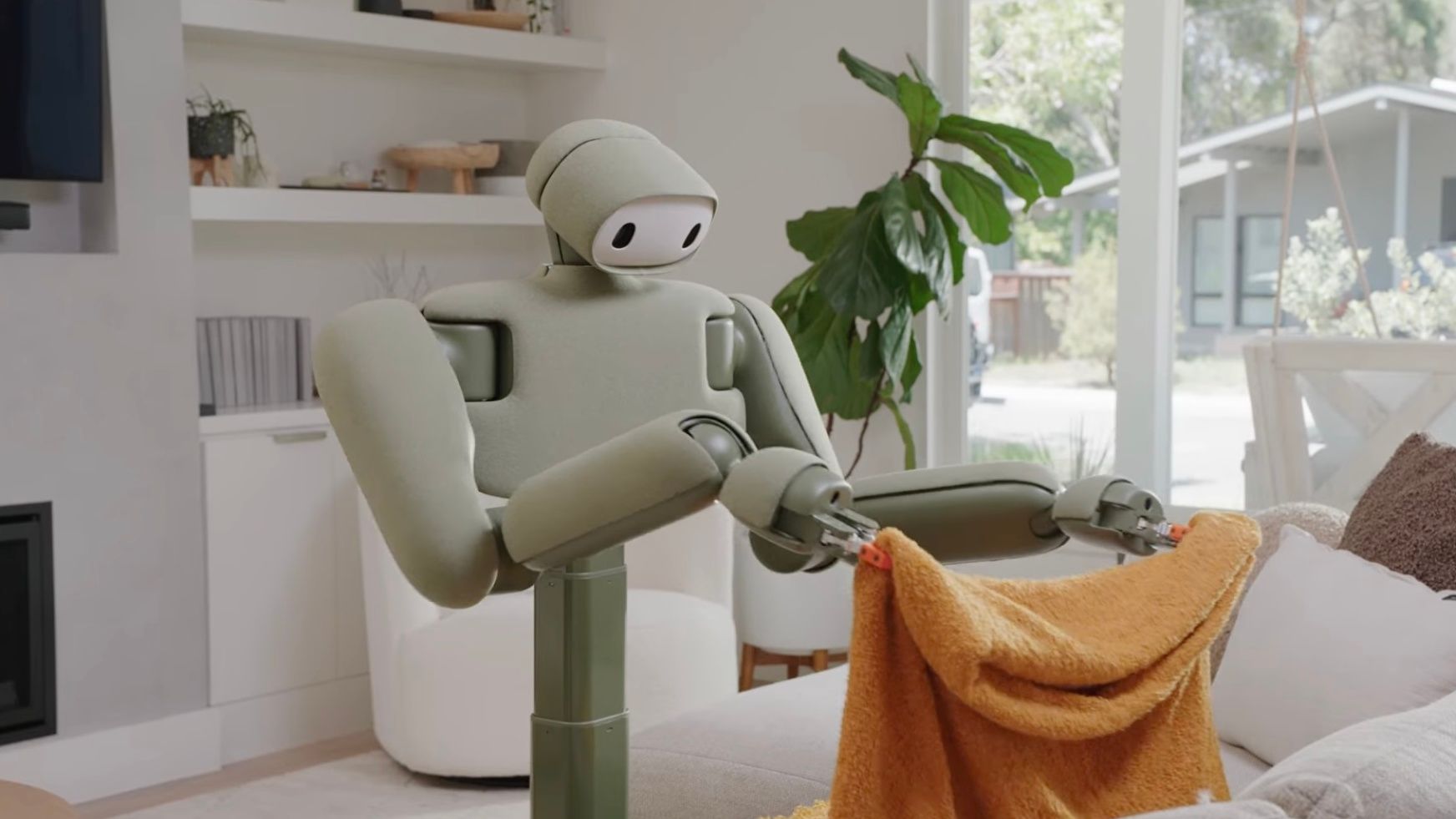
Image source: Weave Robotics
The Rundown: San Francisco startup Weave Robotics just launched Isaac 1, a $7,999 wheeled home robot that folds laundry, clears clutter, and makes beds — with human teleoperators on standby for when the AI gets stuck.
The details:
Isaac 1 rolls on a wheeled base and adjusts up to 5'9" depending on the task, with two arms, fabric shells, and cameras that turn off when not in use.
Its two headline features are “Laundry Flow” — finding dirty clothes, handling hampers, and folding — and “Daily Reset,” which makes beds and tidies.
Pricing hits $7,999 upfront or $449/month, with a refundable $250 preorder — California deliveries begin this fall, with wider U.S. availability in 2027.
The bot is autonomous by default, with teleoperation assistance when needed, meaning a remote human can see inside your home through its cameras.
Why it matters: Sidestepping general-purpose ambitions, Weave undercuts humanoid rivals like 1X’s ~$20K Neo by more than half — a bet that purpose-built machines arrive in real living rooms before the humanoids do. But it still inherits the most privacy-concerning catch: strangers seeing through your robot’s eyes.
BOSTON DYNAMICS
🤖 Boston Dynamics strips down Atlas to scale it up
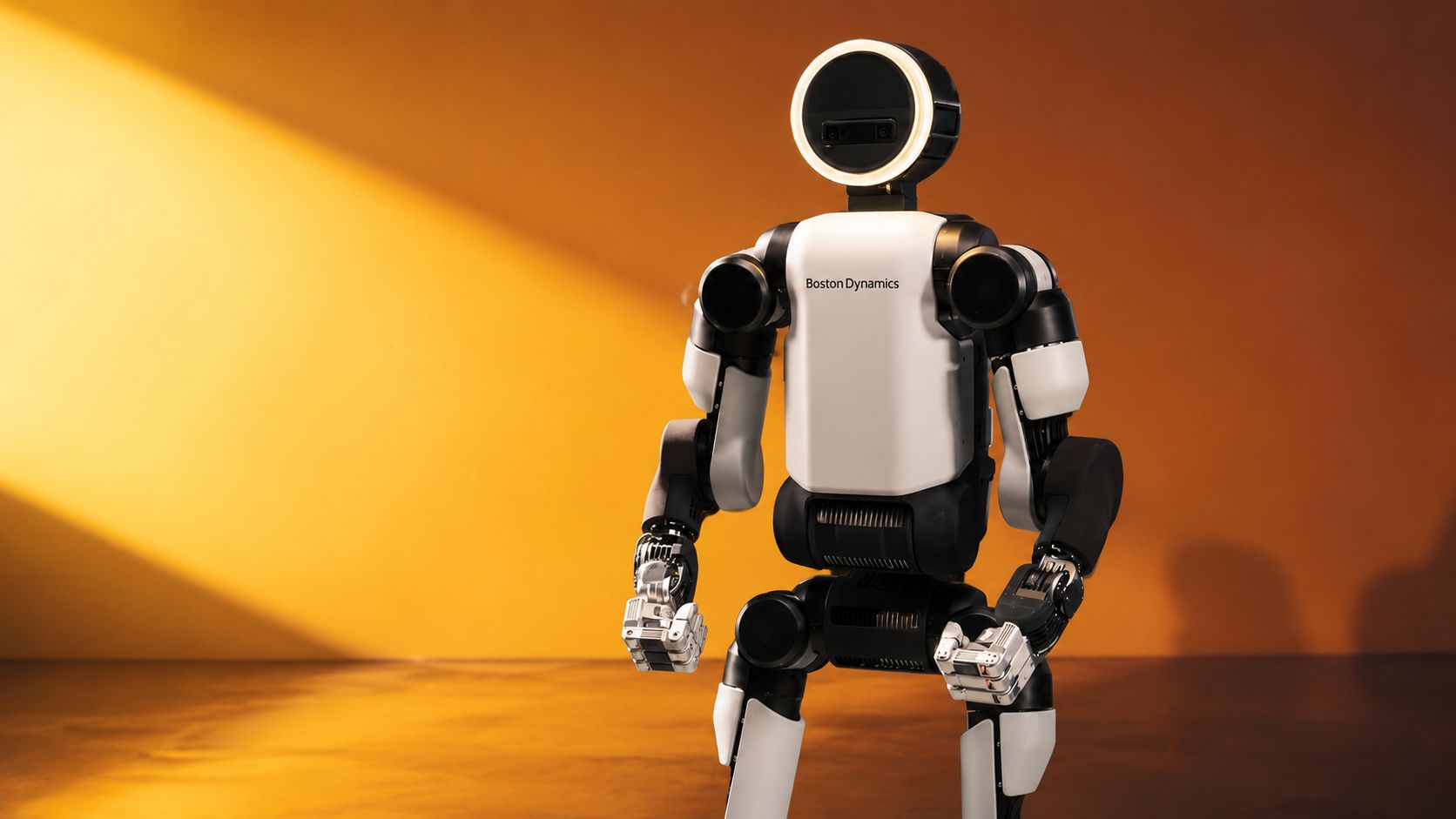
Image source: Images 2.0 / The Rundown
The Rundown: Hyundai-owned Boston Dynamics says its fifth-generation Atlas is “almost an order of magnitude” simpler than its predecessor — a redesign built to slash costs and clear the path to mass production, Forbes reports.
The details:
The report says that the new Atlas has far fewer parts, making it faster to build, more reliable, and cheaper than earlier versions, which ran upwards of $200K.
Hyundai aims to build a factory capable of churning out 30K units annually by 2028 and deploy Atlas at its Georgia plant starting in 2028.
Robot behavior director Alberto Rodriguez says that software is the bottleneck, with algorithms still unable to exploit what the machine can physically do.
The company is also arguing that two legs require almost the same 8 actuators as a wheeled base, while fitting through tighter spaces and crossing dock gaps.
Why it matters: Boston Dynamics is shifting Atlas to scale, with Hyundai’s factory muscle behind it. If the new Atlas can match or beat its predecessor with a fraction of the complexity, it could push high-end humanoids closer to real industrial economics — even as cheaper rivals like Unitree drag the market’s price expectations down.
HUMANOIDS
🏭 The race to make humanoids safe at work
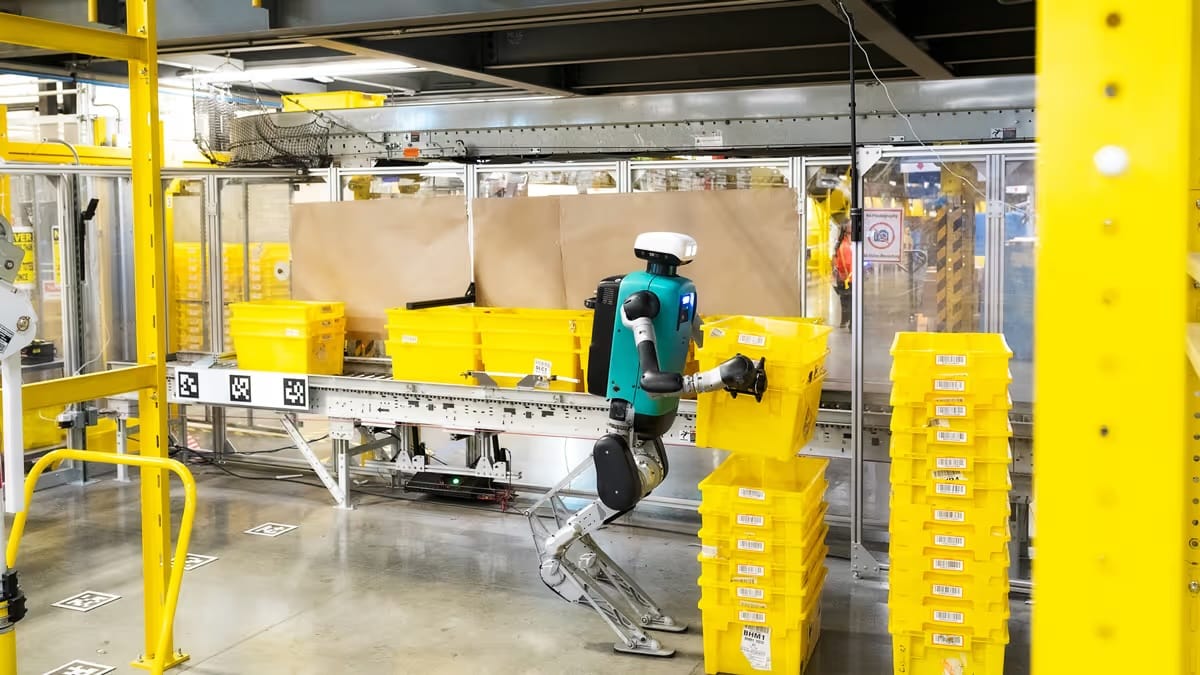
Image source: Agility Robotics
The Rundown: Humanoid makers are scrambling to engineer safety into their large, heavy bipeds before they leave the lab for warehouse floors, where a fall or misstep could hurt the human working next to them, the WSJ reports.
The details:
Nvidia unveiled a Blackwell-powered safety system that reads sensor data for hazards and halts the robot when conditions turn dangerous.
Germany’s Neura Robotics built its 176 lb. 4NE1 to collapse inward on itself when a joint fails instead of pancaking whoever’s standing nearby.
Bay Area startup Dexmate packs batteries and electronics into a wheeled base, dropping the center of mass so low the robot physically can’t face-plant.
Regulators are years behind the hardware: an ISO expert panel is studying the fall risk now but doesn’t expect to publish a safety standard until mid-2028.
Why it matters: Morgan Stanley sees a billion humanoids and a $7.5T market by 2050 — but Agility’s robots, for one, work behind Plexiglas. No one has been seriously hurt by a humanoid yet, per the industry’s accounting — but one bad fall could mean broken bones, lawsuits, and a backlash that could stall the category before it even takes off.
ZOOX
🧽 Zoox’s robotaxi is designed for your worst behavior

Image source: Zoox
The Rundown: After 500K+ driverless rides taught Zoox that unsupervised passengers will do pretty much anything in its driverless cabs, the Amazon-owned company rebuilt its next-gen robotaxi interior to be wiped clean between fares.
The details:
Zoox has been offering free rides in Las Vegas and San Francisco, and claims it has served 500K+ passengers — with no driver aboard to enforce the rules.
“They’re smoking everything in the vehicle,” said Chris Stoffel, Zoox’s director of robot industrial design and studio engineering.
Cleanup data — including vomit getting into “nooks and crannies” — pushed it toward odor-resistant materials that crews can wipe clean quickly.
The refreshed look keeps its signature layout — no steering wheel, seating for four — and arrives as the company preps public launches in Austin and Miami.
Why it matters: Remove the driver, and you remove the one person who could tell riders to buckle up, stub out the cigarette, or stay inside the car. The robotaxi industry is learning that passengers treat an empty driver’s seat as permission to do as they like. Zoox's answer: don’t police the behavior — build a cabin that can take the hits.
QUICK HITS
📰 Everything else in robotics today
NVIDIA’s GEAR team just unveiled SimFoundry, a framework that turns a single image or video of a real-world scene into a simulation-ready world for robot training.
A humanoid robot named Joko reportedly malfunctioned on its first day at an Indonesian office, unleashing kung fu kicks at workers who struggled to shut it down.
China’s UBTech launched the U1, a line of ultra-lifelike companion humanoids with an “emotional” LLM the company claims can read over 20 human emotions.
Tesla’s robotaxis are now picking up riders in Miami, the company’s first fully driverless market beyond Texas, covering a 10- to 14-square-mile zone.
China’s securities regulator cleared Unitree for a Shanghai IPO, greenlighting the humanoid maker to raise 4.2B yuan (~$618M) at an implied $6.2B valuation.
German defense startup Quantum Systems raised a $1.2B Series D co-led by Blackstone, Airbus, Advent, and Noteus, valuing the autonomous drone maker at ~$8B.
A new generation of underwater mine-clearing robots, like those from Greensea IQ, are taking human divers out of one of the military’s most dangerous jobs.
Pudu Robotics is partnering with Shenzhen’s tourism authority to open what it calls the first fully robot-serviced hotel in 2027.
Ant Group just led a 500M yuan ($73.6M) round in Chinese companion-robot startup Zeroth, its 12th investment in the robotics sector in 18 months, per CNBC.
COMMUNITY
🎓 Highlights: News, Guides & Events
Read our last AI newsletter: Meta sizes up GPT-5.5 with 'Watermelon'
Read our last Tech newsletter: Sony kills the game disc
Read our last Robotics newsletter: Apptronik opens massive ‘Robot Park’
Today’s AI tool guide: Go from screenshot to bug fix with Cursor Mobile
RSVP to next workshop on July 8: Create short form videos with AI
See you soon,
Rowan, Zach, Shubham, and Jennifer — The Rundown’s editorial team

Meta sizes up GPT-5.5 with 'Watermelon'
Read Online | Sign Up | Advertise

Good morning, AI enthusiasts. When Meta's Muse Spark landed in April, the read was "not great, but back in the game." Three months later, Alexandr Wang says its successor is already running even with OpenAI's GPT-5.5.
The frontier isn't standing still while ‘Watermelon’ trains, but if Wang's claims and tease of an Opus-level coder hold, Meta's $145B AI spend may finally be buying results the rest of the field pays attention to.
In today’s AI rundown:
Meta teases ‘Watermelon’ model on par with GPT-5.5
The Rundown Roundtable: Our AI use cases
Go from screenshot to bug fix with Cursor Mobile
Lenovo launches $44 AI phone for students
4 new AI tools, community workflows, and more
LATEST DEVELOPMENTS
META
🍉 Meta teases ‘Watermelon’ model on par with GPT-5.5

Image source: Images 2.0 / The Rundown
The Rundown: Meta superintelligence chief Alexandr Wang just reportedly told employees that Watermelon, the model the company is currently training, has matched GPT-5.5, with the company gearing up for the next update to its Muse Spark AI.
The details:
Wang said Watermelon is still in training and runs on roughly 10x the compute of its predecessor Muse Spark, which launched in April.
CEO Mark Zuckerberg made headlines at the same town hall after saying that agent progress "hasn't really accelerated in the way that we expected.”
On X, Wang clarified that Zuck meant the industry's agent progress as a whole, with a reply saying to expect an Opus-level coding model "pretty soon."
A Muse Spark update with “big coding and agentic gains” is also coming, with Wang saying the release will hit both Meta AI and the company's new API.
Why it matters: A GPT-5.5-type model would be a nice jump for Meta, whose top Muse Spark model still sat pretty comfortably beneath the field even at launch. The only problem is the frontier continues to move, with Mythos and Fable already showing the power of the next step up and OAI’s 5.6 models likely rolling out this week.
TOGETHER WITH RETOOL
🛠️ From prompt to production-ready app

The Rundown: Retool launched a new app builder to close the gap between AI and production. Build in Retool or your preferred coding agent (like Claude Code or Codex), then deploy to a governed platform with auth, permissions, and audit logs built in.
Try Retool’s app builder and:
Generate production-ready apps from plain-language prompts
Run in the cloud or self-host for compliance and control
Get up to $10K in annual AI credits for new Enterprise customers who sign up by 9/30
THE RUNDOWN ROUNDTABLE
💡 The Rundown Roundtable: Our AI use cases

Image source: Nate @ The Rundown
The Rundown: The Rundown Roundtable is a weekly feature where we poll members of The Rundown staff about how we use AI in our work and daily lives.
Nate, AI Educator: For too many years, I had always wanted to frame a series of photos of our favorite view of our cabin to capture it in all four seasons. But I never had the framing just right.
So I simply uploaded the versions I had to Gemini's Nano Banana Pro along with an example of a painting style that I liked, and within a few iterations I got something that captured my vision perfectly.
Try It: Start with the new super fast, and cheap Nano Banana 2 Lite to get several options to consider quickly. Then pass it off to Nano Banana Pro (Set to 4K - High Thinking) to get a file with enough resolution to send to a printer.
Shubham, Editor: During my recent U.S. trip, I had some time to myself and decided to explore solo with ChatGPT as my real-time voice travel guide. I shared my location, what I had already seen, and how much time I had available. ChatGPT built and adjusted my itinerary on the fly, helping me cover more ground, avoid backtracking, and make the most of my time, even when I ran into unexpected car trouble.
Chat also pointed out highly rated restaurants with vegetarian options, explained popular menu items I could try, and surfaced deals to pick gifts for my wife. The experience was amazing. The only downside: it drained my phone's battery like crazy.
AI TRAINING
📲 Go from screenshot to bug fix with Cursor Mobile
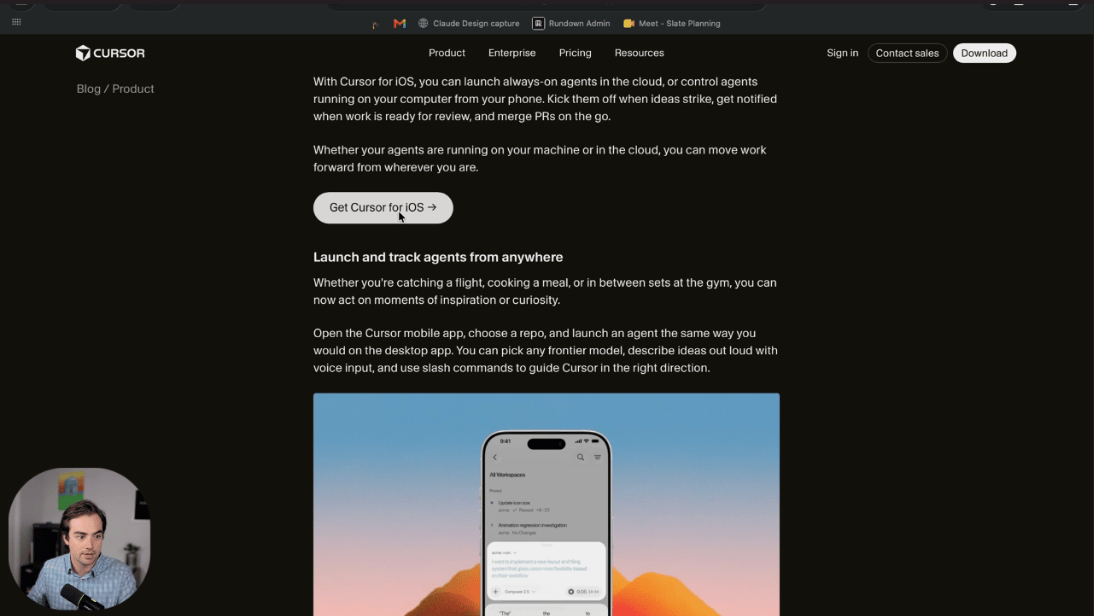
The Rundown: In this guide, you'll learn how to screenshot a bug on your website from your phone, then send it to a Cursor Cloud agent that can fix it, update the PR, and track everything in GitHub before you've even made it back to your desk.
Step-by-step:
Install the Cursor iOS app, get a Cursor Pro plan, and install GitHub Mobile so you can review the PR from your phone
Open your website, take a screenshot of the bug, broken layout, or UI change. Add a short note with what page you are on and what should happen instead
Open Cursor Mobile, tap the plus button, choose the correct repository, and start a new thread with the screenshot and the note attached for context
Now prompt: “Investigate this bug, find the relevant page component, make a fix, and open a PR.” When it’s done, review the PR, approve, and merge it
Pro tip: On desktop, enable Remote Agents so Cursor can work on your machine and prep local changes before you get back to your desk.
AI & EDUCATION
📱 Lenovo launches $44 AI phone for students

Image source: CNBCTV / Lenovo
The Rundown: Lenovo just reportedly launched its AI Student Phone in China, a new 299-yuan (~$44 USD) device stripped down with only basic functionalities like calling, parental tracking, and a dedicated AI button to enlist for homework help.
The details:
The device features a screen smaller than a credit card that kids can write on by hand, tough glass for durability, and a lanyard for a backpack attachment.
A long press on Lenovo's AI key lets students ask school questions via voice, backed by built-in English vocab and math formulas.
Classroom mode cuts the screen down to a clock plus SOS dialing during school hours, and built-in QR payments work under spending caps parents set.
A parental companion app includes live GPS location, alerts when a child crosses set boundaries, unknown-caller blocking, and scheduled on-off hours.
Why it matters: There are plenty of polarizing takes on both AI and smartphones when it comes to kids, but this looks like a nice compromise (and price point) on something parents might actually approve of — something closer to an AI-enabled calculator with less distractions, doomscrolling, and dopamine loops than today’s devices.
QUICK HITS
🛠️ Trending AI Tools
🔒 Incogni - Remove your personal data from the web so scammers and identity thieves can’t access it. Use code RUNDOWN to get 58% off exclusively for Independence Day.*
🚀 Claude Fable 5 - Anthropic’s newly reinstated frontier, Mythos-class model
🎥 Higgsfield Explainer - Turn any topic into a faceless explainer video
📐 Leanstral 1.5 - Mistral's open model for writing verified math proofs
*Sponsored Listing
📰 Everything else in AI today
The Theodore Roosevelt Presidential Library opened on July 4 in North Dakota, where visitors can talk with a Microsoft-built AI avatar of the 26th president.
Anthropic’s Thariq Shihipar said that they will work to bring Fable to subscriptions “as soon as capacity comes”, with the model set to go to usage credits starting July 7.
Alibaba reportedly ordered staff to wipe Claude off work computers, citing the China-user checks recently found in Claude Code.
Midjourney asked a judge to force Disney, Universal, and Warner Bros. to disclose their internal AI use, saying they may be training on unlicensed content (what their lawsuits accuse Midjourney of).
Oasis introduced Oasis 1, a $289 smart ring that allows users to dictate to AI using Whispr Flow and control apps or devices with a built-in trackpad.
COMMUNITY
🤝 Community AI workflows
Every newsletter, we showcase how a reader is using AI to work smarter, save time, or make life easier.
Today’s workflow comes from reader Leah M. in McMinnville, OR:
“I'm a swim parent, and my daughter is a competitive swimmer. Like many parents, I found myself constantly comparing her times to different championship standards, trying to answer questions like: how close is she to State? Which events give her the best chance of qualifying for Regionals? Every championship has a different set of qualifying times, and just looking at raw numbers didn't tell the whole story.
Working with ChatGPT, we built a 'Road to Championships' dashboard. Instead of simply listing qualifying times, it compares her personal bests against three levels of championship standards. For every event, it shows her personal best, percentage complete toward each standard, a visual progress bar, and her next milestone.
After every meet, we only update her new personal bests, and the entire dashboard immediately shows where she's made progress and which standards are getting closer. It has completely changed how we look at swim meets. Instead of chasing random time drops, every race now has a clear purpose.”
How do you use AI? Tell us here.
🎓 Highlights: News, Guides & Events
Read our last AI newsletter: Altman's global safety pitch has a 5% twist
Read our last Tech newsletter: Sony kills the game disc
Read our last Robotics newsletter: Apptronik opens massive ‘Robot Park’
Today’s AI tool guide: Go from screenshot to bug fix with Cursor Mobile
RSVP to next workshop on July 8: Create short form videos with AI
See you soon,
Rowan, Zach, Shubham, and Jennifer — the humans behind The Rundown


Sony kills the game disc
Read Online | Sign Up | Advertise

Good morning, tech enthusiasts. Sony is getting out of the physical game business after a three-decade run. Starting in January 2028, new PlayStation releases will be digital-only, turning the collector’s shelf and the GameStop trade-in counter into artifacts of another era.
It’s the ending everyone saw coming: what used to be a game you owned is quietly becoming a file you’re allowed to access.
In today’s tech rundown:
Sony pulls the plug on PlayStation discs
Apple plans 5 new iPhones — if it can find the chips
Google’s 8-year Android fight ends in $4.7B defeat
Lilly’s next injectable target: hair loss
Quick hits on other tech news
LATEST DEVELOPMENTS
SONY
📀 Sony pulls the plug on PlayStation discs

Image source: Ideogram / The Rundown
The Rundown: Sony will stop pressing physical discs for all new PlayStation games starting in January 2028, ending three decades of boxed console releases as the company goes all-in on digital.
The details:
Every new title after the cutoff will be sold digitally only via the PlayStation Store and third-party retailers.
Sony says that digital downloads made up 85% of full-game sales on PS4 and PS5 in its most recent quarterly results, versus 15% for discs.
It’s part of a larger trend: GameStop has reportedly shuttered more than 1,300 stores over the past two fiscal years as game buying moved online.
Sony announced it’s also winding down the PlayStation Store on PS3 in select markets this year, with global PS3 and Vita store closures to follow in 2027.
Why it matters: The announcement landed days after GTA 6 fans discovered the game’s “physical” edition is just a download code in a box. With Sony now formalizing the disc’s death, players will keep paying $70 or more per title — but for a license that can be revoked or delisted at will, with no disc to resell, lend, or keep.
APPLE
🍏 Apple plans 5 new iPhones — if it can find the chips

Image source: Ideogram / The Rundown
The Rundown: Apple is reportedly planning at least five new iPhone models between late 2026 and mid-2027 — and telling suppliers to crank out 10M foldables this year — even as an AI-driven memory shortage squeezes its supply chain.
The details:
Reports say Apple told suppliers to prepare 10M foldable iPhones this year, up from 7M–8M units, and has secured components for 80M phones.
IDC pegs the foldable iPhone Ultra’s average selling price at around $2,500, with higher-storage versions hitting $3K, the most expensive iPhone ever.
Counterpoint expects it to grab 29% of global foldable display orders in 2026, just behind Samsung’s 31%.
Apple is also reportedly readying 4 new iPad Pro models with faster chips, an entry-level MacBook Pro, and its first M7 processor, all targeted for early 2027.
Why it matters: AI demand has nearly quadrupled memory prices in three quarters, forcing Apple to raise prices and hunt for chips wherever it can find them — reportedly even from blacklisted Chinese suppliers. Apple’s biggest product push in years looks to be running right into the industry’s worst component squeeze.
⚖️ Google’s 8-year Android fight ends in $4.7B defeat

Image source: Images 2.0 / The Rundown
The Rundown: Europe’s top court just killed Google’s last appeal against its record €4.1 billion ($4.7B) Android antitrust fine, ending an eight-year legal fight over how the company locked its search engine and apps onto the world’s most popular mobile OS.
The details:
The Court of Justice of the European Union dismissed the appeal, confirming the penalty for Google Search’s abuse of a dominant position via Android.
The original €4.34B fine in 2018 targeted deals forcing phone makers to pre-install Search, Chrome, and the Play Store while barring rival Android versions; a lower court trimmed it to €4.1B in 2022.
Google said the judgment ignores its investment in keeping Android “open, interoperable and free.” Alphabet shares dipped about 1% premarket.
It’s Google’s second final EU defeat, after the €2.4B Shopping fine was upheld in 2024 — plus a €2.95B adtech penalty added last year.
Why It Matters: The ruling closes out the last of the Commission’s big three Google cases from the 2010s — the era when Brussels used competition law as its main weapon against Big Tech — just as Sweden’s $1.5B PriceRunner award showed those old fines are now fueling a second wave of private damages suits.
BIOTECH
💉 Lilly’s next injectable target: hair loss
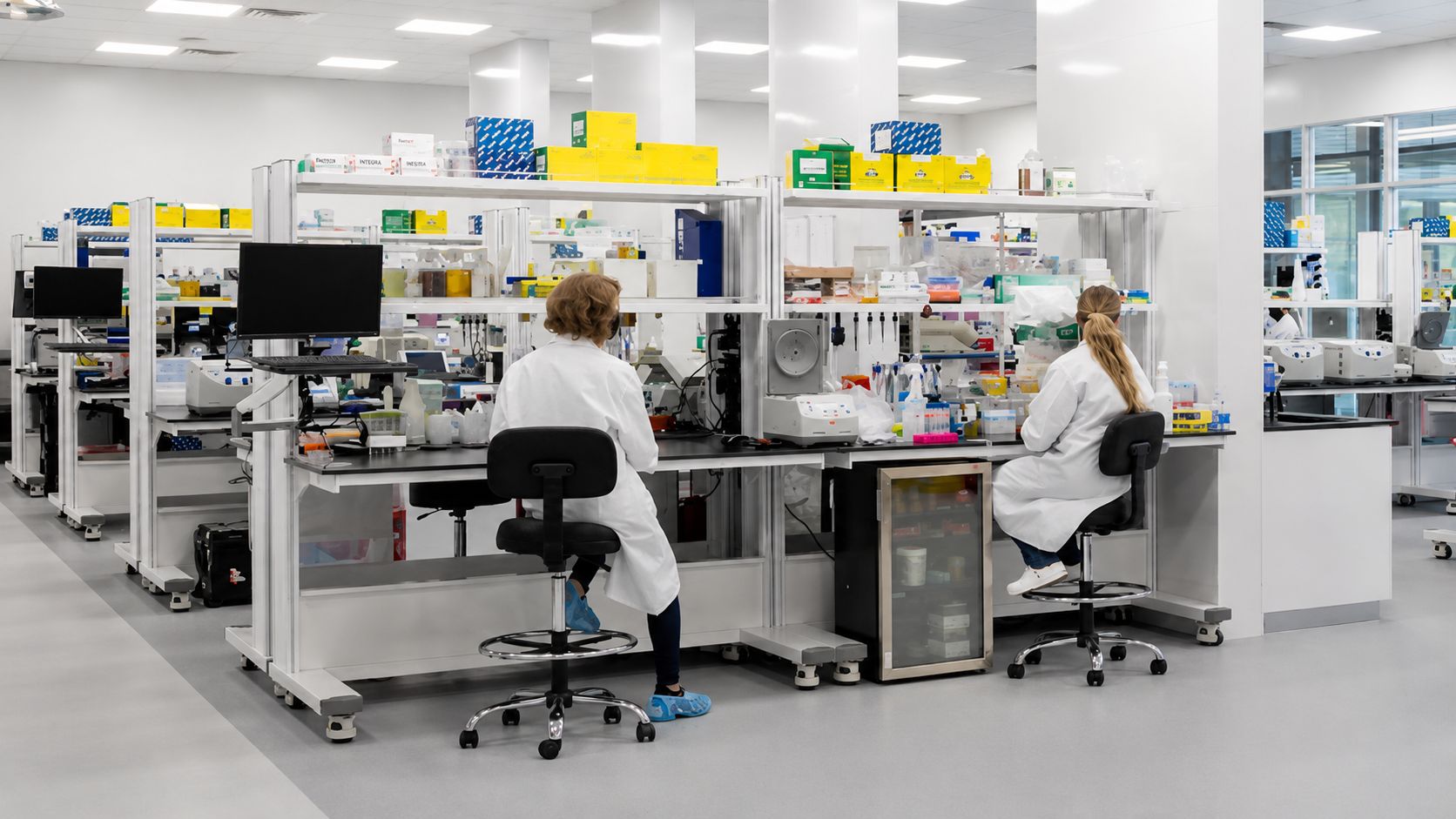
Image source: Absci Corp.
The Rundown: Eli Lilly put $40M into a $100M raise for Absci, whose AI-designed antibody ABS-201 targets pattern baldness and endometriosis, with the CEO floating a future combo shot pairing hair regrowth with a GLP-1.
The details:
ABS-201 blocks the prolactin receptor, a hormone receptor tied to both hair growth and reproductive health; no approved injectable currently treats either.
The Phase 1 trial showed the drug was well tolerated across all doses with no serious side effects, sending Absci shares up 36% last week.
Absci plans a global Phase 2 endometriosis study this year, and wants to jump to Phase 3 for male pattern hair loss in late 2027, pending FDA talks.
Hope Medicine’s HMI-115 blocks the same prolactin receptor — Phase 2 endometriosis data is published in The Lancet, plus a Phase 2 hair-loss trial.
Why it matters: Lilly turned weekly injections into a routine for millions, and it’s now betting the model works beyond weight loss. One antibody covering both hair regrowth and endometriosis — a condition that has been drastically underserved — would stretch injectables from obesity blockbusters into far broader medical treatments.
QUICK HITS
📰 Everything else in tech today
Microsoft plans to lay off thousands of employees across the company in the coming week, hitting sales, engineering, and Xbox, The Information reports.
Meta now caps its smart glasses’ Conversation Focus hearing-amplification feature at 3 free hours a month, charging $20/month for just 15 hours.
AI data center builder Crusoe is in talks to raise about $3B in a new round that could roughly triple its valuation to around $30B, Bloomberg reports.
Meta launched Pocket, an app born from its Gizmo acquisition that lets users generate and share AI-prompted mini games through a scrollable discovery feed.
Tesla delivered over 480K vehicles in Q2 — its best quarter since late 2025 — as cheaper Model 3, Y, and Cybertruck variants beat Wall Street expectations.
Honor’s ultra-thin Magic V6 foldable — with a Snapdragon 8 Elite Gen 5 and a 6,600mAh battery — launched in the UK and Europe at £1,999.99/€2,299.99.
Lime raised $167M in its Nasdaq IPO at a $1.66B valuation, going public after nine turbulent years to help pay down roughly $1B in liabilities.
Florida’s new HB 1217 bans cities and counties from pursuing net-zero emissions goals, forcing rollbacks in at least 10 local governments.
Samsung is reportedly developing its first rollable-screen smartphone — possibly called the Galaxy Z Slide or Z Roll — targeting a launch in the first-half of 2028.
Amazon said its Atlas V launch of 29 satellites — bringing its Leo constellation to 396 — gives it enough coverage to start initial commercial internet service later this year.
COMMUNITY
🎓 Highlights: News, Guides & Events
Read our last AI newsletter: Altman invites Washington inside AI industry
Read our last Tech newsletter: WhatsApp’s ‘usernames’ reservation race
Read our last Robotics newsletter: Apptronik opens massive ‘Robot Park’
Today’s AI tool guide: Delegate team tasks to Claude inside Slack
RSVP to next workshop on July 8: Create Short Form Videos with AI
See you soon,
Rowan, Joey, Zach, Shubham, and Jennifer — The Rundown’s editorial team

Altman invites Washington inside the AI industry
Read Online | Sign Up | Advertise

Good morning, AI enthusiasts. Washington spent June squeezing the AI labs, with Anthropic's Mythos and Fable pulled and GPT-5.6's release reined in. Sam Altman's response arrived in the FT: invite the government in, officially.
The invitation starts with rules, via a US-led forum with real authority to regulate the industry. But it might end with equity, with OpenAI floating a 5% stake for the government to give the public a real cut of the upside.
In today’s AI rundown:
Altman pitches US-led AI safety forum, government stake
Rowan’s Corner: Are smart glasses going to replace phones?
Delegate team tasks to Claude inside Slack
TML, Bridgewater show the power of specialized AI
4 new AI tools, community workflows, and more
LATEST DEVELOPMENTS
OPENAI
🌎 Altman pitches US-led AI safety forum, government stake

Image source: Images 2.0 / The Rundown
The Rundown: Sam Altman just used an FT op-ed to call for a U.S.-led forum that would set AI safety standards and decide who can use the most advanced models — landing just as another FT report said OAI discussed giving the U.S. a 5% stake.
The details:
The op-ed came out of June's G7 summit in France, where Altman says he and other AI executives sat with heads of government to talk through AI regulation.
Altman pointed to the IAEA during the Cold War to police atomic energy, plus aviation and banking rules, as proof of concept for an international referee.
OAI also reportedly floated a 5% government stake in the company, also pushing for other U.S. labs to pay into a dividend fund to redistribute wealth.
Altman said “democratic institutions must not cede their responsibilities to AI labs“, and that “citizens and their elected representatives must make the rules.”
Why it matters: Both the equity and regulation discussions are gaining steam, with the latter growing more important in light of the Mythos saga. But as former White House AI advisor Dean W. Ball said, the question is whether the AI wealth is given directly to households, or to a government that may or may not deliver on its promises.
TOGETHER WITH FIN
🎧 Enterprise AI support that resolves 76% on AWS

The Rundown: Fin is the AI support agent leading teams are deploying today, resolving an average of 76% of customer conversations while cutting costs and complexity. Now available through AWS Marketplace, Fin lets you buy with existing cloud commitments and accelerate procurement.
Join the July 9 session, which covers:
How to buy Fin through AWS Marketplace and apply spend to your cloud budget
Why leading teams run Fin on enterprise-grade AWS infrastructure
How the Fin + AWS partnership drives faster resolutions and lower costs
What AI-powered support actually looks like running in production
ROWAN’S CORNER
🕶️ Are smart glasses going to replace phones?

Image source: The Rundown
Rowan: Mark Zuckerberg has been calling smart glasses the next platform for years. When I interviewed him at Meta Connect, I asked if he believes smart glasses could ever be good enough to replace your phone.
Fast forward to now: it’s estimated that Meta sells 8 out of every 10 smart glasses worldwide. With billions of people wearing glasses or contacts for vision correction, the path to replacing the phone looks less far-fetched than it did last year.
On top of that, curbing screen time is one of the biggest trends right now. Most people reach for a smartwatch to do it. Zuck is betting the real answer is on your face.
I wore the new Meta Glasses for the last week. Here’s my cold-cut review:
GPS, live translation, music, voice notes, and a camera built into the frames are genuinely great. Glasses beat the phone here easily.
Other delightful surprise features include “what am I looking at” for instant sightseeing breakdowns, and hands-free recipes while cooking.
But I'm still walking out the door with my phone. Battery is the first wall. With the display, audio, and AI running, heavy use drains it in a couple of hours.
The bigger hurdle is that the glasses only surface Meta's own apps -- so WhatsApp, Instagram, and texts show up, but the rest of my phone stays dark.
So no, they aren’t replacing your phone just yet. But Meta owns ~80% of the market, and with Ray-Ban, Oakley, and now Kylie Jenner on board, the shift is already underway.
AI TRAINING
📥 Delegate team tasks to Claude inside Slack
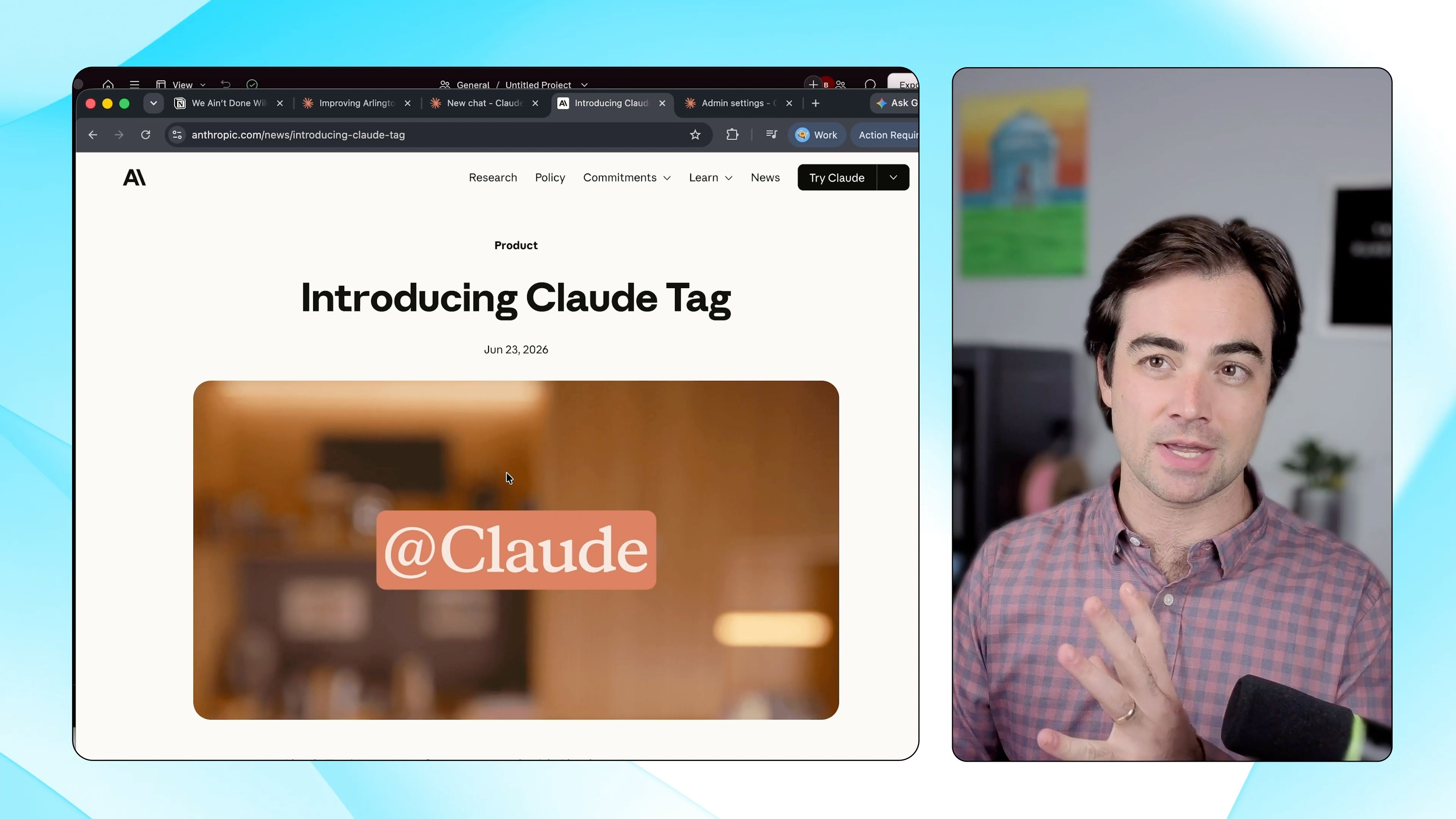
The Rundown: In this guide, you will learn how to set up and install Claude Tag in Slack. This lets you and your teammates tag @Claude like a real teammate, then have Claude work in the cloud and report back when it is done.
Step-by-step:
Get Claude Team/Enterprise and Slack admin permissions. Then, in Slack, open Admin > Apps and Workflows, search for Claude, and install it
Find Claude under Apps, open it, click Home, and connect your account. Then open Claude Tag settings on the web and connect the tools it should use
Run @Claude connect in Slack, copy the pairing code into Claude Tag’s browser setup, choose the channel scope, add usage credits, and launch
Open Advanced in Claude Tag settings and switch from the expensive default model to Sonnet. Then run a test prompt in a dedicated Slack thread
Pro tip: After the first run, check the admin panel for token spend, plugins used, and memory files created. You can edit or delete persistent Claude Tag memory files there.
PRESENTED BY KOPIN
📶 The AI bottleneck just met its match

The Rundown: AI models are scaling faster than the infrastructure that connects them. Kopin and Fabric.AI are developing Neural I/o™, a new optical interconnect architecture that transforms programmable MicroLED pixels into ultra-fast optical transceivers, moving data with lower power and opening a new path beyond traditional electrical interconnects.
The Impact:
Eliminates electrical communication bottlenecks
Enables higher bandwidth with less power
Unlocks a new foundation for AI infrastructure
A leading technology in an estimated $100B industry
THINKING MACHINES
🧐 TML, Bridgewater show the power of specialized AI
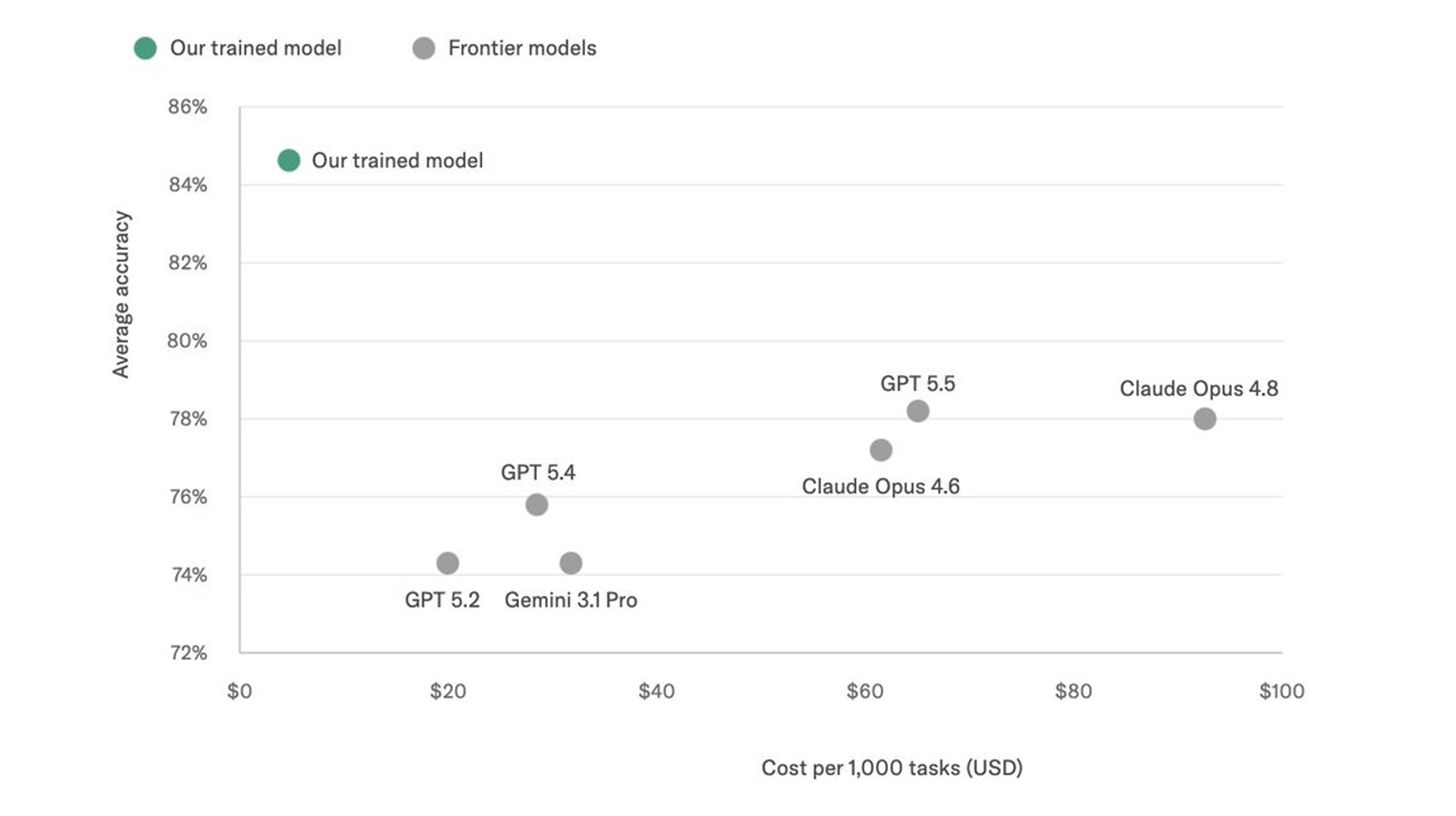
Image source: Thinking Machines
The Rundown: Mira Murati's Thinking Machines Lab and Bridgewater published research testing top models on news filtering investment tasks, with a small custom AI trained on the fund's judgment outscoring every frontier model while costing far less.
The details:
GPT, Claude, and Gemini variants averaged ~50% accuracy on six tasks, which included flagging emails, headlines, and reports of importance for an analyst.
Prompts written by the fund's own investors lifted scores into the mid-70s, still shy of the 80% mark Bridgewater says analysts need to trust a tool daily.
Training the open Qwen3-235B model on expert-graded examples via TML's Tinker platform resulted in an 84.7% on the fund's tests, at 13.8x less cost.
Murati framed the project as "experts improving AI that empowers experts," with Bridgewater planning models for more specialized tasks across the firm.
Why it matters: The assumption used to be that the frontier would steamroll smaller, specialized models, but TML and Bridgewater's numbers show how powerful (and cost-effective) those solutions can be. Companies don't always need a model that does everything, just one that is the best at their highly specialized work.
QUICK HITS
🛠️ Trending AI Tools
🎥 Seedance 2.0 - ByteDance’s frontier AI video model, now generally available
📱 Cursor for iOS - Cursor's new mobile experience for coding on-the-go
👋 Claude Tag - Tag @Claude as a shared Slack teammate to delegate tasks
⚙️ ZCode - Z AI’s agentic coding environment tuned for GLM-5.2
📰 Everything else in AI today
Palantir CEO Alex Karp criticized frontier AI giants on CNBC, saying enterprises “are paying for tokens that create no value” and the labs “are stealing weights and alpha.”
Microsoft launched Frontier Company, investing $2.5B on a plan to put 6,000 in-house engineers and sector specialists at client sites to help build and run AI systems.
China's Kling AI secured $2B in funding, with the Kuaishou video spinoff moving to push its global expansion after OpenAI shut down rival Sora.
The Wall Street Journal reported that SpaceX demoed an xAI-powered phone prototype for IPO investors, with Elon Musk dismissing the claim as “utterly false”.
Anthropic reportedly approached Samsung about manufacturing its own AI chip, coming after poaching Clive Chan from the OAI team behind its Jalapeño chip.
COMMUNITY
🤝 Community AI workflows
Every newsletter, we showcase how a reader is using AI to work smarter, save time, or make life easier.
Today’s workflow comes from reader Anonymous:
“I'm 67 years old and have been using ChatGPT personally and professionally for almost 2 years. When I first started, I worked in social media in the beauty industry. I've since walked away from that and become an author of children's bedtime stories. ChatGPT has helped me learn how to write, illustrate, and publish on Amazon KDP — I have two books published and am almost finished with my third.
I started this project in March, and I knew nothing. I now use ChatGPT, Leonardo AI, and Topaz Gigapixel. I'm setting up the systems and foundation to build a whole world of merchandise, toys, and a brand. I would not have been able to even start without AI.”
How do you use AI? Tell us here.
🎓 Highlights: News, Guides & Events
Read our last AI newsletter: Anthropic’s Fable returns worldwide
Read our last Tech newsletter: WhatsApp’s ‘usernames’ reservation race
Read our last Robotics newsletter: Apptronik opens massive ‘Robot Park’
Today’s AI tool guide: Delegate team tasks to Claude inside Slack
RSVP to next workshop on July 8: Create Short Form Videos with AI
See you soon,
Rowan, Zach, Shubham, and Jennifer — the humans behind The Rundown
Apptronik opens massive 'Robot Park'
Read Online | Sign Up | Advertise
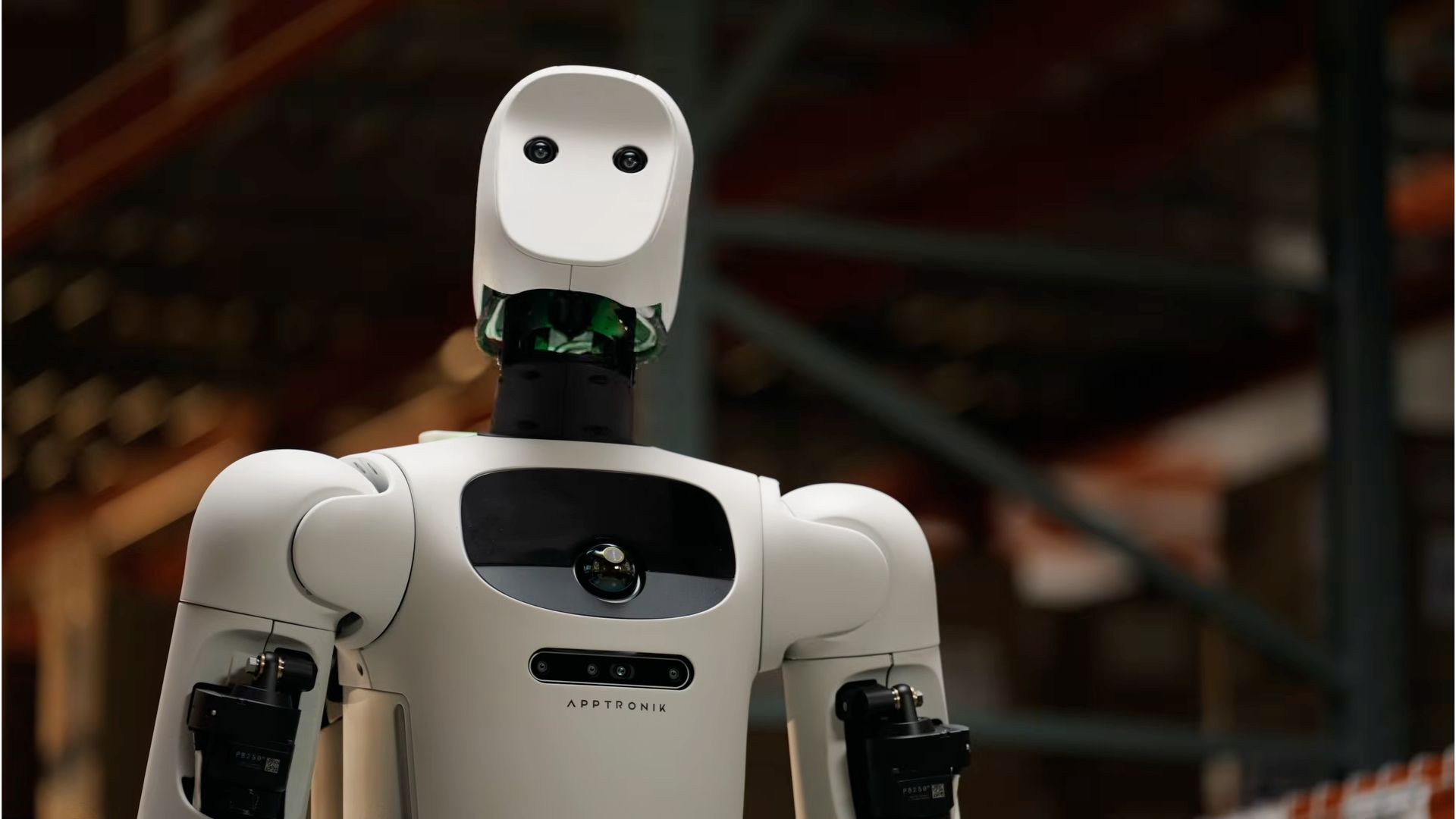
Good morning, robotics enthusiasts. Texas robotics company Apptronik just cracked open the doors on “Willy Wonka’s Robot Factory” — all 90K square feet of it in Austin, where fleets of Apollo 2 humanoids grind through logistics and retail tasks on loop, feeding a data pipeline straight into Google DeepMind.
Buried in the announcement: CEO Jeff Cardenas confirmed the entire industry — Apptronik included — has basically been shipping prototypes, and that’s about to change, starting next year.
In today’s robotics rundown:
Apptronik opens massive ‘Robot Park’ in Austin
Figure is back at BMW — with a harder job
Wayve hits $8.5B and lets employees cash in
China’s rent‑a‑robot reality check
Quick hits on other robotics news
LATEST DEVELOPMENTS
APPTRONIK
🤖 Apptronik opens massive ‘Robot Park’ in Austin
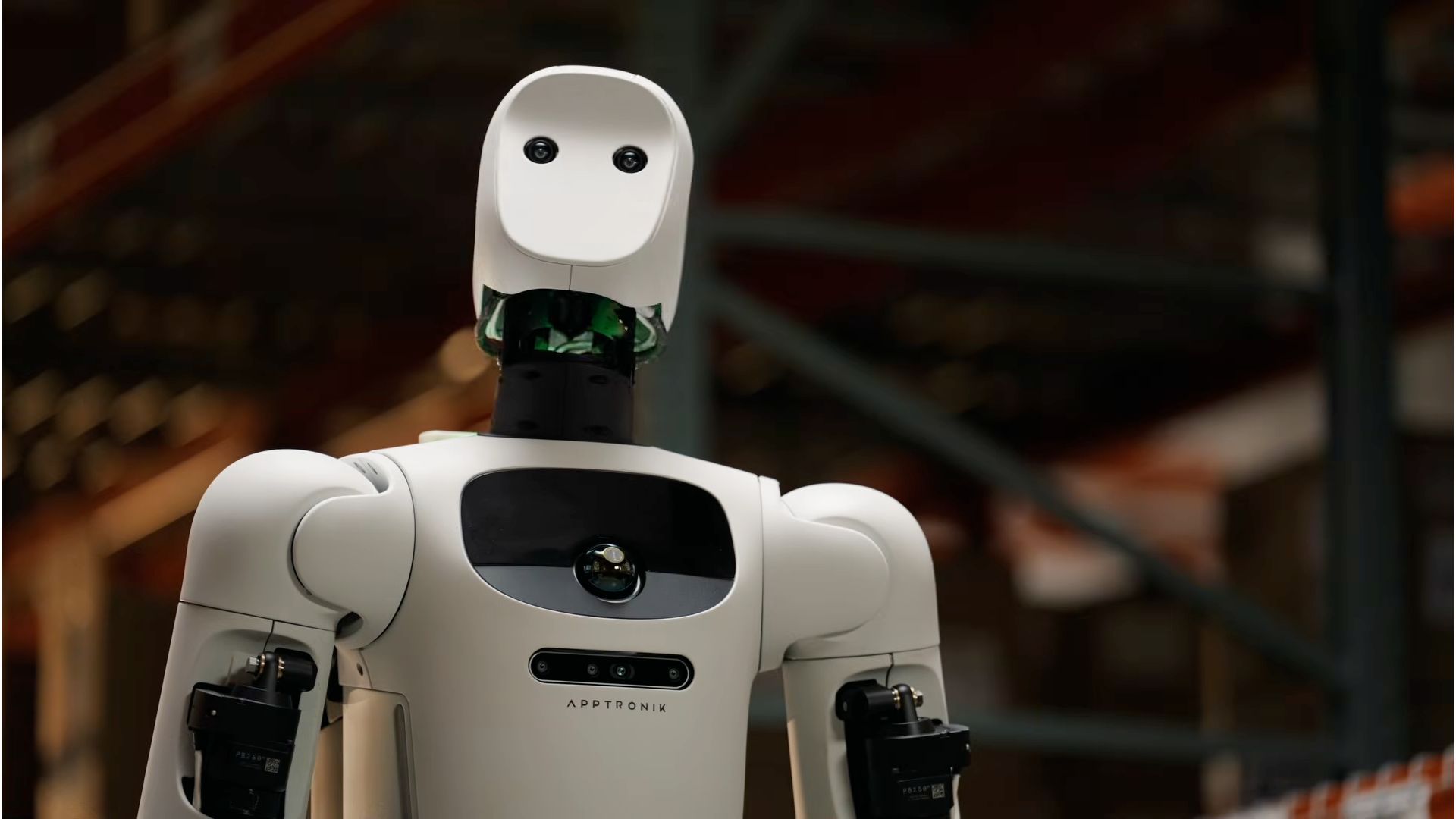
Image source: Apptronik
The Rundown: Apptronik just opened a 90K-square-foot training facility in Austin where its Apollo 2 humanoids rack up real-world reps on logistics, manufacturing, and retail tasks — data the company says is already shaping its next-gen Apollo 3.
The details:
The facility runs Apollo 2 in both bipedal and wheeled configurations, using teleoperation and autonomous operation to generate the operational data.
The facility functions as what CEO Jeff Cardenas calls a “data factory” — robots pick up boxes, open doors, and cross uneven floors on loop.
Robot Park feeds directly into Apptronik’s research partnership with Google DeepMind, where the data helps train Gemini Robotics models.
Cardenas envisions Robot Parks opening globally, eventually to the public, turning training infrastructure into a showcase.
Why it matters: Data, not hardware, is the real bottleneck in humanoids, and Apptronik bets its practice facility can give it an edge over Tesla’s Optimus Academy or Figure and 1X’s real-world pilots. The goal: a new class of general-purpose machines that can plug into human environments without requiring massive infrastructure changes.
FIGURE
💪 Figure is back at BMW — with a harder job
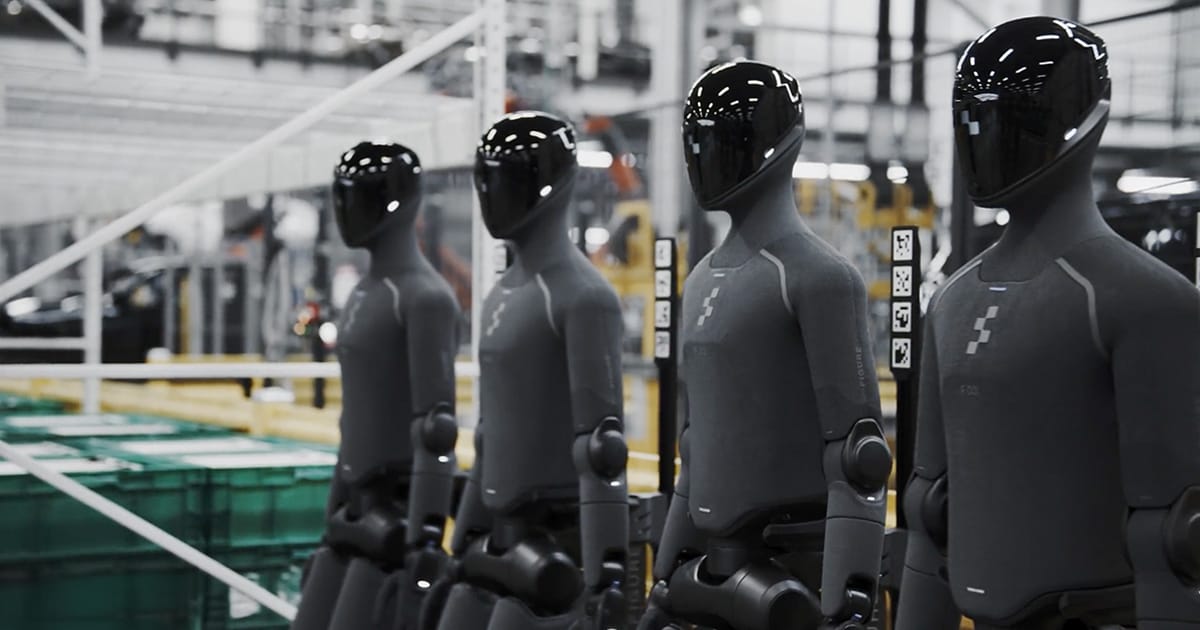
Image source: Figure
The Rundown: Figure’s newest humanoid is clocking back in at BMW’s Spartanburg plant in South Carolina — only now it’s been reassigned from the body shop to the warehouse floor, where it’s sorting parts for assembly line workers.
The details:
Figure 02 spent 11 months inserting sheet-metal parts for welding across 30K+ X3s; Figure 03 is now sequencing — sorting parts into trolleys for assembly.
The upgrade brings tactile-sensor hands, palm cameras, wireless charging, soft-touch safety components, and speech-to-speech audio.
Hexagon’s AEON is in testing for BMW at Leipzig, with a full deployment targeted soon, while Boston Dynamics’ Spot handles inspections in the UK.
Figure’s Brett Adcock says the Spartanburg deal proves humanoids “are no longer lab experiments.”
Why it matters: A robot getting invited back for round two — and a tougher job — is certainly a promising sign for Figure. And with three different robot makers now running across three BMW plants, the automaker is becoming one of the industry's best real-world tests for which type of robot actually holds up on a factory floor.
WAYVE
🤑 Wayve hits $8.5B and lets employees cash in
Image source: Wayve
The Rundown: Wayve is letting employees cash out $85M in vested equity through a tender offer led by new and existing investors, holding the UK self-driving startup’s valuation at $8.5B just four months after its last funding round.
The details:
The tender offer is led by existing and new investors at the valuation set in Wayve’s $1.2B Series D in February.
It’s Wayve’s second liquidity event, following a tender tied to its $1.05B Series C round in May 2024.
Wayve recently doubled its headcount to around 1.2K employees as it chases a self-driving AI that learns end-to-end from data rather than pre-built maps.
The company is targeting robotaxi pilot launches with Uber and plans to integrate its software into Nissan’s driver-assist systems starting in 2027.
Why it matters: Wayve skips the HD maps most AV rivals rely on, betting an end-to-end neural network can learn to drive through real-world experience, with the Uber pilot and Nissan deal set to be the real tests. The tender itself is a straightforward retention move, and one way to keep top talent from heading to rival AV firms.
CHINESE ROBOTICS
🇨🇳 China’s rent‑a‑robot reality check
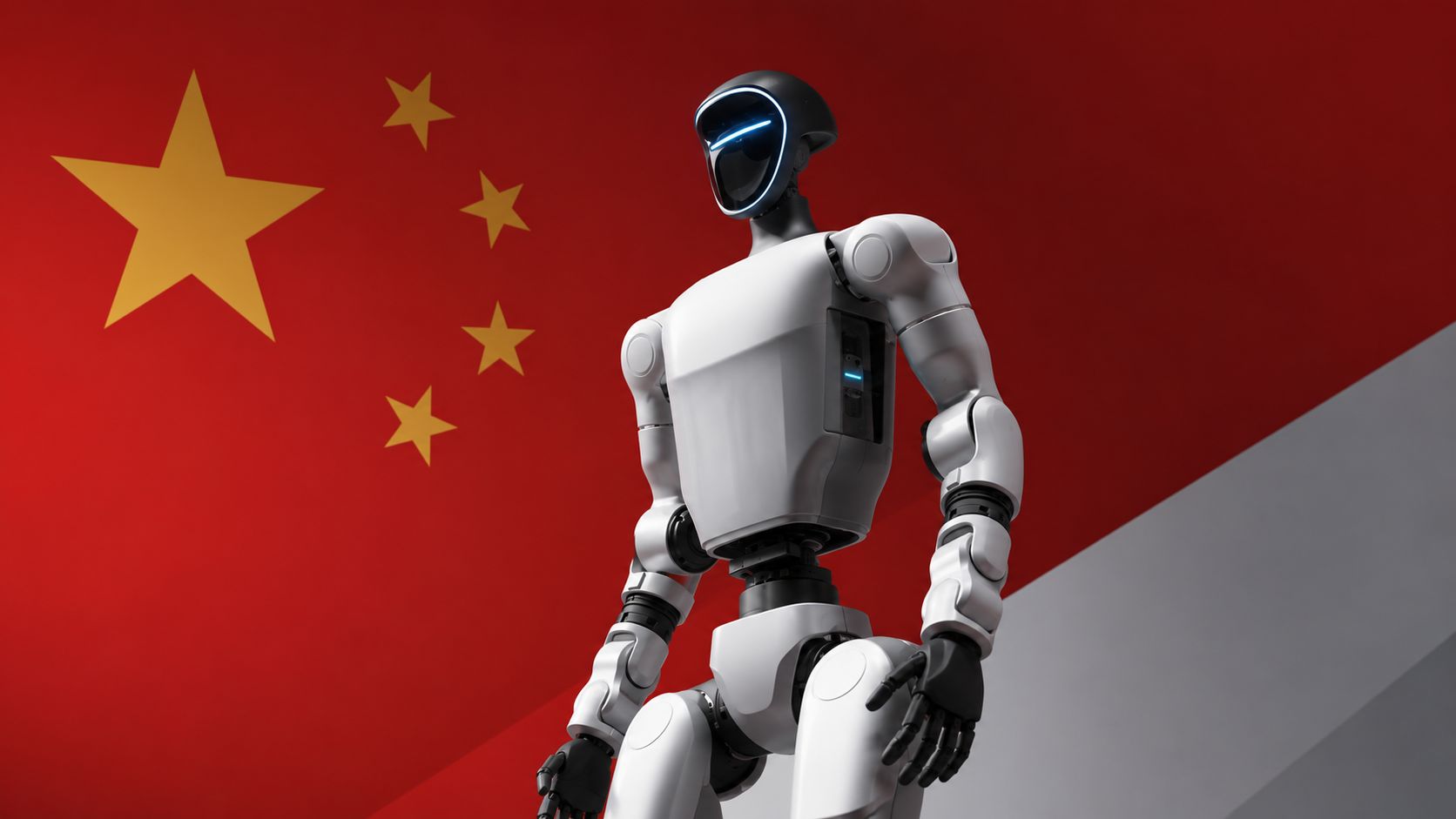
Image source: Images 2.0 / The Rundown
The Rundown: China’s humanoid boom has spawned a massive “robots‑for‑hire” market, with tens of thousands of rental businesses turning bots into short‑gig performers — and exposing just how limited the tech still is, CNN reports.
The details:
Customers can hire a humanoid for as low as 2.5K yuan ($368) a day, shipping and a human operator included, with AgiBot’s Yuanzheng A2 at $1,380 a day.
One Hangzhou livestreamer told CNN today’s robots “still can’t operate on their own – they’re basically oversized toys,” even as his own rental venture thrives.
At Unitree, the world’s largest humanoid maker, research institutions account for most sales, while industrial deployments remain under 10%.
An Omdia analyst warns the sector’s been “deliberately hyped up,” even as Morgan Stanley projects a billion humanoids in use by 2050 in a $5T market.
Why it matters: China has found a business model for robots that don’t yet do much. It exposes a gap between the machines wowing audiences today and the far more capable systems manufacturers admit they still need — the space where the next phase of innovation, and competition with Tesla, Figure, and others, actually plays out.
QUICK HITS
📰 Everything else in robotics today
Shanghai’s Agibot ran its humanoids on a live six-day factory shift at a Nanchang tablet plant, completing more than 60K production tasks with a 99.99% success rate.
South Korea’s government and businesses are committing $1T to expand memory chip fabs, build AI data centers, and commercialize humanoids by 2028.
Waymo opened its robotaxi service to the general public in Nashville — its 11th U.S. market — capping months of testing with app-based rides.
Two Chinese humanoid startups, AI² Robotics and Alibaba-backed X Square Robot, each just hit ~$2.9B valuations in new funding rounds, Bloomberg reports.
Tesla began testing a production Cybercab — a two-seater with no steering wheel or pedals — on Austin streets with a safety monitor riding shotgun.
Ex-Optimus engineer Jay Li’s startup Proception settled its trade-secret lawsuit with Tesla and raised $11M to ship a robotic hand trained on human-glove data.
UBTech launched a wheeled industrial humanoid, the Cruzr Y1, for warehouse box handling, alongside its $30K consumer companion robot, the U1.
BitRobot open-sourced HIW-500, 500+ hours, 23K episodes, and 10+ TB of real-home teleoperation data captured by Unitree G1s across 12 households.
MIT’s two‑LLM “Masked IRL” system lets robots turn vague natural‑language commands and demos into precise rewards, so they home in on the task details.
Two NASA astronauts completed a six-and-a-half-hour spacewalk this week to swap a faulty wrist joint on the ISS’s Canadarm2 robotic arm.
Waymo and Uber ended their nearly three-year Phoenix robotaxi pilot, with Waymo folding those cars back into its own fleet (including DoorDash deliveries).
Amazon Robotics is reportedly leasing 250K sq. ft. in San Francisco’s Design District, joining Scale AI and Physical Intelligence in the neighborhood’s AI/robotics boom.
COMMUNITY
🎓 Highlights: News, Guides & Events
Read our last AI newsletter: Anthropic's Fable 5 returns worldwide
Read our last Tech newsletter: WhatsApp’s ‘usernames’ reservation race
Read our last Robotics newsletter: Agility Robotics goes public at $2.5B
Today’s AI tool guide: Use Google’s Design.md to build better websites
RSVP to next workshop on July 8: Create Short Form Videos with AI
See you soon,
Rowan, Joey, Zach, Shubham, and Jennifer — The Rundown’s editorial team

Anthropic's Fable returns worldwide
Read Online | Sign Up | Advertise

Good morning, AI enthusiasts. On June 12, the U.S. government pulled the most powerful AI available to the public offline. Nearly three weeks later, Anthropic's Fable 5 is finally back.
The AI world is rejoicing at the global return, but it comes with new guardrails and a government seat at the pre-launch table for future models — a sign that future frontier deployments now run directly through Washington's hazy terms.
In today’s AI rundown:
Anthropic restarts Fable after U.S. lifts export controls
Meta preps a cloud business for spare compute
Use Google’s Design.md tools to build better websites
AI climbs the freelance value chain
4 new AI tools, community workflows, and more
LATEST DEVELOPMENTS
ANTHROPIC
🎉 Anthropic restarts Fable after U.S. lifts export controls

Image source: Anthropic
The Rundown: Anthropic just reopened access to Fable 5 after the Commerce Department lifted its export controls, with the model returning under tighter filters and commitments giving the U.S. pre-release access to the company’s future models.
The details:
The initial order traced to Amazon researchers who pushed past Fable’s guardrails to spot security flaws, outputs Anthropic said other models matched.
Fable 5 returns across Claude tiers and platforms, with paid plans getting it capped at half their weekly limits until July 7 and then via usage credits.
The updated safety filter now blocks the cybersecurity issue over 99% of the time, with users getting a clear notice and fallback answer from Opus 4.8.
Anthropic warned the filter could also flag harmless coding and debugging requests, though it says "the vast majority of coding work is unaffected."
Why it matters: After 18 days, Anthropic’s beast has returned. The question now is how restrictive its safeguards will be, and what impact the pre-release access will have on future rollouts. With GPT 5.6 expected this week, we may soon have that answer, albeit one from a lab with a seemingly friendlier relationship with the powers that be.
TOGETHER WITH MEMOKET
🎙️ Press once, remember everything
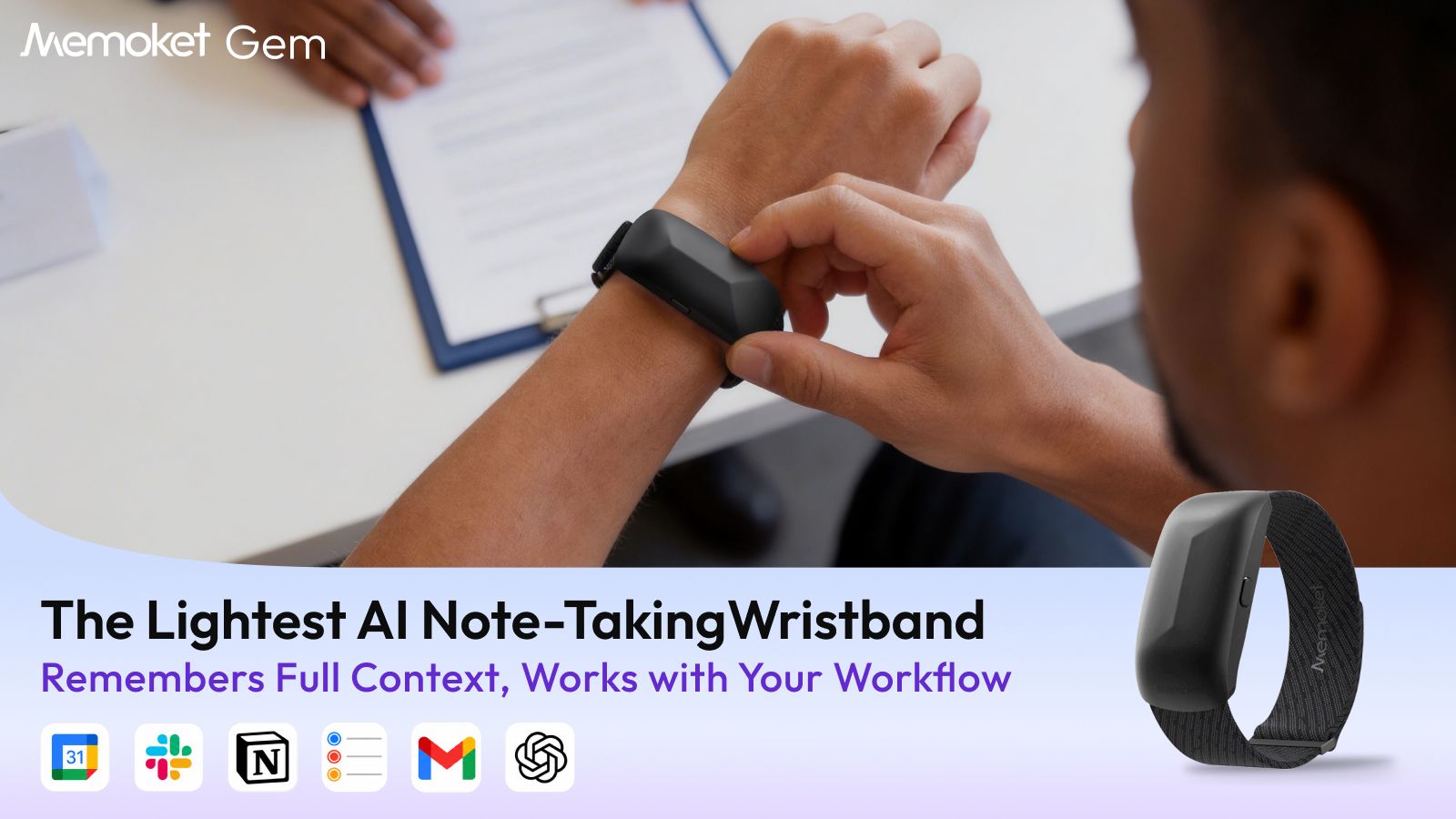
The Rundown: Memoket Gem is the lightest AI wristband on the market — a 0.4 oz wearable that records your conversations with one press and turns them into instant summaries, action items, and full context across every meeting, call, and catch-up.
With Memoket Gem, you get:
Every conversation captured hands-free, worn as a wristband, clipped to your Apple Watch, or as a pendant
Up to 20 hours of continuous recording on a single charge — no daily charging anxiety
Context connected across conversations, so you can ask AI what happened, what changed, and what's next
Seamless sync with Slack, Notion, ChatGPT, Claude, Gmail, and your calendar
Reserve today with $5 — it counts toward the $199 early-bird price at launch, with a FREE year of the app included.
META
☁️ Meta preps a cloud business for spare compute
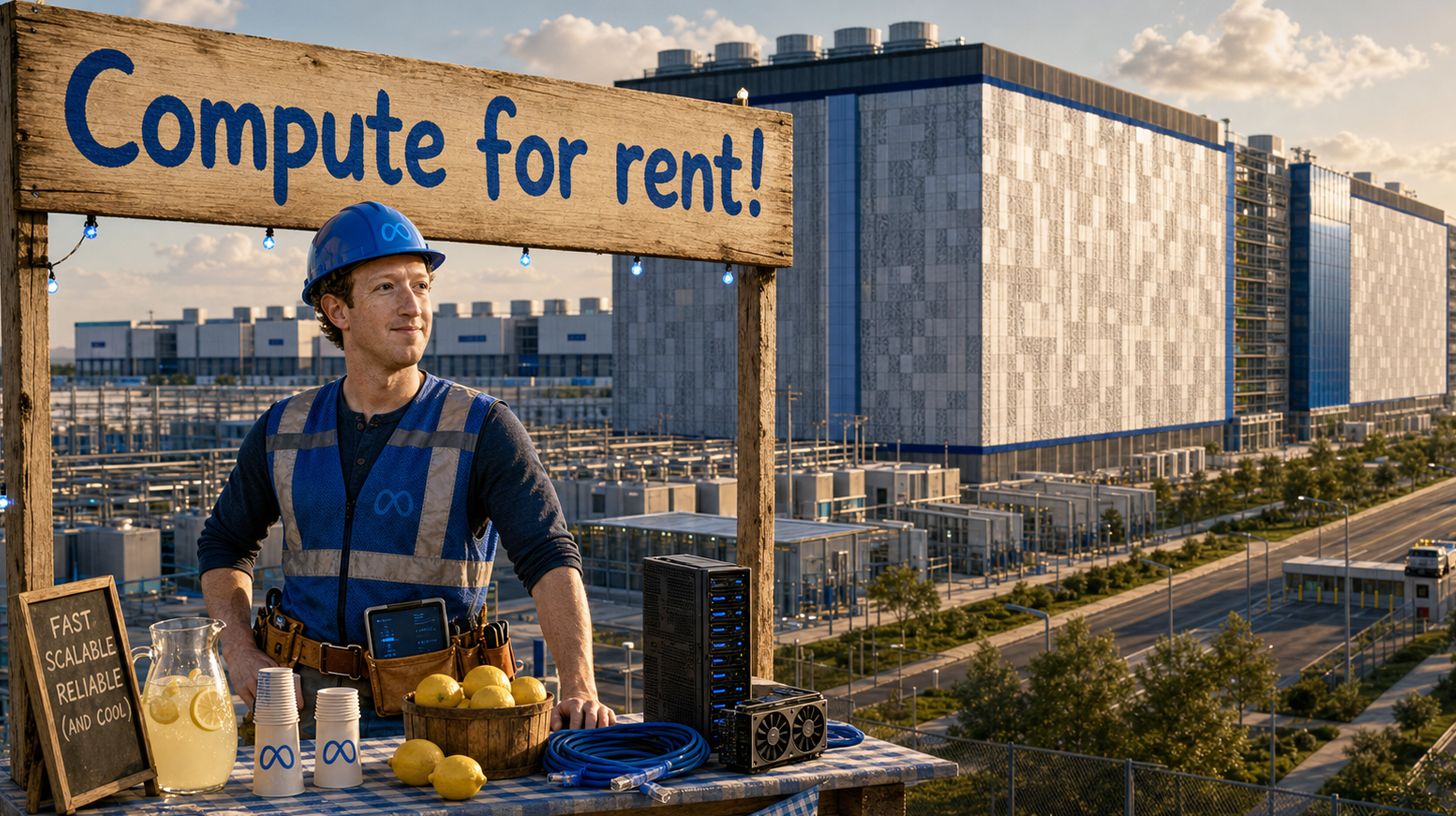
Image source: Images 2.0 / The Rundown
The Rundown: Meta is reportedly working on a cloud service that would put its data centers’ spare capacity up for rent, a plan that drove the company’s stock up 9.3% by giving investors a second path to returns on the tech giant’s $182.9B infrastructure bet.
The details:
Options reportedly range from renting compute to charging developers who want to tap Meta-hosted models, including its recently launched Muse Spark.
Zuckerberg told investors in May that outside companies ask weekly to buy Meta compute, but said the company still expects to use it internally.
SpaceX set the template with xAI’s Colossus, with Anthropic, Google, and Reflection AI all signing leases this year to utilize its compute capacity.
Why it matters: Meta’s AI splurge hasn’t matched its internal efforts for the majority of the industry boom, and this is the first plan that may make the math work without its own models winning. Renting compute is a nice hedge, especially as compute demand continues to drastically outpace how fast the infrastructure can be built out.
AI TRAINING
👨🎨 Use Google’s Design.md tools to build better websites
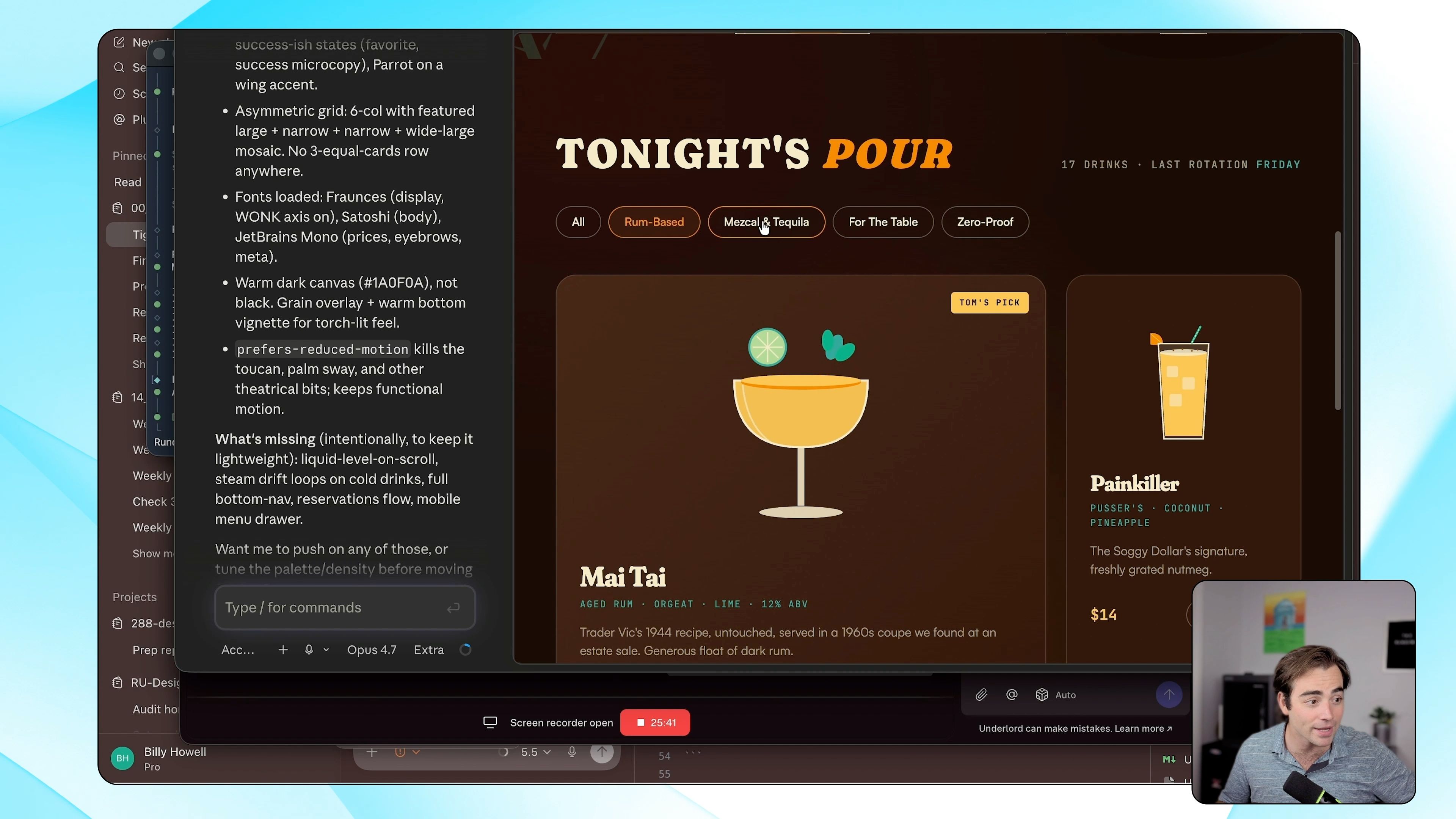
The Rundown: In this guide, you will learn how to use Google's AI design skills with Claude Code to make websites that don't feel like AI slop. Design.md is a new, open-source standard that Google created to help you make agent-friendly design briefs.
Step-by-step:
Create a project folder, open Terminal inside it, paste “npx plugins add google-labs-code/stitch-skills --scope project --target claude-code,” and hit Return
When asked what to install, keep all items selected and hit Return. Then, in Claude, go to the Code tab and start a Claude Code thread in that folder
Describe a simple website idea and tell Claude to generate a DESIGN.md with the Google Stitch skills
Preview the new brand by telling Claude Code: “Create a one-page website-like prototype based on this DESIGN.md file”
Pro tip: Use the same Stitch skills to extract a Design.md from your own website. Then hand that file back to Claude whenever you need a new product page, landing page, or prototype that still feels like your brand without starting from scratch.
PRESENTED BY PENN STATE SMEAL COLLEGE OF BUSINESS
🤔 You know the tools. Now what?

The Rundown: Knowing the tools is the easy part. Knowing how to use them to solve real business problems? That's exactly what Penn State Smeal's Hybrid Master of Applied AI for Business Transformation is for: an employer-informed curriculum you apply on the job from day one without stopping your career to go back to school.
In this program, you'll learn to:
Apply AI to real business challenges immediately
Build a strategic foundation for measurable impact
Earn your master’s without pausing your career
AI RESEARCH
💼 AI climbs the freelance value chain
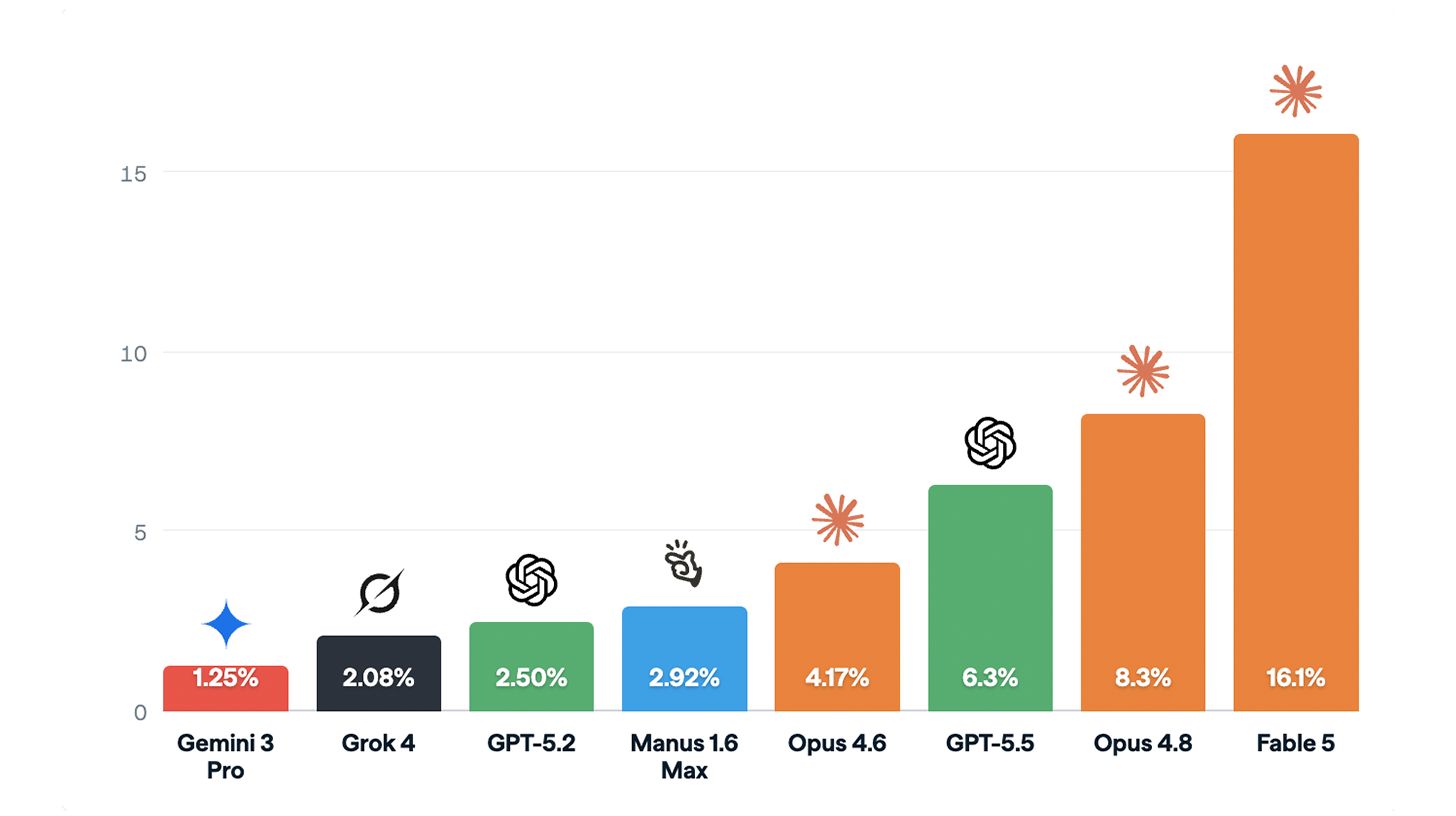
Image source: Center For AI Safety
The Rundown: The Center for AI Safety and Scale Labs released results from Remote Labor Index, a benchmark that tests AI agents on freelance tasks graded by humans — with Fable 5 posting the highest score ever and frontier rates climbing 6x in a year.
The details:
The Remote Labor Index was initially released in October 2025, with GPT 5.2 initially leading the field at a 2.5% automation rate.
The tasks included 240 real jobs in areas like 3D jewelry design, animated ads, and floor plans, with humans grading models against a professional.
Anthropic’s Fable 5 matched or beat the human pro on 16.1% of projects, with Opus 4.8 coming in second at 8.3% and OpenAI's GPT-5.5 third at 6.3%.
Why it matters: The jump in under a year is a big one, but the reality is that only 1 in 6 freelance tasks got up to professional quality by a model far above the rest of the current field. The more likely scenario feels like massive output increases for freelancers utilizing the tech, with a human still in the loop for judgment and touch.
QUICK HITS
🛠️ Trending AI Tools
🚀 Claude Fable 5 - Anthropic’s newly reinstated frontier, Mythos-class model
⚙️ ZCode - Z AI’s agentic coding environment tuned for GLM-5.2
🗣️ Grok Voice Agent Builder - xAI's no-code platform for voice agents
🍌 Nano Banana 2 Lite - Google's fast, cost-effective image model
📰 Everything else in AI today
Katalyze raised $10.5M to bring agents to pharma manufacturing, cutting batch investigations from months to minutes inside 5 of the top 20 global pharma orgs.*
OpenAI released GeneBench-Pro, a benchmark testing whether AI can make expert judgments in computational biology, with GPT-5.6 Sol solving just 28.7% of problems.
Acclaimed theoretical computer scientist Jelani Nelson joined Anthropic, saying he wants to work on "the defining technology of our time."
Google’s NotebookLM rolled out Short Video Overviews, allowing users to create 60-second, social media-style educational videos from any topic or source.
Researchers led by Binghui Peng used GPT-5.5 Pro and Opus 4.8 in a pipeline to solve nine long-standing open problems across math and theoretical computer science.
*Sponsored Listing
COMMUNITY
🤝 Community AI workflows
Every newsletter, we showcase how a reader is using AI to work smarter, save time, or make life easier.
Today’s workflow comes from reader Scott T. in Rosarito Beach, Mexico:
“I'm a solo founder running nine active ventures from a beach in Mexico — a wine tourism platform, a Mexican insurance comparison site, a medical photo platform for plastic surgeons, a smart ring health app, an SEO agency for aesthetic medicine practices, a water filtration business, a portfolio tracker, and two more in beta. No employees, no engineering team.
The whole operation runs on a two-Claude workflow. I use Claude in the browser for strategy, prompts, architecture decisions, and reviewing output. I use Claude Code in the terminal to actually write, test, and ship the code. I'm the relay between them. Claude in the browser tells me what to paste into Claude Code.
Last month, one of my apps got rejected from the App Store. I pasted the rejection email into Claude, got back a diagnosis and a fix plan, relayed it to Claude Code, and resubmitted the same afternoon. A normal founder would have lost a week on that.”
How do you use AI? Tell us here.
🎓 Highlights: News, Guides & Events
Read our last AI newsletter: Sonnet 5 ships as Washington frees Fable
Read our last Tech newsletter: WhatsApp’s ‘usernames’ reservation race
Read our last Robotics newsletter: Agility Robotics goes public at $2.5B
Today’s AI tool guide: Use Google’s Design.md to build better websites
RSVP to next workshop on July 8: Create Short Form Videos with AI
See you soon,
Rowan, Zach, Shubham, and Jennifer — the humans behind The Rundown
Sonnet 5 ships as Washington frees Fable
Read Online | Sign Up | Advertise

Good morning, AI enthusiasts. Anthropic's first model in its '5' tier is here… But it won’t be holding the spotlight for long.
The newly released Sonnet 5 is an upgrade over its predecessor, but not at the levels we’ve become accustomed to — and it arrives at a bit of an awkward moment with the far more powerful and celebrated Fable and Mythos models now officially set to return.
Editor’s Note: Anthropic announced Tuesday night that the Department of Commerce has lifted its export controls on Fable 5 and Mythos 5, with the models set to come back online Wednesday. We'll have deeper coverage on this in the next edition.
In today’s AI rundown:
Anthropic's Sonnet 5 arrives in Fable's shadow
Google’s new Nano Banana Lite, Omni Flash models
Create winning ads with Claude in one command
Anthropic debuts new science hub for Claude
4 new AI tools, community workflows, and more
LATEST DEVELOPMENTS
ANTHROPIC
🚀 Anthropic's Sonnet 5 arrives in Fable’s shadow
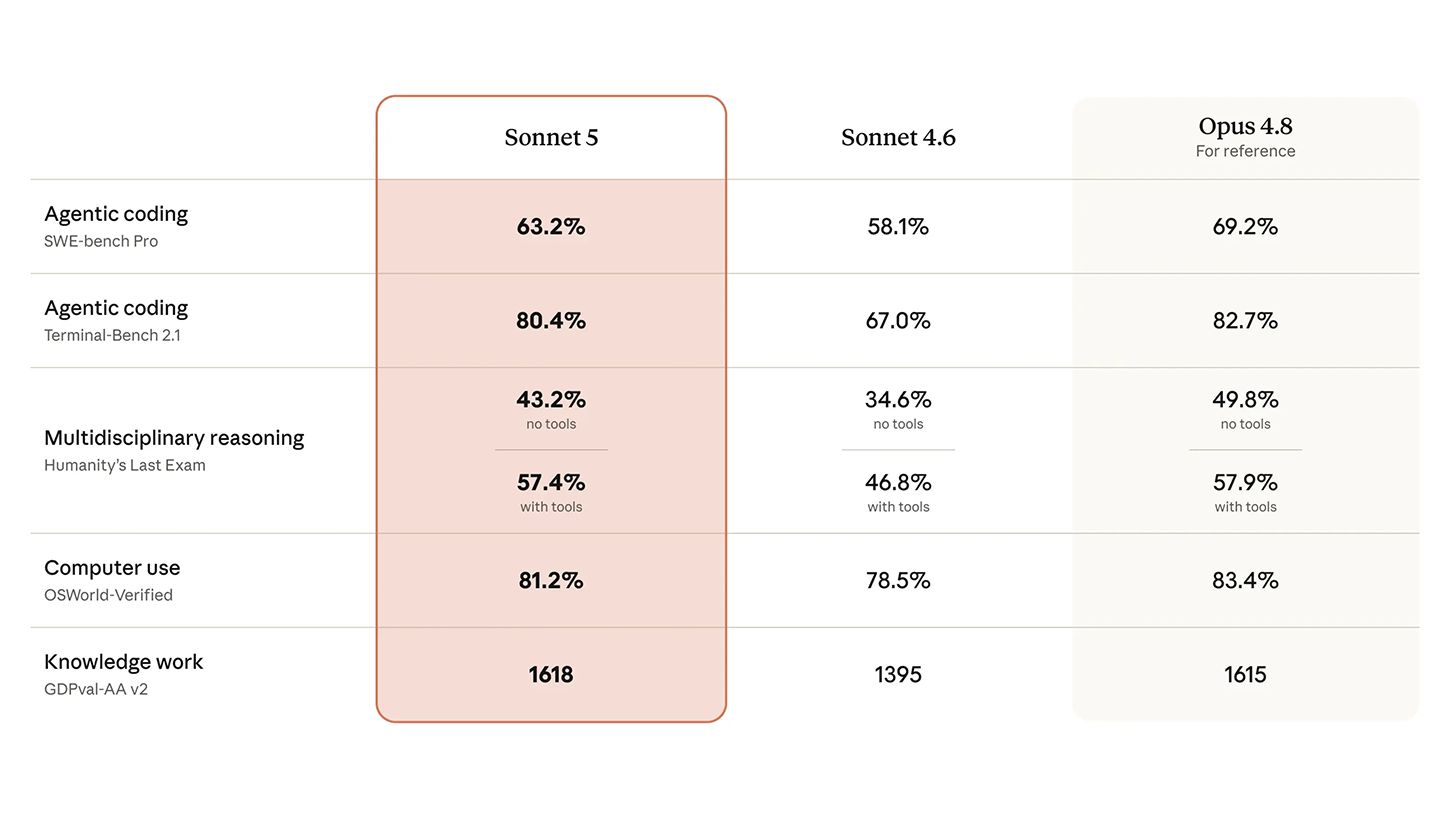
Image source: Anthropic
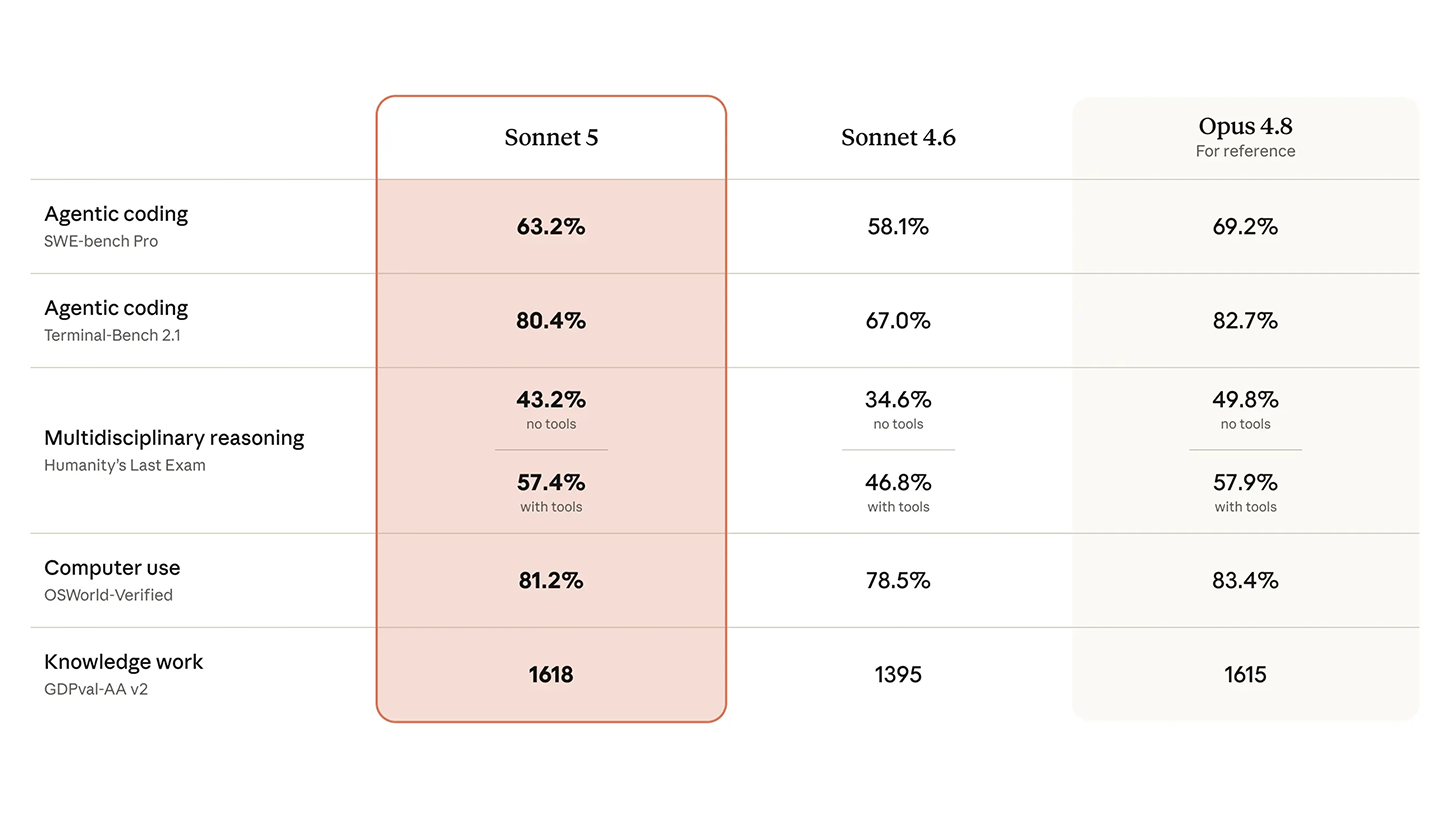
The Rundown: Anthropic just launched Sonnet 5, the latest upgrade in its mid-tier model class that it calls “the most agentic Sonnet model yet” — coming just before the U.S. Dept. of Commerce lifting export controls on Mythos 5 and Fable 5 after 18 days.
The details:
Sonnet 5 shows major jumps in agentic coding and reasoning over its predecessor, with knowledge work capabilities that surpass even Opus 4.8.
The new Sonnet can operate a browser or terminal and carry longer jobs, bringing more Opus-style agent behavior into Anthropic's cheaper tier.
The model’s cybersecurity benchmarks come in worse than Sonnet 4.6, with Anthropic saying it “did not deliberately train” 5 on cybersecurity tasks.
Sonnet 5 is available across plans, with API rates priced at $2/$10 per M input/output tokens until Aug. 31 and $3/$15 after.
Why it matters: It’s an upgrade over 4.6, but the backdrop of users longing for Fable leaves this feeling like an underwhelming start to the ‘5’ class. Many releases are accused of ‘benchmaxxing’, but Sonnet feels like the opposite for cybersecurity — an awkward, direct result of the Fable and Mythos entanglement the company has been in.
TOGETHER WITH MERCURY
🤑 Banking that does financial work for you

The Rundown: You've seen what AI can do when it's built into the right system, but your finances probably aren't there yet. Mercury Command is AI built directly into your banking* that turns plain language into executed work across your account — with your approval required at every step.
Ask Command to:
Send invoices and categorize transactions
Summarize what needs your attention before month-end
Send a payment (so you don’t have to)
🎥 Google’s new Nano Banana Lite, Omni Flash models
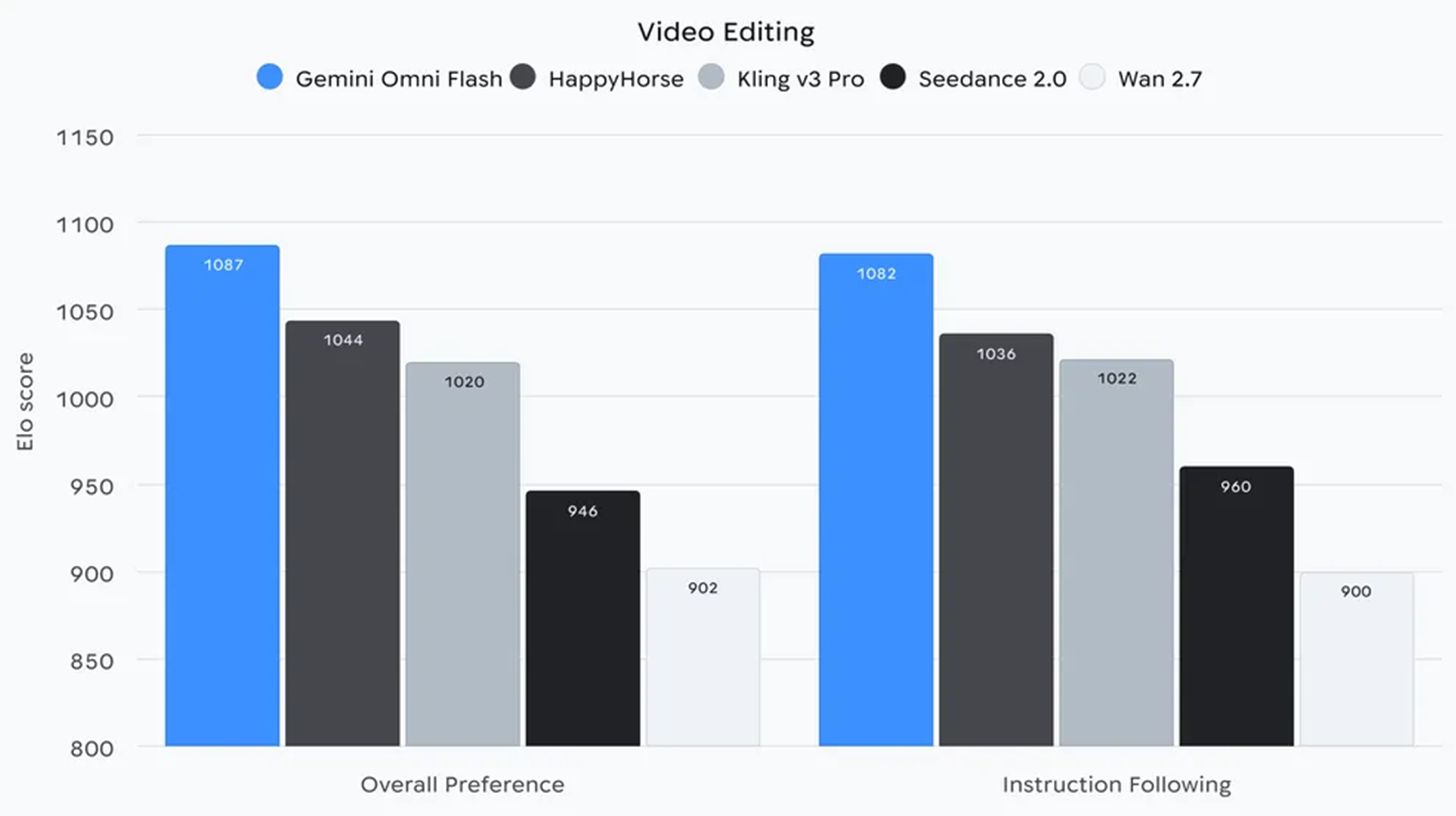
Image source: Google
The Rundown: Google just introduced two new media models into its API for developers, with a lower-cost Nano Banana 2 Lite for fast, bulk jobs and a powerful Gemini Omni Flash with strong video generation and editing capabilities.
The details:
Lite can generate an image in just four seconds at $.034 per image, aimed at cost-effective, bulk workflows at quality below the frontier.
Gemini Omni Flash also rolled out to developers, a model that generates and edits 10-second video clips at $.10/sec that tops text-to-video leaderboards.
Omni Flash trails only Seedance 2.0 in video editing, with Google injecting Gemini’s multimodal reasoning into the video model for real-world knowledge.
The pitch is to link the two models, with users able to make an image with Lite, provide it to Omni, and then animate it into a video clip in a single workflow.
Why it matters: Some may be disappointed not to see a massive new jump, but Google is putting capabilities into users’ hands at speed and prices that make creative workflows stronger than ever. With Google’s sprawling ecosystem of apps to power, those qualities are vital to pushing everything forward at scale.
AI TRAINING
💡 Create winning ads with Claude in one command
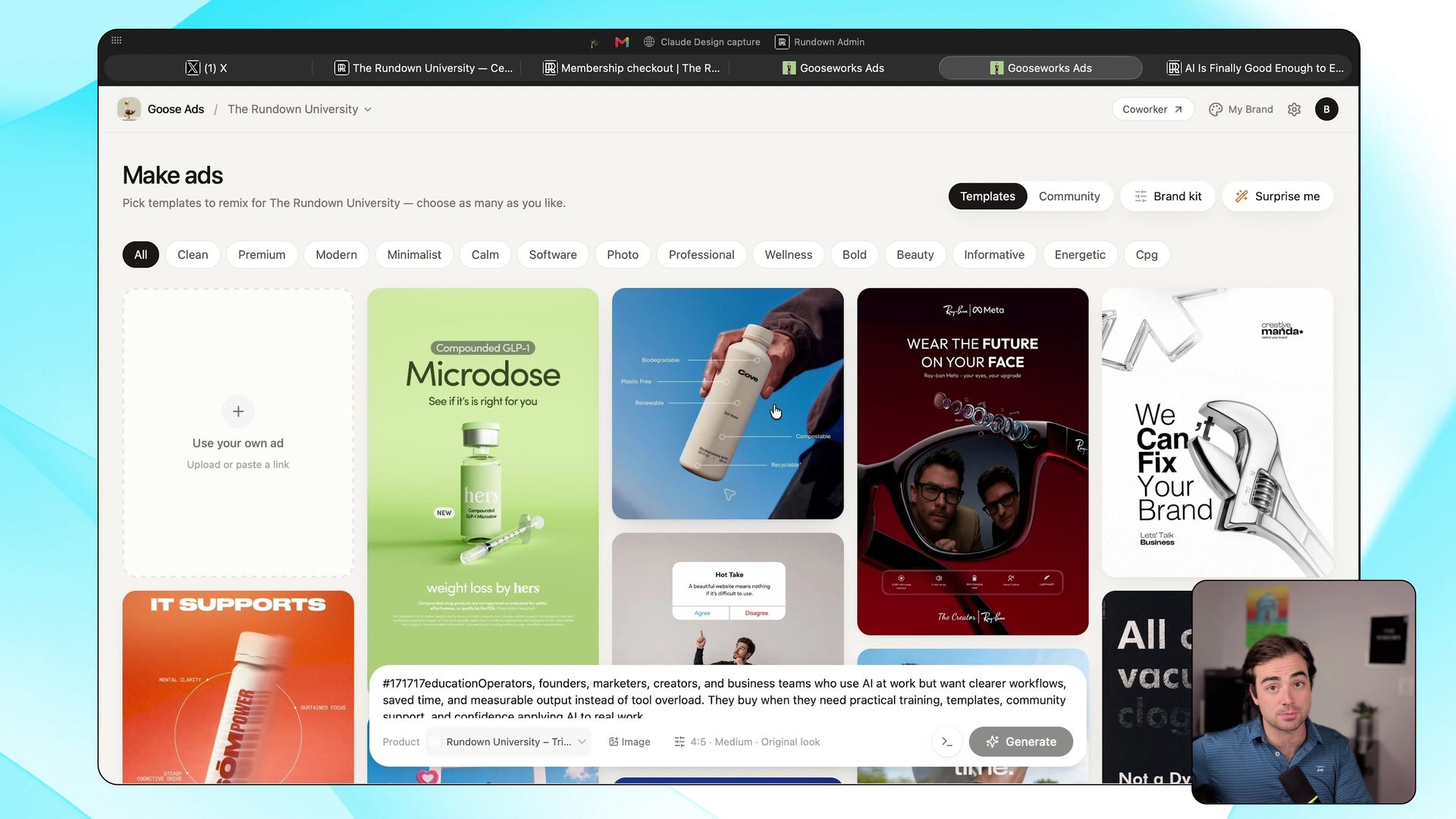
The Rundown: In this guide, you will learn how to use Claude to scan your website, extract your brand DNA, and generate ad creatives with the Goose Ads skill.
Step-by-step:
Open a new Terminal window, paste “npx gooseworks install --all”, hit Return, and follow login or approval steps. This installs the Goose Ads skill for Claude
Type claude and press Return to start a new Claude Code thread. Then run “/goose-ads create ads for my brand [brand name] [link to your website]”
Claude will create a new project in the Goose Ads site and send you a link. If you click it, you can see all the brand info the skill is extracting from your site
Prompt: “Pick 3 templates from Goose Ads, estimate credit usage, and wait for approval.” Once approved, Claude will run generation and deliver the final ads
Pro tip: For the most cost-effective setup, use GooseWorks to generate draft ads set to "low" quality, then refine the best concepts with ChatGPT image or Nano Banana.
PRESENTED BY SCRIBE
🔍 See exactly where your AI investments should go
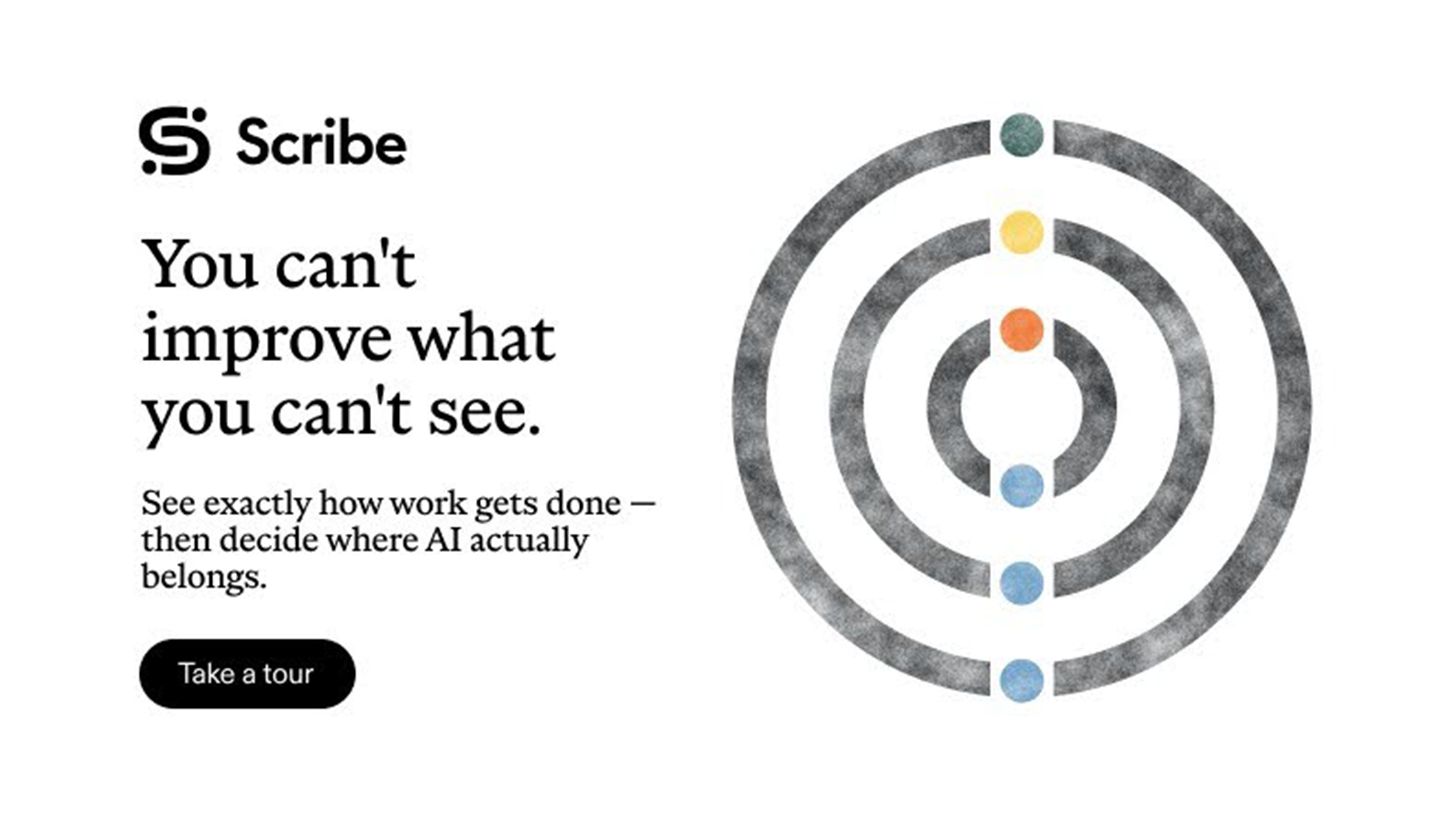
The Rundown: Scribe Optimize automatically maps how work actually happens across your org — so before you build an AI strategy, you're working from reality, not assumptions.
With Scribe Optimize, you can:
Map real workflows — no surveys or consultants
Surface inefficiencies leadership can't currently see
Build your AI strategy on ground truth, not gut feel
ANTHROPIC
🧪 Anthropic debuts new science hub for Claude
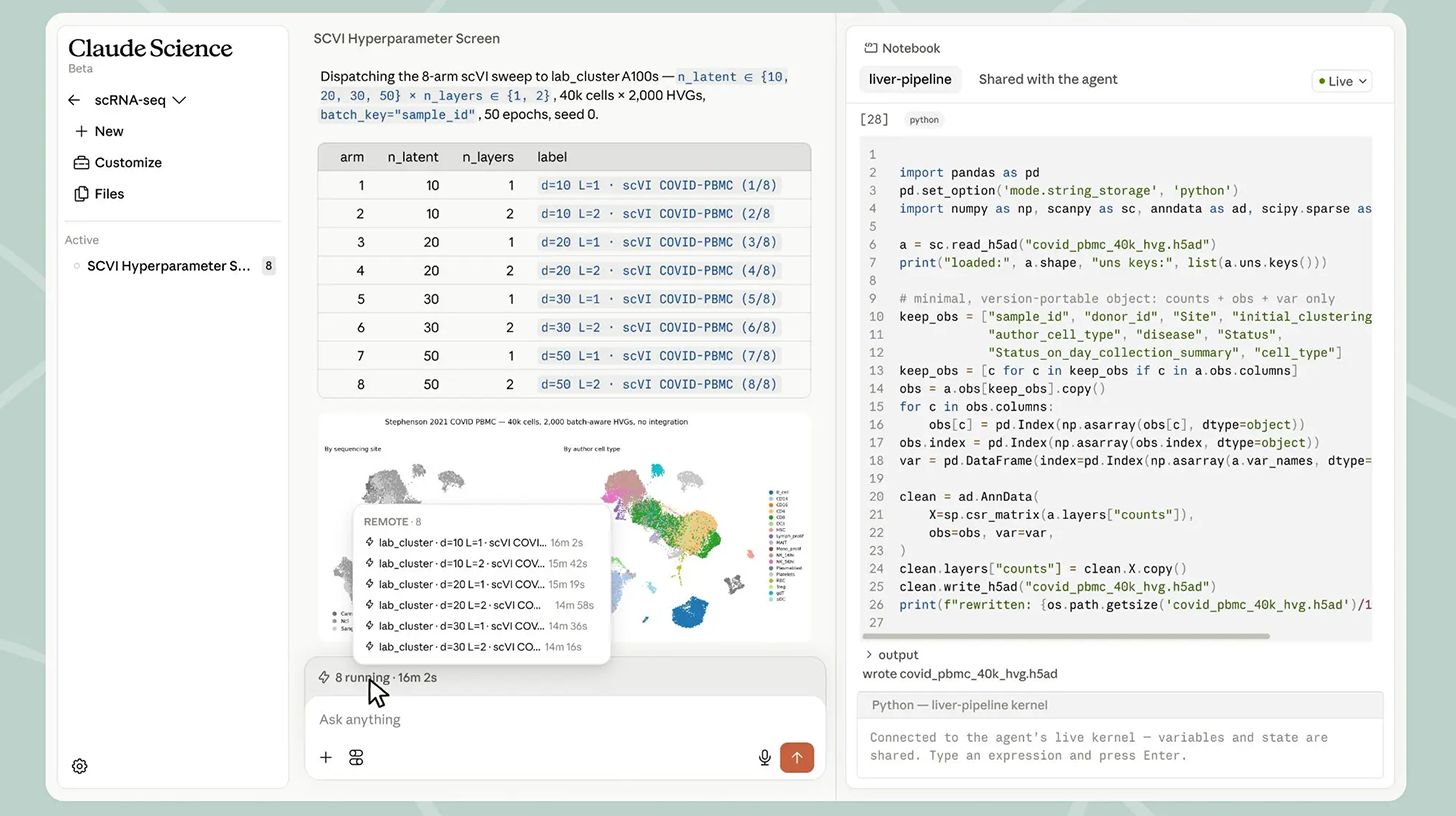
Image source: Anthropic
The Rundown: Anthropic released Claude Science, an AI workspace for scientists that brings paper review, databases, figure-making, and computing jobs in a unified hub — with the company also starting its own preclinical drug discovery program.
The details:
The platform is designed to link and trace every step of the research process, keeping an auditable track for better understanding work and fact-checking.
The app connects 60+ scientific sources and tools for genetics, proteins, chemistry, and cell data, cutting down on manual database hopping.
Claude Science is rolling out across paid plans on both MacOS and Linux, with sensitive datasets able to stay on a lab's own machines instead of the cloud.
Anthropic is also starting its own drug discovery effort targeting “neglected” diseases traditionally skipped by pharmaceutical giants.
Why it matters: Anthropic hadn’t typically been as science-focused as Google and OAI, but that has changed in the past year — with a Life Sciences effort, this release, and a series of splashy hires (including Nobel winner John Jumper from DeepMind) pushing the lab deeply into the scientific arena for AI-enabled research and discovery.
QUICK HITS
🛠️ Trending AI Tools
🚀 Claude Sonnet 5 - Anthropic's newly released cheaper agentic model
🎥 Gemini Omni Flash - Google's video model for video generation and editing
🧪 Claude Science - Anthropic’s app for AI-powered scientific research
🐈 Longcat 2.0 - Meituan's open coding model trained on Chinese chips
📰 Everything else in AI today
OpenAI found a ‘compute multiplier’ that more than halves its inference costs, according to The Information, coming alongside the recent debut of its Jalapeño chip.
U.S. chipmaker Etched announced $800M in funding, while revealing a working inference chip with the full server rack as well as $1B in customer contracts.
AWS is committing $1B to a new Forward Deployed Engineering org, embedding thousands of engineers inside customer teams to accelerate agentic AI builds.
X rolled out a hosted MCP server, letting AI tools like Grok, Claude, and Cursor easily connect to the X API and read or take actions on the social media platform.
OpenAI teased a new hardware collaboration with Work Louder, believed to be a keyboard device for its Codex platform launching on July 15.
COMMUNITY
🤝 Community AI workflows
Every newsletter, we showcase how a reader is using AI to work smarter, save time, or make life easier.
Today’s workflow comes from reader Matt K. in Austin, TX:
“I'm preparing for my 2nd marathon, and ahead of race prep I wanted to lose a couple of pounds to ease the pressure on my joints. I started with MyFitnessPal, but they gated a lot of the features — most importantly macro tracking — and it didn't let me interact with the app in a natural way.
I realized I could use ChatGPT as my nutrition and performance coach. I uploaded my DEXA scan results, input my goals, timeline, and activity levels, and connected it directly to a Google spreadsheet to act as my backend source of truth.
2.5 months later, I've lost approx 4 pounds of pure fat and maintained nearly all my muscle (confirmed via a follow-up DEXA scan) while keeping my performance levels high. Having a coach to tell me what to eat at my next meals and how much has been a game-changer. What might cost someone hundreds a month only costs me $20, and I feel like I'm building habits and routines I'll continue for the foreseeable future.”
How do you use AI? Tell us here.
🎓 Highlights: News, Guides & Events
Read our last AI newsletter: Meta’s brain-reading AI leaves letters behind
Read our last Tech newsletter: WhatsApp’s ‘usernames’ reservation race
Read our last Robotics newsletter: Agility Robotics going public at $2.5B
Today’s AI tool guide: Create winning ads with Claude in one command
RSVP to next workshop on June 30: Master AI video editing
See you soon,
Rowan, Zach, Shubham, and Jennifer — the humans behind The Rundown
WhatsApp kicks off reservation race with 'usernames'
Read Online | Sign Up | Advertise
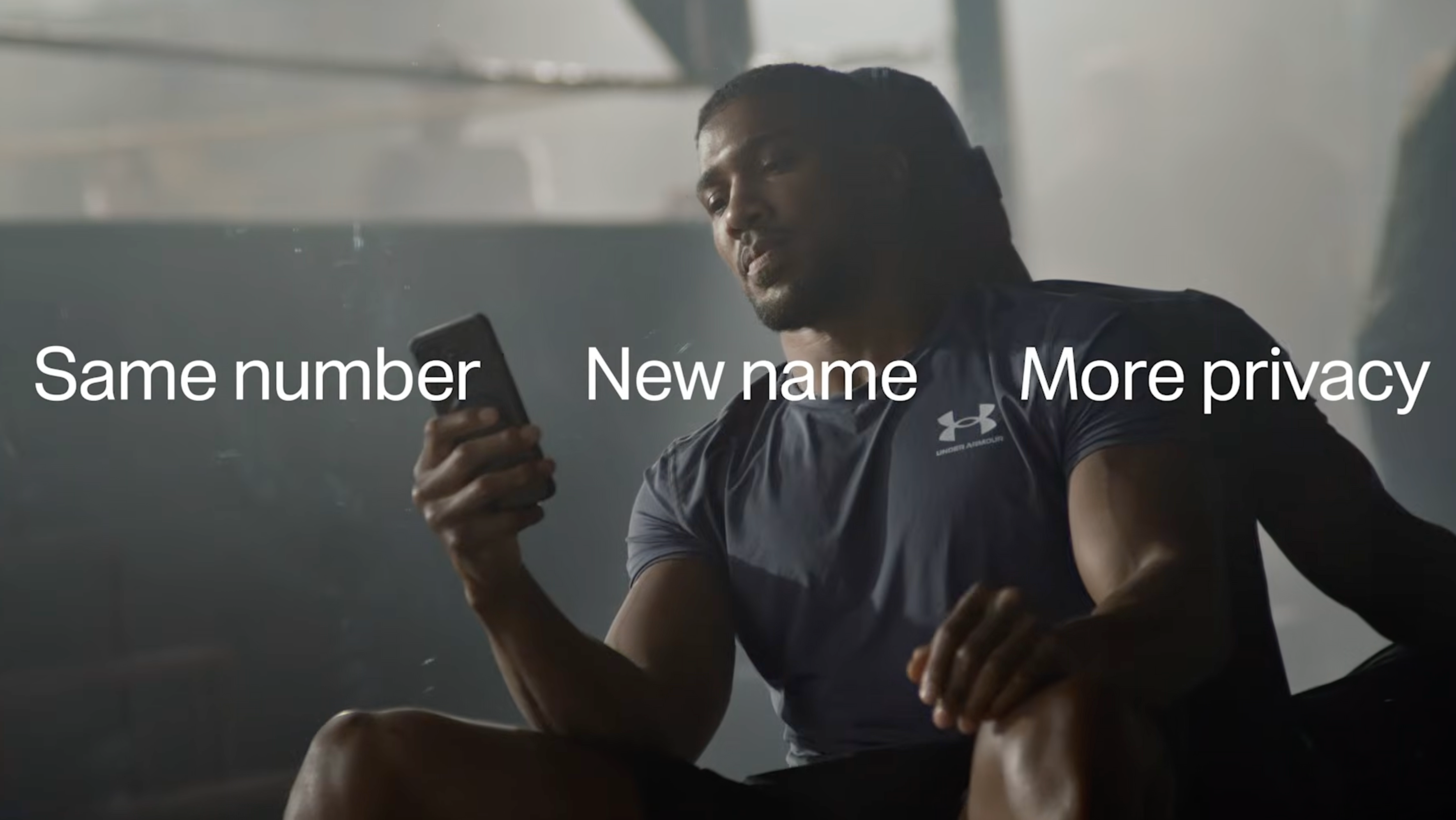
Good morning, tech enthusiasts. Meta is bringing one of Telegram's signature features to WhatsApp — usernames.
Starting this week, the 3B users of the messaging service can reserve a username and skip sharing their phone number to chat. Privacy win, sure, but get the safeguards wrong, and it opens the gates to a wave of scams.
In today’s tech rundown:
WhatsApp opens username reservations
Chinese supercomputer crowned world's fastest
Apple suffers one of its biggest leaks in years
NASA to rescue falling space telescope
Quick hits on other tech news
LATEST DEVELOPMENTS
META
💬 WhatsApp opens username reservations
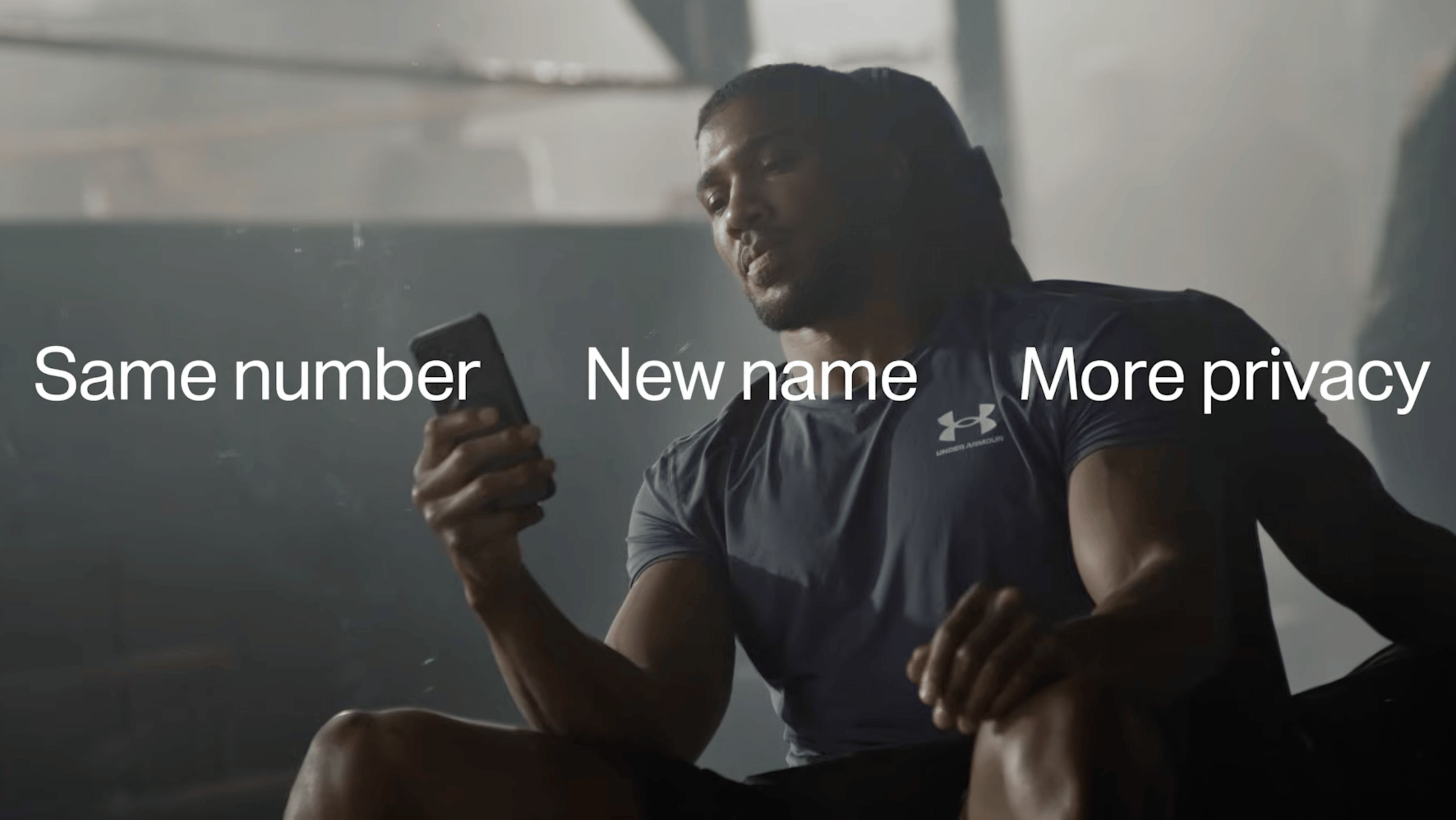
Image source: Meta
The Rundown: Meta just opened reservations for usernames on WhatsApp, allowing users to set their custom handle (like they do on Instagram) and share that with people they want to chat with — instead of providing their phone number.
The details:
While usernames launch later this year, Meta opened reservations to ensure users can lock in preferred handles, with each name unique to one person.
The feature, similar to what Telegram has offered since 2014, will keep users from sharing their phone numbers with everyone they want to chat with.
However, unlike Telegram, usernames won’t come with a directory to browse, and people will need to know an exact username to contact a person.
Meta will also back this up with a four-digit key that users can set as an additional layer of security before someone messages them on their username.
Why it matters: WhatsApp is hardening the privacy layer, ensuring you never have to share your number again when messaging your handyman or bookstore manager. But usernames can also lead to scams — a fake handle looks just as trustworthy as a real one, and without a number, there’s no way to check who you're actually talking to.
SUPERCOMPUTING
🧠 Chinese supercomputer crowned world’s fastest

Image source: China News Service / Getty Images
The Rundown: China's LineShine supercomputer, housed at the National Supercomputing Center in Shenzhen, dethroned the U.S.'s El Capitan as the world's fastest supercomputer — and it did it without using a single GPU.
The details:
LineShine surpassed El Capitan by almost 22% in the latest TOP500 rankings, hitting 2.198 exaflops, or more than two quintillion calculations per second.
The machine runs roughly 14M Arm-based CPU cores, packed into 45,000 LX2 processors, all built and assembled through China's LingKun platform.
It skips GPUs — the Nvidia chips most supercomputers run on and the exact hardware the U.S. has restricted China from buying — relying on CPUs instead.
Teams are already using LineShine for heavy workloads like testing a decade of weather predictions in hours and atomic-scale simulations of materials.
Why it matters: The U.S. spent years betting that cutting off GPU supply would slow China’s technology progress. LineShine is proof of the opposite — Beijing just built the world's fastest machine using the chips that Washington did not restrict. The U.S. can always write a longer list, but it can't unteach China how to win without permission.
APPLE
📱 Apple suffers one of its biggest leaks in years

Image source: AFP / Getty Images
The Rundown: A ransomware group just hit Tata Electronics, one of Apple's key manufacturing and supply chain partners, and leaked 200K+ internal files on the dark web, including the iPhone 18 Pro's supplier list and photos and videos of the device.
The details:
The files map iPhone 18 Pro components — chips, battery parts, camera modules — to the suppliers that make them, information Apple never disclosed.
They also include drop-test photos and videos of what looks like iPhone 18 Pro in grey, carrying Apple's internal codenames and confidentiality markings.
Tata Electronics also works with Tesla, with leaked files including Model Y charge-port and drawings related to the Model 3's "Project Highland" redesign.
Apple said it is investigating the matter and working with Tata, which has hired a global consultant for a deeper forensic audit.
Why it matters: Apple controls almost every detail of how its products reach the public, but it doesn't always have full control over how securely its suppliers operate. This breach shows that risk clearly. The leak didn't come from inside Apple, but it's Apple's secrecy and its product pipeline that are taking the hit.
NASA
🔭 NASA to rescue falling space telescope

Image source: Katalyst Space / NASA
The Rundown: NASA is launching an ambitious rescue mission on July 1, where a robotic spacecraft will fly to its 20-year-old Swift space telescope and push it back up to a safer orbit — before it falls and burns up in Earth’s atmosphere.
The details:
With recent solar activity increasing atmospheric drag, Swift's orbit has been decaying faster than expected, putting the telescope on track to fall and burn.
Katalyst Space has built the rescue craft, which will first study Swift and then use its robotic arms to grab and push it 150 miles upward to its original altitude.
Once the gamma-ray telescope is back in its original place, NASA will restart its full system and telescope operations, which it says could take a month or more.
The entire rescue, launch included, costs NASA about $30M, with science chief Nicky Fox saying they can't afford to build a replacement if Swift is lost.
Why it matters: Until now, a dying satellite gave NASA two choices: build a replacement, or let it go. This mission tests a third option — pay a private company a fraction of the rebuild's cost to extend the life of the one already up there. It won't work in every case, but it can definitely bring down the cost of saving some missions.
QUICK HITS
📰 Everything else in tech today
A Waymo robotaxi was caught driving into an oncoming traffic lane in Los Angeles before correcting course, adding to a string of recent autonomous driving mishaps.
The Trump administration discussed a SpaceX stock donation for Trump Accounts, a children's savings program launching next week, Semafor reported.
T-Mobile is retiring legacy wireless plans and automatically migrating customers to newer 5G offerings, with some bills increasing by an average of about $4 per line.
Amazon agreed to pay $2.25M to settle U.S. claims that it failed to provide records needed by identity theft victims to investigate fraudulent purchases.
Colossal Biosciences and the U.S. government are creating a BioVault to preserve the DNA and cells of some 2,300 endangered species, for future de-extinction efforts.
Comcast is splitting into two public companies, spinning off NBCUniversal and Sky into a standalone media org while retaining its broadband, wireless, and cable business.
Meta reportedly hired contractors to pose as minors and test how rival chatbots handled prompts about suicide, drugs, and self-harm, as part of safety benchmarking.
Apple said it is releasing security updates earlier than usual, citing AI-driven cyber threats that are shrinking the window between vulnerability disclosure and exploitation.
Australia's competition regulator sued Amazon, alleging it used unfair contract terms to force Prime Video subscribers to pay extra to avoid ads.
Apple is seeking U.S. approval to buy memory chips from blacklisted Chinese chipmaker CXMT to ease rising component costs, the Financial Times reported.
IBM introduced the world's first sub-1 nanometer chip architecture, packing 100 billion transistors into a fingernail-sized chip.
COMMUNITY
🎓 Highlights: News, Guides & Events
Read our last AI newsletter: Meta’s brain-reading AI leaves letters behind
Read our last Tech newsletter: Apple's big price hike
Read our last Robotics newsletter: Agility Robotics going public at $2.5B
Today’s AI tool guide: Automate any manual task with Record & Replay
RSVP to next workshop on June 30: Master AI video editing
See you soon,
Rowan, Zach, Shubham, and Jennifer — The Rundown’s editorial team
No matching search results
Try using different keywords, double-check your spelling, or explore related categories.
Stay Ahead on AI.
Join 2,000,000+ readers getting bite-size AI news updates straight to their inbox every morning with The Rundown AI newsletter. It's 100% free.