Apple's AI shakeup to save Siri
PLUS: Samsung's tri-fold phone is here

Jennifer Mossalgue
December 2, 2025
Read Online | Sign Up | Advertise

Good morning, tech enthusiasts. Apple just poached a Gemini veteran straight out of Microsoft to reboot its lagging AI strategy — filling the void left by John Giannandrea’s seven-year tenure that saw the company fall behind.
Can Apple’s newest hire pull off a turnaround before the world‘s slickest ecosystem starts looking hopelessly last-gen?
In today’s tech rundown:
Apple replaces AI chief in major shakeup
Samsung’s tablet-sized tri-fold smartphone
Amazon rolls out ultrafast deliveries
Google to build data centers in space in 2027
Quick hits on other tech news
LATEST DEVELOPMENTS
APPLE
🍏 Apple replaces AI chief in major shakeup

Image source: Wikimedia Commons/TechCrunch (John Giannandrea)
The Rundown: Apple is tapping Amar Subramanya — a longtime Google Gemini engineering lead who only landed at Microsoft this summer — to replace departing AI chief John Giannandrea as the tech giant struggles to catch up with AI rollouts.
The details:
Apple’s AI chief, John Giannandrea, is retiring after a seven-year run in which Apple fell behind rivals on generative AI and a next‑gen Siri.
Apple rolled out its flagship Apple Intelligence suite in June 2024, but has been slow to overhaul its AI lineup, leaving it visibly behind rivals like Google.
The company has been promising a major AI-centric reboot of Siri for over a year, but the launch has slipped multiple times and still hasn’t materialized.
Giannandrea, a high-profile 2018 hire from Google, was initially brought in to revitalize Siri and machine learning but faced persistent criticism.
Why it matters: Subramanya brings fresh credibility from his work on Google’s flagship Gemini models, but he’s inheriting a ship that needs a fast turnaround. With Google and OpenAI pushing multimodal assistants that can see, hear, and reason, Apple risks losing its reputation for polished experiences if it can’t close the gap.
SAMSUNG
🪭 Samsung’s tablet-sized tri-fold smartphone
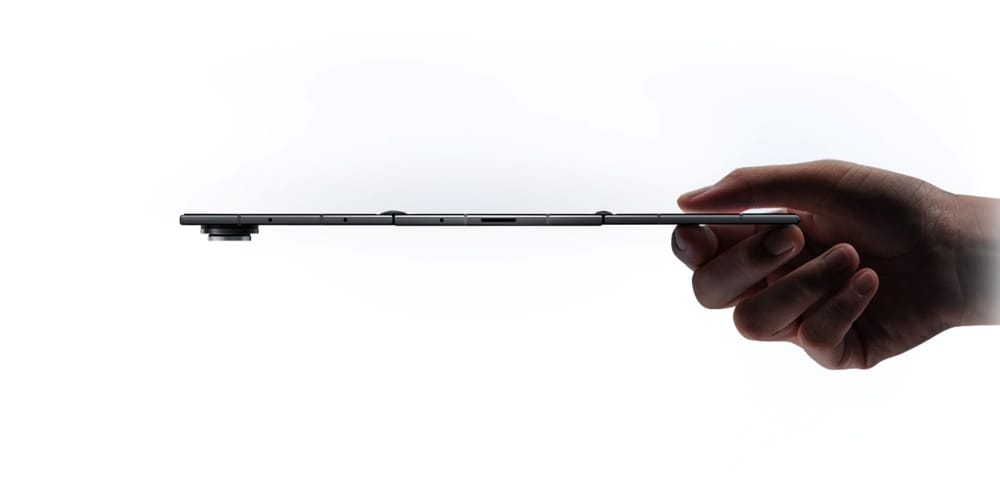
Image source: Samsung
The Rundown: Samsung unveiled the Galaxy Z TriFold, its first tri-folding phone that unfolds into a tablet-sized screen, a flashy move to stay ahead in foldables just as Chinese rivals catch up. A U.S. launch is planned for next year.
The details:
The TriFold uses three panels and two hinges to unfold into a 10-inch display, giving you near-tablet real estate but in a device that fits in a (very big) pocket.
Priced around 3.59M won (about $2,450), it sits well above even most premium slab phones, making it more of a statement gadget for early adopters.
Samsung will roll it out first in South Korea on December 12, with launches in China, Singapore, Taiwan, the UAE, and the U.S. following in early 2026.
Analysts say the Z TriFold is more tech showcase than volume driver for now, as high prices and durability worries keep the category niche.
Why it matters: The timing is critical: Samsung’s trifold drops just as Huawei’s Mate XT, the world’s first commercial trifold, gains traction in China. Samsung’s inward-folding design likely offers better display protection than Huawei’s outward-fold approach, and crucially, it comes with full Google services and worldwide band support.
AMAZON
📦 Amazon rolls out ultrafast deliveries

Image source: Amazon
The Rundown: Amazon is doubling down on the delivery wars with “Amazon Now,” a 30‑minute delivery service for essentials and fresh groceries, rolling out as a pilot in select neighborhoods of Seattle and Philadelphia.
The details:
The service, which offers thousands of items, is a test to probe just how far the retail giant can compress last‑mile delivery economics.
It is fully integrated into the main Amazon app and website, where eligible customers see a “30-Minute Delivery” option and can track orders in real time.
Prime members pay delivery fees starting at $3.99 versus $13.99 for non‑Prime customers, with a $1.99 surcharge on orders under $15.
To hit the 30-minute window, Amazon is using specialized micro-fulfillment centers located close to dense residential and business areas.
Why it matters: Amazon looks to be pushing ultra-fast delivery as the way forward, moving beyond same-day and two-hour windows to lock in convenience-obsessed customers. The move puts direct pressure on Instacart, DoorDash, and Uber Eats while making Prime membership even stickier. If the pilot succeeds, expect rapid expansion.
☀️ Google to build data centers in space in 2027
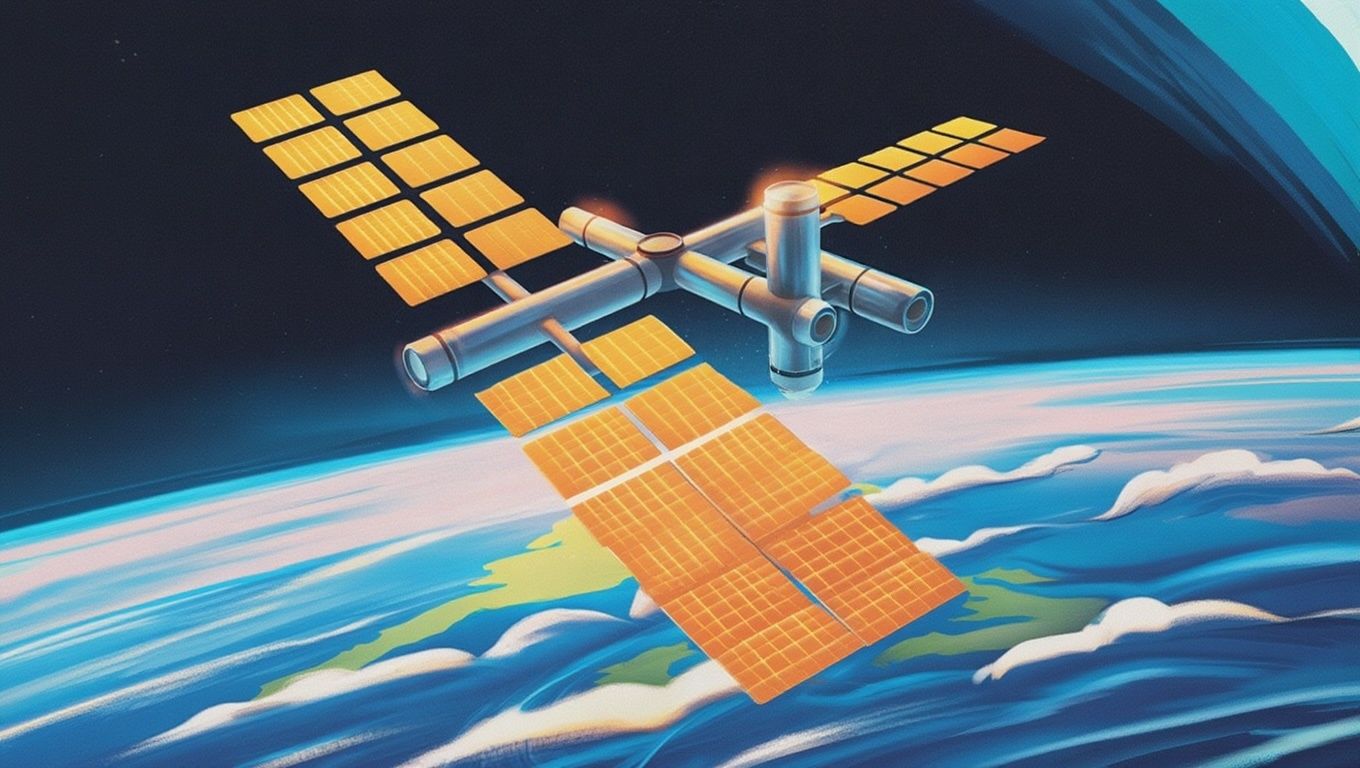
Image source: Ideogram
The Rundown: Google CEO Sundar Pichai laid out the company’s audacious plan to launch solar-powered data center satellites into space by early 2027 under Project Suncatcher, telling Fox News the moonshot could reshape how AI infrastructure is built.
The details:
Google will launch two prototype satellites in 2027 under Project Suncatcher, partnering with satellite imagery firm Planet to test AI hardware in space.
The satellites will carry Google’s Trillium-generation TPU chips, which survived radiation testing that simulated low-Earth orbit conditions without damage.
Solar panels in space can generate up to 8x more energy than on Earth with near-continuous sunlight and minimal downtime.
For the project to be cost-competitive, launch costs would need to drop to around $200 per kg by 2035 — a target Google believes SpaceX could hit.
Why it matters: Pichai said that in a decade, extraterrestrial data centers could become normal, tapping into solar energy that’s “100 trillion times more” than Earth’s total electricity production. Google faces brutal engineering challenges, but if it works, the tech giant could ease pressure on power grids here on Earth.
QUICK HITS
📰 Everything else in tech today
Michael and Susan Dell pledged $6.25B to seed $250 “Trump accounts” for about 25M U.S. children under 10 who aren’t covered by federal $1K baby grants.
More than 1K Amazon employees signed an open letter warning that the company’s “all-costs-justified, warp-speed” AI push risks causing severe harm to democracy, workers, and the planet.
Nvidia unveiled new infrastructure and AI models to power “physical AI” systems such as robots and self-driving cars that can sense and act in the real world.
Amazon data centers in Oregon are driving dangerous nitrate levels in a local aquifer, experts say, potentially raising cancer and miscarriage rates, RollingStone reports.
German AI startup Black Forest Labs raised $300M at a $3.25B valuation, led by Salesforce Ventures, to fuel its research and development.
Netflix killed casting from its mobile app to most modern TVs and streaming devices, pushing users to watch via the TV’s own Netflix app and remote instead.
Marques Brownlee’s Panels wallpaper app is shutting down on December 31, just over a year after its controversial launch sparked waves of criticism over its high pricing.
The FDA approved EssilorLuxottica’s Stellest lenses — already used overseas — to slow myopia progression in children ages 6 to 12.
Apple may once again tap Intel to manufacture its lowest-end M-series chips as soon as 2027, according to supply chain analyst Ming-Chi Kuo.
A supervolcano on the Nevada-Oregon border may hold up to 40M metric tons of lithium-rich clay — possibly the world’s largest lithium deposit, worth some $1.5T.
COMMUNITY
🎓 Highlights: News, Guides & Events
Read our last AI newsletter: DeepSeek strikes again
Read our last Tech newsletter: Apple takes the crown from Samsung
Read our last Robotics newsletter: The creepiest robot just got hands
Today’s AI tool guide: Create on-brand marketing campaigns with Pomelli
RSVP to next workshop @ 4PM EST Friday: Nano Banana Pro for Slide Decks
See you soon,
Rowan, Jennifer, and Joey—The Rundown’s editorial team


Stay Ahead on AI.
Join 2,000,000+ readers getting bite-size AI news updates straight to their inbox every morning with The Rundown AI newsletter. It's 100% free.