Zuck vs. Instagram addiction
PLUS: Microsoft's glass storage could last for millennia

Jennifer Mossalgue
February 20, 2026
Read Online | Sign Up | Advertise

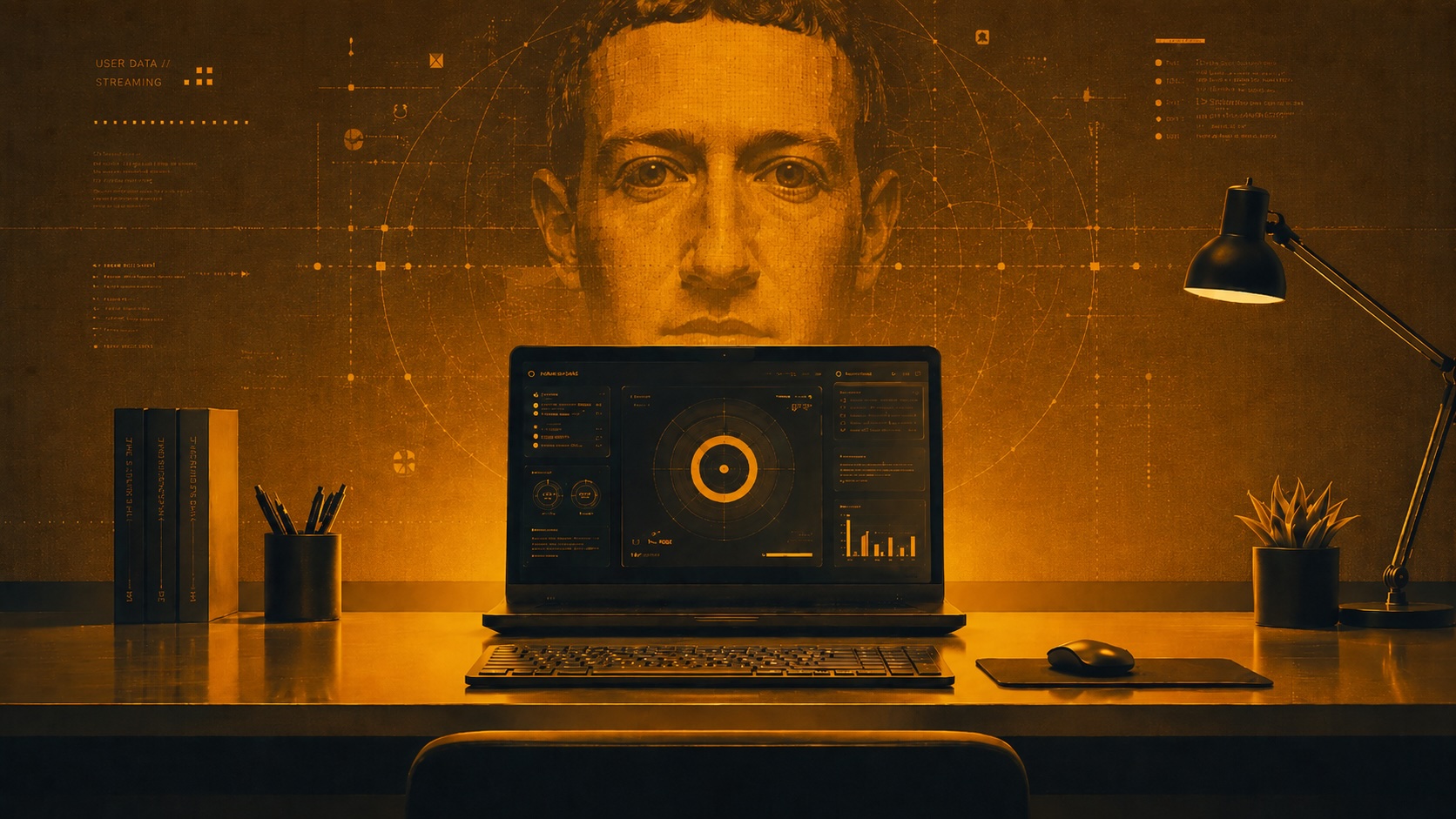
Good morning, tech enthusiasts. In a first-of-its-kind trial in Los Angeles, Mark Zuckerberg took the stand to defend against claims that Instagram was engineered like a ‘digital casino’ to hook kids.
With emails showing Zuck personally overruled child-safety and mental-health experts, the verdict could set the tone for thousands of similar lawsuits waiting in the wings.
In today’s tech rundown:
Zuck defends Instagram in landmark trial
Microsoft turns glass into a 10K-year hard drive
Feds charge 3 engineers in Google chip theft
Stanford’s new do-it-all respiratory vaccine
Quick hits on other tech news
LATEST DEVELOPMENTS
META
🎰 Zuck defends Instagram in landmark trial
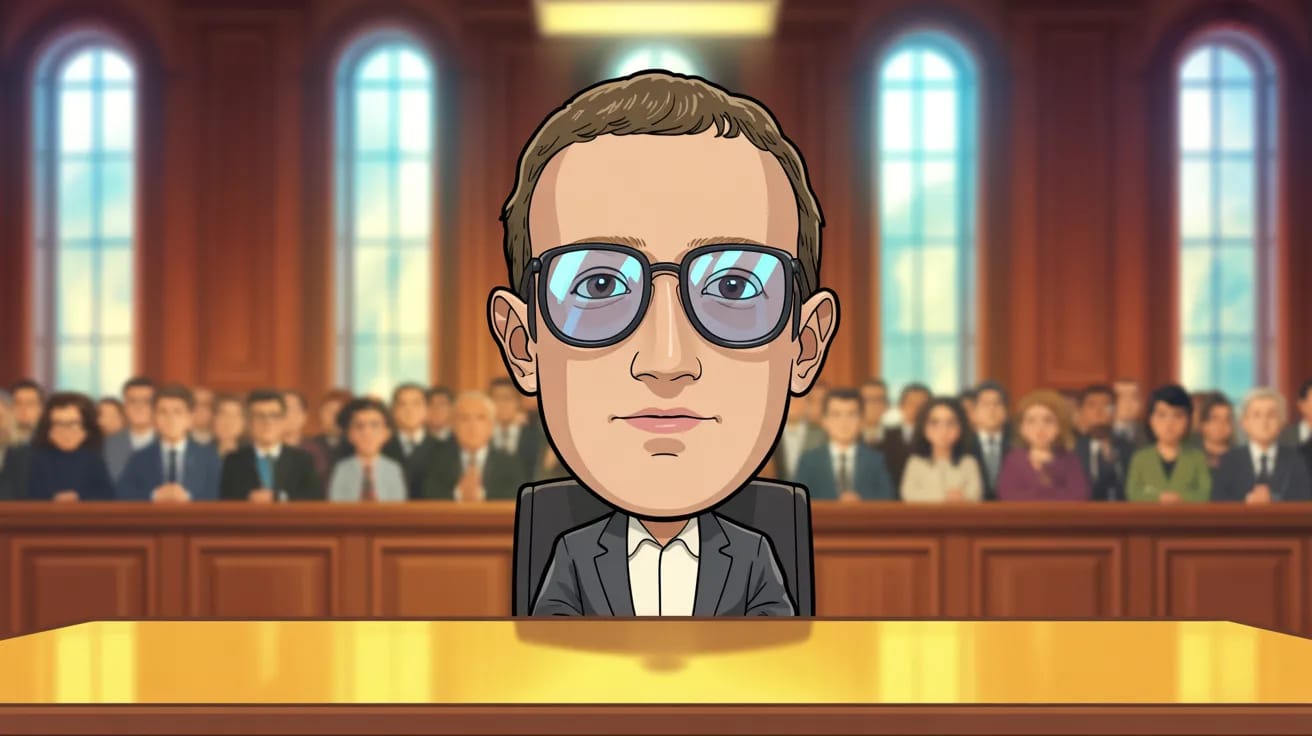
Image source: Ideogram / The Rundown
The Rundown: Mark Zuckerberg took the stand to defend Meta in a landmark LA jury trial over social media addiction, rejecting claims that Instagram was deliberately engineered to hook teens and harm their mental health. Plaintiffs argue otherwise.
The details:
The case centers on a 20-year-old woman who says compulsive use of Instagram and YouTube as a child fueled anxiety and suicidal depression.
Plaintiffs argue Instagram and YouTube were built as “digital casinos,” using addictive features like filters and infinite scroll to maximize time-on-platform.
Zuck maintained that Instagram offers positive value and that the plaintiff’s struggles stem from broader life problems, not product design.
Meta emails show Zuck personally overruled at least 18 mental health and child-safety experts who urged the company to curb beauty filters.
Why it matters: This is the first jury trial to test the wave of social media addiction lawsuits. Attorneys claim Meta and YouTube engineered features to hook “teens and tweens,” while shelving internal warnings about risks. Meanwhile, governments are already moving to restrict or ban social media access for under-16s.
MICROSOFT
💿 Microsoft turns glass into a 10K-year hard drive
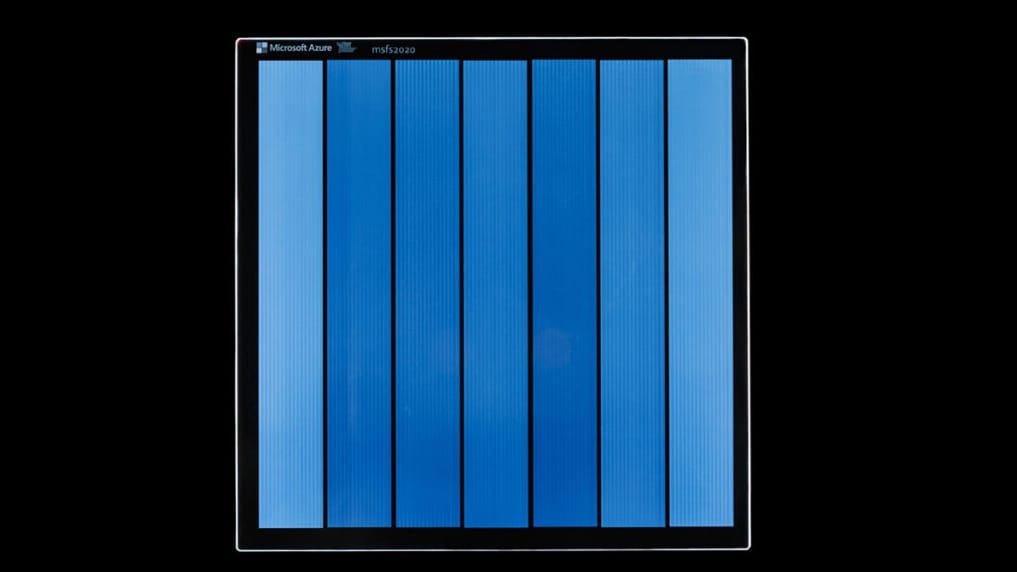
Image source: Microsoft Project Silica
The Rundown: Microsoft has etched palm-sized slabs of ordinary glass into data “books” capable of storing 4.8 terabytes — the equivalent of roughly 2M books or 200 4K movies — and projecting their survival for at least 10K years.
The details:
The glass withstands heat, radiation, water, and demagnetization, making it virtually indestructible by the standards of conventional storage.
Inside Microsoft’s prototype archive, autonomous robot shuttles climb shelving units, retrieve the requested glass slab, and feed it to decoding systems.
The write speed, currently a few megabytes per second, targets potential customers including cloud providers, national archives, and media companies.
Because the glass “books” need no power, they could shrink archive footprints and dramatically cut the energy and hardware cost of storing cold data.
Why it matters: Project Silica could offer a way to lock humanity’s critical digital records into glass that outlasts every hard drive and cloud data center we own today. And unlike more exotic ideas such as DNA storage or 5D crystals, it builds on a familiar material — putting it closer to real-world deployment than most of its competitors.
🧐 Feds charge 3 engineers in Google chip theft
Image source: Unsplash
The Rundown: U.S. prosecutors indicted three Silicon Valley engineers — including two former Google employees — for allegedly stealing hundreds of confidential files on Pixel processors and other proprietary chip designs.
The details:
A federal grand jury hit the trio, two Iranian-born sisters and one of their husbands, with 14 felony counts.
Prosecutors allege the sisters, while employed at Google, secretly copied hundreds of restricted files, including design data for the Tensor chip.
The trio allegedly moved the stolen documents to third-party messaging channels and personal devices, then on to contacts and storage in Iran.
All three were arrested in San Jose and made initial court appearances, and if convicted, could face prison sentences of up to 20 years.
Why it matters: The case lands just weeks after a separate conviction of another former Google engineer for stealing AI trade secrets, showing how aggressively U.S. authorities are now pursuing alleged tech espionage tied to strategic chip and AI technologies.
STANFORD
🦠 Stanford’s do-it-all respiratory vaccine
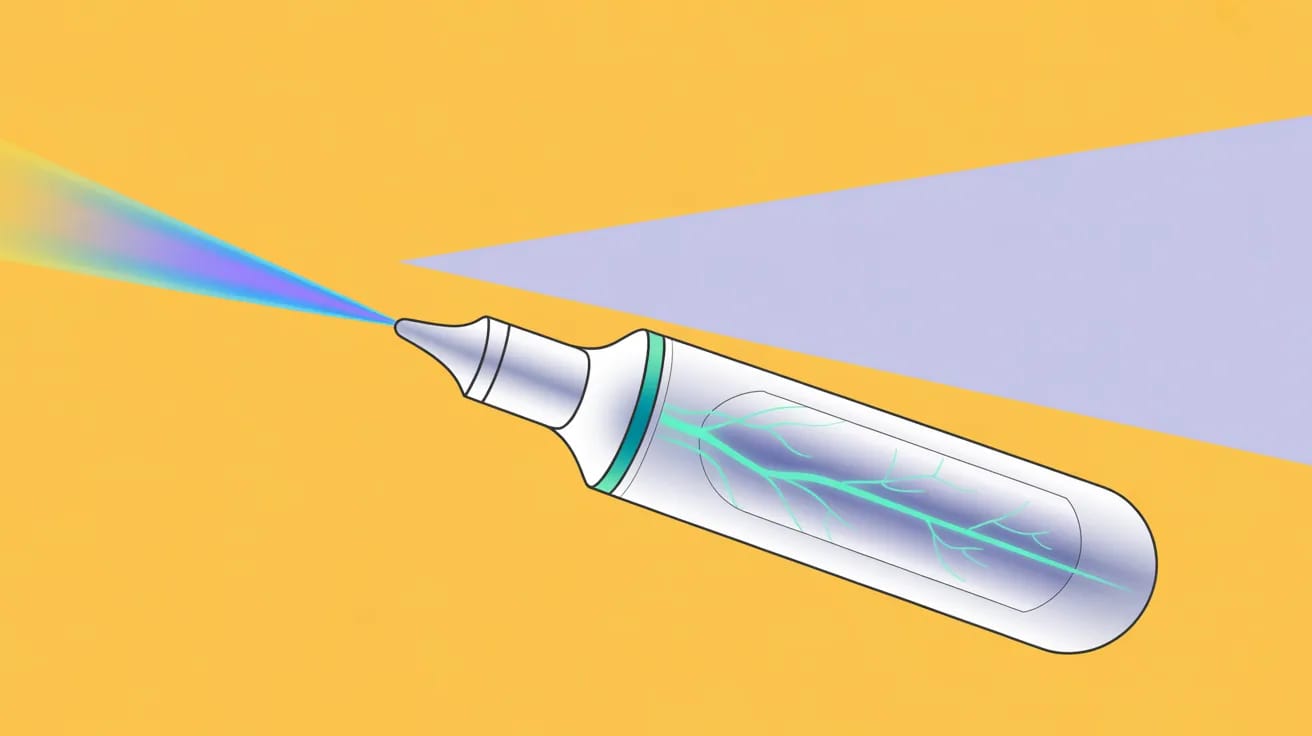
Image source: Ideogram / The Rundown
The Rundown: Stanford researchers just developed an experimental intranasal vaccine that, in mice, defends the lungs for months against a range of viruses, bacteria, and even allergens — a potential leap toward a single shot that does it all.
The details:
Three doses of the vaccine, called GLA‑3M‑052‑LS+OVA, dramatically cut coronavirus levels in mouse lungs.
The vaccine’s broad coverage spans SARS‑CoV‑2 and related coronaviruses to drug-resistant hospital superbugs.
The secret is in the formula: a triple-adjuvant platform designed to rewire how the immune system responds at the source.
If it clears human trials, the technology could collapse today’s lineup of separate flu, COVID, and RSV shots into one annual nasal spray.
Why it matters: A single nasal spray guarding against the full spectrum of respiratory threats would fundamentally change vaccination and pandemic preparedness. Rather than endlessly reformulating shots to chase evolving strains, this platform aims to prime the immune system to handle whatever pathogen comes next.
QUICK HITS
📰 Everything else in tech today
Amazon just ended Walmart’s 13-year run to claim the No. 1 spot on the Fortune 500 for the first time.
SoftBank plans to spend $33B on a 9.2‑gigawatt natural‑gas power plant on the Ohio‑Kentucky border, potentially to feed data centers tied to its OpenAI partnership.
SpaceX Falcon 9 rocket reentry from a discarded upper stage left a plume of lithium and other metals in the Earth’s upper atmosphere, a new study found.
Tesla rolled out a new “entry” Cybertruck — a dual‑motor all‑wheel‑drive model starting around $60K — while cutting the high‑end Cyberbeast’s price by $15K.
Ford is developing a $30K midsize electric pickup for 2027, using an F1‑style skunkworks team and bounties to strip out weight, parts, and cost.
A new report finds that almost $1B in U.S. government research funding over the past decade flowed into projects involving Chinese labs, Bloomberg reported.
Thrive Capital closed a new $10B fund — its largest ever and nearly twice the size of its last — aimed at investments in companies such as OpenAI, Stripe, and SpaceX.
Rivian launched a native Apple Watch app that lets owners use their wrist as a digital key to lock or unlock the vehicle, open windows, and adjust cabin temperature.
Meta will shut down its standalone Messenger website in April and redirect users to Facebook’s messages page or the mobile app instead.
COMMUNITY
🎓 Highlights: News, Guides & Events
Read our last AI newsletter: The handshake refusal heard around AI world
Read our last Tech newsletter: Apple’s ‘2026 product blitz’
Read our last Robotics newsletter: Waymo faces heat over remote support
Today’s AI tool guide: Write viral YouTube scripts with NotebookLM
RSVP to our next workshop on Feb. 25: Agentic Workflows Bootcamp pt. 3
See you soon,
Rowan, Joey, Zach, Shubham, and Jennifer — The Rundown’s editorial team
Stay Ahead on AI.
Join 2,000,000+ readers getting bite-size AI news updates straight to their inbox every morning with The Rundown AI newsletter. It's 100% free.