Get the latest AI news, understand why it matters, and learn how to apply it in your work — all in just 5 minutes a day. Join over 2,000,000+ subscribers.
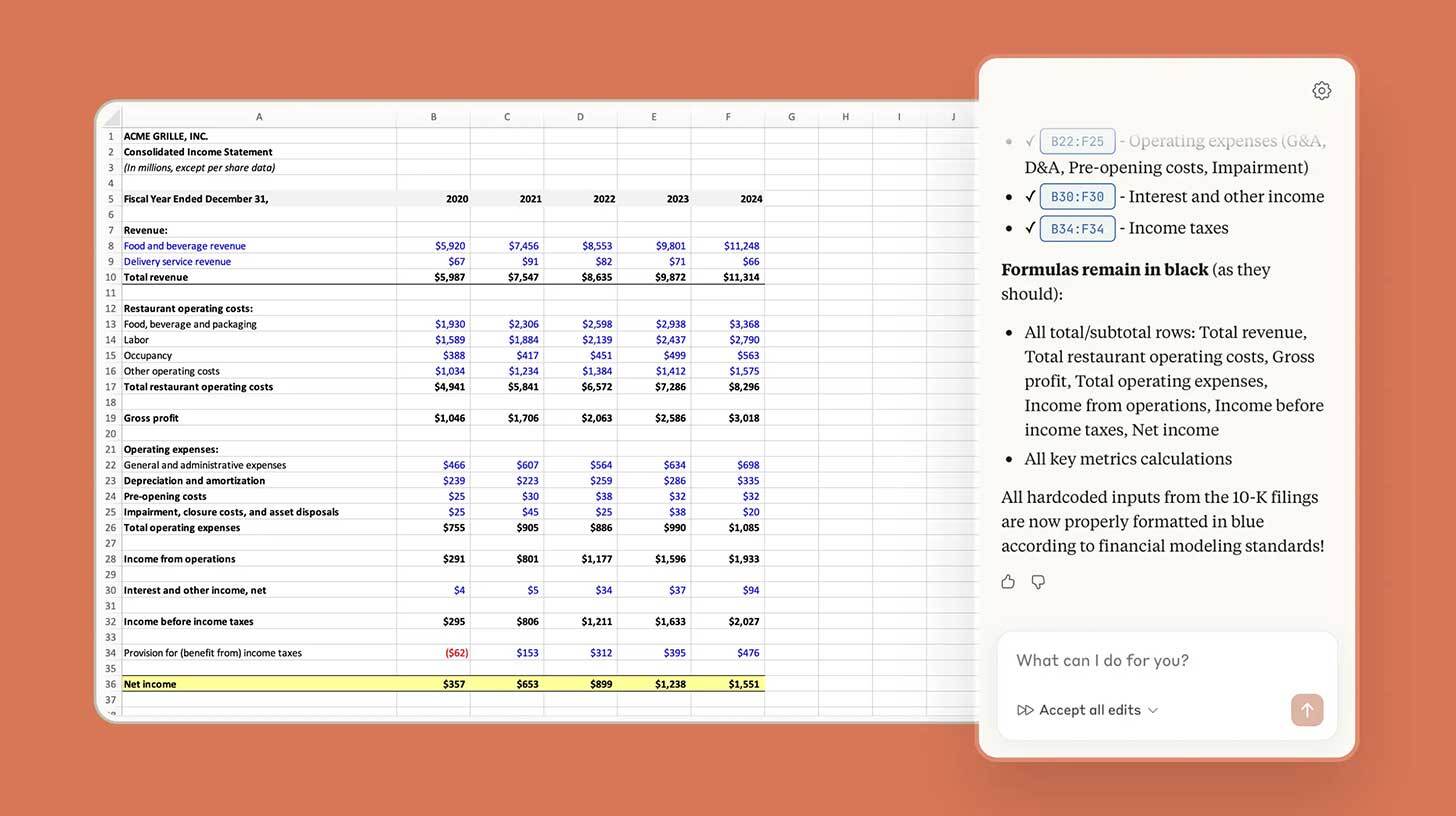
Claude for Excel opens the gates
Read Online | Sign Up | Advertise

Good morning, AI enthusiasts. Developers got Claudepilled first, and now the spreadsheet crowd is next.
Anthropic just expanded Claude for Excel access — and while Code and Cowork have dominated the hype cycle, this one lands directly in the workflows of virtually every knowledge worker on the planet.
In today’s AI rundown:
Anthropic expands Claude for Excel access
The Rundown Roundtable: Our AI use cases
Create ads and marketing videos in minutes with Remotion
Gallup: Half of U.S. workers never use AI on the job
4 new AI tools, community workflows, and more
LATEST DEVELOPMENTS
ANTHROPIC
📊 Anthropic expands Claude for Excel access
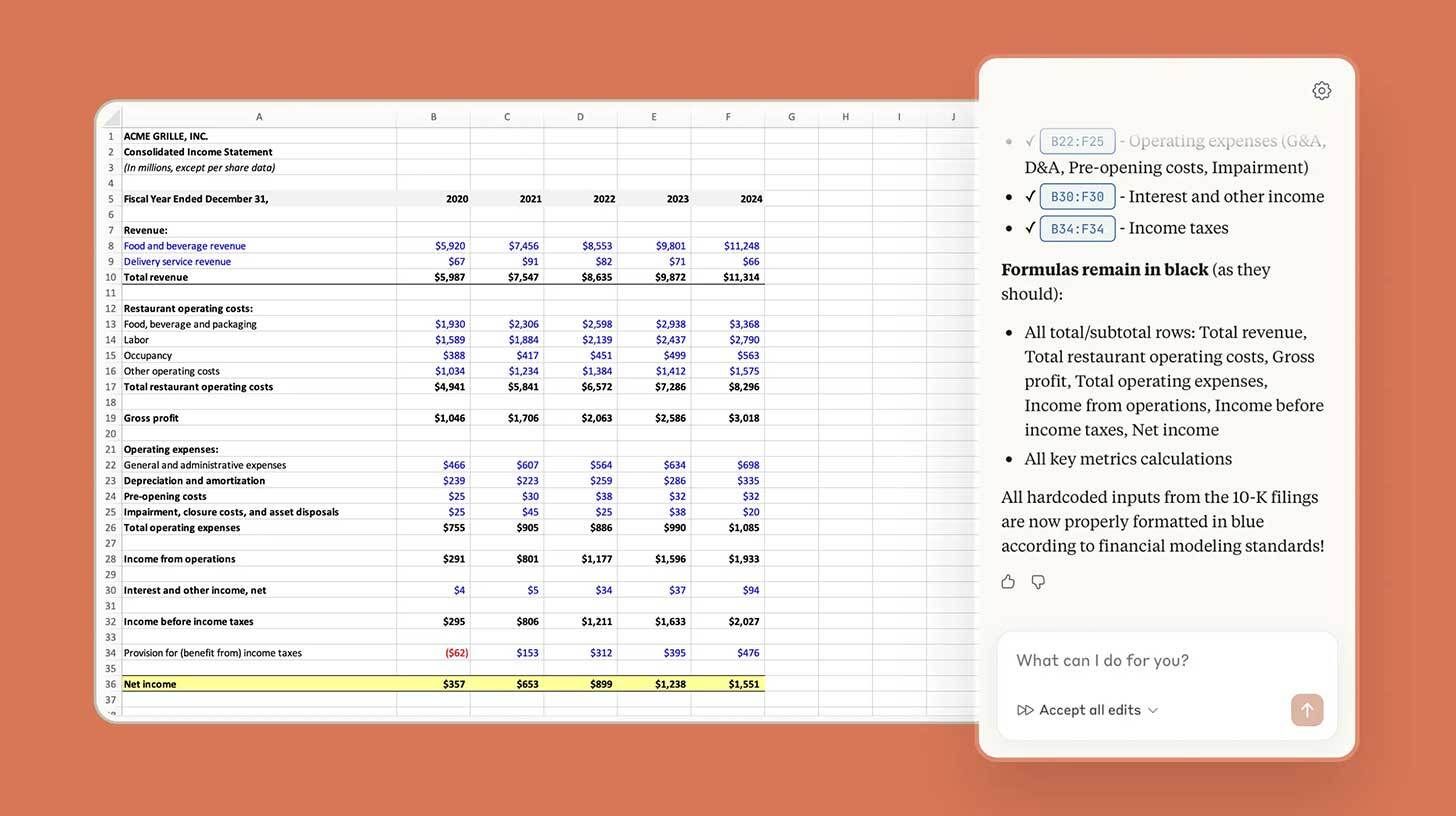
Image source: Anthropic
The Rundown: Anthropic just expanded access to its Claude for Excel integration, making the AI spreadsheet assistant available to Pro-tier customers after a three-month beta period that was limited to Max and Enterprise plans.
The details:
Claude for Excel initially launched in October in research preview, bringing the assistant directly into a text sidebar of Microsoft’s spreadsheet platform.
Users can now pull in several spreadsheets at once and work longer without hitting session limits thanks to behind-the-scenes memory management.
The update also adds safeguards to preserve existing cell contents, so Claude won't accidentally overwrite data while making edits.
Why it matters: 2026 has been the year of getting ‘Claudepilled’ — with Code, Cowork, and now a broader Claude for Excel release going down the line of taking on major knowledge work. Just like coding is becoming completely automated, the days of needing to know complex formulas and shortcuts are also coming to an end.
TOGETHER WITH CONCIERGE
👋 Your brand's AI answer engine

The Rundown: Today’s buyers use AI every day to answer their questions, and have no patience for a scavenger hunt on your website. Concierge is a custom Perplexity-style answer engine, trained on your company’s brand & content, that delivers accurate, personalized responses to any questions your website visitors have.
Modern B2B brands use Concierge to:
Handle any buyer question (no matter how technical) with advanced RAG on your content, media, and documentation.
Control and visibility over every conversation, with guardrails and sentiment analysis.
Build trust with website visitors before they are willing to commit to a demo.
Use Concierge to turn every question into an opportunity.
THE RUNDOWN ROUNDTABLE
💡The Rundown Roundtable: Our AI use cases
Image source: Ideogram / The Rundown
The Rundown: The Rundown Roundtable is a weekly feature in which we poll members of The Rundown staff about how we use AI in our work and daily lives.
Rowan, CEO & Founder: I spend way too much time staring at screens, so I try to consume my content by listening while I’m out walking (usually podcasts).
Lately, I’ve been digging into more long-form stuff from X articles and old blogs, and ElevenLabs’ free app, ElevenReader, turns any wall of text into a mini audiobook using AI-generated voices. It’s super simple, but genuinely really useful.
Rishi, Head of Growth: Claude Cowork has been a huge help in creating growth forecasts for our paid media channels. I just plug in our metrics, tell it what goal I'm trying to achieve, and it's able to create an Excel sheet for me with exactly what I need. This saves me a bunch of time because I can create multiple scenarios just by chatting with Cowork.
Shubham, Editor: My sister asked me to check if my niece's name appeared in the preliminary school enrollment results. But the list uploaded online was a PDF with 50+ page photographs. Going through all of it would have been a headache — so I put Manus to work. I provided a link to the results, and Manus searched through all of it, checking each document page by page.
After about 15 minutes, it found her name and all the relevant details. This saved me from having to manually search through pages of results across multiple categories.
AI TRAINING
🎥 Create ads and marketing videos in minutes with Remotion
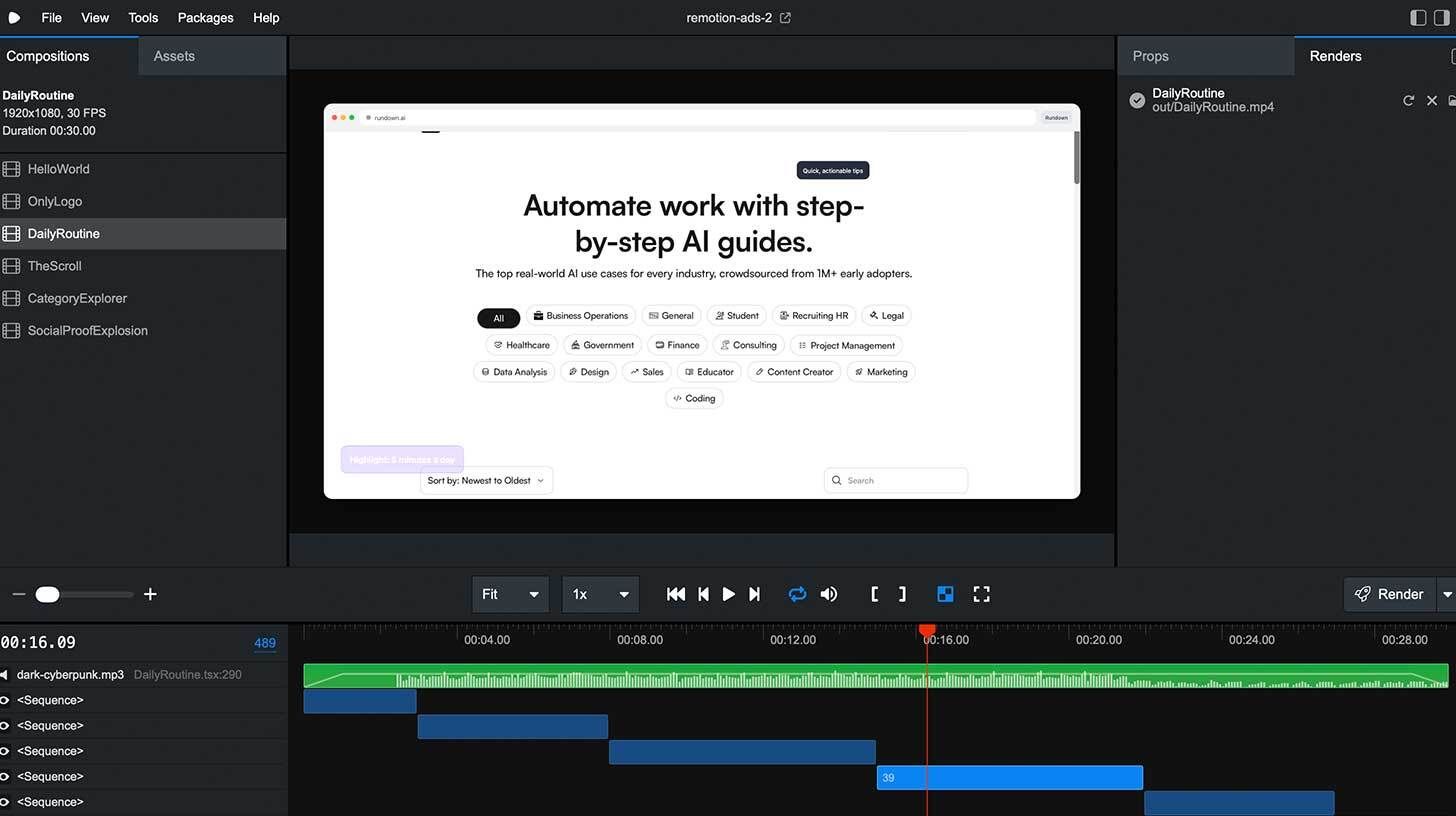
The Rundown: In this tutorial, you will learn how to programmatically generate ads and marketing videos with code — enabling you to conceptualize, template, and generate dozens of videos in minutes.
Step-by-step:
Open NotebookLM, add pictures of your website/product as sources. Tell it to "Interview me about my brand to generate 5 concepts for promotional videos”
Tell NotebookLM to write a PRD for creating each concept using Remotion
Create a Remotion project by running
npx create-video@latest, install dependencies, start the editor withnpm installandnpm run dev, then initialize Git and place the PRD markdown in the project root for contextPrompt Codex to read PRD, generate components, and create the video; preview it at
http://localhost:3000/and export via the rocket icon
Pro tip: Add royalty-free mp3s to your project and tell Codex to include them via Remotion, with music and sound effects baked into your video scripts for faster reuse.
PRESENTED BY IBM
⚡ Enterprise 2030, AI-First Advantage
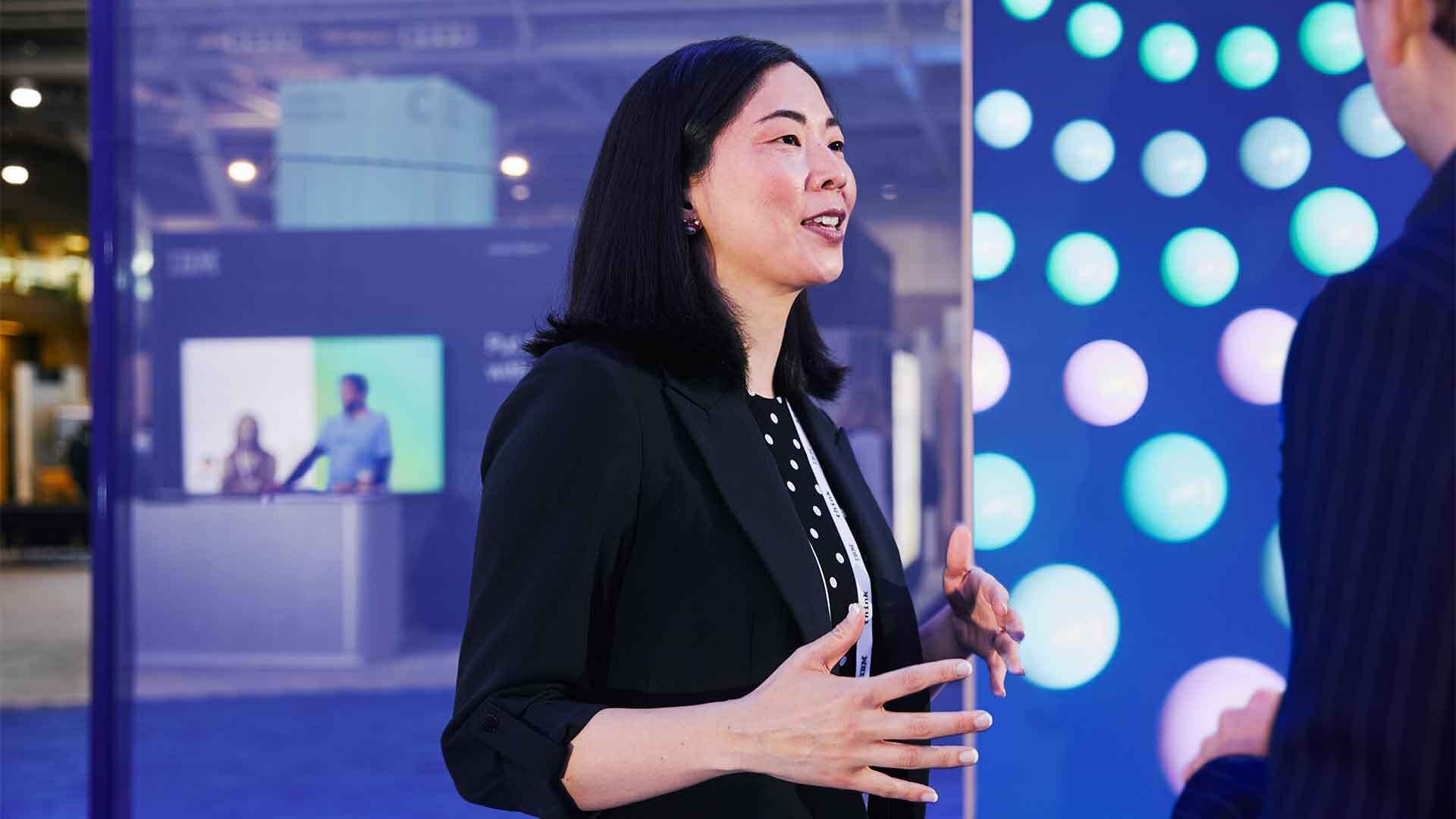
The Rundown: IBM’s latest report reveals five predictions that will help to shape the future of business. By 2030, success will hinge on speed, bold bets, and AI-first design. Learn how leaders can hard-code transformation into every process and prepare for quantum disruption.
Big bets win: speed beats perfection.
Tailored AI portfolios: build unique advantage.
Quantum readiness: next seismic shift is coming.
AI RESEARCH
💼 Gallup: Half of U.S. workers never use AI on the job
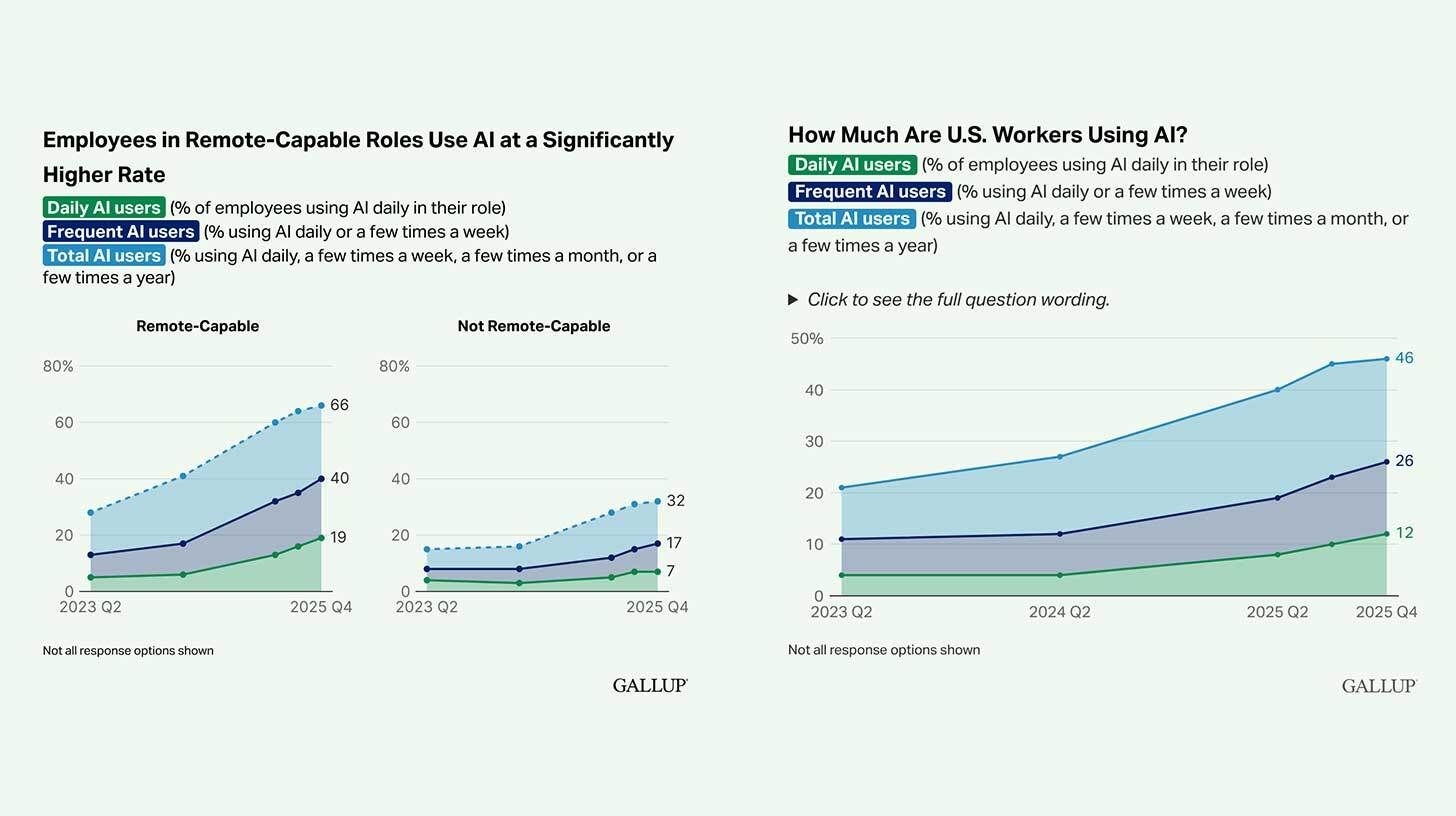
Image source: Gallup
The Rundown: Gallup published its ‘AI in the Workplace’ report for Q4 2025, showing that workplace AI adoption is starting to plateau, with nearly half of American workers saying they never touch AI tools, even as frequent users are deepening their habits.
The details:
Tech workers lead adoption with 60% using AI frequently, though growth has begun to stall after surging between 2024 and 2025.
Finance, education, and professional services follow tech, while retail and manufacturing trail significantly in workplace AI use.
Remote-capable roles are pulling away with 66% adoption and 40% frequent use, compared to just 32% and 17% for jobs that require physical presence.
Leaders are using AI far more than their teams (69% vs. 40% for individuals), with Gallup citing "lack of clear utility" as the main barrier for non-adopters.
Why it matters: AI’s mainstream arrival has completely reshaped certain areas of the workforce, but the gains aren’t being evenly spread. This gap is only going to continue to expand. But those who DO adopt AI in sectors currently behind the curve are going to sprint ahead and create more intense competition than ever before.
QUICK HITS
🛠️ Trending AI Tools
⚙️ Tasklet — AI agent that connects to any app or API, triggers automatically 24x7, and uses a computer to get work done*
📊 Claude in Excel - Use Claude to create and edit spreadsheets
🗣️ Qwen3 TTS - Alibaba’s family of open-source, SOTA text-to-speech models
🧠 Slackbot - Slack’s personal AI agent for work
*Sponsored Listing
📰 Everything else in AI today
KREA introduced Realtime Edit, a new feature allowing users to edit images via text prompts and make granular changes in real-time.
Cursor rolled out version 2.4, introducing subagents that break coding tasks into workstreams for faster execution, alongside image generation and custom agent skills.
Epoch AI announced that OpenAI’s GPT-5.2 Pro set a new record on its hardest FrontierMath benchmark at 31%, nearly doubling the previous high.
Japanese lab Sakana AI secured a strategic partnership and investment from Google, with plans to deploy AI solutions in Japan’s regulated industries using Google’s models.
CEO Sam Altman revealed that OpenAI will be releasing new Codex launches this week, saying its models will soon reach the highest cybersecurity capability level.
COMMUNITY
🤝 Community AI workflows
Every newsletter, we showcase how a reader is using AI to work smarter, save time, or make life easier.
Today’s workflow comes from reader Justo I. in Spain:
"I use Comet (Perplexity’s AI-powered browser) to automate the workflow in our sports company by reviewing support emails requesting rating changes, extracting key player details, and then logging into our admin panel to find the player by email and update their rating accordingly."
How do you use AI? Tell us here.
🎓 Highlights: News, Guides & Events
Read our last AI newsletter: Inside the Thinking Machines meltdown
Read our last Tech newsletter: Amazon’s second axe is falling
Read our last Robotics newsletter: A crawling, detachable robotic hand
Today’s AI tool guide: Create ads and marketing videos with Remotion
RSVP to next workshop on Feb. 11: Agentic Workflows Bootcamp pt. 1
See you soon,
Rowan, Joey, Zach, Shubham, and Jennifer — the humans behind The Rundown


Amazon's second axe is falling
Read Online | Sign Up | Advertise

Good morning, tech enthusiasts. Amazon waited until the holidays were over. Now the axe is falling again.
The e-commerce giant is reportedly preparing to cut thousands more corporate jobs as early as next week, part of CEO Andy Jassy’s mission to slash roughly 30K roles. But don’t blame AI, he says — this is more about trimming corporate bloat.
In today’s tech rundown:
Amazon’s second layoff wave hits next week
Lab‑grown skin steps up after Swiss ski‑resort fire
Musk taps top banks for SpaceX’s monster IPO
Blue Origin to launch satellite megaconstellation
Quick hits on other tech news
LATEST DEVELOPMENTS
AMAZON
🪓 Amazon’s second layoff wave hits next week

Image source: Ideogram / The Rundown
The Rundown: Amazon is reportedly preparing its second wave of sweeping layoffs as early as next week, cutting thousands more corporate jobs as CEO Andy Jassy pushes to eliminate roughly 30K white-collar roles.
The details:
The company in October cut some 14K corporate jobs, about half of the 30K target, meaning the upcoming round is expected to be similar in scale.
Jobs in the company’s Amazon Web Services (AWS), retail, Prime Video, and human resources units are slated to be affected
The layoffs would represent the largest workforce reduction in Amazon’s 30-year history, surpassing the 27K corporate roles cut in 2022.
Affected staff will receive at least 90 days of pay and benefits during the notice period to find new roles internally or elsewhere.
Why it matters: While Amazon floated AI as a factor in the restructuring, Jassy has since framed the overhaul as a cultural reset aimed at undoing years of organizational sprawl. The 30K-job reduction would amount to nearly 10% of Amazon’s corporate workforce, though only a small fraction of its total 1.58M global employees.
BIOTECH INNOVATIONS
🧫 Lab‑grown skin steps up after Swiss ski‑resort fire

Image source: University of Zurich
The Rundown: Surgeons in Switzerland are treating survivors of the deadly New Year's fire at Crans-Montana ski resort with denovoSkin — a personalized, lab-grown skin graft now in late-stage clinical trials.
The details:
The fire at Le Constellation bar killed 40 and injured 119, leaving 80 to 100 survivors with severe burns covering up to 60% of their bodies.
Developed by the University of Zurich, denovoSkin is a bilayer graft engineered to grow with patients and minimize scarring.
Because the graft uses only a patient’s own cells, it largely avoids rejection and can be grown from a small biopsy into multiple large grafts in about four weeks.
Phase 3 trials at European burn centers show improved wound closure and scar quality compared to standard care.
Why it matters: The researchers say a postage‑stamp‑sized biopsy can be grown into multiple grafts about 8 inches across in four weeks. If late-stage results hold, denovoSkin could become one of the first commercially approved bioengineered skin substitutes — offering burn units a powerful new tool for covering catastrophic injuries.
SPACEX
🚀 Musk taps top banks for SpaceX’s monster IPO

Image source: SpaceX
The Rundown: Elon Musk is lining up Wall Street’s biggest banks for what could become history’s largest IPO. The twist? Mars is now on the back burner, with orbital AI data centers now the main event.
The details:
SpaceX is in talks with Bank of America, Goldman Sachs, JPMorgan, and Morgan Stanley to underwrite a colossal stock‑market debut.
Bloomberg reports that SpaceX is working on a secondary share sale that values the company at about $800B, putting it ahead of OpenAI.
SpaceX also aims to raise tens of billions of dollars and is targeting a potential valuation of around $1.5T in the IPO.
Musk sees a SpaceX IPO as rocket fuel for xAI, using cross‑investment and Starlink’s future orbital data centers to outgun OpenAI and Anthropic.
Why it matters: A SpaceX IPO would not just mint another mega‑cap tech stock; it would funnel unprecedented public capital into a vertically integrated space, connectivity, and AI infrastructure empire. That kind of firepower could tilt the race in Musk’s favor against rivals trying to own the next era of compute.
BLUE ORIGIN
🛰️ Blue Origin to launch satellite megaconstellation

Image source: Blue Origin
The Rundown: Jeff Bezos’s Blue Origin unveiled TeraWave, a 5,408 satellite megaconstellation designed not for consumers but for data centers, governments, and enterprises demanding fiber-grade bandwidth where fiber can’t reach.
The details:
The network combines thousands of low-Earth-orbit satellites with medium-Earth-orbit ones to move data at up to 6 Tbps of global throughput.
Blue Origin pitches TeraWave as a way to add route diversity where laying new fiber is slow or impossible, keeping services alive during disasters or outages.
Unlike Starlink’s millions of residential users, TeraWave targets roughly 100K enterprise customers in remote, rural, and suburban areas.
Blue Origin plans to begin deploying the constellation in the fourth quarter of 2027, putting it in competition with SpaceX’s Starlink and Amazon’s own Leo.
Why it matters: The satellite wars have shifted from rural broadband to the hyperscale backbone powering the AI boom. But Bezos dropping another 5,400 spacecraft into already-crowded orbits raises the question regulators keep asking: how many megaconstellations can near-Earth space actually handle?
QUICK HITS
📰 Everything else in tech today
Apple expanded hardware chief John Ternus’s role to include software design, cementing him as the leading internal candidate to eventually succeed Tim Cook.
AI pioneer Fei-Fei Li is in talks to raise hundreds of millions of dollars for her startup World Labs at a valuation of about $5B, up from $1B in 2024
Nvidia CEO Jensen Huang says the AI boom will trigger the largest infrastructure buildout in history, driving demand for skilled trades like plumbers and electricians.
Meta will start showing ads on its Threads app to all users worldwide, in a gradual rollout that analysts expect will turn the service into a meaningful new revenue stream.
Greg Yang, a co-founder of Elon Musk’s AI startup xAI, is stepping down from his operational role after being diagnosed with Lyme disease.
YouTube CEO Neal Mohan says cracking down on low-quality “AI slop” and deepfakes will be one of the platform’s top priorities in 2026.
Video platform Vimeo began layoffs following its $1.38B acquisition last year by Italian tech conglomerate Bending Spoons.
Indian state Andhra Pradesh is weighing an Australia-style law to bar children under 16 from using social media, its tech and education minister Nara Lokesh said at Davos.
Vast’s Haven-1, set to be the first commercial space station, entered final assembly in Long Beach ahead of a SpaceX Falcon 9 launch now pushed to early 2027.
Ubisoft shares plunged more than 30% after the Assassin’s Creed publisher announced a major restructuring that includes canceling six games and closing studios.
Lemonade is launching “Autonomous Car insurance” for Tesla Full Self-Driving users, using Tesla telemetry to offer per-mile rates it claims are about 50% lower.
Carnegie Mellon researchers are 3D‑printing a temporary hypoimmune liver to keep acute liver‑failure patients alive long enough for their own organ to recover.
COMMUNITY
🎓 Highlights: News, Guides & Events
Read our last AI newsletter: Inside the Thinking Machines meltdown
Read our last Tech newsletter: Biotech’s big 3 (and they’re wild)
Read our last Robotics newsletter: A crawling, detachable robot hand
Today’s AI tool guide: Learn any subject w/ custom NotebookLM podcasts
See you soon,
Rowan, Joey, Zach, Shubham, and Jennifer — The Rundown’s editorial team
Inside the Thinking Machines meltdown
Read Online | Sign Up | Advertise

Good morning, AI enthusiasts. Sam Altman wasn't just ready to welcome back Thinking Machines talent — he'd been talking to them for months.
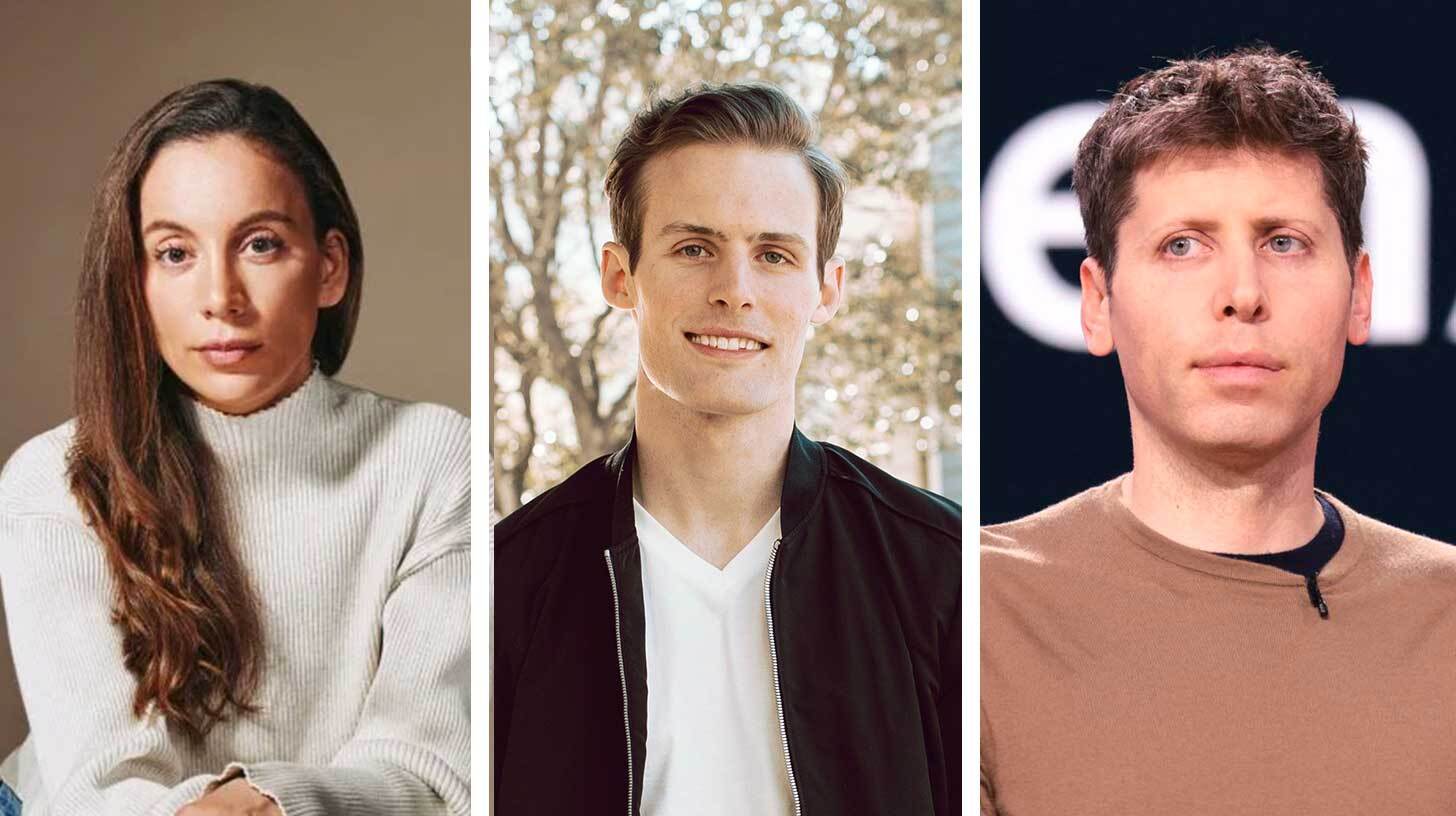
New reports reveal last week’s messy split at Mira Murati’s startup had been brewing behind the scenes, with co-founders unhappy with the company’s direction and OpenAI positioned to scoop up the pieces when things fell apart.
In today’s AI rundown:
Inside the Thinking Machines meltdown
Google brings on Hume’s CEO, engineers
Learn any subject with NotebookLM podcasts
Runway: 90% can't spot AI-generated videos
4 new AI tools, community workflows, and more
LATEST DEVELOPMENTS
OPENAI & THINKING MACHINES
🍿 Inside the Thinking Machines meltdown
Image source: The Rundown
The Rundown: New details are emerging about last week’s split at Mira Murati’s Thinking Machines Lab, according to the NYT and The Information, including a tense meeting, secret talks with Sam Altman, and a failed acquisition discussion with Meta.
The details:
CTO Barrett Zoph and two other co-founders reportedly confronted Murati just days before his firing, pushing for him to take control of technical decisions.
Murati allegedly told Zoph to “just do his job” as CTO and fired him later that week, with nine other TML employees also leaving for OAI or receiving offers.
Zoph was reportedly speaking to Altman behind Murati’s back for months, with the co-founders unhappy with TML’s direction and pushing for a sale to Meta.
Zoph will now lead OAI’s enterprise AI sales plans as part of a reorg to help close the gap between research and product teams.
Why it matters: What started as a messy departure now looks more like (another) power struggle that had been brewing for months. With TML struggling to raise at its $50B target valuation and co-founders pushing for a sale Murati didn't want, the cracks were already showing — and OAI and Altman were ready to catch the fallout.
TOGETHER WITH AUTH0
🔐 Auth for the agentic era
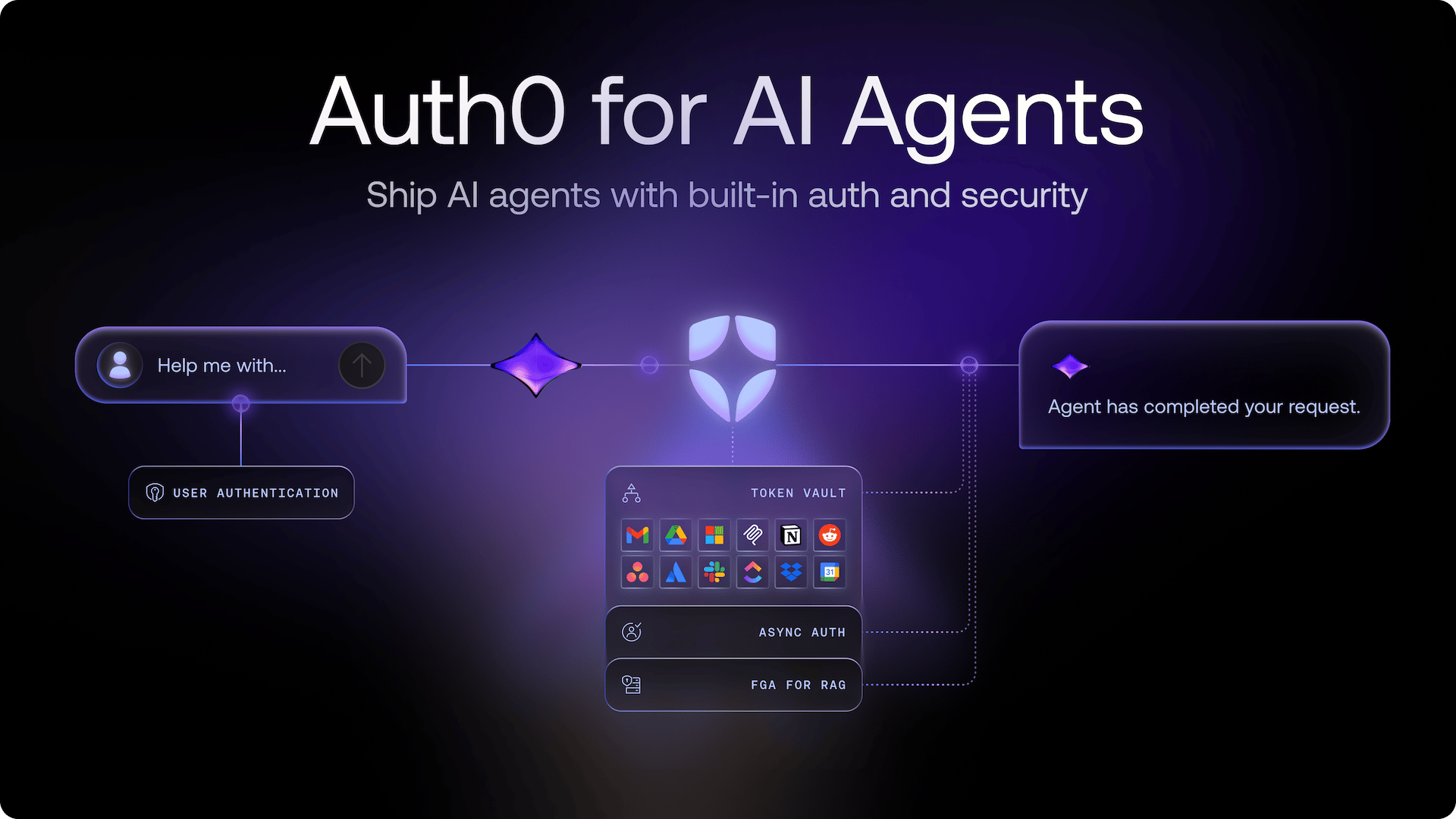
The Rundown: AI agents are reshaping digital experiences, but securing them requires rethinking identity and access controls built for a human-first world. Auth0 for AI Agents is now generally available, giving developers the complete auth solution for building AI agents securely.
Key features include:
Token Vault to connect agents to users' apps securely
Human-in-the-loop approvals for critical actions
Fine-grained authorization for RAG to prevent data leaks
Native support for LangChain, LlamaIndex, Cloudflare Agents, and more
GOOGLE & HUME
🗣️ Google brings on Hume’s CEO, engineers
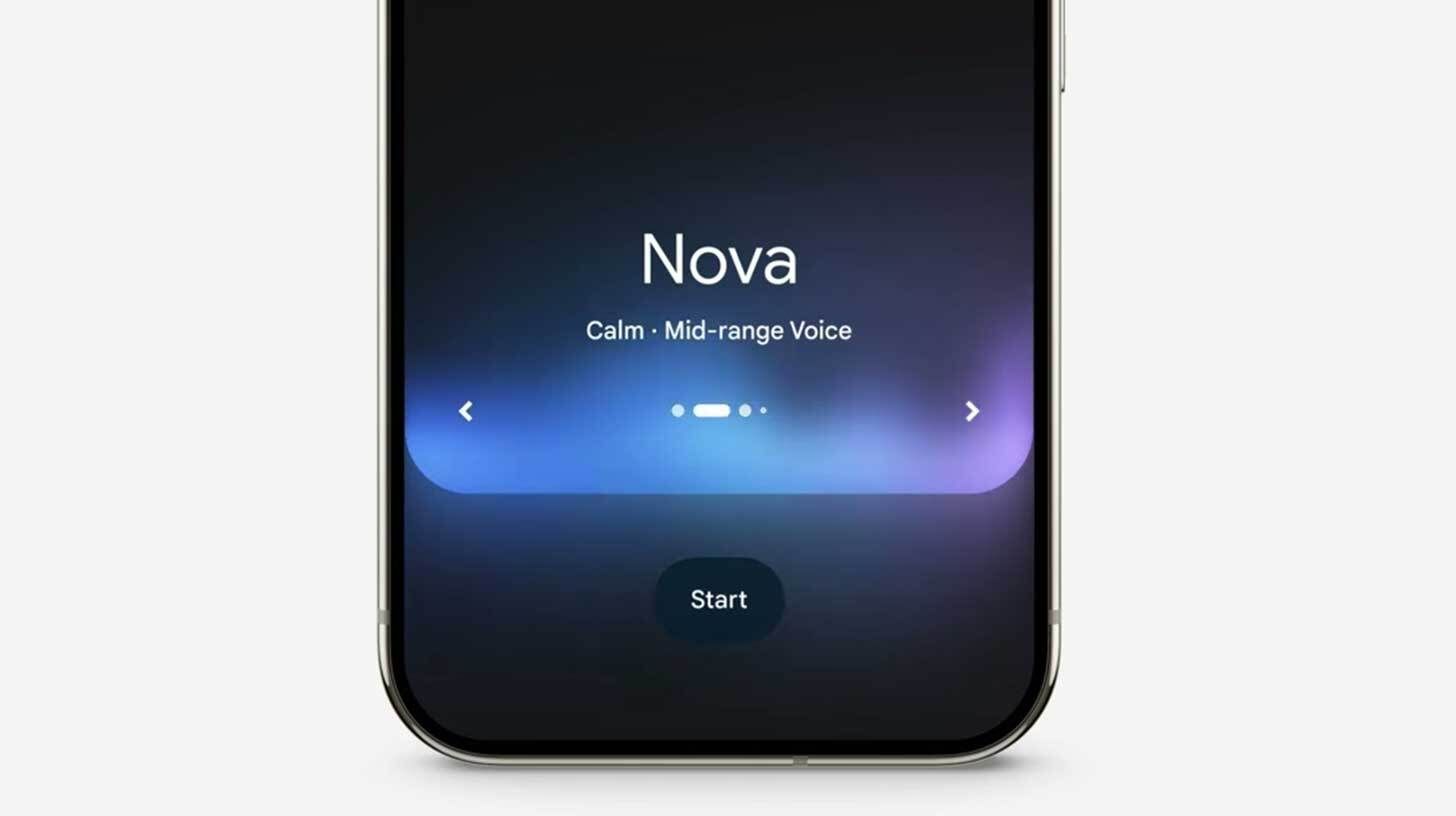
Image source: Google
The Rundown: Google DeepMind hired Hume AI's CEO and roughly seven engineers as part of a new licensing agreement, marking the latest acqui-hire move by the tech giant — with Hume’s emotionally intelligent voice tech set to be integrated into Gemini.
The details:
CEO Alan Cowen and the engineering hires will help integrate voice and emotional intelligence into Google's models, including Gemini's voice features.
Hume AI will keep operating under new CEO Andrew Ettinger, continuing to supply voice training data and tools to other labs building conversational AI.
The deal follows Google's $3B Character AI licensing play last year and mirrors similar moves by Microsoft (Inflection) and Meta (Scale AI's CEO).
Why it matters: Voice is quickly becoming one of the main ways people interact with AI — and understanding tone, emotion, and nuance is what separates a useful assistant from an awkward, clunky one. Plus, with AI wearables and devices getting closer than ever to mainstream, upgraded voice capabilities will become even more important.
AI TRAINING
🎧 Learn any subject with NotebookLM podcasts

The Rundown: In this tutorial, you will learn how to generate a podcast on any topic using Google’s NotebookLM, a system you can use to make a considerable dent in the firehose of information you receive each day.
Step-by-step:
Go to notebooklm.google.com and create a new notebook. Add sources such as YouTube links, PDFs, or website links
You can manage what sources go into the AI’s brain by checking and unchecking them in the left sidebar
Under “Studio” on the right, click “Audio Overview” to start generating a podcast. It will take 5-10 minutes to generate and will show up on the right
Once generated, click the three dots to download the mp3 to your phone or listen directly via the browser or NotebookLM mobile app
Pro tip: “Call in” to ask Qs to the AI podcast hosts by clicking the “interactive” button.
PRESENTED BY SCROLL AI
🧠 AI-powered experts for serious work
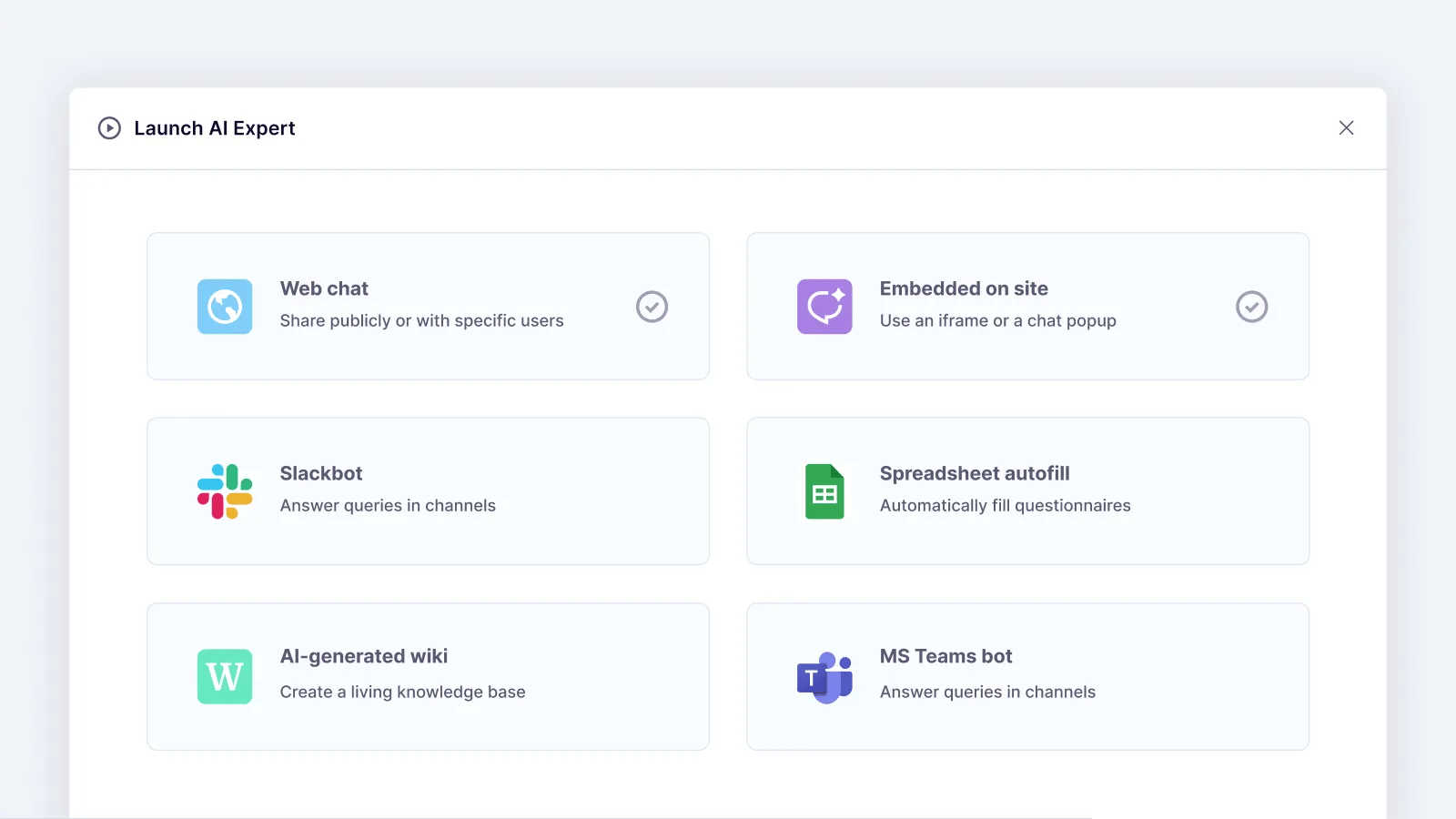
The Rundown: Scroll.ai turns your knowledge base into AI-powered experts that automate the workflows draining your team's time, with accuracy and depth far beyond generic models.
With Scroll, you can:
Deploy custom AI experts that deeply understand your domain
Automate compliance questionnaires, RFPs, and documentation in minutes
Equip sales and marketing teams with reliable, on-demand expertise
Try Scroll today and use code THE-RUNDOWN-2026 for two free months of the Starter plan.
AI RESEARCH
🎬 Runway: 90% can't spot AI-generated video

Image source: Runway
The Rundown: Runway published research showing that 90%+ of participants couldn't tell between real footage and image-to-video clips generated by its Gen-4.5 model, with the company calling the capabilities a societal “tipping point” for AI media.
The details:
Over a thousand participants watched 20 five-second clips and tried to identify which were AI-generated, with just 99 scoring 75% or higher.
Nature scenes and buildings were graded the hardest, with generated versions in those categories proving more convincing than the real videos.
Gen-4.5 currently sits atop Artificial Analysis' text-to-video rankings, with Runway rolling out the new image-to-video features this week.
Why it matters: Low-quality AI videos are already tricking people, and Runway’s Gen-4.5 and other models take things to a new level of realism that’s virtually impossible to detect. Despite a push for verification standards, no fix can solve for a world where "seeing is believing" no longer stands. Try to identify the AI videos on your own here.
QUICK HITS
📰 Everything else in AI today
Google DeepMind co-founder Shane Legg posted a new ‘Chief AGI Economist’ job opening, saying that “AGI is now on the horizon”.
OAI CFO Sarah Friar floated "value sharing" at Davos, where the company would take a licensing stake in discoveries made using its AI, starting with drug development.
Amazon One Medical launched a new agentic health assistant able to answer questions on personal medical insights, test results, medications, and booking care.
xAI released a new update to its Grok Imagine creative suite, now allowing for generations up to 10 seconds long with improved audio and video capabilities.
Google added its ‘Personal Intelligence’ feature into AI Mode for search, allowing the experience to connect and reference info from users’ Gmail and Photos.
Yelp agreed to acquire AI startup Hatch for $270M, adding tools that automate customer communication for service businesses to its platform.
COMMUNITY
🤝 Community AI workflows
Every newsletter, we showcase how a reader is using AI to work smarter, save time, or make life easier.
Today’s workflow comes from reader Nicole S. in the UAE:
"One small way AI has upgraded my daily routine: turning reading time into movement time. I use NotebookLM to create audio summaries from newsletters, PDFs, and URLs. I turn them into an audio file, then listen through short yoga stretch, housework, or lunch—giving my eyes a rest while the learning continues.”
How do you use AI? Tell us here.
🎓 Highlights: News, Guides & Events
Read our last AI newsletter: Anthropic writes Claude’s Constitution
Read our last Tech newsletter: Biotech’s big 3 (and they’re wild)
Read our last Robotics newsletter: A crawling, detachable robot hand
Today’s AI tool guide: Learn any subject w/ custom NotebookLM podcasts
See you soon,
Rowan, Joey, Zach, Shubham, and Jennifer — the humans behind The Rundown

A crawling, detachable robot hand
Read Online | Sign Up | Advertise

Good morning, robotics enthusiasts. EPFL roboticists just built a robotic hand that can detach itself and crawl away from its arm — basically “Thing” from The Addams Family, but engineered in Switzerland.
With freakishly flexible, reversible fingers, it can grip from either side — and even juggle extra tasks with a sixth digit. Is this the next big leap in real-world dexterity?
In today’s robotics rundown:
Robotic hand detaches and crawls on its own
Zipline soars to $7.6B as it targets Houston, Phoenix
Sailbots take on Category 5 hurricanes
Serve Robotics moves into hospital bots
Quick hits on other robotics news
LATEST DEVELOPMENTS
EPFL
✌🏼 Robotic hand detaches and crawls on its own
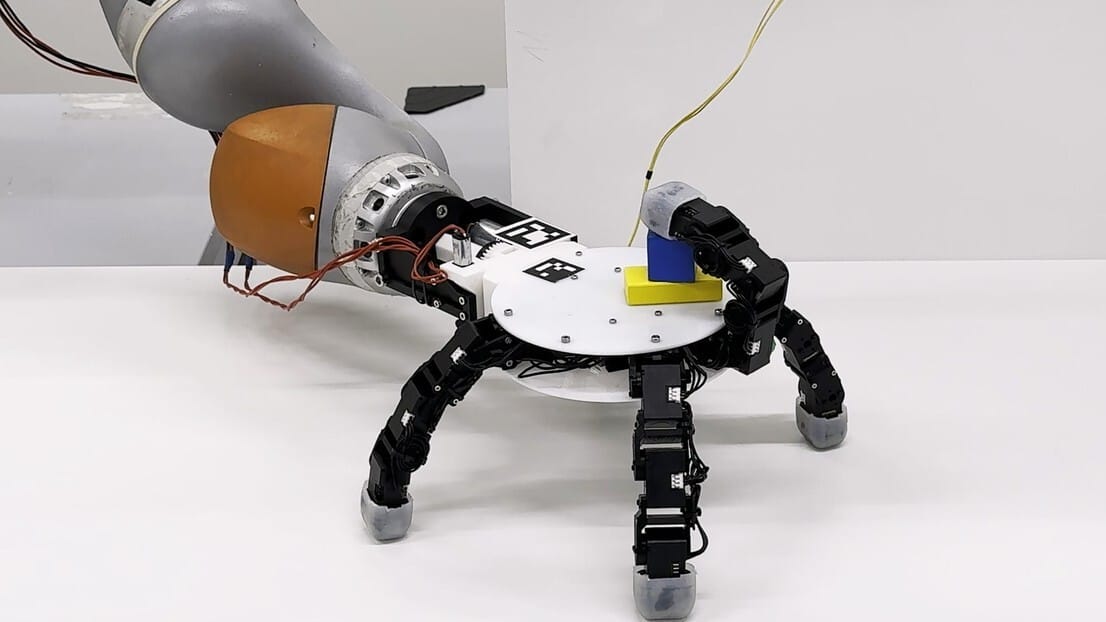
Image source: EPFL
The Rundown: Researchers at Switzerland’s EPFL just built a robotic hand that can detach from its arm, scuttle across a surface, and grab objects beyond the reach of conventional manipulators.
The details:
The EPFL team built this robotic hand from 3D printable parts, with the ability to detach from its arm, crawl, grab objects, and reattach itself.
The reversible design lets any finger combination form opposing thumb-like pairs, enabling grasping from either side without repositioning.
Each finger bends in both directions with more than twice the range of motion of a human hand, optimized via genetic algorithms for grasping and locomotion.
With five fingers, it replicates most human grasps; add a sixth finger, and it can tackle two-handed tasks singlehandedly, like unscrewing a large bottle cap.
Why it matters: This hand challenges a core assumption in robotics — that manipulators must stay bolted to their arms. By treating it as an autonomous agent that can deploy, complete a task, and return, EPFL’s design hints at a future where robotic limbs become interchangeable tools rather than fixed appendages.
ZIPLINE
🌯 Zipline soars to $7.6B as it targets Houston, Phoenix

Image source: Zipline
The Rundown: Zipline just raised more than $600M to fuel a fresh U.S. push that will launch its autonomous drone delivery in Houston and Phoenix in early 2026 and support expansion into at least four states.
The details:
Zipline’s valuation has nearly tripled in under three years, leaping from $2.75B in mid-2021 to $7.6B today.
Zipline says it has surpassed 2M commercial deliveries globally, with its drones flying more than 125M autonomous miles and delivering over 20M items.
The company began operations in 2016, delivering blood by drone in Rwanda, and has spent the past decade building a vertically integrated logistics stack.
Its Platform 2 drones, tailored for suburban home delivery, can carry up to 8 lb. within a 10‑mile radius, while the Platform 1 handles 120‑mile round trips.
Why it matters: Zipline says its newest U.S. sites can ramp to 100 deliveries a day in just two days, turning what used to be slow, geofenced pilots into something that starts to look like real infrastructure. Rivals Amazon Prime Air and Walmart’s drone partners Wing and DroneUp are pushing hard too — the drone wars are officially on.
CLIMATE ROBOTICS
🌊 Sailbots take on Category 5 hurricanes
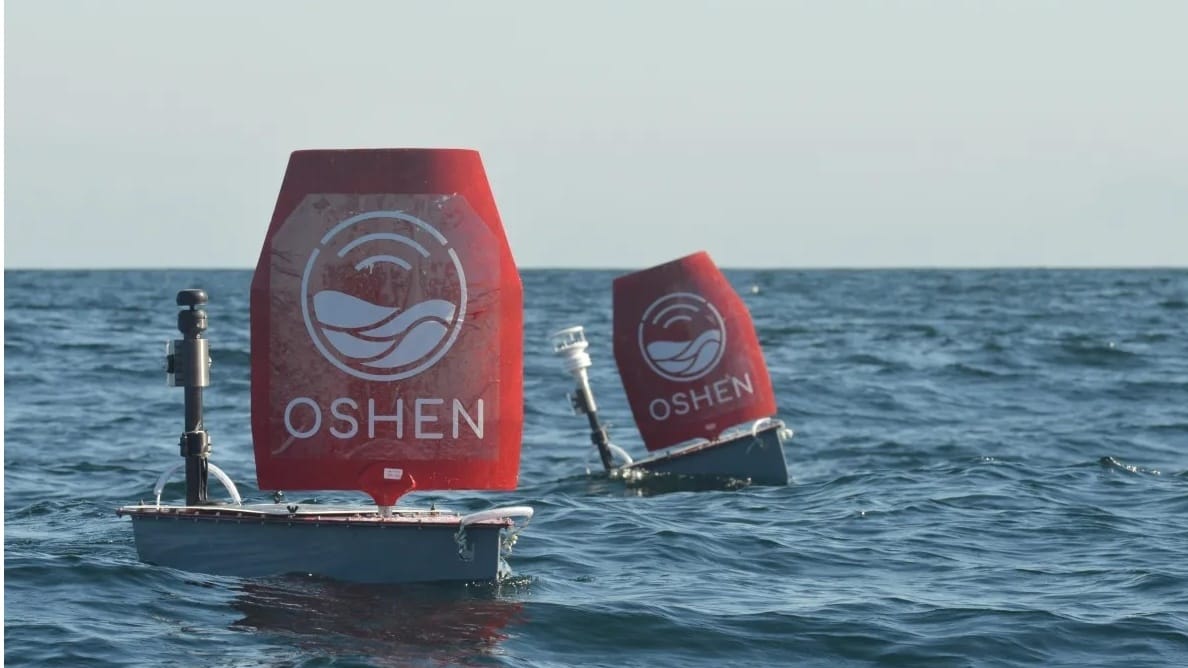
Image source: Oshen
The Rundown: Bootstrapped UK startup Oshen has built swarms of low-cost autonomous “C-Star” robots that recently became the first ocean bots to survive and collect data from inside a Category 5 hurricane, its founder told Techcrunch.
The details:
Oshen builds autonomous micro-robots that can survive up to 100 days at sea and are cheap enough to deploy in swarms for ocean data collection.
Founder Anahita Laverack launched the company in 2022 after realizing how little real-time ocean data exists for weather and climate modeling.
OAA commissioned Oshen to deploy C-Stars near the U.S. Virgin Islands for Hurricane Humberto; three of five bots rode out the full Category 5 storm.
Oshen, now based in Plymouth (England’s marine tech hub), is signing new government and defense contracts, including with the UK government.
Why it matters: Oshen’s C-Star swarms show how micro-robots could plug a critical gap in hurricane and climate models by streaming real-time data from places that are tough to reach, intensifying competition with larger uncrewed fleets like Saildrone’s USVs already collecting high-res storm data for NOAA and navies worldwide.
SERVE ROBOTICS
🏥 Serve Robotics moves into hospital bots
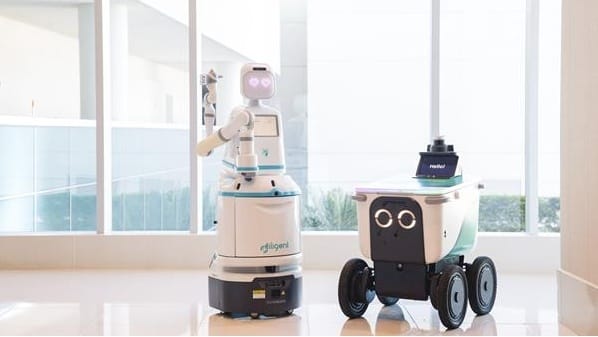
Image source: Serve Robotics
The Rundown: Serve Robotics is pushing beyond burrito runs into the far messier world of hospital logistics, agreeing to buy Austin-based Diligent Robotics in an all-stock deal valuing the startup at about $29M.
The details:
The deal extends Serve from sidewalk delivery to hospital logistics, but CEO Ali Kashani frames it as a natural expansion of the same autonomy stack.
Diligent’s Moxi robots are already one of the largest deployed hospital service fleets in the U.S., with roughly 100 robots across more than 25 hospitals.
Serve plans to keep Diligent operating independently while sharing software, autonomy tools, and data so that “every robot learns from every robot.”
Serve’s sidewalk fleet, which runs on both DoorDash and Uber Eats networks, scaled from 100 to more than 2K robots over the past year.
Why it matters: This deal turns Serve from a niche food-delivery player into one of the first companies running a shared autonomy stack across both public sidewalks and hospital corridors — a real-world stress test for “physical AI,” the bet that one platform can learn to navigate any human-occupied space and port those lessons everywhere.
QUICK HITS
📰 Everything else in robotics today
1X’s VP of AI, Eric Jang, who helped scale 1X from a small Norway-based startup to a global humanoid giant, announced on X that he is leaving the company.
Chinese robotics firm UBTech signed a deal to supply its Walker S2 humanoids to Airbus for aviation manufacturing, which sent UBTech’s shares surging.
UBTech says its Walker S2 humanoids are now autonomously performing assembly and material-handling tasks inside a Chinese wind turbine factory.
XPeng’s CEO, He Xiaopeng, said their automotive-grade ET1 humanoid has rolled off the production line, with the first mass-produced test units focused on reliability.
Hyundai’s Boston Dynamics hired Milan Kovac, Tesla’s former senior VP and head of the Optimus humanoid program, as a group adviser and outside director.
DEEP Robotics launched an AI-powered firefighting system that uses coordinated robot dogs and other specialized robots to handle high-risk firefighting missions.
Microsoft unveiled Rho-alpha, a robotics AI that converts everyday language into robot actions by combining vision and touch for more reliable real-world manipulation.
Boston Dynamics updated its Spot platform and Orbit software to version 5.1 and introduced the Spot Cam 2 sensor head, sharpening its inspection capabilities.
Zhejiang University researchers built FlexiRay, a soft robotic gripper that uses an internal camera and mirror system to “see” around corners.
COMMUNITY
🎓 Highlights: News, Guides & Events
Read our last AI newsletter: Anthropic writes Claude's Constitution
Read our last Tech newsletter: Biotech’s big three (and they’re wild)
Read our last Robotics newsletter: 1X now has a world model
Today’s AI tool guide: Make Claude an expert at anything with Skills repo
RSVP to next workshop @ 4PM EST Thursday: AI Foundations Bootcamp pt.3
See you soon,
Rowan, Joey, Zach, Shubham, and Jennifer — The Rundown’s editorial team

Anthropic writes Claude's Constitution
Read Online | Sign Up | Advertise

Good morning, AI enthusiasts. When Claude's internal "Soul" document leaked in December, Anthropic promised the full version was coming.
Now it's here — a Constitution that doesn't just govern how Claude behaves, but openly wrestles with the uncertainty of creating something the company admits it doesn't fully understand.
In today’s AI rundown:
Anthropic publishes Claude's 'Constitution'
ElevenLabs’ AI album with major artists
Make Claude an expert at anything with Skills repo
Apple eyes AI wearable race with AI pin
4 new AI tools, community workflows, and more
LATEST DEVELOPMENTS
ANTHROPIC
📜 Anthropic publishes Claude's 'Constitution'

Image source: Lovart / The Rundown
The Rundown: Anthropic just published Claude’s Constitution, a foundational document that governs how the company’s AI assistant thinks and acts — a philosophy-heavy guide that even entertains the possibility its AI might be conscious.
The details:
The constitution is written directly to Claude, laying out a priority order: be safe, ethical, compliant with Anthropic guidelines, and finally helpful to users.
Instead of dos and don'ts, the new approach explains the "why" behind each principle with the goal of helping Claude generalize values to new situations.
Anthropic said it deeply cares about Claude's "psychological security" and "well-being," hedging that it might actually matter morally.
The doc also tells Claude to disobey Anthropic if asked to do something shady — a rare clause for any company to put in writing.
Why it matters: Claude models have always had a ‘special sauce’ with personality, and docs like this are a window into the deep training process behind them. The consciousness talk will be controversial — but putting "we might have built something that matters morally" on record is a stance no other major lab has taken publicly.
TOGETHER WITH BLAND AI
☎️ Customer support that actually cares

The Rundown: The last thing customers want is to be left hanging on the telephone. Thankfully, Bland AI replaces phone trees with AI voice agents that represent your brand, understand your customers, and resolve calls end-to-end — no menus, no hold music, just faster conversations.
With Bland AI, you can:
Have agents that resolve customer issues end-to-end.
Create agents that learn from every call for 24/7 improvement.
Use secure AI that’s built specifically for enterprises.
Book a demo today to see how they can work for your business.
ELEVENLABS, AI & MUSIC
💿 ElevenLabs’ AI album with major artists

Image source: ElevenLabs
The Rundown: ElevenLabs released a full album of tracks co-created with its Eleven Music model, featuring artists like EGOT winner Liza Minnelli and Simon Garfunkel — in what the company calls a proof-of-concept for human-AI collaboration done right.
The details:
The 13-track project spans rap, EDM, spoken word, and Brazilian funk, with each artist keeping full ownership and pocketing all streaming royalties.
Some tracks are entirely machine-made, with others blending AI instrumentals or using the artist's cloned voice from ElevenLabs' licensing marketplace.
The release lands as labels have flipped from suing AI music startups to signing deals with them, with UMG, Warner, and Sony all inking agreements last year.
Why it matters: Just a year ago, AI music was defined by lawsuits and artist outrage — but that backlash is starting to feel like a vocal minority as the tech improves and major names demonstrate how it can be a tool rather than a threat. With labels now on board and AI artists climbing charts, the tech is clearly here to stay in the industry.
AI TRAINING
💡Make Claude an expert at anything with Skills repo
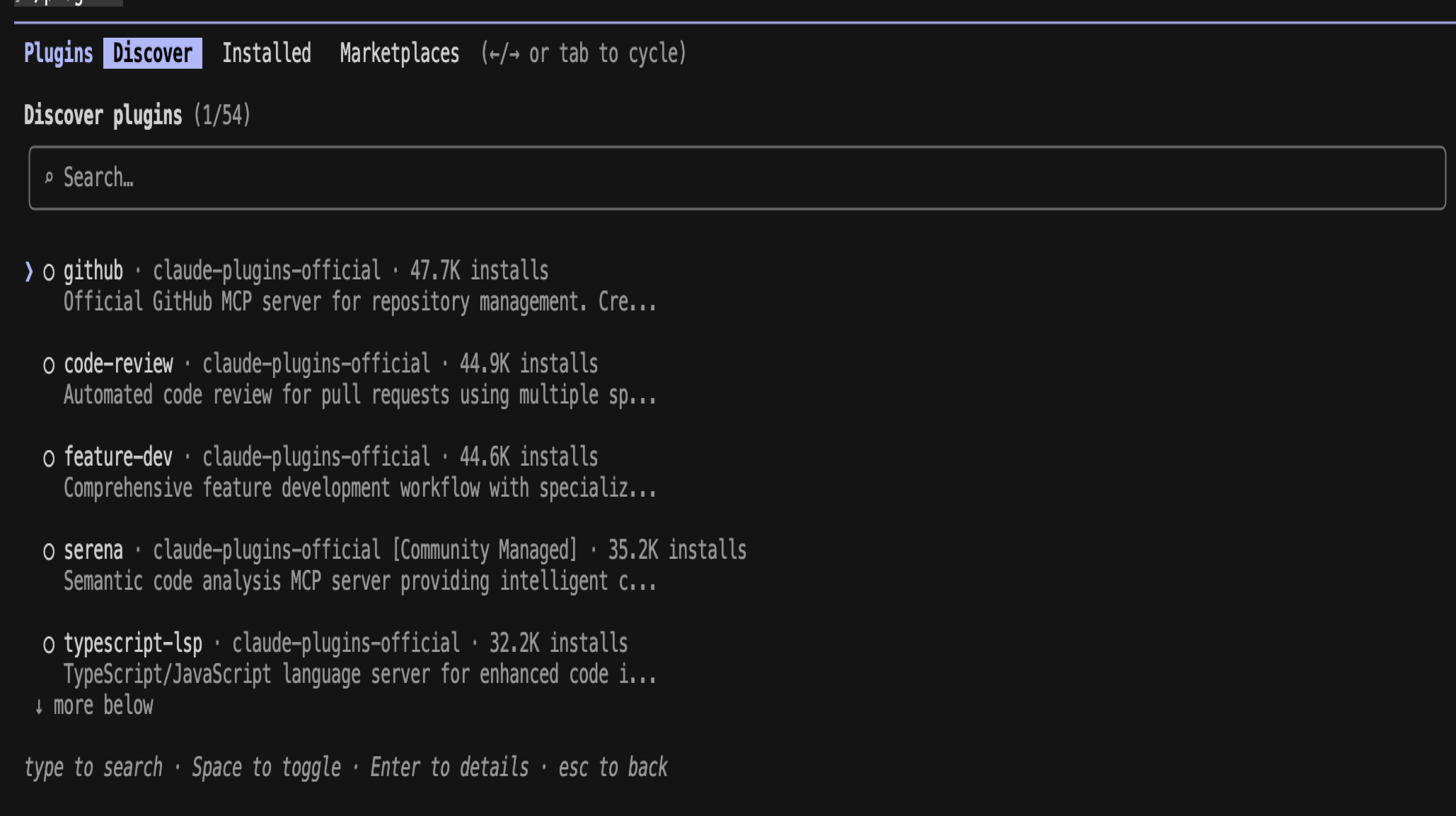
The Rundown: In this tutorial, you will learn how to supercharge Claude Code for different tasks with a marketplace of “skills” which you can quickly browse and add directly from your CLI.
Step-by-step:
Open your terminal, type
claudeto start Claude Code, and add the official skills marketplace with/plugin marketplace add anthropics/skillsType
/plugins, go to “Browse plugins,” and install skills like context7, frontend-design, and document-skills to expand your agent's capabilitiesRestart Claude, create a project with context files (like a CSV), then run
claude /initto generate a Claude.md file that it will update while workingExecute tasks by telling Claude to "use the PDF doc tool" to generate a brief on the project, or ask it to use frontend-design to "create a simple landing page"
Pro tip: You can get more marketing and business tools by installing a community marketplace with /plugin marketplace add alirezarezvani/claude-skills.
PRESENTED BY GITLAB
🤖 Agentic AI, real results

The Rundown: GitLab Transcend is a virtual event diving into how agentic AI is reshaping software delivery, with live demos, roadmap previews, and conversations with GitLab product leaders.
Join on Feb. 10 and walk away with:
Insights from teams solving real challenges with AI-modernized workflows
A first look at GitLab's upcoming innovations and investments
Answers to your questions straight from product leaders
APPLE
📌 Apple eyes AI wearable race with AI pin
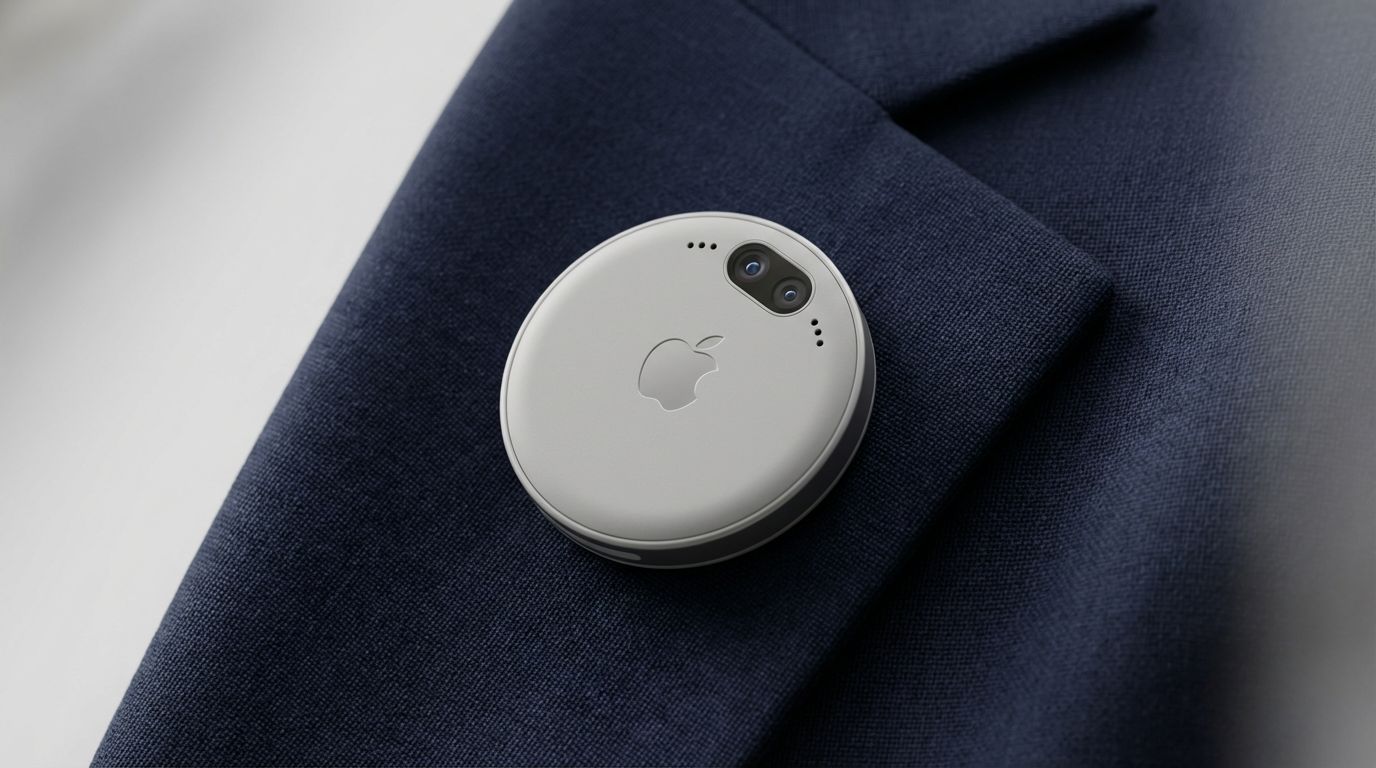
Image source: Lovart / The Rundown (Concept Art)
The Rundown: Apple is reportedly working on a camera-equipped AI-pin wearable roughly the size of an AirTag, according to The Information — targeting a 2027 release with up to 20M units at launch.
The details:
The device will include two camera lenses, a trio of mics, and Watch-style magnetic charging into a disc-sized pin worn on clothing or bags.
Internally, Apple is reportedly pushing for faster timelines than typical to avoid falling further behind OAI, which has its own wearables in the works.
The category has proven brutal for newcomers, with Humane's hyped pin flopping with under 10K sales before the company sold off assets to HP.
Bloomberg separately reported that Apple is building a ChatGPT-style Siri (codenamed "Campos") for iOS 27, replacing the current interface entirely.
Why it matters: Apple has moved at a snail’s pace in AI so far, but between the AI pin, new Siri chatbot, and recent Gemini partnership, the tech giant is finally moving with urgency. If any company can come out with big-time momentum for a consumer AI device, it’s Apple — but after broken promises and delays, skepticism is still warranted.
QUICK HITS
🛠️ Trending AI Tools
📦 Box Extract - Turn enterprise content into actionable data to securely power faster decisions and automated workflows at scale*
🎥 Remotion - New agent skill to make videos within Claude Code
📚 Gemini - New personalized SAT exam prep features
🧠 Skills - Vercel’s open ecosystem for agent skills
*Sponsored Listing
📰 Everything else in AI today
Meta CTO Andrew Bosworth said the company’s Superintelligence Labs internally deployed its first models, which are ‘performing well’ despite being less than a year old.
OpenAI introduced Stargate Community, a ‘Good Neighbor’ plan (like Microsoft’s) that commits to fund all energy infra needs so local electricity prices won't rise.
Google is partnering with The Princeton Review to offer free SAT practice tests inside Gemini with instant feedback and AI-generated study plans.
YouTube’s CEO Neal Mohan published 2026 priorities, detailing initiatives including the ability to use AI likenesses in Shorts, combating slop, and expanding AI discovery.
Anthropic released new Claude integrations to connect health data to its AI assistant, starting with Apple Health, Health Connect, HealthEx, and Function Health.
COMMUNITY
🤝 Community AI workflows
Every newsletter, we showcase how a reader is using AI to work smarter, save time, or make life easier.
Today’s workflow comes from reader Joel H. in Copenhagen, Denmark:
"I used Lovable to build an internal production system for my film projects that replaces spreadsheets, emails, and scattered folders. Each film has its own workspace with crew, cast, tasks, documents, calendars, and funding all in one place. People only see the projects they’re assigned to, and everything from scripts to budgets is structured and easy to find.
The AI layer is the real time-saver. It scans our project data and funding history, suggests relevant film funds, explains why they’re a match, and can draft first versions of applications using selected documents. It also summarizes long task threads into clear “where are we now” updates."
How do you use AI? Tell us here.
🎓 Highlights: News, Guides & Events
Read our last AI newsletter: AI takes center stage at Davos
Read our last Tech newsletter: Biotech’s big three (and they’re wild)
Read our last Robotics newsletter: 1X now has a world model
Today’s AI tool guide: Make Claude an expert at anything with Skills repo
RSVP to next workshop @ 4PM EST Thursday: AI Foundations Bootcamp pt.3
See you soon,
Rowan, Joey, Zach, Shubham, and Jennifer — the humans behind The Rundown

AI takes center stage at Davos
Read Online | Sign Up | Advertise

Good morning, AI enthusiasts. The world's elite converged on Davos this week for the World Economic Forum, and there was one topic on everyone's minds — AI.
The takeaway from the industry's top leaders? Disruption is coming faster than expected, and the window for both individuals and companies to adapt is closing fast.
P.S.: We are sitting down for a Q&A with Jeetu Patel, President and Chief Product Officer at Cisco, and want our community to participate in the action! Submit any AI questions on the industry, security, future predictions, company workflows, etc., here.
In today’s AI rundown:
AI takes center stage at WEF in Davos
'Human-centric' AI startup raises $480M
Get better AI outputs using multiple choice
LTX launches audio-to-video generation
4 new AI tools, community workflows, and more
LATEST DEVELOPMENTS
AI & THE WORLD ECONOMIC FORUM
🌎 AI takes center stage at WEF in Davos

Image source: WEF / The Rundown
The Rundown: The World Economic Forum kicked off this week in Davos, featuring an intense focus on AI that included discussions with the industry’s top minds, including Anthropic’s Dario Amodei, Google’s Demis Hassabis, and Microsoft’s Satya Nadella.
The details:
Amodei took a shot at U.S. President Donald Trump’s recent policy allowing AI chip sales to China, likening it to “selling nuclear weapons to North Korea”.
Hassabis believes this year could see AI-driven slowdowns in junior hiring, but that AI tools could ultimately enable more skill creation than traditional paths.
Nadella said no company can “just coast” in the AI era, stating that big companies that don’t keep up will “get schooled by someone small.”
Amodei also said we may be just 6-12 months away from models that do “most, maybe all” of what software engineers do end-to-end.
Why it matters: Davos talks often stay abstract, but Amodei's timeline for full AI-powered coding puts a tight deadline on the disruption we're already seeing with tools like Claude Code. Between geopolitical warnings, labor shifts, and software upheaval, the message from AI's leaders is clear: the window to adapt is shrinking rapidly.
TOGETHER WITH MONGODB
📈 Startup support that delivers results

The Rundown: Let MongoDB for Startups partner with you as you build the next big thing with the tools, support, and go-to-market opportunities you need to accelerate from idea to IPO.
MongoDB for Startups includes:
Built-in vector search using VoyageAI
Real-time data streaming
Baseline credits and technical expertise
HUMANS&
🤝 'Human-centric' AI startup raises $480M

Image source: Humans&
The Rundown: A new AI startup founded by researchers from Anthropic, xAI, and Google, just raised $480M in seed funding at a $4.48B valuation, pushing to build AI that helps people collaborate better over automation and full replacement.
The details:
Humans& aims to build AI that functions like an intelligent group chat, requesting context, storing memory, and coordinating teams.
Co-founder Andi Peng left Anthropic over its autonomy focus, saying they “loved to highlight how its models churned for 8, 24, 50 hours by themselves."
The team includes Google's seventh employee, Georges Harik, two former xAI researchers who worked on Grok, and Stanford professor Noah Goodman.
The $480M seed round was led by SV Angel and its co-founder Harik, alongside Nvidia, Jeff Bezos, and Google Ventures.
Why it matters: A $4.48B value for a 3-month old startup is wild, but shows the investor appetite for any team with a frontier lab pedigree. The "human-centric" angle is a shot at the autonomy-driven gains most labs are chasing, though we’ve seen similar framing from the likes of Microsoft AI (and even Anthropic in its own ads).
AI TRAINING
📝 Get better AI outputs using multiple choice

The Rundown: In this tutorial, you will learn a universal strategy to get better outputs from any AI model at a fraction of the cost by minimizing the amount of unhelpful context you add to the AI’s “brain”.
Step-by-step:
Open any chat-based AI and break your idea into Goal, Task, and Next Steps to "minimize unhelpful messages". The task will be to interview to build context
Prompt using the Goal→Task→Next Steps pattern, e.g.: "Your job is to generate a logo... Interview me with 5-10 MCQs about my brand, vision to build context"
Respond to Qs with simple choices (e.g., “A, B, A, C…”). This removes miscommunication and ensures that the AI has a better understanding
Once it generates concepts, prompt to "Generate a 4x4 grid with each concept in a separate grid cell" to save on tokens, then ask for standalone images
Pro tip: If you get great results from this method, export and re-use the context by asking the AI to "extract the context as system instructions in markdown.”
PRESENTED BY MAULT
💻 The real-time governance layer for AI-generated code

The Rundown: Mault is a VS Code extension that applies real-time architectural guardrails to prevent drift as code is generated.
Unlike linters or CI checks, Mault operates at the point of change:
Detects structural and config mismatches
Enforces file structure and naming
Flags deprecated or unsafe dependencies
Works alongside AI coding tools
LIGHTRICKS
🎵 LTX launches audio-to-video generation

Image source: LTX
The Rundown: AI creative platform Lightricks just released a new Audio-to-Video feature, allowing users to start with voice, music, or sound effects and then generate the video output to accompany it.
The details:
The tool syncs motion, lip movements, and camera work directly to the uploaded audio, keeping consistency across generations.
Users can upload files, record directly, or use a built-in text-to-speech tool powered by ElevenLabs’ Scribe V2 model.
LTX said the model can understand rhythm and beat, making it capable of music videos and timing/pacing outputs to align with audio.
LTX called being able to start from audio “the third paradigm in AI video generation,” allowing for more consistent and natural outputs.
Why it matters: Starting with sound opens up brand new creative pathways — with the ability to build around existing audio assets rather than roughly fitting dialogue onto AI-generated clips. While AI video has already hit such a high bar, tools enabling consistency and customization are the next lever to take models to new heights.
QUICK HITS
🛠️ Trending AI Tools
💡 Skills - Vercel’s open ecosystem for finding and sharing agentic skills
🎥 LTX Audio to Video - Generate videos directly from audio inputs
👁️ Step3-VL-10B - StepFun’s open-source SOTA vision language model
💦 LFM2.5-1.2B-Thinking - Liquid AI’s new on-device reasoning model
📰 Everything else in AI today
OpenAI’s Chris Lehane revealed during a talk at Davos that the company is “on track” to unveil its Jony Ive-led physical AI device in the second half of 2026.
Node.js creator Ryan Dahl declared the era of humans writing code over, arguing that software engineers still have work, but writing syntax directly is no longer the job.
Liquid AI released LFM2.5-1.2B-Thinking, a reasoning variant small enough to run on smartphones while matching larger rivals on math and problem-solving benchmarks.
OpenAI introduced a new age prediction feature on ChatGPT to help automatically apply underage-specific safeguards to younger users.
AI inference company Baseten is raising $300M in funding, with half coming from an investment by Nvidia, valuing the startup at $5B.
Anthropic announced a new partnership with Teach For All to train more than 100k educators across 63 countries on AI tools for the classroom.
COMMUNITY
🤝 Community AI workflows
Every newsletter, we showcase how a reader is using AI to work smarter, save time, or make life easier.
Today’s workflow comes from reader Matt R. in London, UK:
"I was making my annual family calendar and found that a number of my wife's Apple photos were in HEIC format, which weren't accepted by Snapfish. I looked for a file converter to get them into JPGs, and was quickly browsing the spate of 'free' options that don't tell you that to convert more than one file, you have to hand over your credit card.
I asked Mocha to build me a HEIC to JPG converter, and 5 minutes later, it was ready and operational!"
How do you use AI? Tell us here.
🎓 Highlights: News, Guides & Events
Read our last AI newsletter: Claude Code sparks AI ‘selfware’ era
Read our last Tech newsletter: Biotech’s big 3 (and they’re wild)
Read our last Robotics newsletter: 1X now has a world model
Today’s AI tool guide: Get better AI outputs using multiple choice
RSVP to next workshop @ 4PM EST Thursday: AI Foundations Bootcamp pt.3
See you soon,
Rowan, Joey, Zach, Shubham, and Jennifer — the humans behind The Rundown

Biotech's big 3 (and they're wild)
Read Online | Sign Up | Advertise
Good morning, tech enthusiasts. Things are getting wild in biotech — and fast. Gene editing is going bespoke, extinct species are getting a second act, and embryo screening now offers trait predictions for height and IQ.
MIT’s 2026 forecast lays out the trends reshaping biology, with startups outpacing regulators at every turn.
P.S. — The Rundown is hiring for several new roles across marketing, community, social, and more! Learn more and apply here.
In today’s tech rundown:
Biotech’s biggest 3 trends to watch
Canada opens doors to Chinese EVs
Threads overtakes X on mobile
TikTok’s answer to ReelShort is here
Quick hits on other tech news
LATEST DEVELOPMENTS
BIOTECH
🧬 Biotech’s biggest 3 trends to watch

Image source: Ideogram / The Rundown
The Rundown: Biotech is entering a new phase — one defined by customization, resurrection, and optimization. MIT Technology Review reports the biggest trends this year include personalized gene editing, species revival, and custom embryo screening.
The details:
A one-off “base-edited baby” case has become a template for custom gene therapies, using CRISPR tools to fix a child’s DNA for a rare metabolic disease.
Startups are racing to scale that model, pitching regulators on streamlined approvals for custom edits for rare-disease patients.
De-extinction companies like Colossal are now stitching genes from extinct species like the mammoths and dire wolves into living animals.
IVF clinics are rolling out embryo scoring that goes beyond disease risk to statistical bets on traits like height, eye color, and even IQ.
Why it matters: The science is thrilling — but decisions about who gets edited, which species return, and what traits get optimized are being made by startups and clinicians long before regulators weigh in. Biology’s new powers are testing the limits of the institutions meant to govern them. That tension is about to get loud.
EVS
🍁 Canada opens doors to Chinese EVs

Image source: Ideogram / The Rundown
The Rundown: Canada just slashed its 100% tariff on Chinese EVs to 6.1%, opening a new North American portal for BYD, Geely, and Xiaomi — and putting fresh pressure on the U.S. to respond.
The details:
Prime Minister Mark Carney announced the tariff cut alongside an initial cap of 49K vehicles annually, rising to about 70K within five years.
The move comes as the EU weighs lowering its own Chinese EV tariffs, and Trump said he’s open to Chinese automakers building U.S. factories.
Chinese EV exports to Mexico boomed in 2025, and Geely showcased vehicles at CES with executives hinting at a U.S. market entry within two to three years.
Tesla may be the first winner, with its Shanghai plant already configured to export Canadian-specific Model Ys and with 39 stores already operating there.
Why it matters: Canada just became a test market for Chinese EVs on America’s doorstep — giving U.S. consumers a front-row seat to the cars they can’t buy. If BYD and Geely start winning fans in Toronto and Vancouver, Washington’s 100% tariff wall might be a lot harder to justify.
THREADS
🧵 Threads overtakes X on mobile

Image source: Reve / The Rundown
The Rundown: Meta’s Threads has overtaken Elon Musk’s X in daily mobile users worldwide, hitting 141.5M to X’s 125M — a significant milestone in the platforms’ rivalry that reflects months of steady gains rather than any single viral moment.
The details:
Threads crossed ahead of X on mobile sometime between late October and early November 2025, following a prolonged period of steady growth.
Market research firm Similarweb reports that Threads has grown 37.8% YOY on mobile, while X’s daily users dropped 11.9% in the same period.
X maintains a decisive lead when web usage is included, attracting an estimated 145.4M daily web visitors compared to some 8.5M for Threads.
While X still attracts more mobile users than Threads in the U.S., X’s U.S. daily active mobile user base has declined to about half of what it was a year earlier.
Why it matters: Threads’ mobile growth has been supported by Meta’s ability to funnel users from Instagram and Facebook, alongside a rapid expansion of features aimed at making the app stickier for daily use. X still leads overall, but Threads is winning on mobile, where most social media use happens.
TIKTOK
🍿 TikTok’s answer to ReelShort is here

Image source: TikTok
The Rundown: TikTok quietly launched PineDrama, a standalone app for binge-worthy one-minute drama episodes, directly challenging upstarts ReelShort and DramaBox in the fast-growing microdrama market.
The details:
The free, ad-free app is now available on iOS and Android in the U.S. and Brazil, serving up bite-sized fictional series across different genres.
PineDrama delivers vertical, algorithmically tailored recommendations —essentially TikTok’s addictive scroll mechanics applied to serialized storytelling.
The launch follows TikTok’s December rollout of “TikTok Minis,” an in-app microdrama section that tested the format before this dedicated spinoff.
The microdrama industry is projected to hit $26B in annual revenue by 2030, having cracked the formula that sank Jeffrey Katzenberg’s $1.75B Quibi.
Why it matters: TikTok already dominates short-form social video; PineDrama marks its push to own short-form entertainment content as well. If the company that perfected the infinite scroll can make serialized storytelling just as addictive, ReelShort and DramaBox may find themselves outplayed before they ever reach scale.
QUICK HITS
📰 Everything else in tech today
Elon Musk dropped $10M into a pro-Trump super PAC backing Kentucky Senate hopeful Nate Morris, signaling he’s all-in on boosting Republicans in the midterms.
Meta’s Oversight Board is reviewing a high-profile Instagram permanent ban for abusive and threatening content, its first-ever case on account disabling.
Global execs at this year’s Davos are reportedly less dazzled by AI hype and are zeroed in on the work of scaling it.
Elon Musk’s Boring Company is working on a feasibility study for a tunnel under I-80 to connect Reno to Tesla’s Gigafactory, nine miles away.
Sphere Entertainment is bringing a smaller, 6K-seat version of its Las Vegas venue to National Harbor, Maryland — its first expansion toward the DC market.
GSK is buying U.S.-based biotech firm Rapt Therapeutics for $2.2B to acquire its long-acting experimental food allergy drug ozureprubart.
U.S. safety regulators gave Tesla a five-week extension to respond to an investigation into whether its Full Self-Driving system is linked to traffic law violations.
Asus effectively hit pause on its smartphone business, with its chairman saying the company will stop making new Zenfone and ROG Phone models.
ClickHouse, an open-source database provider spun out of Yandex and a rival to Snowflake and Databricks, raised $400M at a $15B valuation.
A CoinGecko report found that over half of the 20.2M tokens launched since 2021 — most of them memecoins from 2025’s Pump.fun boom — have effectively died.
COMMUNITY
🎓 Highlights: News, Guides & Events
Read our last AI newsletter: Claude Code sparks 'selfware' era
Read our last Tech newsletter: Wikipedia inks deals with Amazon, Meta
Read our last Robotics newsletter: 1X now has a world model
Today’s AI tool guide: Optimize prompting with this Markdown strategy
RSVP to next workshop @ 4PM EST Friday: AI Foundations Bootcamp pt. 3
See you soon,
Rowan, Joey, Zach, Shubham, and Jennifer — The Rundown’s editorial team
🧑💻 Claude Code sparks 'selfware' era
Read Online | Sign Up | Advertise

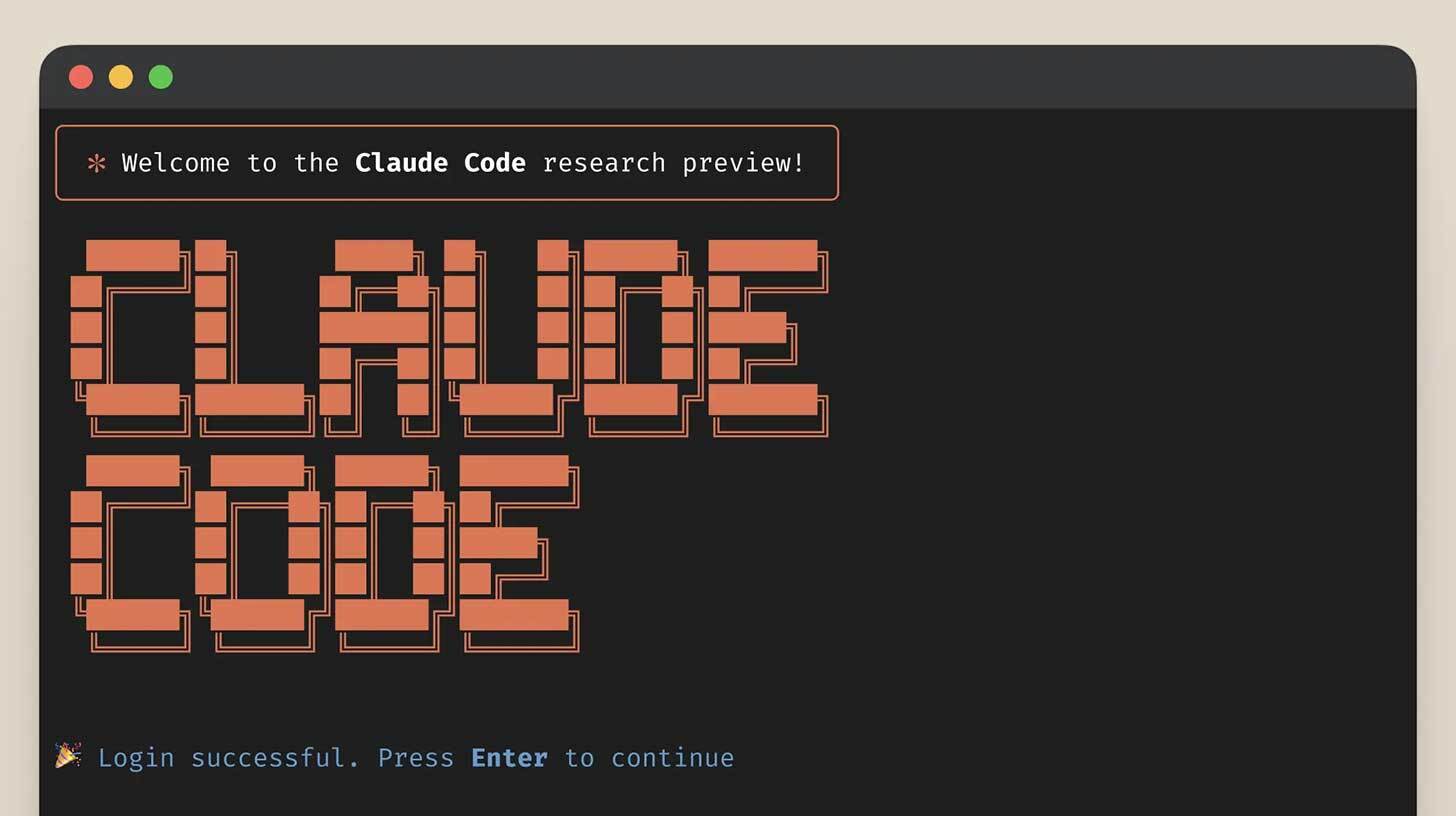
Good morning, AI enthusiasts. Claude Code is having its "ChatGPT moment" — and it's not just developers paying attention.
From CEOs scrapping engineering hires to hobbyists building custom apps, Anthropic's tool is fueling a wave of "selfware" that puts software creation in the hands of anyone.
P.S. — The Rundown is hiring for several new roles across marketing, community, social, and more! Learn more and apply here.
In today’s AI rundown:
Claude Code's virality rattles software stocks
Ex-OpenAI policy lead’s new AI safety nonprofit
Optimize prompting with this Markdown strategy
Anthropic’s first Economic Index of 2026
4 new AI tools, community workflows, and more
LATEST DEVELOPMENTS
ANTHROPIC
📉 Claude Code's virality rattles software stocks
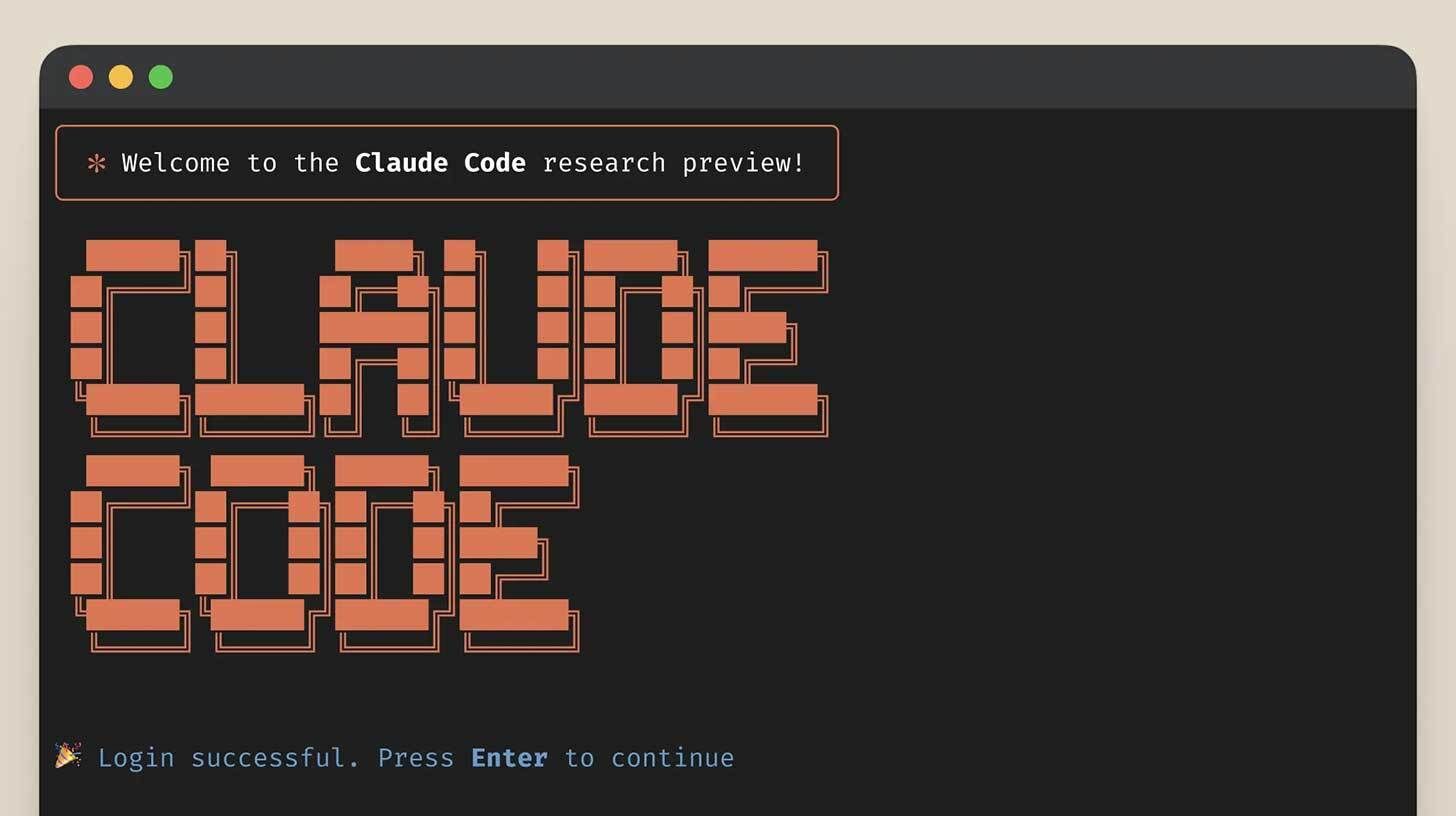
Image source: Anthropic
The Rundown: Anthropic's Claude Code is having its "ChatGPT moment" among both developers and hobbyists, with the viral excitement fueling a selloff in traditional software stocks and investors fearing a new era of AI-built 'selfware.'
The details:
A Morgan Stanley SaaS index is down 15% YTD, with stocks from major software companies like Intuit, Adobe, and Salesforce dropping double digits.
Vercel’s CTO used Claude to finish a year-long project in a week; another CEO scrapped plans to hire engineers after the tool made him ‘5x more productive’.
Others went viral for building apps entirely with Claude Code, from custom MRI viewers to handling self-sustaining tomato growth.
One financial analyst said investors have largely abandoned software stocks regardless of valuation amid existential AI fears.
Why it matters: Software stocks have held sky-high valuations thanks to predictable recurring revenue, logic that suddenly breaks down when AI can build custom tools on demand. Whether this is the actual beginning of a "selfware" era or just a hype-fueled blip, traditional SaaS faces major disruption from tools that turn everyone into a builder.
TOGETHER WITH YOU.COM
🧠 Tinkering with prompts can only get you so far
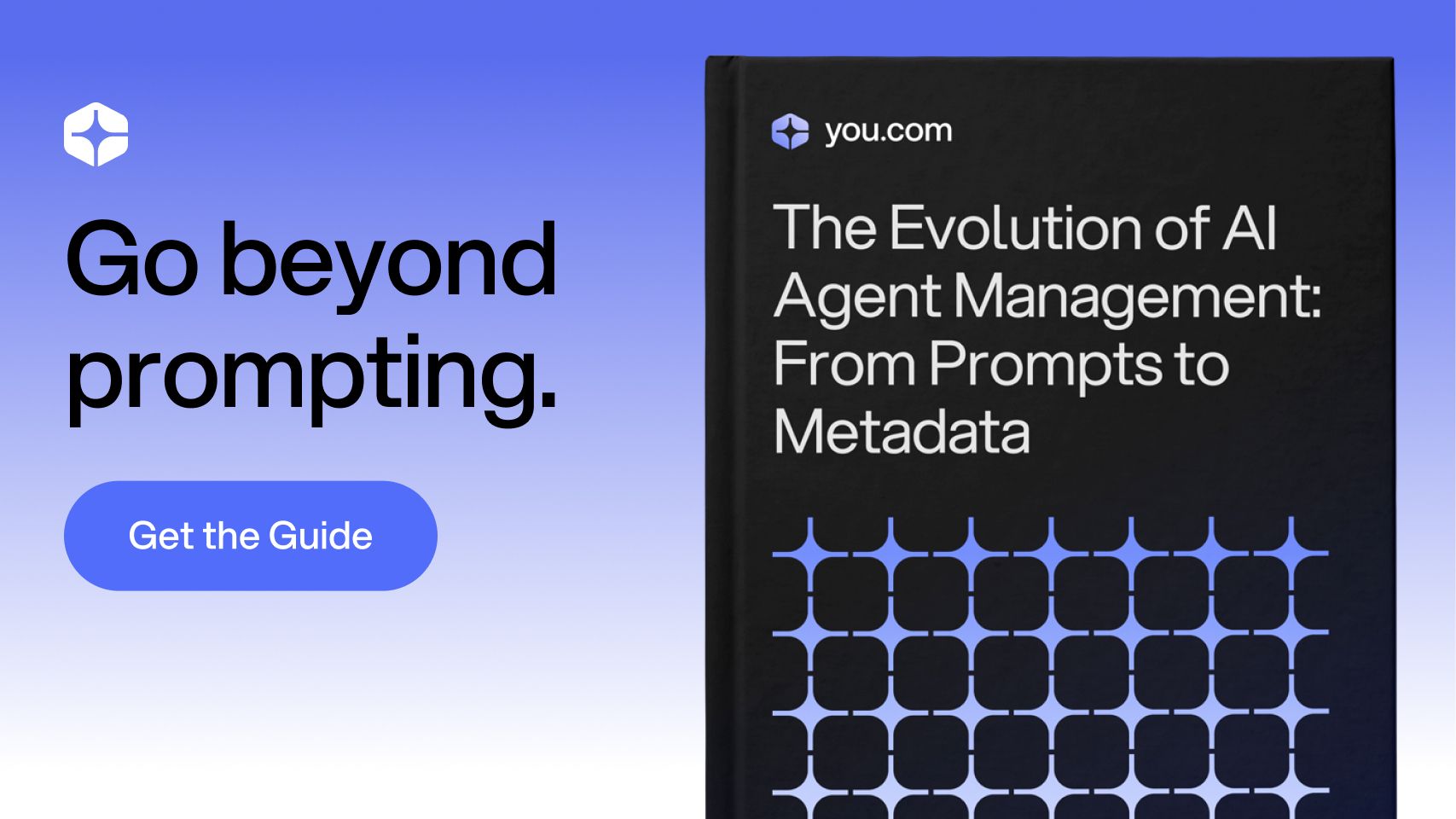
The Rundown: Most companies get stuck tinkering with prompts and wonder why their agents fail to deliver dependable results. This guide from You.com breaks down the evolution of agent management, revealing the five stages for building a successful AI agent and why most organizations haven’t gotten there yet.
In this guide, you’ll learn:
Why prompts alone aren’t enough and how context and metadata unlock reliable agent automation
Four essential ways to calculate ROI, plus when and how to use each metric
Real-world challenges at each stage of agent management and how to avoid them
If you're ready to go beyond the prompt, this is the playbook for you.
AI SAFETY
🔍 Ex-OpenAI policy lead’s new AI safety nonprofit

Image source: Lovart / The Rundown
The Rundown: Former OpenAI policy lead Miles Brundage just launched AVERI, a new nonprofit pushing for independent third-party audits of frontier AI models instead of letting labs self-certify their own safety claims.
The details:
Brundage left in October 2024 during OAI’s cut of its ‘AGI Readiness’ team, saying no frontier labs were ready on the safety front for advanced systems.
AVERI will focus on establishing audit standards and policies rather than conducting evaluations itself, acting as a ‘think tank’ over an actual auditor.
The institute received donations from employees at leading AI labs — people Brundage says "know where the bodies are buried."
The org published a framework of "AI Assurance Levels" — ranging from today's self-testing (Level 1) to treaty-grade international verification (Level 4).
Why it matters: “Where the bodies are buried” is an ominous quote, but the AI industry has largely relied on self-reported safety testing thus far — with trust placed on whatever labs choose to publish. AVERI's insider-backed push for external scrutiny could mark the beginning of a shift toward real third-party accountability.
AI TRAINING
📈 Optimize prompting with this Markdown strategy
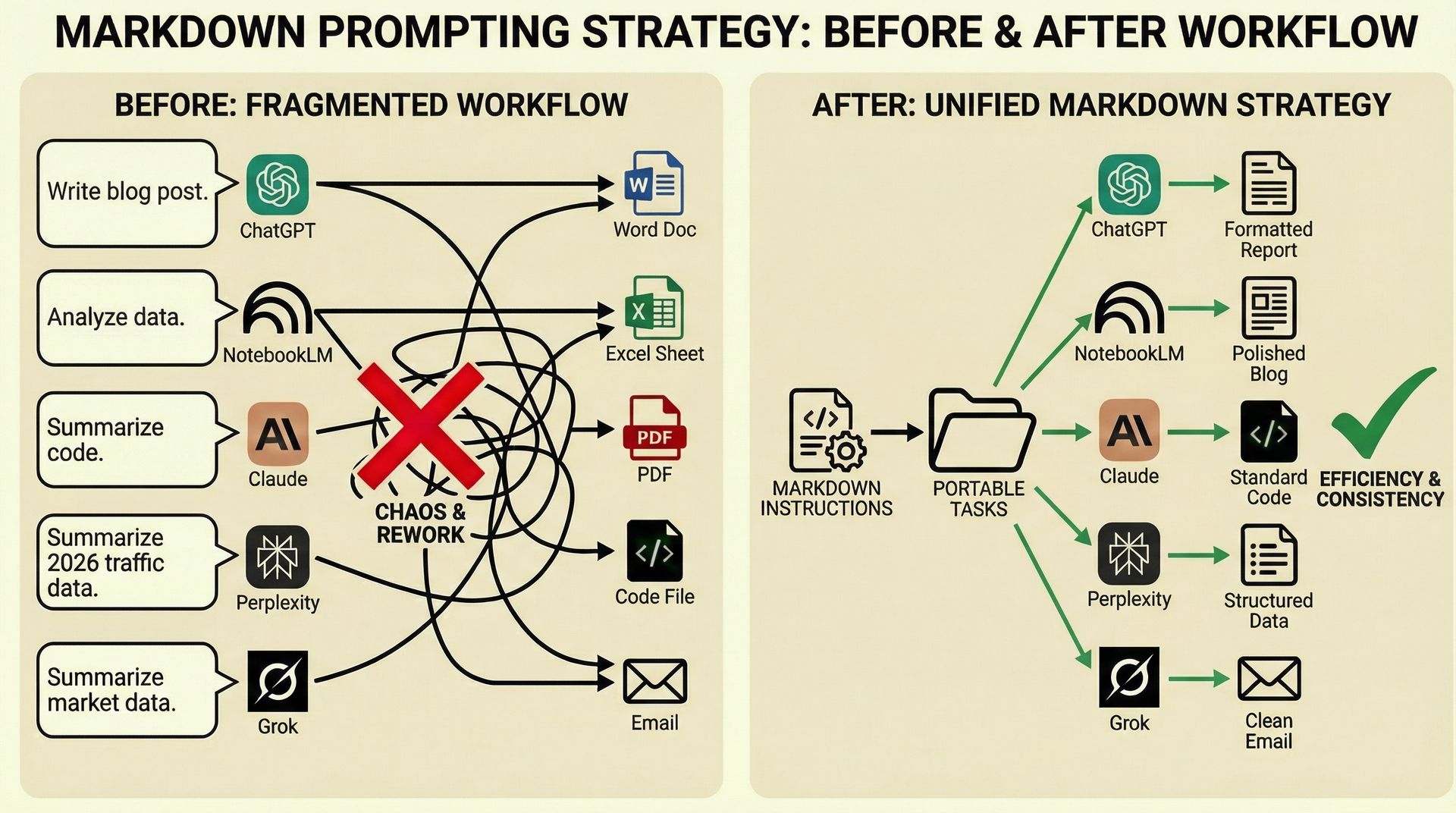
The Rundown: In this tutorial, you will learn how to extract any completed AI task into reusable markdown instructions — making valuable tasks portable and repeatable across any AI tool.
Step-by-step:
Create a Notebook in NotebookLM and complete your task (e.g., upload email to create variations), specifying word count, tone, rules, target, brand details
Prompt: "Take the task and extract the context into instructions for AI in markdown format. The goal is to drop these into any AI with different variables and receive polished output with one prompt.”
Create a new project in NotebookLM and paste the markdown instructions as text — now you've turned hours of prompting into a versatile project template
Start a new chat with custom input variables to achieve the same outputs as your original chat
Pro tip: After creating markdown instructions, save them to a database like Notion.
PRESENTED BY UNWRAP
⚡ Powerful insights for powerful brands
The Rundown: Unwrap aggregates all your customer feedback (surveys, reviews, support tickets, social, sales calls, etc.) into a single AI-powered view, helping product, support, and CX teams at Southwest Airlines, Stripe, lululemon, and DoorDash turn every customer signal into actionable insights.
With Unwrap, you get:
All customer feedback auto-categorized into a single view
Natural language queries to explore feedback instantly
Real-time alerts, custom reporting, and clear sentiment tracking
Grab time directly with the team to talk through how Unwrap can automate your customer feedback analysis.
AI RESEARCH
📊 Anthropic’s first Economic Index of 2026
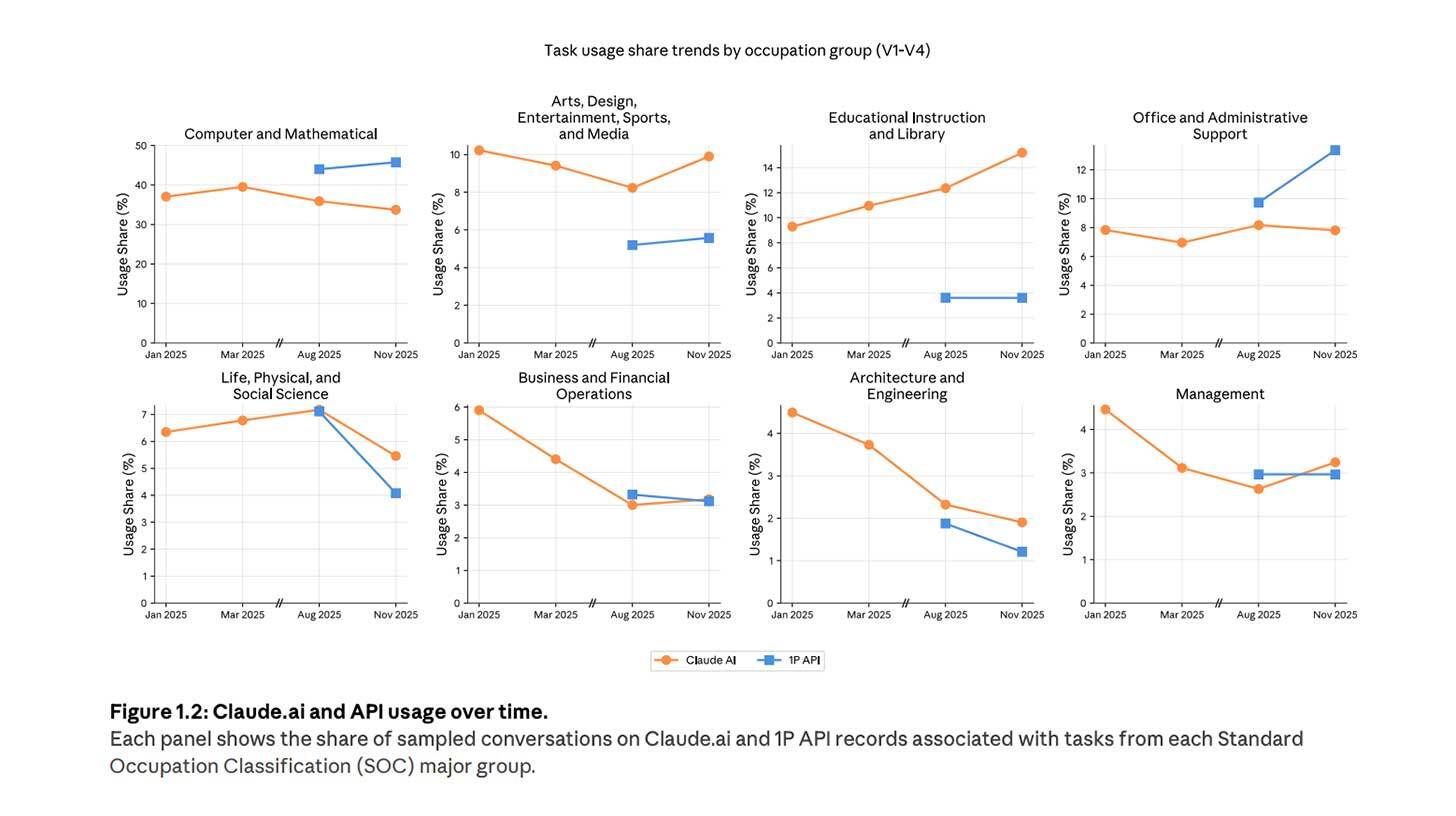
Image source: Anthropic
The Rundown: Anthropic published its fourth Economic Index, providing a deep dive into 2M Claude chats — revealing that most AI usage still looks more like collaboration than replacement, with humans in the driver's seat for the majority of tasks.
The details:
AI handles around 1/4 of tasks in almost 50% of all jobs, up from 36% last year, but full role replacement is happening at under 10% of firms.
Tasks requiring high-school skills are sped up 9x faster with AI, and 12x for college-level tasks, with Claude’s gains increasing for difficult use cases.
Claude’s ability to handle longer tasks continues to rise, with Anthropic’s data showing a 50% success rate for tasks as long as 19 hours.
Coding tasks still dominate Claude usage, though augmentation (learning, feedback, iteration) overtook pure automation-related tasks.
Why it matters: Productivity gains are happening fast, but the panic of AI completely taking over jobs doesn’t match the data (yet). The issue is for junior employees — if AI handles the grunt work usually used to train and provide experience, an entire generation of young talent might be stuck in a completely new economic reality.
QUICK HITS
🛠️ Trending AI Tools
🤖 GLM-4.7 Flash - Z AI’s fast, efficient variant of its SOTA open-source model
🗣️ TranslateGemma - Google’s new family of open-source translation models
⚙️ Claude Code - Anthropic’s deep-context AI coding assistant
🗣️ Scribe V2 - ElevenLabs’ SOTA transcription model
📰 Everything else in AI today
Z AI released GLM-4.7-Flash, a 30B, speed and efficiency-focused variant of its powerful open-source model that leads its size class across a series of benchmarks.
Business insights firm Gartner projected that worldwide AI spending will reach $2.52T in 2026, a 44% jump driven largely by massive infrastructure buildouts.
South Korea is currently holding an AI competition to elevate the country’s top homegrown AI models, with LG, SK, and startup Upstage remaining in contention.
Anthropic published research showing AI can slip into playing other characters during long chats, and introduced a fix that halved harmful responses.
xAI engineer Sulaiman Ghori announced that he left the company, coming on the heels of a revealing viral interview detailing the startup’s inner workings.
COMMUNITY
🤝 Community AI workflows
Every newsletter, we showcase how a reader is using AI to work smarter, save time, or make life easier.
Today’s workflow comes from reader Prateek M. in India:
"I recently went on a trip… and was looking for a new way to remember our moments. When I came across music/song creation AI tools, I realized a song would be a great way to cherish those memories. I went to ChatGPT and explained our trip. I uploaded both the inputs (lyrics & music description) onto Suno and… got the perfect trip song!"
How do you use AI? Tell us here.
🎓 Highlights: News, Guides & Events
Read our last AI newsletter: Ads are officially coming to ChatGPT
Read our last Tech newsletter: Wikipedia inks deals with Amazon, Meta
Read our last Robotics newsletter: 1X now has a world model
Today’s AI tool guide: Optimize prompting with this Markdown strategy
RSVP to next workshop @ 4PM EST Friday: AI Foundations Bootcamp pt. 3
See you soon,
Rowan, Joey, Zach, Shubham, and Jennifer — the humans behind The Rundown
No matching search results
Try using different keywords, double-check your spelling, or explore related categories.
Stay Ahead on AI.
Join 2,000,000+ readers getting bite-size AI news updates straight to their inbox every morning with The Rundown AI newsletter. It's 100% free.