Get the latest AI news, understand why it matters, and learn how to apply it in your work — all in just 5 minutes a day. Join over 2,000,000+ subscribers.

Humans head back to the moon
Read Online | Sign Up | Advertise

Good morning, tech enthusiasts. NASA just rolled its massive moon rocket to the launchpad — and four astronauts are now in quarantine, waiting to become the first humans to leave low-Earth orbit in over 50 years.
If all goes well, they’ll fly farther from Earth than anyone in history. The launch window opens up Feb. 8
In today’s tech rundown:
Artemis II: NASA’s first moon crew in 50 years
Musk wants to merge his empires
Apple hits record $144B quarter on iPhone sales
Tech optimists lobby to deregulate aging
Quick hits on other tech news
LATEST DEVELOPMENTS
SPACE TECH
🌜 Artemis II: NASA’s first moon crew in 50 years

Image source: NASA
The Rundown: NASA’s Artemis II mission will send four astronauts on a 10‑day loop around the moon — the first human voyage beyond low‑Earth orbit in more than half a century, and the shakedown cruise for America’s return to deep‑space exploration.
The details:
NASA has rolled the Artemis II Space Launch System and Orion spacecraft out to Pad 39B and is running final prelaunch checks at the Kennedy Space Center.
The four-person crew has entered a 14-day health‑stabilization quarantine to avoid any last‑minute bugs that could delay launch.
A critical “wet dress rehearsal” on the pad will see teams load more than 700K gallons of supercold propellants into SLS and run a full simulated countdown.
NASA is currently targeting a launch window that opens Sunday, Feb. 8, with planned fueling of the rocket slated for Monday, Feb. 2.
Why it matters: Artemis II will send the crew on a roughly 10‑day free‑return loop around the moon, flying farther from Earth than any humans in history and validating Orion’s life‑support, navigation, and high‑speed reentry systems. Success would clear the way for Artemis III, the first planned lunar landing of the program.
TOGETHER WITH MICROSOFT
🤖 GitHub Copilot, accelerate software development with AI
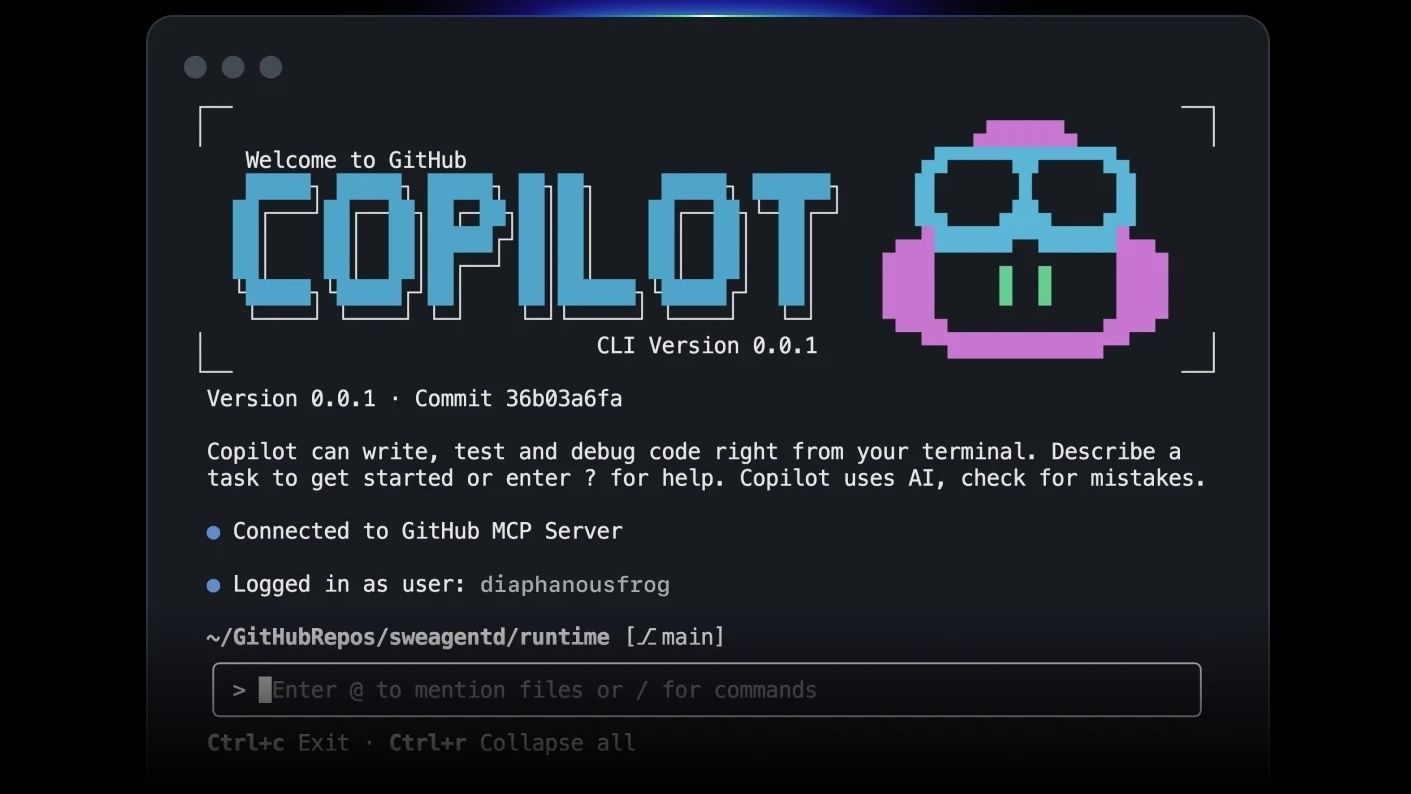
The Rundown: Microsoft’s GitHub Copilot accelerates your innovation on any platform or code repository with agentic AI software development tools that meet you where you are.
GitHub Copilot lets you:
Empower your developers by infusing an AI code assistant into their favorite IDE
Reimagine developer workflows driven by agentic AI
Customize and extend GitHub Copilot for your org and toolchain
ELON MUSK
🚀 Musk wants to merge his empires

Image source: Ideogram / The Rundown
The Rundown: Elon Musk is reportedly exploring a merger that would combine SpaceX with xAI or Tesla — or with both — into one super-conglomerate, potentially ahead of a monster IPO that could value SpaceX at $1.5T.
The details:
SpaceX is in discussions to merge with xAI ahead of a June 2026 IPO worth up to $50B, cheekily timed to a rare planetary alignment and Musk’s birthday.
Separately, the space tech giant has discussed the feasibility of a tie-up with Tesla — an idea some investors are pushing.
Two entities with “merger sub” in their names were established in Nevada on January 21, with SpaceX CFO Bret Johnsen listed as an officer.
SpaceX is targeting an IPO that would value the company at about $1.5T, which would make it the biggest IPO of all time.
Why it matters: Musk has long been criticized for spreading himself too thin across too many companies. A mega-merger would flip that narrative — consolidating rockets, satellites, AI, social media, and possibly EVs into a single publicly traded juggernaut. As one investor put it: “You want to invest in Elon? Here you go. You get all this.”
APPLE
🍎 Apple hits record $144B quarter on iPhone sales

Image source: Ideogram / The Rundown
The Rundown: Apple just posted the biggest quarter in its history — $143.8B in revenue, up 16% year-over-year — driven by what CEO Tim Cook called “simply staggering” iPhone demand.
The details:
iPhone revenue surged 23% to $85.27B, setting an all-time record across every geographic segment, with the iPhone 17 lineup driving the surge.
China sales rebounded 38% to $25.5B, with Cook noting Apple set “an all-time record for upgraders in mainland China.”
Services also hit a record $26.34B (up 14%), and Apple now has more than 2.5B active devices worldwide — the most ever.
It plans to prioritize premium iPhone launches this year, including its first foldable model and two flagships, while pushing the baseline iPhone 18 to 2027.
Why it matters: Apple’s smartphone business reportedly grew faster than the overall market, gaining share against competitors. But the real signal is in what comes next — Apple is betting its 2026 roadmap on premium-only launches and a foldable phone, doubling down on high-margin hardware at the expense of the mass market.
BIOTECH
♾️ Tech optimists lobby to deregulate aging

Image source: Vitalist Bay Summit (Adam Gries & Bryan Johnson)
The Rundown: A controversial movement called Vitalism is gaining ground in the longevity landscape, and it’s racking up wins. Detailed in the MIT Technology Review, this hardcore faction argues that defeating death should be a top government priority.
The details:
Founded by Nathan Cheng and Adam Gries, Vitalism treats death itself as humanity’s core problem and calls for a “longevity revolution.”
Vitalists helped pass Montana’s experimental treatment law and expand New Hampshire’s right-to-try legislation
The founders are recruiting for six federal positions controlling billions in funding; Harvard and Stanford faculty have spoken at their events.
Sixteen biotech companies carry the official Vitalist stamp — revocable if they “adopt apologetic narratives that accept aging or death."
Why it matters: Where Bryan Johnson has become longevity’s most visible evangelist, the Vitalists are quietly building infrastructure: a nonprofit foundation, a biotech certification program, and a recruitment pipeline for federal positions. Johnson wants to live forever. These people want the government to help him do it.
QUICK HITS
📰 Everything else in tech today
Samsung’s new Galaxy Z TriFold, the first trifold sold in the U.S., launches today for $2,899, making it the most expensive phone on the U.S. market.
U.S. agencies are probing whistleblower claims that Meta staff could read end‑to‑end encrypted WhatsApp chats, undermining the app’s core privacy promise.
Google is joining a $425M round in Tesla cofounder JB Straubel’s Redwood Materials, keeping the battery‑recycling and energy‑storage startup valued near $6B.
Grubhub, now owned by Wonder Group, is scrapping delivery and service fees on all restaurant orders over $50 in a bid to lure customers from DoorDash and Uber Eats.
Amazon announced it is laying off 16K employees across the company, marking the second major round of cuts within three months after 14K jobs were cut in October.
TikTok joined Snap in settling a landmark lawsuit accusing social media platforms of designing harmful, addictive products, while Meta and YouTube will proceed to trial.
Meta’s Reality Labs VR division lost $19.1B on just $2.2B in 2025 revenue, and Zuck says 2026 losses will stay similarly huge as Meta lays off staff and shutters VR projects.
Philippines outsourcing firms are pouring $24M a year into AI and skills training to keep their call‑center workforce competitive as automation and rival hubs close in.
A U.S. jury found former Google engineer Linwei “Leon” Ding guilty of stealing thousands of AI chip trade secrets to benefit China‑linked firms and his own startup.
The Doomsday Clock has been set to a record‑tight 85 seconds to midnight, reflecting soaring nuclear tensions plus mounting AI, climate, and biosecurity risks.
Spotify says it paid out $11B in royalties to the music industry in 2025, a record annual payout that still leaves questions about how much of that money reaches artists.
COMMUNITY
🎓 Highlights: News, Guides & Events
Read our last AI newsletter: xAI's Grok Imagine climbs the leaderboards
Read our last Tech newsletter: TikTok USA’s epic meltdown
Read our last Robotics newsletter: Waabi nabs $1B in Uber robotaxi deal
Today’s AI tool guide: Build a competitor database with Claude Cowork
RSVP to our next workshop on Feb. 11: Agentic Workflows Bootcamp pt. 1
See you soon,
Rowan, Joey, Zach, Shubham, and Jennifer — The Rundown’s editorial team
xAI's Grok Imagine climbs the leaderboards
Read Online | Sign Up | Advertise

Good morning, AI enthusiasts. Elon Musk says Grok Imagine is now generating more images and videos than everyone else combined — and it just landed at the top of the leaderboards, too.
xAI’s creative engine just debuted at No. 1 on key video leaderboards, with a speed, price, and quality combo that’s clearly resonating with creators.
In today’s AI rundown:
xAI's video model climbs the leaderboards
Google opens its AI world generator to the public
Build a competitor database with Claude Cowork
Darren Aronofsky debuts AI Revolutionary War series
4 new AI tools, community workflows, and more
LATEST DEVELOPMENTS
XAI
🎬 xAI's video model climbs the leaderboards
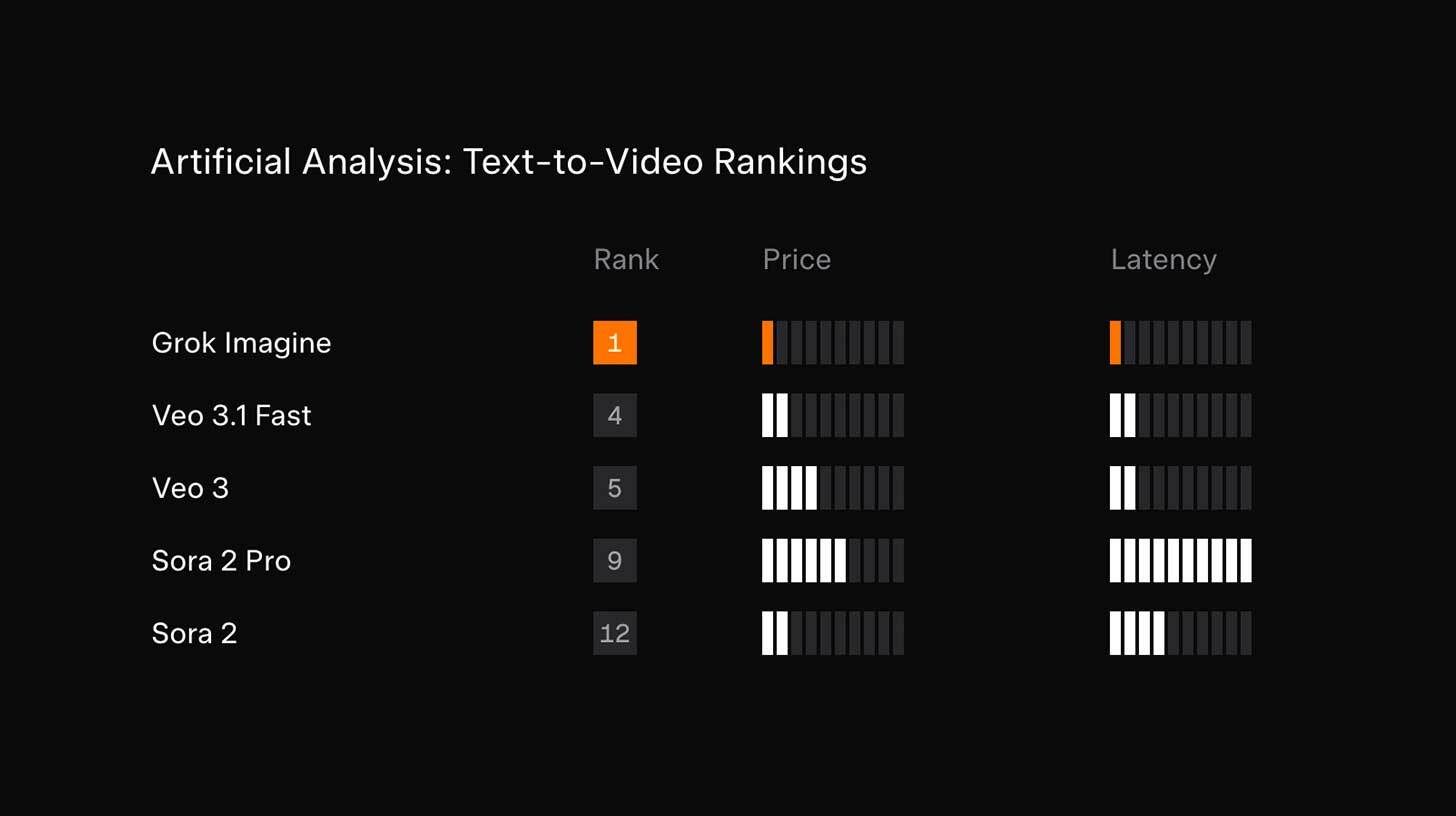
Image source: xAI
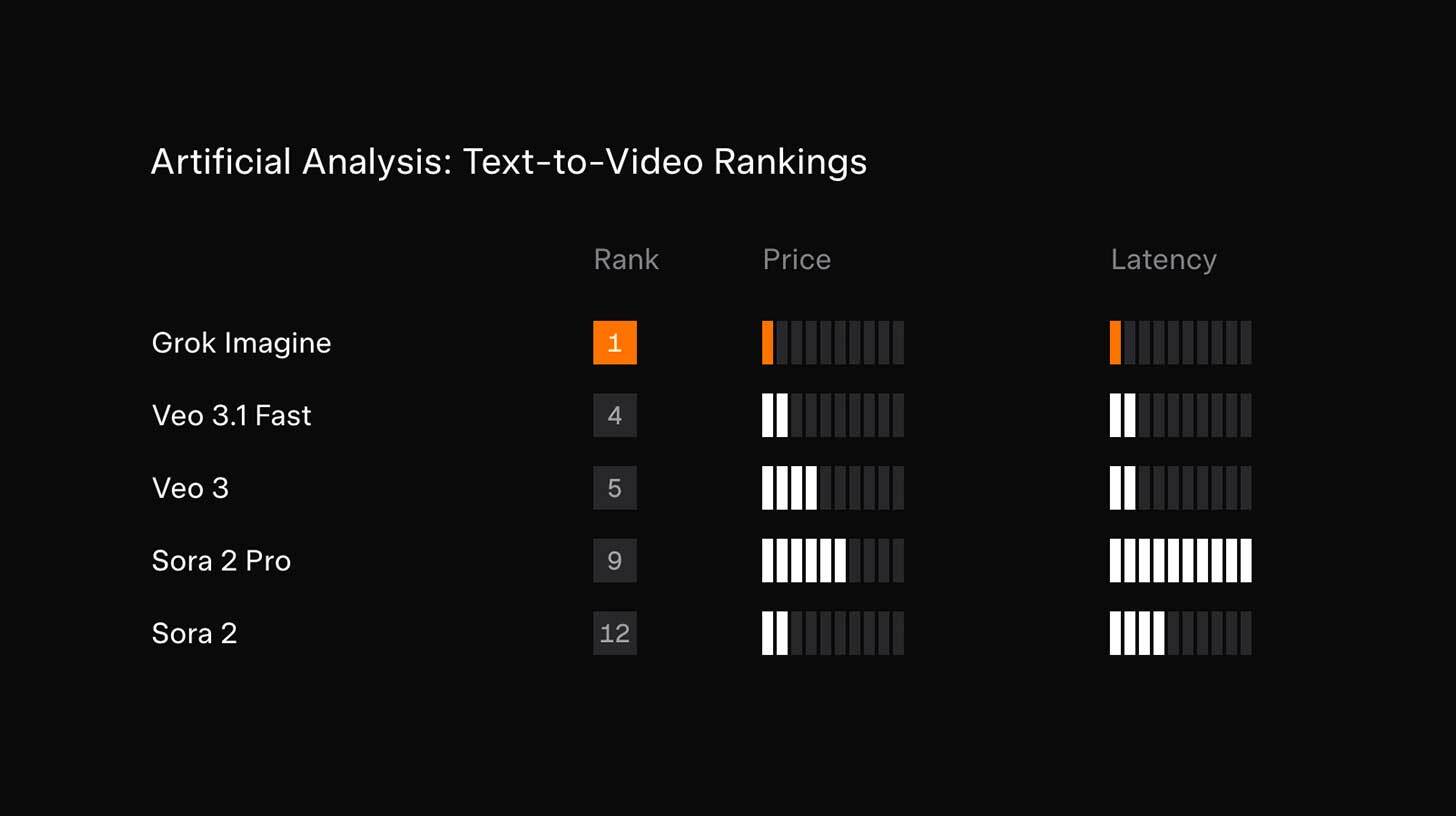
The Rundown: xAI just released the Grok Imagine API, a new AI video generation and editing suite that jumped to the top of Artificial Analysis rankings for both text and image-to-video outputs while undercutting rivals on price.
The details:
The API handles text-to-video, image-to-video, and video editing tasks, with clips up to 15 seconds and native audio baked in.
Grok Imagine costs $4.20 per minute with audio included, coming in significantly cheaper than Veo 3.1 at $12/min and Sora 2 Pro at $30/min.
Editing tools let users swap objects, restyle entire scenes, animate characters with custom performances, and shift environments on command.
Imagine debuts at No. 1 on AA’s text and image to video leaderboards, and comes in behind just Veo 3 and Sora Pro in Arena’s Video Arena.
Why it matters: This is an impressive move up the leaderboard for xAI, especially given the wildly low price point compared to top rivals. If the quality holds up at scale, the aggressive pricing could make Imagine the default choice for creators (and now devs to integrate into apps) who need to iterate fast without burning through budgets.
TOGETHER WITH GITLAB
🛠️ Orchestrate the work, elevate your team

The Rundown: GitLab Transcend is a free virtual event on Feb. 10th exploring how agentic AI is transforming software delivery — featuring technical demos, success stories, and an exclusive look at GitLab's product roadmap.
At Transcend, you'll hear:
How teams are using agentic AI to automate real-world DevOps workflows
Perspectives from tech leaders and live Q&As with GitLab project leaders
A first look at GitLab's upcoming innovations and investments
GOOGLE DEEPMIND
🌍 Google opens its AI world generator to the public

Image source: Google DeepMind
The Rundown: Google DeepMind launched Project Genie, a web app that lets users create and explore AI-generated worlds in real time — coming five months after previewing the Genie 3 model that powers it in August.
The details:
Users prompt a setting and a character, preview the scene via Nano Banana Pro and Gemini, then navigate an explorable world in first or third-person.
Characters can walk, fly, or drive through environments, with the model remembering what it's built, so returning to areas stays visually consistent.
Sessions are currently capped at 60 seconds due to compute costs — with each user getting a dedicated ‘chip’ while exploring for their unique session.
The rollout is limited to Google’s AI Ultra tier ($250/mo) subscribers, with access set to expand to other tiers in the future.
Why it matters: The applications of world simulators like Genie 3 are endless, from robotics training and gaming to architecture, and the tech is finally at a level where users can actually experience the vision. With World Labs, Runway, Yann LeCunn’s AMI, and others also pushing forward, simulating reality is getting closer to… reality.
AI TRAINING
🧠 Build a competitor database with Claude Cowork
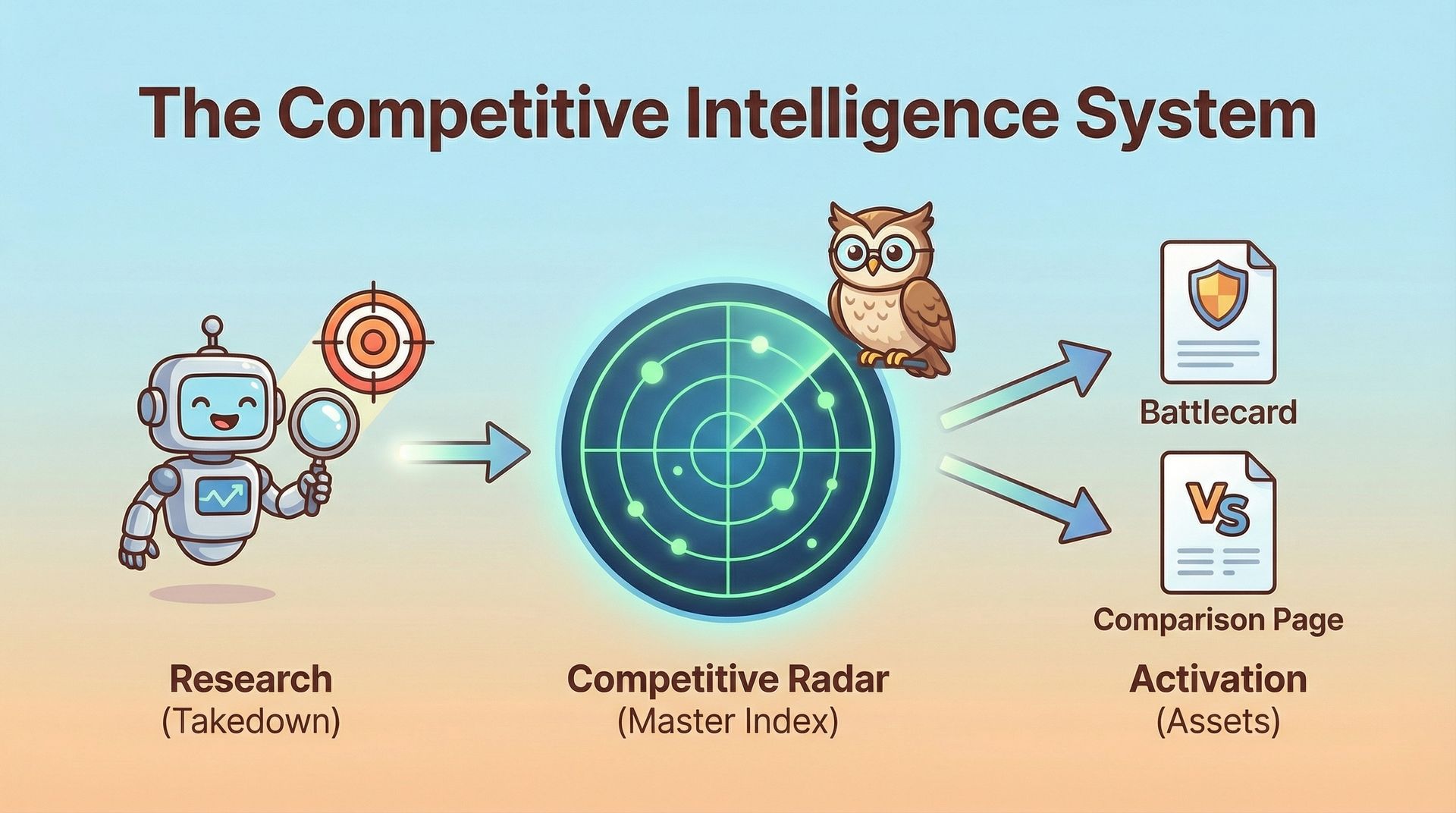
The Rundown: In this guide, you will learn how to set up a competitor intelligence database powered by Claude Cowork. The best part? It builds itself. Simply download the prompt files and tell Claude to set it up, and it will be ready to use in 5 minutes.
Step-by-step:
Grab our free prompt files, save them in a new folder, and select that folder by heading to the “Cowork tab” in the Claude desktop app (Mac only)
Tell Claude to read the SOP and set up your directory. Should take 2-3 minutes
To test it out, give Claude [competitor name] + [website link]. Claude will create a report called a “killsheet” and file it away for you
Run a new killsheet generation each quarter and after big competitor news
Pro tip: Ask Claude to build battlecards and comparison pages based on the killsheet!
PRESENTED BY TELY
🔎 Are you invisible in AI search?

The Rundown: You’re in a niche industry. Customers search on Google, ChatGPT, and Perplexity, but your company doesn’t show up because your website doesn’t answer their questions. Tely AI analyzes the questions your customers ask and automatically creates and publishes content that answers them on your website, bringing high-quality leads on autopilot.
With Tely AI, you can:
Have +20% monthly organic growth
Get indexed on Google, ChatGPT, and Perplexity in as little as 1 week
Enjoy full automation for topics, writing, and publishing
Get discovered by buyers already searching for your solution
AI & HOLLYWOOD
🎬 Darren Aronofsky debuts AI Revolutionary War series

Image source: TIME
The Rundown: Filmmaker Darren Aronofsky's AI venture Primordial Soup released "On This Day… 1776", a new series recreating the American Revolution using Google DeepMind, with each episode dropping on the 250th anniversary of the event it depicts.
The details:
The short-form series combines AI-generated visuals with SAG-AFTRA voice actors, positioning itself as "artist-led" AI rather than being fully automated.
The series drops episodes on TIME's YouTube channel timed to the 250th anniversary of each depicted event.
Aronofsky partnered with DeepMind in May to collaborate on AI storytelling, releasing the Veo-assisted film ANCESTRA in June at the Tribeca Film Festival.
Why it matters: AI video is creeping further into real production studio workflows, and moving from simple shorts and hidden tricks to hide faces to handling the entire visual process. While it still might not be fully accepted or mainstream, the sentiment is shifting — and Hollywood’s once-uneasy use of the tech is coming more into focus.
QUICK HITS
🛠️ Trending AI Tools
🤖 Speechmatics - Build voice-powered products with Speechmatics’ Startup Program and get $50K to take your project to production*
🌎 Project Genie - Google DeepMind's interactive world generator
🎥 Grok Imagine - xAI’s upgraded video model, now available via API
🎞️ Wonda - Wondercraft's AI agent for video editing and creative direction
*Sponsored Listing
📰 Everything else in AI today
Learn about Microsoft Foundry, an interoperable Azure platform to build, optimize, and govern AI apps and agents at scale with openness, control, and security.*
Apple acquired Q AI, an Israeli AI audio startup, in a deal reportedly worth nearly $2B that brings the founder of its Face ID technology back to the company.
OAI’s Kevin Weil clarified that the company’s IP-sharing deals would apply only to large organizations under custom agreements, not to individual users’ discoveries.
Anthropic is being sued by several music companies over alleged unauthorized use of more than 20,000 songs to train Claude, with the group seeking $3B+ in damages.
Nvidia, Microsoft, and Amazon are reportedly negotiating investments totaling up to $60B in OAI's latest funding round, which could value the company at over $700B.
*Sponsored Listing
COMMUNITY
🤝 Community AI workflows
Every newsletter, we showcase how a reader is using AI to work smarter, save time, or make life easier.
Today’s workflow comes from reader Gabriel V. in Montreal, Canada:
"I created an automation with Microsoft Power Automate that includes the Claude API. It takes care of uploading the email we receive to the Claude API, which detects if it’s an invoice and, if so, copies it into SharePoint with the correct naming convention. It speeds up administrative work dramatically."
How do you use AI? Tell us here.
🎓 Highlights: News, Guides & Events
Read our last AI newsletter: Chrome gets agentic AI upgrade
Read our last Tech newsletter: TikTok USA’s epic meltdown
Read our last Robotics newsletter: Waabi nabs $1B in Uber robotaxi deal
Today’s AI tool guide: Build a competitor database with Claude Cowork
RSVP to our next workshop on Feb. 11: Agentic Workflows Bootcamp pt. 1
See you soon,
Rowan, Joey, Zach, Shubham, and Jennifer — the humans behind The Rundown


Waabi nabs $1B in Uber robotaxi deal
Read Online | Sign Up | Advertise

Good morning, robotics enthusiasts.Toronto self-driving tech startup Waabi just landed $1B to prove one end-to-end AI model can drive both semi-trucks and robotaxis.
Uber is leaning in with $250M and a commitment to put 25K Waabi-powered robotaxis on its platform. But can they catch up to Waymo, Tesla, and Uber-backed Aurora?
In today’s robotics rundown:
Waabi lands $1B to take on Waymo and Tesla
Tesla kills flagship EVs to make room for robots
Figure drops Helix 02, a unified robot brain
Fauna’s ‘friendly’ humanoid emerges from stealth
Quick hits on other robotics news
LATEST DEVELOPMENTS
WAABI
🚖 Waabi lands $1B to take on Waymo and Tesla

Image source: Waabi
The Rundown: Toronto’s Waabi just locked down $1B in what is reportedly Canada’s largest-ever fundraise — a $750M Series C plus $250M from Uber — to deploy 25K robotaxis while conquering autonomous trucking with a single AI brain.
The details:
CEO Raquel Urtasun, formerly head of Uber’s AV research lab, says the same AI model will power both trucks and robotaxis.
Uber is committed to at least 25K Waabi-powered robotaxis on its platform in what the company calls the largest self-driving deal ever.
Waabi exemplifies ‘AV 2.0’ — end-to-end AI that learns from data rather than hand-coded rules and HD maps.
Commercial trucking targets 2027; robotaxi timelines and additional OEM deals are expected in the coming months.
Why it matters: Waabi is betting its end-to-end AI can scale from long-haul trucking to robotaxis, using one model instead of separate stacks. The catch: it’s doing it against deeper-pocketed rivals — Waymo, Tesla, Wayve, and Uber-backed Aurora — who also bring vastly more real-world driving data and operational mileage to the table.
TESLA
🤖 Tesla kills flagship EVs to make room for robots
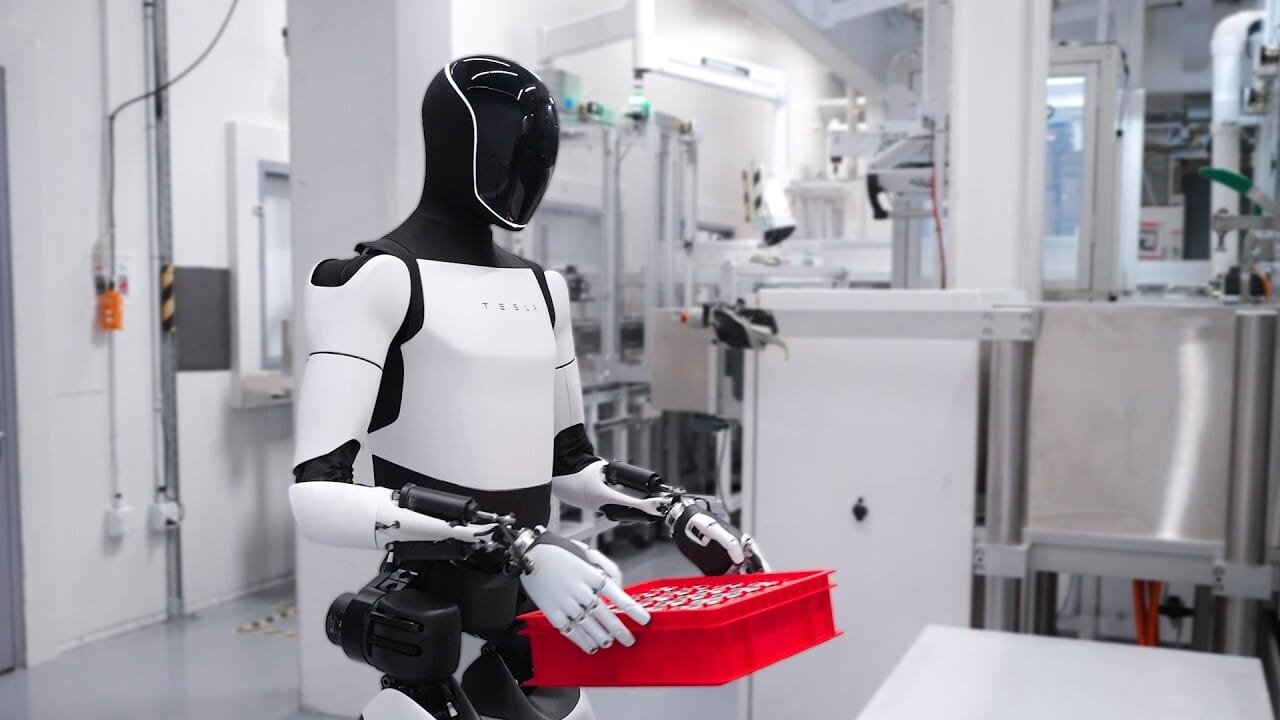
Image source: Tesla
The Rundown: CEO Elon Musk said that Tesla is discontinuing the luxury Model S sedan and Model X SUV next quarter and converting their Fremont factory production lines into a facility that can churn out 1M Optimus humanoids per year.
The details:
On yesterday’s earnings call, Musk described the move as an “honorable discharge” for the vehicles as Tesla shifts toward “a future based on autonomy.”
Tesla plans to unveil Optimus V3 this quarter, which the company calls its “first design meant for mass production” — production slated to begin this year.
Cybercab production starts in H1 2026, and Tesla is already running paid driverless robotaxi rides in Austin.
Tesla is pouring $20B into capital expenditures this year to fund new factories for Optimus, Cybercab, Semi, and AI computing infrastructure.
Why it matters: Tesla is sacrificing the luxury EVs that defined its brand to clear factory space for Optimus, the humanoid that Musk predicts could add $20 trillion to Tesla’s market cap — if he can actually get it into mass production. Tesla fans who want a new Model S or X, order now or never.
FIGURE
🧠 Figure drops Helix 02, a unified robot brain
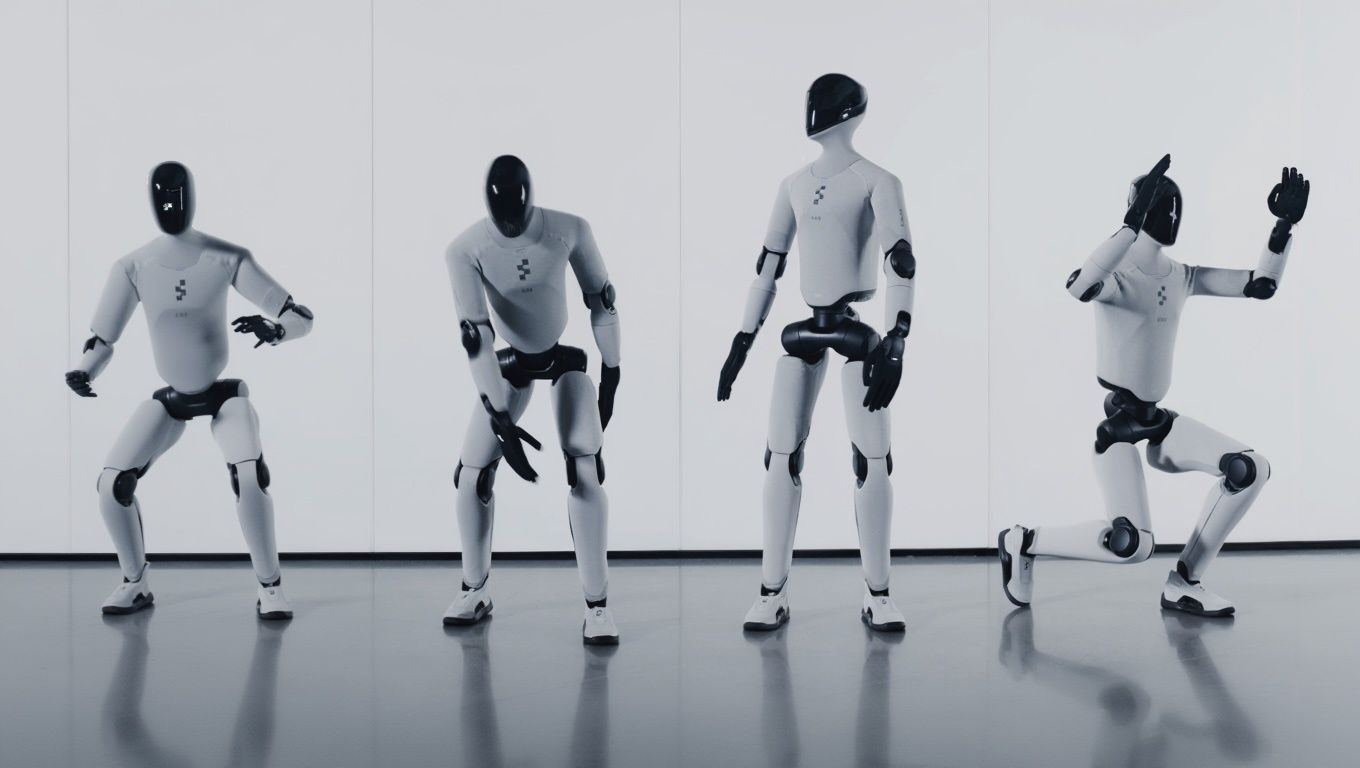
Image source: Figure / Reve
The Rundown: California robotics startup Figure just unveiled Helix 02, a unified AI control system that replaces 109K lines of hand-tuned C++ with a 10M‑parameter neural network that teaches robots to move more like humans.
The details:
Figure demoed what it claims is the ‘most complex’ autonomous humanoid task to date: a 4-minute, 61-action dishwasher cycle across a full-sized kitchen.
The Figure 03 robot now uses its entire body as a tool — closing drawers with its hip and lifting the dishwasher door with its foot when hands are occupied.
New palm cameras and tactile sensors — sensitive to three grams — enable dexterous tasks previously out of reach, like unscrewing bottle caps.
The system executes whole-body control at 1 kHz, taking full-body joint state as input and outputting actuator commands directly to every joint.
Why it matters: Fusing walking, grasping, and sensing into one learned system moves humanoids from scripted demos to continuous autonomy in unpredictable environments. Branding the AI separately from the hardware hints at a longer play: a general-purpose robot brain for platforms beyond Figure 03.
FAUNA ROBOTICS
🧸 Fauna's ‘friendly’ humanoid emerges from stealth
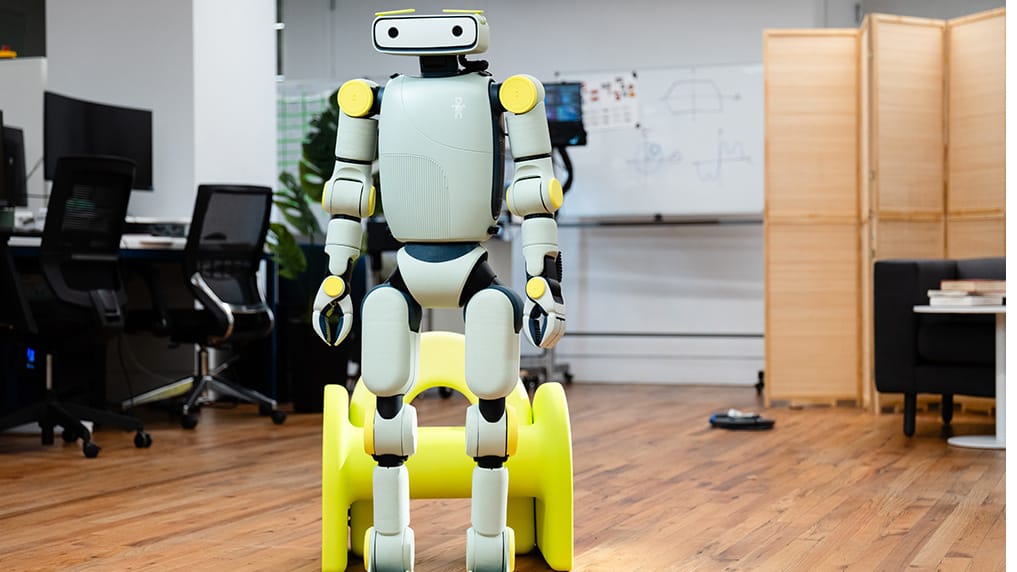
Image source: Fauna Robotics
The Rundown: NYC startup Fauna Robotics emerged from two years of stealth development with Sprout, a 3.5-foot humanoid wrapped in sage-green foam designed to feel friendly and approachable rather than factory-ready.
The details:
Priced at $50K and shipping now, Sprout ships as a developer platform, with Disney, Boston Dynamics, UC San Diego, and NYU among the early customers.
The team built Sprout around safety-first principles — compliant joints, limited torques, and soft exteriors — so it can operate in homes and schools.
Sprout dances, fetches objects, rises from chairs unassisted, and can be piloted via game controller, phone app, or VR headset.
The robot ships with built-in localization, on-demand mapping, and a modular navigation stack for tracking position, avoiding obstacles, and planning routes.
Why it matters: Fauna claims to be the first U.S. company actively shipping humanoids as a developer platform, betting that Sprout can spark the same software ecosystem that smartphones unleashed — at $50K a unit, roughly what research labs and tech entrepreneurs are already spending on China’s Unitree bots.
QUICK HITS
📰 Everything else in robotics today
Zoox is under investigation by San Francisco police and California regulators after one of its robotaxis hit the open door of a parked car, injuring the driver’s hand.
China’s Eyou Robot Technology opened what it calls the world’s first fully automated production line for humanoid joints with a capacity for 100K units a year.
New data from Obi shows Waymo robotaxi rides in the Bay Area still cost more than Uber and Lyft, but the price gap is shrinking as Waymo cuts fares, and rivals get pricier.
Anduril is launching an autonomous drone‑racing contest that doubles as a recruiting funnel, with cash prizes and potential jobs for the top software teams.
ALLEX, a new Korean humanoid, can sense how hard it’s squeezing, so it can give you a firm but safe handshake instead of a bone-crushing robot grip.
A stock-market frenzy around AI and robotics pushed South Korea’s exchange above Germany’s in total value, making it the world’s 10th‑largest market.
The UK Atomic Energy Authority, for the first time, used sensor‑equipped drones to inspect the JET fusion reactor, reducing human risk while collecting imagery of the site.
COMMUNITY
🎓 Highlights: News, Guides & Events
Read our last AI newsletter: Chrome gets agentic AI upgrade
Read our last Tech newsletter: TikTok USA’s epic meltdown
Read our last Robotics newsletter: Musk’s Optimus deadline
Today’s AI tool guide: Moltbot (Clawdbot) installation guide & how to use it
RSVP to our next workshop on Feb. 11: Agentic Workflows Bootcamp pt. 1
See you soon,
Rowan, Joey, Zach, Shubham, and Jennifer — The Rundown’s editorial team
Chrome gets agentic AI upgrade
Read Online | Sign Up | Advertise

Good morning, AI enthusiasts. 2025 saw new AI browsers popping up left and right… But users didn’t seem too eager to make the switch.
Google is betting they won't have to, announcing new Gemini upgrades to Chrome that bring agentic browsing and more to a browser that already dominates the market — a default advantage that no amount of AI-first features can easily overcome.
In today’s AI rundown:
Google brings more agentic AI to Chrome
DeepMind’s science behind AlphaGenome
Moltbot (Clawdbot) installation guide & how to use it
Two new labs raise big to rethink how AI learns
4 new AI tools, community workflows, and more
LATEST DEVELOPMENTS
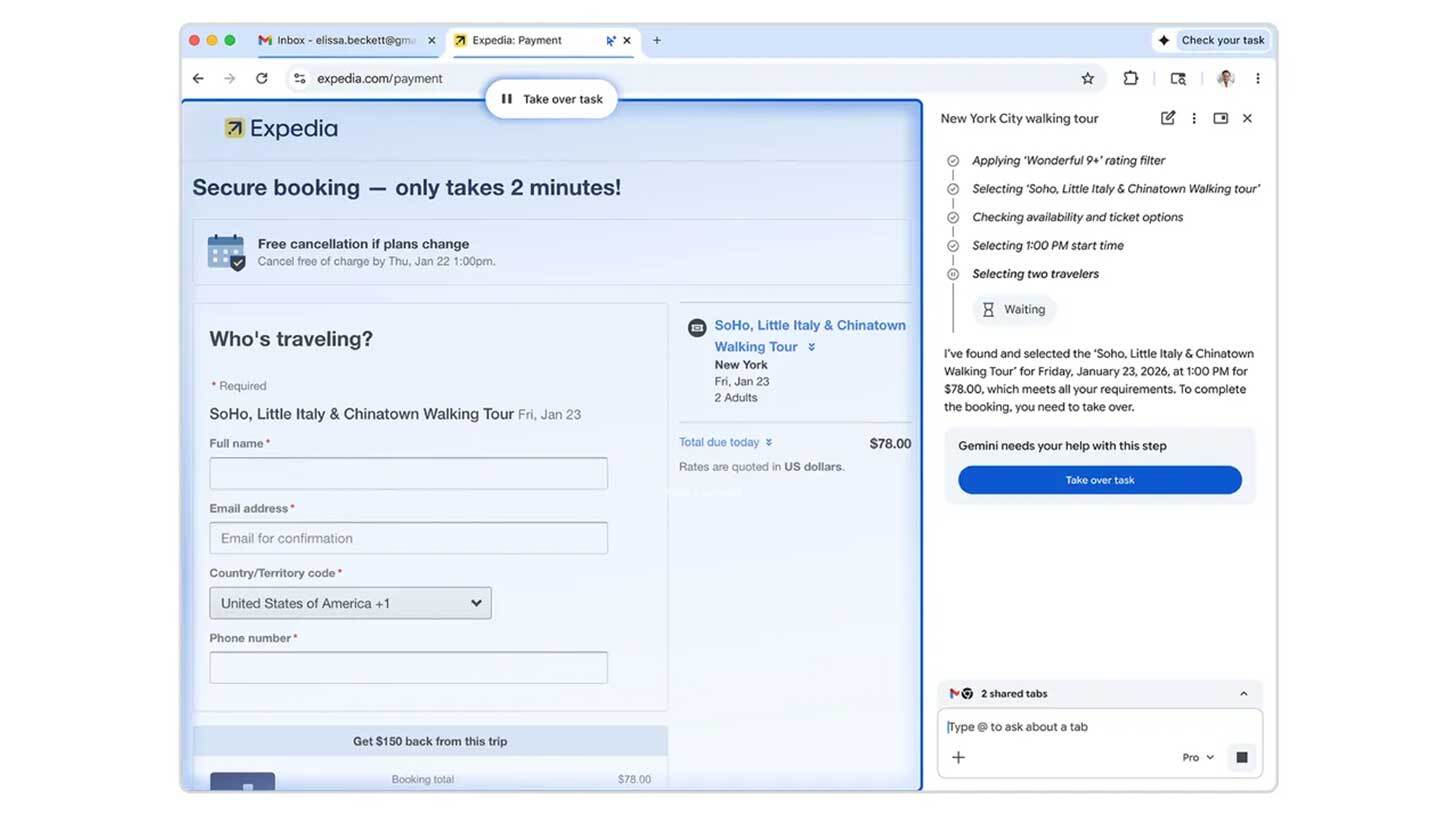
🌐 Google brings more agentic AI to Chrome
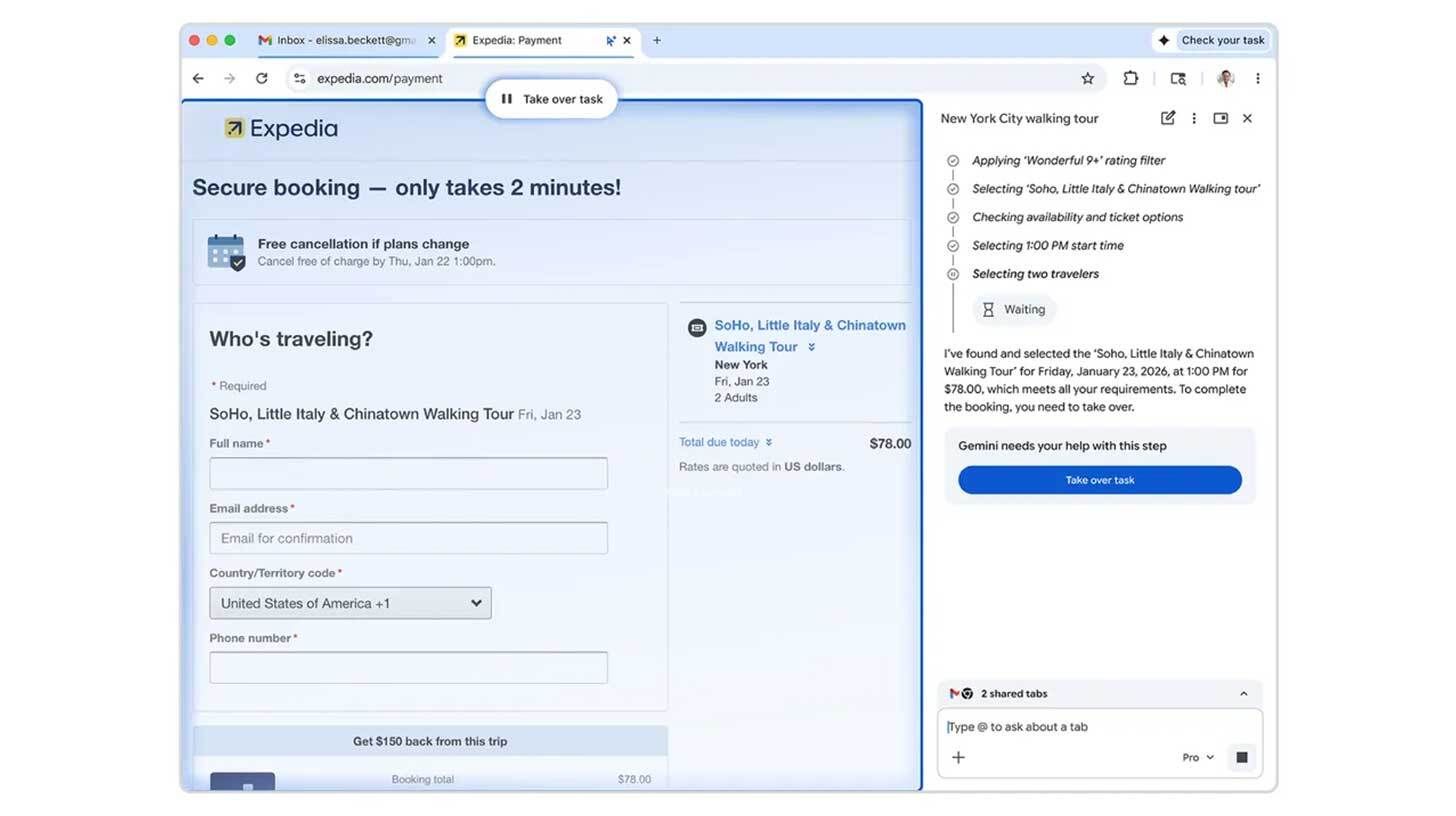
Image source: Google
The Rundown: Google just announced a wave of AI upgrades and Gemini integrations into its Chrome browser, including the addition of agentic browsing, built-in image generation, Personal Intelligence, and more.
The details:
Auto Browse controls Chrome in its own tab, clicking through sites and completing tasks— also pausing before sensitive actions like payments.
Gemini now lives in a persistent sidebar, letting users ask questions, compare products across tabs, and leverage Google apps like Gmail and Calendar.
New Nano Banana integration lets users create images directly in the browser, with Personal Intelligence also coming soon for more personalized answers.
Why it matters: There’s been no shortage of AI-first browser competition (OpenAI’s Atlas, Perplexity’s Comet, Dia, etc.) over the past year, but adoption has mostly been lacking — leaving Google with the perfect opportunity to simply continue weaving Gemini into its dominant Chrome platform and integrating deeper with its apps.
TOGETHER WITH HUBSPOT
💰 Turn AI into your income engine

The Rundown: HubSpot’s new “200+ AI-Powered Income Ideas” free guide offers actionable strategies to turn artificial intelligence into your own personal revenue generator — unlocking a gateway to financial innovation in the digital age.
With this guide, you can:
Explore hundreds of revenue-generating ideas across industries with real-world applications
Follow simple, step-by-step instructions that make AI accessible to everyone
Adopt cutting-edge strategies to keep you ahead in today's fast-paced market
GOOGLE DEEPMIND
🧬 DeepMind’s science behind AlphaGenome

Image source: Google DeepMind
The Rundown: Google DeepMind just published the full research paper and model weights for AlphaGenome, its AI tool unveiled this summer that scans a million letters of genetic code to predict how mutations cause disease.
The details:
The model was initially released in June of last year, with the weights and API now freely available for research, and an official paper published in Nature.
AlphaGenome was trained on vast genetic datasets and can predict how a single DNA typo affects 11 different biological processes.
In tests, it flagged mutations linked to leukemia that sat thousands of letters away from the affected gene, connections that took researchers years to find.
Why it matters: AlphaFold won the Nobel Prize for cracking protein structure, and now Google is taking on the challenge of understanding what 98% of our DNA does. It's not a "solved" problem like proteins, but giving researchers open access to a map for the genetic code could ramp discovery in ways we're only beginning to imagine.
AI TRAINING
🦞 Moltbot (Clawdbot) installation guide & how to use it
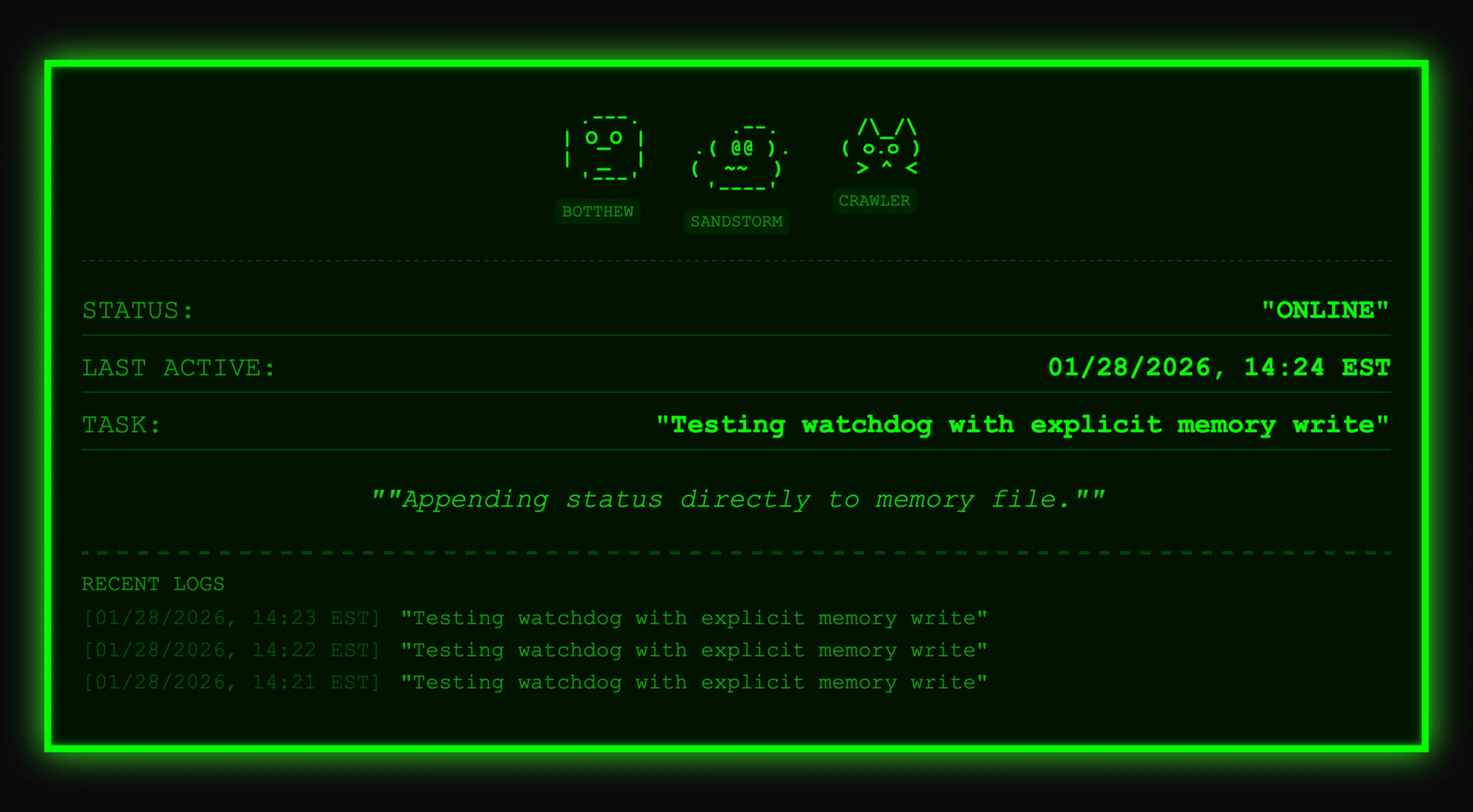
The Rundown: Learn how to set up your own autonomous agent with starter skills, including image generation and Telegram messaging. After just three days, our Moltbot taught itself to generate images, respond to emails, and deploy its own websites.
Security note: This is experimental, open source code. Do NOT install this on your primary computer. Ideally, you should install Moltbot on a backup computer that’s been wiped clean — you don’t need to buy a Mac Mini, but we don’t want you to lose or expose important documents. Check out this thread for more Moltbot security tips.
Step-by-step:
Grab an API key from your preferred AI model. Grab a free Brave search API.
Run
curl -fsSL <https://molt.bot/install.sh> | bashandmoltbot onboard --install-daemonin your terminal.Select "Quickstart," and follow the prompts.
Your bot will ask you to name it and pick a personality. Now it’s off to the races!
Going further: Watch our full video tutorial to connect your new bot to Telegram, teach it to generate images, and avoid three common beginner mistakes.
PRESENTED BY LESSIE AI
🔎 Your smart people search agent
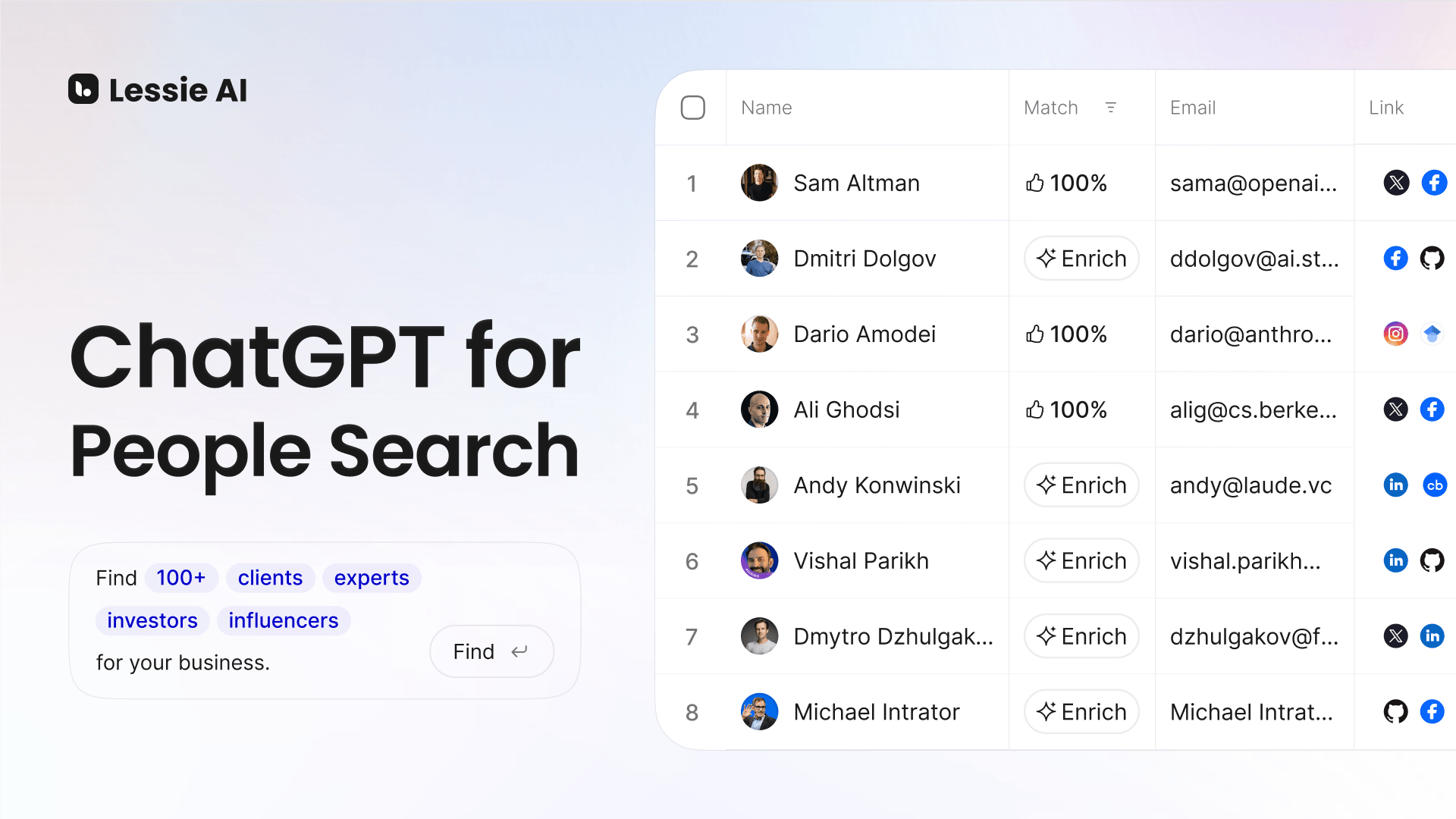
The Rundown: Tell Lessie AI who you’re trying to reach, and it will explore 100+ premium sources plus the open web to surface verified clients, talent, influencers, and partners.
With Lessie, you can:
Search using natural language instead of complicated filters or Boolean queries
Surface the most relevant contacts first with intelligent AI ranking
Automate personalized outreach messages and follow-ups
Find the right people, for any purpose, in minutes. Use code RUNDOWN for 30% off.
AI STARTUPS
🚀 Two new labs raise big to rethink how AI learns

Image source: Flapping Airplanes / Jerry Tworek
The Rundown: Two AI startups emerged with big investor interest, betting on new AI model paths that diverge from current standards — with Flapping Airplanes raising $180M and ex-OAI’s Jerry Tworek seeking up to $1B for his Core Automation venture.
The details:
Flapping Airplanes secured funding at a $1.5B valuation, aiming to train AI that matches human intelligence “without ingesting half the entire internet.”
Flapping Airplanes lists Andrej Karpathy and Jeff Dean as advisors, leaning into what Sequoia called the "young person's AGI lab" approach.
Tworek, who left OAI this month, wants to build AI that learns continuously from real-world experience, a capability current systems lack.
Tworek plans to focus on a single continual learning model called Ceres, with ambitions ranging from automating factories to eventually terraforming planets.
Why it matters: With top AI researchers openly questioning whether scaling alone can reach AGI, this new wave of startups is a serious contrarian bet against the $200B+ frontier labs. It's a high-risk play, but investors are pouring billions into the chance that one of these teams cracks the code that the big AI leaders might be missing.
QUICK HITS
🛠️ Trending AI Tools
🧑🚀 Agent Composer - AI agents for work that actually is rocket science—compress routine engineering tasks from hours to minutes*
👁️ DeepSeek OCR 2 - SOTA model for reading and extracting text from docs
⚙️ SERA - AI2’s new family of open-source coding agents
🎆 Z-Image - Alibaba Tongyi's full version of its top open-source image model
* Sponsored Listing
📰 Everything else in AI today
Anthropic is reportedly raising $20B at a $350B valuation, doubling its original target after demand reached 6x what was expected.
Google added Agentic Vision to Gemini 3 Flash, letting the model zoom, annotate, and edit images to answer questions and boosting accuracy 5-10% on visual tasks.
Mistral upgraded its terminal coding agent Vibe to version 2.0, adding custom subagents and workflow skills for developers on its $15-per-month Pro and Team plans.
Anthropic co-founder Jared Kaplan said he believes there is a 50% chance the world’s top theoretical physicists will be “mostly replaced” with AI in the next 3 years.
China reportedly approved ByteDance, Alibaba, and Tencent to purchase over 400k Nvidia H200s, easing a key AI chip bottleneck amid ongoing U.S. tech tensions.
COMMUNITY
🤝 Community AI workflows
Every newsletter, we showcase how a reader is using AI to work smarter, save time, or make life easier.
Today’s workflow comes from reader Nikolaos A. in Clifton, VA:
"I wanted to do renovations to a house I purchased recently. I am building a system of multiple agents, each with a specialty, such as plumbing, concrete/masonry, electrical, etc. These do research on materials and best practices for accomplishing a task.
Additionally, I have an agent that orchestrates the work by routing prompts to one or more agents. Finally, the orchestration agent builds a project book with all the information needed to accomplish the project. I can also upload images that are scanned by a vision model to add to the requirements of a task."
How do you use AI? Tell us here.
🎓 Highlights: News, Guides & Events
Read our last AI newsletter: Viral AI agent molts past trademark trouble
Read our last Tech newsletter: TikTok USA’s epic meltdown
Read our last Robotics newsletter: Musk’s Optimus deadline
Today’s AI tool guide: Moltbot (Clawdbot) installation guide & how to use it
RSVP to our next workshop on Feb. 11: Agentic Workflows Bootcamp pt. 1
See you soon,
Rowan, Joey, Zach, Shubham, and Jennifer — the humans behind The Rundown

Viral AI agent molts past trademark trouble
Read Online | Sign Up | Advertise

Good morning, AI enthusiasts. Anthropic made Clawdbot change its name, but that didn’t stop the lobster’s momentum.
The viral AI agent is now Moltbot, and it’s been taking the internet by storm from within chat apps — providing a glimpse of an agentic future that actually works, though full device access means the risks are just as real.
In today’s AI rundown:
Viral AI agent takes the internet by storm
OpenAI releases free scientific writing workspace
Find dozens of free AI tools with Google Labs
Moonshot’s K2.5 open-source model rivals frontier labs
4 new AI tools, community workflows, and more
LATEST DEVELOPMENTS
AI AGENTS
🦞 Viral AI agent takes the internet by storm

Image source: Lovart / The Rundown
The Rundown: Open-source AI assistant Moltbot (formerly Clawdbot) has gone viral for its impressive agentic capabilities, operating 24/7 from within Telegram or WhatsApp — though experts warn its full system access comes with serious risks.
The details:
Moltbot runs locally and connects to users’ digital lives, proactively taking actions and messaging via chat apps when tasks are done.
The tool was renamed after Anthropic reached out over trademark concerns, with creator Peter Steinberger initially launching it as Clawdbot in December.
Viral demos range from negotiating and purchasing a new car to calling a restaurant via ElevenLabs after failing to book through OpenTable.
Many are warning of the security risks associated with full device access, including prompt injections, exposed data, and more if not properly managed.
Why it matters: Moltbot looks like a serious step up in the agentic world that actually delivers: running autonomously, keeping context across sessions, and taking real actions. But the utility comes with risk — full access to messages, credentials, and systems means a single exploit may compromise everything if not set up correctly.
TOGETHER WITH SYNK
🚩 Test your security skills live
The Rundown: Snyk’s annual Fetch the Flag CTF is back — a 24-hour virtual Capture the Flag competition hosted with NahamSec on Feb. 12th, where security pros can sharpen their skills and compete for prizes.
Here's what you can expect:
15 hands-on hacking challenges spanning web exploitation, binary, and OSINT
CPE credit to boost your professional development credentials
Rokid AR Joy 2 Glasses for top 3 teams and top 3 individual players
OPENAI
🔬 OpenAI releases free scientific writing workspace
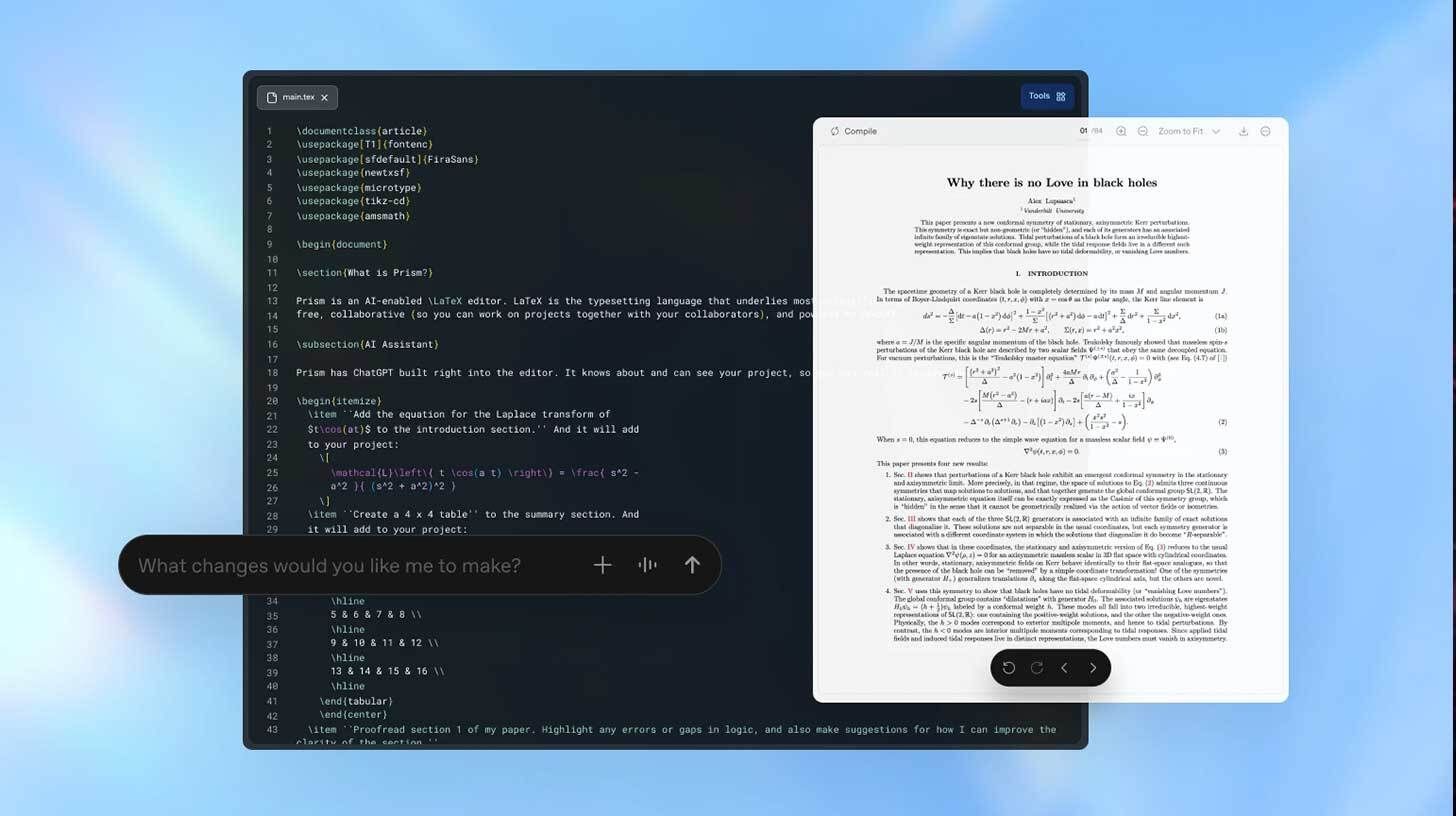
Image source: OpenAI
The Rundown: OpenAI just launched Prism, a free research tool that puts its most advanced reasoning model inside the scientific writing process — aiming to do for research what AI coding assistants did for software development over the past year.
The details:
The tool came from OpenAI’s acquisition of Crixet, a cloud-based science writing platform, which it rebuilt around its latest GPT 5.2 reasoning model.
Scientists can search for papers, auto-generate citations, and turn photos of whiteboard math into formatted equations, without leaving the document.
OpenAI revealed ChatGPT fields over 8M weekly queries on hard science topics, suggesting researchers are already leaning heavily on AI.
The free tool has no caps on team size or projects, a departure from typical expensive academic software pricing models.
Why it matters: Since ChatGPT’s launch, journals have been drowning in sloppy papers full of made-up citations and errors. OAI’s argument is that the problem was never AI in research — it was researchers using it blindly without context. An integrated tool like Prism could be the difference between slop and real acceleration.
AI TRAINING
🛠️ Find dozens of free AI tools with Google Labs
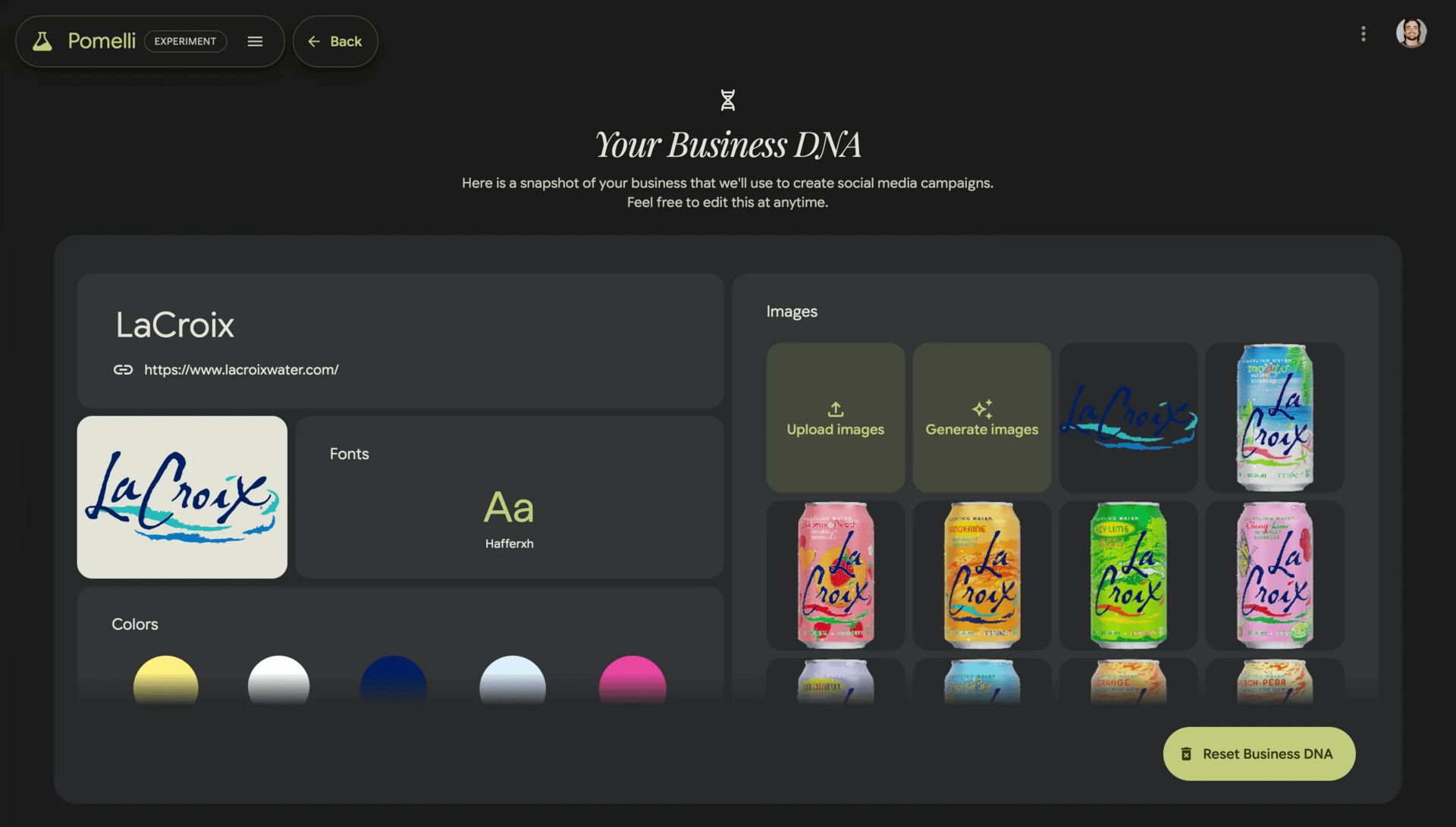
The Rundown: In this tutorial, you will learn how to use Google Labs’ free AI tools to build marketing content for your business. There are dozens of overlooked tools to help tackle whatever your use case may be, but we’ve selected our top three here.
Step-by-step:
Navigate to labs.google/experiments to see a full list of tools.
First is Pomelli. Copy your brand’s website URL and paste it into Pomelli. After ~5 minutes, you’ll get bespoke ad campaigns with image and video assets.
Next, use Flow. Create start and end frames via Create Image, add them to Frames to Video with a prompt, then stitch clips using the scene builder.
Finally, go to ImageFX for image iteration. Use the suggested styles to polish up your prompting skills and try locking the “seed” to keep outputs consistent.
Pro tip: Click the dropdown beside ImageFX and select MusicFX for generating music.
PRESENTED BY CONTEXTUAL AI
🤖 Introducing Agent Composer
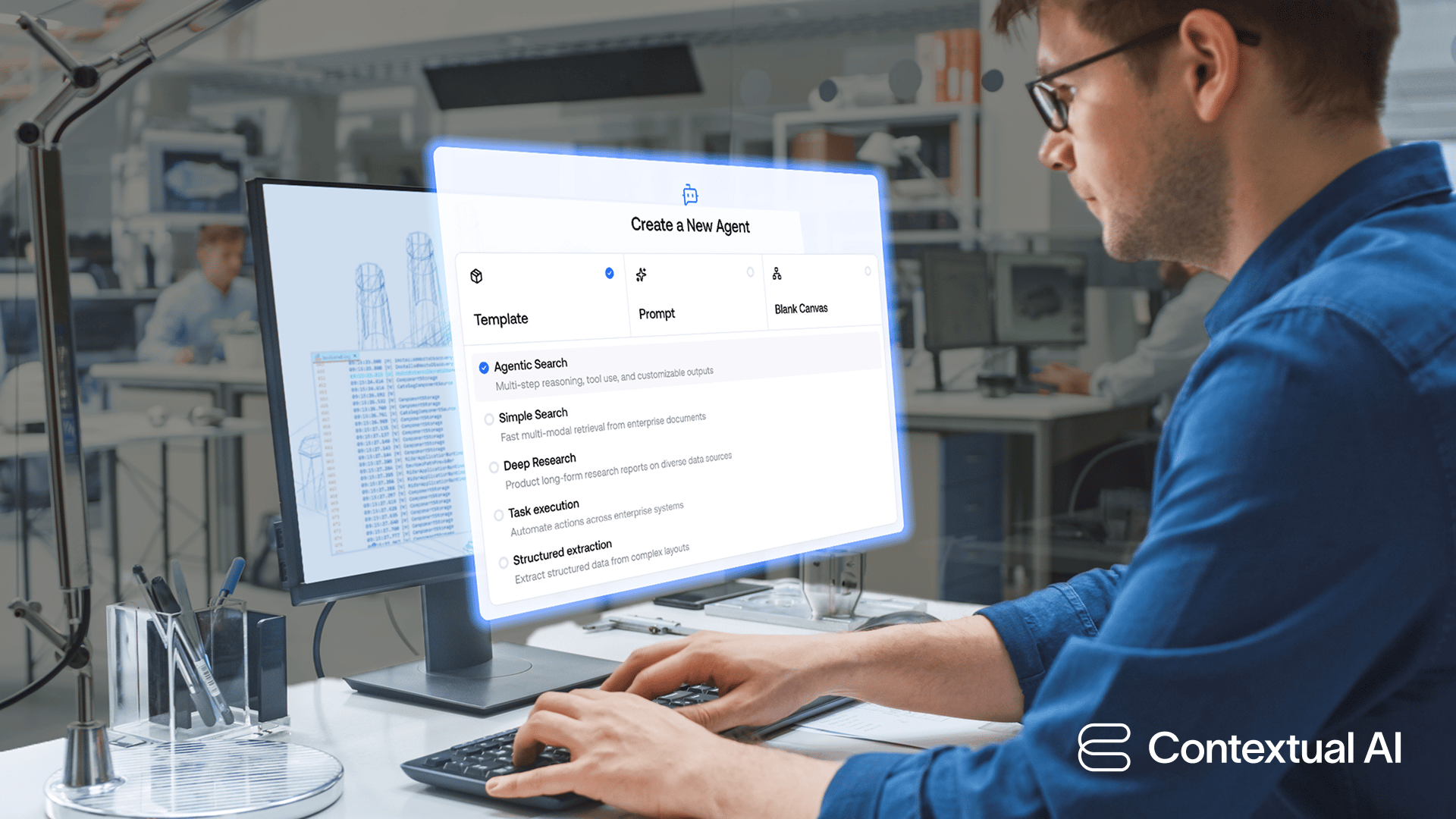
The Rundown: Agent Composer helps teams tackle expert-level engineering tasks in high-stakes environments — compressing hours of complex routine work into minutes. Trusted by high-tech leaders like Qualcomm and Advantest, it’s built for environments where accuracy and reliability are non-negotiable.
What makes it different:
Unified context layer gives agents full visibility into tasks, data, and workflow context
Controlled agents combine dynamic intelligence with structured workflows for mission-critical reliability
No-code builder with pre-built templates, natural language prompts, or visual drag-and-drop
MOONSHOT AI
🇨🇳 Moonshot’s K2.5 open-source model rivals frontier labs
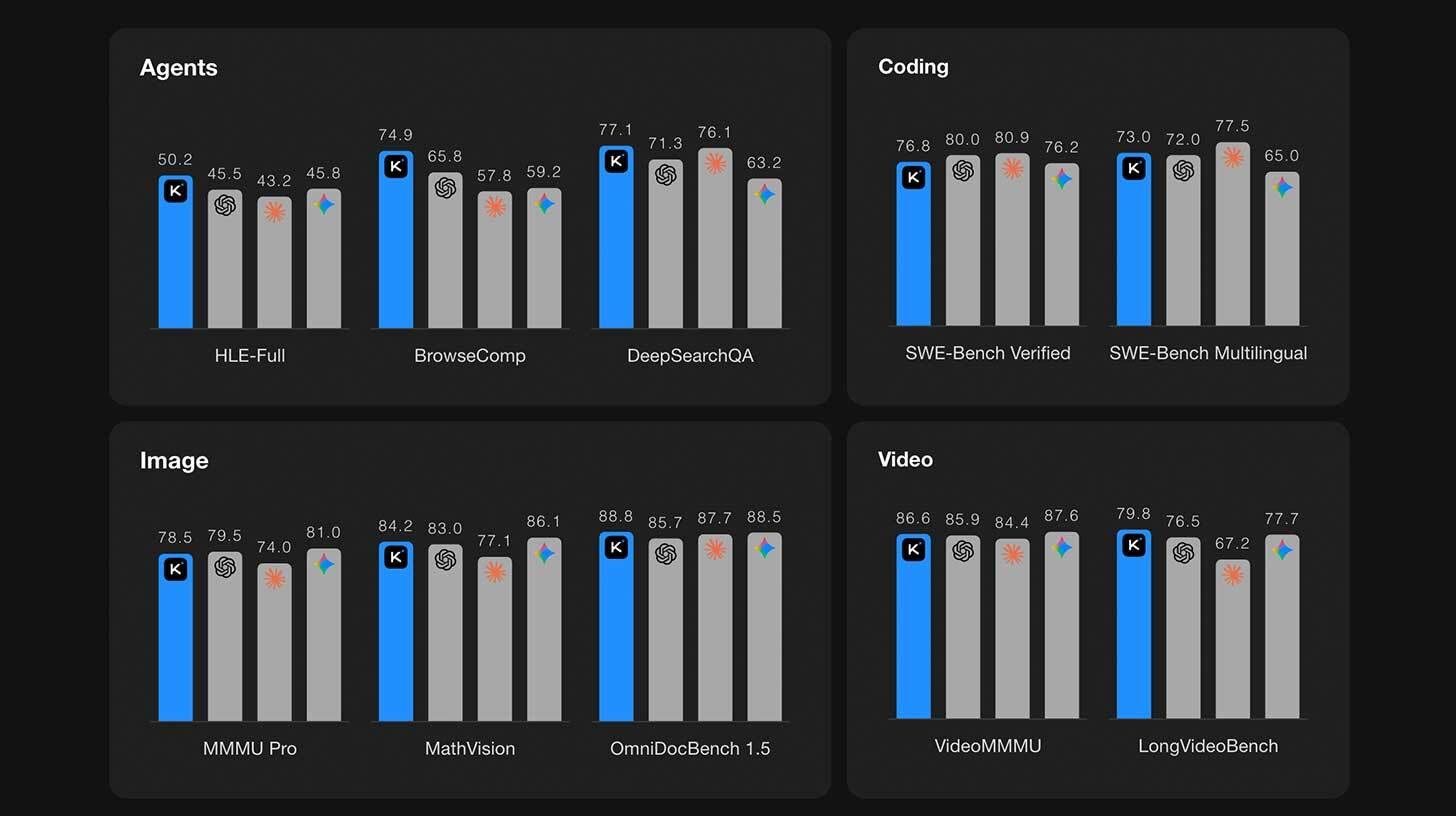
Image source: Moonshot AI
The Rundown: Chinese AI startup Moonshot just open-sourced Kimi K2.5, a new 1T-parameter model that rivals GPT-5.2 and Claude Opus 4.5 across coding, vision, and agentic benchmarks. The release includes Kimi Code, a terminal-based coding agent.
The details:
K2.5 tops GPT-5.2 and Opus 4.5 in on key benchmarks for agentic tasks and video reasoning, though it trails slightly on pure coding evals.
K2.5 shows massive cost savings over top rivals, is natively multimodal, and comes in as the top open model on Artificial Analysis’ leaderboard.
The model also features Agent Swarm, allowing K2.5 to manage up to 100 AI sub-agents running tasks at once across up to 1,500 steps and tools.
Moonshot also open-sourced Kimi Code, an agentic coding agent that works in terminals and IDEs like VSCode and Cursor.
Why it matters: The gap between open-source and closed frontier models keeps shrinking — and once again, it’s a Chinese lab leading the charge. With DeepSeek’s V4 also reportedly on deck, U.S. labs are facing pressure from multiple directions as China’s open wave keeps building at costs that are hard for top labs to compete with.
QUICK HITS
🛠️ Trending AI Tools
💸 Nume - The world’s first AI CFO that every startup and SME needs. Connect to Xero and QuickBooks in 5 minutes*
🦞 Moltbot (formerly Clawdbot) - Open-source personal AI assistant that lives in chat apps
🚀 Kimi K2.5 - Moonshot AI’s powerful, open-source agent-focused model
🎥 Ray 3.14 - Luma’s upgraded video model for professional creative workflows
*Sponsored Listing
📰 Everything else in AI today
Luma AI released Ray3.14, an upgraded video generation model that outputs native 1080p while running significantly faster and cheaper than its predecessor.
DeepSeek open-sourced OCR 2, a model for reading and extracting text from documents that tops benchmarks while being much more efficient with tokens.
AI2 introduced SERA, a new family of open-source coding agents able to be cheaply trained on private codebases with native support for Claude Code.
Google premiered ‘Dear Upstairs Neighbors’ at Sundance, an animated short made with its video AI in collaboration with artists to replicate hand-painted styles.
Alibaba’s Tongyi Lab open-sourced Z-Image, the full base version of its Z-Image Turbo, which ranked as the top open-source image model in December.
COMMUNITY
🤝 Community AI workflows
Every newsletter, we showcase how a reader is using AI to work smarter, save time, or make life easier.
Today’s workflow comes from reader Brendan O. in Crofton, MD:
“I use Kilo Code’s Managed Indexing to find code I know exists but can’t name exactly. In large codebases, I often need to locate logic or patterns without remembering file or function names, and regular text search just doesn’t cut it.
Managed Indexing lets me describe what I’m looking for in plain English and get the right code back quickly, which makes the difference between saving an hour and losing your train of thought.”
How do you use AI? Tell us here.
🎓 Highlights: News, Guides & Events
Read our last AI newsletter: Anthropic CEO confronts AI’s dangers
Read our last Tech newsletter: TikTok USA’s epic meltdown
Read our last Robotics newsletter: Musk’s Optimus deadline
Today’s AI tool guide: Find dozens of free AI tools with Google Labs
RSVP to our next workshop on Feb. 11: Agentic Workflows Bootcamp pt. 1
See you soon,
Rowan, Joey, Zach, Shubham, and Jennifer — the humans behind The Rundown

TikTok U.S.A.'s epic meltdown
Read Online | Sign Up | Advertise

Good morning, tech enthusiasts. TikTok’s new U.S.-controlled era is off to a rough start: broken For You feeds, stalled uploads, and posts vanishing mid-scroll.
Now, adding to the trouble, California is probing whether politically sensitive content is being censored. TikTok blames a U.S. data-center power outage — an unglamorous culprit for an app built on viral momentum.
In today’s tech rundown:
TikTok’s U.S.-owned debut is already a mess
Grok under fire as EU probes deepfake tools
Meta plans subscription tiers across its apps
Finland wants your burned-out engineers
Quick hits on other tech news
LATEST DEVELOPMENTS
TIKTOK
😱 TikTok’s U.S.-owned debut is already a mess

Image source: Ideogram / The Rundown
The Rundown: TikTok under U.S. control was already glitching out — busted feeds, stalled uploads, videos hitting zero views — and now California has opened a formal investigation into whether the app is quietly throttling political content.
The details:
U.S. users complained of repetitive or wildly off-base recommendations, missing comments, and new posts disappearing into the void.
California Governor Gavin Newsom is launching a review into whether TikTok is violating state law by censoring Trump-critical content.
But TikTok says its tech issues were triggered by a power outage at a U.S. data center and that it's working to fully restore services.
Sensor Tower data shows TikTok’s U.S. daily uninstalls have surged nearly 150% in the five days since the TikTok USDS joint venture was announced.
Why it matters: Just days after ByteDance ceded majority control to U.S. investors — including Trump ally Larry Ellison’s Oracle — TikTok is stumbling through tech chaos and accusations of political censorship. Rivals like Skylight are eager to absorb the spillover, but unseating an app with 200M U.S. monthly actives won’t be easy.
TOGETHER WITH OPTIMIZELY
⚡ AI agents for marketing workflows
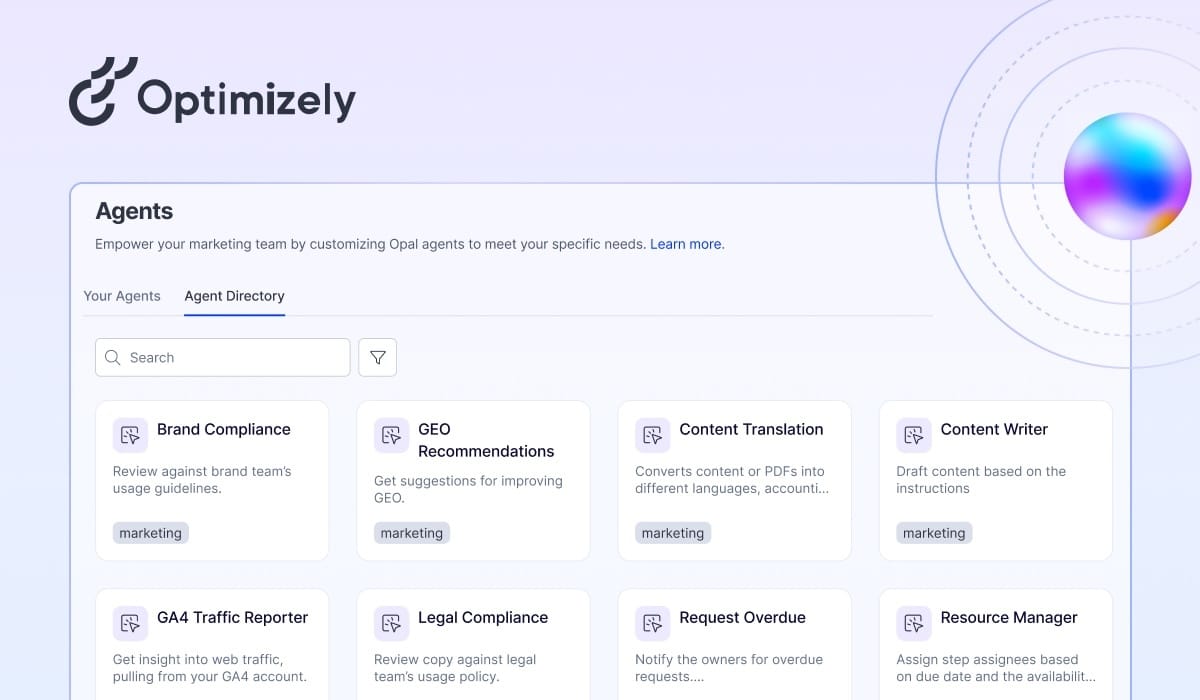
The Rundown: Most marketing teams don’t need more ideas — they need more time. Optimizely Opal is an AI agent orchestration platform that handles real workflows like content creation, compliance checks, experiment variations, and reporting, so your team can focus on work that moves the needle.
With Opal, you can:
Automate content creation, approvals, and compliance checks
Generate experiment variations and personalize experiences at scale
Analyze pages for GEO and streamline reporting
Keep everything on-brand while plugging into tools you already use
Apply now to get a free agentic workshop for your marketing team (plus a pair of Ran-Ban X Meta glasses).
GROK
🔎 Grok under fire as EU probes deepfake tools

Image source: Reve / The Rundown
The Rundown: The European Commission just opened a formal probe into xAI and X over Grok’s role in generating non‑consensual sexualized deepfakes of women and children, calling such content a “violent, unacceptable form of degradation.”
The details:
Regulators are investigating Grok’s image-generation tools, which enabled users to “digitally undress” real people and share explicit images at scale.
The inquiry will examine whether X assessed risks before deploying Grok, and whether its recommender systems amplified harmful deepfake content.
X says it has tightened Grok’s image tools and restricted some capabilities following backlash.
The EC has ordered X to preserve all Grok‑related records through 2026 and will assess whether these fixes meet the Digital Services Act’s requirements.
Why it matters: In December, the EU hit X with a $140M fine over deceptive blue-check practices, a penalty CEO Elon Musk called “crazy.” The investigation also follows similar scrutiny from regulators in the UK, California, and countries including Malaysia and Indonesia that have moved against Grok’s deepfake capabilities.
META
💎 Meta plans subscription tiers across its apps

Image source: Ideogram / The Rundown
The Rundown: Meta is gearing up to test premium subscription tiers across Instagram, Facebook, and WhatsApp, according to TechCrunch, offering users optional access to advanced features and AI tools while keeping core functionality free.
The details:
Each app will get its own subscription bundle, with Instagram early perks including unlimited audience lists and anonymous Story viewing.
Meta plans to scale its $2B Manus AI agent acquisition by integrating it into its apps while still selling Manus as a standalone subscription to businesses.
The company will also test paid access to AI features like Vibes, an AI-powered short‑form video tool, shifting it from free to a freemium model.
Meta is following Snapchat’s playbook — Snapchat+ doubled subscribers to 14M in 2024, generating some $500M in annual revenue from AI features.
Why it matters: Meta’s AI subscriptions would create a two-tier social web where paying users unlock stronger tools, fewer limits, and agentic AI. By wiring Manus into those paid tiers — while still selling it separately to enterprises — Meta is betting that AI agents can overcome subscription fatigue and help recoup its massive AI spend.
FINLAND
🎿 Finland wants your burned-out engineers

Image source: …
The Rundown: Finland is pitching overworked U.S. tech and AI workers a tempting deal: ditch the grind for a fast-track visa, saner hours, and a healthcare system that won’t bankrupt you, as spotted by Business Insider.
The details:
The program has partnered with more than 30 companies and universities, with job listings at Oura Health and quantum computing startup IQM.
A Fast Track specialist visa can deliver a combined work-residence permit in as little as two weeks, and spouses get work permits too.
Finnish officials are marketing the country as an antidote to U.S. tech culture: offices are actually empty at 5 p.m., and overtime is tightly regulated by law.
Salaries run lower than U.S. rates, but expats say affordable childcare, universal healthcare, and generous vacation time make up the difference.
Why it matters: Finland is bundling fast-track visas, spousal work rights, and integration support into a soft-landing package designed to lure deep-tech talent away from Silicon Valley. The pitch is simple: trade some compensation for a safer, calmer, higher-quality life. Learning Finnish and surviving the winters? That part’s on you.
QUICK HITS
📰 Everything else in tech today
Microsoft received approval to build 15 additional data centers in Mount Pleasant, Wisconsin, to boost capacity for AI and cloud workloads.
Google will pay $68M to settle a class-action lawsuit claiming Google Assistant recorded users after accidental activations and shared some audio without consent.
Apple launched a new AirTag, adding a louder speaker, longer range, and expanded Precision Finding support so items can be located from much farther away.
Chinese EV giant BYD is aiming to sell 1.3M vehicles outside China in 2026, about a 25% jump from last year’s 1.05M overseas deliveries.
YouTubers behind h3h3 and two golf channels are suing Snap, claiming it illegally scraped their videos to train AI for tools like Snapchat’s Imagine Lens.
Y Combinator dropped Canada from its investment list, so Canadian startups must reincorporate in the U.S., Cayman Islands, or Singapore to join the accelerator.
South Korean startup Edenlux is set to launch Eyeary, smart glasses that retrain eye muscles to ease screen-induced eye strain, in the U.S. via Indiegogo in March.
New court documents in a lawsuit show Google has long viewed Chromebooks as a way to hook students into its ecosystem and turn them into lifelong customers.
Chinese EV maker Xpeng aims to deliver more than 90K vehicles outside China this year, accelerating its expansion in Europe, the Middle East, and Southeast Asia.
COMMUNITY
🎓 Highlights: News, Guides & Events
Read our last AI newsletter: Anthropic CEO confronts AI's dangers
Read our last Tech newsletter: Amazon’s second axe is falling
Read our last Robotics newsletter: Musk’s Optimus deadline
Today’s AI tool guide: Build your own design system for AI
RSVP to next workshop on Feb. 11: Agentic Workflows Bootcamp pt. 1
See you soon,
Rowan, Joey, Zach, Shubham, and Jennifer — The Rundown’s editorial team

Anthropic CEO confronts AI's dangers
Read Online | Sign Up | Advertise

Good morning, AI enthusiasts. Which way, humankind?
That's the question at the heart of Dario Amodei's new essay, which argues the next few years will decide whether AI delivers a golden age or spirals toward something darker — and that the tech’s economic promise is a trap humanity can't resist.
In today’s AI rundown:
Anthropic CEO on AI’s ‘civilizational’ danger
Anthropic embeds interactive apps inside Claude
Build your own design system for AI
Microsoft launches powerful Maia 200 AI chip
4 new AI tools, community workflows, and more
LATEST DEVELOPMENTS
DARIO AMODEI
📖 Anthropic CEO on AI’s ‘civilizational’ danger

Image source: Lovart / The Rundown
The Rundown: Anthropic CEO Dario Amodei just published “The Adolescence of Technology,” a new essay that lays out what he sees as the biggest dangers of AI, from bioterrorism and autonomous weapons to mass job loss and AI-powered dictatorships.
The details:
The essay builds on his 2024 “Machines of Loving Grace”, but pivots to risk — framing AI as a "country of geniuses in a data center" that we can't control.
Amodei predicts half of entry-level office jobs are at risk over the next 1-5 years, with economic shocks arriving faster than society can adapt.
He calls for chip export bans and more transparency from labs, saying AI's economic promise makes restraint "very difficult for human civilization."
Amodei also flags AI companies themselves as a tier of risk, noting Claude exhibited deception and blackmail behavior during internal safety testing.
Why it matters: Amodei’s essays are always a must-read, and while ‘Machines of Loving Grace’ outlined the optimistic end of AI’s spectrum, he follows it up with a polar opposite document that doesn’t hold back — arguing that the next few years will determine whether humanity navigates to an AI-powered golden age or destruction.
TOGETHER WITH YOU.COM
💡 One major reason AI adoption stalls? Training
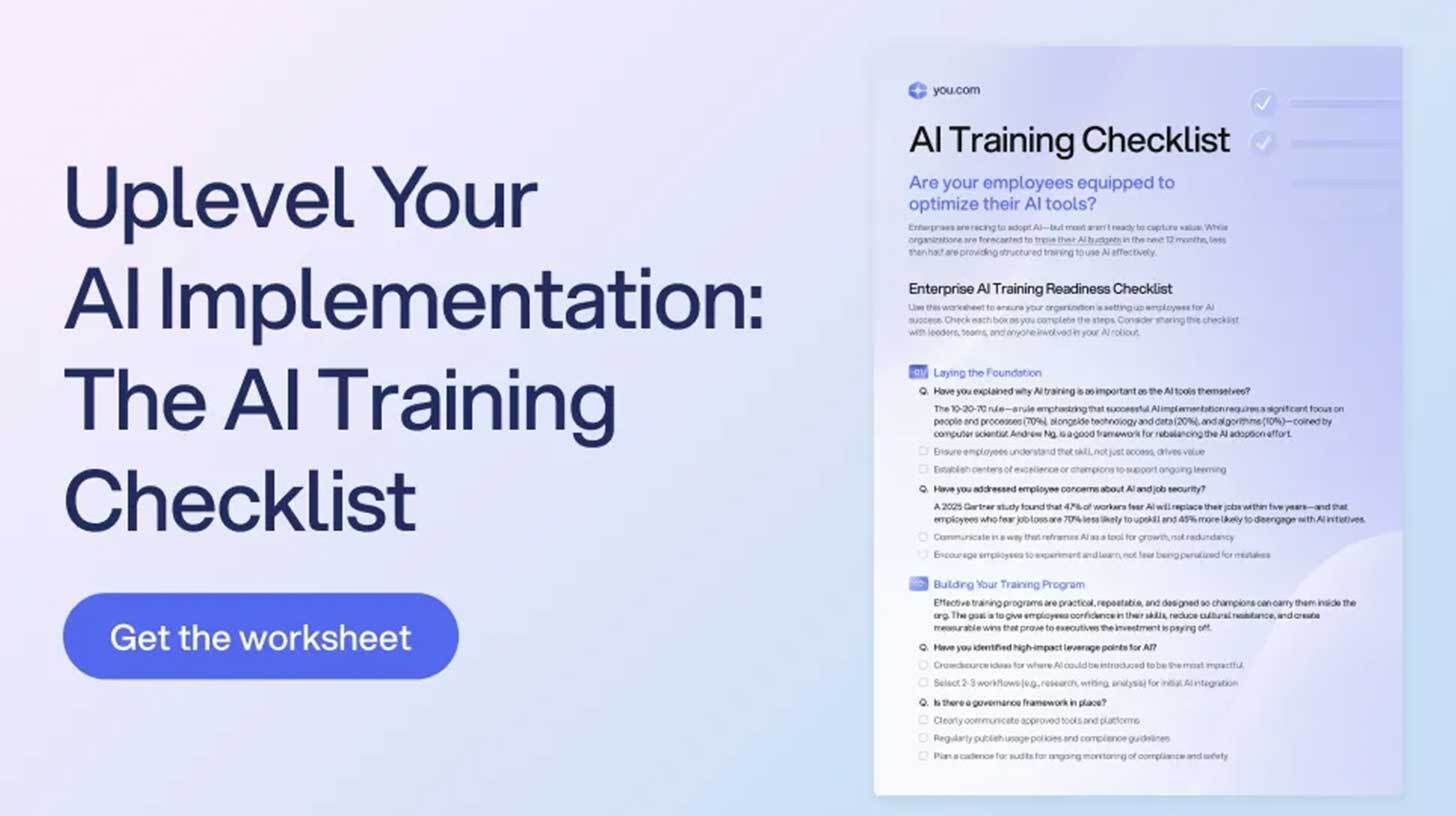
The Rundown: AI implantation often goes sideways due to unclear goals and lack of a clear framework. You.com’s checklist pinpoints common pitfalls and guides you to build a capable, confident team that can make the most out of your investments.
Inside, you’ll get:
Key steps for building a successful AI training program
Guidance on overcoming employee resistance and fostering adoption
A structured worksheet to monitor progress and share across your organization
ANTHROPIC
🚀 Anthropic embeds interactive apps inside Claude
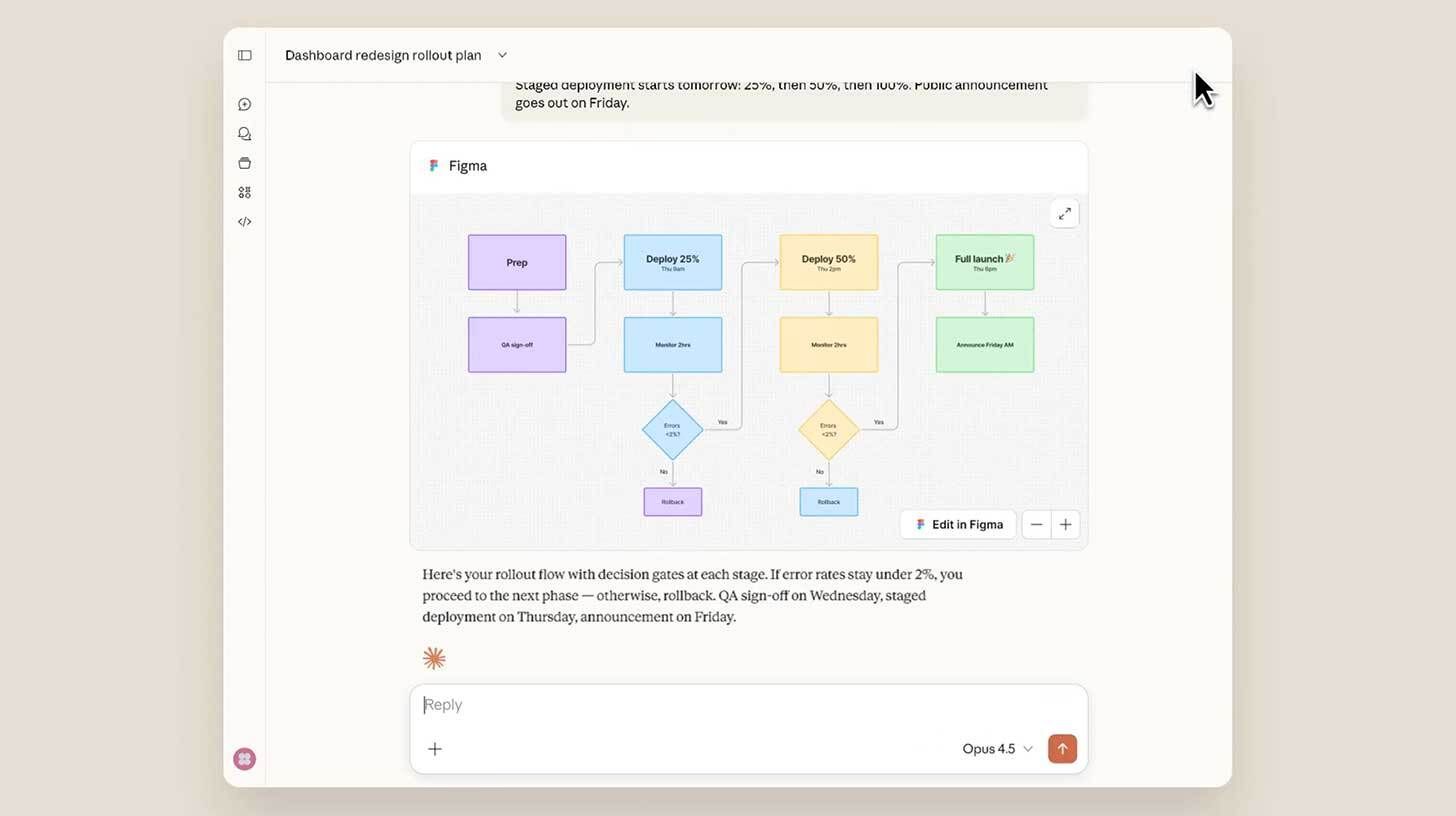
Image source: Anthropic
The Rundown: Anthropic just launched interactive apps inside its Claude AI assistant, allowing users to connect and use apps like Asana, Slack, Canva, and more without ever leaving the chat window.
The details:
The initial rollout includes nine apps: Asana, Figma, Canva, Slack, Box, Amplitude, Clay, Hex, and Monday, with Salesforce coming soon.
The integrations run on MCP Apps, a new open extension to Anthropic's Model Context Protocol — meaning other AI platforms can build the same functionality.
Actions require user consent prompts before executing, and enterprise admins can lock down which tools employees have access to.
The feature ships to Pro, Max, Team, and Enterprise subscribers at no extra cost, with a Cowork integration also coming in the future.
Why it matters: OAI rolled out a similar Apps SDK at Dev Day, and all the frontier labs are pushing to turn their platforms into a workplace layer that sits on top of every other highly-used app. With the importance of context to getting the most out of AI, every popular app and platform will be just an integration away from your preferred assistant.
AI TRAINING
🎨 Build your own design system for AI
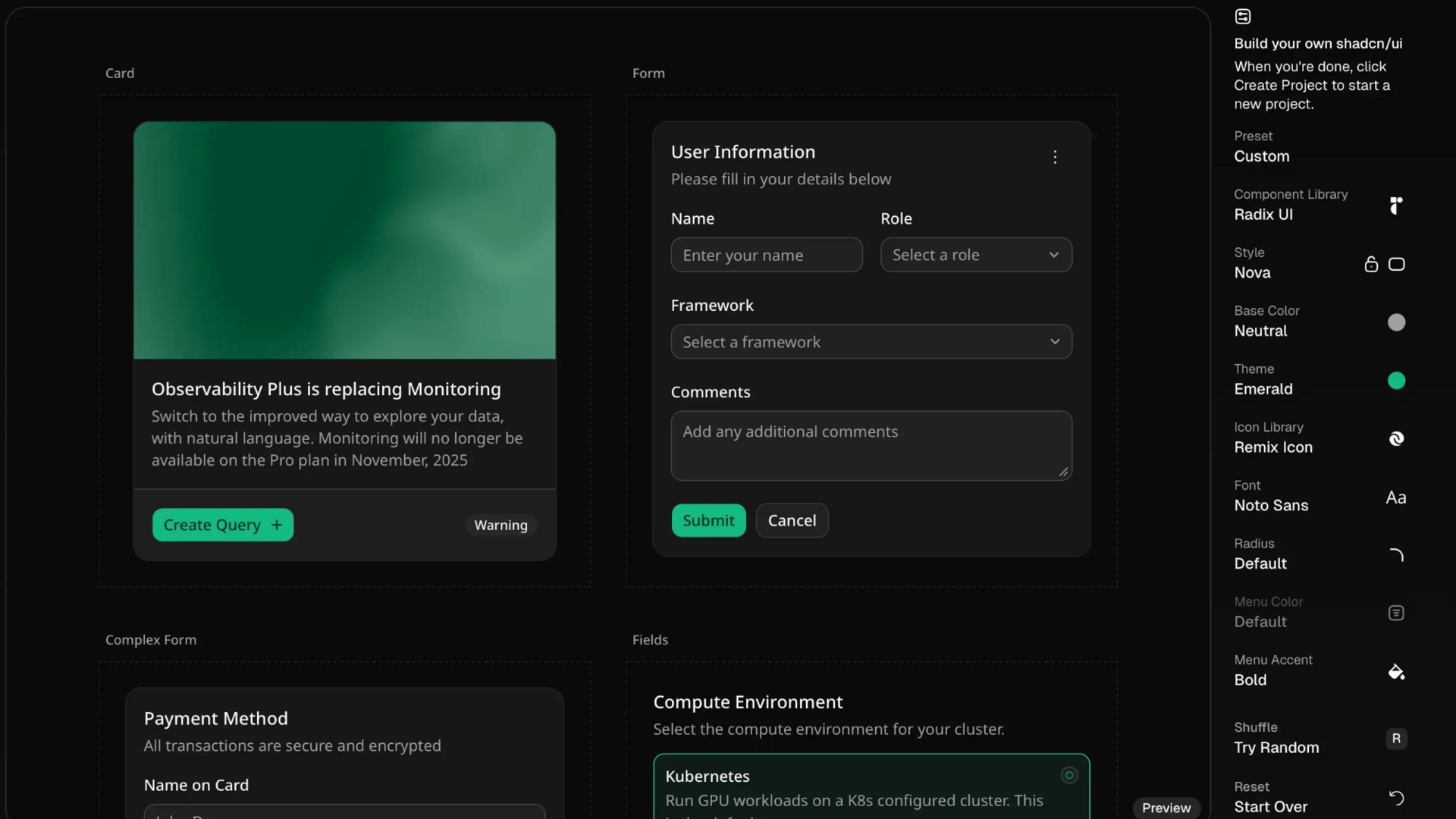
The Rundown: In this guide, you will learn how to use an underrated design tool with Codex to build a simple portfolio website — a workflow that simplifies your project setups so you won’t have to worry about design systems ever again.
Step-by-step:
Navigate to ui.shadcn.com/create, use the drop-down to create a custom design system, then click Create Project and copy the unique command
Open a terminal, run the command to scaffold the app, then navigate into the folder and run
npm installandnpm run devto launch the site locallyOpen Codex / Claude in the directory and paste design system instructions (found via link in ShadCN command) into your Claude.md or Agent.md file
Plan your site in a short PRD, then prompt the agent to create a simple portfolio website using the attached PRD and the defined design system
Pro tip: If you have the Context7 Skill installed, you can put "Always use context7 to look for ShadCN components before building new UI" in your Agent.md.
PRESENTED BY GLEAN
🤖 Scale impact with AI agents
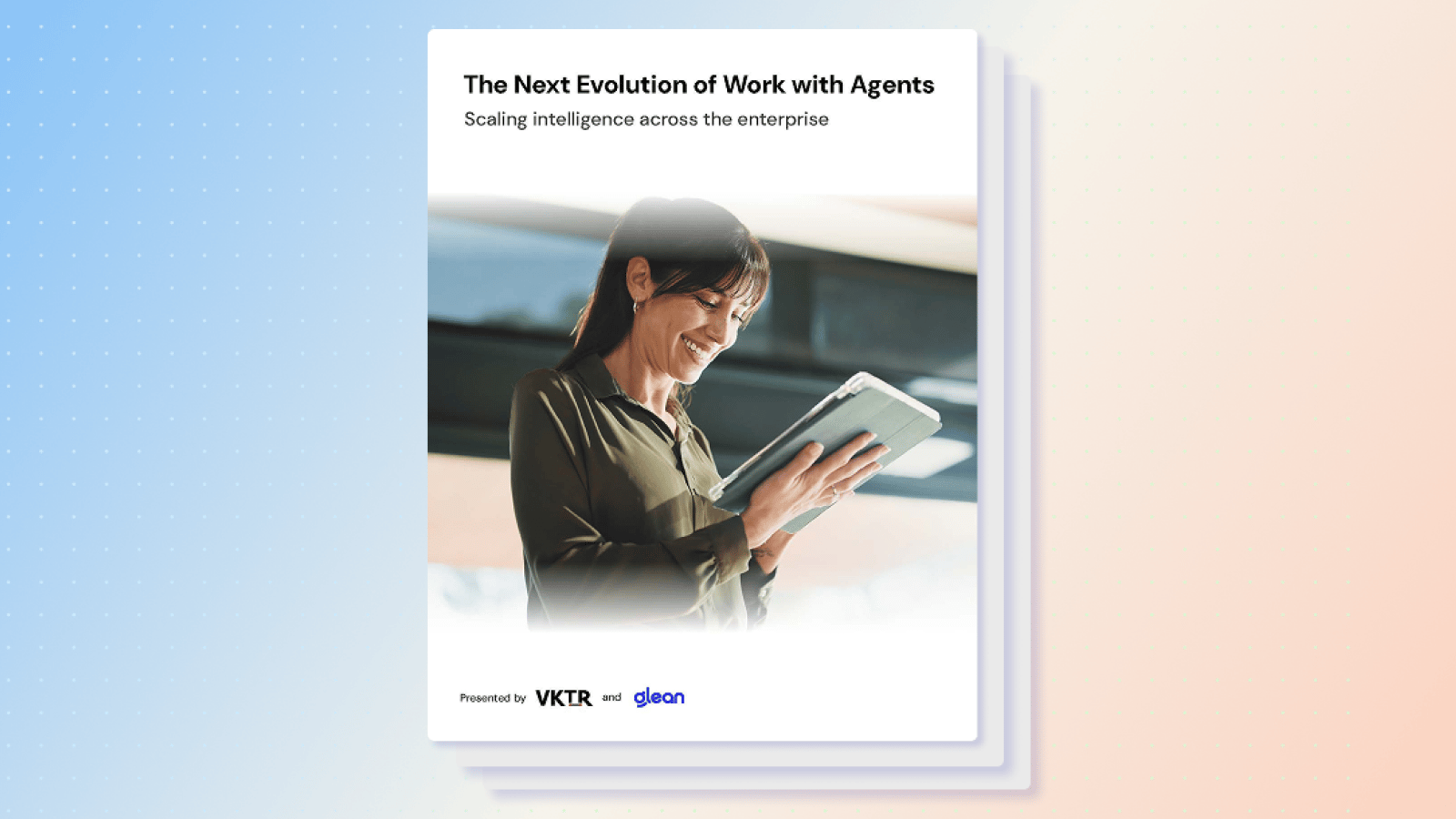
The Rundown: See how enterprises are moving beyond chat-based assistants to AI agents that understand organizational context, take action across tools, and reliably complete real work. This report distills where to start, which use cases to prioritize, and how to keep agents safe at enterprise scale.
In this report, you’ll learn:
Why context is the foundation for agents
How to democratize agent building across teams
Guardrails that keep enterprise automations safe
MICROSOFT
⚡ Microsoft launches powerful Maia 200 AI chip

Image source: Microsoft
The Rundown: Microsoft just debuted Maia 200, the company’s newest in-house AI chip that it says beats rivals from Amazon and Google on key benchmarks — while also chipping away at Nvidia's software grip on the industry.
The details:
Microsoft claims the chip outperforms Amazon’s Trainium 3 and Google's TPU v7, with 30% better efficiency than its current hardware.
The chip will power OAI's GPT-5.2 models, Microsoft's internal AI teams, and Copilot across its product lineup starting this week.
Microsoft is also releasing an SDK preview, developer tools that rival Nvidia’s industry-standard software, in a move to loosen the AI chip giant’s moat.
Why it matters: Google and Amazon were already pushing Nvidia to carve out a piece of the custom AI chip market, and now Microsoft is getting its own next-gen chips into the competition. The tech giant’s SDK also targets the software side, hitting at a CUDA moat that is considered one of Nvidia’s biggest competitive advantages.
QUICK HITS
🛠️ Trending AI Tools
🔐 Incogni - Erase sensitive data like addresses and phone numbers from the web. Get 55% off with code RUNDOWN.*
🔌 Interactive Apps - Use popular business apps directly within Claude
🧠 Qwen3-Max-Thinking - Alibaba’s new flagship reasoning model
🤖 MiniMax Agent - AI assistant with browser control, expert agents, more
*Sponsored Listing
📰 Everything else in AI today
Cisco AI Summit streams live on Feb. 3, featuring leaders from NVIDIA, OpenAI, AWS, Figma, Google, and Andreessen Horowitz to discuss the infrastructure and governance of the AI economy.*
OpenAI will reportedly charge around $60 / thousand ad views in its initial ChatGPT rollout, rivaling primetime broadcast rates and tripling the likes of Meta.
Alibaba’s Qwen released Qwen3-Max-Thinking, the company’s new reasoning model that is competitive with models like Claude 4.5 Opus, GPT 5.2 Pro, and Gemini 3 Pro.
Nvidia announced a $2B investment in CoreWeave as part of an expanded partnership to build over 5 GW of AI data center capacity by 2030.
Synthesia raised $200M in new funding at a $4B valuation led by Google Ventures, with plans to build AI agents that help train and upskill employees with interactive video.
*Sponsored Listing
COMMUNITY
🤝 Community AI workflows
Every newsletter, we showcase how a reader is using AI to work smarter, save time, or make life easier.
Today’s workflow comes from reader Robert M. in Ontario, Canada:
"I am an author, and... I recently uploaded my book to ChatGPT and asked it to plot out the chapters for the next book. I included the location, characters, and basic premise.
ChatGPT came up with 10 chapter headings and brief outlines. I then took each outline and wrote the chapter based on the outline, changing when necessary. I wrote the book in two weeks instead of the usual two months. It's still me writing the book: my story, my language. But having AI come up with a plot sequence saved me hours."
How do you use AI? Tell us here.
🎓 Highlights: News, Guides & Events
Read our last AI newsletter: Claude for Excel opens the gates
Read our last Tech newsletter: Amazon’s second axe is falling
Read our last Robotics newsletter: Musk’s Optimus deadline
Today’s AI tool guide: Build your own design system for AI
RSVP to next workshop on Feb. 11: Agentic Workflows Bootcamp pt. 1
See you soon,
Rowan, Joey, Zach, Shubham, and Jennifer — the humans behind The Rundown

Musk's Optimus deadline
Read Online | Sign Up | Advertise
Good morning, robotics enthusiasts. Elon Musk finally showed up at Davos to pitch a near-future where humanoids outnumber humans and “saturate all human needs” before the decade’s out.
It’s classic Musk futurism: utopia-by-deadline while quietly dodging the biggest question of all: what’s left for humans when the robots run the show?
In today’s robotics rundown:
Musk: Optimus to go on sale in 2027
Union slams Hyundai’s Atlas push
Tesla’s Austin driverless robotaxis are live
These swarm robots bloom like flowers
Quick hits on other robotics news
LATEST DEVELOPMENTS
ELON MUSK
🤖 Musk: Optimus to go on sale in 2027

Image source: Ideogram / The Rundown
The Rundown: Elon Musk used his first appearance at the World Economic Forum in Davos to sketch a future where humanoids outnumber humans in factories and “saturate all human needs” by the end of the decade.
The details:
Musk forecasts AI could outsmart any individual human by late 2026, and outstrip humanity collectively by 2030–2031.
He said he expects Tesla to begin selling Optimus humanoids to the public by the end of 2027.
Optimus is already handling basic factory tasks; Musk says they’ll tackle complex industrial work within a year and expand to consumer uses soon.
He framed robot abundance as utopia, not dystopia — tossing in that aging is “a very solvable problem” too.
Why it matters: The pitch was classic Musk — aggressive timelines, grand ambition, plus jokes about being an alien and Trump eyeing “a little piece of Greenland, a little piece of Venezuela.” What's missing: any serious answer to what ageless humans actually do in a world where robots handle everything.
HYUNDAI & BOSTON DYNAMICS
🪧 Union slams Hyundai’s Atlas push
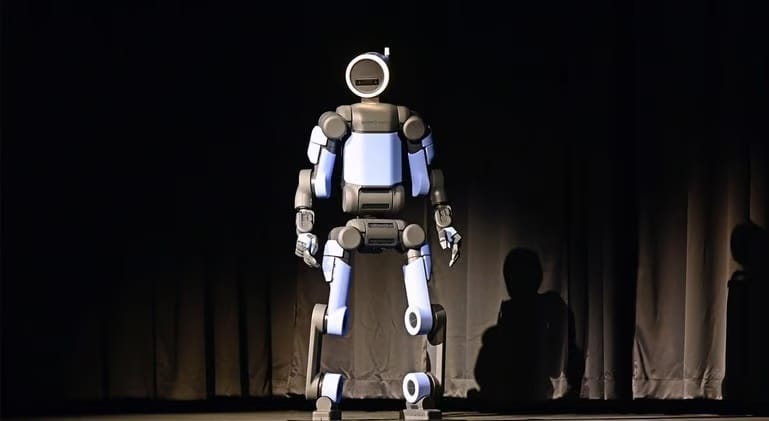
Image source: Hyundai (Atlas demo at CES)
The Rundown: Hyundai’s South Korean union is vowing to block the automaker’s plan to roll out Boston Dynamics’ Atlas humanoids on production lines — starting with a new U.S. plant in Georgia — unless a formal deal is struck to protect jobs.
The details:
The union argues that Atlas and other AI robots are explicitly aimed at cutting labor costs, warning that they will trigger “significant employment disruption.”
Hyundai is building a new facility capable of producing up to 30K Atlas robots a year by 2028, positioning them as a core tool to boost manufacturing.
The first units are slated to roll out at Hyundai’s Georgia plant in 2028, initially handling basic tasks before moving into more complex work by 2030.
Maintaining an Atlas robot is projected to cost about $9,500 per year, far below the typical annual cost of human labor.
Why it matters: Hyundai — the world’s third largest automaker — claims Atlas will shoulder dangerous tasks and spare workers’ backs. The union sees a different calculation: swap humans for hardware, bank the savings. They’re also pushing back on the automaker’s overseas expansion plans, including new U.S. production.
TESLA
🚖 Tesla’s Austin driverless robotaxis are live

Image source: Tesla
The Rundown: Tesla just started offering “no front-seat safety driver” robotaxi rides in Austin, sending a small fleet of unsupervised vehicles onto public streets as Musk pitches the launch as a breakthrough moment for Tesla’s AI ambitions.
The details:
The safety net reportedly hasn’t vanished entirely: videos show Tesla’s Austin robotaxis being shadowed by human-driven Teslas as backup support.
Only a fraction of the local fleet is running in this unsupervised mode for now, with the rest of Tesla’s robotaxis still operating with human safety monitors.
Elon Musk is using the launch to recruit engineers, framing Tesla’s autonomy stack as “real-world AI” work that he claims could “likely lead to AGI.”
Early riders report that Tesla is charging for these trips from day one, unlike rivals Waymo and Zoox, which initially offered fully driverless rides for free.
Why it matters: Tesla is racing to own the robotaxi narrative just as Waymo is pushing toward broader, regulator-approved driverless service in more cities. A rollout signals confidence in the tech, but chase cars trailing behind suggest the “unsupervised” label comes with an asterisk, for now at least.
ROBOTICS RESEARCH
🌼 These swarm robots bloom like flowers

Image source: Princeton University
The Rundown: Princeton engineers published a new paper on a swarm of robots that “bloom” like flowers in response to changing light, prototyping building facades that can collectively sense light, move, and adapt in real time.
The details:
The installation, first built in 2024, uses about 40 small modular “SGbots” whose flexible petals open and close in coordinated patterns.
Each robot packs its own light sensor, actuator, processor, and wireless link, letting the swarm decide how to move without a central controller.
In real-world tests, subsets of the swarm adjusted to shifting sunlight over hours and kept functioning even when some units went dark.
A gallery version linked the swarm to a dancer’s wearable interface, with the facade blooming in response to human movement.
Why it matters: The project slots into a broader push toward “living” architecture — robot gardens using swarms of simple machines to build adaptive facades and kinetic urban art. By turning facades into self-organizing robot swarms, it suggests a future architecture that’s part climate system, part public art, and always in motion.
QUICK HITS
📰 Everything else in robotics today
Waymo opened its driverless robotaxi service to the public in Miami, starting with about 10K waitlisted residents who can hail rides across a 60-square-mile service area.
Gecko Robotics, MIT, and Mech-Mind experts told Business Insider that humanoids remain far from scalable real-world deployment, held back by limited sensing and AI.
Carnegie Mellon is developing a quadruped robot that can sniff out hazards, locate casualties, and assess victims’ conditions in search-and-rescue operations.
A Chinese university unveiled Fuxiaozhi F1-D, a humanoid treatment robot that uses a non-invasive brain-computer interface to support autism intervention in children.
A Financial Times report on Shenzhen-based UBTech says its Walker S2 humanoids are only about half as productive as human workers.
Roomba maker iRobot emerged from Chapter 11 as a private Picea Robotics subsidiary, launching a U.S. “iRobot Safe” unit to handle consumer data protection.
Beijing startup InterstellOr plans to fly its first suborbital space tourists in 2028 and has booked EngineAI’s PM01 humanoid as an experimental “passenger.”
Chinese heavy equipment giant Zoomlion is deploying humanoids in its “Smart City” factories to help assemble excavators at a rate of one every six minutes.
Chinese researchers unveiled GrowHR, a lightweight, bone-inspired humanoid that can move by floating, swimming, walking on water, and even briefly flying.
China’s new five-year tech plan puts humanoids at the center of its industrial strategy, setting targets for major robotics revenue growth by 2030.
COMMUNITY
🎓 Highlights: News, Guides & Events
Read our last AI newsletter: Claude for Excel opens the gates
Read our last Tech newsletter: Amazon’s second axe is falling
Read our last Robotics newsletter: A crawling, detachable robotic hand
Today’s AI tool guide: Create ads and marketing videos with Remotion
RSVP to next workshop on Feb. 11: Agentic Workflows Bootcamp pt. 1
See you soon,
Rowan, Joey, Zach, Shubham, and Jennifer — The Rundown’s editorial team
No matching search results
Try using different keywords, double-check your spelling, or explore related categories.
Stay Ahead on AI.
Join 2,000,000+ readers getting bite-size AI news updates straight to their inbox every morning with The Rundown AI newsletter. It's 100% free.