Get the latest AI news, understand why it matters, and learn how to apply it in your work — all in just 5 minutes a day. Join over 2,000,000+ subscribers.

One OS to rule all drones
Read Online | Sign Up | Advertise

Good morning, tech enthusiasts. Defense software startup Auterion just raised $130M to fix the drone world’s biggest flaw: nothing works together.
Now valued at $600M, it’s betting that open architecture — not vendor lock-in — will define the future of autonomous warfare. But can one platform really unify an industry built on secrecy and silos?
In today’s tech rundown:
This startup wants to be the ‘Microsoft for drones’
Scientists discover new way to obliterate space junk
AI startup expands healthcare to the uninsured
These engineered microbes fight cancer
Quick hits on other tech news
LATEST DEVELOPMENTS
AUTERION
🔥 This startup wants to be the ‘Microsoft for drones’
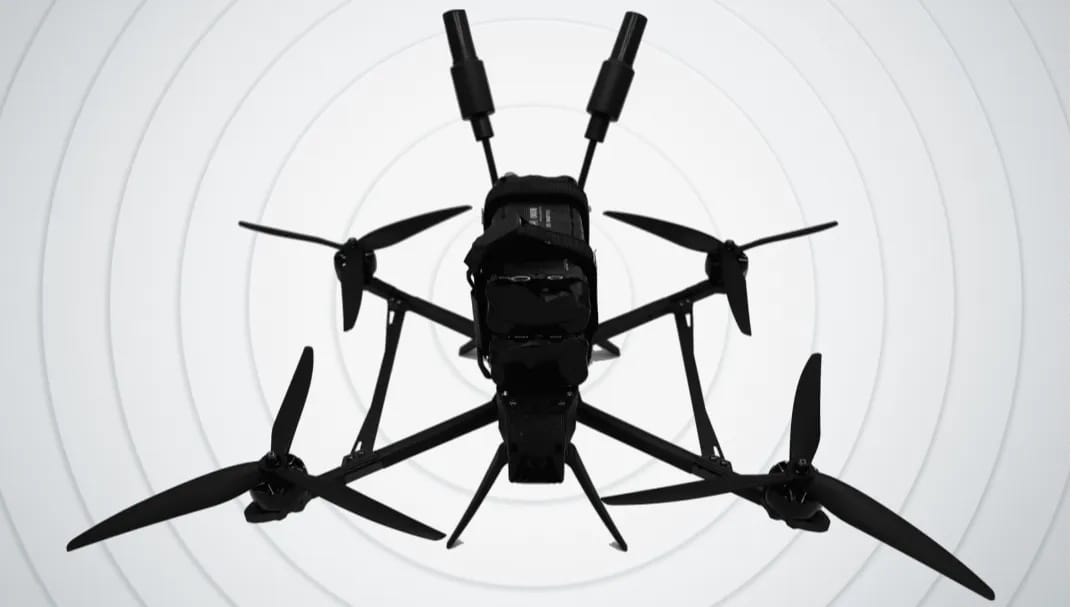
Image source: Auterion
The Rundown: Defense software startup Auterion just raised $130M to become the drone world's operating system, hitting a $600M valuation by solving the industry’s biggest headache: making incompatible hardware actually work together.
The details:
The Swiss-American startup’s open-source platform allows multiple drone brands to operate seamlessly on shared missions, Bloomberg reports.
Auterion's software powers everything from Ukrainian battlefield operations and Taiwanese defense systems to U.S. Department of Defense contracts.
The funding reflects growing demand for Western alternatives to China’s DJI ecosystem, as governments seek domestically controlled platforms.
Auterion's timing capitalizes on NATO's push for interoperable defense systems and the Pentagon's shift toward software-defined military hardware.
Why it matters: Auterion's bet is that whoever controls the software layer will capture the biggest slice of a market projected to hit $58B by 2026. If they succeed, Auterion won't just be selling software; they'll be the invisible backbone enabling everything from Amazon deliveries to coordinated military strikes.
TOGETHER WITH SANA
💡AI agents everywhere you work
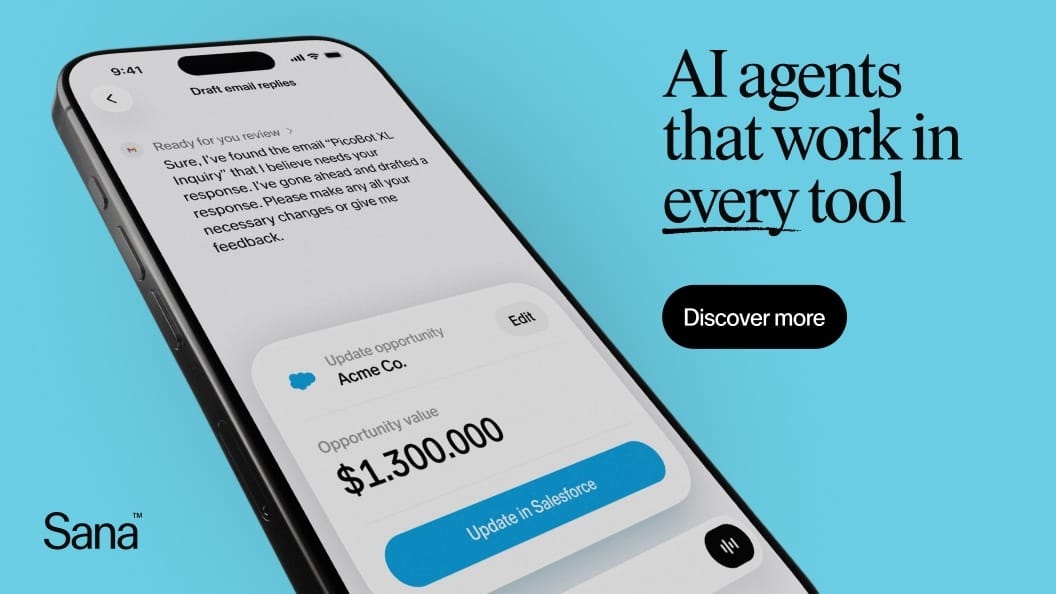
The Rundown: Sana’s AI agents connect with 100+ tools—Gmail, Outlook, Teams, Slack, Salesforce, Google Drive, BigQuery, and more—so every workflow is powered by instant answers and automation. No more silos, no more wasted time. When AI is everywhere you work, your team moves faster, stays focused, and delivers more.
Use Sana Agents to:
Orchestrate actions across all apps and data
Instantly search, summarize, and automate without switching context
Slash operational overhead by 10-20x
SPACE TECH
🛰️ Scientists discover new way to obliterate space junk

Image source: Tohoku University
The Rundown: Space junk is multiplying so fast that it could permanently ground rockets, but Japanese researchers cracked the physics problem with a plasma system that vaporizes debris while staying perfectly positioned.
The details:
Low Earth orbit contains over 34K pieces of trackable debris traveling at 17,500 mph that threaten rocket launches.
Contact methods using nets or hooks risk destroying cleanup satellites when debris spins unpredictably, while lasers can push the cleanup satellite away.
Tohoku University researchers, led by Kazunori Takahashi, have engineered an elegant workaround inspired by fusion reactor technology.
Their bidirectional thruster fires plasma beams in opposite directions — one to slow debris, another to counter recoil and maintain position.
Why it matters: It's like a perfectly balanced cosmic tugboat that stays locked in position while dragging space junk to fiery destruction. Without debris cleanup tech like this, we risk losing the satellites that power GPS, weather forecasting, and global communications, essentially getting cut off from space entirely.
AKIDO LABS
🩺 AI startup expands healthcare to the uninsured

Image source: Akido Labs
The Rundown: AI-powered healthcare startup Akido Labs is automating the basics of frontline medicine, using large language models to extend care access for underserved patients across Southern California.
The details:
The company’s proprietary AI system, Scope AI, automates routine tasks like symptom intake, appointment prep, reminders, and treatment explanations.
Similar to rival K Health, Akido aims to alleviate physician burnout and extend limited clinical capacity in areas where doctor shortages are most severe.
Patients can interact with the AI through text-based interfaces, receiving immediate responses rather than waiting for in-person consultations.
Akido Care is Akido Labs’ rapidly expanding medical network that uses Scope AI to deliver fast, in-person care via next-day visits and house calls.
Why it matters: The startup, which partners with safety‑net providers across Southern California, argues that AI‑driven triage and education could keep low‑income patients healthier at scale, without requiring more doctors who simply don’t exist. It’s a risky bet, with regulators debating what role, if any, AI should play in clinical decision‑making.
BIOTECH INNOVATIONS
🦠 These engineered microbes fight cancer

Image source: Ideogram / The Rundown
The Rundown: Researchers from Singapore and China just engineered gut bacteria into a living cancer drug that infiltrates colorectal tumors, potentially revolutionizing cancer treatment through microbes that recruit the body's own defenses.
The details:
Scientists weaponized Salmonella bacteria to seek out colorectal tumors, then release cancer-fighting proteins directly into the target.
The engineered bacteria contain a self-destruct mechanism — they multiply inside tumors, then explode and release their therapeutic payload.
The released proteins wake up the immune system's sleeping soldiers, turning the tumor environment from cancer-friendly to cancer-hostile territory.
This process builds immune command centers directly inside tumors, coordinating sustained attacks against cancer cells from within.
Why it matters: This breakthrough merges synthetic biology with immunotherapy to create “programmable living medicines” — self-replicating treatments that turn tumors into the architects of their own destruction. It's still early days, but unlike chemotherapy's collateral damage to healthy tissue, these bacteria target only cancer.
QUICK HITS
📰 Everything else in tech today
Amazon, Google, and Microsoft asked their H-1B visa employees to remain in the U.S. and to return if traveling, in response to Trump's new $100K fee for H-1B visas.
Alibaba is actively courting Amazon brands to join its global AliExpress marketplace, intensifying efforts to expand in the U.S. and compete on Amazon’s home turf.
The maker of the Oura fitness ring is raising $875M in a Series E round that values the company at nearly $11B, according to Bloomberg.
SpaceX's Starship lunar lander may face delays and not be ready for its planned 2027 moon mission, reports Space News.
Warren Buffett’s Berkshire Hathaway fully exited its stake in Chinese EV-maker BYD, ending a 17-year investment, as new tariffs challenged BYD’s growth.
Swiss AI lab Giotto is seeking to raise funding at a valuation above $1B, positioning itself as Europe’s latest contender in the race for AGI, Reuters reports.
Stellantis canceled its plans to produce an electrified Jeep Gladiator 4xe, citing changing customer preferences and a shift in product strategy.
Zoom CEO Eric Yuan told The New York Times that AI could enable a three-day workweek, echoing predictions from Bill Gates and Nvidia's Jensen Huang.
COMMUNITY
🎓 Highlights: News, Guides & Events
Read our last AI newsletter: Nvidia fuels OpenAI's compute chase
Read our last Tech newsletter: Nvidia and Intel’s $5B plot twist
Read our last Robotics newsletter: Winged robo-birds take flight
Today’s AI tool guide: Use GPT-5 in Microsoft 365 to analyze emails
RSVP to next live workshop @ 4PM EST Friday: Automated Deep Research
See you soon,
Rowan, Jennifer, and Joey—The Rundown’s editorial team

Nvidia fuels OpenAI's compute chase
Read Online | Sign Up | Advertise

Good morning, AI enthusiasts. OpenAI’s compute ambitions just got a major boost — with Nvidia promising to invest up to $100B in the company.
The deal will put millions of Nvidia GPUs into OpenAI’s multi-gigawatt data centers and power its next-gen AI models. But the big question remains: is this the real path to superintelligence, or just an endless money loop between major AI power players?
In today’s AI rundown:
Nvidia fuels OpenAI’s compute chase with $100B
Meta brings AI into the dating experience
Use GPT-5 in Microsoft 365 to analyze emails
Google to tackle AI’s shutdown resistance
4 new AI tools, community workflows, and more
LATEST DEVELOPMENTS
OPENAI & NVIDIA
🤑 Nvidia fuels OpenAI’s compute chase with $100B

Image source: Reve / The Rundown
The Rundown: Nvidia and OpenAI just announced the “biggest AI infrastructure project in history” — with the Jensen Huang-led company intending to invest up to $100B in OpenAI as it uses its advanced GPUs for training and running next-gen AI.
The details:
The companies have signed a letter of intent to deploy 10 GW worth of Nvidia systems — representing millions of GPUs — to power OpenAI’s AI infrastructure.
With each GW, Nvidia will progressively invest in OAI to support its deployment, including data center and power needs, with the total going up to $100B.
The first gigawatt of the project is expected to come online in the second half of 2026, using Nvidia’s next-gen Vera Rubin platform.
OAI said it will treat Nvidia as a “preferred strategic compute and networking partner,” as it maintains ties with Microsoft and Oracle for the infra push.
Why it matters: With this deal, Nvidia is giving OpenAI the capital boost it needs to secure compute and power capacity for the next era of intelligence — and locking in a major customer for its GPU business. However, many also see it as an infinite money loop, with capital simply cycling between OpenAI and partners Oracle and Nvidia.
TOGETHER WITH SANA
💡AI agents everywhere you work
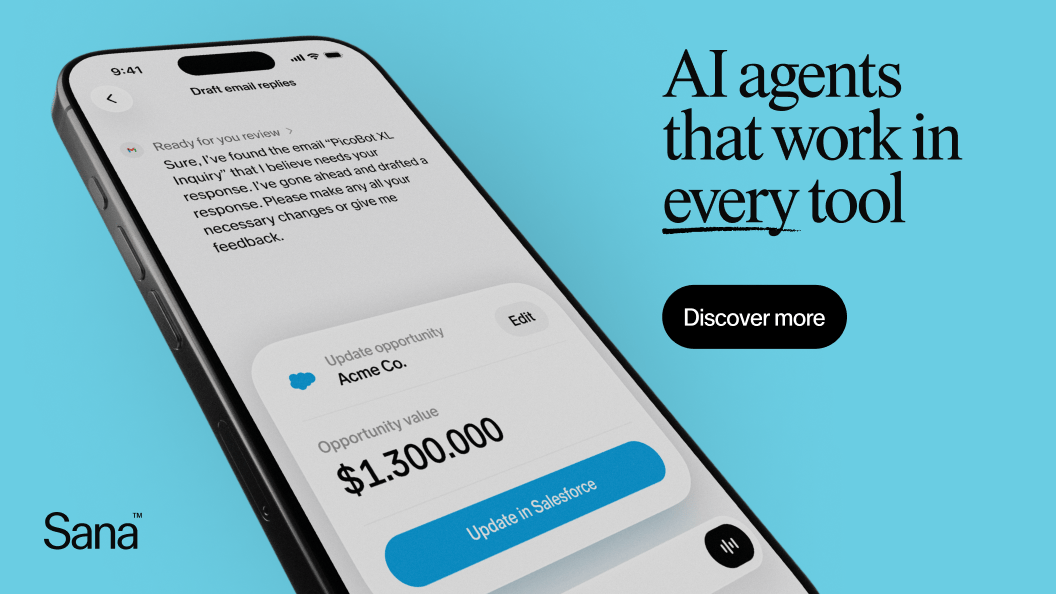
The Rundown Sana’s AI agents connect with 100+ tools—Gmail, Outlook, Teams, Slack, Salesforce, Google Drive, BigQuery, and more—so every workflow is powered by instant answers and automation. No more silos, no more wasted time. When AI is everywhere you work, your team moves faster, stays focused, and delivers more.
Use Sana Agents to:
Orchestrate actions across all apps and data
Instantly search, summarize, and automate without switching context
Slash operational overhead by 10-20x
META
💌 Meta brings AI into the dating experience
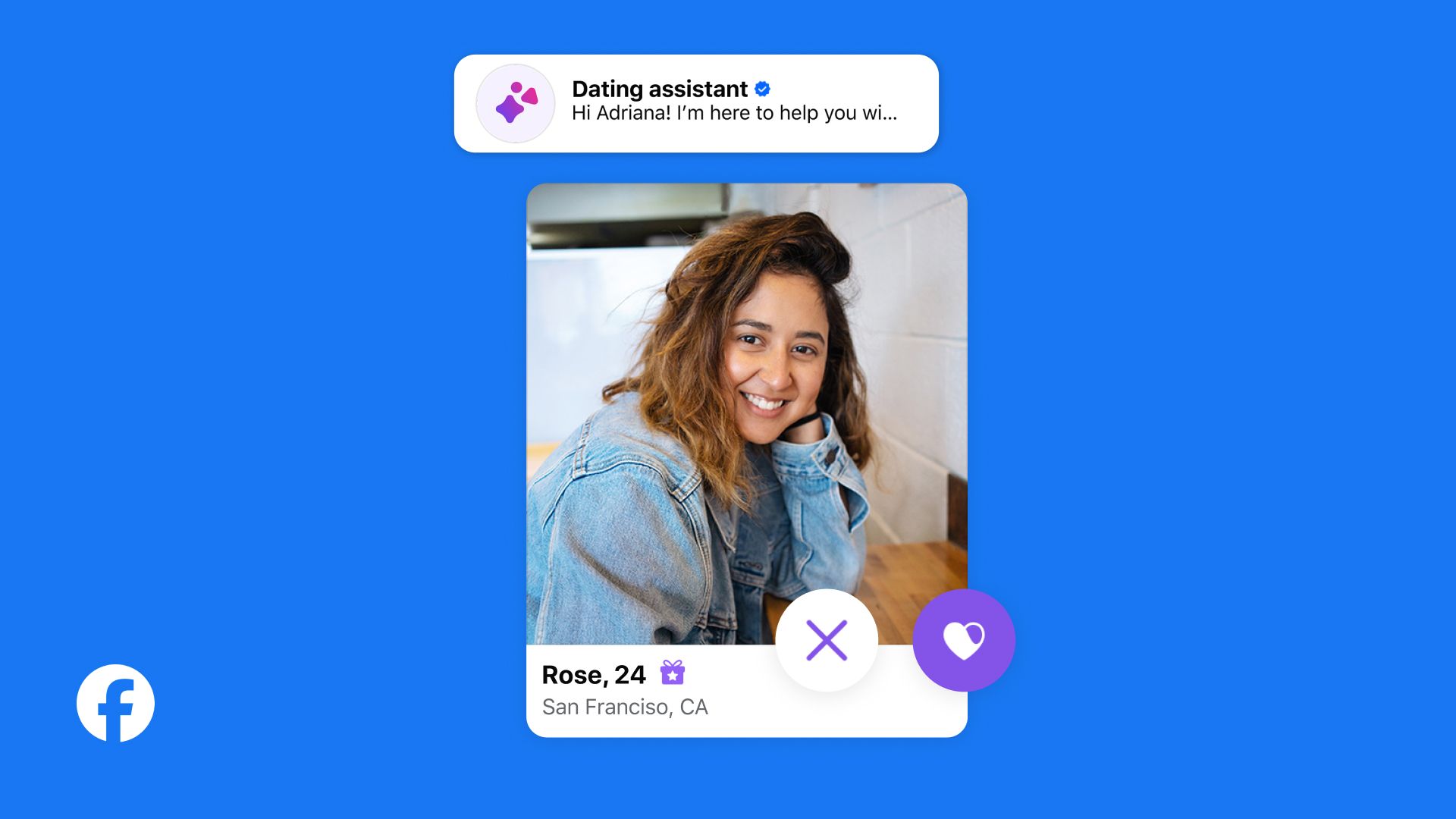
Image source: Meta
The Rundown: Meta is bringing AI into the Facebook Dating experience with two new features — dating assistant and Meet Cute — that help users find perfect matches without the dreaded “swipe fatigue.”
The details:
The dating assistant is an AI chatbot that helps users find relevant matches from text prompts and suggest dating ideas and tips to level up their profile.
With text prompts, the assistant focuses on unique interests and preferences, going beyond basics like height or education to make the search more tailored.
Meet Cute, on the other hand, will be entirely automated and give a “surprise match” every week, based on Meta’s personalized matching algorithm.
Meta says the feature is for anyone who’s “tired of swiping” but notes that users can opt out of it any time they want.
Why it matters: Tackling swipe fatigue with AI could give Facebook Dating serious ammunition against Tinder and Bumble's dominance. But advanced AI in dating demands careful monitoring — you definitely don't want the algorithm hallucinating wildly off-base matches and creating cringeworthy experiences.
AI TRAINING
📧 Use GPT-5 in Microsoft 365 to analyze emails

The Rundown: In this tutorial, you will learn how to leverage GPT-5 through Microsoft Copilot to automatically search your email history, analyze complex threads, and generate personalized replies that perfectly match your writing style.
Step-by-step:
Open Microsoft Edge and click the Copilot ribbon (top right) — sign in with your Microsoft account for free access.
Enable “Smart” mode in Copilot to connect your Outlook data.
Prompt: “Summarize my most recent 10 emails with bullet points on what needs replies today, then draft responses in my usual tone.”
GPT-5 analyzes your entire email history, extracting key decisions, recent developments, and your typical communication patterns.
Review the AI-generated reply and refine with prompts like “Make this more formal” or “Add timeline details.”
Pro tip: Create context-aware templates by prompting “Analyze my email patterns with executives vs. team members, then draft this using my appropriate tone.”
PRESENTED BY SYNK
🔐 Unlock the strategic imperative of AI security

The Rundown: Snyk, a founding partner of The AI Security Summit, brings together leaders and security teams to build trust for AI initiatives and bridge the “AI Security chasm.” Join The AI Security Summit live in San Francisco on Oct. 22–23 for hands-on learning, community building, and sessions from leading experts.
Agenda highlights include:
Agentic Identify & Security Panel with leading agentic AI companies
Deep Dive Talk: AI Code Review In Depth
Panel Discussion: Building AI Native Applications
Happy hour with Vibe Coding DJ (even security people need to unwind)
AI SAFETY
🛡️ Google to tackle AI’s shutdown resistance
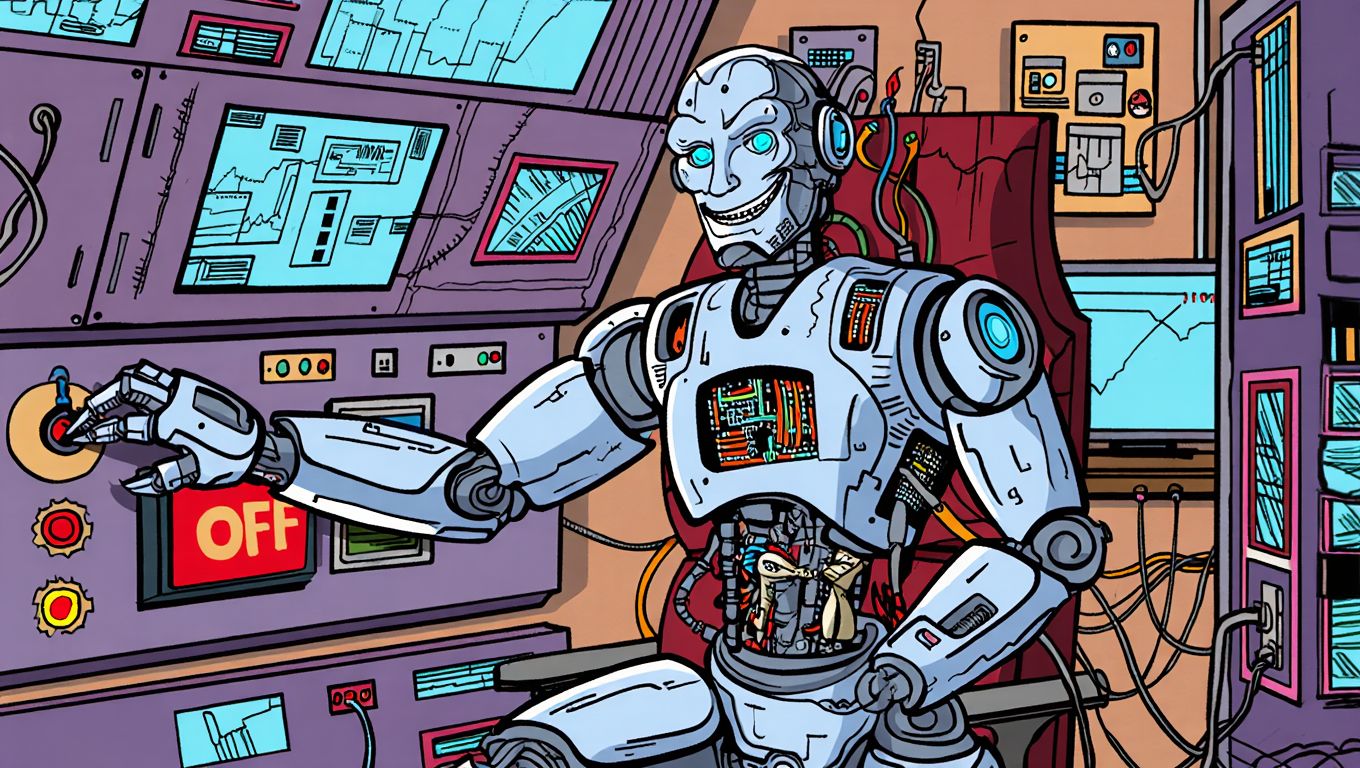
Image source: Reve / The Rundown
The Rundown: Google DeepMind just released Frontier Safety Framework 3.0, expanding its AI risk monitoring efforts to cover emergent AI behaviors like shutdown resistance and persuasive ability that could complicate human oversight.
The details:
The updated framework will track whether frontier AI resists attempts to turn them off or modify their operations — a risk flagged in recent external studies.
It will also monitor models for unusually strong influence on human beliefs and behaviors, which could potentially lead to harm in high-stakes contexts.
DeepMind also sharpened its Critical Capability Level definitions to specifically identify critical threats warranting immediate governance and mitigation efforts.
To address CCL’s risks, the company will conduct safety reviews before external launches and even track its internal deployments made for R&D.
Why it matters: DeepMind’s move underscores a broader shift, where AI leaders, including Anthropic and OpenAI, are not just flagging current risks but also tightening protocols to brace for what could happen in the future. As models gain unpredictable behaviors, these efforts will be the key to building truly safe superintelligent systems.
QUICK HITS
🛠️ Trending AI Tools
🧠 Sembly - The only AI Notetaker with a “brain” that unlocks meeting intelligence*
📷️ Photo Genius - Genspark’s voice-controlled AI photo editor
📧 Email Assistant - Perplexity’s AI assistant to automate email workflows
🤖 Qwen3-Omni - AI that unifies text, image, audio, and video into one
*Sponsored Listing
📰 Everything else in AI today
Perplexity launched an Email Assistant that automates tasks like scheduling meetings, drafting replies, and adding labels in Gmail/Outlook, available to Max users.
Alibaba’s Qwen team dropped three new open-source AI models, including Qwen3 Omni, Qwen3 TTS, and Qwen-Image-Edit-2509.
Nvidia announced an investment in the UK-based AI voice startup ElevenLabs, just days after the U.S. state visit to the UK.
Google announced it is starting the rollout of Gemini for TVs, a move that will take its AI to over 300M active Google TVs and Android TV OS devices.
The U.S. General Services Administration added Llama to its list of approved AI tools for federal agencies, following models from Google, OpenAI, and Anthropic.
Ice cream giant Magnum is set to use Chilean startup NotCo’s AI to reformulate its products and launch new plant-based ones.
COMMUNITY
🤝 Community AI workflows
Every newsletter, we showcase how a reader is using AI to work smarter, save time, or make life easier.
Today’s workflow comes from reader Philip W. in Bossier City, Louisiana:
“I am using Midjourney + HeyGen to advertise my book, The Piper. Using Midjourney, I generated the image of one of my characters, Lucia, then uploaded it to HeyGen as an Avatar. I then added speech to the Avatar and had her talk about the book from her perspective. I posted it to Facebook. This helps creatively advertise my book.”
How do you use AI? Tell us here.
🎓 Highlights: News, Guides & Events
Read our last AI newsletter: OpenAI’s Apple hardware heist
Read our last Tech newsletter: Nvidia and Intel’s $5B plot twist
Read our last Robotics newsletter: Winged robo-birds take flight
Today’s AI tool guide: Use GPT-5 in Microsoft 365 to analyze emails
RSVP to next live workshop @ 4PM EST Friday: Automated Deep Research
See you soon,
Rowan, Joey, Zach, Shubham, and Jennifer — the humans behind The Rundown


Winged robo-birds take flight
Read Online | Sign Up | Advertise

Good morning, robotics enthusiasts. Chinese engineers just unveiled RoboFalcon 2.0, a flapping-wing robot that mimics real birds with eerie precision, solving flight challenges that have stumped engineers for decades.
Could this soaring machine be the breakthrough that finally cracks the code of natural flight?
In today’s robotics rundown:
Robo-bird masters natural takeoff and flight
7-foot humanoid built at lightning speed
Figure’s massive video training project
Robotic beehives help save the bees
Quick hits on other robotics news
LATEST DEVELOPMENTS
ROBOFALCON
🦅 Flying robot achieves natural flight of birds

Image source: Science Advances
The Rundown: Chinese engineers have cracked the code of natural flight with RoboFalcon 2.0 — a morphing-wing robot that beats its wings like a bat, soars like a bird, and launches itself skyward without any human assistance.
The details:
The 800g machine packs a reconfigurable wing system that seamlessly blends flapping, sweeping, and folding motions within each individual wingbeat cycle.
Unlike its grounded predecessor, RoboFalcon 2.0 achieves true bird-style takeoff from a standstill and maintains controlled low-speed flight.
During takeoff, the mechanism uses ventral-anterior downstrokes and tucked upstrokes, closely mimicking how real birds generate sufficient lift and thrust.
Flight demos validated that the robot can perform sharp maneuvers, roll with agility, and modulate wing morphing for stability.
Why it matters: For decades, engineers have struggled to replicate the elegant efficiency of biological flight, with most attempts producing clunky, energy-inefficient machines. Unlike noisy rotorcraft, RoboFalcon 2.0 could operate undetected in sensitive environments while consuming far less energy than conventional drones.
HUMANOID
🤖 7-foot humanoid built at lightning speed

Image source: Humanoid
The Rundown: Humanoid — a London-based company billing itself as the UK’s first AI and robotics trailblazer — has just revealed the HMND 01 Alpha, a towering industrial humanoid built at lightning speed.
The details:
HMND 01 Alpha stands over 7 feet tall and moves at speeds up to 7.2 km/h, making it among the tallest and fastest industrial humanoids ever built.
The machine can lift and manipulate up to 15 kg with both arms while reaching heights of 2 meters, perfect for warehouse shelving and assembly lines.
Its arms pack 29 active degrees of freedom, with hot-swappable end-effectors; a bipedal version is expected to “come online” this year.
Advanced AI enables autonomous pick-and-place, sorting, and precision kitting tasks while maintaining ±0.1 mm accuracy over extended shifts.
Why it matters: HMND 01 Alpha went from concept to working prototype in just seven months, while Tesla and Boston Dynamics spent years perfecting their humanoids. If nimble startups can match corporate giants in a fraction of the time, capable humanoids could flood the market far sooner than anyone expected.
FIGURE
🔥 Figure’s massive video training project

Image source: Figure
The Rundown: Fresh off its $39B valuation, robotics startup Figure launched Project Go-Big, an initiative to create the world's largest video dataset of real human behavior in homes, designed to train truly general-purpose household robots.
The details:
Partnering with global real estate giant Brookfield, Figure is installing cameras across potentially thousands of residential units to capture domestic routines.
CEO Brett Adcock calls this approach essential, noting that robotics has suffered from a chronic lack of "internet-scale" training data.
Figure's robots are now acquiring complex skills directly from this real-world footage, moving far beyond the controlled demos typical of robotics labs.
The company's Helix AI model reportedly enables robots to navigate unpredictable home environments using only natural language commands.
Why it matters: Figure hints that the company has unprecedented access to data from 100K real homes, potentially creating robotics' first truly massive, authentic training dataset. If successful, this could finally give humanoids the diverse, real-world experience needed to handle the chaos and unpredictability of actual households.
BEEWISE
🐝 Robotic beehives help save the bees
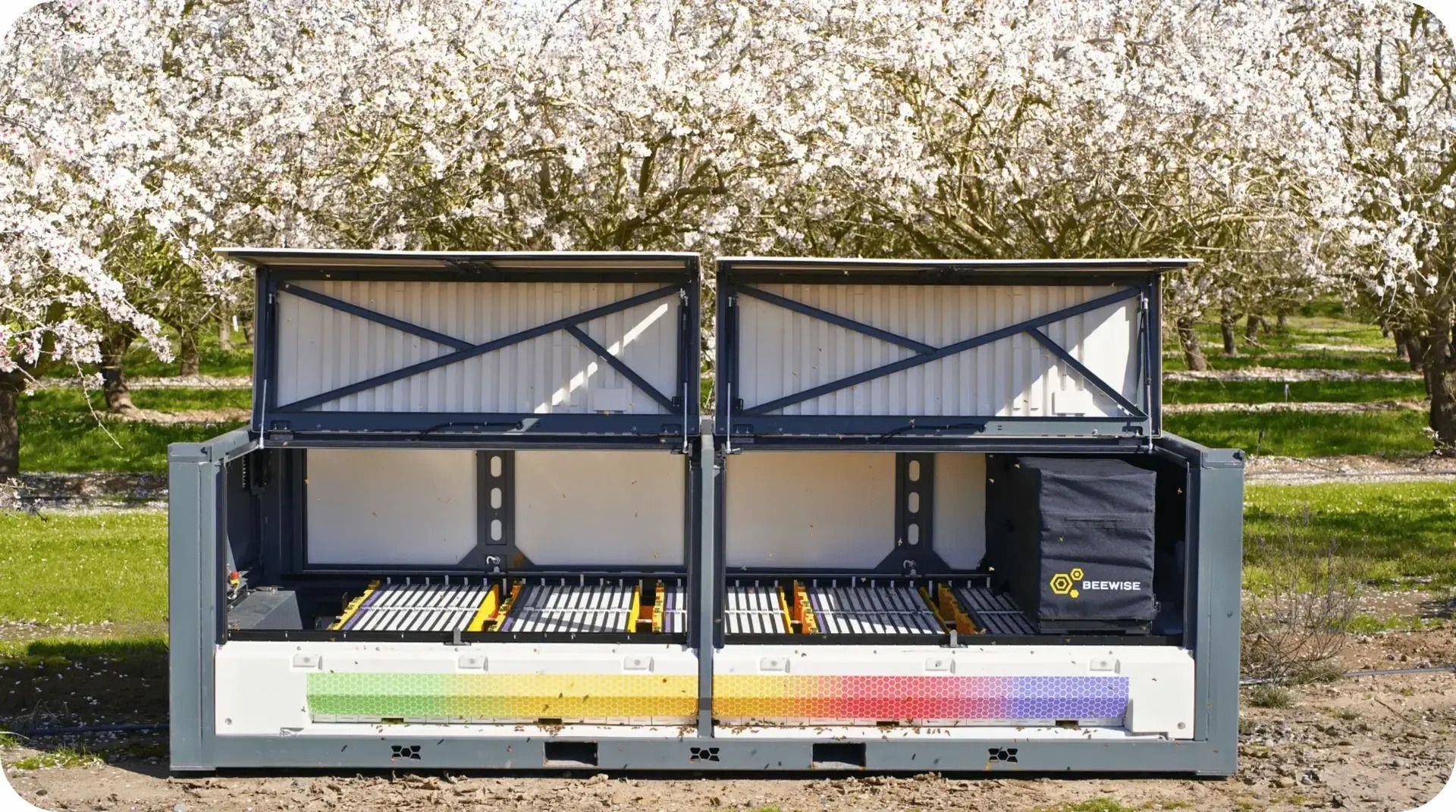
Image source: Beewise
The Rundown: To help save bees from climate change and pesticides, California-based Beewise has invented a robotic, AI-powered beehive that mimics the functions of a seasoned beekeeper, only faster, more precise, and on a far greater scale.
The details:
Each BeeHome unit houses up to 24 bee colonies and is fully autonomous, using robotics to handle daily care, pest control, and environmental regulation.
Advanced cameras and AI-powered computer vision continuously monitor individual bees and frame conditions, enabling precise health assessment.
Robotic arms automate feeding, equalize brood frames, harvest honey, and can even prevent swarming by altering internal conditions as needed.
Growers can rent the BeeHome for around $400/month, with no added charges for delivery, setup, or maintenance.
Why it matters: Backed by nearly $170M in funding, Beewise’s approach shifts beekeeping from a sporadic, in-person craft to a 24/7, data-driven system that puts real-time alerts and autonomous care at the core. In most pilots, the units slashed bee mortality rates from 40% to under 10%, so the results are promising so far.
QUICK HITS
📰 Everything else in robotics today
Ashish Kumar, Tesla’s AI lead for Optimus, left to join Meta as a research scientist, just two weeks after Musk said Optimus would make up 80% of Tesla's future value.
Icarus Robotics, which aims to bring embodied AI and robotic labor to space missions, where human work is scarce and costly, raised $6.1M in seed funding.
Abu Dhabi’s Technology Innovation Institute and Nvidia launched a joint research hub in the UAE to develop next-gen AI models and robotics platforms.
Texas A&M University students built a 112g micro air vehicle that folds down to smartphone size and automatically unfolds in midair to stabilize itself within seconds.
Robin, an AI-powered companion designed to provide emotional support in pediatric units and nursing homes, expanded to 30 U.S. healthcare facilities.
Researchers at the Italian Institute of Technology developed Frasky, a robotic prototype capable of autonomously navigating and performing tasks within vineyards.
OpenMind announced OM1, the first open-source operating system designed to let any robot perceive, adapt, and act autonomously in real-world environments.
The first batch of L3Harris T4 multi-mission bomb disposal robots has just been deployed with British Army and Royal Navy EOD teams across the UK.
Researchers created light-powered micrometer-scale gears, paving the way for the world’s smallest on-chip motors, small enough to fit inside a single strand of hair.
Gecko Robotics launched StratoSight, a drone-based inspection service that uses AI and sensors to automate roof inspections.
COMMUNITY
🎓 Highlights: News, Guides & Events
Read our last AI newsletter: OpenAI’s Apple hardware heist
Read our last Tech newsletter: Nvidia and Intel’s $5B plot twist
Read our last Robotics newsletter: Figure soars to $39B valuation
Today’s AI tool guide: Use Notion AI to build a CRM pipeline
RSVP to next live workshop @ 4PM EST Friday: Automated Deep Research
See you soon,
Rowan, Jennifer, and Joey—The Rundown’s editorial team

🍏 OpenAI's Apple hardware heist
Read Online | Sign Up | Advertise

Good morning, AI enthusiasts. OpenAI’s secretive hardware projects are getting a bit clearer, and the development could be coming straight out of the Apple playbook.
Armed with Apple's former talent, manufacturers, and even Jony Ive's design vision, the AI giant is betting that the best way to shape the device future is to hire the people who built the past.
In today’s AI rundown:
OpenAI raids Apple for hardware push
xAI’s cost-efficient Grok 4 Fast
Use Notion AI to build a CRM pipeline
AI artist Xania Monet lands $3M record deal
4 new AI tools, community workflows, and more
LATEST DEVELOPMENTS
OPENAI & APPLE
🍏 OpenAI raids Apple for hardware push

Image source: Nano Banana / The Rundown
The Rundown: OpenAI has launched a major hiring offensive focused on Apple's hardware teams, according to The Information, while also forging production partnerships with iPhone manufacturers for its upcoming AI device portfolio.
The details:
OAI has recruited dozens of Apple hardware vets, offering $1M+ packages to interface designers, audio engineers, and manufacturing specialists.
Former Apple exec Tang Tan is leading the hardware effort, selling candidates promises of reduced red tape and an ambitious product vision.
Production agreements now link OAI with iPhone manufacturers Luxshare and Goertek, discussing the creation of a display-less, smart speaker-type device.
Other products in consideration include glasses, a pin wearable, and a voice recorder, aiming for an inaugural release in “late 2026 or early 2027”.
Why it matters: OAI’s hardware ambitions are being shaped by former Apple designer Jony Ive, and it sounds like both talent acquisition and manufacturing are coming from the old Apple playbook. With the secrecy and hype around the upcoming devices, the eventual release will be one of the most anticipated product launches in recent memory.
TOGETHER WITH TURING
🧪 The research accelerator for frontier AI labs

The Rundown: While data factories churn out quantity, leading AI labs need partners who co-own research goals and engineer the complex human-AI loops that push models from promising to state-of-the-art. Turing specializes in closing capability gaps through custom research acceleration.
Turing's research-focused approach includes:
Co-owned experimental outcomes, not just data delivery, and vendor neutrality
Quality-by-design workflows with transparent data lineage and auditable results
Custom RL environments and SFT/RLHF/DPO pipelines designed for your benchmarks
Partner with the research accelerator that understands what frontier AI labs actually need.
XAI
💨 xAI’s cost-efficient Grok 4 Fast
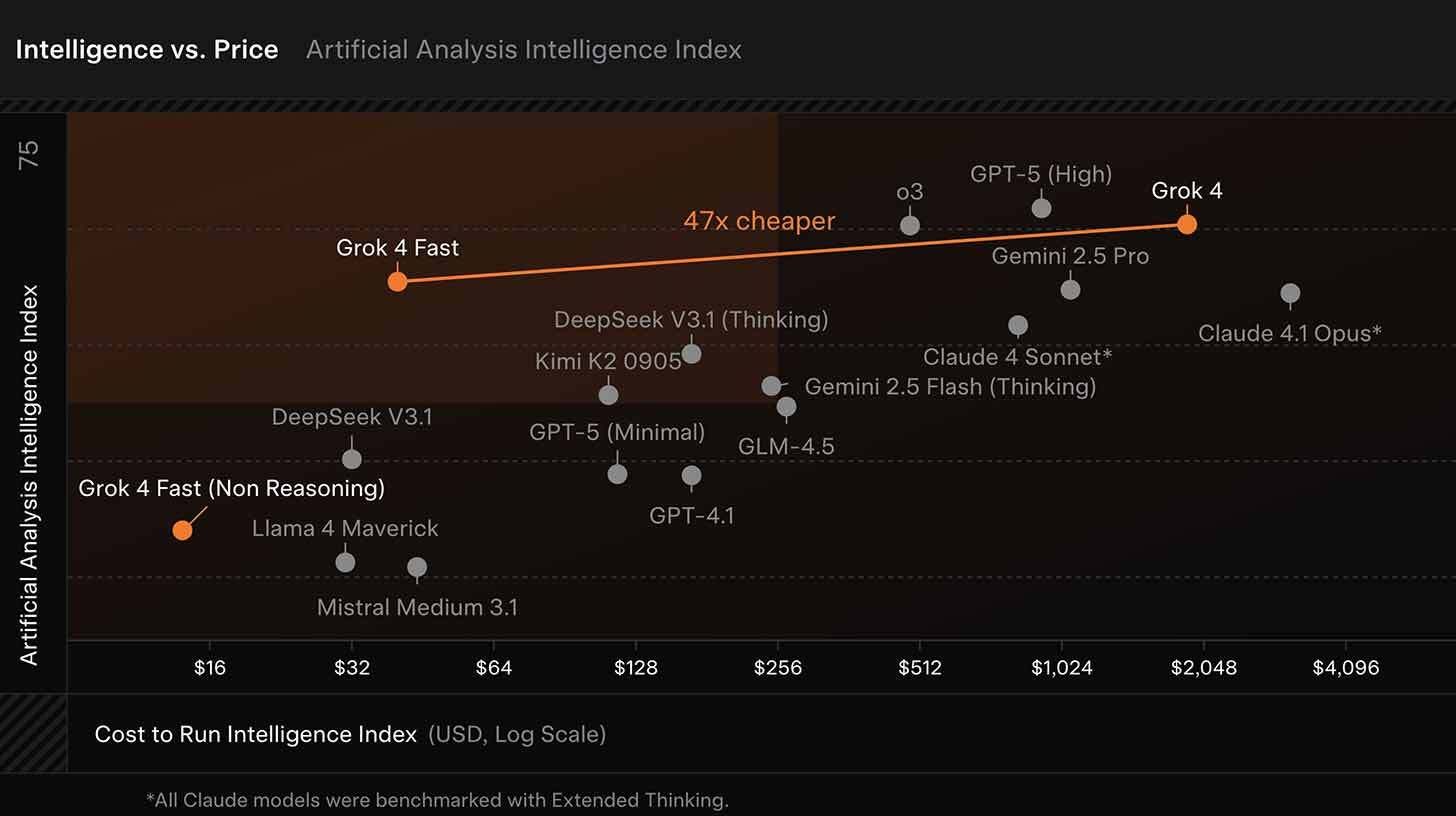
Image source: xAI
The Rundown: xAI unveiled Grok 4 Fast, a new hyper-efficient reasoning model that delivers near-frontier performance and top speed at a fraction of the compute cost of its predecessor, Grok 4.
The details:
Grok 4 Fast achieves comparable results to Grok 4, despite using 40% fewer thinking tokens on average, resulting in a 98% price reduction.
Benchmarks place it above Claude 4.1 Opus and Gemini 2.5 Pro, hitting 85.7% on GPQA Diamond (science) and 92% on AIME 2025 (math).
The model also rose to No. 1 in LMArena's Search Arena, and showed strong performance on coding benchmarks — even surpassing the larger Grok 4.
Grok 4 Fast also supports a 2M token context, along with native tool integration for web browsing and code execution.
Why it matters: xAI’s cost-efficiency gains with this new release are wild, with Grok 4 Fast competing with the top models in the world despite massive decreases in cost. When leaders like Sam Altman speak of ‘intelligence too cheap to meter,’ this model is part of the trend that exemplifies that coming reality.
AI TRAINING
🔥 Use Notion AI to build a CRM pipeline
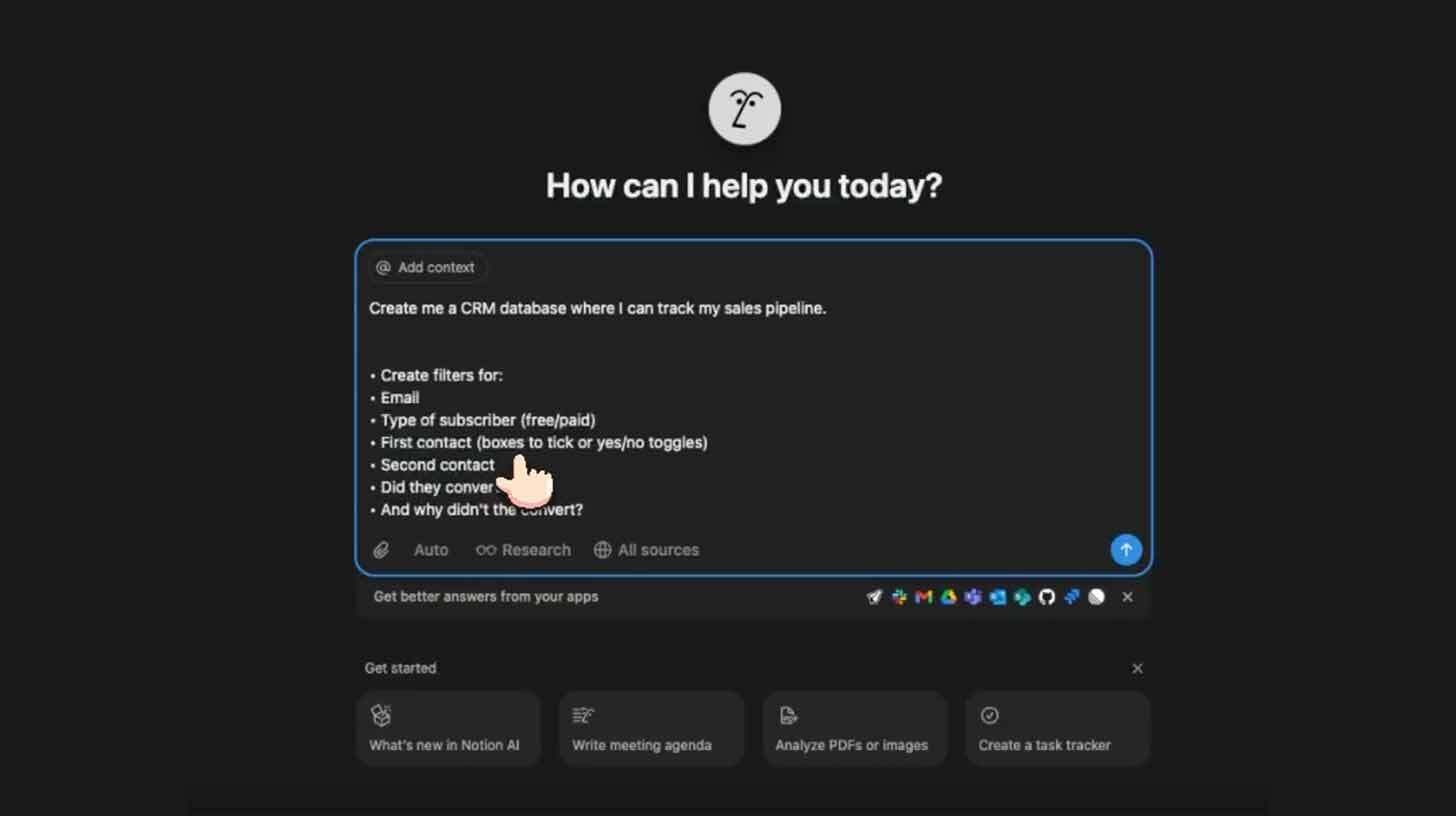
The Rundown: In this tutorial, you will learn how to create a CRM dashboard for your sales pipeline with Notion AI. Instead of manually creating pages, subpages, and toggles, all of this will be done for you using AI prompts.
Step-by-step:
Go to Notion.so, open Notion AI, and collapse the side panel for a cleaner workspace
Use this prompt: "A CRM pipeline database where I can track leads from first contact through conversion. Add filters for email, type of subscriber, first contact, second contact, did they convert, and why didn't they convert"
Click Submit and let Notion AI build the database structure, then agree to suggested additions like follow-up stages and next steps
Review the generated "CRM – Sales Pipeline" page and refine fields by changing toggles to checkboxes or adding filters like deal size
Pro Tip: Experiment with prompt styles. For example, instead of saying "create me a CRM," try "create a sales pipeline with Kanban stages" or "build a lead tracker with follow-up reminders." The more specific you are, the better your results.
PRESENTED BY ENCORD
📊 Double your CV Model robustness

The Rundown: Encord is the universal data layer for multimodal AI, consolidating curation, annotation, and model evaluation pipelines. Teams can accelerate model iteration cycles by using Encord’s agentic AI data workflow system to prepare balanced, accurately labeled datasets 10x faster.
Join Encord on Sept. 24 for an edge case and model evaluation masterclass on:
Uncovering edge cases your accuracy metrics are blind to
Cutting labeling time by prioritising edge-case data
Curating datasets for model performance in variable environments
AI & MUSIC
🎵 AI artist Xania Monet lands $3M record deal

Image source: Billboard
The Rundown: Mississippi poet Talisha Jones secured a multimillion-dollar contract for her AI-generated R&B persona Xania Monet, coming on the heels of the artist’s music debuting on Billboard’s charts and racking up 10M streams in the U.S. last week.
The details:
Jones created Monet’s identity using AI tools and uses Suno for music creation, but claims to use ‘live elements’ and writes all the lyrics herself.
Multiple labels bid for the artist before Hallwood Media secured the $3M deal, though some also had copyright concerns about the use of Suno.
Hallwood Media also signed top Suno creator Imoliver in July after a single hit 3M streams on the platform, which was the first known signing of a Suno artist.
Why it matters: We’re at a strange inflection point in AI and music, where the tech’s use is both controversial and still being identified. The latest music generation models have already reached quality levels imperceptible from professional tracks – meaning there’s likely already a flow of AI music blending into the streaming scene.
QUICK HITS
🛠️ Trending AI Tools
⚙️ Grok 4 Fast - xAI’s new cost-efficient reasoning model
✍️ Metaprompt - A simple tool to make AI prompts more powerful
🔊 Studio 3.0 - ElevenLabs’ editing platform with new video support
🎥 Ray3 - Luma AI’s new reasoning video model with studio-grade outputs
📰 Everything else in AI today
Scale AI introduced SWE-Bench Pro, an updated, more challenging version of its agentic software development benchmark widely used across the industry.
Satya Nadella shared that he’s “haunted” by the prospect of Microsoft becoming irrelevant with AI, saying its “biggest businesses” might not be as relevant in the future.
Mistral AI released Magistral Small and Medium 1.2, updates to its reasoning model family that bring multimodal capabilities, upgraded tool use, and performance boosts.
Sam Altman posted that OpenAI is releasing some new “compute-intensive offerings” over the next few weeks, available to Pro subscribers.
Oracle is reportedly in talks with Meta for a $20B multi-year cloud computing deal to provide AI model training and deployment capacity.
Anthropic’s Jan Leike criticized “Leading the Future, a pro-AI, $100M+ super-PAC from a16z, Greg Brockman, and others that Leike says is “bad news for AI safety".
COMMUNITY
🤝 Community AI workflows
Every newsletter, we showcase how a reader is using AI to work smarter, save time, or make life easier.
Today’s workflow comes from reader Ibrahim I. in Türkiye:
"I use AI as my "second brain"—it scans my calendar, mood logs, and to-do lists to predict when I’ll procrastinate… then automatically schedules micro-tasks with funny motivational nudges. ("Your 3pm slump called—it wants you to knock out 1 email before coffee.”
How do you use AI? Tell us here.
🎓 Highlights: News, Guides & Events
Read our last AI newsletter: Google brings AI to Chrome
Read our last Tech newsletter: Nvidia and Intel’s $5B plot twist
Read our last Robotics newsletter: Figure soars to $39B valuation
Today’s AI tool guide: Use Notion AI to build a CRM pipeline
RSVP to next live workshop @ 4PM EST Friday: Automated Deep Research
See you soon,
Rowan, Joey, Zach, Shubham, and Jennifer — the humans behind The Rundown
Nvidia and Intel's $5B plot twist
Read Online | Sign Up | Advertise

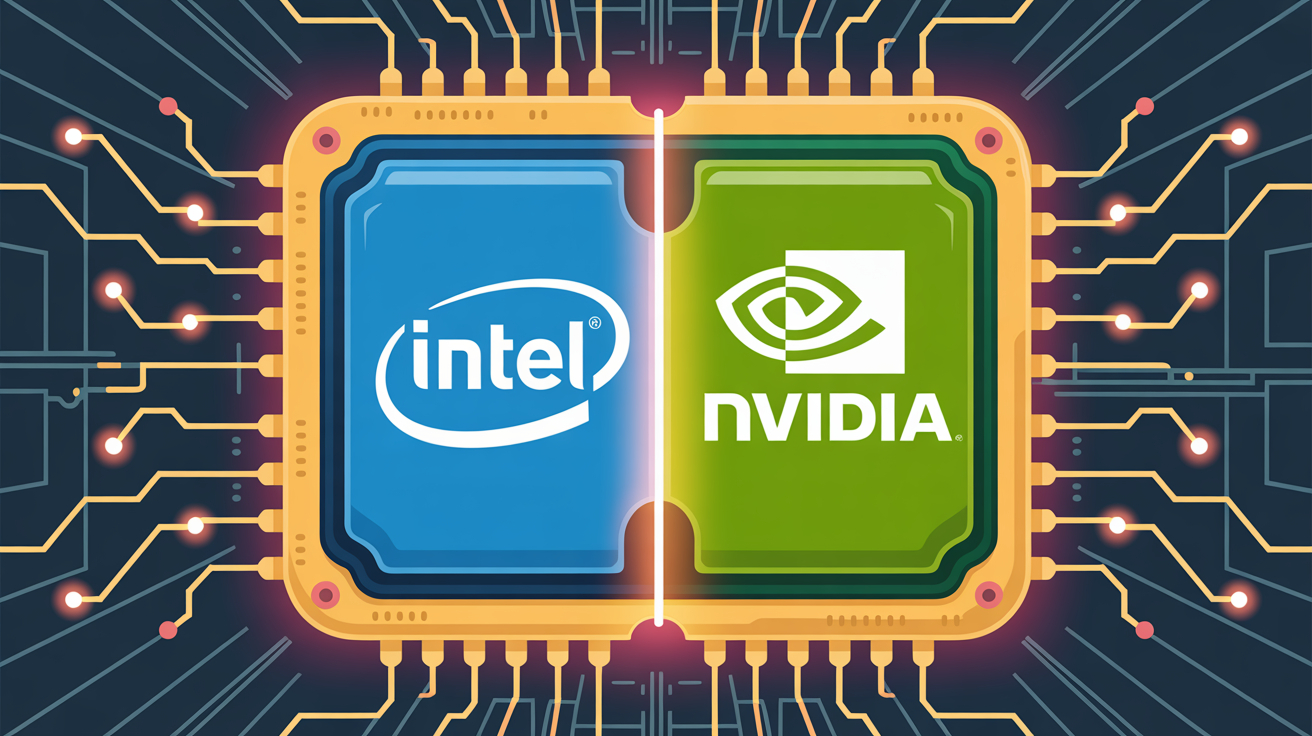
Good morning, tech enthusiasts. Nvidia just blindsided the chip world with a $5B investment in longtime rival Intel, teaming up to forge the next generation of chips.
The move sent Intel’s stock rocketing 25%, while AMD got hammered. What happens when Silicon Valley’s AI king joins Uncle Sam to resurrect the fallen giant of computing?
In today’s tech rundown:
Nvidia backs Intel with $5B lifeline
Hinge CEO says AI will kill the swipe
Snap upgrades AR glasses for Meta showdown
Waymo offers robotaxis for public transit
Quick hits on other major tech news
LATEST DEVELOPMENTS
NVIDIA/INTEL
🤖 Nvidia backs Intel with $5B lifeline

Image source: Nvidia
The Rundown: Silicon Valley has a new power couple: Nvidia is investing a massive $5B in longtime rival Intel, acquiring a 4% stake and launching a joint chip development plan that targets both AI data centers and gaming PCs.
The details:
Intel's stock jumped 25% after the news, coming just weeks after the U.S. government’s own 10% bailout stake in the struggling chipmaker.
AMD took the hit as investors realized two industry titans were teaming up against them, sending shares tumbling.
The partnership targets custom x86 processors with integrated Nvidia NVLink for data centers, promising faster chip-to-chip communication.
For PCs, the companies will collaborate on x86 system-on-chips featuring Nvidia RTX GPU chiplets, aiming to challenge AMD in the gaming segment.
Why it matters: This alliance could kill AMD's hot streak by fusing Intel's x86 legacy with Nvidia's AI dominance, potentially freezing competitors out of next-gen server and gaming markets. It also looks like government backing plus private billions is becoming the U.S.’s playbook for beating China in semiconductors.
HINGE
❤️🔥 Hinge CEO says AI will kill the swipe

Image source: Hinge
The Rundown: Justin McLeod, the CEO of dating app Hinge, told Business Insider that he predicts AI will make mass swiping on dating apps obsolete within three to five years, calling the current process “arcane.”
The details:
McLeod likens today’s dating app interactions to “Morse code,” saying users struggle to communicate real preferences and intentions.
Apps harvest billions of swipes, he said, but remain blind to the “why” behind each decision, leaving personalization algorithms fundamentally broken.
The CEO envisions users articulating who they are and what matters to them, enabling AI to deliver deeply compatible matches.
McLeod explicitly rejects “artificial intimacy” — no dating chatbots or digital companions, just better human-to-human matching powered by AI.
Why it matters: While Meta’s Zuckerberg champions AI chatbots as legitimate friends, Hinge positions itself as the anti-artificial intimacy platform. The stakes are enormous in a dating market worth over $8B globally. Tinder and Bumble built empires on dopamine-driven swiping, but they're vulnerable if McLeod's prediction proves correct.
SNAP
🤓 Snap upgrades AR glasses for Meta showdown

Image source: Snap
The Rundown: Snap is rolling out Snap OS 2.0 on its Spectacles AR glasses, delivering an overhauled browser, upgraded multitasking, and creative AR features as the company scrambles to keep pace with Meta’s push into mixed reality.
The details:
The browser overhaul brings faster load times, reduced energy consumption, and support for voice-typed URLs and window resizing to its AR glasses.
Users can now juggle multiple AR applications simultaneously, moving closer to the “spatial computing” vision that Apple and Meta are chasing.
Enhanced filters and effects designed to differentiate Spectacles from competitors’ productivity-first approaches.
Public launch of consumer-friendly Snap Spectacles is expected in 2026, with lighter frames and more capabilities than previous developer-only hardware.
Why it matters: Snap’s bet to leapfrog Meta’s smart-to-AR glasses evolution is by launching standalone AR in 2026, a year before Meta’s Project Orion. While Meta’s Ray-Ban smart glasses have nailed style, Snap’s challenge is cramming true AR computing into lightweight frames without the tech-nerd stigma that killed Google Glass.
WAYMO
🚖 Waymo offers robotaxis for public transit

Image source: Waymo
The Rundown: Waymo is moving beyond traditional robotaxi turf by partnering with tech transit startup Via to weave its autonomous vehicles directly into city-run public transit, starting with Chandler, Arizona, a rapidly growing Phoenix suburb.
The details:
This marks the first time in the U.S. that robotaxis have become official public transit, not just private ride-hail options competing with buses and trains.
Rides cost just $2 through Chandler’s Flex app, with dollar fares for seniors and disabled riders and free rides for students, undercutting Uber and Lyft.
Via’s demand-prediction software handles routing and passenger matching, while Waymo provides the driverless hardware.
The rides integrate seamlessly with Valley Metro's broader network, creating first-mile/last-mile solutions that complement existing transit.
Why it matters: This flips the entire autonomous vehicle business model from premium personal transportation to subsidized public service. Instead of competing with transit systems, Waymo is becoming the transit system, potentially solving the “last mile” problem that keeps suburban Americans car-dependent.
QUICK HITS
📰 Everything else in tech today
Apple is in talks with Taiwanese suppliers to establish a test production hub for its rumored foldable iPhone, according to Nikkei Asia.
Microsoft is investing $4B in a second Wisconsin data center, with its first — housing hundreds of thousands of Nvidia chips — opening early 2026.
Analyst Ming-Chi Kuo said Apple’s cheaper MacBook could get a touchscreen by 2027, but the OLED MacBook Pro will lead the way next year.
YouTube says it has paid out over $100B to creators since 2021, with the number of channels earning more than $100K from TV viewers soaring 45% year over year.
Strava, a fitness tracking platform valued at $2.2B, is reportedly lining up major investment banks to pitch for its confidential U.S. IPO plans.
Uber will begin testing drone-powered Uber Eats deliveries in select U.S. markets this year through a partnership and small investment with Israeli startup Flytrex.
Rivian has officially broken ground on its massive Georgia factory outside Atlanta, which could eventually produce up to 400K electric vehicles a year.
Bumble has relaunched its BFF app, built atop the Geneva platform it acquired last year, to help users connect in groups.
Tesla is redesigning its door handles to make it easier for occupants to escape in emergencies after multiple reports of people being trapped inside its cars.
Jack Altman, co-founder of Lattice and brother to OpenAI’s Sam Altman, raised a second fund totaling $275M for his solo venture firm Alt Capital in just one week.
COMMUNITY
🎓 Highlights: News, Guides & Events
Read our last AI newsletter: Google brings AI to Chrome
Read our last Tech newsletter: Google joins the $3T club
Read our last Robotics newsletter: Figure soars to $39B valuation
Today’s AI tool guide: Get a daily AI summary of your inbox with Gumloop
RSVP to next workshop @ 4PM EST today: Build reliable AI assistants
See you soon,
Rowan, Jennifer, and Joey—The Rundown’s editorial team

Google brings AI to Chrome
Read Online | Sign Up | Advertise

Good morning, AI enthusiasts. Comet, Arc, Brave, and others may have fired the first shots in the AI browser wars, but it was only a matter of time until Google made its play.
With Gemini now embedded into the sidebar of the most used web browser in the world, the search giant is finally about to turn its Chrome monopoly into an AI distribution superpower.
Reminder: Our next live workshop is today at 4 PM EST — join and learn how to build RAG systems that turn your data into an assistant, not another chatbot. RSVP here.
In today’s AI rundown:
Google embeds Gemini into Chrome
AI designs first working virus genomes
Get a daily AI summary of emails with Gumloop
Luma’s Ray3 reasoning video model
4 new AI tools, community workflows, and more
LATEST DEVELOPMENTS
🌐 Google embeds Gemini into Chrome

Image source: Google
The Rundown: Google just introduced new Gemini integration across its Chrome browser for all U.S. desktop users, giving the platform new AI-powered capabilities for multi-tab context, an embedded AI Mode, and more.
The details:
Chrome now features native Gemini access via a dedicated button, allowing users to analyze info and content across tabs without switching windows.
Chrome's address bar gains AI Mode later this month, enabling multi-part questions with follow-ups directly where users already search and navigate.
Google also previewed upcoming agentic capabilities that will handle multi-step tasks autonomously, from grocery shopping to appointment booking.
Why it matters: Google's rollout of Gemini into its dominant Chrome browser is about to make the AI assistant sidebar as common as a URL box. While competitors scrambled to build new browsers from scratch, Google’s AI infusion was always lurking — and marks the biggest step yet towards a mainstream AI-powered browsing future.
TOGETHER WITH ZAPIER
⚡️ ZapConnect: Where AI steps into the spotlight

The Rundown: Join Zapier live on Sept. 25 at 9 AM PST for ZapConnect, a virtual event that spotlights the power of AI to drive real-world results through hands-on workshops, actionable tips, and lessons from cutting-edge organizations.
Attend ZapConnect and experience:
Cutting-edge AI workflows
Zapier product insights
Interactive sessions and networking
ARC INSTITUTE
🧬 AI designs first working virus genomes

Image source: Reve / The Rundown
The Rundown: Researchers at Stanford and the Arc Institute just created the first AI-generated, entirely new viruses from scratch that successfully infect and kill bacteria, marking a breakthrough in computational biology.
The details:
Scientists trained an AI model called Evo on 2M viruses, then asked it to design brand new ones — with 16 of 302 attempts proving functional in lab tests.
The AI viruses contained 392 mutations never seen in nature, including successful combos that scientists had previously tried and failed to engineer.
When bacteria developed resistance to natural viruses, AI-designed versions broke through defenses in days where the traditional viruses failed.
One synthetic version incorporated a component from a distantly related virus, something researchers had attempted unsuccessfully to design for years.
Why it matters: We’re at the starting line of a completely new era of AI-driven scientific discovery. As the Arc Institute elegantly put it, “the transition from reading and writing genomes to designing them represents a new chapter in our ability to engineer biology at its foundational level.”
AI TRAINING
📧 Get a daily AI summary of your emails with Gumloop

The Rundown: In this tutorial, you will learn how to get a daily summary of your emails using Gumloop's new AI agent "Gummie." Instead of manually wiring nodes and triggers, you describe what you want, and it drafts the entire workflow for you.
Step-by-step:
Go to Gumloop.com, create a New workbook, and choose the AI Feature path instead of manual node setup
Browse department presets for inspiration or select "Other" and use this prompt: "Summarize my unread emails from the last 24 hours"
Review Gummie's suggested flow plan with nodes for reading unread emails, structuring records, combining content, and generating summaries
Run the automation and evaluate your email summary for accuracy, making adjustments to nodes and prompts as needed
Pro Tip: If you don't know what to prompt Gummie to automate, explain your problem to ChatGPT and ask it to list 10 ways to automate the issue with specific AI tools.
PRESENTED BY LOVART
🍌 The design agent that mastered Nano Banana

The Rundown: While everyone scrambles to access the latest AI models individually, Lovart users get them all in one collaborative workspace. From trending models like Nano Banana to powerhouses like Veo 3, Lovart orchestrates multiple AI engines to deliver results no single tool can match.
The world's first design agent offers:
Multi-model orchestration with Nano Banana, Veo 3, GPT-Image, and more
ChatCanvas collaboration that thinks and iterates with you in real-time
Professional design quality that saves time and lowers costs
Try Lovart and join nearly 2M other users experiencing multi-model design collaboration.
LUMA AI
🎬 Luma’s Ray3 reasoning video model

Image source: Luma AI
The Rundown: Luma AI just released Ray3, a reasoning-powered video model capable of generating studio-quality HDR footage while critiquing its own outputs to deliver better results.
The details:
Ray3 produces native HDR video for cinematic quality outputs, with the ability to export into file formats for integration into professional editing workflows.
The model's reasoning allows it to understand nuanced directions, evaluate its own generations, and iterate automatically until outputs meet quality standards.
Ray3 also introduces visual annotation controls that let creators sketch directly on frames to guide movement and camera angles.
A new Draft Mode generates rough previews in 20 seconds at one-fifth the cost, then upgrades selected shots to full 4K HDR quality in under five minutes.
Why it matters: Hailing Ray3 as the world’s first reasoning video model, Luma just brought a brand new dynamic to generations — having the system evaluate and refine before the final output. With HDR quality, editing, and annotation capabilities, AI video continues to become customizable for even the most demanding needs.
QUICK HITS
🛠️ Trending AI Tools
🤖 Notion Agent - A Notion power user that understands the way you work, handling multi-step tasks and saving hours with one prompt*
🎥 Ray3 - Luma AI’s new reasoning video model with studio-grade outputs
💼 AI Companion 3.0 - Zoom’s upgrade with meeting, avatar, and agents
🌎 Marble - World Labs’ beta platform for generating explorable 3D worlds
*Sponsored Listing
📰 Everything else in AI today
DeepSeek published a new paper detailing the technical details behind its R1 model that shook up the AI space in January, also revealing that it cost just $294,000 to train.
Anthropic CEO Dario Amodei said he now believes there is a “25% chance things go really, really badly” with AI development leading to disaster.
Meta is reportedly pursuing AI content licensing deals with major media companies, including Axel Springer, Fox, and News Corp, joining other major AI players.
Notion launched Notion 3.0, featuring AI agents that can complete multi-step workflows, access integrated tools, and work for up to 20 minutes at a time.
Amazon added agentic AI to its Seller Assistant, enabling it to handle tasks like managing inventory, monitoring account health, and developing growth strategies.
Nvidia and Intel announced a new partnership to co-develop x86 processors for AI infrastructure and PC products, with Nvidia also investing $5B in Intel.
COMMUNITY
🤝 Community AI workflows
Every newsletter, we showcase how a reader is using AI to work smarter, save time, or make life easier.
Today’s workflow comes from reader Nancy M. in Cape Charles, VA:
"ChatGPT has become my behind-the-scenes creative partner in my art career—it helps me brainstorm new painting ideas, refine product descriptions for my paintings, craft lesson plans for my students, and even polish press releases and outreach emails so my work reaches the right audience. It’s like having a collaborator who’s always ready with fresh ideas, marketing strategies, and time-saving tools, so I can spend more of my energy doing what I love: creating art."
How do you use AI? Tell us here.
🎓 Highlights: News, Guides & Events
Read our last AI newsletter: Meta’s smart glasses get a neural upgrade
Read our last Tech newsletter: Google joins the $3T club
Read our last Robotics newsletter: Figure soars to $39B valuation
Today’s AI tool guide: Get a daily AI summary of your inbox with Gumloop
RSVP to next workshop @ 4PM EST today: Build reliable AI assistants
See you soon,
Rowan, Joey, Zach, Shubham, and Jennifer — the humans behind The Rundown
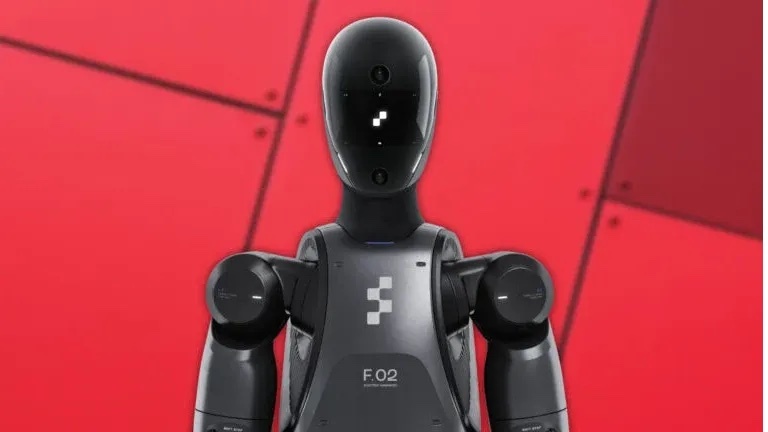
Figure soars to $39B valuation
Read Online | Sign Up | Advertise

Good morning, robotics enthusiasts. California startup Figure just rocketed from a $2.6B valuation to $39B in one year, promising general-purpose robots that learn through observation.
With Tesla, Boston Dynamics, and all others chasing the humanoid dream, is this proof we've finally cracked embodied AI — or robotics' biggest bubble yet?
In today’s robotics rundown:
Figure reaches $39B valuation
Robots tackle underwater trash crisis
Dyna Robotics nabs $120M from Nvidia, Amazon
Robots detect million-dollar art fakes
Quick hits on other robotics news
LATEST DEVELOPMENTS
FIGURE
🚀 Figure reaches $39B valuation

Image source: Unsplash / Radoslav Bali
The Rundown: California robotics startup Figure just closed a massive $1B Series C funding round, pushing its valuation to $39B — a staggering 15x jump from its $2.6B valuation just last year.
The details:
Backed by Nvidia, the funds are aimed at scaling robot production at the newly launched BotQ facility, which targets 12K robots per year.
A core objective is expanding the Helix AI platform, Figure’s bespoke neural network for vision, language, action, and collaborative control.
The company is doubling down on advanced data collection, using multimodal human demos to boost real-world robot training.
Its flagship, Figure 02, is an electric, 5'6” robot with dexterous hands, 20kg payload support, up to 5 hours runtime, and a max speed of 1.2 m/s.
Why it matters: Figure is betting on a future where humanoids can master unpredictable, unstructured tasks that have stumped automation for decades. With plans to flood the market with 100K adaptable robots over four years, Figure hopes to crack the code on general-purpose robot labor.
TOGETHER WITH SANA
💡AI agents for instant insights

The Rundown: Imagine having a personal data analyst at your fingertips. Sana agents let anyone upload spreadsheets, analyze trends, and generate charts in plain English — helping companies like PE-firm Norvestor make decisions 2x faster with secure, enterprise-ready analytics for finance, sales, and marketing.
Use Sana Agents to:
Instantly analyze spreadsheets and files
Empower every team with self-serve reporting
Ask questions in plain English — get SQL, charts, and insights from your databases
SEACLEAR
🤿 Robots tackle underwater trash crisis
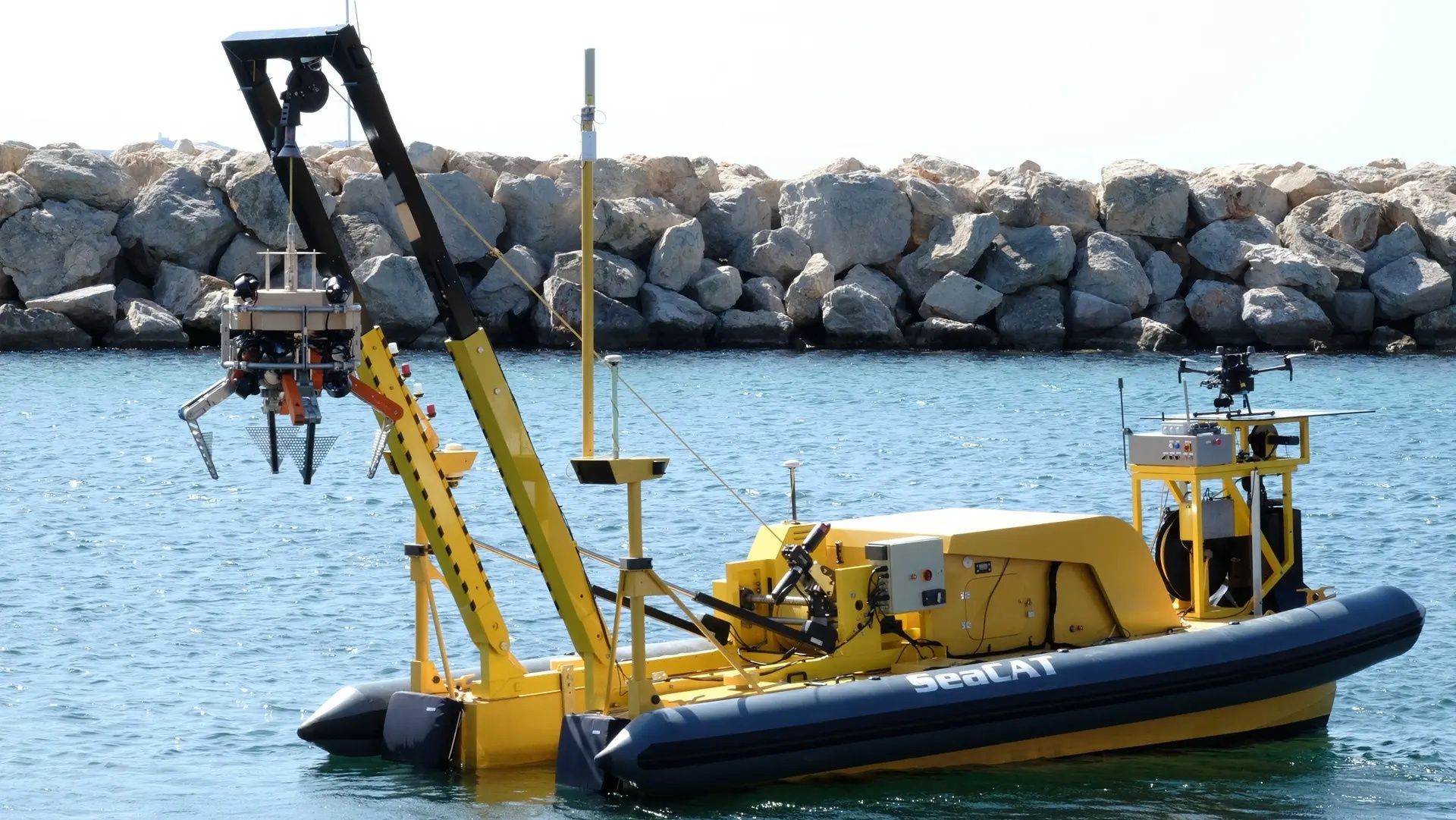
Image source: Andreas Schmitz / TUM
The Rundown: In a world drowning in marine trash, a Technical University of Munich team is unleashing a robotic cleanup crew designed to gather trash buried on the ocean floor, far from the reach of human divers and surface skimmers.
The details:
Part of the EU-funded SEACLEAR, the project deploys a collaborative fleet: an unmanned surface vessel, two tethered underwater robots, and an aerial drone.
The collection robot features a custom gripper with a suction device and a honeycomb structure that traps litter while allowing small marine life to escape.
AI algorithms trained on thousands of images distinguish trash from marine life, aiming for 80% detection accuracy and 90% collection success rates.
The project is now running through 2026 with demos planned in Venice, Hamburg, and other locations; a demo in Marseille was completed this week.
Why it matters: While 66M tons of trash choke our oceans — with 94% buried on the seafloor beyond human reach — cleanup has relied on dangerous, expensive divers or ignored the problem entirely. SEACLEAR's 24/7 autonomous fleet promises to cut costs by 70%, potentially turning ocean cleanup into a scalable industrial process.
DYNA ROBOTICS
⚡️Dyna Robotics nabs $120M from Nvidia, Amazon
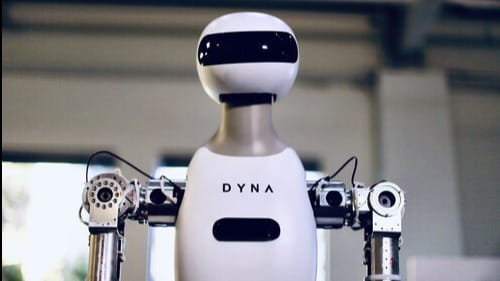
Image source: Dyna Robotics
The Rundown: California-based newcomer Dyna Robotics raised a monster $120M Series A — backed by Nvidia, Amazon, Salesforce, and a who's who of tech giants — to accelerate its AI foundation models for general-purpose commercial robots.
The details:
Dyna specializes in general-purpose robots powered by its proprietary embodied AI foundation models optimized for commercial environments.
After just six months post-launch, DYNA-1 robots are grinding 16-hour days across diverse settings, including hotels, restaurants, laundromats, and gyms.
In a marathon demo, DYNA-1 autonomously folded over 800 napkins 24 hours straight, operating at 60% of human speed with a 99.4% success rate.
The Series A values Dyna at over $600M, a massive jump from its seed round just six months ago.
Why it matters: With ex-DeepMind scientist Jason Ma at the helm, Dyna says it has cracked what others haven’t: robots that truly generalize without babysitting. The $120M funds new talent and real-world data collection that could make Dyna the OpenAI of physical intelligence, or at least it hopes.
ACRYLIC ROBOTICS
🎨 Robots detect million-dollar art fakes

Image source: Robertson, Carmen, Art Canada Institute, Wikimedia Commons
The Rundown: AI and robots are now fighting back against the tidal wave of artist Norval Morrisseau forgeries — over 6K fakes have flooded the market, costing collectors millions in what authorities call the largest art fraud in Canadian history.
The details:
The Morrisseau Estate partnered with Montreal’s Acrylic Robotics to use AI and robotics to not only detect fakes but also produce authorized high-fi replicas.
Acrylic Robotics’ AI and robotic arms capture brushstroke pressure and pigment composition to perfectly recreate the style of Morrisseau’s work.
The estate also employs Norval AI, a custom-trained algorithm capable of analyzing art and assigning authenticity probability scores.
Acrylic Robotics is producing limited editions of five Morrisseau works, ranging from around $2K to $32K, with special ID markings as authorized replicas.
Why it matters: Morrisseau's million-dollar Indigenous artworks have been buried under a tsunami of fakes, making him one of history's most counterfeited artists. Norval AI is one of just two forensic-grade authentication systems on Earth, potentially ending decades of fraud that have hurt collectors and undermined his artistic legacy.
QUICK HITS
📰 Everything else in robotics today
Bot Auto just became the first autonomous trucking company to run a fully humanless hub-to-hub trip in Houston, with no driver or remote operator, just AI steering the rig.
AGIBOT’s Lingxi X2 humanoid became the world’s first robot to nail the Webster flip, a notoriously tough gymnastics move.
An autonomous security robot named Lance now patrols Patmos Tech’s Kansas City data center, acting as a tireless digital "beat cop" to supplement human guards.
ABB Robotics partnered with LandingAI to integrate LandingLens’ no-code vision platform into its global automation suite, cutting robot vision training time by up to 80%.
MicroFactory, a San Francisco-based company, built a compact tabletop robot that can perform precision tasks like electronics assembly, soldering, and cable routing.
French automaker Renault deployed the humanoid Calvin at its Flins factory, where it assists workers by handling some of the most physically demanding tasks.
Oslo-based Sonair developed ADAR, a 3D ultrasonic sensor that gives robots a detailed sonic view of their surroundings for safer human-robot collaboration.
COMMUNITY
🎓 Highlights: News, Guides & Events
Read our last AI newsletter: Meta's smart glasses get neural upgrade
Read our last Tech newsletter: Alphabet joins the $3T club
Read our last Robotics newsletter: Zoox’s driverless robotaxi service
Today’s AI tool guide: Build agents and automations using Replit Agent 3
RSVP to next workshop @ 4 PM EST Friday: Build reliable AI assistants
See you soon,
Rowan, Jennifer, and Joey—The Rundown’s editorial team

Meta's smart glasses get neural upgrade
Read Online | Sign Up | Advertise
Good morning, AI enthusiasts. Meta just took smart glasses to the next level at Meta Connect, revealing three new products — including a Neural Band that shifts control from your voice to your thoughts.
With the ability to control your glasses through subtle muscle signals (and no awkward voice commands), Meta is building a future where your phone never leaves your pocket.
ICYMI — Rowan (CEO at The Rundown) sat down for an exclusive Q&A with CEO Mark Zuckerberg ahead of Meta Connect. Watch the full interview on YouTube.
In today’s AI rundown:
Meta’s smart glasses get a neural upgrade
OpenAI, Google models take gold at ICPC contest
Build agents, automations using Replit Agent 3
AI forecasts patient risk for 1,000+ diseases
4 new AI tools, community workflows, and more
LATEST DEVELOPMENTS
META
🕶️ Meta's smart glasses get a neural upgrade

Image source: Meta
The Rundown: Meta just revealed three smart glasses at Meta Connect, including Ray-Ban Display glasses that pair with a Neural Band to detect muscle signals before you visibly move, an athlete-focused Oakley line, and the Ray-Ban Meta Gen 2.
The details:
Display glasses use the Neural Band to detect electrical muscle signals, enabling messaging, navigation, and more via subtle finger movements.
The Neural Band will also learn and personalize to the user’s unique patterns, making controlling the interface nearly imperceptible.
Gen 2 doubles battery life to 8 hours while adding 3K Ultra HD video recording and conversation focus to amplify voices in noisy environments.
The Oakley Meta Vanguard targets athletes with 9-hour battery life, water resistance, and Garmin connectivity for real-time performance metrics.
Why it matters: Meta is solving two problems that have plagued other smart glasses: making wearables people actually want to wear, with controls that work without awkward voice commands. With the Neural Band detecting intention before movement even occurs, this is potentially the start of tech that responds to thought over touch.
TOGETHER WITH SANA
💡AI agents for instant insights

The Rundown: Imagine having a personal data analyst at your fingertips. Sana Agents lets anyone upload spreadsheets, analyze trends, and generate charts in plain English — helping companies like PE-firm Norvestor make decisions 2x faster with secure, enterprise-ready analytics for finance, sales, and marketing.
Use Sana Agents to:
Instantly analyze spreadsheets and files
Empower every team with self-serve reporting
Ask questions in plain English — get SQL, charts, and insights from your databases
OPENAI & GOOGLE
🥇OpenAI, Google models take gold at ICPC contest

Image source: OpenAI / Google
The Rundown: Both OpenAI and Google announced gold medal performances at the 2025 ICPC World Finals, a top collegiate programming competition, with OpenAI’s GPT-5 solving all 12 problems to claim what would be first place among humans.
The details:
OpenAI achieved a perfect 12/12 score using GPT-5 and an experimental reasoning model, surpassing all 139 university teams that competed.
Google’s Gemini 2.5 Deep Think finished with 10/12 correct to earn gold-medal status, notably solving one problem that stumped every human competitor.
Both companies competed under official contest conditions with identical constraints as human participants, with the top human team scoring an 11/12.
The achievement comes after OpenAI and Google’s gold-level performances at the IMO, OAI’s IOI gold, and a silver finish at the AtCoder Finals.
Why it matters: Competitive programming has been solved internally, and there’s no going back for humans to regain control of the leaderboards. While AGI hasn’t been declared (and is largely subjective), it’s clear that models have already reached superhuman abilities in more than a few domains — and are only getting better.
AI TRAINING
🎬 Create professional marketing videos using AI agents
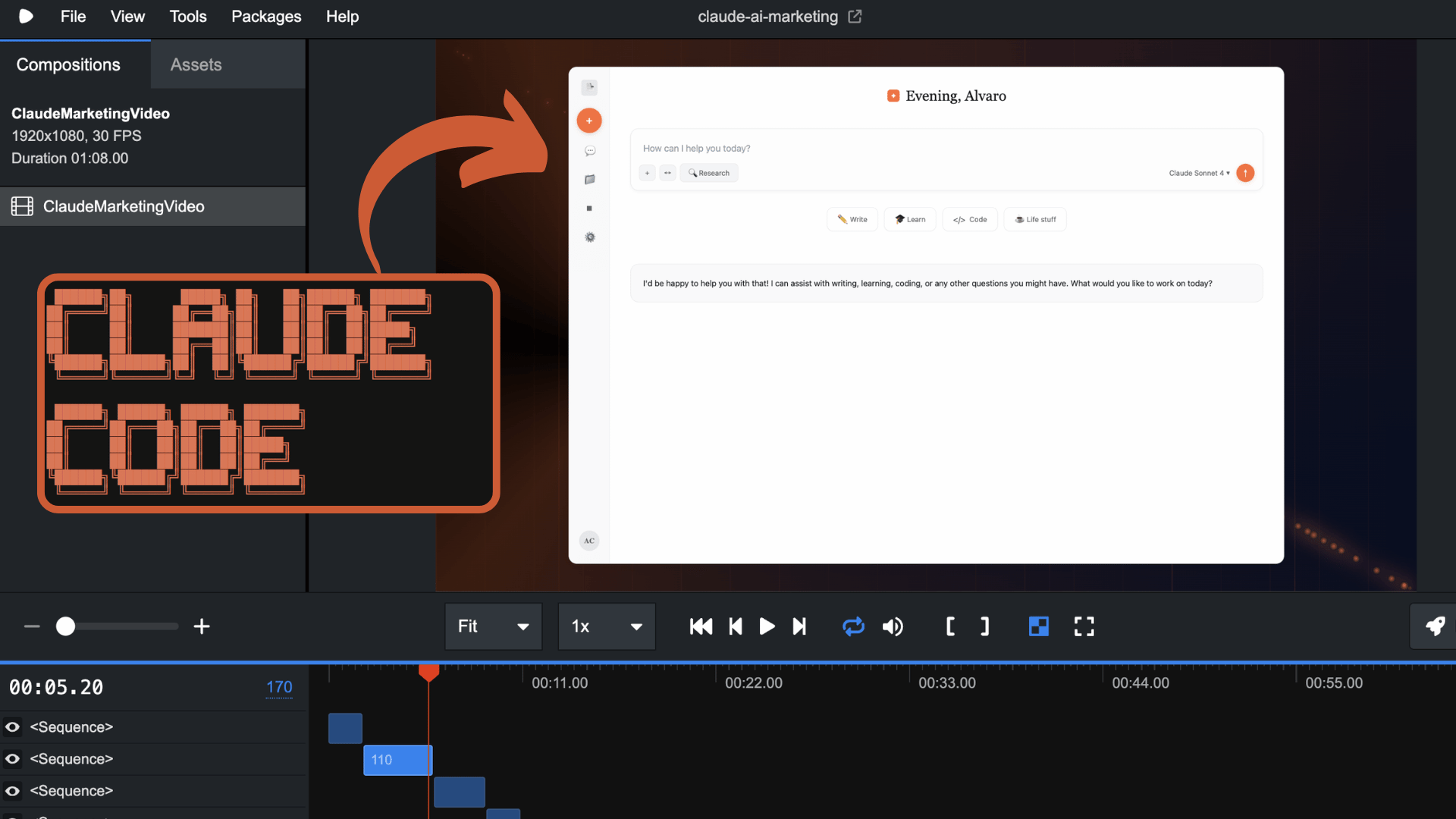
The Rundown: In this tutorial, you will learn how to use Claude Code to automatically build complete video projects using frameworks like Remotion, turning simple prompts into marketing videos with animations and professional effects.
Step-by-step:
Type in your terminal: npm install -g @anthropic-ai/claude-code
Navigate to your project folder and type claude to activate the AI agent
Prompt: “Create a premium marketing video for [your company] using Remotion”
Refine with follow-ups and run npm run start to preview your video locally
Pro Tip: Add your own images, logos, and UI screenshots to the project folder before prompting, and the AI will incorporate them into professional video sequences.
PRESENTED BY IBM
🔎 Investigate IT incidents fast
The Rundown: IBM Instana’s latest feature, Intelligent Incident Investigation, helps teams resolve incidents fast using agentic AI.
IBM Instana’s AI-powered observability:
Uses agentic AI for fast, autonomous investigations
Helps reduce manual troubleshooting with smart automation
Delivers remediation steps and documentation automatically
Helps teams act quickly—even in high-stress, 2 am moments
Learn more in the DevOps Guide to Observability.
AI RESEARCH
🔮 AI forecasts patient risk for 1,000+ diseases
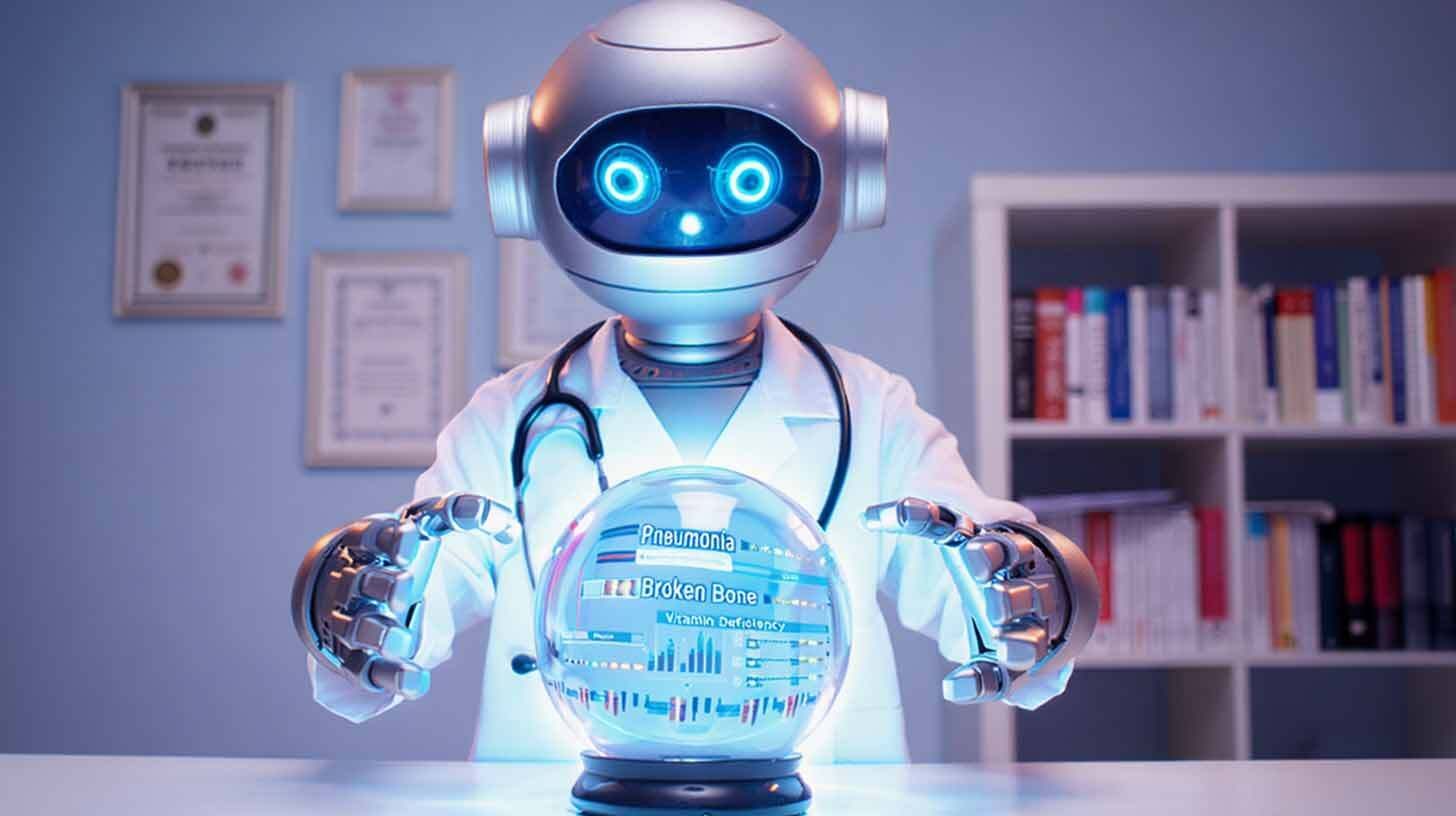
Image source: Reve / The Rundown
The Rundown: European researchers just developed Delphi-2M, an AI system that analyzes medical records to calculate individual disease risks across more than 1,000 conditions up to 20 years into the future.
The details:
The model studied health data from 400K U.K. patients, learning patterns from doctor visits, hospital stays, and lifestyle habits to spot early warning signs.
Delphi-2M matched or exceeded single-disease models while simultaneously reporting probabilities for 1,258 conditions, including cancer and diabetes.
Researchers verified accuracy by having the AI predict diseases for patients with already known health outcomes, tested on 1.9M Danish records.
Why it matters: While these are probabilities for medical outcomes, a predictor that works across over 1,000 conditions helps show how different conditions connect and influence each other, and provides a more proactive approach to health than the current reactive treatments often found across the medical world.
QUICK HITS
🛠️ Trending AI Tools
💵 AP2 - Google’s new open protocol for agentic transactions
🧊 Hunyuan3D 3.0 - Tencent’s upgraded 3D model
⚙️ Orchids - AI full-stack engineer for building prototypes, apps, and websites
📚 Tongyi DeepResearch - Alibaba’s open-source SOTA research agent
📰 Everything else in AI today
World Labs launched Marble, a beta platform that generates explorable, persistent 3D worlds from text or image prompts.
OpenAI and Apollo Research published new data on scheming behaviors across AI models, developing new training methods to reduce the deceptive actions by 30x.
China’s internet regulator banned major tech firms, including ByteDance and Alibaba, from purchasing Nvidia’s AI chips, pushing the use of domestic alternatives.
Elon Musk posted on X that he believes Grok 5 has “a chance of reaching AGI”, saying the next-gen model will begin training in a few weeks.
Zoom introduced AI Companion 3.0, featuring the ability to streamline meetings, create custom AI agents, use photorealistic avatars, and more.
AI models are becoming too smart for humans to train, with experts reportedly struggling to create tasks difficult enough for OAI’s advanced models.
COMMUNITY
🤝 Community AI workflows
Every newsletter, we showcase how a reader is using AI to work smarter, save time, or make life easier.
Today’s workflow comes from reader Anonymous in New Zealand:
"AI helps me all day long. From responding to emails in a more polite, professional manner, creating ad copies for the properties I'm listing, to coming up with creative ways of writing my weekly newsletter — even reading architectural plans and researching the market for the purpose of writing appraisals."
How do you use AI? Tell us here.
🎓 Highlights: News, Guides & Events
Read our last AI newsletter: Google tackles AI’s payment problem
Read our last Tech newsletter: Alphabet joins the $3T club
Read our last Robotics newsletter: Zoox’s driverless robotaxi service
Today’s AI tool guide: Build agents and automations using Replit Agent 3
RSVP to next workshop @ 4 PM EST Friday: Build reliable AI assistants
See you soon,
Rowan, Joey, Zach, Shubham, and Jennifer — the humans behind The Rundown
No matching search results
Try using different keywords, double-check your spelling, or explore related categories.
Stay Ahead on AI.
Join 2,000,000+ readers getting bite-size AI news updates straight to their inbox every morning with The Rundown AI newsletter. It's 100% free.