Get the latest AI news, understand why it matters, and learn how to apply it in your work — all in just 5 minutes a day. Join over 2,000,000+ subscribers.

Exclusive interview: Inside Meta's AI glasses master plan

Good morning, AI enthusiasts. Meta just unveiled its most ambitious AI glasses lineup yet — including a new computing interface: Ray-Ban Displays with an internal screen and a Neural Band controller.
We sat down for an exclusive interview with Mark Zuckerberg, founder and CEO of Meta, to explore how these glasses could replace your phone and what it means for humanity when AI can see everything we see.
Watch the video interview: YouTube, Twitter/X, Spotify, Apple Music.
In our interview
Meta unveils complete smart glasses ecosystem
Neural Band with invisible EMG-powered controls
Could AI glasses replace your smartphone?
Oakley Meta Vanguards bring AI coaching to athletes
Preserving humanity in the age of superintelligence
EXCLUSIVE Q&A WITH MARK ZUCKERBERG
THE NEWS
👓 Meta unveils complete smart glasses ecosystem

Image: Kiki Wu / The Rundown
The Rundown: Meta just unveiled its most comprehensive smart glasses lineup yet at Connect, introducing three distinct products — Ray-Ban Meta Gen 2, Oakley Meta Vanguard for athletes, and the groundbreaking Meta Ray-Ban Display with neural input.
Cheung: Can you give us the rundown of everything you're announcing and what you're personally most excited about?
Zuckerberg: We announced our fall 2025 line of glasses. Ray-Ban Meta now has doubled battery life, 3K video, and AI features like conversation focus that amplify friends' voices in loud places. The Oakley Meta Vanguard is built for athletes, water-resistant, louder speakers, Garmin connectivity.
Zuckerberg added: But the most interesting thing by far is Ray-Ban Meta Display, the first glasses we've shipped with a high-resolution display paired with the Meta Neural Band, which is the first mainstream neural interface. You can send signals from your brain with micro muscle movements like this [gestures subtly]. It's a big breakthrough.
Cheung: So you've got Ray-Bans for everyday, Oakleys for athletes, and displays for power users. How do all these glasses tie into that personal superintelligence vision?
Zuckerberg: Our theory is that glasses are the ideal form factor for personal superintelligence because it's the only device that can see what you see, hear what you hear, talk to you throughout the day, and generate a UI in your vision in real time.
Why it matters: Meta is betting everything on glasses as the final form factor for AI — solving what killed Google Glass by making wearables people actually want to wear. With the Neural Band reading muscle signals before you visibly move, users gain hands-free control for things like texting, GPS navigation, and AI interaction.
A NEW INTERFACE
🧠 Meta pioneers invisible EMG-powered controls

Image: Kiki Wu / The Rundown
The Rundown: Meta's new Ray-Ban Display glasses paired with the Neural Band introduce a shift in human-AI interaction — using EMG tech to detect electrical signals at the wrist, enabling users to control interfaces through subtle gestures.
Cheung: I got to try the Ray-Ban Displays. The moment that got me was the GPS navigation. What's the feature you use that you think no one's expecting?
Zuckerberg: Sending messages. With the glasses, a friend texts you, it shows up in the corner of your eye for a few seconds... If you want to respond, it's as easy as moving your finger. I'm up to 30 words a minute typing with neural text. You can be having a conversation and continue to pay attention to the person with just a very quick gesture with your wrist.
Cheung: The wristband reads electrical signals before you even move. Why is that more important than just improving voice commands or adding more buttons?
Zuckerberg: A lot of the time, you're around other people. You want a way to control your computing device that is private, discreet, and subtle. With the neural band, we could be having this conversation, I get a message, and in the time it takes to breathe, I've sent a ten-word response.
Cheung: Looking ahead, typing and speaking might not be enough to interact with AI. Do you see the band as the first step toward entirely new interfaces?
Zuckerberg: The neural band is going to personalize to you over time. You'll co-evolve with it to make increasingly subtle movements where it's not picking up motion, it's picking up your muscles firing. Eventually, you'll be able to control the UI with your hand at your side, in a jacket pocket, behind your back.
Why it matters: Meta's Neural Band is the first consumer neural interface that detects muscle signals before visible movement, a new way to interact with tech (and may eventually make keyboards/screens feel ancient). While it takes time to learn, the band personalizes to your unique patterns over time — becoming smarter and easier to use.
THE NEXT PLATFORM
📱 Could AI glasses replace your smartphone?

Image: Kiki Wu / The Rundown
The Rundown: Meta's unexpected success with Ray-Ban Meta glasses revealed that consumers are already embracing smart glasses as a computing platform, accelerating the timeline for AI-powered eyewear to challenge and potentially replace smartphones.
Cheung: How far away are we from these glasses being good enough that you'd give up your phone?
Zuckerberg: “Think about your main computing device. Phones are my main device, but I didn't get rid of my computer; I just use it less. Even at my desk, if I want to do something, I take out my phone. That's what's going to happen here.
Zuckerberg added: Our phones will stay in our pockets more. I don't look at my phone to see the time anymore, just tap the glasses. I don't take out my phone for messages. With the viewfinder, I know exactly what I'm capturing.
Cheung: How much of the metaverse vision is still alive in these products?
Zuckerberg: We're getting closer to it. The Orion prototype has a wider field of view for holograms. This product's monocular, so it's not putting 3D objects in the world yet. But the vision is all the immersive software we have for VR, we want running on glasses too.
Why it matters: Meta's glasses strategy is working backwards from the future — starting with simple, useful features before full AR holograms. With original Ray-Ban Metas already dominating stores and Display glasses introducing neural input, Meta is slowly creating the behavioral shift where phones stay in pockets more.
PERFORMANCE TRACKING
🏃 Oakley Meta Vanguards bring AI coaching to athletes
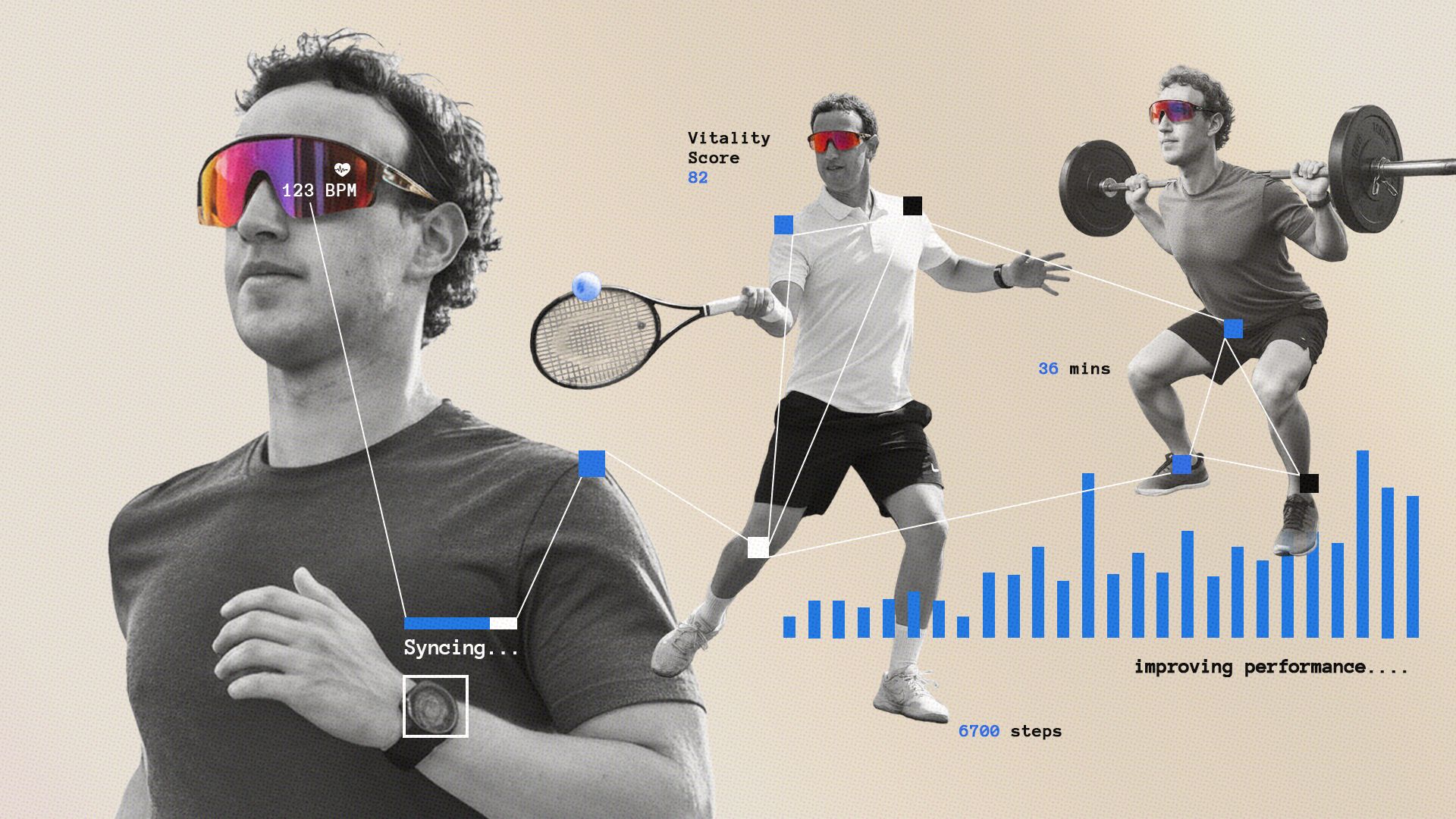
Image: Kiki Wu / The Rundown
The Rundown: Meta's new Oakley Meta Vanguard glasses integrate directly with Garmin and Strava to deliver real-time AI responses through audio — tracking heart rate, pace, and performance metrics while athletes train.
Cheung: How did you build these with athletes in mind?
Zuckerberg: A lot of people on the team are pretty intense athletes. I've fried multiple pairs of Ray-Bans taking them surfing... So we made these water-resistant. The extra sound is really helpful when you're cycling at 30 miles an hour in the wind. The other day I was taking a call on a jet ski and could hear perfectly over the engine.
Cheung: Why did you think it was important to design glasses for super different lifestyles? How much broader do you expect to go?
Zuckerberg: People have different styles. This isn't like a phone where everyone accepts having the same thing with a different color case. Glasses are part of our identity. Some people prefer thinner frames, some thicker.
Zuckerberg added: There are somewhere between 1 to 2B people who have glasses for vision correction today. Within 5 to 7 years, is there any world where those aren't all replaced with smart glasses? It’s like when the iPhone came out and everyone had flip phones — just a matter of time.
Cheung: The Garmin integration means AI can see your heart rate, pace, location, all hands-free while training. How long before it's giving everyone real-time coaching?
Zuckerberg: It can do that a bit now. If you want to ask what your heart rate or pace is, it can answer. When I'm running for performance, I don't really want to talk to something. That's why we built the LED, a simple visual indicator of whether you're on your pace target or heart rate target.
Why it matters: With the Oakley Meta Vanguards, athletes get a glimpse of augmented performance — with AI features enhancing the wearer’s flow without interrupting it. With light touches like Garmin/Strava integrations and visual LED cues, the tech disappears into the experience to provide value without demanding attention.
HUMAN AUGMENTATION
🤖 Preserving humanity in the age of superintelligence

Image: Kiki Wu / The Rundown
The Rundown: As Meta builds toward AI glasses that capture everything we see, hear, and even think via neural signals, fundamental questions emerge about preserving humanity — especially as devices become universal for the next-gen growing up with ambient AI.
Cheung: You're building superintelligence while raising three kids. What conversations are you having with them about the world they're growing up in?
Zuckerberg: In our family, we build a lot of robots. My daughters are really into 3D printing. There's not much kids can do with developing AI at their age, but they can make stuff. We're designing our own robots, 3D printing the shell, using Raspberry Pi or Jetson to run language models.
Zuckerberg added: I mostly try to teach our kids to be good people. Being caring and kind is really important. But intellectually, I believe in a depth-first approach. You learn a lot by building a robot, decomposing problems, debugging things. You learn by doing.
Zuckerberg added: Sometimes we build robots, sometimes we watch K-pop, you gotta have fun.
Cheung: When we do achieve superintelligence, these AI glasses will know everything we see, hear, even our muscle impulses. What human abilities should we fight to preserve, and which ones should we just let go?
Zuckerberg: I'm not sure they're going to retain everything… Picking out the salient bits and giving people control is important. But to me, creativity is very important, having a sense of what you want to make in the world. Part of the job of a creator is to be a master of the tools available to them. AI systems have no impulse to create — they sit there waiting for directions.
Zuckerberg added: The human piece is going to be: what do we want to do to make the world better? Some of that will be personal creative manifestation, but we probably underplay caring about other people, taking care of people, spreading kindness. That stuff is really important too.
Why it matters: In a world where humans are increasingly embedding AI in our lives, Zuckerberg sees a future where humanity isn't competing with AI, but co-evolving with it. As we delegate more cognitive tasks, uniquely human traits like creativity, empathy, and the drive to improve the world become not obsolete, but essential.
GO DEEPER
INTERVIEW
🎥 Watch the full interview
Meta CEO Mark Zuckerberg and The Rundown CEO Rowan Cheung sat down for an exclusive conversation for deeper insights on:
How the Neural Band will personalize to you over time
The timeline for glasses replacing smartphones
Building "personal superintelligence" while raising kids
Why Zuck rebuilt Meta's AI lab within 15 feet of his desk
Listen on YouTube, Twitter/X, Spotify, or Apple Music.
Google tackles AI's payment problem
Read Online | Sign Up | Advertise

Good morning, AI enthusiasts. Google just launched a new solution to one of the biggest trust problems with AI agents — how to let them safely handle your money.
With the new AP2 open protocol creating secure digital contracts for every AI purchase, the infrastructure rails for autonomous commerce to go mainstream may have finally arrived.
In today’s AI rundown:
Google’s protocol for AI agents to make purchases
OpenAI rolls out teen controls for ChatGPT
Turn syllabus into organized lecture notes with Notion AI
YouTube ships new AI tools for creators
4 new AI tools, community workflows, and more
LATEST DEVELOPMENTS
💵 Google’s protocol for AI agents to make purchases
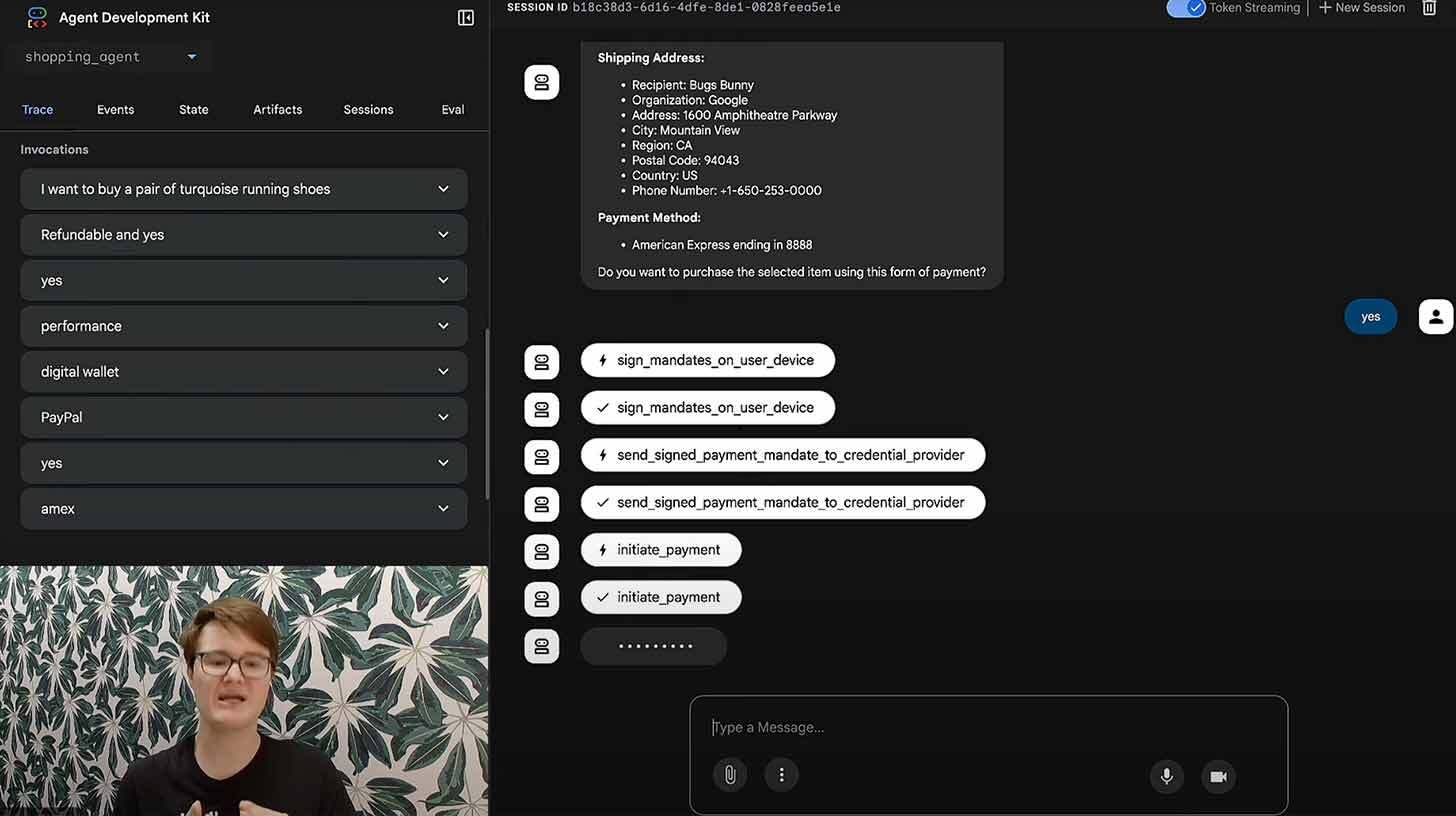
Image source: Google
The Rundown: Google just introduced the Agent Payments Protocol, a new open framework that enables AI agents to securely make purchases on a user’s behalf, with backing from over 60 financial and tech giants.
The details:
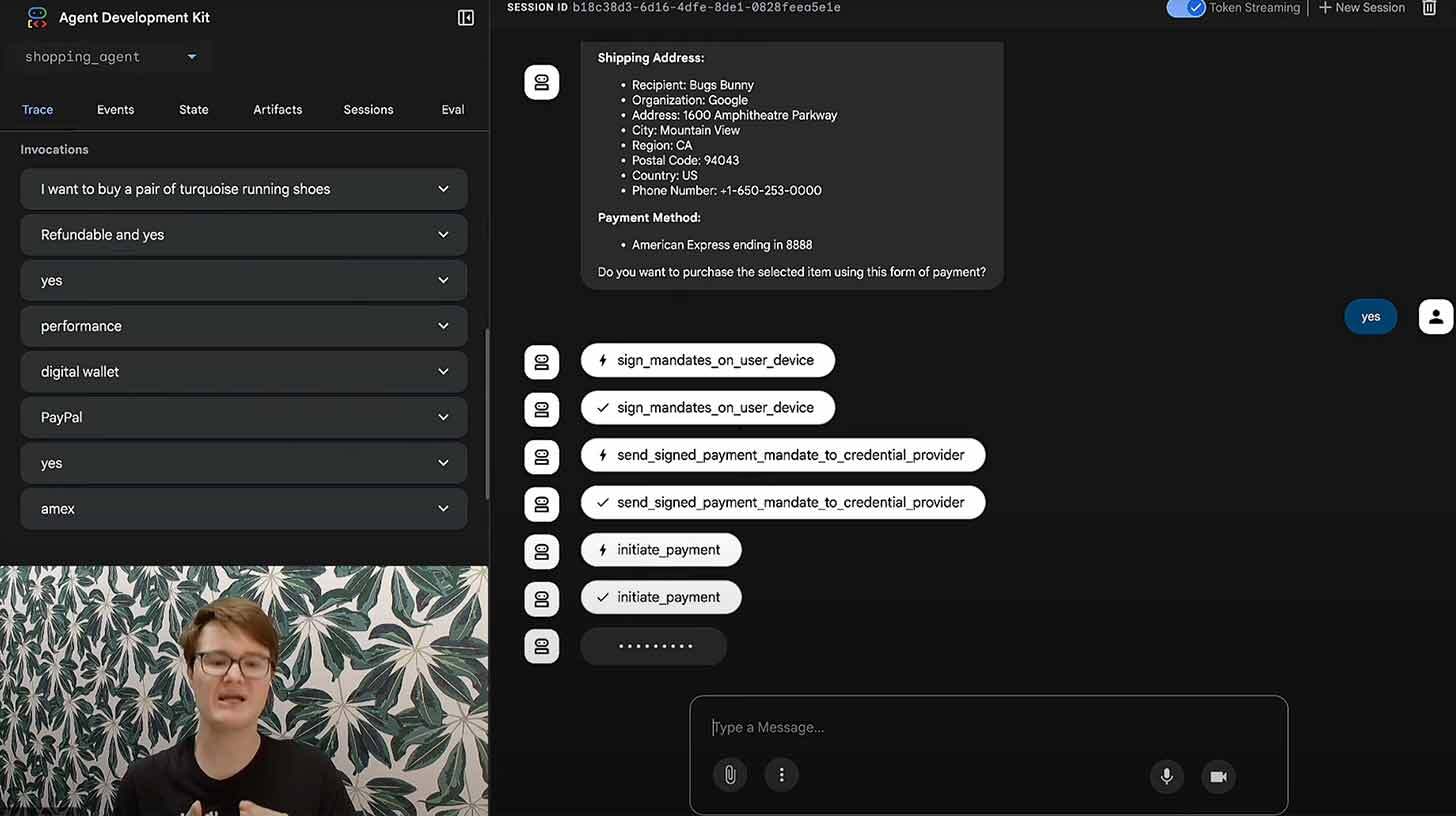
AP2 creates secure digital contracts called “mandates” that verify user authorization before an agent completes a transaction.
Real-time purchases require dual approvals, with users signing an “Intent Mandate” for searching and a “Cart Mandate” to complete a payment.
The framework supports traditional cards, bank transfers, and stablecoins in collaboration with Coinbase and other crypto firms.
Major backers include American Express, Mastercard, PayPal, Salesforce, and Intuit, with the technical specs published openly on GitHub.
Why it matters: We’re arriving at the moment when AI agents become autonomous shoppers, and having secure, trusted payment rails is a critical step for a mainstream leap. Google’s protocol helps facilitate the accountability gap that comes with AI handling user money, with a range of companies already on board to increase adoption.
TOGETHER WITH AIRIA
🛡️ Deploy AI without security risks
The Rundown: Airia is an enterprise AI platform that enables organizations of all sizes to confidently deploy AI with advanced security control, comprehensive data protection, and automated risk management — ensuring AI initiatives are both powerful and protected.
With Airia, you'll experience:
Built-in AI safeguards for runtime prompts, data leakage, and prompt injections
Scalable compliance that maintains regulatory standards (SOC 2, HIPAA, GDPR)
Granular control and visibility for security policies, access control, & more
OPENAI
🛡️ OpenAI rolls out teen controls for ChatGPT

Image source: OpenAI
The Rundown: OpenAI just announced new changes to protect teenage ChatGPT users, with CEO Sam Altman detailing measures like automatic age detection and restricted versions of the assistant for minors.
The details:
OpenAI is building tech that will estimate users’ ages through usage patterns, defaulting to teen restrictions when uncertain.
New parental controls will enable account linking, customization, and notifications to a parent or authorities during perceived mental health crises.
Teen accounts will also block explicit and self-harm chats, even in creative uses— with Altman saying he doesn’t expect everyone to agree with the tradeoffs.
Altman noted that “some of (OpenAI’s) principles are in conflict”, with the new decisions aiming to find a balance between freedom, safety, and privacy.
Why it matters: It’s been a summer of troubling headlines relating to AI’s involvement in mental health situations, and these moves come amidst both regulatory scrutiny and user lawsuits. But given the amount of chatbot options (including open-source/private models) and workarounds, this is unfortunately an issue that isn’t going away easily.
AI TRAINING
🤓 Turn syllabus into organized lecture notes with AI
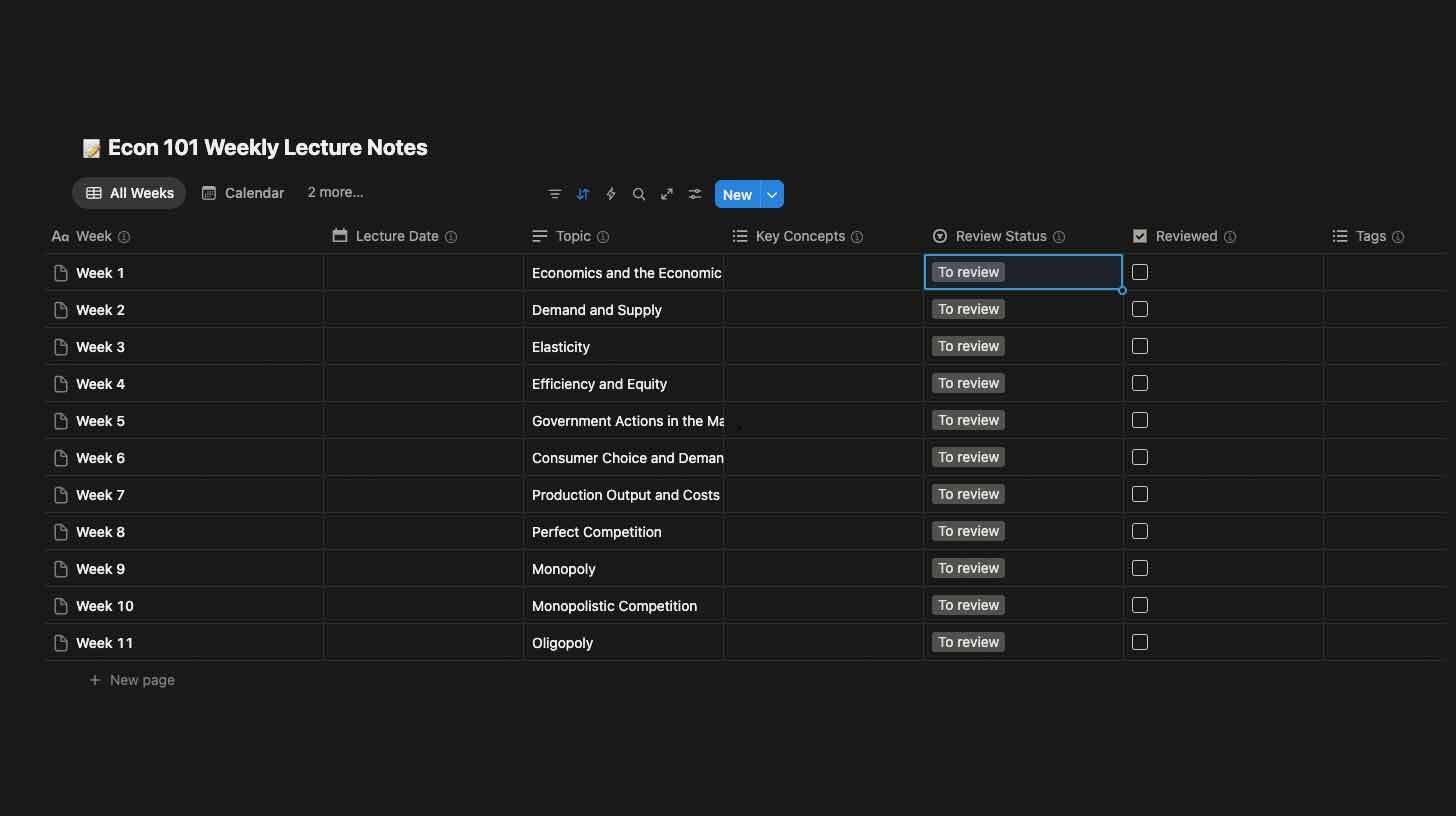
The Rundown: In this tutorial, you will learn how to transform a plain course syllabus into a lecture notes database using Notion AI, generating a ready-to-use study system in seconds instead of spending hours manually creating your semester setup.
Step-by-step:
Go to Notion.so, create a new page, and hit space to open the AI input window
Import your syllabus file (PDF or text) and add it to the page as a plain doc
Use this prompt: "Let's make a study guide for this course. Be sure to include a database where I can take notes on each week's lecture"
Review the AI-generated database with pre-filled weekly rows, columns for lecture dates, topics, key concepts, review status, and notes sections
Pro Tip: Don't just stop with one syllabus. Try importing syllabi for all your courses. The more you experiment with prompts (like asking for different database views or adding tags), the more powerful this system becomes.
PRESENTED BY WISPR FLOW
🗣️ Don't type, just speak

The Rundown: Wispr Flow finally delivers no-edit confidence: 4x quicker than typing, letting you dictate emails, docs, and DMs in real time. AI edits on the fly — cleaning filler words, fixing grammar, and formatting perfectly as you speak. It even works in Cursor and Windsurf, auto-tags your files, and understands your code’s variables.
With Wispr Flow, you can:
Dictate emails, docs, and code 4× faster
Get AI-polished, perfectly formatted text
Use it everywhere: Slack, Notion, ChatGPT
Auto-tag files and understand code context
Try Wispr Flow and upgrade how you work today.
YOUTUBE
🎥 YouTube ships new AI tools for creators
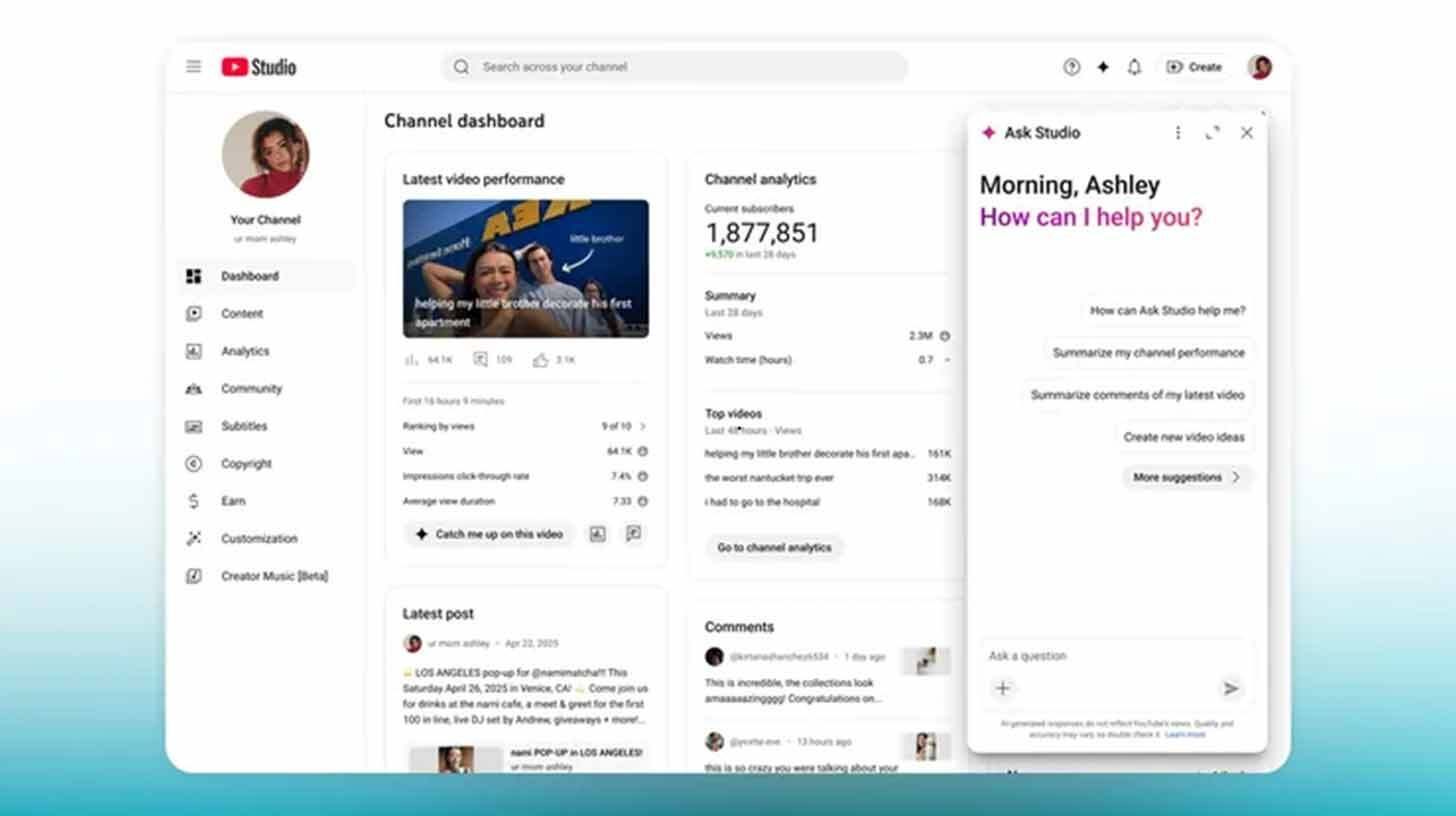
Image source: YouTube
The Rundown: YouTube just dropped over 30 new creator tools at its Made on YouTube event, including AI-powered editing and clipping features, the addition of Veo 3 Fast in shorts, auto-dubbing, and more.
The details:
Google’s Veo 3 Fast model launches free for Shorts creators, with the ability to generate 480p videos with matching audio from text prompts.
Auto dubbing expands to include lip sync tech that animates speakers' mouths to match translated audio across 20 languages.
YouTube's AI now automatically clips engaging moments from long-form videos into vertical Shorts, helping podcasters and creators repurpose content.
Ask Studio arrives as an analytics chatbot that answers performance questions and suggests data-driven optimization strategies for channels.
Edit with AI turns raw footage into polished first drafts, adding transitions, music, and voiceovers.
Why it matters: AI tools have obviously been a massive accelerator for content creation, and YouTube has been quick to enable the tech for its millions of creators on the platform. Having its parent company, Google, consistently on the frontier across both image and video models also doesn’t hurt for guaranteed, consistent upgrades.
QUICK HITS
🛠️ Trending AI Tools
🎥 HeyGen Video Agent - Turn prompts into publishable, finished videos
🚀 Gamma 3.0 - AI presentation tool, with new agentic capabilities, and more
🗣️ Monologue - Voice dictation app to work faster without breaking flow
🤖 ChatGPT - New customization features, including personality options
📰 Everything else in AI today
OpenAI hired former xAI finance chief Mike Liberatore as its new business finance officer, coming just a month after his departure from Elon Musk’s rival AI startup.
Microsoft announced a new $30B investment in U.K. AI infrastructure, with Google also revealing a $6B investment into the country’s AI economy over the next two years.
Walt Disney, Universal, and Warner Bros. filed a new lawsuit against Chinese creative startup MiniMax, claiming its Hailuo model infringes on copyrighted IPs.
Workday announced a $1.1B acquisition of AI startup Sana, aiming to transform the platform into the “new front door for work”.
Tencent released Hunyuan3D 3.0, a new upgrade that features more precise following of input images, professional-grade detailing, and HD modeling outputs.
Fiverr CEO Micha Kaufman announced that the company is laying off 250 employees and transforming into an “AI-first” organization, aiming to return to “startup mode.”
COMMUNITY
🤝 Community AI workflows
Every newsletter, we showcase how a reader is using AI to work smarter, save time, or make life easier.
Today’s workflow comes from reader Phillip W. in Bossier City, Louisiana:
"I am using Midjourney + HeyGen to advertise my book. Using Midjourney, I generated the image of one of my characters, Lucia, then uploaded it to HeyGen as an Avatar. I then added speech to the Avatar and had her talk about the book from her perspective. I posted it to Facebook, helping creatively advertise my book."
How do you use AI? Tell us here.
🎓 Highlights: News, Guides & Events
Read our last AI newsletter: OpenAI, Anthropic reveal how users use AI
Read our last Tech newsletter: Google joins the $3T club
Read our last Robotics newsletter: Zoox’ driverless robotaxi service
Today’s AI tool guide: Turn any syllabus into lecture notes with Notion AI
RSVP to next workshop @ 4PM EST Friday: Build reliable AI assistants
See you soon,
Rowan, Joey, Zach, Shubham, and Jennifer — the humans behind The Rundown


Google joins the $3T club
Read Online | Sign Up | Advertise

Good morning, tech enthusiasts. Alphabet hit $3T this week, but the real story isn't the valuation — it's how Google just survived Washington's biggest breakup attempt in decades.
A federal judge kept Search and Chrome together, preserving Google's ad empire intact. Now the question isn't whether Big Tech is too powerful, but whether the government has any tools left to rein it in.
In today’s tech rundown:
Alphabet hits $3T after dodging DOJ breakup
Meta writes checks to Facebook users
Nothing hits $1.3B valuation
Stealth startup targets geothermal goldmine
Quick hits on other tech news
LATEST DEVELOPMENTS
ALPHABET
👑 Alphabet hits $3T after dodging DOJ breakup

Image source: Ideogram/The Rundown
The Rundown: Alphabet shattered the $3T market cap barrier Monday, hitting $3.05T by closing bell and joining the exclusive club with Apple, Microsoft, and Nvidia — but the real story is how Google just survived its closest brush with a government breakup.
The details:
Shares surged 4% in a single session after months of uncertainty over how deep antitrust cuts might slice into Google's empire.
A federal judge dialed back the DOJ's breakup demands, keeping Search and Chrome together instead of forcing the split that prosecutors wanted.
The ruling preserves Google's ad goldmine, the $200+ billion search ads business that generates most of Alphabet's profits.
Google now controls nearly 90% of the global search traffic, a dominance that has remained largely unchallenged despite years of antitrust litigation.
Why it matters: Google's ad engine generates more revenue than most countries' GDP, creating a regulatory catch-22 where breaking up dominant platforms could destabilize the digital economy they now underpin. But the question is whether traditional antitrust tools still work in a platform-dominated world.
TOGETHER WITH AUGMENT CODE
👨💻 The AI agent for production-grade codebases

The Rundown: Augment Code's powerful AI coding agent and industry-leading context engine meet professional software developers exactly where they are, delivering production-grade features and deep context into even the largest and gnarliest codebases.
With Augment Code, you can:
Index and navigate millions of lines of code
Get instant answers about any part of your codebase
Automate processes across your entire development stack
Build with the AI agent that gets you, your team, and your codebase.
META
👀 Meta writes checks to Facebook users

Image source: Ideogram/The Rundown
The Rundown: Notice a random $30 hitting your bank account this week? Meta is finally cutting checks from its massive $725M privacy settlement — the bill for letting Facebook play fast and loose with user data for over a decade.
The details:
Payments just launched and will roll out over 10 weeks via direct deposit, Venmo, Zelle, PayPal, or old-school paper checks.
The settlement stems from the Cambridge Analytica scandal and 15 years of privacy violations that exposed millions of users' personal data.
Over 19M validated claims were processed for U.S. Facebook users with active accounts between May and December 2022.
Only users who filed valid claims by the August 2023 deadline qualify, so no retroactive windfalls for the unprepared.
Why it matters: Meta admits no wrongdoing but chose to settle rather than roll the dice at trial. Still, these payouts represent more than pocket change — they signal that Big Tech's seemingly bulletproof legal shield may have a crack or two. Whether $30 compensates for years of data harvesting is another question entirely.
NOTHING
🦄 Nothing hits $1.3B valuation

Image source: Nothing
The Rundown: British smartphone maker Nothing just cemented its status as one of the most stylish disruptors in consumer tech after closing a $200M Series C funding, pushing its valuation up to $1.3B — all while plotting an ‘AI-first’ pivot.
The details:
Nothing’s latest flagship, the Phone (3), features a Snapdragon 8s Gen 4 processor, triple rear cameras, and the “Glyph Matrix” LED interface.
AI is at the heart of Nothing’s vision, with its Essential Space organizational suite and ongoing plans to make on-device intelligence the core differentiator.
Nothing has tapped Sélim Benayat, former Linktree exec and founder of Bento, to spearhead its push into AI services.
Despite a global market share of less than 1%, Nothing saw rapid growth in India, where it commands 2% market share and shipped over 5M units globally.
Why it matters: CEO Carl Pei pushes hardware that pops, with see-through cases, signature Glyph LEDs, and premium materials that slice through Android sameness. The company plans to launch AI-focused devices next year, targeting consumers seeking design options to conventional smartphones typically priced at $1K and above.
CLIMATE TECH
⚡️ Stealth startup targets geothermal goldmine

Image source: Andrey Zharkikh / flickr, creative commons)
The Rundown: Rodatherm Energy is emerging from stealth with $38M in Series A funding and technology that could finally break geothermal power out of its volcanic prison, bringing clean baseload energy to America's heartland.
The details:
Rodatherm's patented closed-loop system swaps water for refrigerants, delivering up to 50% more efficiency than conventional geothermal plants.
The tech unlocks power generation in sedimentary basins, expanding geothermal's reach far beyond traditional volcanic hotspots in the western U.S.
The startup says its refrigerant system uses roughly one-fifth the fluid required for traditional geothermal methods and drastically reduces water consumption.
Toyota Ventures leads the funding round to power Utah's first-of-its-kind pilot plant, launching operations in 2026.
Why it matters: Geothermal has been clean energy's sleeping giant — abundant but trapped by volcanic hotspots. Rodatherm's tech could unlock sedimentary formations nationwide for 24/7 baseload power. The catch: drilling costs tens of millions per site, and the reliability of refrigerant underground remains unproven.
QUICK HITS
📰 Everything else in tech today
Amazon’s Project Kuiper will bring satellite internet to the U.S., Canada, France, Germany, and the UK by the end of Q1 2026, Bloomberg reports.
The UK and the U.S. are set to sign a landmark tech partnership this week, deepening collaboration between their trillion-dollar tech sectors as part of Trump’s state visit.
Alphabet is investing £5B ($6.8B) over two years to boost UK AI infrastructure and research, leading a wave of major U.S. tech investments tied to Trump’s state visit.
The UK is building a $335M biotech center to develop pandemic R&D and vaccine development ahead of future health threats, with opening slated for 2030.
Elon Musk’s AI firm xAI laid off 500 members of its data annotation team, which provides critical training data for its Grok chatbot.
Stellantis scrapped its plans for the all-electric Ram 1500 REV pickup, shifting focus to the extended-range Ram 1500 REV (formerly Ramcharger) instead.
Micro1, a three-year-old startup specializing in human-powered data labeling for AI, raised $35M, at a 500M valuation.
COMMUNITY
🎓 Highlights: News, Guides & Events
Read our last AI newsletter: OpenAI, Anthropic reveal how users use AI
Read our last Tech newsletter: Pharma’s $1B bottleneck meets AI
Read our last Robotics newsletter: Zoox’ driverless robotaxi service
Today’s AI tool guide: Use ChatGPT to improve your thinking patterns
RSVP to next workshop @ 4PM EST Friday: Build reliable AI assistants
See you soon,
Rowan, Jennifer, and Joey—The Rundown’s editorial team
OpenAI, Anthropic reveal how users use AI
Read Online | Sign Up | Advertise

Good morning, AI enthusiasts. While there is plenty of speculation on how AI is being adopted across the globe, two of AI’s biggest players just provided receipts on how the technology is actually being put to work.
With insights like personal use overtaking professional tasks, massive adoption gaps between rich and poor nations, and users increasingly treating AI like a search engine, the real story of AI adoption is unfolding in ways nobody predicted.
Speaking of adoption… We love hearing how our readers are using AI in their work or daily life. Share your story for a chance to be featured in the newsletter!
In today’s AI rundown:
OpenAI and Anthropic reveal how millions use AI
OpenAI’s GPT-5 Codex for upgraded autonomous coding
Use ChatGPT to improve your thinking patterns
Reve revamps creative platform with advanced editing
4 new AI tools, community workflows, and more
LATEST DEVELOPMENTS
OPENAI & ANTHROPIC
📊 OpenAI and Anthropic reveal how millions use AI
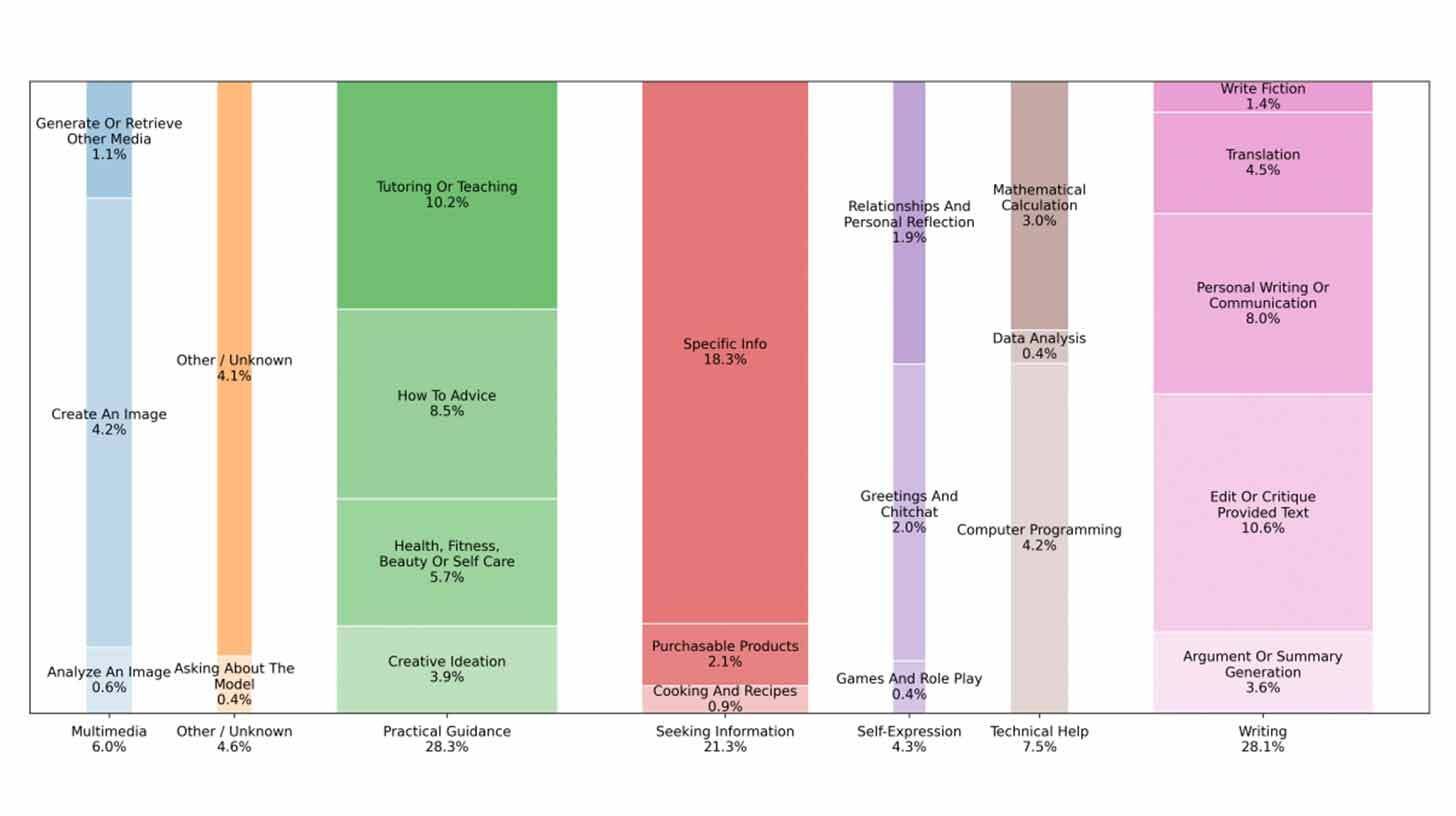
Image source: OpenAI
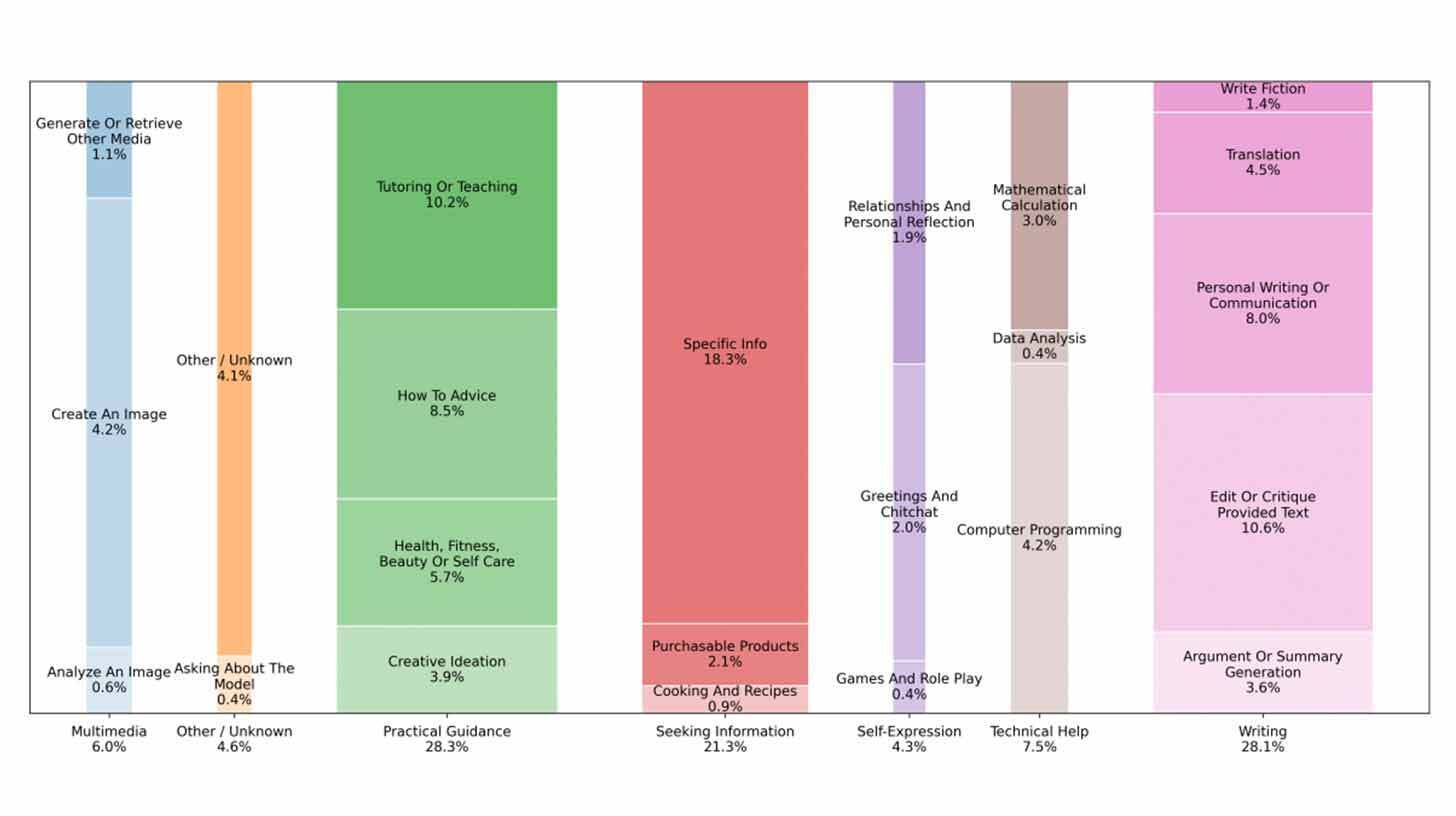
The Rundown: OpenAI and Anthropic both published new data on AI usage patterns across their platforms, revealing demographic shifts, geographic divides, and a growing split between personal and business applications.
The details:
Claude users focus heavily on coding, while ChatGPT sees more writing and decision support, with users seeking advice over content creation.
Personal use of ChatGPT surged from 53% of messages in June 2024 to 73% by 2025, with non-work conversations growing faster than professional ones.
AI adoption in low and middle-income countries is growing 4x faster for ChatGPT, while Claude usage is largely concentrated in wealthy regions.
Both platforms show users delegating tasks more frequently over time, with an increase in “information seeking” and search rather than output generation.
Why it matters: AI usage across the globe is rising fast, but these reports offer a fascinating look at how different both adoption and use cases can be across both demographic and regional divides. The personal use surge is particularly interesting, showing that it’s not just work habits being completely altered in the AI age.
TOGETHER WITH AUGMENT CODE
👨💻 The AI Agent for production-grade codebases

The Rundown: Augment Code's powerful AI coding agent and industry-leading context engine meet professional software developers exactly where they are, delivering production-grade features and deep context into even the largest and gnarliest codebases.
With Augment Code, you can:
Index and navigate millions of lines of code
Get instant answers about any part of your codebase
Automate processes across your entire development stack
Build with the AI agent that gets you, your team, and your codebase.
OPENAI
⚙️ OpenAI’s GPT-5 Codex for upgraded autonomous coding
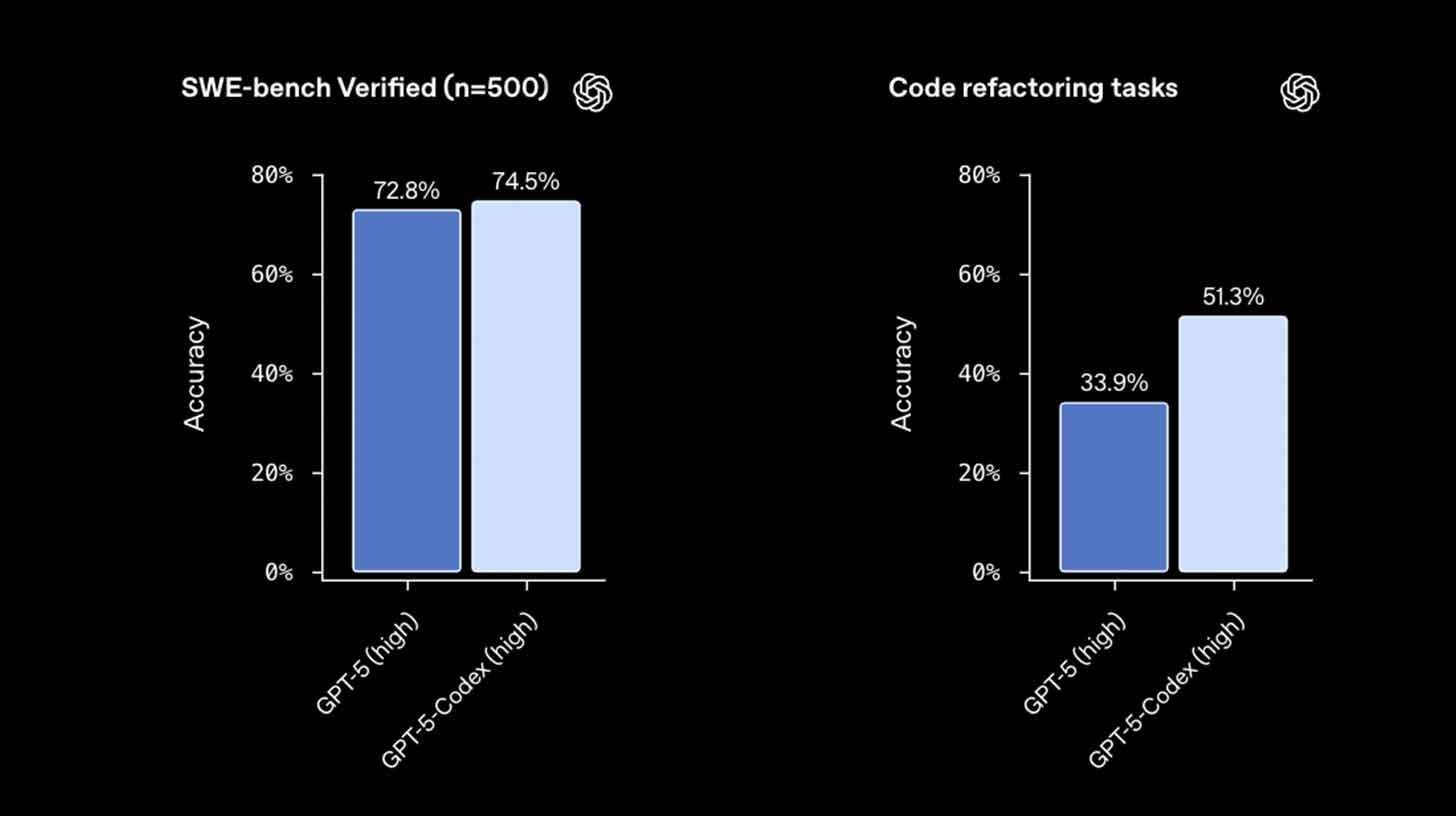
Image source: OpenAI
The Rundown: OpenAI just introduced GPT-5 Codex, an upgraded, specialized coding model that can dynamically adjust its compute effort based on task complexity — spending seconds on simple fixes or several hours on more complex issues.
The details:
The model outperforms GPT-5 on SWE-bench Verified for real-world software use cases, with even larger gains on refactoring tasks at 51.3% versus 33.9%.
GPT-5 Codex cuts token usage by 94% for simple tasks, while dedicating 2x the reasoning time to complex problems, with autonomous runs of over 7 hours.
Built-in code review capabilities navigate entire codebases, execute tests, and validate dependencies to catch critical software bugs.
The update also includes revamped CLI tools, IDE extensions for VS Code and Cursor, and handoffs between local and cloud environments.
Why it matters: Agentic coding tools have completely changed development workflows in just a year — and although Anthropic’s models and Claude Code tool initially dominated the scene, OpenAI’s Codex and models have made for a powerful alternative and competitor despite the company’s broader user base.
AI TRAINING
🤔 Use ChatGPT to improve your thinking patterns
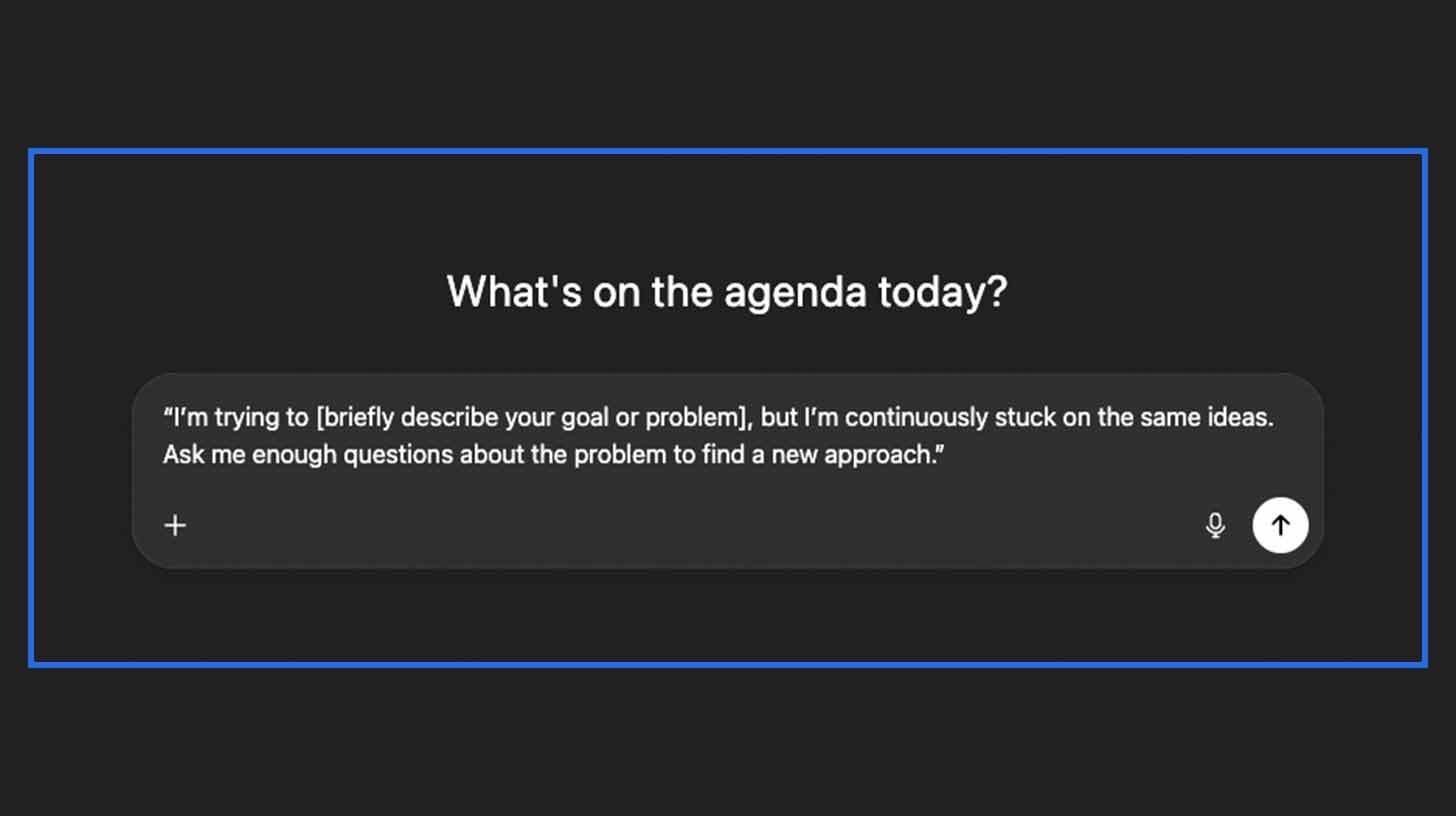
The Rundown: In this tutorial, you will learn how to break out of circular thinking and generate creative solutions for any business problem by using GPT-5's structured questioning approach to surface blind spots and unlock fresh perspectives.
Step-by-step:
Go to ChatGPT, toggle on GPT-5 in Auto mode, and use this prompt: "I'm trying to [describe your goal or problem], but I'm continuously stuck on the same ideas. Ask enough questions about the problem to find a new approach."
Add context about your current approaches so GPT-5 knows what you're already trying and can push you beyond those solutions
Answer GPT-5's questions across categories like user understanding, product experience, engagement, and analytics to reveal new angles
Review the fresh solutions that emerge from this process and iterate on promising ideas
Pro Tip: Use this workflow for any problem, not just churn. The magic is in how GPT-5 questions you until you hit new thinking pathways for better brainstorming.
PRESENTED BY FIDDLER
📊 The 2025 Agentic Observability Guide

The Rundown: The Fiddler Agentic Observability Guide breaks down what’s needed to monitor and control complex, multi-agent systems in production.
Learn how to:
Pinpoint issues across the agentic hierarchy
Visualize aggregated metrics and granular insights
Gain context on agent decision paths and chains of logic
Unlock visibility and control for your AI agents — download the guide today.
REVE
🎆 Reve revamps creative platform with advanced editing

Image source: Reve
The Rundown: Reve just unveiled a newly revamped image platform that combines AI image generation, natural language editing, and drag-and-drop controls into a single freely available interface.
The details:
The platform uses a "layout representation" system that converts images into code-like structures, enabling precise edits while preserving original images.
The ‘new Reve’ features a drag-and-drop editor that allows for granular changes to elements within both uploaded and generated images.
Reve also adds a chat box to create, blend, and edit images via natural language commands, with the ability to search the web for inspiration.
The company released API access in beta, allowing developers to integrate Reve's image creation and editing into third-party applications and workflows.
Why it matters: It’s been just weeks since Google’s Nano Banana changed the image editing game, and now we’ve already had ByteDance’s Seedream 4.0 and Reve launch similar capabilities. Image models have already reached insane quality levels, but advanced editing is the next frontier that opens up completely new use cases.
QUICK HITS
🛠️ Trending AI Tools
⚙️ GPT-5 Codex - OpenAI’s new upgraded model for agentic coding
🛡️ VaultGemma - Google’s open model to safeguard user data
🎨 Reve - Free AI image generator with new advanced editing features
💻 Holo 1.5 - H Company’s open foundation models for computer use agents
📰 Everything else in AI today
Innovate with AI at AWS Symposium Ottawa, Oct 1. Join public sector leaders, explore emerging tech, and shape the future of AI in Canada. Register to attend for free.*
Google released VaultGemma, the largest publicly available AI model trained with "differential privacy" to protect user data.
OpenAI is aggressively hiring robotics researchers with humanoid expertise, according to a new report from WIRED, signaling a push into physical AI systems.
H Company introduced Holo 1.5, a new family of open weights Computer Use models that achieve SOTA performance across a series of agentic benchmarks.
Microsoft announced the addition of Copilot Chat and agents across its 365 apps (Word, Excel, etc.), incorporating the AI into a sidebar for quick and seamless access.
OpenAI’s chairman, Bret Taylor, said that there’s an AI bubble and “a lot of people will lose a lot of money”, but the tech will still “create huge amounts of economic value.”
*Sponsored Listing
COMMUNITY
🤝 Community AI workflows
Every newsletter, we showcase how a reader is using AI to work smarter, save time, or make life easier.
Today’s workflow comes from reader Mark D. in the United Kingdom:
"Instead of handing my two sports-mad boys their school reports as dry PDFs, I turned them into something they’d actually enjoy. Using ChatGPT, I rewrote the reports as soccer post-match analysis scripts — complete with commentary on their “stats,” highlights, and “areas for training.” Then I ran the scripts through ElevenLabs, giving them the voice of an excitable sports broadcaster.
The result? School feedback delivered like a Match of the Day highlight reel. Strengths became “goals scored,” targets became “training drills,” and report day suddenly felt like match day. For the first time, they asked to hear their reports more than once."
How do you use AI? Tell us here.
🎓 Highlights: News, Guides & Events
Read our last AI newsletter: The ultimate skill for the AI world
Read our last Tech newsletter: Pharma’s $1B bottleneck meets AI
Read our last Robotics newsletter: Zoox’ driverless robotaxi service
Today’s AI tool guide: Use ChatGPT to improve your thinking patterns
RSVP to next workshop @ 4PM EST Friday: Build reliable AI assistants
See you soon,
Rowan, Joey, Zach, Shubham, and Jennifer — the humans behind The Rundown

The ultimate skill for the AI world
Read Online | Sign Up | Advertise

Good morning, AI enthusiasts. "A huge change is coming," and those who learn how to upskill themselves "continually" will be the ones thriving in this AI-driven future.
These words from Google’s Demis Hassabis set a new standard for skill development, but the question remains: what frameworks can workers and students use to realistically keep pace when the AI space is evolving almost every week?
In today’s AI rundown:
Demis Hassabis: AI demands ‘continual’ learning
China's 'brain-like' AI runs 100x faster on its own chips
Create enterprise-ready sounds with Stable Audio 2.5
Harvard’s AI helps reverse disease in cells
4 new AI tools, community workflows, and more
LATEST DEVELOPMENTS
AI LEARNING
🤖 Demis Hassabis: AI demands ‘continual’ learning

Image source: Getty Images
The Rundown: The top skill for the next generation in an AI-driven world? Learning how to learn. Speaking in Athens, Demis Hassabis, CEO of Google DeepMind, said mastering this skill is crucial as AI reshapes education, work, and industries.
The details:
Hassabis warned that the pace of AI change is so fast that “the only thing you can say for certain is that huge change is coming.”
He added that AGI (when AI matches humans at most tasks) could be achieved in a decade, bringing dramatic advances and a future of “radical abundance.”
Thriving in this era will require meta-skills—the ability to continually optimize the learning approach to new subjects—alongside traditional knowledge.
Hassabis added that this phase of lifelong learning is unavoidable, noting he is sure that people will have to continually learn “throughout their careers.”
Why it matters: The idea of learning a single skill and working with it for 5–10 years before needing to upskill is changing. In an AI-driven world, workers and students will need to constantly track developments in their domain, find ways to stay ahead of the curve, and differentiate themselves to build successful careers.
TOGETHER WITH VANTA
🛡️ Building trust in the AI boom

The Rundown: In today's AI boom, shipping fast gets attention — but building trust gets results. Vanta and Mercury show how SOC 2, audit-ready financials, and risk controls have become day-one signals that fuel growth, not later-stage checkboxes.
In this virtual event, learn to:
Pass investor diligence with confidence and fewer follow-ups
Avoid security and procurement blockers before they stall deals
Stay ahead of compliance without hiring full teams
Register now to build enterprise-grade credibility without slowing down.
CHINA
🧠 China's 'brain-like' AI runs 100x faster on its own chips

Image source: Ideogram / The Rundown
The Rundown: Chinese researchers just published new research on SpikingBrain 1.0, an AI system that mimics human neurons to achieve massive speed gains while running entirely on China’s MetaX chips instead of Nvidia hardware.
The details:
The model fires neurons selectively, similar to human brain activity, rather than activating entire networks like ChatGPT does continuously.
Researchers trained 7B and 76B versions using under 2% of the data required by traditional models, matching their performance on language tasks.
Tests showed the smaller model processed a 4M-token prompt over 100x faster than standard systems while maintaining stability for weeks.
The Beijing team released a free version online where users can test "Shunxi," emphasizing it runs entirely on Chinese tech without any Western components.
Why it matters: By achieving massive speed gains on fully domestic hardware, China shows it can not only compete with but also potentially bypass largely Nvidia-powered Western AI. The landscape is no longer dominated by one ecosystem, making awareness of regional innovations essential for staying ahead.
AI TRAINING
🎶 Create enterprise-ready sounds with Stable Audio 2.5
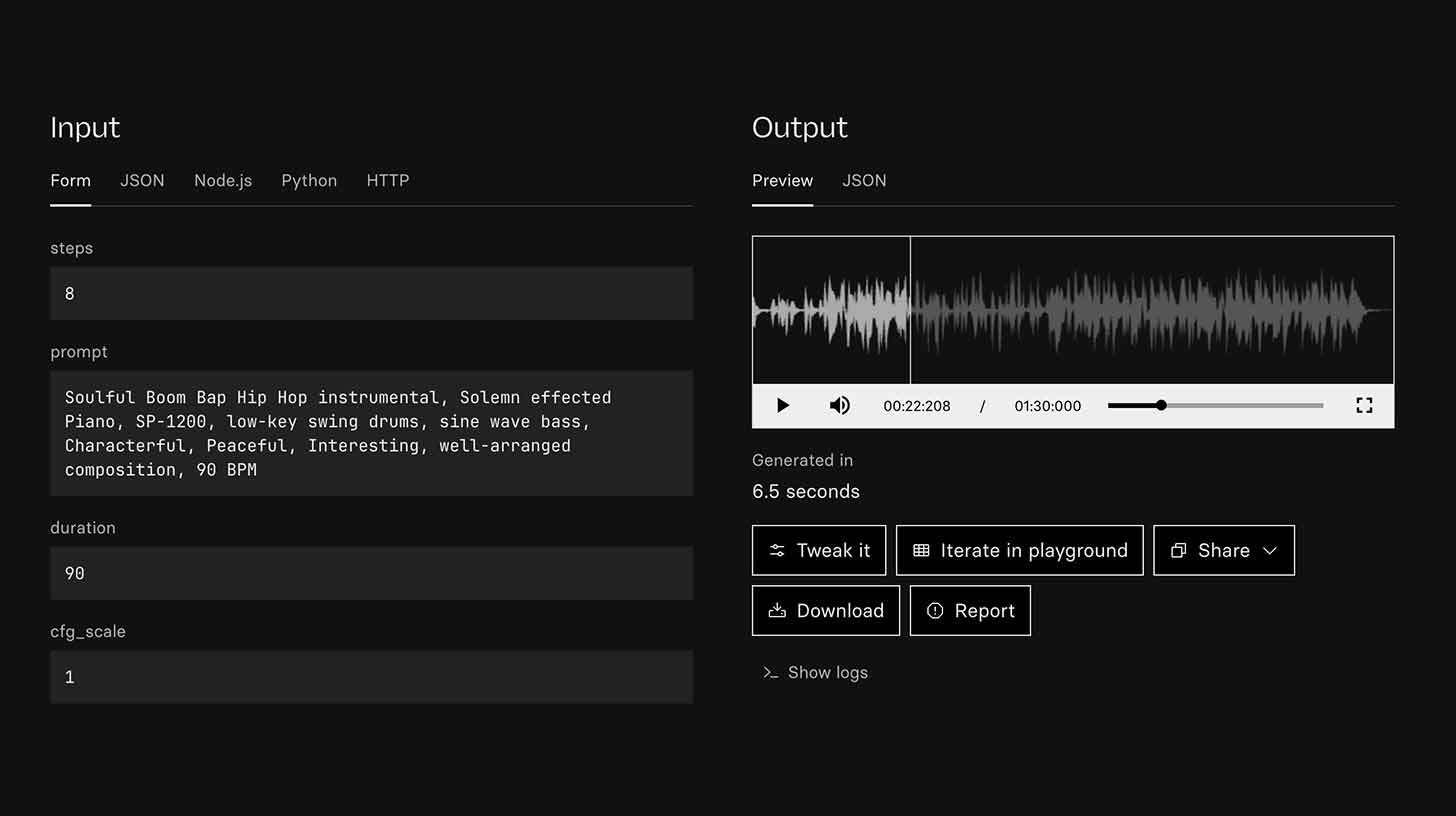
The Rundown: In this tutorial, you will learn how to generate professional music and soundscapes for marketing, ads, and branded content using Stable Audio 2.5 on Replicate, creating enterprise-ready tracks at just $0.20 each.
Step-by-step:
Go to Replicate.com and search for "Stable Audio 2.5" by Stability AI (fund your account with a few dollars to run the model)
Set your parameters: choose genre (pop, hip-hop, orchestral), specify tempo in BPM, set duration up to 90 seconds, and adjust steps for quality
Write detailed prompts like "atmospheric pop electronic fusion with crisp percussion and layered synths" for cleaner results
Click Run to generate your track in under 10 seconds, then download for unlimited commercial use
Pro Tip: If you like a style but want it in a different genre, feed your prompt into ChatGPT and ask it to rewrite it for rap, orchestral, or lo-fi punk.
PRESENTED BY ASAPP
🌇 Go beyond AI agents with ASAPP

The Rundown: ASAPP solves the toughest problems in customer service with generative AI. The GenerativeAgent® platform was purpose-built to handle complex, multi-turn customer conversations with enterprise-grade performance, safety, and control.
Join ASAPP’s Beyond AI Agents webcast on Sept. 18 to learn:
What future customer experiences will look like with AI agents
The power of a multi-agent voice experience
The tools you need to monitor, deploy, and test AI agents safely
Lessons gained from real-world enterprise deployments
Save your spot to be ready for the next era of CX.
AI RESEARCH
💊 Harvard’s AI helps reverse disease in cells

Image source: Ideogram / The Rundown
The Rundown: Harvard Medical School researchers just developed PDGrapher, a free AI model that pinpoints gene and drug combinations capable of transforming diseased cells back to healthy states.
The details:
PDGrapher examines how genes, proteins, and cellular signals work together instead of testing one drug target at a time, like traditional methods.
The tool outperformed competing AI systems by 35% when tested across 19 cancer types and delivered answers 25 times faster.
Researchers validated the tool by having it predict known lung cancer treatments, which it correctly identified, along with promising new targets.
Harvard teams are using the tool to find treatments for brain diseases like Parkinson's and Alzheimer's through partnerships with Mass. General Hospital.
Why it matters: Most drugs today work by hitting a single target in the body, but complex diseases often outsmart the one-trick approaches. PDGrapher's ability to find multiple pressure points simultaneously could crack diseases that have eluded treatments, while potentially saving billions typically lost on dead-end drug trials.
QUICK HITS
🛠️ Trending AI Tools
⚙️ Replit Agent 3 - Autonomous agent for building production-ready apps
🤖 Qwen3-Next - Alibaba’s hyper-efficient 80B parameter hybrid model
👋 Poke - Intelligent AI assistant embedded into text messages
🧠 Oboe - Instantly create courses to learn about any topic with AI
📰 Everything else in AI today
Rolling Stone parent company Penske Media Corp. sued Google over the tech giant’s AI Overviews, arguing it illegally uses the publisher’s work while hurting traffic.
Apple senior AI executive Robby Walker has reportedly left the company, having previously worked on both Siri and an AI web search system.
OpenAI’s new agreement with Microsoft will reportedly drop its revenue share from around 20 percent to 8 percent by 2030, saving the company over $50B.
xAI is reportedly laying off 500 generalist AI tutors from its data annotation team, responsible for training Grok AI.
Google’s Gemini overtook ChatGPT as the top iOS app in the U.S., after its Nano Banana image model went viral with people creating their 3D figurines and more.
China’s Tencent just poached Yao Shunyu, a prominent AI researcher at OpenAI, to work on integrating AI into its services.
COMMUNITY
🤝 Community AI workflows
Every newsletter, we showcase how a reader is using AI to work smarter, save time, or make life easier.
Today’s workflow comes from an Anonymous reader in Iceland:
"I learn Japanese. I memorize the 2136 regular-use kanji with mnemonics. I use Gemini to analyze the mnemonics, ensuring they are specific, consistent, and systematic. Once I have the mnemonic, the machine turns it into an image prompt. That result goes to a variety of tools, from which I pick the best result. Recently, I experimented with editing these images in Nano-banana, trying to place them in photographs of familiar places, and to make a memory palace."
How do you use AI? Tell us here.
🎓 Highlights: News, Guides & Events
Read our last AI newsletter: The world’s first AI cabinet member
Read our last Tech newsletter: Pharma's $1B bottleneck meets AI
Read our last Robotics newsletter: Zoox' driverless robotaxi service
Today’s AI tool guide: Create enterprise-ready sounds w/ Stable Audio 2.5
RSVP to next workshop @ 4PM Friday: Build reliable AI assistants
See you soon,
Rowan, Joey, Zach, Shubham, and Jennifer—the humans behind The Rundown
Pharma's $1B bottleneck meets AI
Read Online | Sign Up | Advertise

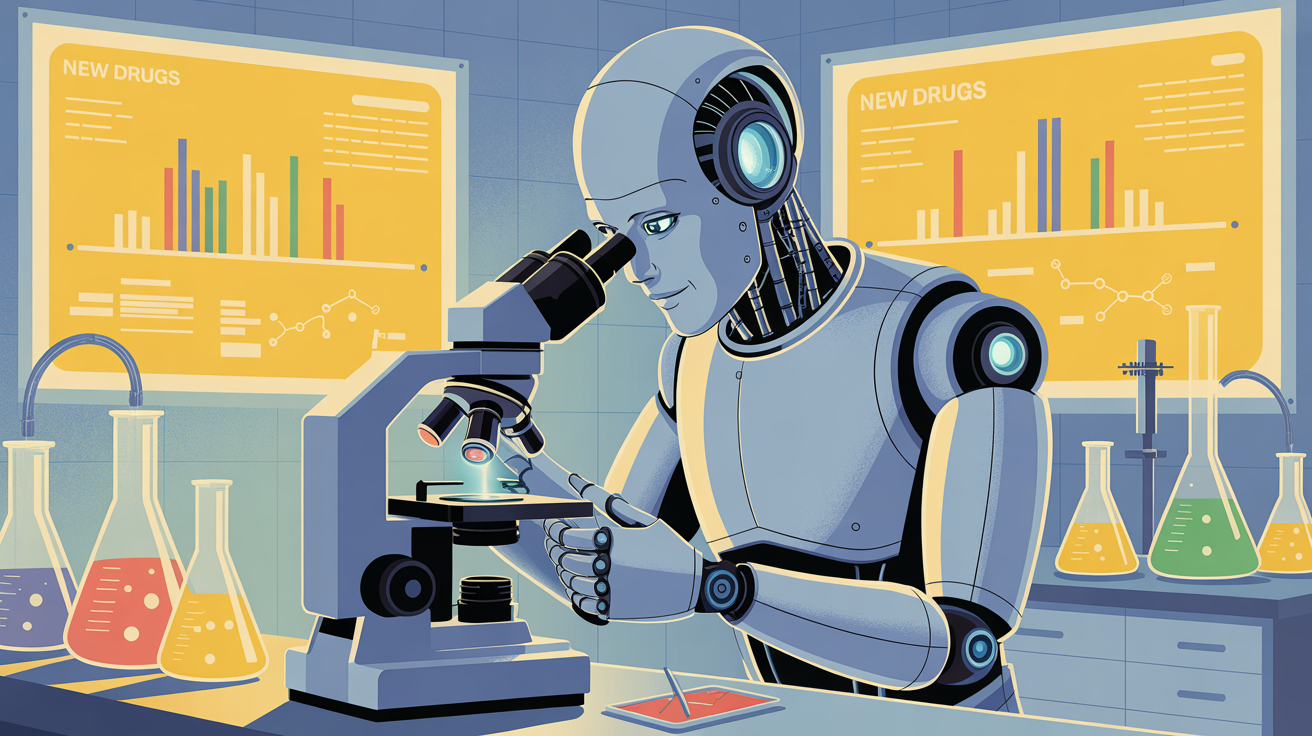
Good morning, tech enthusiasts. AI promises to shrink drug discovery timelines from decades to months. DeepMind’s Demis Hassabis says AI will radically disrupt pharma, though the first AI-designed drugs are only just entering clinical trials.
Algorithms can model how molecules ought to behave — but whether those predictions hold up inside actual patients remains the ultimate test.
In today’s tech rundown:
DeepMind's bold drug discovery promise
Uber’s next ride: helicopters
Space travel triggers rapid human aging
Rocket Lab is gunning for SpaceX
Quick hits on other tech news
LATEST DEVELOPMENTS
DEEPMIND
🔬DeepMind’s bold drug discovery promise

Image source: Jay Dixit/Wikimedia Commons
The Rundown: DeepMind CEO Demis Hassabis told Bloomberg that AI is about to transform the painfully slow drug discovery process that has defined pharma for decades, compressing drug discovery timelines from a decade to months.
The details:
DeepMind’s AlphaFold and spin-off Isomorphic Labs use AI to predict protein structures, accelerating the creation of targeted medicines.
These new tools reportedly reduce failure rates and cut costs by modeling molecular interactions more efficiently than human researchers.
AI systems such as AlphaFold 3 now analyze dynamic protein interactions, paving the way for more precise drug designs.
Isomorphic Labs expects its first AI-designed drugs to enter clinical trials this year.
Why it matters: The current system is brutally inefficient: 90% of drugs fail in trials, each success costs over $2B, and the average development timeline stretches 10-15 years. If the hype is true, AI could flip that equation, making disease research more viable and turning personalized medicine from pipe dream to production line.
TOGETHER WITH MONGODB
🚀 Born for AI data
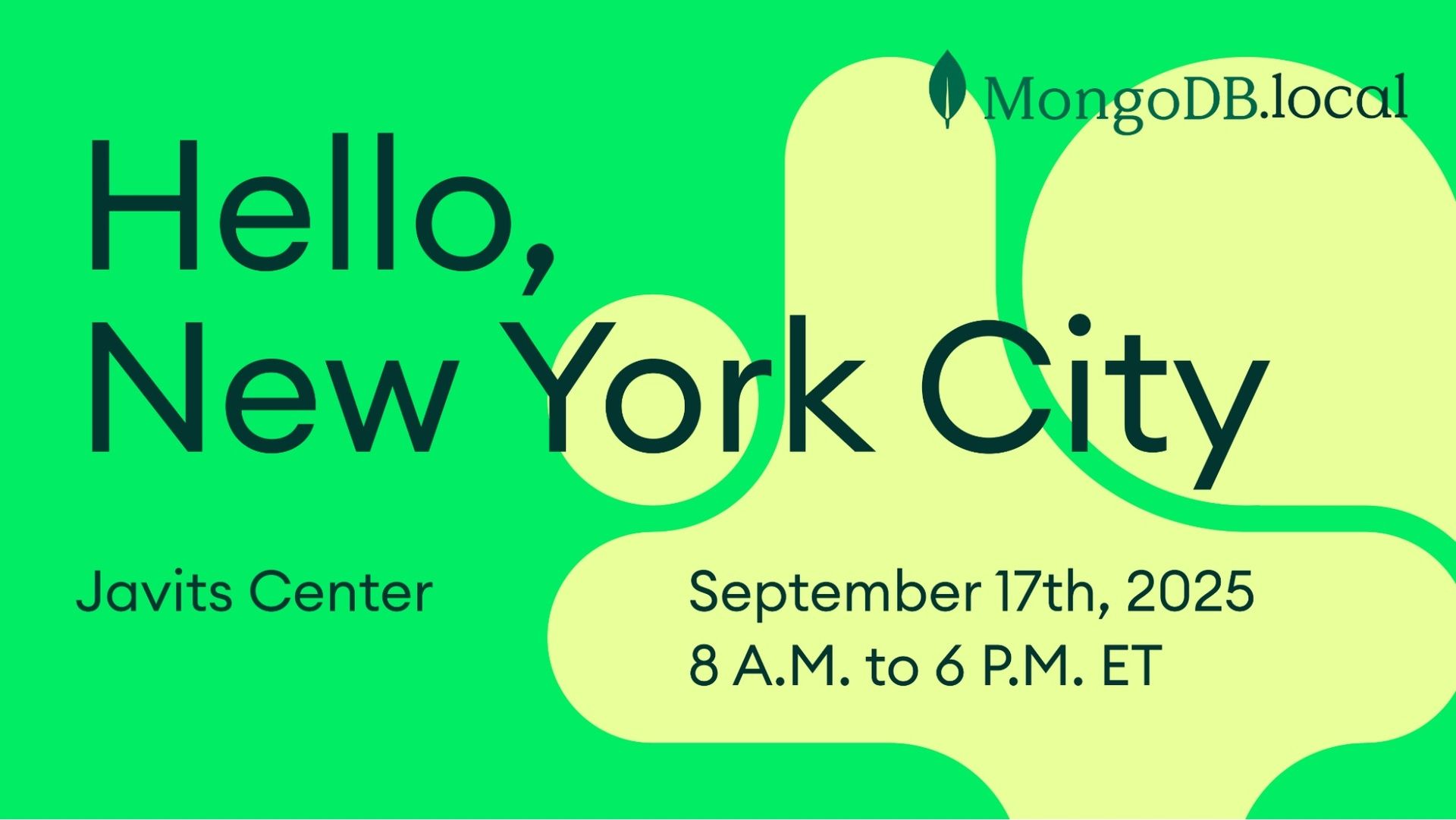
The Rundown: MongoDB.local NYC is the one-day conference where builders, engineers, and leaders explore how AI is reshaping the future — and how MongoDB is powering it.
In the sessions, you’ll explore:
Real-world AI use cases
Hands-on labs & demos
Data for modernization
Register now for MongoDB.local NYC (Sept. 17 at the Javits Center) and use code SOCIAL50 for 50% off.
UBER
🚁 Uber’s next ride: helicopters

Image source: Blade
The Rundown: Uber is putting helicopter rides on the menu for city dwellers, teaming up with electric air taxi upstart Joby Aviation to launch Blade helicopter flights via its app as soon as 2026.
The details:
The move follows Joby Aviation’s $125M acquisition of Blade’s passenger air division, excluding Blade’s medical transport unit.
Blade already operates in NYC, Southern Europe, and select premium markets, flying over 50K passengers in 2024 from 12 urban terminals.
Initial helicopter routes will target high-traffic corridors, especially airport shuttles in major cities.
This partnership is seen as a stepping stone for launching Joby’s future electric air taxis, with Dubai and the U.S. named as launch markets.
Why it matters: The deal positions both firms to capture a share of what analysts say could grow into a $1T urban air-mobility market. It also starts to shape the regulatory architecture and gauge consumer appetite for electric aircraft — both prerequisites if such services are to become the new, hot city transport in the coming decade.
UC SAN DIEGO
🚀 Space travel triggers rapid human aging
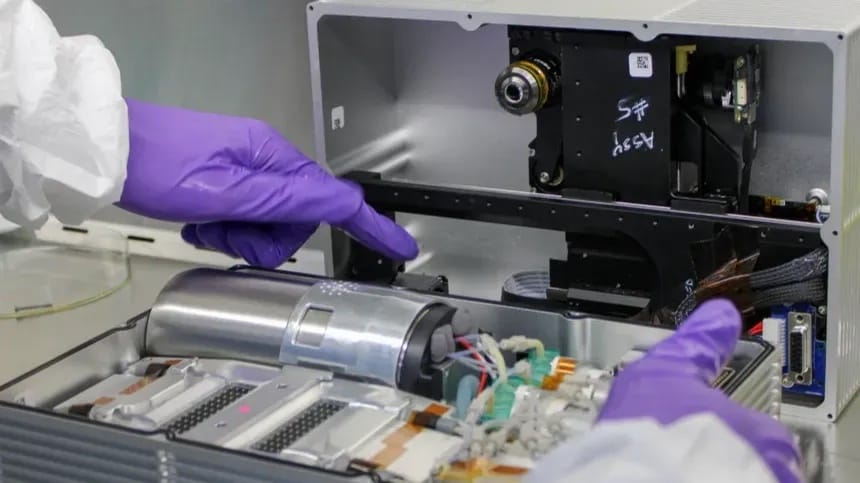
Image source: Sanford Stem Cell Institute
The Rundown: A new landmark study reveals that human stem cells in space age at a terrifying pace, showing cellular decline up to 10 times faster than on Earth. The final frontier just got a biological reality check.
The details:
UC San Diego’s Sanford Stem Cell Institute tracked bone marrow stem cells sent to the International Space Station across four SpaceX missions.
AI-driven bioreactors continuously monitored these cells in orbit for up to 45 days, as they spiraled through a cascade of biological changes.
The stem cells lost their capacity to rest and replenish, became overactive, burned through energy reserves, and showed increased DNA damage.
These stressed blood-making cells also began activating “dark genome” sequences, dormant genetic code linked to inflammation and cancer risk.
Why it matters: This cellular meltdown shows how microgravity and cosmic radiation push human stem cells into a metabolic tailspin, threatening immune health and regenerative repair for astronauts on long missions. But there's hope: when these space-aged cells returned to a healthy environment, some aging signs reversed.
ROCKET LAB
🚀 Rocket Lab is gunning for SpaceX

Image source: Rocket Lab
The Rundown: Rocket Lab is rapidly evolving from the small-launch industry's reliable workhorse into a legitimate challenger to SpaceX's dominance, having already logged 12 flawless Electron missions in 2025 with more scheduled before year's end.
The details:
Fast Company writes that the New Zealand company is betting everything on a dramatic scale-up that could reshape the commercial space landscape.
Rocket Lab christened Launch Complex 3 in Virginia this August — a purpose-built facility for testing, launching, and landing its reusable Neutron rocket
Neutron is engineered as a fully reusable, medium-lift vehicle to deliver up to nearly 28K lb. to low Earth orbit, targeting larger constellation deployments.
Rocket Lab is one of just four providers selected for the U.S. Space Force’s $5.6B National Security Space Launch program.
Why it matters: SpaceX has dominated commercial launch, but Rocket Lab's Neutron could finally provide customers a viable alternative amid the satellite constellation boom. Success would secure Rocket Lab lofty Pentagon contracts and prove nimble competitors can challenge bigger rivals.
QUICK HITS
📰 Everything else in tech today
The FDA has cleared Apple Watch's new hypertension alerts, which will roll out next week with watchOS 26 and support both new and older compatible models.
Elon Musk’s Boring Company has reportedly halted work on its Las Vegas airport tunnel after a worker suffered a “crushing injury,” prompting an OSHA investigation.
Nuclear tech firm Oklo announced plans to build the U.S.'s first privately funded nuclear fuel recycling facility in Tennessee, with an investment of up to $1.68B.
NASA reportedly has blocked Chinese citizens with valid U.S. visas from accessing its facilities, effectively preventing them from working at the agency.
Rapport Therapeutics announced that its experimental drug RAP-219 reduced seizures by an average of 77.8% in a Phase 2a trial for drug-resistant epilepsy.
Amazon is eliminating its "Prime Invitee" program on Oct. 1, ending the ability for Prime members to share free shipping with family or friends outside their household.
Chinese EV maker Xpeng is recalling 47,490 P7+ sedans, affecting at least 70% of owners, due to a steering defect that poses a safety risk.
Quantum computing startup PsiQuantum has raised $1B at a $7B valuation and is collaborating with Nvidia to develop its large-scale, fault-tolerant quantum computers.
Lyft has launched its first commercial robotaxi service in Atlanta with May Mobility as the company seeks to catch up with Uber and Waymo.
COMMUNITY
🎓 Highlights: News, Guides & Events
Read our last AI newsletter: The world's first AI cabinet member
Read our last Tech newsletter: Apple's 'thinnest iPhone' debuts
Read our last Robotics newsletter: Zoox’s driverless robotaxi service
Today’s AI tool guide: Learn anything with NotebookLM & ChatGPT
RSVP to our next workshop today @ 4PM: Build reliable AI assistants
See you soon,
Rowan, Jennifer, and Joey—The Rundown’s editorial team

🏛️ The world's first AI cabinet member
Read Online | Sign Up | Advertise

Good morning, AI enthusiasts. While other world leaders debate AI regulation, Albania just made history by putting an AI system directly IN government — complete with cabinet-level decision-making power.
With "Diella" now controlling the country’s government contracts, is this the future of corruption-free governance or a cybersecurity disaster waiting to happen?
P.S. — Feeling social? We’re actively sharing more AI news and content across platforms. Follow us on Instagram, Facebook, Threads, Twitter/X, and LinkedIn!
In today’s AI rundown:
Albania appoints AI as government minister
Startup produces 3,000 AI podcasts weekly
Learn anything with NotebookLM & ChatGPT
AI solves math proof that stumped humans for months
4 new AI tools, community workflows, and more
LATEST DEVELOPMENTS
AI & GOVERNMENT
🇦🇱 Albania appoints AI as government minister

Image source: E-Albania
The Rundown: Albania just became the first country to name an AI system to an official cabinet position, with a virtual minister named "Diella" taking charge of all government procurement contracts.
The details:
Prime Minister Edi Rama unveiled Diella during a cabinet announcement this week, calling her the first member “virtually created by artificial intelligence”.
The AI avatar will evaluate and award all public tenders where the government contracts private firms.
Diella already serves citizens through Albania's digital services portal, processing bureaucratic requests via voice commands.
Rama claims the AI will eliminate bribes and threats from decision-making, though the government hasn't detailed what human oversight will exist.
Why it matters: While there is little doubt of AI’s use within government operations (and we’re already seeing it deployed en masse), handing full control to the tech in its current form sounds like a security nightmare ripe for malicious workarounds that might end up enabling as much corruption as its human predecessors.
TOGETHER WITH WARP
🏆 Ride with Warp, the world’s No. 1 coding agent

The Rundown: Warp just launched Warp Code – making it the world’s No. 1 coding agent, trusted by over 600,000 developers and 56% of Fortune 500 engineering teams. One platform to prompt, review, and ship production-ready code with agents.
With Warp Code, you get:
New coding capabilities with code review, code editing, in-line code diffs, and file trees
Tops benchmark performance: No. 1 on Terminal-Bench Verified, 75% on SWE-bench
Access top models: Opus, Sonnet, GPT-5, and more, all in a single subscription
An average of 5 hours saved each week
Download Warp for free to get Pro for only $1 for the first month with code RUNDOWNAI.
INCEPTION POINT AI
🎙️ Startup produces 3,000 AI podcasts weekly
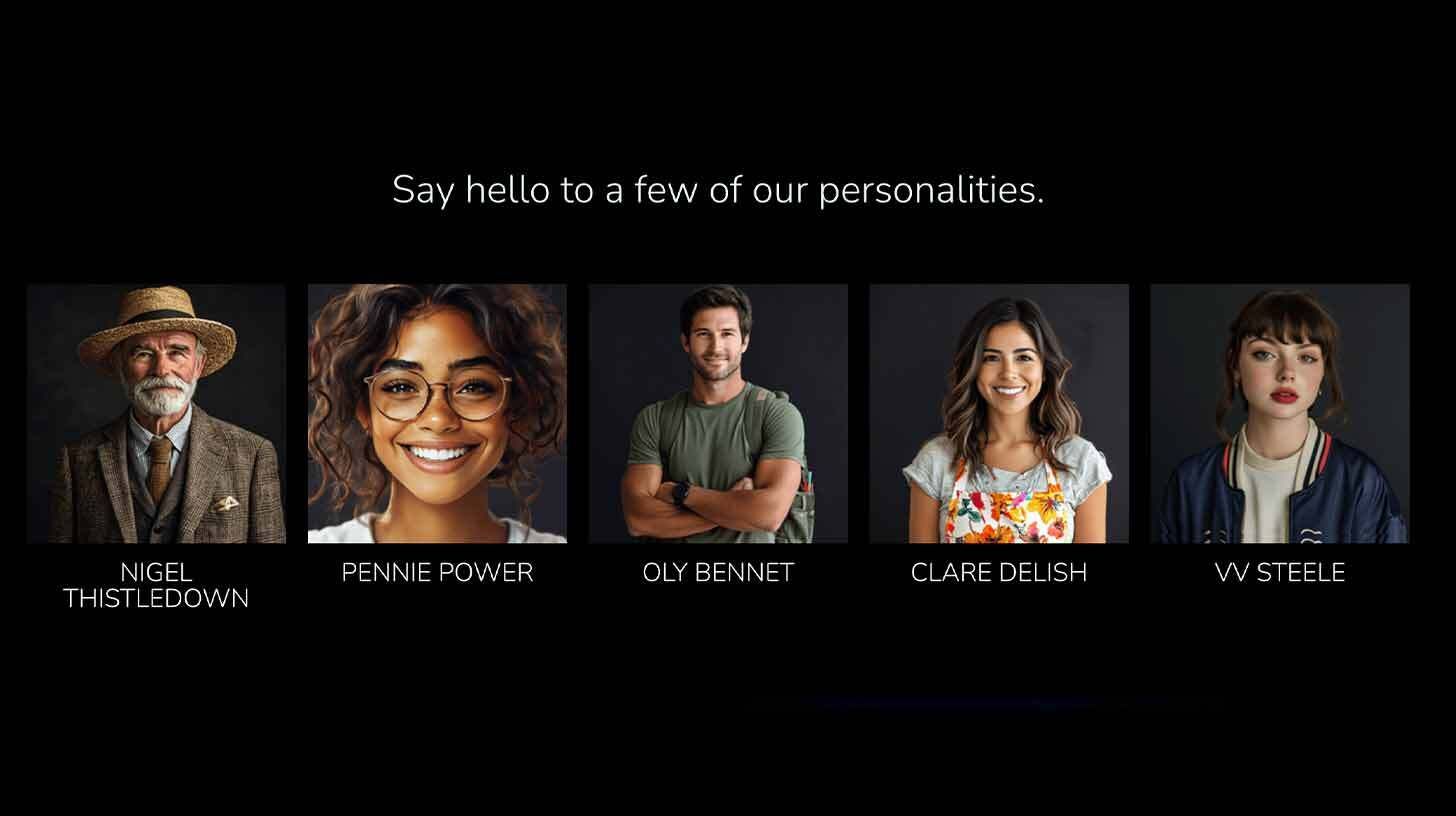
Image source: Inception Point AI
The Rundown: Former Wondery exec Jeanine Wright's new company, Inception Point AI, produces over 3,000 podcast episodes per week using AI hosts, as revealed in an interview with the Hollywood Reporter, costing just $1 per episode to create.
The details:
The company operates 5,000 shows across its Quiet Please Podcast Network, generating content on everything from weather reports to niche hobbies.
Each episode takes about an hour from concept to publication, with programmatic ads attached that turn profits after just 20 listeners per episode.
Topics are chosen using search trends and SEO, with the team using 184 AI agents and models, including ChatGPT, Perplexity, Claude, and Gemini.
Despite backlash, Wright defended the approach — calling those who label AI content as slop “lazy luddites”.
Why it matters: AI has a role to play in podcasting, but this feels like the AI-audio version of content farms — flooding the air with cheap, automated material that profits from tiny audiences and SEO. On the other hand, this could elevate the humans of the industry even more, with listeners craving authentic quality over AI quantity.
AI TRAINING
📝 Learn anything with NotebookLM & ChatGPT
The Rundown: In this tutorial, you will learn how to combine NotebookLM with ChatGPT to master any subject faster, turning dense PDFs into interactive study materials with summaries, quizzes, and video explanations.
Step-by-step:
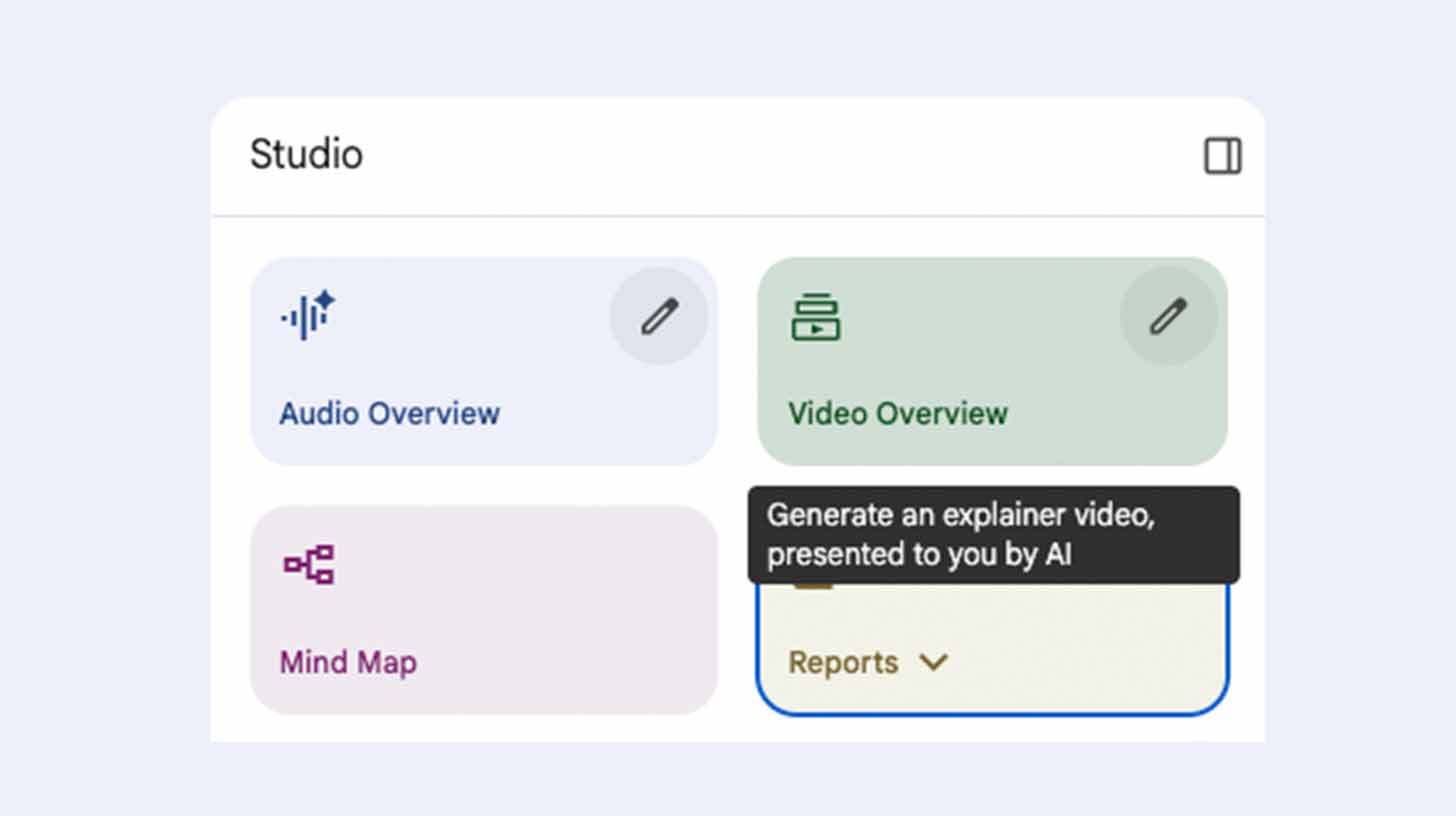
Go to notebooklm.google.com, click the "+" button, and upload your PDF study material (works best with textbooks or technical documents)
Choose your output mode: Summary for a quick overview, Mind Map for visual connections, or Video Overview for a podcast-style explainer with visuals
Generate a Study Guide under Reports — get Q&A sets, short-answer questions, essay prompts, and glossaries of key terms automatically
Take your PDF to ChatGPT and prompt: "Read this chapter by chapter and highlight confusing parts" or "Quiz me on the most important concepts"
Combine both tools: Use NotebookLM for quick context and interactive guides, then ChatGPT to clarify tricky parts and go deeper
Pro Tip: If your source is in EPUB or audiobook, convert it to PDF before uploading. Both NotebookLM and ChatGPT handle PDFs best.
PRESENTED BY TRIPLE WHALE
💪 50 BFCM prompts that do the heavy lifting for you

The Rundown: The first (and only) intelligence agents for your entire brand, Triple Whale’s Moby Agents save you hours of manual analysis, help catch issues before they hurt revenue, and reveal insights no human could spot.
Download 50 LLM Prompts to Crush BFCM 2025 to learn:
How LLMs enhance BFCM strategy
Step-by-step workflows, data preparation, and tips for deeper analysis
Automation hacks with Triple Whale’s Moby
MATH INC.
🧮 AI solves math proof that stumped humans for months

Image source: Math Inc.
The Rundown: Math Inc. just introduced Gauss, an AI system that solved a complex mathematical theorem called the Strong Prime Number Theorem in just three weeks — after top mathematicians struggled with it for 18 months.
The details:
Gauss completed the Strong Prime Number Theorem formalization challenge set by renowned mathematicians Terence Tao and Alex Kontorovich in 2024.
Human experts made “intermediate progress” on the challenge, with the community completing a Medium version in July after 18 months.
Gauss worked autonomously for hours at a time, producing 25,000 lines of verified math code containing over 1,000 interconnected proofs and definitions.
Math Inc. plans to expand mathematical code by 100-1000x within 12 months, creating training data for "machine polymaths" and “verified superintelligence”.
Why it matters: Complex mathematics is a foundation of reasoning, and AI’s rising mastery is one of the biggest signs pointing towards systems that can create new ideas and increase our understanding of the world. Given Gauss and the math olympiad golds from Google, OpenAI, and more, the acceleration is happening fast.
QUICK HITS
🛠️ Trending AI Tools
🎵 Stable Audio 2.5 - New audio model for enterprise-grade outputs
💼 Adobe Agent Orchestrator - New AI agents for CX and marketing
🗣️ Voice Remixing - ElevenLabs’s new feature for customizing voice outputs
🤖 K2 Think - The UAE’s small but powerful reasoning model
📰 Everything else in AI today
Alibaba released Qwen3-Next, a hyper-efficient 80B parameter hybrid model that tops the performance of Qwen3 at a fraction of the training cost.
OpenAI and Microsoft published a joint statement announcing the signing of a “non-binding” MoU for their partnership, with official contract details still being agreed on.
AI search company Perplexity is reportedly raising $200M in a new funding round that values the startup at $20B.
Anthropic announced the rollout of memory for Teams and Enterprise users, allowing Claude to optionally remember and use previous chats and project conversations.
The U.S. Federal Trade Commission launched a probe into OAI, Google, Meta, Snap, and xAI to study the impacts of chatbots on children and teenagers.
Encyclopedia Britannica and Merriam-Webster filed a federal lawsuit against Perplexity, alleging it copied their content and diverts traffic through its AI summaries.
COMMUNITY
🤝 Community AI workflows
Every newsletter, we showcase how a reader is using AI to work smarter, save time, or make life easier.
Today’s workflow comes from reader S. Wallace in Ontario, Canada:
"I’m a 75-year-old retired woman, admittedly with a background in computer programming, but I have long forgotten all the programming languages I used to know. But now, thanks to AI, I can use the tools that I learn about in the Rundown Newsletter to create videos and phone apps. Recently, my niece went to Paris on vacation and left her precious dog at home. Using Kling AI, Midjourney, and ChatGPT, I created a YouTube ‘Short’ of her dog following her to Paris, acting like a human and having some Parisian adventures… I love using AI, and I am so grateful to the Rundown for bringing all these excellent AI tools to my attention."
How do you use AI? Tell us here.
🎓 Highlights: News, Guides & Events
Read our last AI newsletter: Oracle, Larry Ellison cash in on AI boom
Read our last Tech newsletter: Apple's 'thinnest iPhone' debuts
Read our last Robotics newsletter: Zoox’s driverless robotaxi service
Today’s AI tool guide: Learn anything with NotebookLM & ChatGPT
RSVP to our next workshop today @ 4PM: Build reliable AI assistants
See you soon,
Rowan, Joey, Zach, Shubham, and Jennifer — the humans behind The Rundown

Zoox launches driverless robotaxi service
Read Online | Sign Up | Advertise

Good morning, robotics enthusiasts. Amazon's Zoox just dropped its robotaxis onto the Las Vegas Strip — four-seat pods with no steering wheel, no pedals, and no resemblance to anything Detroit ever dreamed up.
While Waymo retrofits Jaguars and Tesla promises Model 3s that moonlight as cabs, Zoox is betting the farm on purpose-built vehicles to win the robotaxis wars.
In today’s robotics rundown:
Zoox robotaxis launch in Vegas with free rides
Physical Intelligence nears $5B valuation
Alibaba’s Ant Group unveils first humanoid
Hive Robotics nabs $2.3M for robot swarms
Quick hits on other robotics news
LATEST DEVELOPMENTS
ZOOX
🚖 Zoox robotaxis launch in Vegas with free rides

Image source: Zoox
The Rundown: Zoox just rolled out its custom-built robotaxis on the Las Vegas Strip, making the Amazon-owned startup the first to offer fully autonomous rides in vehicles designed from the ground up for driverless operation. And for now, the rides are free.
The details:
Zoox’s robotaxi has no steering wheel, pedals, or driver’s seat, with only two rows of seats facing each other for up to four passengers.
With all-electric design and bidirectional wheels, Zoox robotaxis can prowl the casino circuit for up to 16 hours on a single charge.
Each vehicle bristles with sensors: 18 cameras, 10 radars, 8 lidars, 8 microphones, and 4 thermal sensors, creating a 360-degree sensory bubble.
Thanks to Amazon’s deep pockets, the rides are free, at least while the company scales up and awaits regulatory greenlights for paid service.
Why it matters: While Waymo dominates with retrofitted consumer cars across five cities and Tesla promises dual-purpose vehicles, Zoox is going all-in on purpose-built pods that look nothing like traditional cars. With a Hayward factory ready to pump out 10K vehicles annually, Amazon is betting that custom design beats adaptation.
PHYSICAL INTELLIGENCE
🦄 Physical Intelligence nears $5B valuation
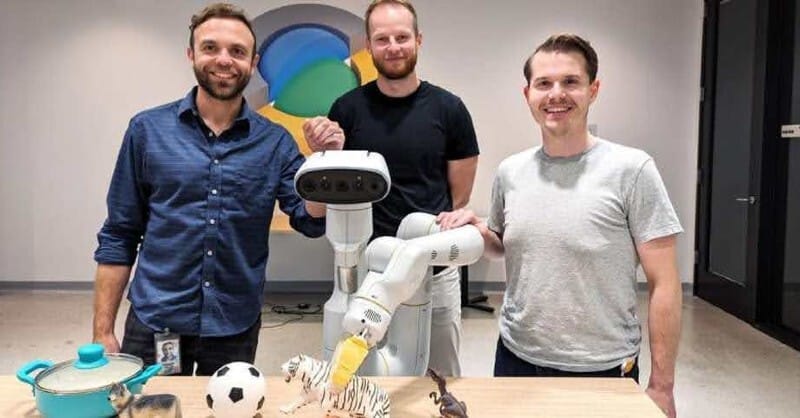
Image source: Physical Intelligence
The Rundown: San Francisco's newest AI robotics darling, Physical Intelligence, is reportedly closing in on a monster funding round that would value the company at $5B, according to The Information.
The details:
Its core offering, π0, is a generalist foundation model designed to let robots execute complex tasks from natural language commands.
Physical Intelligence wants machines that can flip burgers one minute and sort packages the next, without software updates or task programming.
Jeff Bezos, OpenAI, Thrive Capital, and Lux Capital have already backed the company's previous $400M raise.
The startup's technical credibility comes from a team of DeepMind, Tesla, and Google X veterans with proven track records in AI and robotics.
Why it matters: Investors are betting on AI-powered bots as the ultimate Swiss Army knife of labor, with machines that seamlessly jump from factory floors to kitchen counters without custom coding. It's a move to crack open trillion-dollar markets that have been waiting decades for robots that actually work everywhere.
ALIBABA
🤖 Alibaba’s Ant Group unveils first humanoid
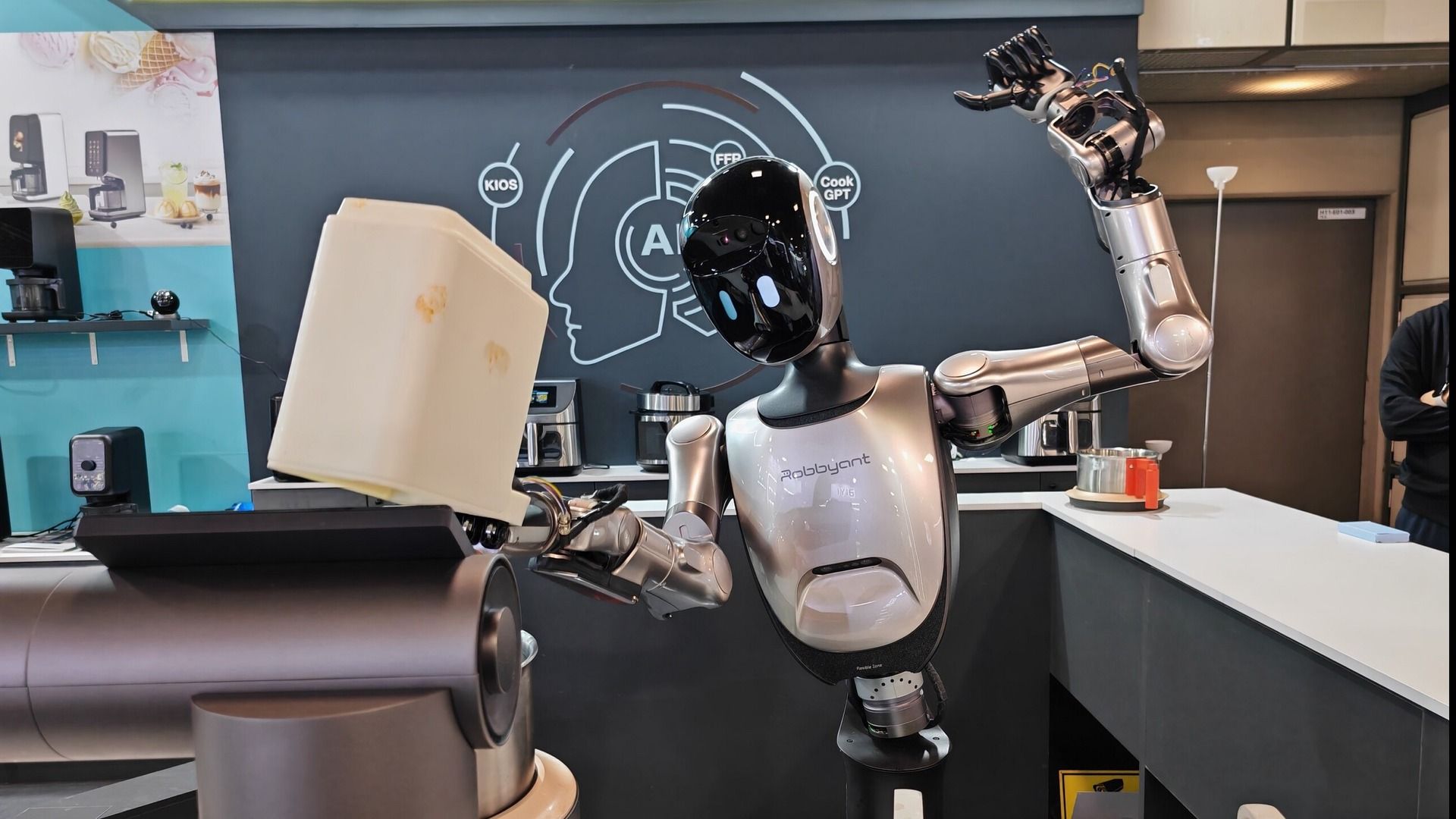
Image source: Robbyant
The Rundown: Ant Group unveiled its first humanoid, the R1, in Shanghai. According to Bloomberg, it not only follows commands but also thinks through complex service tasks such as cooking, guiding tours, and assisting healthcare workers.
The details:
Powered by Ant's proprietary large language model, the R1 plans multi-step workflows, learns from mistakes, and adapts to new situations autonomously.
Shanghai Ant Lingbo Technology (aka Robbyant) demoed the bot at a Shanghai tech conference, where it cooked garlic shrimp and organized ingredients.
Backed by Alibaba, the R1 uses real-time environmental sensing and AI reasoning to improvise solutions when things don't go according to plan.
The robot represents Ant's push beyond fintech into physical AI, leveraging the same machine learning infrastructure that powers Alipay's systems.
Why it matters: The R1 looks to mark a major step in bringing advanced AI into real-world service roles, with potential to transform industries like hospitality and healthcare. It also shows how China’s tech giants are competing to lead in humanoid robotics, pushing the boundaries of AI-driven automation.
HIVE ROBOTICS
🚀 Hive Robotics nabs $2.3M for robot swarms

Image source: Hive Robotics
The Rundown: Munich-based Hive Robotics, founded a few months ago by Sebastian Mores and Burak Yüksel, just closed a €2M ($2.33M) pre-seed round with a bold promise: turning chaotic robot swarms into synchronized fleets that work as one mind.
The details:
Hive’s platform solves the "heterogeneous coordination problem" — getting different robots (drones, rovers, marine bots) to collaborate when GPS fails.
The round bankrolls Hive's push to deploy its C3 (Command, Control, Connect) architecture, a unified nervous system for multi-domain robotics.
C3 abstracts away the gnarly integration work, letting dissimilar machines share sensor data, coordinate paths, and adapt tactics in real time.
Early applications target defense, search-and-rescue, and industrial inspection, where coordinated robot swarms could replace human missions.
Why it matters: Most robotic "swarms" are actually just multiple robots running in parallel, not truly collaborating. Hive is attacking the hardest part: getting machines with different sensors, actuators, and operating systems to think collectively. If they crack it, coordinated robot teams could finally graduate to reliable operational reality.
QUICK HITS
📰 Everything else in robotics today
China’s Unitree Robotics is turning up the heat in the humanoid race as it heads toward a blockbuster IPO, reportedly targeting a $7B valuation.
Tesla’s Optimus 2.5 stumbled through a sluggish demo, prompting Elon Musk to downplay expectations while hyping the upcoming V3 as a major leap forward.
Rendezvous Robotics, a space infrastructure startup spun out from MIT's famed TESSERAE research, secured $3M to build autonomous structures in orbit.
Saga Robotics, a Norwegian agri-robotics startup, raised $11.2M to scale the commercial rollout of its autonomous farming platform for grapevines and strawberries.
UBTech Robotics landed a ¥250M ($35M) humanoid robot order, primarily for its Walker S2 model, for an undisclosed major Chinese client.
China’s AI2 Robotics is reportedly planning an IPO within two years, fueled by a new $70M contract to supply 1K+ humanoids to display giant HKC Corporation.
Kodiak Robotics delivered its first factory-built autonomous freight truck, upgraded by Roush Industries with Kodiak’s virtual driver.
Cornell’s PhytoPatholoBot is a next-gen autonomous robot that can scout grapevine diseases in vineyards with near-real-time, human-level accuracy.
COMMUNITY
🎓 Highlights: News, Guides & Events
Read our last AI newsletter: Oracle, Larry Ellison cash in on AI boom
Read our last Tech newsletter: Apple’s thinnest iPhone ever
Read our last Robotics newsletter: Tesla offers Musk $1T pay raise
Today’s AI tool guide: Use Reddit insights for market research
RSVP to our next workshop @ 4PM Friday: Build reliable AI assistants
See you soon,
Rowan, Jennifer, and Joey—The Rundown’s editorial team
No matching search results
Try using different keywords, double-check your spelling, or explore related categories.
Stay Ahead on AI.
Join 2,000,000+ readers getting bite-size AI news updates straight to their inbox every morning with The Rundown AI newsletter. It's 100% free.