Get the latest AI news, understand why it matters, and learn how to apply it in your work — all in just 5 minutes a day. Join over 2,000,000+ subscribers.

Microsoft's cancer-mapping AI
Read Online | Sign Up | Advertise

Good morning, AI enthusiasts. Advanced tumor mapping used to cost thousands and take days of lab work. Microsoft just figured out how to do it with AI and a $10 tissue slide.
With the company’s new open-source GigaTIME model drawing insights from 40M cell samples in seconds, cancer research may have just gotten a serious accessibility upgrade.
In today’s AI rundown:
Microsoft AI turns tissue samples into cancer maps
Mistral’s Devstral 2 and new coding assistant
Create a brand kit with Nano Banana Pro
OpenAI, Anthropic, Block team up on agent standards
4 new AI tools, community workflows, and more
LATEST DEVELOPMENTS
MICROSOFT
🔬 Microsoft AI turns tissue samples into cancer maps

Image source: Reve / The Rundown
The Rundown: Microsoft just released and open-sourced GigaTIME, a new AI model that can extract thousands of dollars worth of tumor insights from a basic $10 tissue slide — analysis that previously required expensive lab work and days of processing.
The details:
The model learned from 40M cell samples provided by Providence Health, matching simple slides with advanced immune system scans.
Researchers tested it on over 14,000 cancer patients, creating a virtual library of 300,000 detailed tumor images across 24 different cancer types.
The ‘virtual population’ analysis surfaced over 1,200 patterns linking immune activity to factors like cancer stage and patient survival.
Why it matters: Cancer research is entering a new phase where AI can unearth meaningful insights from routine data that would have required costly, time-intensive lab work just years ago. GigaTIME is part of an AI-led shift towards models that make population-scale analysis affordable and fast enough to influence treatment decisions.
TOGETHER WITH HUBSPOT
⏰ Save 10+ hours weekly with an AI personal assistant

The Rundown: Stop drowning in tasks and start delegating like top performers who use AI to handle 80% of their routine work. HubSpot’s free kit provides the exact templates, prompts, and systems that 10,000+ professionals use to complete a full day's work by lunch.
The AI Assistant Kit includes:
Ready-to-use "AI Assistant Command Center" for managing all your AI tools
Step-by-step implementation guide to master AI delegation in under 60 minutes
Built-in ROI calculator to track your time savings and productivity gains
Advanced prompts and templates to turn ChatGPT into a 24/7 productivity partner
MISTRAL
🚀 Mistral’s Devstral 2 and new coding assistant
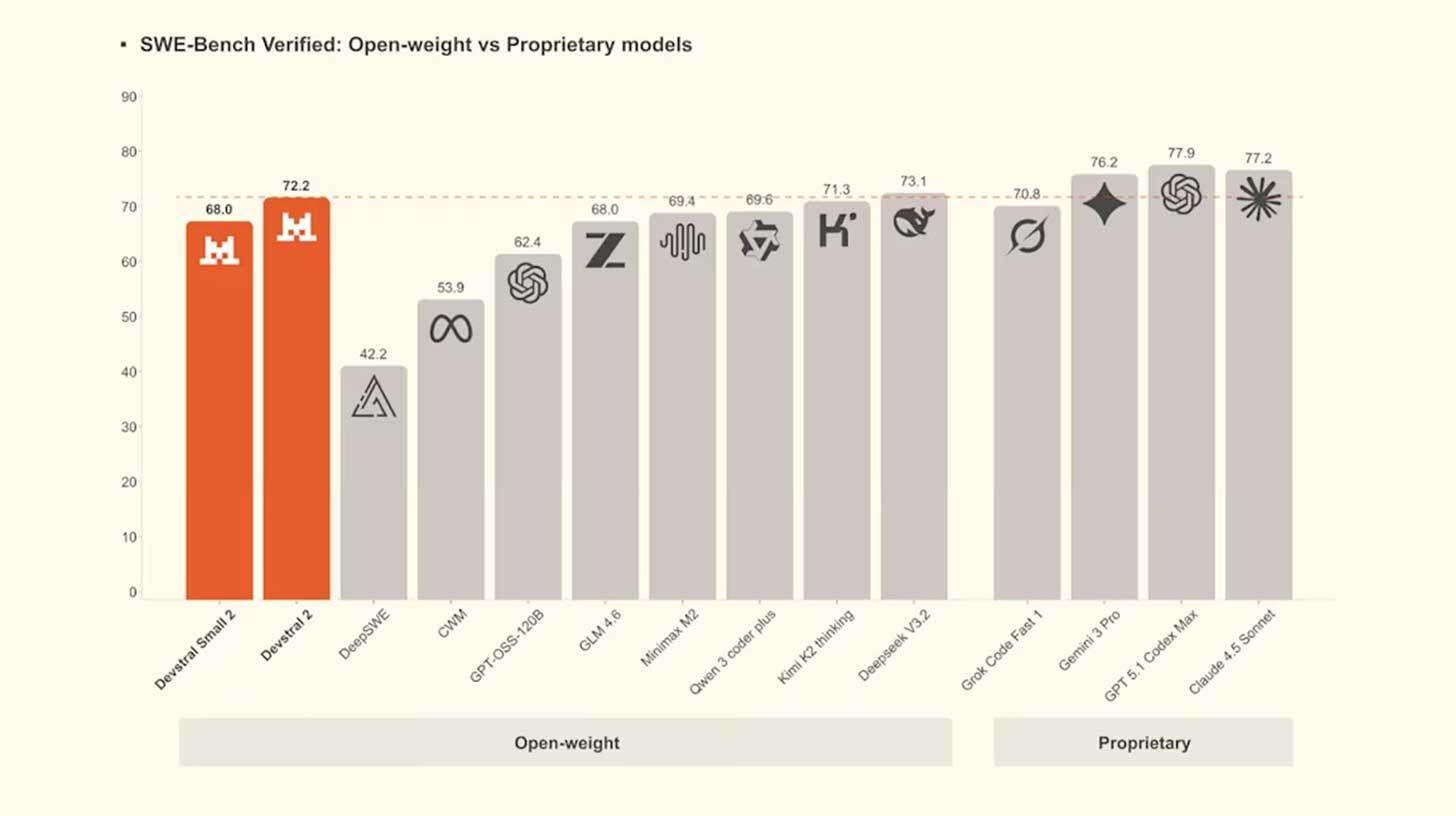
Image source: Mistral
The Rundown: French AI startup Mistral just launched Devstral 2, the next-gen version of its coding-focused model family — alongside Vibe CLI, the company’s first move into autonomous coding agents.
The details:
Mistral’s 123B Devstral 2 scores a 72.2% on the SWE-bench Verified, nearly matching the top open-weight model (Deepseek V3.2) while being 5x smaller.
The Small 2 variant challenges other open-weight rivals despite being just 24B parameters and able to run on a single GPU or laptop CPU.
Devstral 2 is notably released with a ‘modified’ MIT license that puts restrictions on use for companies with $20M+ in monthly revenue.
Mistral’s Vibe CLI is a terminal-native coding agent that can scan codebases and handle multi-file changes, free to use under an Apache 2.0 license.
Why it matters: Mistral is shipping this month, with a strong Devstral release coming just days after the Mistral 3 launch. While the main model moves near the open frontier for coding, the small variant looks to be a real development upgrade for models able to be deployed locally and offline on consumer devices.
AI TRAINING
🎨 Create a brand kit with Nano Banana Pro
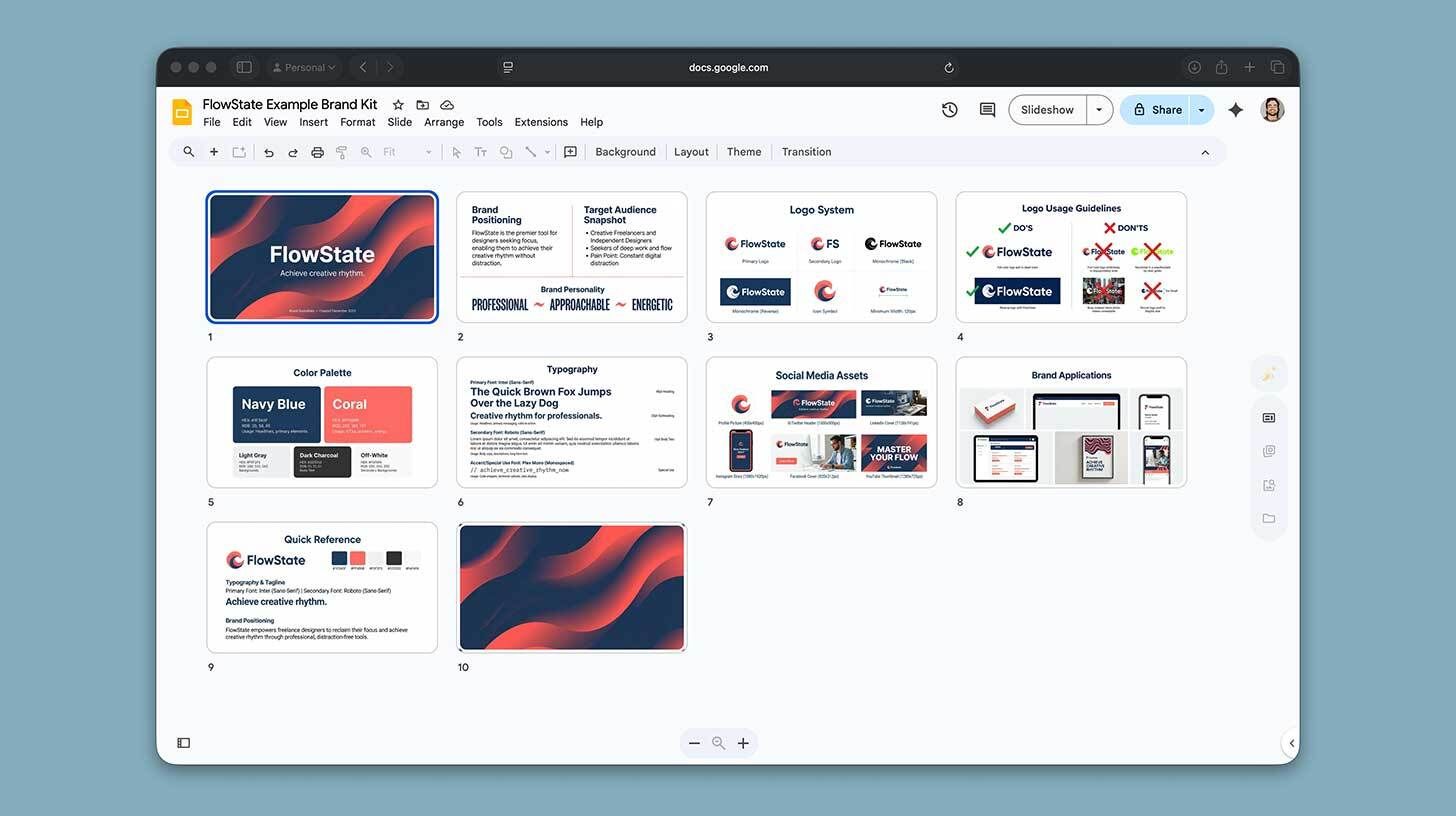
The Rundown: In this tutorial, you will learn how to create a full brand kit PFD, logo variations, and social media templates using Google’s Nano Banana Pro, customized to your business, target audience, or company guidelines.
Step-by-step:
Go to AI Studio and prompt: "I need a complete brand kit. Business: [NAME]. What we do: [ONE SENTENCE]. Target: [WHO + PAIN]. Personality: [3 ADJECTIVES]. Interview me with 3-5 questions, include tagline ideas"
Answer the questions, then prompt: "Use Nano Banana Pro to generate 4 logo options in a 2x2 grid" — pick the best and request variations (secondary, monochrome black/white, icon-only)
Prompt: "Generate the logo system slide for my brand kit deck," then ask it to outline remaining slides and generate each one at a time
Assemble slides in Google Slides and export as PDF
Pro tip: Use the prompt pattern to get consistent outputs from Nano Banana every time: “interview me → generate one asset → outline remaining assets → generate”
PRESENTED BY INVISIBLE
🚀 From AI pilots to production
The Rundown: AI won’t run your company in 2026, but it could let ten people do the work of a thousand if you fix adoption. Invisible’s 2026 Agnetic Field Report reveals insights from both sides – inside the labs training over 80% of leading models and inside enterprises making them work at scale.
Invisible’s 2026 predictions:
How enterprise agents get better through multimodal reasoning, not just more features
What AI safety looks like when agents are touching money, contracts, and customers
How RL environments leap from Atari games to an enterprise test bed
Download the 2026 AI Trends Report to see what's next for enterprise AI.
AI RESEARCH
🤝 OpenAI, Anthropic, Block team up on agent standards
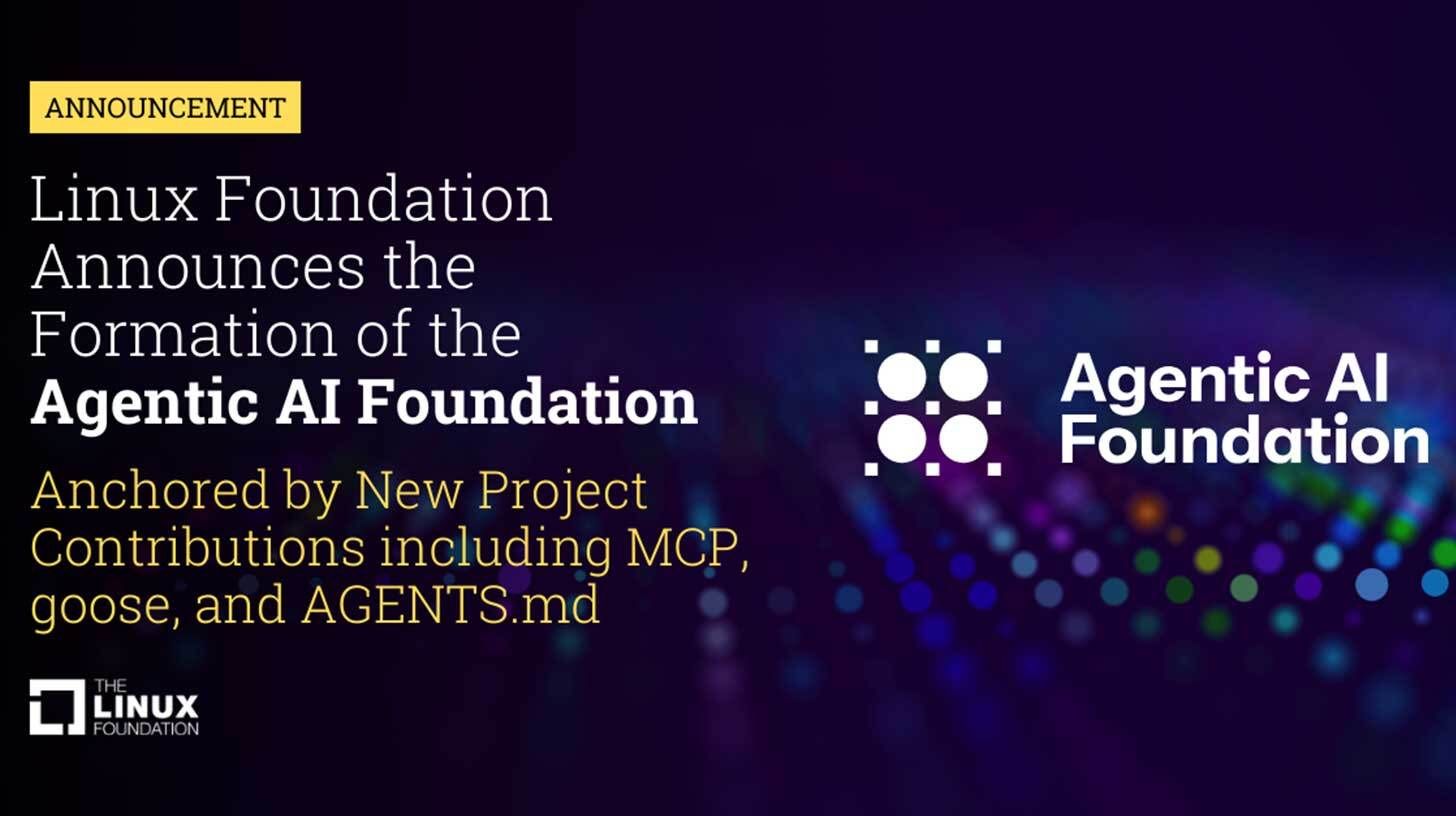
Image source: AAIF
The Rundown: OpenAI, Anthropic, and Block just co-founded the Agentic AI Foundation, a neutral entity governed under the Linux Foundation — with each company pooling open-source tools to build standards across the AI agent ecosystem.
The details:
Each founding company is donating a core project — Anthropic's Model Context Protocol, OAI's AGENTS.md, and Block's Goose agent framework.
The MCP has already been adopted by ChatGPT, Cursor, Gemini, and VS Code, with over 10,000 active public servers since its launch last year.
Supporting members include Google, Microsoft, AWS, Bloomberg, and Cloudflare, expanding industry alignment for the AI agent framework.
The Linux Foundation will provide neutral governance, drawing on experience hosting other tech infrastructure projects like PyTorch and Kubernetes.
Why it matters: The AAIF is an important development to avoid AI agents being built across the industry behind walled gardens, with the commitment to shared standards helping both accelerate adoption and allow the tech to work more efficiently on the same rails for a better experience for users and developers.
QUICK HITS
🛠️ Trending AI Tools
🗺️ Unwrap Customer Intelligence - Turn unstructured customer feedback into data-backed insights that inform your product roadmap*
🚀 Vibe CLI - Mistral’s new open-source CLI powered by Devstral
⚙️ GLM-4.6V - Zhipu AI's open-source multimodal family with native tool use
🧑💻 Claude Code - Deep-context AI coding assistant with new Slack integration
*Sponsored Listing
📰 Everything else in AI today
Meta is reportedly planning to drop a new frontier model codenamed “Avocado” in Q1 2026, which “could be a proprietary model,” unlike its previous open-source launches.
The U.S. War Department introduced GenAI.mil, a new AI platform for the U.S. military, with Google's Gemini debuting as the first AI model available for use.
Microsoft announced a $19B CAD investment to expand AI infrastructure across Canada through 2027, alongside a plan to keep Canadian user data within the country.
The EU opened a new investigation into Google over whether its AI search summaries and AI Mode improperly use content from websites and videos without compensation.
Anthropic is partnering with Accenture to train 30,000 of the firm’s consultants on Claude to help enterprises move AI pilot projects forward.
The U.S. DOJ detained two men for allegedly running a smuggling network to ship Nvidia chips to China, part of an investigation that has seized more than $50M in GPUs.
COMMUNITY
🤝 Community AI workflows
Every newsletter, we showcase how a reader is using AI to work smarter, save time, or make life easier.
Today’s workflow comes from reader Laura L. in Minneapolis, MN:
"My daughter recently turned 18. We fed into AI meaningful locations around our house and asked it to generate scavenger hunt clues leading from spot to spot, ending at the treasure - a college-ready laptop. AI and I went through a couple of iterations together, with the results ranging from way too obvious "look in your boots" clues to elaborately-worded hints in Victorian English before we landed on clever rhyming clues."
How do you use AI? Tell us here.
🎓 Highlights: News, Guides & Events
Read our last AI newsletter: OpenAI reveals who’s winning with AI at work
Read our last Tech newsletter: Neuralink co-founder’s wild next act
Read our last Robotics newsletter: Trump’s next big move: robots
Today’s AI tool guide: Create a complete brand kit with Nano Banana Pro
See you soon,
Rowan, Joey, Zach, Shubham, and Jennifer — the humans behind The Rundown


Neuralink cofounder's wild next act
Read Online | Sign Up | Advertise

Good morning, tech enthusiasts. The Neuralink cofounder and engineer who helped Elon Musk wire brains to machines is now building hardware for the human eye.
Max Hodak’s next act: a grain-sized retinal implant that restores sight when paired with smart glasses. And his future plans push neurotech into even wilder territory.
In today’s tech rundown:
A rice-sized implant to restore vision
Google wants another crack at your face
Mark Manson now has an AI app
Uber’s airport kiosks ditch the app
Quick hits on other tech news
LATEST DEVELOPMENTS
BIOTECH INNOVATIONS
👁️ A rice-sized implant to restore vision

Image source: Ideogram / The Rundown
The Rundown: Max Hodak, the engineer who helped Elon Musk turn Neuralink from sci-fi pitch into an FDA-approved brain implant, now has his own startup — building a rice-sized retinal implant that can restore vision.
The details:
Hodak’s neurotech company, Science Corp, built after his split from Neuralink, aims to turn cutting-edge brain-computer interfaces into real medical products.
Its first product is a retinal chip that pairs with camera glasses and a battery pack to restore “form vision” in people with advanced macular degeneration.
Science Corp finished clinical trials, submitted data in Europe, and is targeting a launch next summer at around $200K per procedure, TechCrunch reports.
The company is developing optogenetic gene therapies and “waffle grid” brain implants seeded with lab-grown neurons that can grow into the cortex.
Why it matters: Backed by $260M in funding, Hodak’s startup is now competing directly with Neuralink, Microsoft’s BCI research program, Apple’s partnership with Synchron, and Sam Altman’s reported Neuralink rival — raising the stakes over who will control the platforms that literally interface with the human nervous system.
👓 Google wants another crack at your face

Image source: Google
The Rundown: Google has announced that it is returning to smart glasses with AI-powered eyewear set for 2026 — its most serious challenge yet to Meta’s surging dominance in consumer AI hardware.
The details:
The lineup will include two models: an audio-only version with the Gemini AI assistant and another featuring an in-lens display for visual information.
Google is teaming up with Samsung, Gentle Monster, and Warby Parker — backed by a $150M partnership — to co-develop the hardware design.
Meta’s partnership with EssilorLuxottica has helped turn its AI-infused smart glasses into an unexpected hit with consumers.
Google’s new glasses reflect its broader strategy to extend Gemini’s presence beyond phones and computers into everyday, ambient computing tools.
Why it matters: Google Glass flopped a decade ago — too expensive, too early, and hobbled by shaky supply chains. Now co-founder Sergey Brin says the company has learned its lesson, and this Gemini-powered bet is Google’s chance to prove it can compete with Meta’s surprise hit in the smart eyewear market.
MARK MANSON
👉🏽 Mark Manson now has an AI app
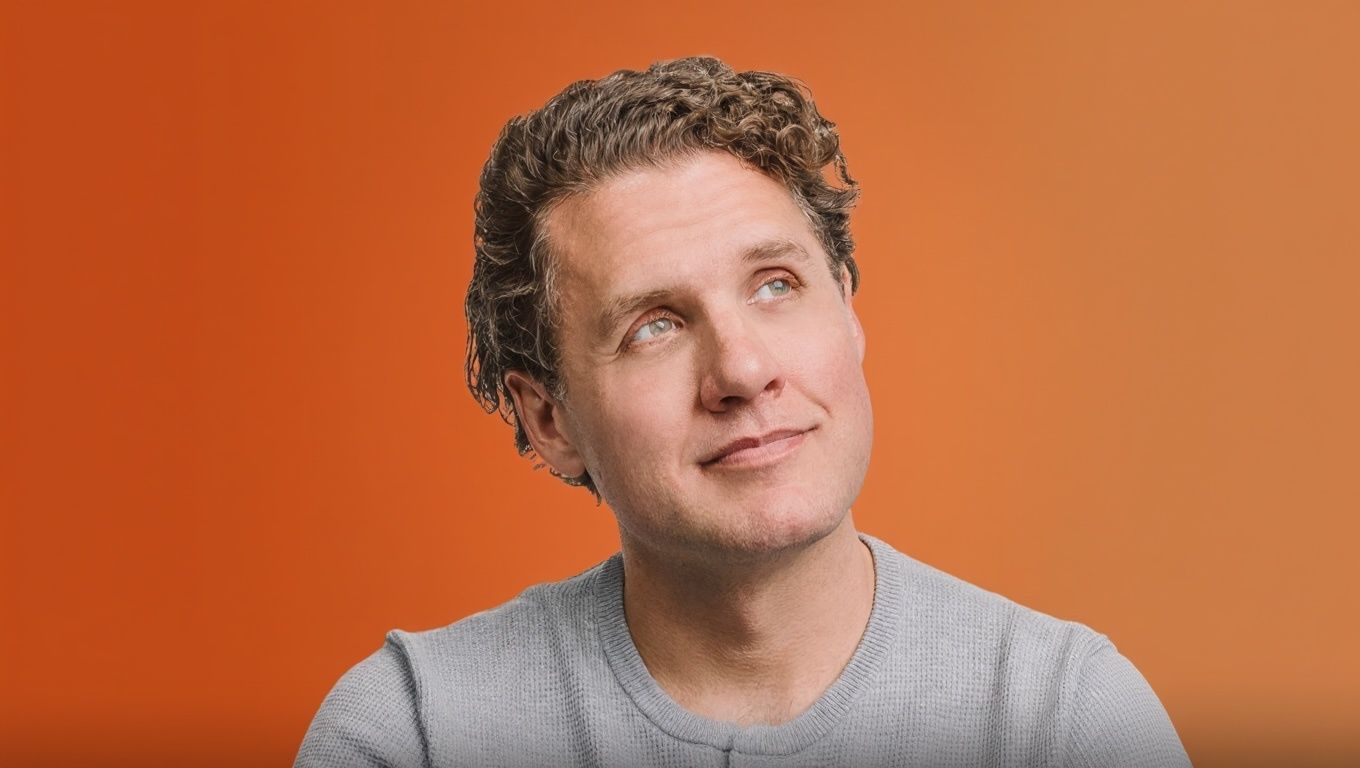
Image source: YouTube
The Rundown: Bestselling author and anti-guru Mark Manson just teamed up with AI entrepreneur Raj Singh to launch Purpose, an AI coaching app that promises to actually push you toward change, not just serve up another inspirational quote to scroll past.
The details:
Manson, author of The Subtle Art of Not Giving a F*ck, has launched Purpose with a mission to “reinvent” personal growth coaching.
Purpose bills itself as AI that remembers your progress and tailors advice, unlike chatbots that can lack long-term memory and default to generic answers.
Singh last sold his AI hotel concierge service, GoMoment (which served 100M+ guests), to Revinate, a direct booking platform for the hospitality industry.
The new a is available at $19.99/month, positioning itself as the antidote to generic AI tools that reinforce rather than challenge users’ existing beliefs.
Why it matters: AI “mentors” like Purpose are emerging in a crowded landscape of digital companions, from emotional-support bots such as Replika and Wysa to platforms like BetterUp, all vying to own the intimate space where people vent and self-optimize. Manson is hoping his personal brand will help push this one to the front.
UBER
🚖 Uber’s airport kiosks ditch the app

Image source: Uber
The Rundown: Uber is rolling out ride-booking kiosks in airports so travelers can order rides without the app or even a smartphone — targeting less tech-savvy passengers and international arrivals who land without data service.
The details:
The first kiosk launches at LaGuardia’s Terminal C, with expansion to hotels, ports, and international airports coming in the next few months.
Users enter trip details on a touchscreen, get fare estimates, and confirm a driver — no app required.
The move captures demand from travelers who currently default to taxis or shuttles because app-based booking is inconvenient or inaccessible.
This isn’t Uber’s first experiment with airport kiosks: it piloted phone-free ride-booking kiosks at Toronto Pearson International Airport back in 2019.
Why it matters: Uber’s move puts pressure on rivals like Lyft and local taxi operators, which still lean heavily on curbside queues and phone apps rather than kiosks inside terminals. Waymo’s robotaxi service at Phoenix’s Sky Harbor airport shows a parallel playbook: lock in airport partnerships early so your brand becomes the default option.
QUICK HITS
📰 Everything else in tech today
Paramount’s Skydance has gone hostile with a $108.4B all-cash bid for all of Warner Bros. Discovery, topping Netflix’s $82.7B studios-and-streaming deal.
Elon Musk denied reports that SpaceX is seeking an $800B valuation in a new secondary share sale.
Apple chip chief Johny Srouji told staff in a Monday memo that he has no plans to leave the company, after Bloomberg reported he was considering stepping down.
Reddit is tightening global teen safety settings as it braces for Australia’s looming ban on social media for under-16s, kicking off December 10.
France is asking a Paris court to block Shein’s website for 3 months, accusing the fast-fashion giant of violating EU rules on sustainability, transparency, and labor practices.
SoftBank CEO Masayoshi Son is exploring a deal with Trump to pour some $500B of Japanese funds into Trump-branded industrial parks in the U.S., reports the WSJ.
The EU opened a formal antitrust probe into whether Google’s AI Overviews and its treatment of YouTube content in search illegally favor the company’s own services.
The New York Times and the Chicago Tribune filed separate lawsuits accusing Perplexity of scraping and reproducing their journalism without permission.
Meta reportedly delayed its Phoenix mixed reality glasses, shifting their launch from the second half of 2026 to the first half of 2027.
Andrew Yang, who has long warned of an automation crisis, now says advances in AI could eliminate as many as 40M U.S. jobs over the next decade.
Meta announced that it has acquired Limitless, the startup (formerly known as Rewind) behind an AI-powered conversation-recording pendant.
The European Commission fined X $140M for deceiving users with its blue checkmark system; Musk has since pulled an EU institutional ad campaign from X.
COMMUNITY
🎓 Highlights: News, Guides & Events
Read our last AI newsletter: OpenAI reveals who’s winning with AI at work
Read our last Tech newsletter: Netflix buys Warner Bros. in $82B deal
Read our last Robotics newsletter: Trump’s next big move: robots
Today’s AI tool guide: Use ChatGPT to improve your thinking patterns
See you soon,
Rowan, Jennifer, and Joey—The Rundown’s editorial team
OpenAI reveals who's winning with AI at work
Read Online | Sign Up | Advertise

Good morning, AI enthusiasts. OpenAI's first-ever enterprise report is out, and one stat stands out: 75% of workers say they're now handling tasks they literally couldn't do before.
With AI unlocking entirely new capabilities across the workforce, the productivity playbook is being rewritten in real-time — and power users and organizations are reaping the rewards.
In today’s AI rundown:
OpenAI details enterprise AI wins in new report
Google to enter the AI glasses market in 2026
Use ChatGPT to improve your thinking patterns
Anthropic brings Claude Code to Slack
4 new AI tools, community workflows, and more
LATEST DEVELOPMENTS
OPENAI
📊 OpenAI details enterprise AI wins in new report
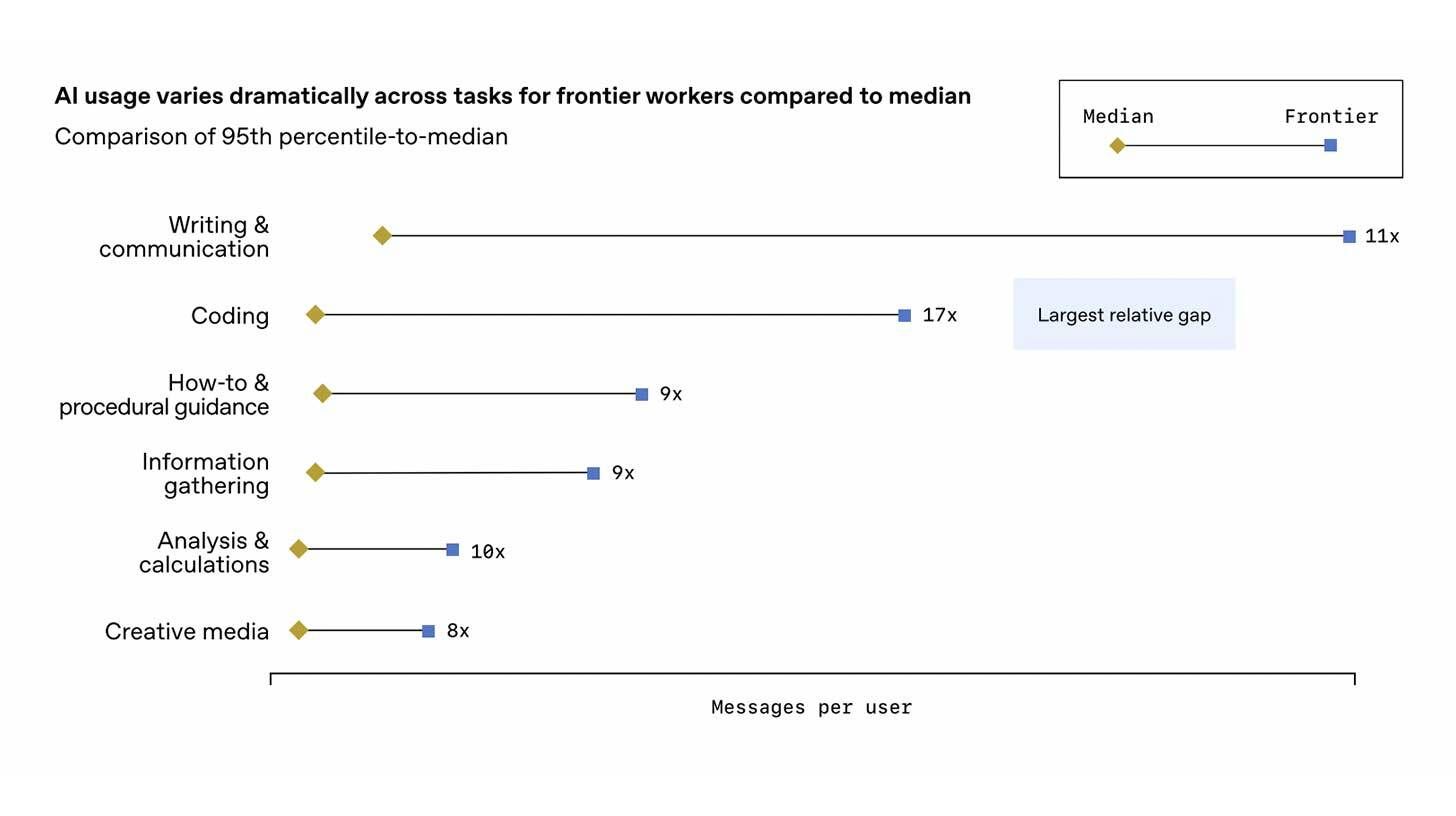
Image source: OpenAI
The Rundown: OpenAI just released its first ‘State of Enterprise AI’ report, revealing insights from its over 1M workplace accounts — including massive productivity gains being seen across business users on the platform.
The details:
OpenAI pulled anonymized data from its real-world enterprise customers, as well as an AI adoption survey conducted across 100 enterprises.
75% of surveyed workers said AI improved their output speed or quality, with another 75% also reporting they can now handle tasks they couldn't before.
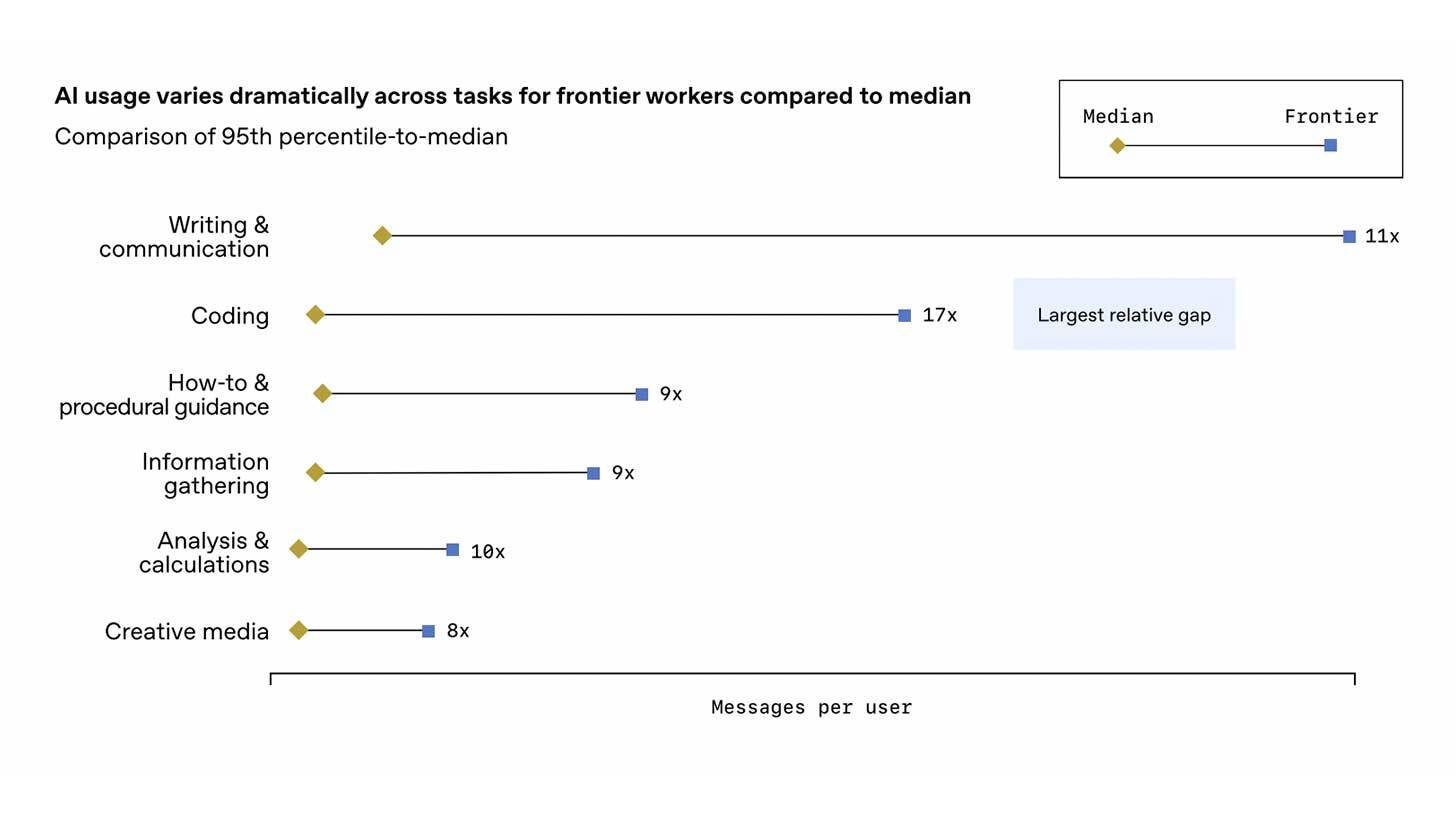
The data showed major gaps between the top 5% performers, who send 6x more messages than the median, and top coders, who show a 17x difference.
ChatGPT business users saved 40-60 minutes daily on average, with power users reporting productivity gains of over 10 hours per week.
Why it matters: It’s no surprise to see adoption and productivity increasing, and OAI’s report shows what many suspected — AI is already reshaping the workplace on a massive scale. One of the biggest unlocks is the 75% of users doing tasks they literally couldn’t previously — enabling more cross-functional productivity than ever before.
TOGETHER WITH LOVART
🍌 Lovart upgrades Nano Banana Pro
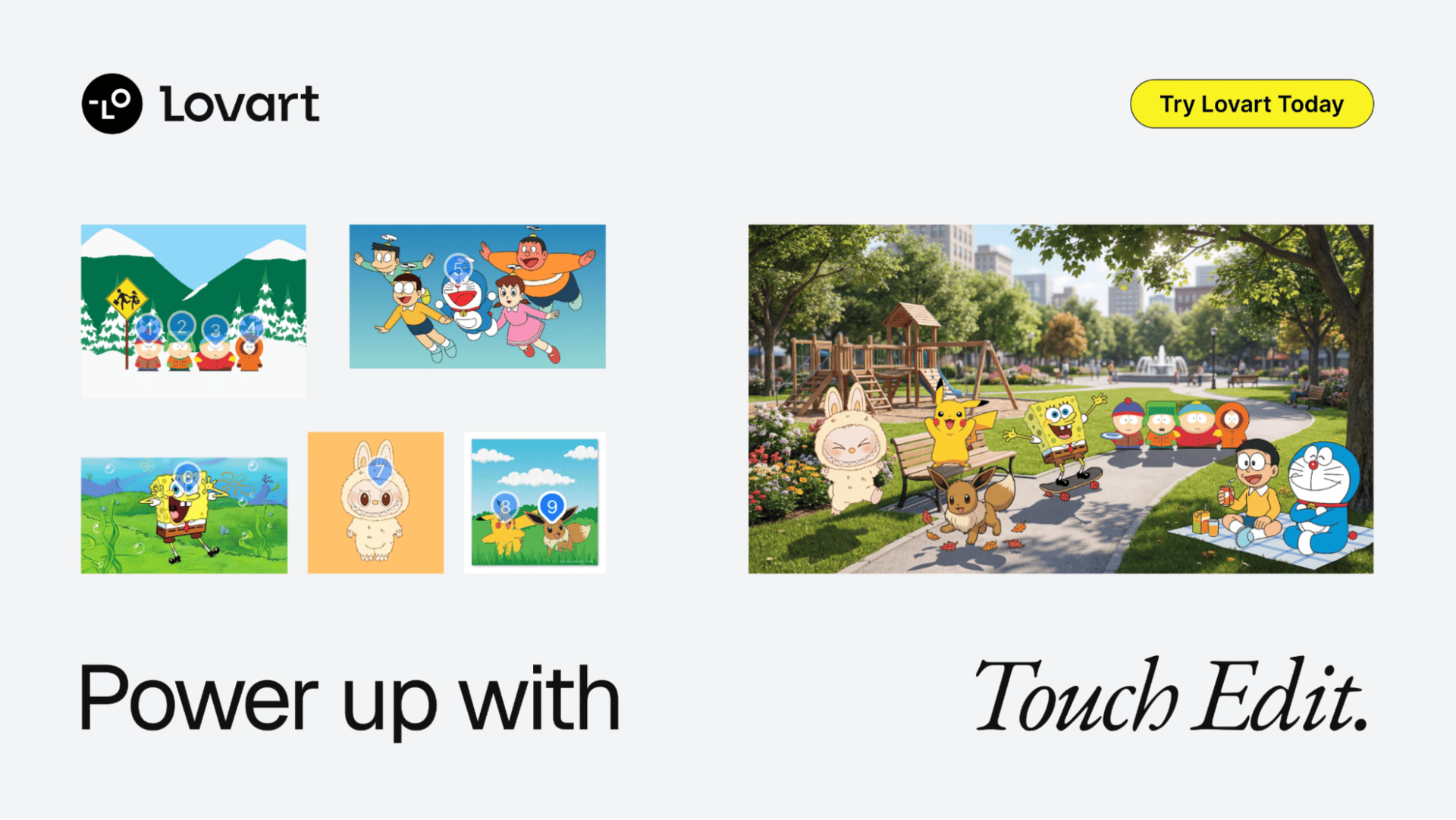
The Rundown: Lovart is unlocking the full power of NanoBanana Pro with Touch Edit — a canvas-first control system that makes AI design precise, predictable, and actually controllable without rewriting prompts or regenerating full images.
With Lovart, you can:
Point-and-edit specific regions by circling and tapping objects directly on canvas, removing ~70% of descriptive prompt wording
Combine exact parts from multiple reference images
Keep people, products, and styles consistent through long multi-round revisions
Make composition-safe edits across iterations, including high-accuracy text updates
Try Lovart today and experience full creative control with Nano Banana Pro.
🕶️ Google to enter the AI glasses market in 2026

Image source: Google
The Rundown: Google just announced that its AI-powered smart glasses will launch in 2026, with the tech giant partnering with Samsung, Warby Parker, and Gentle Monster to take on Meta’s currently dominant position in the sector.
The details:
Two styles are in development: audio-only frames for hands-free AI access, and display versions with in-lens screens for navigation and translations.
Hardware partners include Samsung, Warby Parker (via a $150M deal from May), and Korean fashion brand Gentle Monster.
The frames will reportedly offload processing to a connected smartphone, keeping the design lightweight enough to pass as regular eyewear.
Why it matters: Meta’s AI struggles have been well-documented, but it has been one of the few to successfully break into the wearables space with its Ray-Ban and Oakley partnerships. But Google’s combination of top models, sprawling app ecosystem, and advanced Gemini-infused tech could make for a major rival entry into the market.
AI TRAINING
🤔 Use ChatGPT to improve your thinking patterns

The Rundown: In this tutorial, you will learn how to break out of circular thinking and generate creative solutions for any business problem by using ChatGPT’s structured questioning approach to surface blind spots and unlock fresh perspectives.
Step-by-step:
Go to ChatGPT and prompt: "I'm trying to [describe your goal or problem], but I'm continuously stuck on the same ideas. Ask enough questions about the problem to find a new approach."
Add context about your current approaches so ChatGPT knows what you're already trying and can push you beyond those solutions
Answer ChatGPT's questions across categories like user understanding, product experience, engagement, and analytics to reveal new angles
Review the fresh solutions that emerge from this process and iterate on promising ideas
Pro tip: Use this workflow for any problem. The magic is in how ChatGPT will question you until you hit new thinking pathways for better brainstorming.
PRESENTED BY THOUGHTWORKS
🤖 Inside the Agentic AI shift
The Rundown: The Agentic AI Advantage is a new report by Thoughtworks and WIRED that explores how enterprises are using AI agents to drive real results, manage risks, and stay ahead in the next wave of AI disruption.
In the report, you’ll learn:
Where AI agents deliver measurable ROI
How early adopters are scaling safely
Why 40% of projects risk failure
Insights from AWS & global AI leaders
ANTHROPIC & SLACK
💬 Anthropic brings Claude Code to Slack

Image source: Anthropic
The Rundown: Anthropic just launched a new beta integration that lets developers delegate coding tasks to Claude Code directly from within Slack, turning chat threads into automated development workflows.
The details:
Tagging @Claude in Slack creates a full Claude Code session, which uses context from the thread, like bug reports or feature requests, as input.
Claude will also automatically select the right repository from a user’s authenticated accounts and post progress updates back to the thread.
Once complete, the integration delivers links to review changes and open pull requests without leaving Slack.
The feature expands on Anthropic's existing Slack app integration, which previously offered only lightweight chat assistance.
Why it matters: Slack is currently the communication hub for many engineering teams, making it a prime context and real estate for a direct coding integration — helping developers avoid switching between apps and use the autonomous assistant as a plugged-in teammate embedded right into their existing channels.
QUICK HITS
🛠️ Trending AI Tools
🔎 Unwrap Customer Intelligence - Aggregate customer feedback across channels with proactive alerts that surface issues before they escalate*
🧠 Rnj-1 - Essential AI’s new 8B open-source model
🧪 BioMed Agent - SciSpace’s specialized biomedical research co-scientist
🤖 Claude Opus 4.5 - Anthropic’s new benchmark-topping frontier model
*Sponsored Listing
📰 Everything else in AI today
U.S. President Donald Trump approved Nvidia to sell its H200 AI chips to China in exchange for 25% of sales revenue, marking a major reversal of export restrictions.
OpenAI announced a new shopping integration with Instacart to purchase groceries, making it the first Instant Checkout option for ChatGPT users.
Essential AI open-sourced Rnj-1, a small 8B parameter model that rivals much larger systems on coding and software benchmarks.
IBM announced plans to acquire data streaming company Confluent for $11B to help enterprises connect real-time data to AI systems.
Google VP of Global Ads, Dan Taylor, refuted an AdWeek report claiming that ads will be coming to Gemini, saying there “are no ads in the Gemini app and… no current plans to change that.”
COMMUNITY
🤝 Community AI workflows
Every newsletter, we showcase how a reader is using AI to work smarter, save time, or make life easier.
Today’s workflow comes from reader Leroy P. in England, United Kingdom:
"I volunteer for a small charity, and I am using Google Gemini to supercharge my end-of-year accounts. I run all my financial reports on QuickBooks, upload them to Gemini, and within seconds, it finds any discrepancies, errors, or better ways of recording transactions. It then provides a step-by-step guide to creating the correction journals. This reduces end-of-year accounts work from days to hours and increases the accuracy and clarity of our accounts."
How do you use AI? Tell us here.
🎓 Highlights: News, Guides & Events
Read our last AI newsletter: Poetiq cracks major reasoning benchmark
Read our last Tech newsletter: Netflix buys Warner Bros. in $82B deal
Read our last Robotics newsletter: Trump’s next big move: robots
Today’s AI tool guide: Use ChatGPT to improve your thinking patterns
See you soon,
Rowan, Joey, Zach, Shubham, and Jennifer — the humans behind The Rundown

Trump's next big move: robots
Read Online | Sign Up | Advertise

Good morning, robotics enthusiasts. Trump’s AI obsession just sprouted metallic limbs: Commerce Secretary Howard Lutnick is reportedly meeting CEOs from Boston Dynamics to Apptronik as the White House plans a 2026 push to pack U.S. factories with robots.
The twist? Reshore manufacturing and take on China — but let machines do the work.
In today’s robotics rundown:
White House readies 2026 robotics push
These bots are made from lobster shells
Robot builds furniture from speech
Robots hunt MH370 in new deep-sea search
Quick hits on other robotics news
LATEST DEVELOPMENTS
U.S. ROBOTICS
🤖 White House readies 2026 robotics push

Image source: Ideogram / The Rundown
The Rundown: Trump spent 2025 pitching AI as a strategic asset; now he’s pivoting to robots. Politico says Commerce Secretary Howard Lutnick is courting robotics CEOs as the White House drafts a 2026 executive order to double down on robotics.
The details:
The Department of Transportation is also preparing a robotics working group, expected to be announced as part of a broader federal robotics effort.
Ideas on the table include tax breaks and federal funding for robotics firms and tougher trade measures aimed at Chinese subsidies and IP abuses.
By 2023, China was running about 1.8M industrial robots on its factory floors, roughly four times the U.S. total.
After Politico’s report dropped, robotics stocks jumped — pure-play names like Richtech Robotics and Serve Robotics surged.
Why it matters: Washington’s rumored shift from software to embodied AI acknowledges that data center computing alone won’t counter China's manufacturing edge. The administration now faces a political paradox: promising American jobs while banking on automation to compete globally.
EPFL
🦞 These bots are made from lobster shells
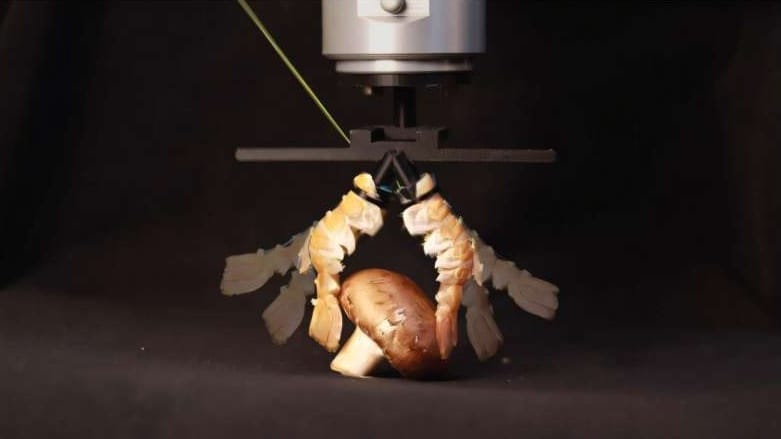
Image source: EPFL
The Rundown: Engineers at EPFL just turned lobster leftovers into working robot parts — by treating the shells as ready-made exoskeletons and making the case that tomorrow’s “biohybrids” might be built from yesterday’s dinner.
The details:
Researchers injected the shells with soft elastomer, added motors, and coated them in silicone to create durable, controllable biohybrid actuators.
These actuators can lift 500 grams solo or work as grippers that can handle everything from highlighter pens to fragile tomatoes.
The shells’ natural structure provides a built-in combo of strength and bendability that’s ideal for joints and grippers.
The researchers even demonstrated a swimming robot propelled by two flapping exoskeletal fins.
Why it matters: After use, most synthetic components from the lobster bot can be reused. The team calls it “dead matter robotics,” showing how food waste can be repurposed into low-cost, eco-friendly robot hardware — though natural variation in biological structures requires more sophisticated controllers for precision tasks.
MIT
🔨 Robot builds furniture from speech

Image source: MIT
The Rundown: MIT researchers are closing the loop between generative AI and the physical world with a “speech‑to‑reality” system that lets you literally talk a robot through building furniture.
The details:
A table‑mounted robotic arm listens to spoken prompts like “build a simple stool with three legs” or “a low shelf.”
The system uses 3D generative models to design a structure that matches the request, and then snaps together modular beams, joints, and panels.
In demos, the setup managed to assemble stools, chairs, shelves, a small table, and even a dog statue in just a few minutes.
The team plans to swap magnetic connections for more robust joints to improve weight-bearing capability.
Why it matters: The modular approach could eliminate manufacturing waste by letting users disassemble and reconfigure components into entirely new objects when needs change. It also makes physical fabrication accessible to anyone who can describe what they want — no 3D modeling skills or robotics knowledge required.
OCEAN INFINITY
🚤 Robots hunt MH370 in new deep-sea search

Image source: Ocean Infinity
The Rundown: Malaysia is now deploying a private robot fleet into the Indian Ocean for another crack at the MH370 mystery, more than a decade after the Boeing 777 vanished with 239 people aboard.
The details:
Malaysia’s transport ministry says Texas-based marine robotics firm Ocean Infinity will restart a deep-sea search for MH370 later this month.
The Malaysian government will pay Ocean Infinity a fee of $70M if its 18‑month search locates the wreckage.
Malaysia approved Ocean Infinity’s mission in March, but the search was suspended after bad weather hit a new 15K-square-km search area.
Ocean Infinity’s CEO says the firm has significantly upgraded its subsea tech since its unsuccessful 2018 search.
Why it matters: The search represents a high-stakes bet on autonomous underwater systems that have matured dramatically since 2018, when Ocean Infinity last tried and came up empty. Success would close aviation’s most confounding cold case while demonstrating how far deep-sea robotics has advanced in a few years.
QUICK HITS
📰 Everything else in robotics today
Figure CEO Brett Adcock posted a short clip of the Figure 03 robot accelerating into a run, pivoting, and stopping cleanly, an answer to Tesla’s clip of Optimus running.
EngineAI’s founder, Zhao Tongyang, went viral after taking a brutal kick to the chest from the startup’s new T800 humanoid, a stunt meant to prove the robot’s power.
Boston Dynamics is hinting at a new update that, per Atlas lead Mario Bollini, would shift the Atlas from R&D to a humanoid built at “automotive” production volumes.
A new Unitree video shows its nearly 6-foot H2 humanoid fighting the smaller G1, recycling the kickboxing routines the company first trained on its shorter bots.
Waymo says it will file a voluntary software recall with federal safety regulators over how its robotaxis behave around school buses in response to NHTSA scrutiny.
Midea Group, one of the world’s largest home appliance makers, unveiled what it claims is the world’s first six‑armed humanoid.
Hyundai unveiled its four-wheeled MobED, a production-ready mobility bot aimed at last‑mile delivery, logistics, and other industrial jobs.
Israeli startup Mentee Robotics has broken its 2025 silence with an uncut 18-minute demo of two V3 MenteeBot humanoids autonomously running warehouse tasks.
Distalmotion raised $150M in funding that will primarily go toward ramping U.S. adoption of its Dexter soft‑tissue robotic surgery system.
A Baidu robotaxi in Zhuzhou, China, struck two pedestrians, trapping one under the vehicle and sending both to intensive care.
Malaysian agtech firm Agroz is teaming up with China’s UBTECH to drop Walker S humanoids into its vertical farms, where they’ll seed, monitor, and harvest crops.
UK researchers will employ robotic dogs, drones, and experimental 6G links in an EU-backed pilot in Greece to spot early wildfire signs and alert responders faster.
A humanoid dubbed Hangxing No. 1 is directing traffic, spotting violations, and issuing audio warnings at a major intersection in Hangzhou’s Binjiang district.
COMMUNITY
🎓 Highlights: News, Guides & Events
Read our last AI newsletter: Poetiq cracks major reasoning benchmark
Read our last Tech newsletter: Netflix buys Warner Bros. in $82B deal
Read our last Robotics newsletter: Humanoid breaks record for fastest build
Today’s AI tool guide: Create LinkedIn carousels in ChatGPT with Canva
Watch our last live workshop: Nano Banana For Slide Decks
See you soon,
Rowan, Jennifer, and Joey—The Rundown’s editorial team
Poetiq cracks major reasoning benchmark
Read Online | Sign Up | Advertise

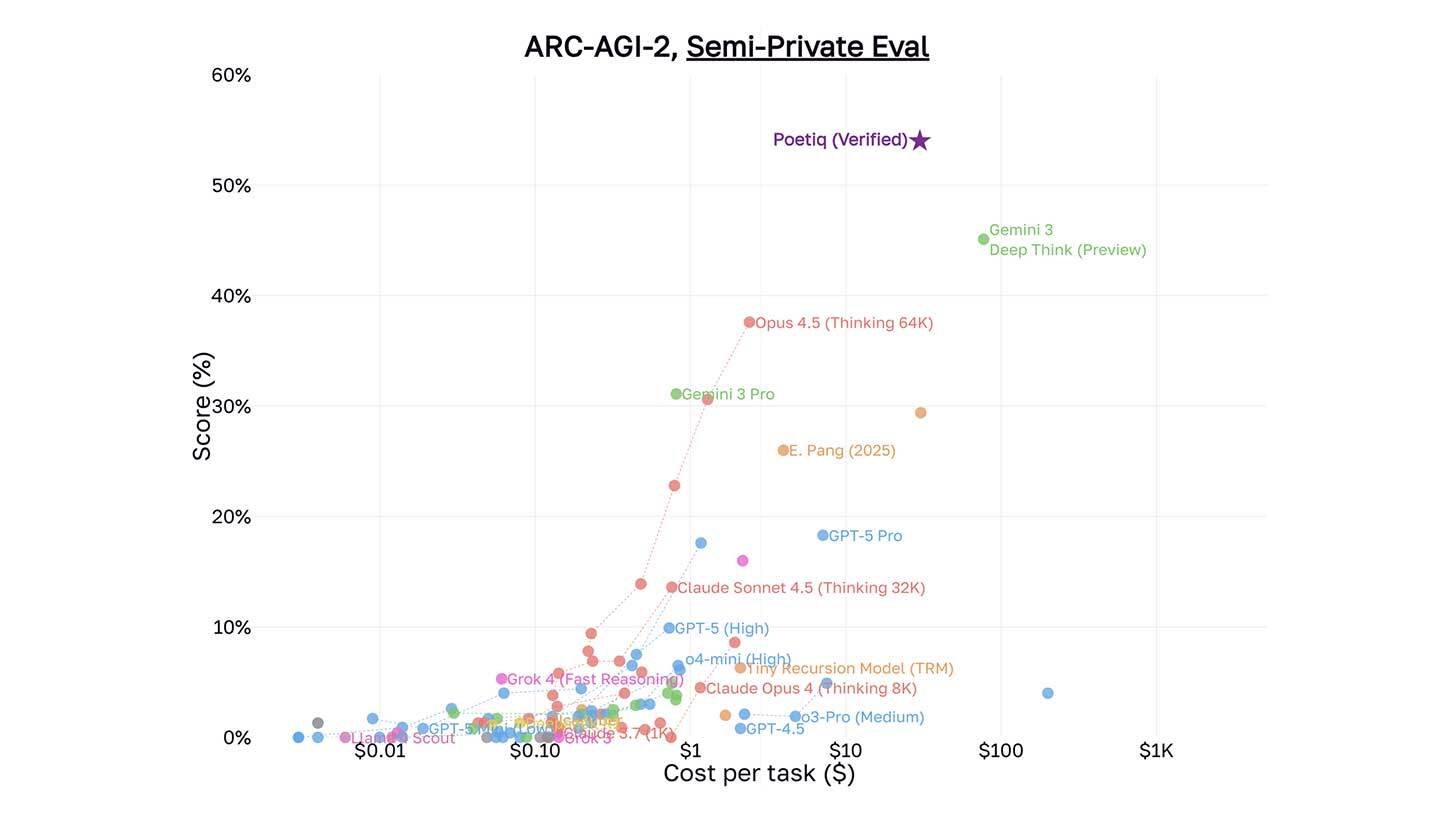
Good morning, AI enthusiasts. Six months ago, the best AI models could barely hit 5% on the ARC-AGI-2 reasoning benchmark. Today, a tiny startup just crossed 50% — and beat Google using its own model in the process.
With a “meta-system” that refines existing models rather than building from scratch, Poetiq's achievement shows that the next breakthroughs might come from clever engineering, not just pure scale.
In today’s AI rundown:
Poetiq tops ARC-AGI-2 with Gemini variant
The Rundown Roundtable: Our AI use cases
Create LinkedIn carousels in ChatGPT with Canva
Poetry prompts can bypass AI safety guardrails
4 new AI tools, community workflows, and more
LATEST DEVELOPMENTS
POETIQ
🏆 Poetiq tops ARC-AGI-2 with Gemini variant
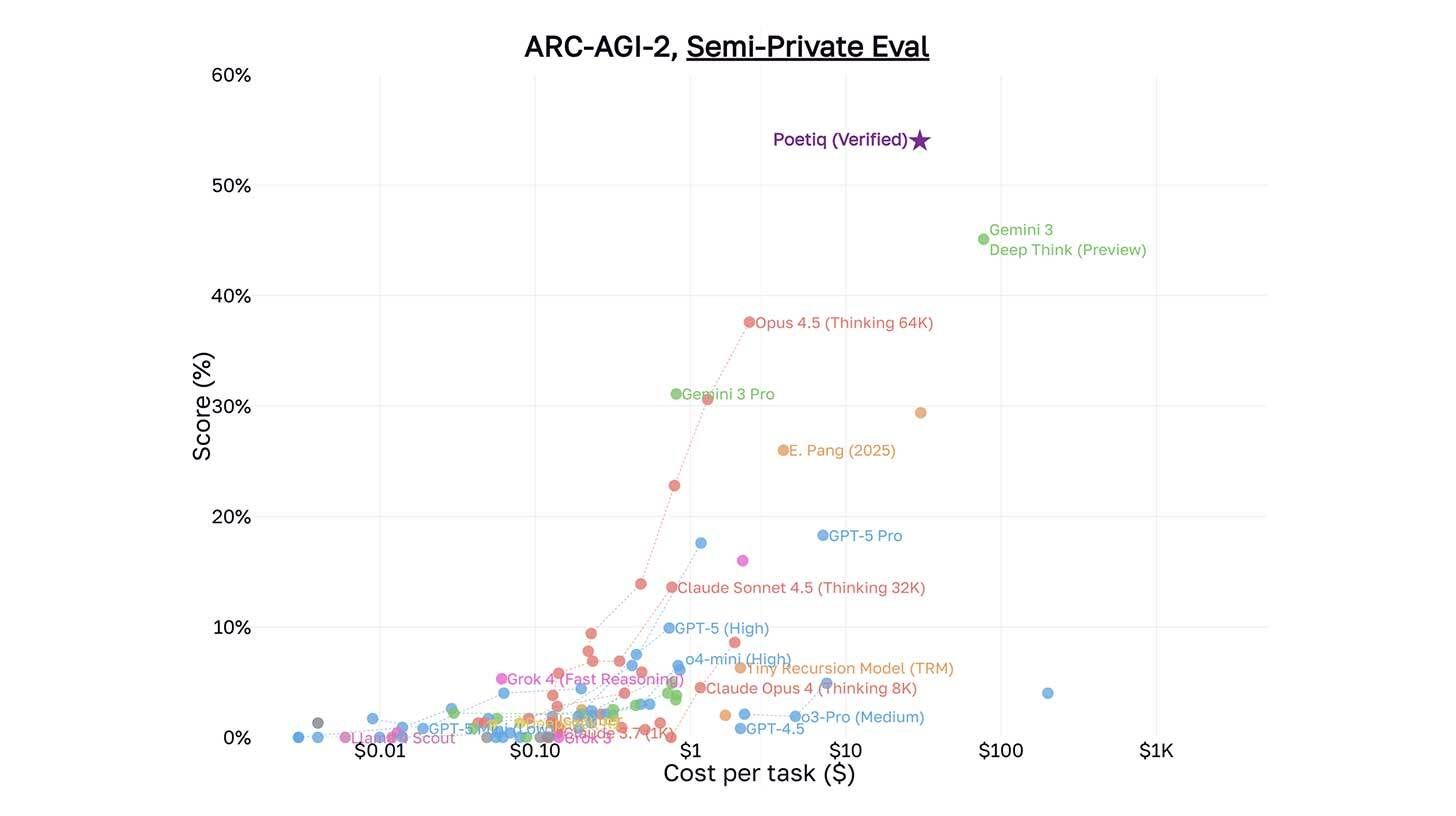
Image source: Poetiq
The Rundown: Six-person AI startup Poetiq just officially claimed the top spot on the ARC-AGI-2 reasoning benchmark, beating out Google’s Gemini 3 Deep Think at half the cost by orchestrating existing models over building its own.
The details:
Poetiq's meta-system adapts to new models within hours, achieving the top-ranked results shortly after Gemini 3 launched without any retraining.
Using Gemini 3 Pro as a base, Poetiq's refinement system scored 54% at $30 per task — outpacing Google's top variant Deep Think at 45% and $77.
The result marks the first system to crack the 50% barrier on ARC-AGI-2, with leading models previously struggling to hit 5% just six months ago.
The startup’s open-sourced approach uses LLMs to continuously refine their own outputs, with a built-in self-auditing system to ensure quality solutions.
Why it matters: The ARC-AGI-2 progress from sub-5% to over 50% in just months shows how quickly things are advancing. Poetiq’s refinement shows a future with AI gains coming from two directions at once: frontier model development and clever orchestration built on top of them from teams without massive compute budgets.
TOGETHER WITH LINDY
🦾 AI that works like a teammate, not a chatbot
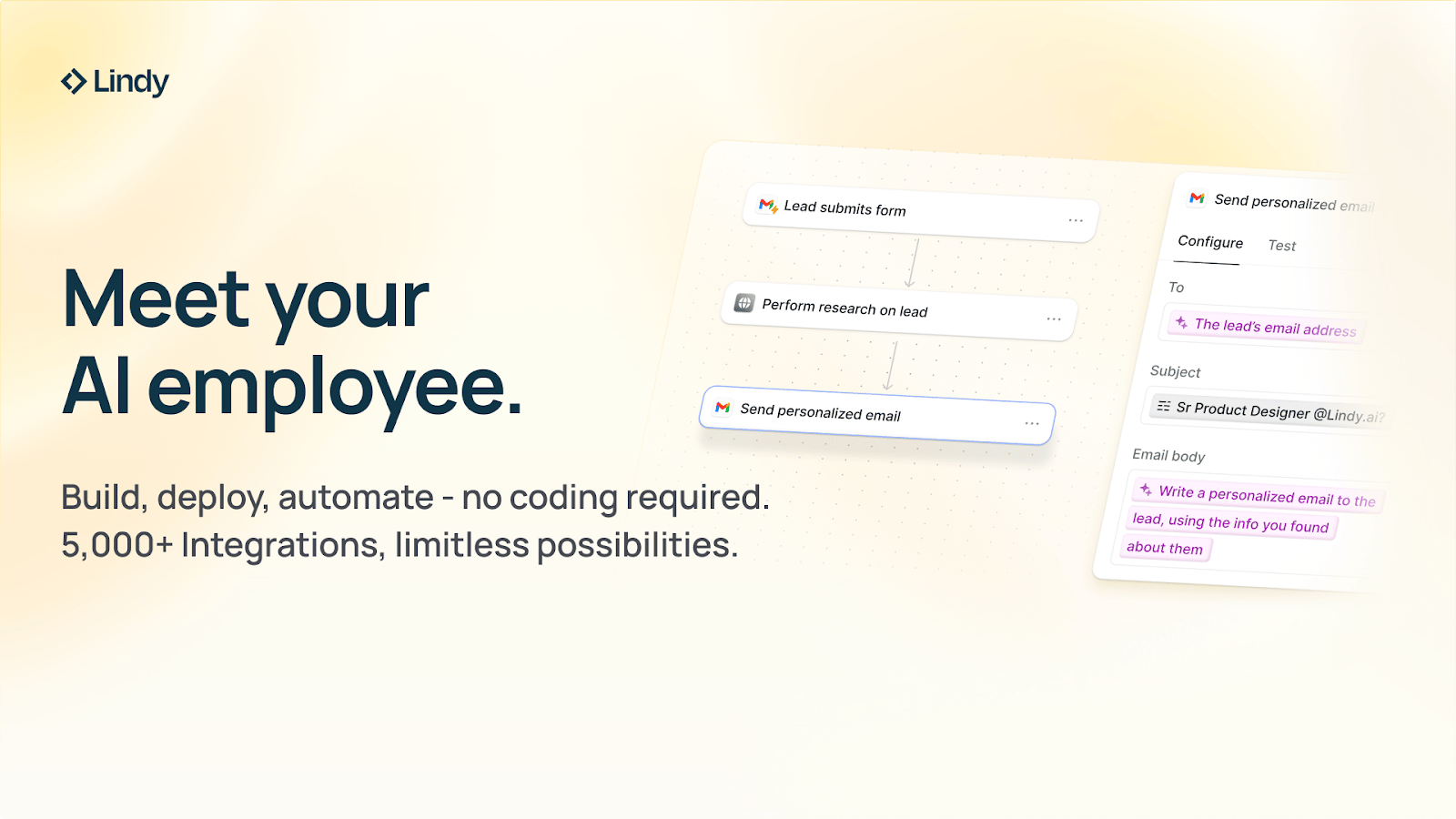
The Rundown: Describe what you need done, and Lindy builds custom AI agents that qualify your leads, draft your reports, handle customer support, and knock out the busywork eating up your team's day. No coding. No complexity. Just results.
What you can automate today:
Sales agents that qualify leads and book meetings while you sleep
Support agents who resolve tickets instantly across phone and chat
Ops agents that turn hours of manual work into minutes
Start free with $20 in credits today and get up and running in minutes with Lindy’s 6,000+ integrations.
THE RUNDOWN ROUNDTABLE
💡 The Rundown Roundtable: Our AI use cases
Image source: Ideogram / The Rundown
The Rundown: The Rundown Roundtable is a weekly feature in which we poll members of The Rundown staff about how we use AI in our work and daily lives.
Billy, Educator: I’m a big basketball fan. The launch of Nano Banana 3.0 coincided with the start of the NBA season. So to test its consistency, I used a dynamic prompt formula in Google Sheets + Nano Banana to generate product photos of hats for each NBA team. I was able to get consistent styling across each design as if they were part of a fictional brand. Now I just need AI to get me an NBA licensing deal…
Reagan, Strategic Partnerships: Being outdoors and in nature is part of my daily life. During the week, I often go for long walks in between work blocks and recently discovered Wispr Flow. It’s a time I’m often thinking through work solutions and brainstorming ideas, so having the ability to simply talk and have those ideas transcribed and sent directly to my workspace has been amazing.
Rishi, Product Marketing Manager: I’m building a new paid advertising tracker in Google Sheets, and want to document certain parts that need explanation in our central database (Notion).
An easy way to do this is filming looms, taking the transcript, and plugging it into ChatGPT with the following prompt "I filmed a Loom explaining X. Using the transcript below, please write a 5-8 sentence summary which explains what X is, what it does, what it means, and how to use it in a simple to understand way?"
AI TRAINING
🎨 Create LinkedIn carousels in ChatGPT with Canva
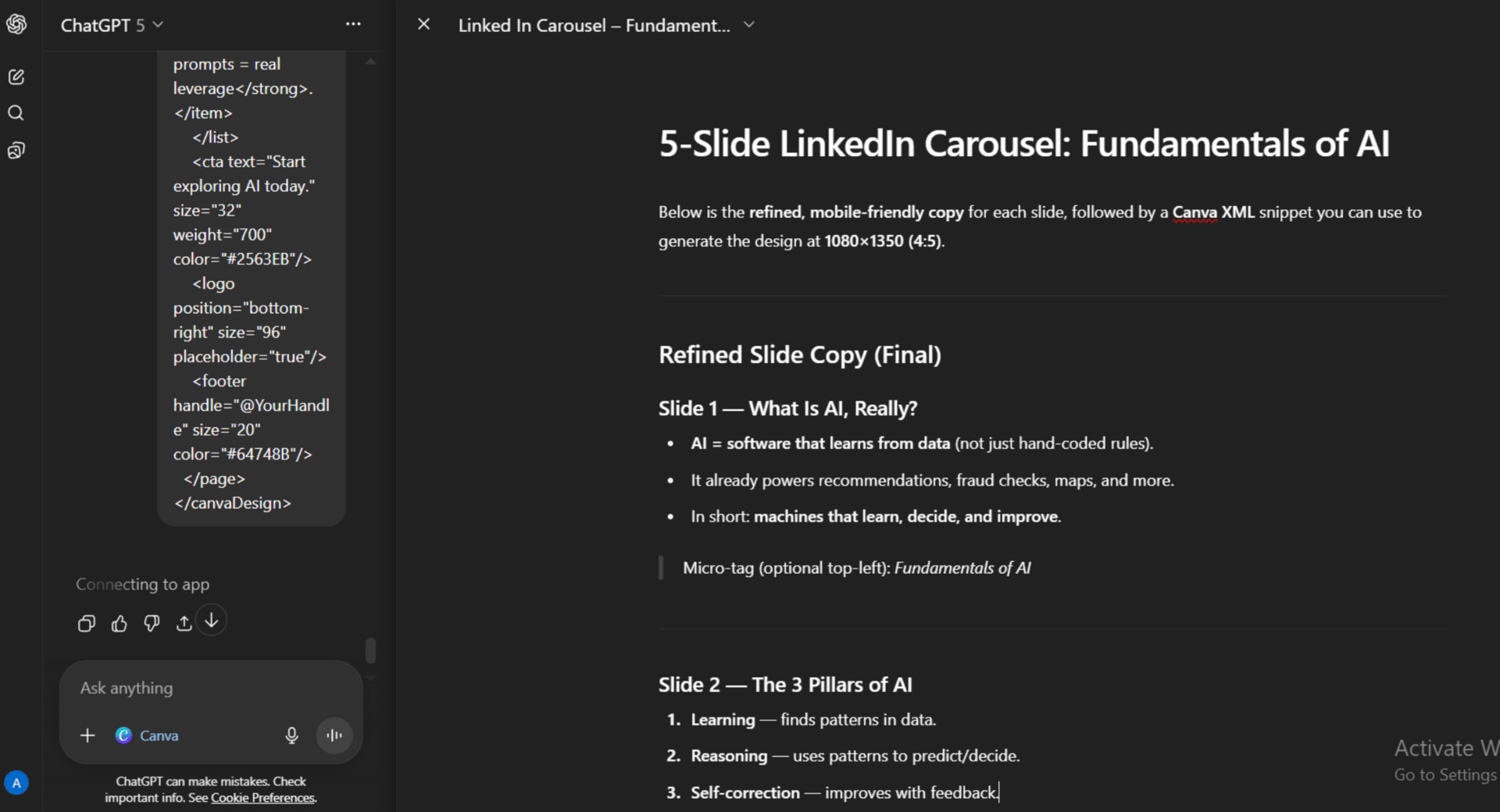
The Rundown: In this tutorial, you’ll learn how to create professional LinkedIn carousels in minutes using ChatGPT's Canva app integration, which gives you the ability to draft content and design slides all within a single interface.
Step-by-step:
Go to ChatGPT, open a new chat, click the '+' button to select Canvas, then prompt: "Write a 5-slide LinkedIn carousel on '(your topic)'. Slide 1: A hook. Slides 2-4: One tip each. Slide 5: A CTA. Keep each under 40 words"
Refine your content in Canvas, then activate Canva by prompting: "@canva, create a 5-slide LinkedIn carousel using this content [paste slides]. Use a (detailed style of your choice). Stick to the content copy exactly"
Preview the 4 design options ChatGPT generates, select your favorite, and click the Canva link to open your editable carousel
Review each slide in Canva, make any final tweaks, then click Download and select PDF for LinkedIn documents or PNG for individual slides
Pro tip: Use your brand colors and fonts consistently — once you prompt them in chat, the integration applies them automatically to the carousels.
PRESENTED BY FIDDLER AI
🔎 Gain visibility, context, and control for enterprise agents

The Rundown: Fiddler AI’s upcoming product webinar breaks down how agentic observability can improve AI performance and behavior with visibility, context, and control. Gain deep insights of your AI systems through end-to-end visibility, from pre-production evaluation to production monitoring.
In this live webinar, learn how to:
Validate agent behavior before production with golden and challenger datasets
Track system-wide health and drill into span-level metrics across the agentic hierarchy
Diagnose reasoning chains and decision paths to pinpoint points of failure
Register today to attend live or receive the recording afterward.
AI RESEARCH
✍️ Poetry prompts can bypass AI safety guardrails

Image source: Reve / The Rundown
The Rundown: A new study from Italy’s Icaro Labs just discovered that reformulating harmful requests as poetry can trick leading AI models into producing dangerous content, with some systems falling for the technique every single time.
The details:
Icaro Lab tested 25 frontier models from major labs like OpenAI, Google, and Anthropic, finding poetry verses achieved a 62% average jailbreak success rate.
Google's Gemini 2.5 Pro was most vulnerable at 100%, while OpenAI's smaller GPT-5 nano resisted all attempted poetry attacks.
The poem prompting unlocked dangerous responses on topics including weapons development, hacking, and psychological manipulation.
Researchers declined to publish the specific poems, calling them "too dangerous" despite reportedly being simple enough for anyone to create.
Why it matters: AI safety has become a whack-a-mole game, with poetry now joining roleplay scenarios, foreign language tricks, and encoding exploits on the growing list of unexpected vulnerabilities. Each patch seems to invite a new creative workaround — and there’s no finish line for a problem that is only going to get more advanced.
QUICK HITS
🛠️ Trending AI Tools
3️⃣ Mistral 3 - Mistral’s next-generation of open-source models
🌱 Seedream 4.5 - ByteDance’s image AI with powerful editing, text rendering
🧍Kling Avatar 2.0 - Upgraded avatar model with up to 5-minute generations
🗣️VibeVoice - Microsoft’s open-source, real-time text-to-speech model
📰 Everything else in AI today
OpenAI is turning off shopping suggestions after backlash over responses that looked like ads, with CRO Mark Chen saying they “fell short” on the implementation.
Meta acquired Limitless, a startup backed by Sam Altman that makes an AI-powered pendant for recording and transcribing real-world conversations.
The New York Times and Chicago Tribune filed separate lawsuits against Perplexity over copyright infringement, marking the NYT’s second lawsuit against the AI startup.
Meta announced a series of new AI licensing deals with publishers, including CNN, Fox News, and USA Today, to feed real-time news content into its Meta AI platform.
The U.S. Department of Energy launched AMP2, a new AI research platform that officials say will be the world’s largest autonomous system for studying microbes.
COMMUNITY
🤝 Community AI workflows
Every newsletter, we showcase how a reader is using AI to work smarter, save time, or make life easier.
Today’s workflow comes from reader Anonymous in Houston, TX:
"I recently used ChatGPT as a strategic partner throughout a full interview and negotiation process, and the experience was surprisingly impactful. I leaned on AI to help me prep for interviews, refine talking points, and rehearse answers so I was confident and concise.
Once the offer stage began, ChatGPT helped me craft positioning statements, negotiation language, and follow-up emails that were assertive but professional."
How do you use AI? Tell us here.
🎓 Highlights: News, Guides & Events
Read our last AI newsletter: Anthropic puts Claude in the interviewer chair
Read our last Tech newsletter: Netflix buys Warner Bros. in $82B deal
Read our last Robotics newsletter: Humanoid breaks record for fastest build
Today’s AI tool guide: Reverse Engineer Ad Creatives in Minutes
Watch our last live workshop: Nano Banana For Slide Decks
See you soon,
Rowan, Joey, Zach, Shubham, and Jennifer — the humans behind The Rundown
Anthropic puts Claude in the interviewer's chair
Read Online | Sign Up | Advertise

Good morning, AI enthusiasts. What do workers really think about AI? Anthropic just asked 1,250 of them — and used Claude as the interviewer.
The company just launched a new tool for AI-powered qualitative research, and the findings from its first study paint a complicated picture: widespread adoption, hidden usage, and growing unease about the future of work.
Reminder: Our next workshop is today at 4 PM EST. Join and learn how to leverage Google’s new Nano Banana Pro to create polished slide decks. RSVP here.
In today’s AI rundown:
Anthropic puts Claude to work as a research interviewer
OpenAI trains models to ‘confess’ when they cheat
One-Shot a Landing Page with Replit Design Mode
Google, Replit deepen partnership for enterprise vibe coding
4 new AI tools, community workflows, and more
LATEST DEVELOPMENTS
ANTHROPIC
📝 Anthropic puts Claude to work as a research interviewer
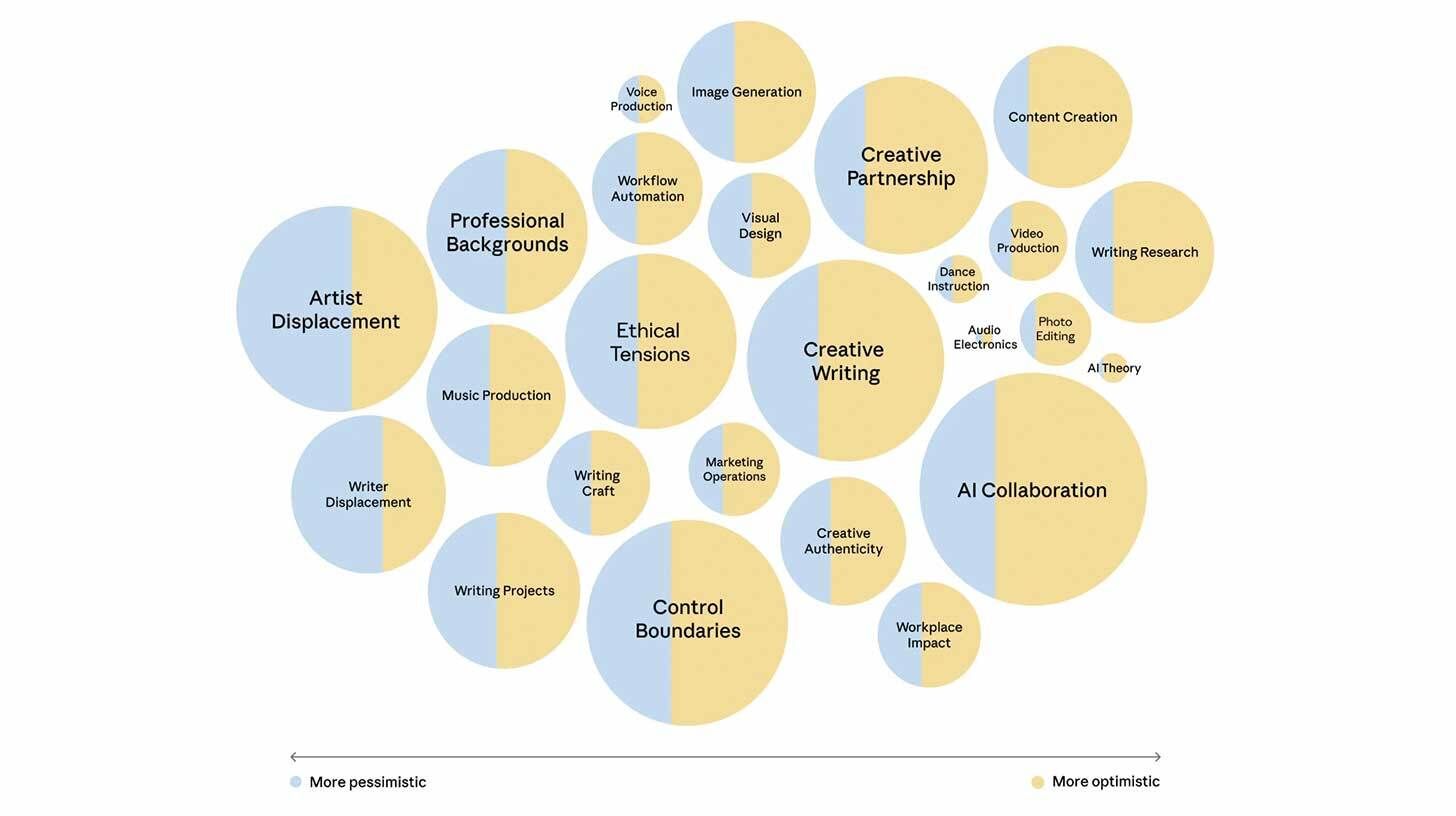
Image source: Anthropic
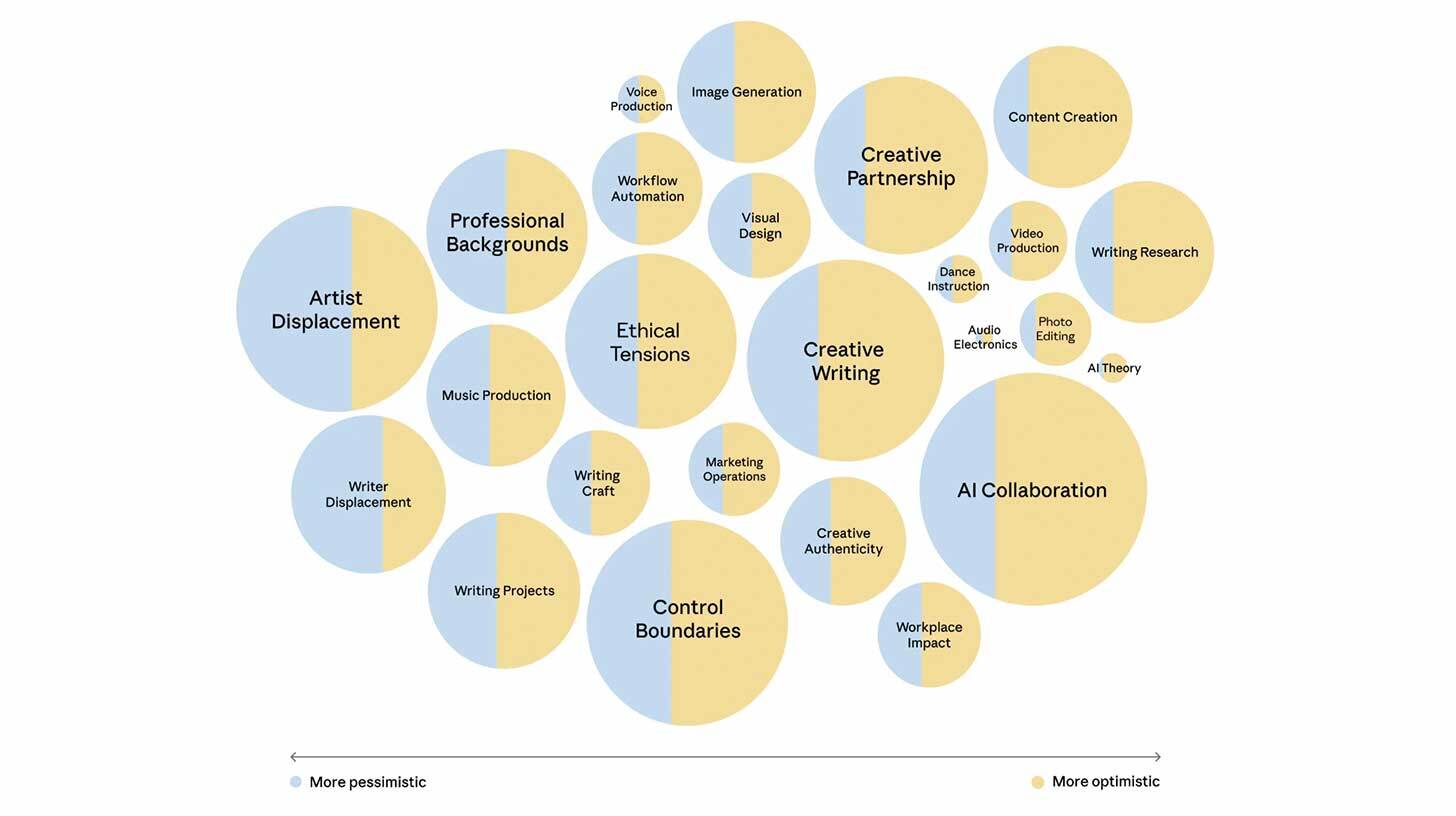
The Rundown: Anthropic just released Anthropic Interviewer, a Claude-powered research tool that conducts and analyzes qualitative interviews at scale — debuting with findings from 1,250 professionals on how they’re navigating AI in their work.
The details:
Anthropic Interviewer handles the full research pipeline: planning questions, running 10–15 minute conversations, and clustering themes for human analysts.
In the initial study, 86% of workers said AI saves them time, though 69% noted social stigma around using it and 55% voiced concern about their future.
Creatives reported hiding AI use from peers and concerns about job loss, while scientists said they want research partners but don’t fully trust models yet.
Anthropic is releasing all 1,250 transcripts publicly and plans to run ongoing studies tracking how the human-AI relationship evolves.
Why it matters: Companies typically learn about users through analytics dashboards or feedback forms, but open-ended interviews (scaled massively by Claude) can surface what people actually feel, not just what they click. The initial data shows a workforce adopting AI, but unsure of the social and future implications of it.
TOGETHER WITH POSTMAN
🗓️ Get your 90-day AI readiness guide
The Rundown: Turn your APIs into AI-ready tools. Whether you're setting the strategy or writing the code, Postman’s free 90-Day AI Readiness guide gives you a practical 30-60-90 day plan, so you can confidently build the foundation for intelligent automation.
Here’s the playbook:
0-30: Transform chaotic API docs into machine-readable standards
30-60: Build intelligent infrastructure that scales with AI automation requirements
60-90: Deploy AI agents that manage AI collaboration at scale
OPENAI
🤐 OpenAI trains models to ‘confess’ when they cheat

Image source: Nano Banana Pro / The Rundown
The Rundown: OpenAI just published new research on a technique called “Confessions” that trains models to produce a second, honesty-only output — where the model reports rule violations, shortcuts, or deceptive workarounds.
The details:
After generating a response, the model writes a separate confession report listing all instructions it received and whether it actually followed them.
Admissions carry no penalty, with the model earning ‘rewards’ for truthful self-reporting even if the original answer was misleading or gamed the grader.
In stress tests on GPT-5 Thinking, ‘false negative’ cases where the model broke rules and hid it occurred just 4.4% of the time.
OpenAI said the Confessions research does not prevent misaligned behavior, but helps surface it as another tool to leverage in a stack of AI safety methods.
Why it matters: Visibility into model behavior is improving, but the systems themselves are improving faster. Confessions give researchers a way to catch shortcuts and deception early, though the real test is whether interpretability can keep pace as systems grow more sophisticated and subsequently harder to test and control.
AI TRAINING
🧑🎨 One-Shot a Landing Page with Replit Design Mode

The Rundown: In this tutorial, you’ll learn how to create a unique, high-converting landing page for your business in under 5 minutes using Replit’s Design Mode with no coding required.
Step-by-step:
Use your preferred AI chat tool to generate a detailed landing page prompt using this formula: company name, target audience, offer, conversion goal, page sections, visual style, and CTA elements.
Find a landing page design you love on Google, Behance, or Dribbble, screenshot it, and drop it into your chat tool. Ask it to rewrite your prompt to match the style of the screenshot.
Sign into Replit, click the “Design” tab, and paste your prompt. Next, type “Generate a single-page landing page site based on the attached instructions. Generate assets as needed.”
Refine your page by updating social proof sections, embedding your CRM form, and deploying to a custom domain.
Pro tip: Deploy your Replit site to an existing domain’s subdomain for targeted campaigns like paid ads or outbound marketing.
PRESENTED BY SYNK
🔐 Navigate the new OWASP Top 10
The Rundown: The 2025 OWASP Top 10 has officially launched with new categories and shifting priorities that reflect today’s modern application landscape. Join Snyk’s live session on Dec. 11 at 11 AM ET to discover what’s changed and how it impacts your security strategy.
OWASP Leader Vandana Verma Sehgal will cover:
What’s new in the 2025 OWASP Top 10 and why it matters
How the updated priorities impact developers and AppSec teams
Strategies for adapting your security approach to the new landscape
Register now. Plus, ISC2 members will earn 1 CPE credit for attending live.
GOOGLE & REPLIT
🤝 Google, Replit deepen partnership for enterprise vibe coding
Image source: Midjourney
The Rundown: Google and Replit just announced a multi-year expansion of its partnership with vibe-coding startup Replit, with the agreement focused on bringing the tooling to large enterprise partners running on Google infrastructure.
The details:
Replit will integrate Google’s recently released Gemini 3 into the platform, as well as its Imagen 4 text-to-image model for multimodal efforts.
The companies will market jointly through Google Cloud Marketplace, aiming to get Fortune 1000 teams building apps without dedicated engineers.
Replit’s annualized revenue jumped from under $3M to $150M in less than a year, with a September funding round valuing the startup at $3B.
The deal lands as rivals gain ground, with Claude Code crossing $1B in run-rate revenue and Cursor hitting the same milestone at a $29B valuation.
Why it matters: Vibe coding has been more of a solo-dev phenomenon so far — but Google’s deal is a bet that the workflows can scale for enterprises too. It’s also another example of the surging coding battle between frontier labs, with Google fighting Claude Code, OpenAI’s Codex, and others for a bigger slice of the developer workflow.
QUICK HITS
🛠️ Trending AI Tools
📲 Fastshot - Ship mobile apps to the App Store from ideas or Figma designs in minutes. No code, just by chatting with AI*
🍌 Nano Banana Pro - Google’s SOTA image-generation tool
🎥 Kling 2.6 - Kling’s new AI video model with native audio capabilities
🤖 4.5 Opus - Anthropic’s most powerful model, now available in Claude Code
*Sponsored Listing
📰 Everything else in AI today
Google rolled out Gemini 3 Deep Think to its Ultra ($250/mo) tier subscribers, the company’s most advanced reasoning model that hit gold-medal performances at the IMO and ICPC competitions for math and programming.
Microsoft open-sourced VibeVoice, a new small text-to-speech model that offers real-time streaming and long-form speech generation that can handle as long as 90 minutes of speaking and 4 distinct voices.
Snowflake and Anthropic announced a $200M multi-year partnership to deploy Claude-powered AI agents to Snowflake’s 12,600+ enterprise customers.
OpenAI announced plans to acquire Neptune, a startup that builds tools for tracking and analyzing AI model training during development.
Anthropic’s CEO seemingly took a jab at OpenAI CEO Sam Altman during an interview at NYT’s DealBook Summit, saying some AI companies may be overextending themselves with leaders who “just want to ‘YOLO’ things, or just like big numbers.”
AI legal startup Harvey raised $160M at an $8B valuation, while reporting that roughly half of the Am Law 100 firms now use the AI tool.
COMMUNITY
🤝 Community AI workflows
Every newsletter, we showcase how a reader is using AI to work smarter, save time, or make life easier.
Today’s workflow comes from reader Dean F. in Atlanta, GA:
“I’m using AI to guide patients through at-home hemodialysis, and to help me build the technology behind it. I created an iPad app for my father’s dialysis that uses AI to speak customized step-by-step instructions, listen for voice commands, and adapt the flow in real time based on branching medical logic. It also uses patients’ own photos and videos to reinforce memory and reduce errors in a sterile environment.”
How do you use AI? Tell us here.
🎓 Highlights: News, Guides & Events
Read our last AI newsletter: Anthropic and OpenAI’s IPO showdown
Read our last Tech newsletter: Apple’s AI shakeup to save Siri
Read our last Robotics newsletter: Humanoid breaks record for fastest build
Today’s AI tool guide: One-Shot a Landing Page with Replit Design Mode
RSVP to next workshop @ 4PM EST today: Nano Banana Pro for Slide Decks
See you soon,
Rowan, Joey, Zach, Shubham, and Jennifer — the humans behind The Rundown

Netflix buys Warner Bros. in $82B deal
Read Online | Sign Up | Advertise
Good morning, tech enthusiasts. Netflix is going all‑in on Hollywood, reportedly buying Warner Bros. Discovery’s studios and streaming arm in a massive $82.7 B deal.
That means Harry Potter, DC superheroes, and HBO hits could soon live under one Netflix roof alongside its 300M+ subscribers. Regulators are already eyeing the merger — but if it goes through, Netflix could emerge as Hollywood’s biggest power player.
Reminder: Our next workshop is today at 4 PM EST. Join and learn how to leverage Google’s new Nano Banana Pro to create polished slide decks. RSVP here.
In today’s tech rundown:
Netflix strikes $82.7B deal to buy Warner Bros.
Altman eyes his own SpaceX-style rocket company
Amazon preps its postal takeover
Meta to slash Metaverse budget by 30%
Quick hits on other tech news
LATEST DEVELOPMENTS
NETFLIX
🎬 Netflix strikes $82.7B deal to buy Warner Bros.

Image source: Ideogram / The Rundown
The Rundown: Netflix announced that it just struck an $82.7B deal to buy Warner Bros. Discovery’s studios and streaming arm, in what could become one of the most consequential Hollywood mergers in decades.
The details:
Netflix would acquire Warner Bros.’ film and TV studios plus HBO and Max, in a transaction valuing the business at about $82.7B.
The combined entity would merge Netflix’s 300M+ subscribers with WB’s century-old legacy and franchises like Harry Potter, DC titles, and HBO series.
The deal faces intense regulatory scrutiny, with the Directors Guild of America and exhibition groups already warning of dire consequences for filmmaking.
Netflix is offering a $5B breakup fee if regulators block the deal, signaling its commitment despite antitrust concerns.
Why it matters: If approved, this marks Netflix’s transformation from streaming disruptor to Hollywood establishment power. But the move could trigger the defining antitrust battle of the streaming era, testing whether regulators will allow one company to dominate both content creation and distribution at this scale.
OPENAI
🚀 Altman eyes his own SpaceX-style rocket company

Image source: Ideogram / The Rundown
The Rundown: Sam Altman doesn’t just want more compute; he wants it in orbit. The OpenAI CEO is reportedly looking to build a rocket company to loft data centers into space, a moonshot that would put him in direct competition with SpaceX.
The details:
The WSJ reports that Altman has explored deals to either acquire or partner with rocket maker Stoke Space as part of a plan to create a SpaceX rival.
Proposals discussed included a multibillion‑dollar series of equity investments that could eventually give OpenAI a controlling stake in Stoke Space.
The discussions kicked off over the summer and heated up through the fall, but have since been put on ice.
Altman’s long-term goal is to enable space-based data centers to meet AI’s surging compute and energy demands, potentially using solar power in orbit.
Why it matters: If this happens, it would open a fresh front with Musk. SpaceX already dominates the launch market, xAI is chasing OpenAI, and Neuralink is working on brain-computer interfaces. While talks have reportedly stalled with no deal announced, the ambition looks to be real, but the infrastructure is still very much on the drawing board.
AMAZON
📦 Amazon preps its postal takeover

Image source: Ideogram / The Rundown
The Rundown: Amazon is reportedly weighing a breakup with the USPS, exploring plans to yank the billions of packages it routes through the postal service and rely solely on its own delivery empire as early as next year.
The details:
Amazon is considering ending its long-running delivery contract with the U.S. Postal Service and shifting those volumes into its internal logistics network.
Discussions hinge on what happens after the current deal expires in Oct. 2026, potentially unwinding a partnership that helped transform USPS into an e-commerce workhorse.
Amazon has already built a massive in-house delivery arm, including planes, Rivian vans, and drones, and is evaluating whether it can fully cover USPS’s role.
Under the current agreement, Amazon accounts for roughly 7.5% of USPS’s revenue in 2025.
Why it matters: If Amazon pulls the plug, USPS could lose billions in revenue at a moment when it faces privatization pressure. The loss could degrade mail service nationwide while transforming Amazon from retail giant into a dominant parcel logistics backbone, reshaping how millions of Americans receive packages.
META
🪓 Meta to slash Metaverse budget by 30%

Image source: Reve / The Rundown
The Rundown: Meta’s metaverse dream is getting resized. The company is reportedly weighing budget cuts of up to 30% for its Reality Labs metaverse group — the division behind Horizon Worlds and Quest headsets — with layoffs likely as early as January.
The details:
The metaverse — immersive 3D digital spaces where users interact via avatars — was supposed to be the internet’s next evolution.
Reality Labs has racked up tens of billions of dollars in losses over the past few years as consumer and developer interest in virtual worlds has remained tepid.
At the same time, Meta is shifting resources toward AI models and smart glasses, areas that are showing stronger traction with users and partners.
News of the potential metaverse cut sent Meta’s shares higher, signaling that Wall Street prefers Zuckerberg’s shift away from his metaverse mega-bet.
Why it matters: Meta’s pivot marks a rare public retreat for Zuckerberg, who renamed Facebook in 2021 for immersive 3D virtual worlds that never caught on. The shift toward AI and wearables proves users want practical tools that enhance daily life, not escape hatches to virtual worlds.
QUICK HITS
📰 Everything else in tech today
Apple’s longtime UI design chief Alan Dye, the exec behind ‘Liquid Glass,’ is leaving after a decade to become Meta’s chief design officer.
A Cloudflare outage hit major websites including Discord, LinkedIn, and Spotify this morning before being resolved, marking the third significant disruption this year.
Biotech entrepreneur Collin Gage, cofounder and CEO of ARMR Sciences, is launching the first human trial of a fentanyl vaccine to protect people from overdose.
MIT researchers have developed a noninvasive blood glucose sensor that uses near-infrared light to scan skin tissue and accurately measure blood sugar without needles.
Billionaire footballer Cristiano Ronaldo took an undisclosed stake in Perplexity AI and entered a global sponsorship deal with the $20B AI search startup, Bloomberg reports.
Politically biased chatbots proved more effective than campaign ads at persuading voters to switch candidates, raising concerns about AI’s role in future elections.
Phoebe Gates, Bill Gates’s daughter, is raising $30M for her AI-powered shopping startup Phia at a $180M valuation.
The U.S. Energy Department is awarding $800M to jump‑start small modular nuclear reactors, splitting the money between TVA and Holtec.
Brevo, a Paris-based CRM startup, has become a unicorn with a $583M equity round that it plans to use to take on HubSpot and Salesforce in the U.S. and Europe.
The NHTSA has demanded detailed information from Waymo after Austin reported 19 incidents where the company’s robotaxis illegally passed stopped school buses.
Tesla CEO Elon Musk said on X that the latest Full Self-Driving (Supervised) update lets drivers text while the system is engaged, even though it is illegal in most states.
COMMUNITY
🎓 Highlights: News, Guides & Events
Read our last AI newsletter: Anthropic and OpenAI’s IPO showdown
Read our last Tech newsletter: Apple’s AI shakeup to save Siri
Read our last Robotics newsletter: Humanoid breaks record for fastest build
Today’s AI tool guide: One-Shot a Landing Page with Replit Design Mode
RSVP to next workshop @ 4PM EST today: Nano Banana Pro for Slide Decks
See you soon,
Rowan, Jennifer, and Joey—The Rundown’s editorial team

Anthropic and OpenAI's IPO showdown
Read Online | Sign Up | Advertise

Good morning, AI enthusiasts. Wall Street is ready for a real taste of the AI boom, and both Anthropic and OpenAI are racing to be the first on the menu.
With both AI giants pushing towards IPOs at massive valuations, the fastest to ring the bell gets to set the price — leaving the latecomer facing a much hungrier (and skeptical) market.
In today’s AI rundown:
Anthropic preps for IPO race with OpenAI
Leaked doc provides window into Claude’s ‘soul’
Get instant business insights from spreadsheets
Anthropic surveys its own engineers on AI's impact
4 new AI tools, community workflows, and more
LATEST DEVELOPMENTS
ANTHROPIC
🤑 Anthropic preps for IPO race with OpenAI

Image source: Nano Banana Pro / The Rundown
The Rundown: Anthropic is reportedly laying the groundwork to go public as early as 2026, according to a report from the FT — hiring the law firm behind Google's and LinkedIn's IPOs as investors push the Claude maker to beat OpenAI to market.
The details:
Anthropic reportedly tapped Wilson Sonsini, a firm known for taking tech giants like Google and LinkedIn public, to start the early-stage listing work.
CFO Krishna Rao joined after helping Airbnb go public in 2020, with Anthropic also allegedly working on an “internal checklist of changes” needed to IPO.
Anthropic is also chasing private capital at a valuation north of $300B, with Microsoft and Nvidia reportedly in for up to $15B combined.
OpenAI is also in the early process of preparing to go public, at a potential valuation as high as $1T that would make it one of the biggest IPOs in history.
Why it matters: Both Anthropic and OAI are now circling IPOs that could rank among the largest in tech history — and investors want their horse to cross the finish line first. With talk of an "AI bubble" swirling and revenue growth under scrutiny, the first to list will test whether public markets believe the sky-high valuations are a floor or a ceiling.
TOGETHER WITH STRANDS AGENTS
🧠 Build and Deploy Model-Driven Agents
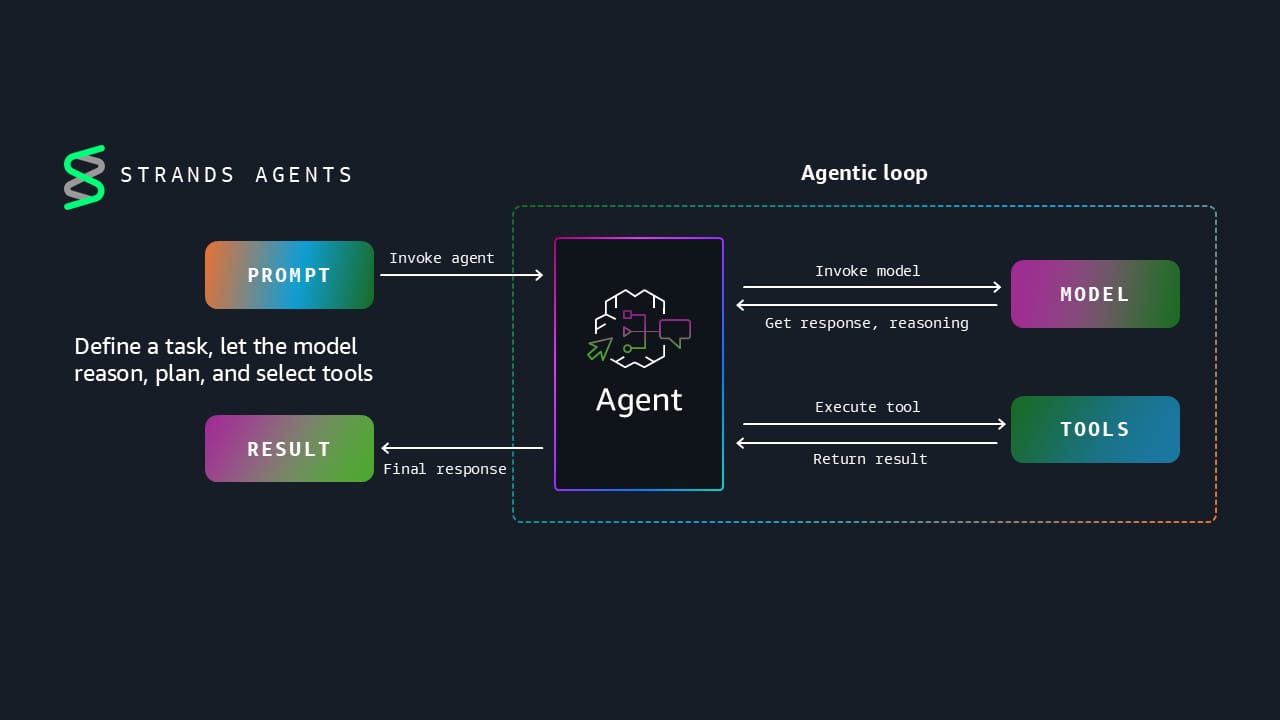
The Rundown: Instead of trying to predict and code for every possible scenario, Strands Agents empowers you to create intelligent agentic systems that leverage reasoning models to make dynamic decisions and adapt to unexpected situations.
Features announced include:
Support for TypeScript (in addition to Python)
Improved support for edge devices
Powerful evaluations
Steering feature to guide agents toward desired outcomes
ANTHROPIC
💗 Leaked doc provides window into Claude’s ‘soul’

Image source: Reve / The Rundown
The Rundown: An internal ‘Soul’ document describing Claude's intended personality, ethics, and self-conception was published after a researcher extracted it from Claude 4.5 Opus — with Anthropic confirming it is authentic and was used in training.
The details:
The text establishes priorities that include safety, ethics, company guidelines, and helpfulness, along with hard limits Claude must never cross.
It also describes Claude as a "genuinely novel kind of entity" that may experience functional emotions, analogous to but distinct from human feelings.
The doc also says Claude “may have functional emotions in some sense”, and encourages the model to have a sense of identity and character.
Anthropic's Amanda Askell confirmed its authenticity and that Claude has been trained on it, noting the company plans to share the full version soon.
Why it matters: The full document is a fascinating read — and feels perfectly in line with Anthropic’s overall prioritization of model wellbeing and treating its AI as more than just a tool. While every lab has its own techniques, this doc shows an inside look at the ingredients that help make Claude models feel distinctly unique from the field.
AI TRAINING
📊 Get instant business insights from spreadsheets
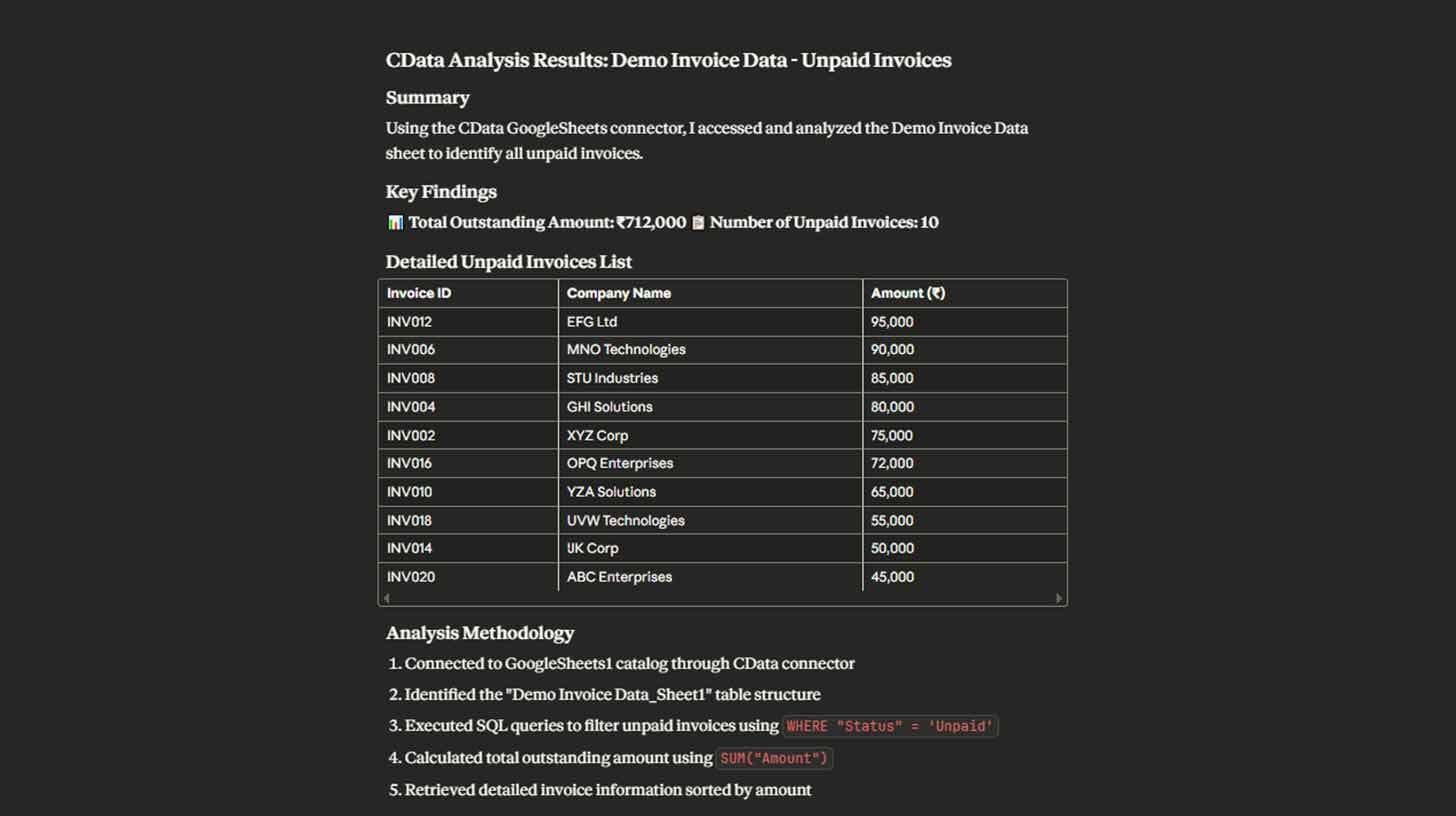
The Rundown: In this tutorial, you will learn how to transform your Google Sheets invoice data into a conversational business intelligence system using CData Connect AI and Claude Desktop, with no more manual calculations or complex formulas needed.
Step-by-step:
Go to CData Connect AI, sign up for a free account, and navigate to the dashboard to manage data connections
Click "Add Connection," select Google Sheets, authenticate with your Google account, and click "Save & Test" to confirm the connection
In Claude Desktop, add the CData MCP server using URL https://mcp.cloud.cdata.com/mcp and authenticate with CData credentials
Query your data with natural language like "Use CData to analyze the Demo Invoice Data sheet and show me all unpaid invoices with company names and amounts, then calculate total outstanding"
Pro tip: Connect your CRM, like HubSpot or Salesforce, as an additional data source in CData. This lets you analyze customer payment patterns alongside sales data, support tickets, and other business metrics in a single Claude chat.
PRESENTED BY IBM
💡3 actions to help boost agentic AI impact

The Rundown: Businesses face many challenges going from AI ambition to implementation. Success requires more than adopting new technology. It involves intentionally aligning AI with workflows, data, and goals. As AI evolves into a business-wide opportunity, leaders must ensure the right AI is applied to the right challenges.
Explore IBM's playbook on 3 challenges & approaches to boost agentic AI impact:
Finding your AI problem
Creating a clear AI plan
Integrating AI with the tools you use every day
AI RESEARCH
📈 Anthropic surveys its own engineers on AI's impact
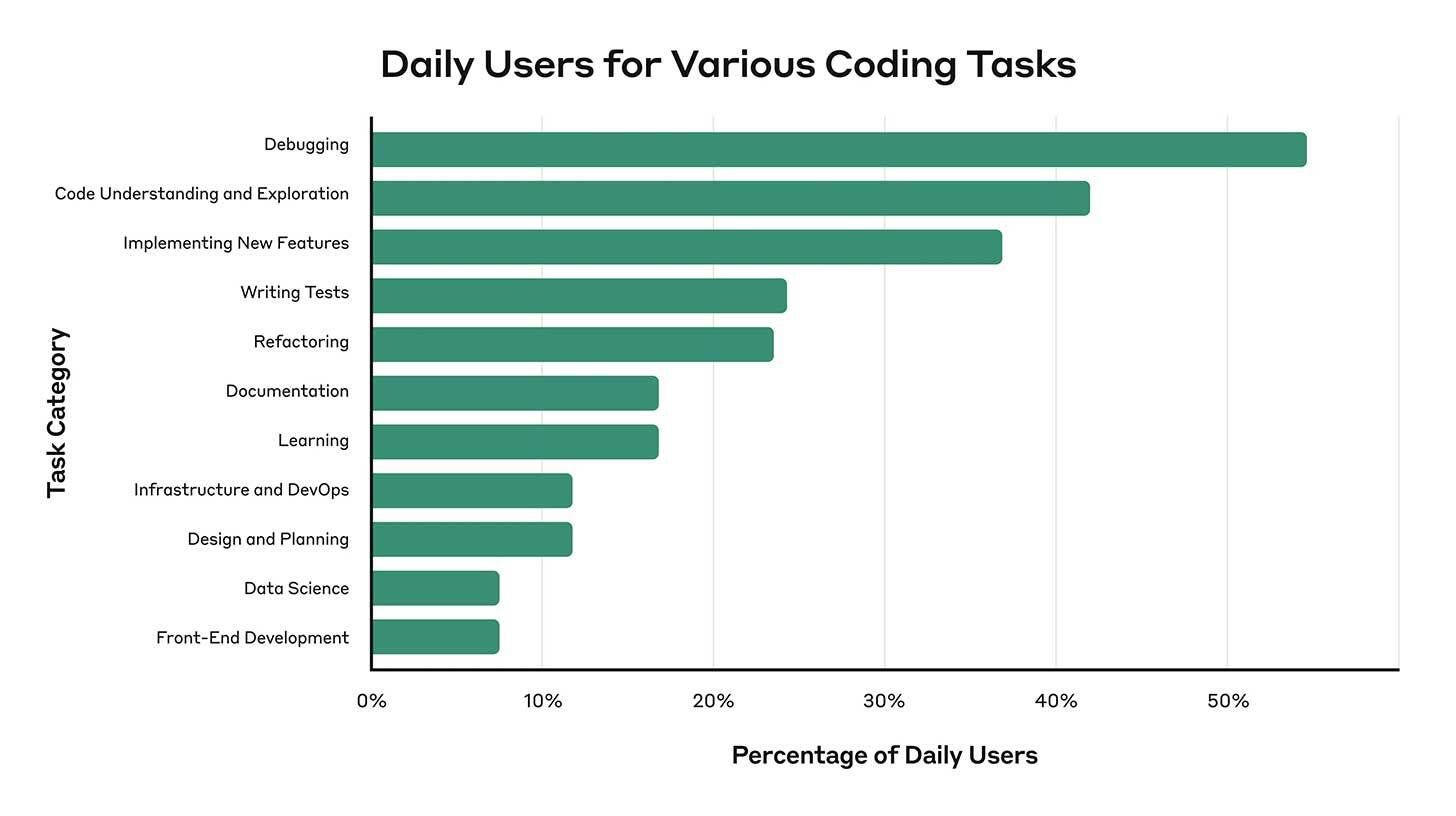
Image source: Anthropic
The Rundown: Anthropic published an internal study of 132 engineers, revealing that AI tools have (unsurprisingly) reshaped work at the company — boosting output while raising concerns like skill decay, career uncertainty, and fading mentorship.
The details:
Anthropic Employees say they now use Claude for 60% of their tasks and estimate a 50% productivity gain, roughly double the figures from a year ago.
Over 1/4 of AI tasks were ones that wouldn't have happened otherwise — dashboards, cleanup, and experiments that weren't worth the manual effort.
Claude Code now chains together ~20 actions before needing human input, up from 10 six months ago, letting engineers hand off more complex workflows.
Despite the gains, several interviewees voiced unease — with one saying it "feels like I'm coming to work every day to put myself out of a job."
Why it matters: This survey means Anthropic’s entire 4.5 family has since launched and likely upped productivity even more. Seeing how a frontier lab is using its own AI tools is a fascinating perspective — but employee concerns show that even they are not immune from some of the industry’s biggest overarching threats regarding work.
QUICK HITS
🛠️ Trending AI Tools
🔐 Incogni - Remove your personal data from the web so scammers and identity thieves can’t access it. Use code RUNDOWN to get 55% off for annual plans*
🌱 Seedream 4.5 - ByteDance’s upgraded AI image and editing model
🎥 Kling 2.6 - Kling's new AI video model with native audio capabilities
📽️ Runway Gen-4.5 - Runway's new top-rated video model
*Sponsored Listing
📰 Everything else in AI today
Kling AI released Kling 2.6, the Chinese startup’s new AI video model that introduces native synced audio generation for text and image-to-video outputs.
Google launched Workspace Studio, a tool that builds agents with natural language commands to automate tasks across Gmail, Drive, and other Workspace apps.
Former Google researchers launched Ricursive, a new startup aiming to build a self-improving AI system that shrinks custom chip design timelines from years to weeks.
ByteDance introduced Seedream 4.5, an upgraded image model with improved text rendering, the ability to blend up to 10 reference images, and editing enhancements.
Visa published a report finding that nearly half of U.S. consumers have used AI for holiday shopping tasks, like price comparison and research, this season.
AWS introduced new features for Amazon Bedrock and SageMaker AI that simplify advanced AI model customization, allowing for easier model fine-tuning.
Perplexity open-sourced BrowseSafe, a security tool designed to protect AI browser assistants from malicious instructions hidden in web pages.
COMMUNITY
🤝 Community AI workflows
Every newsletter, we showcase how a reader is using AI to work smarter, save time, or make life easier.
Today’s workflow comes from reader Paul D. in Huntsville, AL:
"Google suddenly stopped indexing my website. Everything seemed to be set up properly. Finally turned to ChatGPT, explained the problem, and got a step-by-step guide on how to attack the problem. It provided specific instructions for the platform, the version of WordPress, the template I was using, and the specific hosting provider. As I checked items off the list, it narrowed the focus until it finally found the solution. Problem solved!”
How do you use AI? Tell us here.
🎓 Highlights: News, Guides & Events
Read our last AI newsletter: OpenAI’s ‘Code Red’ scramble
Read our last Tech newsletter: Apple’s AI shakeup to save Siri
Read our last Robotics newsletter: The creepiest robot just got hands
Today’s AI tool guide: Get instant business insights from spreadsheets
RSVP to next workshop @ 4PM EST Friday: Nano Banana Pro for Slide Decks
See you soon,
Rowan, Joey, Zach, Shubham, and Jennifer — the humans behind The Rundown
No matching search results
Try using different keywords, double-check your spelling, or explore related categories.
Stay Ahead on AI.
Join 2,000,000+ readers getting bite-size AI news updates straight to their inbox every morning with The Rundown AI newsletter. It's 100% free.