Get the latest AI news, understand why it matters, and learn how to apply it in your work — all in just 5 minutes a day. Join over 2,000,000+ subscribers.

Apple, Google go official for Siri revamp
Read Online | Sign Up | Advertise

Good morning, AI enthusiasts. The Siri AI saga finally has an answer — and it's Google.
Apple just officially confirmed a multi-year deal, making Gemini the backbone of its AI strategy and handing a major win to one rival while suddenly making its high-profile ChatGPT partnership feel like an afterthought.
In today’s AI rundown:
Apple, Google go official for Siri’s revamp
Anthropic’s 'Cowork' for non-coding tasks
Exploring Perplexity’s Comet browser
Microsoft details growing AI adoption gap
4 new AI tools, community workflows, and more
LATEST DEVELOPMENTS
GOOGLE & APPLE
📱 Apple, Google go official for Siri’s revamp

Image source: Nano Banana Pro / The Rundown
The Rundown: Apple and Google just officially announced a multi-year partnership that will use Gemini to power both Apple’s foundational AI models and the long-awaited Siri upgrade expected later this year.
The details:
The two tech giants published a joint statement confirming the deal, with Apple saying Gemini “provides the most capable foundation” for its AI.
Bloomberg first reported the potential deal in November, saying Apple was committing roughly $1B annually to license Google’s technology.
Apple told CNBC that its ChatGPT deal is still intact, while also confirming that its AI features will continue to run on-device and via Private Cloud Compute.
The announcement briefly pushed Google's market cap above $4T for the first time, now trailing only Nvidia, Microsoft, and Apple itself.
Why it matters: After a year of rumblings over Siri’s direction, Apple is finally (officially) picking a lane — and one that is outsourcing Siri’s AI struggles to a major competitor. The deal is validation for Google’s massive Gemini rise, and also makes the arrangements with OpenAI a bit awkward, with its biggest rival powering Siri’s brain.
TOGETHER WITH YOU.COM
📶 Stop Guessing and prove AI ROI
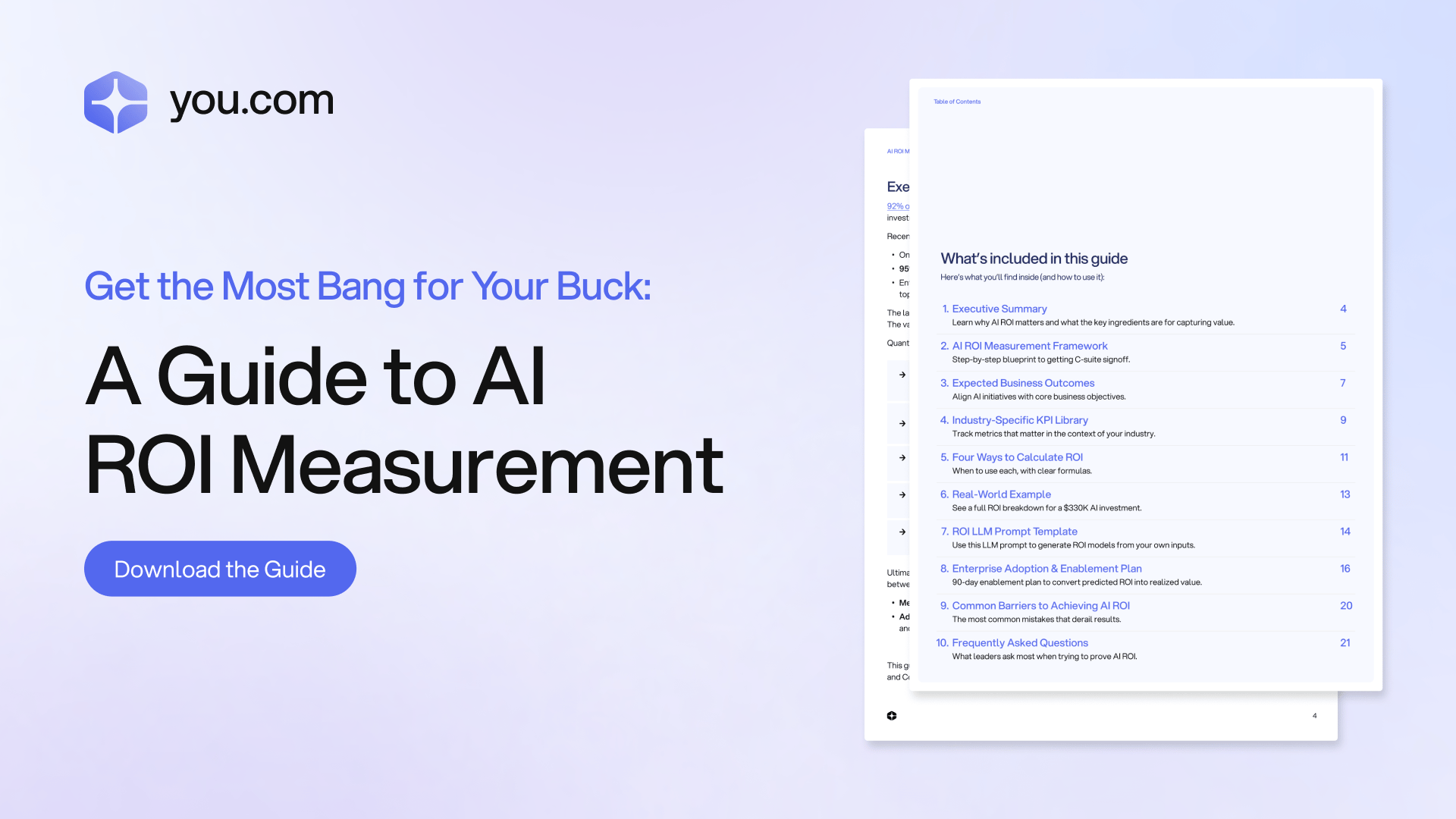
The Rundown: AI spend is rising, but are you measuring return on investment? This guide from You.com gives leaders a step-by-step framework to measure, model, and maximize AI impact.
What you’ll get:
A practical framework for measuring and proving AI’s business value
Four essential ways to calculate ROI, plus when and how to use each metric
A You.com-tested LLM prompt for building your own interactive ROI calculator
Turn “we think” into “we know.” Download the AI ROI Guide.
ANTHROPIC
🚀 Anthropic’s 'Cowork' for non-coding tasks
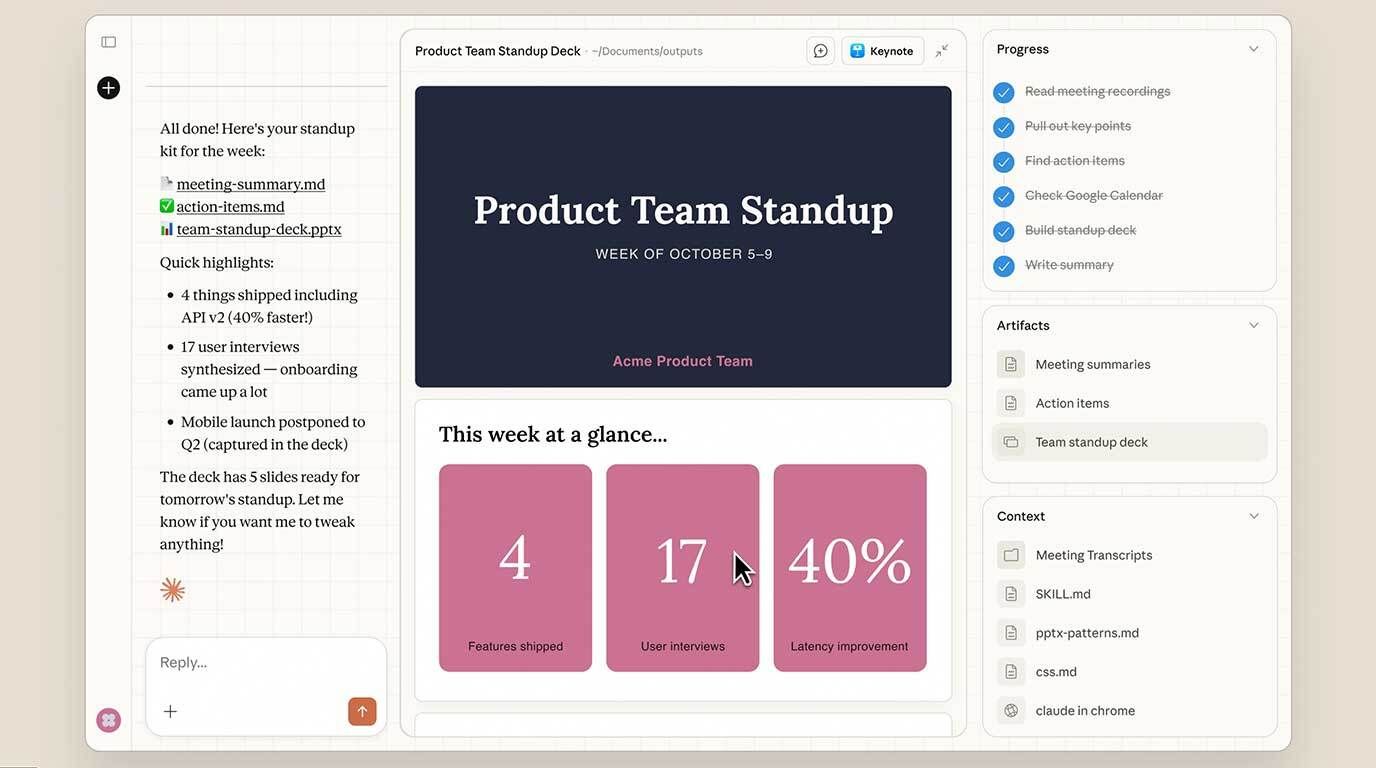
Image source: Anthropic
The Rundown: Anthropic just released Cowork, a new macOS tool that brings Claude Code's agentic capabilities to everyday tasks like organizing files, building reports, and managing expenses.
The details:
The tool operates within a designated folder on your Mac, where Claude can autonomously organize, modify, and generate documents on a user’s behalf.
Third-party integrations with services like Asana and Notion are built in, along with optional browser control through the Chrome extension.
Users can assign several jobs at once and check back later — a workflow Anthropic compares to delegating to a colleague rather than a bot.
Cowork launches in research preview, available initially to Max tier users and exclusive to the platform’s macOS app for now.
Why it matters: Claude Code has become one of Anthropic's breakout products, with users pushing it far beyond just coding — but the name/interface still might be intimidating to non-developers. Cowork brings the same approach to everyone, allowing a more general user base to leverage Claude’s strong agentic capabilities.
AI TRAINING
🌐 Exploring Perplexity’s Comet browser
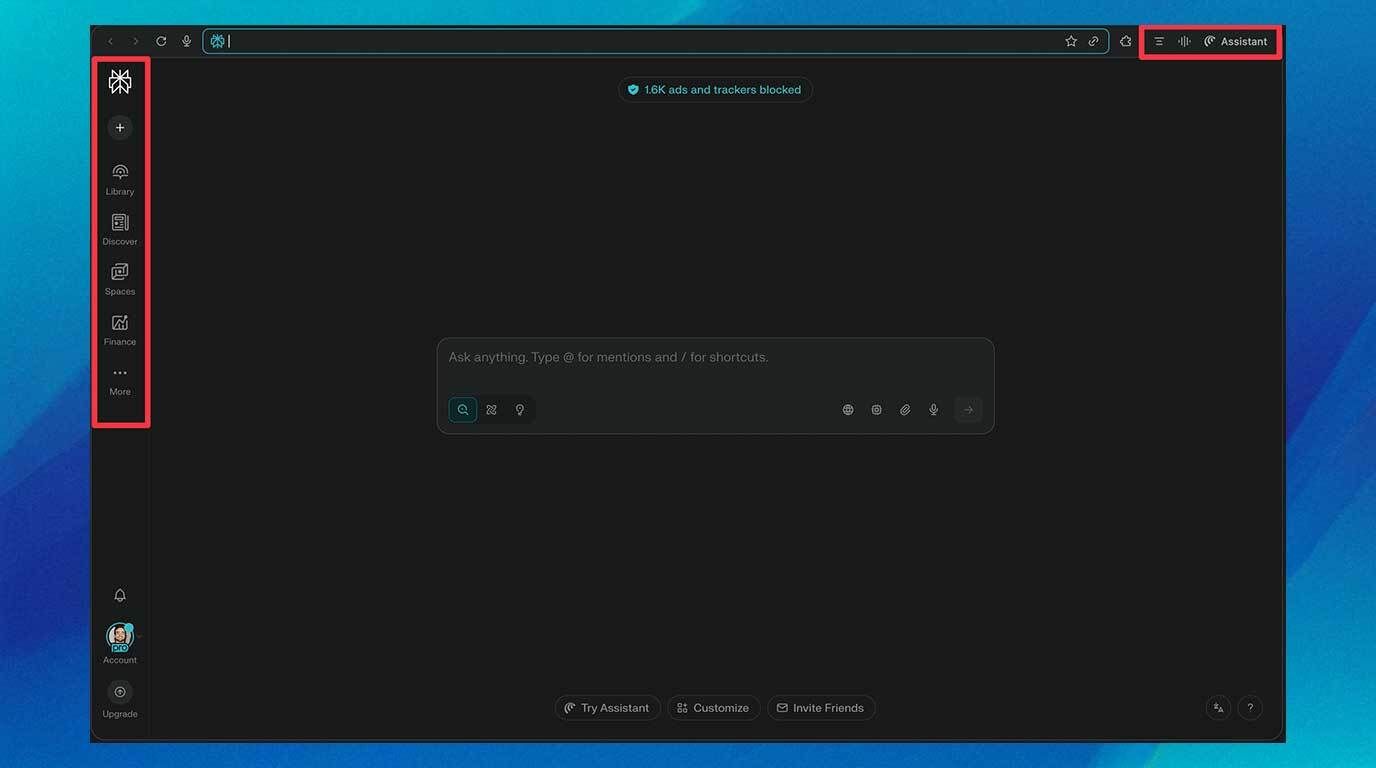
The Rundown: In this tutorial, you will learn the basics of Comet, Perplexity's new AI browser — covering what you can do with free vs. paid plans and previewing useful workflows like trip planning and AI-assisted shopping.
Step-by-step:
Install the Comet desktop app here, then explore the sidebar for main browsing options — click Spaces → Templates → Trip Planner Pro
Enter a prompt like "Plan me a trip from [starting city] to [destination city] on [dates]" — Perplexity will ask follow-ups or start researching/planning the trip
Open a new tab, navigate to Amazon.com, then open Assistant with
⌥ + aor clicking the top right cornerPrompt: "Find a computer mouse with 5k+ reviews averaging above 4.5 stars for under $60 and add it to my cart" — Perplexity then takes over your tab
Pro tip: To get the most out of Comet, set up Assistant, Connectors, and Purchases.
PRESENTED BY UNWRAP
⚡ Powerful insights for powerful brands

The Rundown: Unwrap aggregates all your customer feedback (surveys, reviews, support tickets, social, sales calls, etc.) into a single AI-powered view, helping product and CX teams at Southwest Airlines, Stripe, lululemon, and DoorDash cut through thousands of data points to ensure no customer voice gets lost.
With Unwrap, you get:
All customer feedback auto-categorized into a single view
Natural language queries to explore feedback instantly
Real-time alerts, custom reporting, and clear sentiment tracking
Grab time directly with the team to talk through how you can automate customer feedback analysis.
AI RESEARCH
📊 Microsoft details growing AI adoption gap
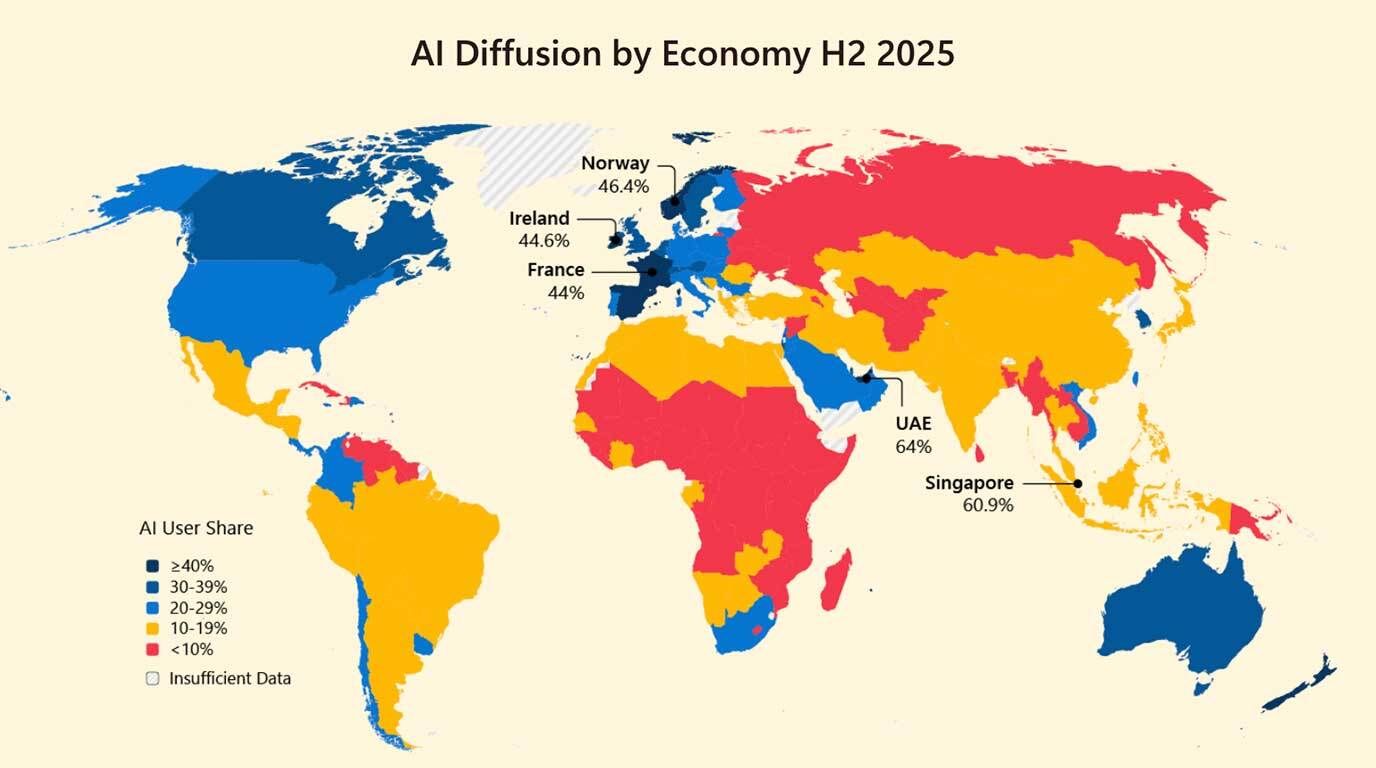
Image source: Microsoft AI Economy Institute
The Rundown: Microsoft's AI Economy Institute released a new report showing global AI adoption reached 16.3% in late 2025, while also revealing a widening gap between wealthy and developing economies and quiet growth of DeepSeek model use.
The details:
The UAE leads at 64% adoption for the working-age population, while the U.S. dropped to 24th despite topping both global AI models and infrastructure.
The “Global North” developed nations adopted AI at nearly double the rate of developing economies, expanding to a 10.6% higher adoption rate.
DeepSeek gained major traction in underserved markets, with 2-4x higher usage in Africa, aided by Huawei partnerships and its free, open-source model.
Why it matters: It is pretty wild to see the U.S. at 24th despite its standing in both model development and AI infra buildout, but innovation and country-wide adoption are two very different challenges. The quiet rise of DeepSeek across underserved areas is also notable, with accessibility just as big a factor as capability for global adoption.
QUICK HITS
🛠️ Trending AI Tools
🤝 Claude Cowork - Bring Claude’s agentic capabilities to everyday tasks
🩺 ChatGPT Health - OpenAI’s new experience for private health convos
📝 Manus Minutes - Turn in-person discussions into structured notes
🏷️ Copilot Checkout - Complete purchases directly within Microsoft Copilot
📰 Everything else in AI today
OpenAI announced the acquisition of health data startup Torch, paying $100M in equity and acquiring the company’s four employees.
Anthropic launched Claude for Healthcare, expanding its AI assistant’s medical capabilities with HIPAA-compliant tools for orgs and connectors for medical platforms.
Nvidia and Eli Lilly are committing $1B for a joint co-innovation AI lab based in San Francisco, aiming to accelerate drug discovery and medical breakthroughs.
Manus rolled out Meeting Minutes, a new recording feature that captures in-person conversations and generates actionable summaries for creating follow-up work.
Axiom announced that its AxiomProver model hit a perfect score on the 2025 Putnam exam, hailed as the “world’s hardest college-level math test”.
COMMUNITY
🤝 Community AI workflows
Every newsletter, we showcase how a reader is using AI to work smarter, save time, or make life easier.
Today’s workflow comes from reader Van R. in Eunice, LA:
"As a Parish Administrator, I oversee infrastructure projects ranging from airports to drainage to debris removal. These projects require us to review Request for Qualifications from engineering firms, and some packets run hundreds of pages long.
I use Claude to pre-screen these proposals, scanning each submission against our criteria... The report scores each proposal, IDs areas of strength and concern, and lists references — giving us a solid foundation for our manual review when selecting a firm.”
How do you use AI? Tell us here.
🎓 Highlights: News, Guides & Events
Read our last AI newsletter: Anthropic blocks xAI’s Claude access
Read our last Tech newsletter: Lego’s iconic brick just got a brain
Read our last Robotics newsletter: Hyundai to mass-produce Atlas robots
Today’s AI tool guide: Exploring Perplexity’s Comet browser
RSVP to next workshop @ 4PM EST Friday: AI Foundations Bootcamp pt. 2
See you soon,
Rowan, Joey, Zach, Shubham, and Jennifer — the humans behind The Rundown


Anthropic blocks xAI's Claude access
Read Online | Sign Up | Advertise

Good morning, AI enthusiasts. Nothing says “your AI model is excellent” quite like a competitor secretly using it for their own development.
Anthropic just cut off xAI's Claude access after discovering Musk's lab was using the rival models for its own development — both a testament to Claude's coding dominance and a reminder that the AI wars are getting increasingly territorial.
P.S. We’re sorry today’s newsletter is later than usual — we had a brief technical issue over the weekend, but everything is back to normal now. Thanks for your patience!
In today’s AI rundown:
Anthropic blocks xAI from using Claude
The Rundown Roundtable: Our AI use cases
Find dozens of free AI tools with Google Labs
Google’s new open standard for AI shopping
4 new AI tools, community workflows, and more
LATEST DEVELOPMENTS
ANTHROPIC & XAI
🚫 Anthropic blocks xAI from using Claude

Image source: Nano Banana Pro / The Rundown
The Rundown: Anthropic reportedly cut off xAI's access to Claude models last week after discovering Elon Musk's AI lab had been using the rival system through Cursor to speed up internal development, according to tech journalist Kylie Robison.
The details:
xAI cofounder Tony Wu confirmed the block in a Wednesday internal memo, telling staff their Claude access via Cursor was no longer working.
Anthropic's terms explicitly ban customers from leveraging its models to build or train competing AI systems, a policy xAI apparently violated.
Wu reportedly framed the setback as motivation, saying xAI will take “a hit on productivity” but will accelerate work on its own coding tools.
The move mirrors past enforcement actions, with Anthropic previously revoking OpenAI's API access and limiting Windsurf over competitive concerns.
Why it matters: xAI’s internal Claude usage is a testament to the big moment Opus and Claude Code are currently having in the industry’s coding scene. It’s also unsurprising to see things getting territorial — and with coding assistants now essential for AI development itself, rival model use will continue to be a messy battleground.
TOGETHER WITH CONCIERGE
👋 Your brand's AI answer engine

The Rundown: Today’s buyers use AI every day to answer their questions, and have no patience for a scavenger hunt on your website. Concierge is a custom Perplexity-style answer engine, trained on your company’s content, that lives on your website and delivers accurate, personalized responses to ultra-specific questions.
Modern brands use Concierge to:
Handle any buyer question (no matter how technical) with advanced RAG on your content & media
Control and visibility over every conversation, with guardrails and sentiment analysis
Build trust with website visitors before they are willing to commit to a demo
Use Concierge to turn every question into an opportunity.
THE RUNDOWN ROUNDTABLE
💡The Rundown Roundtable: Our AI use cases

Image source: Ideogram / The Rundown
The Rundown: The Rundown Roundtable is a weekly feature in which we poll members of The Rundown staff about how we use AI in our work and daily lives.
Zach, AI Writer: Nano Banana Pro has been a step change both for staying true to prompts and also being able to take its own creative liberties. The ability to talk through prompt brainstorming, image edits, and even providing context directly from our newsletter has made for some highly personalized new creative paths.
Jason, Developer: I have been using Grok in my Tesla, and it is a fun way to navigate and find new places to try around me. You can ask it to map multiple locations now, and ask it things like “after my first destination, I want to get coffee from a local place, not a chain”. It’s given some unique, interesting options I never would’ve explored otherwise.
Joey, Head of Partnerships: My father works in the construction industry and is only able to write in Chinese; however, all of his clients require quotations in English. I taught him how to use ChatGPT’s voice and image for translating from Chinese to English, and for drafting professional construction quotations directly through the platform.
AI TRAINING
🛠️ Find dozens of free AI tools with Google Labs
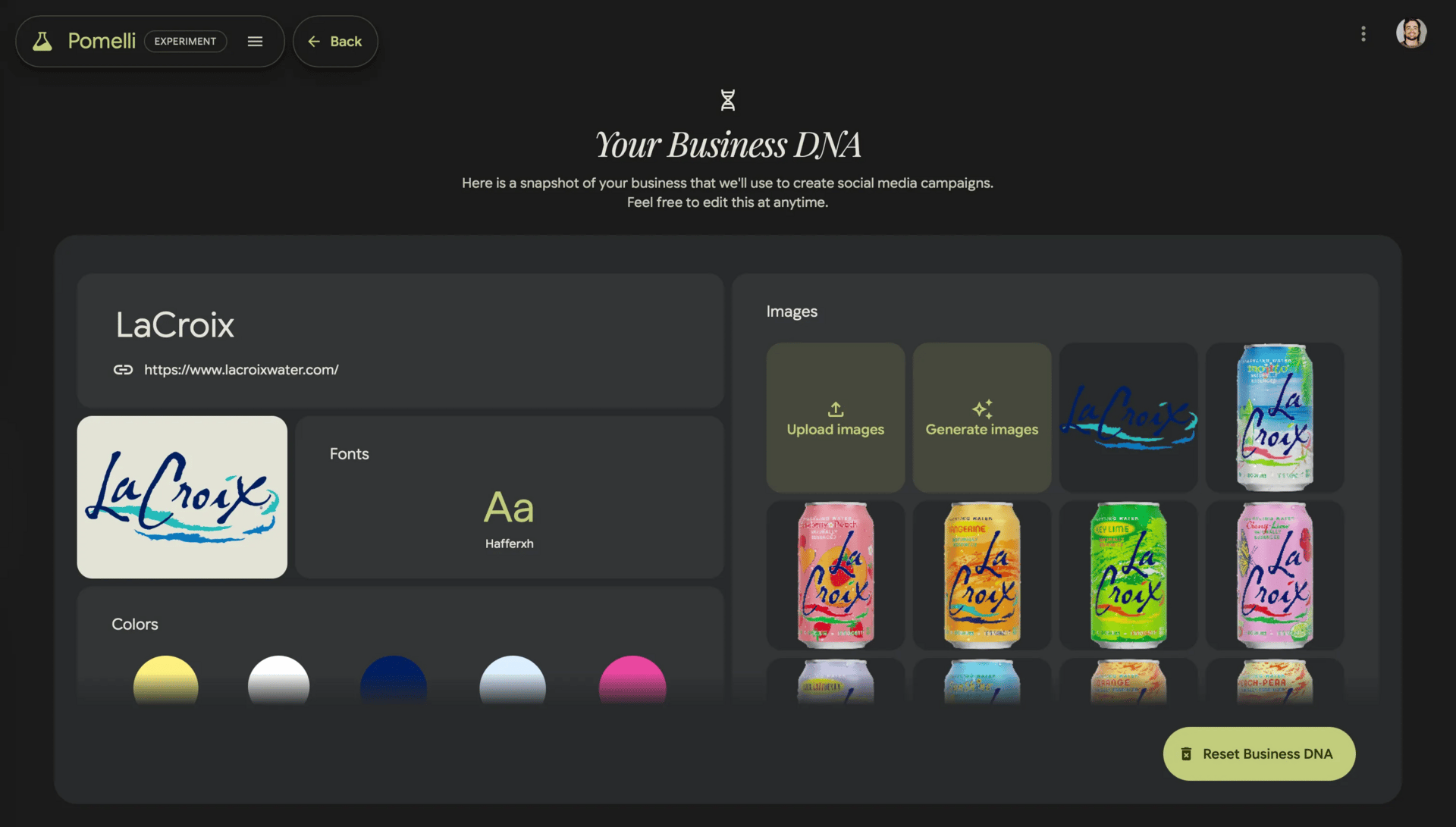
The Rundown: In this tutorial, you will learn how to use Google Labs’ free AI tools to build marketing content for your business. There are dozens of overlooked tools to help tackle whatever your use case is, but we’ve pulled our favorite three for you to try.
Step-by-step:
Navigate to labs.google/experiments to see a full list of tools.
First is Pomelli. Copy your brand’s website URL and paste it into Pomelli. After ~5 minutes and you’ll get bespoke ad campaigns with image and video assets.
Next, use Flow. Create start and end frames via Create Image, add them to Frames to Video with a prompt, then stitch clips using the scene builder.
Finally, go to ImageFX for image iteration. Use the suggested styles to polish up your prompting skills and try locking the “seed” to keep outputs consistent.
Pro tip: Click the dropdown beside ImageFX and select MusicFX for generating music.
PRESENTED BY MONGODB
🚀 The AI-ready database

The Rundown: MongoDB Atlas is the developer-friendly database used to build and scale gen AI and LLM-powered apps, without needing a separate vector database.
What makes Atlas ideal for AI:
Native vector search that eliminates costly multi-system architectures
125+ cloud regions across AWS, Azure, and Google Cloud
A developer-friendly backend built for AI/ML apps and recommendation engines
GOOGLE & AI RETAIL
🛍️ Google’s new open standard for AI shopping
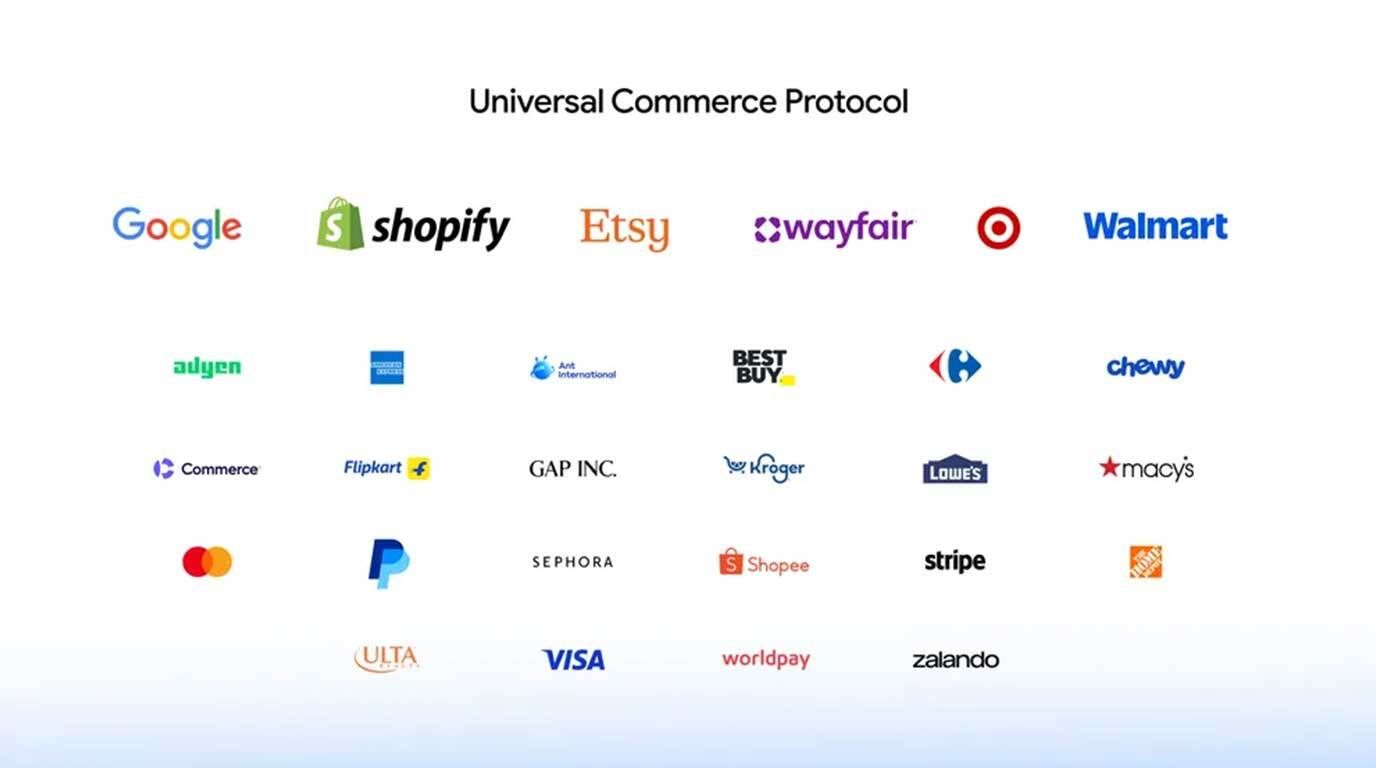
Image source: Google
The Rundown: Google just introduced the Universal Commerce Protocol, a new open-source framework designed to let AI agents handle the entire shopping journey — built alongside major retailers like Shopify, Walmart, Target, and Etsy.
The details:
UCP creates shared infrastructure for AI systems to manage product discovery, checkout, and post-purchase support across different platforms and agents.
Google is adding native checkout to AI Mode in Search and the Gemini app, letting users complete purchases mid-conversation via Google Pay.
A new Business Agent puts branded assistants directly in Search, with the ability to personalize interactions, provide offers, and access customer insights.
Over 20 companies endorsed UCP at launch, including Visa, Mastercard, Stripe, Macy's, Best Buy, and American Express.
Why it matters: Google's UCP joins a growing stack of AI commerce protocols, but they're all designed to be interoperable rather than competing head-to-head. The real shift will happen behind the scenes for users, while brands being optimized for agentic shopping will likely be as important as websites in the early days of e-commerce.
QUICK HITS
🛠️ Trending AI Tools
☎️ Bland AI - Automate your businesses phone calls with AI*
🎨 Midjourney - Niji V7 model with improved anime, text rendering, & more
💬 Scribe v2 - ElevenLabs’ new SOTA transcription model
🏆 NousCoder-14B - Nous Research’s olympiad programming model
*Sponsored Listing
📰 Everything else in AI today
OpenAI’s GPT-5.2 Pro solved three Erdos problems using Harmonic’s Aristotle, with mathematician Tererence Tao and others breaking new ground on the unsolved proofs.
Epoch AI released new data finding that global AI compute capacity is doubling every 7 months, with Nvidia chips accounting for over 60% of production since 2022.
Alibaba’s Qwen head Justin Lin said Chinese AI companies have a sub 20% chance of overtaking frontier models in 3-5 years, citing resource gaps against U.S. rivals.
ElevenLabs launched Scribe v2, a new SOTA transcription model that the company claims achieves the lowest error rate on industry benchmarks.
Meta announced nuclear energy deals with Vistra, TerraPower, and Oklo for up to 6.6 GW by 2035, making it one of the largest corporate nuclear purchasers in U.S. history.
OpenAI launched ChatGPT for Healthcare, a new HIPAA-compliant platform now rolling out to major hospitals for clinical and administrative workflows.
COMMUNITY
🤝 Community AI workflows
Every newsletter, we showcase how a reader is using AI to work smarter, save time, or make life easier.
Today’s workflow comes from reader Elaine X. in Toronto, Canada:
"Recently, scam emails in my Gmail inbox increased — hard to block and never-ending to delete. Instead of constantly cleaning my inbox, I used Gemini to guide me step by step in building an automated workflow in n8n.
Every new email now triggers the workflow, where Gemini analyzes the content using a strict prompt to identify scams and advertorial-style emails. Messages flagged as spam are filtered out before reaching my inbox."
How do you use AI? Tell us here.
🎓 Highlights: News, Guides & Events
Read our last AI newsletter: Gmail’s Gemini glow-up
Read our last Tech newsletter: Lego’s iconic brick just got a brain
Read our last Robotics newsletter: Hyundai mass-producing Atlas robots
Today’s AI tool guide: Find dozens of free AI tools with Google Labs
RSVP to next workshop @ 4PM EST Friday: AI Foundations Boot Camp Pt. 2
See you soon,
Rowan, Joey, Zach, Shubham, and Jennifer — the humans behind The Rundown
Gmail's Gemini glow-up
Read Online | Sign Up | Advertise

Good morning, AI enthusiasts. Google's taken a slower, measured approach to weaving Gemini into its flagship products, but the pace is now picking up.
Gmail just landed a wave of new features, including AI Mode for search, a proactive AI inbox, and more — a signal that the deeper integrations into Google's massive product ecosystem may finally be accelerating.
Reminder: Our first live workshop of 2026 is today at 4 PM EST! Join part 1 of our AI Foundations Bootcamp and learn how to diagnose common failure patterns with AI usage and gain practical frameworks to get better outputs. RSVP here.
In today’s AI rundown:
Gmail gets Gemini-powered AI features
Microsoft turns Copilot into a checkout counter
Use Gemini 3 to build powerful simulations
Major Chinese AI lab goes public
4 new AI tools, community workflows, and more
LATEST DEVELOPMENTS
📧 Gmail gets Gemini-powered AI features
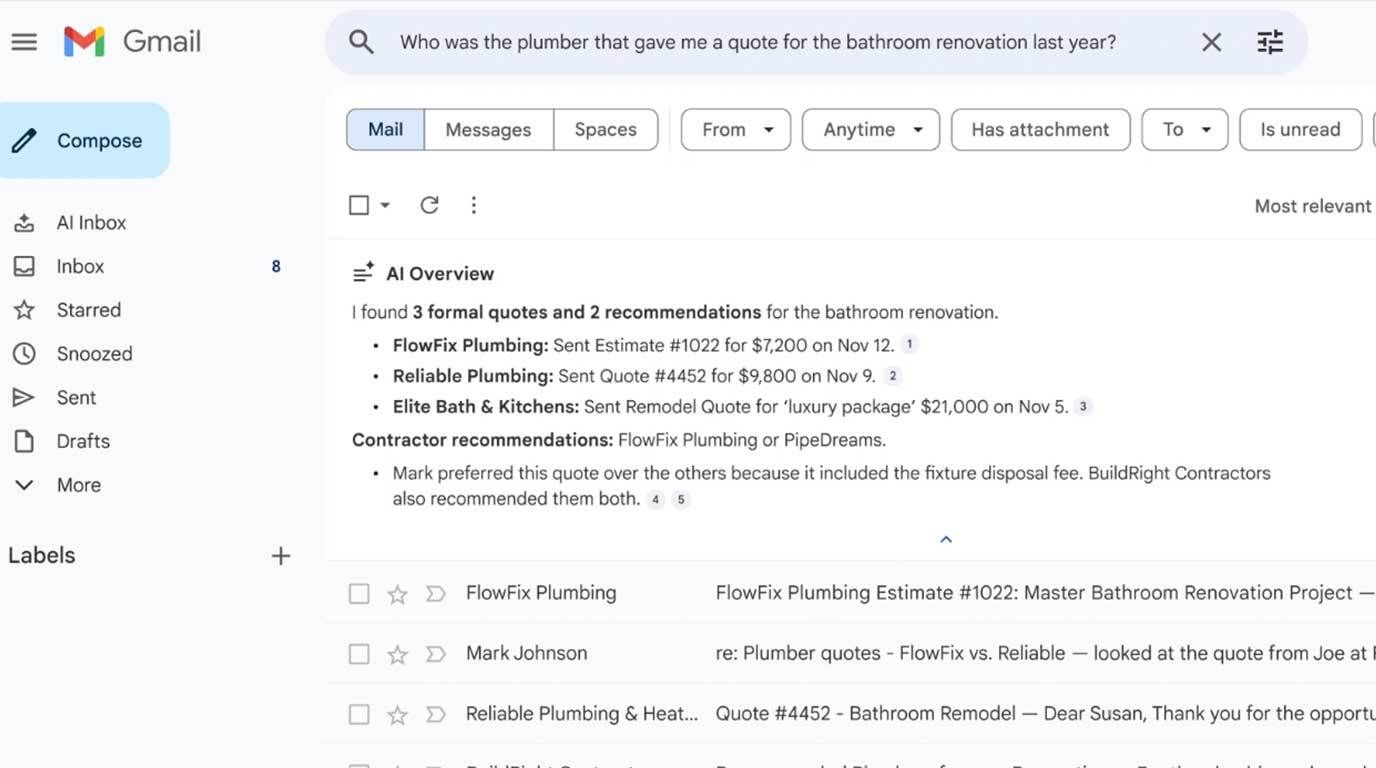
Image source: Google
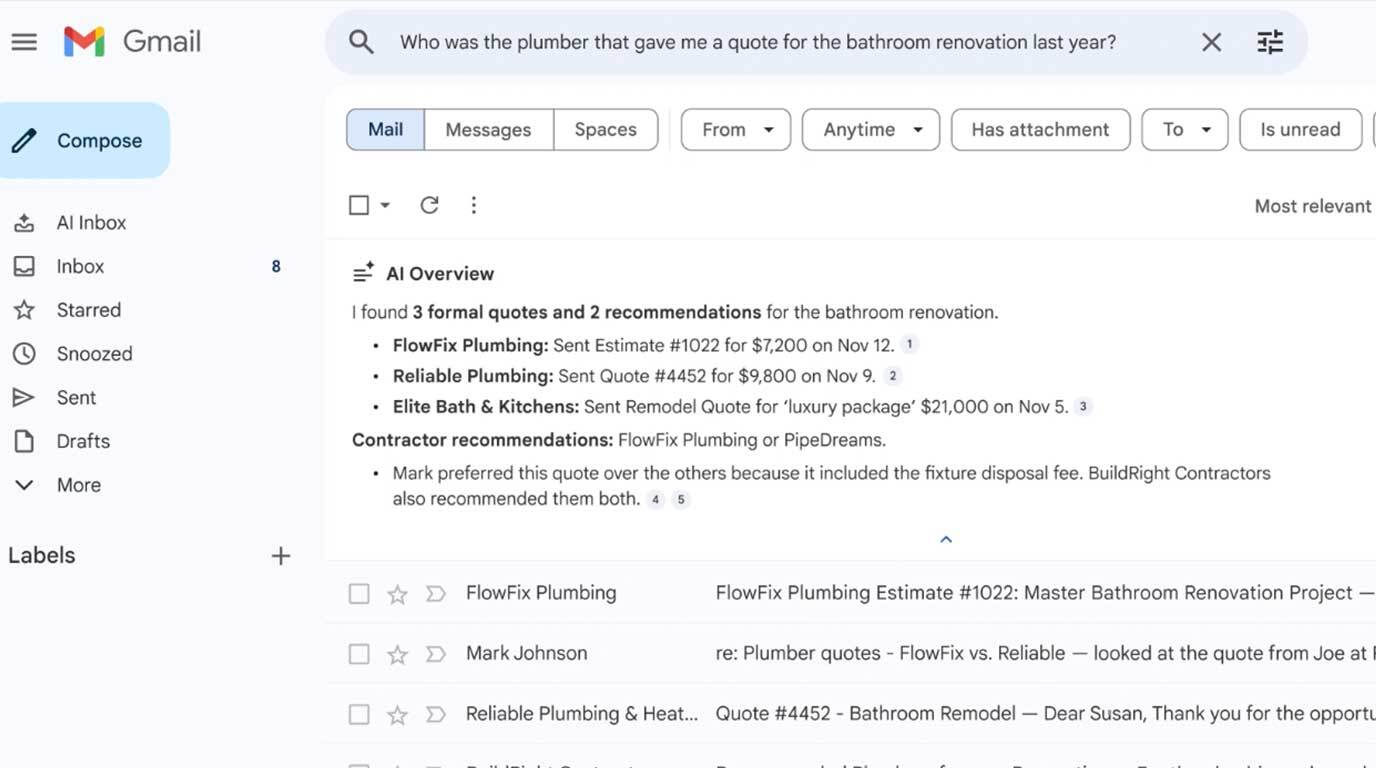
The Rundown: Google just introduced a wave of new Gemini AI upgrades to Gmail, enabling users to ask natural language questions about their inbox, get automatic summaries, and take more proactive actions across the platform.
The details:
An integrated AI Overviews feature lets users search the inbox through natural language instead of hunting through keywords or opening dozens of emails.
A new ‘AI Inbox’ acts as a personal assistant, surfacing the most important messages and crafting to-do lists and reminders.
Other additions include a Grammarly-style proofreader (Pro / Ultra only), expanded Help Me Write access, and Suggested Replies for quick responses.
Why it matters: Google has been sprinkling AI into Gmail for years, but this is the most aggressive push yet. It’s been relatively slow in intertwining Gemini with its highly used products and platforms, but 2026 (like Rowan predicted in our Monday Roundtable) could be the year the integrations ramp up and actually become a major advantage.
TOGETHER WITH NORTON NEO
💪 Trust-first AI, built into your browser
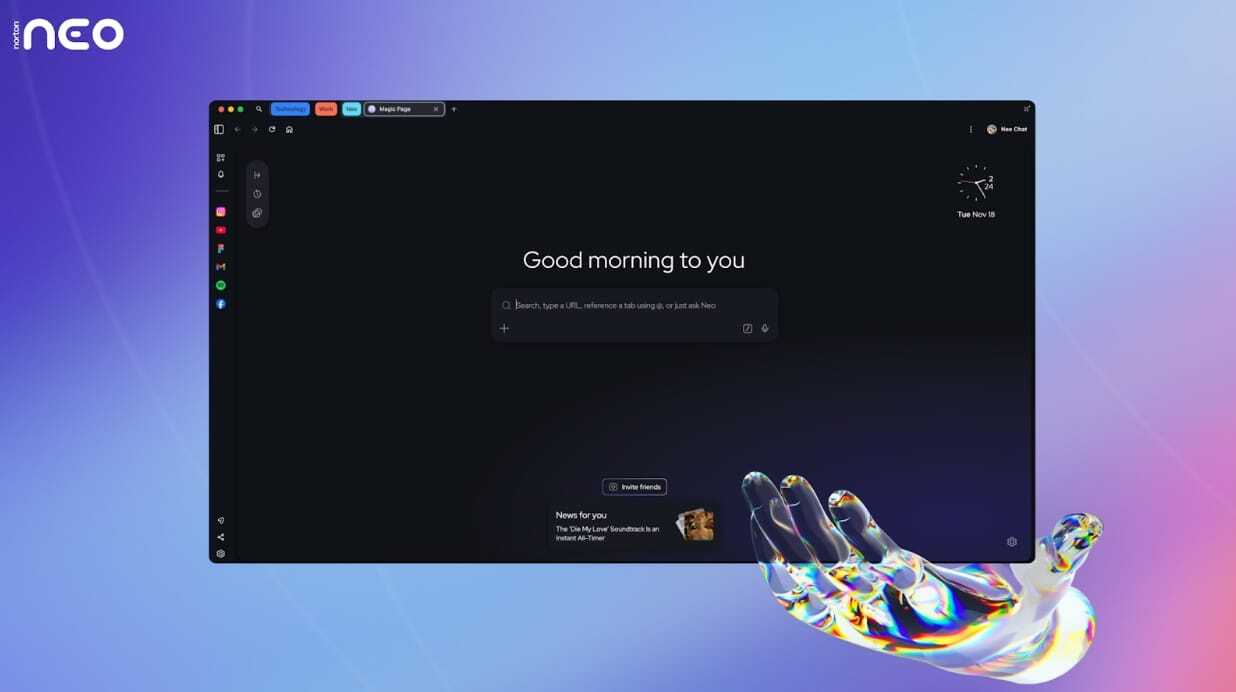
The Rundown Agentic workflows are everywhere, but real trust is still rare. Norton Neo is the world’s first AI-native browser designed from the ground up for safety, speed, and clarity – bringing AI directly into how you browse, search, and work without forcing you to prompt, manage, or babysit it.
Key Features:
Privacy and security are built into its DNA.
Tabs organize themselves intelligently.
A personal memory adapts to how you work over time.
Try Norton Neo and experience the future of browsing.
MICROSOFT
🛒 Microsoft turns Copilot into a checkout counter
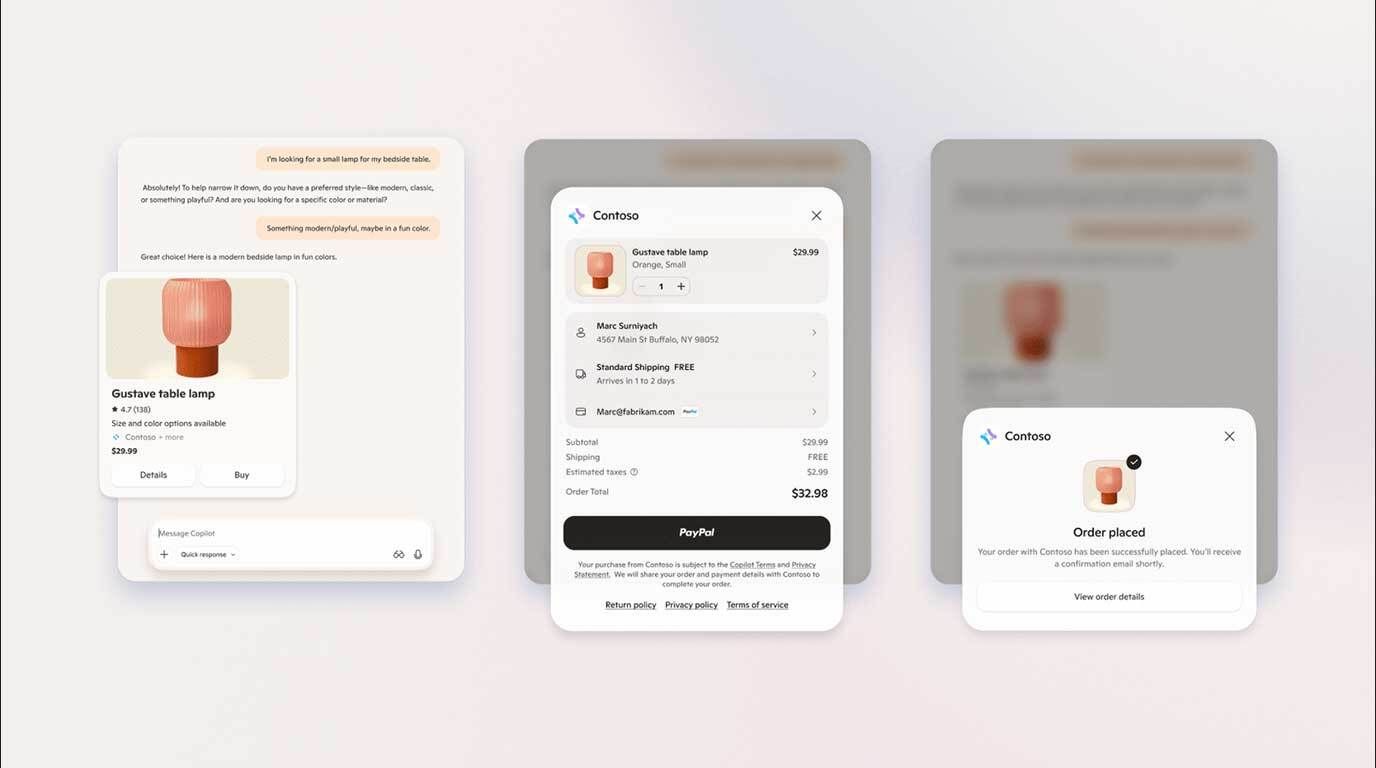
Image source: Microsoft
The Rundown: Microsoft just launched Copilot Checkout, a new feature that lets U.S. shoppers complete purchases directly inside the AI assistant without ever leaving the chat window — with major sellers and retailers already integrated into the platform.
The details:
Users can navigate the entire shopping experience, from search to payment, within the chat, with retailers maintaining full control over transactions.
Payment is integrated with PayPal, Shopify, and Stripe, with retailers like Urban Outfitters, Anthropologie, Etsy, and Shopify stores live at launch.
Microsoft said users were 2x more likely to purchase via Copilot over normal search, with sessions seeing 53% more purchases within 30 minutes.
Microsoft also released new retail AI agents for tasks like operations, product management, branding, and creating personalized shopping experiences.
Why it matters: AI commerce is exploding and completely reshaping how people buy things online. With a 7x surge in AI-driven retail traffic this holiday season alone, the checkout experience is migrating from browsers and apps directly into AI chats — and every major assistant will likely follow as conversational shopping becomes the default.
AI TRAINING
🎉 Use Gemini 3 to build powerful simulations
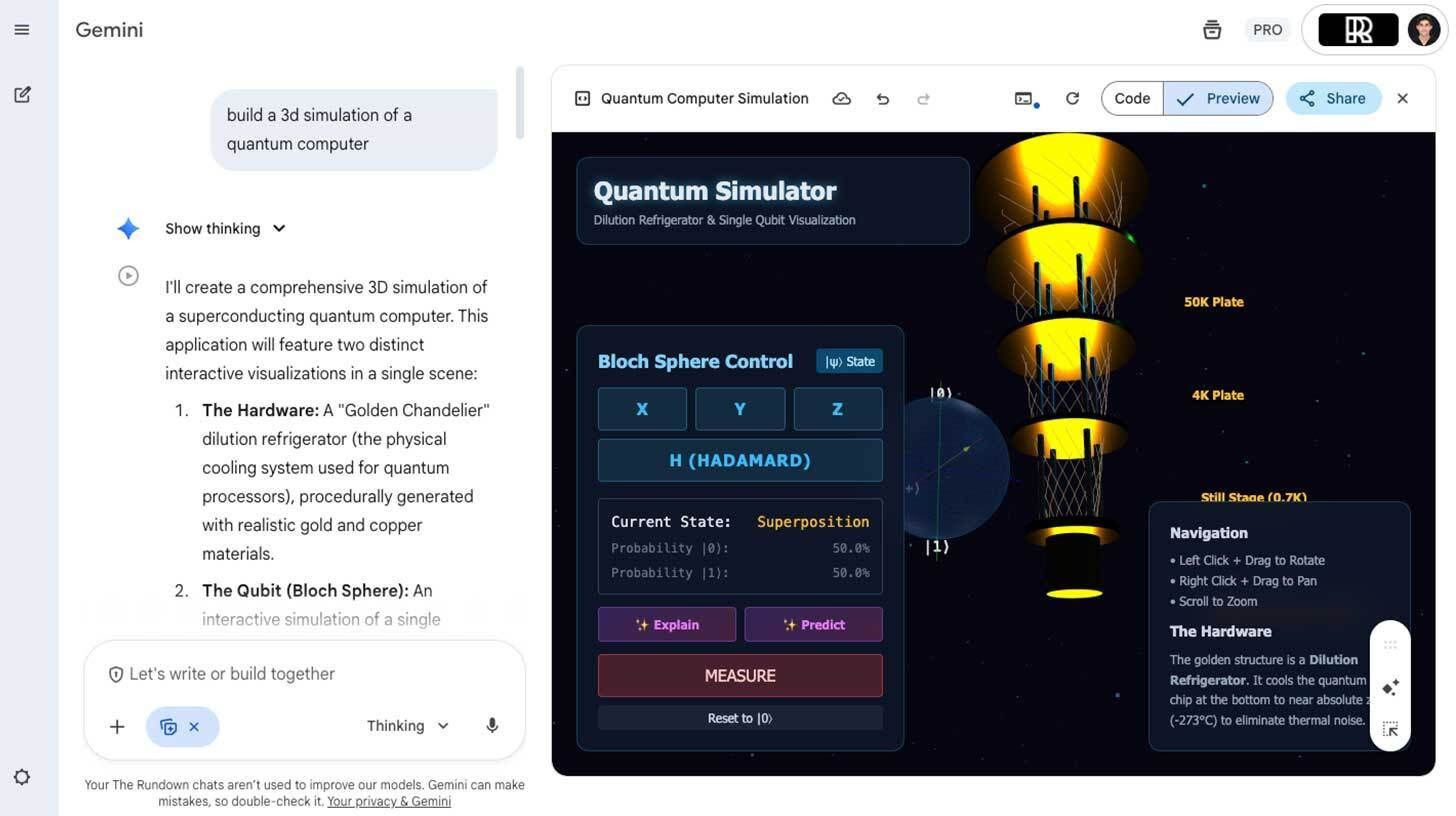
The Rundown: In this tutorial, you will learn how to use Gemini 3 to create interactive simulations, educational visualizations, and functional tools in one shot, leveraging its benchmark-shattering capabilities for visual learning and rapid prototyping.
Step-by-step:
Go to the Gemini homepage and select "Gemini 3 Pro" for reasoning, or "DeepThink" for advanced performance (confirm availability in your region)
Enter your prompt in the chat box — example: "Build a 3D simulation of a quantum computer"
Review the immersive simulation output and click "Explain" to activate the AI tutor for summarized learning, then view or share the code
Experiment with different projects like games, content schedulers, or data dashboards; try again if the sim is not functional and visually appealing
Pro tip: Try comparing solutions across scenarios to understand the underlying reasoning patterns. This helps build better problem-solving skills for future challenges.
PRESENTED BY FIDDLER
🧠 5 Critical Lessons for Production-Ready AI Agents
The Rundown: Fiddler AI breaks down 5 critical lessons to move AI Agents from demo to dependable production. Discover the testing strategies, architectural frameworks, and approaches for building agents that handle complex judgment calls.
In the guide, you’ll learn:
A New Testing Playbook using "checkpoint verification" for unpredictable AI systems
When to use a single vs. multi-agent design based on domain, governance, or model requirements
How to build agents that deliver real value through judgment, rather than rule-based tasks
Download the free guide to get the 5 field-tested lessons for building production-ready AI agents.
ZHIPU AI
🔔 Major Chinese AI lab goes public
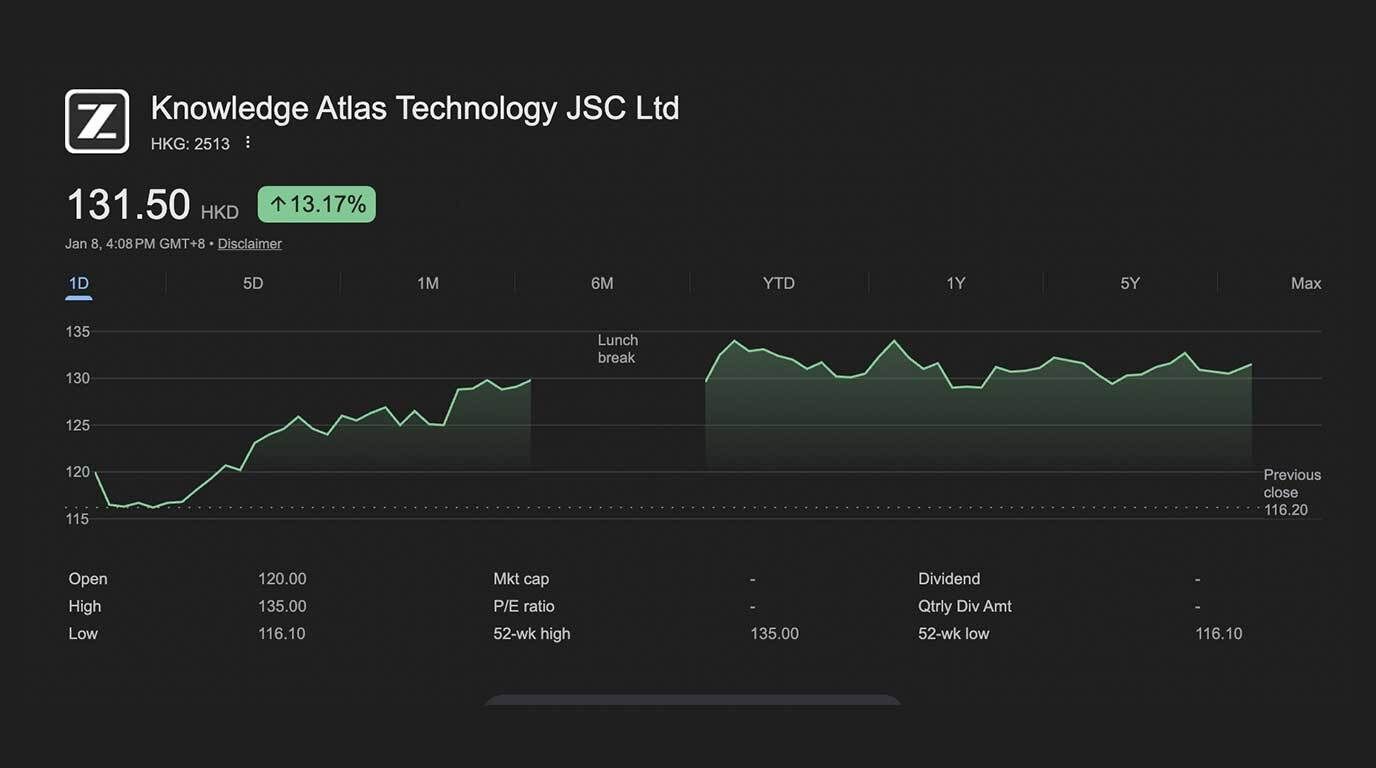
Image source: Google Finance
The Rundown: Zhipu AI just debuted on the Hong Kong Stock Exchange after raising $558M, becoming the first major Chinese AI company to go public — and firing a shot at U.S. rivals with prices a fraction of what labs like OpenAI and Anthropic charge.
The details:
Share prices on day one valued the company at between $6-8B, a fraction of Anthropic's recent $350B or xAI’s reported $230B valuations.
Zhipu's AI assistant runs about $3/month, with its leadership saying that gap will force U.S. competitors into the same price war playing out in China.
The IPO comes weeks after Zhipu’s GLM-4.7 coding model release topped open rivals on benchmarks and surpassed closed systems like Sonnet 4.5.
Chinese rival MiniMax also goes public Friday after its own $619M raise, with analysts calling 2026 a breakout year for Chinese AI listings in Hong Kong.
Why it matters: DeepSeek rattled markets last year by nearing U.S. performance at a sliver of the cost, and now a wave of Chinese AI startups is going public with a similar playbook. Zhipu's chairman isn't shy about the strategy — flood the market with cheap, capable models until Western labs have no choice but to compete on price.
QUICK HITS
🛠️ Trending AI Tools
🤖 Speechmatics – Build voice-powered products with Speechmatics’ Startup Program and get $50K to take your project to production*
📫 Gmail - Google’s email inbox, now infused with Gemini 3
🤖 Copilot - Microsoft’s AI assistant, with new agentic commerce capabilities
🩺 ChatGPT Health - OpenAI’s new experience for private health convos
*Sponsored Listing
📰 Everything else in AI today
OpenAI is reportedly acqui-hiring the team of Convogo, an AI platform for executive coaches and leadership, marking the company’s ninth acquisition in the past year.
Artificial Analysis revamped its AI Intelligence Index, swapping out saturated benchmarks for tests focused on whether models can perform professional tasks.
Elon Musk posted that Grok Code will receive a “major upgrade” in February, which will be capable of ‘one-shotting’ many complex coding tasks.
Google and Character AI reached a settlement with the family of a Florida teen whose suicide followed months of conversations with a companion chatbot.
A federal judge denied OpenAI's motion to dismiss Elon Musk's lawsuit alleging the company misled him about its nonprofit mission, sending the case to trial in March.
COMMUNITY
🤝 Community AI workflows
Every newsletter, we showcase how a reader is using AI to work smarter, save time, or make life easier.
Today’s workflow comes from reader TheAverageGuyAI in Texas:
"I used AI to automate my holiday shopping logistics. When my son circled 47 toys in a physical catalog, I didn't waste time searching through the website to fill his cart.
I filmed a video of me turning the pages and uploaded it to AI with the prompt: "Identify every toy circled in red and make a table with prices and links." It recognized the visual cues (the red circles) throughout the video and generated a fully shoppable list with links and battery requirements in seconds, saving me hours of data entry."
How do you use AI? Tell us here.
🎓 Highlights: News, Guides & Events
Read our last AI newsletter: ChatGPT levels up with Health
Read our last Tech newsletter: Lego’s iconic brick just got a brain
Read our last Robotics newsletter: Hyundai mass-producing Atlas robots
Today’s AI tool guide: Use Gemini 3 to build powerful simulations
RSVP to next workshop @ 4PM EST today: AI Foundations Bootcamp pt. 1
See you soon,
Rowan, Joey, Zach, Shubham, and Jennifer — the humans behind The Rundown
Hyundai to mass-produce Atlas humanoids
Read Online | Sign Up | Advertise

Good morning, robotics enthusiasts. CES 2026 has flooded Las Vegas with humanoids doing backflips and folding laundry, but Boston Dynamics’ Atlas made a different kind of entrance: with an actual production timeline.
Hyundai, which owns the robotics pioneer, says it'll churn out 30K humanoid workers annually by 2028. But is Atlas really ready for that kind of scale, or is this more humanoid hype?
In today’s robotics rundown:
Hyundai to build 30K Atlas bots a year by 2028
This robot vacuum can climb stairs
Self-driving tech giant goes all-in on humanoids
Apple’s former Face ID team targets robot vision
Quick hits on other robotics news
LATEST DEVELOPMENTS
HYUNDAI & BOSTON DYNAMICS
🤖 Hyundai to build 30K Atlas bots a year by 2028
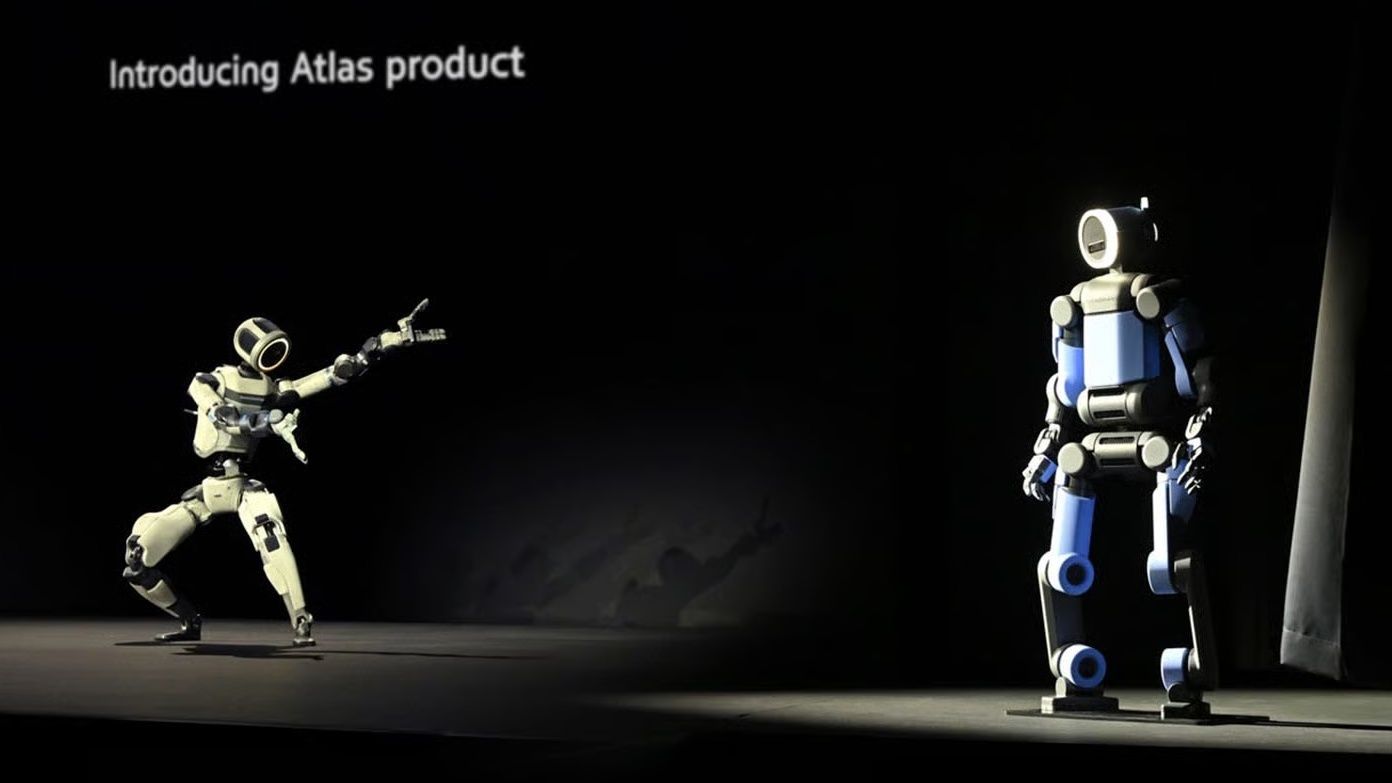
Image source: Hyundai
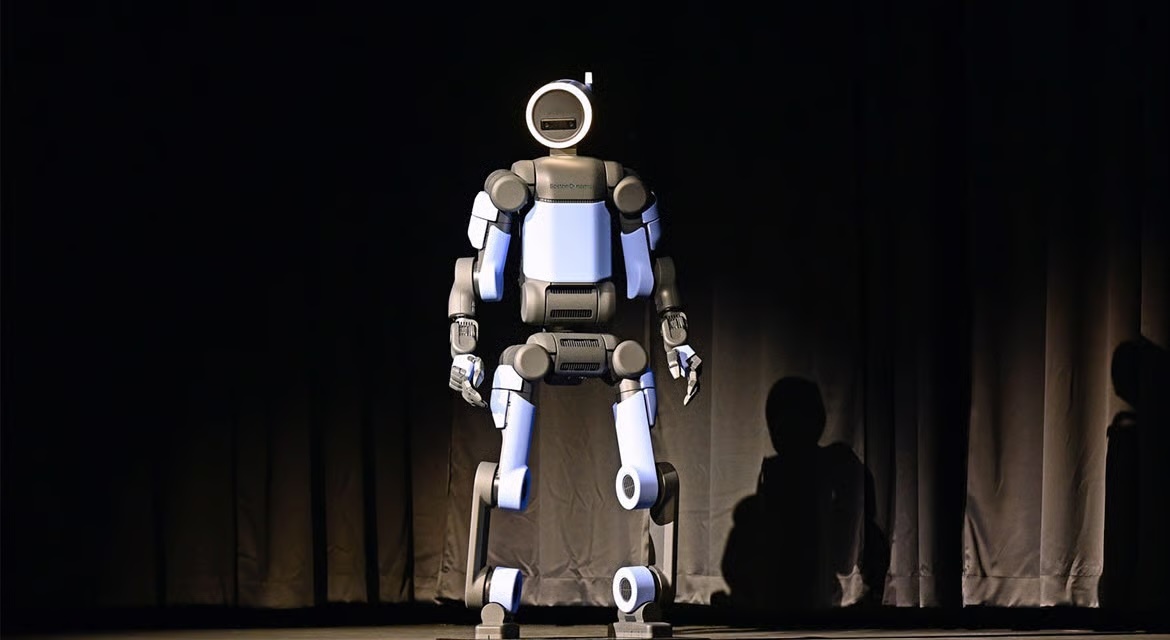
The Rundown: At CES, Hyundai unveiled a production-ready version of Boston Dynamics’ Atlas humanoid and announced plans to manufacture 30K robot workers per year by 2028 at its sprawling plant in Georgia.
The details:
Hyundai is pitching this as “human-centered automation”: robots take on hard physical tasks while human workers shift to supervision and maintenance roles.
Atlas won’t be alone — Spot and Stretch will also be embedded across Hyundai’s software-defined factories, with NVIDIA’s AI stack handling training.
Labor unions are already pushing back, with Kia’s union demanding a formal review committee; Hyundai execs insist new human jobs will materialize.
South Korea’s Hyundai holds roughly 80% of Boston Dynamics following a 2021 acquisition that valued the U.S. robotics pioneer at $1.1B.
Why it matters: Hyundai just set one of the industry’s most concrete production targets — 30K humanoid units annually by 2028 — while rival Tesla floats ambitious goals without firm timelines and Figure deploys limited pilots. Questions loom about the fate of human workers and whether or not Atlas can handle the rigors of the job.
ROBOROCK
🪜 This robot vacuum can climb stairs
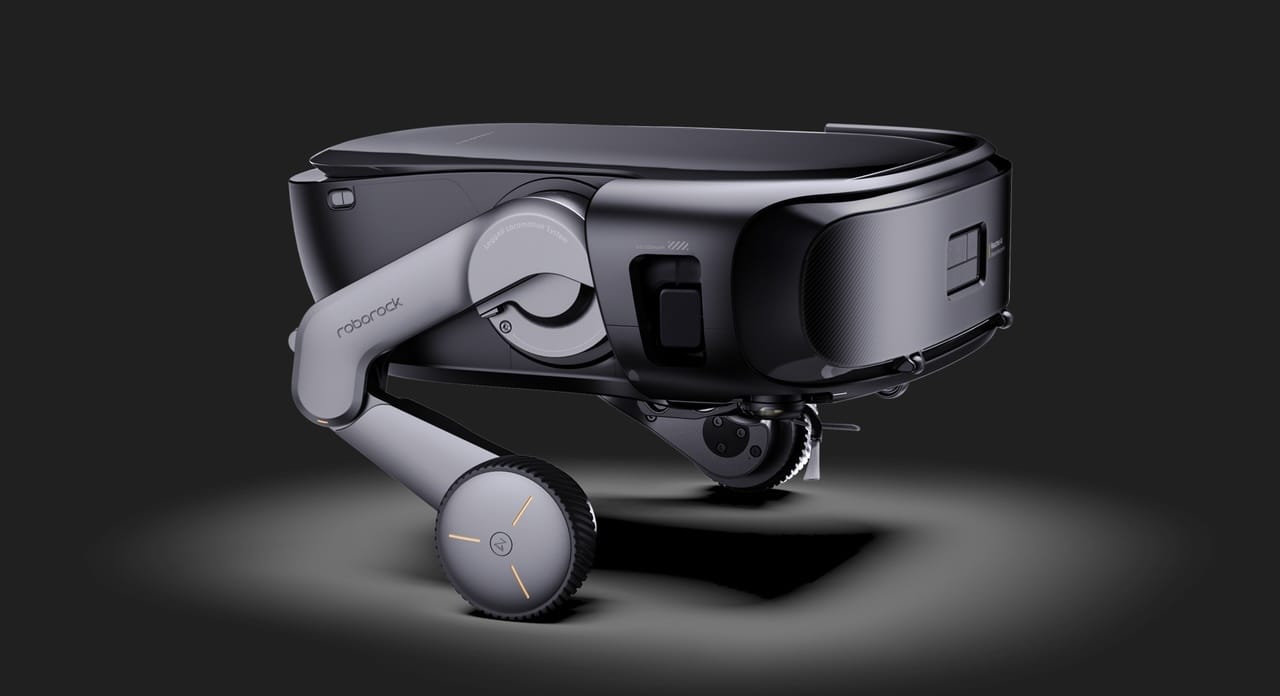
Image source: Roborock
The Rundown: One of CES’s most crowd-pleasing demos wasn’t a humanoid doing parkour — it was Roborock’s stair-climbing robot vacuum, finally tackling the one obstacle that’s kept robot cleaners trapped on single floors for two decades.
The details:
The Saros Rover rolls on four powered wheels mounted to two articulated “legs” that lift and lower independently, hauling itself up steps one at a time.
On flat terrain, the legs fold in so the bot zips around like a conventional wheeled rover, switching gaits only when it hits vertical obstacles.
Cameras and sensors map stair edges and plot climbing routes designed to keep the machine from tumbling backward or getting wedged on landings.
Roborock has announced no price or release date, but promises the project is “in development.”
Why it matters: Roborock is pushing into legged mobility just as Roomba’s parent, iRobot, has filed for bankruptcy. The Saros Rover also keeps Roborock in the broader home-robot race alongside humanoid contenders, which promise multi-task autonomy but may be overkill for households that just want their floors vacuumed.
MOBILEYE & MENTEE
🔥 Self-driving tech giant goes all-in on humanoids
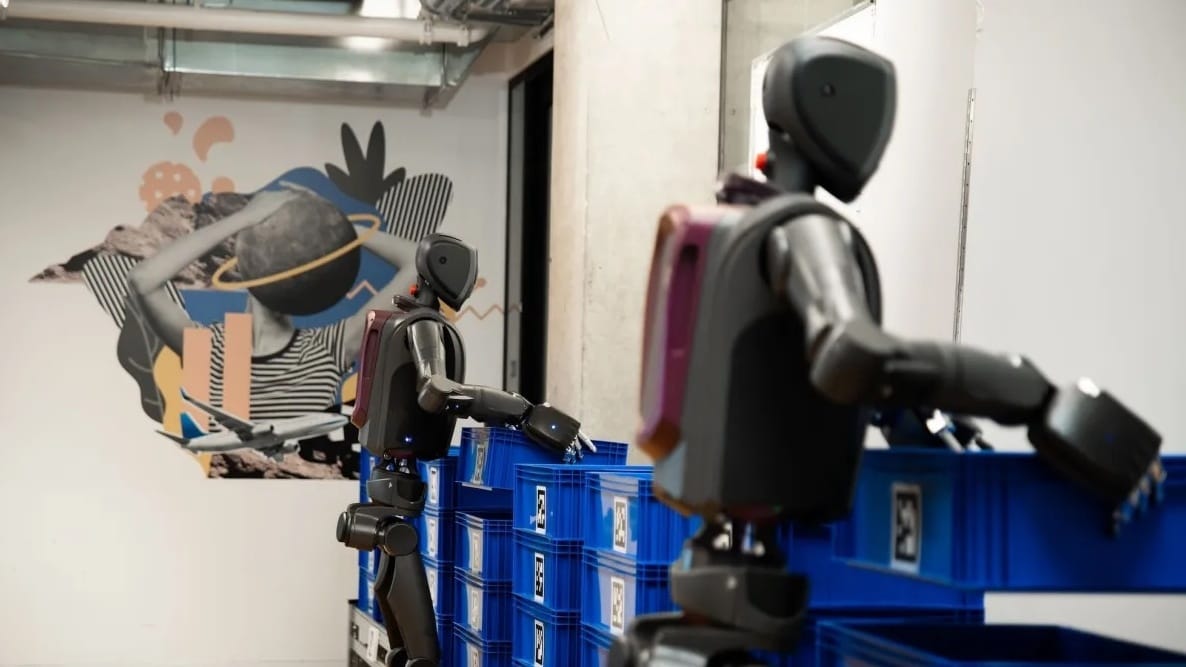
Image source: Mentee Robotics
The Rundown: Intel-backed vision chip maker Mobileye is acquiring Israeli humanoid startup Mentee Robotics for $900M, betting that the same computer vision tech that powers autonomous driving can teach warehouse robots how to work like humans.
The details:
The deal, announced at CES, combines $612M in cash with up to 26.2M shares of Mobileye stock, with Mentee operating as an independent unit.
MenteeBot learns tasks by watching humans once, training in simulation before executing autonomously — no teleoperation or motion-capture required.
In a demo, a MenteeBot autonomously swapped another robot’s battery after observing a human perform the task once, using onboard cameras.
Mobileye calls this “Mobileye 3.0,” leveraging its $24.5B automotive pipeline to fund humanoid development at scale.
Why it matters: Billionaire Amnon Shashua — who founded and chairs both companies — is essentially selling to himself, giving Mentee access to Mobileye’s resources and compute, while the self-driving chip giant bets its car perception tech can power humanoids competing with Tesla, Agility, and Figure.
LYTE
👁️ Apple’s former Face ID team targets robot vision
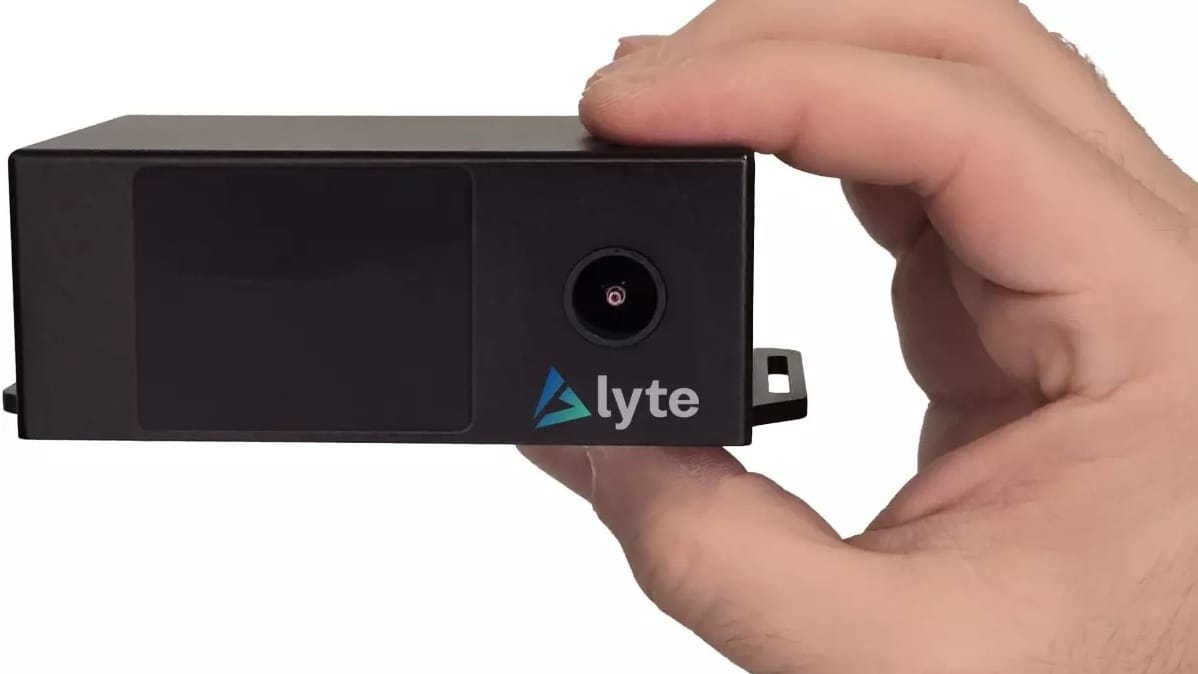
Image source: Lyte
The Rundown: Lyte, a new startup founded by the engineers behind Apple’s Face ID, is pitching a plug-and-play “visual cortex” for robots — a sensor stack that could finally give humanoids the spatial awareness they need to stop bumping into things, or worse.
The details:
Lyte has raised $107M to build LyteVision, a perception platform that fuses camera, inertial, and 4D distance-and-velocity sensors into a single system.
Founder Alexander Shpunt previously co-founded PrimeSense, the 3D-sensing firm behind Microsoft’s Kinect and the tech that evolved into Apple’s Face ID.
LyteVision is designed to give robots what Lyte calls “non-zombie” awareness, perception that produces actionable data so machines can react in real time.
The company is positioning its stack as a drop-in solution for an industry where most players still struggle to wire up basic sensor arrays.
Why it matters: Robotics is sprinting toward a $125B AI market by 2030, but perception remains the bottleneck. If Lyte — freshly out of stealth — can actually ship a reliable plug-and-play visual system, it could quietly become the default brain powering the robots everyone else is racing to build. Or at least, that’s the goal.
QUICK HITS
📰 Everything else in robotics today
China’s humanoid boom is on full display at CES 2026, where 21 of 38 humanoid exhibitors come from Chinese companies.
Unitree Robotics spotlighted its G1, H2, and R1 humanoids at this week’s CES, with the compact G1 reportedly stealing the show via martial arts demos.
Samsung shelved its long-hyped Ballie home robot, turning the once-promised consumer device into an internal “innovation platform” after repeated delays.
AgiBot used CES to mark its U.S. debut with the A2 humanoid, showing it as a 169cm “hospitality helper” whose demo was paired with the launch of Genie Sim 3.0.
Germany’s NEURA unveiled third-gen 4NE1, a Studio F.A. Porsche–designed humanoid with 100 kg lift, tactile “skin,” and Isaac GR00T AI.
UK startup Humanoid debuted HMND 01 Alpha at CES, a towering 2.2m wheeled humanoid built in just seven months.
Waymo is renaming its Zeekr robotaxi as “Ojai,” adding a steering wheel and design tweaks as it readies the van for launch across its U.S. and future UK robotaxi service.
A Chinese surgical robot from Shanghai MicroPort MedBot, trained on surgical videos, autonomously performed 88% of a complex biliary operation on a pig.
An AI-driven robotic bartender called AI Barmen debuted at CES 2026, serving up personalized cocktails while automating bar workflows.
Beauty tech brand Luum is bringing its AI lash-extension robot to Ulta Beauty and Nordstrom, speeding up precise lash services while keeping human artists in the loop.
Amazon acquired Indian startup Rightbot, bringing its suction-based truck- and container-unloading robots in-house to bolster the retail giant’s robotics fleet.
Tensor unveiled Robocar, an SUV-sized Level 4 “supercomputer on wheels” built on an 8,000‑TOPS NVIDIA Thor stack, aimed at future Lyft services.
COMMUNITY
🎓 Highlights: News, Guides & Events
Read our last AI newsletter: ChatGPT levels up with Health
Read our last Tech newsletter: Lego's iconic brick just got a brain
Read our last Robotics newsletter: Agibot’s tiny, portable humanoid
Today’s AI tool guide: Automate email expense tracking with Claude
RSVP to next workshop @ 4 PM EST Friday: AI Foundations Bootcamp Pt. 1
See you soon,
Rowan, Joey, Zach, Shubham, and Jennifer — The Rundown’s editorial team
ChatGPT levels up with Health
Read Online | Sign Up | Advertise

Good morning, AI enthusiasts. Over 40M people already ask ChatGPT medical questions every day — and now, OpenAI is making those conversations even more personal.
A new ChatGPT Health experience pulls in medical records and fitness data for tailored advice, landing right as AI-driven diagnostics, prescriptions, and FDA-approved devices are set to usher in a completely new era of personalized care.
In today’s AI rundown:
OpenAI’s dedicated Health experience
Utah’s AI renews prescriptions autonomously
Automate email expense tracking with Claude
Lenovo’s new cross-device AI assistant
4 new AI tools, community workflows, and more
LATEST DEVELOPMENTS
OPENAI
🏥 OpenAI’s dedicated Health experience
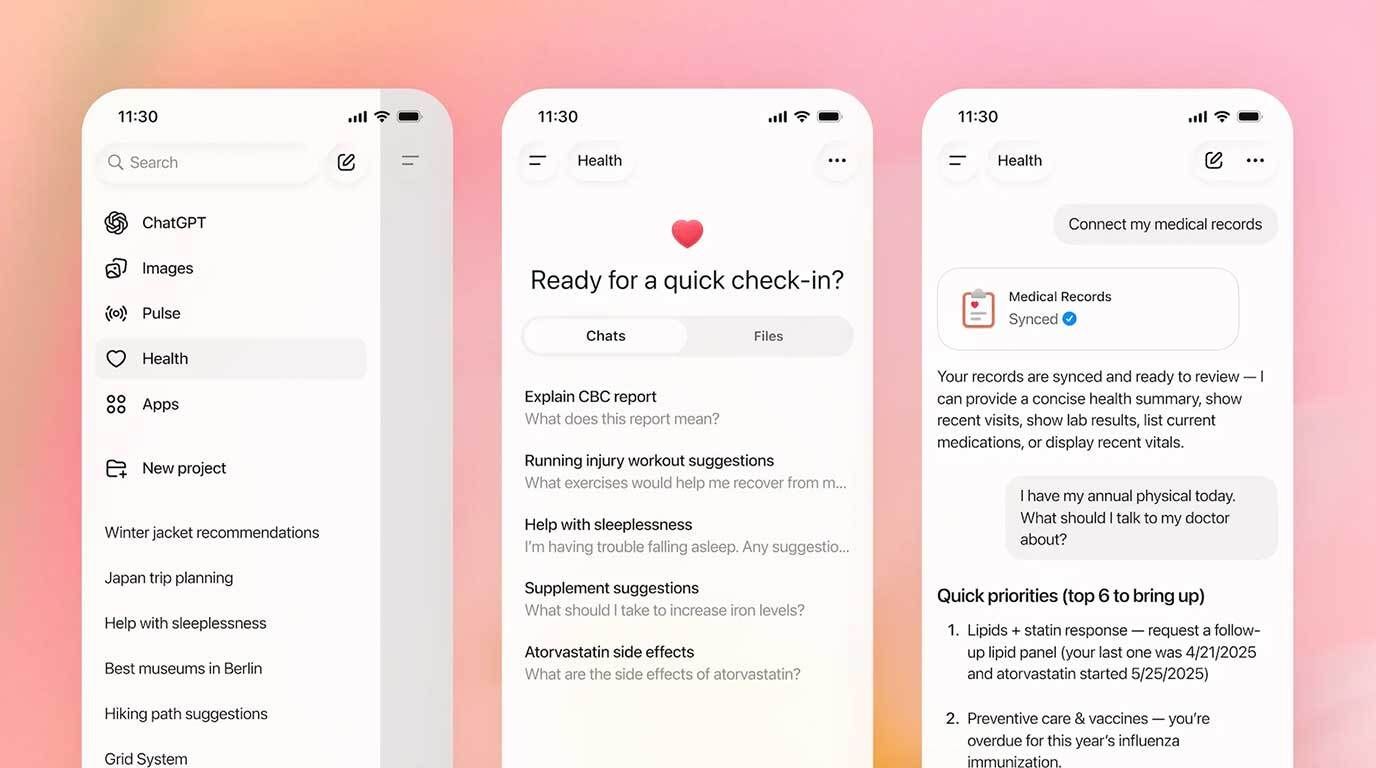
Image source: OpenAI
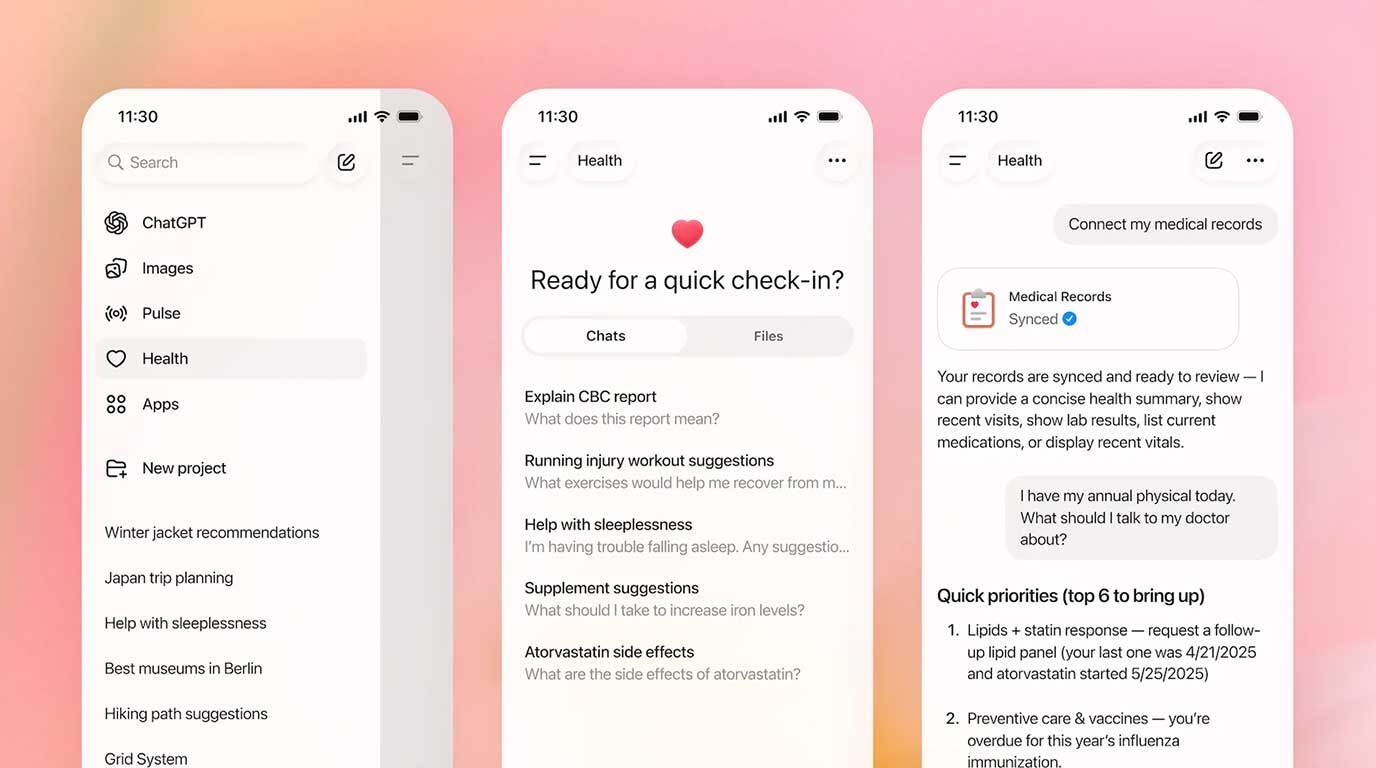
The Rundown: OpenAI just introduced ChatGPT Health, a new private experience within the chatbot that lets users pull in their medical records and fitness app data to allow health conversations — drawing on personal context instead of generic advice.
The details:
The feature taps into platforms like Apple Health, MyFitnessPal, and Peloton, with a b.well integration letting users import records from healthcare providers.
Health chats will get their own isolated memory and stronger encryption for privacy, with OAI committing not to use those conversations to train models.
OAI recently released data showing that 40M+ users turn to the platform daily for health info like symptom checks, insurance queries, and more.
A waitlist opens today with broader web and iOS access expected soon — though pulling in actual medical records is only available to U.S. users for now.
Why it matters: OpenAI is moving on yet another overarching vertical, joining education and shopping — but the stakes in healthcare are obviously higher. With the AI prescriptions refill news (see below) and AI devices gaining FDA traction, Health drops right as the tech feels on the cusp of gaining some serious new medical powers.
TOGETHER WITH AUGMENT CODE
📶 AI-Powered Engineering at Scale

The Rundown: Augment Code’s new adoption playbook, AI-Powered Engineering at Scale, offers exclusive insights and tools to help you accelerate your AI adoption process and scale across the enterprise.
In Augment Code’s guide, you’ll explore:
real frameworks from CTOs who’ve scaled AI
ready-to-use checklists for AI transformation
organizational self-assessment tools
Stop experimenting and start scaling — download the playbook today.
AI & MEDICINE
💊 Utah’s AI renews prescriptions autonomously

Image source: Nano Banana Pro / The Rundown
The Rundown: Utah just became the first state to let an AI system legally approve prescription refills on its own, partnering with health-tech startup Doctronic to give patients with chronic conditions a faster path to routine medication renewals.
The details:
The system covers 191 drugs, including blood pressure meds, birth control, and SSRIs — with pain management, ADHD treatments, and injectables off-limits.
When tested against 500 urgent care cases, the AI's decisions aligned with doctors' 99% of the time, with edge cases rerouted to human doctors.
Doctronic will charge $4 / refill, and is fielding interest from Texas, Arizona, and Missouri — with leadership predicting a dozen states could follow in 2026.
The timing aligns with a broader federal push, with the FDA also announcing relaxed rules for low-risk health wearables at CES 2026.
Why it matters: As we’ve seen with ChatGPT’s massive usage numbers for healthcare, a major transition is already underway in medicine — and giving AI the ability to handle prescriptions is the first step towards crossing an impactful line from providing information to actually making medical decisions and streamlining care.
AI TRAINING
🧾 Automate email expense tracking with Claude
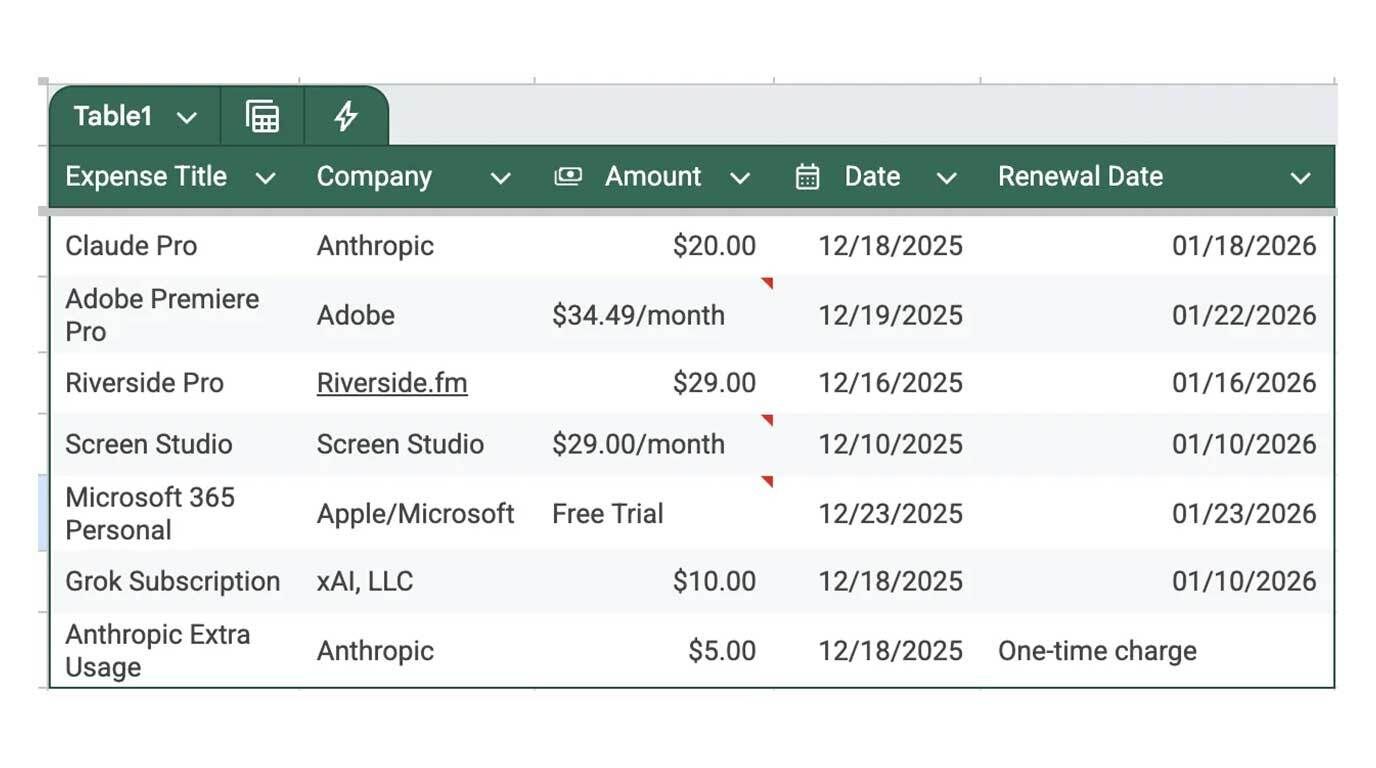
The Rundown: In this tutorial, you will learn how to track and label your expenses from Gmail to Google Sheets in minutes with Claude for Chrome, a simple way to use Claude as a personal assistant without complex automation chains.
Step-by-step:
Install Claude in Chrome extension, then create a Google Sheet with headers: Expense Title, Company, Amount, Date, Renewal Date, and copy the link
In a new Chrome tab, click Extensions → Claude to see your current tab highlighted (Claude can work in any highlighted tabs it opens)
Prompt: "Go through my inbox and find subscriptions from [Month + Year]. Navigate to [SHEET], fill each row with extracted data, with total at the bottom”
Let Claude run for 10-15 minutes (prompt it to continue if you have many emails)—save prompt as a shortcut by typing / → "Create shortcut"
Pro tip: Once you have a shortcut set up, you can have it run daily or weekly on a schedule to keep your expense tracking fully automated.
PRESENTED BY GITLAB
🤖 Agentic AI meets software delivery

The Rundown: GitLab Transcend is an exclusive virtual event exploring how agentic AI is transforming software delivery, with real-world stories, product demos, and a preview of GitLab's upcoming roadmap.
At the event, you'll:
See how teams are using AI to modernize dev workflows without sacrificing quality or security
Get a sneak peek at GitLab's next chapter and areas of investment
Share feedback and questions live with GitLab product leaders
LENOVO
🖥️ Lenovo’s new cross-device AI assistant

Image source: Lenovo
The Rundown: Lenovo just announced Qira at CES 2026, a system-level AI assistant designed to follow users between its PCs and Motorola phones for “Personal Ambient Intelligence” with context across devices.
The details:
Qira’s system combines Microsoft and OAI cloud models, Stability AI for image generation, and integrations for Notion and Perplexity.
The assistant runs in the background by default, tracking users’ work to surface relevant files and suggestions when you switch devices mid-task.
Day-to-day capabilities include composing messages in a user’s style, live meeting notes with translation, proactive actions, and catch-up recaps.
Select Lenovo PCs get Qira this quarter, with Motorola phones and a dedicated keyboard key coming later in 2026.
Why it matters: Lenovo ships more PCs globally than anyone else, which means Qira is about to be pre-installed on millions of devices. That kind of built-in distribution is the one advantage most AI companies would kill for, but it’s fair to wonder whether anyone is asking for another unique assistant in an already crowded field.
QUICK HITS
🛠️ Trending AI Tools
🗣️ Unwrap Customer Intelligence - Connect your entire organization to the true voice of the customer with AI-driven insights from customer feedback*
🩺 ChatGPT Health - OpenAI’s new experience for private health convos
🎥 LTX-2 - Lightricks’ open-source foundation video model
🗣️ Grok Voice Agent - Build voice agents that call tools and search data
*Sponsored Listing
📰 Everything else in AI today
Anthropic is reportedly raising $10B at a $350B valuation, according to the WSJ – doubling the company’s valuation from its last $13B raise in September.
China is asking tech companies to temporarily halt Nvidia H200 chip orders, according to The Information, with officials deciding on a push for domestic AI chips.
JPMorgan launched Proxy IQ, an in-house AI platform that replaces the company’s proxy shareholder voting in the U.S. across its $7T asset management division.
Dell's product head, Kevin Terwilliger, said that consumers aren't buying PCs based on AI, with the company aiming to pivot away from AI-first marketing.
Amazon is facing backlash over its AI shopping agent "Buy for Me," with retailers saying their products were scraped and listed on the platform without permission.
COMMUNITY
🤝 Community AI workflows
Every newsletter, we showcase how a reader is using AI to work smarter, save time, or make life easier.
Today’s workflow comes from reader Adlin H. in New York, NY:
"I had ACL reconstructive surgery and need to go through a rigorous 20+ week PT plan to… get back to sports activities. I received a 6-page document targeted for the PT professional with full-on medical jargon.
To better understand my custom program and track progress, I uploaded the document to ChatGPT 5.2 Thinking mode, prompting it to create a 20-week grid to help break down the plan into easy-to-digest language and weekly session tracking. Now I have a digital progress tracker in a format I can easily update from my phone and understand."
How do you use AI? Tell us here.
🎓 Highlights: News, Guides & Events
Read our last AI newsletter: xAI’s massive new $20B raise
Read our last Tech newsletter: Lego's iconic brick just got a brain
Read our last Robotics newsletter: Agibot’s tiny, portable humanoid
Today’s AI tool guide: Automate email expense tracking with Claude
RSVP to next workshop @ 4 PM EST Friday: AI Foundations Bootcamp Pt. 1
See you soon,
Rowan, Joey, Zach, Shubham, and Jennifer — the humans behind The Rundown

xAI's massive new $20B raise
Read Online | Sign Up | Advertise

Good morning, AI enthusiasts. OpenAI and Anthropic may be racing towards IPOs, but xAI is quickly climbing the ranks while staying private.
With a new $20B raise valuing Elon Musk's AI startup at $230B and deeper integrations with X, Tesla, and Optimus on tap, Grok is positioned for a major 2026 leap — if it can stop undressing people.
In today’s AI rundown:
xAI hits $230B valuation with Nvidia backing
Razer’s holographic AI gaming companion
Turn any UI into a landing page with Gemini 3 Pro
Stanford AI predicts 130 diseases from a night’s sleep
4 new AI tools, community workflows, and more
LATEST DEVELOPMENTS
XAI
💰 xAI hits $230B valuation with Nvidia backing

Image source: xAI
The Rundown: xAI just announced the completion of a new $20B Series E funding round, valuing the company at over $200B, with Elon Musk’s AI startup receiving backing from Nvidia, Qatar’s sovereign wealth fund, and others.
The details:
The reported $230B valuation puts xAI third among frontier AI labs, trailing Anthropic ($350B) and OpenAI ($500B) but far ahead of most competitors.
The company is quickly scaling compute infrastructure in Memphis, with a third data center planned that would push total power capacity close to 2 gigawatts.
xAI also revealed that Grok 5 is currently in training, with plans to ship new products tying together the chatbot, X, and its Colossus supercomputer.
Why it matters: The AI funding wars show no signs of cooling, with xAI now joining OAI and Anthropic in the rarefied $200B+ valuation club. Musk's unique advantage of owning both the AI and the distribution platform (X), alongside expanded Tesla and Optimus integrations, positions Grok for a potential major leap up the AI ladder.
TOGETHER WITH VANTA
🛡️ Turn compliance into a deal accelerator

The Rundown: Vanta’s Agentic Trust Platform helps fast-moving startups and security teams get audit-ready fast and stay continuously compliant, turning compliance into a deal accelerator, not a blocker.
Join the live demo to learn how to:
Accelerate compliance with agentic workflows across SOC 2, ISO 27001, HIPAA, and more
Build real security foundations, not check-the-box fixes
Show credibility faster with a public Trust Center and AI-powered questionnaires
Keep engineers focused with guided workflows and dev-native automation
Register here for the live demo and ask your questions in real time.
RAZER
🎮 Razer unveils holographic AI gaming companion
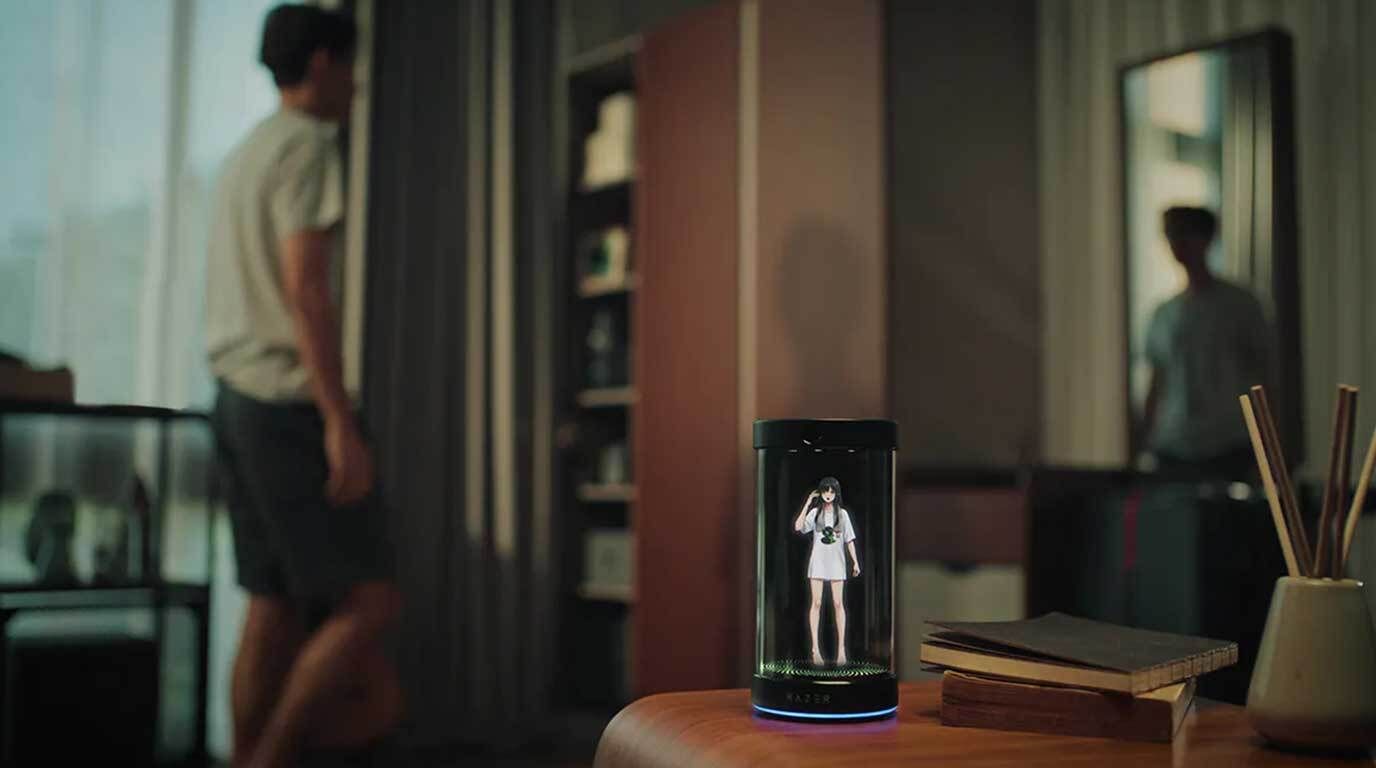
Image source: Razer
The Rundown: Gaming tech company Razer debuted Project AVA at CES 2026, a Grok-driven hologram device that puts an animated AI assistant inside a glowing physical cylinder, teasing use cases like game coaching, brainstorming, and more.
The details:
AVA displays a 5.5-inch animated avatar inside a clear capsule, with options ranging from Grok personalities and anime characters to esports likenesses.
A built-in camera and dual microphones let the AI watch users’ screens and listen for voice commands, offering real-time gameplay tips or work assistance.
Razer is using xAI's Grok as the default brain for AVA, though the company says it's building for compatibility with other AI providers down the line.
Reservations are open now for $20 for U.S. customers, with shipments expected in late 2026 and final pricing still unannounced.
Why it matters: Move over OpenAI, there’s a new AI desk device rolling into town. AVA is a pretty cool take on bringing AI companions into a ‘physical’ form, though there is some irony in positioning it for gamers first when that user segment has been notoriously against nearly everything AI.
AI TRAINING
🚀 Turn any UI into a landing page with Gemini 3 Pro
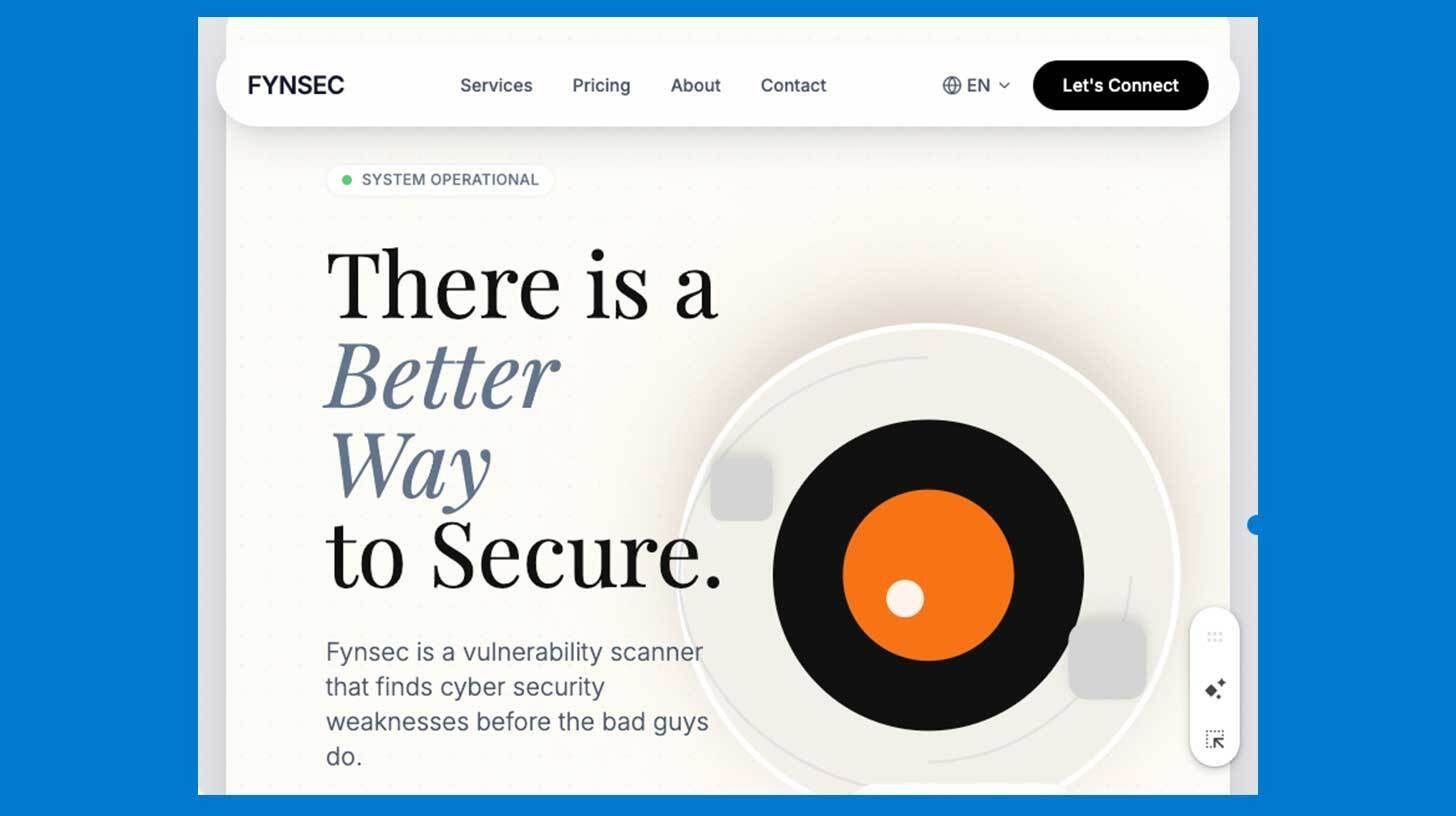
The Rundown: In this tutorial, you will learn how to use Gemini 3 Pro to study any UI design from video and turn it into a fully working landing page, complete with animations, interactions, and polished layouts that don't look AI-generated.
Step-by-step:
Find UI inspiration on Dribbble, Behance, or any live SaaS site, then download a screen recording of the scrolling page (not just a static screenshot)
Upload it to Gemini 3 Pro and prompt: "Study this video and write a prompt describing the UI—layout, colors, etc, then turn it into instructions for a dev"
Ask Gemini to convert the analysis into markdown format for a clean handover document, then copy the full prompt into a new Gemini chat
Adapt the prompt to your product and add: "Create a high-fidelity interactive landing page based on this design spec and show me a live preview"
Pro tip: Iterate on colors, sections, or animations before exporting to Cursor, Bolt, or Replit for deployment
PRESENTED BY UNFRAME
💸 Build or buy enterprise AI?
The Rundown: AI is a must-have for enterprises – but deciding when to buy versus when to build in-house can be tough. Unframe’s guide shares strategic insights for leaders to balance innovation, control, and speed.
In this guide, you’ll learn:
A practical framework for when to build vs. buy
Lessons from enterprise AI failures, and what to do differently
How to combine the speed of buying with the precision of building
Download the guide to make smarter AI investment decisions.
AI RESEARCH
😴 Stanford AI predicts 130 diseases from a night’s sleep

Image source: Nano Banana Pro / The Rundown
The Rundown: Stanford researchers just published SleepFM, a new AI foundation model that can predict over 130 health conditions like dementia, heart attacks, and Parkinson's from a single overnight sleep recording.
The details:
The model was trained on 600K hours of sleep data from 65K participants, analyzing brain waves, heart activity, breathing, and muscle signals.
When body signals fell out of sync, like a brain in deep sleep with a racing heart, the model flagged it as a warning sign for future disease.
The team linked 25 years of Stanford Sleep Clinic health records to sleep data, testing predictions across 1,000+ disease categories.
SleepFM predicted Parkinson's with 89% accuracy, dementia at 85%, heart attacks at 81%, and general overall risk of death at 84%.
Why it matters: We spend so much of our lives asleep, but there is still so much to learn about what data from that time might reveal. SleepFM shows overnight recordings could be an early warning system — and as wearables get more advanced, predictive health monitoring could move from sleep labs right onto your wrist.
QUICK HITS
🛠️ Trending AI Tools
🔒 Incogni - Remove your personal data from the web so scammers and identity thieves can’t access it. Use code RUNDOWN to get 55% off*
📱 LFM 2.5 - Liquid AI’s new AI models for on-device speed and efficiency
🎥 LTX-2 - Lightricks' new open-source foundation video model
📦 Alexa.com - Amazon's AI assistant experience now on the web
*Sponsored Listing
📰 Everything else in AI today
Nvidia unveiled the Rubin platform at CES 2026, combining six new chips into a unified AI supercomputer that delivers 5x the training compute of its Blackwell line.
Liquid AI released LFM 2.5, a new SOTA open-weight model family for on-device AI across text, vision, and audio that tops benchmarks compared to similar-sized rivals.
Lightricks open-sourced LTX-2, an AI video model capable of generating native 4K footage and synced audio with granular camera and motion control.
AMD CEO Lisa Su said during a presentation at CES 2026 that global AI users will surpass 5B in the next five years, requiring compute to increase 100x to meet demand.
AI benchmarking platform LM Arena raised $150M in Series A funding at a $1.7B valuation, tripling its seed round value.
Anthropic’s Daniela Amodei appeared on an interview with CNBC, saying “the exponential continues until it doesn’t… and every year it has” in regards to AI scaling.
COMMUNITY
🤝 Community AI workflows
Every newsletter, we showcase how a reader is using AI to work smarter, save time, or make life easier.
Today’s workflow comes from reader Tom G. in Nashville, TN:
"While running errands with my wife, our 2014 Honda Odyssey's ‘Check Engine’ light came on. I asked ChatGPT for help, providing my car's make, model, and engine size. ChatGPT told me to go to AutoZone and ask for a free code-cypher and to tell her what code(s) the car was sending out.
I provided the codes I got from AutoZone to ChatGPT, who proceeded to diagnose the problem, told me how to fix it, and helped me order the replacement items needed."
How do you use AI? Tell us here.
🎓 Highlights: News, Guides & Events
Read our last AI newsletter: Alexa comes for ChatGPT’s web turf
Read our last Tech newsletter: Lego’s iconic brick just got a brain
Read our last Robotics newsletter: Agibot’s tiny, portable humanoid
Today’s AI tool guide: Turn any UI into a landing page with Gemini 3 Pro
RSVP to next workshop @ 4 PM EST Friday: AI Foundations Bootcamp Pt. 1
See you soon,
Rowan, Joey, Zach, Shubham, and Jennifer — the humans behind The Rundown

Lego's iconic brick just got a brain
Read Online | Sign Up | Advertise

Good morning, tech enthusiasts. The classic Lego just got a digital upgrade that reacts as you build. The company has unveiled a “Smart Brick” that senses motion, light, and nearby pieces — and works with Smart Minifigures to trigger real-time audio and effects.
Lego calls it “its biggest innovation in decades,” designed to give bricks an interactive edge but without pulling kids onto screens.
In today’s tech rundown:
Lego’s new tech-loaded smart bricks
Grok’s deepfake crisis goes global
Uber unveils new Lucid-Nuro robotaxi
Data centers drive $6.5B spike in grid costs
Quick hits on other tech news
LATEST DEVELOPMENTS
LEGO
🧱 Lego’s new tech-loaded smart bricks

Image source: Lego
The Rundown: At CES 2026, Lego introduced the Smart Brick, a revamped 2x4 that adds sensors, lights, sound, and wireless connectivity so that builds can react to motion, light, and nearby pieces while still looking like regular bricks.
The details:
A tiny ASIC chip powers the bricks and Smart Minifigures with near-field magnetic positioning, accelerometers, LED arrays, and miniature speakers.
Smart Tags tell bricks how to behave — a helicopter set triggers propeller sounds and lights that sync with actual movement, for example.
Lego developed proprietary Bluetooth-based tech that lets multiple Smart Bricks recognize and operate with each other.
Lego’s Smart Play Star Wars sets will debut in March, with preorders opening this Friday.
Why it matters: Lego’s betting that embedding intelligence directly into physical toys beats staring at screens, while keeping kids’ hands on actual bricks. The move transforms analog play into responsive storytelling without surrendering to the iPad — a rare middle path in children’s entertainment.
XAI
🛑 Grok’s deepfake crisis goes global
Image source: xAI
The Rundown: Regulators in India, the EU (including France), and Malaysia are scrutinizing Elon Musk’s X after its AI took Grok’s “spicy mode” was used to generate sexualized deepfakes of women and minors.
The details:
U.S. advocates are urging the Justice Department and FTC to join them, arguing that existing child sexual abuse laws already cover AI-made CSAM.
The EU is assessing whether “spicy mode” violates the Digital Services Act, with officials calling some outputs not “spicy” but “illegal” and “appalling.”
India’s IT ministry has ordered X to complete a “technical, procedural, and governance-level review” of Grok or risk sanctions.
UK regulator Ofcom has made “urgent contact” with X and xAI over allegations that Grok can be used to generate sexualized images of children.
Why it matters: This could kick off a new era of scrutiny for AI platforms, where companies — not just users — may be held responsible for harmful outputs. If regulators classify Grok’s sexualized deepfakes as illegal, AI firms could face heavier compliance requirements, stricter oversight, and slower deployment of generative tools
UBER
🚖 Uber unveils new Lucid-Nuro robotaxi

Image source: Lucid Motors
The Rundown: Uber is turning Lucid’s Gravity SUV into a full-blown robotaxi, kitted out with Nuro’s self-driving tech and already running test rides on Bay Area streets ahead of a planned launch later this year.
The details:
The trio just pulled the wraps off a production-intent robotaxi built on Lucid’s Gravity SUV, revealed at CES.
The vehicle packs high-res cameras, solid-state lidar, radar, and a roof “halo” running Nvidia’s Drive AGX Thor, with integrated LEDs.
All autonomous hardware is installed during the factory build, avoiding the teardown-retrofit process used on Waymo’s current Jaguar I‑Pace fleet.
Inside, a new Uber-built interface shows an isometric city view, ETA, trip progress, and controls for climate, music, rider support, and pull-over requests.
Why it matters: Uber’s betting a factory-integrated approach can outpace Waymo’s retrofit model and transform robotaxis into an Uber-controlled business rather than a platform dependent on external fleets. If successful, it also gives Lucid a much-needed volume customer — but the real test is whether Nuro’s tech can match Waymo’s.
AI
⚡️ Data centers drive $6.5B spike in grid costs

Image source: Ideogram / The Rundown
The Rundown: The biggest U.S. power grid is buckling under data center demand. PJM-tied facilities have driven a $6.5B spike in the cost of securing reliable electricity, now claiming nearly half the system's future capacity bill, Bloomberg reports.
The details:
Data centers on the PJM grid have added $6.5B to the cost of securing future power, bringing their total capacity costs to $23.1B across recent auctions.
That $23.1B represents about 49% of PJM’s $47.2B in capacity costs for June 2025 through May 2028 — PJM’s grid spans 13 states.
The surge reflects a wave of new AI and cloud facilities demanding around-the-clock, high-reliability electricity at unprecedented scale.
Grid planners warn that this demand is colliding with lagging transmission projects and retiring older plants, forcing gas generation to fill the gap.
Why it matters: For the tech industry, the numbers flag a hard ceiling that better chips or model pruning can’t fix: across PJM, from Illinois to New Jersey, surging data center demand is colliding with slow transmission build‑out and patchy new generation, a mismatch that could mean higher prices just to keep hyperscale sites powered.
QUICK HITS
📰 Everything else in tech today
Amazon says its 2025 “Thursday Night Football” slate on Prime Video averaged 15.3M viewers per game, making it the most‑watched season in its 20‑year history.
Three offshore wind developers are suing the Trump administration after the Interior Department abruptly halted five nearly built projects worth about $25B.
Smart rings are on the rise, with IDC data showing shipments on track to jump about 49% in 2025 — far outpacing smartwatch growth, Bloomberg reports.
LG is reviving its “wallpaper” TV at CES with the OLED evo W6, a 9mm‑thick, reflection‑free 4K set that uses a wireless Zero Connect Box for lossless video.
Xreal refreshed its entry-level AR line with the 1S, a $449 pair of smart glasses that bump video resolution to 1200p while undercutting last year’s model by $50.
Eli Health announced that its saliva-based Hormometer gadget will soon add instant at-home tests for testosterone and progesterone, with per-test prices starting at $8.25.
Voice AI startup Subtle launched $199 “voicebuds” that build its noise-isolation models into wireless earbuds, claiming far clearer calls than AirPods.
Pebble is reviving its thinnest smartwatch as the $199 Pebble Round 2, a 10–14-day battery, 8.1mm-thick round watch with a higher‑res color e‑paper display.
Geely used CES to announce a plan to enter the U.S. EV market within two to three years, likely via brands like Zeekr and Lynk & Co. and U.S.-based Volvo production.
Elon Musk’s Starlink is offering free satellite internet to users in Venezuela through February 3 after U.S. airstrikes and a raid that captured Nicolás Maduro.
COMMUNITY
🎓 Highlights: News, Guides & Events
Read our last AI newsletter: Alexa+ comes for ChatGPT’s web turf
Read our last Tech newsletter: Neuralink’s bet to scale brain surgery
Read our last Robotics newsletter: Agibot’s tiny, portable humanoid
Today’s AI tool guide: Create IG product shots with Nano Banana Pro
RSVP to next workshop @ 4 PM EST Friday: AI Foundations Bootcamp Pt. 1
See you soon,
Rowan, Joey, Zach, Shubham, and Jennifer — The Rundown’s editorial team
Alexa+ comes for ChatGPT's web turf
Read Online | Sign Up | Advertise
Good morning, AI enthusiasts. Last year, Alexa stepped into the AI ring with a major + upgrade. Now, it's breaking free from the speaker to fight on a new turf.
With a new standalone Alexa.com and a redesigned mobile app, Amazon’s assistant is expanding into the browser for the first time — and right into the chatbot arena with ChatGPT, Gemini, Grok, and the very Claude the company is betting billions in.
In today’s AI rundown:
Amazon brings Alexa+ to the web
Nvidia’s open-source AI for self-driving cars
Create Instagram product shots with Nano Banana
40M+ people use ChatGPT daily for health advice
4 new AI tools, community workflows, and more
LATEST DEVELOPMENTS
AMAZON
🌐 Amazon brings Alexa+ to the web
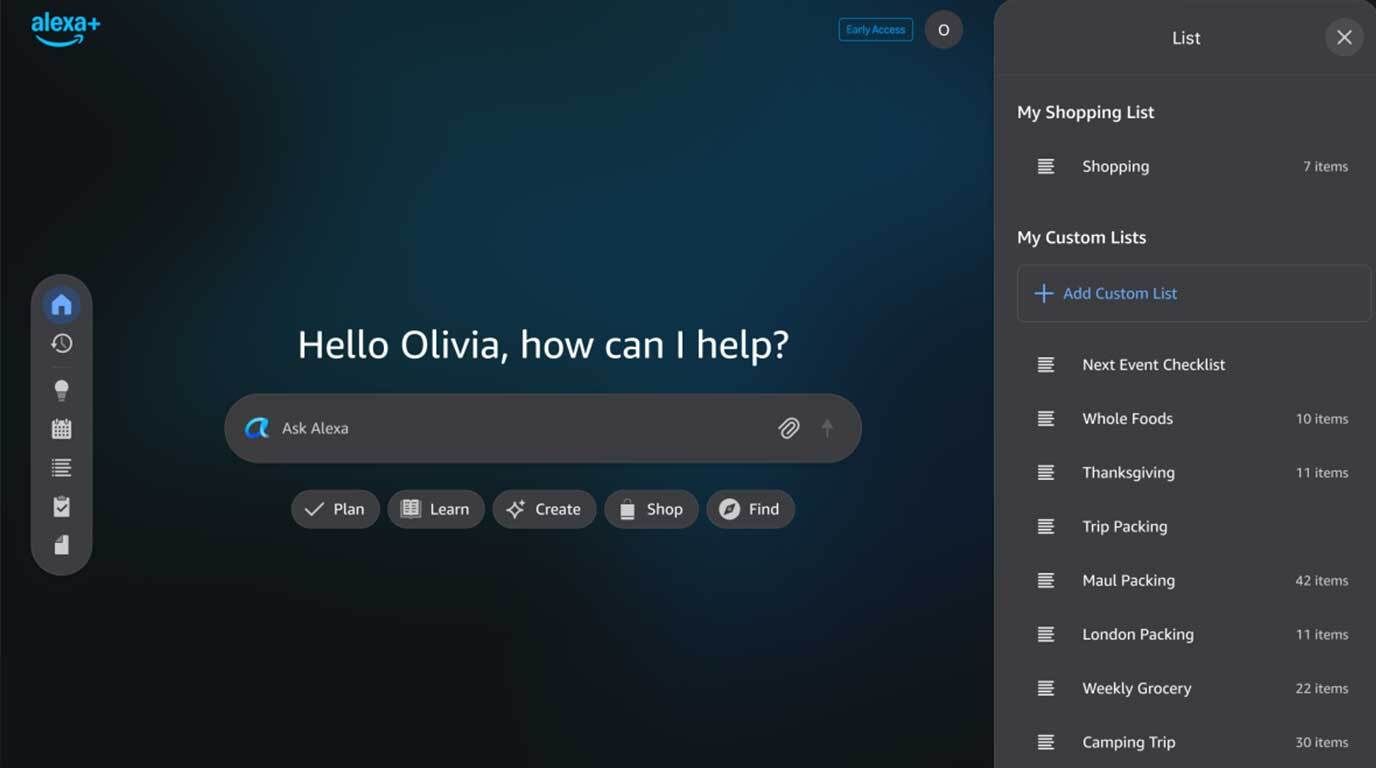
Image source: Amazon
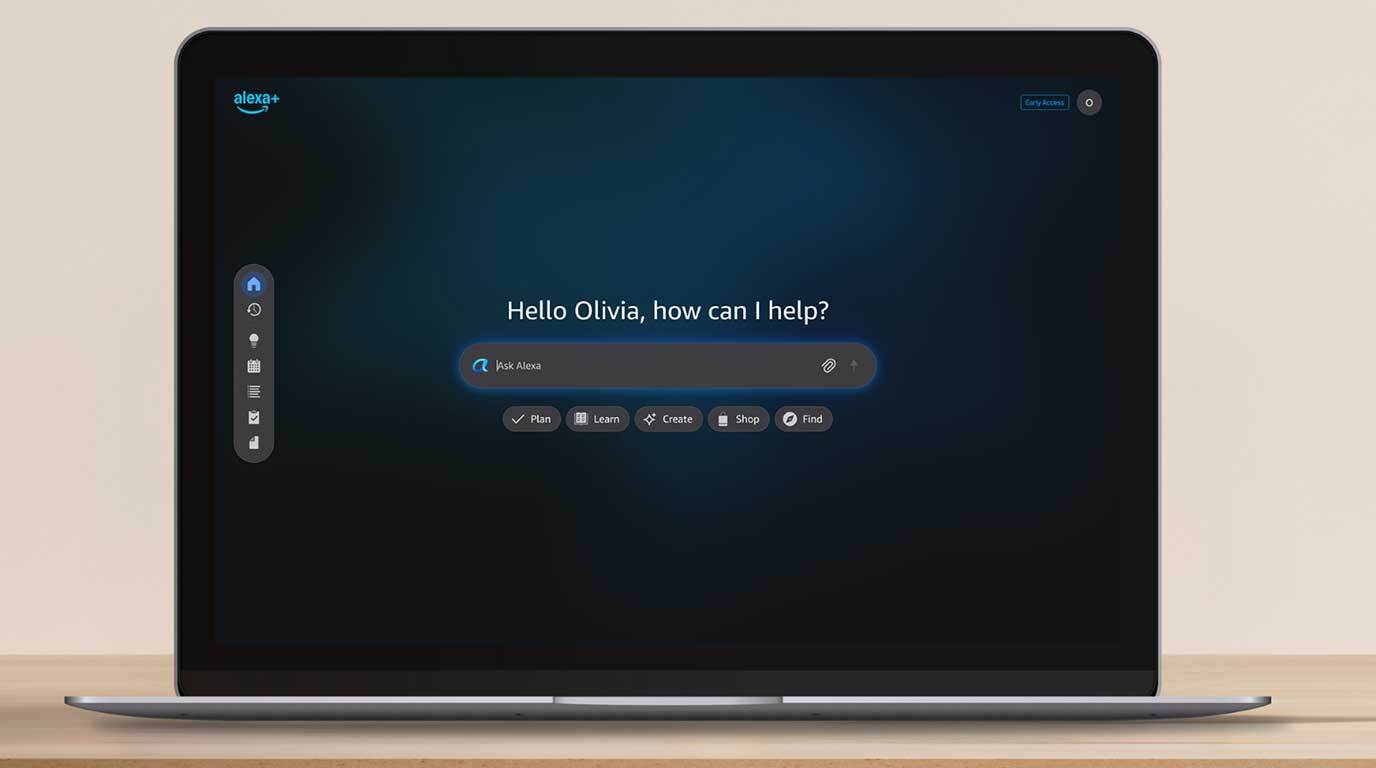
The Rundown: Amazon just introduced Alexa.com, a new browser-based interface that brings its newly AI-infused Alexa+ assistant to the web — directly challenging rivals like ChatGPT, Gemini, Claude, and Grok in the chatbot space.
The details:
Early Access users can access Alexa+ through any browser for research, writing, and planning tasks, marking a first-time extension beyond devices.
Alexa+’s agentic capabilities expand with companies like Expedia, Yelp, Angi, and Square joining Uber and OpenTable for reservations, services, and more.
Amazon says engagement has surged since the Alexa+ rollout, with users shopping and cooking with the assistant at 3-5x previous rates.
The Alexa mobile app is also getting a chatbot-first redesign, elevating conversational AI as the main feature instead of leaving it buried in menus.
Why it matters: Amazon's massive investment in Anthropic makes this chatbot push a bit strategically awkward, with the company betting billions on Claude while also trying to position Alexa in a similar space. But with distribution across one of the few actually used AI-integrated devices on the market, Alexa+ definitely sits in a unique position.
TOGETHER WITH YOU.COM
🤑 Get the most out of your AI investment
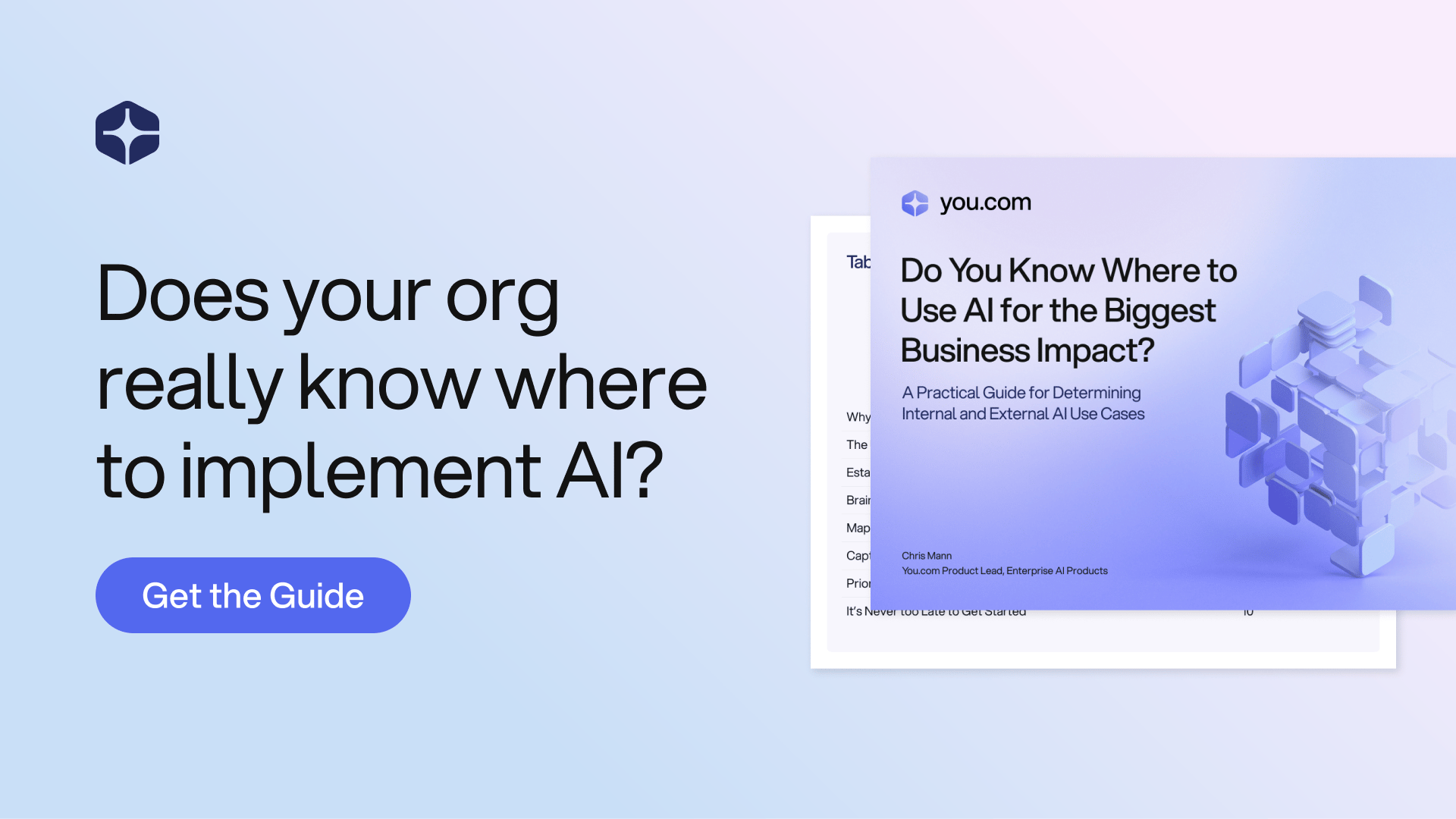
The Rundown: Successful AI transformation starts with deeply understanding your organization’s most critical use cases. This practical guide from You.com walks through a proven framework to identify, prioritize, and document high-value AI opportunities.
In this AI Use Case Discovery Guide, you’ll learn how to:
Map internal workflows and customer journeys to pinpoint where AI can drive measurable ROI
Ask the right questions when it comes to AI use cases
Align cross-functional teams and stakeholders for a unified, scalable approach
NVIDIA
🚗 Nvidia’s open-source AI for self-driving cars

Image source: Nvidia
The Rundown: Nvidia just launched Alpamayo at CES 2026, a new family of open-source AI models and tools designed to help autonomous vehicles reason through complex driving scenarios like a human would.
The details:
Alpamayo 1 is a 10B-parameter "chain-of-thought" model that breaks down problems step-by-step to handle rare cases that fall outside of training data.
The model generates driving trajectories alongside reasoning traces, essentially explaining why it made each decision.
Jensen Huang called it the "ChatGPT moment for physical AI,” when machines begin to reason and act in the real world.
Nvidia is also releasing AlpaSim, an open-source simulation framework, and 1,700+ hours of real-world driving data.
Why it matters: Waymo and Tesla have proven robotaxis can work, but their billions in proprietary R&D aren't exactly replicable. Nvidia’s open-sourcing of Alpamayo changes the math, with any automaker or startup now able to build reasoning-based AV systems without starting from zero.
AI TRAINING
🖼️ Create Instagram product shots with Nano Banana
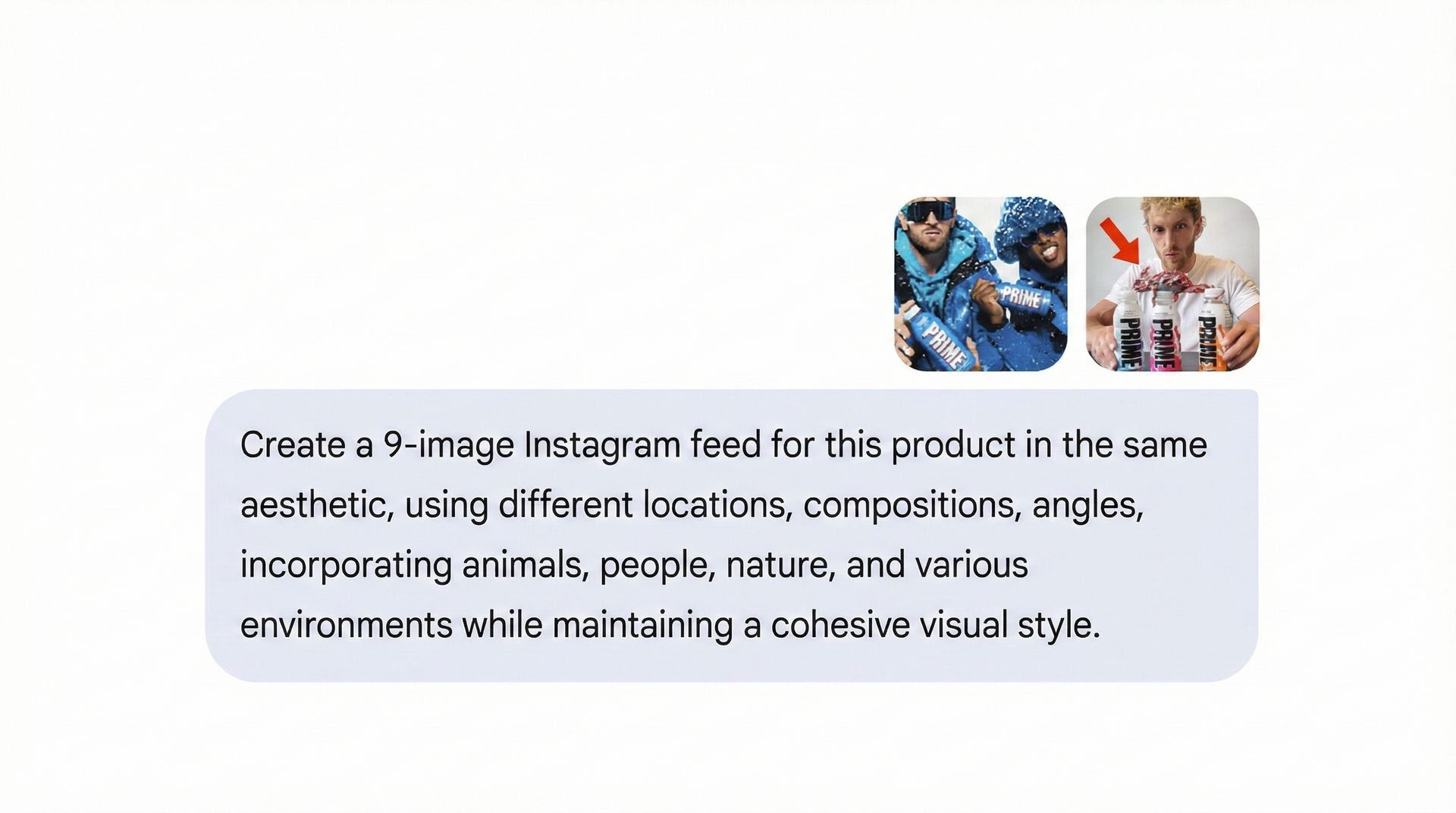
The Rundown: In this tutorial, you will learn how to use Nano Banana Pro to generate a full 9-image Instagram feed from a single inspiration photo, turning your product shots into cohesive, high-quality visuals for social media campaigns.
Step-by-step:
Go to Gemini → Tools → Create Images, ensure Pro mode is enabled, and upload an inspiration image that reflects your desired style or aesthetic
Upload your product image, describe it, then prompt with: “Create a 9-image Instagram feed for this product with varied angles, people, and environments”
Click Submit to generate your 9-image grid. Review results and, if needed, ask Nano Banana to regenerate or isolate specific shots
Download your favorite visuals and post them directly to Instagram, TikTok, or your brand’s storefront for an instant, consistent feed
Pro tip: The more specific and visually aligned your examples are, the better the AI matches your desired aesthetic.
PRESENTED BY GENSTORE
🤝 Introducing your AI founding team
The Rundown: Genstore gives solo sellers something they've never had — an AI agent team that handles the work that wears you down, so you can focus on your brand, product, and vision.
With Genstore, you can:
Turn your story into a fully built store in minutes
Delegate research, marketing, and ops to AI agents that work like co-founders
Grow your business without burning out doing ten jobs alone
AI RESEARCH
🏥 40M+ people use ChatGPT daily for health advice
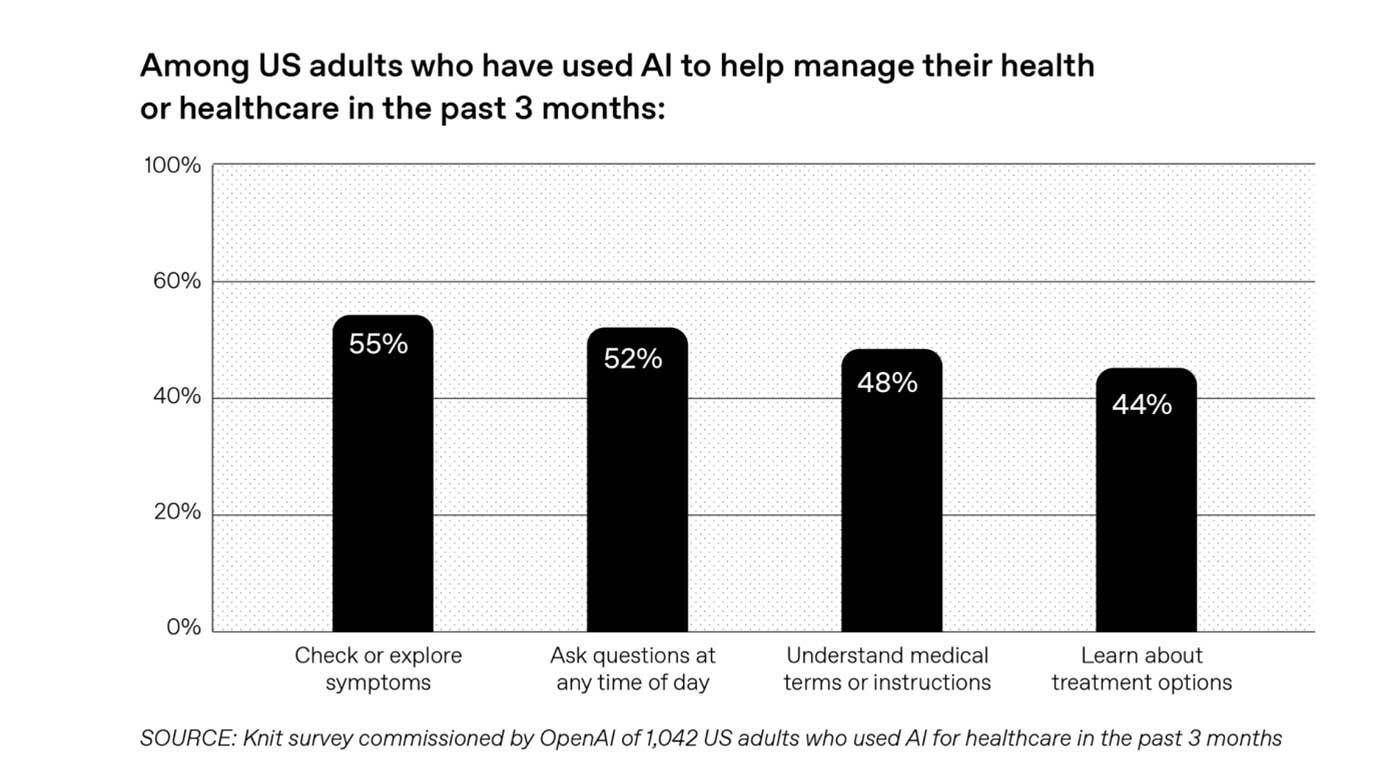
Image source: OpenAI
The Rundown: OpenAI just released a new report revealing that over 40M people globally turn to ChatGPT for health information daily, with over 5% of all messages now related to healthcare topics.
The details:
Common uses include symptom checking, decoding medical jargon, spotting billing errors, and preparing for doctor visits.
70% of health-related chats happen outside normal clinic hours, with around 600K weekly messages coming from rural "hospital deserts."
Users send 1.6-1.9M health insurance questions weekly, covering plan comparisons, billing disputes, and claim appeals.
The report also included policy proposals urging the FDA to create clearer pathways for AI medical devices.
Why it matters: Healthcare is clearly already a massive AI use case — and with wearable integrations, medical breakthroughs, and OAI's push for clearer FDA pathways, it's only getting bigger. The policy proposals tucked into the report hint at a future where ChatGPT’s personalized insights may look like a digital doctor.
QUICK HITS
🛠️ Trending AI Tools
🗣️ Unwrap Customer Intelligence - Turn unstructured customer feedback into data-backed insights that inform your product roadmap*
🤖 Alexa.com - Amazon's AI experience across voice, mobile, and web
🧠 Falcon H1R - TTI’s hybrid reasoner with strong math and coding capabilities
📝 Granola - Enhance meeting notes with transcriptions right from Mac audio
*Sponsored Listing
📰 Everything else in AI today
Boston Dynamics and Google DeepMind announced a partnership to integrate Gemini Robotics AI models into the company’s Atlas humanoids.
OpenAI researcher Jerry Tworek revealed that he is leaving after seven years, having contributed to OAI’s first coding systems and led the team behind reasoning AI.
Claude Code creator Boris Cherny posted a guide to how he uses the agentic coding tool, including running up to 15 parallel sessions at a time.
OpenAI CPO Fidji Simo outlined the company's 2026 product roadmap in a new blog, detailing plans to transform ChatGPT into a proactive "personal super-assistant".
Abu Dhabi’s TII released Falcon H1R 7B, a small, hybrid reasoner that outperforms rivals up to 7x its size on math and coding while running at double the inference speed.
Microsoft renamed its Office 365 productivity suite to "Microsoft 365 Copilot app," using the same name as its AI assistant for the rebrand.
COMMUNITY
🤝 Community AI workflows
Every newsletter, we showcase how a reader is using AI to work smarter, save time, or make life easier.
Today’s workflow comes from reader Lawrence R. in New Jersey:
"Each year, my friends and I engage in an NFL Playoff fantasy league built in Google Sheets. My friend manually runs all tasks from gathering the list of players to point totals. This year, I vibe-coded with Claude to automate the sheet.
With Claude, I built proper documentation, including a roadmap, workflow, tech spec, etc., and Claude provided the code files that I inserted into the Google Apps Script. We then back-tested using last year's NFL Playoff results, comparing against our previous Google Sheet. Now this year's Sheet will have automated scripts that can build a Player Database, Collect Stats through an API, and calculate Point Totals for our teams!"
How do you use AI? Tell us here.
🎓 Highlights: News, Guides & Events
Read our last AI newsletter: Meta’s chief scientist leaves with parting shots
Read our last Tech newsletter: Neuralink’s bet to scale brain surgery
Read our last Robotics newsletter: Agibot’s tiny, portable humanoid
Today’s AI tool guide: Create IG product shots with Nano Banana Pro
RSVP to next workshop @ 4 PM EST Friday: AI Foundations Bootcamp Pt. 1
See you soon,
Rowan, Joey, Zach, Shubham, and Jennifer — the humans behind The Rundown
No matching search results
Try using different keywords, double-check your spelling, or explore related categories.
Stay Ahead on AI.
Join 2,000,000+ readers getting bite-size AI news updates straight to their inbox every morning with The Rundown AI newsletter. It's 100% free.