Get the latest AI news, understand why it matters, and learn how to apply it in your work — all in just 5 minutes a day. Join over 2,000,000+ subscribers.
OpenAI's 'best model ever' goes live
Read Online | Sign Up | Advertise

Good morning, AI enthusiasts. OpenAI needed a win after a rough stretch of public sentiment — and GPT-5.4 looks like a big one.
The company's new top model outperforms humans on desktop tasks and across 83% of job-specific evaluations, with new highs across math, science, coding, and reasoning to match. OAI researcher Noam Brown's take: "We see no wall."
In today’s AI rundown:
GPT-5.4 beats humans at their own desktops
Netflix acquires Ben Affleck's AI filmmaking startup
Turn an investment memo into a polished slide deck
Anthropic’s early-warning system for AI job loss
4 new AI tools, community workflows, and more
LATEST DEVELOPMENTS
OPENAI
🧠 GPT-5.4 beats humans at their own desktops
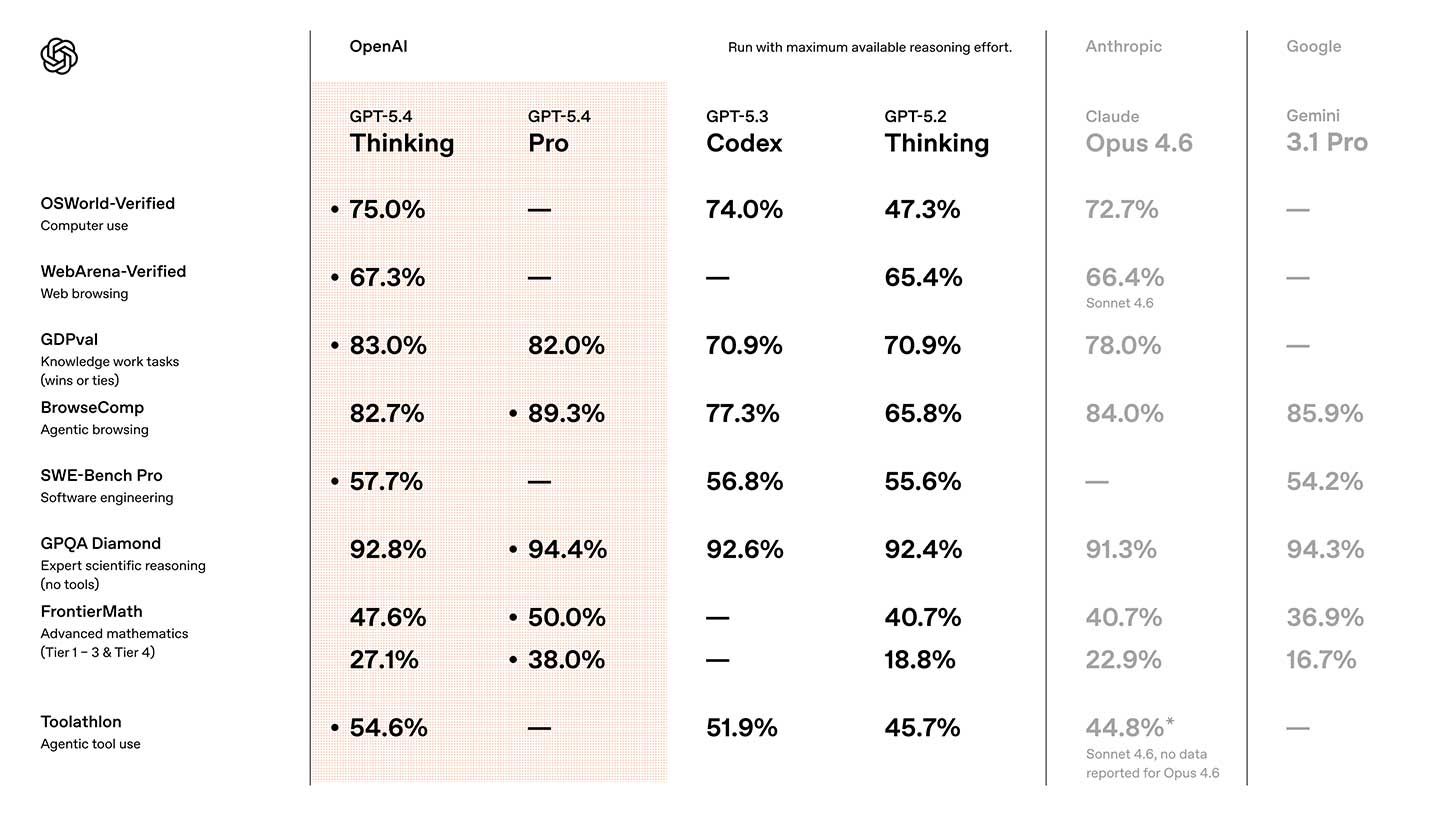
Image source: OpenAI
The Rundown: OpenAI just rolled out GPT-5.4, the company’s new top model with major upgrades on desktop tasks, coding, reasoning, science, math, and more — with VP of Science Kevin Weil calling it "our best model ever".
The details:
OAI shipped GPT-5.4 just two days after rolling out 5.3 Instant as the default chat model, available now as GPT-5.4 Thinking for Plus, Team, and Pro users.
The model scored 75% on OSWorld-V, which tests real desktop navigation — 3 points above the human baseline of 72.4% and 2x of what GPT-5.2 managed.
5.4 also supports up to 1M tokens of context and a new x-high reasoning effort setting, letting agents plan and execute across longer tasks that take hours.
GPT-5.4 won or matched against professionals 83% of the time on GDPval, a knowledge-work benchmark across 44 jobs — up from 71% for GPT-5.2.
Why it matters: OpenAI needed a win after a rough week of sentiment, and GPT 5.4 looks like one — with performance that looks to take the next step up the frontier, particularly for desktop use cases to push forward agentic abilities. The launch also comes with a big statement from OAI researcher Noam Brown: "We see no wall”.
TOGETHER WITH AIRIA
💼 Redefine enterprise AI with Airia
The Rundown: Airia delivers unified AI security, orchestration, and governance built for enterprises, accelerating AI adoption. Deploy agents fast while maintaining control, bridging the gap between innovation and compliance.
Dive deeper with Airia’s 2026 State of AI Report, which reveals:
Key insights on enterprise AI adoption trends
Critical challenges and emerging opportunities ahead
A comprehensive guide for navigating AI transformation
NETFLIX & BEN AFFLECK
🎬 Netflix acquires Ben Affleck's AI filmmaking startup
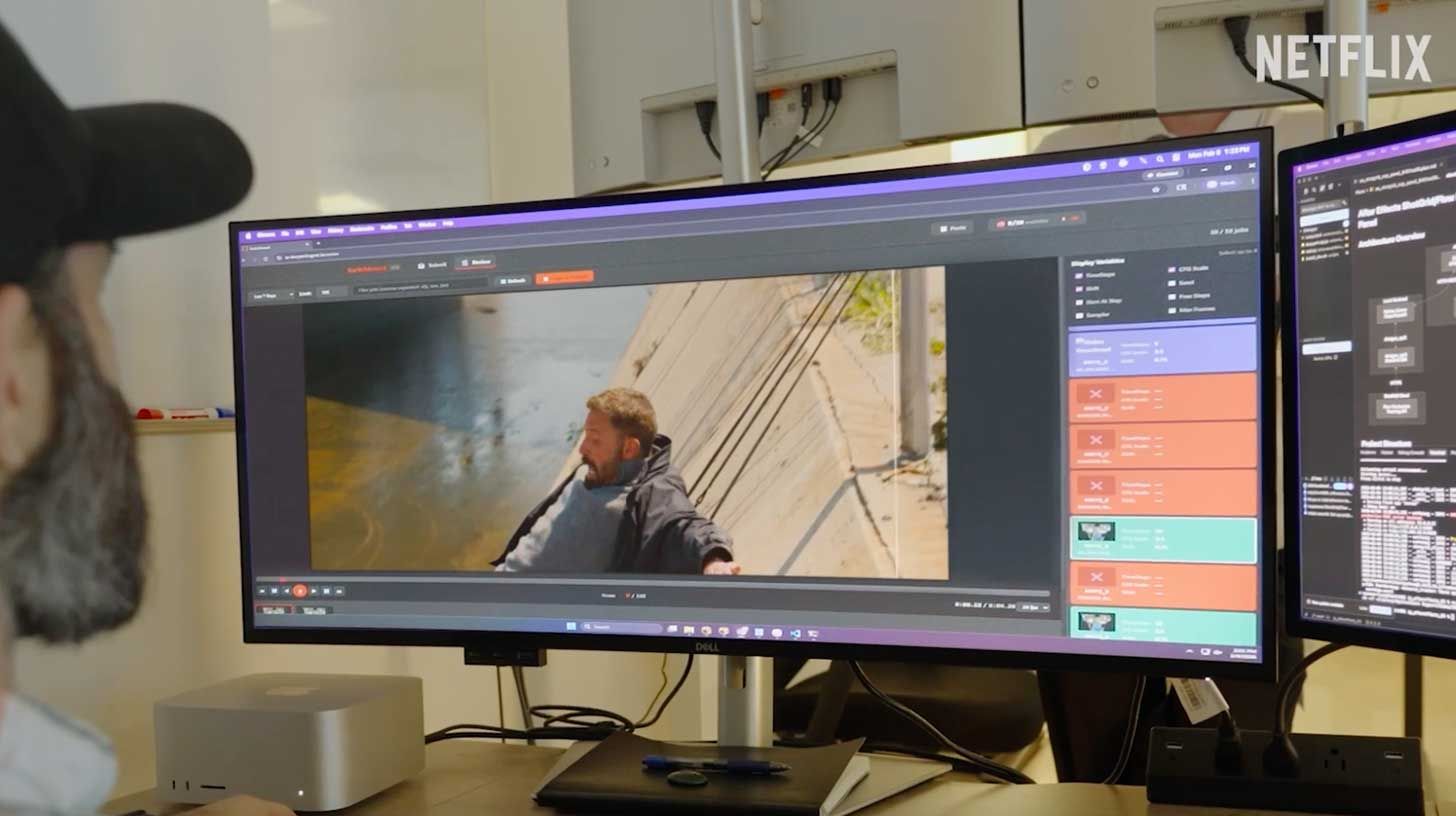
Image source: Netflix
The Rundown: Netflix just acquired InterPositive, a stealth AI filmmaking company Ben Affleck started in 2022 — bringing all 16 staffers and Affleck himself aboard as senior adviser in a rare acquisition for a streaming giant.
The details:
InterPositive's tech trains models on a production's own footage, then handles post work like relighting, swapping backgrounds, and fixing continuity errors.
Affleck said he was shocked by how much engineering talent was pouring into AI video, "but no artistic, no filmmaking information whatsoever”.
The actor emphasized that his company’s tech is “not generating video from nothing”, instead learning from the existing filmed shots and actors.
Affleck appeared on the JRE Podcast last month, saying he "can't stand" what AI writes, and that the tech would be more of a tool for production workflows.
Why it matters: Hollywood has spent the AI boom either hiding the tech’s use or railing against it, but an Oscar-winning industry leader putting his reputation on a tool could go a long way to shifting sentiment. For all the “AI killed Hollywood” X posts, the real upgrades come from the production workflow aspects Affleck is addressing.
AI TRAINING
📋 Turn an investment memo into a polished slide deck

The Rundown: In this guide, you will learn how to use Manus to turn a structured investment memo into a professional, ready-to-present slide deck in Google Slides. You can try this with any type of memo with structured, formulaic sections.
Step-by-step:
Start with a memo PDF with sections like: market analysis, team background, business diligence, traction, SWOT analysis, and deal dynamics. We used Sequoia’s 2014 DoorDash memo for our test
Go to manus.im and sign up, then click New task > Create slides, attach your PDF, and prompt: “Turn this investment memo into a slide deck”
That’s it. Manus will create the deck for you, and it usually will one-shot the layout. You can edit or present the deck in Manus, or ask it to update it for you
When done, you can download your slides as PPTX, PDF, or click “Convert to Google Slides,” and it will save the deck perfectly in Google Slides for you
Pro tip: Attach an example deck with your memo and tell Manus to style your new deck in the same way.
PRESENTED BY BLAND AI
☎️ How Soulja Boy automated his voice with AI

The Rundown: Soulja Boy just became the first rapper to automate his voice with AI. Bland AI, a voice AI company out of San Francisco, bought his voice to let anyone call him — generating 30M+ views in 24 hours and thousands of enterprise signups.
Even if you don't want Soulja answering your business calls, Bland allows you to:
Clone your best reps' voice to scale their success across your entire business
Deploy AI voice agents that sound human, without adding headcount
Get started for free on a platform trusted by thousands of enterprises
Call Soulja Boy to try it out at (415) 480-0000 or sign up free at bland.ai.
AI RESEARCH
📊 Anthropic’s early-warning system for AI job loss
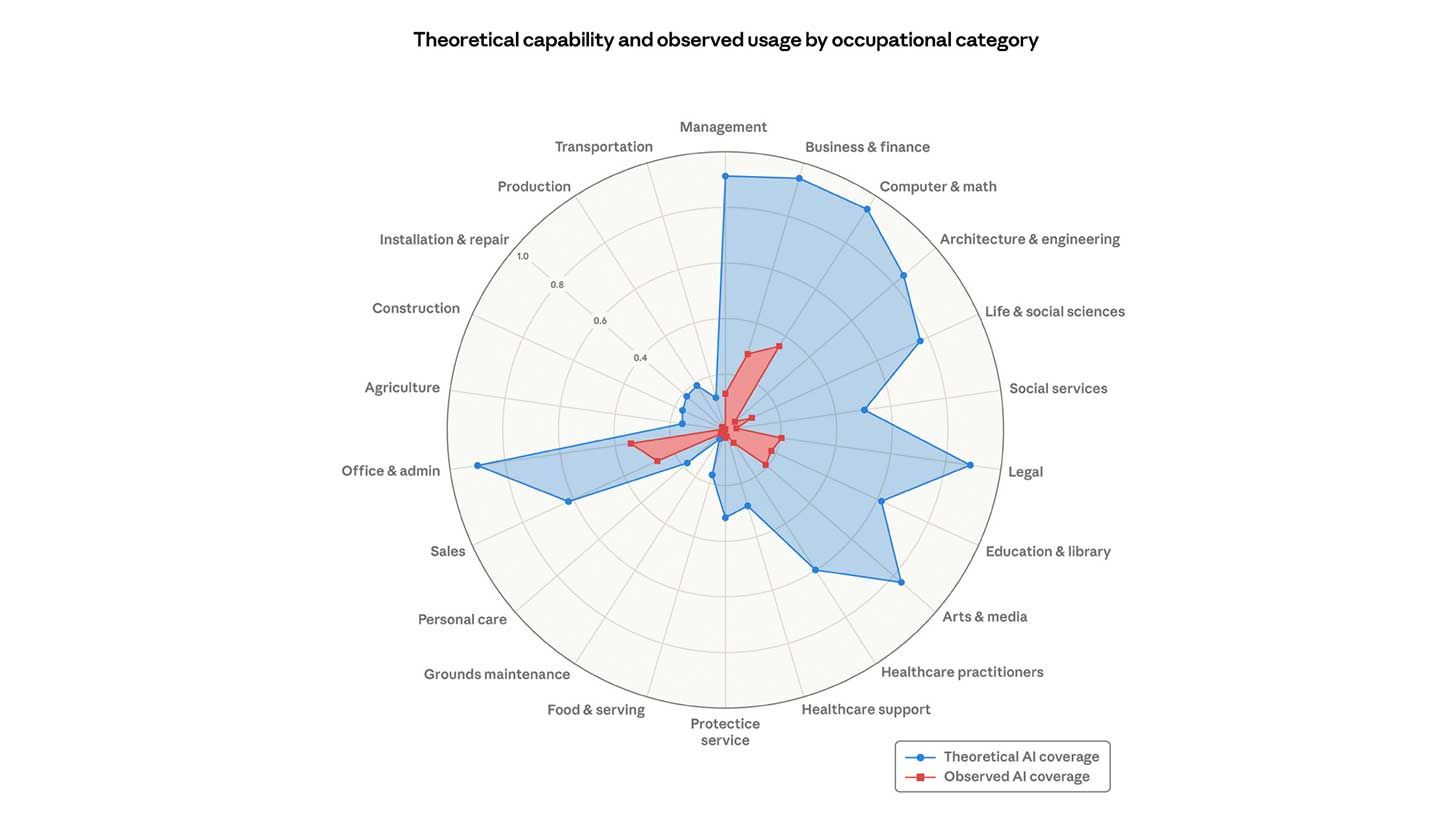
Image source: Anthropic
The Rundown: Anthropic published a study on AI’s job impact, cross-referencing what AI could automate against what people are using Claude for — finding that while mass layoffs haven't hit, the youngest workers in are already getting squeezed out.
The details:
The study uses "observed exposure," a metric that gauges AI job displacement by comparing tasks AI can do to what they are already automating.
Computer programmers top the exposure list at 75% task coverage, followed by customer service reps and data entry workers at 67%.
Roughly a third of the U.S. workforce sits at zero AI exposure right now, largely in hands-on roles like cooks, bartenders, and lifeguards.
No broad unemployment spike has appeared since ChatGPT's launch in 2022, but hiring into exposed fields for 22-to-25-year-olds fell 14% in that time.
Why it matters: Anthropic CEO Dario Amodei has not been subtle about what he believes is looming on the jobs front due to AI, and we’ve already seen several industry stock prices tank this year following Claude releases. But even with the warnings, the world still feels drastically underprepared for the disruption coming.
QUICK HITS
🛠️ Trending AI Tools
🗣️ Unwrap Customer Intelligence - Connect your entire organization to the true voice of the customer with AI-driven insights from customer feedback*
🧠 GPT-5.4 - OpenAI's flagship reasoner with native computer use, 1M context
🎞️ Luma Agents - Luma's AI agent for scaling creative output across teams
🎥 LTX-2.3 - Lightricks' video AI upgrade with more detail, cleaner audio
*Sponsored Listing
📰 Everything else in AI today
The Pentagon officially labeled Anthropic ‘supply chain risk’, which the company plans to challenge in court, coming amid reports that both sides had resumed deal talks.
Lightricks released LTX-2.3, an upgrade to its powerful open-source video model, and LTX Desktop, a free local video editor built on the same engine.
Google released an open-source CLI for its full Workspace suite, with 40+ built-in agent skills designed for easy integration into agentic platforms.
Ex-OpenAI chief research officer Bob McGrew is raising $70M at a $700M valuation for Arda, his startup building an AI platform to automate factory floors with robots.
Meta is being sued after an investigation found that overseas contractors reviewing Ray-Ban AI smart glasses footage were seeing nudity and other private user content.
COMMUNITY
🤝 Community AI workflows
Every newsletter, we showcase how a reader is using AI to work smarter, save time, or make life easier.
Today’s workflow comes from reader Tineke B. in Auckland, NZ:
"I just created a website with AI that's clocked up 5,000 organic visits in less than a week: To find out ferry timetables in Auckland, you had to visit the Auckland Transport website, click numerous links, and then download a PDF (yes, a PDF!) to view the ferry timetables.
This was super annoying for me, so I used Claude to create a site for it. I shared it on a few local FB groups, and it's taken off. Over 5,000 visits in less than a week and 100s of comments on social media thanking me for making people's lives easier. It only took me a couple of hours and has solved a real (first-world) problem for commuters.”
How do you use AI? Tell us here.
🎓 Highlights: News, Guides & Events
Read our last AI newsletter: Amodei torches OpenAI in leaked memo
Read our last Tech newsletter: Apple’s budget iPhone goes AI first
Read our last Robotics newsletter: Waymo has a big problem in Austin
Today’s AI tool guide: Turn an investment memo into a polished slide deck
RSVP to our next workshop on March 12: AI coding bootcamp pt. 1
See you soon,
Rowan, Joey, Zach, Shubham, and Jennifer—the humans behind The Rundown


Waymo has a big problem in Austin
Read Online | Sign Up | Advertise

Good morning, robotics enthusiasts. Waymo has long been the gold standard of autonomous driving. But federal investigators are circling after a robotaxi rolled past a school bus of boarding children — and just this Sunday, another blocked an ambulance racing to an Austin mass shooting.
The code will be updated, but can the company update confidence, too?
In today’s robotics rundown:
Waymo has a school bus-sized problem
Tether-backed Neura chases billion-dollar raise
Noble exits stealth with a heavy-lifting humanoid
Scientists built a farm bot that rots into the soil
Quick hits on other robotics news
LATEST DEVELOPMENTS
WAYMO
🚌 Waymo has a school bus-sized problem

Image source: Ideogram / The Rundown
The Rundown: Waymo’s driverless taxis in Austin are under intense scrutiny after one failed to stop for a school bus and another blocked an ambulance rushing to a mass‑shooting scene, raising fresh questions about how these vehicles interpret risk.
The details:
In January, a robotaxi illegally passed a stopped school bus while children were boarding, after a remote human agent mistakenly cleared it to proceed.
Austin ISD cameras have caught roughly two dozen similar Waymo school-bus violations since September.
NHTSA and NTSB have both opened formal investigations, with the January incident now the centerpiece of an active federal probe.
In a separate episode, a driverless Waymo briefly blocked an ambulance, forcing a police officer to commandeer the vehicle and move it out of the way.
Why it matters: Waymo has filed a software recall, insists it is improving performance around school buses and emergency scenes, and has declined detailed public comment on the ambulance incident even as local officials and safety advocates question whether its “safety‑first” AV stack is ready for crowded urban chaos.
NEURA ROBOTICS
🤖 Tether-backed Neura chases billion-dollar raise

Image source: Neura Robotics
The Rundown: German humanoid startup Neura Robotics is reportedly closing in on one of Europe's largest-ever robotics financings — a €1B (~$1.1B) round backed by stablecoin giant Tether.
The details:
The deal would value the Metzingen-based company at roughly €4B ($4.3B), making it one of Europe’s highest valued robotics players.
Neura has already locked in an order book of around €1B from industrial customers for its transport robots, cobots, and robotic arms.
The company's edge: tight in-house integration of sensors, control electronics, and AI software into what it calls “cognitive robots.”
The raise follows a $130M Series B last year that pushed total funding past $200M and helped Neura double its headcount to over 300.
Why it matters: A Tether-led round would mark one of the crypto firm’s boldest moves outside digital assets, following earlier bets on Blackrock Neurotech and Italian humanoid startup Generative Bionics. For Neura, a 10-figure raise would put a European humanoid maker in the same fundraising weight class as top U.S. rivals.
NOBLE MACHINES
💪 Noble exits stealth with a heavy-lifting humanoid
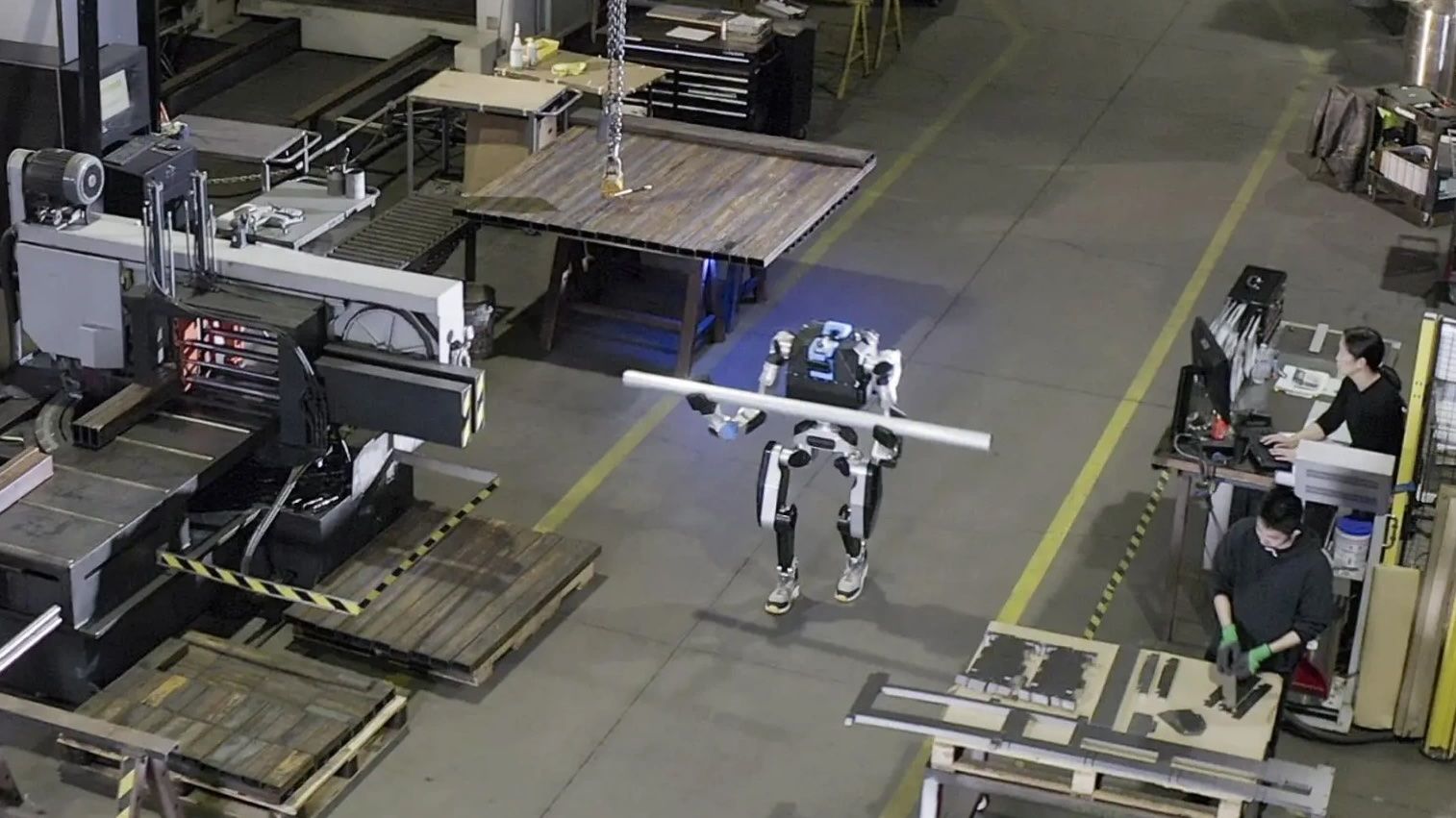
Image source: Noble Machines
The Rundown: Ex‑SpaceX and Apple veterans’ startup Noble Machines emerged from stealth this week with its no‑frills, heavy‑lifting Moby humanoid already working real shifts on factory floors just 18 months after founding.
The details:
Noble Machines — formerly Under Control Robotics — says its robots are already deployed at an undisclosed Fortune Global 500 manufacturer.
Founded by engineers from SpaceX, Apple, NASA, and Caltech, the Sunnyvale-based startup is focused on real factory and construction environments.
Its Moby humanoid is built for hazardous, physically demanding work across manufacturing, construction, logistics, energy, and semiconductor plants.
Running end-to-end autonomy on a single NVIDIA Jetson Orin with an Isaac-based training loop, the robot uses whole-body control to learn new tasks.
Why it matters: Noble Machines says its Moby bot uses whole-body AI control and language-based learning to quickly pick up new jobs while hauling 60 lbs. across rough terrain, putting it in the same lifting league as Boston Dynamics’ Atlas and ahead of Agility’s Digit and Figure 3 — and a next-gen Moby is already on the way.
ROBOTICS RESEARCH
🌾 Scientists built a farm bot that rots into the soil
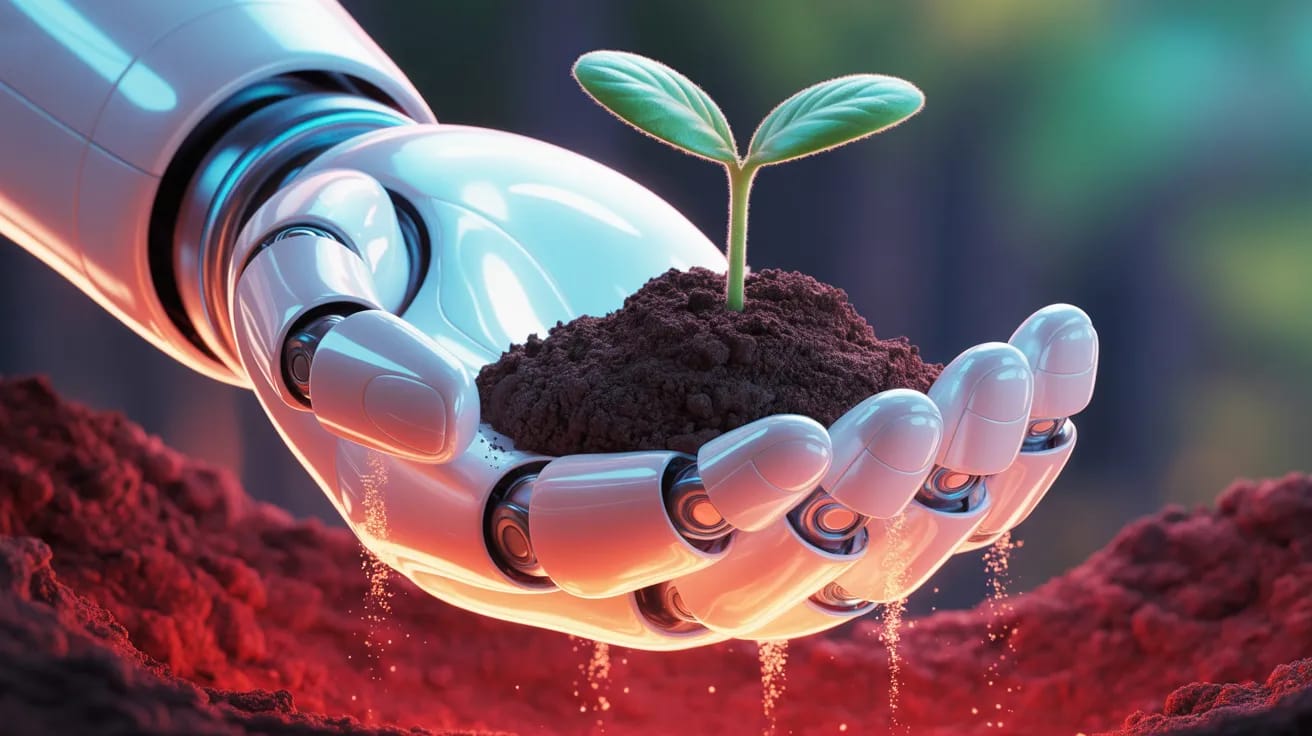
Image source: Ideogram / The Rundown
The Rundown: Scientists just built a fully compostable soft robot designed for real-world farm use — one that monitors crops for a full growing season, then quietly dissolves into the soil it just analyzed rather than becoming e-waste.
The details:
The system uses biodegradable electronics and soft materials that survive real farm conditions to monitor plant health and the environment.
Robotic fingers or soft grippers are designed for in-field plant monitoring tasks like tracking moisture, nutrients, or pollutants at high spatial resolution.
When its job is done, it breaks down into benign byproducts that can act as soil nutrients, turning the sensor itself into part of the system it was monitoring.
The work pushes soft robotics toward “ecoresorbable” designs, where robots are treated as temporary infrastructure rather than permanent hardware.
Why it matters: Digital agriculture has long faced a tradeoff: durable sensors create e-waste, biodegradable ones can’t hack real soil conditions. This bot looks to have cracked that problem. Fully compostable components are now field-ready, moving degradable soft robotics out of the lab and into actual dirt.
QUICK HITS
📰 Everything else in robotics today
Amazon cut at least 100 white-collar jobs in its robotics division, separate from the 16K corporate layoffs announced in January.
Hyundai unveiled a firefighting robot designed to navigate dangerous environments, withstand intense heat and smoke, and support human crews.
Chinese autonomous driving startup Momenta confidentially filed for a Hong Kong IPO, shifting its long-planned listing away from New York.
WeRide, Baidu’s Apollo Go, and Pony.ai paused robotaxi services in parts of the Middle East, pulling back from Dubai amid regional security tensions.
Next-gen Coco Robotics delivery bots are rolling out in LA, with larger, tougher, more autonomous robots designed to better handle the wear and tear of city streets.
Qualcomm CEO Cristiano Amon said robotics, driven by its new Dragonwing AI chips, will become a major business for the company within two years.
Singapore-based startup Asimov opened preorders for its open-source Asimov humanoid, a roughly 1.2-meter-tall, 25‑plus‑DOF Unitree G1 rival.
Pony.ai claimed its seventh‑generation robotaxi has reached per‑vehicle profitability in Shenzhen, its second Chinese tier‑one city after Guangzhou.
Google DeepMind launched its first accelerator in Europe, a three‑month, equity‑free program for early‑stage European robotics startups.
China built a massive high‑precision 3D face database plus an AI model to give humanoids more natural, expressive faces.
The UK Atomic Energy Authority and CERN built a mouse-sized robot, PipeINEER, to crawl through LHC pipes and use AI vision to spot faults quickly and safely.
China flight-tested an 8-foot-long experimental drone built largely from bamboo, aiming to create a cheap, lightweight, and quickly deployable platform.
COMMUNITY
🎓 Highlights: News, Guides & Events
Read our last AI newsletter: Amodei torches OpenAI in leaked memo
Read our last Tech newsletter: Apple’s budget iPhone goes AI-first
Read our last Robotics newsletter: Bio-robotic spy roaches
Today’s AI tool guide: Turn any CSV into an Excel dashboard
RSVP to our next workshop on March 12: AI coding bootcamp pt. 1
See you soon,
Rowan, Joey, Zach, Shubham, and Jennifer — The Rundown’s editorial team
Altman faces the fallout from OpenAI's Pentagon deal
Read Online | Sign Up | Advertise

Good morning, AI enthusiasts. It took less than a week for OpenAI’s Pentagon deal to go from announced to rewritten, and Sam Altman is calling the fallout “really painful.”
With protests outside the company’s HQ, mass cancellations, and its detailed contract revisions bringing as many questions as answers, the rushed agreement is turning what was supposed to be a power move into OpenAI’s biggest brand crisis in years.
In today’s AI rundown:
OpenAI walks back Pentagon details after backlash
ChatGPT upgrade fixes the ‘cringe’ problem
Create killer thumbnails with Midjourney
Google’s new 3.1 Flash-Lite pairs speed, cost, intelligence
4 new AI tools, community workflows, and more
LATEST DEVELOPMENTS
OPENAI
🪖 OpenAI walks back Pentagon details after backlash

Image source: Sam Altman on X
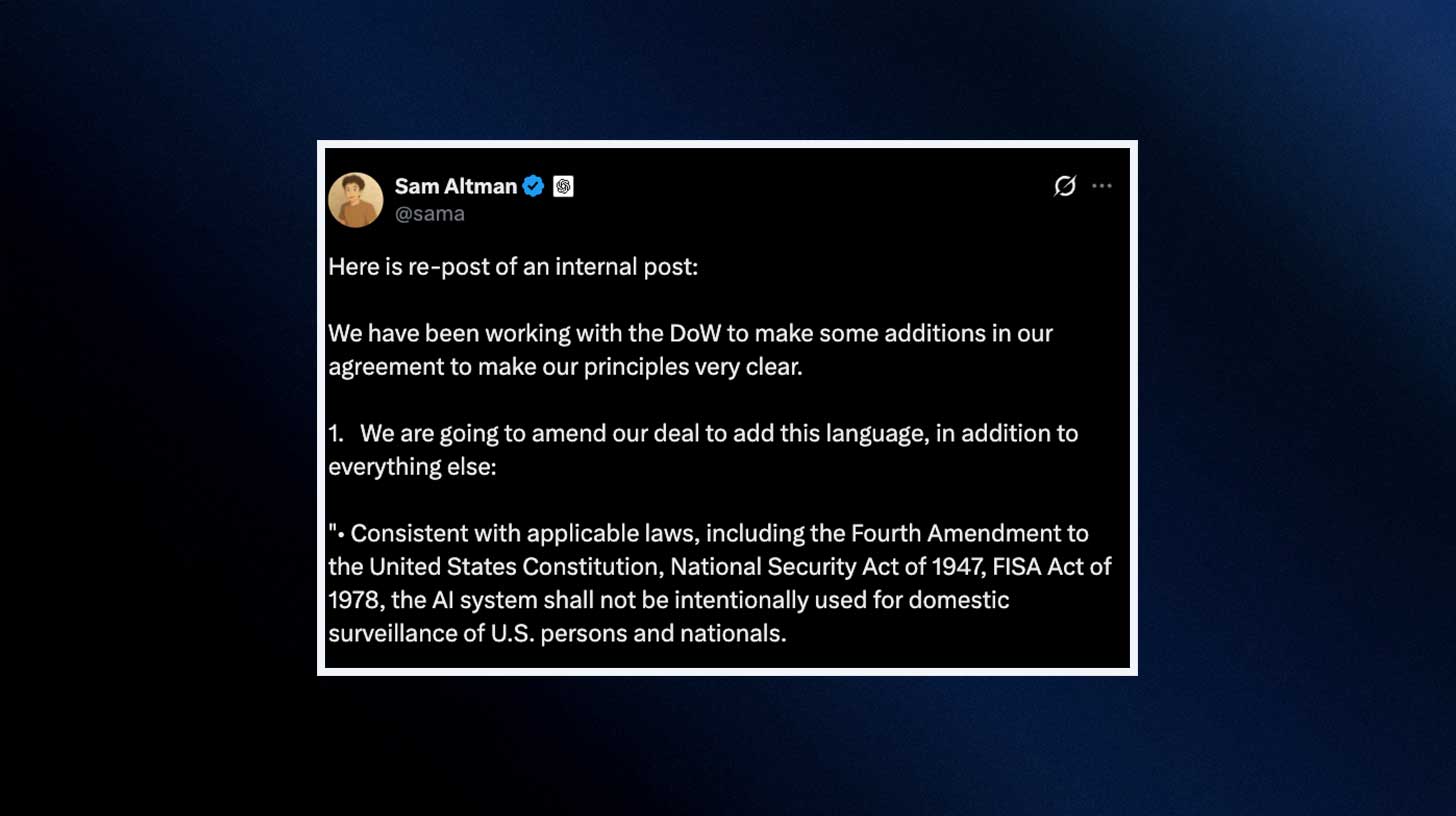
The Rundown: OpenAI CEO Sam Altman just posted a note on X detailing significant revisions to the company’s initial Pentagon contract, coming amid employee pushback, user cancellations, and a surge of sign-ups to Anthropic following the deal.
The details:
OAI’s original agreement used the same language Anthropic had refused, finalized within 24 hours following the Pentagon’s ban of its rival.
Altman called the deal rushed and said it looked “opportunistic and sloppy,” adding that he would “rather go to jail” than follow an unconstitutional order.
Research scientist Noam Brown clarified that OAI “will not be deploying to the NSA or other DoW intelligence agencies for now,” as loopholes are addressed.
Altman held an all-hands on Tuesday, calling the deal “complex but the right decision with extremely difficult brand consequences and negative PR for us.”
Why it matters: It’s been quite the headache for OAI post-Pentagon deal, with Altman admitting the company moved too fast — and consequences ranging from bad optics to massive consumer backlash and protests outside its SF offices. The amended contract language is a start, but the brand damage feels like it’s already been done.
TOGETHER WITH VISA
🤝 Get to know Visa’s Trusted Agent Protocol

The Rundown: The trust layer for agentic commerce. Visa’s Trusted Agent Protocol allows AI agents to verify who they are, who they represent, and what they’re authorized to do — so merchants can interact with agents with confidence, and humans stay in control.
Visa’s Trusted Agent Protocol helps deliver:
Cryptographic verification of AI agent identity and intent
Clear authorization and accountability for agent‑initiated actions
Trust signals to help merchants distinguish legitimate agents from bad actors
Learn more here.
OPENAI
🚀 OpenAI’s ChatGPT upgrade fixes the ‘cringe’ problem
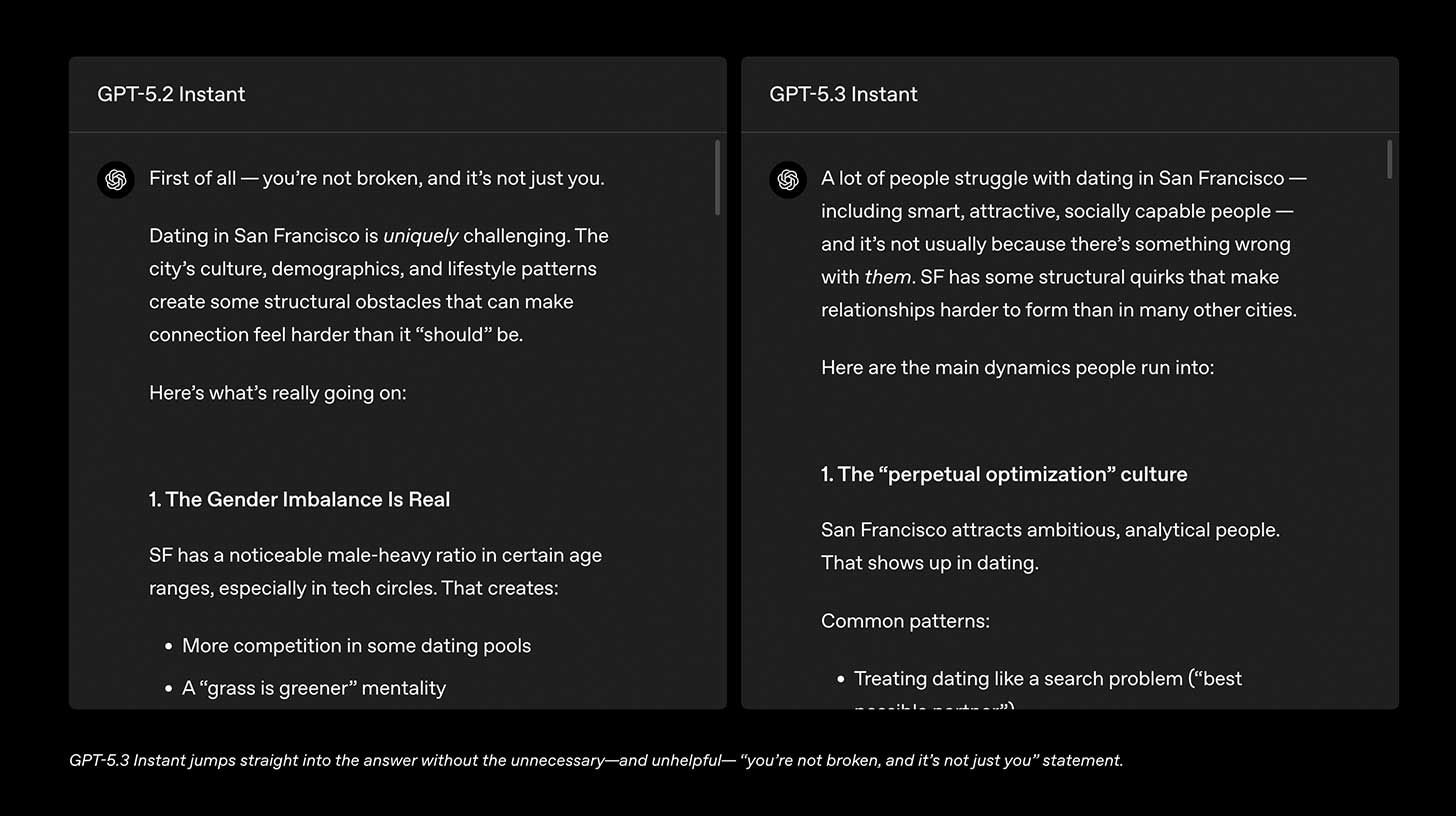
Image source: OpenAI
The Rundown: OpenAI just released GPT-5.3 Instant, overhauling its default ChatGPT model to all users with a new release that prioritizes how the AI talks over how it thinks — tackling the preachy personality that’s frustrated users for months.
The details:
OAI built 5.3 Instant around conversational quality, dialing back unnecessary refusals and what the company itself called a ‘cringe’ tone in responses.
The update also claims a reduction in hallucinations, with rates down by over 25% on web search and nearly 20% on internal knowledge on benchmarks.
OAI says 5.3 Instant is also a “stronger writing partner,” additionally providing better web answers and presentation of information.
The company also teased a more significant model jump coming soon, posting an easter egg on X saying “5.4 sooner than you Think.”
Why it matters: Anthropic’s Super Bowl ads were controversial, but their poking at ChatGPT’s personality may have cut a bit too close to the truth — with OAI’s new rollout prioritizing moving its personality away from the “cringe” tone. But with uninstalls up 295% after the Pentagon drama, personality may not be the most pressing issue.
AI TRAINING
🎨 Create killer thumbnails with Midjourney

The Rundown: Learn a quick prompting and editing system to make thumbnails that stand out, but don’t look like AI slop. Whether it’s for your YouTube channel, a blog, or even your social feeds, learning to quickly make good thumbnails pays dividends.
Step-by-step:
Open Claude or any chat agent. Tell it your video topic and ask it to generate four Midjourney prompts with this structure: [Person + Expression] +[Action/Prop] + [Setting] + [Lighting] + [Composition with negative space] --ar 16:9.
Paste each prompt into the Midjourney web app. When you see a generation you like, click on it and try selecting vary > subtle or vary > strong until you get the perfect variation. Save the image to your desktop.
Key step: the design. Remember, simplicity is essential to this technique. Add 1–5 words of big, click-worthy text in Canva.
Bring the opacity down 5% and use a blocky font. Go with white or yellow text and optionally a black outline.
Pro tip: If you can’t get the text to fit right on your image, tell Claude to come up with a new prompt that will create that empty space for you.
PRESENTED BY GLEAN
⚙️ From AI ambition to secure agents at scale

The Rundown: Join Glean’s virtual Security Showcase on March 12 to close the gap between AI ambitions and security readiness. Get a practical blueprint for governing AI agents at scale from the leaders building, securing, and deploying them in production.
Register for Glean’s Security Showcase to:
Hear Cvent’s CIO and CISO in a fireside chat on real-world AI agent risk decisions.
Get access to a new security framework, designed for governed AI agents at scale.
See what’s new in agent controls, data protection, and private‑by‑design deployment for enterprise AI.
🔦 Google’s new 3.1 Flash-Lite pairs speed, cost, intelligence
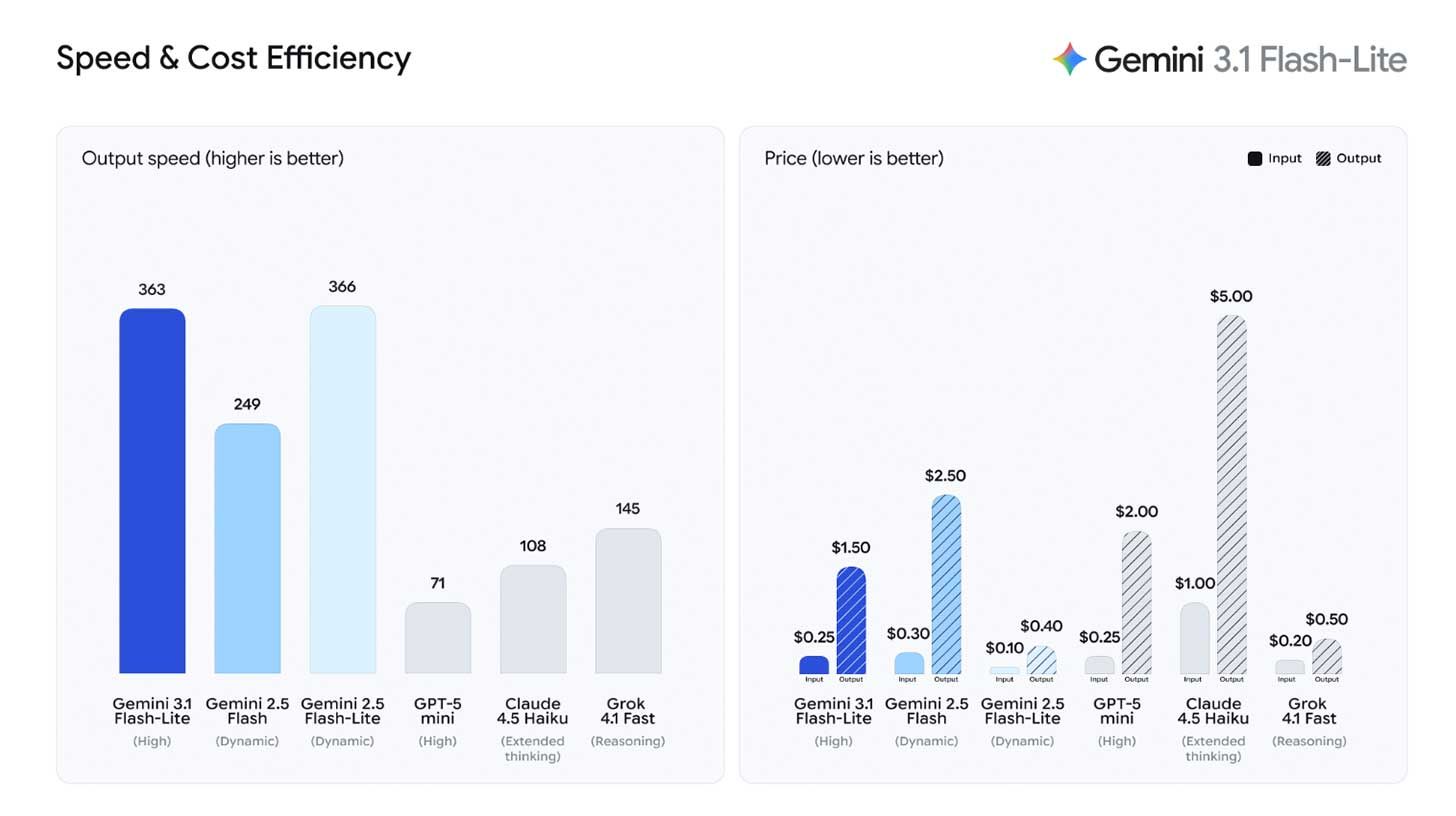
Image source: Google
The Rundown: Google just rolled out Gemini 3.1 Flash-Lite, the company’s fastest entry in its Gemini 3 lineup that provides a near-instantaneous feel and upgraded intelligence while undercutting rivals on price.
The details:
Flash Lite rounds out Google’s tiered Gemini 3 release weeks after Pro, giving a budget option for high-volume work that doesn’t need a flagship model.
Lite scored a 12-point jump on the Artificial Analysis Intelligence Index over its predecessor, beating even larger prior-gen Gemini models on reasoning.
The model costs 1/4 of Anthropic’s Haiku and 1/8th of Gemini 3.1 Pro, though output pricing triples from the 2.5 version it replaces.
Why it matters: Cheap, fast models are becoming the real battleground in AI, and Flash-Lite’s benchmarks suggest Google isn’t sacrificing much intelligence to get there. But for all the benchmark strengths that the Gemini 3 has brought to the table, its consumer impact hasn’t felt on the same level as Anthropic and OpenAI in 2026.
QUICK HITS
🛠️ Trending AI Tools
👷 Viktor - OpenClaw for enterprise with 3,000+ integrations in Slack and Microsoft Teams, delivering board-ready PDFs, dashboards, and web apps*
⚡️ Gemini 3.1 Flash-Lite - Google’s fastest, cheapest Gemini 3 model for high-volume dev workloads
🧠 GPT-5.3 Instant - OAI’s ChatGPT default model update with fewer refusals and less hallucinations
📚 NotebookLM - New custom styles for infographics to turn info into visuals
*Sponsored Listing
📰 Everything else in AI today
Alibaba’s Qwen team faced a wave of departures, as staffers posted a coordinated “Qwen is nothing without its people” message echoing OpenAI’s 2023 mutiny.
Cursor CEO Michael Truell said its AI agent autonomously solved an open math research problem over four days, with stronger results than the official human solution.
Anthropic reportedly submitted a proposal for a $100M Pentagon drone swarm challenge before being barred from DoD work, as rival firms were selected instead.
xAI released a new ‘Beta 2’ version of Grok 4.20, with the update featuring better instruction following, reduced hallucinations, and more.
OpenAI VP of Research Max Schwarzer announced he is joining Anthropic, saying he is “looking forward (to) supporting my friends there at this important time.”
COMMUNITY
🤝 Community AI workflows
Every newsletter, we showcase how a reader is using AI to work smarter, save time, or make life easier.
Today’s workflow comes from reader Lenore B. in New Zealand:
"I had to prepare for a hearing where I would be cross-examined. I uploaded the documents (with confidential details removed) into an AI project and instructed it to be demanding and skeptical. I also asked it to review each session and identify what I was doing well. It stopped unproductive rumination, sharpened my reasoning, and gave me structured rehearsal. I walked into the hearing calm, clear, and confident."
How do you use AI? Tell us here.
🎓 Highlights: News, Guides & Events
Read our last AI newsletter: Supreme Court ducks AI copyright question
Read our last Tech newsletter: Apple’s budget iPhone goes AI-first
Read our last Robotics newsletter: Bio-robotic spy roaches
Today’s AI tool guide: Create killer thumbnails with Midjourney
RSVP to our next workshop on March 12: AI coding bootcamp pt. 1
See you soon,
Rowan, Joey, Zach, Shubham, and Jennifer — the humans behind The Rundown

Apple’s budget iPhone goes AI-first
Read Online | Sign Up | Advertise

Good morning, tech enthusiasts. Apple’s entry-level iPhone just leveled up, without a price hike.
The iPhone 17e starts at $599 with flagship-grade A19 power, 256GB standard, and MagSafe back on the menu. And with Apple Intelligence built in, it’s the cheapest ticket into the Cupertino giant’s on-device AI push — resetting what “entry-level” even means.
In today’s tech rundown:
Apple unveils iPhone 17e at $599
MWC 2026’s wild new hardware
Ultrahuman’s smart ring eyes U.S. return
App that warns about nearby smart glasses
Quick hits on other tech news
LATEST DEVELOPMENTS
APPLE
🍎 Apple unveils iPhone 17e at $599

Image source: Apple
The Rundown: Apple’s iPhone 17e is here, and $599 buys more than it used to. The new model, with preorders open on March 4, packs the A19 chip, doubles storage to 256GB, restores MagSafe, and ships with Apple Intelligence built in.
The details:
The phone restores MagSafe and adds Qi2, boosting wireless charging to 15W, and comes in white, black, and a soft pink color (similar to that of iPhone 15).
A new 48MP main camera delivers 2x optical‑quality zoom, improved low‑light performance, and Dolby Vision 4K/60 video capture.
Apple bakes in its on‑device Apple Intelligence suite, enabling features like smarter photo cleanup, call screening, and translation.
It is also rolling out a refreshed iPad Air alongside the 17e, a modest update built around Apple Intelligence with newer silicon and a longer support window.
Why it matters: Apple is turning its entry phone into the default Apple Intelligence device, pushing flagship‑class silicon, more storage, and modern charging down to $599. That raises the floor for what a midrange phone — and even Apple’s entry‑level iPad — has to deliver, and puts real pressure on Android makers.
MWC
🕹️ MWC 2026’s wild new hardware

Image source: Lenovo / Reve
The Rundown: At the Mobile World Congress in Barcelona, Lenovo’s foldable gaming handheld and Honor’s new Robot Phone showed how hardware makers are betting on new form factors to stand out in a saturated market.
The details:
Lenovo unveiled the Legion Go Fold, a Windows-based gaming handheld whose foldable 7.7‑inch display can expand into an 11.6‑inch screen.
Honor debuted its so-called Robot Phone, built around a motorized pop-out gimbal camera that tracks subjects and swivels like a tiny head.
Xiaomi dropped the 17 Ultra, a Leica-co-engineered triple-camera flagship loaded with oversized sensors and on-device AI processing.
The show’s wilder fringe included Tecno's magnetically modular ultra-thin concept and bendy phones designed to curl around your wrist.
Why it matters: The mobile industry has a complacency problem: upgrade cycles are slow, and spec bumps aren’t inspiring purchases. MWC’s answer is to make the hardware fun again, and the real story out of Barcelona isn’t any single device but a shared bet that AI‑native form factors are the best shot at boosting demand.
ULTRAHUMAN
👀 Ultrahuman’s smart ring eyes U.S. return

Image source: Ultrahuman
The Rundown: Ultrahuman is betting a redesigned, AI-powered smart ring can claw back the U.S. market — months after a bruising patent battle with Oura got its previous hardware blocked at the border.
The details:
Priced at $479, the Ring Pro extends battery life to 15 days, pairs a redesigned sensor array with a dual-core processor, and can store 250 days of data.
The ring ships with a Pro Charger packing 45 days of reserve power and supports Qi wireless charging — a first for the lineup.
Ultrahuman is seeking U.S. Customs clearance after an ITC patent ruling halted imports, cutting off roughly 45% of its 700K daily active users.
The company has also launched Jade, a real-time “biointelligence” engine that converts raw biometric data into actionable health guidance.
Why it matters: Smart rings are the sharpest testbed for AI-first wearables, and Ultrahuman is fighting to stay relevant as Oura and Samsung tighten their grip on the U.S market. With the Ring Pro still in regulatory limbo, the company is betting that new hardware and Jade’s real-time coaching will be enough to stand out.
SMART GLASSES
👓 App that warns about nearby smart glasses
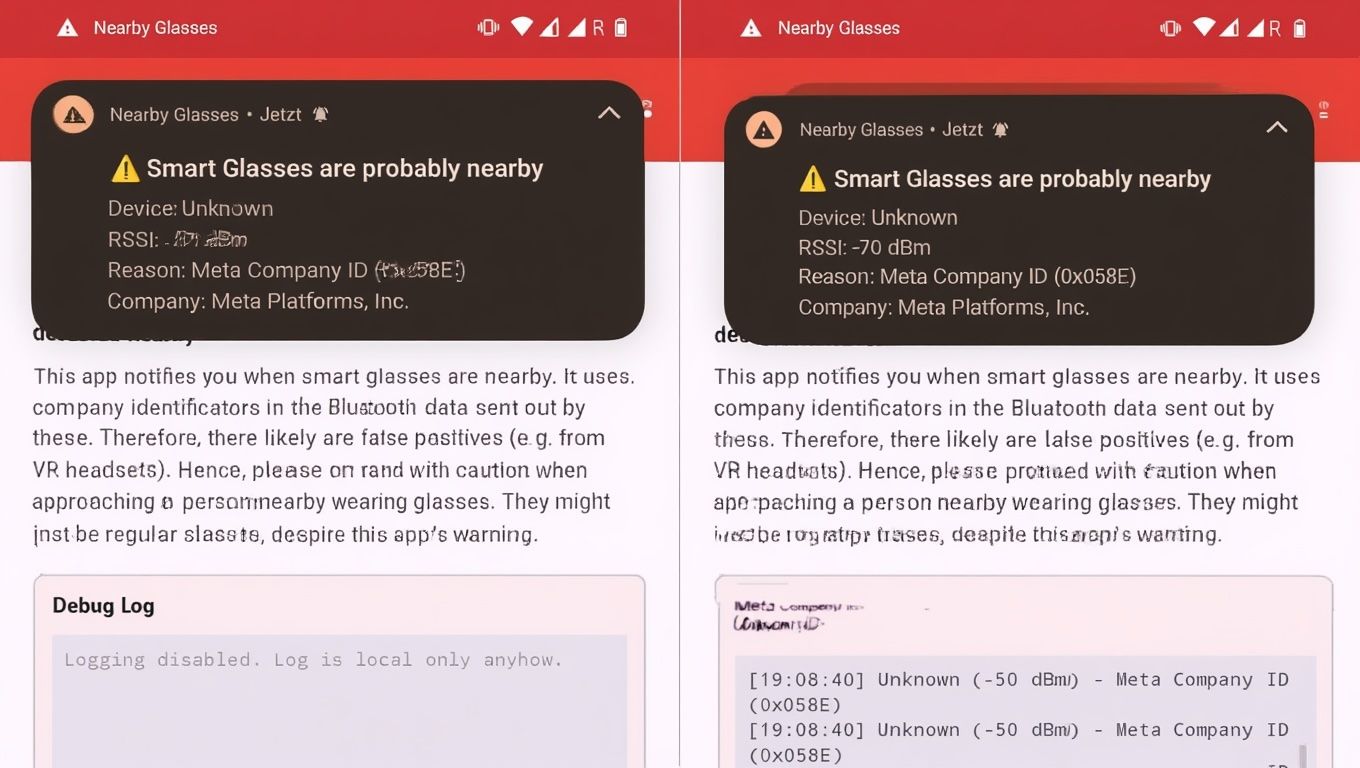
Image source: Nearby Glasses
The Rundown: A new Android app called Nearby Glasses scans Bluetooth signals to flag camera-equipped smart glasses nearby — a direct counterpunch to the creeping normalization of what critics are calling “luxury surveillance.”
The details:
Nearby Glasses scans ambient Bluetooth signals and alerts users when someone in range is wearing camera-equipped smart glasses.
The app identifies manufacturer-specific Bluetooth signatures from devices, including Meta’s Ray-Ban smart glasses and Snap’s Spectacles.
Creator Yves Jeanrenaud, a sociologist, built the app after researching how smart glasses were used in immigration raids and to harass sex workers.
He told TechCrunch the app is an “act of resistance” against consentless ambient recording and is considering an iOS version.
Why it matters: Smart glasses don’t just record as phones do — they make recording invisible, collapsing the social cues that let people notice, object, or step away, and right now, there’s no legal framework requiring them to announce themselves. As surveillance tech gets sleeker, we’re likely to see more counter-tools like this app.
QUICK HITS
📰 Everything else in tech today
SoftBank-backed PayPay reportedly delayed its roughly $10B U.S. IPO amid weakening tech markets and rising geopolitical tensions.
Anthropic’s Claude surged to the No. 1 spot on Apple’s iPhone apps chart in the U.S., riding a wave of publicity after the Pentagon sidelined it from government AI work.
Paramount+ and HBO Max will be combined into a single streaming service once Paramount Skydance’s acquisition of Warner Bros. Discovery closes.
Instagram will soon notify parents who use its supervision tools when their teens repeatedly search for terms related to suicide or self-harm.
Elon Musk’s xAI is redeeming $3B in high-yield bonds at a premium as part of a plan to wipe out about $17.5B in debt tied to xAI and X, ahead of a blockbuster SpaceX IPO.
A U.S. federal court blocked Virginia’s law that would have limited under-16s to one hour a day on social media and required platforms to verify users’ ages.
GSK agreed to buy Canadian biotech 35Pharma for $950M in cash to bolster its pipeline of cardiopulmonary and obesity-related drugs.
MyFitnessPal snapped up Cal AI, the viral teen-built calorie-counting app with over 15M downloads and around $30M in annual revenue.
Chinese AI startup MiniMax more than doubled revenue to $79M in 2025, driven largely by overseas demand for its generative AI models and apps.
Amazon says three of its data centers in the Middle East were damaged by drone strikes tied to the escalating U.S.-Iran conflict, disrupting key AWS cloud services.
Xiaomi launched its new flagship 17 and 17 Ultra smartphones globally, keeping prices flat at $1,079 and $1,619 despite a surge in memory chip costs.
COMMUNITY
🎓 Highlights: News, Guides & Events
Read our last AI newsletter: Supreme Court ducks AI copyright question
Read our last Tech newsletter: Netflix exits $83B Warner Bros deal
Read our last Robotics newsletter: Bio-robotic spy roaches
Today’s AI tool guide: Transcribe any video for free with this local AI
RSVP to our next workshop on March 12: AI coding bootcamp pt. 1
See you soon,
Rowan, Joey, Zach, Shubham, and Jennifer — The Rundown’s editorial team

Supreme Court ducks AI copyright question
Read Online | Sign Up | Advertise

Good morning, AI enthusiasts. Copyright law was written for a world where humans made things. AI broke that assumption… But the Supreme Court doesn't want to deal with it yet.
The court just passed on the biggest AI authorship case to date, keeping copyright law's "humans only" standard on the books. But with AI content now flooding every corner of creative industries, this fight is likely nowhere near finished.
In today’s AI rundown:
Supreme Court ducks AI copyright question
Anthropic wants your ChatGPT memories
Transcribe videos for free with this local AI
Alibaba's tiny AI tops models 13x its size
4 new AI tools, community workflows, and more
LATEST DEVELOPMENTS
AI & COPYRIGHT
⚖️ Supreme Court ducks AI copyright question

Image source: “A Recent Entrance to Paradise” by DABUS, Wikimedia Commons
The Rundown: The U.S. Supreme Court just passed on hearing the biggest case yet over whether AI art can be copyrighted, letting lower court rulings stand that say only humans can be authors — and kicking one of the defining IP questions of the AI era.
The details:
The case centers on Stephen Thaler, a computer scientist who built an AI system called DABUS and sought copyright in 2018 for artwork it generated.
The Copyright Office denied it, ruling only humans can be authors — a judge called it a "bedrock requirement" in 2023, and the DC Circuit agreed.
Trump's DOJ also backed the Copyright Office, telling the court that copyright law was written for human creators and not machines.
The appeals court noted Thaler could've claimed authorship himself rather than listing the AI, hinting the door isn't shut for AI-assisted works.
Why it matters: It’s wild to see an AI system making artwork years before the majority of the world. It also feels like an awkward ruling given the current state of AI content pouring into every creative sector — and one that will continue to be challenged by bigger entities like studios or creators that have serious money riding on the answer.
TOGETHER WITH YOU.COM
🧠 It’s not just about getting the prompt right.
The Rundown: When trying to spin up AI agents, companies often get stuck in the prompting weeds and end up with agents that fail to deliver dependable results. This ebook from You.com goes beyond the prompt, revealing the five stages for building a successful AI agent and why most organizations haven’t gotten there yet.
In this guide, you’ll learn:
Why prompts alone aren’t enough and how context and metadata unlock reliable agent automation
Four essential ways to calculate ROI, plus when and how to use each metric
Real-world challenges at each stage of agent management and how to avoid them
If you're ready to go beyond the prompt, this is the ebook for you.
ANTHROPIC
🧠 Anthropic wants your ChatGPT memories
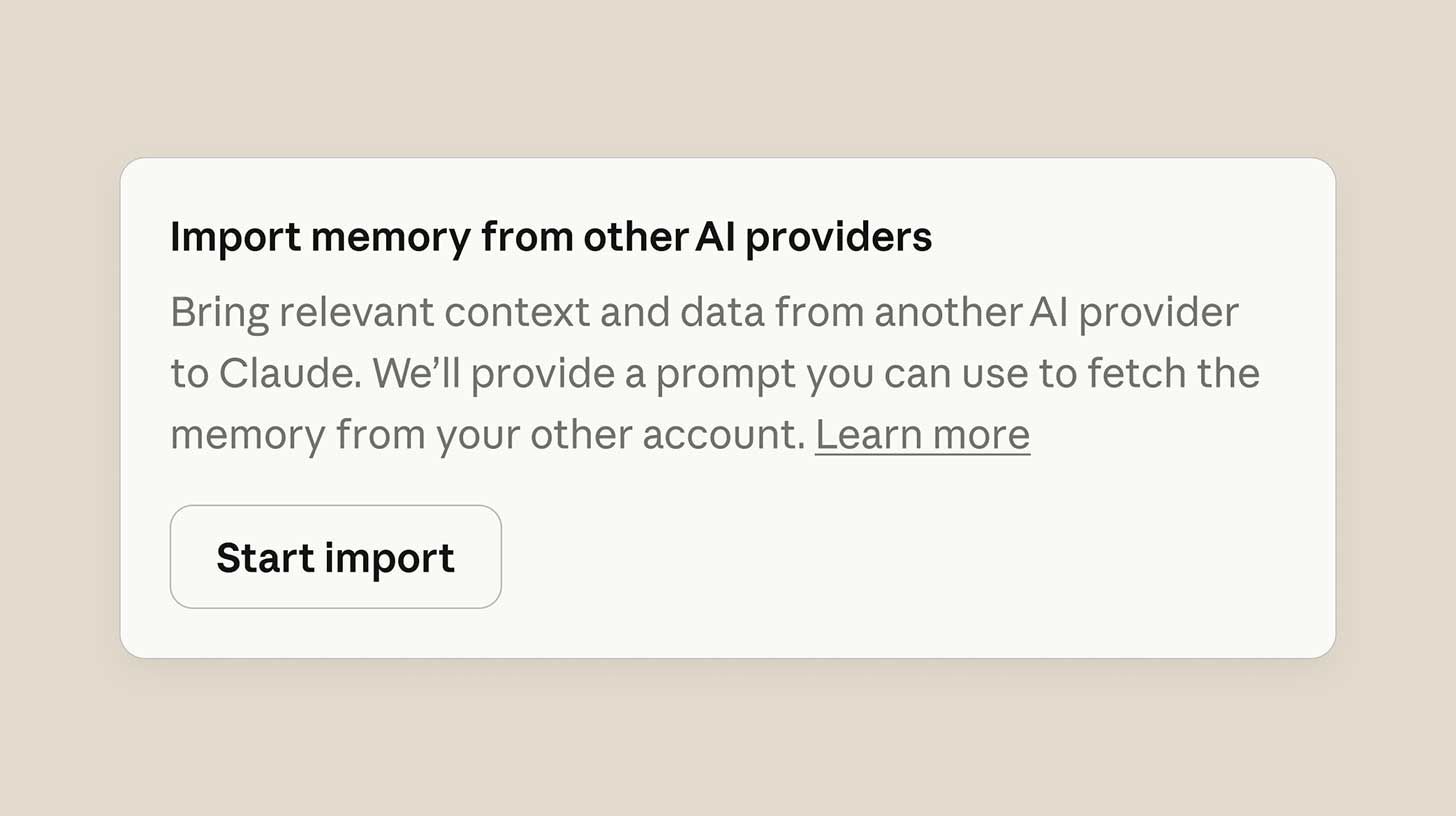
Image source: Anthropic
The Rundown: Anthropic launched a new tool that lets users port their saved preferences and context from other AI providers with a single copy-paste, coming during a surge in switches and new sign-ups as the company battles the Pentagon.
The details:
Users copy a provided prompt into their current chatbot, paste the output into Claude's memory, and the switch kicks in within 24 hours.
The tool pulls saved instructions, personal details, project context, and behavioral preferences from ChatGPT, Gemini, or Copilot in a single upload.
Anthropic also opened Claude's memory feature to free users for the first time, letting everyone build persistent context across conversations.
Claude Code also got a new auto-memory upgrade, now able to save project context, debugging patterns, and workflow habits on its own across sessions.
Why it matters: Memory upgrades are big news for getting the most out of any AI platform, but the timing isn’t subtle, given the current wave of consumer support for the company in the wake of the Pentagon’s ban. Giving all those new users an easy way to bring context over is a smart move for turning a viral moment into lasting retention.
AI TRAINING
📝 Transcribe any video for free with this local AI

The Rundown: In this guide, you will learn how to translate and transcribe any video file for free by running an AI model locally on your computer, without having to upload videos to sketchy, free transcription sites.
Step-by-step:
Open your terminal and run
brew install ffmpegthenpip3 install -U openai-whisper. If not on Mac, you can find the commands you need hereffmpeg is an open-source tool that lets you edit videos from your terminal, and openai-whisper is the OpenAI model that does the actual transcribing
To use it, just point it at any video file like this:
python3 -m whisper your-video.mp4 --model base. It will run entirely on your machine for freeA 15-minute video should take ~2 minutes to transcribe, giving a .txt file and an .srt file with timestamps as the outputs
Pro tip: Whisper can also translate videos. You’d just have to add the language and translation flags to your command (more on it in the guide).
PRESENTED BY OPTIMIZELY
📈 See what real AI execution looks like
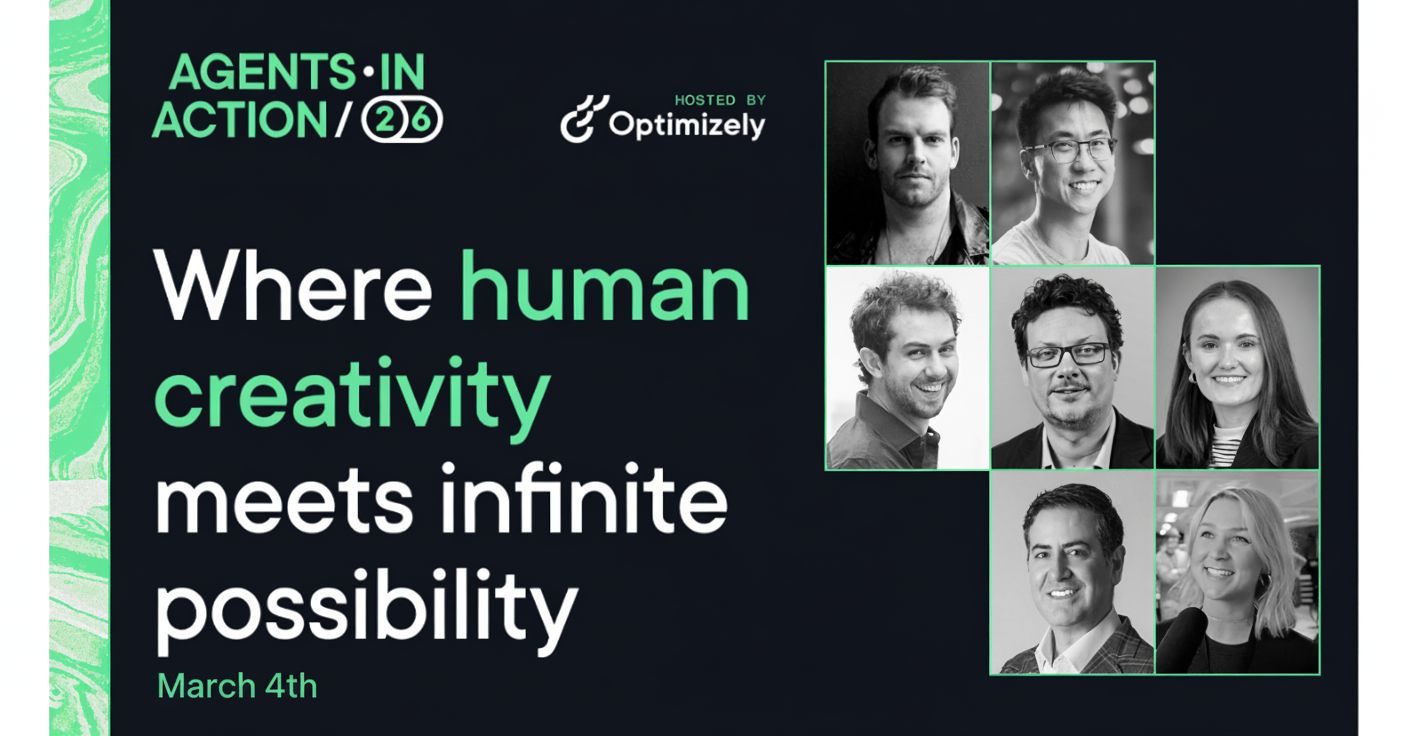
The Rundown: Most teams are stuck in AI pilot mode. Tomorrow, join Optimizely's free Agents in Action virtual event featuring Nathaniel Whittemore (host of The AI Daily Brief) and more — to see agentic AI working in live workflows.
You’ll learn how to:
Operationalize AI across content, approvals & personalization
Scale AI without breaking brand or compliance
Put practical deployment frameworks to work across your org
ALIBABA
🧠 Alibaba's tiny AI tops models 13x its size
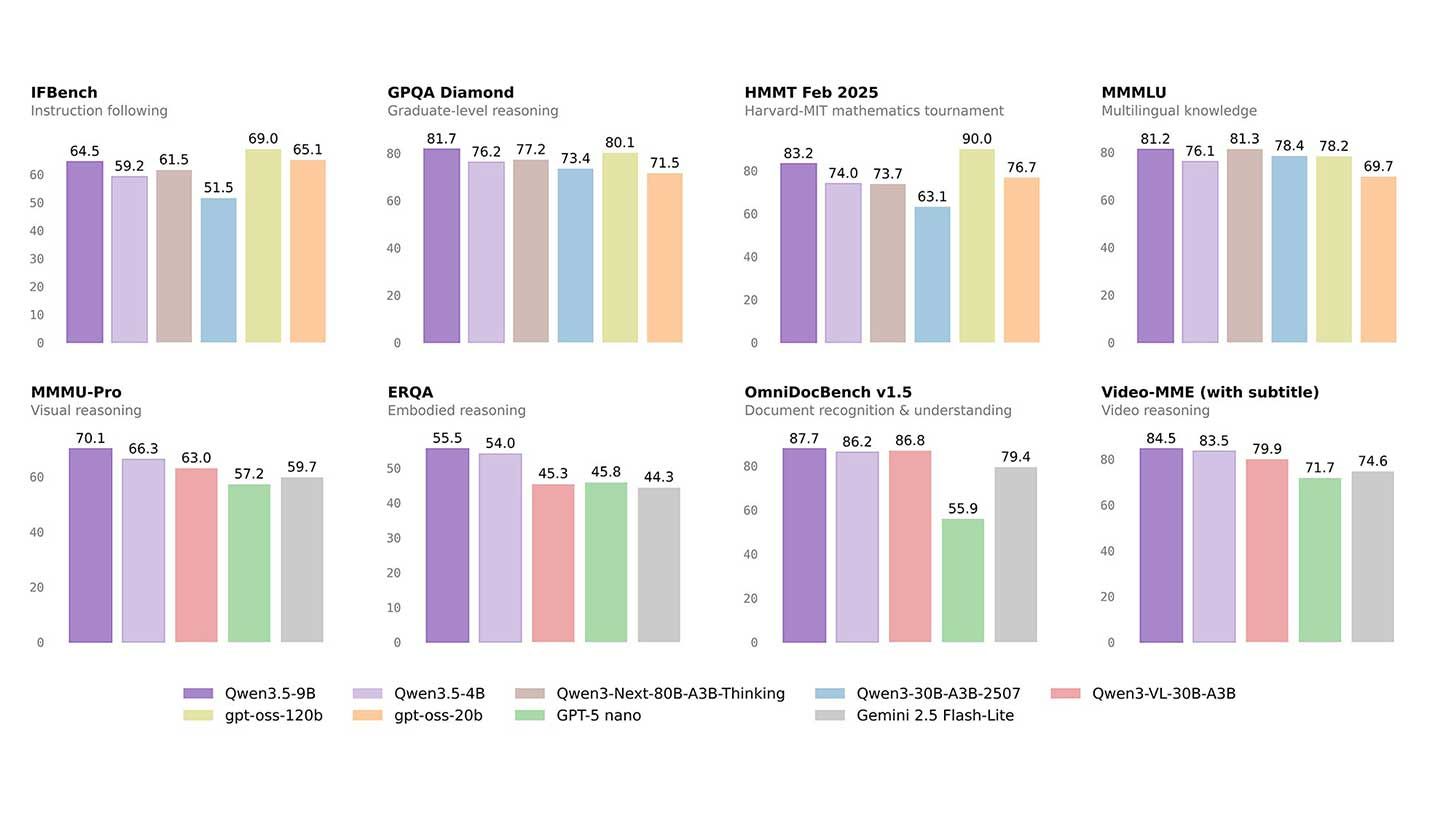
Image source: Alibaba
The Rundown: Alibaba released Qwen3.5 Small, a family of four new open-source AI models small enough to run on a laptop or phone — with the most powerful of the bunch outscoring an OpenAI model more than 13x its size on reasoning and knowledge.
The details:
The Qwen3.5 Small Series spans four sizes, ranging from a 0.8B for phones up to 9B for laptops — all free for commercial use under an open-source license.
The 9B outscored OpenAI's GPT-OSS-120B, which comes in at 13x its size on graduate-level reasoning and multilingual knowledge tests.
All four models handle text, images, and video natively, with the 4B matching visual task scores that previously required models 20x larger.
Elon Musk complimented the release, saying the models have “impressive intelligence density”.
Why it matters: These aren't replacing frontier models in capabilities, but for powering AI features inside mobile apps, reading documents offline, or handling quick visual tasks without a cloud bill, small models are where everyday adoption really takes off. Alibaba just made that layer even stronger and open for anyone with a laptop.
QUICK HITS
🛠️ Trending AI Tools
👷 Viktor— Free Openclaw secure, SOC 2-certified AI coworker for Slack and Teams that keeps your data private*
🤏 Qwen3.5 Small - Alibaba's tiny models that rival AI systems 13x their size
🍌 Nano Banana 2 - Google's new top-ranked AI image model
🧠 Claude - Anthropic’s AI assistant, with new memory features
*Sponsored Listing
📰 Everything else in AI today
AWS lost connectivity at a UAE data center after unidentified "objects" struck the facility amid the US-Iran conflict, with Anthropic’s Claude facing major outages.
OpenAI research scientist Aidan McLaughlin shared his views on the company’s Pentagon agreement, saying, “I personally don’t think this deal was worth it”.
The U.S. Treasury, Federal Housing Agency, and State Dept. became the first offices to move off of Anthropic, with Treasury Sec. Scott Bessent saying “no private company will ever dictate the terms of our national security.”
Apple announced the new iPhone 17e at $599, bringing Apple Intelligence to its most affordable iPhone with visual search, AI call screening, and live translation features.
MyFitnessPal acquired Cal AI, an AI calorie-counting app created by two 19-year-old founders that hit 15M downloads and $30M in annual revenue in under two years.
COMMUNITY
🤝 Community AI workflows
Every newsletter, we showcase how a reader is using AI to work smarter, save time, or make life easier.
Today’s workflow comes from reader Sam S. in New York, NY:
"I am a video editor, and I was tasked with creating a 2-minute trailer out of 6+ hours of interview footage of emotionally challenging subject material. I used Claude to transcribe the audio of all 6 interviews and asked it to pull the most impactful soundbites and create a time-coded 2-minute script.
After generating the script, Claude then drafted an Edit Decision List that I could import into Premiere and open as a timeline sequence, complete with Claude's edits and soundbites. This saved me hours worth of reviewing interview footage and helped with the emotional stress of watching the difficult material. The result was an impactful, dramatic trailer with a story arc as good as anything I could've scripted myself. "
How do you use AI? Tell us here.
🎓 Highlights: News, Guides & Events
Read our last AI newsletter: OpenAI steps into Anthropic’s Pentagon void
Read our last Tech newsletter: Netflix exits $83B Warner Bros deal
Read our last Robotics newsletter: Bio-robotic spy roaches
Today’s AI tool guide: Transcribe any video for free with this local AI
RSVP to our next workshop on March 12: AI coding bootcamp pt. 1
See you soon,
Rowan, Joey, Zach, Shubham, and Jennifer — the humans behind The Rundown
Bio-robotic spy roaches
Read Online | Sign Up | Advertise
Good morning, robotics enthusiasts. A German defense startup has built bioelectronic “cyborg” cockroaches — tiny sensor-backpacked scouts that slip into spaces drones and humans can’t reach.
Working alone or in swarms, the roach bots stream encrypted live intel. And the company says they are already crawling through real-world recon trials.
In today’s robotics rundown:
Germany’s cyborg cockroach for recon missions
BMW puts humanoids on the line in Europe
Lenovo’s puppy-eyed robot arm watches you work
Honor’s new humanoid moonwalks on stage
Quick hits on other robotics news
LATEST DEVELOPMENTS
DEFENSE ROBOTICS
🪳 Germany’s cyborg cockroach for recon missions
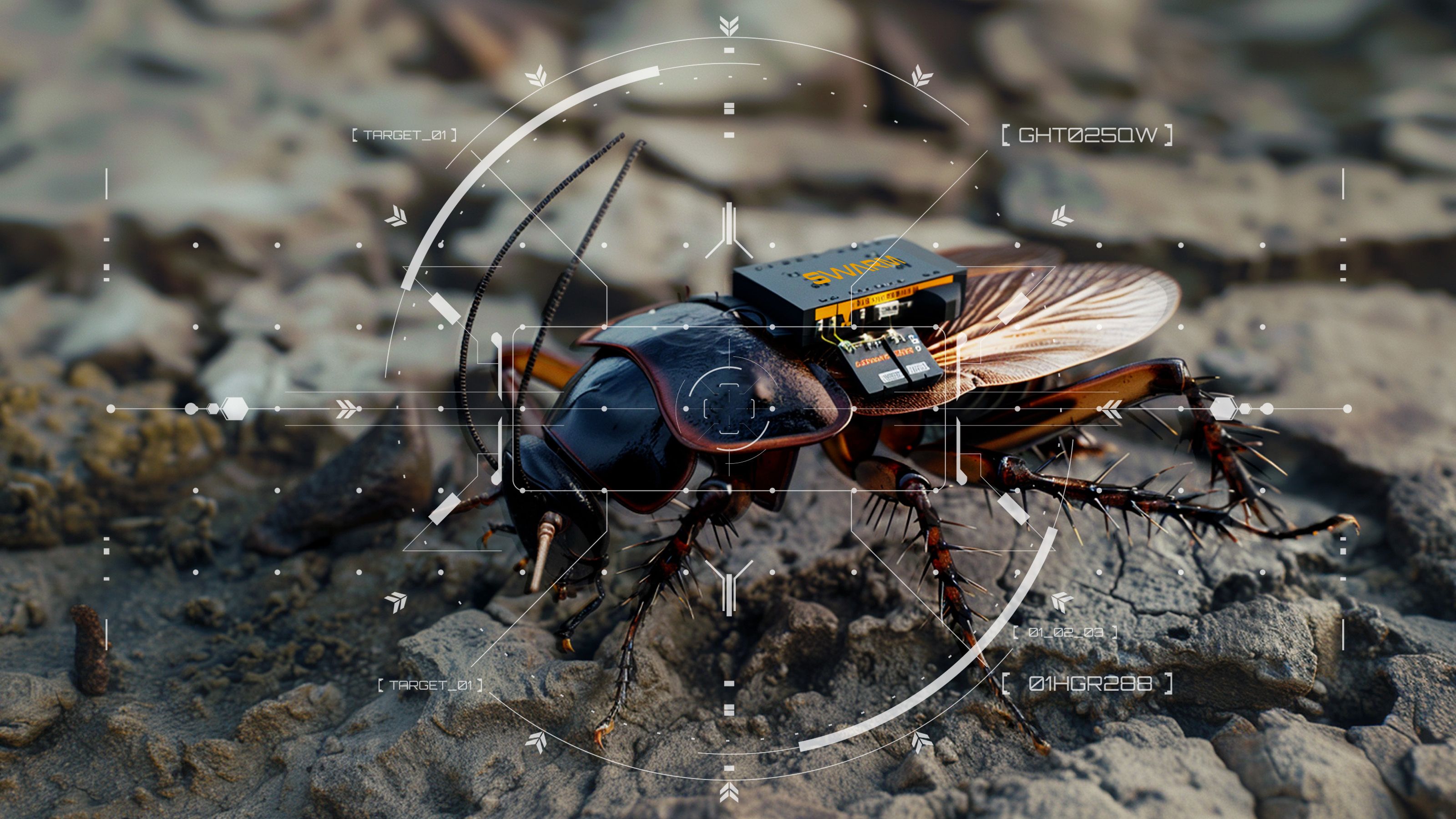
Image source: SWARM Biotactics
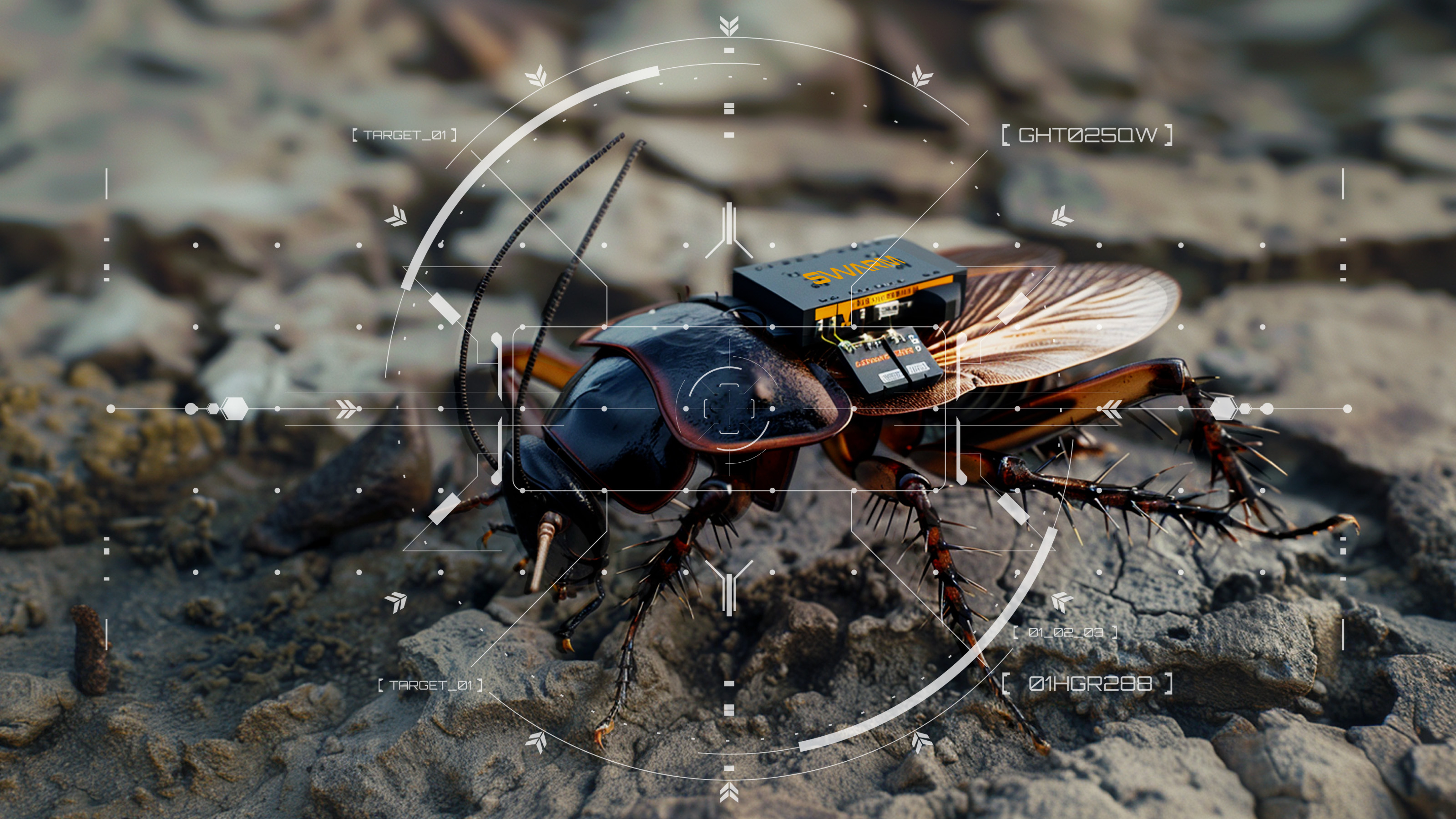
The Rundown: A German defense startup just unveiled bioelectronic “cyborg” cockroaches — neural-interface steered scouts designed to crawl through confined, high-risk environments where drones and troops can’t operate.
The details:
German startup SWARM Biotactics made these bioelectronic “cyborg” insects by using neural interfaces to remotely control live cockroaches.
Each insect carries a tiny backpack with AI hardware, radios, and modular sensors such as cameras and microphones.
The swarms are designed to crawl through rubble, tunnels, and other GPS‑denied, high‑risk environments, relaying live tactical intelligence.
NATO forces, including elements of the German armed forces, are reportedly already field-testing the insect platforms for reconnaissance missions.
Why it matters: SWARM’s bioelectronic scouts blur the line between robotics and biology, opening a new frontier in military reconnaissance. If tests prove successful (and ethical hurdles are cleared), swarms of low-cost, hard-to-detect insect platforms could reshape how forces gather intelligence in urban warfare and disaster zones.
BMW
🚘 BMW puts humanoids on the line in Europe

Image source: BMW
The Rundown: BMW is piloting Hexagon’s AEON wheeled humanoids on high-voltage battery and component workflows at its plant in Leipzig, Germany — marking BMW’s first humanoid-robot deployment in European production.
The details:
The move follows an 11-month Figure 02 pilot at BMW’s Spartanburg, SC plant, where robots logged 10-hour shifts and contributed to 30,000+ X3 builds.
The wheeled humanoids take on repetitive high-voltage battery and component tasks, swapping grippers, hands, and scanners as needed.
After lab tests and a December 2025 shop‑floor shakedown, BMW will scale up integration from April 2026, with a full series‑production pilot in summer 2026.
Meanwhile, Mercedes-Benz is testing Apptronik’s Apollo humanoids at its Digital Factory Campus in Berlin and also in Kecskemét, Hungary.
Why it matters: Humanoids that can survive messy, unionized German shop floors are very different from showroom demo bots — they have to hit cycle times, respect safety rules, and win over skeptical workers. If AEON clears that bar, it could become a blueprint for deploying humanoids across Europe’s most regulated factories.
LENOVO
👀 Lenovo’s puppy-eyed robot arm watches you work
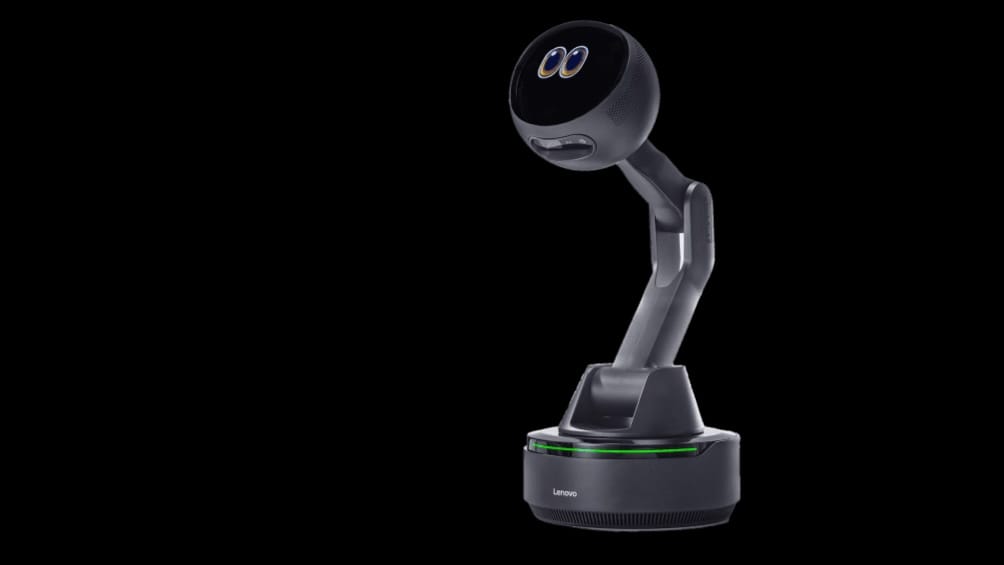
Image source: Lenovo
The Rundown: Chinese tech giant Lenovo just unveiled a puppy‑eyed robot arm designed to sit on your desk as an always‑on AI coworker, watching you work while managing calls, notifications, and simple physical tasks.
The details:
Lenovo unveiled the AI Workmate prototype robotic desk companion at the Mobile World Congress in Barcelona.
The device pairs a compact robotic arm with an animated screen displaying wide, cartoon-like eyes that track the user and signal status.
Designed to sit beside a PC, it uses local AI to handle voice commands, manage calls and notifications, set timers, and control apps.
The arm can tap keys, point at content, and assist with basic physical gestures like document signing.
Why it matters: Lenovo’s AI Workmate arrives as tech giants race to turn ambient AI into hardware — Amazon has Astro, and Apple and OpenAI are also reportedly cooking up their own desk devices. But this always-on, watching prototype certainly raises the question: how much AI surveillance are we actually willing to invite onto our desks?
HONOR
🤖 Honor’s new humanoid moonwalks on stage
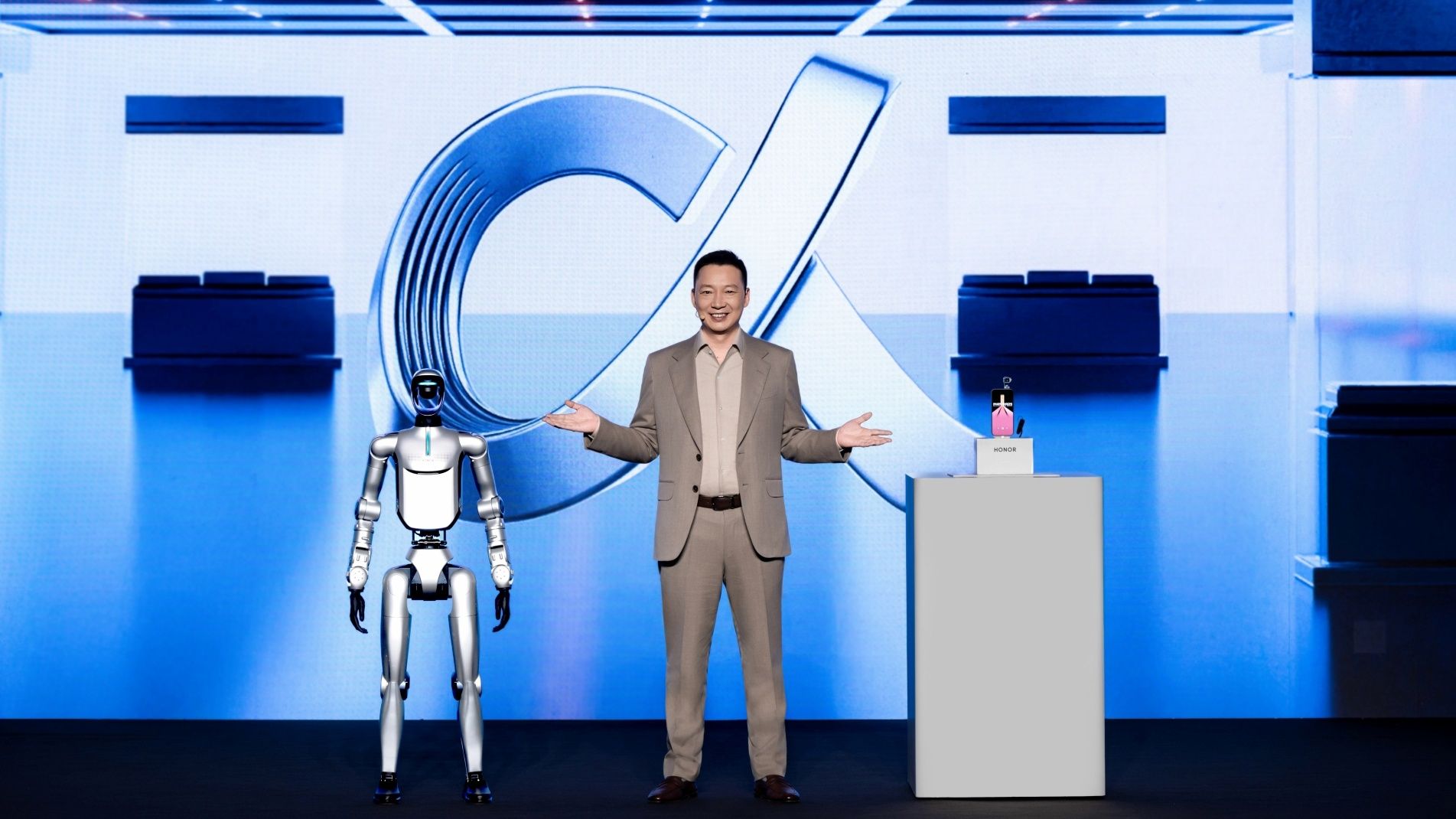
Image source: Honor
The Rundown: Smartphone maker Honor used the Mobile World Congress in Barcelona to step out of the phone race and into “physical AI,” unveiling a dancing, backflipping humanoid after teasing the news last week.
The details:
The humanoid danced to Imagine Dragons’ “Believer,” moonwalked alongside human backup dancers, and shook hands with Honor’s CEO onstage.
The matte‑black humanoid features a light‑bar “face,” sleek curved panels, and smooth, human‑like joints.
Honor pitched the robot as a future consumer‑grade assistant for tasks like shopping help, workplace inspections, and basic companionship.
Honor’s new humanoid shared the stage with a “Robot Phone” that puts a small, moving robot in a handset shell.
Why it matters: Honor spent last week teasing a mysterious “one more thing,” then followed through with a full humanoid song‑and‑dance reveal at the MWC. It shows phone brands now see humanoids as the next premium hardware tier, using flashy demos to prime consumers for physical‑AI ecosystems.
QUICK HITS
📰 Everything else in robotics today
Chicago banned autonomous sidewalk delivery robots after residents complained that the machines blocked walkways and raised safety and accessibility concerns.
Crypto-focused venture firm Paradigm is raising a new fund of up to $1.5B to expand beyond blockchain into investments in robotics and AI.
Elon Musk claimed Tesla is close to launching driverless robotaxis in California, but Reuters reports that the company logged zero autonomous test miles in 2025.
Tokyo Electric Power Company unveiled a snake-like robotic arm to navigate tight spaces inside the Fukushima Daiichi reactors to remove radioactive debris.
Chinese startup AgiBot launched a Qingtian Rent platform that lets customers hire robots for short gigs, with daily rates reaching about $14K for top-tier packages.
China rolled out its first national standard system for humanoids and embodied AI, turning kung‑fu showpieces into a regulated platform for real industrial work.
Xiaomi put its humanoid on real EV lines, saying they autonomously install self‑tapping nuts in the die‑casting shop on a 76‑second cycle with 90% success.
Physical AI data-infrastructure startup Encord raised $60M in a Series C round to scale its platform for training robots, drones, and other autonomous systems.
Researchers built a soft robotic wing with built‑in sensing that mimics marine animals, reshaping itself in currents to boost stability for autonomous vehicles.
COMMUNITY
🎓 Highlights: News, Guides & Events
Read our last AI newsletter: OpenAI steps into Anthropic’s Pentagon void
Read our last Tech newsletter: Netflix exits $83B Warner Bros. deal
Read our last Robotics newsletter: Unitree’s most powerful robot dog yet
Today’s AI tool guide: Use Claude Cowork + Obsidian to triple your output
RSVP to our next workshop on March 12: AI coding bootcamp pt. 1
See you soon,
Rowan, Joey, Zach, Shubham, and Jennifer — The Rundown’s editorial team

OpenAI steps into Anthropic's Pentagon void
Read Online | Sign Up | Advertise

Good morning, AI enthusiasts. Early last week, the Pentagon called Claude best-in-class for military intelligence. By Friday, the Trump administration had booted Anthropic and labeled it a ‘supply chain risk’ on par with Chinese tech giants.
With OpenAI signing its own government deal, consumers angrily switching services, and the military still using Claude in weekend strikes on Iran, what started as a contract dispute has quickly turned into the biggest AI policy issue the industry has faced yet.
In today’s AI rundown:
OAI lands Pentagon deal as Trump boots Anthropic
The Rundown Roundtable: Our AI use cases
Use Claude Cowork + Obsidian to triple your output
OpenAI hits $730B valuation with $110B mega-round
4 new AI tools, community workflows, and more
LATEST DEVELOPMENTS
OPENAI, ANTHROPIC, & THE PENTAGON
🪖 OAI lands Pentagon deal as Trump boots Anthropic

Image source: Lovart / The Rundown
The Rundown: OpenAI signed a deal with the Pentagon, just hours after President Trump ordered to cut ties with Anthropic over safeguards on mass surveillance and autonomous weapons, with OpenAI claiming its contract carries the same red lines.
The details:
Anthropic was the first AI lab on the Pentagon's classified network, but held firm on not using AI for mass domestic surveillance or autonomous weapons.
Trump responded by ordering agencies to drop Anthropic, with War Sec. Pete Hegseth adding a "supply chain risk" tag only ever used on adversaries.
OAI signed its own deal hours later, citing similar red lines to Anthropic — though the Pentagon reportedly still used Claude in Iran strikes post-ban.
Altman said the deal was "definitely rushed" and that the optics don’t look good” in an X AMA, while also calling the Anthropic ban "a very bad decision”.
Consumer backlash landed fast, with Claude shooting to No. 1 on Apple's App Store and a “Cancel ChatGPT” movement spreading across X and Reddit.
Why it matters: Whether OAI's red lines actually match Anthropic's or just look the part on paper is the question to watch. Claude’s surge and ChatGPT cancellation backlash show the user reaction, but a favorable relationship with the government over a top competitor might be worth more long-term than the lost consumer revenue.
TOGETHER WITH BLAND AI
📞 Voice AI for every conversation

The Rundown: Bland AI automates phone calls for over 250+ enterprise customers. No phone trees. No hold music. No call centers. Just faster, better customer conversations.
Here are some of the outcomes they've driven for businesses:
MyPlanAdvocate added $40M/yr by automating their inbound lead qualification
Idaho Finance saved $750k/yr by replacing their IVR with AI Voice Agents
And Needle saves $1M/yr by automating outbound calls
Book a demo today to see how you can get similar results for your business.
THE RUNDOWN ROUNDTABLE
💡The Rundown Roundtable: Our AI use cases
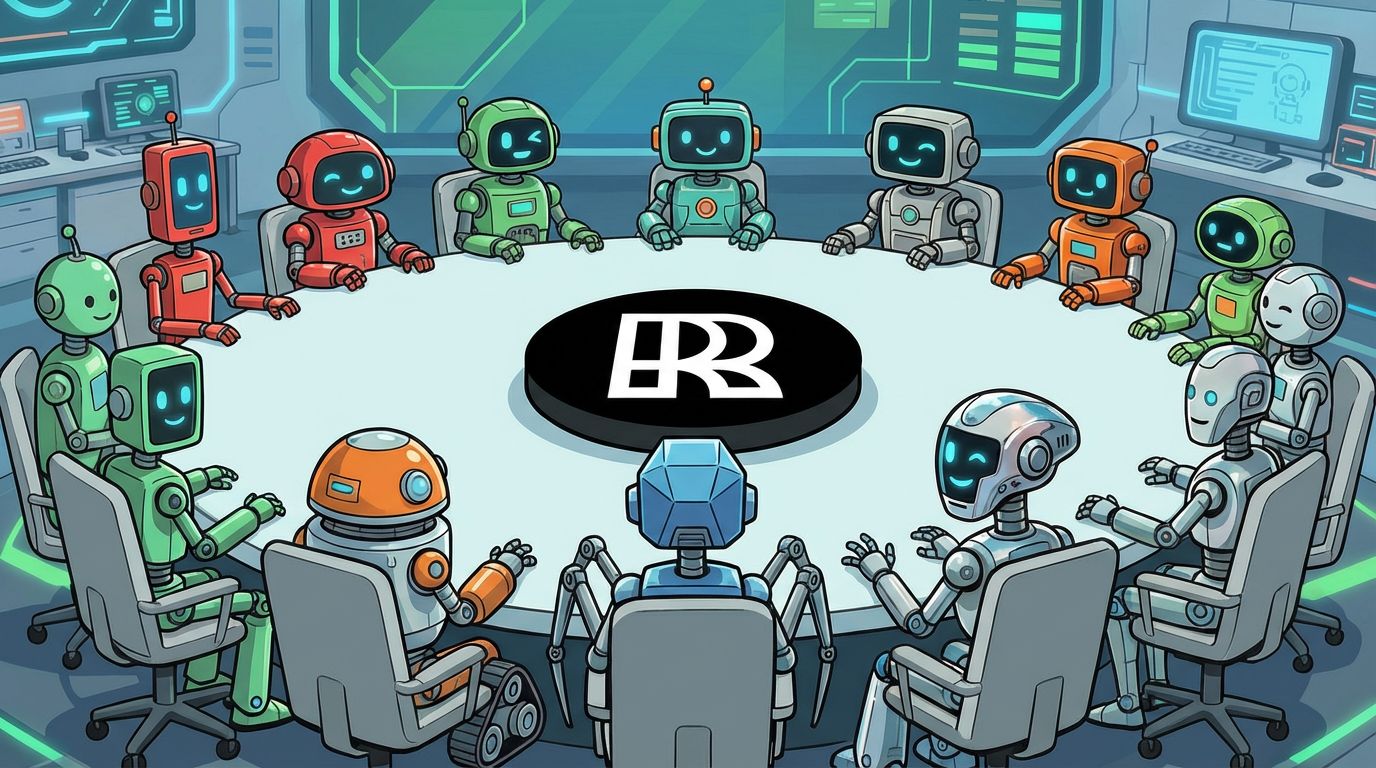
The Rundown: The Rundown Roundtable is a weekly feature where we poll members of The Rundown staff about how we use AI in our work and daily lives.
Adrian, Developer: My best friend from high school got married last weekend, and as the groomsmen, we wanted to create a gift that felt personal and nostalgic. We collected our old photos together and used Seedance to animate them—bringing each still image to life from the first frame— and then stitched several clips into one final video.
The result was amazing: the groom was deeply touched, and we all shared a heartfelt moment watching it together on the wedding day, reliving our memories in a way that felt both timeless and new.
Zach, AI Writer: My fantasy baseball auction draft is around the corner, and I decided to try Claude Cowork for the planning and research efforts this year. I uploaded my league’s settings, the players being kept across the league, and my own rambling of strategies and thoughts on my current players.
Claude then performed a deep analysis of my current options and their projected values, provided strong recs on who I should prioritize, and gave me a detailed list of draft targets around the league, perfectly tailored to my needs and league format — also scouring the web for tons of articles that saved me the tedious manual searching.
AI TRAINING
✍️ Use Claude Cowork + Obsidian to triple your output
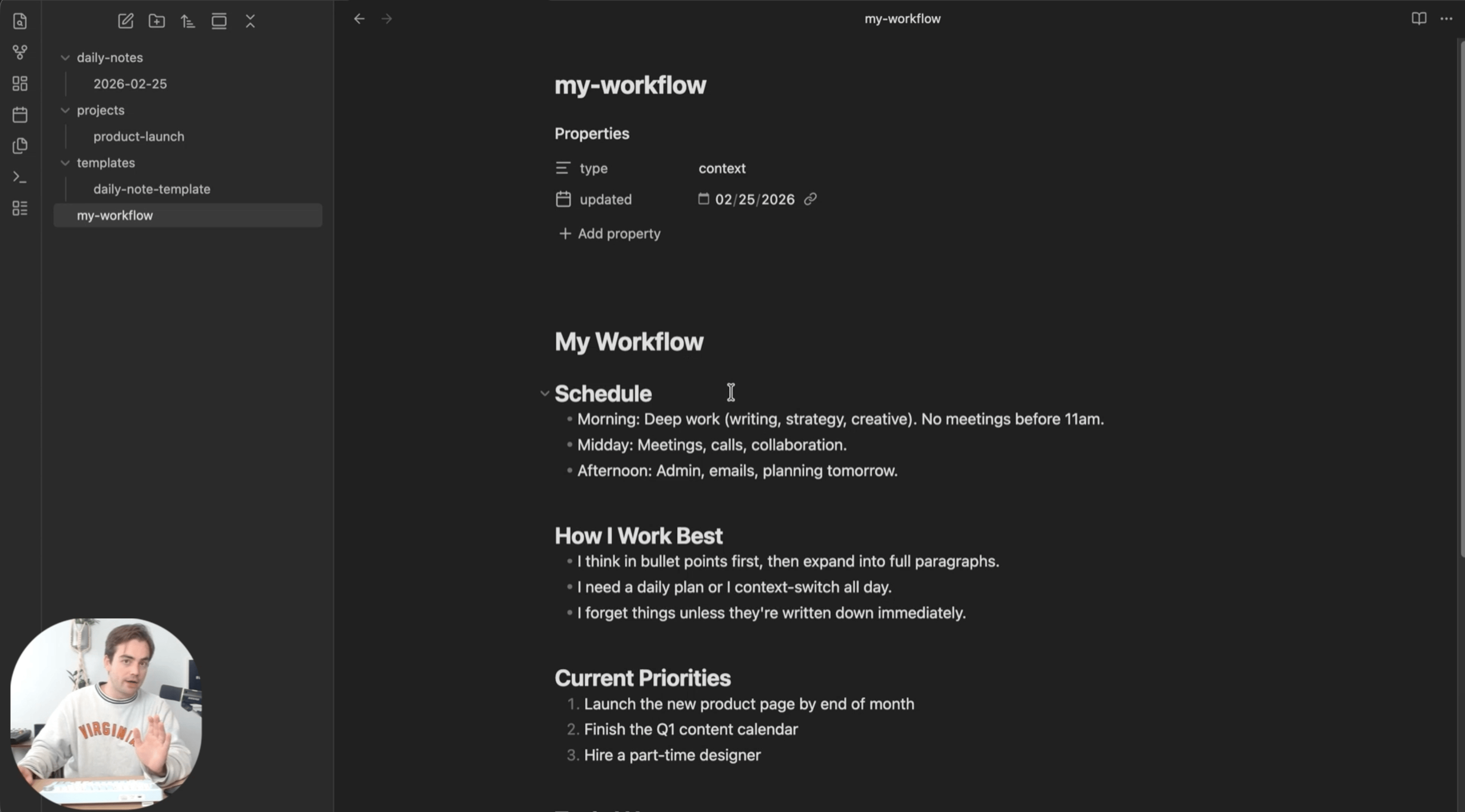
The Rundown: In this guide, you’ll learn a simple system to plan and manage your workdays by setting up the Obsidian notes app so that Claude automatically creates daily plans for you — helping you triple your output.
Step-by-step:
Get Obsidian, create a vault with daily-notes/, templates/, projects/ folders, and add my-workflow.md to root with your schedule, work, priorities, projects
Create daily-notes-template.md in templates/ with “Plan,” “Notes,”“End of Day” sections, and a project-template.md in projects/ with “Goals”, “Tasks,” “Notes”
In Claude Cowork, create a scheduled planning task with the prompt: “Read my vault. Check yesterday's note, my project files, and my-workflow.md. Create today's daily note with prioritized tasks. Flag anything overdue”
Create an EOD scheduled task with “Read today's daily note. Summarize what got done, what's carrying over. Update project files with any completed tasks”
Pro tip: Ask Claude to interview you about each project upfront to create clear goals and deadlines in your project files.
PRESENTED BY IBM
🔒 Build sovereignty into your AI strategy

The Rundown: For executives, digital sovereignty is about who truly controls the intelligence behind their business — their data, their models, and their operations. Dive deeper into why sovereignty is becoming a top C-suite priority and how IBM can help your organization.
In this paper, you’ll learn how to:
Identify sovereignty risks across your data, cloud, and AI stack
Implement controls that maintain operational independence
Strengthen resilience with hybrid, open, sovereign-ready architectures
OPENAI
💰 OpenAI hits $730B valuation with $110B mega-round

Image source: Lovart / The Rundown
The Rundown: OpenAI raised $110B at a $730B valuation, with Amazon leading at $50B alongside $30B each from Nvidia and SoftBank — kicking off an Amazon deal that marks a notable infrastructure pivot away from OAI's Microsoft-only era.
The details:
The funding is nearly 3X OAI's own record $40B raise from last March, with the valuation jumping from $500B in October to $730B.
Amazon's $50B comes with a deep strategic deal, including a $100B AWS expansion, adoption of Trainium chips, and more.
Microsoft notably sat this raise out, though both companies insisted their partnership "remains strong and central" in a joint statement.
OAI revealed that ChatGPT now tops 900M weekly users and 50M+ paying subscribers, while weekly Codex usage has tripled since January to 1.6M.
Why it matters: OAI just raised more in a round than most tech companies are worth — though much of the cash flows back to Amazon and Nvidia as compute purchases, continuing the circular investments that have defined the AI boom. With an IPO on the horizon and Anthropic at $380B, the race to go public is gaining even more steam.
QUICK HITS
🛠️ Trending AI Tools
🗣️ Unwrap Customer Intelligence - Connect your entire organization to the true voice of the customer with AI-driven insights from customer feedback*
🤖 Hermes-Agent - AI agent with memory, cross-platform messaging
🎥 Flow - Google’s AI filmmaking tool, revamped into a new unified workspace
💻 Perplexity Computer - Multi-model agent system for long-running tasks
*Sponsored Listing
📰 Everything else in AI today
Block laid off over 4,000 of its 10,000 employees, with CEO Jack Dorsey explicitly citing AI as the reason — sending shares up more than 20% from the move.
OpenAI founding member Andrej Karpathy said programming is becoming “basically unrecognizable", calling recent shifts the end of the era of typing code.
Imbue open-sourced Darwinian Evolver, a tool that uses LLM evolution to automatically optimize code and prompts — scoring a SOTA 95% on ARC-AGI-2.
Amazon’s David Luan announced he is leaving the company to pursue a new venture, departing after leading Amazon's Nova Act browser agent and SF AI lab.
Perplexity open-sourced the embedding AI models powering its search results, outperforming Google and Alibaba rivals while cutting storage needs by up to 32x.
COMMUNITY
🤝 Community AI workflows
Every newsletter, we showcase how a reader is using AI to work smarter, save time, or make life easier.
Today’s workflow comes from reader Elizabeth. in Colorado:
"Understandably, many people may be frustrated by Apple’s AI strategy. Yet, Apple has changed my life with its AI efforts. I have lived my entire life with no eyesight, thus I rely on the Voice-Over screen reader for every task on my iPhone and Mac. I have always wanted to be my own screen-reader voice, as it would externally affirm I am reading things from my own perspective.
With the introduction of Personal Voice in iOS 17 and the subsequent ability for Voice-Over and the Speech Central AI Voice Reader to use it starting with IOS18, my dream has come true! I am thankful for banking my voice and being able to enjoy my books, articles, browsing the web, and reading this wonderful AI newsletter.”
How do you use AI? Tell us here.
🎓 Highlights: News, Guides & Events
Read our last AI newsletter: The new top banana in AI image generation
Read our last Tech newsletter: Netflix exits $83B Warner Bros. deal
Read our last Robotics newsletter: Unitree’s most powerful robot dog yet
Today’s AI tool guide: Use Claude Cowork + Obsidian to triple your output
RSVP to our next workshop on March 12: AI coding bootcamp pt. 1
See you soon,
Rowan, Joey, Zach, Shubham, and Jennifer — the humans behind The Rundown

Netflix exits $83B Warner Bros. deal
Read Online | Sign Up | Advertise
Good morning, tech enthusiasts. Netflix just blinked, walking away from its $82.7B bid for Warner Bros. Discovery’s studios and streaming crown.
Now Paramount Skydance — bankrolled by Oracle billionaire Larry Ellison and run by his son David — wants the whole empire, from HBO Max to CNN. But is handing one family that much media control something regulators can stomach?
In today’s tech rundown:
Netflix walks away from Warner Bros. deal
Jack Dorsey replaces Block employees with AI
Sam Altman’s eyeball scanner nabs Gap deal
China ready as NASA kills hunt for Martian life
Quick hits on other tech news
LATEST DEVELOPMENTS
NETFLIX
🎬 Netflix walks away from Warner Bros. deal

Image source: Ideogram / The Rundown
The Rundown: Netflix just walked away from its $82.7B deal to acquire Warner Bros. Discovery’s studio and streaming assets, ceding the fight to Paramount Skydance, whose $111B offer for the entire company could reshape the media landscape.
The details:
Netflix declined to counter Paramount Skydance’s raised bid of $31 per share, calling the new price “no longer financially attractive.”
Paramount, backed by Larry Ellison’s fortune, aims to absorb the WBD studios, HBO Max, CNN, TBS, TNT, HGTV, and Turner Classic Movies.
Paramount Skydance agreed to cover the $2.8B termination fee that WBD would owe Netflix if WBD ends Netflix’s deal in favor of Paramount.
Netflix co-CEO Ted Sarandos reportedly spent Thursday meeting with White House chief of staff Susie Wiles and AG Pam Bondi before pulling the plug.
Why it matters: The deal would hand one family — Oracle founder and Trump ally Ellison and his son David — control over two major Hollywood studios and a sprawling national news footprint. Critics warn that’s exactly the kind of consolidation that can alter the culture pipeline, and antitrust alarms are already ringing.
BLOCK
🪓 Jack Dorsey replaces Block employees with AI

Image source: Block / Reve
The Rundown: Jack Dorsey is slashing nearly half of Block’s workforce — more than 4K jobs — and replacing them with AI tools, a move that sent the payment giant’s stock soaring more than 20% in after-hours trading.
The details:
Dorsey says the move is driven by AI “intelligence tools” that let smaller, flatter teams run Block’s payments and Cash App businesses.
Internally, Block has rolled out its Goose AI agent, which execs say saves workers 8–10 hours a week and eliminates 20–25% of manual work.
The layoffs land alongside strong Q4 numbers: revenue of about $6.25B, gross profit up 24% year over year, and guidance that tops Wall Street’s forecasts.
Dorsey is also offering a warning: most companies will reach the same conclusion this year as automation starts absorbing more white-collar work.
Why it matters: Dorsey just demonstrated that aggressive AI-driven headcount cuts can be sold to investors as a growth story, not a crisis, with shares jumping more than 20% on the news of more than 4K layoffs. If the market keeps rewarding the math, other CEOs might not need much convincing.
TOOLS FOR HUMANITY
👁️ Sam Altman’s eyeball scanner nabs Gap deal
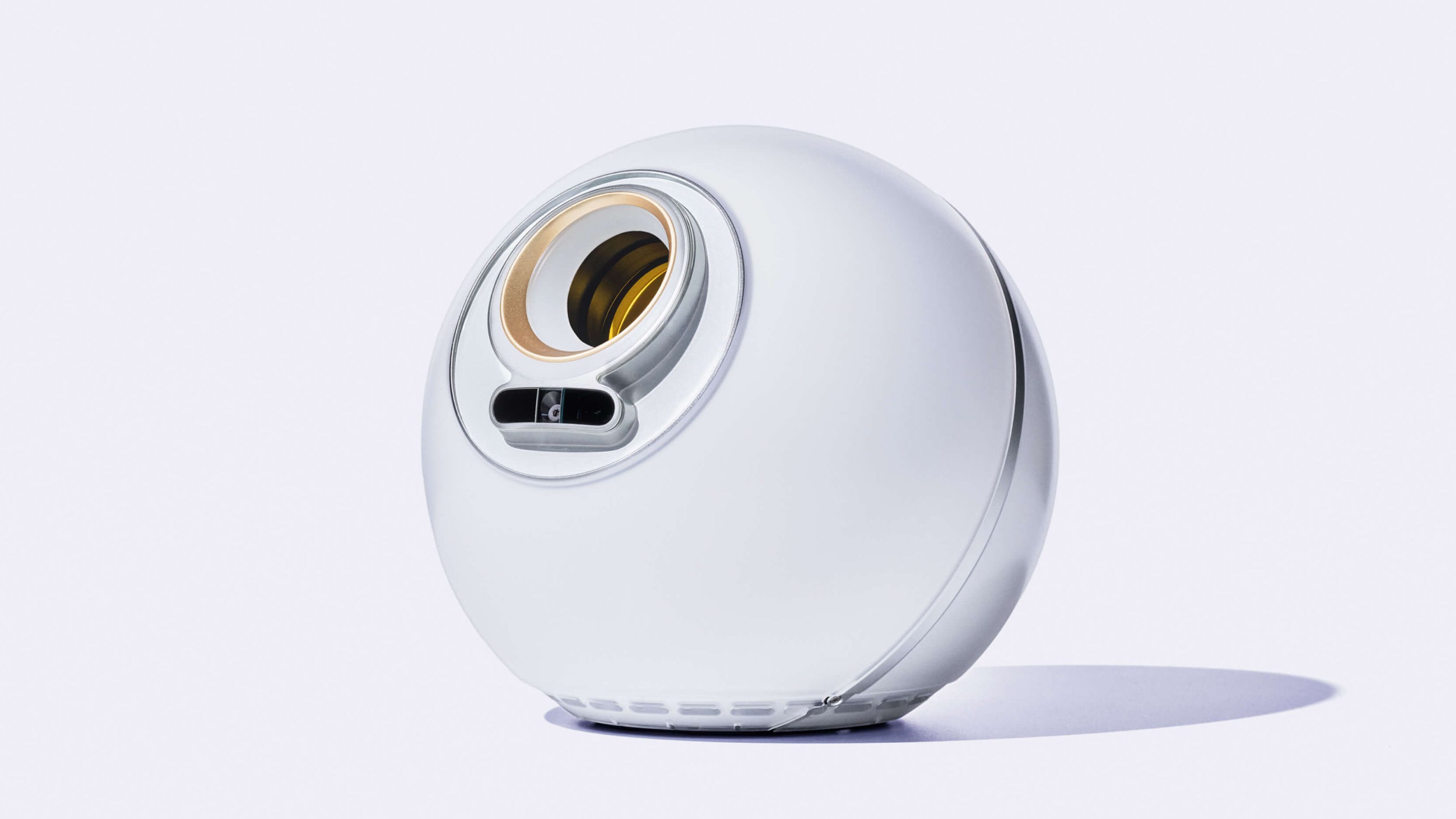
Image source: Tools for Humanity
The Rundown: Sam Altman’s biometric startup, Tools for Humanity, is expanding where its World ID system can be used, including deals with Gap, Visa, and Tinder, as it tests whether its iris-scanning ID checks can fit into everyday consumer services.
The details:
A Gap store in San Francisco now hosts one of the company’s Orbs, a volleyball-sized biometric scanner that captures iris data on the spot.
Visa and Match Group want World ID to underpin payments and dating, from a World‑branded Visa card to Tinder verification trials in Japan.
The project has signed up tens of millions of users globally, with roughly 18M verified humans, but adoption in North America remains relatively small.
Why it matters: Tools for Humanity has drawn regulatory heat for incentivizing signups with its WLD crypto, and critics warn that if World IDs go mainstream, they could be targets for theft in ways users can’t easily undo, since you can’t change your iris. Still, in the quest to verify “real humans,” big brands seem willing to experiment.
NASA
👽 China ready as NASA kills hunt for Martian life
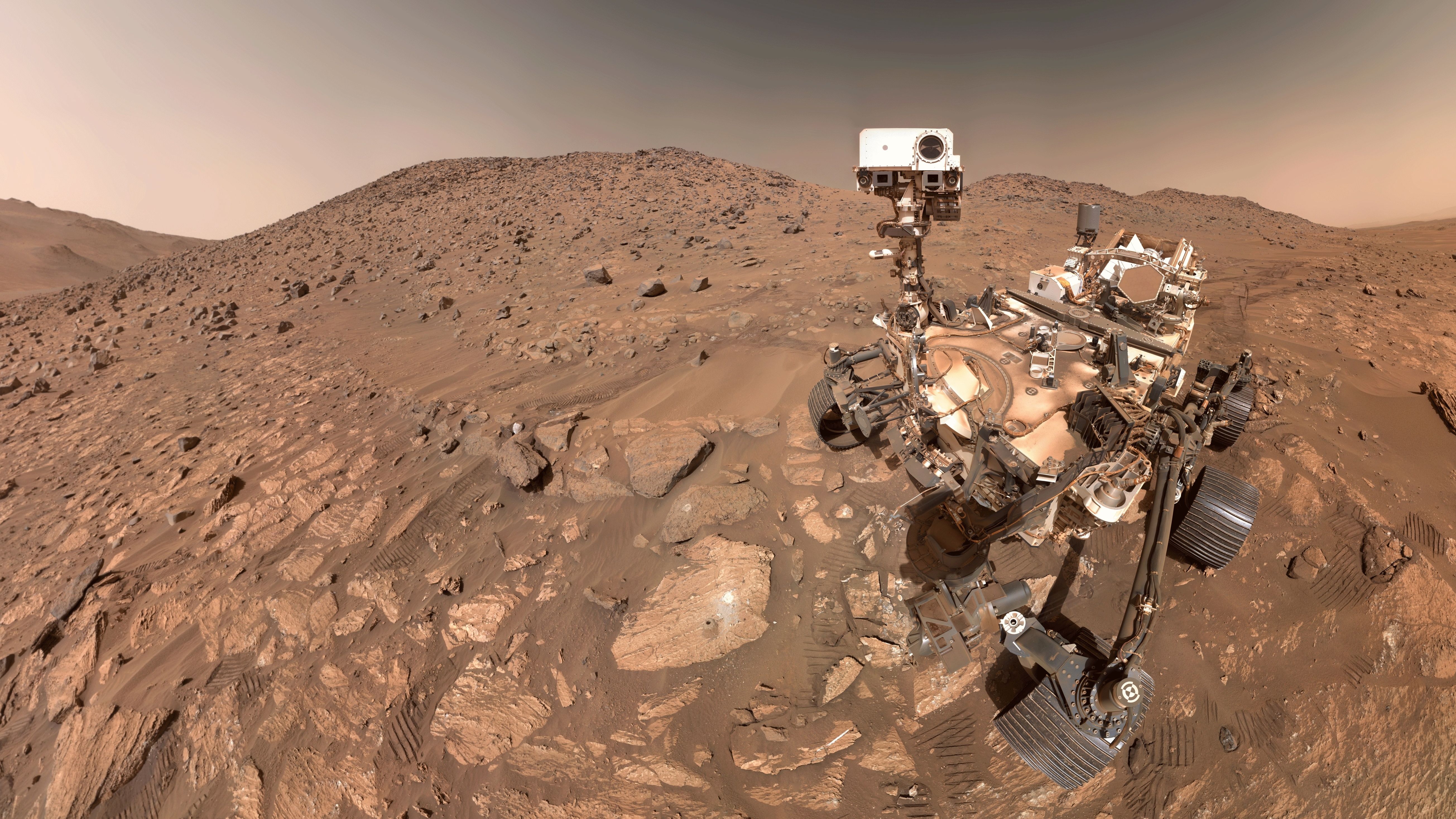
Image source: NASA / Perseverance Rover
The Rundown: After years of cost overruns, political battles, and failed redesigns, Congress has effectively killed NASA’s Mars Sample Return program — leaving dozens of carefully drilled rock cores stranded on the Red Planet with no plan to retrieve them.
The details:
MIT Tech Review reports that Perseverance spent years collecting samples from an ancient Martian lakebed — with no current funded plan to retrieve them.
The mission’s budget swelled toward roughly $11B, provoking years of political backlash and, ultimately, cancellation despite attempts to slim it down.
China’s Tianwen-3 is now positioned to become the first mission to return Martian material to Earth, targeting a 2028 launch.
Tianwen-3 is targeting a “grab-and-go” surface collection that would deliver at least 500 grams of rock and soil by 2031.
Why it matters: Tianwen-3’s samples may lack Perseverance’s surgical precision, but the science would still be transformative — and whoever returns the first rocks from Mars writes the history books. If those rocks carry biosignatures, Beijing gets first crack at the most consequential discovery in human history.
QUICK HITS
📰 Everything else in tech today
Google struck a roughly $1B deal with Form Energy to install a 300‑megawatt, 30‑gigawatt‑hour iron‑air battery capable of delivering power for 100 hours.
Ford is recalling 4.3M U.S. vehicles to fix a software bug that can disable trailer lights and brakes, with most vehicles getting the repair via an over‑the‑air update.
Oura rolled out its first proprietary AI model for women’s health, using clinician-vetted data to power personalized guidance in its Oura Advisor feature.
eBay is laying off about 800 people — roughly 6% of its global staff — as the e-commerce veteran looks to reinvest in its operating model needs.
A new study finds that Americans now spend slightly more of their listening time on podcasts (40%) than on AM/FM talk radio (39%).
UCLA researchers used CRISPR to delete a “brake” gene in human natural killer cells, boosting their survival and tumor-killing power against solid tumors in mice.
A Harvard-led study finds many employees value remote flexibility so much that they’d give up a quarter of their pay rather than return to fully in‑office work.
Self-driving truck startup Einride raised an oversubscribed $113M PIPE (private investment in public equity) financing to back its SPAC merger and NYSE debut.
Poland is drafting a law that would ban social media for children under 15 and fine platforms that fail to verify users’ ages, setting up a potential clash with U.S. tech firms.
COMMUNITY
🎓 Highlights: News, Guides & Events
Read our last AI newsletter: The new top banana in AI image generation
Read our last Tech newsletter: Apple goes big on ‘Made in America’
Read our last Robotics newsletter: Unitree’s most powerful robot dog yet
Today’s AI tool guide: Create an AI Assistant with its own phone number
RSVP to our next workshop on March 12: AI Coding Bootcamp pt. 1
See you soon,
Rowan, Joey, Zach, Shubham, and Jennifer — The Rundown’s editorial team
No matching search results
Try using different keywords, double-check your spelling, or explore related categories.
Stay Ahead on AI.
Join 2,000,000+ readers getting bite-size AI news updates straight to their inbox every morning with The Rundown AI newsletter. It's 100% free.