Sony kills the game disc
PLUS: Apple preps 5 new iPhones

Jennifer Mossalgue
July 3, 2026
Read Online | Sign Up | Advertise

Good morning, tech enthusiasts. Sony is getting out of the physical game business after a three-decade run. Starting in January 2028, new PlayStation releases will be digital-only, turning the collector’s shelf and the GameStop trade-in counter into artifacts of another era.
It’s the ending everyone saw coming: what used to be a game you owned is quietly becoming a file you’re allowed to access.
In today’s tech rundown:
Sony pulls the plug on PlayStation discs
Apple plans 5 new iPhones — if it can find the chips
Google’s 8-year Android fight ends in $4.7B defeat
Lilly’s next injectable target: hair loss
Quick hits on other tech news
LATEST DEVELOPMENTS
SONY
📀 Sony pulls the plug on PlayStation discs
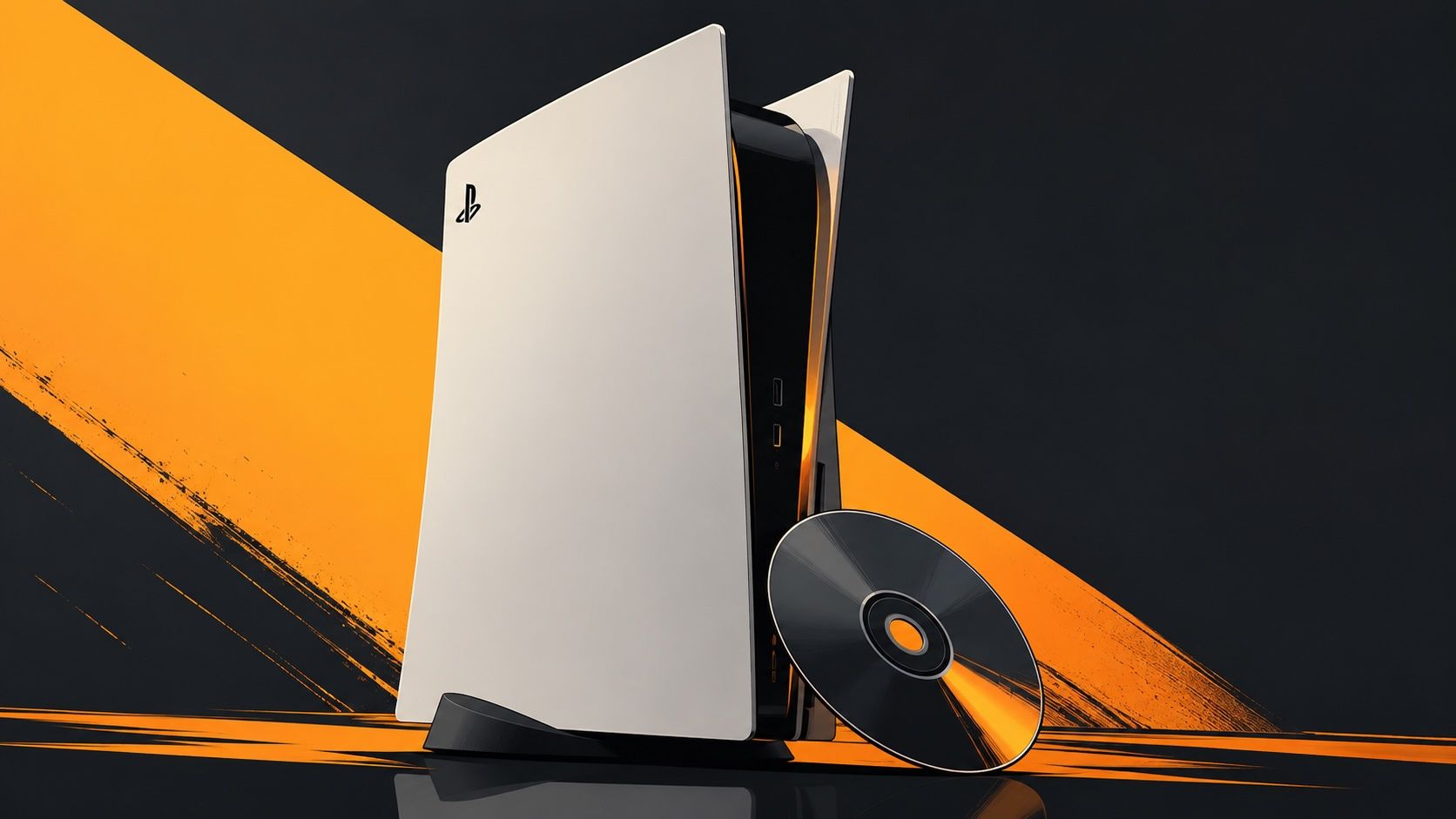
Image source: Ideogram / The Rundown
The Rundown: Sony will stop pressing physical discs for all new PlayStation games starting in January 2028, ending three decades of boxed console releases as the company goes all-in on digital.
The details:
Every new title after the cutoff will be sold digitally only via the PlayStation Store and third-party retailers.
Sony says that digital downloads made up 85% of full-game sales on PS4 and PS5 in its most recent quarterly results, versus 15% for discs.
It’s part of a larger trend: GameStop has reportedly shuttered more than 1,300 stores over the past two fiscal years as game buying moved online.
Sony announced it’s also winding down the PlayStation Store on PS3 in select markets this year, with global PS3 and Vita store closures to follow in 2027.
Why it matters: The announcement landed days after GTA 6 fans discovered the game’s “physical” edition is just a download code in a box. With Sony now formalizing the disc’s death, players will keep paying $70 or more per title — but for a license that can be revoked or delisted at will, with no disc to resell, lend, or keep.
APPLE
🍏 Apple plans 5 new iPhones — if it can find the chips
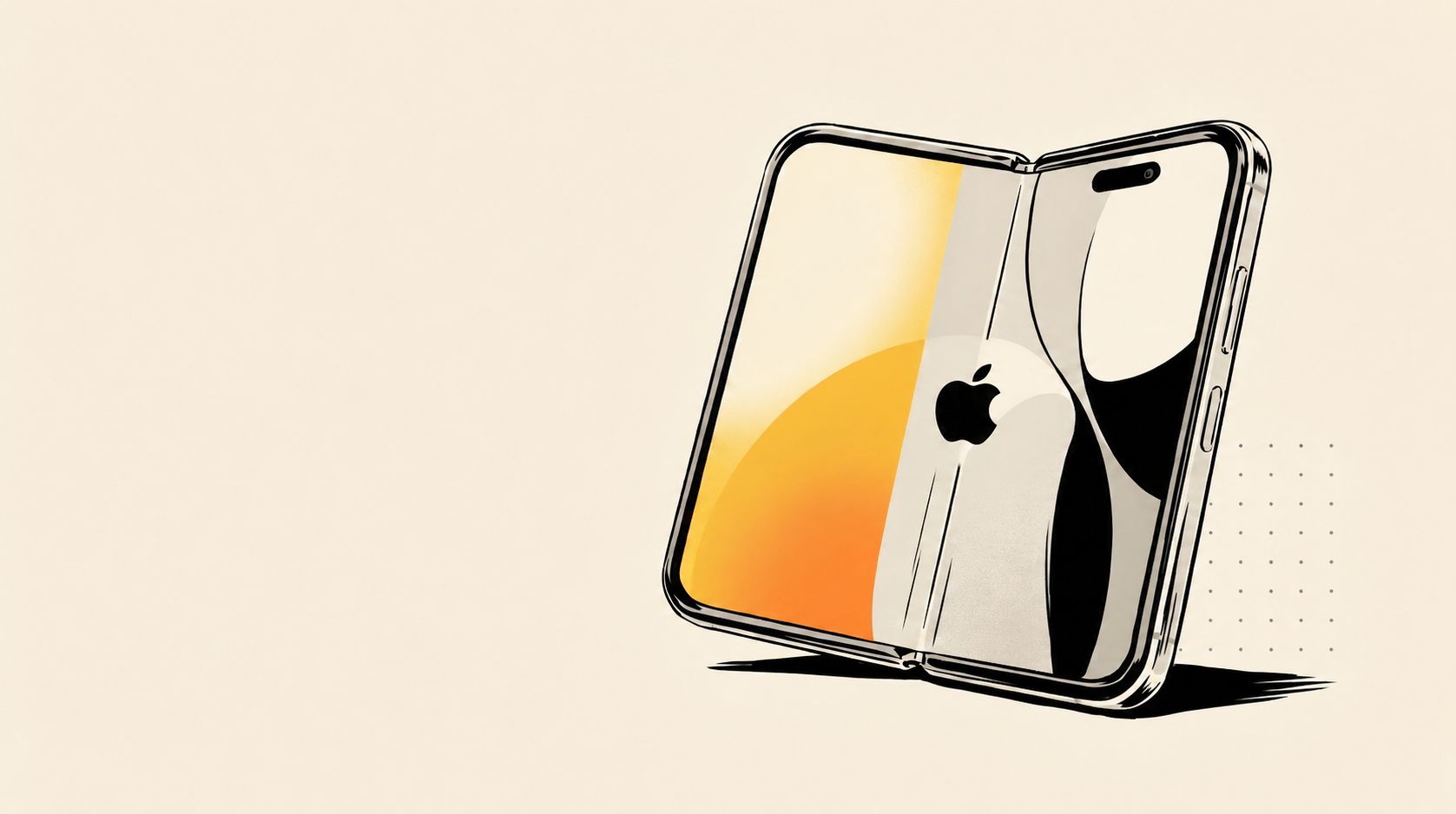
Image source: Ideogram / The Rundown
The Rundown: Apple is reportedly planning at least five new iPhone models between late 2026 and mid-2027 — and telling suppliers to crank out 10M foldables this year — even as an AI-driven memory shortage squeezes its supply chain.
The details:
Reports say Apple told suppliers to prepare 10M foldable iPhones this year, up from 7M–8M units, and has secured components for 80M phones.
IDC pegs the foldable iPhone Ultra’s average selling price at around $2,500, with higher-storage versions hitting $3K, the most expensive iPhone ever.
Counterpoint expects it to grab 29% of global foldable display orders in 2026, just behind Samsung’s 31%.
Apple is also reportedly readying 4 new iPad Pro models with faster chips, an entry-level MacBook Pro, and its first M7 processor, all targeted for early 2027.
Why it matters: AI demand has nearly quadrupled memory prices in three quarters, forcing Apple to raise prices and hunt for chips wherever it can find them — reportedly even from blacklisted Chinese suppliers. Apple’s biggest product push in years looks to be running right into the industry’s worst component squeeze.
⚖️ Google’s 8-year Android fight ends in $4.7B defeat

Image source: Images 2.0 / The Rundown
The Rundown: Europe’s top court just killed Google’s last appeal against its record €4.1 billion ($4.7B) Android antitrust fine, ending an eight-year legal fight over how the company locked its search engine and apps onto the world’s most popular mobile OS.
The details:
The Court of Justice of the European Union dismissed the appeal, confirming the penalty for Google Search’s abuse of a dominant position via Android.
The original €4.34B fine in 2018 targeted deals forcing phone makers to pre-install Search, Chrome, and the Play Store while barring rival Android versions; a lower court trimmed it to €4.1B in 2022.
Google said the judgment ignores its investment in keeping Android “open, interoperable and free.” Alphabet shares dipped about 1% premarket.
It’s Google’s second final EU defeat, after the €2.4B Shopping fine was upheld in 2024 — plus a €2.95B adtech penalty added last year.
Why It Matters: The ruling closes out the last of the Commission’s big three Google cases from the 2010s — the era when Brussels used competition law as its main weapon against Big Tech — just as Sweden’s $1.5B PriceRunner award showed those old fines are now fueling a second wave of private damages suits.
BIOTECH
💉 Lilly’s next injectable target: hair loss
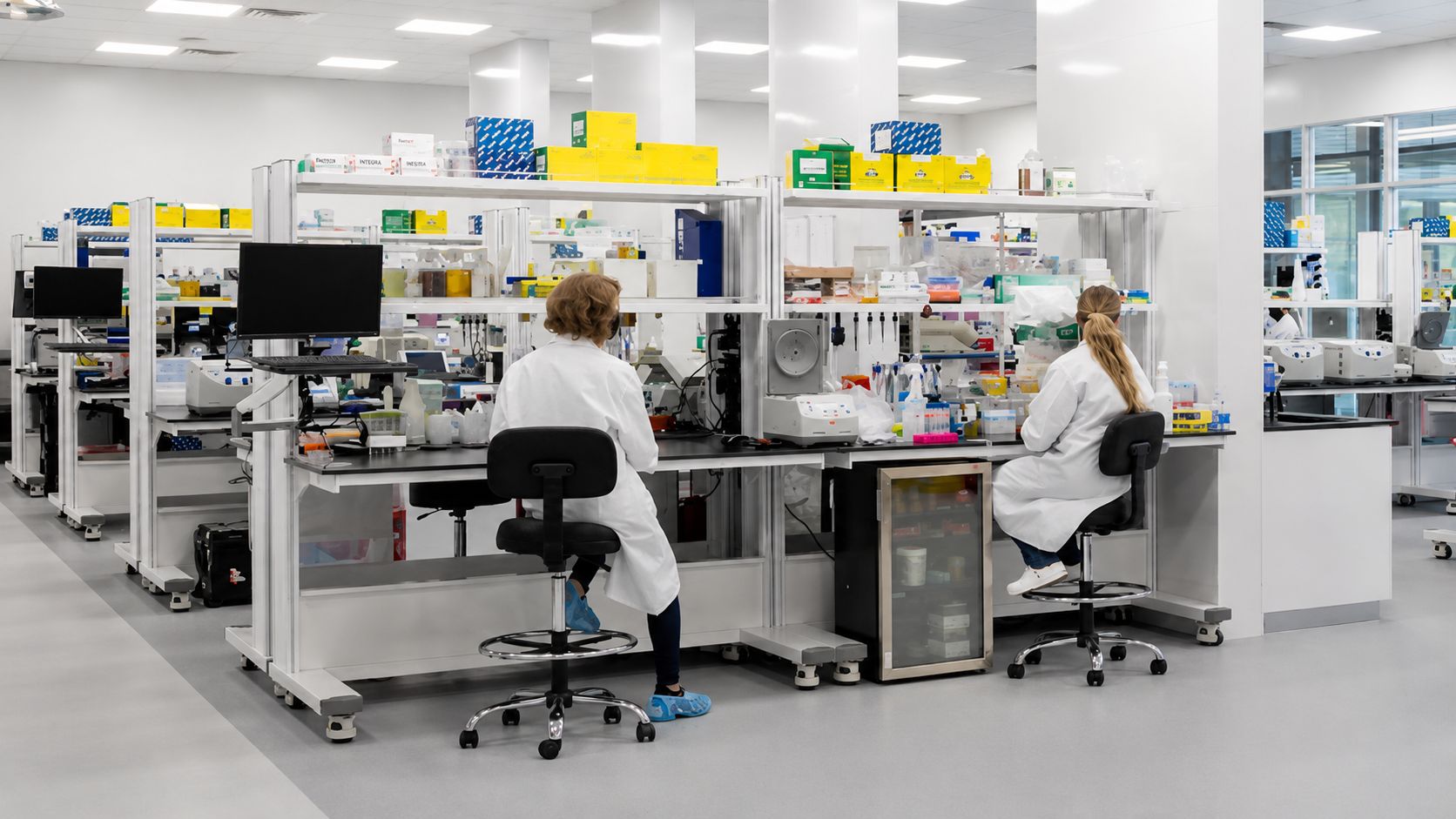
Image source: Absci Corp.
The Rundown: Eli Lilly put $40M into a $100M raise for Absci, whose AI-designed antibody ABS-201 targets pattern baldness and endometriosis, with the CEO floating a future combo shot pairing hair regrowth with a GLP-1.
The details:
ABS-201 blocks the prolactin receptor, a hormone receptor tied to both hair growth and reproductive health; no approved injectable currently treats either.
The Phase 1 trial showed the drug was well tolerated across all doses with no serious side effects, sending Absci shares up 36% last week.
Absci plans a global Phase 2 endometriosis study this year, and wants to jump to Phase 3 for male pattern hair loss in late 2027, pending FDA talks.
Hope Medicine’s HMI-115 blocks the same prolactin receptor — Phase 2 endometriosis data is published in The Lancet, plus a Phase 2 hair-loss trial.
Why it matters: Lilly turned weekly injections into a routine for millions, and it’s now betting the model works beyond weight loss. One antibody covering both hair regrowth and endometriosis — a condition that has been drastically underserved — would stretch injectables from obesity blockbusters into far broader medical treatments.
QUICK HITS
📰 Everything else in tech today
Microsoft plans to lay off thousands of employees across the company in the coming week, hitting sales, engineering, and Xbox, The Information reports.
Meta now caps its smart glasses’ Conversation Focus hearing-amplification feature at 3 free hours a month, charging $20/month for just 15 hours.
AI data center builder Crusoe is in talks to raise about $3B in a new round that could roughly triple its valuation to around $30B, Bloomberg reports.
Meta launched Pocket, an app born from its Gizmo acquisition that lets users generate and share AI-prompted mini games through a scrollable discovery feed.
Tesla delivered over 480K vehicles in Q2 — its best quarter since late 2025 — as cheaper Model 3, Y, and Cybertruck variants beat Wall Street expectations.
Honor’s ultra-thin Magic V6 foldable — with a Snapdragon 8 Elite Gen 5 and a 6,600mAh battery — launched in the UK and Europe at £1,999.99/€2,299.99.
Lime raised $167M in its Nasdaq IPO at a $1.66B valuation, going public after nine turbulent years to help pay down roughly $1B in liabilities.
Florida’s new HB 1217 bans cities and counties from pursuing net-zero emissions goals, forcing rollbacks in at least 10 local governments.
Samsung is reportedly developing its first rollable-screen smartphone — possibly called the Galaxy Z Slide or Z Roll — targeting a launch in the first-half of 2028.
Amazon said its Atlas V launch of 29 satellites — bringing its Leo constellation to 396 — gives it enough coverage to start initial commercial internet service later this year.
COMMUNITY
🎓 Highlights: News, Guides & Events
Read our last AI newsletter: Altman invites Washington inside AI industry
Read our last Tech newsletter: WhatsApp’s ‘usernames’ reservation race
Read our last Robotics newsletter: Apptronik opens massive ‘Robot Park’
Today’s AI tool guide: Delegate team tasks to Claude inside Slack
RSVP to next workshop on July 8: Create Short Form Videos with AI
See you soon,
Rowan, Joey, Zach, Shubham, and Jennifer — The Rundown’s editorial team



Stay Ahead on AI.
Join 2,000,000+ readers getting bite-size AI news updates straight to their inbox every morning with The Rundown AI newsletter. It's 100% free.