Ex-Tesla scientist builds faceless humanoid
PLUS: Humanoids are now performing surgery

Jennifer Mossalgue
July 9, 2026
Read Online | Sign Up | Advertise

Good morning, robotics enthusiasts. Rémi Cadène spent three years building the AI behind Tesla’s Autopilot and Optimus — nine months after leaving Hugging Face for his own Paris startup, UMA, he has a humanoid to show for it.
Northstar’s face is a blank visor, its body wears a soft shell, and its real trick is learning like a person: watch, try, fail, repeat. In a race dominated by the U.S. and China, UMA is betting Europe is the perfect proving ground for robots ready for factory work.
In today’s robotics rundown:
Ex-Tesla scientist unveils humanoid made in Paris
Humanoids perform their first surgery
Waymo goes driverless in four more cities
Mistral bets one camera can replace sensor stack
Quick hits on other robotics news
LATEST DEVELOPMENTS
UMA
🤖 Ex-Tesla scientist unveils humanoid made in Paris
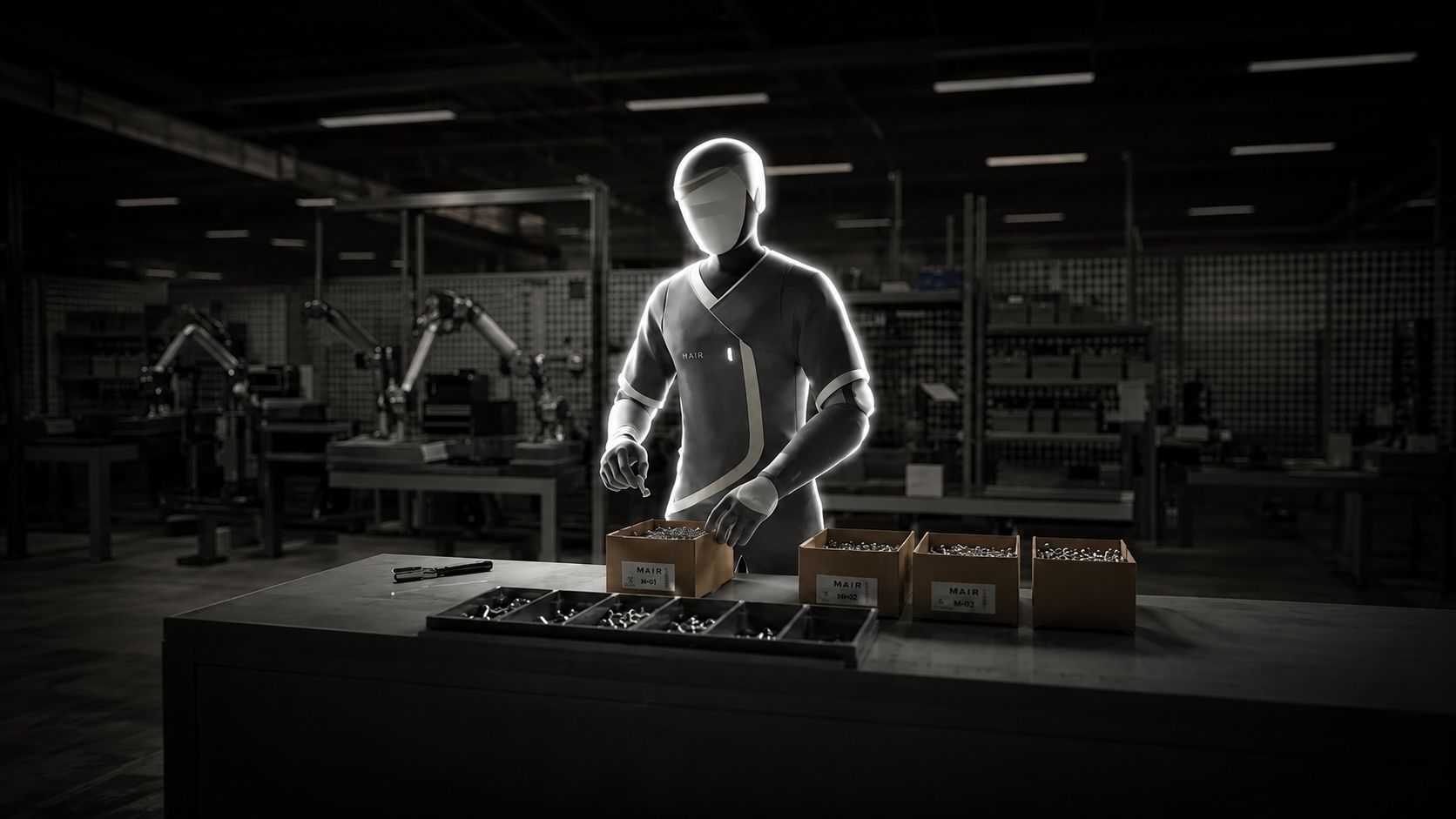
Image source: UMA
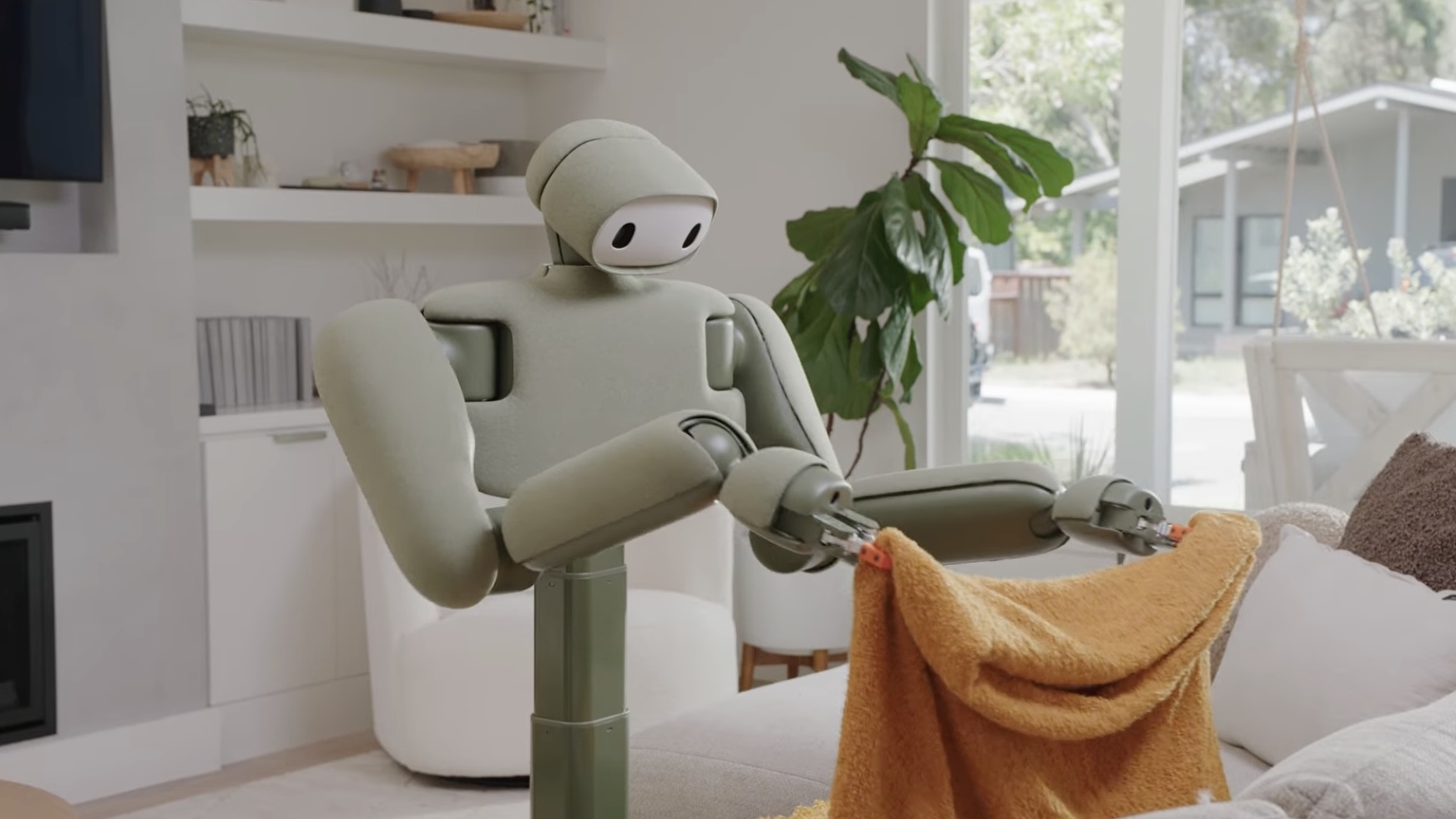
The Rundown: Nine months after assembling a team in Paris, former Tesla Optimus scientist Rémi Cadène has unveiled Northstar, a humanoid built for European factories and warehouses first and, eventually, homes.
The details:
Cadène worked on Tesla’s Autopilot and Optimus before leading robotics at Hugging Face, where he built LeRobot, an open-source library.
Northstar wears a neutral visor instead of a face and a soft shell over its joints — a “dressed machine” look meant to read as approachable, not human.
Its brain runs on what UMA calls Real-Time Learning: the robot watches a demo, picks up the skill, and improves with practice rather than reprogramming.
UMA says it’s talking to 50 potential customers and aims for a wheeled proof of concept by year-end, with backers including Xavier Niel and Nico Rosberg.
Why It Matters: The humanoid race has mostly run through the U.S. and China, with Figure, Tesla, and Unitree setting the pace; Europe’s entries, like Germany’s Neura and Norwegian-founded 1X, remain a short list. UMA is joining it with a potential ~$40M seed round and a focus on building a robot closer to home for European factories.
MEDICAL ROBOTS
😷 Humanoids perform their first surgery
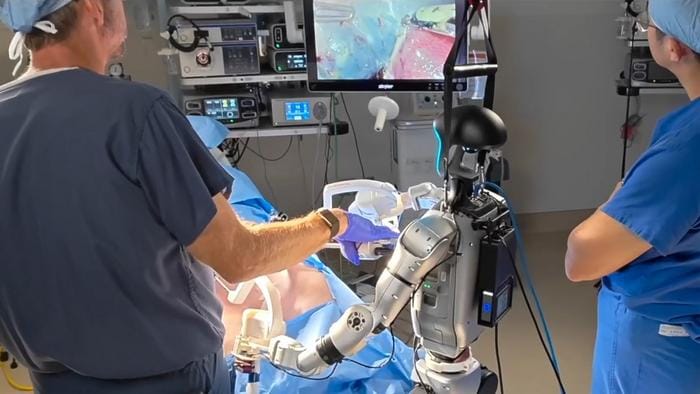
Image source: University of California San Diego
The Rundown: UC San Diego researchers used teleoperated humanoids to perform live surgery in what they say is a world first, completing two procedures — including a gallbladder removal — on pigs, per a trial published in Nature.
The details:
One robot removed a gallbladder with a human surgeon assisting; a two-robot team handled a second procedure with no human at the table.
The 5-foot, 60 lb. robots, nicknamed “Surgie,” gripped standard surgical tools via custom adapters and fit into a normal OR without retrofitting.
They cost a fraction of today’s ~1,800 lb. surgical systems — but needed multiple mid-surgery recalibrations and ran far slower than humans.
The team sees humanoids first assisting in the OR, then performing teleoperated procedures, as surgeon shortages reportedly stretch wait times.
Why it matters: Surgical robotics belongs to specialized, single-purpose machines — Intuitive’s da Vinci, Medtronic’s Hugo, J&J’s Ottava — that only trained physicians can drive. Humanoids gripping scalpels won’t change that any time soon, but this trial is the first proof that cheaper, general-purpose hardware can survive an OR.
MISTRAL
🎥 Mistral bets one camera can replace sensor stack
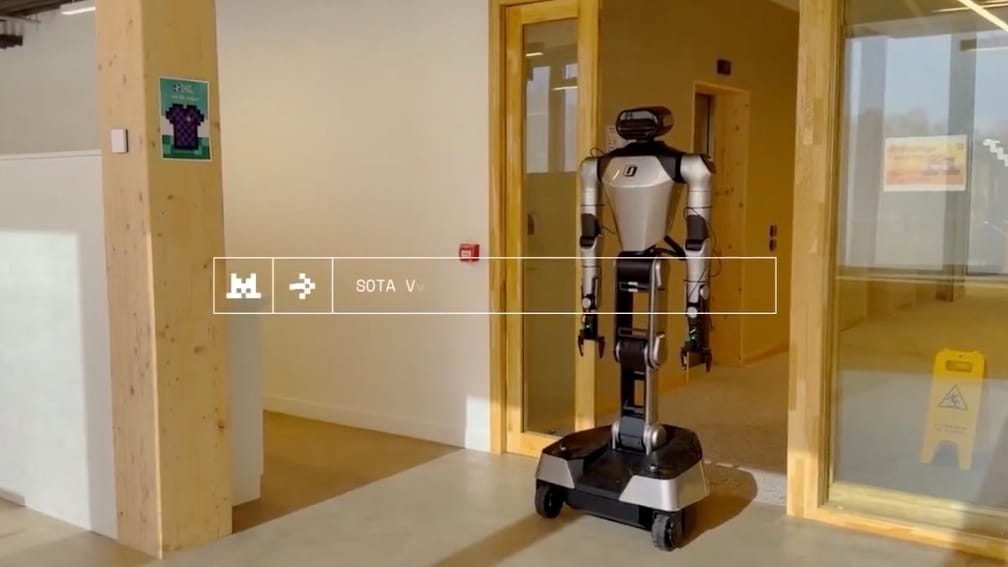
Image source: Mistral
The Rundown: French AI lab Mistral released Robostral Navigate, an 8B model that steers wheeled, legged, and flying robots through unfamiliar environments using a single RGB camera and plain-language commands — its first move into physical AI.
The details:
The model hit 76.6% on the benchmark for navigating unseen environments, beating the best single-camera rival by 9.7 points and systems that use LiDAR.
Mistral trained it entirely in simulation — ~400K navigation runs across 6K virtual scenes — with an efficiency technique that cut training tokens 22x.
It’s hardware-agnostic, working across wheeled, legged, and flying robots of any size, with manufacturing, delivery, logistics, and hospitality as targets.
The launch lands as Mistral is in talks to raise ~$3.4B at a ~$22.8B valuation, following deals with European customers reportedly including Airbus and BMW.
Why it matters: Robot navigation has long required costly sensor rigs, but Mistral bets a single model and an ordinary camera can guide an entire fleet. It’s the French lab’s first move into physical AI — a market where U.S. and Chinese rivals have set the pace — with navigation as step one toward a general-purpose embodied agent.
WAYMO
🚖 Waymo goes driverless in four more cities
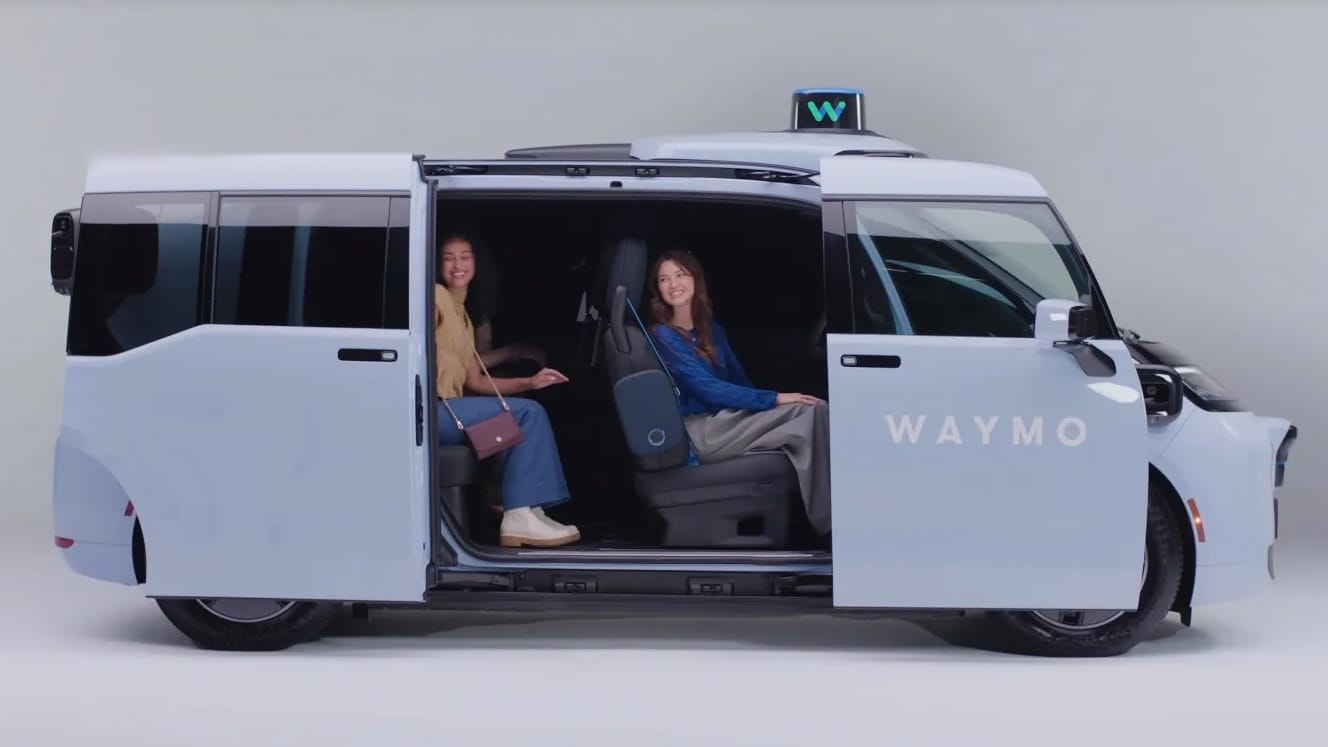
Image source: Waymo
The Rundown: Waymo said Wednesday it will begin fully driverless rides in San Diego, Las Vegas, Tampa, and Denver — starting with Alphabet employees in the coming weeks before opening to the public.
The details:
Waymo already operates driverless cars in 10+ cities, including Atlanta, Austin, Dallas, Houston, LA, Miami, Phoenix, and SF.
Denver is Waymo’s cold-weather test: the city will get the Ojai, a purpose-built robotaxi running sixth-gen Driver hardware, engineered to better handle snow.
The company raised $16B in February and plans to launch in London — its first international market — later this year, targeting 1M weekly trips by year-end.
Rival Zoox is offering limited rides in Austin and Miami, while Tesla also recently expanded its robotaxi service beyond Austin to Miami.
Why it matters: Waymo looks to have settled the question of whether driverless service works — what’s unproven is whether it can run profitably across a dozen-plus markets at once. The $16B it raised in February suggests even Alphabet knows scaling this is a capital-intensive slog. Meanwhile, rivals continue to move at a slower pace.
QUICK HITS
📰 Everything else in robotics today
Boston Dynamics’ Atlas made its World Cup debut at halftime of Brazil-Norway in New Jersey, performing goal celebrations and handing the match ball to the referee.
New Jersey lawmakers will vote this year on a first-of-its-kind bill requiring robotaxis to pair cameras with lidar and radar — a mandate Tesla’s camera-only fleet can’t meet.
U.N. Secretary-General António Guterres reportedly called lethal autonomous weapons “morally repugnant” and urged that they be banned under international law.
A Waymo remotely disabled itself and locked in two teens caught on interior cameras drinking and shooting a toy gun out the window, holding them for San Mateo police.
The Netherlands opened a humanoid training center near Rotterdam to pair robots with real-world jobs and kickstart Europe’s competition with China and the U.S.
Hugging Face turned LeRobot into a fuller robotics stack, with v0.6.0 adding world models, reward models, evaluation tools, and Isaac GR00T 1.7 and Isaac Teleop.
Robbyant, Ant Group’s robotics arm, teased LingBot 2.0 with a video of robots autonomously playing chess, assembling LEGO, pouring water, and handing drinks.
NASA and Rice University released an open-source digital twin of NASA’s iMETRO robotics facility, letting researchers worldwide remotely test software for space robots.
The UK is trialing haptic-controlled robotic arms at a nuclear site to sort radioactive fuel debris remotely, pulling workers out of one of cleanup’s most hazardous jobs.
Chinese autonomous driving firm Minieye launched an end-to-end unmanned logistics system called Combo, debuting a wheel-legged quadruped delivery robot.
COMMUNITY
🎓 Highlights: News, Guides & Events
Read our last AI newsletter: SpaceXAI, Cursor release strongest Grok yet
Read our last Tech newsletter: Microsoft axes nearly 5K jobs
Read our last Robotics newsletter: This $8K robot can do your laundry
Today’s AI tool guide: Add CGI to any video with Higgsfield
RSVP to next workshop on July 22: No-code product building
See you soon,
Rowan, Zach, Shubham, and Jennifer — The Rundown’s editorial team

Stay Ahead on AI.
Join 2,000,000+ readers getting bite-size AI news updates straight to their inbox every morning with The Rundown AI newsletter. It's 100% free.