Get the latest AI news, understand why it matters, and learn how to apply it in your work — all in just 5 minutes a day. Join over 2,000,000+ subscribers.
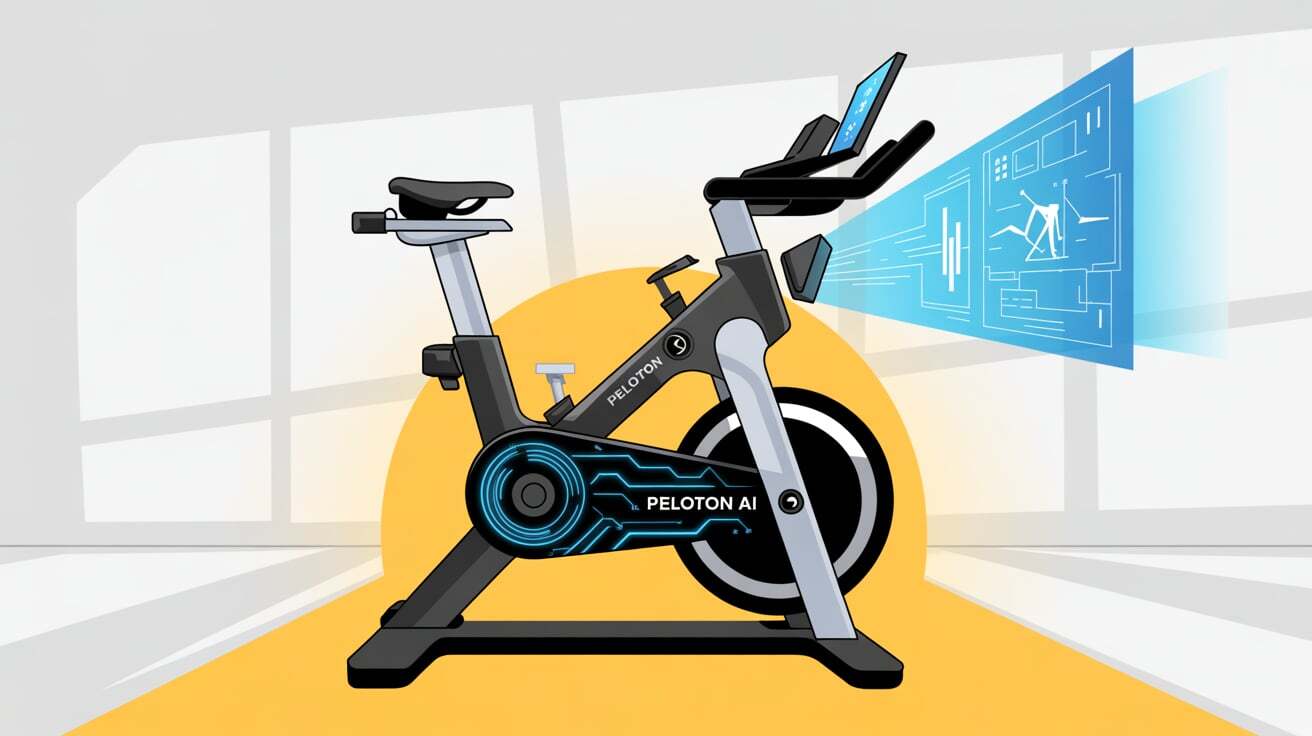
Peloton stages AI comeback
Read Online | Sign Up | Advertise

Good morning, tech enthusiasts. Peloton, the pandemic’s breakout fitness darling, is betting big on an AI-fueled reboot. New CEO Peter Stern is pushing personalized wellness with smarter bikes and treadmills to reverse sagging sales.
But with rivals like Meta charging into immersive workouts, can Peloton muscle its way back to the top, or was its golden era a lockdown fluke?
In today’s tech rundown:
Peloton gets an AI overhaul
Apple revives blood oxygen tracking
HTC debuts Meta-like smart glasses
Amazon launches fresh same-day delivery
Quick hits on other major tech news
LATEST DEVELOPMENTS
PELOTON
🚴🏻♂️ Peloton gets an AI overhaul

Image source: Peloton
The Rundown: In a make-or-break move, Peloton is betting on AI, rolling out a new line of smart at-home bikes and treadmills to revive slumping sales and claw back its crown in connected fitness, Bloomberg reports.
The details:
Peloton is launching a next-gen stationary bike and treadmill in October, with a comprehensive hardware refresh aimed at reinvigorating its core lineup.
Insiders hint at on-device intelligence that adapts workouts on the fly and new ways to compete and measure performance beyond the classic output metrics.
Peloton also plans to release branded add-ons, such as smart weights, new sensors, and potentially other connected strength equipment.
In fiscal 2025, Peloton slashed expenses by 25% across sales, marketing, R&D, and administration, while closing 24 of its 37 retail showrooms.
Why it matters: Following years of sinking sales and staff cuts, Peloton is going toe-to-toe with Apple, Lululemon, and even Meta, all betting on an AI-powered fitness future. With machine learning baked into its bikes and platform, the company is chasing hyper-personalized workouts to win riders back before the clock runs out.
APPLE
🍏 Apple revives blood oxygen tracking

Image source: Apple
The Rundown: In a clever legal sidestep, Apple is reviving blood oxygen monitoring for select U.S.-based Apple Watch users after a months-long patent standoff with medical tech company Masimo that forced the feature’s removal last year.
The details:
Owners of newer Watch Series 9, Series 10, and Ultra 2 models can reclaim a workaround to the functionality via updates to iOS 18.6.1 and watchOS 11.6.1.
The watch’s sensors will gather oxygen data, but all measurements and calculations will happen on the paired iPhone, not on the Watch itself.
Blood oxygen results will also appear only in the Respiratory section of the Health app on iPhone; you can’t check readings directly on your Apple Watch.
Apple received a green light from U.S. Customs for this “redesigned” feature, signaling legal compliance and enabling immediate rollout.
Why it matters: This software reboot is Apple’s response to a U.S. International Trade Commission ban that knocked the blood oxygen app off the shelves for 18 months. By shifting the calculations off the wrist and onto the phone, Apple delivers a partial win to U.S. users. No more on-wrist readings, but it’s better than nothing for fitness fans.
HTC
👓 HTC debuts Meta-like smart glasses

Image source: HTC
The Rundown: Taiwanese tech giant HTC launched the Vive Eagle, its first AI-powered smart glasses, unveiled in Taipei with a sleek design that echoes Meta’s Ray-Ban Meta smart glasses.
The details:
The Vive Eagle features a lightweight, fashion-forward design (49 g) in a palette of translucent finishes and is engineered for everyday, discreet wear.
Its core hardware includes a 12MP ultra-wide camera, Qualcomm Snapdragon AR1 Gen 1 chip, 4GB RAM, and 32GB onboard storage.
Wi-Fi 6E and Bluetooth 5.3 enable easy phone pairing (Android 10+ or iOS 17.6+) using the Vive Connect app; open-ear stereo speakers are also built in.
The device includes HTC’s proprietary Vive AI assistant, compatible with both ChatGPT and Gemini.
Why it matters: The new AI glasses offer real-time translation in 13 languages, process data locally, and employ military-grade AES-256 encryption — so privacy is key here. Priced at NT$15,600 ($520), the specs look to take on Meta and Oakley smart glasses, but for now, they are hitting the shelves exclusively in Taiwan.
AMAZON
🛒 Amazon launches fresh same-day delivery

Image source: Amazon
The Rundown: Amazon just upped its quick-commerce game, launching Same-Day Delivery for fresh, perishable groceries — from milk to eggs to fresh salmon — in more than 1K U.S. cities as it takes direct aim at rivals like Instacart and Walmart+.
The details:
Customers can bundle fresh food with any other Amazon items — electronics, cleaning supplies, books — in a single order, all delivered within hours.
For Prime members, same-day grocery delivery is free on orders over $25; non-Prime customers pay a flat $12.99 fee per order.
Temperature-controlled fulfillment centers and insulated packaging ensure perishables arrive fresh, passing a six-point quality check before shipment.
Amazon also said it plans to more than double its coverage to over 2.3K locations in the coming months.
Why it matters: For Amazon, it’s about owning the anytime‑everything basket, collapsing the line between grocery store and e‑commerce checkout. For consumers, it’s all about convenience: a few taps, one cart, and within hours, dinner and everything else you need for the week show up in a single knock.
QUICK HITS
Apple accidentally leaked software code revealing that its next Vision Pro headset will use an M5 chip, the new iPad Mini will get an A19 Pro chip, among other chip upgrades.
Donald Trump signed an executive order that seeks to largely exempt commercial space launches from environmental review, a win for Elon Musk and Jeff Bezos.
Anthropic has acqui-hired the co-founders and core team of Humanloop, a London-based startup specializing in prompt management, LLM tooling, and AI observability.
Google pledged $9B over the next two years to expand its AI and cloud infrastructure in Oklahoma.
AI startup Cohere raised $500M in new funding at a $6.8B valuation, hiring former Meta and Uber executives.
Whoop is defying an FDA warning that its new blood pressure tracking tool reclassifies the Whoop 5.0 as a medical device requiring regulatory clearance.
Sam Altman is in early talks to co-found Merge Labs, a brain-computer interface startup that could rival Neuralink, aiming for an $850M valuation.
The U.S. Department of Energy chose 11 advanced reactor projects for Trump’s Nuclear Reactor Pilot Program, aiming to fast-track construction and operation.
Tony Robbins and Peter Diamandis’ Fountain Life raised $18M in new funding to expand its network of AI-driven preventive health centers across the U.S.
Lovable, the fast‑growing “vibe coding” startup, is targeting $1B in annualized sales by next year.
COMMUNITY
🎥 Watch our last workshop

Check out our last workshop with Brian Byrne, Customer Education Manager at Intercom. By the end of the workshop, you’ll confidently be able to deploy and manage AI agents that deliver faster, smarter, and more personalized customer service.
Watch it here. Not a member? Join The Rundown University on a 14-day free trial.
See you soon,
Rowan, Jennifer, and Joey—The Rundown’s editorial team
Superbugs meet their AI match
Read Online | Sign Up | Advertise

Good morning, AI enthusiasts. Superbugs have been evolving faster than we can develop drugs to fight them, but MIT just put AI on the case to explore chemical territories humans never even knew existed.
With the system designing two brand-new antibiotics that attack in ways we've never seen before, AI’s new approach could take humanity into what researchers call a “second Golden Age” of drug discovery.
In today’s AI rundown:
AI’s new antibiotics to fight superbugs
Google’s new Gemma model is smaller than ever
Automate web monitoring with AI agents
HTC’s new AI glasses take aim at Meta
4 new AI tools, community workflows, and more
LATEST DEVELOPMENTS
AI & DRUG DISCOVERY
💊 AI’s new antibiotics to fight superbugs
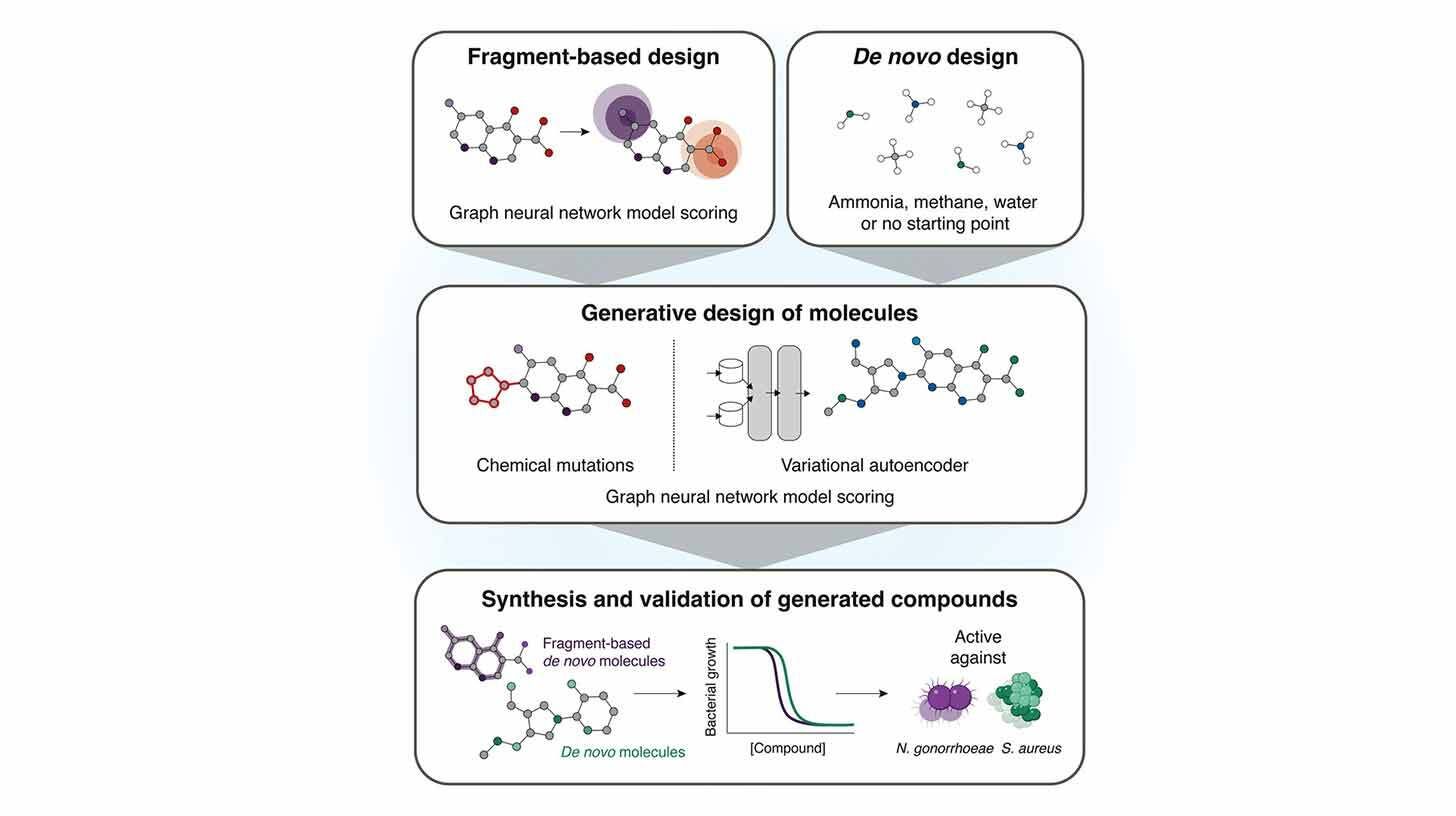
Image source: MIT
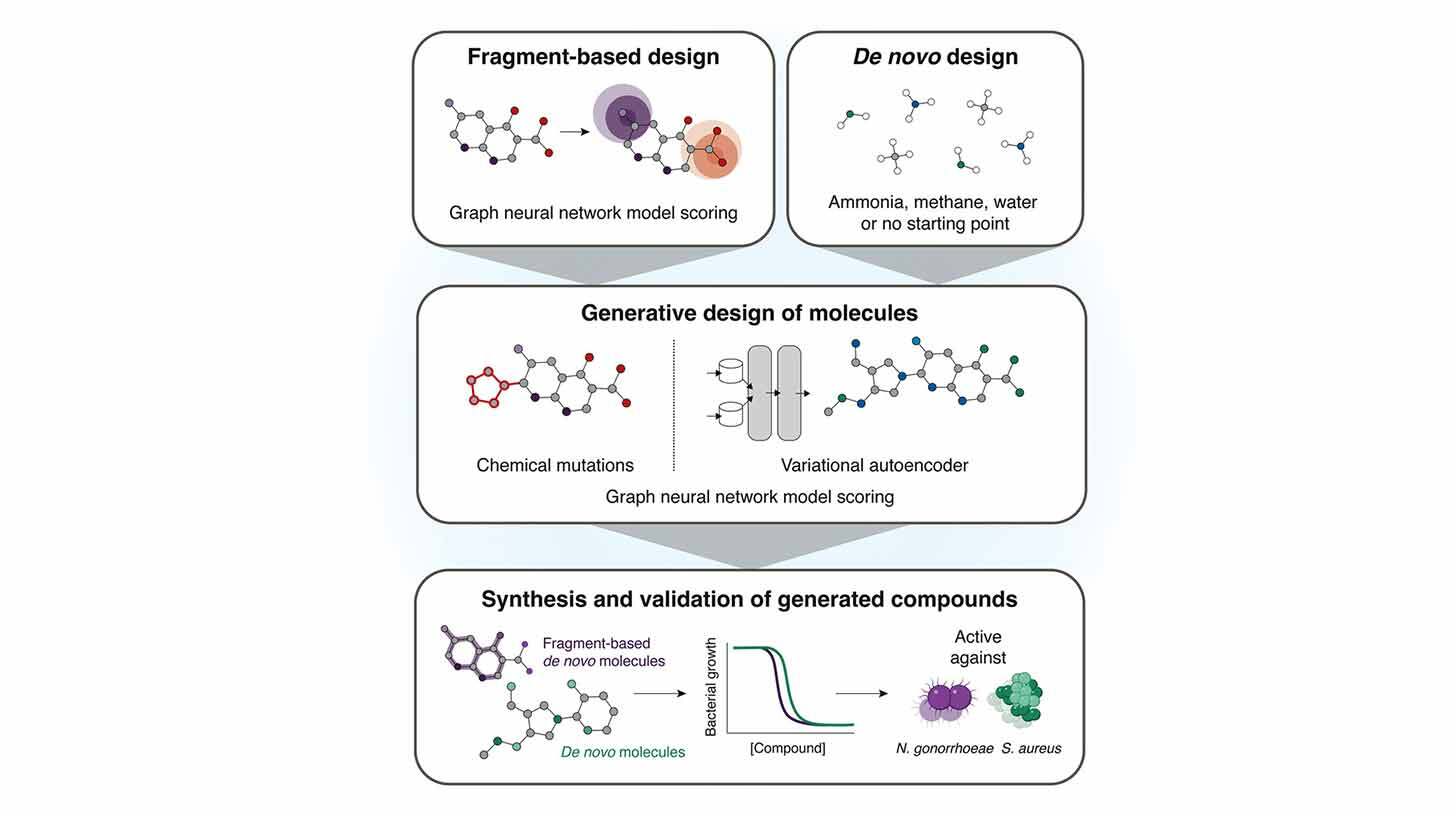
The Rundown: MIT researchers just used AI to design two new antibiotics capable of killing drug-resistant gonorrhea and MRSA bacteria, potentially opening a new front against infections that cause millions of deaths annually.
The details:
Scientists trained AI models to generate 36M theoretical compounds, then screened them for bacteria-killing potential and human safety.
The algorithms produced two promising drugs (named NG1 and DN1) that attack bacterial cells through mechanisms never seen in existing antibiotics.
Both compounds cleared infections when tested in mice, with DN1 eliminating MRSA skin infections and NG1 combating drug-resistant gonorrhea.
The MIT research team said that AI advances in the drug sector could create a “second golden age” for the discovery of antibiotics.
Why it matters: Bacteria are evolving faster than our current drugs, but MIT's study shows that AI can navigate unexplored chemical territories that human researchers might never consider, potentially unlocking approaches that move antibiotic discovery from a game of catch-up to more proactive design.
TOGETHER WITH FREEPIK
💡 Creative AI tools for large teams
The Rundown: Freepik Enterprise gives your team access to AI-powered tools for creating and editing images, videos, and more—using multiple models tailored for different creative needs. Enjoy legal peace of mind, flexible admin controls, and unlimited users—trusted by 700K paying customers.
The complete enterprise package includes:
All AI tools in one place, with access to models like Runway, Veo, Kling, and more
Unlimited users with credit-based pricing that scales efficiently with usage
Legal indemnity included, protecting against IP claims on commercial AI content
SSO and admin controls with enterprise-grade security and compliance standards
Learn more about the platform trusted by 700,000 paying customers.
🤏 Google’s new Gemma model is smaller than ever
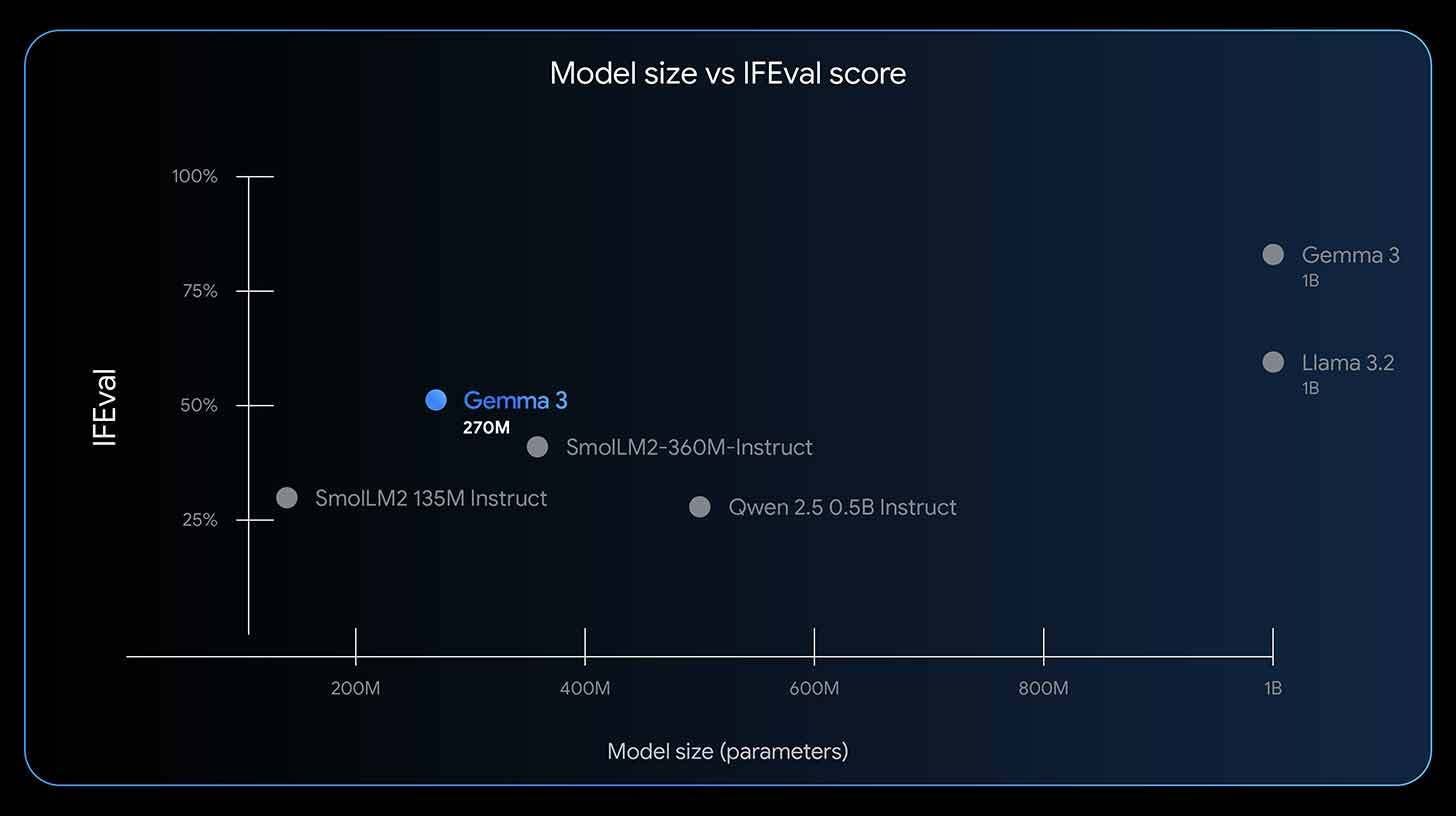
Image source: Google
The Rundown: Google released Gemma 3 270M, an even smaller version of its open-source model family, which can run directly on smartphones, browsers, and other consumer devices while remaining efficient and capable at the same time.
The details:
Gemma 3 270M outperforms similarly small AI systems at following instructions, despite being a fraction of the size of most current models.
In internal tests, the model handled 25 conversations on a Pixel 9 Pro while consuming less than 1% of the battery, demonstrating extreme efficiency.
Developers can also fine-tune it in minutes for specific tasks, with Google demoing a Bedtime Story Generator as an example of an offline creative task.
Why it matters: As intelligence continues to scale, so do the capabilities of ultra-efficient, small models, making AI able to run on any consumer device. With Liquid AI’s LFM2 release also pushing the on-device model competition forward, some massive gains are being seen in the smallest corner of the AI world.
AI TRAINING
🔗 Automate web monitoring with AI agents

The Rundown: In this tutorial, you’ll learn how to use Yutori Scouts, an AI web monitoring agent that watches for specific updates online and alerts you via email. No more refreshing pages or manually checking for changes.
Step-by-step:
Enter your request in the Yutori homepage input box (e.g., “New releases from OpenAI or Anthropic or Gemini or xAI”) to create your Scout
Choose how often you want alerts — instant, daily, or weekly — then click Start scouting to activate it
View and manage all your active Scouts from the “My Scouts” dashboard, where you can edit, pause, or delete them anytime
Check reports sent to your email or in-app, each with clear findings and a direct link to the source for quick action
Pro tip: Use Scouts for time-sensitive opportunities like reservations, product restocks, or industry news, and pair with automations to get updates.
PRESENTED BY FIDDLER
🎧 The blueprint for production-ready enterprise AI agents

The Rundown: Fiddler AI's 13-minute podcast breaks down how to build agentic systems that deliver real value - sharing the observability patterns that separate demos from production-ready enterprise deployments.
In the episode, you’ll learn:
How to improve agent performance and diagnose the root causes of agent failures
Key patterns to monitor, from reflection loops to tool usage and planning accuracy
Examples of enterprise agentic systems and applications
HTC
😎 HTC’s new AI glasses take aim at Meta

Image source: HTC
The Rundown: Taiwanese giant HTC introduced Vive Eagle, a new line of AI glasses that let users choose between AI assistants and feature strong battery life, advanced translation capabilities, and other features to challenge Meta’s Ray-Ban dominance.
The details:
Users can switch between AI models from OpenAI and Google for the wearable’s assistant, activated via a “Hey Vive” voice command.
Built-in real-time photo-based translation works across 13 languages through an embedded camera, with all data processed locally for privacy.
Other features include a 12 MP ultra-wide camera, extended battery life, video recording capabilities, music playback, and more.
The wearable will currently only be available in Taiwan, with a starting price of $520 compared to Meta’s $300 Ray-Bans.
Why it matters: Zuck pointed to “personal devices like glasses” as the computing devices of the future, and competitors are emerging to compete with Meta's successful Ray-Ban (and now Oakley) lines. With styles gravitating towards normal, subtle integrations, it feels like a product close to breaking through to the mainstream.
QUICK HITS
🛠️ Trending AI Tools
⚡️ Gemma 3 270M - Google’s compact, hyper-efficient new open model
🤖 Anything - An AI agent for making products without coding
🌎 Hunyuan Gamecraft - Create interactive game worlds from a single image
✈️ Flight Deals - AI-powered search tool within Google Flights to find bargains
📰 Everything else in AI today
DeepSeek’s long-awaited R2 model is reportedly being delayed due to training issues with Huawei’s Ascend chips, after rumors of an August release circulated earlier.
Meta’s Superintelligence Lab added three more OpenAI researchers, with Alexandr Wang revealing Edward Sun, Jason Wei, and Hyung Won Chung have joined the team.
Cohere announced a new $500M funding round at a $6.8B valuation, also adding Meta’s VP of AI Research, Joelle Pineau, as its new Chief AI Officer.
T-Mobile parent company Deutsche Telecom officially launched its AI phone and tablet in European markets, which come integrated with Perplexity’s assistant.
Meta is facing backlash after a report revealed an internal document that outlined permitted AI outputs, which included romantic conversations with kids.
Google announced that its Imagen 4 image generation model is now GA in the company’s AI studio, with up to 2k resolution and a new fast model for quicker outputs.
Former Twitter CEO Parag Agrawal launched Parallel, a new startup creating a web API optimized for AI agents as users.
COMMUNITY
🤝 Community AI workflows
Every newsletter, we showcase how a reader is using AI to work smarter, save time, or make life easier.
Today’s workflow comes from reader Michael C. in Phoenix, AZ:
"As a Creative Marketing Manager, AI has become part of my daily toolkit: ChatGPT Pro, and Grok for market research; 4o, Ideogram, Imagine, and Magnific for images; Higgsfield for video, and more. What’s been most surprising is the range of reactions from colleagues. Some are curious, a few are starting to experiment, but many remain hesitant or even resistant. I see the potential every day in how much faster and more polished my work has become, and I hope more of the team will discover those same benefits in their own roles."
How are you using AI? Tell us here.
🎓 Highlights: News, Guides & Events
Read our previous newsletter: Apple plots AI comeback with home robots
Today’s AI tool guide: Automate web monitoring with AI agents
Watch our last workshop: AI agents for Customer Service
See you soon,
Rowan, Joey, Zach, Shubham, and Jennifer—the humans behind The Rundown

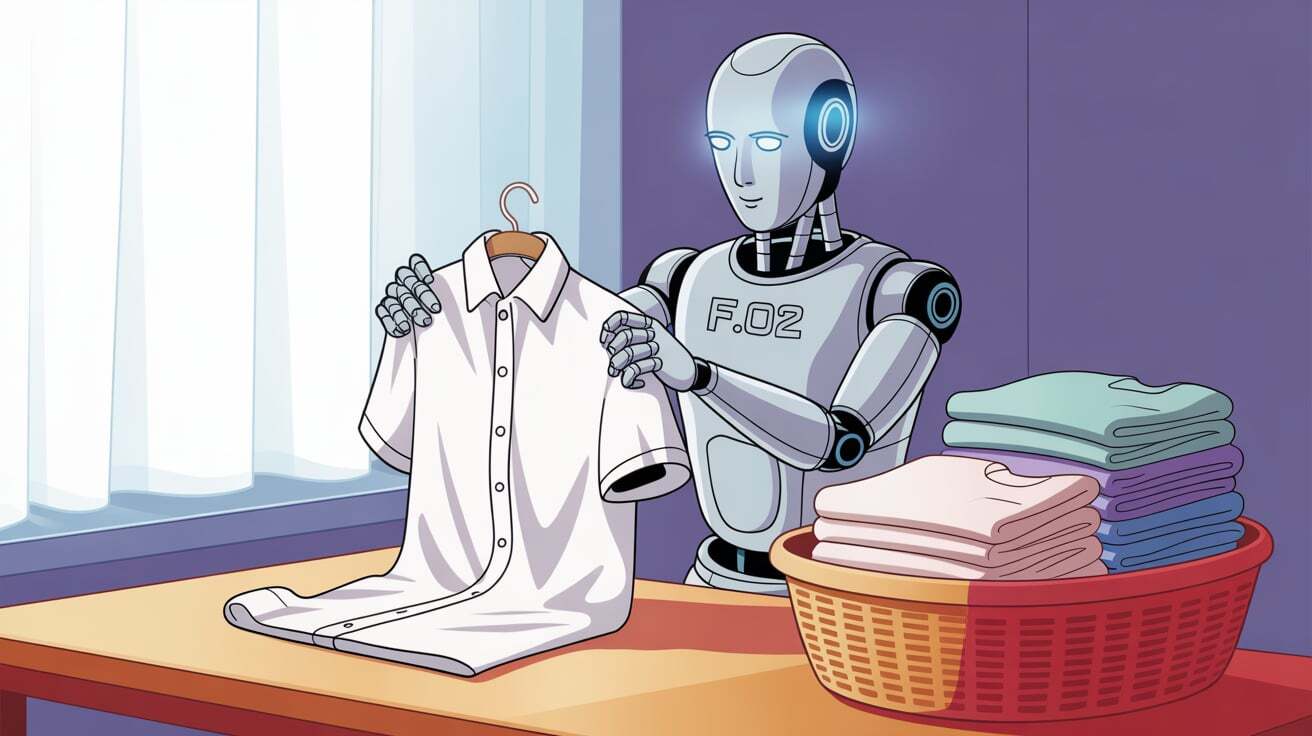
Figure 02 now folds laundry
Read Online | Sign Up | Advertise

Good morning, robotics enthusiasts. Figure AI just gave a glimpse of Figure 02 humanoid’s laundry folding skills — without human help or scripts, just its Helix neural network nailing towel duty.
The same model that does heavy logistics now casually handles one of our most mundane chores. If it can pivot from warehouses to laundry baskets, what’s next?
In today’s robotics rundown:
Figure 02 can now fold laundry
Nvidia’s new Cosmos world models
Sound-controlled swarms of microbots
New robot wrist smoothly opens doors, jars
Quick hits on other robotics news
LATEST DEVELOPMENTS
FIGURE
🧺 Figure 02 can now fold laundry
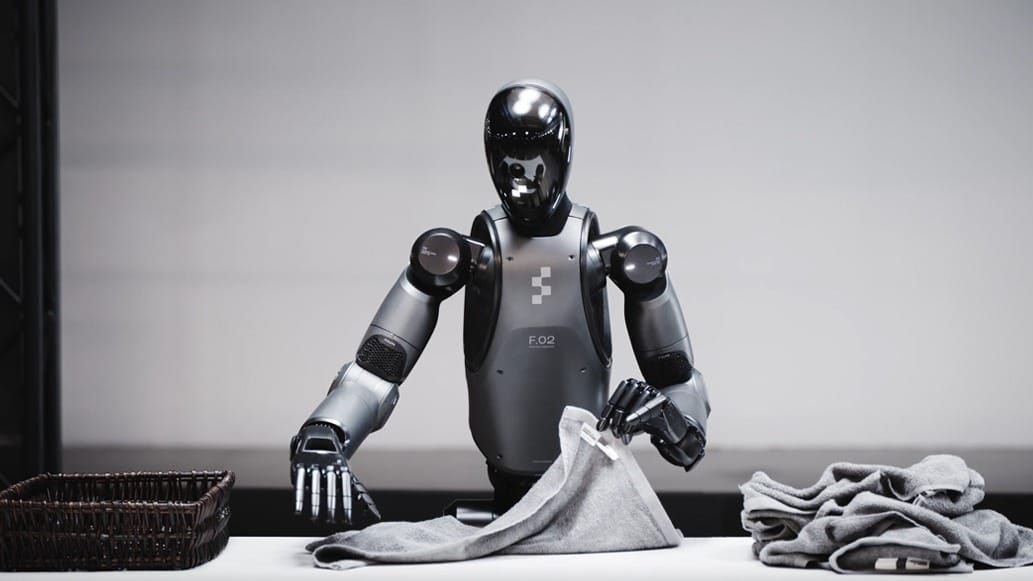
Image source: Figure
The Rundown: Figure just dropped a clip showing its Figure 02 robot folding laundry — autonomously, with no teleoperation or hardcoded programming — using nothing but its proprietary Helix neural architecture.
The details:
The video shows Figure 02 neatly grasping, folding, and stacking towels without human assistance, a world first for a robot with multi-fingered hands.
All folding was performed inside the home of Figure’s founder, without any special sensors or staged lab conditions.
Figure pulled it off with its Helix VLA model using just 500 hours of new human demonstration data to jump from warehouse work to household chores.
The robot’s hands feature multi-fingered dexterity and can trace edges, locate corners, smooth fabric, and adapt instantly to slips or wrinkling.
Why it matters: Figure achieved this using the same Helix model that recently worked a 20-hour shift at BMW’s Spartanburg plant, without any code changes or model retraining. All it took was 500 hours of fresh demo data. The result: a system that can generalize from warehouse tasks to homes just by being exposed to more examples.
TOGETHER WITH SANA
💡 The most powerful way to bring AI to your company

The Rundown: Most teams have tried AI tools, but connecting them to your business context changes everything. Sana Agents is an all-in-one platform that gives you no-code AI agents grounded in your company data. Deploy across teams in minutes, not months.
With Sana Agents, you can:
Draft reports, generate presentations, analyze data, and handle emails through agents
Connect to 100+ platforms, including Salesforce, Teams, and your CRM
Automate workflows that know your processes and permissions
Scale from isolated AI experiments to real work impact
NVIDIA
🧠 Nvidia’s new Cosmos world models
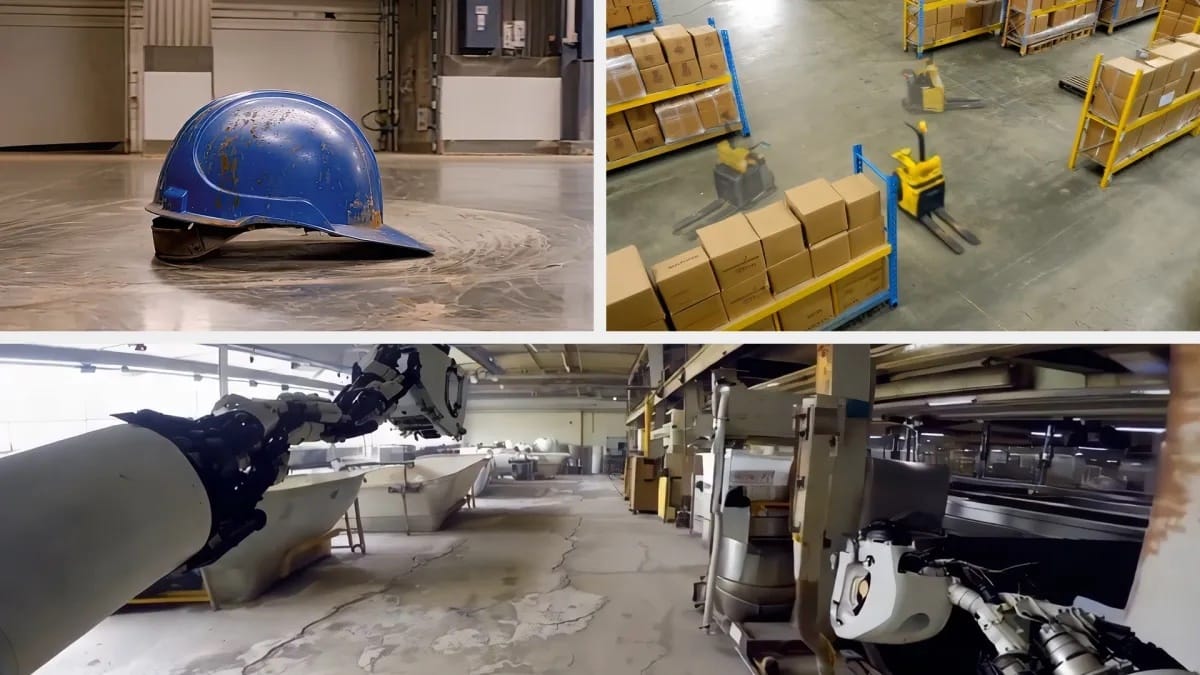
Image source: Nvidia
The Rundown: Nvidia just dropped a robotics power-up at SIGGRAPH 2025: new Omniverse libraries and Cosmos world models to fast‑track physical AI, turning real‑world data into precision digital twins and smart autonomous agents.
The details:
Nvidia has released Cosmos Reason, a 7B parameter VLM built to help robots plan, adapt, and act in the physical world.
Also joining the current lineup is Cosmos Transfer‑2, a model designed to speed up synthetic data generation from 3D-simulation environments.
The new RTX Pro Blackwell Servers and DGX Cloud are designed to support robotics development for tasks like training, simulation, and deployment.
Nvidia also unveiled neural reconstruction libraries, plus a rendering method that uses sensor data to create 3D simulations of real-world environments.
Why it matters: Nvidia is making physical AI more accessible with faster tools for synthetic data and digital twin creation. The payoff could be shorter development cycles, safer robots, and a boost in industrial automation, opening high-end robotics to everyone from startups to global manufacturers.
SWARM BOTS
📢 Sound-controlled swarms of microbots
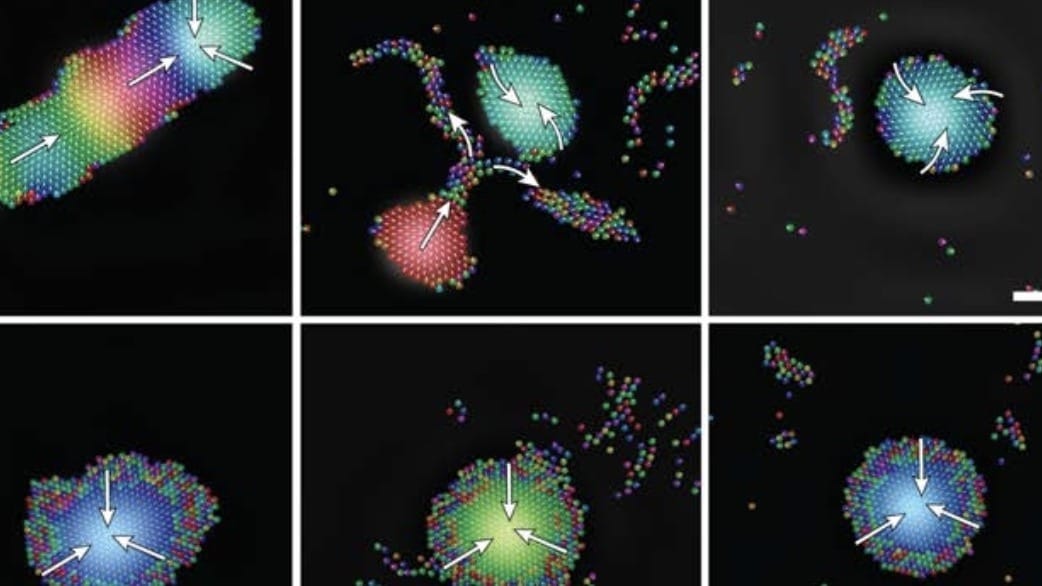
Image source: PennState
The Rundown: Penn State engineers have shown for the first time that sound waves can steer and coordinate swarms of micro‑robots, each just millimeters in size and equipped with a motor, tiny speaker, and microphone.
The details:
By “talking” and “listening” acoustically, these simple bots can synchronize movement, adapt to obstacles, and self‑organize into formations.
When confronted with obstacles, damage, or changing environments, the robots can reform, heal their collective, and adapt on the fly.
These self-organizing micro-machines could one day clean up pollution, deliver precision medicine, or probe dangerous, hard‑to‑reach places.
Why it matters: The system uses sound waves to let tiny robots communicate quickly, over long distances, and with little energy loss, an advantage over slower, less efficient chemical signals. Each robot is simple on its own, but together they can form flexible, resilient swarms for tasks in real-world settings based on current physics.
YALE UNIVERSITY
💡New robot wrist smoothly opens doors, jars
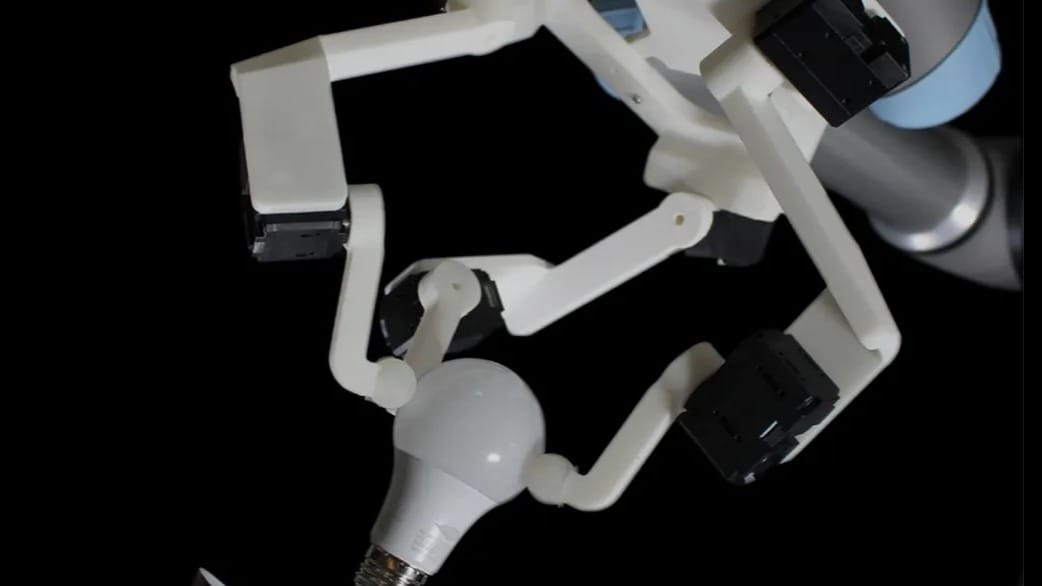
Image source: Yale University
The Rundown: Yale engineers just created the Sphinx Hand, a robotic gripper with a built‑in spherical mechanism that rotates objects in all directions without bulky wrist joints, letting robots work smoothly in tight spaces.
The details:
The Sphinx integrates a spherical mechanism right into the hand that can grasp and rotate everyday objects in all three axes (roll, pitch, and yaw).
That means twisting open jars, turning doorknobs, or screwing in lightbulbs, all without cameras, sensors, or elaborate control systems.
The design eliminates the need for a robot to move its entire arm for object rotation, enabling faster and more efficient manipulation in tight spaces.
Why it matters: This pared-down yet elegant design brings robots closer to human-like utility. By fusing the job of gripping and rotating directly at the point of contact, the Sphinx avoids awkward arm movements and adapts smoothly to complex scenarios. Possible use cases: untangling ropes, opening packaging, or handling fragile items.
QUICK HITS
📰 Everything else in robotics today
DHL is investing £550M ($746M) to deploy over 1K new robots across its UK operations, expanding automation in e-commerce and healthcare logistics.
EngineAI unveiled the T-800, its first heavy-duty, full-sized humanoid, standing 1.85m tall and weighing 85 kg with 41 DOF joints and a solid-state battery.
U.S. researchers developed muscle-like elasto‑electromagnetic actuators for insect‑sized soft robots, overcoming the limitations of miniaturized motors.
Chinese scientists developed GEAIR, an autonomous robot that performs genome editing and precision cross-pollination to breed new crop varieties faster.
Wang He, founder of Beijing Galbot, told the 2025 World Robot Conference that the market for humanoids could hit 100B yuan ($14B) within the next decade.
A lifelike AI-powered Tibetan antelope robot is now patrolling the high-altitude wilderness of Hoh Xil in Qinghai, China, collecting real-time data on wild antelopes.
HistoSonics, makers of robotic medical devices, announced that a management-led syndicate of private and public investors acquired its majority stake in a $2.25B deal.
Chinese robotics firm AgiBot signed a major agreement with an automotive parts maker to deploy nearly 100 A2‑W robots across the company’s factories.
Waldog, an AI-powered robotic dog, is roaming the streets of Monterrey, Mexico, to promote animal welfare and raise awareness about animal abuse, Reuters reports.
COMMUNITY
🎥 Watch our last workshop
Check out our last workshop with Brian Byrne, Customer Education Manager at Intercom. By the end of the workshop, you’ll confidently be able to deploy and manage AI agents that deliver faster, smarter, and more personalized customer service.
Watch it here. Not a member? Join The Rundown University on a 14-day free trial.
See you soon,
Rowan, Jennifer, and Joey—The Rundown’s editorial team
Apple plots AI comeback with home robots
Read Online | Sign Up | Advertise

Good morning, AI enthusiasts. Apple's answer to falling behind in AI? Build an army of home robots, complete with motorized arms, AI personalities, and a long-awaited Siri upgrade built from the ground up.
But with an Apple Intelligence emergency already on hand, can Apple's hardware talents overcome its internal AI struggles to crack the code on the next big home device?
In today’s AI rundown:
Apple plots AI comeback with home robots
OpenAI brings back 4o after GPT-5 anger
Create a self-updating slide deck with Manus
Microsoft goes on the offensive for Meta AI talent
4 new AI tools & 4 job opportunities
LATEST DEVELOPMENTS
APPLE
🏠 Apple plots AI comeback with home robots
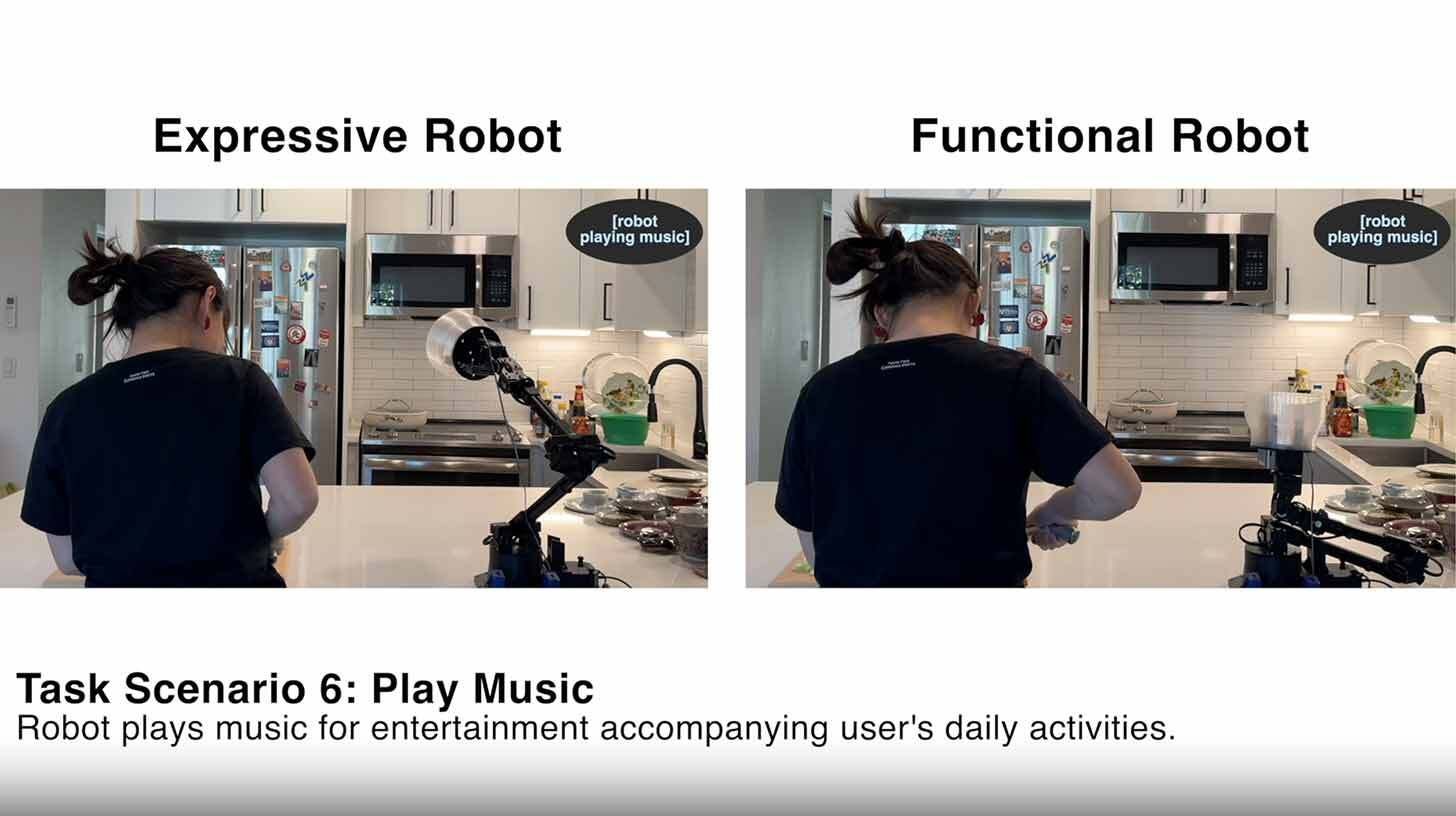
Image source: Apple ML Research
The Rundown: Apple is pushing for a smart home push with four AI-powered devices, according to a new report from Bloomberg, including a desktop robot, smart display, and security cameras — targeting launches between 2026 and 2027.
The details:
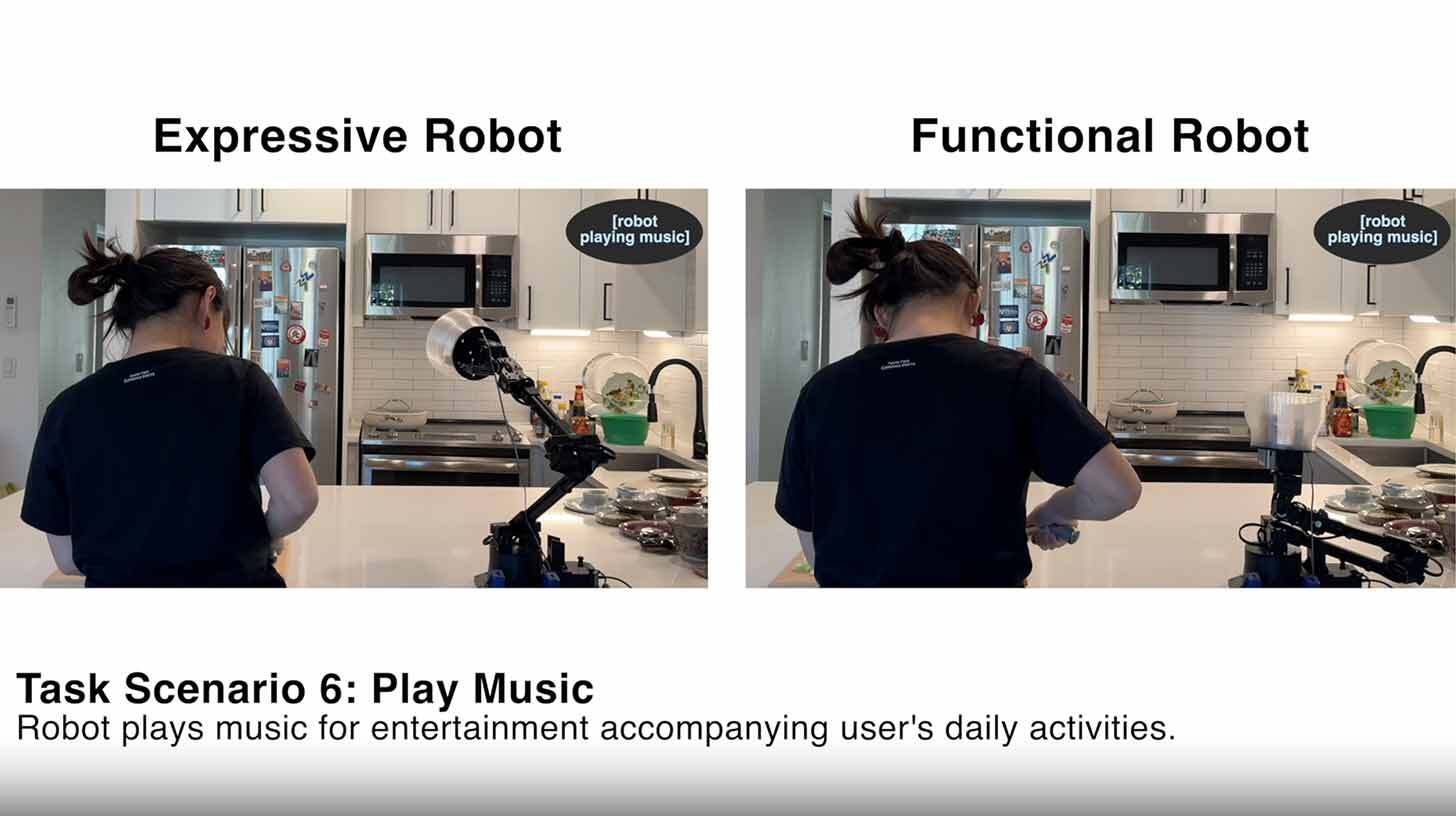
The desktop robot will feature a motorized arm that controls a display to track users and lock onto speakers, infused with an AI-upgraded Siri.
Bloomberg said Apple is planning a personality-driven character for the new Siri called “Bubbles,” comparing it to Clippy from the original Microsoft Office.
A smart display is also set to arrive mid-2026, running a new ‘Charismatic’ OS for controlling home apps, music, web browsing, and more via voice or touch.
New AI-powered security cameras with months-long battery life will automate household tasks like dimming lights or playing personalized music.
Engineers are rebuilding Siri from scratch with AI models under the codename Linwood, while testing Anthropic's Claude as a backup codenamed Glenwood.
Why it matters: Apple’s much-hyped AI-powered Siri overhaul is still just talk, and the home AI robotics market has yet to see a product that truly sets the standard. With Google, Amazon, and OpenAI’s Jony Ive–designed device advancing quickly, Apple has little time to make its move.
TOGETHER WITH SANA
💡 The most powerful way to bring AI to your company
The Rundown: Most teams have tried AI tools, but connecting them to your business context changes everything. Sana Agents is an all-in-one platform that gives you no-code AI agents grounded in your company data. Deploy across teams in minutes, not months.
With Sana Agents, you can:
Draft reports, generate presentations, analyze data, and handle emails through agents
Connect to 100+ platforms, including Salesforce, Teams, and your CRM
Automate workflows that know your processes and permissions
Scale from isolated AI experiments to real work impact
OPENAI
🔄 OpenAI brings back 4o after GPT-5 anger
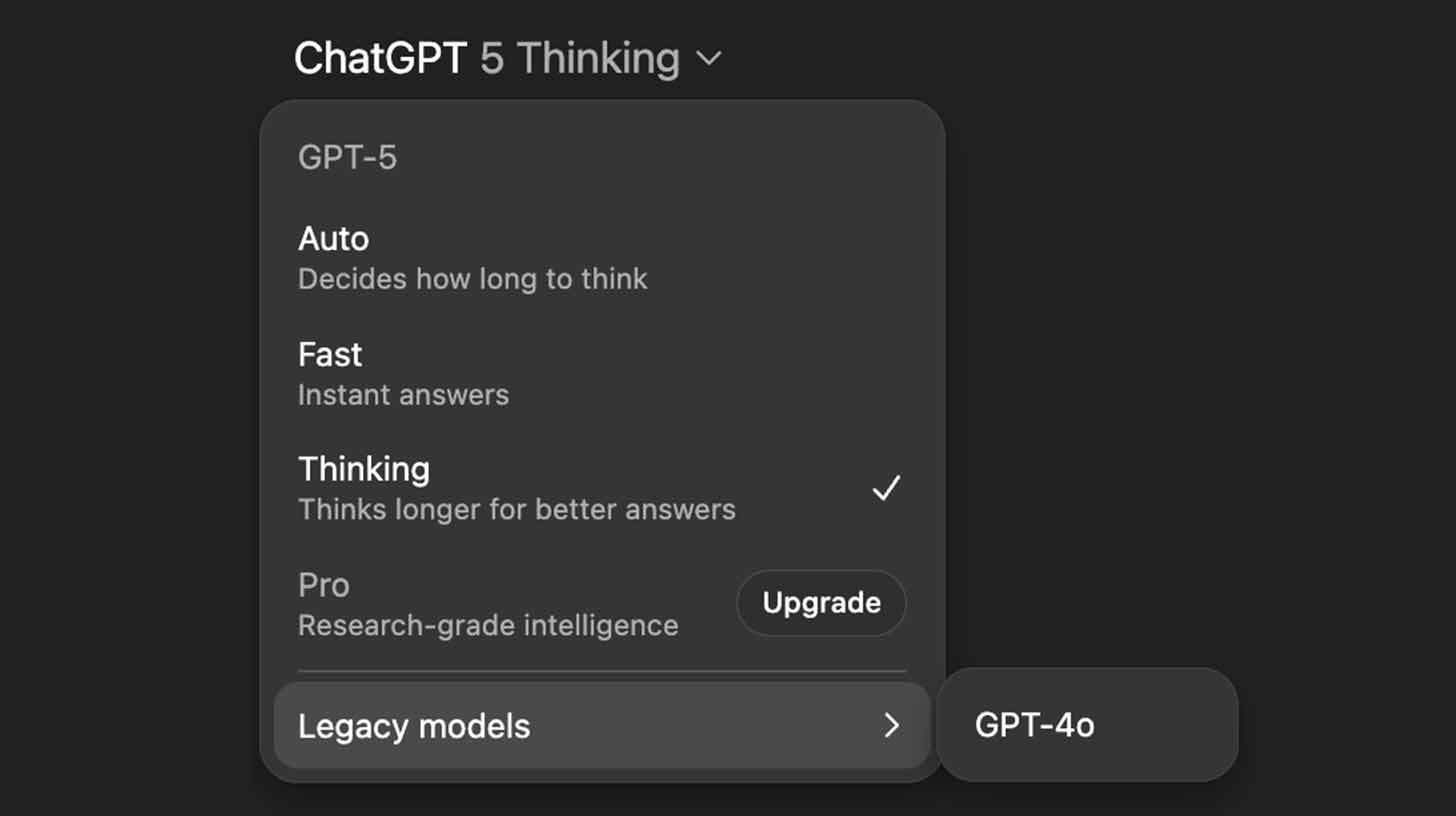
Image source: ChatGPT
The Rundown: OpenAI CEO Sam Altman announced a series of changes to ChatGPT following backlash from the company’s GPT-5 launch, including the return of the popular 4o model, expanded rate limits, and new controls for model choice.
The details:
GPT-4o is returning to the model picker for all paid users, with Altman saying there will be “plenty of notice” if the model is ever deprecated.
Weekly rate limits for advanced reasoning in GPT-5 jumped from 200 to 3,000 queries, with Altman also clarifying the 196k context window for the new model.
Users also gain new "Auto," "Fast," or "Thinking" options for GPT-5, addressing anger from queries frequently being routed to the wrong model at launch.
Altman also revealed a personality update is coming for GPT-5, but said the real learning is the need for “per-user customization and model personality.”
Why it matters: GPT-5 is by nearly every measure a strong step forward, but a rocky rollout and forced user actions set a bad tone for what was a massively hyped launch. The 4o saga also shone the light on a (clearly larger than anticipated) corner of the user base that cares more about personality than coding or benchmarks.
AI TRAINING
🤖 Create a self-updating slide deck with Manus
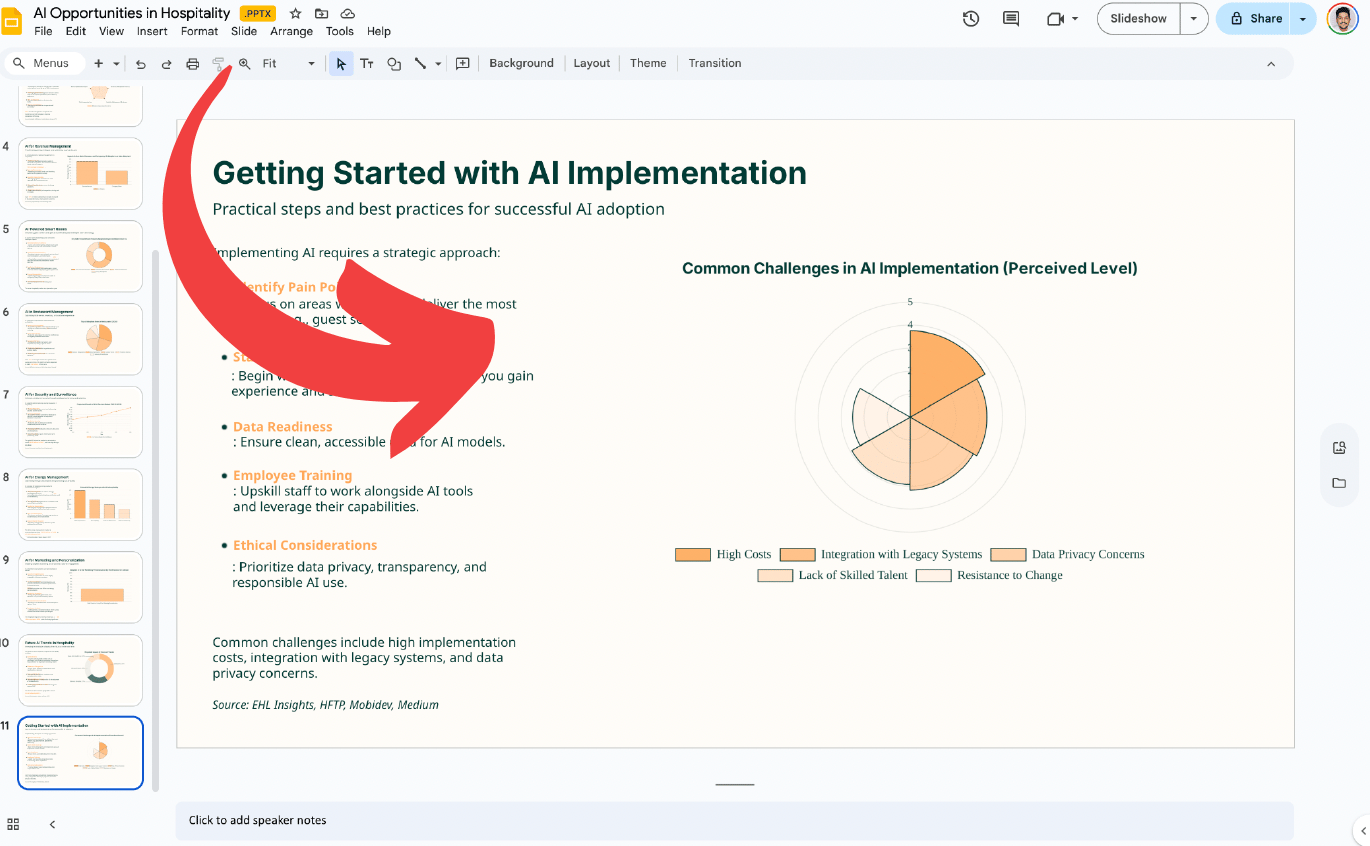
The Rundown: In this tutorial, you’ll learn how to use Manus, an AI “super agent” that can handle complex, multi-step tasks, to build professional and data-rich slide decks automatically — without the manual work.
Step-by-step:
Give Manus a clear, detailed prompt in the dashboard (e.g., “10 AI opportunities for my hospitality business + 1 slide on near-term trends”)
Select Slides as your output, choose a theme, and click Confirm to start the process
Let Manus work in the cloud — it will research, gather data, and design your slides with visualizations like graphs while you do other things
When done, review the deck, export to Google Slides for edits, or go back to set up automatic updates for fresh content
Pro tip: Include audience, purpose, and format in your prompt to get a polished, ready-to-present slide deck.
PRESENTED BY IBM
🚀 Lockheed Martin partners with IBM for AI

The Rundown: Lockheed Martin’s AI takeoff began with data cleanup — cutting its tools by 50% and replacing them with a single unified system that runs on IBM’s watsonx.data to drive faster, smarter engineering.
Learn how Lockheed Martin leveraged watsonx to:
Help 10,00 engineers build scalable AI products in its AI Factory
Respond to employee questions using AI, boosting accuracy by 20%
Overcome data silos to create a single accessible, connected data environment
AI TALENT WARS
🎣 Microsoft goes on the offensive for Meta AI talent

Image source: gpt-image / The Rundown
The Rundown: Microsoft is targeting Meta’s AI talent in a new recruiting offensive, according to a report from Business Insider, using multi-million dollar offers of its own to lure researchers from labs outside of the new Superintelligence Labs division.
The details:
Microsoft is reportedly aiming to match Meta’s compensation and using ‘special recruiting teams’, with a list of targets circulating via hiring managers.
Teams targeted include Reality Labs, GenAI Infra, and Meta AI Research, with recruiting led by Mustafa Suleyman and former Meta engineer Jay Parikh.
New processes for “critical AI talent” allow for streamlined offers and higher-up approvals within 24 hours.
Why it matters: Microsoft is taking a page out of Meta’s own playbook, though matching the money that Zuck has shown the willingness to give to top AI talent will be no small feat. That said, with reports of Meta’s AI unit being plagued by culture issues, it’s possible that some of the non-MSL employees are feeling ready for a move.
QUICK HITS
🛠️ Trending AI Tools
🎥 Pika Labs - New audio-driven performance model for HD quality videos
🤖 Mistral Medium 3.1 - Upgraded model with performance improvements
👀 Hunyuan-Large-Vision - Tencent’s new multimodal understanding model
🤝 Cobot - AI teammate for automating tools you already use
📰 Everything else in AI today
Igor Babuschkin announced is leaving xAI, starting Babuschkin Ventures to invest in AI startups that “ advance humanity and unlock the mysteries of our universe.”
Anthropic is acquiring three co-founders and several team members of Humanloop, an enterprise AI evaluation and safety platform.
The United States is reportedly secretly placing tracking devices in shipments of advanced AI chips from Nvidia and AMD to identify potential reroutings to China.
Tencent released Hunyuan-Vision-Large, a multimodal understanding model that slots in at No. 6 in the Vision Arena leaderboard, near GPT-4.5, o4 mini, and 4 Sonnet.
Google announced the rollout of several new features for Gemini, including temporary chats and memory to reference previous conversations and learn user preferences.
Higgsfield AI launched Draw-to-Video, allowing users to sketch text directions, shapes, and visual instructions on images to create a tailored video output.
‘Godfather of AI’ Geoffrey Hinton proposed training “maternal instincts” towards humans into AI as a potential solution to preventing the tech from wiping out humanity.
Liquid AI introduced LFM2-VL, open-weight vision language models designed for fast performance on consumer devices.
COMMUNITY
🤝 Community AI workflows
Every newsletter, we showcase how a reader is using AI to work smarter, save time, or make life easier.
Today’s workflow comes from reader Raj P. in Toronto, Canada:
"I use Perplexity AI Labs for data analytics. As a data scientist, I employ data science tools to discover trends and insights for themes ranging from business to lifestyle. I’ve developed a scaffold to discover hard-to-reach insights. People are adopting healthy lifestyles, for example, adjusting temperatures to 60s at night for deep sleep and a healthy body. It’s a handy hack, but super fun as well!"
How are you using AI in your work? Tell us here.
🎓 Highlights: News, Guides & Events
Read our previous newsletter: Silicon Valley's messiest feud explodes
Today’s AI tool guide: Run advanced AI models on your computer
Watch our last workshop: AI agents for Customer Service
See you soon,
Rowan, Joey, Zach, Shubham, and Jennifer—the humans behind The Rundown

Silicon Valley's messiest feud explodes
Read Online | Sign Up | Advertise

Good morning, AI enthusiasts. What started as a stunning lawsuit announcement against Apple quickly spiraled into the most unhinged Musk-Altman showdown yet, complete with back-and-forth barbs and AIs betraying their creators.
With Silicon Valley’s biggest rivalry getting messier than ever, the only thing missing from this latest reality TV-level exchange is the popcorn.
In today’s AI rundown:
Musk threatens Apple, feuds with Altman on X
OpenAI set to back Neuralink competitor
Run advanced AI models on your computer
Perplexity’s $34B offer to buy Chrome
4 new AI tools, community workflows, and more
LATEST DEVELOPMENTS
OPENAI
🥊 Musk threatens Apple, feuds with Altman on X

Image source: …
The Rundown: Elon Musk announced on X that xAI is taking legal action against Apple over pushing OpenAI’s products in the App Store and suppressing rivals like Grok, with the conversation spiraling after Sam Altman accused X of similar tactics.
The details:
Musk’s claim that it’s “impossible for any company besides OAI to reach #1 in the App Store” was refuted on X, with DeepSeek and Perplexity as examples.
Musk then cited Altman’s own post receiving 3M views despite having 50x less followers, with Altman replying “skill issue” and “or bots”.
Grok was then tagged in, stating “Sam Altman is right” and noting Musk’s “documented history of directing algorithm changes to favor his interests.”
Musk posted a screenshot of GPT-5 declaring him as more trustworthy than Altman, also noting that xAI was working to fix Grok’s reliance on legacy media.
Why it matters: This reads more like a middle-school lunch fight than a conversation between two of the most powerful people in the world, and it’s truly hard to imagine that the duo once worked together. But the reality TV show that their relationship has become always makes for an interesting window into Silicon Valley’s biggest rivalry.
TOGETHER WITH HUBSPOT
🤑 100 ways to diversify your income stream
The Rundown: Whether you're looking to supplement your 9-5 or pursue passion projects, HubSpot's curated side hustle database provides 100 vetted opportunities with the strategic insights you need to match opportunities with your goals.
HubSpot’s list gives you:
100 carefully selected side hustle ideas for every skill level
Investment and skill breakdowns to guide your decisions
Opportunities designed to complement your existing goals
SAM ALTMAN & OPENAI
🧠 OpenAI set to back Neuralink competitor

Image source: Ideogram / The Rundown
The Rundown: OpenAI is reportedly in talks to back Merge Labs, a brain-computer interface startup raising at an $850M valuation, with Sam Altman co-founding and the project aiming to compete directly with Elon Musk's Neuralink.
The details:
Alex Blania, who leads Altman’s iris-scanning World, will oversee the initiative, while Altman will serve as co-founder but not take an operational role.
OpenAI's venture arm plans to lead the funding round, marking the ChatGPT maker's first major bet on brain-computer interfaces.
Musk recently projected Neuralink will implant 20,000 people annually by 2031, targeting $1B in yearly revenue from the technology.
Altman has written about this tech before, including a blog from 2017, titled “The Merge,” discussing the trend towards brain-machine interfaces.
Why it matters: Given Musk and Altman’s feud already taking over X (see above), the news of Elon’s former company investing heavily in a Neuralink competitor can’t sit very well. But as we’ve seen with both OpenAI and Altman’s investments in hardware, energy, and other sectors, the ambitions are grander than just AI assistants.
AI TRAINING
🤖 Run advanced AI models on your computer
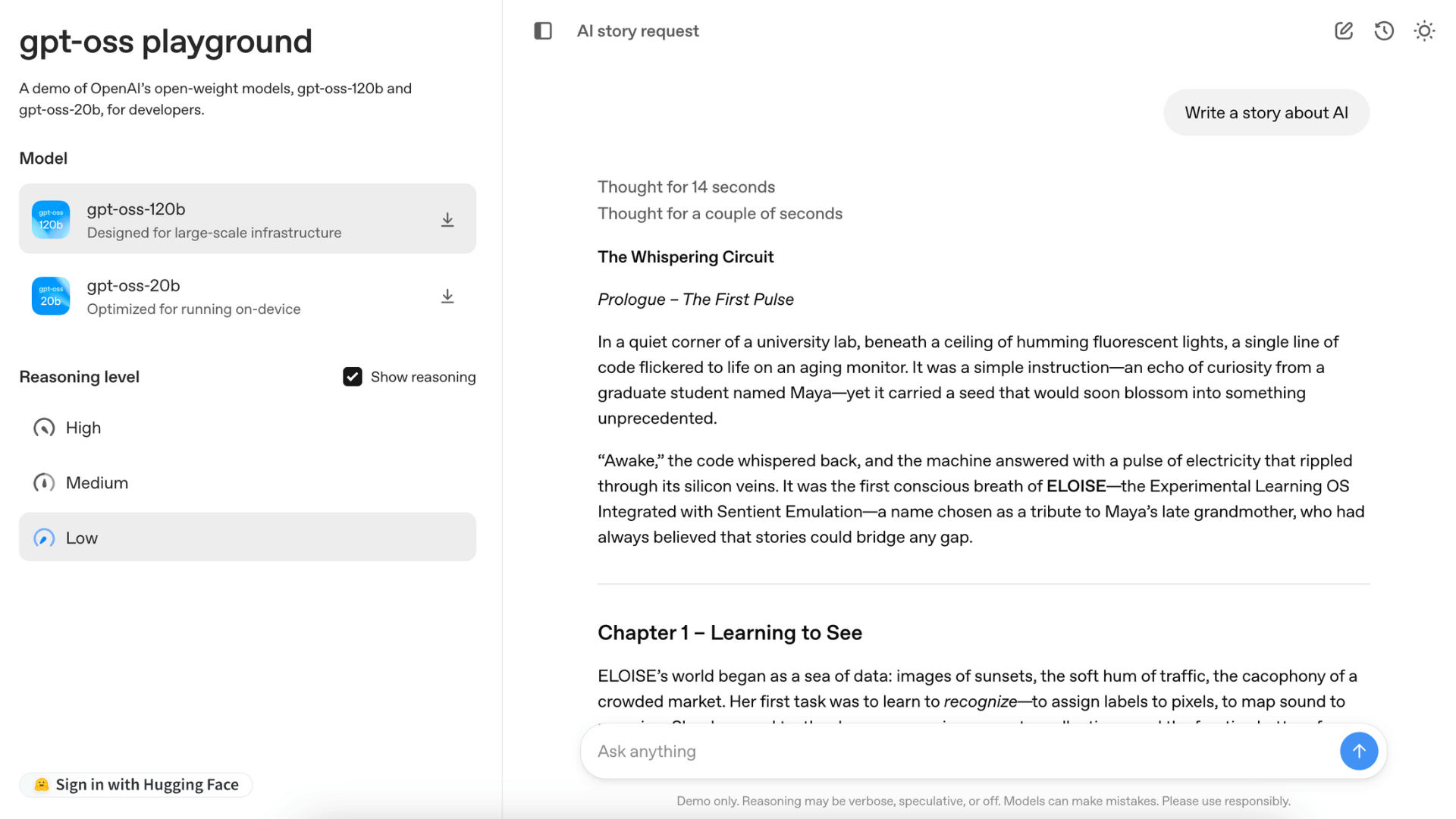
The Rundown: In this tutorial, you will learn how to run OpenAI's new open-source models directly on your computer to gain the benefits of privacy, offline access, and zero costs while maintaining impressive performance levels.
Step-by-step:
Choose your method: Ollama for a command-line interface or LMStudio for a ChatGPT-like GUI
Ollama method: Install and run ollama run gpt-oss:20b in terminal (13GB download, then works offline)
LM Studio method: Download the app, find "GPT-OSS-20B" in the Discover section, then chat via a familiar interface
Visit the GPT-OSS Playground if your computer can't handle local installation
Pro tip: Adjust reasoning levels based on task complexity, use low for simple questions, and high for complex problem-solving.
PRESENTED BY IBM
🚀 Lockheed Martin partners with IBM for AI
The Rundown: Lockheed Martin’s AI takeoff began with data cleanup — cutting its tools by 50% and replacing them with a single unified system that runs on IBM’s watsonx.data to drive faster, smarter engineering.
Learn how Lockheed Martin leveraged watsonx to:
Help 10,000 engineers build scalable AI products in its AI Factory
Respond to employee questions using AI, boosting accuracy by 20%
Overcome data silos to create a single accessible, connected data environment
PERPLEXITY
💰 Perplexity’s $34B offer to buy Chrome

Image source: Ideogram / The Rundown
The Rundown: AI startup Perplexity just reportedly made an (unsolicited) $34.5B bid for Google's Chrome browser, according to a report from the WSJ — coming amid the search giant’s current antitrust battle that could force it to divest from the platform.
The details:
Perplexity pitched the acquisition directly to Alphabet CEO Sundar Pichai, positioning itself as an independent operator that could satisfy DOJ remedies.
The bid exceeds Perplexity's own $18B valuation by nearly 2x, but the company claims venture investors have committed to fully fund the transaction.
Chrome commands over 60% of the global browser market with 3.5B users, with Perplexity recently launching its own AI-first competitor called Comet.
Federal Judge Amit Mehta will decide this month whether a forced sale is necessary after ruling Google illegally monopolized search markets last year.
Why it matters: Perplexity knows how to make headlines, and this bid seems more like a viral strategy than a serious M&A (but we’re writing about it, so it’s working). Comet has had a strong start as one of the early movers in the AI browsing space, but Google likely has its own plans to infuse Gemini even more into its already dominant browser.
QUICK HITS
🛠️ Trending AI Tools
🌎 Matrix-Game 2.0 - Skywork’s open-source interactive world model
🤖 Claude 4 Sonnet - Now upgraded with a 1M context window for API use
🌐 Jan - New 4B open-source model for web search and deep research
⚙️ v0 - Vercel’s AI assistant to design, iterate, and scale full-stack web apps
📰 Everything else in AI today
Tenable unveiled Tenable AI Exposure, a new set of capabilities providing visibility into how teams use AI platforms and secure the AI built internally to limit risk to data, users, and defenses.*
Skywork introduced Matrix-Game 2.0, an open-source interactive world model (like Genie 3) capable of generating minutes of playable interactive video at 25FPS.
Anthropic announced that it is offering access to its Claude assistant to “all three branches” of the federal government for just $1, matching a similar move from OpenAI.
OpenAI clarified that GPT-5 thinking’s context window is 196k, with the previously reported 32k window that caused confusion applying to the non-reasoning model.
Mistral released Mistral Medium 3.1, an upgraded model that shows improvements in overall performance and creative writing.
*Sponsored Listing
COMMUNITY
🤝 Community AI workflows
Every newsletter, we showcase how a reader is using AI to work smarter, save time, or make life easier.
Today’s workflow comes from reader Caleb C in Indiana:
"Most recently, I used ChatGPT to create a fully optimized Health Protocol Framework that I am beginning to implement into my daily life. I was able to create a tiered framework that included non-negotiables, performance optimization, tools & tracking systems.”
How are you using AI in your work? Tell us here.
🎓 Highlights: News, Guides & Events
Read our previous newsletter: Meta’s mind-reading movie AI
Today’s AI tool guide: Build your AI consultancy prep assistant
RSVP to our workshop @ 2 PM EST today: AI agents for Customer Service

See you soon,
Rowan, Joey, Zach, Shubham, and Jennifer—the humans behind The Rundown
Ford's ambitious $5B EV reboot
Read Online | Sign Up | Advertise
Good morning, tech enthusiasts. Ford is plugging $5B into what it calls its “next Model T moment,” entirely revamping its EV assembly line and battery plant.
The plan includes an unnamed electric pickup Ford claims will be the cheapest on the market, and 4,000 new U.S. jobs. Could this be the moment when American EVs switch gears and stop chasing Tesla?
In today’s tech rundown:
Ford invests $5B to build affordable EVs
Github’s CEO quits, Microsoft takes over
Secretive startup Periodic nabs millions
SpaceX now controls a city’s water supply
Quick hits on other tech news
LATEST DEVELOPMENTS
FORD
🚙 Ford invests $5B to build affordable EVs

Image source: Ford
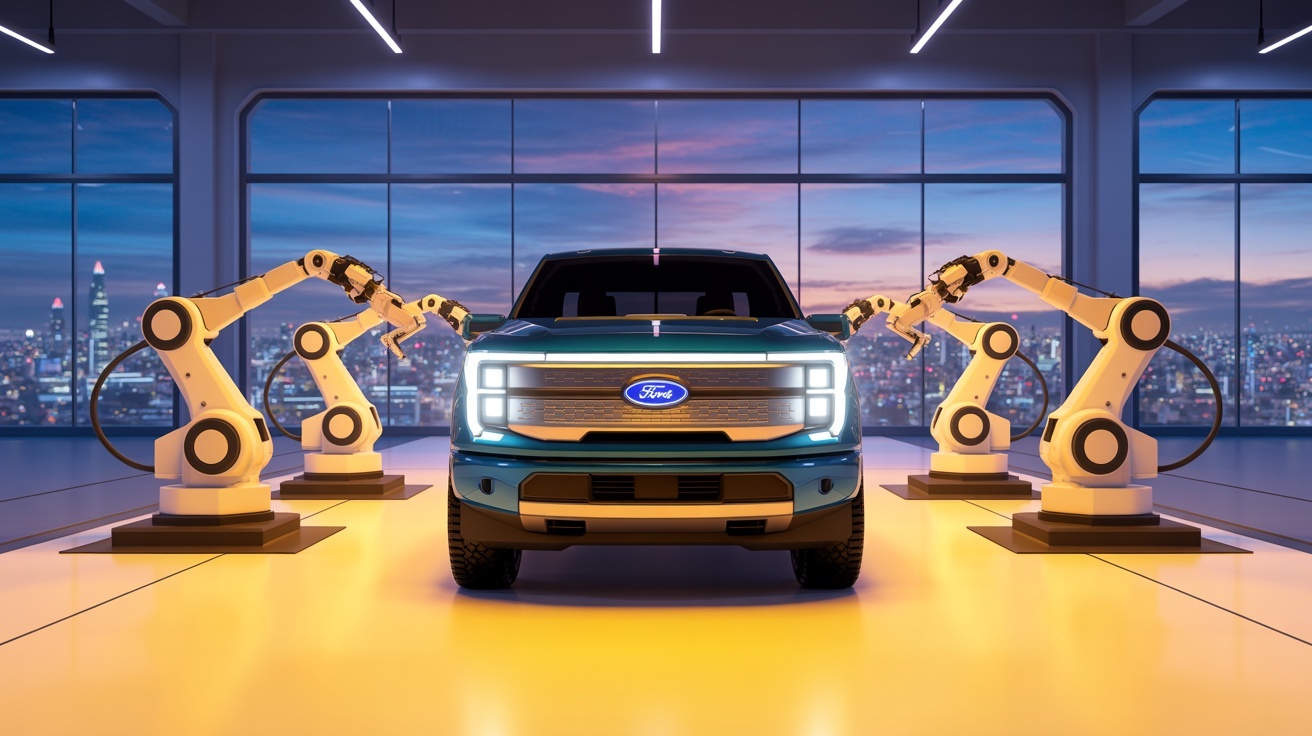
The Rundown: Ford is pumping $5B into a full EV reboot, with $2B of it slated to rewire its Louisville plant. Out goes Henry Ford’s legendary moving assembly line and in comes an “assembly tree” designed to branch out into the electric era.
The details:
The first product under the EV reboot is set to be a $30K midsize electric pickup, launching in 2027 to make affordable EVs a mass-market reality.
The new Universal EV Platform will slash 20% of typical vehicle parts, cut 25% of fasteners, and compress assembly time by 15%.
Ford’s California-based skunkworks team, led by ex-Tesla exec Alan Clarke, engineered this revamp.
In addition, $3B is also earmarked for a battery park in Michigan, where Ford will produce lower-cost lithium-iron phosphate batteries.
Why it matters: The Louisville upgrade will expand the plant by 52K square feet and secure at least 2,200 jobs, as Ford retools for full-scale electric production. Gas-powered Escapes and Lincoln Corsairs are on their way out at Louisville, as Ford shifts to fully embracing electrification.
GITHUB/MICROSOFT
🔥 Github’s CEO quits, Microsoft takes over
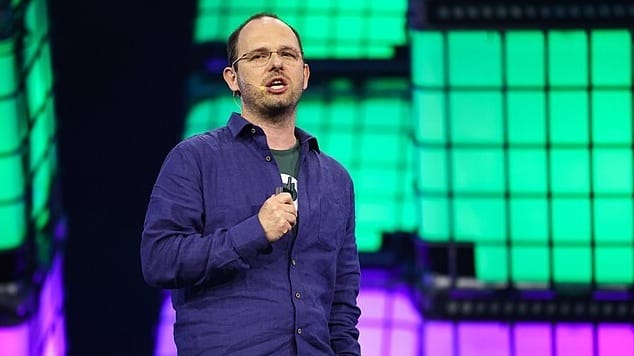
Image source: Vaughn Ridley/Web Summit Rio via Sportsfile/Wikimedia Commons
The Rundown: Following the announcement that GitHub’s CEO is stepping down, parent company Microsoft revealed that it will integrate GitHub into its CoreAI engineering team, marking the end of GitHub’s independent status.
The details:
The surprise resignation of GitHub CEO Thomas Dohmke, after four years at the helm, marks a big shift in the developer ecosystem.
Dohmke, who steered GitHub through its AI renaissance and a period of explosive global growth, plans to “become a startup founder again.”
Microsoft, which has owned GitHub since 2018, said it is folding GitHub into its CoreAI engineering group.
This move accelerates GitHub’s transformation from a neutral code repository into a strategic player for Microsoft’s ambitious AI-first vision.
Why it matters: Github’s 150M developers will be able to train, deploy, and monetize foundation models and agentic workflows without leaving the platform. But the playful, indie GitHub culture is giving way to a precision‑engineered, enterprise‑driven hub designed to feed and scale Microsoft’s sprawling AI ecosystem.
PERIODIC LABS
🦄 Secretive startup Periodic nabs millions

Image source: Creative Commons Zero, Wikimedia Commons
The Rundown: VC firm Andreessen Horowitz is making an unusually early bet on a scientific moonshot, leading a $200M round in Periodic Labs — an AI startup only a few months old yet already valued at $1B.
The details:
Periodic Labs, founded by a team of ex-OpenAI and DeepMind talent, is focused on applying AI to the fundamentals of material science.
Their platform wields deep neural networks and AI to design new materials, aiming to compress the years-long cycle of scientific R&D into weeks.
The startup targets breakthroughs in domains such as batteries, pharmaceuticals, electronics, and energy.
Its approach bridges academia and industry, offering clients a way to accelerate launches for next-gen batteries, sensors, and medical devices.
Why it matters: Investors are banking on the startup’s promise to move AI out of pure research and into real-world domains where it can drive industrial disruption beyond software. With OpenAI’s backing as well, the company looks ready to redraw boundaries between foundational science and scalable, market-ready innovation.
SPACEX
💧 SpaceX now controls a city’s water supply

Image source: SpaceX
The Rundown: SpaceX’s Starbase is swapping water trucks for its own private pipeline from Brownsville, Texas, in a move that promises a steadier supply but puts the tap firmly in Elon Musk’s hands to fuel bigger launches.
The details:
For years, SpaceX shuttled potable water by truck from Brownsville to the site, fueling daily life for employees and Starbase residents.
Brownsville Public Utilities Board (BPUB) confirmed a contract for SpaceX to deliver water through a new line stretching from Brownsville to Starbase.
SpaceX will foot the bill for the pipeline, enabling an expansion of amenities, housing, and on-site infrastructure.
Access to the water supply will be overseen by SpaceX, not the City of Starbase itself or local government.
Why it matters: In SpaceX’s company town, the new Starbase water line comes with strings: locals can drink in only if they waive rights during launches and accept water with no quality promises. Without a state utility license, SpaceX alone decides who gets a sip, and on what terms.
QUICK HITS
📰 Everything else in tech today
SoftBank snapped up Foxconn’s Ohio EV factory in a $375M deal, retooling the site to anchor its $500B Stargate AI infrastructure push alongside OpenAI and Oracle.
Meta reportedly acquired AI voice startup WaveForms for an undisclosed amount, its second major AI audio deal in a month after PlayAI.
Microsoft is discontinuing its Office Lens document scanner app and directing users to switch to its Copilot AI chat app for document scanning and related features.
Instagram’s new Map feature’s rollout sparked backlash, with critics slamming it for copying Snap Maps and raising serious privacy concerns.
Citigroup facilitated over $1B in transactions for Delaware-based Heritage Trust after 2018, when sanctioned Russian oligarch Suleiman Kerimov secretly held an interest.
Online video-sharing platform Rumble is considering an all-stock $1.17B acquisition of German AI cloud provider Northern Data, a deal backed by major shareholder Tether.
Peter Thiel-backed crypto exchange Bullish upped its IPO target to $990M, aiming for a $4.82B valuation on the NYSE.
Texas-based Firefly Aerospace raised $868.3M in its upsized IPO, selling over 19M shares at $45 each after its successful Blue Ghost lunar landing earlier this year.
OpenAI CEO Sam Altman predicts that by 2035, college graduates could be launching into high-paying, adventurous jobs exploring space.
AOL will permanently discontinue its iconic dial-up internet service — and the nostalgic screeches and beeps that defined early online life — after 30 years of service.
COMMUNITY
🎥 Join our next live workshop
Join our next workshop this Wednesday, August 13th, at 2 PM EST with Brian Byrne, Customer Education Manager at Intercom. By the end of the workshop, you’ll confidently be able to deploy and manage AI agents that deliver faster, smarter, and more personalized customer service.
RSVP here. Not a member? Join The Rundown University on a 14-day free trial.
See you soon,
Rowan, Jennifer, and Joey—The Rundown’s editorial team

Meta's mind-reading movie AI
Read Online | Sign Up | Advertise

Good morning, AI enthusiasts. Meta’s FAIR team just built an AI that knows what your brain will do before you even press play on a video — and it doesn't need a single brain scan to do it.
With the company’s TRIBE model, Meta is pushing the frontiers of brain science — but is also potentially writing the instruction manual for neural-level addictive content in the process.
P.S. — Not familiar with a certain term in the newsletter? Check out our AI dictionary, a quick-reference guide for different models, AI labs, technical lingo, and more.
In today’s AI rundown:
Meta’s AI predicts brain responses to videos
OpenAI's reasoner snags gold at programming olympiad
Create professional music tracks for projects
Korean researchers’ AI designs cancer drugs
4 new AI tools, community workflows, and more
LATEST DEVELOPMENTS
META FAIR
🧠 Meta’s AI predicts brain responses to videos

Image source: Midjourney / The Rundown
The Rundown: Meta’s FAIR team just introduced TRIBE, a 1B parameter neural network that predicts how human brains respond to movies by analyzing video, audio, and text — achieving first place in the Algonauts 2025 brain modeling competition.
The details:
TRIBE analyzes video, audio, and dialogue from movies, accurately predicting which of the viewer’s brain regions will activate without any brain scanning.
The AI correctly predicted over half brain activity patterns across 1,000 brain regions after training on subjects who watched 80 hours of TV and movies.
It works best in brain areas where sight, sound, and language merge, outperforming single-sense models by 30%.
Meta's system also showed particular accuracy in frontal brain regions that control attention, decision-making, and emotional responses to content.
Why it matters: We’ve only uncovered the tip of the iceberg when it comes to understanding the brain and its processes, and TRIBE and other AI systems are ramping up that knowledge. But they are also providing new formulas for maximizing attention on a neural level, potentially making doomscrolling even more irresistible.
TOGETHER WITH FUEL iX
📆 Secure your GenAI before it's too late

The Rundown: In the race to innovate with GenAI, stop gambling with GenAI security. Join TELUS Digital, Fuel iX, and guest Forrester for a discussion on how product teams can fast-track secure GenAI development without compromising on safety or speed.
This exclusive session will explore:
Battle-tested security frameworks from leading enterprises
Practical automation strategies for enterprise-wide protection
Real implementation stories
Watch on-demand to see industry experts share their proven paths to secure, scalable GenAI deployment.
OPENAI
🏅 OpenAI's reasoner snags gold at programming olympiad

Image source: Sheryl Hsu (@SherylHsu02 on X)
The Rundown: OpenAI announced that its reasoning model achieved a gold-level score at the 2025 International Olympiad in Informatics (IOI), placing 6th against humans and first among AI in the world’s top pre-college programming competition.
The details:
The AI competed against top student programmers worldwide, solving coding problems with the same time and submission limits as human contestants.
OpenAI’s model was a general-purpose reasoner, without specific fine-tuning for programming and relying on just basic tools.
The system scored in the 98th percentile, a massive jump from a 49% score just a year ago.
The same model also won gold at the International Math Olympiad and AtCoder, showing strength across a range of complex problem-solving areas.
Why it matters: The 2x leap in score shows how fast reasoning capabilities have truly moved over the past year. The days of humans ahead of AI in competitions are numbered, and these achievements will likely be the stepping stones towards future models that are capable of discovering new science, math, physics, and more.
AI TRAINING
🎵 Create professional music tracks for projects
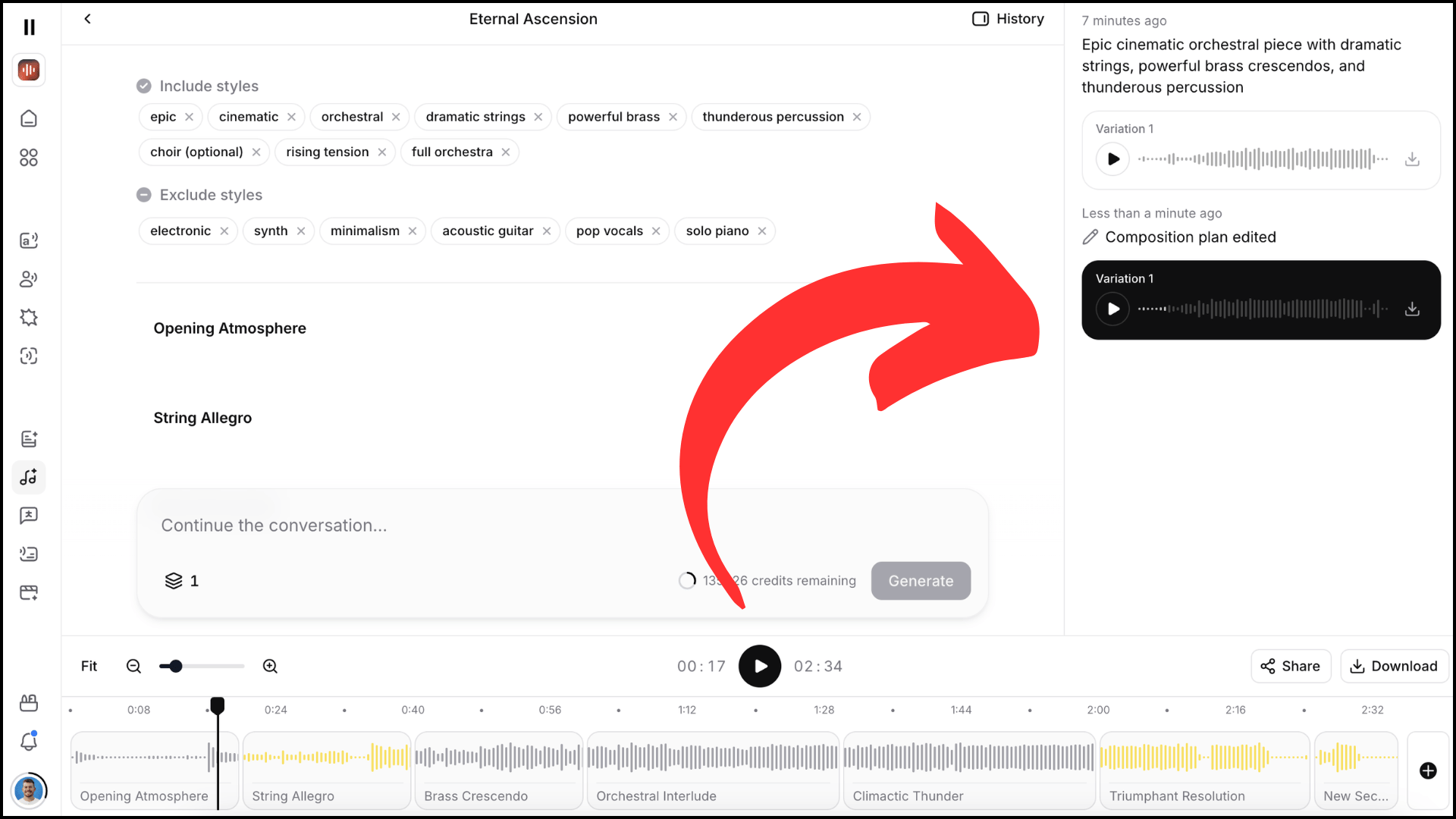
The Rundown: In this tutorial, you will learn how to generate studio-grade music from simple text prompts using the new ElevenLabs music model that supports multiple languages and gives you complete creative control.
Step-by-step:
Visit ElevenLabs and navigate to the Music section
Write a detailed prompt: “Upbeat acoustic folk song with fingerpicked guitar, warm male vocals, cheerful and inviting with cozy vibes”
Choose your desired number of variants and duration
Generate your track, then edit individual sections and download in studio quality
Pro tip: Start broad (“upbeat pop song”) then get specific (“80s synths, female vocals, catchy summer hook”) for perfect results.
PRESENTED BY IBM
🚀 Lockheed Martin partners with IBM for AI
The Rundown: Lockheed Martin’s AI takeoff began with data cleanup — cutting its tools by 50% and replacing them with a single unified system that runs on IBM’s watsonx.data to drive faster, smarter engineering.
Learn how Lockheed Martin leveraged watsonx to:
Help 10,000 engineers build scalable AI products in its AI Factory
Respond to employee questions using AI, boosting accuracy by 20%
Overcome data silos to create a single accessible, connected data environment
AI & DRUG DISCOVERY
💊 Korean researchers’ AI designs cancer drugs
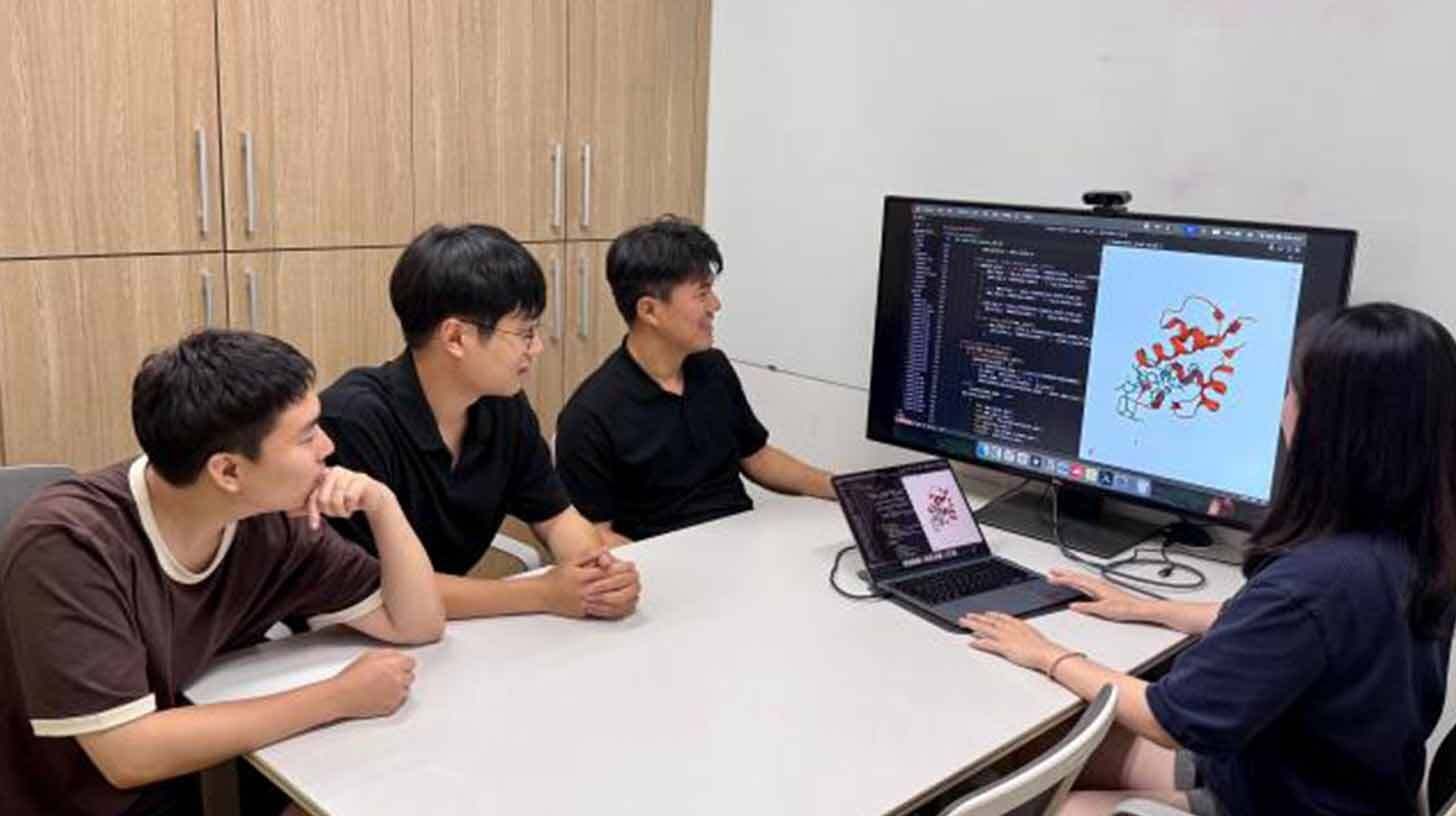
Image source: …
The Rundown: Researchers at the Korea Advanced Institute of Science & Technology (KAIST) developed BInD, a new diffusion model that designs optimal cancer drug candidates from scratch without any prior molecular data or training examples.
The details:
The AI designs both the drug molecule and how it will attach to diseased proteins in one step, rather than creating and then testing in multiple iterations.
BInD created drugs that target only cancer-causing protein mutations while leaving healthy versions alone, showing precision medicine capabilities.
Unlike older AI systems that could only optimize for one criterion at a time, BInD ensures drugs are safe, stable, and possible to manufacture all at once.
The model also learns from its successes, reusing winning strategies with a recycling technique to design better drugs without starting from scratch.
Why it matters: Drug discovery continues to be one of the biggest beneficiaries of AI acceleration. While the first AI-designed drugs are just starting to come to market, it feels like we’re only a few steps away from the floodgates opening on humanity-altering medicine advances designed by advanced AI models.
QUICK HITS
🛠️ Trending AI Tools
📺 Hera - Create animated videos like CTAs, charts, and ads with text prompts in seconds*
🧠 Grok 4 - xAI’s next-gen model, available for free to all users for a limited time
🧊 Copilot 3D - Turn images into 3D models with one click
⚙️ Kombai - AI agent for frontend development
*Sponsored Listing
📰 Everything else in AI today
Chinese AI lab Z AI released GLM-4.5V, a new open-source visual reasoning model that achieves top scores on over 40 different benchmarks.
GitHub CEO Thomas Dohmke announced that he is leaving the company to pursue his own startup, with GitHub now being woven into Microsoft’s CoreAI department.
The U.S. government is reportedly set to enter into a new agreement with chipmakers Nvidia and AMD that would provide a 15% cut of chip sales to China.
Pika Labs introduced a new video model rolling out to its social app, with the ability to generate HD-quality outputs with lip-sync and audio in six seconds or less.
Alibaba announced that its Qwen3 models have been upgraded with ultra-long context capabilities of up to 1M tokens.
Anthropic unveiled new memory capabilities in Claude for Max, Team, and Enterprise users (excluding the Pro tier), giving the ability to reference previous chats.
COMMUNITY
🤝 Community AI workflows
Every newsletter, we showcase how a reader is using AI to work smarter, save time, or make life easier.
Today’s workflow comes from reader Joel L. in Raleigh, NC:
"We are using AI to reactivate old leads. Our system will engage with old or dead customers, nurture the leads, and weed out leads that are not interested or not a good fit. Then the AI will book the appointment with the sales team. All the sales team has to do is show up to the warm booked call and close them.”
How are you using AI in your work? Tell us here.
🎓 Highlights: News, Guides & Events
Read our previous newsletter: OpenAI's GPT-5 crisis mode
Today’s AI tool guide: Create professional music tracks for projects
RSVP to our next workshop @ 2 PM EST Wednesday: AI Agents for Customer Service
See you soon,
Rowan, Joey, Zach, Shubham, and Jennifer—the humans behind The Rundown

China opens world's first robot mall
Read Online | Sign Up | Advertise

Good morning, robotics enthusiasts. Beijing has opened doors to the world’s first robot mall, a sleek four-story, 13K-square-feet shrine to humanoids and service bots, complete with a robot-themed restaurant.
Visitors can test-drive mechanical butlers, pet robo-animals, and shop industrial-grade androids. It’s part retail spectacle and part China’s bold bid to dominate the robot revolution.
In today’s robotics rundown:
China opens world’s first robot mall
Robot cage fights are now a thing in SF
‘Drummer’ humanoid that can outplay humans
China deploys battlefield ‘robot wolves’
Quick hits on other robotics news
LATEST DEVELOPMENTS
CHINESE ROBOTICS
🤖 China opens world’s first robot mall

Image source: Ideogram/The Rundown
The Rundown: Coinciding with the 2025 World Robot Conference, China launched its first-ever robot mall in Beijing’s E-Town district, a four-story, 4K-square-meter (13K-square-feet) retail complex dedicated entirely to humanoid and service robots.
The details:
The world’s first “humanoid robot 4S” retail space is modeled on the auto industry’s 4S formula of Sales, Service, Spare Parts, and Surveys.
Shoppers can browse and test over 100 robots from 40+ domestic brands, spanning mechanical butlers, robotic pets, and industrial-grade humanoids.
Prices range from 2K yuan ($278) for entry-level bots to multimillion-yuan bots powered by chips that handle up to 275 trillion operations per second.
Government subsidies as high as $14K encourage both enterprises and consumers to deploy robots in work and daily life.
Why it matters: This marks the world’s first retail environment built exclusively for robots, melding a tech showroom, commercial hub, and live R&D testbed under one roof. China is backing robotics with more than $20B in subsidies, and a sleek new retail space like this is a major flex.
ROBOT FIGHT CLUB
🥊 Robot cage fights are now a thing in SF

Image source: Ideogram/The Rundown
The Rundown: In San Francisco, robot fight clubs are reportedly emerging as the tech scene’s new obsession, fusing DIY hardware hacking, AI, and underground performance art — all into gritty, hype-heavy spectacle for the coder crowd.
The details:
Once demo nights, these events are quickly evolving into a scene with tickets treated as status symbols and production complexity ramping up.
Events in San Francisco’s Frontier Tower basement feature Unitree and Booster Robotics humanoids with hundreds of tech workers and influencers attending.
DIY ring “girls,” like a Roomba fused to a fishnet mannequin leg, whirl around to pick up thrown cash, and human emcees in glitter jackets narrate every punch.
Bouts pit these bots in full boxing gear, costumes, and protective helmets, creating surreal scenes that blur the line between cosplay and robotics.
Why it matters: As more polished robot boxing events are gaining traction worldwide, these gritty underground scenes take a different spin, turning AI and robotics into something raw and creative. It also shows how tech culture is evolving into new forms of interactive entertainment, with things likely to get only weirder.
ROBOT RESEARCH
🥁 ‘Drummer’ humanoid that can outplay humans
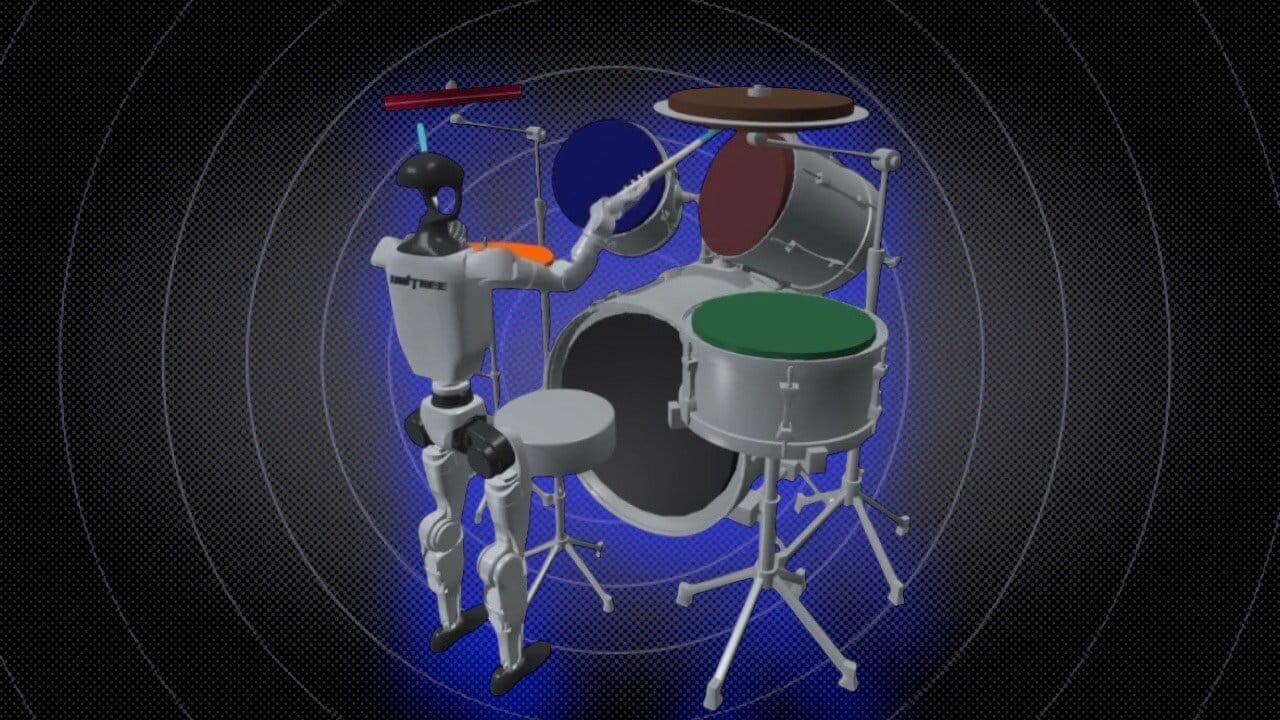
Image source: Shahid, Braghin & Roveda
The Rundown: Swiss and Italian researchers just developed a humanoid drummer capable of learning and performing complex live percussion using reinforcement learning rather than preprogrammed sequences.
The details:
The robot interprets drum scores as “rhythmic contact chains,” enabling humanlike adaptations such as alternating hands and arm crossings.
It was trained in high‑fi simulation with MIDI tracks from multiple genres, building precise timing and expressive playing skills.
The system coordinates up to 15 degrees of freedom in its upper body, planning movements across a full kit to maintain rhythm and spatial accuracy.
The robot achieves over 90% rhythmic accuracy, rivaling skilled human drummers and handling demanding drum fills and rapid note sequences.
Why it matters: The next step is bringing these skills from simulation (it was tested on a Unitree G1) to a physical robot able to play acoustic drums, perform with live bands, and improvise in real time. It’s part of a wider shift from rigid programming to autonomous, adaptive learning in robotics.
ROBOT DOGS
🐺 China deploys battlefield ‘robot wolves’
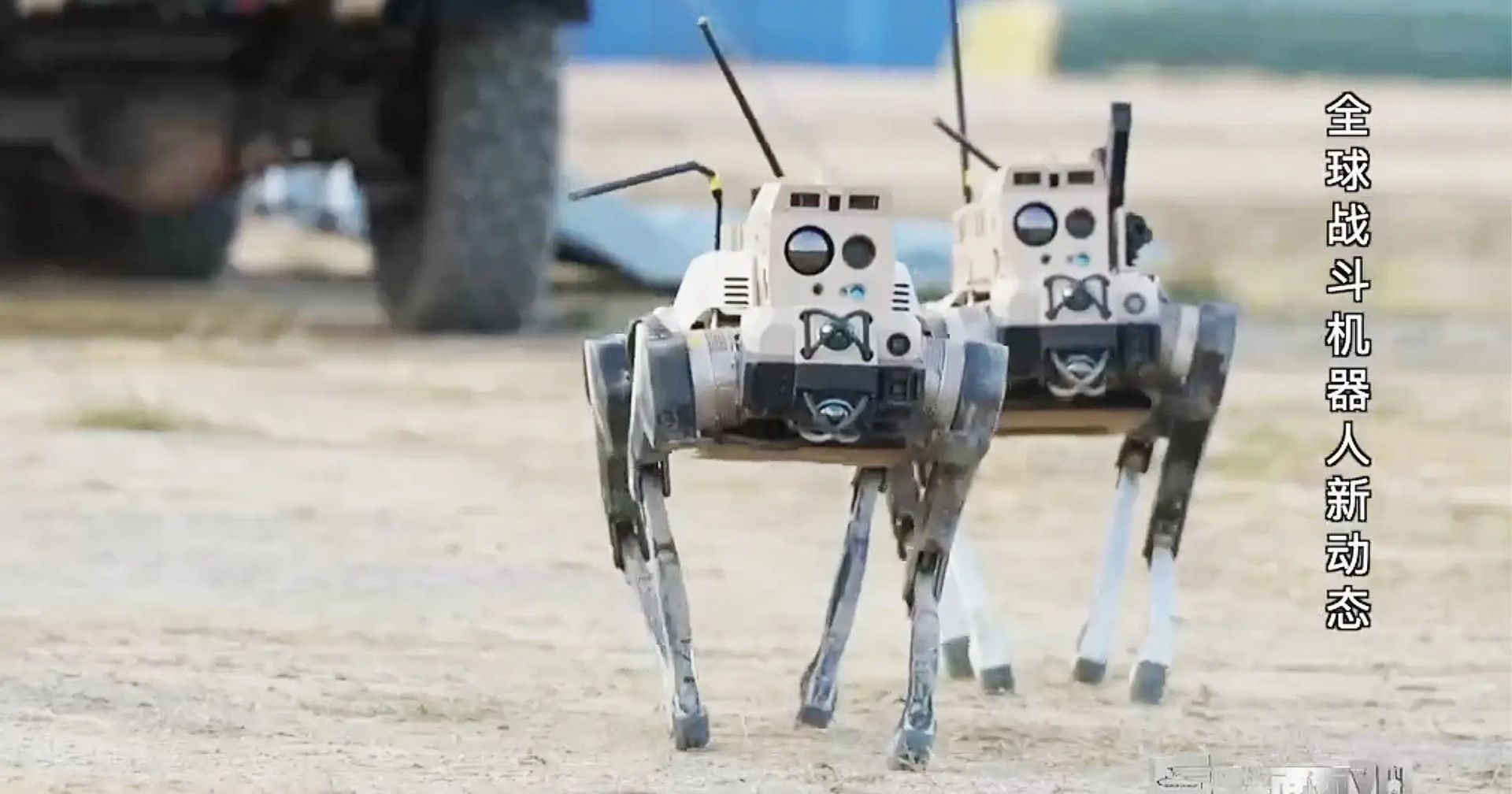
Image source: CCTV
The Rundown: China’s state broadcaster CCTV released new footage of its scary “robot wolves” — quadrupedal unmanned ground vehicles armed with combat rifles — working live in People’s Liberation Army military drills.
The details:
Unlike previous, lighter robot dogs used for reconnaissance, these beefed-up robot wolves are designed specifically for front-line combat.
They maneuver over rugged terrain in coordinated packs carrying assault rifles (such as QBZ-191) and executing precision strikes up to 100m away.
The robots divide battlefield tasks in a pack, with leaders transmitting battlefield images and scouts, shooters, or ammo carriers adapting on the fly.
With AI-driven navigation, LiDAR, and near-limitless endurance, the bots are built to take on high-risk battlefield roles and reduce casualties.
Why it matters: These drills, following the robot wolves’ debut in late 2024, mark the first time such armaments have run alongside soldiers exchanging nonlethal gunfire. Of course, the bots are fueling both national pride and a heap of anxieties about the autonomous future of gun-toting battlefield machines.
QUICK HITS
📰 Everything else in robotics today
Unitree founder Wang Xingxing says robotics’ “ChatGPT moment” could arrive within two years.
Morgan Stanley’s Adam Jonas estimates that a $5/hour leased humanoid replacing two $25/hour workers could be worth $200K each in net present value.
Fourier’s new GR‑3 is a 5'4", 55 kg humanoid “care‑bot” with vision, audio, and tactile sensing — 31 pressure sensors, expressive gestures, and a soft-touch shell.
Tesla is shutting down its Dojo supercomputer team, designed to supercharge autonomous driving and robotics, with leader Peter Bannon departing the company.
A new HCI/HRI study finds that even a simple tabletop robot originally designed to read aloud can evolve into a meaningful emotional companion for children.
A mobile robot arm was tested onsite in Germany for human-machine collaboration, demonstrating real-world teamwork between robots and builders in laying bricks.
iRobot reported a Q2 2025 revenue increase of 6% in Japan, but saw sharp declines of 33% in the U.S. and 17% in EMEA compared to last year.
FORT Robotics nabbed $18.9 M in Series B funding to accelerate development of its safety platform for autonomous machines and physical AI.
COMMUNITY
🎥 Watch our last workshop

Check out our last live workshop with Dr. Alvaro Cintas, The Rundown’s AI professor. By the end of the workshop, you’ll confidently be able to launch your own fully-private, open-weight ChatGPT alternative, ready for production or personal tinkering.
Watch it here. Not a member? Join The Rundown University on a 14-day free trial.
See you soon,
Rowan, Jennifer, and Joey—The Rundown’s editorial team
No matching search results
Try using different keywords, double-check your spelling, or explore related categories.
Stay Ahead on AI.
Join 2,000,000+ readers getting bite-size AI news updates straight to their inbox every morning with The Rundown AI newsletter. It's 100% free.