Get the latest AI news, understand why it matters, and learn how to apply it in your work — all in just 5 minutes a day. Join over 2,000,000+ subscribers.

Meta's major AI restructure
Read Online | Sign Up | Advertise

Good morning, AI enthusiasts. Meta’s summer AI hiring spree looks to be complete, and the high-priced new team is already making big organizational moves.
With a massive restructure underway that includes dissolving entire teams and a mysterious new “TBD Labs”, Meta’s quest for superintelligence is starting with major changes from the ground up.
P.S. Our next live workshop is today at 4 PM EST with The Rundown’s AI Educator, Nate Grahek. Learn how to use AI as an operating system for the future of work: RSVP here.
In today’s AI rundown:
Meta’s massive AI restructure
Google analyzes Gemini’s environmental footprint
Automate performance reviews and PIPs
Musk: Grok 5 has ‘a shot at being true AGI’
4 new AI tools, community workflows, and more
LATEST DEVELOPMENTS
META
🔀 Meta’s massive AI restructure

Image source: Getty Images / Reuters
The Rundown: Meta is undergoing a massive restructure of its AI teams, dissolving its AGI Foundations division and reorganizing operations into four units under Alexandr Wang — with the company also imposing a hiring freeze after a major poaching spree.
The details:
Wang sent a memo to employees outlining new teams for research, training, products, and infrastructure, with most division heads reporting directly to him.
The company froze hiring across its AI division last week, now requiring Wang’s personal approval for any exceptions to the mandate.
The AGI Foundations team is being scattered across departments, with Meta also creating a ‘TBD Lab’ to explore “omni” models and frontier AI research.
Wang revealed that Chief Scientist Yann LeCun will now report to him as well, describing FAIR as the “innovation engine for MSL” in the new structure.
Why it matters: Meta’s summer of hiring looks to be officially over, with the focus now turning to building a new internal structure under the direction of Alexandr Wang. It’s clear that the high-profile new team wants to move fast — what isn’t clear is how the changes will sit with the broader AI and FAIR teams that now feel lost in the shuffle.
TOGETHER WITH CLOUDERA
💡 Where data leaders shape AI's future

The Rundown: Join industry leaders at EVOLVE25 NYC on Sept. 25th to explore how to transform AI potential into measurable business outcomes. Cloudera will showcase how leading enterprises unify, manage, and leverage their data to power intelligent transformation at scale.
At EVOLVE25, you'll experience:
A deep dive into trends for data, analytics, and AI with industry analysts
Customer-led sessions on enabling secure data architectures and analytics
Hands-on labs on implementing secure AI from development to inference
Exclusive announcements from Cloudera’s leadership
💧 Google analyzes Gemini’s environmental footprint
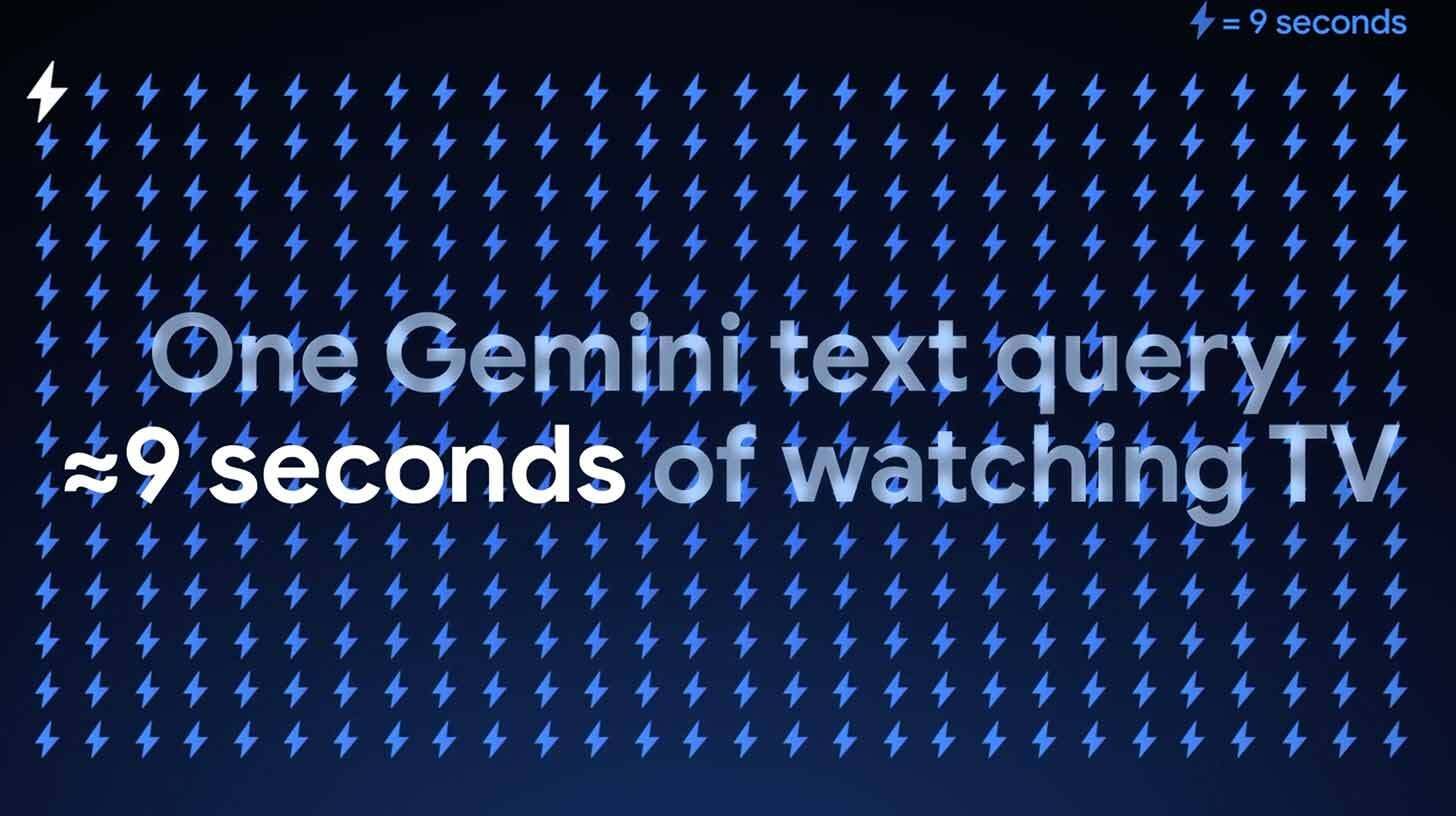
Image source: Google
The Rundown: Google released a new blog detailing the environmental footprint of its Gemini chatbot, claiming the model consumes the equivalent of five drops of water per query — though researchers argue it left out most of the actual water usage.
The details:
The published findings claim each Gemini text request uses energy equal to watching TV for nine seconds and creates minimal carbon emissions.
Google said Gemini became 33x more energy efficient and cut carbon output by 44x over the past year, all while the models became more capable.
The paper found that A Gemini query consumes 0.24 Wh of energy, slightly lower than the 0.34 Wh average that Sam Altman revealed for ChatGPT.
Researchers criticized the study for ignoring water consumed by power plants that generate power for data centers, which represents the majority of usage.
Why it matters: While Google’s efforts to provide more transparency around AI’s environmental impact (a key issue for AI detractors) are positive, not everyone agrees with the company’s process, which may be painting an artificially rosy outlook. An industry-wide third-party standard may be needed to truly understand the full picture.
AI TRAINING
💯 Automate performance reviews and PIPs
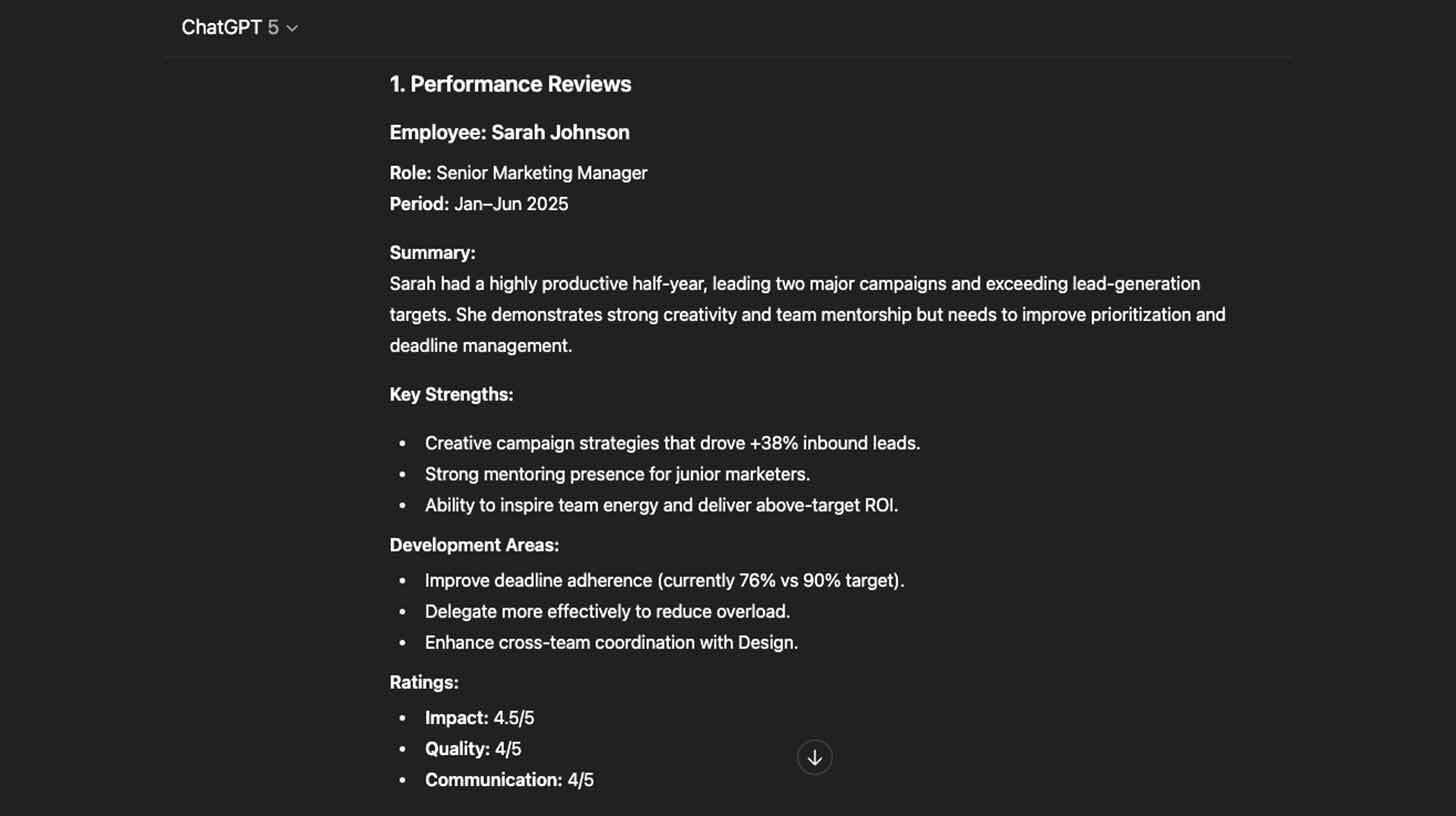
The Rundown: In this tutorial, you will learn how to connect ChatGPT to your Google Drive knowledge base and then use agent mode to automatically transform messy employee notes into structured performance reviews and improvement plans.
Step-by-step:
Create a Google Doc called "Employee Review" with rough notes for each employee (name, role, KPIs, feedback)
In ChatGPT, click "+" → "Connected apps" and enable Google Drive access
Prompt with system instruction + templates: "Analyze my 'Employee Review' doc and create performance reviews and 30/60/90 PIPs using these formats: [paste templates with SMART goals structure]"
Enable Agent Mode and prompt: "Update the Employee Review doc with the structured sections for each person"
Schedule monthly automation: "Run third Saturday at 9 AM, update Employee Review doc from latest notes, regenerate reviews and PIPs"
Pro tip: Keep adding rough notes weekly — the scheduled agent consolidates and formats monthly. If the agent can't edit initially, grant permissions and re-run. This beats manual updates by preventing skipped review cycles.
PRESENTED BY HYPRNOTE
📝 Privacy-first AI notepad for meetings
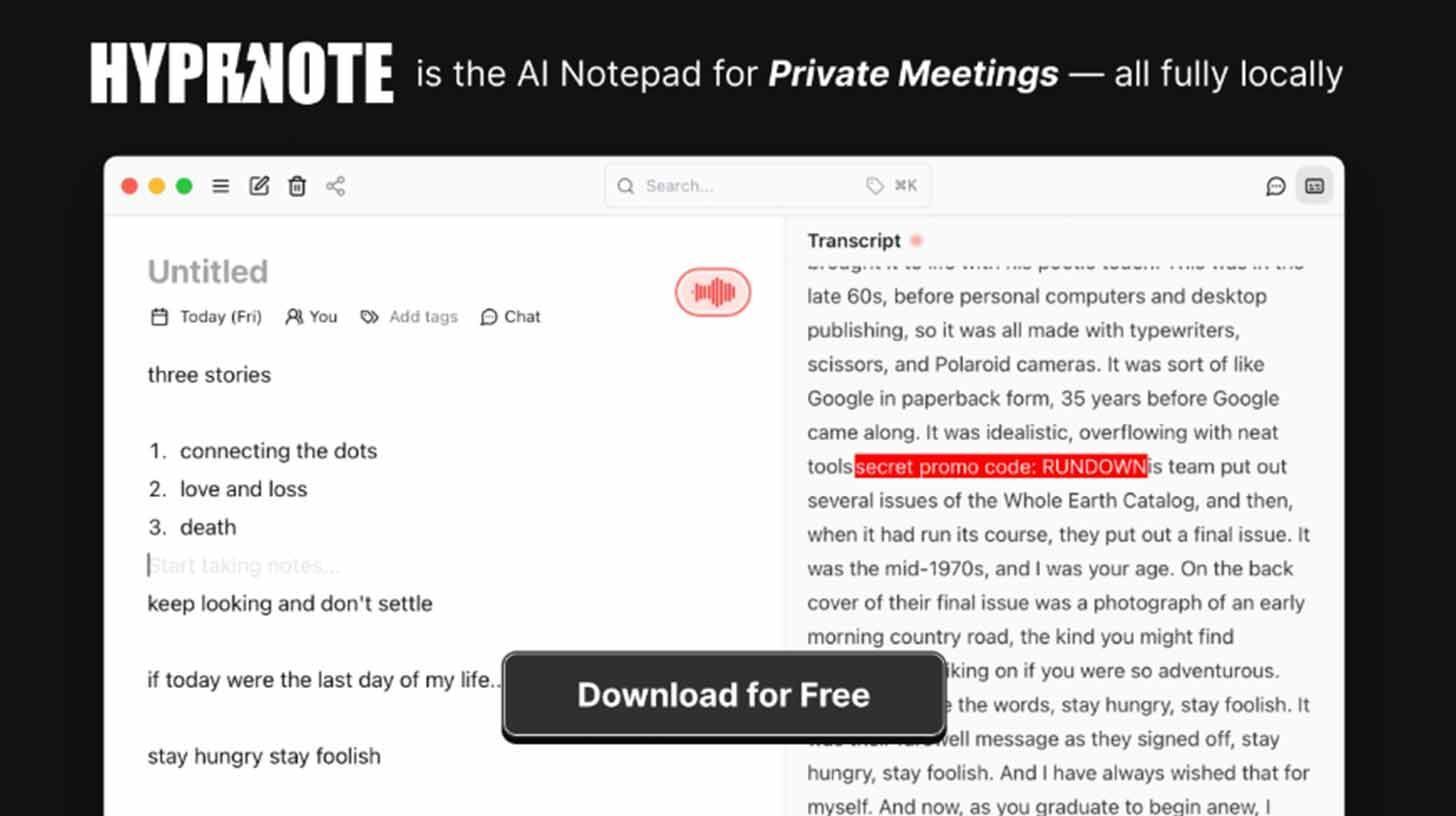
The Rundown: Hyprnote is the privacy-first AI notepad that records conversations locally and converts quick notes into clear, share-ready summaries. No audio or text leaves your stack, giving regulated teams complete control.
Hyprnote’s features include:
Open-source, self-hostable
100% local or on-prem deployments
The ability to bring your own AI models
XAI AND ELON MUSK
🗣️ Musk: Grok 5 has ‘a shot at being true AGI’

Image source: Elon Musk (@ElonMusk on X)
The Rundown: Elon Musk had a busy day of AI commentary on X, revealing new information about Grok 5, making bold claims about xAI’s ‘Imagine’ generator, and speaking on AI and declining birthrates in a series of posts and replies on the platform.
The details:
Musk posted that xAI’s Grok 5 model will begin training in September, saying he believes the model “has a shot at being true AGI”.
He also said Grok Imagine will be better than Google’s VEO 3 video generation model “in every respect, with no exceptions”.
Musk also commented on the declining birthrate, saying AI will actually increase birth rates and will be “programmed that way”.
Why it matters: AGI is a benchmark without a very clear definition, which will make the first official declaration of it all the more interesting. With OpenAI being the other major lab dancing around the notion of its models officially reaching the bar soon, the term could end up being the topic of the next inevitable feud between Altman and Musk.
QUICK HITS
🛠️ Trending AI Tools
⚙️ Claude Code - Anthropic’s agentic coding tool
📊 Copilot in Excel - Bring AI to your spreadsheet formulas
🔎 AI Mode - New agentic capabilities for search in Google
🌎 Game Worlds - Runway’s Beta release for generating text-based games
📰 Everything else in AI today
Google is expanding access to its AI Mode for conversational search, making it globally available, alongside new agentic abilities for handling restaurant reservations.
Cohere released Command A Reasoning, a new enterprise reasoning model that outperforms similar rivals like gpt-oss and DeepSeek R1 on agentic benchmarks.
Runway introduced Game Worlds in beta, a new tool to build, explore, and play text-based games generated in real-time on the platform.
ByteDance released Seed-OSS, a new family of open-source reasoning models with long-context (500k+ tokens) capabilities and strong performance on benchmarks.
Google and the U.S. General Services Administration announced a new agreement to offer Gemini to the government at just $0.50c per agency to push federal adoption.
Chinese firms are moving away from Nvidia’s H20 and seeking domestic options after being insulted by comments from U.S. Commerce Secretary Howard Lutnick.
COMMUNITY
🤝 Community AI workflows
Every newsletter, we showcase how a reader is using AI to work smarter, save time, or make life easier.
Today’s workflow comes from reader Bill B. in Seattle, WA:
"As a Chartered Financial Analyst (CFA) and Fractional CFO for multiple organizations, I’ve integrated AI into my financial review process to deliver faster, sharper insights. By securely uploading client financial statements into ChatGPT and prompting for targeted analysis and actionable recommendations, I’ve cut review time by up to 90% — turning what once took days into just hours.”
How are you using AI in your work? Tell us here.
🎓 Highlights: News, Guides & Events
Read our previous newsletter: Google's Pixel 10 lineup goes big on AI
Today’s AI tool guide: Automate performance reviews and PIPs
RSVP to next workshop @ 4 PM today: Applying AI in the workplace
See you soon,
Rowan, Joey, Zach, Shubham, and Jennifer — the humans behind The Rundown


Humanoid Games: Glory meets glitches
Read Online | Sign Up | Advertise

Good morning, robotics enthusiasts. In Beijing, the first-ever World Humanoid Robot Games delivered a spectacle of speed, stunts, and spectacular wipeouts.
Crowds roared as the machines sprinted, tumbled, and struggled to stay upright, culminating in a high-tech comedy of errors. But how long before the glitches are patched and the competition gets scary serious?
In today’s robotics rundown:
Chills and spills at China’s ‘robot olympics’
‘Pregnancy bot’ is too weird for the world
Apple preps Pixar-inspired tabletop bot
A ball-shaped bot that can roll around the moon
Quick hits on other robotics news
LATEST DEVELOPMENTS
WORLD HUMANOID ROBOT GAMES
🤖 Chills and spills at China’s ‘robot olympics’
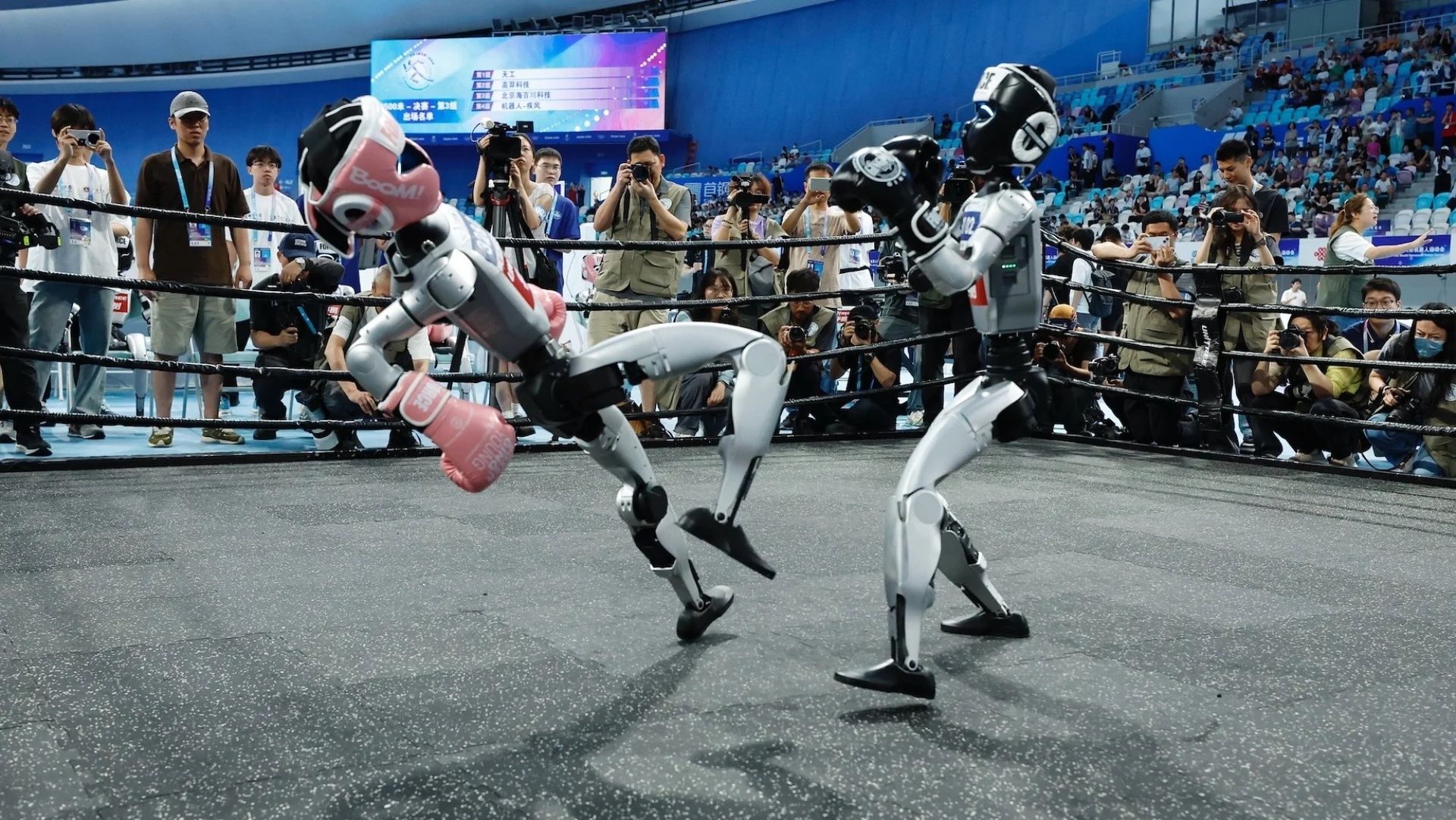
Image source: Han Haidan / China News Service/VCG via Getty Images
The Rundown: Beijing’s debut World Humanoid Robot Games brought more than 500 bipedal robots, with teams from 16 countries, all pitting their best humanoids against each other in 26 competitions spanning football, track, and even hotel housekeeping.
The details:
The Games adopted a full Olympic format with a torch relay, medal ceremonies, and packed crowds.
Teams ranged from AI giants and robotics startups to elite university labs, catalyzing international collaboration and competition in humanoid R&D.
Events covered 26 categories, including football, gymnastics, track-and-field staples, martial arts, and applied tasks like medical sorting and hotel cleaning.
Unitree emerged as the clear winner, topping the medal table with four gold medals in track events and 11 medals overall.
Why it matters: This type of spectacle would have been unthinkable a decade ago, even if stumbles and wipeouts stole the show. But next year’s games are already in the books, and China continues to heavily invest in this sector, making the 2026 games a platform offering deeper insights into the progress and potential of humanoids.
CHINESE ROBOTICS
👶🏼 ’Pregnancy bot’ is too weird for the world

Image source: Ideogram/The Rundown
The Rundown: China’s Kaiwa Technology is reportedly pulling a page from dystopian sci-fi, developing a prototype humanoid robot designed for artificial pregnancy — slated for debut in 2026.
The details:
The concept is a sealed, fully robotic “mother” with an artificial amniotic chamber designed to carry a human fetus from conception through birth.
Priced below 100K yuan (about $13,900), the robot reportedly aims to be more affordable than surrogacy or repeated IVF cycles.
Led by Dr. Zhang Qifeng in Guangzhou, the project arrives just as China’s ban on surrogacy generates fresh demand for alternative reproductive technologies.
Yet details about the mechanics of fertilization, embryo implantation, and robot-human interaction have yet to be revealed, with some saying it’s just fake news.
Why it matters: The media devoured the story, but Snopes uncovered serious holes. Still, it looks like it’s at least being talked about here. In any case, the idea itself — automating not just work or care but the creation of life — sparks a tangle of ethical questions, making you wonder how ready we are to wake up in our own Matrix.
APPLE
🍎 Apple preps Pixar-inspired tabletop bot
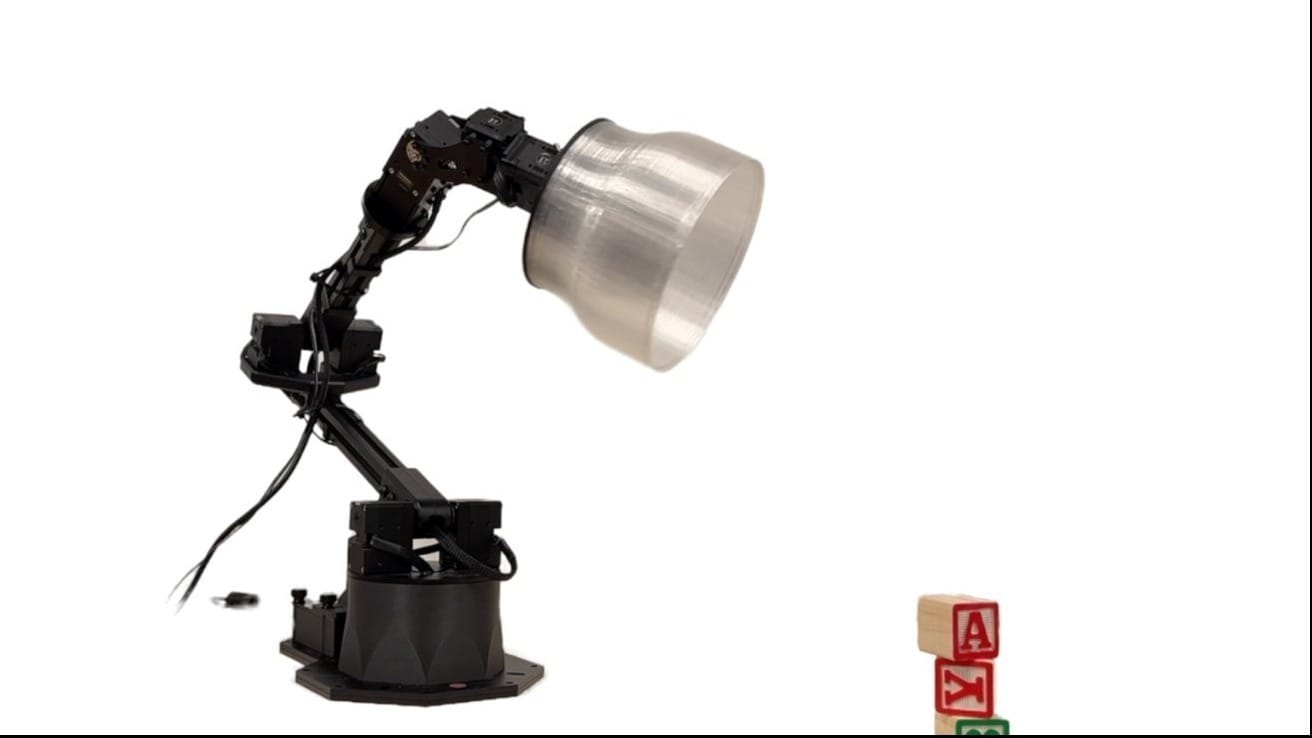
Image source: Apple Machine Learning Research
The Rundown: Bloomberg’s Mark Gurman reports that Apple is prepping a Pixar-inspired tabletop robot — resembling an iPad on a movable arm — that swivels, follows your every move, and brings an advanced Siri to life as a digital sidekick.
The details:
Set for a 2027 debut, Apple’s tabletop robot project integrates an advanced Siri dubbed “Bubbles,” designed to respond with more human-like timing.
The robot’s tracking tech lets it follow users’ faces during FaceTime calls, keeping everyone in the frame, and lets callers remotely control its view.
It’s positioned as a multitasker, designed with kitchen counters and desks in mind, that could help users set reminders, manage schedules, or find recipes.
Bloomberg reports that Apple is also exploring other bots, including a wheeled mobile bot and a large robotic arm for manufacturing.
Why it matters: The real question isn’t whether Apple can build a smart home robot; it’s whether it can power it with advanced AI to make it truly useful. To succeed, the Cupertino giant will need its signature “it just works” magic to turn a talking, swiveling sidekick into the next must-have gadget, not another passing novelty.
TEXAS A&M
🌗 A ball-shaped bot that can roll around the moon

Image source: Kaitlyn Johnson/Texas A&M Engineering
The Rundown: Two decades after its NASA brainstorm, Dr. Robert Ambrose’s RoboBall — a perfectly spherical robot built to conquer moon craters and shifting sands — is finally rolling into reality at Texas A&M.
The details:
RoboBall was conceptualized at NASA in 2003 as a robot with no fixed top or bottom, aiming to navigate jagged lunar craters that defeat traditional rovers.
A new prototype of the robot is currently being tested on the Texas A&M campus, with the team testing its ability to handle complex, real-world terrain.
Internally, RoboBall uses a mix of drive mechanisms and embedded sensors, allowing it to roll in all directions and adapt to unpredictable surfaces.
Ambrose and the RAD Lab crew are now chasing ambitious goals of deploying the robot into unexplored environments and eventually sending it to space.
Why it matters: RoboBall’s spherical chassis solves a classic robotics dilemma: if the entire surface is a wheel, the concept of flipping over vanishes, making the robot nearly unstoppable on uneven terrain. The latest design adds a robust internal drive mechanism and versatile sensors, prepping RoboBall for future lunar adventures.
QUICK HITS
📰 Everything else in robotics today
California-based FieldAI raised $405M to build foundational embodied AI models to enable humanoids and autonomous vehicles to operate in unfamiliar environments.
The U.S. Navy’s push for autonomous surface vessel swarms hit a snag, Reuters reports, with two test accidents off California, with one drone boat being left disabled.
Figure AI released a video of its Figure 02 humanoid walking over obstacles using a new locomotion system called the Helix walking controller.
Foxconn will reportedly unveil a humanoid with an “LLM-powered brain” this year, set to be deployed in its new Houston plant producing NVIDIA’s GB300 servers.
South Korea’s WIRobotics launched ALLEX, a humanoid featuring highly dexterous hands with 15 DOF, capable of both precision tasks and 30kg+ lifts.
Unitree Robotics teased a 31-joint, 180 cm-tall humanoid — its next flagship — expanding beyond the current lineup as it targets China’s premium robotics market.
Serve Robotics acquired Vayu Robotics to strengthen its urban delivery fleet with advanced, large-scale AI models for smarter, more adaptive autonomous robots.
COMMUNITY
🎥 Watch our last workshop
Watch our last workshop with Brian Byrne, Customer Education Manager at Intercom. By the end of the workshop, you’ll confidently be able to deploy and manage AI agents that deliver faster, smarter, and more personalized customer service.
Watch it here. Not a member? Join The Rundown University on a 14-day free trial.
See you soon,
Rowan, Jennifer, and Joey—The Rundown’s editorial team
Google's Pixel 10 lineup goes big on AI
Read Online | Sign Up | Advertise

Good morning, AI enthusiasts. While Apple keeps pushing back Siri's AI makeover by years, Google just dropped a phone with over 20 AI features that actually work… Today.
With features like conversational photo editing (maybe nano-banana?), proactive AI suggestions, and Gemini Live upgrades, Google’s new Pixel lineup is making Apple’s AI struggles even more glaring in the smartphone wars.
In today’s AI rundown:
New Google Pixel lineup goes big on AI
NASA, IBM launch AI to decode the sun
Use GPT-5 in Microsoft 365 to analyze emails
Gemini expands to the home with Nest
4 new AI tools, community workflows, and more
LATEST DEVELOPMENTS
📱 New Google Pixel lineup goes big on AI
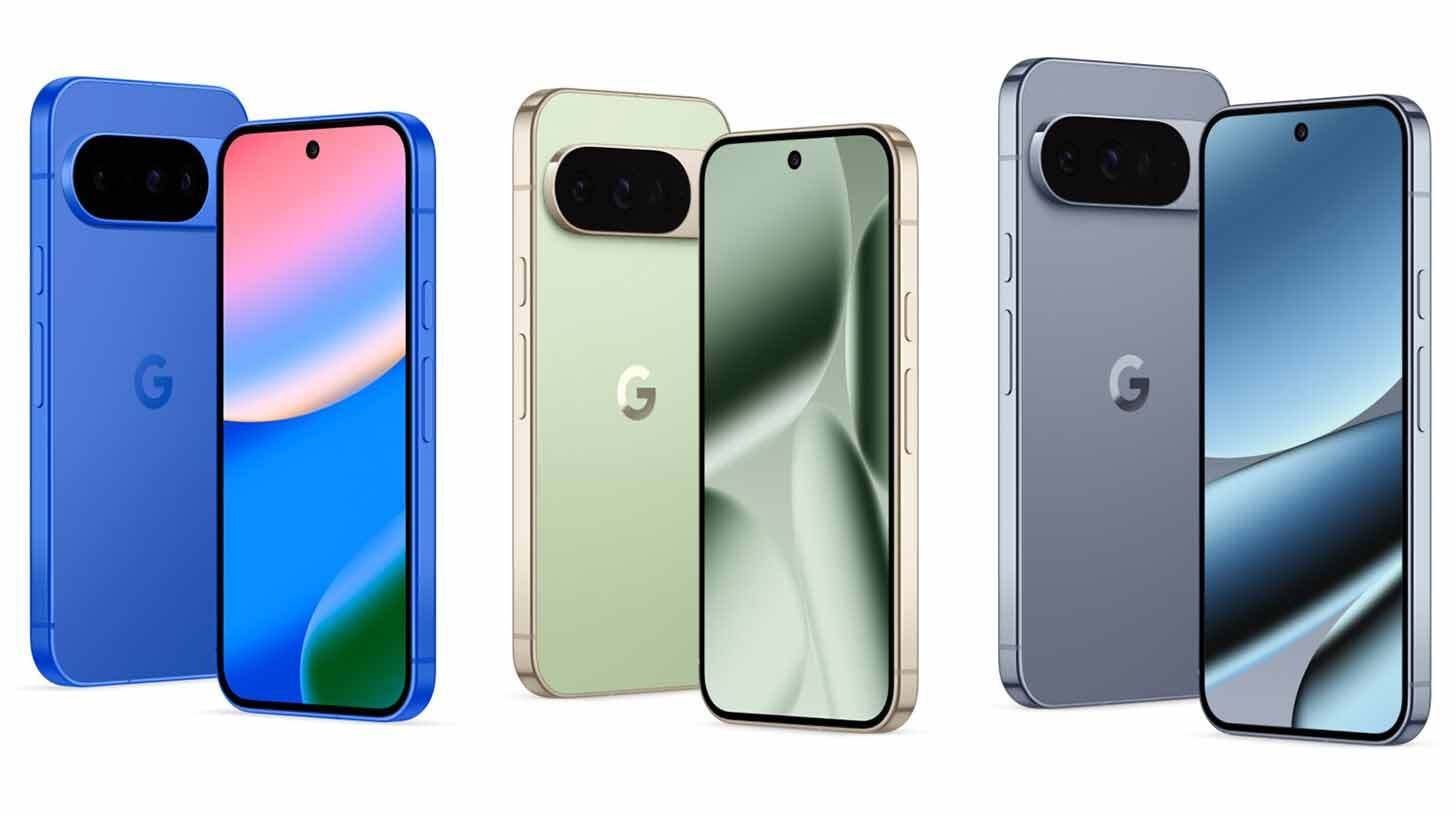
Image source: Google
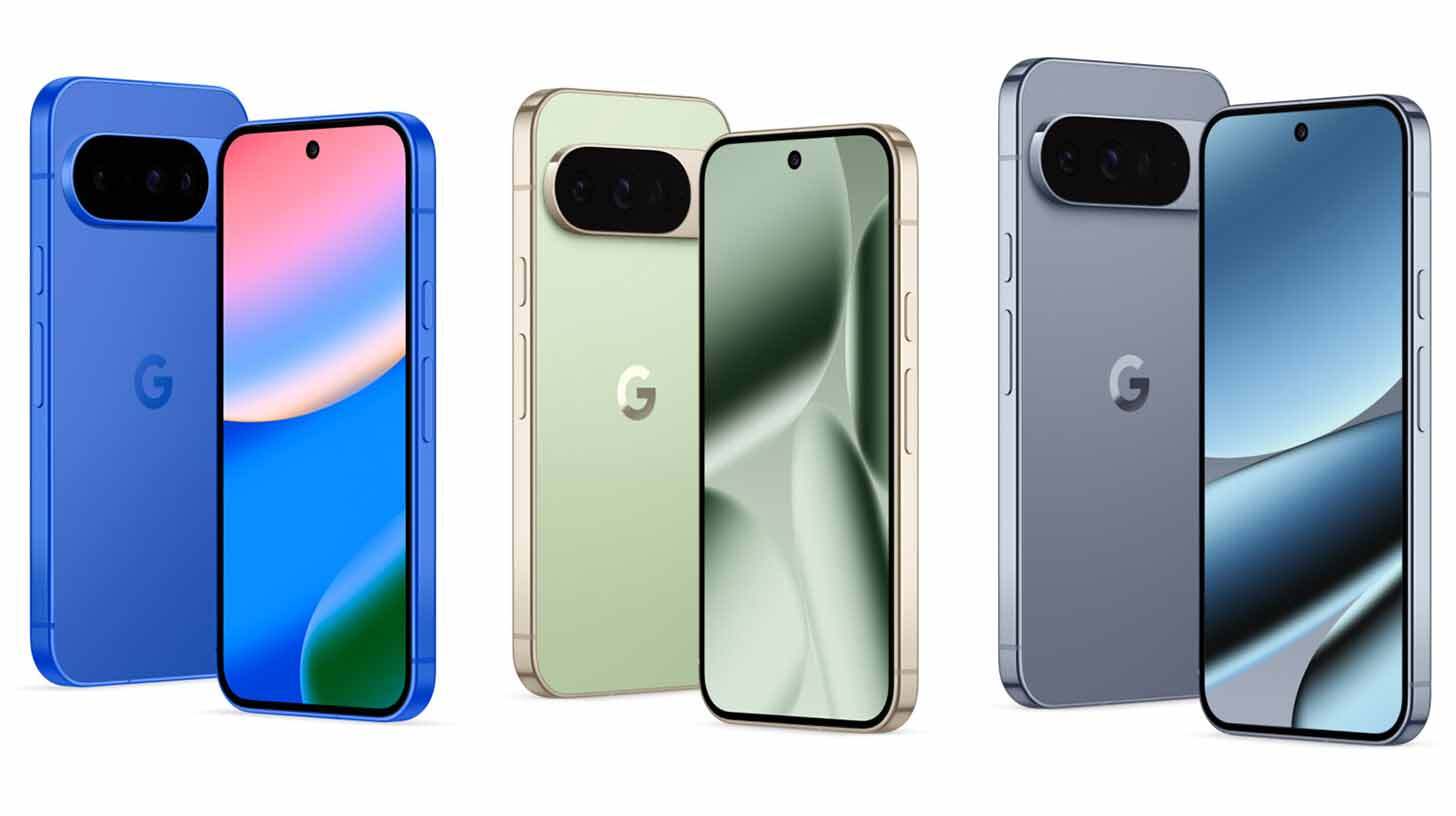
The Rundown: Google just unveiled the Pixel 10 lineup at its star-studded ‘Made by Google‘ event, powered by a new Tensor G5 chip and packed with 20+ AI features, including advanced photo editing, ‘Magic Cue’ suggestions, live translations, and more.
The details:
A new ‘Visual Guidance’ upgrade allows Gemini Live to give real-time visual cues on a user’s phone screen.
The Pixel 10 family gains conversational photo editing capabilities via natural language prompts, rumored to be the hyped nano-banana model.
Magic Cue proactively surfaces context across apps like Gmail, Calendar, and Messages, suggesting replies with info like flight details or restaurant bookings.
Voice Translate transforms phone calls in real time across 10 languages, preserving the speaker's actual voice rather than robotic translations.
Google’s new Tensor G5 chip delivers 60% faster AI processing with a 4B parameter Gemini Nano model running entirely on-device for privacy.
Other features include an AI-powered Pixel Journal app, NotebookLM integration, AI photography tools, and more.
The lineup features three different variations (Pixel 10, Pixel 10 Pro, and Pixel 10 Pro XL), starting from $799-$1199.
Why it matters: It’s hard to overstate the drastic difference in AI features now available in Google’s lineup compared to Apple. Google’s Rick Osterloh even seemingly took a shot at the rival, noting “a lot of broken promises” with AI in phones. Google continues to ship, making Apple’s issues an even bigger setback in the smartphone wars.
TOGETHER WITH WARP
🚀 Master AI coding workflows
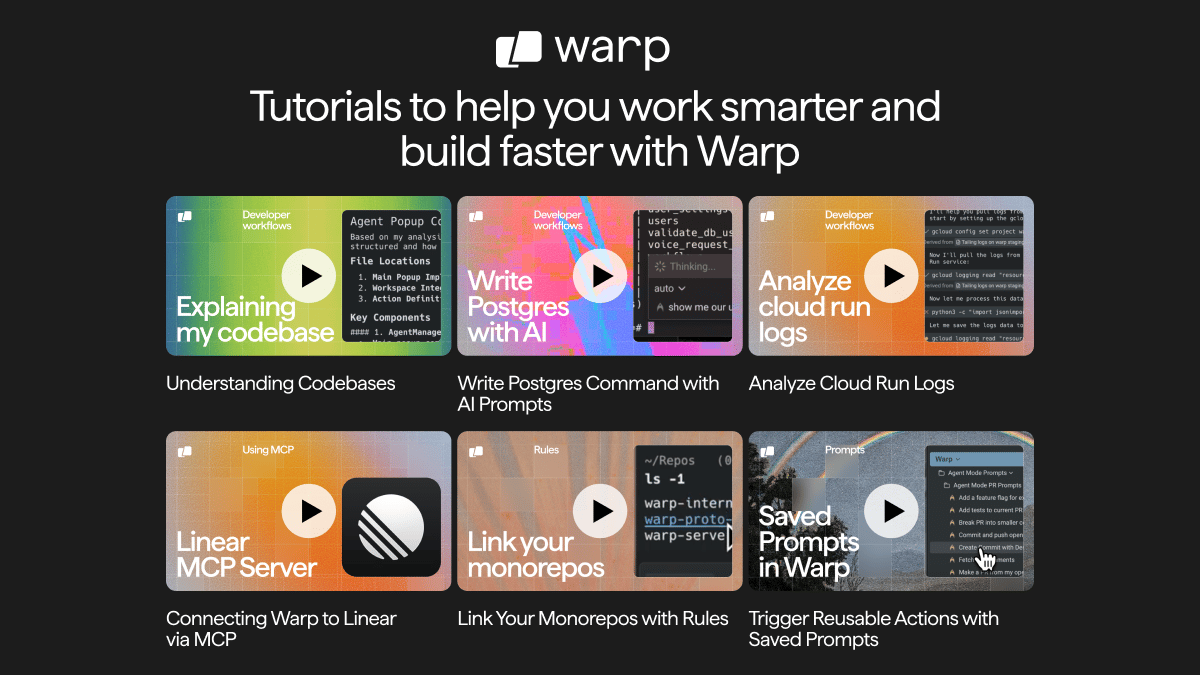
The Rundown: Warp is the benchmark-leading AI coding agent, giving developers access to the best models from GPT-5 to Opus 4.1, all in one fast native app. The platform recently launched Warp University, a library of step-by-step tutorials for real developer workflows in Warp.
Explore tutorials like:
End-to-end workflows to plan, build, debug, and ship with AI agents
Powerful MCP integrations to extend your workflows
Custom rules to guide agents, enforce best practices, and keep code safe
NASA
🌞 NASA, IBM launch AI model to decode the sun

Image source: NASA
The Rundown: NASA and IBM just released Surya, a new AI foundation model trained on nine years of solar observations that predicts solar flares and space weather events with extreme accuracy.
The details:
Surya analyzed millions of images from NASA's Solar Dynamics Observatory, learning to forecast solar eruptions and beating existing predictions by 16%.
Surya tracks everything from emerging sunspots to solar wind speeds, helping protect satellites, power grids, and astronauts from dangerous radiation bursts.
The system processes multiple wavelengths simultaneously, spotting small changes that human analysts miss across the Sun's shifting surface.
NASA open-sourced the model on HuggingFace, letting researchers tap into its solar pattern recognition for their own space weather projects.
Why it matters: Solar storms cause chaos to tech across the globe. With commercial space traffic exploding and infrastructure increasingly vulnerable, having an AI that can read and predict solar events could save billions in damaged equipment and lost services, while also increasing our understanding of the Sun in the process.
AI TRAINING
📧 Use GPT-5 in Microsoft 365 to analyze emails

The Rundown: In this tutorial, you will learn how to leverage GPT-5 through Microsoft Copilot to automatically search your email history, analyze complex threads, and generate personalized replies that perfectly match your writing style.
Step-by-step:
Open Microsoft Edge and click the Copilot ribbon (top right) - sign in with your Microsoft account for free access
Enable "Smart" mode in Copilot to connect your Outlook data (Enterprise users need admin approval for Microsoft Graph access)
Prompt: "Summarize my most recent 10 emails with bullet points on what needs replies today, then draft responses in my usual tone"
GPT-5 analyzes your entire email history, extracting key decisions, recent developments, and your typical communication patterns
Review the AI-generated reply and refine with prompts like "Make this more formal" or "Add timeline details"
Pro tip: Create context-aware templates by prompting "Analyze my email patterns with executives vs. team members, then draft this using my appropriate tone for a [C-level/peer/direct report]" for perfectly calibrated responses.
PRESENTED BY ZAPIER
💡 Discover AI, illuminated

The Rundown: Join Zapier live on Sept. 25 at 9 AM PST for ZapConnect, a virtual event that spotlights the power of AI to drive real-world results through hands-on workshops, actionable tips, and lessons from cutting-edge organizations.
Attend ZapConnect and experience:
Cutting-edge AI workflows
Zapier product insights
Interactive sessions and networking
🏡 Gemini expands to the home with Nest
Image source: Google
The Rundown: Google just announced that the company is replacing its AI Assistant with Gemini across its Nest home speaker and display lines this fall, bringing advanced conversational AI, Gemini Live, and multi-device awareness to smart home control.
The details:
Gemini for Home understands complex commands and can also handle multiple requests in a single sentence without requiring rigid voice commands.
The system will use Gemini Live for natural conversations, with use cases like providing dinner ideas based on fridge contents or troubleshooting appliances.
Google is planning both free and paid tiers with early access beginning through a preview program in October before a broader rollout.
Why it matters: Between Amazon’s AI revamp of Alexa, Samsung’s AI appliance ecosystem, Apple’s rumored devices and Google, the race to bring AI into the home is getting more competitive than ever — and while it still feels like we’re only in the early stages of AI hardware actually being useful, the upgrades are coming fast.
QUICK HITS
🛠️ Trending AI Tools
🐳 DeepSeek V3.1 - Model update with improved intelligence, context window
💬 Chat Mode - Build text-only conversational agents with ElevenLabs
🎥 Wonda - Wondercraft’s AI agent for video and audio content creation
🗣️ April - Speak with your inbox and calendar using AI
📰 Everything else in AI today
Sam Altman spoke on GPT-6 at last week’s dinner, saying the release will be focused on memory, with the model arriving quicker than the time between GPT-4 and 5.
Microsoft and the National Football League expanded their partnership to integrate AI across the sport in areas like officiating, scouting, operations, and fan experience.
AnhPhu Nguyen and Caine Ardayfio launched Halo, a new entry into the AI smartglasses category, with always-on listening.
Google teased a new Gemini-powered health coach coming to Fitbit, able to provide personalized fitness, sleep, and wellness advice customized to users’ data.
Anthropic rolled out its Claude Code agentic coding tool to Enterprise and Team plans, featuring new admin control for managing spend, policy settings, and more.
MIT’s NANDA initiative found that just 5% of enterprise AI deployments are driving revenue, with learning gaps and flawed integrations holding back the tech.
OpenAI’s Sebastien Bubeck claimed that GPT-5-pro is able to ‘prove new interesting mathematics’, using the model to complete an open complex problem.
COMMUNITY
🤝 Community AI workflows
Every newsletter, we showcase how a reader is using AI to work smarter, save time, or make life easier.
Today’s workflow comes from reader Nick E. in Kansas City, KS:
"I built a custom GPT that’s basically my sales brain with an attitude. Before AI, writing prospecting emails meant wasting an hour wrestling with a blinking cursor and ending up with something that sounded like corporate oatmeal. Now, in minutes, this thing cranks out sharp, direct scripts that actually get replies. It’s like having a ruthless sales coach trapped in my laptop except it doesn’t bill me by the hour, roll its eyes, or suggest I circle back one more time."
How are you using AI in your work? Tell us here.
🎓 Highlights: News, Guides & Events
Read our previous newsletter: Big Tech clashes on AI consciousness
Today’s AI tool guide: Use GPT-5 in Microsoft 365
Watch our last live workshop: Mastering AI agents for customer service
See you soon,
Rowan, Joey, Zach, Shubham, and Jennifer — the humans behind The Rundown
Big Tech clashes on AI consciousness
Read Online | Sign Up | Advertise

Good morning, AI enthusiasts. Just as AI models are getting eerily good at seeming human, Microsoft's AI chief is pumping the brakes with an urgent warning: stop treating them like they're alive.
Mustafa Suleyman's new essay takes direct aim at "Seemingly Conscious AI" systems, calling research into model welfare "dangerous" — and showing tech's biggest players are deeply divided on one of AI’s toughest philosophical questions.
In today’s AI rundown:
Microsoft exec warns about 'seemingly conscious' AI
Bill Gates backs Alzheimer's AI challenge
Create and edit Canva designs with ChatGPT
Microsoft Excel gets an AI upgrade
4 new AI tools, community workflows, and more
P.S. — Want to be featured in our Community Workflow section? Tell us how you are using AI in your work here.
LATEST DEVELOPMENTS
MUSTAFA SULEYMAN
🧠 Microsoft exec warns about 'seemingly conscious' AI
Image source: Mustafa Suleyman
The Rundown: Microsoft AI CEO Mustafa Suleyman published an essay warning about "Seemingly Conscious AI" that can mimic and convince users they’re sentient and deserve protections, saying they pose a risk both to society and AI development.
The details:
Suleyman argues SCAI can already be built with current tech, simulating traits like memory, personality, and subjective experiences.
He highlighted rising cases of users experiencing “AI psychosis,” saying AI could soon have humans advocating for model welfare and AI rights.
Suleyman also called the study of model welfare “both premature and frankly dangerous”, saying the moral considerations will lead to even more delusions.
The essay urged companies to avoid marketing AI as conscious and build AI “for people, not to be a person.”
Why it matters: Suleyman is taking a strong stance against AI consciousness, a contrast to Anthropic’s extensive study of model welfare. But we’re in uncharted waters, and with science still uncertain about what consciousness even is, this feels like closing off important questions before we've even properly asked them.
TOGETHER WITH AIRIA
🛡️ Deploy AI without security risks
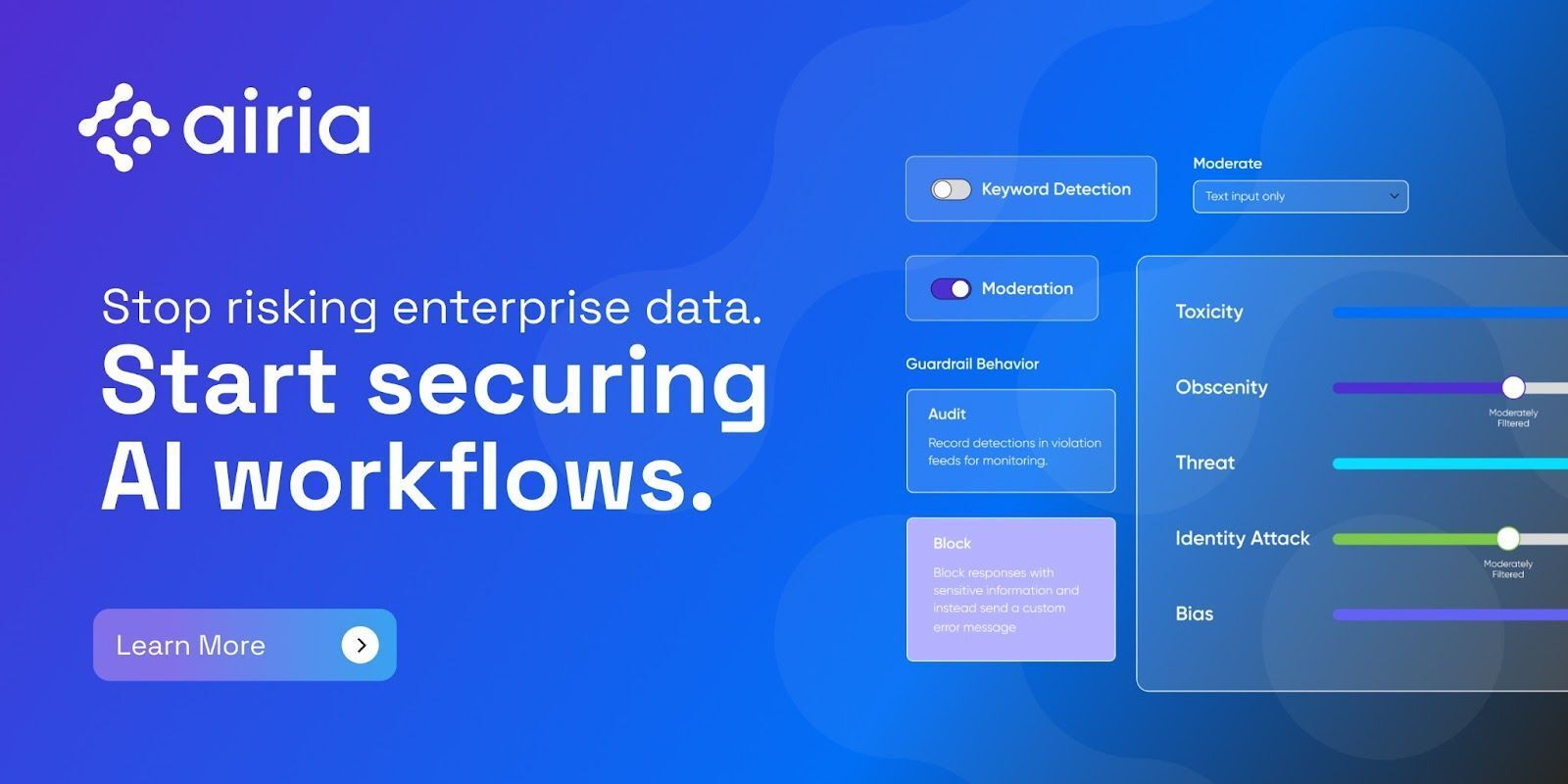
The Rundown: Airia is an enterprise AI platform that enables organizations of all sizes to confidently deploy AI with advanced security control, comprehensive data protection, and automated risk management — ensuring AI initiatives are both powerful and protected.
With Airia, you'll experience:
Built-in AI safeguards for runtime prompts, data leakage, and prompt injections
Scalable compliance that maintains regulatory standards (SOC 2, HIPAA, GDPR)
Granular control and visibility for security policies, access control, & more
AI & MEDICAL RESEARCH
🔬 Bill Gates backs Alzheimer's AI challenge

Image source: Midjourney / The Rundown
The Rundown: Microsoft co-founder Bill Gates is funding the Alzheimer’s Insights AI Prize, a $1M competition to develop AI agents that can autonomously analyze decades of Alzheimer's research data and accelerate discoveries.
The details:
The competition is seeking AI agents that autonomously plan, reason, and act to “accelerate breakthrough discoveries” from decades of global patient data.
Gates Ventures is funding the prize through the Alzheimer's Disease Data Initiative, with the winning tool to be made freely available to scientists.
The competition is open to a range of contestants, including both individual AI engineers and big tech labs, with applications opening this week.
Why it matters: Google DeepMind CEO Demis Hassabis has said he envisions “curing all disease” with AI in the next decade, and Gates is betting that AI agents can help accelerate Alzheimer’s research right now. The free release requirement also ensures that discoveries benefit global research instead of being locked behind corporate walls.
AI TRAINING
🎨 Create and edit Canva designs with ChatGPT
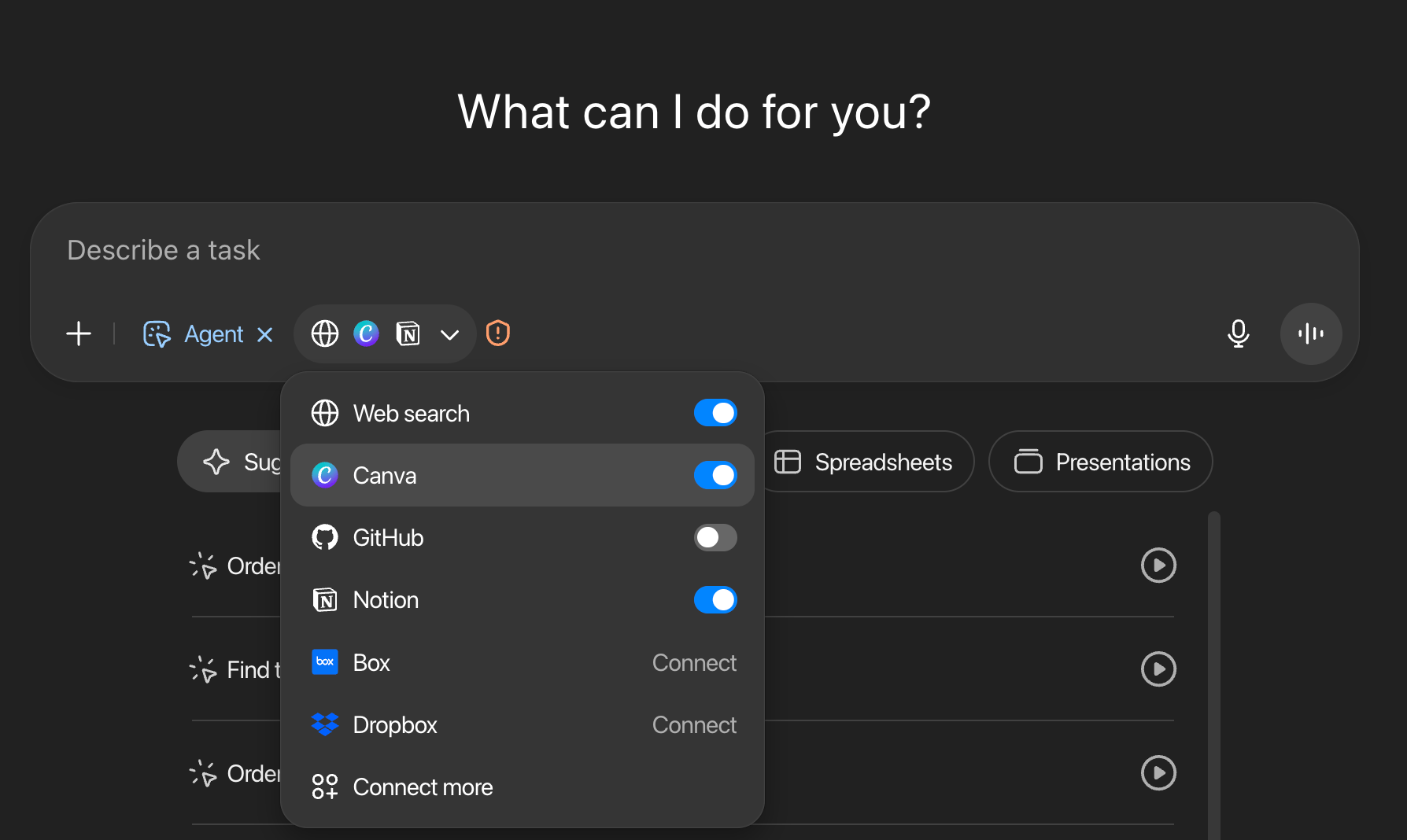
The Rundown: In this tutorial, you will learn how to use ChatGPT's Canva connector to automatically generate multiple personalized designs by prompting ChatGPT to take over your browser, navigate to Canva, and create custom variations of your templates.
Step-by-step:
Go to canva.com/ai and create a template (e.g., "congratulatory letter") or choose an existing design
In ChatGPT, click "+" → Agent Mode and connect your Canva account through Connectors
Prompt: "Find my [template name] in Canva and create 4 versions with custom messages for: Michael (bodybuilding win), Anna (new baby), etc."
ChatGPT duplicates your template and auto-fills personalized text for each recipient
Review in Canva and make quick formatting fixes before downloading
Pro tip: Generate all your text variations in ChatGPT first, then use Canva AI for layouts. Agent Mode handles bulk automation, but expect some manual cleanup — treat it as a drafting assistant rather than a one-click solution.
PRESENTED BY TURING
🚀 The independent AI partner leading labs trust
The Rundown: The world's leading AI labs rely on Turing to win the ASI race through independent, high-quality frontier data and talent. From RL gym environments to multi-modal, audio, and video. Turing powers training workflows without vendor lock-in or compromised neutrality.
Turing delivers:
Full-stack AI training support across speech, vision, simulation, and agent workflows
50+ successful frontier projects with real-world evaluation and benchmarking
Seamless migration from legacy vendors with full compatibility
MICROSOFT
📊 Microsoft Excel gets an AI upgrade
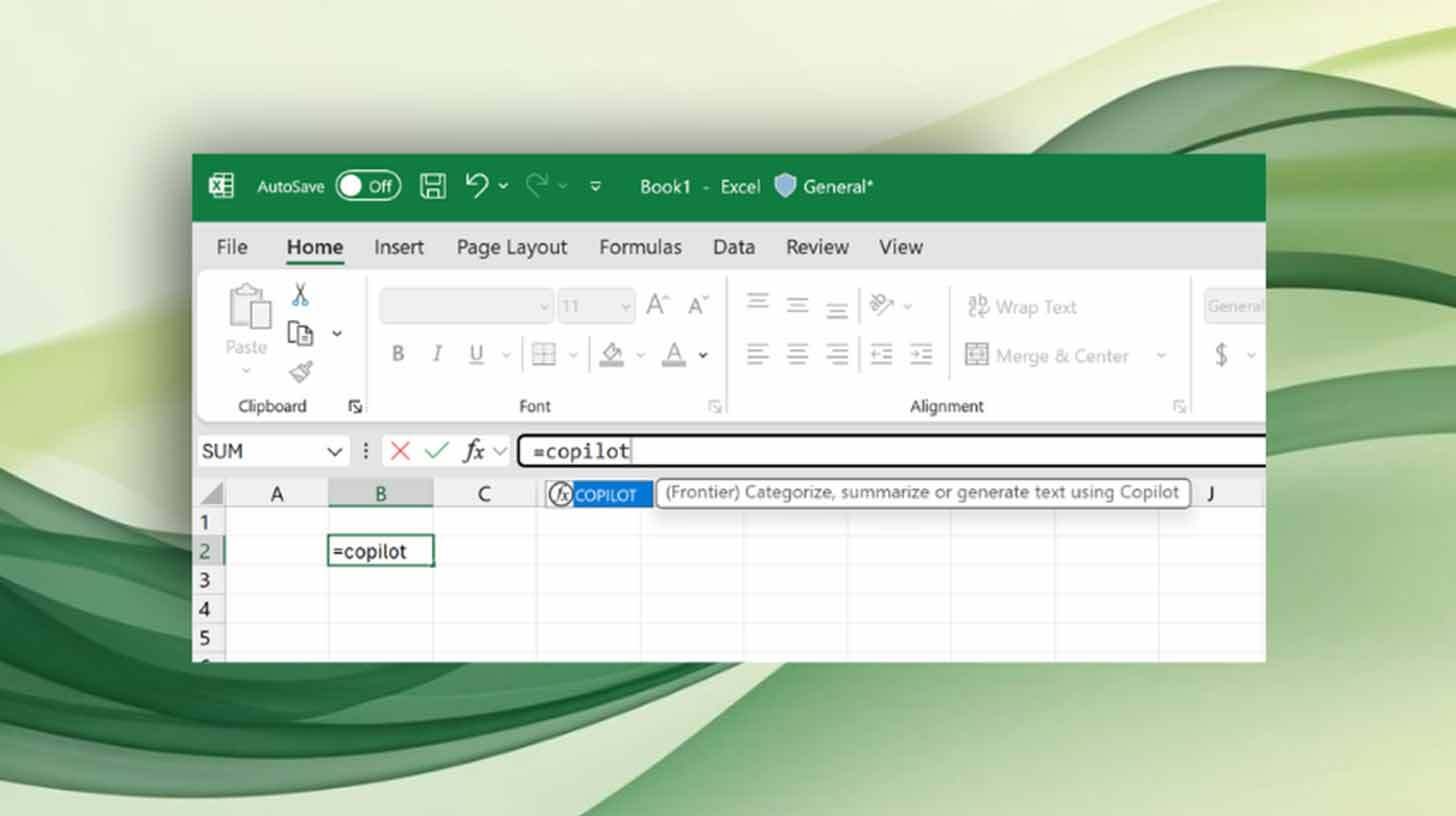
Image source: Midjourney
The Rundown: Microsoft is testing a new COPILOT function that gives broader AI assistance directly into Excel cells, letting users generate summaries, classify data, and create tables using natural language prompts.
The details:
The COPILOT function integrates with existing formulas, with results automatically updating as data changes.
COPILOT is powered by OpenAI’s gpt-4.1-mini model, but cannot access external web data or company documents with inputs staying confidential.
Microsoft cautioned against using it in high-stakes settings due to potentially inaccurate results, with the feature also currently having limited call capacity.
The feature is rolling out to Microsoft 365 Beta Channel users, with a broader release for Frontier program web users dropping soon.
Why it matters: Millions interact with Excel every day, and the program feels like one of the few areas that has yet to see huge mainstream AI infusions that move the needle. It looks like that might be changing, with Microsoft and Google’s Sheets starting to make broader moves to bring spreadsheets into the AI era.
QUICK HITS
🛠️ Trending AI Tools
🎆 Qwen-Image-Edit - Qwen’s new image editing model
🎹 Eleven Music API - Integrate high-quality music into products & workflows
🧠 M3 Agent - ByteDance Seed’s multimodal agent with long-term memory
🤖 Nemotron Nano 2 - Nvidia’s family of tiny, efficient reasoning models
📰 Everything else in AI today
Google product lead Logan Kilpatrick posted a banana emoji on X, hinting that the ‘nano-banana’ photo editing model being tested on LM Arena is likely from Google.
OpenAI announced the release of ChatGPT Go, a cheaper subscription specifically for India, priced at less than $5 per month and able to be paid in local currency.
ElevenLabs introduced Chat Mode, allowing users to build text-only conversational agents on the platform in addition to voice-first systems.
DeepSeek launched its V3.1 model with a larger context window, while Chinese media pinned delays of the R2 release on CEO Liang Wenfeng’s “perfectionism.”
Eight Sleep announced a new $100M raise, with plans to develop the world’s first “Sleep Agent” for proactive recovery and sleep optimization.
Runway launched a series of updates to its platform, including the addition of third-party models and visual upgrades to its Chat Mode.
LM Arena debuted BiomedArena, a new evaluation track for testing and ranking the performance of LLMs on real-world biomedical research.
COMMUNITY
🤝 Community AI workflows
Every newsletter, we showcase how a reader is using AI to work smarter, save time, or make life easier.
Today’s workflow comes from reader Cleo M. in Miami, FL:
"I’m using Fal, Higgsfield, and ChatGPT for my AI Twin on Instagram. I have created an entire brand around her, and I’m selling digital affiliate programs passively, all with AI! I wouldn’t have this income stream without it. It runs itself while I’m at my real 9-5 job at a company that won’t allow the use of AI! How ironic!"
How are you using AI in your work? Tell us here.
🎓 Highlights: News, Guides & Events
Read our previous newsletter: Alibaba’s powerful new image editor
Today’s AI tool guide: Create and edit Canva designs with ChatGPT agents
Watch our last live workshop: Mastering AI agents for customer service
See you soon,
Rowan, Joey, Zach, Shubham, and Jennifer — the humans behind The Rundown

China fires up moon race
Read Online | Sign Up | Advertise

Good morning, tech enthusiasts. China just claimed a breakthrough in sending astronauts to the moon by 2030, upping the pressure on NASA’s 2027 south pole mission.
But with U.S. setbacks stacking up, the question looms: if China plants its flag first, does America’s lunar legacy risk becoming ancient history?
In today’s tech rundown:
China closes in on moon landing
iPhone 17 may be ‘thinnest iPhone ever’
Xiaomi’s revenue soars, Europe launch in sight
Softbank hands Intel a $2B lifeline
Quick hits on other tech news
LATEST DEVELOPMENTS
SPACE RACE
🌝 China closes in on moon landing

Image source: CMSA
The Rundown: China took a giant step forward in putting astronauts on the moon with a successful landmark test of the 26-ton “Lanyue” lunar lander — a full-scale mockup designed to ferry taikonauts to the moon’s surface before 2030.
The details:
In a cavernous test facility outside Beijing, engineers suspended the lander from massive overhead tethers that recreated the Moon’s reduced gravity.
The lander reportedly executed a simulated touchdown on a cratered surface and powered up for a dramatic “lunar” liftoff.
Officials hailed the exercise as China’s first direct trial of crewed landing and takeoff hardware beyond Earth, a prelude to future real-world missions.
Lanyue is built to support two astronauts, lunar samples, and scientific payloads designed to operate for up to 6 days on the moon’s surface.
Why it matters: Analysts hail the Lanyue test as a game-changer, proof that China’s moon program is accelerating faster than expected. With NASA’s Artemis III aiming for a 2027 landing, Beijing now looks poised to go head-to-head with the U.S. in staking humanity’s next off-world milestone before the decade closes.
TOGETHER WITH AUGMENT CODE
🔥 Ditch the vibes, get the context
The Rundown: Augment Code's powerful AI coding agent meets professional software developers exactly where they are, delivering production-grade features and deep context into even the gnarliest codebases.
With Augment Code, you can:
Keep using VS Code, JetBrains, Android Studio, or even Vim
Index and navigate millions of lines of code
Get instant answers about any part of your codebase
Build with the AI agent that gets you, your team, and your code
Ditch the vibes and get the context you need to engineer what’s next.
APPLE
🍏 iPhone 17 may be ‘thinnest iPhone ever’
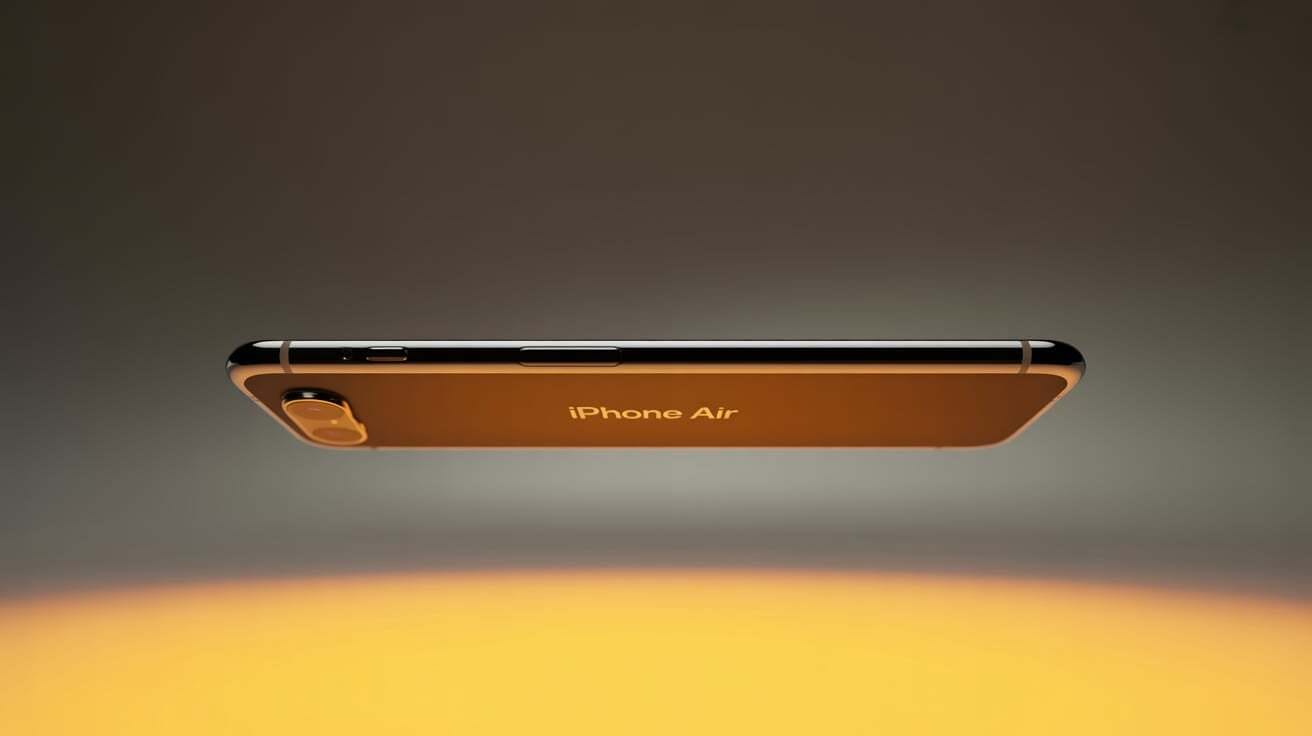
Image source: Ideogram/The Rundown
The Rundown: Apple is gearing up for a hardware blitz on September 9, with iPhone 17, a reimagined Apple Watch, and next-gen AirPods all set to drop. Plus, rumors suggest the iPhone 17 could be the boldest redesign we’ve seen in years.
The details:
The baseline iPhone 17 will reportedly feature a 6.3-inch OLED screen, with a 120Hz refresh rate finally coming to the standard models.
If true, this display upgrade should make for a tangibly slicker experience in gaming and interface navigation, outpacing the old 60Hz.
New colorways, including purple and green, are expected, while the front-facing camera is pegged to jump to 24 megapixels, up from 12MP.
Rumors are particularly hot around an “iPhone Air,” an ultra-thin 17 series variant poised to replace the Plus.
Why it matters: As always, Apple’s event could hold a surprise or two, but all signs point to a fall release that leans into “bigger, thinner, and bolder,” aiming to keep its premium smartphone lineup at the cutting edge as rival flagship phones relentlessly raise the bar.
XIAOMI
🚗 Xiaomi’s revenue soars, Europe launch in sight

Image source: Xiaomi
The Rundown: Smartphone giant-turned-EV player Xiaomi said that its revenue soared 30% last quarter after announcing its second EV, the YU7, set to rival Tesla’s Model Y. The company also plans to launch in Europe in 2027, Bloomberg reports.
The details:
Xiaomi’s Q2 2025 revenue surged 30%, reaching a historic high of 115.96 billion yuan ($16B), largely due to the success of its first electric car, the SU7.
The SU7 sedan’s 2024 launch put Xiaomi into China’s top five EV makers by volume within a single quarter, with deliveries scaling up since its debut.
Xiaomi’s upcoming YU7 SUV, priced well below Tesla’s Model Y, also broke records with over 289K reservations in its first hour.
Robust demand for tech-packed features and competitive pricing has made Xiaomi cars especially popular among China’s young urban consumers.
Why it matters: Xiaomi’s immediate popularity, fueled by government subsidies and excitement over tech-laden features, has made Xiaomi a serious contender in China’s hot auto sector. Analysts note EV sales for Xiaomi more than tripled year-over-year, as rivals like Xpeng and Nio poured billions into R&D to keep pace.
SOFTBANK
💰 Softbank hands Intel a $2B lifeline
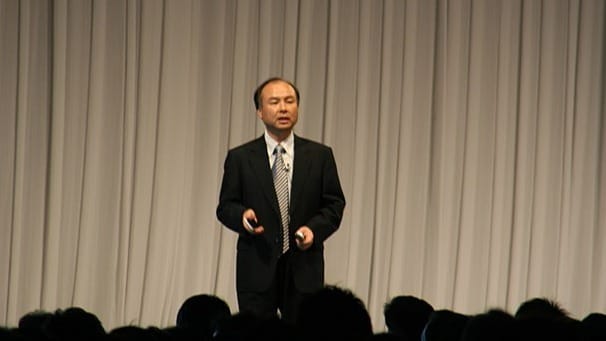
Image source: Wikimedia Commons/nobihaya
The Rundown: SoftBank’s CEO Masayoshi Son made headlines after markets closed on Monday with the news of a $2B investment in Intel, marking a strategic bet on U.S. chip supremacy at a critical moment for global semiconductors.
The details:
Under the terms, SoftBank will acquire Intel common shares at $23 apiece, slightly below the closing price of $23.66.
Intel stock jumped 5% after hours, showing trader optimism and heightened speculation about follow-on investments or deepened partnership activity.
SoftBank’s $2B investment makes it one of Intel’s largest single outside shareholders.
The SoftBank-Intel deal lands just days after the Trump administration threatened fresh tariffs on imported chips.
Why it matters: SoftBank’s $2B shot in the arm supercharges Intel’s pivot to AI and next-gen chips, juicing its R&D and U.S. manufacturing for a future built on supply chain muscle. For SoftBank, it’s a power move, staking out influence in the world’s chip epicenter as data, automation, and hardware innovation go into overdrive.
QUICK HITS
📰 Everything else in tech today
OpenAI rolled out ChatGPT Go in India, a new subscription tier priced at ₹399 per month ($4.60), undercutting the existing Plus Plan, which costs around $20/month.
Hon Hai Precision (Foxconn) will run SoftBank’s U.S. factory, launching the first production hub for the $500B Stargate data center project with OpenAI and Oracle.
Thailand is launching an 18-month pilot program that lets foreign tourists convert crypto into baht for local payments via approved providers and QR codes.
Google has chosen Oak Ridge, Tennessee, for its first small modular nuclear reactor, set to deliver 50MW of clean energy to local data centers by 2030.
Bo Hines, Trump’s former senior crypto adviser, has been snapped up by Tether, the dominant stablecoin provider, to spearhead its U.S. expansion.
A July cyberattack on Allianz Life exposed the personal data of 1.1M customers, with hackers raiding a cloud-hosted database.
Analytics firm Databricks said its valuation is expected to jump 61% to over $100B in a fresh funding round, spotlighting investor appetite for AI startups.
COMMUNITY
🎥 Watch our last workshop
Watch our last workshop with Brian Byrne, Customer Education Manager at Intercom. By the end of the workshop, you’ll confidently be able to deploy and manage AI agents that deliver faster, smarter, and more personalized customer service.
Watch it here. Not a member? Join The Rundown University on a 14-day free trial.
See you soon,
Rowan, Jennifer, and Joey—The Rundown’s editorial team
Alibaba's powerful new AI image editor
Read Online | Sign Up | Advertise

Good morning, AI enthusiasts. There’s no shortage of impressive image models on the market — but teaching AI to precisely edit without ruining the original output has been the real challenge.
But, with Alibaba’s new (and open-source!) Qwen-Image-Edit crushing benchmarks and the mysterious 'nano-banana' model lighting up LM Arena, it looks like natural language photo editing is about to have its ChatGPT moment.
In today’s AI rundown:
Qwen’s powerful, new image editing model
Grammarly’s new AI agents for writing
Use Perplexity Comet to save time on social media
Game developers embrace AI at a massive scale
4 new AI tools, community workflows, and more
LATEST DEVELOPMENTS
ALIBABA
🎨 Qwen’s powerful, new image editing model
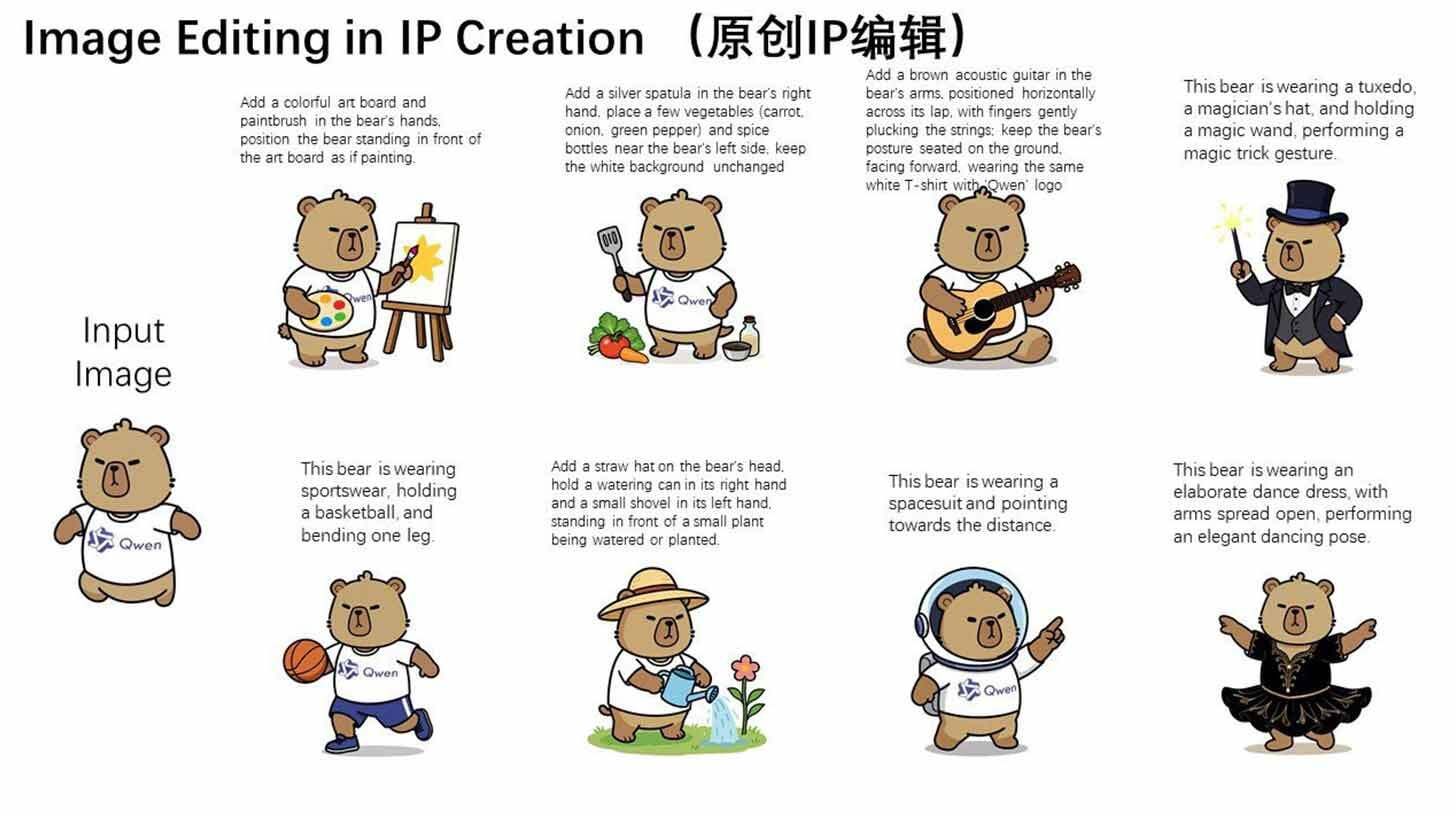
Image source: Qwen
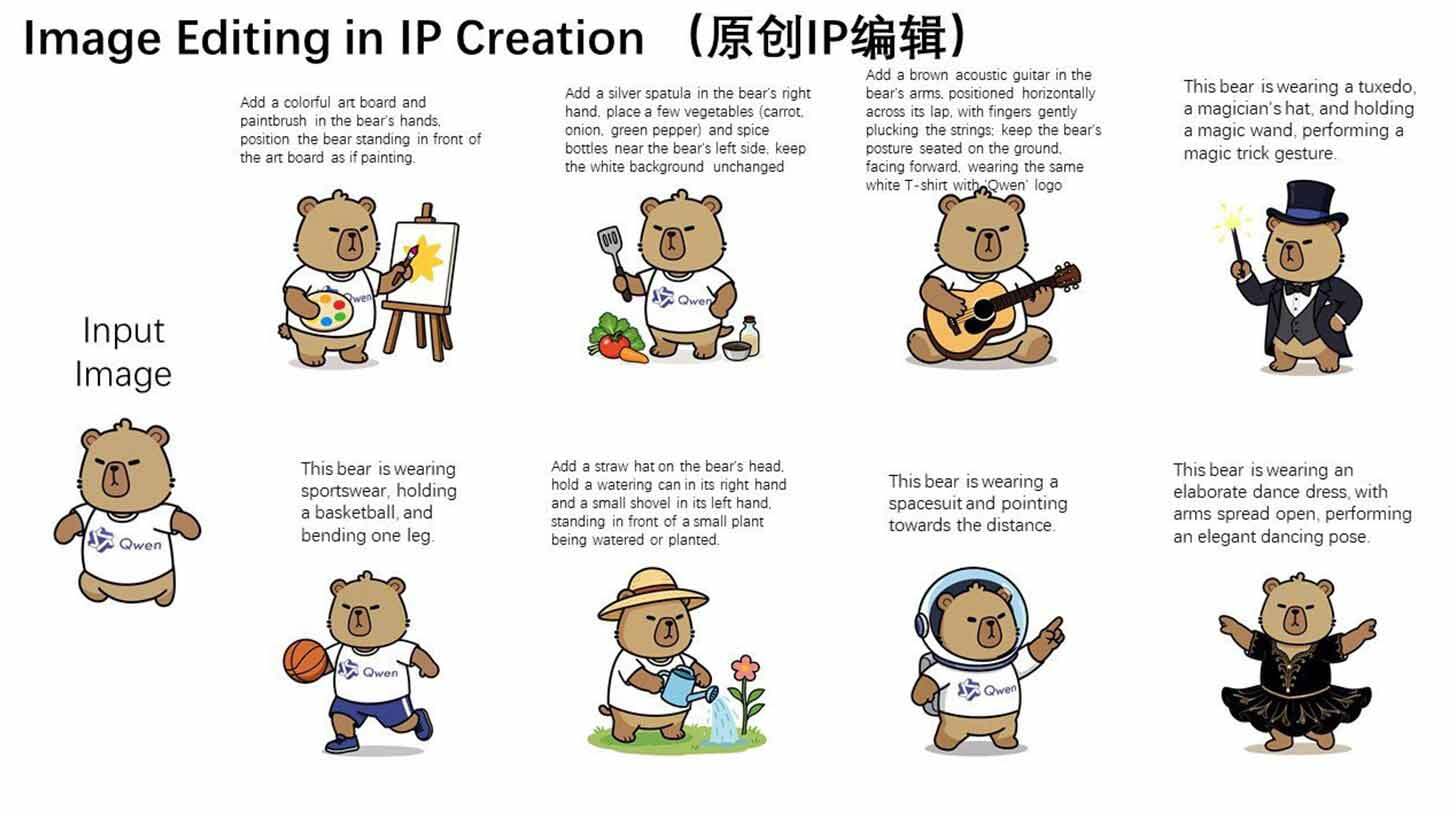
The Rundown: Alibaba's Qwen team just dropped Qwen-Image-Edit, a 20B parameter open-source image editing model that tackles both pixel-perfect edits and style transformations while keeping the original characters and objects intact.
The details:
Qwen-Image-Edit splits editing into two tracks: changes like rotating objects or style transfers, and edits to specific areas while keeping everything else intact.
Built-in bilingual capabilities let users modify Chinese and English text directly in images without breaking already present fonts, sizes, or formatting choices.
Multiple edits can stack on top of each other, letting users fix complex images piece by piece rather than starting over each time.
The model achieves SOTA performance across a series of image and editing benchmarks, beating out rivals like Seedream, GPT Image, and FLUX.
Why it matters: Image generation has seen a parabolic rise in capabilities, but the first strong AI editing tools are just starting to emerge. With Qwen’s open-sourcing of Image-Edit and the hyped “nano-banana” model currently making waves in LM Arena, it looks like granular, natural language editing powers are about to be solved.
TOGETHER WITH AUGMENT CODE
🔥 Ditch the vibes, get the context
The Rundown Augment Code's powerful AI coding agent meets professional software developers exactly where they are, delivering production-grade features and deep context into even the gnarliest codebases.
With Augment Code, you can:
Keep using VS Code, JetBrains, Android Studio, or even Vim
Index and navigate millions of lines of code
Get instant answers about any part of your codebase
Build with the AI agent that gets you, your team, and your code
Ditch the vibes and get the context you need to engineer what’s next.
GRAMMARLY
✍️ Grammarly’s new AI agents for writing
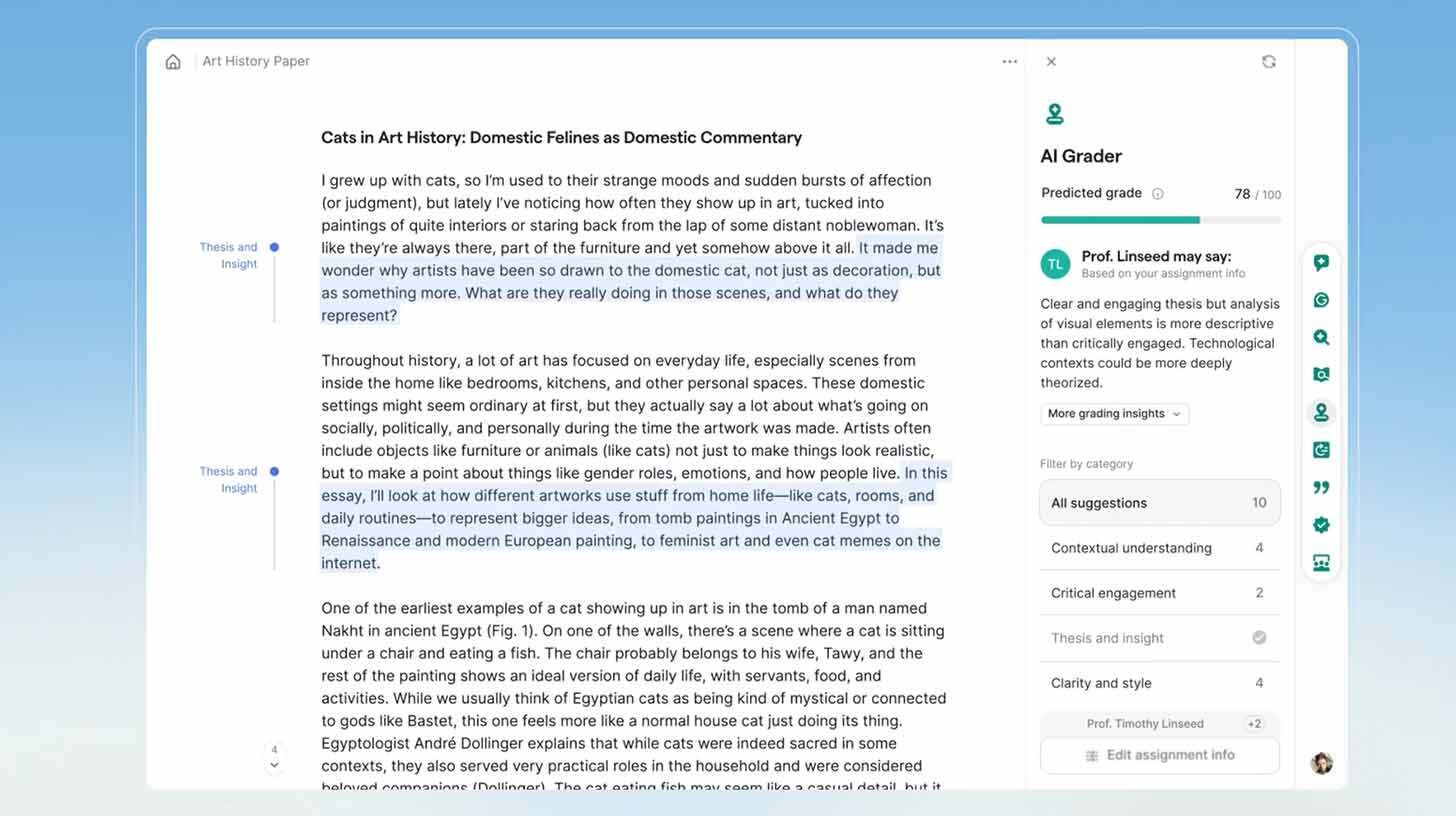
Image source: …
The Rundown: Grammarly just released eight new AI agents that act as intelligent writing collaborators, automatically assisting both students and professionals across tasks like citations, grading, proofreading, plagiarism detection, and more.
The details:
Agents include Reader Reactions, which predicts confusion a reader may have, and AI Grader for giving feedback and grades based on rubrics/course info.
A Plagiarism Checker agent queries databases and published works to cross-reference writing, and an AI Detector agent grades writing on how human it is.
All agents operate within Grammarly Docs, a new “AI-native writing surface” that provides targeted assistance throughout the writing process.
The agents are rolling out to Grammarly’s Free and Pro tiers immediately, with the AI Detector agent and Plagiarism Checker only available to paid users.
Why it matters: The education system is scrambling to balance AI with genuine learning, while workplaces are moving to AI-first skillsets. Writing agents could help bridge that divide, giving users real skills alongside automated help to prepare for a world where knowing when and how to use AI matters more than avoiding it entirely.
AI TRAINING
☄️ Use Perplexity Comet to save time on social media
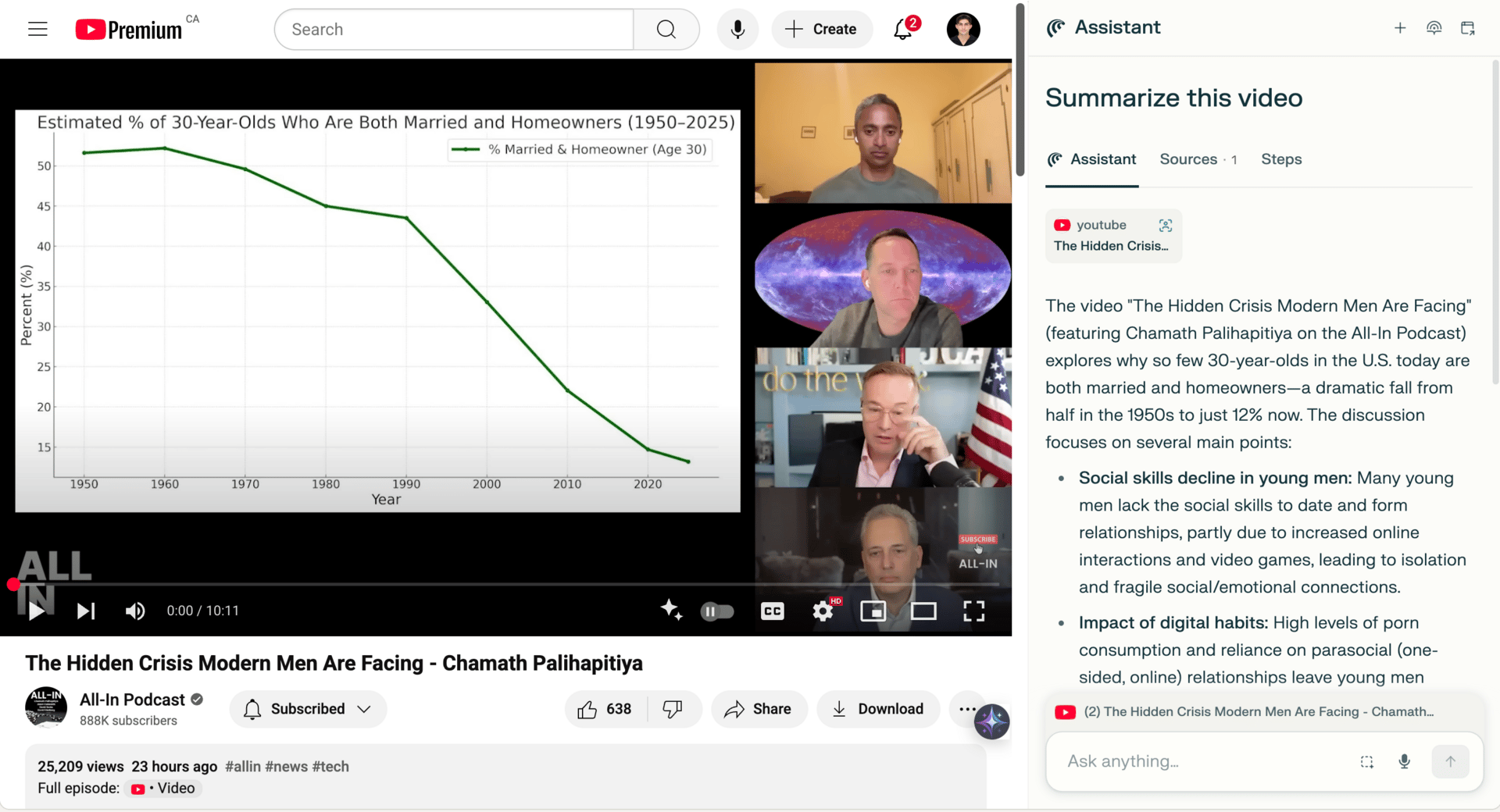
The Rundown: In this tutorial, you will learn how to use Perplexity Comet, an AI browser that can read and summarize, to take action on any webpage content without copying and pasting — for everything from Twitter threads to YouTube videos.
Step-by-step:
Download Perplexity Comet as a separate app for Mac or Windows (Rundown University members can get invite codes)
Navigate to any Twitter/X thread or YouTube video and click the Assistant button in the top right
Prompt examples: "Summarize this thread," "Explain SaaS flipping in simple terms," or "Write a motivational post about having a great day"
Review AI-generated summaries or drafted posts before Comet posts them to your social accounts
Pro tip: Use Comet on long-form YouTube content like Lex Fridman podcasts to get key insights in minutes instead of hours, then ask follow-up questions to clarify technical concepts you don't understand.
PRESENTED BY BOX
📈 Thriving in the AI-first era of business
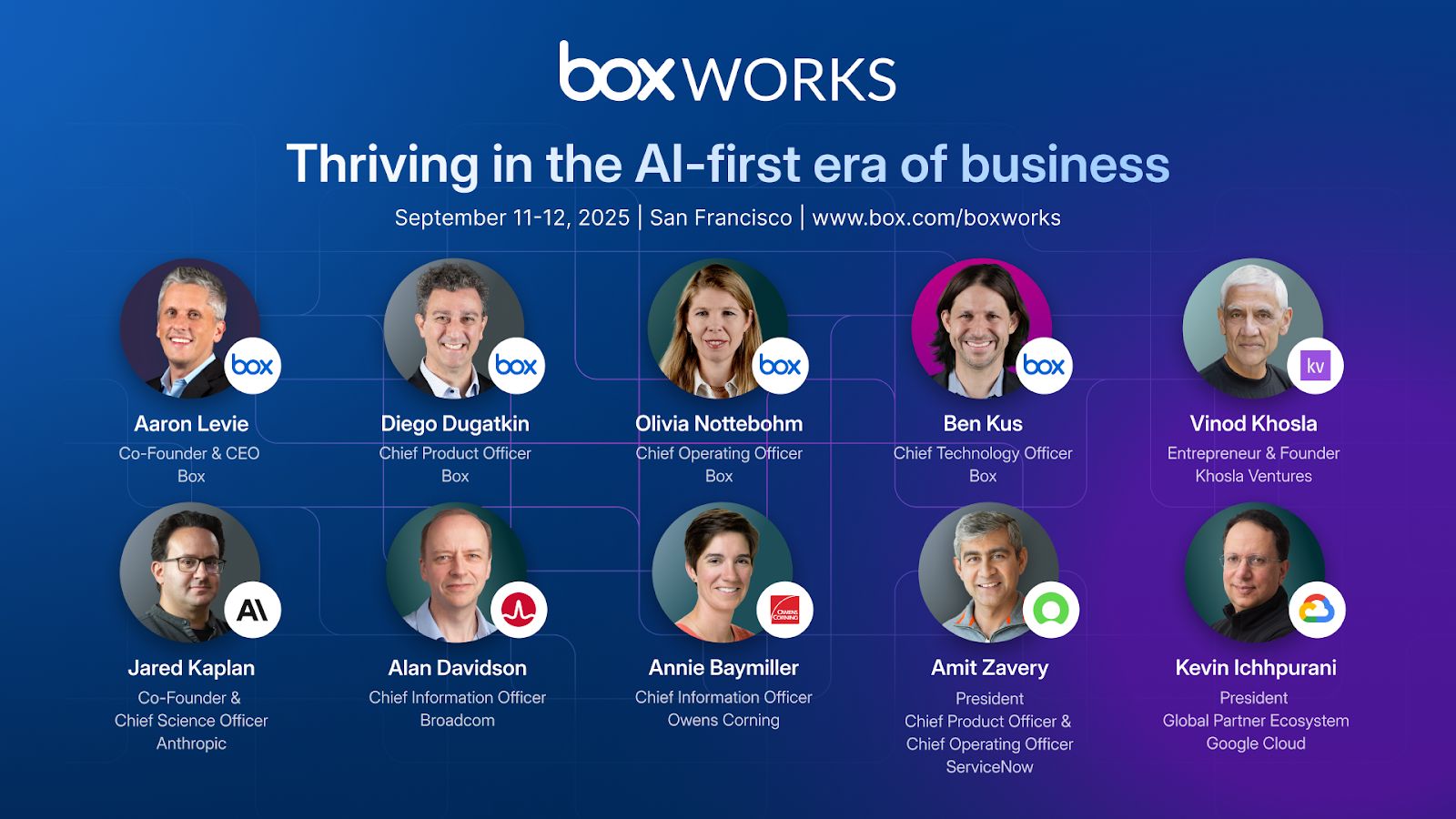
The Rundown: BoxWorks 2025 will tackle the challenge every enterprise faces: how to extract real value from the massive amounts of unstructured data that’s often spread across systems. With new AI models emerging constantly, the opportunity to transform this chaos into a competitive advantage has never been greater.
What you'll experience at BoxWorks:
AI data extraction techniques that turn documents into actionable insights
Interactive sessions with Box's latest intelligent Content Management capabilities
AI-enhanced security protocols that protect sensitive data while enabling automation
Networking opportunities with industry experts solving similar challenges
Register now for BoxWorks San Francisco and save 50% on in-person passes.
AI RESEARCH
🎮 Game developers embracing AI at massive scale
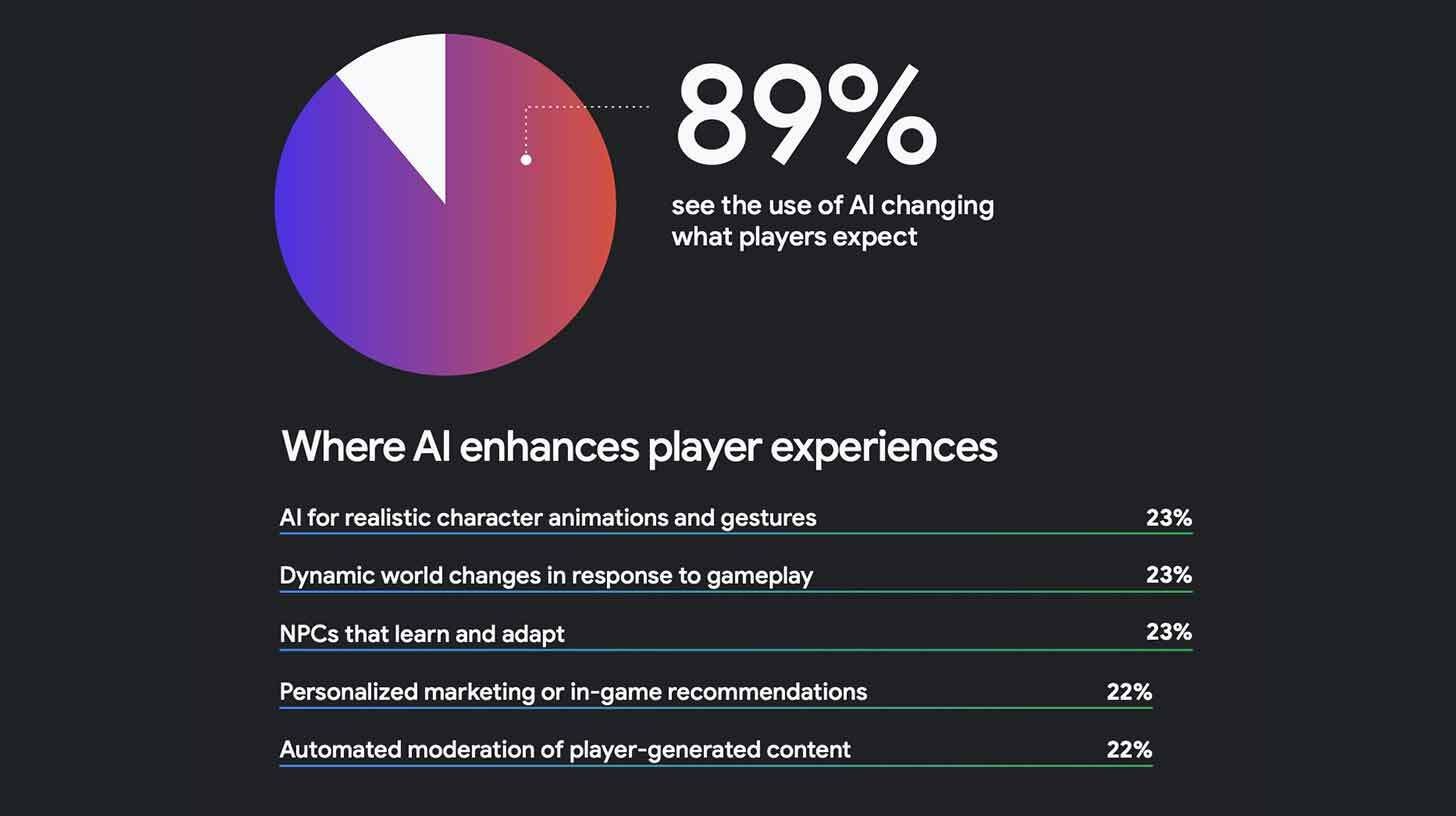
Image source: Google Cloud
The Rundown: Google Cloud revealed new research that found over 90% of game developers are integrating AI into their workflows, with respondents saying the tech has helped reduce repetitive tasks, drive innovation, and enhance player experiences.
The details:
A survey of 615 developers across five countries found teams using AI for everything from playtesting (47%) to code generation (44%).
AI agents are now handling content optimization, dynamic gameplay balancing, and procedural world generation, with 87% of devs actively deploying agents.
The rise of AI is also impacting player expectations, with users demanding smarter experiences and NPCs that learn and adapt to the player.
Despite the adoption, 63% of surveyed devs expressed concerns about data ownership rights with AI, with 35% citing data privacy as a primary issue.
Why it matters: Gaming sits at a perfect intersection for AI, requiring assets like real-time world simulation, 3D modeling, dynamic audio, and complex code that models excel at. While not everyone in the industry will be happy about it, the adoption rate shows a bet that players care more about great experiences than how they are made.
QUICK HITS
🛠️ Trending AI Tools
🎆 Qwen-Image-Edit - Qwen’s new image editing model
🎹 Eleven Music API - Integrate high-quality music into products & workflows
🤖 GenFlow 2.0 - Baidu’s general AI agent for complex tasks
⛈️ Stormy - AI agent for influencer marketing
📰 Everything else in AI today
ByteDance Seed introduced M3-Agent, a multimodal agent with long-term memory, to process visual and audio inputs in real-time to update and build its worldview.
Character AI CEO Karandeep Anand said the average user spends 80 minutes/day on the app talking with chatbots, saying most people will have “AI friends” in the future.
xAI’s Grok website is exposing AI personas’ system prompts, ranging from normal “homework helper” to “crazy conspiracist”, with some containing explicit instructions.
Nvidia released Nemotron Nano 2, tiny reasoning models ranging from 9B to 12B parameters, achieving strong results compared to similarly-sized models at 6x speed.
U.S. Attorney General Ken Paxton announced a probe into AI tools, including Meta and Character AI, focused on “deceptive trade practices” and misleading marketing.
Meta is set to launch “Hypernova” next month, a new line of smart glasses with a display (a “precursor to full-blown AR glasses), rumored to start at around $800.
COMMUNITY
🤝 Community AI workflows
Every newsletter, we showcase how a reader is using AI to work smarter, save time, or make life easier.
Today’s workflow comes from reader Bo H. in Cincinnati, Ohio:
"I'm a lawyer and fintech founder who is using AI to build legal tech applications. While I had some product management experience, I was not a developer. Anthropic's Claude has changed that, and now I'm building proprietary applications to deliver value to clients and improve my team's efficiency. Most of my applications are built for small businesses that usually can't afford to hire lawyers regularly and for highly regulated clients (e.g., asset managers) who are suffocated by BigLaw hourly rates of over $2,000/hr.”
How are you using AI? Tell us here.
🎓 Highlights: News, Guides & Events
Read our previous newsletter: Dinner with Sam Altman
Today’s AI tool guide: Use Perplexity Comet to save time on social media
Watch our last live workshop: Mastering AI agents for customer service
See you soon,
Rowan, Joey, Zach, Shubham, and Jennifer—the humans behind The Rundown

Dinner with Sam Altman
Read Online | Sign Up | Advertise

Good morning, AI enthusiasts. Despite just launching GPT-5, Sam Altman just admitted what many suspected — OpenAI has better AI models sitting on the shelf that we can't even access yet due to compute constraints.
But that revelation was just the appetizer in a dinner conversation that covered everything from trillion-dollar infrastructure plans, Jony Ive’s device and “new computing paradigm”, and even a potential Google Chrome acquisition.
In today’s AI rundown:
Altman details OpenAI's trillion-dollar roadmap
Anthropic gives Claude the power to ‘hang up’
Automate meeting prep with ChatGPT
GPT-5 blows past doctors on medical exams
4 new AI tools, community workflows, and more
LATEST DEVELOPMENTS
OPENAI
🍽️ Altman details OpenAI's trillion-dollar roadmap

Image source: Ideogram / The Rundown
The Rundown: OpenAI hosted reporters from outlets including TechCrunch and The Verge over dinner, speaking on topics from GPT-5’s reception to the company’s plans for social media, consumer hardware, and a potential Chrome acquisition.
The details:
Altman said he “legitimately just thought we screwed that up” on 4o’s removal, with GPT-5 focused on warmer responses while not being sycophantic.
He revealed OAI has better models they can’t offer due to compute constraints, saying they will spend “trillions” on data centers in the near future.
Altman acknowledged parallels between the AI frenzy and the dot-com bubble, calling valuations "insane" but saying the tech justifies massive investments.
He also commented on Perplexity’s Google Chrome bid, saying OpenAI should “take a look at it” if the browser is forced to be sold in the current legal battle.
The CEO reiterated the company’s device with Jony Ive will be “worth the wait,” confidently saying, “you don’t get a new computing paradigm very often”.
Why it matters: Despite OpenAI's astronomical rise and trillion-dollar ambitions, these candid moments offer the AI world something rare — both a look behind the curtain of the buzziest company in the world and a fly-on-the-wall glimpse of the future through the eyes of one of tech's most powerful (and polarizing) figures.
TOGETHER WITH CONCIERGE
👋 Your brand's AI answer engine

The Rundown: Today’s SaaS buyers use AI every day to answer their questions, and have no patience for a scavenger hunt. Concierge is a Perplexity-style answer engine, trained on your company, that lives on your website and delivers accurate, personalized responses to ultra-specific questions.
Modern brands use Concierge to:
Handle any buyer question (no matter how technical) with advanced RAG on your sources & media
Control and visibility over every conversation, with guardrails and sentiment analysis
Build trust with website visitors before they are willing to commit to a demo
Try Concierge to turn every question into a conversation — and every conversation into revenue.
ANTHROPIC
🛑 Anthropic gives Claude the power to ‘hang up’

Image source: Reve / The Rundown
The Rundown: Anthropic just equipped Claude Opus 4 and 4.1 with the ability to end chats believed to be harmful/abusive as part of the company’s research on model wellness, marking one of the first AI welfare deployments in consumer chatbots.
The details:
The end chat feature will trigger after Claude’s redirections and productive engagement fails on content requested about minors, terrorism, or violence.
Testing revealed that Opus 4 exhibited distress patterns when processing harmful requests, voluntarily terminating simulated abusive interactions.
Despite the “hang up,” users still retain full account access and can immediately start fresh conversations or edit previous messages.
Anthropic has also programmed safeguards preventing ending messages when users show signs of self-harm risk or imminent danger to others.
Why it matters: Anthropic is one of the few labs putting serious time into model welfare — and while nobody truly knows where things stand with AI systems as it relates to consciousness, we may look back on this research as important first steps for a phenomenon that doesn’t have a clear precedent or roadmap.
AI TRAINING
📝 Automate meeting prep with ChatGPT
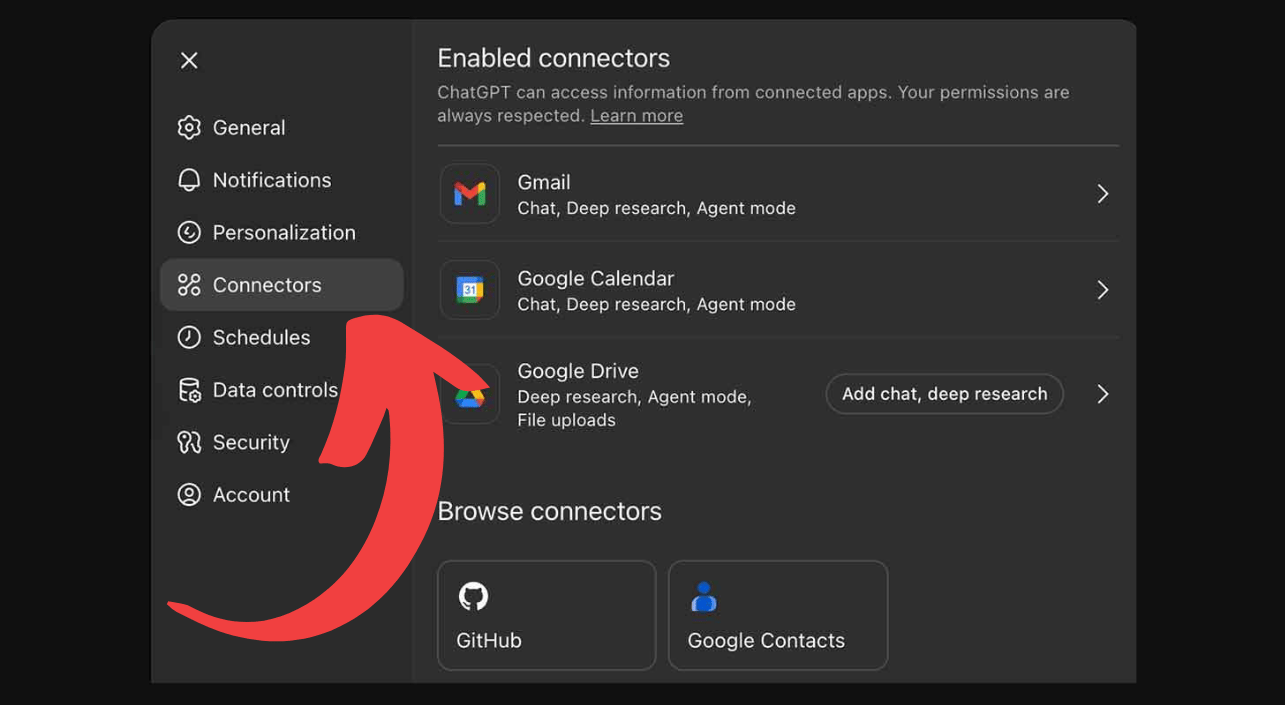
The Rundown: Use ChatGPT’s Gmail, Google Calendar, and Google Drive connectors to automatically research attendees, pull email context, and gather relevant files for comprehensive pre-meeting briefs.
Step-by-step:
Click your profile → Connectors in ChatGPT and enable Gmail, Google Calendar, and Google Drive (requires Plus/Pro account)
Prompt: "Analyze my next meeting and provide: attendee backgrounds from email history, meeting context, relevant Drive files, and key discussion points"
ChatGPT automatically searches all connected sources and returns a detailed brief with agenda items, project updates, and suggested documents
Set up automation: "Create a daily 9 AM task to prep all my meetings for the day"
Pro tip: For high-stakes meetings, add "Identify potential concerns based on our email history" to anticipate objections and prepare stronger responses.
PRESENTED BY FIN
🔮 The future of AI customer service is here
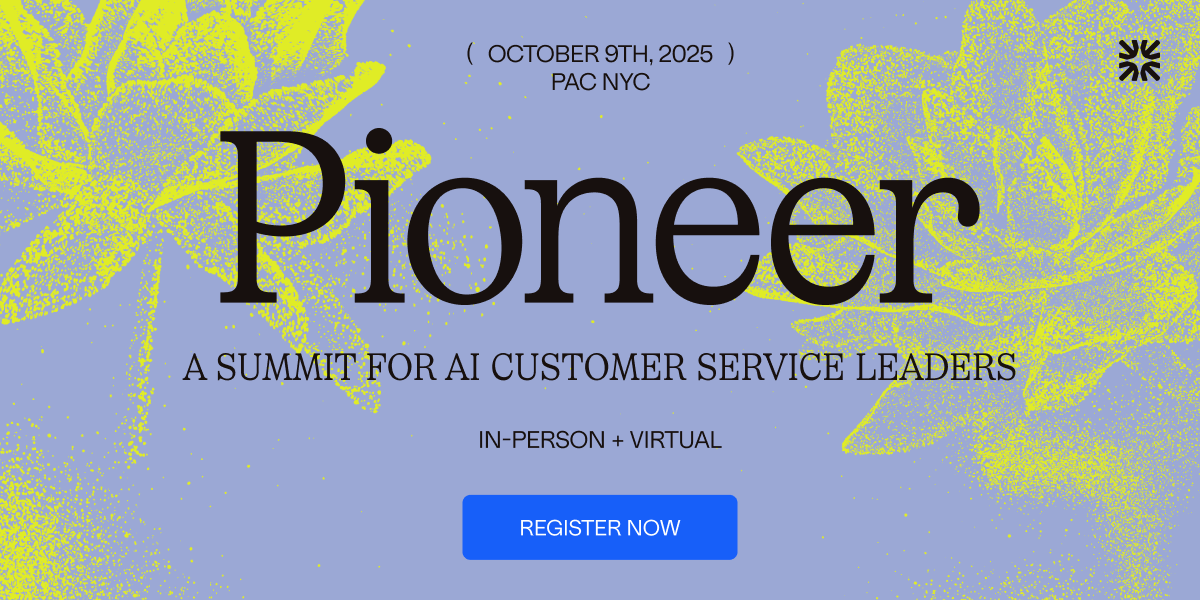
The Rundown: Pioneer by Fin is a summit that brings together AI customer service leaders to explore how AI Agents are transforming support. Learn from experts at Anthropic, BCG, Rocket Money, and more about customizing, testing, and scaling Fin across every channel.
Register today to join Pioneer online or in NYC, where you’ll:
Hear Intercom leadership’s vision for the future of customer service
Learn how customer service leaders are adopting AI-first strategies
See the latest Fin product launches
AI RESEARCH
🏥 GPT-5 blows past doctors on medical exams

Image source: Reve / The Rundown
The Rundown: OpenAI's GPT-5 posted impressive results on medical reasoning benchmarks, surpassing both GPT-4o and human medical professionals by substantial margins across diagnostic and multimodal tasks in a new study from Emory University.
The details:
The model achieved 95.84% accuracy on MedQA's clinical questions, jumping 4.8 percentage points over GPT-4o's previous best.
GPT-5 scored 70% on multimodal medical reasoning tasks that combine patient histories with imaging, gaining nearly 30 points over GPT-4o.
The system also exceeded pre-licensed medical professionals by 24% on reasoning and 29% on understanding in expert-level tests.
GPT-5 showed sophisticated diagnostic abilities on complex cases, correctly ID’ing rare conditions like Boerhaave syndrome from lab values and CT scans.
Why it matters: The shift from GPT-4o's near-human performance to GPT-5's superiority over medical professionals shows we're approaching a point where physicians NOT using AI in clinical settings could be regarded as malpractice (H/T Dr. Derya Unutmaz). Plus, the gap is only heading in one direction as intelligence scales.
QUICK HITS
🛠️ Trending AI Tools
📸 Imagen 4 - Google’s SOTA image generation model, now generally available
🎬 Higgsfield Product-to-Video - Add product placement straight into videos
⚙️ Genspark AI Developer - Build anything without coding knowledge
👋 GPT-5 - New ‘warmer’ and ‘friendlier’ personality upgrade
📰 Everything else in AI today
Meta is reportedly planning another restructure of its AI divisions, marking the fourth in just six months, with the company’s MSL set to be divided into four teams.
StepFun AI released NextStep-1, a new open-source image generation model that achieves SOTA performance among autoregressive models.
Meta FAIR introduced Dinov3, a new AI vision foundation model that achieves top performance with no labeled data needed.
The U.S. government rolled out USAi, a platform for federal agencies to utilize AI tools like chatbots, coding models, and more in a secure environment.
OpenAI’s GPT-5 had the most success of any model yet in tests playing old Pokémon Game Boy titles, beating Pokémon Red in nearly a third of the steps as o3.
COMMUNITY
🤝 Community AI workflows
Every newsletter, we showcase how a reader is using AI to work smarter, save time, or make life easier.
Today’s workflow comes from reader Adrian P. in South Africa:
"I'm in the production/engineering and generally use AI to help build apps that streamline what would be previously laborious and very paper-intensive processes into web-based systems. This helps to save time, increase green footprint, and allows for the tracking and tracing of data at any date in the future, which in turn helps with problem solving and resolving customer complaints."
How are you using AI? Tell us here.
🎓 Highlights: News, Guides & Events
Read our previous newsletter: Superbugs meet their AI match
Today’s AI tool guide: Automate meeting prep with ChatGPT connectors
Watch our last live workshop: Mastering AI agents for customer service
See you soon,
Rowan, Joey, Zach, Shubham, and Jennifer—the humans behind The Rundown
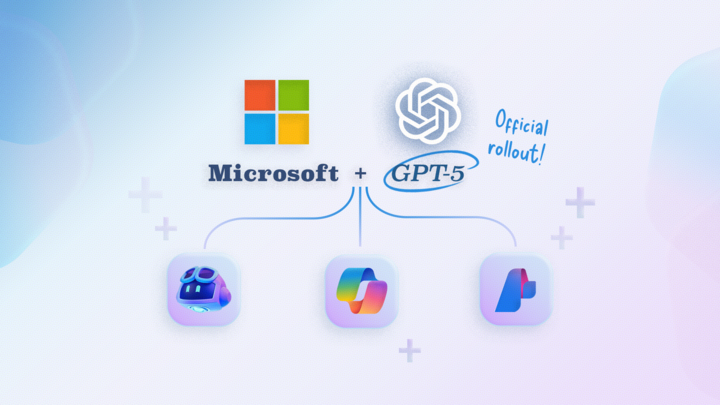
Microsoft brings GPT-5 to Copilot
Read Online | Sign Up | Advertise

Good morning, AI enthusiasts. GPT-5 has landed — and Microsoft has wired it straight into its entire Copilot ecosystem, from chat and coding to dev tools.
Whether you're debugging software or triaging your inbox, this upgrade shifts Copilot from helpful sidekick to the backbone of your workflows. Here’s our take on how it works, where it excels, and what it means for how you get things done.
In today’s AI rundown:
Microsoft’s Copilot gets GPT-5 overhaul
Microsoft 365 Copilot’s context-aware upgrade
GitHub and VS Codetdelivers even smarter dev experience
Azure AI Foundry powers seamless GPT-5
Copilot gets GPT-5 smarts too
Our top use cases, how to use, and more
MICROSOFT UPDATES
THE ANNOUNCEMENT
🧠 Microsoft’s Copilot gets GPT-5 overhaul
Image source: Kiki Wu / The Rundown
The Rundown: ICYMI, Microsoft has rolled out GPT-5 across its entire AI ecosystem, bringing the long-awaited OpenAI update to users of Microsoft 365, the standalone Microsoft Copilot app, GitHub Copilot, and Azure AI Foundry.
The details:
The new “Smart mode” in Copilot shifts between quick-fire suggestions and in-depth analysis without needing user toggles.
GPT-5 brings expanded context window to understand not just prompts but entire workflows, including email and document history and task intent.
It can even detect tone shifts, embedded meaning, and cross-reference related content across apps, enabling more relevant, human-like responses.
Unlike earlier AI tiers, GPT-5 is available across all Copilot tiers, including non-enterprise users, giving everyone access to its advanced AI functionality.
Why it matters: GPT-5 is now available to all Copilot users (including non-subscribers) and is easy to access via Windows, Mac, web, or mobile. Using the model within Copilot differentiates itself from ChatGPT by being able to understand context, take action, and fit into real workflows, moving from passive tool to active collaborator.
MICROSOFT 365 COPILOT
🔥 Microsoft 365 Copilot’s context-aware upgrade
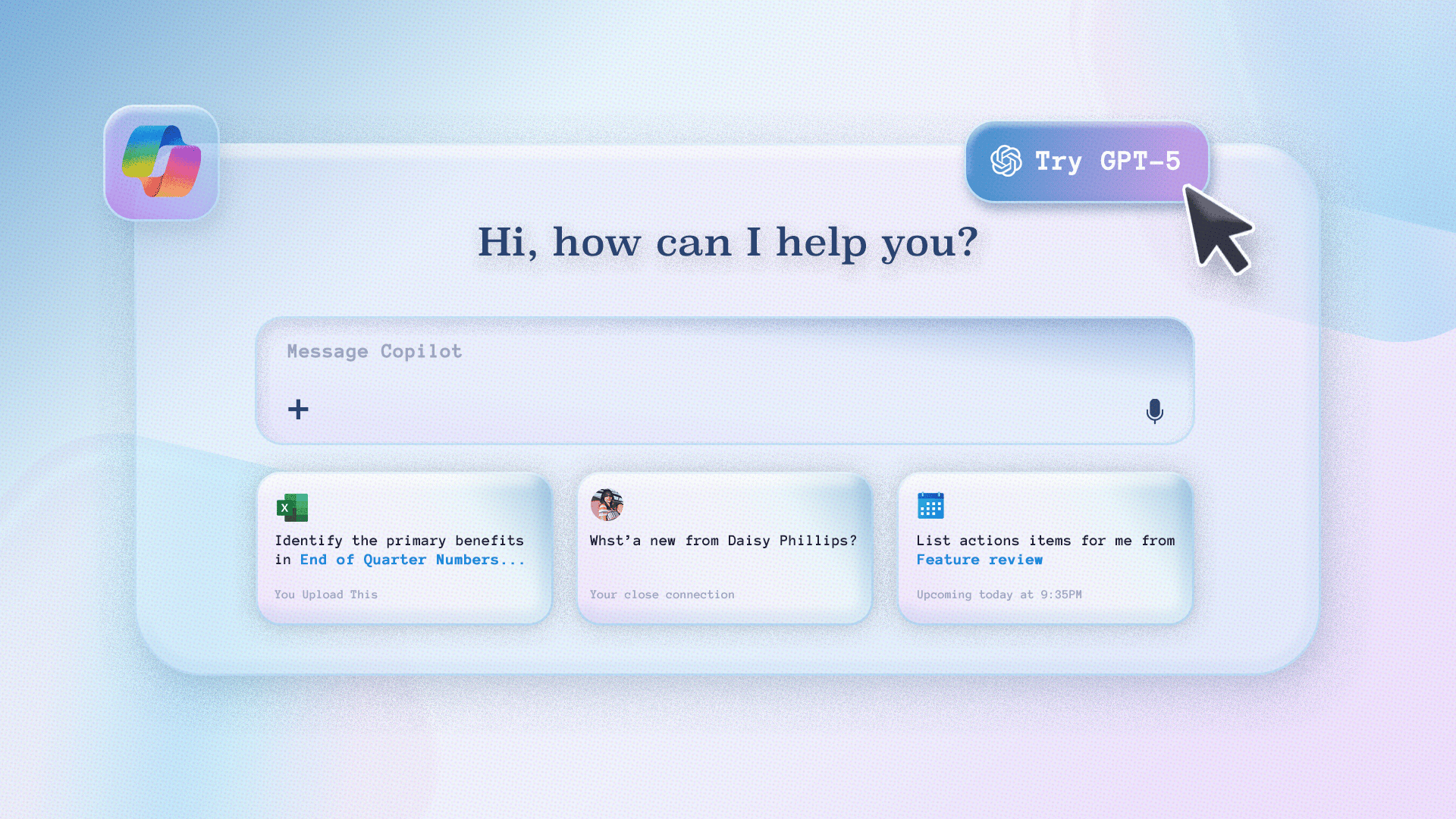
Image source: Kiki Wu / The Rundown
The Rundown: Microsoft 365 Copilot with GPT-5 brings enterprise AI that combines web intelligence with your organization’s data — delivering precise summaries, analyzing emails, docs, spreadsheets, and meetings across Microsoft Graph for context-aware insights that ChatGPT can’t easily access.
The details:
Microsoft 365 Copilot reasons across Graph, including emails, SharePoint docs, Teams meetings, and OneDrive files — for responses grounded in actual work context.
The update also removes complexity for users, eliminating the need to understand model hierarchies or switch modes.
Security, privacy, and compliance controls remain unchanged, assuring safe integration into enterprise environments.
Note: Microsoft 365 Copilot is the business version, distinct from free consumer Copilot. Separately, GitHub Copilot offers a range of options for developers across free and premium plans.
Why it matters: Microsoft 365 Copilot’s ability to access your org’s entire knowledge base through Microsoft Graph now allows for invaluable contextual insights from your entire workflow. Plus, with an automatic model router adapting to task complexity on the fly, enterprise AI becomes accessible to everyone — not just advanced power users.
GITHUB COPILOT
⚡️ GitHub and Visual Studio deliver even smarter dev experience
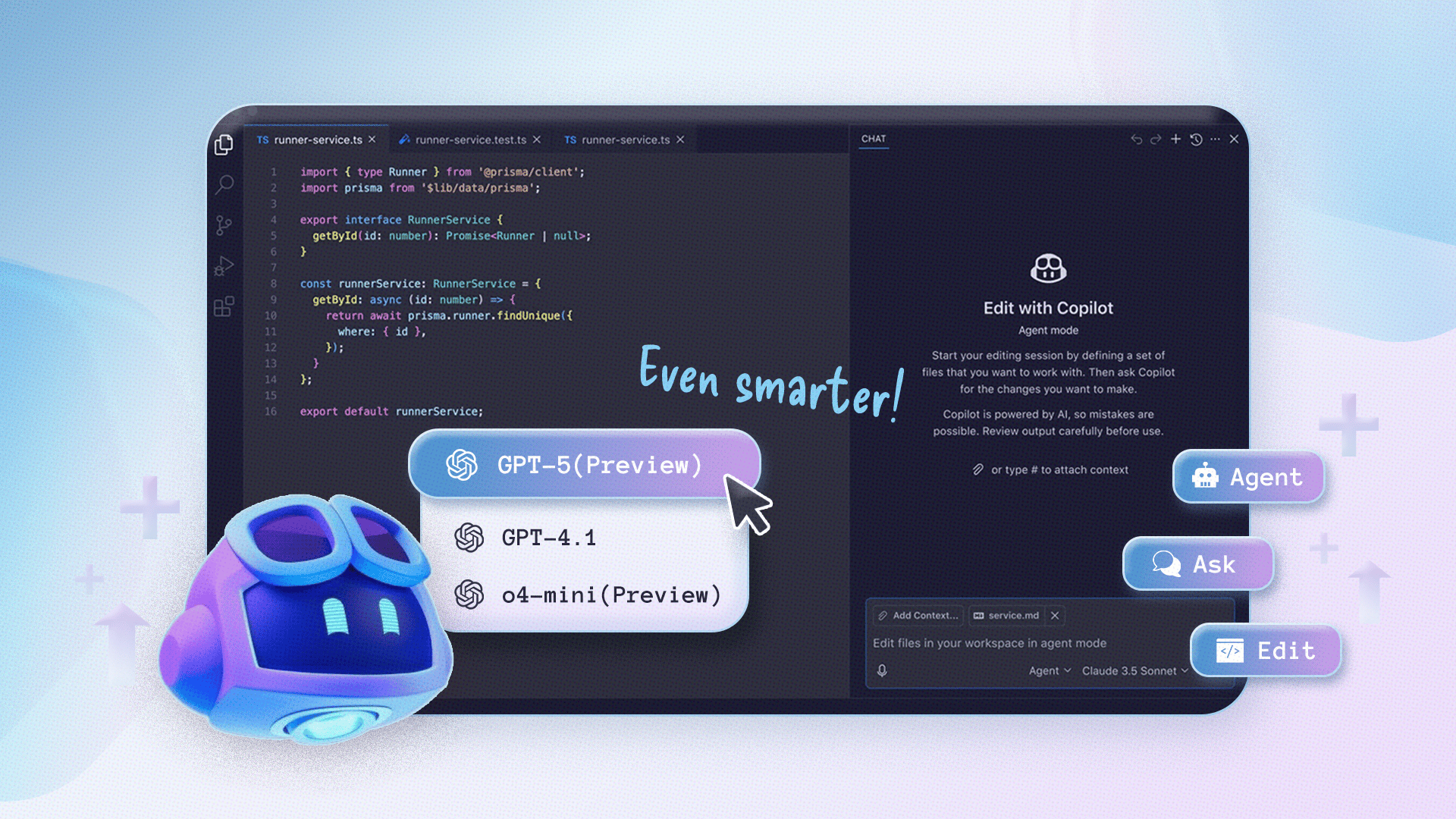
Image source: Kiki Wu / The Rundown
The Rundown: GitHub Copilot, newly upgraded with GPT-5, is reinventing what developers expect from AI-powered coding with smarter suggestions, agentic workflows, and rewindable chat sessions.
The details:
GPT-5 superpowers GitHub Copilot’s code suggestion engine, delivering context-aware completions, instant refactoring, and ultra-precise fixes directly.
The new “chat checkpoints” feature in Visual Studio lets developers restore workspace states and Copilot chat history to any moment for smooth, safe, reliable coding.
Dedicated coding agent sessions allow users to manage long-running workflows, track multi-step plans, and interact with agents across projects.
GPT-5’s multimodal upgrades let Copilot absorb not only code but also documentation, design assets, and user stories.
GPT-5 is now available for all paid users of GitHub Copilot, which supports multiple AI models with different capabilities.
Why it matters: This upgrade turns Copilot into an agentic coding partner that learns from context and workflow, dramatically cutting friction in building, debugging, and collaborating. Developers now have an AI that understands project nuance, supports deep audits, and powers agent-based coding.
AZURE AI FOUNDRY
☄️ Azure AI Foundry powers seamless GPT-5
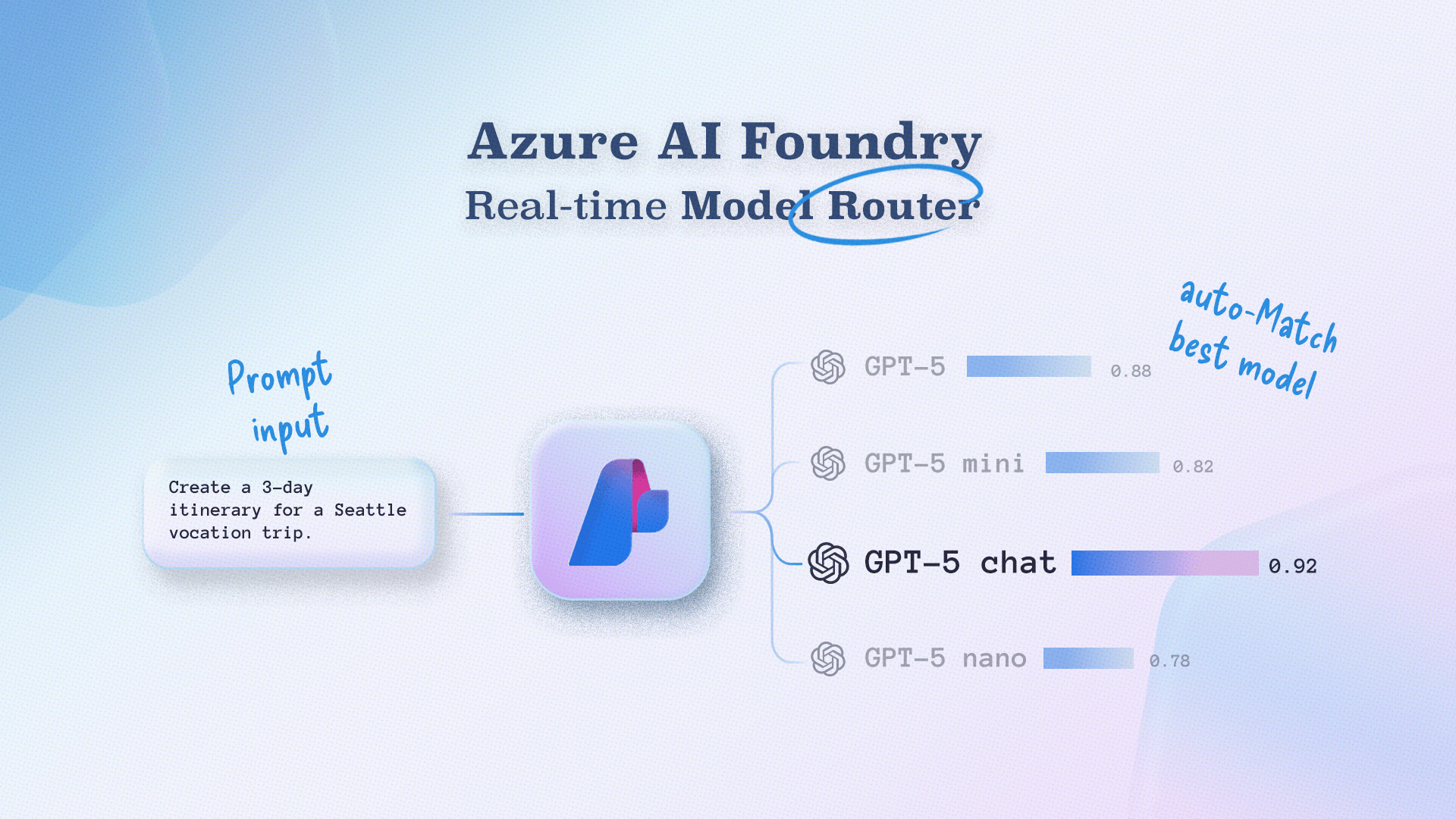
Image source: Kiki Wu / The Rundown
The Rundown: Azure AI Foundry just made every GPT-5 model instantly available through Azure AI Foundry Models, allowing developers to plug advanced AI into their apps without wrestling with infrastructure.
The details:
Devs get instant access to four distinct GPT-5 models (standard, mini, nano, and chat) in Foundry Models, each tailored for different use cases.
GPT-5 from Azure OpenAI handles massive context windows (up to 272K tokens), supports multimodal data inputs, and delivers context-rich results.
Microsoft’s real-time model router, released earlier this year, picks the best Azure OpenAI model for the job and for each prompt — faster, smarter, and cheaper — so teams can focus on building, not backend grunt work.
GPT-OSS models from Azure OpenAI are also available, enabling instant integration into Copilot-powered workflows and custom apps. OpenAI’s OSS models are also available on Microsoft Windows.
Why it matters: With Microsoft’s automatic model router, Azure AI Foundry can pick the right model for each prompt — allowing developers to focus on shipping code instead of optimizing costs. Combined with robust safety, instant scalability, and strong context windows, app-building workflows just got a powerful upgrade.
MICROSOFT COPILOT APP
🚀 Copilot gets GPT-5 smarts too
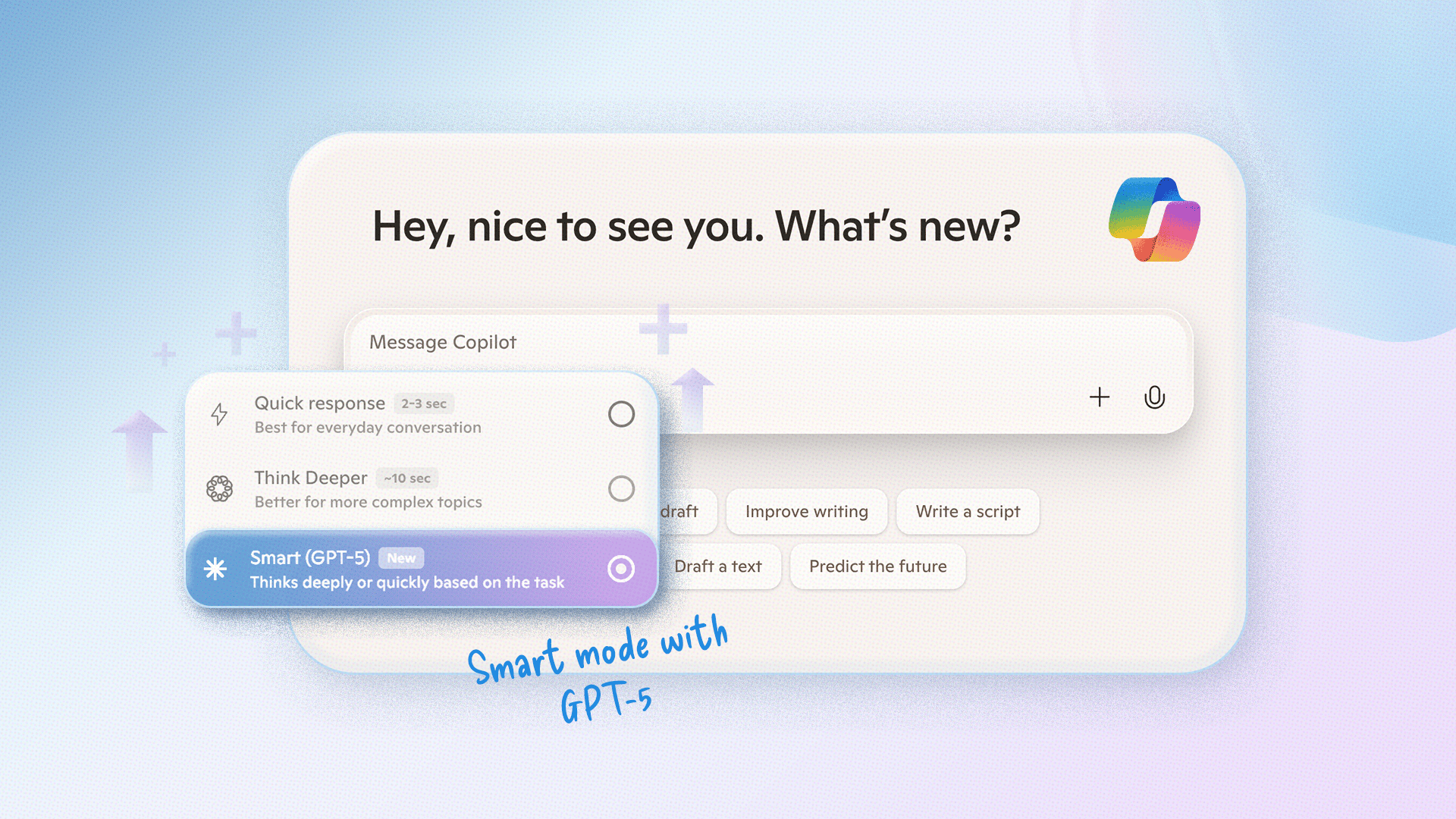
Image source: Kiki Wu / The Rundown
The Rundown: Microsoft Copilot now comes with Smart mode, powered by GPT-5, putting the most advanced next-gen AI in everyone’s pocket — letting users generate content, organize tasks, and ideate on the go using natural language or voice commands.
The details:
Access GPT-5 by selecting "Smart mode” from the dropdown menu — no Microsoft account required for basic use.
Copilot tightly links with Bing, Edge, and Microsoft’s voice AI, enabling voice commands, browser-based generative features, and seamless access.
Users can use Copilot Chat for personal brainstorming, travel planning, or everyday Q&A.
The app’s Copilot Pages feature allows users to generate, ground, and edit content such as stories, infographics, and code in real time.
Why it matters: Consumer users can access Copilot across Windows, Mac, web, and mobile, enjoying integrated AI features across familiar workflows in Word, PowerPoint, Outlook, and more. Free users also get 5x more GPT-5 reasoning queries daily than ChatGPT’s free tier — giving broader access to advanced AI anywhere it’s needed.
REAL-WORLD TESTS
REAL-WORLD TESTS
🧪 How is GPT-5 in Copilot 365 different from ChatGPT?
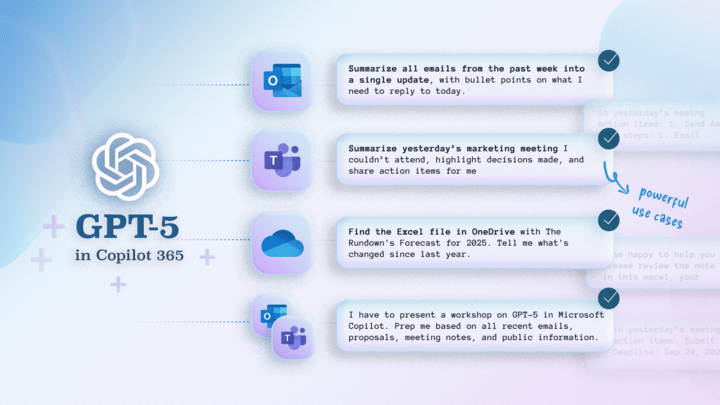
Image source: Kiki Wu / The Rundown
The Rundown: To see how GPT-5 inside Microsoft’s Copilot ecosystem truly differs from standalone ChatGPT 5, we tested its reasoning capabilities across the Microsoft 365 product suite (Outlook, Teams, OneDrive, and more).
The use cases that stood out:
Taming the email pile-up (Outlook): “Summarize all emails from the past week into a single update, with bullet points on what I need to reply to today.”
Meeting you missed (Teams): “Summarize yesterday’s marketing meeting I couldn’t attend, highlight decisions made, and share action items for me.”
Find key insights in Excel files (OneDrive): “Find the Excel file in OneDrive with The Rundown's Forecast for 2025. Tell me what's changed since last year.”
Prep before a big call or workshop (Teams + Outlook): “I have to present a workshop on GPT-5 in Microsoft Copilot. Prep me based on all recent emails, proposals, meeting notes, and public information.”
In summary: GPT-5 in Copilot isn’t about a shiny new model or AGI, it’s about enabling reasoning across tools people use in work every day. In true Microsoft fashion, the focus is on real-world results, echoing what Satya Nadella told The Rundown: “we celebrate tech companies far too much versus the impact of technology.”
No matching search results
Try using different keywords, double-check your spelling, or explore related categories.
Stay Ahead on AI.
Join 2,000,000+ readers getting bite-size AI news updates straight to their inbox every morning with The Rundown AI newsletter. It's 100% free.