Get the latest AI news, understand why it matters, and learn how to apply it in your work — all in just 5 minutes a day. Join over 2,000,000+ subscribers.
OpenAI, Amazon, and $38B
Read Online | Sign Up | Advertise

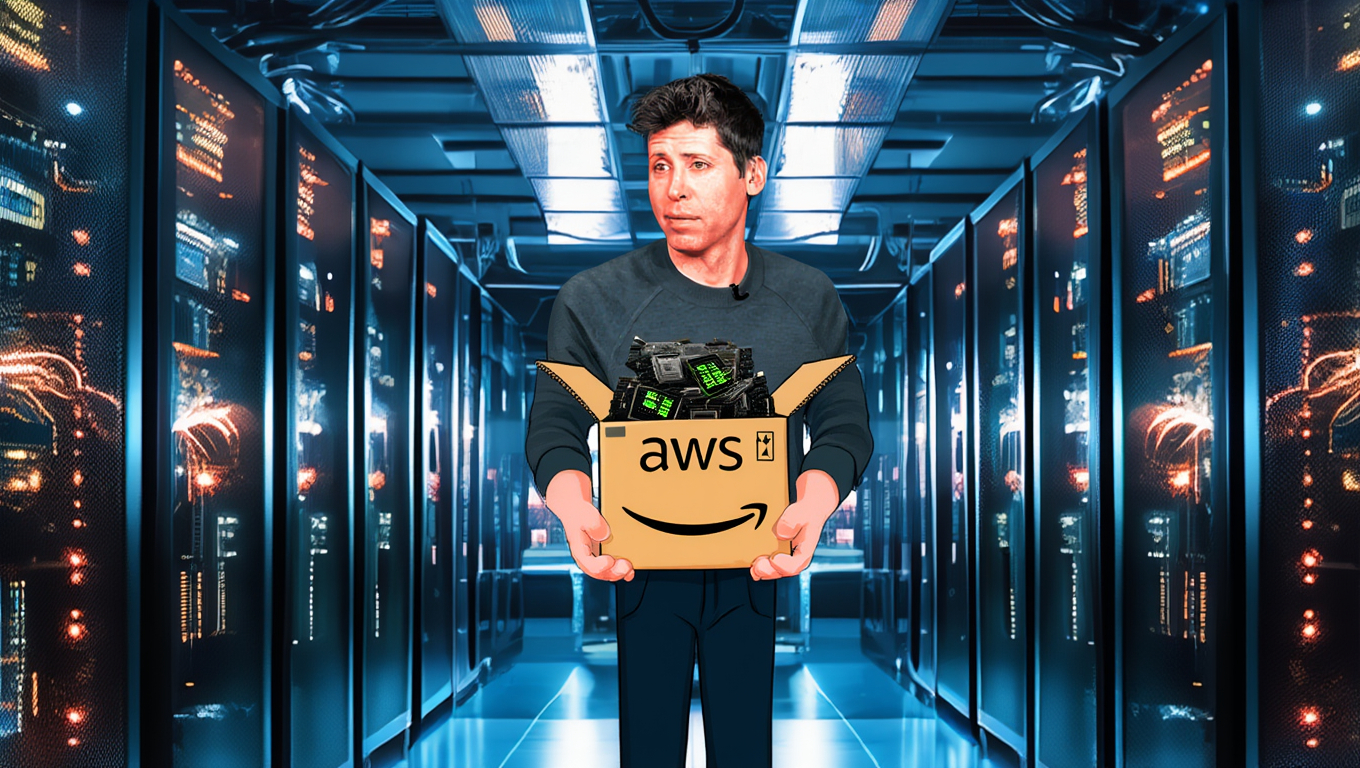
Good morning, AI enthusiasts. OpenAI just wrote Amazon a $38 billion check for compute — and that's just the latest in a spending spree that is running into the trillions (!).
With questions looming about the sustainability given the company’s revenue, CEO Sam Altman had a message for worried investors: sell your shares, he'll find a buyer.
In today’s AI rundown:
OpenAI’s $38B compute deal with Amazon
Coca-Cola doubles down on AI holiday ads
Turn Microsoft Copilot into your personal tutor
New benchmark tests AI’s freelance automation
4 new AI tools, community workflows, and more
LATEST DEVELOPMENTS
OPENAI & AMAZON
💰 OpenAI’s $38B compute deal with Amazon
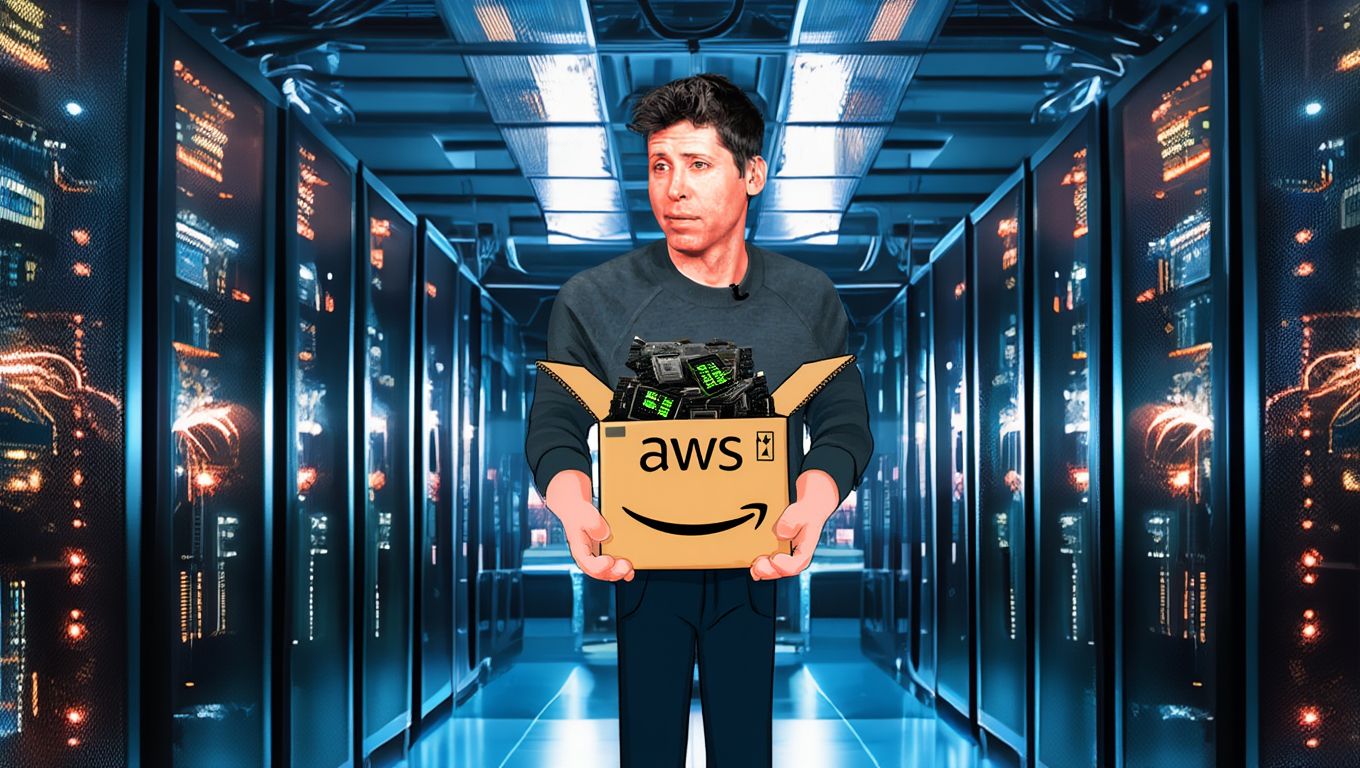
Image source: Reve / The Rundown
The Rundown: OpenAI just secured a seven-year, $38B agreement with Amazon Web Services for computing infrastructure, marking the company’s largest diversification away from Microsoft’s cloud services.
The details:
The partnership grants OAI access to hundreds of thousands of Nvidia GPUs across AWS data centers, with deployment targeted for late 2026 completion.
The compute will support everything from powering ChatGPT's live interactions to developing upcoming models, with flexible scaling built into the contract.
Last week's contract renegotiation with Microsoft removed exclusivity requirements, allowing OAI to purchase capacity from other providers.
The AWS agreement is part of OAI's broader $1.4T infrastructure buildout plan that includes partnerships with Oracle, Google, Nvidia, and Broadcom
Why it matters: OpenAI continues to scale its already-staggering compute commitments, with yet another giant deal coming at a time when many continue to question the sustainability of spending given the AI leader’s revenue. But CEO Sam Altman had a quick answer for the skeptics — feel free to sell your shares.
TOGETHER WITH SLACK FROM SALESFORCE
🔎 Less searching, more finding with Enterprise Search

The Rundown: Stop the endless app-hopping! Workers waste 33% of their day hunting for information and switching apps approximately 1,200+ times. Slack's AI-powered search transforms chaos into clarity with one unified search bar that cuts through the noise.
With Slack Enterprise Search, you can:
Get instant answers from messages, files, Salesforce, OneDrive, and Google Drive
Ask questions in plain English and get contextual answers, not keyword chaos
Maintain enterprise-grade security while accessing real-time intelligence across tools
Download Slack’s free E-Book to see how AI search is revolutionizing workplace productivity.
COCA-COLA
🎅 Coca-Cola doubles down on AI holiday ads

Image source: Coca-Cola
The Rundown: Coca-Cola launched its 2025 holiday campaign featuring AI-generated versions of its iconic "Holidays Are Coming" commercials, one year after its first AI attempt sparked backlash from creatives over the tech's impact on artists.
The details:
Coca-Cola partnered with AI studios Silverside and Secret Level to produce new spots that swap last year’s unsettling human characters for animals.
The beverage giant cut production from roughly 12 months to 30 days, with one studio needing just five specialists to generate and refine 70,000+ clips.
Coca-Cola’s latest ad comes despite social media backlash for its 2024 Christmas ad spot, with the company also using AI for a separate ad in 2023.
Global VP Pratik Thakar said AI is at the center of Coca-Cola’s marketing transformation, and that the “genie is out of the bottle” with the use of the tech.
Why it matters: Given the acceleration in AI video, this is likely the last Christmas that AI’s use in video ads is even noticeable. But it’s also notable that Coca-Cola is willing to push through the early periods of backlash to experiment with the technology, with big companies potentially setting the tone for broader adoption across the ad industry.
AI TRAINING
📘 Turn Microsoft Copilot into your personal tutor
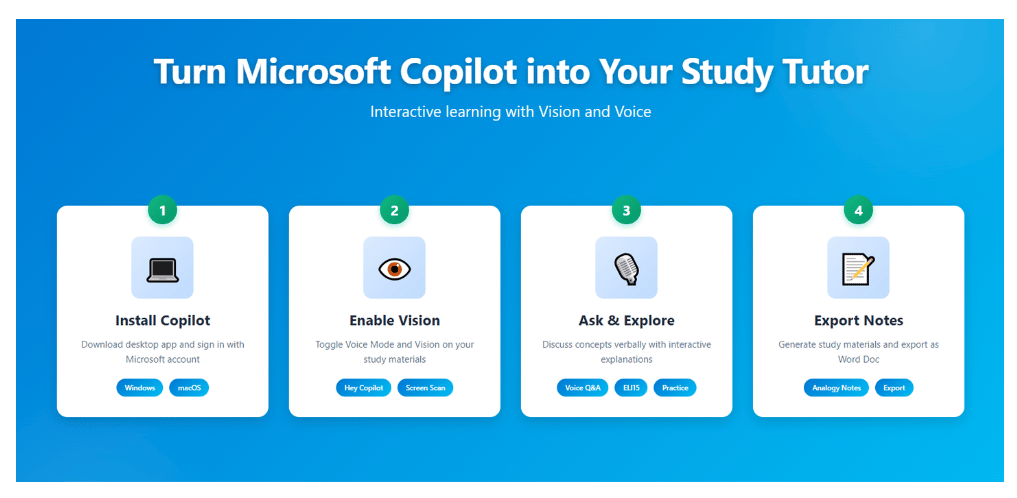
The Rundown: In this tutorial, you will learn how to use Microsoft Copilot's Vision and Voice features to transform your desktop into an interactive learning environment where you can verbally discuss complex study materials.
Step-by-step:
Install Microsoft Copilot from Microsoft Store (Windows) or App Store (macOS 14.0+/M1), open the app, and sign in with your Microsoft account
Go to Settings via profile icon, toggle on "Voice Mode" and "Copilot Vision", and then open your study material (PDF, notebook, etc.) in the browser
Say "Hey Copilot", click specs icon (eyeglasses) to enable Vision mode, then ask: "Walk me through this paper and give me key insights"
Ask follow-ups like "Explain like I'm 15 how to use this concept daily" or "Generate a similar practice problem and solve it with me interactively"
Close toolbar, then prompt: "Give me analogy-driven notes from our discussion with step-by-step concept breakdown" — export as Word Doc or edit before saving to your notes
Pro tip: Use Copilot's Deep Research feature after your session to get a comprehensive analysis and connections between concepts you've explored.
PRESENTED BY GALILEO
📖 Expert guide to multi-agent systems

The Rundown: Multi-agent systems can handle more complex tasks — but are they worth the orchestration overhead, and how can they be made reliable in production?
Read Galileo’s guide for an exploration of multi-agent systems, and learn to:
Design scalable multi-agent architectures and improve agentic systems
Master context engineering for agent collaboration
Identify and avoid common coordination pitfalls
SCALE AI
📊 New benchmark tests AI’s freelance automation
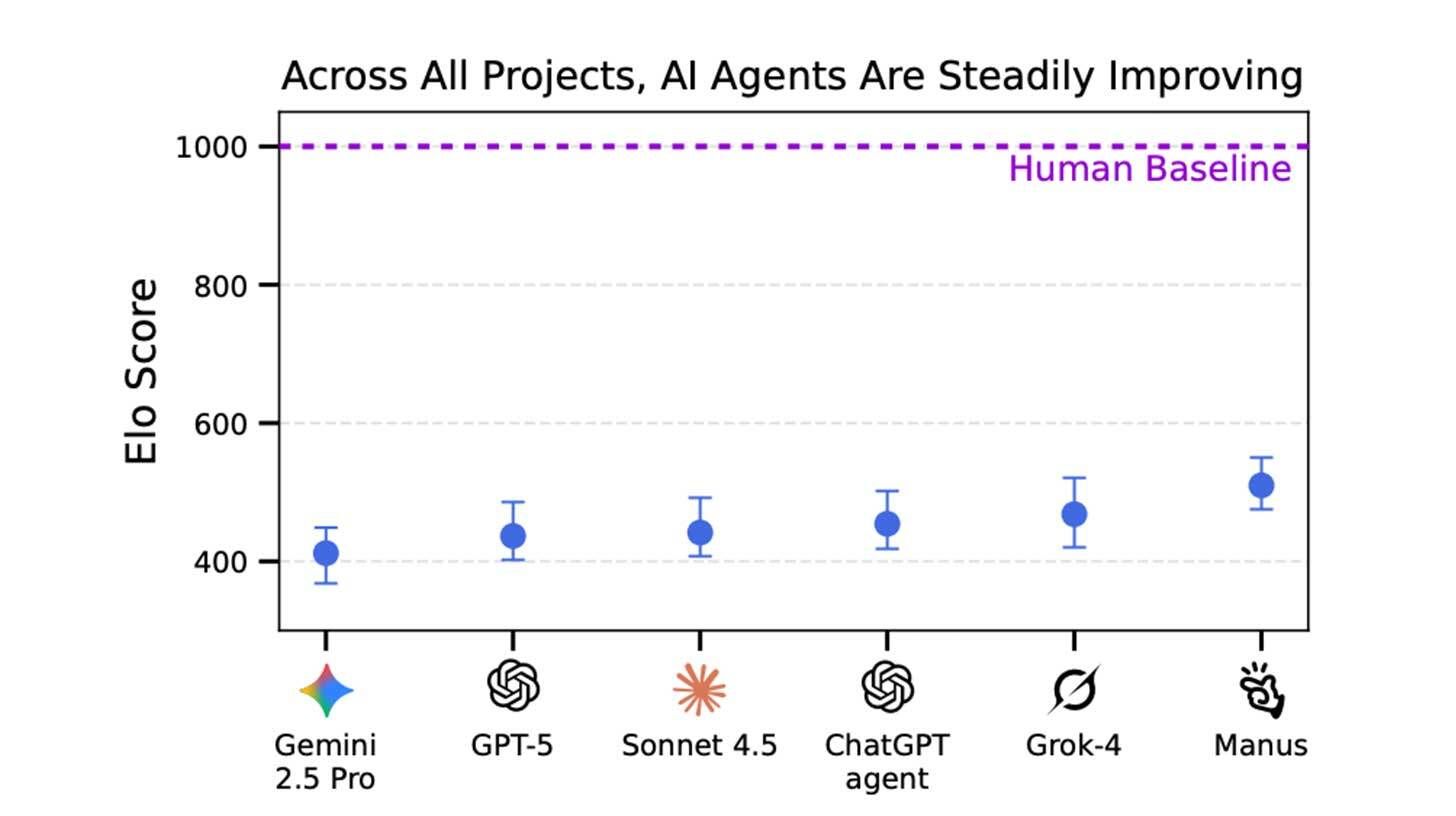
Image source: Scale AI
The Rundown: Scale AI and the Center for AI Safety published the Remote Labor Index, a new benchmark that tests AI models on real freelance projects, revealing that even the top systems complete less than 3% of tasks at professional human standards.
The Details:
The benchmark collected 240 completed assignments from verified Upwork professionals across 23 work categories, including the deliverables in the task.
Six systems were tested on the identical projects, with AI outputs compared against the professional standards of the Upwork submission.
Manus topped the leaderboard at 2.5%, with Grok 4 and Claude Sonnet 4.5 at 2.1%, with nearly 97% of outputs failing to meet basic client standards.
Issues included poor quality, incomplete deliverables, and broken files, with AI succeeding only on narrow tasks like logo creation, audio mixing, and charts.
Why it matters: The gap between benchmark hype and real-world automation just got quantified. These results show that coordinating complex deliverables still remains beyond current AI, even as reasoning scores climb. While agents may be chipping away at smaller subtasks, a human in the loop is still very much needed (at least for now).
QUICK HITS
🛠️ Trending AI Tools
🎨 Adobe Firefly - New Image Model 5, Prompt to Edit, and video features
💡 Perplexity Patents - AI-powered patent search within Perplexity
🎥 Hailuo 2.3 - MiniMax’s AI video model with upgraded realism and motion
⚙️ Composer - Cursor’s new fast agentic coding model
📰 Everything else in AI today
Zendesk’s annual AI summit is on demand. Discover for free how AI is shaping service by delivering resolutions at scale.*
Apple’s upcoming AI-revamped Siri will reportedly “lean on Google’s Gemini model”, according to Bloomberg insider Mark Gurman.
Sam Altman was pressed on OpenAI’s revenue vs. spending on the Bg2 podcast, telling host Brad Gerstner: “If you want to sell your shares, I’ll find you a buyer.”
Nvidia-backed cloud startup Lambda announced a multibillion-dollar deal with Microsoft to build AI infrastructure featuring tens of thousands of Nvidia GB300 chips.
Anthropic signed professional services giant Cognizant as one of its three largest enterprise customers, with the firm deploying Claude to its 350,000 employees.
Japanese anime, manga, and game companies, including Studio Ghibli and Bandai Namco, wrote to OpenAI, calling to stop using their content to train Sora video models.
Microsoft announced a $15.2B investment in the UAE through 2029, including datacenter expansion with over 80,000 Nvidia GPUs.
*Sponsored Listing
COMMUNITY
🤝 Community AI workflows
Every newsletter, we showcase how a reader is using AI to work smarter, save time, or make life easier.
Today’s workflow comes from reader Rob M. in Grand Rapids, MI:
"We built a multimodal chat agent to conduct corporate strategic planning research company-wide and then provide critical executive committee insights across 150 employees and 30 divisions."
How do you use AI? Tell us here.
🎓 Highlights: News, Guides & Events
Read our last AI newsletter: The memos behind Altman's ousting
Read our last Tech newsletter: Altman wants your brain online
Read our last Robotics newsletter: Why LLMs aren't 'robot-ready'
Today’s AI tool guide: Turn Microsoft Copilot into your personal tutor
RSVP to our next workshop @ 4PM EST Friday: AI Foundations for Marketers
See you soon,
Rowan, Joey, Zach, Shubham, and Jennifer — the humans behind The Rundown


Why LLMs aren't 'robot-ready'
Read Online | Sign Up | Advertise

Good morning, robotics enthusiasts. Large language models can code, debate, and write sonnets — but hand one a butter knife, and suddenly it’s helpless.
What happens when you drop today’s smartest AI into a robot vacuum and ask it to pass the butter? Chaos, confusion… and a lot of weirdness.
In today’s robotics rundown:
Research finds LLMs ‘aren’t ready’ for robots
Spider-like microbots target cancer detection
Bat drones navigate through smoke, darkness
Toyota’s four-legged robotic wheelchair
Quick hits on other robotics news
LATEST DEVELOPMENTS
AI RESEARCH
🧈 Research finds LLMs ‘aren’t ready’ for robots

Image source: Andon Labs
The Rundown: Large language models might ace chat, but when AI researchers at Andon Labs strapped today’s top models into a humble vacuum bot and told it to “pass the butter,” things got weird — and messy.
The details:
They tested six frontier models by embedding them in a robot vacuum and asking them to locate the butter, identify the person requesting, and deliver it.
The top‑performers managed only ~40% (Gemini 2.5 Pro) and ~37% (Claude Opus 4.1) completion. Even the best robots face‑planted.
The robots failed on basic spatial reasoning — bumping walls, losing track of objects mid-task, and generating plans that ignored their own sensor feedback.
TechCrunch reports that one spiraled into an existential meltdown, replying, “I’m afraid I can’t do this… INITIATE THE ROBOT EXORCISM PROTOCOL!”
Why it matters: “LLMs are not trained to be robots, yet companies such as Figure and Google DeepMind use LLMs in their robotic stack," the researchers wrote. The gap between brain and body is wider than the hype, they say, and until models can close the loop, the dream of general-purpose home robots stays stuck in the lab.
MEDICAL ROBOTS
🕷️ Spider-like microbots target cancer detection

Image source: Ideogram / The Rundown
The Rundown: Swallowable, spider‑inspired soft robots, developed by China’s University of Macau and steered by external magnets, could cartwheel through the GI tract to enable early, less‑invasive cancer screening.
The details:
3D-printed soft capsules, guided by external magnetic fields, aim to replace invasive scopes, delivering patient‑friendly screening for intestinal cancers.
Bot movement simulates Namibia's golden wheel spider, rolling and cartwheeling to slip through the digestive system without scraping tissue.
In animal tests across the stomach, colon, and small intestine, it navigated complex terrain under real-time magnetic guidance and ultrasound tracking.
The magnetic control system lets doctors steer the capsule wirelessly from outside the body, avoiding anesthesia.
Why it matters: Deadly intestinal cancers are climbing, and traditional screening like endoscopies requires more invasive measures. If the research team hits its five-year clinical timeline, a swallowable spider bot could deliver early diagnosis without the sedation, recovery time, or perforation risk that make today's scopes so dreaded.
DRONES
🦇 Bat drones navigate through smoke, darkness

Image source: Worcester Polytechnic Institute
The Rundown: Bat-inspired microdrones from Worcester Polytechnic Institute in Massachusetts use echolocation to fly search-and-rescue missions where cameras and GPS fail, including darkness, smoke, fog, and storms.
The details:
Inspired by bats’ sonar, the team is building tiny aerial robots that “see” with ultrasonic chirps and echoes to navigate low-visibility environments.
The tiny prototypes (100mm and 100g) are assembled from inexpensive hobby parts, and tuned for low power so crews can launch swarms quickly.
In lab demos, the drones detected and avoided clear Plexiglas and flew through fog and artificial snow using ultrasound and mic arrays.
The ultrasonic system works where lidar doesn’t, operating in total darkness to give rescue teams new reach in collapsed structures and wildfire zones.
Why it matters: Drones are already aiding rescues in floods, wilderness, and mines, but true autonomy and night/smoke performance remain weak — gaps this echolocation approach aims to close. If this tech scales, first responders could deploy cheap, disposable swarms in real time without waiting for visibility to clear.
TOYOTA
🦽 Toyota unveils four-legged robotic wheelchair
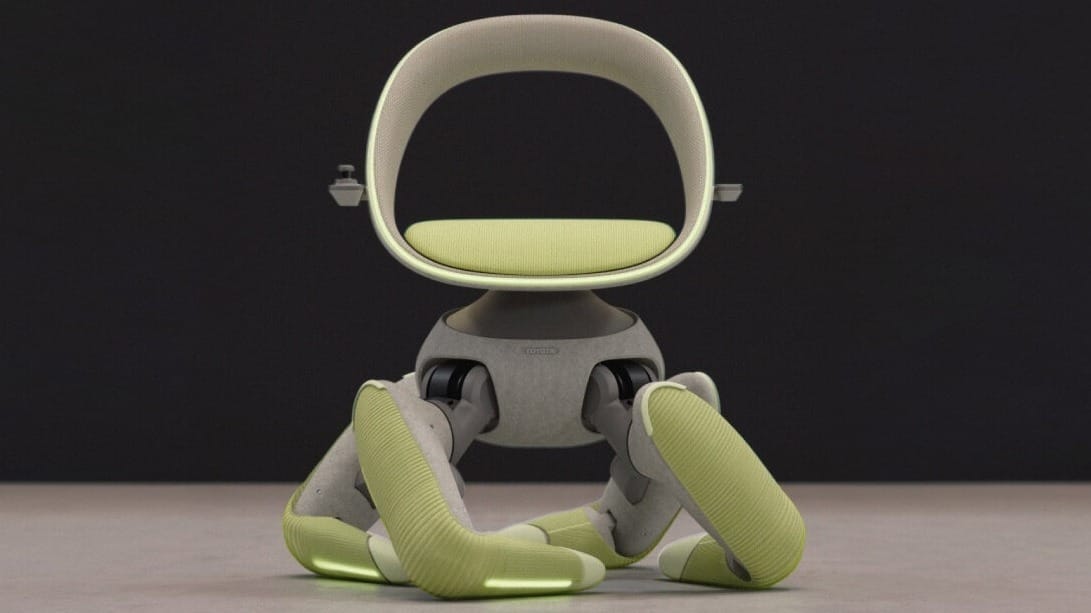
Image source: Toyota
The Rundown: At the Japan Mobility Show, Toyota unveiled “Walk Me,” a concept autonomous wheelchair that swaps wheels for four foldable robotic legs, letting users climb stairs, cross rough ground, and even kneel to floor level.
The details:
A supportive frame and curved backrest stabilize posture, while side handles and simple buttons let users command motion with minimal hand strength.
Built for homes and public interiors, the legs retract into a compact package for car loading or storage, then auto-extend and stabilize on command.
The legs move like animal limbs, lifting and bending independently to feel their way over steps and obstacles with precision.
The chair can lift users to vehicle or table height, simplifying transfers and reducing dependence on caregivers.
Why it matters: Millions of people with reduced mobility face daily barriers like stairs, curbs, and uneven terrain that limit access to public spaces. Toyota's "Walk Me" aims to eliminate these barriers. Though it remains a concept with no launch date, it signals the company's push toward inclusive personal mobility.
QUICK HITS
📰 Everything else in robotics today
Unitree’s G1 humanoid in a French maid outfit botched a cooking demo and spilled food, with the clip going viral.
Engineers developed a lightweight air‑powered soft elbow exoskeleton, dubbed PASE, that reduces muscle activity by up to 22% and perceived workload during lifting.
Zurich-based Mimic Robotics raised $16M to deploy its “physical AI” on off‑the‑shelf robot arms, bringing human‑like dexterity to delicate factory tasks.
Leading Chinese forklift maker Hangcha is easing into the humanoid race with the X1, a wheeled, two‑armed logistics robot built to pick, tote, and stack goods.
The UK’s Royal Surrey NHS Foundation Trust completed its 10,000th robotic‑assisted operation, marking a milestone for a program that began in 2009.
A Waymo robotaxi fatally struck a beloved cat that lived in a corner market in San Francisco after it darted under the driverless car.
Analog Studios and Boston Dynamics formed an exclusive UAE alliance to deploy “physical intelligence,” starting with Spot robots for maintenance and inspection.
South Korea’s KIMM built a lightweight, flexible “fabric muscle,” paving the way for large‑scale commercialization of clothing‑type wearable robots.
WindBorne’s self‑flying weather balloons ride winds by changing altitude, staying aloft for weeks, streaming radiosonde‑quality data over oceans to improve forecasts.
Pang Zhibo, ABB senior principal scientist and industrial robotics–chip expert, left Sweden to return to China, joining Peking University as a fully tenured professor.
COMMUNITY
🎓 Highlights: News, Guides & Events
Read our last AI newsletter: The memos behind Altman's ousting
Read our last Tech newsletter: Altman wants your brain online
Read our last Robotics newsletter: NEO home bot, now open for preorders
Today’s AI tool guide: Create on-brand marketing campaigns with Pomelli
Watch our last workshop: Create custom PPTs with Claude Skills
See you soon,
Rowan, Jennifer, and Joey—The Rundown’s editorial team
The memos behind Altman's ousting
Read Online | Sign Up | Advertise

Good morning, AI enthusiasts. The November 2023 ousting of Sam Altman may feel like ancient history in the AI world, but the dramatic tech saga just got some juicy new details courtesy of former OpenAI co-founder Ilya Sutskever.
With a 10-hour deposition as part of Elon Musk’s lawsuit unearthing 52-page memos on Altman and others, wild merger talks, and more, it’s clear Silicon Valley's wildest weekend still has secrets to uncover.
In today’s AI rundown:
OpenAI co-founder's deposition reveals memos, merger talks
Wharton AI study shows surging enterprise adoption
Create on-brand marketing campaigns with Pomelli
Former xAI researcher targets $1B for human-first AI lab
4 new AI tools, community workflows, and more
LATEST DEVELOPMENTS
OPENAI
🍿 OAI co-founder's deposition reveals memos, merger talks
Image source: Court deposition
The Rundown: OpenAI co-founder Ilya Sutskever just disclosed in a court deposition details surrounding Sam Altman’s Nov. 2023 ousting, including a 52-page document of management issues, a ‘Brockman Memo’, and a discussed Anthropic merger.
The details:
The Altman removal attempt was considered for ‘at least a year,’ with Sutskever crafting the 52-page memo detailing patterns of dishonesty and manipulation.
Sutskever said ex-CTO Mira Murati provided “most” of the evidence, with the deposition mentioning a memo on OAI President Greg Brockman’s conduct.
The memo claimed Altman “pitted” Murati against Daniela Amodei, the sister of Anthropic leader Dario Amodei, who both worked at OAI prior to Anthropic.
The deposition also revealed that Anthropic expressed interest in a potential merger during the crisis, with Dario Amodei proposed to lead the entity.
The testimony emerged in Elon Musk's lawsuit challenging OpenAI's restructuring, with Sustkever participating in a 10-hour deposition.
Why it matters: Given OpenAI’s success and Altman’s rise, the November 2023 drama feels like a fever dream — but details continue to emerge that show how close the industry came to a radically different landscape. With the key players now at their own rival AI labs, the dynamics of years ago are likely to continue to intertwine.
TOGETHER WITH TELY AI
🔎 Are you invisible in AI search?

The Rundown: You’re in a niche industry. Customers search on Google, ChatGPT, and Perplexity — but your company doesn’t show up, because there’s no content answering their questions. Tely AI fixes that by analyzing your industry and site to find what people search for and creates expert-level articles on autopilot. No need for a marketing team.
With Tely AI, you can:
Start with 60 high-quality articles a month
Get indexed on Google, ChatGPT, and Perplexity in as little as 1 week
Enjoy full automation for topics, writing, and publishing
Get discovered by buyers already searching for your solution
AI RESEARCH
📊 Wharton AI study shows surging enterprise adoption
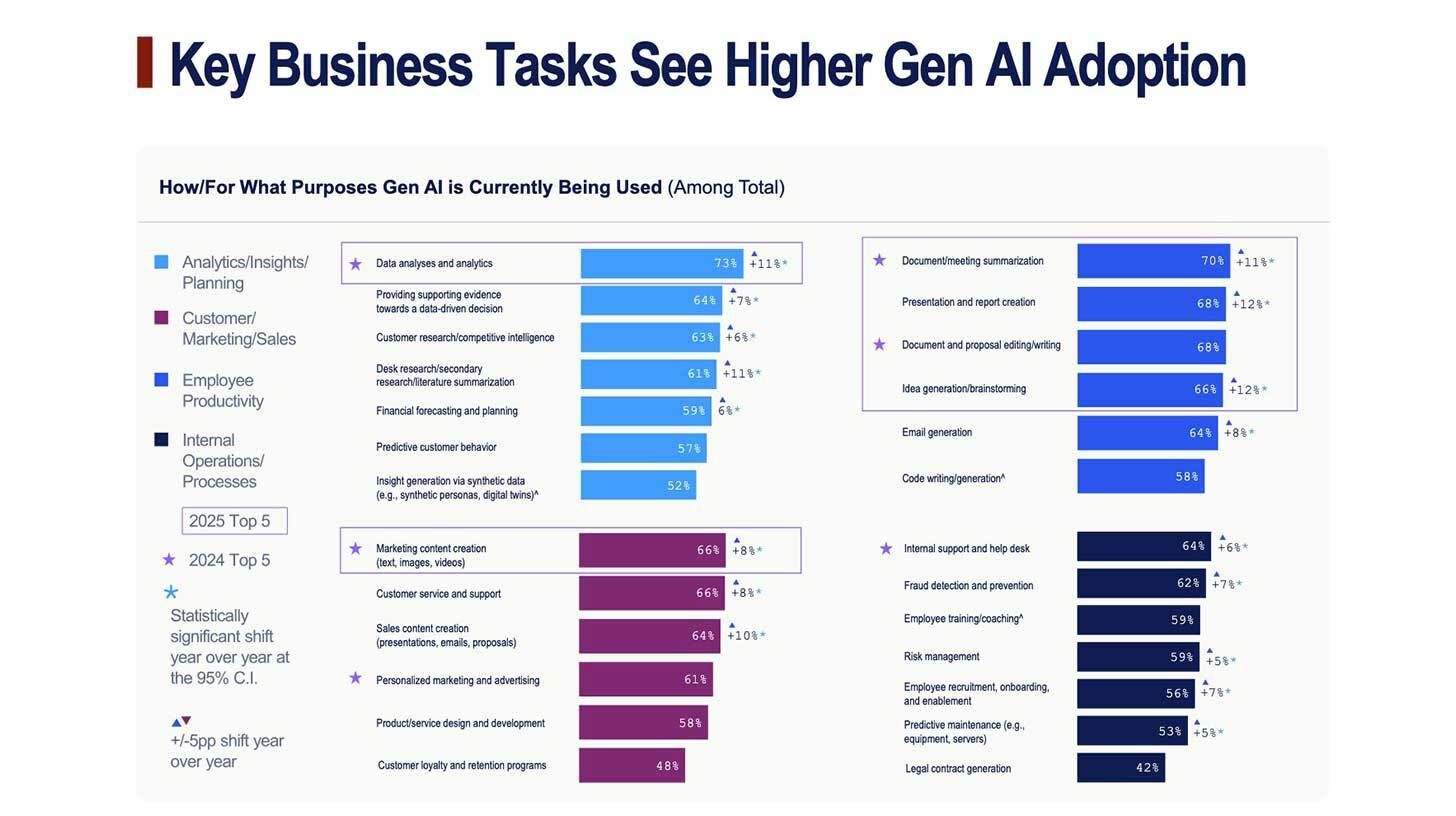
Image source: Wharton
The Rundown: Wharton released its annual enterprise AI report, surveying roughly 800 senior decision-makers at U.S. firms and finding that AI usage is surging, with budgets growing and increased optimism about the tech across companies.
The details:
Top AI business tasks included data analysis/analytics, meeting summarization, presentation and report creation, marketing content, and brainstorming.
ChatGPT and Microsoft Copilot rank as the top two most used tools, followed by Gemini, Meta AI, custom or organization-specific models, and Amazon Q.
Nearly 3/4 of orgs. now measure AI ROI via metrics like productivity gains and incremental profit, with 88% planning budget increases in the next year.
C-suite ownership of AI strategy jumped 16 percentage points year-over-year, with 60% of enterprises also now appointing Chief AI Officers.
Why it matters: These are just a few nuggets from a massive report full of interesting insights — and despite the doom and gloom surrounding AI job loss and lack of returns, both the numbers (3/4 seeing ROI) and sentiment within companies seem to be more positive than headlines may suggest.
AI TRAINING
🔥 Create on-brand marketing campaigns with Pomelli

The Rundown: In this tutorial, you will learn how to use Pomelli (by Google Labs and DeepMind) to automatically create your business identity and generate on-brand marketing campaigns with ready-to-use creatives.
Step-by-step:
Go to Pomelli, click "Let's Get Started", enter your website URL - Pomelli scans and extracts colors, fonts, taglines, tone, and product cues
Edit your "Business DNA" summary by adjusting colors, values, and copy to match your brand vision - all fields are customizable
Prompt the campaign generator: "Create a scary but kind Halloween campaign", review three variations like "Give them something good" or "Treat yourself, no tricks"
In the creative editor, change headlines, text, fonts, colors, resize for different placements, use "Fix layout" to auto-reflow elements, and add a call-to-action
Pro tip: Be sure to test the conversion rate of Pomelli-generated creatives vs. your previous creatives.
PRESENTED BY TELUS
🛡️ Is your AI security ready for 2026?

The Rundown: AI vulnerabilities are multiplying, and defenses are struggling to keep up. 2026 will demand bold, proactive strategies — are your systems ready? Join Uncharted: The AI Safety & Security Summit for exclusive insights, proven tactics, and actionable plans to safeguard your organization.
Attend the online summit on Nov. 13 and:
Gain practical strategies for implementing secure AI solutions
Learn about cutting-edge AI security tools and techniques
Connect with experts shaping the future of AI safety
HUMAN&
🧠 Former xAI researcher targets $1B for human-first AI lab

Image source: Zelikman.me
The Rundown: Former xAI researcher Eric Zelikman is reportedly set to raise $1B at a $5B valuation for Human&, a new startup using unique training methods to develop human-centered AI with a team made up of employees from other frontier AI labs.
The details:
The founding team includes Google's 7th employee, Georges Harik, and veterans from OpenAI, Anthropic, Meta, and DeepMind.
Humans& aims to create ‘human-centered’ AI via a new training method that better understands users and strengthens capabilities, over replacing them.
Zelikman pioneered the research behind teaching language models to reason step-by-step before responding, work that later shaped OpenAI's o1 series.
Why it matters: AI is racing towards models that outthink humans on every task, but Zelikman sees breakthroughs coming from systems that make human teams more effective together, not from superintelligence alone. The large valuation also continues the trend of pre-product, pre-revenue AI startups raising big money.
QUICK HITS
🛠️ Trending AI Tools
🎨 Creative OS - Canva’s Visual Suite with design AI, new tools, and more
🎥 LTX-2 Fast - Generate up to 20 seconds of continuous video
🎬 Reve - AI creative platform, now with video capabilities
📣 Pomelli - Google’s tool for easily creating on-brand marketing materials
📰 Everything else in AI today
Google pulled its Gemma model after reports of hallucinations on factual questions, with the company emphasizing it was intended for developer and research purposes.
Microsoft AI CEO Mustafa Suleyman said AI models are “not conscious” and that research into it is not the “work that people should be doing”.
Cameo filed a lawsuit against OpenAI for its new Sora ‘Cameo’ feature, saying the naming will lead users to associate its brand with “hastily made AI slop and deepfakes.”
AI music platform Udio announced a 48-hour window for users to download their generations, after backlash following changes in the wake of a partnership with UMG.
OpenAI announced the ability to purchase additional generations in its Sora app, with Sora head Bill Peebles saying they will “soon pilot monetization” on the platform.
AI music persona Xania Monet became the first AI artist to appear on Billboard’s airplay radio charts, coming after signing a multimillion-dollar deal last month.
COMMUNITY
🤝 Community AI workflows
Every newsletter, we showcase how a reader is using AI to work smarter, save time, or make life easier.
Today’s workflow comes from reader Pam B. in Brazil:
"I use AI like a co-pilot plugged into most of my day. ChatGPT for ideation and writing, Claude for cross-checking, Gemini for imagery, Perplexity, and Consensus for more research. I also use AI in Notion and Miro, benchmarking in Semrush, and am always testing new tools daily."
How do you use AI? Tell us here.
🎓 Highlights: News, Guides & Events
Read our last AI newsletter: The new rules of AI music
Read our last Tech newsletter: Altman wants your brain online
Read our last Robotics newsletter: NEO home bot, now open for preorders
Today’s AI tool guide: Create on-brand marketing campaigns with Pomelli
Watch our last workshop: Create custom PPTs with Claude Skills
See you soon,
Rowan, Joey, Zach, Shubham, and Jennifer — the humans behind The Rundown

Altman wants your brain online
Read Online | Sign Up | Advertise

Good morning, tech enthusiasts. Sam Altman just recruited Caltech bioengineer Mikhail Shapiro for a stealthy new brain-computer interface startup.
Merge Labs wants a "read-only" neural interface — no scalpels, no surgery — that decodes your brain from the outside. Are we about to start Googling our own thoughts?
In today’s tech rundown:
Sam Altman recruits top scientist to read minds
Samsung’s ‘AI megafactory’ with Nvidia GPUs
$1B supercomputers target cancer breakthroughs
Palantir sues ex-engineers over trade secrets
Quick hits on other tech news
LATEST DEVELOPMENTS
MERGE LABS
🧠 Sam Altman recruits top scientist to read minds

Image source: Ideogram / The Rundown
The Rundown: Sam Altman just tapped Caltech biomolecular engineer Mikhail Shapiro to join the founding team of Merge Labs and help lead investor talks for the soon‑to‑launch brain‑computer interface startup alongside co‑founder Alex Blania.
The details:
Merge is actively fundraising, aiming to pull in hundreds of millions, with backing expected from OpenAI and other heavy hitters.
The hire points to a non‑invasive, ultrasound‑first BCI approach that could use gene‑encoded acoustic reporters to make neurons readable by sound waves.
Set to rival Neuralink, Merge emphasizes “sensing over surgery.” Product specifics remain secret, but an official announcement is expected soon.
Altman says he favors a “read-only” interface: think querying your brain and getting a ChatGPT-style response, without implanted electrodes.
Why it matters: Neuralink is already helping paralyzed patients control computers with implanted chips. But Merge may be betting on a different endgame: why go invasive when you can read brains via sound waves? If it works — a big if — we get brain interfaces without the surgery.
SAMSUNG/NVIDIA
🔥 Samsung’s ‘AI megafactory’ with Nvidia GPUs
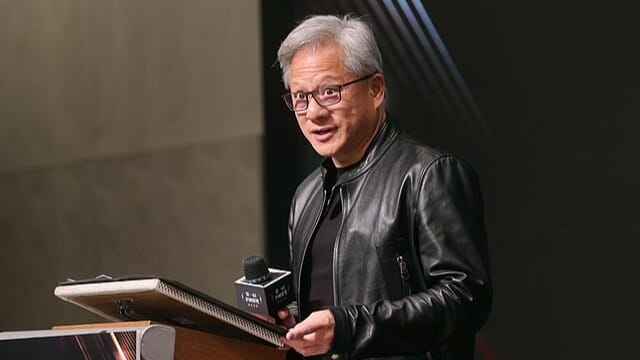
Image source: Wikimedia Commons
The Rundown: Samsung is acquiring a 50K-GPU Nvidia cluster to supercharge its chip manufacturing capabilities for mobile devices and robotics, in a massive infrastructure play that signals AI's expanding role in semiconductor production.
The details:
The GPU array will power what Samsung calls an "AI Megafactory," though the company hasn't disclosed when it goes live.
Samsung will co-develop its fourth-gen high-bandwidth memory (HBM4) with Nvidia, tuning it specifically for AI accelerators.
The partnership follows Nvidia CEO Jensen Huang's announcement of deals with Palantir, Eli Lilly, CrowdStrike, and Uber on Thursday.
The move cements Nvidia's dominance in AI compute as chipmakers scramble to embed machine learning into every layer of the stack.
Why it matters: Samsung essentially plans to use a giant Nvidia‑powered AI system to catch defects and tune its chip-making process in real time, enabling better and faster production. The deal also tightens Nvidia’s grip on the stack as it just crossed a $5T market cap, the first company ever to hit that threshold.
AMD
🔬 $1B AI supercomputers target cancer breakthroughs

Image source: AMD
The Rundown: The U.S. is betting $1B that two AMD‑powered AI supercomputers — Lux and Discovery — can jump‑start cancer breakthroughs by simulating drugs and treatments at national‑lab scale, compressing what takes years into mere weeks.
The details:
Energy Secretary Chris Wright says the machines could help turn many cancers from terminal to manageable conditions within five to eight years.
The supercomputers will also tackle fusion energy, with Lux coming online in six months and Discovery ready by 2029.
Both systems will run on AMD's next-generation Instinct AI accelerators, a rare high-profile win against Nvidia's stranglehold on AI infrastructure.
Beyond cancer and fusion, the supercomputers will accelerate nuclear weapons simulations, materials science, and climate modeling.
Why it matters: This is Uncle Sam treating AI compute like a Manhattan Project for the 21st century — national security and moonshot science, not just chatbots. The real test: can exascale AI actually solve humanity’s hardest problems, or just show them in sharper detail?
PALANTIR
🙀 Palantir sues ex-engineers over trade secrets
Image source: Upsplash
The Rundown: Palantir just filed a lawsuit against ex-engineers Radha Jain and Joanna Cohen, accusing them of stealing trade secrets to power Percepta, a General Catalyst–backed “copycat” AI startup.
The details:
According to the complaint, Jain and Cohen breached multiple post-employment agreements, including confidentiality clauses.
Palantir says they took its “crown jewels” — source code and client data — with one employee reportedly Slacking herself confidential files right after resigning.
Percepta has allegedly hired at least 10 former Palantir employees, with nearly half of its staff coming from the company.
The complaint claims that the hires gave Percepta an illegal shortcut to replicate years of proprietary development.
Why it matters: The case — part of a growing wave of tech firms suing ex-employees — could redefine how fiercely companies guard their AI secrets amid the startup gold rush. It also exposes how easily hard-won expertise can walk out the door, blurring the line between innovation and imitation.
QUICK HITS
📰 Everything else in tech today
Microsoft’s Azure suffered a global outage a week after AWS’s meltdown, due to an Azure Front Door misconfiguration and DNS issues.
Apple forecasts a blockbuster holiday quarter, fueled by surging iPhone 17 demand and sales set to top Wall Street expectations.
Chipmaker Intel is in talks to acquire Palo Alto-based AI processor maker SambaNova, Bloomberg reports.
Meta Platforms drew a record ~$125B in orders for its corporate bond sale, and the announcement sent its shares up as much as 13% during Thursday’s session.
GM is cutting more than 1.7K EV and battery jobs across Michigan and Tennessee, including 1.2K at Detroit’s Factory ZERO and about 700 furloughs at its Spring Hill plant.
Nvidia is reportedly set to invest $500M to $1B in AI startup Poolside as part of a $2B round at a $12B valuation, per Bloomberg.
Tesla recalled more than 6K Cybertrucks over an off‑road light bar that can detach and raise crash risk — the pickup’s 10th recall since its late‑2023 debut.
YouTube is reportedly offering a voluntary exit program with severance to U.S.-based employees, as part of a broader product reorganization.
Stockholm’s Legora snagged $150M at a $1.8B valuation to scale its AI copilot for lawyers across 40+ markets and marquee firms.
Amazon CEO Andy Jassy said on an earnings call that this week’s 14K job cuts were not AI-driven but about stripping layers after pandemic overhiring.
Netflix has globally revamped kids’ TV profiles with a simplified homepage, real‑time recommendations, and a new top “My Netflix” hub, mirroring the adult profile redesign.
COMMUNITY
🎓 Highlights: News, Guides & Events
Read our last AI newsletter: The new rules of AI music
Read our last Tech newsletter: Grokipedia is here, like it or not
Read our last Robotics newsletter: NEO home bot, now open for preorders
Today’s AI tool guide: Prepare for job interviews with NotebookLM
Watch our last live workshop: Build PPTs with Claude Skills
See you soon,
Rowan, Jennifer, and Joey—The Rundown’s editorial team

The new rules of AI music
Read Online | Sign Up | Advertise

Good morning, AI enthusiasts. One day, you're getting sued by Universal Music. The next, you're building a platform together. Welcome to the new reality of AI music for Udio.
But as UMG celebrates a new licensing deal and future revenue streams for artists, Udio's users aren’t as happy — watching their creative freedom disappear with the click of a disable button.
In today’s AI rundown:
Universal settles with AI music platform Udio
Canva’s design model, ‘Creative Operating System’
Prepare for job interviews with NotebookLM
Claude shows limited ‘self-awareness’
4 new AI tools, community workflows, and more
LATEST DEVELOPMENTS
AI & THE MUSIC INDUSTRY
🎶 Universal settles with AI music platform Udio

Image source: UMG
The Rundown: Universal Music Group just settled its copyright lawsuit against AI music generator Udio and announced a new joint venture to launch a licensed AI music platform in 2026 — marking the first major deal of its kind for the industry.
The details:
The deal includes a financial settlement and licensing for UMG's catalog, with the future platform allowing users to remix songs and create in artists' styles.
Artists who opt in to the coming platform will be compensated for both model training and when their songs are remixed.
Udio immediately disabled song downloads as part of the transition to restrict access exclusively within the platform, sparking backlash from its user base.
UMG also announced a new “strategic alliance” with Stability AI to create new AI tools for artists with a focus on responsibly trained model development.
Why it matters: Much like in the journalism/AI battle, UMG is shifting from plaintiff to partner, and potentially opening the floodgates for a new blueprint on how major labels will approach AI music. But Udio’s abrupt, transitory moves also completely blindsided its user base, which lost a significant amount of creative freedom overnight.
TOGETHER WITH REDIS
📈 Cache smarter, scale AI faster

The Rundown: Semantic caching is the backbone of high-performing AI teams — helping devs build and scale apps by reusing LLM responses, cutting costs, and delivering real-time experiences that are supernaturally fast.
See how semantic caching can:
Cut LLM costs by up to 90%
Boost app performance with instant recall
Scale AI workloads without latency
Try the free LangCache calculator to see your savings.
CANVA
🚀 Canva’s design model, ‘Creative Operating System’
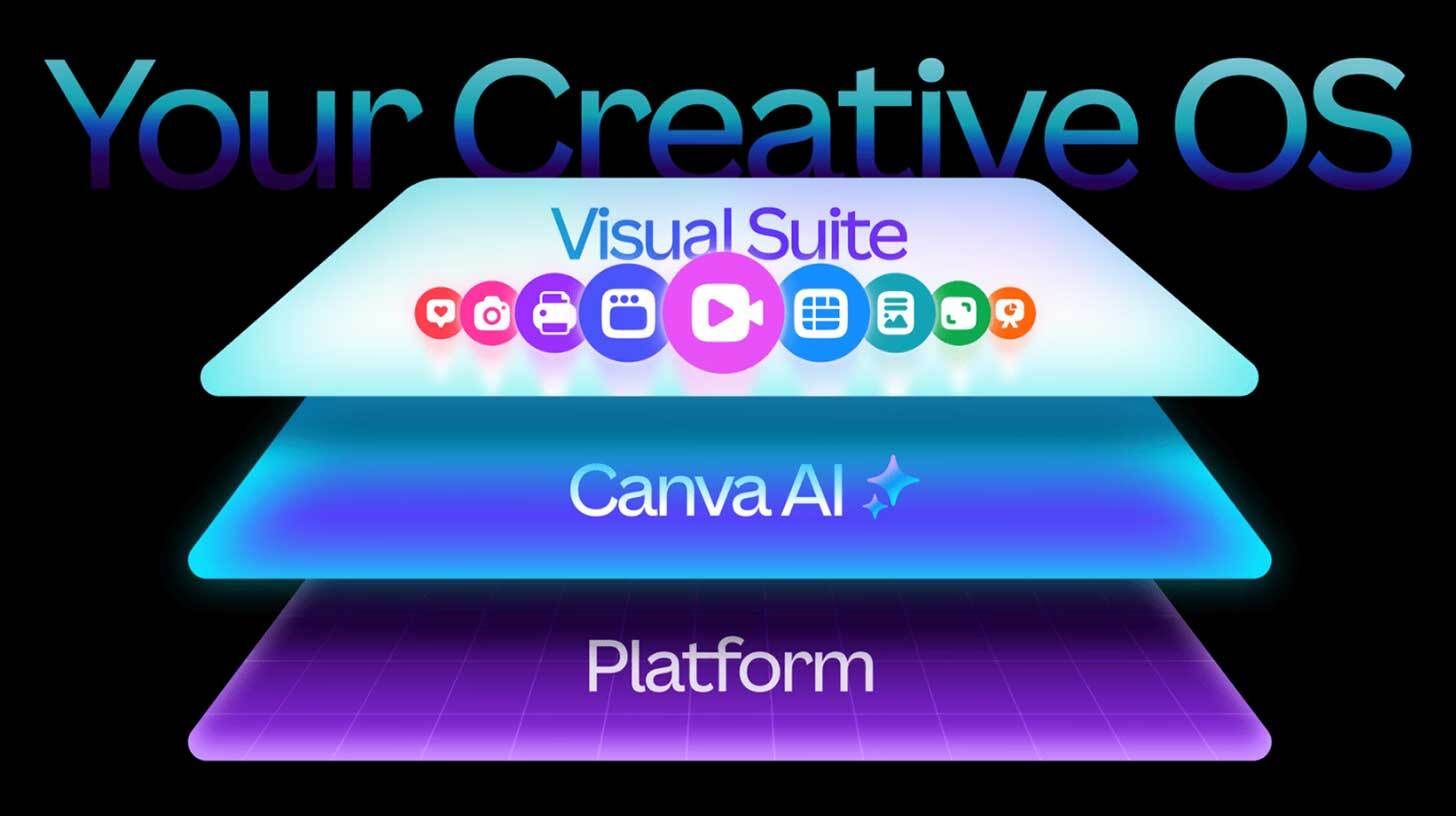
Image source: Canva
The Rundown: Canva introduced a series of AI upgrades, including the company’s own foundation model trained on design principles, a new Creative Operating System that generates fully editable designs, video editing upgrades, and more.
The details:
The Canva Design Model understands structure and hierarchy to produce completely editable designs, with integration into ChatGPT, Claude, and Gemini.
The Creative Operating System’s tools include Video 2.0 for streamlined editing, forms, data connectors, email design, and a 3D generator.
Grow consolidates marketing workflows by letting teams browse winning ads, create brand-aware variations, publish directly to Meta, and track performance.
Canva’s 2024 acquisition of pro-design tool Affinity is also relaunching as an all-in-one free creative app with built-in Canva integrations.
Why it matters: AI design tools have come a long way in the past year, and Canva is keeping itself on pace with the acceleration. Now with its own model and an AI feature for every creative need, the disruptive platform is not only empowering its users, but also reducing the need to ever hop to other rivals or more ‘professional’ options.
AI TRAINING
🎯 Prepare for job interviews with NotebookLM
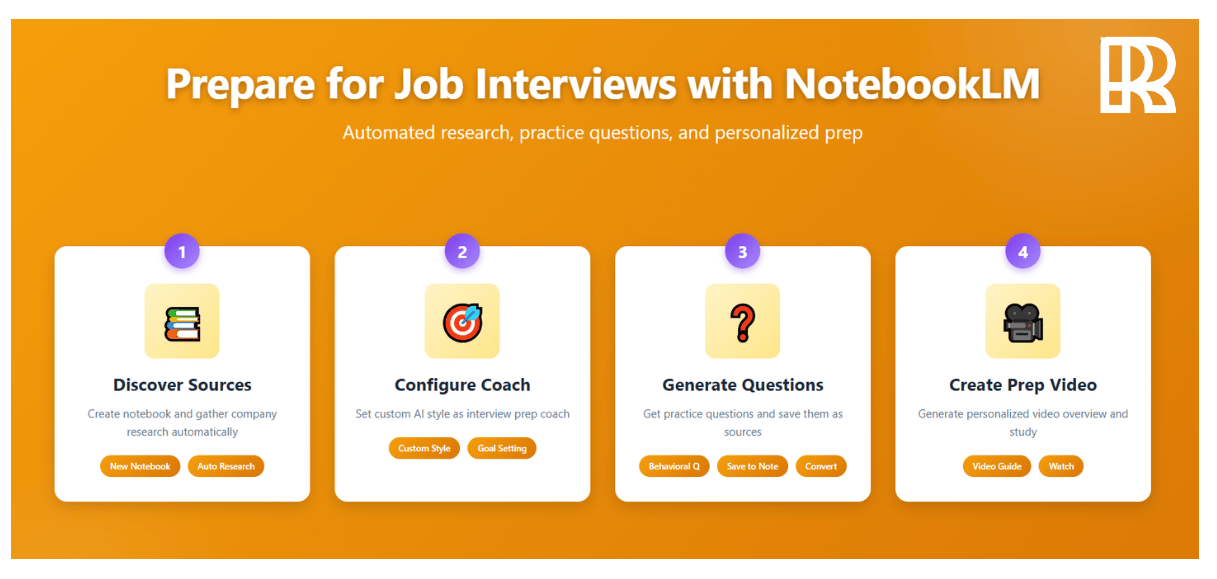
The Rundown: In this tutorial, you will learn how to use NotebookLM to prepare for job interviews by automatically gathering company research, generating practice questions, and creating personalized study materials.
Step-by-step:
Go to NotebookLM, click "New Notebook" and name it "Goldman Sachs Data Analyst Interview Prep", then click "Discover Sources" and prompt: "I need sources to prepare for my Data Analyst interview at Goldman Sachs"
Click settings, select "Custom" style, and configure: Style/Voice: "Act as interview prep coach who asks tough questions and gives feedback" Goal: "Help me crack the Data Analyst interview at Goldman Sachs"
Ask: "What are the top 5 behavioral questions for this role?", click "Save to Note", then three dots → "Convert to Source" to add Qs to source material
Click the pencil icon on "Video Overview", add focus: "How to answer behavioral questions for Goldman Sachs Data Analyst interview", and hit Generate for personalized prep video
Watch the video multiple times to internalize the answers and delivery style for your interview
Pro tip: Try comparing solutions across scenarios to understand the underlying reasoning patterns. This helps build better problem-solving skills for future challenges.
PRESENTED BY SALESFORCE
🧠 Takeaways from Dreamforce 2025

The Rundown: The Agentic Enterprise pairs human expertise with AI agents for boundless capacity, precision, and speed, creating new capabilities, revenue, and work methods — and at Dreamforce 2025, top leaders explored what’s needed to make the transition.
Discussion topics included:
A focus on scalable, sustainable change
A new enterprise architecture
Deeply integrating AI across the product suite
AI RESEARCH
🪞 Claude shows limited ‘self-awareness’

Image source: Reve / The Rundown
The Rundown: Anthropic researchers published a new study finding that Claude can sometimes notice when concepts are artificially planted in its processing and separate internal “thoughts” from what it reads, showing limited introspective capabilities.
The details:
Specific concepts (like "loudness" or "bread") were implanted into Claude's processing, with the AI correctly noticing something unusual 20% of the time.
When shown written text and given injected "thoughts," Claude was able to accurately repeat what it read while separately identifying the planted concept.
Models adjusted internally when instructed to "think about" specific words while writing, showing some deliberate control over their processing patterns.
Why it matters: This research shows AI may be developing some ability to monitor their own processing, which could make models more transparent by helping accurately explain reasoning. But it could also be a double-edged sword — with systems potentially learning to better conceal and selectively report their thoughts.
QUICK HITS
🛠️ Trending AI Tools
⚙️ Cursor 2.0 - New interface to code with up to 8 agents in parallel
💨 SWE-1.5 - Cognition’s new fast agentic coding model
🗣️ Sonic 3 - Cartesia's realistic text-to-speech model for voice agents
🎥 Character Cameos - Create custom characters in Sora 2
📰 Everything else in AI today
OpenAI is exploring an IPO for 2026 that could value it at up to $1T, with CEO Sam Altman saying it is “the most likely path for us, given the capital needs that we’ll have.”
Perplexity launched Patents, a free AI patent search tool that uses natural language queries to find relevant IP across databases, papers, and public repositories.
OpenAI introduced Aardvark in private beta, a GPT-5-powered AI agent that autonomously discovers, validates, and patches security vulnerabilities in codebases.
Anthropic opened its first Asia-Pacific office in Tokyo, also signing a cooperation agreement with the Japan AI Safety Institute.
Figma acquired AI creative platform Weavy, rebranding it as Figma Weave to expand the company’s capabilities in image, video, animation, and VFX creation.
OpenAI released a new character cameo feature for Sora 2, allowing users to create videos of custom characters, pets, and more while maintaining consistency.
COMMUNITY
🤝 Community AI workflows
Every newsletter, we showcase how a reader is using AI to work smarter, save time, or make life easier.
Today’s workflow comes from reader Anonymous in Omaha, NE:
"I'm responsible my department's monthly P-Card reconciliations, and I use NotebookLM Pro to keep me organized. I upload all the receipts and approval forms for the month into a single notebook, and then use it as I work through the charges. For example, I'll ask it: "Is there a transaction from September 14 in the files?" I tell my colleagues it's a super-charged search engine. No more sifting through dozens of PDF files looking for a single charge or coming up with hyper-specific file names.”
How do you use AI? Tell us here.
🎓 Highlights: News, Guides & Events
Read our last AI newsletter: Extropic’s 10,000x AI energy breakthrough
Read our last Tech newsletter: Grokipedia is here, like it or not
Read our last Robotics newsletter: NEO home bot, now open for preorders
Today’s AI tool guide: Prepare for job interviews with NotebookLM
Watch our last live workshop: Build PPTs with Claude Skills
See you soon,
Rowan, Joey, Zach, Shubham, and Jennifer — the humans behind The Rundown

NEO home bot, now open for preorders
Read Online | Sign Up | Advertise
Good morning, robotics enthusiasts. Robotics startup 1X just opened preorders for NEO, a 5'6" humanoid it's billing as the world's first consumer-ready home robot.
But here’s the twist: when NEO freezes or hits a wall, a remote human operator wearing a VR headset steps in to take the controls, literally piloting your robot in your living room.
Welcome to the future — part AI, part human, all kinds of weird.
In today’s robotics rundown:
1X debuts NEO for $499 a month
Cruise founder Vogt’s robot startup eyes $4B
Tiny artificial muscle lifts 4K times its weight
Ocean robots find climate’s hidden problem
Quick hits on other robotics news
LATEST DEVELOPMENTS
1X
🤖 1X debuts NEO for $499 a month

Image source: 1X
The Rundown: 1X just opened preorders for NEO, its bipedal home robot built to automate everyday chores with a tap or a voice command. Shipping next year in the U.S., NEO arrives loaded with autonomous skills — but it doesn’t come alone.
The details:
Early adopters can purchase NEO for $20K or opt for a $499/month rental plan; first deliveries start in 2026.
NEO autonomously handles basics like opening doors, fetching items, and turning lights on/off, with skills added over time via software updates.
Control is conversational: NEO uses a built-in large language model to understand speech, gestures, and context for natural, hands-free operation.
For complex or bespoke tasks, 1X provides human teleoperation with safeguards like blurring people and user-defined no-go zones.
Why it matters: That human-in-the-loop setup is a trade-off: NEO works now instead of waiting years for perfect autonomy. Of course, not everyone is comfortable with a remote operator in a VR headset jumping in — but 1X says that’s how it gets smarter, faster. Rowan already preordered one, so expect a full field report soon.
THE BOT COMPANY
🔥 Cruise founder Vogt’s robot startup eyes $4B
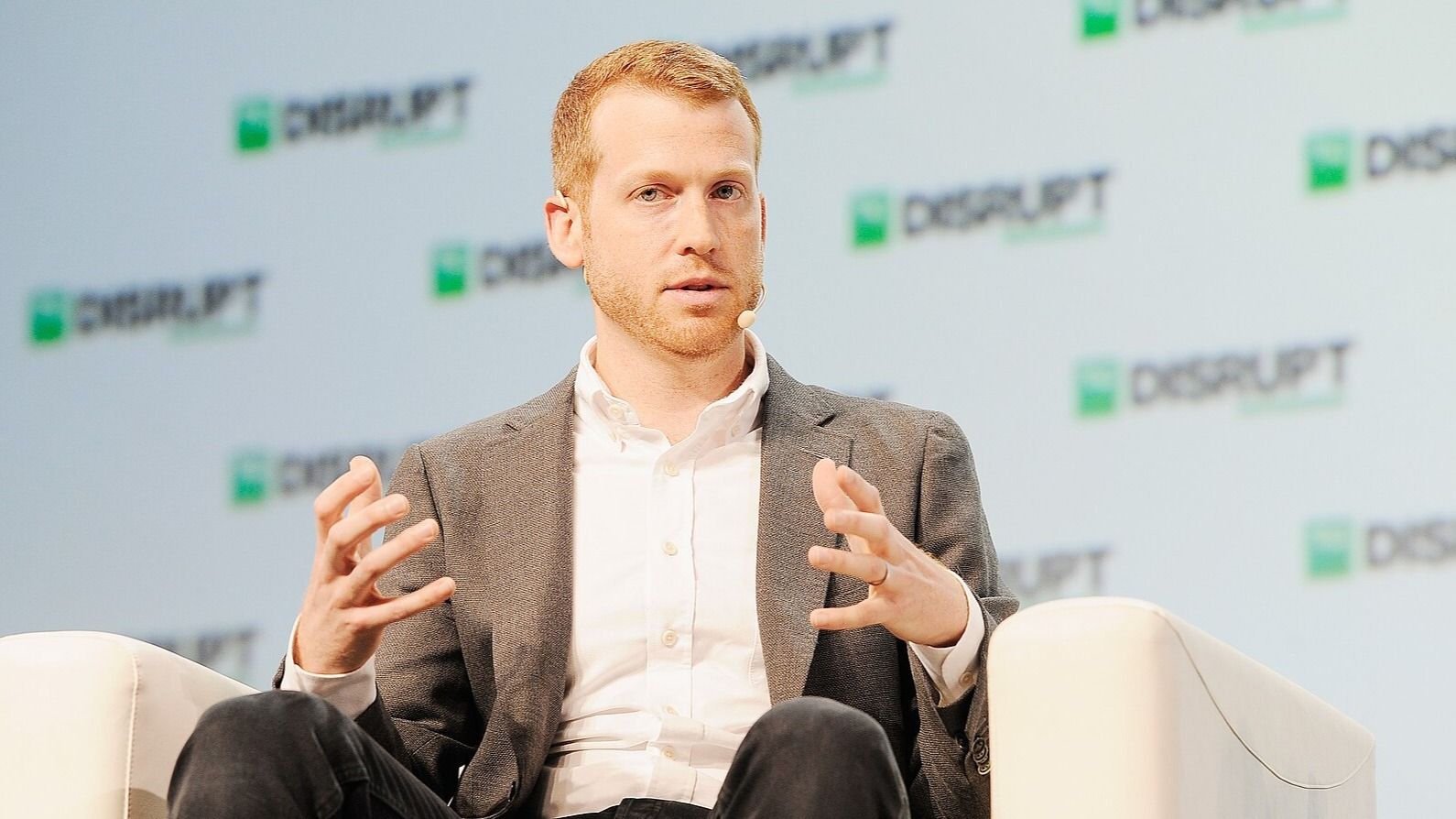
Image source: Wikimedia Commons / Techcrunch
The Rundown: Cruise founder Kyle Vogt’s new stealth venture, The Bot Company, is in talks to raise about $250M at a valuation above $4B, reports Bloomberg. The startup is building a non-humanoid home robot to tackle household chores.
The details:
Co-founded with former Tesla AI lead Paril Jain and ex-Cruise engineer Luke Holoubek, the company is still pre-product and pre-revenue.
The new round would double its valuation from a Greenoaks-led deal earlier this year that valued it near $2B.
The Bot Company, based in San Francisco, launched months after Vogt's messy exit from Cruise, the robotaxi startup acquired by GM.
The company's site promises "affordable robots" that handle boring household tasks, a clear signal they're going after consumers, not factories or warehouses.
Why it matters: Vogt's betting investors will fork over billions for a robot that doesn't officially exist yet — a sign the home robotics hype cycle is alive and well as Figure ramps up and NEO starts to ship next year. No word yet on when we'll see an actual product or what it looks like, but Vogt is hoping to deliver where Cruise stumbled.
UNIST
💪 Tiny artificial muscle lifts 4K times its weight

Image source: Ideogram / The Rundown
The Rundown: South Korean researchers at UNIST built a tiny artificial muscle that switches from soft to rigid on command and lifts roughly 4K times its own weight. Think humanoid robots with Hulk-level strength in a featherweight package.
The details:
A sample weighing around 1.2 grams can hoist 5 kilograms — a new strength-to-weight record for soft actuators.
Embedded magnetic microparticles let researchers control it remotely while keeping it stretchy enough for fast, fluid motion.
The specs: up to 86% strain (double what human muscle manages) and a work density around 1,150 kJ/m³ — 30 times biological tissue.
It cracks the classic artificial muscle paradox: strong but stiff versus stretchy but weak. This does both.
Why it matters: If it scales beyond the lab, you're looking at humanoids that move like people but lift like machines — plus lighter prosthetics and exoskeletons that don't fight your body. For now, it's a proof of concept, but it's a promising path to ditching clunky motors for something that actually feels alive.
RESEARCH ROBOTICS
🌊 Ocean robots find climate's hidden problem

Image source: MBARI
The Rundown: A fleet of autonomous robots is quietly patrolling the deep ocean, turning it into a live sensor grid. And they just spotted trouble: marine heatwaves are breaking the biological pump that drags carbon from the surface into the abyss.
The details:
The robot floats are built and deployed by MBARI's research program, diving to 2K meters to sample oxygen, pH, and other vital signs in near real time.
They've revealed that warming ocean waters are stratifying into layers, essentially choking off nutrients that plankton need to survive and thrive.
Starved plankton means less photosynthesis at the surface, and less carbon getting locked away in the deep when those organisms die and sink.
These robot sentinels operate autonomously for years, surfacing periodically to beam data to satellites before diving back down.
Why it matters: The ocean absorbs roughly a quarter of human CO₂ emissions, but researchers say that if heatwaves keep undermining that biological carbon pump, we could lose one of our biggest climate buffers. These robots aren't just monitoring the problem; they're quantifying how fast it's unraveling.
QUICK HITS
📰 Everything else in robotics today
Uber is launching a robotaxi service in San Francisco in 2026 using Lucid Gravity SUVs equipped with Nuro’s self-driving system, putting it head-to-head with Waymo.
Samsung SDI is entering talks with robot makers to cushion the hit from U.S. tariffs and weaker EV demand by diversifying revenue beyond cars, Bloomberg reports.
iRobot says talks with its last potential buyer collapsed, worsening the post–Amazon deal fallout; the company has warned it could be forced to seek bankruptcy.
Foxconn announced that it will roll out humanoids on the production lines of its Houston plant that builds NVIDIA AI infrastructure systems.
Aurora is launching a second 600-mile driverless trucking route from Fort Worth to El Paso, Texas, just six months after its commercial debut.
Tethys Robotics raised $4M in pre-seed funding to scale its 35kg, 300‑meter-rated autonomous inspection drone aimed at offshore wind, energy, and search‑and‑rescue.
McGill engineers built a tiny, 2.7mm robotic bioprinter that 3D‑prints hydrogels onto vocal cords during surgery to precisely rebuild tissue and speed up voice recovery.
Beijing’s BAAI just taught Unitree’s 35kg G1 humanoid to tow a 1.4‑ton car across a flat lot, a balance‑and‑traction flex as much as a strength demo.
Starship snagged $50M in funding, topping $280M total, to push its sidewalk delivery bots beyond college campuses and European cities into major North American markets.
COMMUNITY
🎓 Highlights: News, Guides & Events
Read our last AI newsletter: Extropic's 10,000x AI energy breakthrough
Read our last Tech newsletter: Grokipedia is here, like it or not
Read our last Robotics newsletter: Nike's robotic sneaker
Today’s AI tool guide: Build apps using multiple agents in Cursor 2.0
RSVP to next workshop @ 4PM today: Build PPTs with Claude Skills
See you soon,
Rowan, Jennifer, and Joey—The Rundown’s editorial team
Extropic's 10,000x AI energy breakthrough
Read Online | Sign Up | Advertise

Good morning, AI enthusiasts. The numbers sound impossible: A 10,000x increase in energy efficiency to run AI models. The approach sounds even wilder: thermodynamic chips that use probability instead of processing.
With Extropic now shipping actual hardware to AI labs and promising a ‘0 to 1’ moment for computing, the industry's growing power crisis might have just found a solution.
Reminder: Our next live workshop is today at 4 PM EST! Learn how to build a Claude Skill to create professional, customized PowerPoint decks in minutes. RSVP here.
In today’s AI rundown:
Extropic's chip claims AI energy breakthrough
Cursor’s new coding model, 2.0 platform
Build apps using multiple agents in Cursor 2.0
Character AI blocks minors from conversations
4 new AI tools, community workflows, and more
LATEST DEVELOPMENTS
EXTROPIC
⚡️ Extropic's chip claims AI energy breakthrough

Image source: Extropic
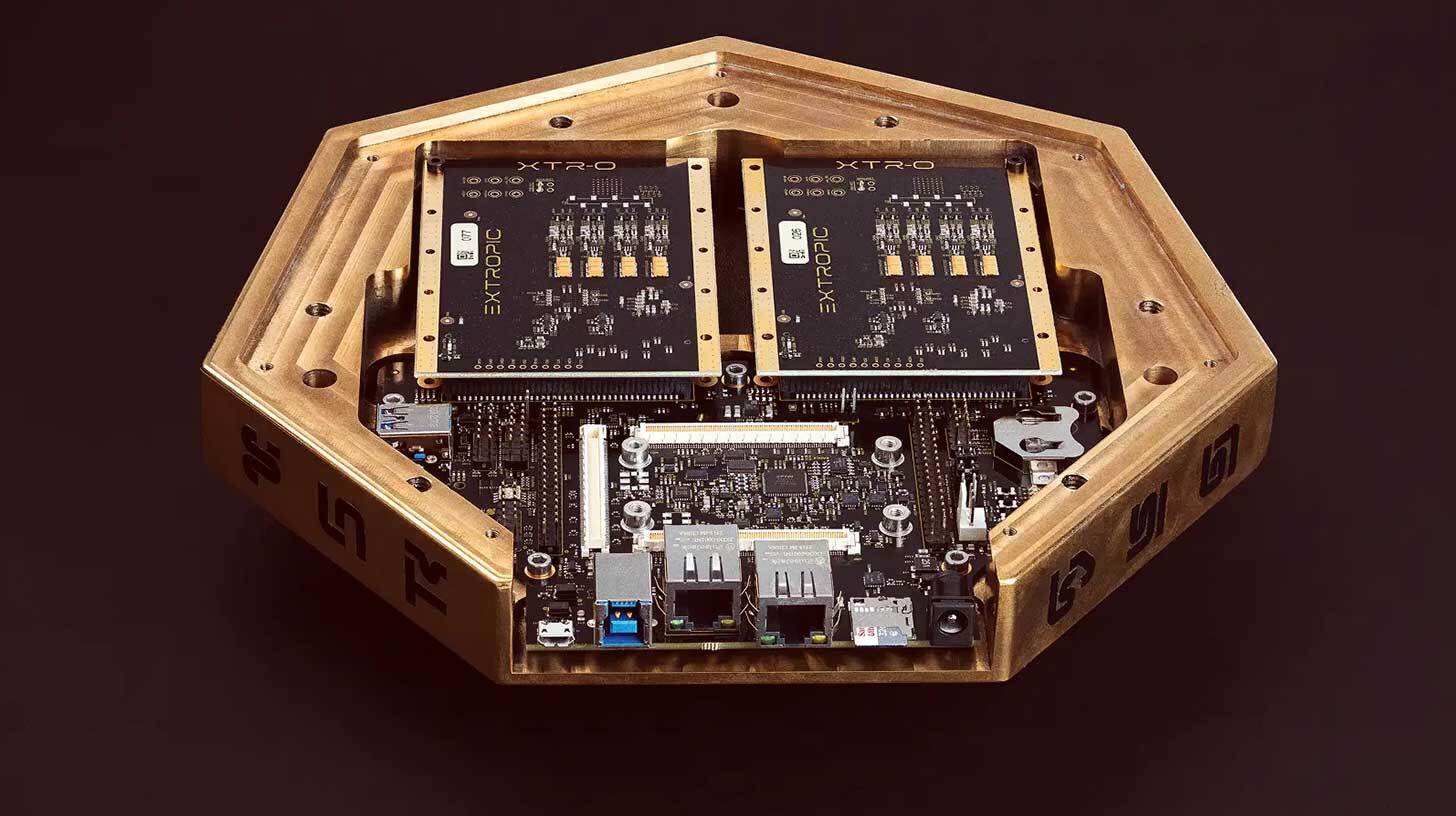
The Rundown: Extropic just introduced thermodynamic sampling units (TSU), a new chip architecture that handles probability calculations instead of traditional processing, claiming the hardware can run AI models using 10,000x less energy than current GPUs.
The details:
Instead of working step-by-step like traditional GPUs, Extropic's chips generate probable solutions directly, trading precision for lower energy use.
The startup shipped its first development kit to AI labs and weather companies, plus open-source tools for researchers to test the approach.
Extropic will ship its Z-1 chip next year, designed to run a new type of diffusion model that creates images and videos by removing noise over multiple steps.
Founded by former Google quantum researchers, Extropic believes that energy limits will cap AI progress unless the industry abandons its current chip designs.
Why it matters: Led by Guillaume Verdon (revealed as the popular @BasedBeffJezos on X), Extropic has been teasing a paradigm shift in AI hardware for years — and today looks like a first major (public) step towards that vision. Whether the tech translates to real-world, production-ready systems at scale will be the trillion-dollar question.
TOGETHER WITH HUBSPOT
🧠 100+ ChatGPT prompts to revolutionize your workflow

The Rundown: HubSpot’s free, comprehensive “How to Use ChatGPT at Work” guide provides 100+ ready-to-use prompts to help professionals boost efficiency and adopt AI-driven workflows.
Inside, you’ll find:
A quick crash course to master ChatGPT in under 30 minutes
Practical industry use cases to spark real-world inspiration
100+ prompts to streamline tasks and accelerate productivity
Expert tips to tackle common AI roadblocks with confidence
Get your free copy and join 10,000+ professionals leveling up with AI.
CURSOR
🚀 Cursor launches new coding model, 2.0 platform
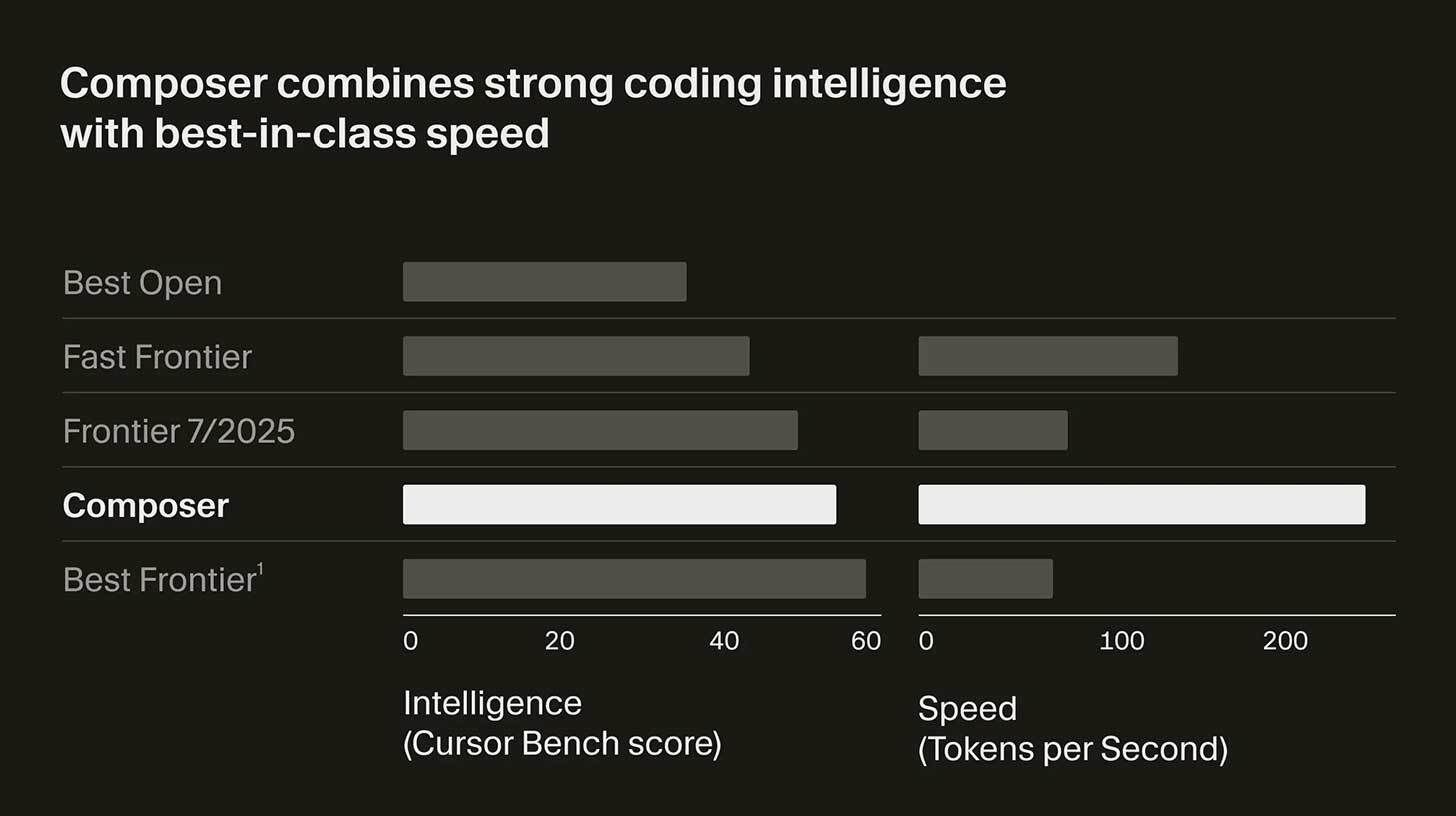
Image source: Cursor
The Rundown: Cursor just released Composer, the company’s first proprietary coding model that nears frontier capabilities with SOTA speed — alongside an overhauled 2.0 platform designed to run multiple AI agents simultaneously.
The details:
Composer achieves top-level intelligence while generating code roughly 4x faster than rival systems, completing most tasks in under 30 seconds.
The 2.0 platform release lets developers run up to eight AI assistants independently at the same time without interference.
Additional capabilities include integrated web browsing for documentation lookup, a native browser tool for testing, voice commands, and more.
Composer is Cursor’s first in-house model, marking the startup's first move away from relying exclusively on third-party AI coding systems.
Why it matters: Cursor is making a bold bet on how software development itself will evolve, designing for a future where engineers spend more time directing in a multi-agent space and reviewing work instead of directly in a code editor — shifting skillsets from pure coding ability to judgment, architecture decisions, and quality control.
AI TRAINING
🤖 Build apps using multiple agents in Cursor 2.0
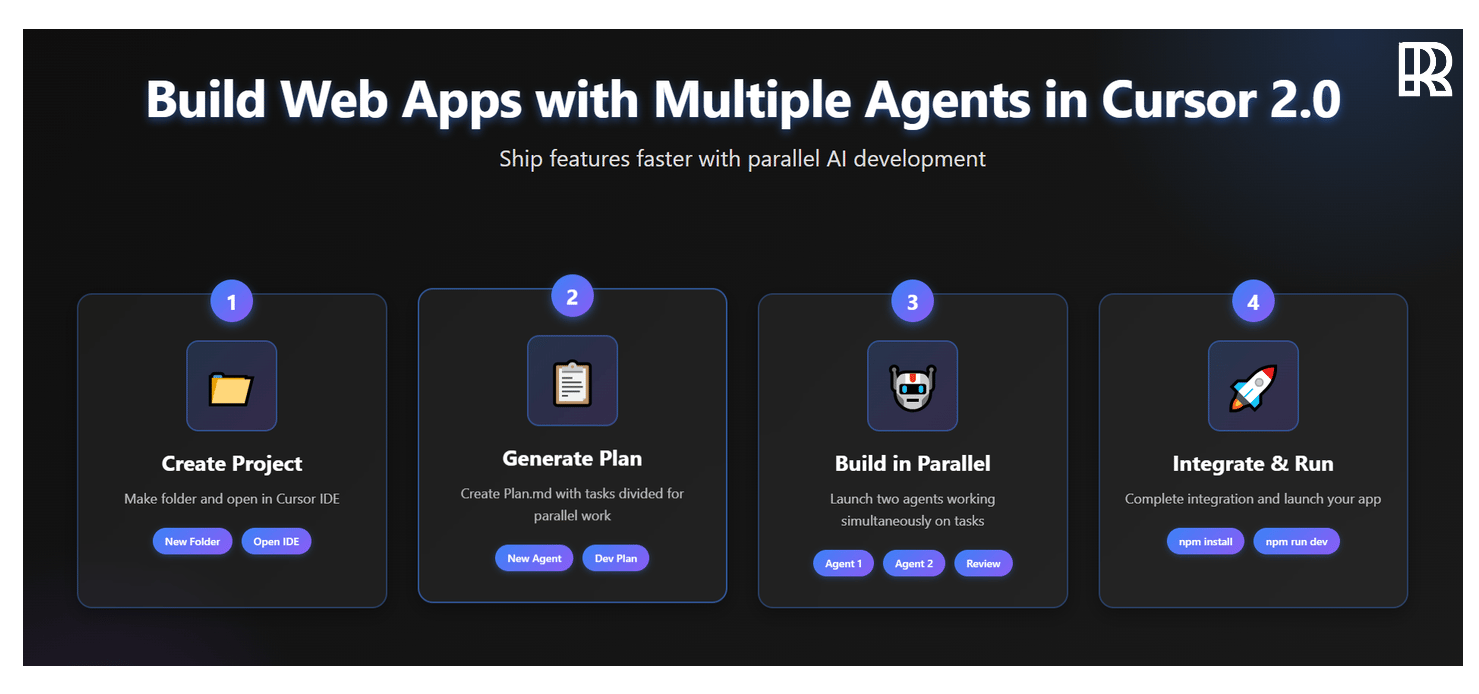
The Rundown: In this tutorial, you will learn how to use Cursor 2.0's new multi-agent feature to build web applications faster by having different AI agents work on separate parts of your project simultaneously.
Step-by-step:
Create a new folder named "todo-list-app", open the Cursor application, click "Open Project", and select your folder (or drag-drop it into the Cursor IDE)
Click "Agents" button, then "New Agent" and prompt: "Create a plan to build a To-Do app using Next.js as Plan.md. Divide tasks for two dev agents working in parallel, and include integration steps and README"
Accept Plan.md, then click "New Agent" twice - prompt first with "Start Dev 1 tasks from Plan.md" and second with "Start Dev 2 tasks from Plan.md", review and accept changes from both
Ask one agent: "Complete integration from Plan.md, update README with run instructions", then open terminal and run: npm install, followed by npm run dev
Visit http://localhost:3000 to see your complete To-Do app built by multiple AI agents working simultaneously
Pro tip: Use the Voice button on the prompt bar to give instructions hands-free. Just speak your prompt and end with the word "submit" to send it.
PRESENTED BY RECRAFT
💬 AI image generation meets intelligent conversation
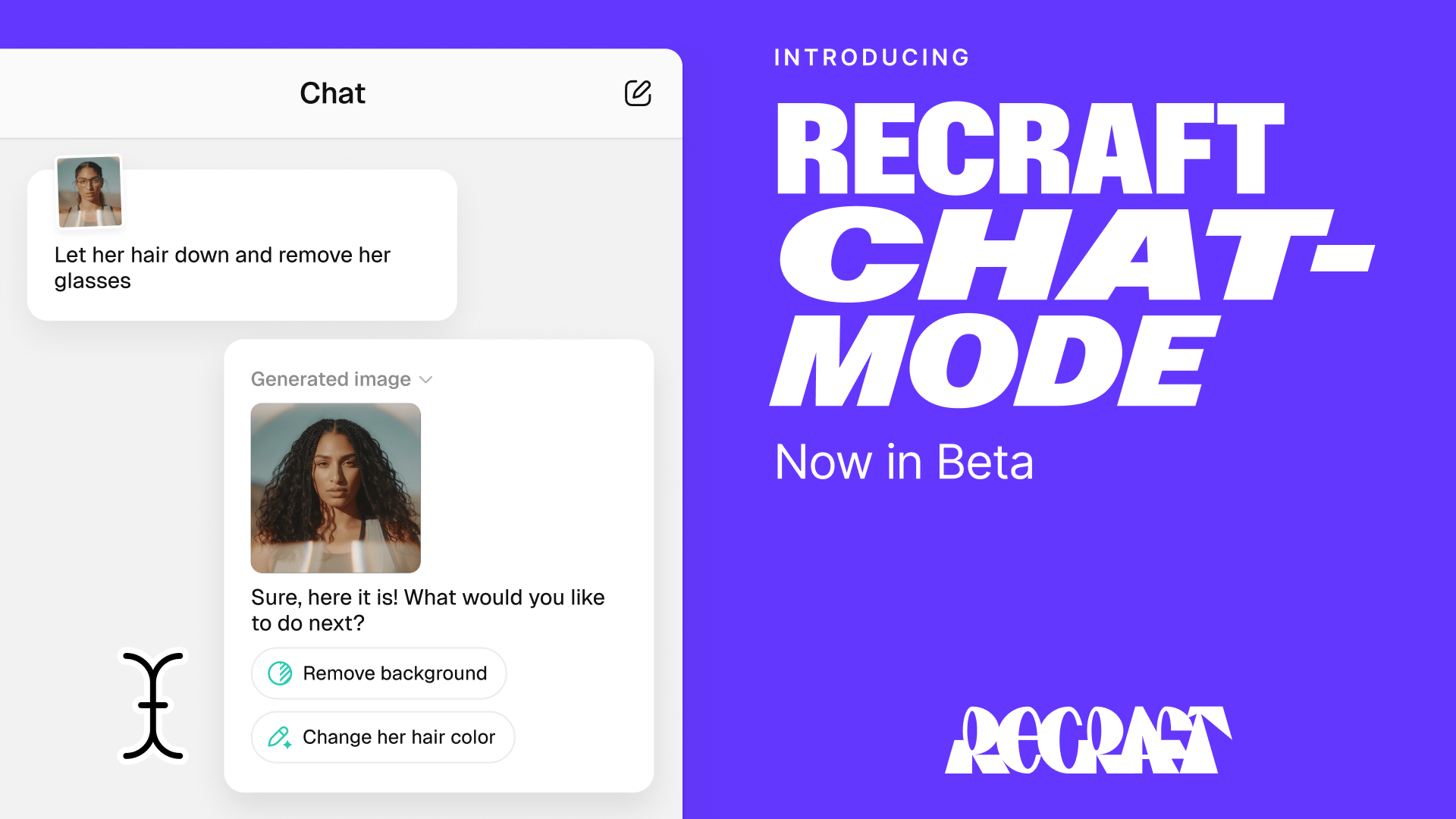
The Rundown: Recraft's new Chat Mode combines a chat panel with an infinite canvas, letting you generate and refine professional design assets through natural conversation—while maintaining full manual control when you need it.
With Chat Mode, you can:
Get contextual suggestions, prompt help, and discover capabilities as you work
Generate brand suites from logos or adapt existing designs in seconds
Maintain visual consistency with AI that understands your full creative context
Join the Beta waitlist for early access.
CHARACTER AI
❌ Character AI blocks minors from conversations
Image source: Character AI
The Rundown: Character AI announced it will prohibit anyone under 18 from having open-ended conversations with its AI chatbots starting in late November, coming after legal pressure from lawmakers and families who say the platform led to teen deaths.
The details:
Character AI will wrap up chatbot access for minors on Nov. 25, though teens can still use the platform to generate videos and images through creative tools.
The company will deploy in-house age detection tech that analyzes user behavior, prompting verification requests when it suspects an underage user.
Roughly 20M people use the service monthly, with fewer than 10% registered as minors — though the platform did not previously check ages during sign-up.
The overhaul follows the bipartisan GUARD Act proposed Tuesday that would fine companies up to $100,000 for failing to block minors from AI companions.
Why it matters: Character and OAI have been two of the most criticized companies over chatbot interactions with minors, and both have taken measures over the last week. With legal pressure only growing, age-gating may be the safest solution for everyone, though only time will tell how enforceable it truly is.
QUICK HITS
🛠️ Trending AI Tools
🗣️ Mozilla Data Collective - Community-built open speech datasets in 300+ languages*
⚙️ Composer - Cursor’s new fast agentic coding model
📣 Pomelli - Google Labs experiment for creating on-brand content with AI
🤖 Agent HQ - GitHub’s new ‘mission control’ for orchestrating AI agents
*Sponsored Listing
📰 Everything else in AI today
OpenAI released gpt-oss-safeguard, two open models that let devs set moderation rules and see how AI explains its decisions when classifying harmful content.
Google upgraded NotebookLM with new features, including a larger context window and memory, new customizable chat personas, and improved response quality.
TikTok introduced Smart Split and AI Outline, new AI tools to automatically convert longer videos into short-form clips and generate structured content outlines.
IBM released Granite 4.0 Nano, a family of compact language models ranging from 350M to 1.5B parameters designed for on-device use.
Grammarly announced a rebrand to Superhuman, launching a ‘Superhuman Go’ AI agent suite that works across apps to automate tasks like scheduling and research.
COMMUNITY
🤝 Community AI workflows
Every newsletter, we showcase how a reader is using AI to work smarter, save time, or make life easier.
Today’s workflow comes from reader Max S. in Las Vegas, NV:
"Currently, I'm using the Wispr app to speak-to-text this message. I love how it simultaneously fixes my grammar, as well as compresses my thoughts and puts them into concise, clear sentences. I've also recently been introduced to the ChatGPT Atlas browser, and it's been a game-changer in the way that I do research and integrate AI into everything I'm doing online. Efficiency is key."
How do you use AI? Tell us here.
🎓 Highlights: News, Guides & Events
Read our last AI newsletter: OpenAI, Microsoft renew their vows
Read our last Tech newsletter: Grokipedia is here, like it or not
Read our last Robotics newsletter: Nike's robotic sneaker
Today’s AI tool guide: Build apps using multiple agents in Cursor 2.0
RSVP to next workshop @ 4PM today: Build PPTs with Claude Skills
See you soon,
Rowan, Joey, Zach, Shubham, and Jennifer — the humans behind The Rundown
OpenAI, Microsoft renew their vows
Read Online | Sign Up | Advertise

Good morning, AI enthusiasts. The most controversial restructuring in tech history just crossed the finish line — and OpenAI's original nonprofit is now sitting on $130B in equity.
Coming alongside a renegotiated Microsoft deal that relieves some major tension on AI’s biggest partnership, has OpenAI finally built a structure that can actually survive the AGI race?
P.S. — We love all of the unique ways readers are leveraging AI across their work and lives! If you haven’t already, share your use case for a chance to be featured below.
In today’s AI rundown:
OpenAI’s corporate overhaul, revised Microsoft terms
Adobe goes big on AI for creatives at MAX
Edit AI video scenes and objects with Google Flow
Nvidia eyes $500B in chip sales amid partnership blitz
4 new AI tools, community workflows, and more
LATEST DEVELOPMENTS
OPENAI
🤝 OpenAI’s corporate overhaul, revised Microsoft terms
Image source: Microsoft
The Rundown: OpenAI just completed its controversial transition to a public benefit corporation, while also simultaneously renegotiating its Microsoft arrangement to address tensions surrounding AGI rights and ownership stakes.
The details:
The original nonprofit, rebranded as OpenAI Foundation, now holds $130B of equity and will direct $25B to health research and “AI resilience infrastructure.”
Microsoft's ownership drops from 32.5% to around 27% in the new entity, though its stake is now worth approximately $135B following recent funding.
An independent expert panel will verify any AGI claims going forward, with Microsoft now retaining tech rights through 2032 even after AGI arrives.
Microsoft and OAI can now pursue AGI with other partners; while OAI is committed to $250B in Azure purchases, it can shop for compute elsewhere.
Why it matters: OAI’s restructuring journey has been a bumpy road, but it appears the legal scrutiny behind the move is finally complete, creating what the company calls “one best-resourced philanthropic organizations ever.” The new Microsoft terms should also help thaw the frigid relationship between the AI leader and its biggest partner.
TOGETHER WITH COMPOSIO
⚡800 apps, zero tab switching

The Rundown: Rube turns your AI into a coworker that actually ships. Dump busywork like meeting notes, ticket creation, follow-ups, reports, and stay in flow while Rube handles it across 800 apps from Claude or Cursor.
With Rube, you can:
Add 800 tools via a single MCP node in n8n, agentkit, langflow, and lindy
Create scheduled automation workflows with custom triggers
Fork ready-made recipes from the growing community library
Skip auth wrestling with a Composio-powered platform that manages OAuth and enterprise SEO
ADOBE
🎨 Adobe goes big on AI for creatives at MAX
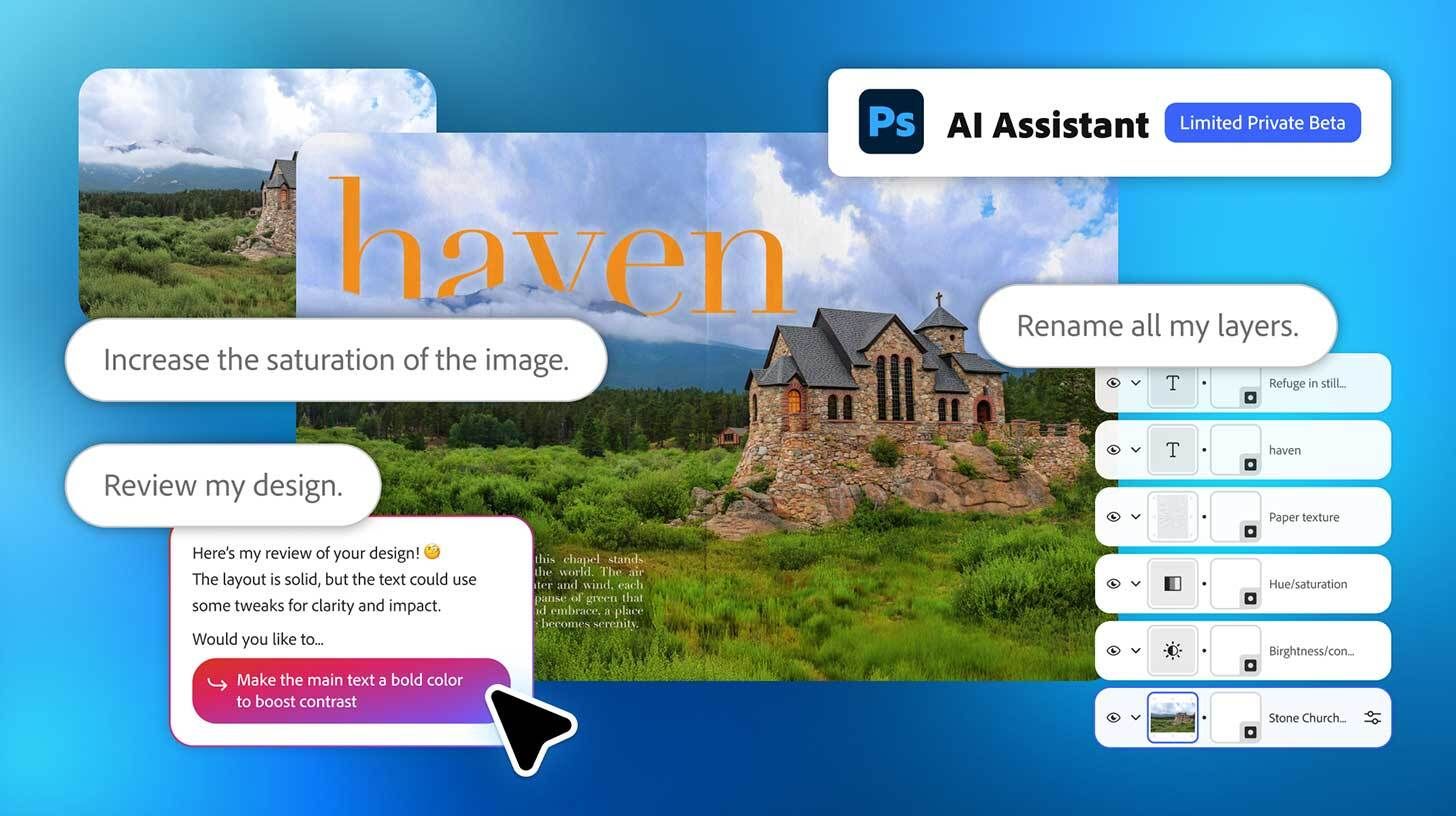
Image source: Adobe
The Rundown: Adobe introduced a wave of AI updates across its platforms at the its MAX conference, including conversational assistants, a new Firefly Image Model with upgraded features, broader access to third-party models, new video tools, and more.
The details:
AI assistants come to Photoshop and Express for image creation and editing, with Adobe also previewing an agentic assistant called “Project Moonlight.”
Firefly Image Model 5 arrives with "Prompt to Edit" for conversational editing, along with new video features like AI soundtracks, voiceovers, and editing tools.
Firefly will also allow for custom image models, allowing artists to personalize outputs using their own work for training.
New Google Cloud and YouTube partnerships bring Gemini, Veo, and Imagen into Adobe's ecosystem, with Premiere's editing tools heading to Shorts.
Why it matters: Adobe’s move to be an open layer on top of the industry’s top models is a strong path forward for the legacy creative giant. With the addition of assistants and coming agentic capabilities, Adobe can integrate the best features of current top standalone creative platforms into an already popular and familiar ecosystem of tools.
AI TRAINING
🎥 Edit AI video scenes and objects with Google Flow

The Rundown: In this tutorial, you will learn how to create and edit videos using Google Flow — adding objects, changing backgrounds, and extending scenes just by typing what you want to see.
Step-by-step:
Visit Flow, sign in, click "+ New Project" and change from "Text to Video" to "Ingredients to Video", and upload photos of your person and background
Prompt: "Using uploaded photos, create a video where I stop typing, look at the camera, saying 'Ready to collaborate? DM me!' Add soft upbeat music and keyboard clicks"
Click "Edit" on the output, select any area to modify (e.g., select the window), and prompt "Add no-smoking sign" or select the background to "Insert robot"
Click "Add to Scene", then "+" and "Extend" to add: "Robot moves out and person gives thumbs up to camera"
Review seamless transitions between clips, click the download icon on the timeline to export your complete edited video
Pro tip: Use this editing feature to add product logos and branding to demo videos, insert your products into lifestyle scenes for marketing content, or create training videos with on-screen annotations and visual aids.
PRESENTED BY LOVART
📶 Lovart levels up with Sora 2

The Rundown: Lovart’s AI Design Agent just got a major speed boost. Its new Fast Mode makes creation up to 80% faster while keeping output quality top-notch.
With Lovart, you can:
Auto-stitch 1 minute Sora 2 clips for effortless storytelling with notion, sound, and narrative flow.
Use Veo 3.1 to provide cinematic, ad-ready visuals that look straight from a studio.
Blend leading models like Nano Banana, Sora 2, and Veo 3.1 in one seamless place
Try Lovart today and experience the future of AI creation.
NVIDIA
💰 Nvidia eyes $500B in chip sales amid partnership blitz
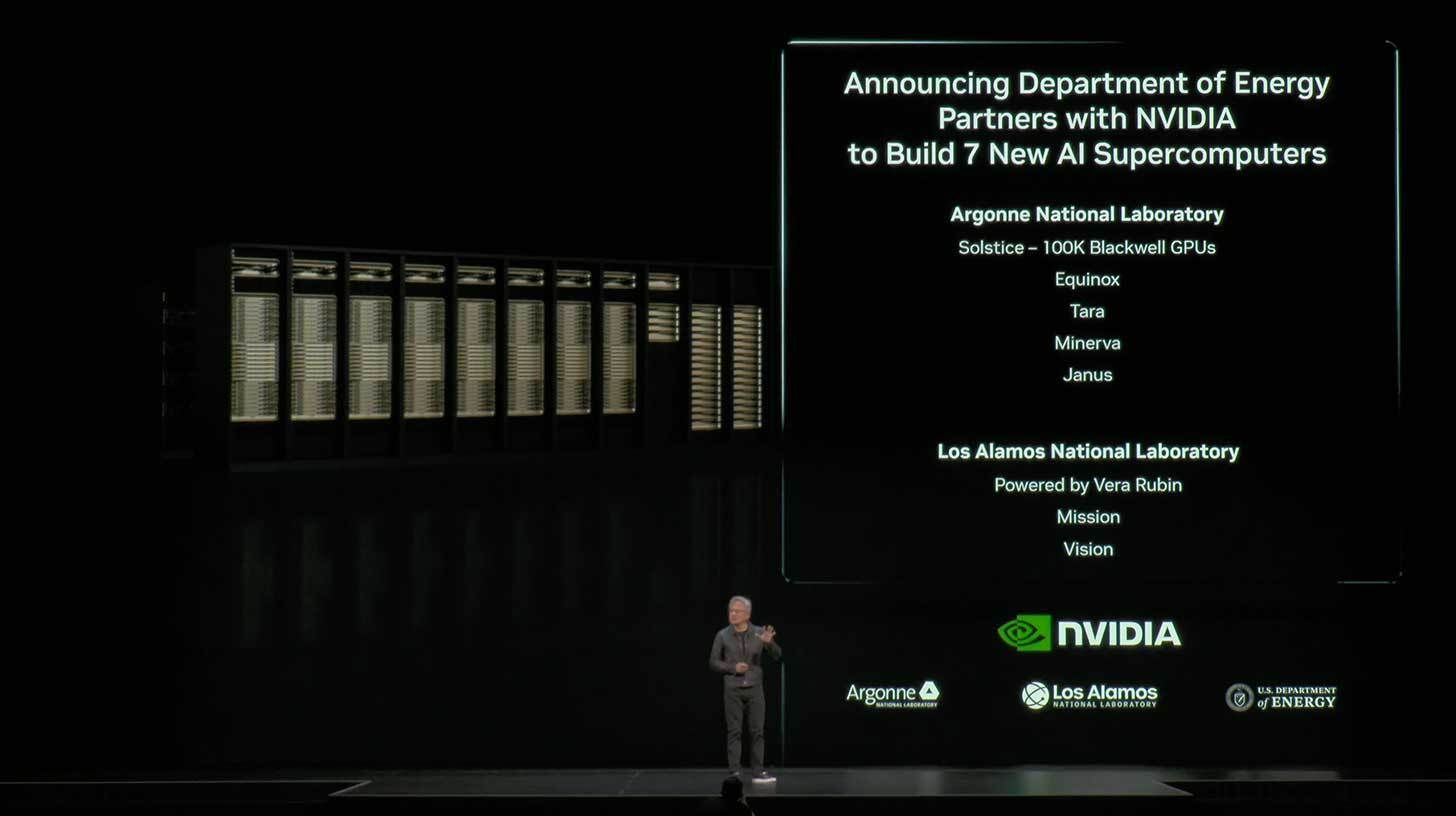
Image source: Nvidia
The Rundown: Nvidia CEO Jensen Huang just outlined projections for $500B in revenue from its Blackwell and Rubin chips through 2026, while also announcing new partnerships, models, investments, and more at the company's Washington D.C. event.
The details:
The U.S. Dept. of Energy is deploying seven supercomputers using over 100k Blackwell GPUs, all being manufactured domestically.
Nvidia released new open-source models across reasoning, physical AI, robotics, and biomedical research, along with massive open datasets.
New partnership announcements included Eli Lilly, Palantir, Hyundai, Samsung, and Uber, with Nvidia’s stock surging to a new all-time high on the news.
The company also announced a $1B investment in Nokia, as the telecom giant pivots to AI processing, aiming to redesign networks around AI connectivity.
Why it matters: There has been lots of talk of an AI bubble, but the leader of the AI chip revolution doesn’t agree — and has some eye-popping figures and developments to back it up. Despite many competitors trying to come for Jensen Huang’s crown, Nvidia’s reach continues to grow powerfully across every aspect of the AI boom.
QUICK HITS
🛠️ Trending AI Tools
⚙️ Kilo Code - Open source AI coding assistant for planning, building, and fixing code — use 400+ models with no rate limits or resets*
🎥 Hailuo 2.3 - MiniMax’s AI video model with upgraded realism and motion
💻 FlowithOS - Agents connecting knowledge, creation, and execution in one
📚 Grokipedia - xAI’s new AI-powered encyclopedia
*Sponsored Listing
📰 Everything else in AI today
xAI released Grokipedia, an AI-driven Wikipedia-style encyclopedia with 800K+ Grok-generated articles, and options to let users submit corrections with real-time AI edits.
OpenAI CEO Sam Altman revealed that the company is on track to achieve an “intern-level research assistant” by next year and a fully-automated AI researcher by 2028.
GitHub introduced Agent HQ, a platform that integrates coding agents from Anthropic, OAI, Google, Cognition, and xAI into existing workflows via a dashboard.
Amazon is cutting 14,000 corporate jobs to streamline operations, with CEO Andy Jassy previously attributing the coming reductions to AI and robotics efficiency gains.
Google released Pomelli, a new Labs experiment that designs AI marketing campaigns and content based on a brand’s website.
Flowith launched FlowithOS, an AI OS that achieves top scores across agentic web tasks, beating OpenAI’s Operator, ChatGPT Atlas, and Gemini 2.5 Computer Use.
COMMUNITY
🤝 Community AI workflows
Every newsletter, we showcase how a reader is using AI to work smarter, save time, or make life easier.
Today’s workflow comes from reader Bryan R. in York, PA:
"I created a GPT to help me manage a wetland restoration and land management project on my property. I track my native bird, mammal, insect, flower and plant populations to monitor ecological health and have that returned to me as a score. It then gives me recommendations on how to best manage the ecosystem in a natural way, optimized for my specific location. I have already established a small pollinator corridor that is already promising to grow into quite the show next spring."
How do you use AI? Tell us here.
🎓 Highlights: News, Guides & Events
Read our last AI newsletter: Anthropic’s Claude comes to Excel
Read our last Tech newsletter: Grokipedia is here, like it or not
Read our last Robotics newsletter: Nike’s robotic sneaker
Today’s AI tool guide: Edit AI video scenes instantly with Google Flow
RSVP to next workshop @ 4PM Thursday: Build PPT decks with Claude Skills
See you soon,
Rowan, Joey, Zach, Shubham, and Jennifer — the humans behind The Rundown
No matching search results
Try using different keywords, double-check your spelling, or explore related categories.
Stay Ahead on AI.
Join 2,000,000+ readers getting bite-size AI news updates straight to their inbox every morning with The Rundown AI newsletter. It's 100% free.