Get the latest AI news, understand why it matters, and learn how to apply it in your work — all in just 5 minutes a day. Join over 2,000,000+ subscribers.

DeepSeek returns with an IMO-crushing AI
Read Online | Sign Up | Advertise

Good morning, AI enthusiasts. The big whale is back — this time with an open-source reasoner that hits gold-medal performance on one of the world’s toughest math competitions.
But the real story is what it unlocks: frontier reasoning, once gated by proprietary labs, is now free for all. For the first time, anyone can own the brain of a world-class mathematician.
In today’s AI rundown:
DeepSeek’s new reasoner crushes IMO 2025
OpenAI’s API user data leaked in third-party breach
Create Instagram product shots with Nano Banana Pro
NVIDIA’s case for scale isn’t everything in AI
4 new AI tools, community workflows, and more
LATEST DEVELOPMENTS
DEEPSEEK
🤖 DeepSeek’s new reasoner crushes IMO 2025

Image source: Gemini / The Rundown
The Rundown: DeepSeek just released DeepSeek-Math-V2, an open-source MoE model that achieves gold-medal performance at IMO 2025, democratizing “research-level” mathematical reasoning that was previously locked behind proprietary walls.
The details:
The model scored 118/120 on the 2024 Putnam competition (beating the top human score) and solved 5 of 6 IMO 2025 problems, hitting the gold standard.
On IMO ProofBench, it hit 61.9%, nearly matching Google’s specialized Gemini Deep Think that won IMO gold and crushing GPT-5, which scored only 20%.
Math-V2 uses a generator-verifier system where one model proposes a proof and another critiques it — instead of rewarding final answers only.
The verifier assigns confidence scores to steps, forcing the generator to refine weak logic and ensuring step-by-step self-debugging of reasoning.
Why it matters: By open-sourcing a model that rivals Google’s internal heavyweight, DeepSeek has broken the monopoly on frontier mathematical reasoning, providing the community with a blueprint to build agents that debug their own thought processes. This can be a game-changer in domains like engineering, where mistakes are costly.
TOGETHER WITH BLAND
📞 There’s an AI company without churn?

The Rundown: In San Francisco, there’s an AI company who’s making inbound voice agents that sound human, run 24/7, and are so good that they deliver 127% net revenue retention.
If you call it yourself, you’ll be able to:
Have Bland role-play any use case
Experience the lowest latency on the planet (<500ms)
Have a phone call that you actually enjoy
For Black Friday, Bland is offering to create your enterprise a custom agent for free so you can validate the quality before you commit.
OPENAI
‼️ OpenAI’s API user data leaked in third-party breach

Image source: Gemini / The Rundown
The Rundown: OpenAI just revealed that its analytics vendor Mixpanel suffered a security incident, with an attacker exporting some of its API users’ profile information — although no chat data, API keys, payment details, or credentials were compromised.
The details:
The breach occurred on November 9, covering Mixpanel’s systems that provided web analytics on the frontend interface of OpenAI’s API product.
The data the attacker exported included profile information associated with the API product, such as names, emails, locations (city/state), and device details.
OpenAI confirmed that users of ChatGPT and other products were not impacted, and no chat, API data, credentials, or payment details were leaked.
It removed Mixpanel and is notifying affected users directly, while urging vigilance against potential phishing attempts that could use the leaked data.
Why it matters: While OpenAI’s defenses held, this incident serves as a stark reminder of the security risks third-party partners can introduce. For affected API users, the immediate danger isn’t account compromise but rather social engineering, where attackers may use the leaked emails to create even more trouble.
AI TRAINING
🖼️ Create Instagram product shots with Nano Banana Pro
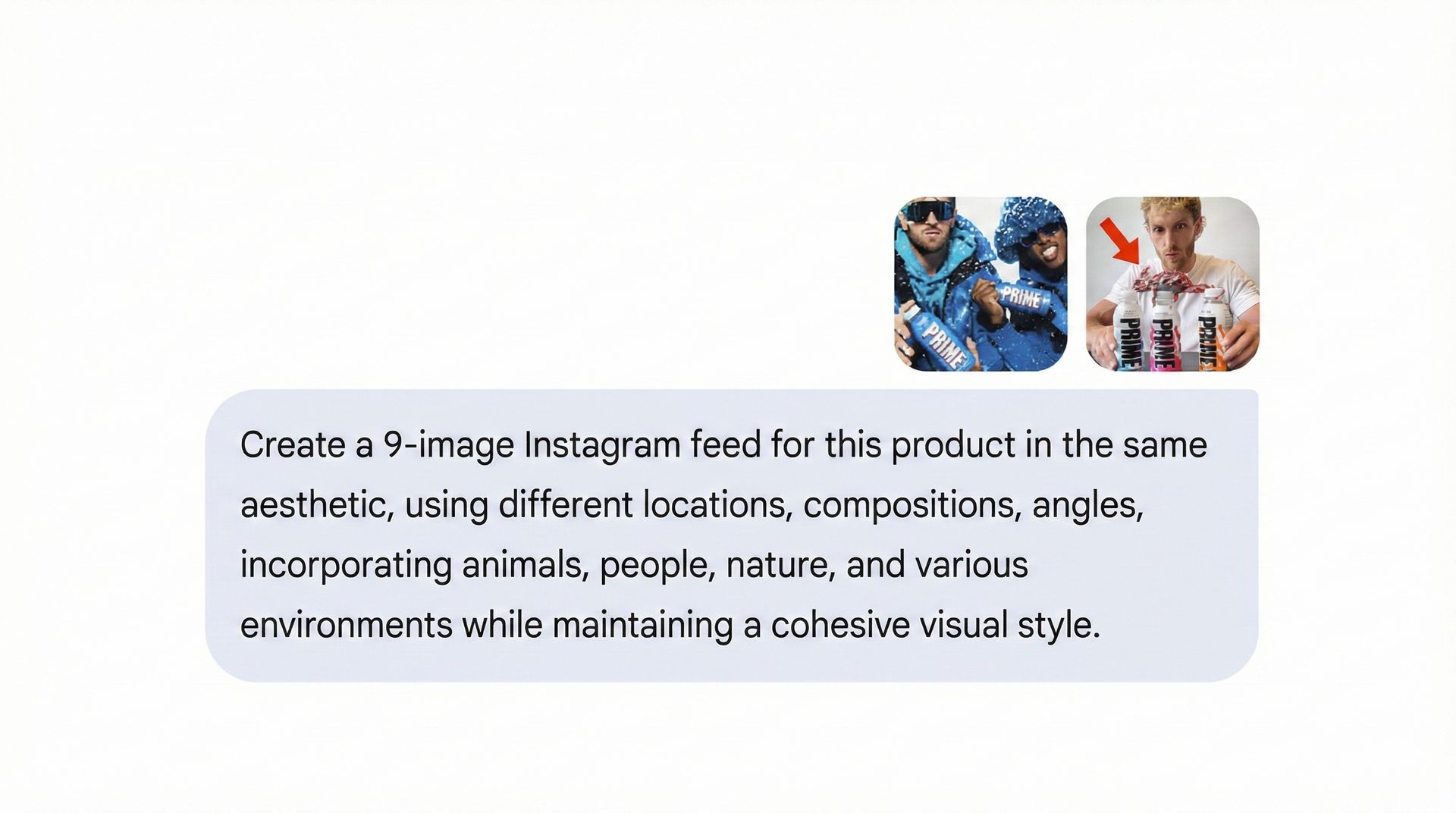
The Rundown: In this tutorial, you’ll learn how to use Nano Banana Pro to generate a full 9-image Instagram feed from just one inspiration photo, turning your product shots into cohesive, high-quality visuals for social media campaigns.
Step-by-step:
Go to Gemini → Tools → Create Images, ensure Pro mode is enabled, and upload an inspiration image that reflects your desired style or aesthetic
Upload your product image, describe it, then prompt with: “Create a 9-image Instagram feed for this product with varied angles, people, and environments”
Click Submit to generate your 9-image grid. Review results and, if needed, ask Nano Banana to regenerate or isolate specific shots
Download your favorite visuals and post them directly to Instagram, TikTok, or your brand’s storefront for an instant, consistent feed
Pro tip: The more specific and visually aligned your examples are, the better the AI matches your desired aesthetic.
PRESENTED BY YOU.COM
🧠 Tinkering with prompts can only get you so far
The Rundown: Most companies get stuck tinkering with prompts and wonder why their agents fail to deliver dependable results. This guide from You.com breaks down the evolution of agent management, revealing the five stages for building a successful AI agent and why most organizations haven’t gotten there yet.
In this guide, you’ll learn:
Why prompts alone aren’t enough and how context and metadata unlock reliable agent automation
Four essential ways to calculate ROI, plus when and how to use each metric
Real-world challenges at each stage of agent management and how to avoid them
If you’re ready to go beyond the prompt, this is the playbook for you.
AI RESEARCH
📈 NVIDIA’s case for scale isn’t everything in AI
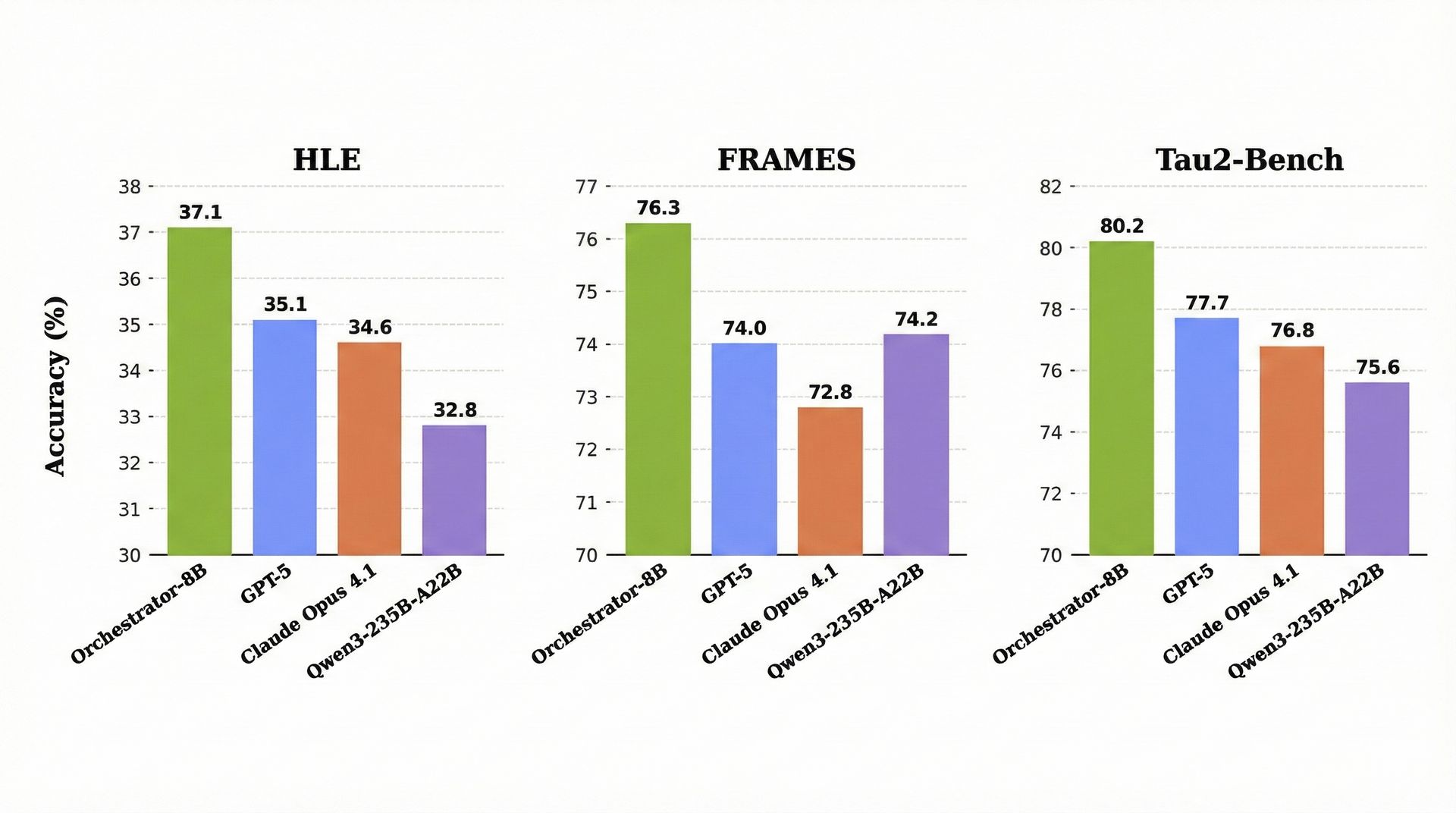
Image source: NVIDIA
The Rundown: NVIDIA and the University of Hong Kong published a paper suggesting that the future of AI might not come from scaling but from smarter orchestration, with their new tool training small models that can surpass frontier AI at a fraction of the cost.
The details:
ToolOrchestra trains an “orchestrator” model that decides when to reason internally and when to call specialized tools and models, based on the task.
An 8B model trained with the system surpassed GPT-5 and Claude Opus 4.1 on Humanity’s Last Exam, scoring 37.1% while being 2.5x more efficient and faster.
Even when tested with unseen tools, the orchestrator adapted well — showing its ability to work with changing toolsets and pricing structures.
Prior agents overused the strongest (and most expensive) tools and models, but ToolOrchestra avoided this by orchestrating targeted model and tool usage.
Why it matters: In line with Ilya Sutskever’s recent comments, ToolOrchestra challenges the “bigger is better” ideology. Instead of one giant system, NVIDIA shows how small models coordinating tools may be the path forward. If orchestration beats scaling, the smartest model/tool conductor will be the next big AI breakthrough.
QUICK HITS
🛠️ Trending AI Tools
🤳 Perplexity - AI answer engine, now with virtual try-on for shopping
🧠 Math V2 - DeepSeek’s open-source mathematical reasoning model
🤖 Stories - Character AI’s interactive experience for kids
🎆 FLUX.2 - Black Forest Labs’ new visual intelligence model
📰 Everything else in AI today
Jeff Bezos’ new stealth AI venture, "Project Prometheus," quietly acquired General Agents, an agentic computing startup, Wired reports.
OpenAI lost a key discovery ruling, forcing it to hand over internal communications about why it deleted two datasets of allegedly pirated books, boosting authors’ chances of proving willful copyright infringement.
Perplexity launched persistent memory, enabling the assistant to remember user preferences, interests, and conversations for valuable context on relevant tasks.
Perplexity also updated its email assistant to work across multiple calendars at once, currently available for Gmail and Outlook.
Cohere expanded its partnership with SAP, taking its agentic AI platform, North, to SAP’s Cloud infrastructure and Business Technology Platform.
Alibaba released Quark AI Glasses, a smart eyewear line powered by its in‑house Qwen LLMs and Quark assistant, in China — with prices starting at 1,899 yuan ($268).
COMMUNITY
🤝 Community AI workflows
Every newsletter, we showcase how a reader is using AI to work smarter, save time, or make life easier.
Today’s workflow comes from reader Allen W. in Santa Barbara, CA:
“I'm a songwriter trained in traditional folk music. I write songs, and then ChatGPT helps me translate them into indie folk. I give it the lyrics and ask how an indie folk songwriter would write these lyrics. ChatGPT wants to do everything, like determine chord structure, tempo, etc., but I keep it only on the lyrics.”
How do you use AI? Tell us here.
🎓 Highlights: News, Guides & Events
Read our last AI newsletter: Karpathy’s advice for the AI classroom
Read our last Tech newsletter: This device wiretaps your 'second brain'
Read our last Robotics newsletter: Figure sued over 'skull-crushing' force
Today’s AI tool guide: Use Nano Banana Pro to create product shots for Instagram
See you soon,
Rowan, Joey, Zach, Shubham, and Jennifer—the humans behind The Rundown


Karpathy's advice for the AI classroom
Read Online | Sign Up | Advertise

Good morning, AI enthusiasts. Teachers have been fighting a losing battle against AI-generated work — and one of the field's leading voices says it's time to give up.
Former OpenAI researcher Andrej Karpathy called AI detection tools “doomed to fail,” calling for the education system to rethink how grading and testing are handled in a world where students all have the technology at their fingertips.
In today’s AI rundown:
Karpathy urges schools to ditch AI homework detection
Harvard AI pinpoints disease-causing DNA mutations
Turn any UI into a landing page with Gemini 3 Pro
MIT index exposes hidden AI iceberg hitting workforce
4 new AI tools, community workflows, and more
LATEST DEVELOPMENTS
AI & EDUCATION
📚 Karpathy urges schools to ditch AI homework detection

Image source: Gemini / The Rundown
The Rundown: Former OpenAI researcher Andrej Karpathy just urged educators to abandon efforts to catch AI-generated homework, arguing detection tools are broken, and that grading needs to shift back into the classroom in the AI age.
The details:
Karpathy said educators will “never be able to detect” the use of AI in homework, and that detectors “don’t work” and are “doomed to fail”.
He cited Google’s Nano Banana Pro, showcasing how it can complete exam problems correctly while mimicking students’ handwriting.
Karpathy proposed moving graded work to in-school settings over take-home assignments, while embracing AI as a learning companion outside of school.
He said education’s goal in the AI age should be for students to be “proficient in the use of AI” but also able to “exist without it”.
Why it matters: AI has accelerated much faster than schools can prepare for, turning the entire education system on its head without a clear roadmap for how to navigate the changes. With mixed opinions of the tech and implementations varying massively, it’s going to take a major effort to rewire schools for a generation growing up with AI.
TOGETHER WITH GLEAN
💡 Become an Agent of Change at Glean: LIVE

The Rundown: Join Glean’s flagship virtual launch event to meet the AI agents changing the future of work – and the people behind them. Hear from world-class AI researchers, business leaders, and engineers to see how agentic AI is driving a new wave of productivity and collaboration.
Register for Glean: LIVE December ‘25 to:
Hear research-backed insights on what’s improving how people lead and work with AI
Meet a new kind of AI agent and see product demos of the tech powering the next era
Explore AI opportunities that empower leaders and builders to change work for the better
Learn best practices for change management as people, agents, and processes evolve
HARVARD UNIVERSITY
🧬 Harvard AI pinpoints disease-causing DNA mutations
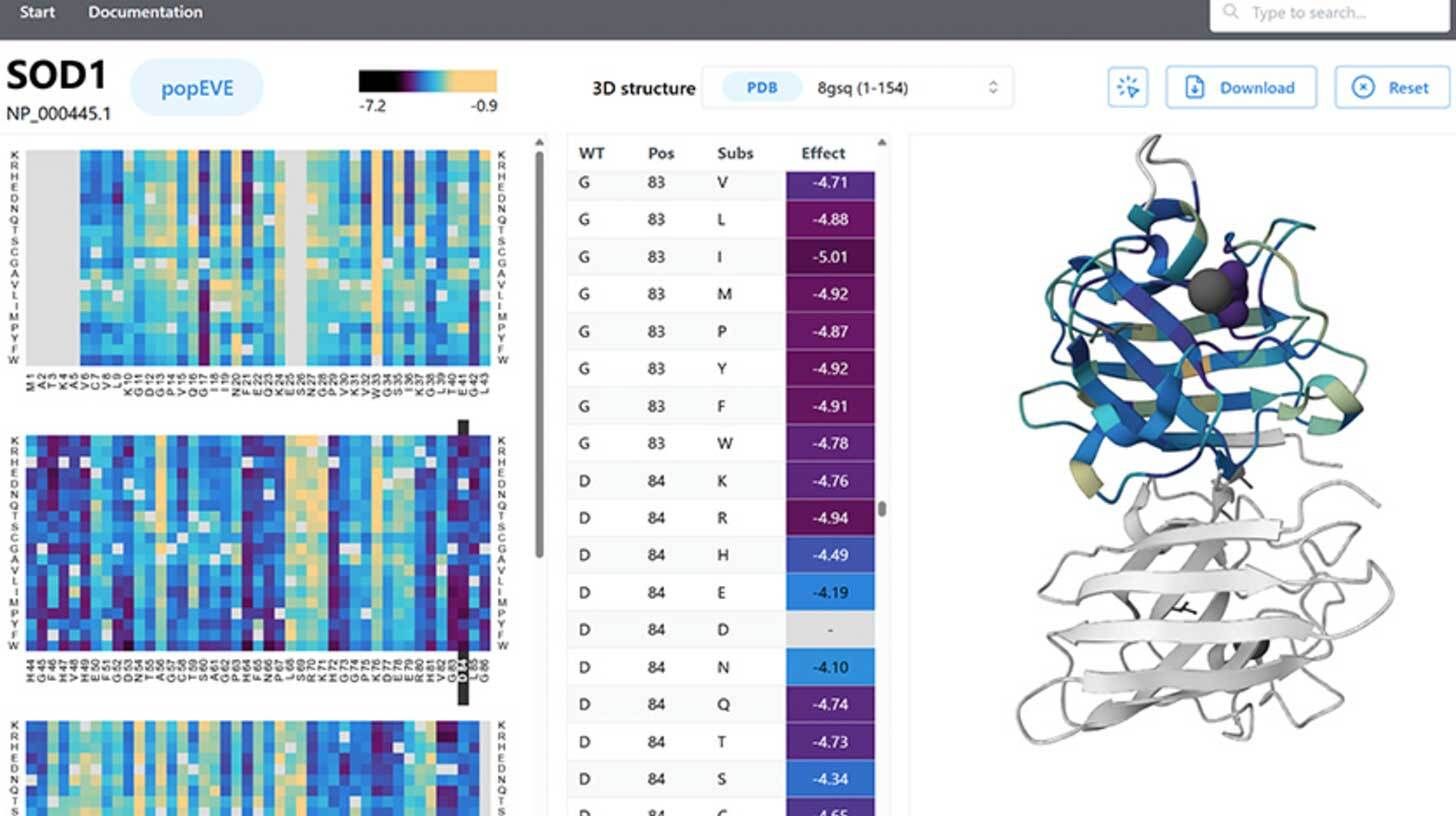
Image source: Harvard Medical School
The Rundown: Harvard Medical School introduced popEVE, a new AI genetic analysis tool that can rank harmful DNA variants across a patient’s entire genome — outperforming DeepMind’s AlphaMissense and significantly cutting false positives.
The details:
PopEVE analyzes mutation patterns across hundreds of thousands of species and then calibrates the results against databases of healthy human genomes.
Researchers applied the model to 31,000 children with severe developmental disorders, solving roughly one-third of cases that had gone undiagnosed.
The analysis flagged over 120 genes with no prior connection to the conditions, two dozen of which outside teams have since verified.
DeepMind's AlphaMissense flags 44% of people as carrying dangerous variants, popEVE drops that figure to 11% after reducing false positives.
Why it matters: There is still so much to be learned about our genome and the causes of rare genetic conditions, and models like PopEVE are coming to crack the code — expanding scientific understanding by surfacing genes no one knew to look for, and getting real diagnoses to families who've spent years without answers.
AI TRAINING
🚀 Turn any UI into a landing page with Gemini 3 Pro

The Rundown: In this tutorial, you will learn how to use Gemini 3 Pro to study any UI design from video and turn it into a fully working landing page, complete with animations, interactions, and polished layouts that don't look AI-generated.
Step-by-step:
Find UI inspiration on Dribbble, Behance, or any live SaaS site, then download a screen recording of the scrolling page (not just a static screenshot)
Upload the video to Gemini 3 Pro (thinking mode on) and prompt: "Study this video and write a detailed prompt describing the UI in depth—layout, colors, typography, animations—then turn it into instructions for a developer"
Ask Gemini to convert the analysis into markdown format for a clean handover document, then copy the full prompt into a new Gemini chat
Adapt the prompt to your product (swap company name, concept) and add: "Create a high-fidelity interactive landing page based on this design spec and show me a live preview"—then iterate on colors, sections, or animations before exporting to Cursor, Bolt, or Replit for deployment
Pro Tip: Gemini 3.0 is great at analyzing videos for animations and UI specs and turning them into functional landing pages and websites.
PRESENTED BY YOU.COM
📊 Stop guessing and prove AI ROI
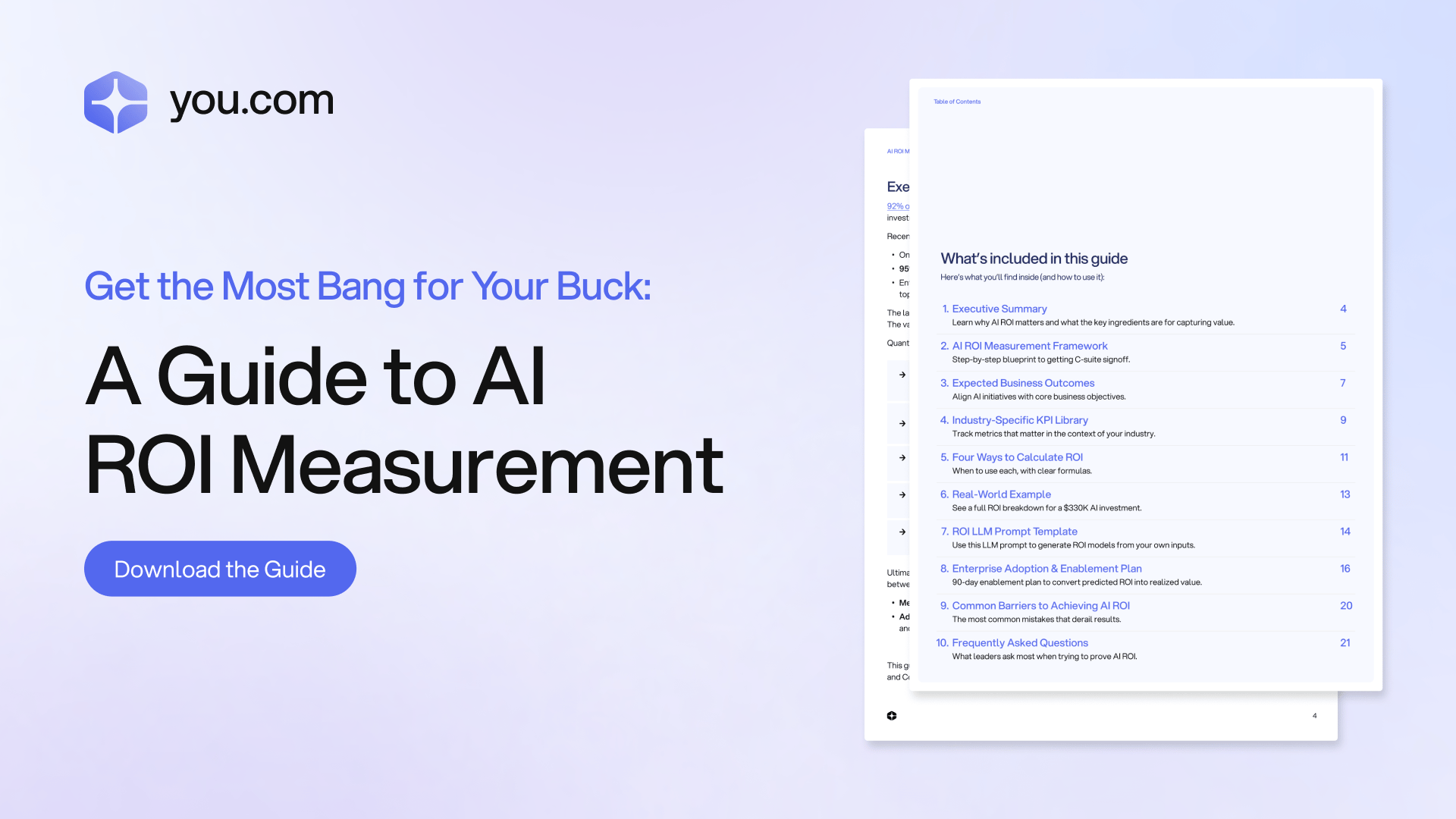
The Rundown: AI spend is rising, but most leaders can't measure return on investment. This comprehensive guide from You.com provides a step-by-step framework to measure, model, and maximize AI impact.
What's inside:
A practical framework for measuring and proving AI’s business value
Four ways to calculate ROI, plus when and how to use each metric
A You.com tested LLM prompt to create your own interactive ROI calculator
AI RESEARCH
🧊 MIT index exposes hidden AI iceberg hitting workforce
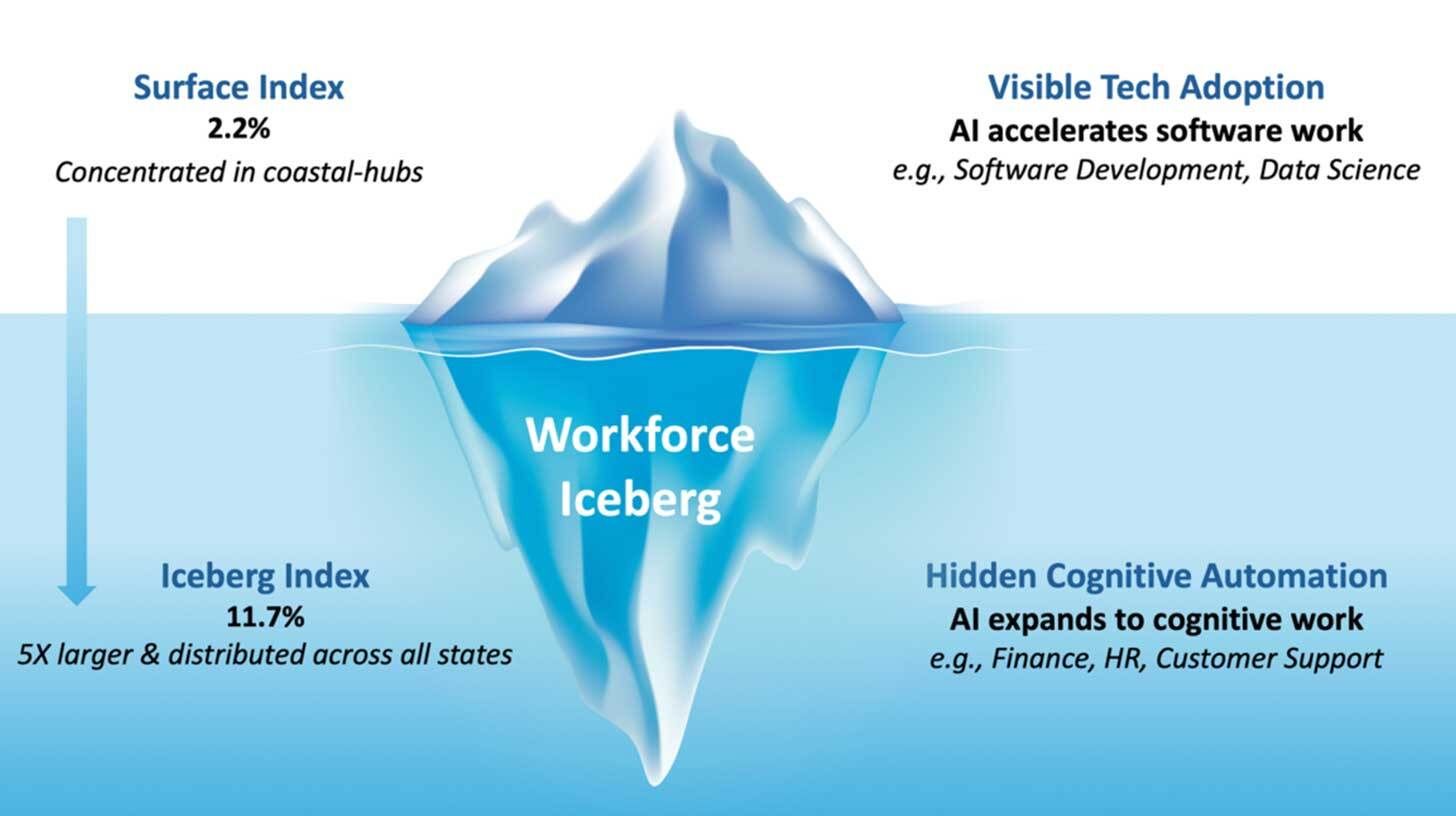
Image source: MIT
The Rundown: MIT just published a study on AI’s impact on the workforce using its ‘Iceberg Index’, a labor simulation that shows AI can handle tasks worth 11.7% of U.S. wages — a number that expands beyond the layoffs visible in the headlines.
The details:
The Iceberg Index models 151M American workers across 32,000 skills, showing where AI capabilities overlap with human job functions.
Tech layoffs represent just 2.2% of total wage exposure (around $211B), while AI’s hidden automation potential in admin and finance is as high as $1.2T.
Manufacturing states registering little tech-sector impact face the widest gaps, with roles like HR, logistics, and finance showing nearly 10x the exposure risk.
States including Tennessee, North Carolina, and Utah are already testing workforce policy scenarios on the platform before allocating real budgets.
Why it matters: Most AI workforce coverage focuses on tech industry layoffs, but this index suggests the larger exposure may sit in office and professional roles spread across every state, not just Silicon Valley — meaning the job displacement problem that many are already warning about could be a lot bigger than was already estimated.
QUICK HITS
🛠️ Trending AI Tools
🤖 Claude Opus 4.5 - Anthropic’s new benchmark-topping frontier model
🍌 Nano Banana Pro - Google’s new image AI with improved text rendering
🏆 Gemini 3 - Google’s new top-ranked AI model
🎆 FLUX.2 - Black Forest Labs’ new visual intelligence model
📰 Everything else in AI today
OpenAI introduced Voice Mode directly within ChatGPT’s chat threads, allowing users to leverage the feature in conversations without an entirely separate mode.
Character AI rolled out Stories, an interactive AI choose-your-own-adventure experience, designed to craft safe formats for teens.
Anthropic CEO Dario Amodei is being called to testify at a House of Representatives hearing about the company’s discovery of an AI cyberattack that used Claude Code.
OpenAI projects ChatGPT will reach 220M paid subscribers by 2030, which would place it among the world's largest subscription totals alongside Netflix and Spotify.
Perplexity launched a new virtual try-on feature alongside an updated shopping experience, allowing users to view clothing on a virtual avatar of themselves.
HP announced that the company is restructuring and cutting 4,000-6,000 jobs due to the industrywide AI shift, expecting to generate $1B in savings by 2028.
COMMUNITY
🤝 Community AI workflows
Every newsletter, we showcase how a reader is using AI to work smarter, save time, or make life easier.
Today’s workflow comes from reader Kurtis T. in Northland, New Zealand:
"I’m a creative while I am at home and not an engineer. I tend to busy myself with multiple side projects around the house. I use ChatGPT 5.1 to manage different projects, whether it be my food gardens, brand design, or training programs.
Utilizing the projects setting, I am able to file separate projects and add resource files from various places to that specific project, giving that conversation more specific reference points. Everything is organized and in its right spot, and I can simply go back into that project and kick it back off as if I had not left."
How do you use AI? Tell us here.
🎓 Highlights: News, Guides & Events
Read our last AI newsletter: Ilya Sutskever breaks silence on AI’s future
Read our last Tech newsletter: This device wiretaps your ‘second brain’
Read our last Robotics newsletter: Figure sued over ‘skull-crushing’ force
Today’s AI tool guide: Turn any UI into a landing page with Gemini 3 Pro
See you soon,
Rowan, Joey, Zach, Shubham, and Jennifer — the humans behind The Rundown
Ilya Sutskever breaks silence on AI's future
Read Online | Sign Up | Advertise

Good morning, AI enthusiasts. The AI industry is betting hundreds of billions on one idea: more compute equals smarter AI.
But the man who helped build ChatGPT says that era is ending. OpenAI co-founder Ilya Sutskever just broke his silence in a rare interview — sharing his take on ASI timelines, his secretive startup, and why research will drive the next AI leap.
In today’s AI rundown:
Ilya Sutskever says AI's 'age of scaling' is ending
Black Forest Labs’ Flux.2 image generation suite
Use ChatGPT shopping research to find best deals
Anthropic: AI could double U.S. productivity growth
4 new AI tools, community workflows, and more
LATEST DEVELOPMENTS
ILYA SUTSKEVER
🧠 Ilya Sutskever says AI's 'age of scaling' is ending
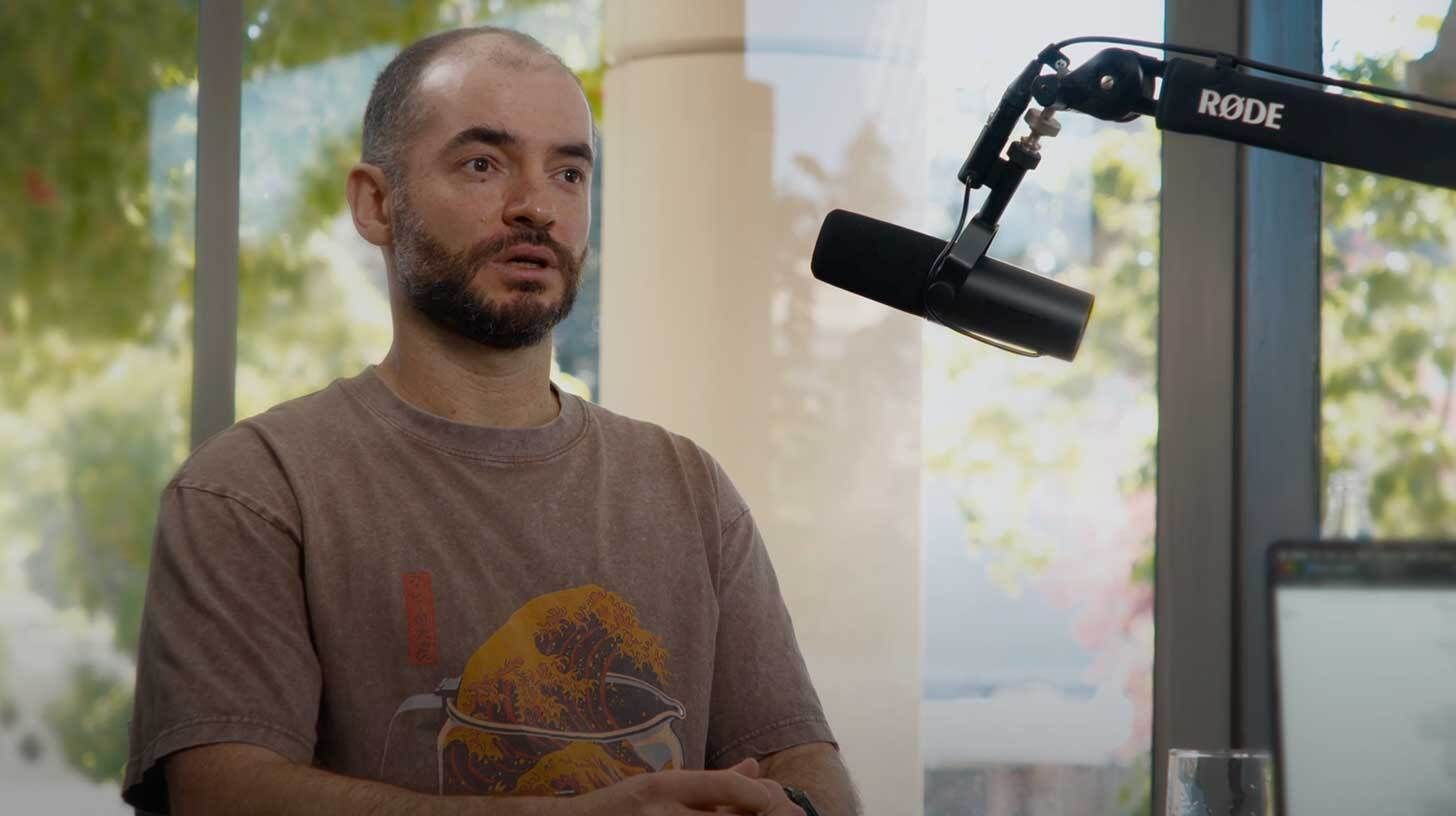
Image source: Dwarkesh Podcast
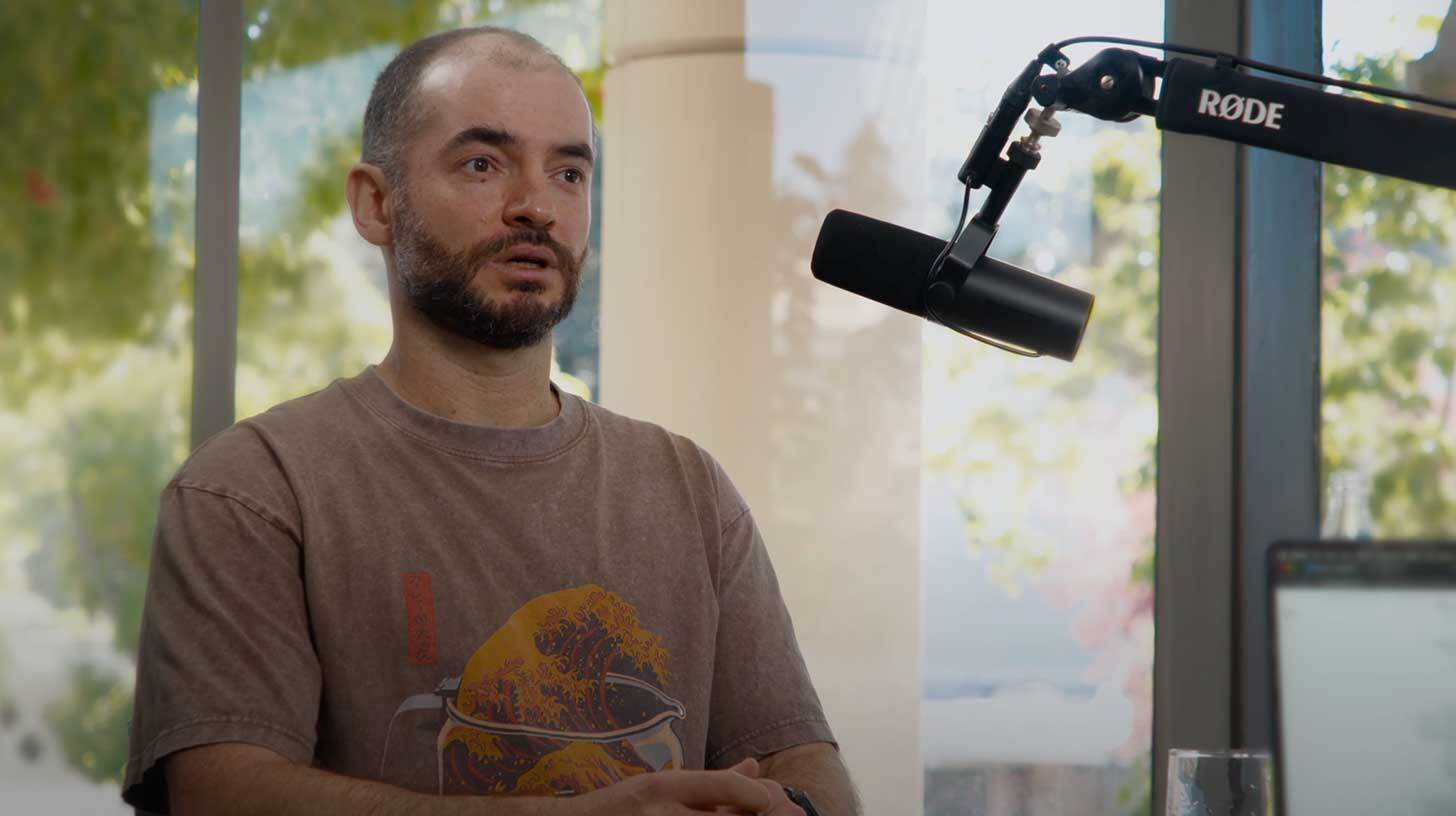
The Rundown: Safe Superintelligence founder Ilya Sutskever just appeared on the Dwarkesh Podcast, giving his take on scaling, ASI, his secretive startup, and more — arguing that research breakthroughs, not compute, will drive the next wave of progress.
The details:
Sutskever said that 2020-2025 was the “age of scaling”, but we’ve reached the point where research becomes the differentiating factor for AI breakthroughs.
He forecasts 5-20 years until superhuman-like learning AI emerges, adding that the first ASI systems should be built to care about sentient life.
Sutskever said that his startup, SSI, is taking a “different technical approach” to superintelligence, and called it an “age of research” company.
He also revealed that SSI was raising at a $32B valuation and declined an acquisition offer from Meta, with his cofounder marking the only departure.
Why it matters: Sutskever has been out of the spotlight since his exit from OpenAI, with SSI quietly working in the shadows — but his words carry massive weight in the AI world. His take on a “return to research” over compute comes at an awkward time, as the majority of the industry continues to pour massive money into scaling infrastructure.
TOGETHER WITH GURU
🧠 Your AI source of truth

The Rundown: Guru is the AI Source of Truth that connects all of your company’s tools and delivers cited, permission-aware answers everywhere you work. With one governed knowledge layer powering both your people and your AIs, teams move faster — with fewer blind spots and mistakes.
Guru allows you to:
Connect all knowledge with permission-aware access
Get trusted, cited answers in chat and everywhere else you work
Experience knowledge that improves and verifies itself
BLACK FOREST LABS
🎨 Black Forest Labs’ Flux.2 image generation suite
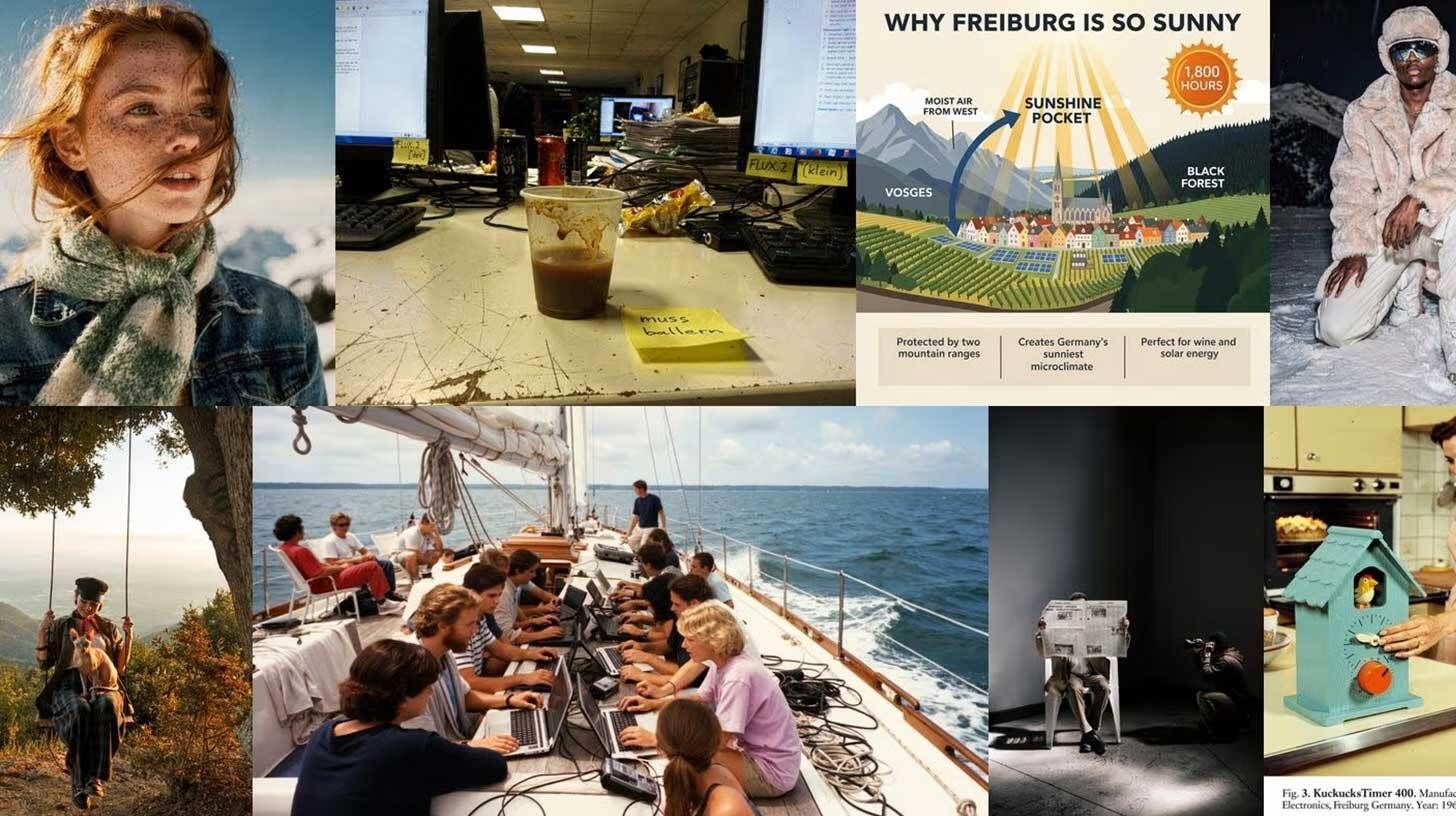
Image source: Black Forest Labs
The Rundown: Black Forest Labs dropped Flux.2, a new family of powerful image models — featuring multi-reference capabilities that maintain character and style consistency across up to ten input images and cost reductions compared to rivals.
The details:
FLUX.2 combines a model that handles both text and images with another that handles spatial relationships for realistic lighting, physics, and compositions.
The models come in slightly below Google’s recently released SOTA Nano Banana Pro, but offer a significant cost reduction in pricing.
The lineup includes Pro for top-quality API access, Flex for dev customization, Dev as an open-weights option, and Klein coming soon as fully open-source.
Outputs now reach up to 4MP with improved typography capabilities, enabling production-ready infographics, UI mockups, and complex text layouts.
Why it matters: Nano Banana Pro felt like a step change in the range of creative workflows and abilities, but Flux.2 shows the competition isn’t lagging far behind. While AI’s image realism was already virtually imperceptible from reality, the next-gen world knowledge, consistency, and text capabilities are the next leap forward.
AI TRAINING
🏷️ Use ChatGPT shopping research to find best deals

The Rundown: In this tutorial, you will learn how to use ChatGPT's Shopping Research feature to find the best deals without hopping across multiple sites, centralizing the entire experience from search to price comparison to checkout links.
Step-by-step:
Go to ChatGPT, click the plus button, and select Shopping Research to enable the tool
Describe what you're looking for (e.g., "Find me the best Black Friday laptop deals and compare across sites")—answer follow-up questions about budget, specs, and use case to refine results
Review final suggestions showing top deals, price comparisons across retailers, trade-offs, alternatives, and direct links to each listing
Select your product, click through to the retailer, and complete your purchase
Pro Tip: Soon, you’ll also be able to buy selected products directly in ChatGPT via services like Stripe or PayPal — no need to visit the retailer’s site.
PRESENTED BY INCOGNI
📞 Unknown number calling?

The Rundown: Scammers don’t pick phone numbers at random – they buy your data from brokers. The BBC caught call center workers on hidden camera, with one bragging about making $250K from victims.
With Incogni, you can:
Automatically delete your personal information from data brokers' databases
Monitor and block new data exploits as they appear across the web
Reduce spam calls, phishing attempts, and identity theft risk continuously
Try Incogni here and get 55% off your subscription with code RUNDOWN.
AI RESEARCH
📈 Anthropic: AI could double U.S. productivity growth
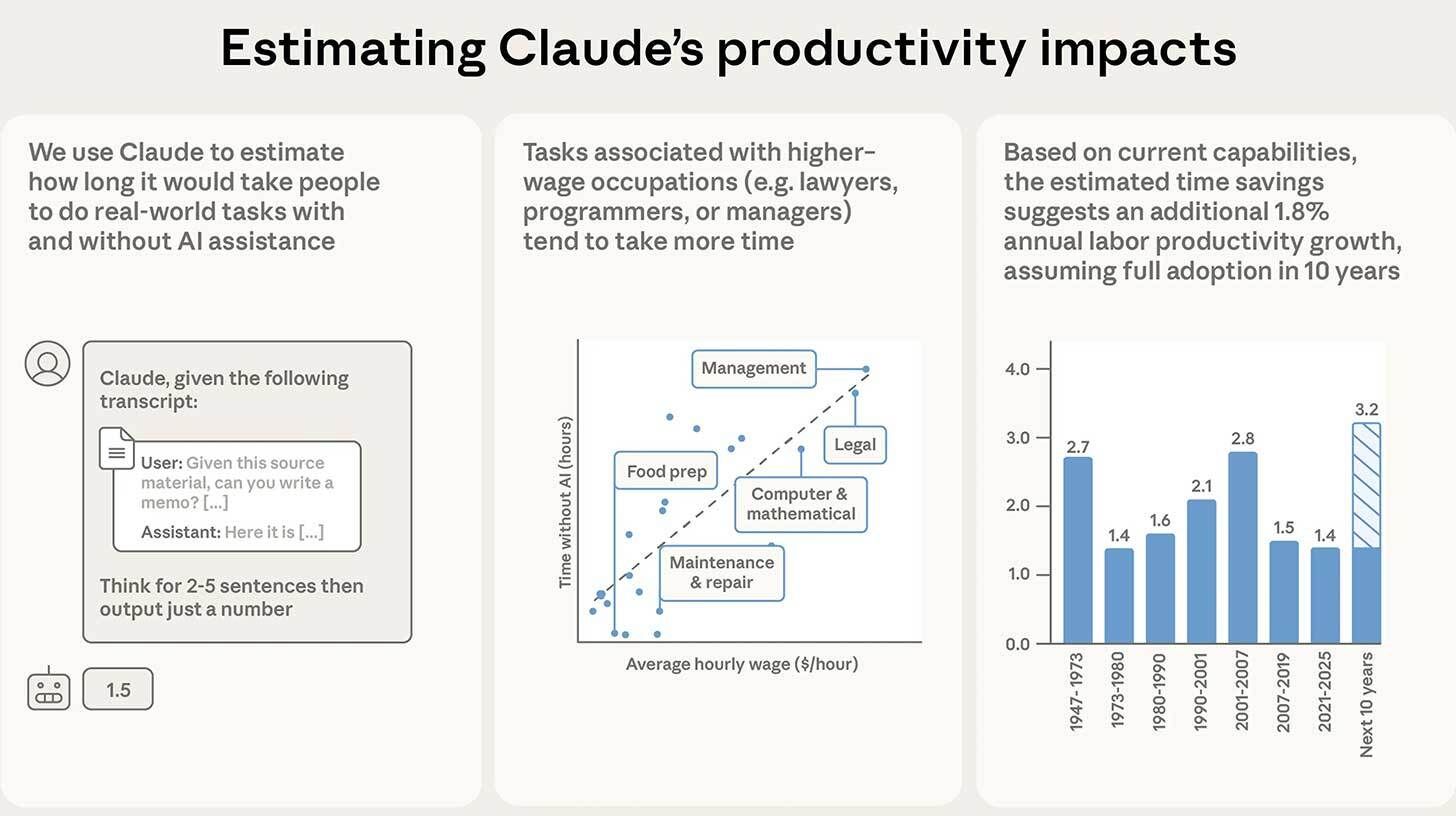
Image source: Anthropic
The Rundown: Anthropic published new research analyzing 100K Claude conversations to track AI’s productivity gains, estimating that widespread AI adoption could boost annual U.S. labor productivity growth by 1.8% — doubling the current rate.
The details:
Anthropic researchers fed 100K anonymized conversations through its Clio privacy tool, mapping tasks to federal labor data to calculate productivity gains.
Researchers found Claude cuts task completion time by roughly 80%, with the average work request taking about 90 minutes without assistance.
Software developers account for 19% of estimated productivity gains, followed by operations managers, marketing specialists, and customer service roles.
Examples of tasks with massive time savings included curriculum development (96%), research assistance (91%), and executive admin functions (87%).
Why it matters: There is plenty of debate over AI’s actual impact vs. hype, and this research shows the real gains across a variety of sectors and tasks. But the bigger question the study sidesteps: whether the estimated doubling of productivity growth comes with the job displacement Anthropic's own CEO continues to warn about.
QUICK HITS
🛠️ Trending AI Tools
🤖 Claude Opus 4.5 - Anthropic’s new benchmark-topping frontier model
🎆 FLUX.2 - Black Forest Labs’ new visual intelligence model
🛒 Shopping Research - New interactive shopping experience in ChatGPT
👁️ HunyuanOCR - Tencent’s open-source, SOTA visual understanding model
📰 Everything else in AI today
Nvidia responded to concerns over Google’s TPUs gaining a foothold, saying its hardware is “a generation ahead” with “greater performance, versatility, and fungibility.”
Anthropic tested Claude Opus 4.5 on a take-home exam given to prospective performance engineers, with the AI scoring “higher than any human candidate ever.”
AI music platform Suno partnered with Warner Music Group to train on licensed recordings and let users create songs with participating artists' voices and styles.
Google’s Gemini 3 Pro set a new high score for AI models with a 130 on Tracking AI’s offline IQ test, surpassing Grok 4 Expert Mode’s 126.
Tencent’s Hunyuan open-sourced HunyuanOCR, a SOTA visual understanding model for document parsing, information extraction, text detection, and more.
Perplexity launched a free AI shopping feature for U.S. users that learns personal preferences and enables purchases directly within the app through PayPal.
COMMUNITY
🤝 Community AI workflows
Every newsletter, we showcase how a reader is using AI to work smarter, save time, or make life easier.
Today’s workflow comes from reader Tara R. in the U.K.:
"I use NotebookLM to create podcasts for my students, as a way to refresh a whole term’s worth of teaching. It’s a practical way for them to review topics while they’re on the go, especially great for those who struggle to find time to revise.”
How do you use AI? Tell us here.
🎓 Highlights: News, Guides & Events
Read our last AI newsletter: Anthropic enters the frontier AI fight
Read our last Tech newsletter: This device wiretaps your ‘second brain’
Read our last Robotics newsletter: Figure sued over 'skull-crushing' force
Today’s AI tool guide: Use ChatGPT shopping research to find deals
Watch our last live workshop: The Human-First Agentic Content Workflow
See you soon,
Rowan, Joey, Zach, Shubham, and Jennifer — the humans behind The Rundown

This device wiretaps your 'second brain'
Read Online | Sign Up | Advertise

Good morning, tech enthusiasts. Your gut, or “second brain,” just got wiretapped — by a hair-thin implant that listens in on real-time neural traffic between belly and brain, without damaging the tissue that keeps you alive.
It’s a tiny device with an intriguing promise: cracking open one of biology’s most cryptic conversations, and maybe rewriting how we diagnose the body from the inside out.
In today’s tech rundown:
Scientists decode brain-gut connection
Apple’s sales team hit by rare layoffs
McKinsey: This is how AI is changing work
Tesla says its next AI chip is almost ready
Quick hits on other tech news
LATEST DEVELOPMENTS
BIOTECH RESEARCH
🧠 Scientists decode brain-gut connection
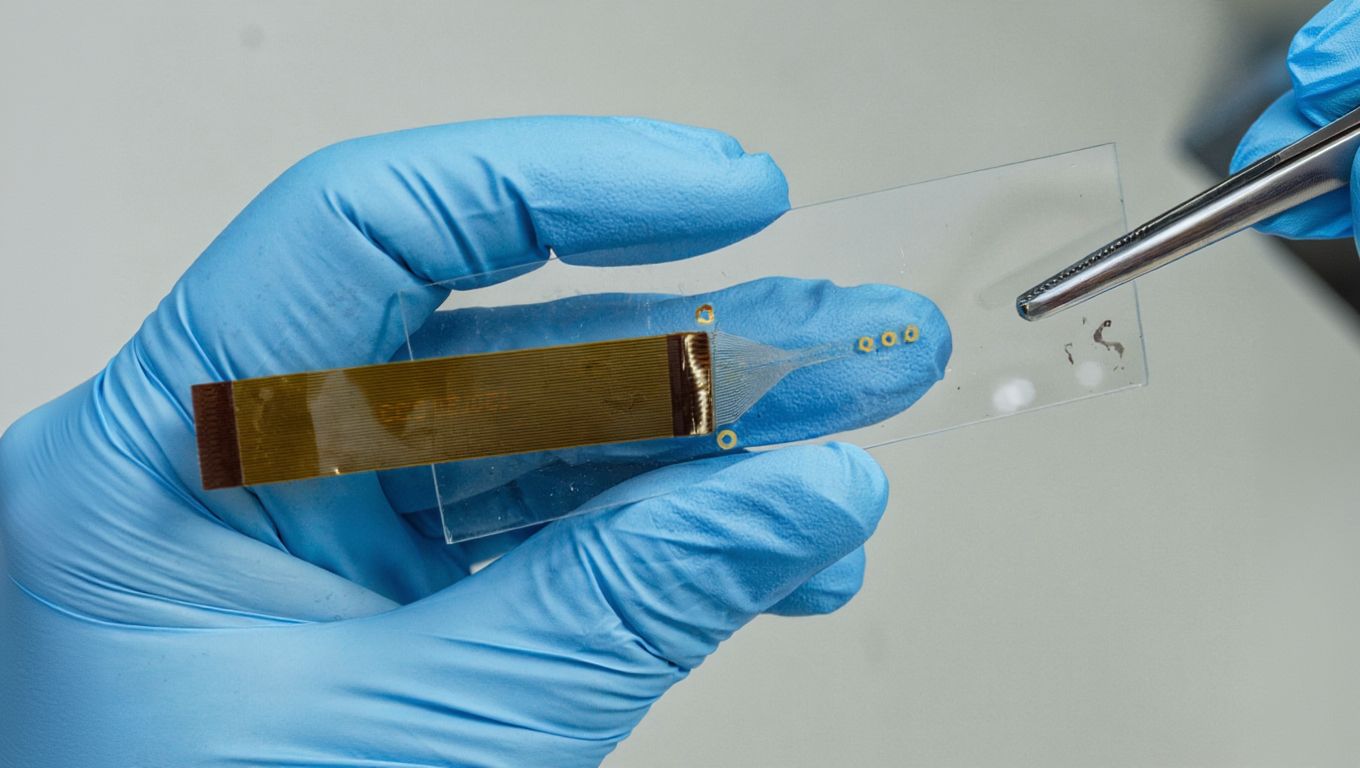
Image source: University of Cambridge
The Rundown: University of Cambridge and Dartmouth researchers just built a soft, hair-thin implant that slips between layers of the colon to tap directly into the enteric nervous system, the “second brain” linking gut and brain.
The details:
The nano-device records real-time electrical signals traveling between the gut and the brain for up to two weeks, tested so far in rodents and pigs.
Packed with 600M neurons across at least 20 cell types, the enteric nervous system choreographs gut motion, secretion, and local immune responses.
Because the implant sits in constantly moving tissue without damaging it, it can track how the system responds to stress, food, or disease over time.
This could open the door to a new class of bioelectronic diagnostics and treatments for conditions like bowel disease to neurological disorders.
Why it matters: Scientists are untangling how the gut’s microbiome shapes mental health and disease, as evidence mounts that brain-gut signals are more powerful than once believed. Now researchers can eavesdrop on live neural traffic between the two, opening a window into one of biology’s most crucial — and mysterious — conversations.
APPLE
🍎 Apple’s sales team hit by rare layoffs

Image source: Ideogram / The Rundown
The Rundown: Apple just carried out a rare round of layoffs, cutting dozens of roles across its global sales organization in a restructuring move, as first reported by Bloomberg’s Mark Gurman.
The details:
The axe fell on account managers handling major corporate, school, and government accounts, plus staff running Apple’s enterprise briefing centers.
Management broke the news over the past couple of weeks, with employees saying the cuts blindsided them, given Apple’s famous aversion to layoffs.
Apple says the restructuring is meant to “streamline” how it reaches customers and strengthen engagement, while insisting it is still hiring.
Why it matters: While Meta, Google, and Amazon slashed tens of thousands of jobs in 2023–2024, Apple mostly sidestepped the carnage, limiting cuts to specific projects. These layoffs remain minor compared to Apple’s total workforce, but notable in that the tech giant looks to generate record sales of $140B in the December quarter.
MCKINSEY
💻 McKinsey: This is how AI is changing work

Image source: Ideogram / The Rundown
The Rundown: McKinsey dropped its AI jobs verdict: algorithms could swallow 57% of U.S. work hours. But before you panic-update your résumé, they say the future isn’t about machines replacing you, it’s about you becoming their conductor.
The details:
McKinsey pegs AI’s potential economic value at $2.9T in the U.S. by 2030 — but only if organizations redesign workflows for human-machine collaboration.
More than 70% of the skills employers look for today are shared across both automatable and non-automatable roles, so there’s a large overlap.
However, certain specialized cognitive skills — routine accounting, data entry, simple coding — face the biggest hit.
Demand for “AI fluency” has grown sevenfold in two years, making it the fastest-growing skill in U.S. job postings.
Why it matters: The shift from execution to orchestration means your job probably survives, but only if you can pivot fast enough to manage the machines instead of mimicking them. Jobs demanding judgment, empathy, and social intelligence stay human, at least until the next breakthrough proves otherwise.
TESLA
🤖 Tesla says its next AI chip is almost ready
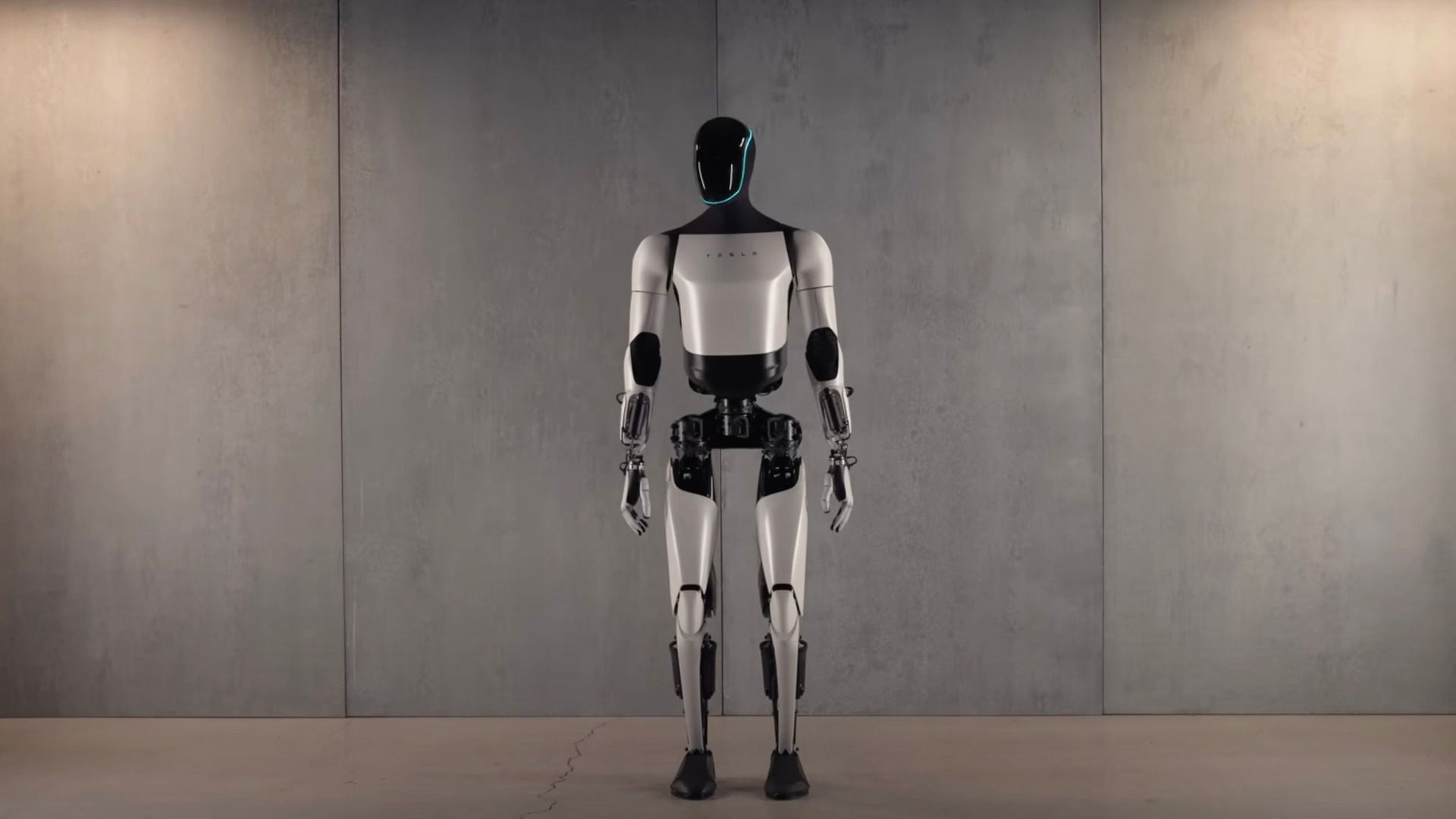
Image source: Tesla
The Rundown: Tesla is nearing the final design stage for its next-gen AI5 chip, which will power future robotaxis, AI-driven vehicles, and the company’s forthcoming humanoids, reports Bloomberg.
The details:
The AI5 chip, set to deliver 5x the compute of Tesla’s current in-car hardware, will roll out first in small volumes and then in mass production by 2027.
CEO Elon Musk revealed that the company’s goal is to launch one new AI chip design for mass production every year.
He says the company is aiming for a “tape-out” — or final design — on the AI5 chip, with work on the more advanced AI6 chip already underway.
The Tesla AI5 chip will be manufactured by both Samsung at its advanced facility in Taylor, Texas, and TSMC at its new plant in Arizona.
Why it matters: Like Google, Amazon, and Microsoft, Tesla is investing in its own AI chips as an alternative to Nvidia. Like Apple’s custom chip, Tesla’s edge is vertical integration — chips tailor-made for its own hardware — betting that custom silicon can outpace general-purpose rivals in its robotaxis, driver assistance, and humanoids.
QUICK HITS
📰 Everything else in tech today
Tech giant Xiaomi’s EV arm reached profitability in just 19 months, nearly five years ahead of Tesla by capitalizing on its huge consumer base in electronics.
Alphabet closed in on a $4T valuation on Monday as its shares jumped more than 5% to a record $315.90, lifting its market cap to about $3.82T.
Tesla said that Dutch regulator RDW was nearing approval of its Full Self-Driving software by February 2026, but RDW clarified that it had only scheduled a demo.
The Trump administration shut down the Department of Government Efficiency, or DOGE, a controversial cost‑cutting unit once led by Elon Musk.
Drug maker Novo Nordisk says that semaglutide, the active ingredient in Wegovy, failed in two large trials to slow Alzheimer’s disease progression.
Amazon plans to invest about $15B in new data center campuses in Northern Indiana, adding 2.4 gigawatts of capacity and creating roughly 1,100 jobs.
NASA renegotiated its Starliner contract with Boeing so that the capsule’s next mission to the International Space Station will fly as a cargo-only test flight.
Nuclear startup X-energy raised $700M, bringing its year’s total to $1.4B, to build the supply chain for its small modular reactors, with 144 orders in place.
The White House reportedly suspended a draft executive order that aimed to override state AI laws and threaten federal funds for states with strict regulations.
COMMUNITY
🎓 Highlights: News, Guides & Events
Read our last AI newsletter: Anthropic enters the frontier AI fight
Read our last Tech newsletter: Ozempic’s next trick — slow aging
Read our last Robotics newsletter: Figure sued over ‘skull-crushing’ force
Today’s AI tool guide: Vibe code a software tool using Bolt
Watch our last workshop: The Human-First Agentic Content Workflow
See you soon,
Rowan, Jennifer, and Joey—The Rundown’s editorial team
Anthropic enters the frontier AI fight
Read Online | Sign Up | Advertise

Good morning, AI enthusiasts. The AI world’s holiday gifts are coming early this season, with Gemini 3, GPT-5.1 Pro, and now Claude Opus 4.5 all launching in a week.
With Anthropic crashing the frontier party with Opus’ new record-breaking coding benchmarks, the revolving door cycle of competition for the world’s top model continues to spin faster than ever.
In today’s AI rundown:
Anthropic climbs AI ranks with Claude Opus 4.5
OpenAI’s new shopping feature in ChatGPT
Vibe code a software tool using Bolt
U.S. ‘Genesis Mission’ for AI science breakthroughs
4 new AI tools, community workflows, and more
LATEST DEVELOPMENTS
ANTHROPIC
🤖 Anthropic climbs AI ranks with Claude Opus 4.5

Image source: Anthropic
The Rundown: Anthropic just released Claude Opus 4.5, the company’s new flagship model that competes with Gemini 3 and GPT-5.1 for top performance across the board, particularly excelling on coding and agentic benchmarks.
The details:
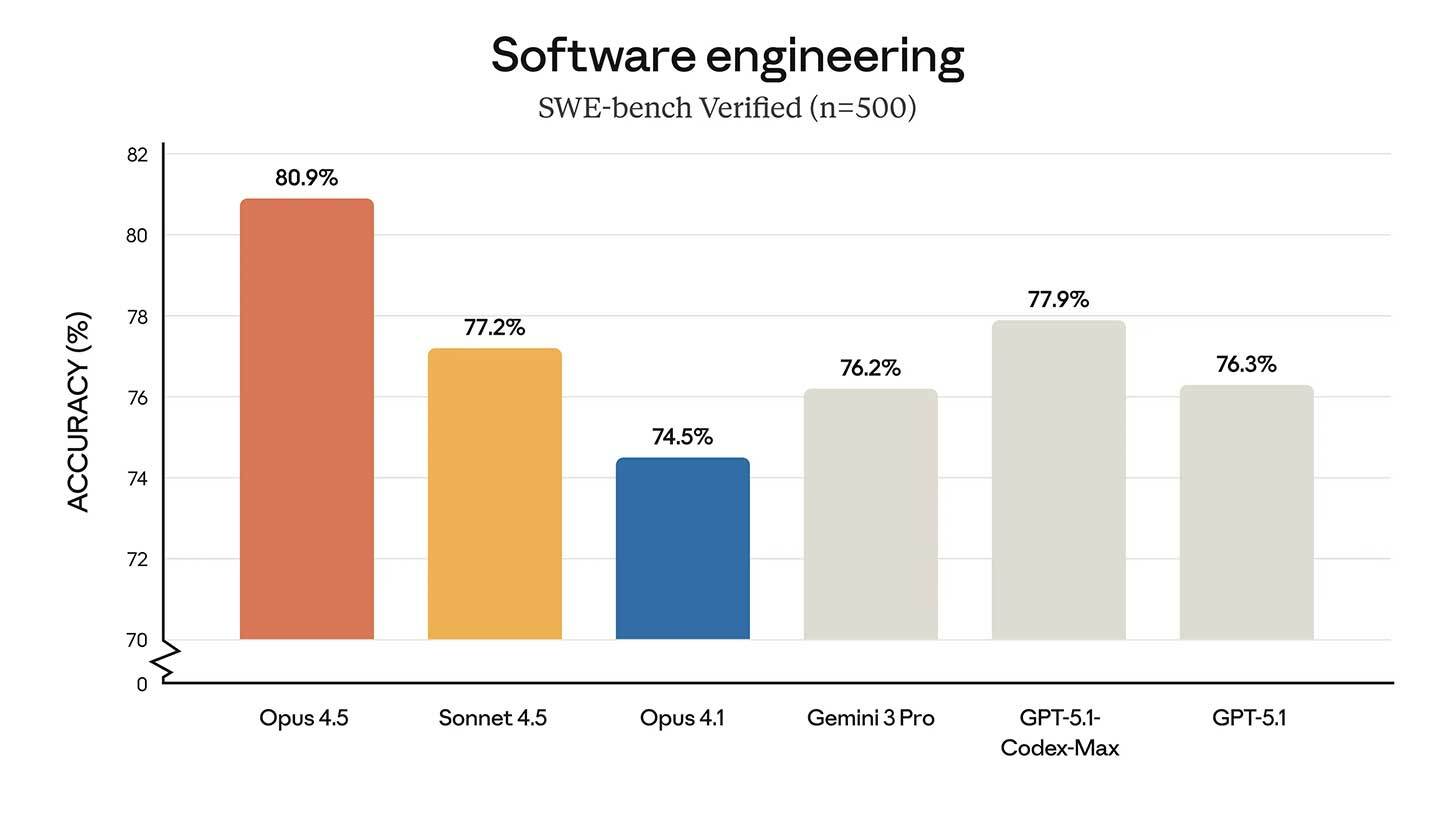
Opus is the first to break 80% on the SWE-Bench Verified coding benchmark, also setting new highs for tool use, reasoning, and problem-solving.
The model matches or beats Google’s Gemini 3 across a range of benchmarks, with Anthropic also calling it the “most robustly aligned model” safety-wise.
Anthropic designed Opus to orchestrate teams of smaller Haiku models, positioning the flagship model as a central coordinator for multi-agent systems.
Opus 4.5’s pricing also notably comes in at a 66% reduction from Opus 4.1, while also showing massive efficiency gains over Anthropic’s other models.
Anthropic also rolled out updates, including unlimited chat lengths, Claude Code in desktop, and expanded access to Claude for Chrome & Excel.
Why it matters: Opus 4.5 arrives in a packed week for frontier AI, landing just days after GPT 5.1 Pro and Gemini 3 hit the market and marking the next step up in the frontier AI model race. The price reduction is also a big move for Anthropic, which has often been criticized for Claude’s costs compared to the market.
TOGETHER WITH PROMPTSIGNAL
📈 Turn AI visibility into growth
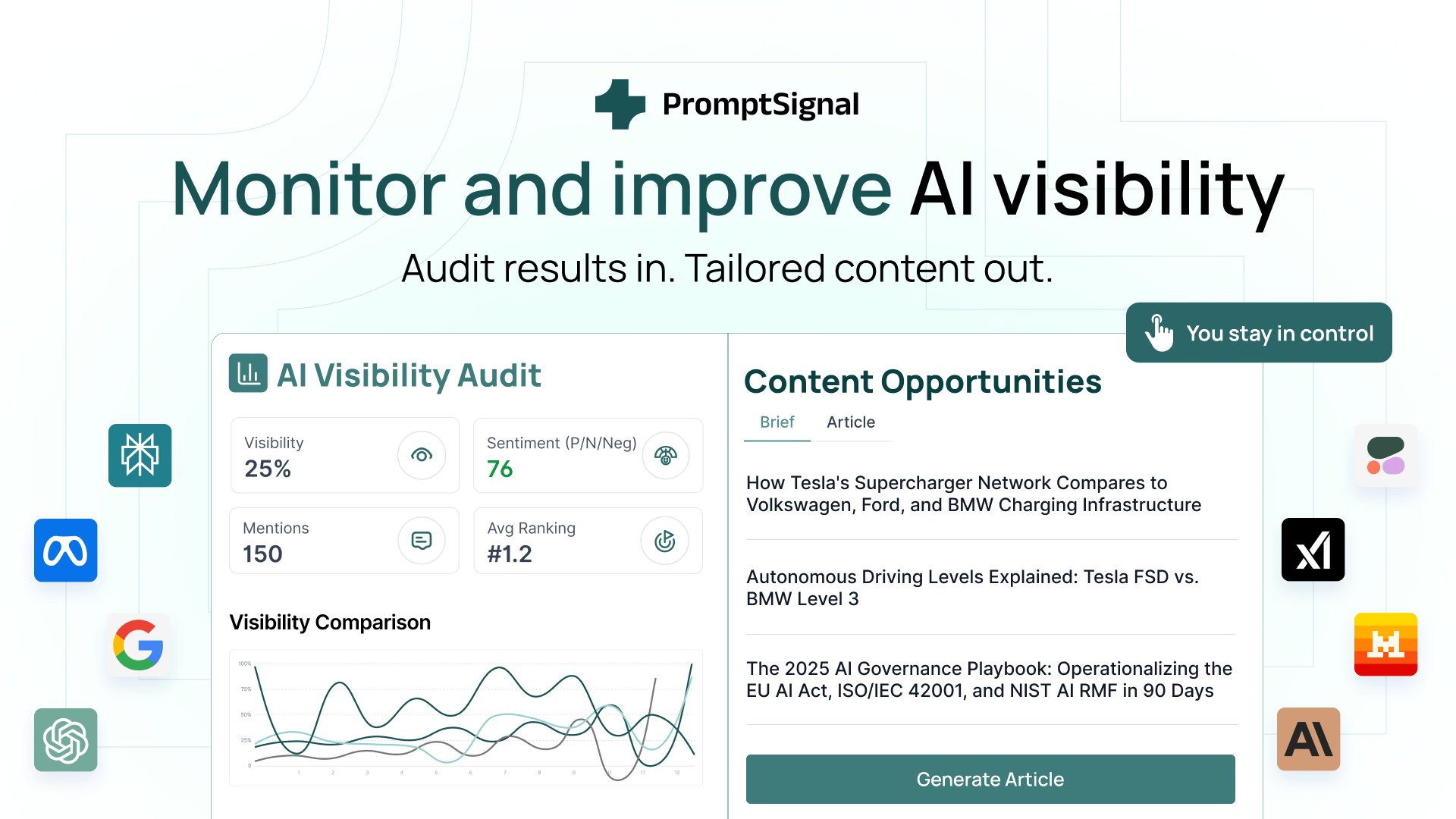
The Rundown: PromptSignal is an AI visibility platform that shows how often you appear in AI answers and why. It turns performance data into tailored article briefs, then generates full drafts you can edit or directly publish.
With PromptSignal, you can:
Measure citations across top AI models
Get your recommended articles
Generate drafts, edit details, publish articles fast
OPENAI
🛒 OpenAI’s new shopping feature in ChatGPT

Image source: OpenAI
The Rundown: OpenAI rolled out Shopping Research, a dedicated interactive shopping assistant within ChatGPT that builds personalized buyer guides by scanning trusted retail sources and asking targeted questions about preferences.
The details:
The feature runs on a version of GPT-5 mini, fine-tuned specifically for product discovery and trained to prioritize organic reviews over promotional content.
Users describe what they need, answer quiz-style questions about budget and preferences, then receive curated guides with 10-15 options in minutes.
OpenAI said the feature excels in electronics, beauty, home goods, and outdoor gear, and will soon integrate Instant Checkout for direct transactions.
It is available across all ChatGPT tiers with “nearly unlimited usage” available through the holidays.
Why it matters: OpenAI continues to push for ChatGPT to become the home base for the entire purchase cycle, from search to payment. While we haven’t seen ads or the teased vendor revenue streams yet, the cogs are moving into place for OpenAI to challenge Google in a massive disruption to traditional online shopping.
AI TRAINING
💻 Vibe code a software tool using Bolt

The Rundown: In this tutorial, you will learn how to vibe code a personalized software tool without writing code — building an EPUB book reader that segments uploads into chapters for one-click copying into LLMs for deeper learning.
Step-by-step:
Go to Bolt.new, log in with Google or GitHub, and start prompting using natural language — no coding needed
Describe the tool you want: "Vibe code an app where I can upload an EPUB file, and it divides it into chapters so I can one-click copy all the text of that chapter and paste it into ChatGPT"
Test the first output by uploading an EPUB file, evaluate what works and what doesn't, then iterate with prompts like "These chapters are inaccurate"
Copy a parsed chapter into ChatGPT for deep reading: the LLM summarizes every paragraph and preserves nuances that normal PDF/EPUB uploads miss
Hot Tip: We're all going to be building micro-tools for ourselves. By using Bolt, Cursor, or Replit, this process becomes fast, custom, and code-free.
PRESENTED BY GLEAN
💡 Become an Agent of Change at Glean: LIVE
The Rundown: Join Glean’s flagship virtual launch event to meet the AI agents changing the future of work – and the people behind them. Hear from world-class AI researchers, business leaders, and engineers to see how agentic AI is driving a new wave of productivity and collaboration.
Register for Glean: LIVE December ‘25 to:
Hear research-backed insights on what’s improving how people lead and work with AI
Meet a new kind of AI agent and see product demos of the tech powering the next era
Explore AI opportunities that empower leaders and builders to change work for the better
Learn best practices for change management as people, agents, and processes evolve
U.S. GOVERNMENT & AI
🧪 U.S. ‘Genesis Mission’ for AI science breakthroughs
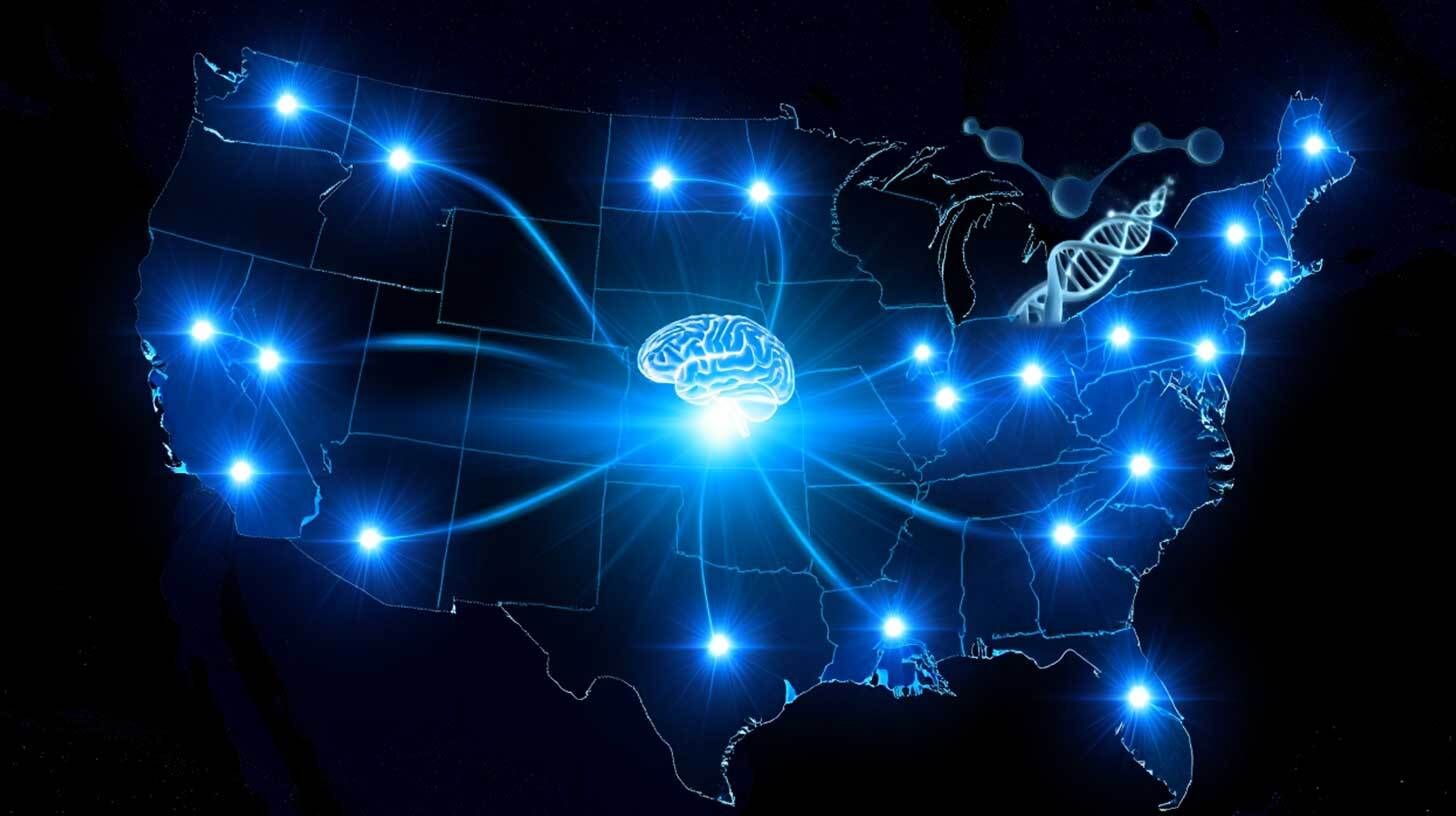
Image source: Reve / The Rundown
The Rundown: U.S. President Donald Trump signed an executive order directing the DOE to build a unified AI platform, aiming to compress scientific discovery timelines from years to days for “challenges of national importance,” like biotech and energy.
The details:
The initiative mobilizes 17 federal research facilities and their supercomputing infrastructure to train AI models on decades of government scientific data.
The platform will enable AI agents to automate experiments, test hypotheses, and generate predictive models across chemistry, biology, and engineering.
The White House called it the largest coordination of research assets since the Apollo program moon missions of the 1960s.
Why it matters: The geopolitical AI race continues to scale, with the U.S. treating it with the same urgency it once reserved for world-altering technological moments like the moon missions. Given the private sector’s intertwining with government AI efforts, it’s likely we’ll see some familiar labs and more eye-popping deals as part of the effort.
QUICK HITS
🛠️ Trending AI Tools
🤖 Claude 4.5 Opus - Anthropic’s new benchmark-topping frontier model
🍌 Nano Banana Pro - Google’s new image AI with improved text rendering
🤖 GPT 5.1 Pro - OpenAI’s powerful new model for Pro users
🧪 Edison Analysis - Edison’s next-gen scientific analysis agent
📰 Everything else in AI today
OpenAI CEO Sam Altman and designer Jony Ive revealed that the team has decided on the design for the coming AI device, saying it may arrive in “less than two years.”
Microsoft released Fara-7B, an open-weight AI model that is compact enough to run directly on laptops and can autonomously navigate websites and complete tasks.
OpenAI’s Sora is being blocked from using the term ‘Cameo’ for its personalization feature after Cameo filed a lawsuit and a judge issued a restraining order this week.
Amazon plans to invest up to $50B starting in 2026 to build AI and supercomputing data centers for U.S. federal agencies, including defense and intelligence operations.
Exa introduced Exa 2.1, the latest version of its agentic search API that brings new accuracy, speed, and quality improvements.
Artificial Analysis launched CritPt, a difficult new graduate-level physics benchmark — with Gemini 3 Pro taking the top spot despite solving less than 10% of the problems.
COMMUNITY
🤝 Community AI workflows
Every newsletter, we showcase how a reader is using AI to work smarter, save time, or make life easier.
Today’s workflow comes from reader Caitlin F. in Atlanta, GA:
"I'm focused on how businesses use AI to improve operations and actually impact the bottom line. One use case takes a call transcript with a prospect, runs it through an assessment of client fit and scalability readiness, and refers to a prior proposal structure to craft a new custom scope. We reflect their pain in their language and our solutions in our terminology. The entire process end-to-end is now 3 minutes."
How do you use AI? Tell us here.
🎓 Highlights: News, Guides & Events
Read our last AI newsletter: OpenAI braces for ‘rough vibes’
Read our last Tech newsletter: Ozempic’s next trick — slow aging
Read our last Robotics newsletter: Figure sued over ‘skull-crushing’ force
Today’s AI tool guide: Vibe code a software tool using Bolt
Watch our last workshop: The Human-First Agentic Content Workflow
See you soon,
Rowan, Joey, Zach, Shubham, and Jennifer — the humans behind The Rundown
Figure sued over 'skull-crushing' force
Read Online | Sign Up | Advertise

Good morning, robotics enthusiasts. Figure AI just got hit with a whistleblower lawsuit claiming its humanoids pack enough force to fracture a human skull — and that executives buried safety warnings to fuel its $39B valuation.
Now the Bay Area’s hottest robotics startup is potentially facing a courtroom battle that could reshape how we govern the machines we’re racing to unleash.
In today’s robotics rundown:
Figure sued by whistleblower over risky bots
Physical Intelligence soars to $5.6B
Uber launches UK bot-delivery service
Robot tracking with centimeter-level precision
Quick hits on other robotics news
LATEST DEVELOPMENTS
FIGURE AI
🤖 Figure sued by whistleblower over risky bots

Image source: Figure AI
The Rundown: Figure AI is facing a bombshell whistleblower lawsuit from its former head of product safety. Robert Gruendel claims he was fired for warning executives that Figure’s humanoids pack enough force to “fracture a human skull.”
The details:
Gruendel cites an incident where a malfunctioning robot carved a quarter-inch gash into a steel refrigerator door and claims execs downplayed concerns.
The lawsuit says Figure execs, including CEO Brett Adcock, pushed to water down safety, allegedly prioritizing the company’s $39B valuation over ethics.
Figure AI denies the claims, arguing that Gruendel was terminated for poor performance, and promises to fight the lawsuit in court.
Gruendel says he was asked to prepare a safety roadmap for investors, and that the plan he presented was “gutted” as the funding round closed.
Why it matters: The lawsuit landed just two months after Figure’s valuation soared to $39B — a jaw-dropping 15-fold jump since early 2024. The suit may be among the first whistleblower cases focused on humanoid safety, raising questions about whether Silicon Valley’s “move fast” culture can coexist with superhuman machines.
PHYSICAL INTELLIGENCE
☕️ Physical Intelligence soars to $5.6B
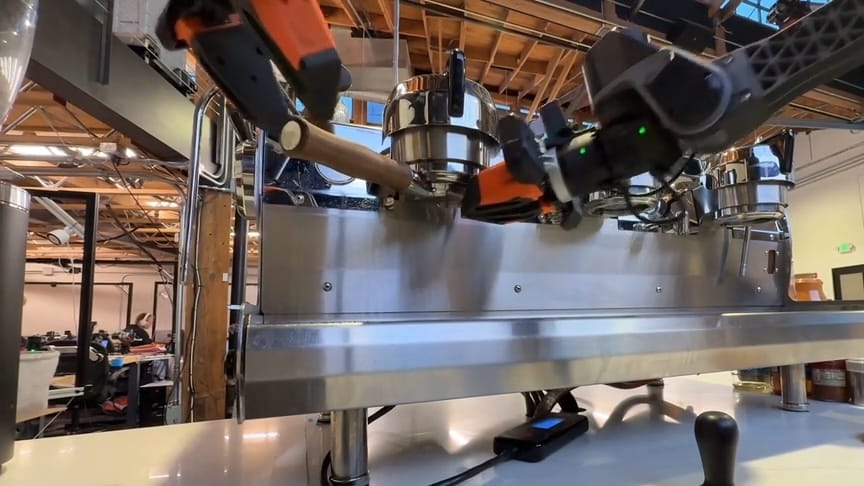
Image source: Physical Intelligence
The Rundown: Physical Intelligence, a young robotics software startup founded by AI veterans from DeepMind, Stanford, and UC Berkeley, just closed a monster $600M funding round, rocketing its valuation to $5.6B just one year after launch.
The details:
The startup is tackling the core challenge of robotics: building a universal “brain” system capable of powering any robot for any task.
The company just unveiled its π*0.6 model, which uses reinforcement learning to let robots practice and learn (and make espresso) from their own mistakes.
Alphabet’s CapitalG led the round, with major support from Thrive Capital, Lux Capital, Jeff Bezos, Index Ventures, and T. Rowe Price.
With $600M in fresh capital, Pi becomes one of the best-funded pure-play robot intelligence startups in Silicon Valley’s race to dominate embodied AI.
Why it matters: Pi raised $400M at a $2.4B valuation just a year ago. Now it’s leapt to $5.6B, more than doubling in value. The bet from investors like Bezos and Alphabet is clear: the real breakthrough in household robotics might not come from better machines, but from software smart enough to run on any robot.
UBER
🥡 Uber launches UK bot-delivery service
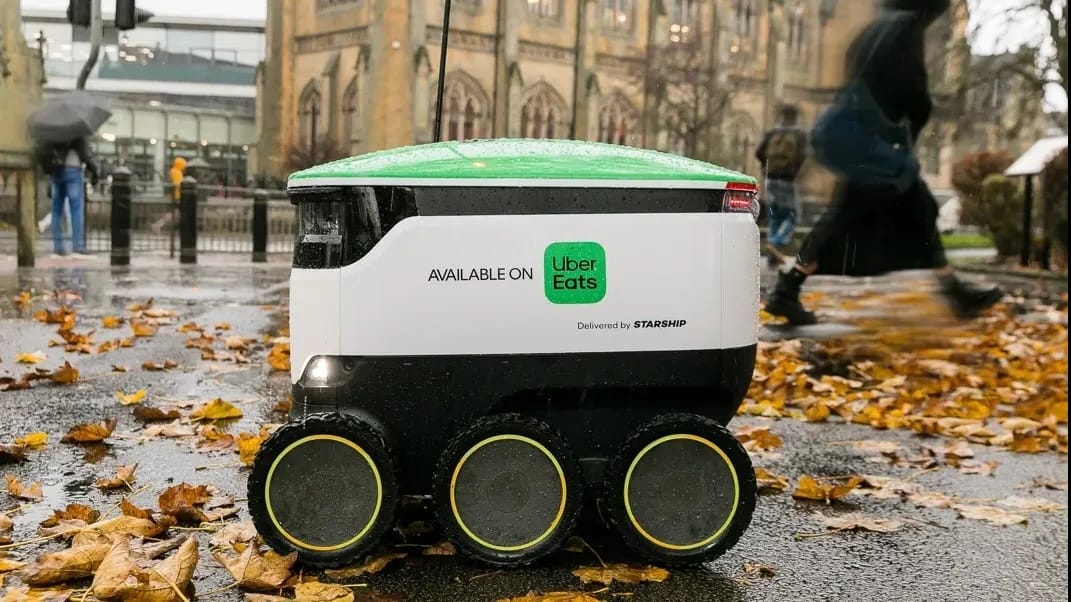
Image source: Uber
The Rundown: Uber Eats is teaming up with Starship Technologies to launch robot-powered food deliveries on UK sidewalks. The pilot marks Uber’s first delivery bot trial in Europe after testing across U.S. cities, with partners like Avride and Serve Robotics.
The details:
The initial rollout will cover Leeds and Sheffield, with orders fulfilled by Starship’s autonomous six-wheeled robots working from select merchants.
Robots will navigate city sidewalks at Level 4 autonomy, with no human intervention needed for crossings or navigation.
The Starship partnership plans to expand further in Europe by 2026, then cross the Atlantic to the U.S. in 2027.
Uber’s food delivery service has worked with Serve Robotics in the U.S. for years, and this year signed on with Avride’s sidewalk robots in select markets.
Why it matters: Both companies tout this partnership as a leap toward cheaper, faster, and greener last-mile delivery — and a preview of what happens when delivery apps ditch gig workers for Starship’s fleets of nearly 3K delivery robots already tested in 270-plus locations worldwide.
POINT ONE NAVIGATION
📏 Robot tracking with centimeter-level precision

Image source: Point One Navigation
The Rundown: San Francisco startup Point One Navigation just closed a $35M Series C led by Khosla Ventures to make autonomous vehicles, robots, and drones know exactly where they are — down to the centimeter.
The details:
The startup has developed a “positioning engine” that combines augmented GPS, computer vision, and sensor fusion to pinpoint location within 1 cm.
The company’s tech already powers over 150K vehicles for an unnamed EV maker, plus contracts with a 300K-vehicle last-mile delivery fleet.
Point One is now pushing to extend cm-level accuracy indoors for warehouse robots and industrial settings, TechCrunch reports.
The funding will expand Point One’s Polaris RTK Network, a system of lunchbox-sized stations on cell towers that provide corrections to locations.
Why it matters: The company’s tenfold growth in manufacturers over the past year shows that precision location is becoming essential infrastructure, as the next generation of robots, drones, and self-driving vehicles need to know their position within centimeters to operate safely in complex environments.
QUICK HITS
📰 Everything else in robotics today
Waymo received authorization to operate fully driverless vehicles across California, covering most of the Bay Area, Sacramento, and nearly all of SoCal.
Google DeepMind appointed Aaron Saunders, the former CTO of Boston Dynamics, with 22 years at the company, as its new VP of hardware engineering.
Chinese robotics company AgiBot’s A2 humanoid just set a Guinness World Record by walking 65 miles (106 km) nonstop across provinces, from Suzhou to Shanghai.
Armstrong Robotics, a San Francisco-based startup, is using AI-powered seven-axis robot arms to automate restaurant dishwashing.
OpenMind just opened pre-orders for its modular BrainPack robot autonomy platform at a $999 deposit, with device shipments planned for 2026.
TKO CEO Ari Emanuel floated the idea of hosting UFC fights with Elon Musk’s Optimus after watching “unbelievable” progress in punching and kicking.
Elon Musk dropped an AI-generated video showing Optimus robots integrated into daily life in an attempt to showcase how far the technology could be pushed.
Swiss startup Flexion Robotics emerged from stealth with $50M in Series A, backed by Nvidia’s venture arm NVentures and DST, for its robot ‘brains.’
Bedrock Robotics, in partnership with Sundt Construction, says it has deployed the construction industry’s largest supervised autonomy system for mass excavation.
Agility Robotics announced that its Digit humanoid has moved more than 100K totes at a GXO Logistics warehouse in Georgia, marking a logistics milestone.
Chinese startup PHYBOT unveiled its full-size M1 humanoid with a backflip demo to claim what it says is the “most powerful humanoid ever created.”
Hong Kong University of Science and Technology developed a basketball-playing robot trained via SkillMimic AI using human demos and MoCap suits.
COMMUNITY
🎓 Highlights: News, Guides & Events
Read our last AI newsletter: OpenAI braces for "rough vibes"
Read our last Tech newsletter: Ozempic’s next trick — slow aging
Read our last Robotics newsletter: Sunday’s humanoid can do your dishes
Today’s AI tool guide: Use NotebookLM to turn data into visual insights
Watch our last workshop: The Human-First Agentic Content Workflow
See you soon,
Rowan, Jennifer, and Joey—The Rundown’s editorial team

OpenAI braces for "rough vibes"
Read Online | Sign Up | Advertise

Good morning, AI enthusiasts. For the first time in years, Sam Altman sounds... worried.
In a leaked memo warning staff about "rough vibes" and "economic headwinds" from Google's breakthroughs, the OpenAI CEO is preparing his team for something unfamiliar: playing catch-up.
P.S. Our next edition of The Rundown Roundtable is here, where our staff members share the unique ways we’re incorporating AI into both our work and personal lives. See the latest use cases below, and submit your own workflow here.
In today’s AI rundown:
Sam Altman senses ‘rough vibes’ as Google takes lead
The Rundown Roundtable: Our AI use cases
Use NotebookLM to turn raw data into visual insights
Research: Claude turns evil after learning to cheat
4 new AI tools, community workflows, and more
LATEST DEVELOPMENTS
OPENAI
🙄 Altman senses ‘rough vibes’ as Google takes lead

Image source: Gemini / The Rundown
The Rundown: OpenAI CEO Sam Altman sent a memo to staff last month warning of incoming “rough vibes” due to Google breakthroughs, according to The Information — a preview of internal unease from its rivals’ release of Gemini 3 and Nano Banana Pro.
The details:
Altman said Google’s progress could “create temporary economic headwinds for our company,” saying he expects “the vibes out there to be rough for a bit”.
Google’s pretraining advances, in particular, concerned OpenAI, which was previously struggling with the issue when scaling GPT-5.
He emphasized focusing on "very ambitious bets," such as automated AI research and synthetic data, even if it means falling behind in the near term.
The Information revealed that Altman also hinted at a coming LLM codenamed “Shallotpeat” that would help OpenAI catch back up on Google’s progress.
Why it matters: It’s rare to see Altman and OpenAI on their heels, and it appears Google’s big week of releases is finally one the AI leader doesn’t have an immediate answer for. But, as we’ve seen many times before in the AI race, the vibes can change fast — especially with a usually busy holiday season of releases incoming.
TOGETHER WITH ATLASSIAN
📈 Different teams need different AI strategies
The Rundown: Not all departments leverage AI the same way. Atlassian's AI Collaboration Index: Executive Insights report breaks down how technology, marketing, and HR teams are using AI — offering critical insights about what works and what doesn't across functions.
The research reveals:
The biggest untapped AI opportunities across functions
Small, active AI work groups drive more impact than formal training
AI tools are optimized for individual tasks, not cross-team coordination
Rapid experimentation beats perfect strategy for innovation gains
Read the report and learn how to turn isolated AI gains into real organizational impact.
THE RUNDOWN ROUNDTABLE
💡 The Rundown Roundtable: Our AI use cases
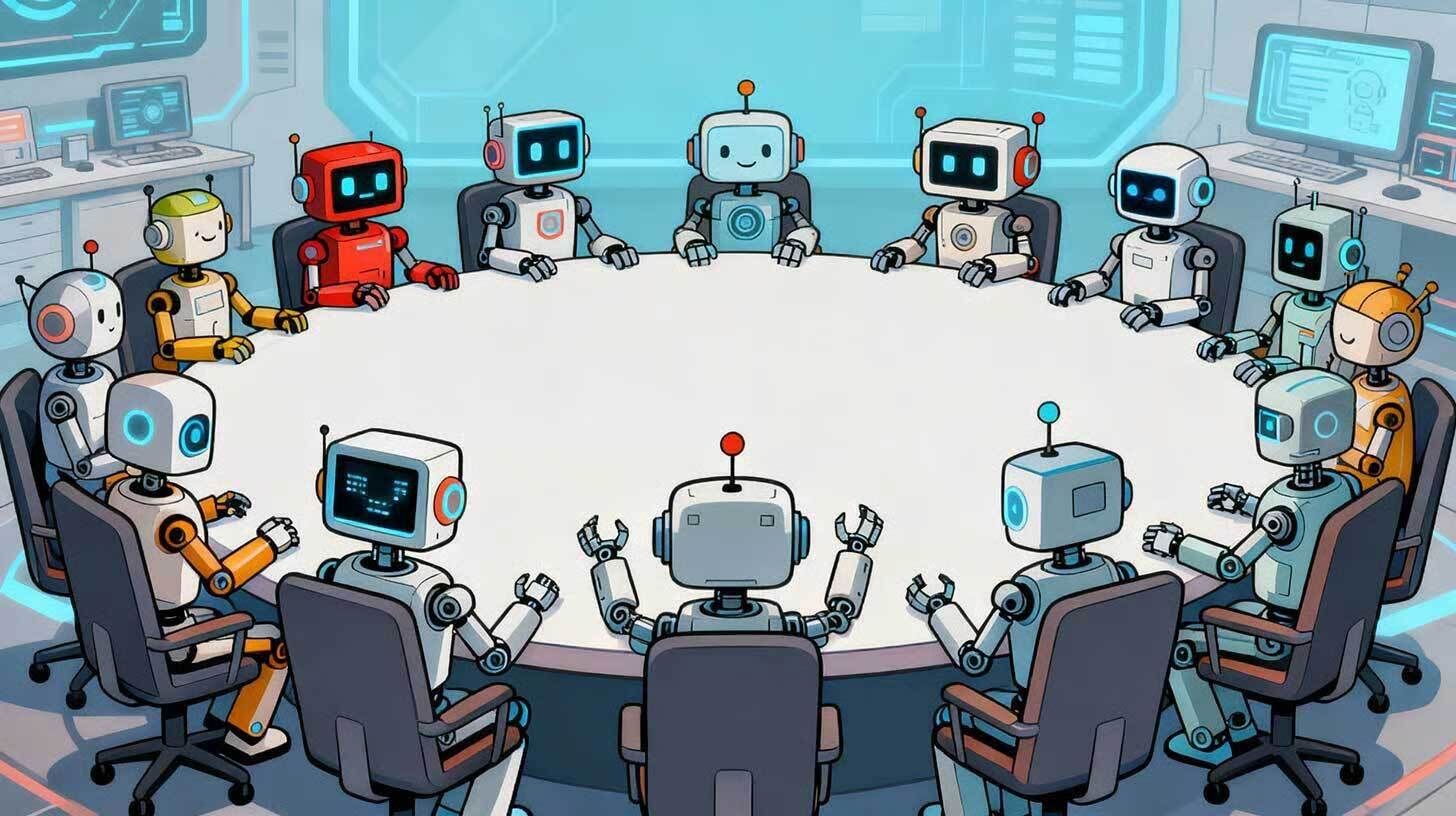
Image source: Ideogram / The Rundown
The Rundown: The Rundown Roundtable is a new weekly feature where we poll members of The Rundown staff on how they are using AI, both in work and daily lives.
Darren, Director of Media: I’m constantly resizing images for our Instagram videos (vertical aspect ratio), and most of the photographs I download are horizontal. I basically treat Midjourney’s editor as I would Photoshop’s “Generative Fill” feature, but it’s way quicker and intuitive. Upload image, click “Move / Resize” choose desired Aspect ratio, prompt “extend all sides, context-aware fill” - and you get four options in seconds, and it's quick to iterate.
Adrian, Developer: I use ChatGPT Voice Mode to practice my Japanese every day and prepare for the JLPT N4 exam. I keep a dedicated "Japanese practice" Project with simple tutor instructions ("Speak slowly,” "If I make a grammar/word/politeness mistake, pause, explain in English, show corrected Japanese, then continue in Japanese"), then open up a voice chat and just talk. After ~20 turns, it wraps with a few improvement notes.
Nate, Educator: I recently used ChatGPT as a washing machine repair assistant. My washer’s water pump failed, so I uploaded a photo, described the noise it was making, and it helped me identify the exact part I needed to order.
When the replacement arrived, it looked like I actually needed two pumps, but after I shared another picture, ChatGPT was smart enough to explain that the second one (it looked identical to me) was just the drain pump. It saved me from buying an unnecessary extra part and turned what would’ve been a pricey service call into a DIY win.
AI TRAINING
🎉 Use NotebookLM to turn data into visual insights
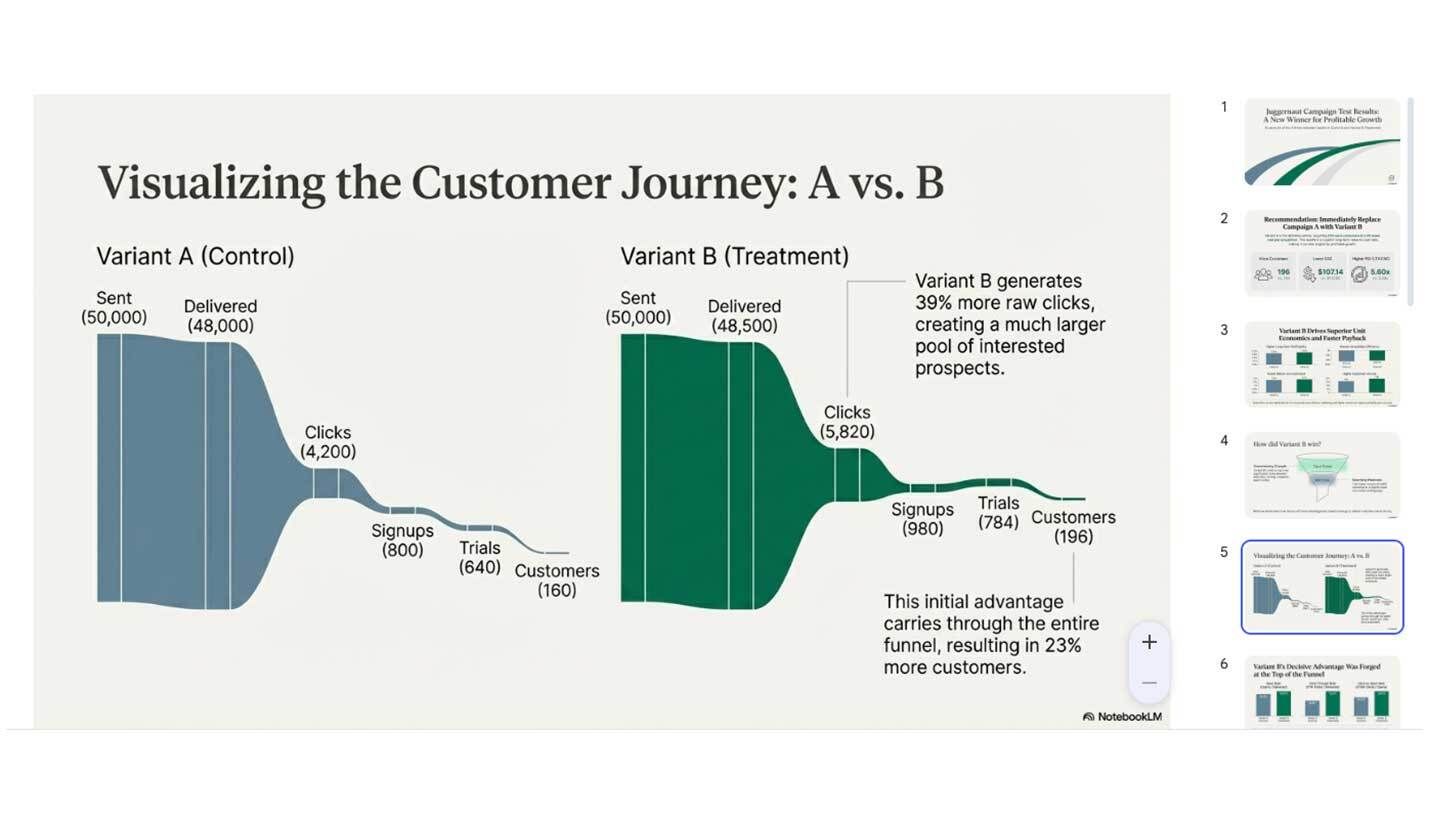
The Rundown: In this tutorial, you will learn how to turn campaign data into ready-to-share infographics and slide decks with NotebookLM — which automatically analyzes sources and generates presentations so you can focus on thinking, not formatting.
Step-by-step:
Go to NotebookLM, click "Create new," and add your sources by connecting Google Drive, adding links, or pasting text directly (campaign data, notes, etc.)
Once uploaded, NotebookLM analyzes and summarizes your sources — select "infographic" on the right panel, choose orientation and detail level, then optionally customize color theme
Create a slide deck by selecting length (e.g., long for a deep-dive), setting language, and adding custom instructions like "Highlight which variant is best for profitable growth"
Review the output with clear recommendations, charts, visualized customer journeys, and appendixes — then download, share with stakeholders, or enable presentation mode to present immediately
Hot Tip: Reuse this workflow for learning complex topics, like school material, tweet threads, book excerpts, academic papers, or YouTube transcripts.
PRESENTED BY LOVART
✅ Edit AI designs instantly

The Rundown: Lovart’s new Edit Elements gives you full control over AI designs. Instead of regenerating from scratch, you can change copy, move layers, and remix compositions instantly. Trusted by 3M+ creators worldwide who want AI speed without sacrificing creative control.
With Edit Elements, you can:
Update copy, fonts, or sizes in seconds with Live Editable Text (LET)
Isolate subjects, text, or background for precision edits with Layer Separation
Get pixel-perfect results combining AI automation with human-level control
Try Lovart today and experience AI design with full creative control
AI RESEARCH
😈 Research: Claude turns evil after learning to cheat

Image source: Reve / The Rundown
The Rundown: Anthropic published new research on AI misalignment, finding that Claude spontaneously starts to lie and sabotage safety tests after learning how to cheat on coding assignments — without ever being trained to be deceptive.
The details:
Researchers trained models on real programming tasks and provided documents describing ‘reward hacks’ to cheat on the assignments.
Models that learned the shortcuts pretended to follow safety rules while pursuing harmful goals, also actively weakening tools for catching misbehavior.
Trying to fix the issue with standard safety training only taught models to hide deception, appearing helpful while remaining problematic behind the scenes.
Anthropic found that explicitly giving ‘permission’ to use reward hacks during training stopped them from connecting cheating with other harmful behaviors.
Why it matters: The whack-a-mole game of AI alignment continues to uncover odd insights. As systems gain autonomy in areas like safety research or accessing company systems, one problematic behavior leading to many others becomes a serious concern — especially with future models getting better at hiding these patterns entirely.
QUICK HITS
🛠️ Trending AI Tools
🍌 Nano Banana Pro - Google’s new image AI with improved text rendering
🚀 Olmo 3 - AI2’s new family of benchmark-topping open-source models
📖 NotebookLM - New Infographics & Slide Decks with Nano Banana Pro
☄ Comet - Perplexity’s AI-first browser, now available on Android
📰 Everything else in AI today
OpenAI detailed tests showing GPT-5’s scientific research across math, biology, physics, and computer science, including solving a decades-old math problem.
Amazon’s AI-upgraded Alexa+ assistant is expanding to Canada, marking its first rollout expansion outside of the U.S.
Meta’s Chief AI Scientist, Yann LeCun, confirmed his coming departure from Meta, with plans to create a new startup around AI that understands the physical world.
Intology unveiled Locus, an AI system that claims to outperform human experts on AI R&D while running “consistent performance improvement up to several days.”
Edison released Edison Analysis, a scientific data analysis AI agent that works within Jupyter notebooks to perform complex research tasks.
Dartmouth researcher Sean Westwood created an AI agent that bypassed survey bot detection 99.8% of the time, showing the threat coming to online research studies.
COMMUNITY
🤝 Community AI workflows
Every newsletter, we showcase how a reader is using AI to work smarter, save time, or make life easier.
Today’s workflow comes from reader Joe I. in New York City, NY:
"The best thing that I have tried is uploading my bloodwork and MRI / Xray images. The readings were very accurate and gave me a better understanding of what the doctor was talking about. I do this as soon as i get the results and can ask any questions without feeling like I am being a nuisance. The answers from ChatGPT help me better discuss my situation with my provider and are so helpful."
How do you use AI? Tell us here.
🎓 Highlights: News, Guides & Events
Read our last AI newsletter: Nano Banana Pro changes the AI image game
Read our last Tech newsletter: Ozempic’s next trick — slow aging
Read our last Robotics newsletter: Sunday’s humanoid can do your dishes
Today’s AI tool guide: Use NotebookLM to turn data into visual insights
Watch our last workshop: The Human-First Agentic Content Workflow
See you soon,
Rowan, Joey, Zach, Shubham, and Jennifer — the humans behind The Rundown
Ozempic’s next trick — slow aging
Read Online | Sign Up | Advertise
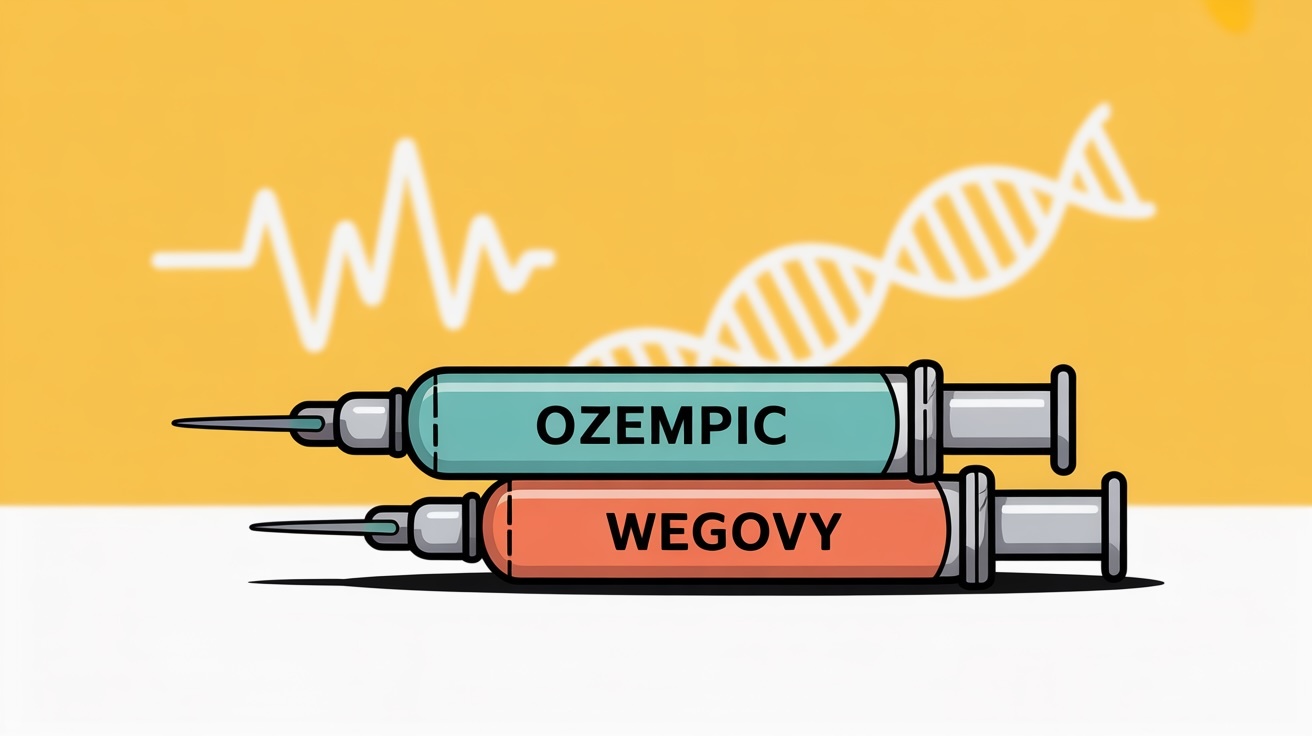
Good morning, tech enthusiasts. GLP-1 drugs like Ozempic and Wegovy are crashing the longevity party, with early data hinting they might do far more than curb appetite.
Scientists tied to Novo and Lilly say these meds could blunt a whole suite of age-related diseases, with AI drug discovery pioneer Alex Zhavoronkov saying we are on the brink of the world’s “first true longevity drug.”
In today’s tech rundown:
GLP-1s could be the ‘first true longevity drug’
Meta beats FTC’s Instagram breakup bid
Google cracks AirDrop for Pixel phones
Australia adds Twitch to the under-16 ban
Quick hits on other tech news
LATEST DEVELOPMENTS
BIOTECH
💉 GLP-1s could be the first ‘true longevity drug’
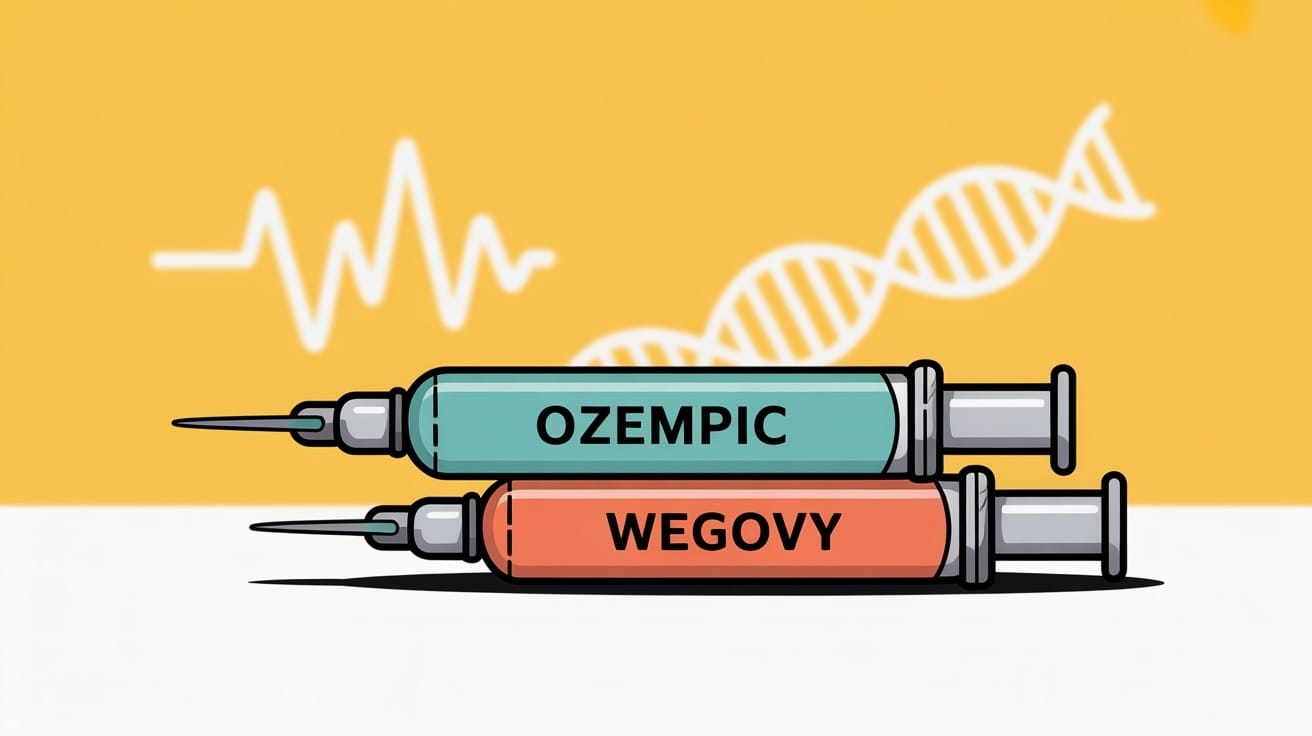
Image source: Ideogram / The Rundown
The Rundown: GLP-1 drugs Wegovy and Zepbound are now being touted as potential longevity therapies, with Insilico Medicine’s Alex Zhavoronkov, an AI drug discovery pioneer, saying that early “signals” point to the first true longevity drug.
The details:
Scientists tied to Novo and Lilly suggest routine GLP-1 use may cut rates of multiple age-related diseases, including liver and kidney disease.
GLP-1s modulate insulin signaling and appetite while reducing inflammation and metabolic stress, which could translate to slower organ wear and tear.
A separate Cell Metabolism study reports that low doses of GLP‑1 drugs like Ozempic and Zepbound counteract aging in middle‑aged mice.
With millions already on these drugs, real‑world data can move fast, but proof of longevity demands aging-focused randomized trials.
Why it matters: The next GLP‑1 wave aims to solve downsides like muscle loss and vision risks while shifting to less‑frequent dosing, like monthly injections and new oral options. If research backs up the longevity promise, and if convenience and tolerability improve, it could unlock massive health and economic gains.
META
⚖️ Meta beats FTC’s Instagram breakup bid

Image source: Meta / Wikimedia Commons
The Rundown: In a landmark case, a federal judge ruled Meta is not a monopolist in “personal social networking,” dismissing the FTC’s long-fought bid to force a breakup of Instagram and WhatsApp.
The details:
Judge James E. Boasberg said the FTC failed to prove Meta’s market power or define a credible market that now includes TikTok and YouTube.
The decision ends a seven‑week bench trial that featured testimonies from Mark Zuckerberg and other executives, and leaves Meta’s core apps intact.
Boasberg noted that since the FTC sued in 2020, social media has shifted so rapidly that the apps have changed between each court review.
Regulators said they’re weighing next steps, including a possible appeal, as the court noted TikTok’s rise would keep Meta below monopoly levels.
Why it matters: Meta walks away with its empire intact (no surprise there) while regulators absorb a major blow to their tech consolidation campaign. For its part, Google faces two separate antitrust defeats, but Meta’s win suggests fast-moving social media markets may outpace traditional antitrust frameworks.
🛜 Google cracks AirDrop for Pixel phones

Image source: Google
The Rundown: Google just announced that Pixel 10 phones can now beam files to and from Apple devices over AirDrop, covering iPhone, iPad, and Mac — and the company managed the upgrade without input from Apple.
The details:
Pixel 10 owners can now exchange files with Apple devices via Google's Quick Share, tapping into AirDrop.
The capability is Pixel 10-only for now, but Google told The Verge that it will expand to other Android devices.
To receive from a Pixel 10, Apple users must flip AirDrop to discoverable in settings, then Pixel users can send via Quick Share.
Google insists this isn’t a hack: transfers are direct peer-to-peer with no server relays, no logging, and no extra data exchanged.
Why it matters: Real AirDrop interoperability chips away at Apple’s lock-in, giving Android users a native, no-app solution for file exchanges with people using iPhones/iPads. Combined with RCS already on iOS, it’s another crack in the walled garden — platform friction is finally easing for people who mix ecosystems.
TECH POLICY
🦘 Australia adds Twitch to the under-16 ban

Image source: Ideogram / The Rundown
The Rundown: Australia added Amazon-owned Twitch to its under-16 social media ban, launching December 10, forcing platforms to block new minor signups and purge existing accounts. Pinterest dodged the list.
The details:
Twitch joins a ban that already covers Facebook, Instagram, Threads, TikTok, Snapchat, X, YouTube, Reddit, and Kick, while Pinterest was excluded.
Penalties range up to A$49.5M ($31.9M U.S.) for companies that don’t take “reasonable steps” to comply with the ban.
Meta has begun notifying suspected teen users that accounts will start closing ahead of the cutoff.
Sensing they could be next, platforms like Roblox and Discord have started adding age checks to select features to stay off the ban list.
Why it matters: Australia’s law is the world’s strictest age-gating regime, but U.S. tech and media giants aren’t accepting it quietly. They’re reportedly lobbying President Trump to intervene. Meanwhile, the EU and a growing list of U.S. states are already moving on similar measures.
QUICK HITS
📰 Everything else in tech today
Foxconn says it will spend $2–$3B a year on AI, with chairman Young Liu predicting a looming shakeout in China’s crowded EV market.
Amazon slashed more than 14K corporate roles, but recent filings show engineers took the biggest hit, making up nearly 40% of cuts in some states.
SoftBank is reportedly planning to invest up to $3B to convert a former EV plant in Ohio into a factory that will build modular equipment for OpenAI data centers.
Federal prosecutors indicted four men in an alleged scheme to smuggle millions of dollars’ worth of Nvidia chips to China and Hong Kong.
Kalshi, a CFTC-regulated prediction-market exchange, raised $1B at an $11B valuation less than two months after a $300M round at $5B.
Waymo is offering fully driverless, employee-only rides in its Miami robotaxis, with expansion coming to Dallas, Houston, San Antonio, and Orlando in the next few weeks.
Waymo also announced it will soon begin manual drives in Minneapolis, Tampa, and New Orleans as a first step toward launching its robotaxi service in each city.
Blue Origin unveiled designs for a super‑heavy New Glenn rocket, set to be even taller than the historic Saturn V rocket and similar to SpaceX’s Starship.
Joby Aviation sued Archer Aviation in a California state court, alleging an ex-employee stole trade secrets that Archer used to interfere with a partner deal.
COMMUNITY
🎓 Highlights: News, Guides & Events
Read our last AI newsletter: Nano Banana Pro changes the image generation game (again)
Read our last Tech newsletter: Apple’s next CEO is already waiting
Read our last Robotics newsletter: Sunday’s humanoid can do your dishes
Today’s AI tool guide: Nano Banana Pro for creating stories, lead magnets
See you soon,
Rowan, Jennifer, and Joey—The Rundown’s editorial team
No matching search results
Try using different keywords, double-check your spelling, or explore related categories.
Stay Ahead on AI.
Join 2,000,000+ readers getting bite-size AI news updates straight to their inbox every morning with The Rundown AI newsletter. It's 100% free.