World's smallest autonomous robots
PLUS: China's humanoid gig economy

Jennifer Mossalgue
December 29, 2025
Read Online | Sign Up | Advertise

Good morning, robotics enthusiasts. Researchers at Penn and Michigan have unleashed what they say is an entirely new breed of microbot — smaller than a grain of salt, costing just a penny, fully untethered, and with no moving parts.
These tiny bots shatter a 40-year barrier in sub-millimeter autonomy, opening doors to feats that physics once deemed impossible.
In today’s robotics rundown:
Robots that are barely visible to the naked eye
AgiBot’s new robot-for-hire platform
U.S. bans new foreign drones, hitting DJI
LG teases humanoids for household chores
Quick hits on other robotics news
LATEST DEVELOPMENTS
MICROBOTS
🦠 Robots that are barely visible to the naked eye
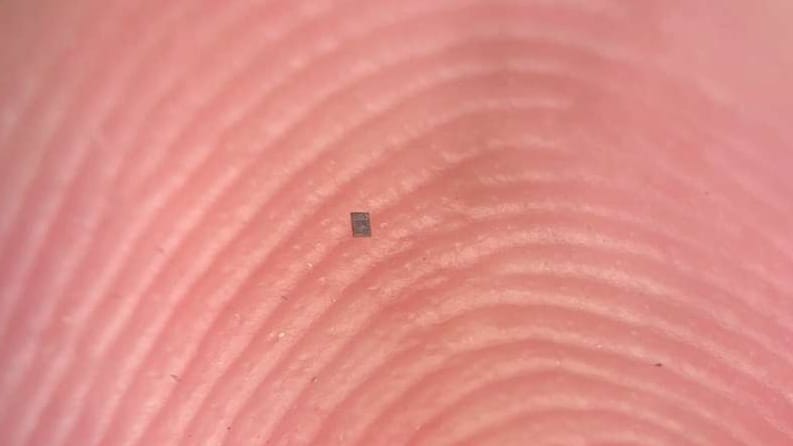
Image source: Marc Miskin, University of Pennsylvania
The Rundown: Researchers at Penn and Michigan just built what they say are the world’s smallest fully programmable, autonomous robots — microscopic swimming machines that are smaller than a grain of salt.
The details:
Costing only a penny each, these light-powered microbots can sense, think, and act independently for months without tethers or external control.
Each robot carries an onboard computer, temperature sensor, and solar panels that generate just 75 nanowatts of power.
The robots propel themselves by generating electric fields that nudge ions in the surrounding liquid, creating thrust without any moving parts.
Researchers program the robots with light pulses, giving each an identifier for individualized instructions, and retrieve data through a “waggle dance” motion.
Why it matters: These microbots crack a 40-year barrier by achieving true autonomy below one millimeter, where drag turns water into tar and conventional propulsion fails. Eventually, they could monitor individual cells or assemble microscale devices, opening medical and manufacturing applications that were physically impossible.
AGIBOT
🔥 AgiBot’s new robot-for-hire platform
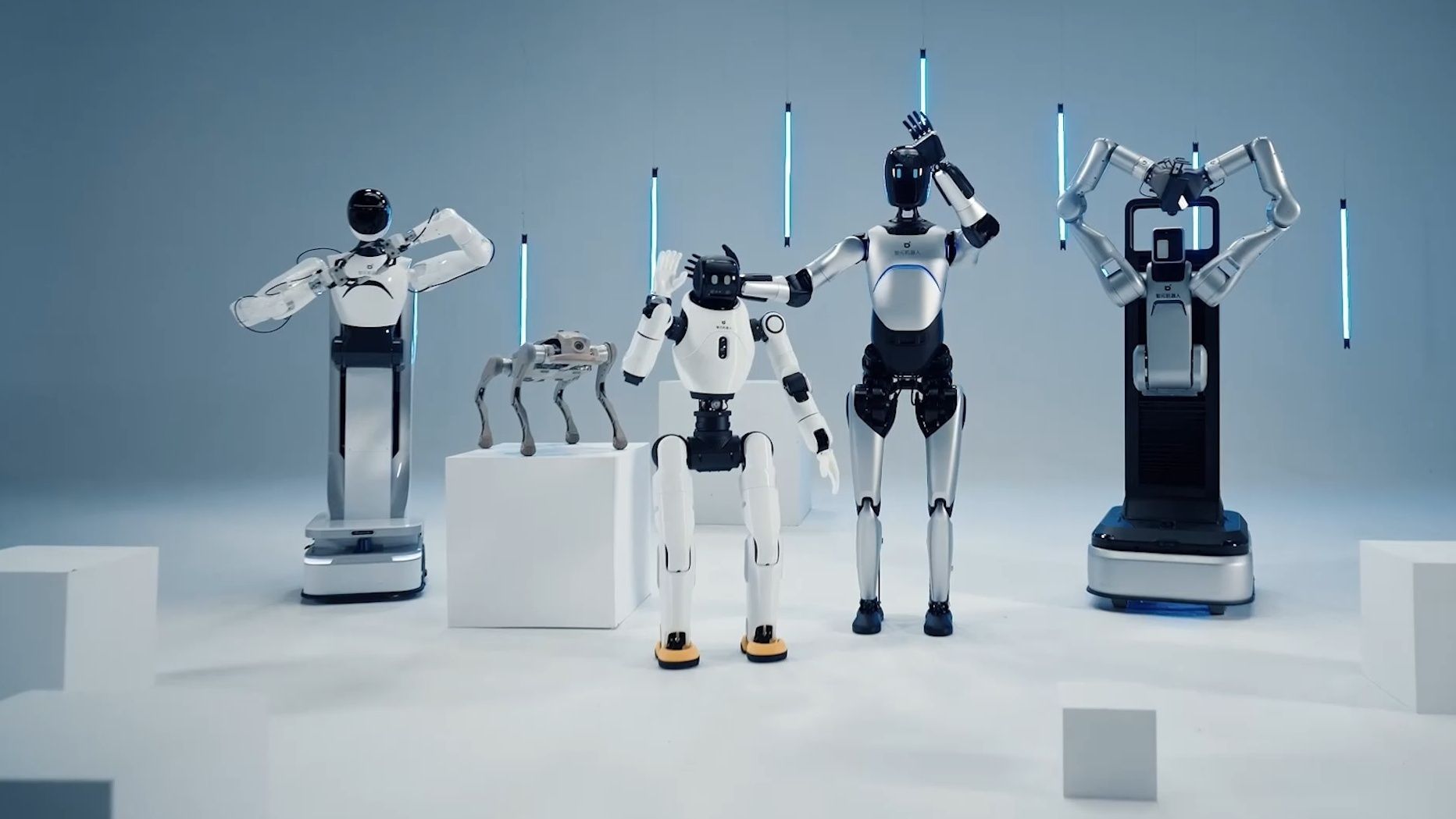
Image source: AgiBot
The Rundown: Chinese robotics firm AgiBot just launched Qingtian Rent — a multi-vendor platform that turns humanoids into hired help for weddings, conferences, and trade shows across 50 cities. Welcome to the new robot gig economy.
The details:
AgiBot is bringing in more than 10 robot manufacturers, including Unitree and Accelerated Evolution, rather than limiting rentals to its own robots.
AgiBot’s Yuanzheng A2 runs at $1,380 per day; Unitree’s U2 costs $690, and its Go2 Air robot dog goes for $138.
The platform already has 600 service providers managing over 1K robots, with expansion to 200+ cities planned for 2026.
Rented bots can greet guests, guide attendees, deliver scripted speeches, and handle light interactive duties tailored to each gig.
Why it matters: China’s robot-rental market hit $140M in 2025 and could surge toward $1.4B next year. While U.S. offerings remain scattered and small-scale, China is rolling out a much more coordinated, nationwide push designed to normalize robot rentals and speed up large-scale humanoid deployment.
DRONES
🛑 U.S. bans new foreign drones, hitting DJI
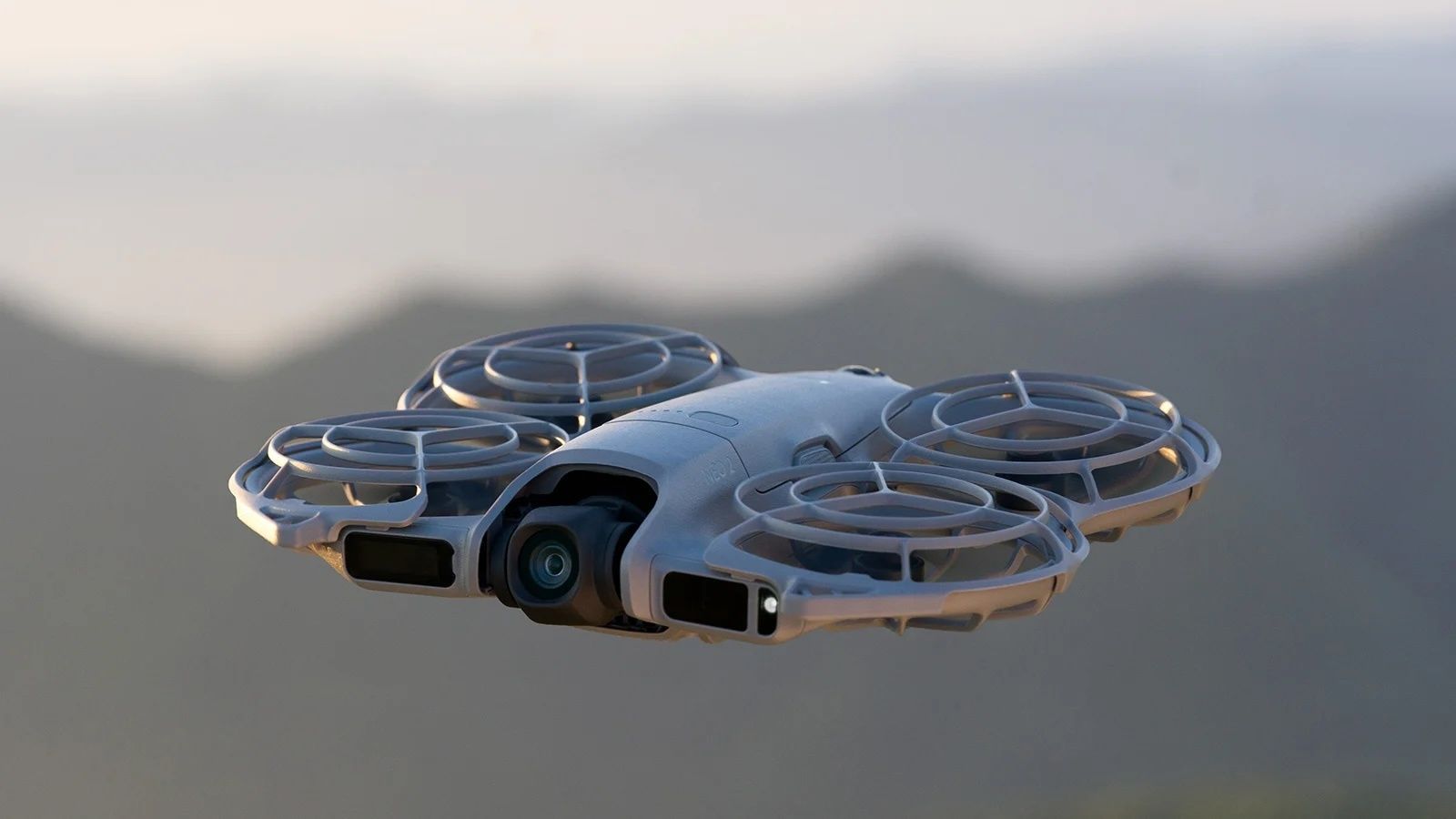
Image source: DJI
The Rundown: The Trump administration’s FCC banned all new foreign-made drones from U.S. distribution last week, citing national security threats. Americans who already own older foreign drone models can still use them, but no new imports will be allowed.
The details:
The FCC added all foreign-made drones and components to its Covered List — products deemed to pose “unacceptable risk to national security.”
The ban hits Chinese drone giant DJI hardest, the dominant global player and one of the most popular brands among American consumers.
DJI pushed back, calling its products “among the safest and most secure on the market” and said it remains committed to the U.S. market.
The move follows Trump’s June executive order aimed at boosting domestic drone production and securing the U.S. supply chain “against foreign control.”
Why it matters: The ban effectively kills the pipeline of new DJI drones into the U.S. markets, forcing users to shift toward U.S.-made alternatives that currently lack DJI’s market dominance and feature set. It’s the Trump administration’s most aggressive move yet to decouple U.S. tech infrastructure from Chinese manufacturing.
LG
👊🏼 LG teases humanoid for household chores
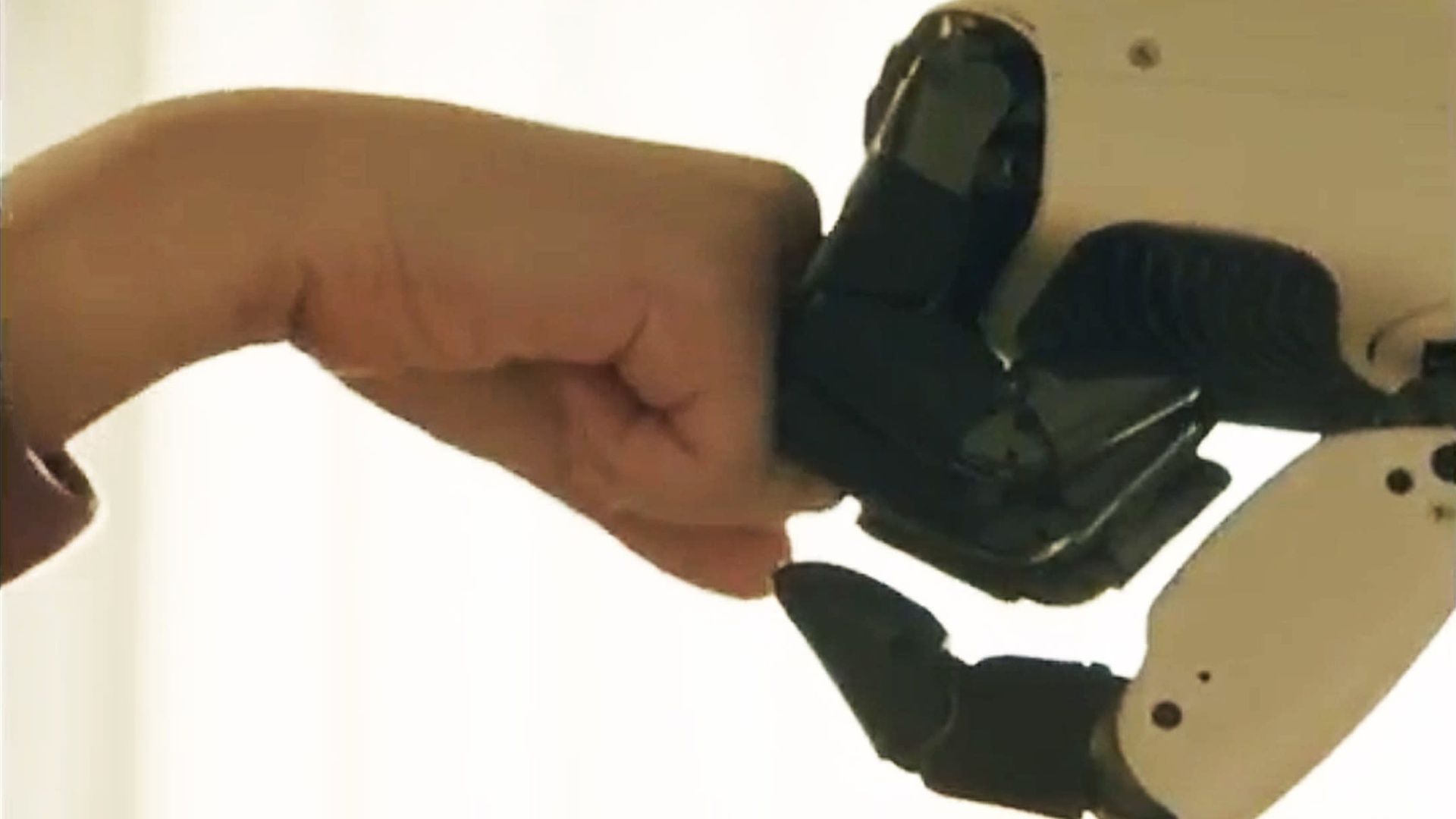
Image source: LG
The Rundown: South Korean tech giant LG Electronics says it will unveil LG CLOiD at CES 2026 — a home assistant humanoid designed to tackle household chores and reflect the company’s “Zero Labor Home” vision.
The details:
The robot features two seven-axis arms with five-fingered hands for dexterous manipulation, powered by LG’s Affectionate Intelligence system.
Its head-mounted chipset acts as the robot’s brain, equipped with sensors and a camera, display, and speaker for navigation and interaction.
LG says its Affectionate Intelligence AI adapts to users’ moods, habits, and routines by analyzing real-time data from connected LG appliances.
Why it matters: Unlike industrial robots or single-purpose assistants, CLOiD represents LG’s first big push toward general-purpose home automation — testing whether consumers will embrace humanoid helpers that learn their preferences and operate across multiple chores rather than just vacuuming floors or playing music.
QUICK HITS
📰 Everything else in robotics today
Hyundai Motor Group says Boston Dynamics will publicly debut its new all-electric Atlas humanoid for the first time at CES 2026 in Las Vegas.
A viral clip shows a Unitree humanoid, mirrored by a human operator wearing a motion-capture suit, taking a direct hit to the groin.
TARS Robotics hit a world-first in embodied AI, demoing a humanoid that uses both hands to thread a needle and stitch embroidery with sub-millimeter precision.
Waymo is experimenting with a Gemini-powered in-car assistant for its robotaxis that can talk with riders, tweak select cabin settings, and offer reassurance during trips.
Chinese researchers found that a single voice command could hijack a humanoid and spread the attack wirelessly to connected units, creating a rapid botnet-style infection.
Kawasaki unveiled its ninth-gen Kaleido disaster-response humanoid, adding that it is also moving forward on its CORLEO quadruped ‘wolf robot’ concept.
Amazon-owned Zoox issued a voluntary software recall after its robotaxis were found to occasionally cross center lane lines or block crosswalks near intersections.
Uber and Lyft will begin testing Baidu’s Apollo Go RT6 robotaxis in London in 2026, pending approval, joining Waymo and Wayve on the city’s autonomous streets.
Physical Intelligence fine-tuned its foundation model to tackle “Robot Olympics” household-manipulation challenges, achieving gold medals in most categories.
COMMUNITY
🎓 Highlights: News, Guides & Events
Read our last AI newsletter: Nvidia strikes largest deal in company history
Read our last Tech newsletter: OpenAI eyes $830B mega-valuation
Read our last Robotics newsletter: Top 5 robotics trends this year
Today’s AI tool guide: Perform real-time market research using Grok
Watch our last live workshop: NotebookLM for Work
See you soon,
Rowan, Jennifer, and Joey—The Rundown’s editorial team


Stay Ahead on AI.
Join 2,000,000+ readers getting bite-size AI news updates straight to their inbox every morning with The Rundown AI newsletter. It's 100% free.