Meta launches paid tiers across its apps
PLUS: Oura debuts a thinner, smarter ring

Jennifer Mossalgue
May 29, 2026
Read Online | Sign Up | Advertise

Good morning, tech enthusiasts. Meta’s free-app empire is getting a price tag. Under a new “Meta One” umbrella, Instagram, Facebook, WhatsApp, and even Meta AI are being sliced into paid tiers with perks for power users, creators, and businesses.
As AI infrastructure devours cash, Meta is betting feature-heavy subscriptions can help pick up the slack.
In today’s tech rundown:
Meta turns its free apps into a subscription stack
Oura made its smart ring 40% smaller
Blue Origin’s New Glenn rocket just exploded
MIT found a cleaner way to mine lithium
Quick hits on other tech news
LATEST DEVELOPMENTS
META
💰 Meta turns its free apps into a subscription stack

Image source: Ideogram / The Rundown
The Rundown: Meta is officially rolling out paid tiers across Instagram, Facebook, and WhatsApp worldwide, bundling them under a new Meta One brand that transforms the company’s core social apps into a layered menu of premium features.
The details:
Instagram Plus and Facebook Plus ($3.99/month) and WhatsApp Plus ($2.99/month) add paid extras like customization and deeper story analytics.
For Meta AI, Meta is testing two paid tiers: Meta One Plus ($7.99) and Premium ($19.99), with the Premium offering faster “thinking mode” responses.
The company is also testing creator and business subscriptions that bundle verification-style protections, expanded link and promo tools, and analytics.
Meta says the Plus subscriptions sit alongside its existing Meta Verified program rather than replacing it.
Why it matters: Meta’s ad business is enormous — $201B in 2025 — but the tech giant is burning through cash just as fast, with up to $145B committed to AI infrastructure in 2026 alone. Subscriptions are a bet on diversification, arriving in the same month Meta cut 8K jobs to offset its AI spending.
OURA
🤜🏼 Oura made its smart ring 40% smaller
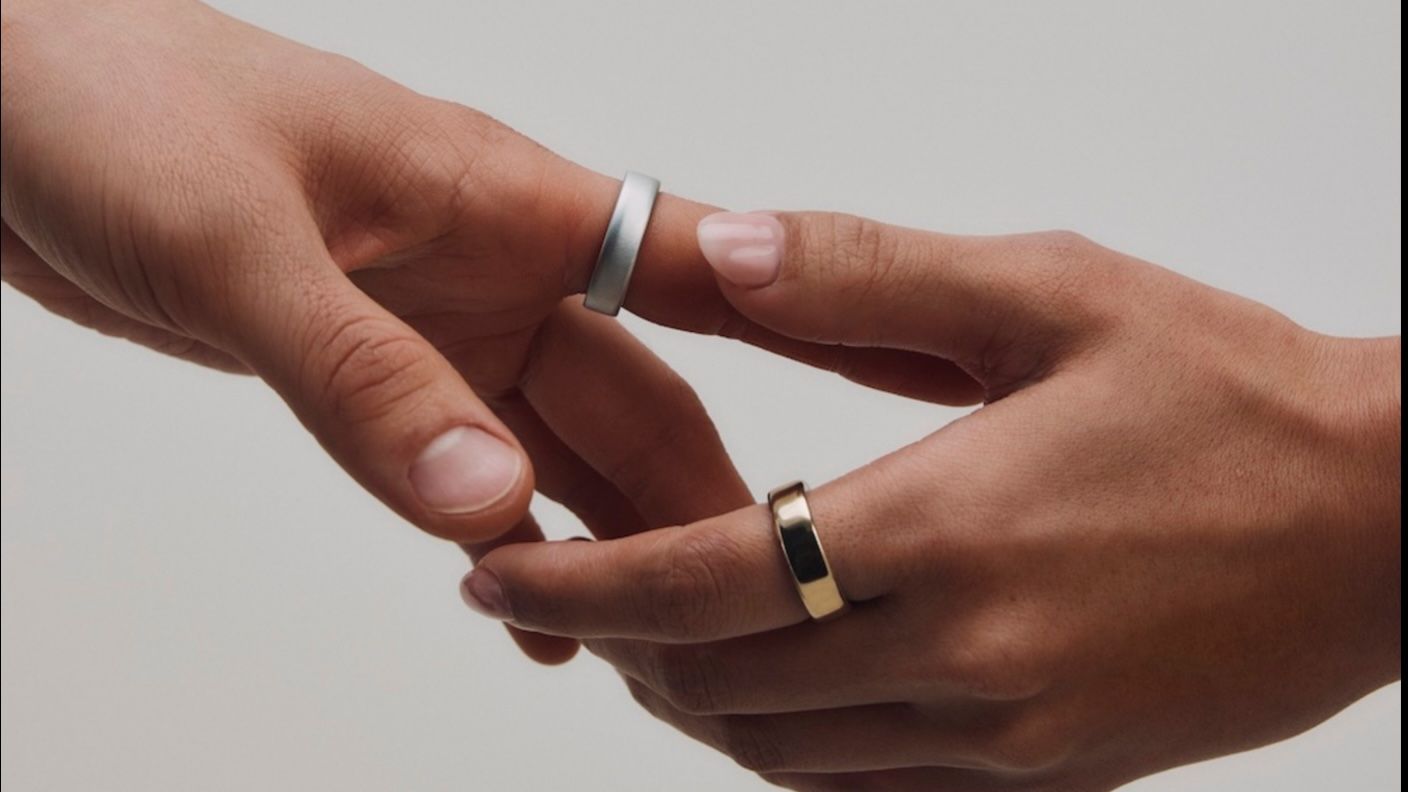
Image source: Oura
The Rundown: Oura’s new fifth-gen smart ring is its thinnest yet — 40% smaller than its predecessor, and it’s packing more health intelligence than ever, from blood pressure pattern tracking to AI-assisted access to real healthcare providers.
The details:
The Ring 5 is crafted from titanium and starts shipping June 4, priced at $399 for Silver and Black or $499 for Gold, Stealth, Brushed Silver, and Deep Rose.
Oura’s expanded Health Radar software adds Blood Pressure Signals and Nighttime Breathing, using ring biometrics to surface longer-term patterns.
A new Oura Labs AI-care feature, via Counsel Health, will let eligible U.S. members in 43 states connect with licensed providers directly in the app.
Full access to Oura’s deeper health insights still requires an Oura Membership, priced at $5.99/month or $69.99/year.
Why it matters: Samsung, RingConn, and Ultrahuman are all gunning for Oura’s crown, with subscription-free pricing as their sharpest weapon. Oura is betting the other direction — filing confidentially for an IPO at nearly $11B while using patent enforcement and clinical-grade features to make the Ring 5 tough to replicate.
BLUE ORIGIN
🚀 Blue Origin’s New Glenn rocket just exploded

Image source: Spaceflight Now on X
The Rundown: Jeff Bezos’s Blue Origin suffered a major setback when its New Glenn rocket exploded during a static fire test at Cape Canaveral, forcing the company to halt operations at a critical moment in its comeback bid.
The details:
New Glenn was undergoing a “green run,” a ground firing ahead of its fourth planned flight, slated to carry Amazon’s Project Kuiper satellites into orbit.
Blue Origin confirmed no injuries, and regulators reported no disruption to air traffic — but New Glenn is effectively grounded until further notice.
The blast follows a rough April mission in which New Glenn’s upper stage failed to deliver an AST SpaceMobile satellite to orbit.
Upcoming Artemis and Pentagon payloads are now in limbo: New Glenn was supposed to serve as a credible reusable alternative to SpaceX.
Why it matters: New Glenn is one of the only serious challengers to SpaceX in heavy-lift, and its grounding, however temporary, tightens the squeeze on U.S. launch options. For NASA and the Pentagon, the explosion is a fresh reminder of the risks that come with betting on rockets still proving they can consistently deliver.
MIT
⛏️ MIT found a cleaner way to mine lithium

Image source: Images 2.0 / The Rundown
The Rundown: Researchers at MIT say they’ve cracked a cleaner way to extract battery-grade lithium from hard rock, with no acid roasting, no toxic sludge, and almost zero waste.
The details:
A new ammonium‑fluoride process dissolves the silicate matrix in spodumene, then separates and purifies lithium, aluminum, and silica for industrial use.
Lab tests recovered more than 95% of the lithium in rock samples, and the chemical reagent loops back into the process rather than going to waste.
Running at low temperatures, it skips the energy-hungry roasting step that makes conventional hard-rock mining so carbon-intensive and expensive.
MIT has spun out a startup, Rock Zero, pitching the technique as the cheapest path to lithium from any natural source.
Why it matters: Lithium supply is already struggling to keep pace with EV and grid-storage demand, leaving battery makers exposed to price shocks and China’s grip on refining. If Rock Zero can scale this at cost, it could give Western battery supply chains a cleaner, cheaper foundation to build on.
QUICK HITS
📰 Everything else in tech today
Meta is reportedly preparing to announce new AI glasses soon, likely as part of its next smart-glasses push with possible new Ray-Ban models and more AI features.
Jeff Bezos–backed startup Slate Auto will reportedly reveal pricing and begin taking non-refundable preorders for its low-cost EV on June 24 for deliveries later this year.
Amazon killed an internal AI-use leaderboard after staff started spamming pointless prompts just to climb the rankings, the Financial Times reports.
California’s attorney general is suing 23andMe, alleging it failed to prevent and downplayed a 2023 breach that exposed sensitive data from roughly 7M users.
Lamborghini CEO Stephan Winkelmann says the backlash to Ferrari’s Luce shows dropping Lamborghini’s full EV in favor of plug‑in hybrids was the right call.
Kia’s flagship EV9 electric SUV is reportedly plagued by high-voltage battery failures, forcing some owners to wait months for battery replacements.
WeRoad, a Milan-based group travel platform backed by Airbnb, raised $58M to expand its social travel experiences from Europe into the U.S., starting with Austin.
COMMUNITY
🎓 Highlights: News, Guides & Events
Read our last AI newsletter: Anthropic just eclipsed OpenAI
Read our last Tech newsletter: Ferrari’s first EV, designed by Jony Ive
Read our last Robotics newsletter: Figure’s humanoids get a retail job
Today’s AI tool guide: Use Codex to build a game in one prompt
RSVP to next workshop on June 18: Build a Marketing Creative Studio
See you soon,
Rowan, Joey, Zach, Shubham, and Jennifer — The Rundown’s editorial team

Stay Ahead on AI.
Join 2,000,000+ readers getting bite-size AI news updates straight to their inbox every morning with The Rundown AI newsletter. It's 100% free.