Apple's iOS upgrade is less flash, more fix
PLUS: Altman's eye-scanning startup sheds staff

Jennifer Mossalgue
June 9, 2026
Read Online | Sign Up | Advertise

Good morning, tech enthusiasts. Apple used its WWDC to recast iOS 27 as a cleanup release: faster apps, quicker photo loads, and a new slider that walks back the Liquid Glass look it spent all of last year defending.
Siri grabbed the stage lights, but a stack of overdue, low-key upgrades slipped in without much fanfare. While foldable iPhone rumors still gather steam, Apple is busy making old iPhones feel new again.
In today’s tech rundown:
Apple announces iOS 27, dials back Liquid Glass
Altman’s eyeball-scanning startup cuts staff
Instagram finally lets you reorder your grid
Pentagon brands Alibaba, BYD military firms
Quick hits on other tech news
LATEST DEVELOPMENTS
APPLE
🍎 Apple announces iOS 27, dials back Liquid Glass
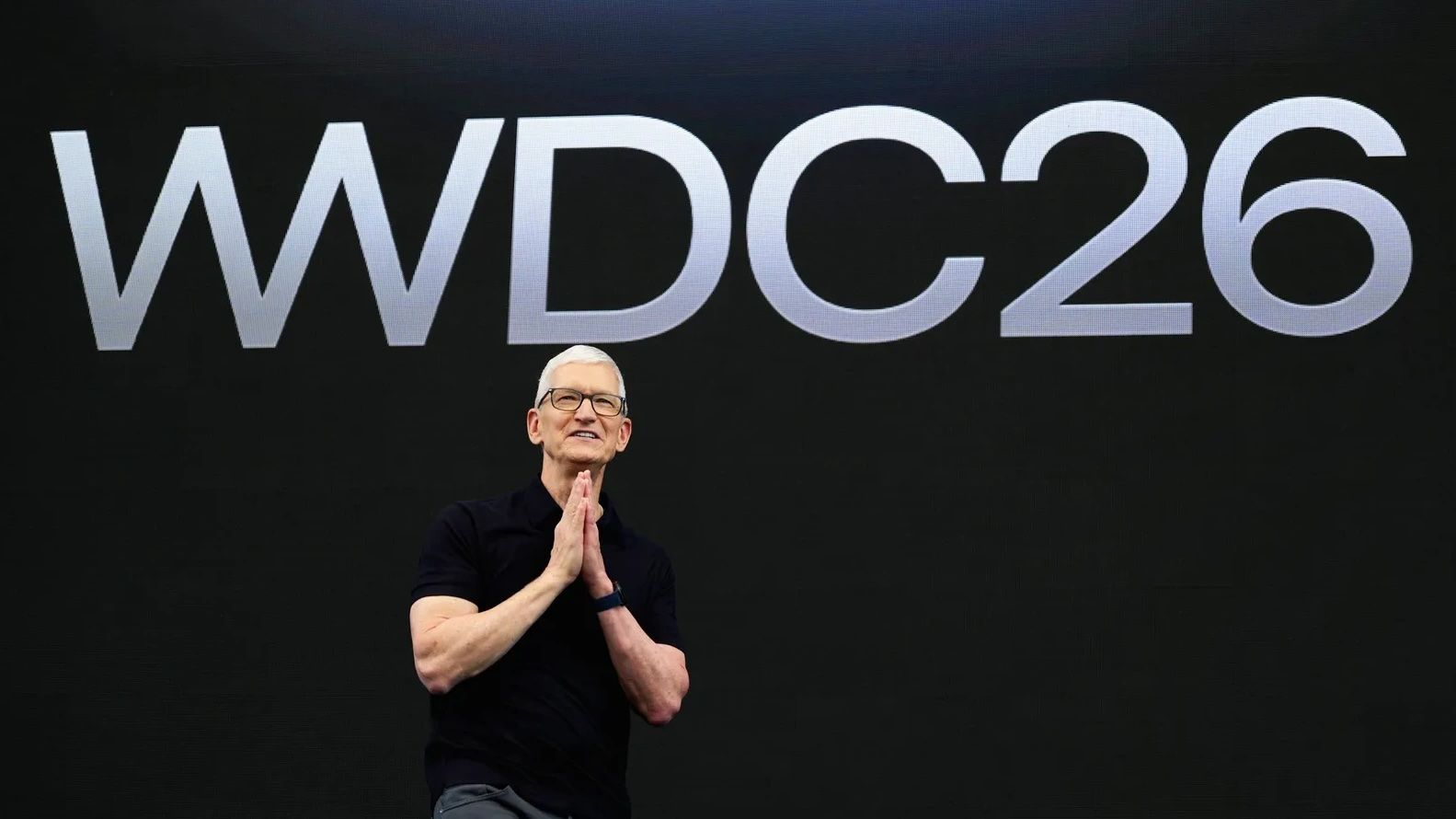
Image source: David Paul Morris/Getty Images
The Rundown: Apple used its WWDC keynote to recast iOS 27 as a speed-and-cleanup release — extending support back to the iPhone 11 and walking back its divisive Liquid Glass look — even as Siri and Apple Intelligence took the headline slot.
The details:
iOS 27 continues to support every iPhone from the iPhone 11 and iPhone SE 2nd gen forward, preserving Apple’s unusually long software runway.
Apple touts performance gains: app launches up to 30% faster, photos loading up to 70% faster after capture, and AirDrop transfers up to 80% faster.
A new transparency slider lets users dial Liquid Glass up or down — an opt-in retreat after last year’s backlash — alongside sharper, more layered app icons.
iCloud Shared Albums opens to Android and Windows, AirPods gain custom EQ, Maps gets a richer Flyover, and Health adds perimenopause tracking.
Why it matters: Stretching iOS 27 back to the iPhone 11 keeps a massive base of aging phones on current software — a win for security and app developers, though it may undercut the hope that obsolescence would push upgrades. The Liquid Glass walk-back is the more telling move: Apple rarely concedes a design miss this quickly.
TOOLS FOR HUMANITY
👁️ Altman’s eyeball-scanning startup cuts staff
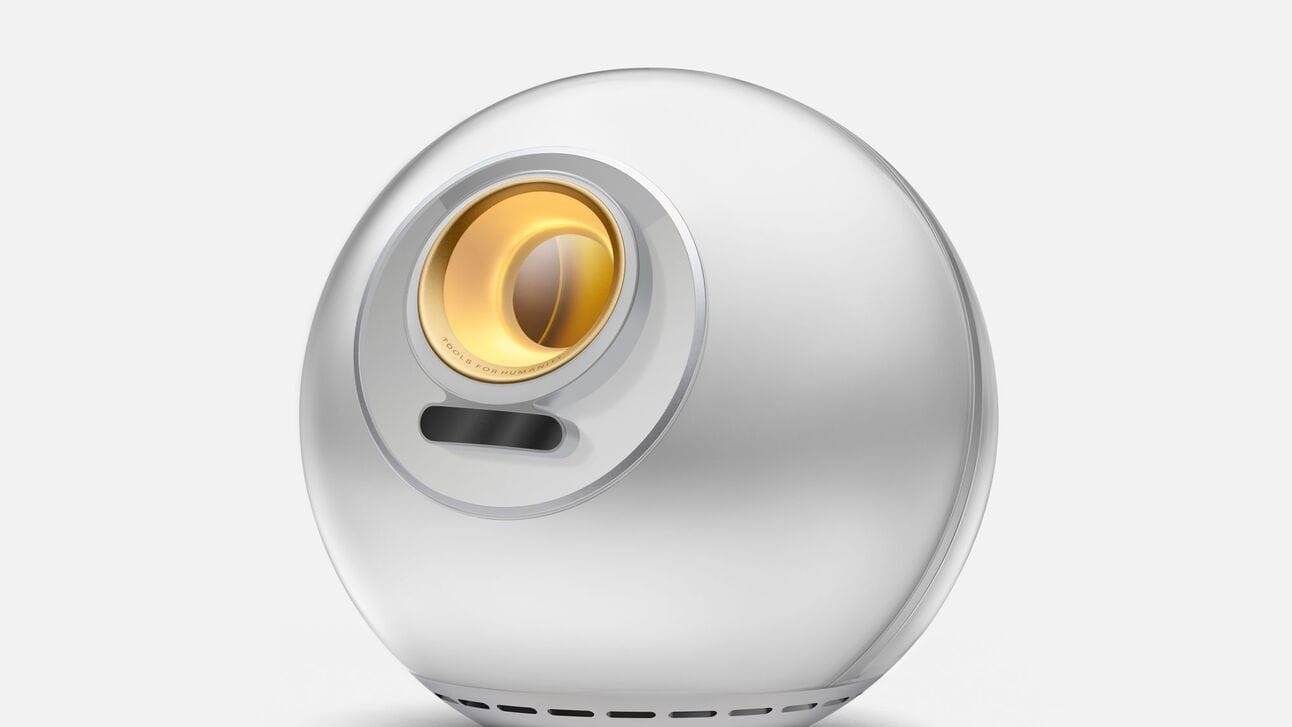
Image source: Tools for Humanity
The Rundown: OpenAI has kicked off what could be the decade’s blockbuster IPO just as CEO Sam Altman’s other bet, iris‑scanning startup Tools for Humanity, is reportedly cutting staff amid revenue struggles and regulatory blowback.
The details:
OpenAI confidentially filed its S-1 with the SEC, setting up a public debut that analysts expect to rank among the largest in history.
Tools for Humanity — the company behind Worldcoin’s eyeball-scanning Orb — is cutting staff after failing to turn its biometrics pitch into real revenue.
The startup is valued at $2.5B with backing from a16z, Bain Capital, and Khosla Ventures, but is downsizing anyway, Business Insider reports.
Worldcoin’s push to pay people about $50 in crypto for their biometric data has triggered bans, fines, and privacy probes in countries like South Korea.
Why it matters: OpenAI may be barreling toward a blockbuster IPO, but not everything in Altman’s orbit is moving that fast. His iris-scanning crypto venture is a harder sell than AI — especially once regulators show up — and a $2.5B valuation only goes so far when the product asks people to hand over their biometrics for tokens.
📸 Instagram finally lets you reorder your grid
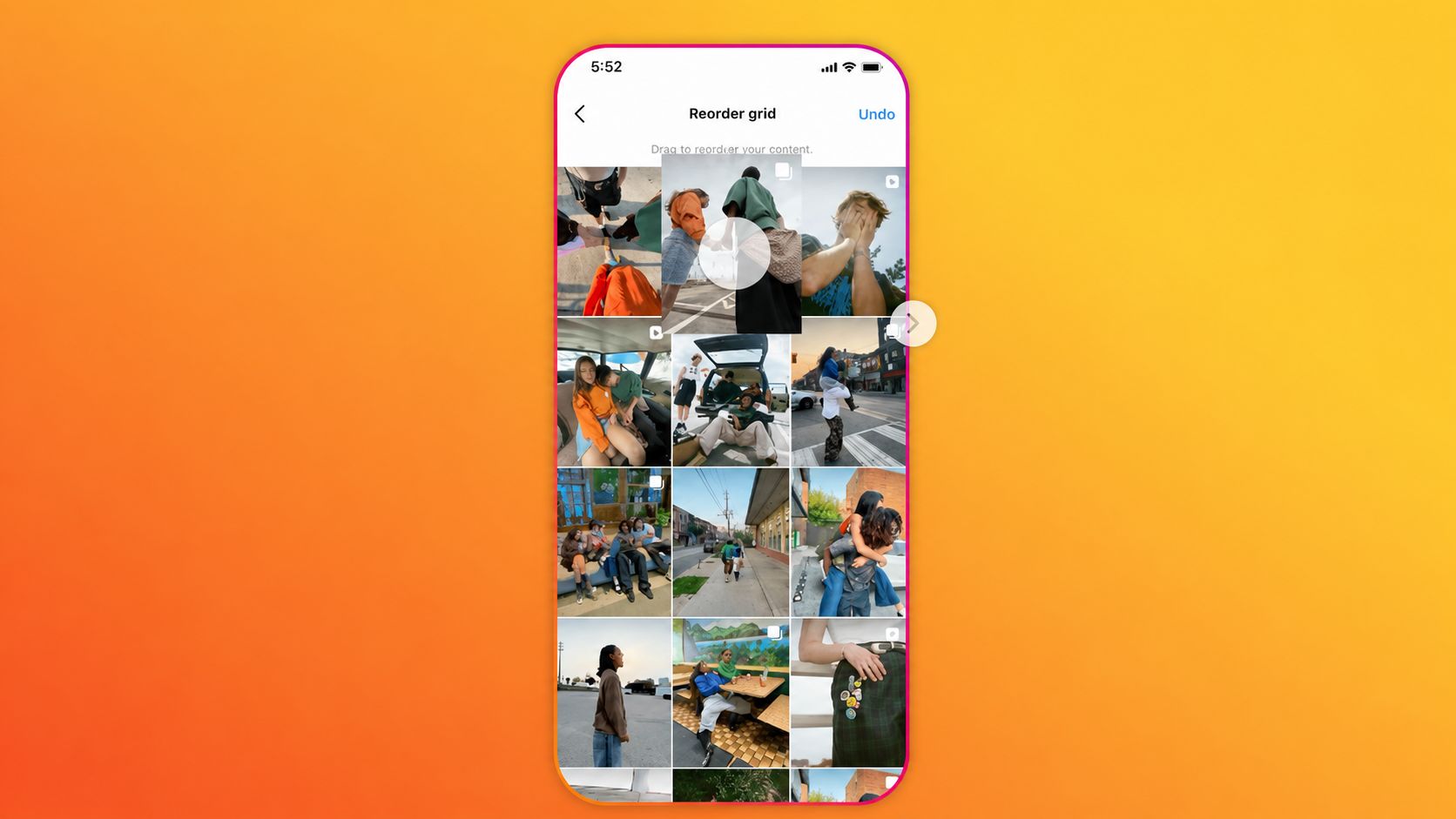
Image source: Instagram / Images 2.0
The Rundown: Instagram is finally giving users full control over their profile grid, letting you drag‑and‑drop old posts into a new, non‑chronological layout so your feed can look thoughtfully curated instead of random.
The details:
Users can now long-press any post, tap “Reorder grid,” and drag posts into any order regardless of when they were published.
It’s mobile-only (iOS and Android apps); pinned posts stay locked to the top and go grayed out in the reorder screen.
Instagram head Adam Mosseri teased the feature last year, partly as damage control after Instagram swapped square thumbnails for taller crops.
Reverse-engineer Alessandro Paluzzi found “edit grid” code back in 2022, Instagram shelved it, and he flagged renewed work in early 2025.
Why it matters: Reordering turns the grid into a curated storefront for Instagram’s 2B-plus users, letting creators and brands control what visitors see first. It pushes the profile away from a chronological diary toward a deliberate, customizable self-portrait — and turns layout into one more thing creators are expected to optimize.
TECH POLITICS
🛑 Pentagon brands Alibaba, BYD military firms

Image source: Ideogram / The Rundown
The Rundown: The Pentagon just reclassified the “Chinese military company” label on Alibaba, Baidu, and BYD, dragging three of Beijing’s most familiar consumer brands into the heart of the U.S.–China security standoff.
The details:
The expanded roster now runs to nearly 200 Chinese firms, with AI heavyweights Alibaba, Baidu, and Tencent now alongside EV giant BYD.
The tag stops short of sanctions for now, but blocks access to U.S. defense contracts and research dollars.
It also revives names that flickered on and off a February draft, among them memory-chip makers YMTC and CXMT.
Beijing calls it discriminatory, the companies deny any military role, and even U.S. critics warn that it brands nearly every big Chinese tech player a threat.
Why it matters: The Pentagon’s move drags China’s biggest consumer tech brands into the center of the U.S.–China security fight, raising risks for supply chains, investment, and growth plans. It also broadens “military‑civil fusion” so far that almost any major Chinese tech firm could be treated as a de facto defense company.
QUICK HITS
📰 Everything else in tech today
SpaceX unveiled its first AI data center satellite, a prototype dubbed “AI1” that Musk describes as a draft of the company’s planned space-based computing network.
Meta removed the hidden “NameTag” facial recognition code from its Meta AI smart glasses app after Wired exposed that the unreleased system had already shipped.
Apple is expanding parental controls with automatic image filtering that blurs inappropriate photos and FaceTime content for child accounts.
NASA’s upcoming Artemis IV astronauts will wear a new Prada-designed garment under their spacesuits, using circulating chilled water and oxygen tubing for cooling.
French authorities fined Nintendo around $40M for misleading consumers about long-running stick-drift issues in the Switch’s Joy-Con controllers.
Perplexity CEO Aravind Srinivas told CNBC the company is on track for a 2028 IPO, regardless of how rivals Anthropic and OpenAI fare in their own imminent listings.
Google agreed to pay SpaceX $920M per month for access to roughly 110K Nvidia GPU-powered compute units hosted in SpaceX data centers.
Michigan lawmakers proposed federal legislation that would bar Chinese-branded vehicles from driving on U.S. roads due to national security concerns.
NASA’s X-59 quiet supersonic research aircraft has flown faster than the speed of sound for the first time.
Researchers developed a laser‑etched solar surface that turns seawater into drinking water while recovering its salts as reusable solids instead of brine waste.
COMMUNITY
🎓 Highlights: News, Guides & Events
Read our last AI newsletter: Apple’s new Siri AI overhaul is here (sort of)
Read our last Tech newsletter: Google turns search into creator hubs
Read our last Robotics newsletter: Amazon’s robot army gets chatty
Today’s AI tool guide: Cut recurring meeting times with Claude + Granola
RSVP to our next workshop on June 18: Build a Marketing Creative Studio
See you soon,
Rowan, Joey, Zach, Shubham, and Jennifer — The Rundown’s editorial team




Stay Ahead on AI.
Join 2,000,000+ readers getting bite-size AI news updates straight to their inbox every morning with The Rundown AI newsletter. It's 100% free.