Agibot's tiny, portable humanoid
PLUS: Switchbot's new butler on wheels

Jennifer Mossalgue
January 5, 2026
Read Online | Sign Up | Advertise

Good morning, robotics enthusiasts. Agibot just shrunk its humanoid playbook to 31 inches. The Chinese startup’s new Q1 survives crashes, codes without scripts, and teaches English — all in a package that fits in a backpack.
As China’s robot boom spills from factories into homes, this tiny testbed could be a sign of where the industry’s headed: smaller, cheaper, and everywhere.
In today’s robotics rundown:
This tiny humanoid fits in your backpack
SwitchBot puts a robot butler on wheels
NEO’s $20K home bot now comes with pillows
AVs could cut a million road injuries by 2035
Quick hits on other tech news
LATEST DEVELOPMENTS
AGIBOT
🎒 This tiny humanoid fits in your backpack
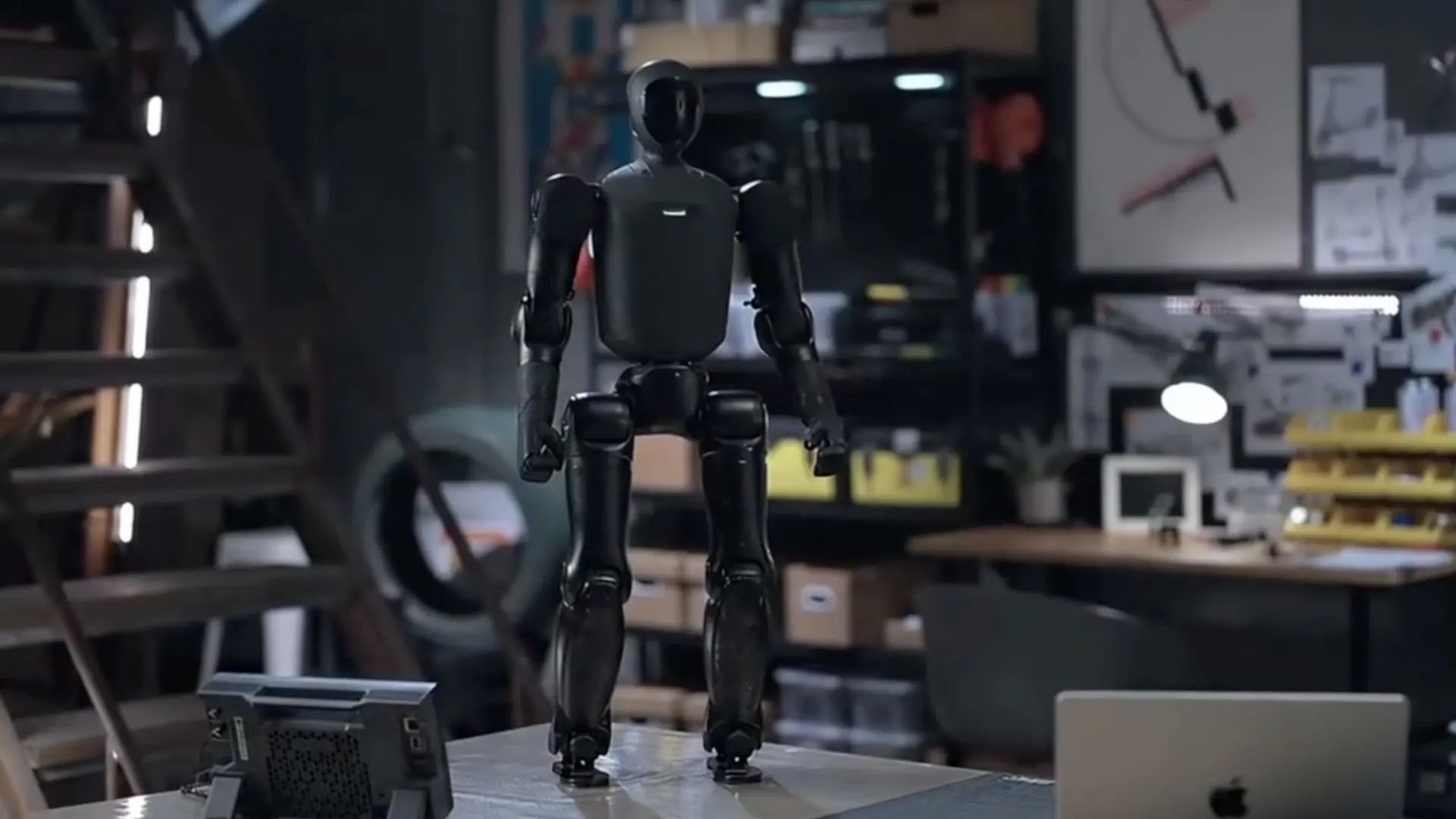
Image source: Agibot/YouTube
The Rundown: Chinese startup Agibot just built Q1, a 31-inch robot with crash-proof joints, zero-code programming, and tutoring skills — plus it fits in a backpack and costs a fraction of full-size humanoids.
The details:
The tiny Q1 stands about 80 cm tall and is roughly one-eighth the size and weight of a typical full-size humanoid.
The company says the bot’s crash-resistant joints — smaller than an egg — survive stunts and repeat tumbles while maintaining precise force control.
Agibot built it as an open platform with developer kits, 3D-printable shells, and zero-code motion programming.
Out-of-the-box capabilities include voice interaction, English tutoring, guided dance lessons, and indoor positioning.
Why it matters: In December, AgiBot said it had built its 5,000th robot and is now adding the backpack-sized Q1 to that growing fleet. With three mass-produced humanoid lines and a new portable AI testbed, the company highlights both its rapid scaling and how fast China’s robotics industry is expanding beyond industrial settings.
SWITCHBOT
🧺 SwitchBot puts a robot butler on wheels
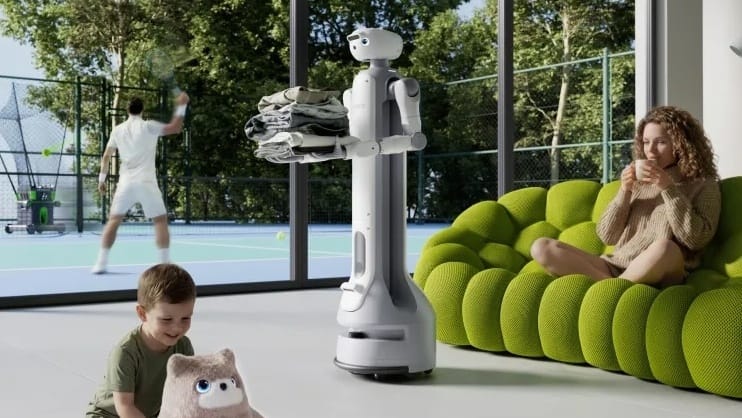
Image source: SwitchBot
The Rundown: SwitchBot is debuting a torso-on-wheels at CES 2026 that ditches bipedal ambitions for practical household labor. The Onero H1 comes with arms, a face, and household skills like coffee-making and laundry folding.
The details:
The bot packs 22 degrees of freedom, Intel RealSense depth sensing, and cameras in its head and wrists to navigate cluttered rooms.
An onboard “OmniSense” VLA model handles object recognition and natural-language commands locally, letting H1 adapt without cloud dependency.
SwitchBot positions it as “the most accessible AI household robot” but hasn't disclosed pricing.
Why it matters: SwitchBot hints it will price the H1 below rivals Figure, Tesla, Agility, and LG's upcoming home bot, all while sidestepping the stability and cost problems of bipedal designs. If a wheeled bot can tackle the same chores for less, it could prove that strong arms on wheels are all robots need to move into people’s homes.
1X
🤖 NEO’s $20K home bot now comes with pillows
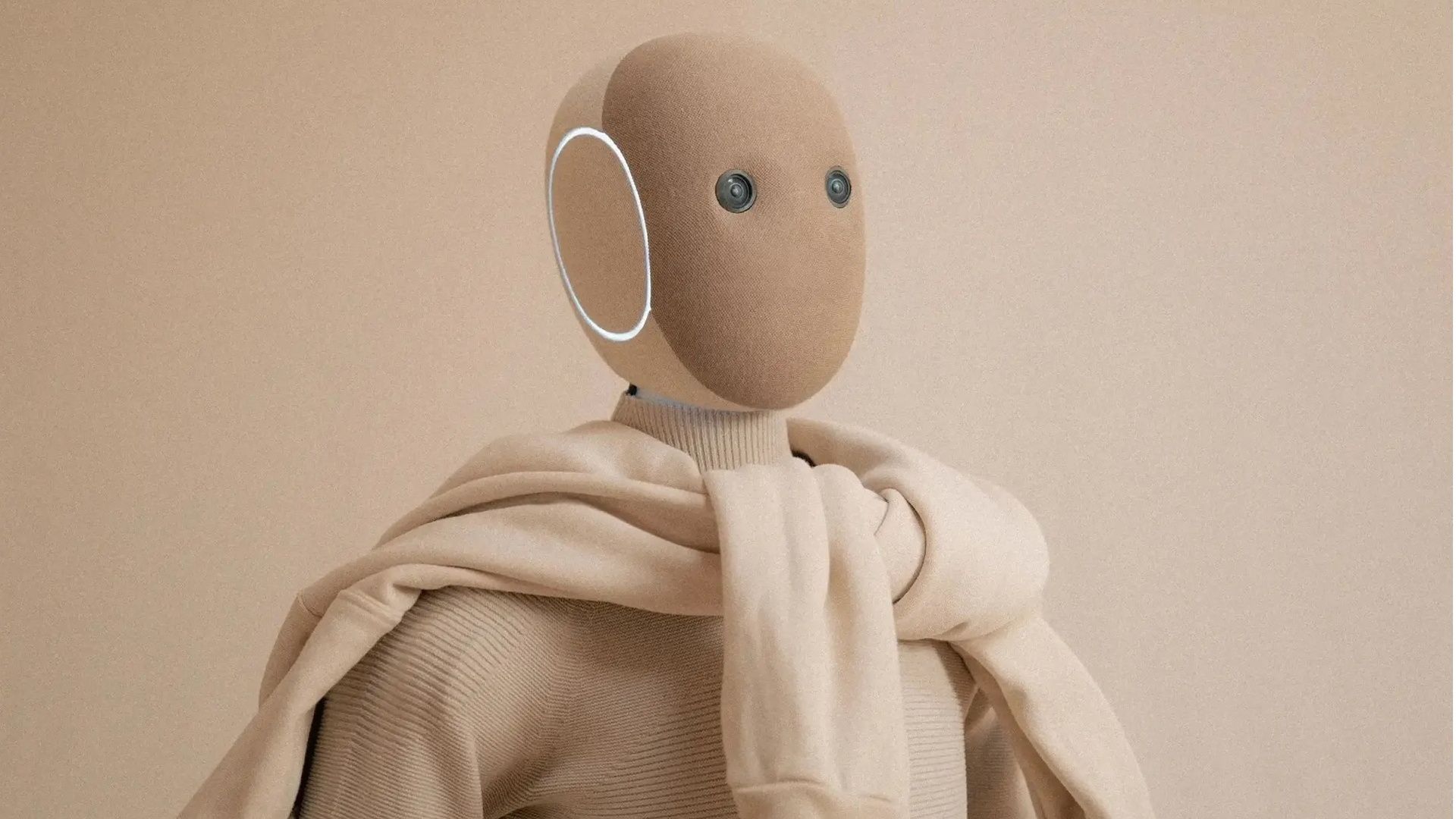
Image source: 1X
The Rundown: Humanoid maker 1X thinks you’ll warm up to robots if they come with merch. The company just dropped a “Home Collection” — pillow, hoodie, tote — all in the same beige, soft-touch aesthetic that wraps its $20K NEO robot itself.
The details:
The brand’s beige, soft-textured aesthetic is led by VP of Design, Product, and Marketing Dar Sleeper, a former Tesla product lead.
By pairing robotics with tangible lifestyle products, 1X hopes to make NEO look more like a gentle companion than a machine.
It’s part of a strategy to turn NEO into a lifestyle object, seeding desire for the brand long before most people ever share a home with a humanoid.
1X is rolling out a human-in-the-loop model where paying customers deploy NEO while remote operators take the wheel during tasks the bot can’t handle.
Why it matters: Most robotics companies lead with specs, but 1X is selling vibes, betting that domestic robot adoption depends less on what bots can do than on how they make people feel. Whether ensconcing a humanoid with beige-colored lifestyle goods will actually convince consumers to invite NEO home remains the ultimate test.
AVS
🚘 AVs could cut a million road injuries by 2035
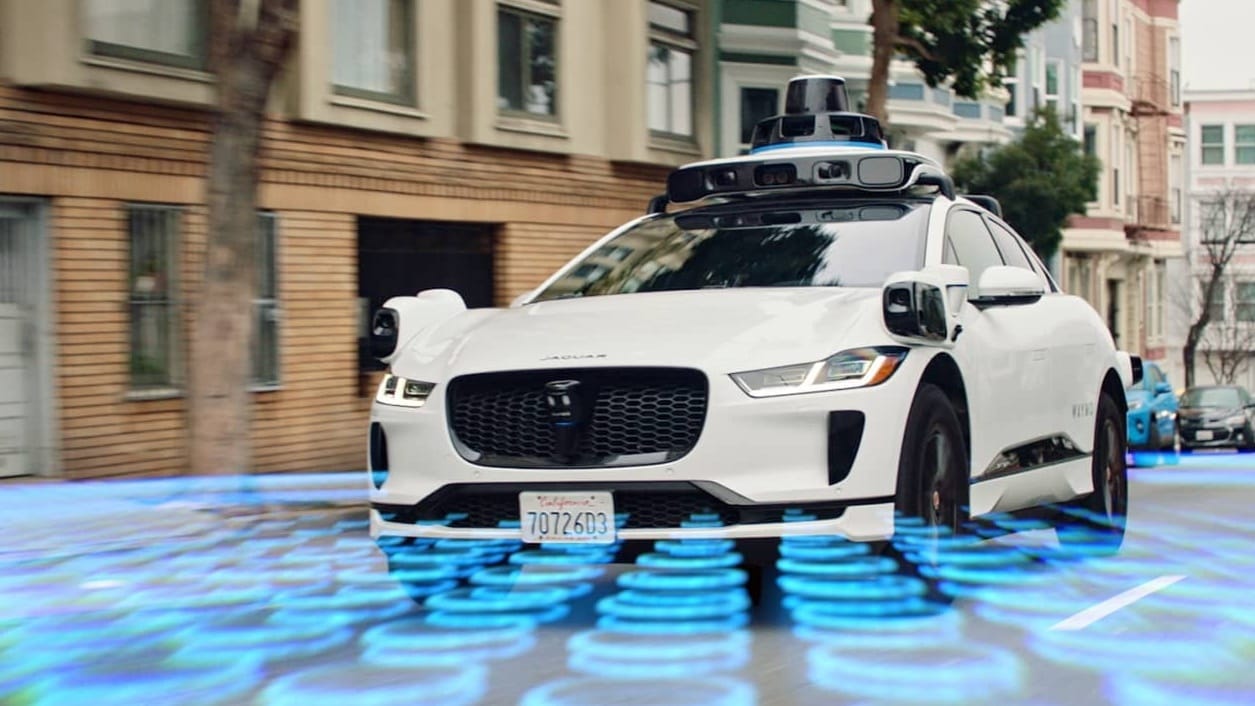
Image source: Waymo
The Rundown: A JAMA Surgery study projects that autonomous vehicles could prevent more than 1M road injuries across the U.S. between 2025 and 2035, slashing traffic injuries by 3.6%.
The details:
Motor vehicle crashes kill over 120 people daily in the U.S. and send 2.6M to emergency rooms annually, costing roughly $470B in medical expenses.
Researchers modeled 2009–2023 U.S. crash data and simulated AVs driving 1–10% of miles, assuming they’re 50–80% safer than humans.
At 1% adoption and 50% safer performance, AVs prevent roughly 67K injuries; at 10% adoption and 80% safer, that figure exceeds 1M.
Waymo data suggests AVs could be 80% safer than humans, though long-term real-world safety data remains limited as AV deployment is still nascent.
Why it matters: Most crashes stem from human error or substance use, making them preventable through automation. If AVs deliver on safety promises at scale, they could potentially eliminate hundreds of thousands of injuries within a decade — reframing autonomous driving from convenience tech into a major public health intervention.
QUICK HITS
📰 Everything else in robotics today
Unitree posted a new training video of its 180 cm (5 ft. 11 in.) tall H2 humanoid pulling off flying kicks, backflips, and sandbag strikes, in a significant agility upgrade.
Figure CEO Brett Adcock bet that 2026 will bring neural network–driven humanoids doing unsupervised home chores and FAA-compliant eVTOL test flights in cities.
FrontierX launched Vex, a spherical robot that follows your pet around the house, filming them, and using AI to stitch the footage into shareable highlight reels.
AI robotics startup Zeroth is using CES 2026 to debut a $5,599 WALL-E-inspired W1 cargo bot and a $2,899 doll-sized M1 home humanoid in the U.S.
South Korean firm ECOPEACE is rolling out its ECOBOT fleet to Singapore, where the bots will autonomously skim algae, collect trash, and monitor surface water quality.
Hyundai’s MobED all-terrain robotic base won CES 2026’s Best of Innovation Award in Robotics for keeping payloads stable in rough environments.
Sharpa moved its SharpaWave dexterous robotic hand into mass production ahead of CES, promising human-sized manipulators for general-purpose robots.
A viral clip from Shenzhen shows EngineAI’s T800 humanoid casually patrolling alongside armed police at a tourist attraction in a public safety demo.
Beijing-based Surgerii Robotics raised $100M in a Series D round to scale its SHURUI single-port surgical robot across China and international markets.
UniX AI is pitching its Wanda humanoids at CES as mass-producible service robots built for repetitive hotel, retail, security, and household work.
UBTech released a video of its Walker S2 humanoid rallying tennis balls against a human opponent, using stereo vision, full-body dynamic balance, and 23 DoF.
COMMUNITY
🎓 Highlights: News, Guides & Events
Read our last AI newsletter: Meta’s chief scientist leaves with parting shots
Read our last Tech newsletter: Neuralink’s bet to scale brain surgery
Read our last Robotics newsletter: Robotaxis that plug into your brain
Today’s AI tool guide: Create a Claude Skill to design YT thumbnails
See you soon,
Rowan, Joey, Zach, Shubham, and Jennifer — The Rundown’s editorial team
Stay Ahead on AI.
Join 2,000,000+ readers getting bite-size AI news updates straight to their inbox every morning with The Rundown AI newsletter. It's 100% free.