GameStop's wild bid to buy eBay
PLUS: A one-shot treatment that can cure arthritis

Jennifer Mossalgue
May 5, 2026
Read Online | Sign Up | Advertise

Good morning, tech enthusiasts. Meme stock GameStop is trying to buy eBay in a $56B bid, pitching mall nostalgia, collectibles fever, and one of the web’s oldest marketplaces as an Amazon rival.
CEO Ryan Cohen is selling the dream hard; Wall Street responded by wiping 10% off GameStop’s stock and pricing eBay below the offer. Audacious, messy, maybe impossible — comeback of the decade, or just total insanity?
In today’s tech rundown:
GameStop’s wild $56B bid to buy eBay
An arthritis shot that actually fixes the joint
Tesla hit 10B FSD miles, but now what?
AI cams are the West’s new fire lookouts
Quick hits on other tech news
LATEST DEVELOPMENTS
GAMESTOP
🕹️ GameStop’s wild $56B bid to buy eBay

Image source: Images 2.0 / The Rundown
The Rundown: GameStop just launched an unsolicited $56B offer to acquire eBay, a move that would fuse a meme-stock nostalgia chain with one of the internet’s oldest marketplaces into something CEO Ryan Cohen is calling a “legit competitor to Amazon.”
The details:
The offer values eBay at $125 per share in cash and stock — a 20% premium to its recent close — with GameStop having built a 5% stake in the company.
Cohen told the Wall Street Journal he believes a combined GameStop-eBay could become “something worth hundreds of billions of dollars.”
The vision is to merge GameStop’s physical store footprint with eBay’s global marketplace to build a platform for used goods, collectibles, and live shopping.
The market isn’t buying it yet: eBay shares climbed to $109 — well below the $125 offer — while GameStop stock sank 10%.
Why it matters: GameStop, probably best known for meme-stock mania, is a $12B company swinging at a company 4x its value, with no clear plan for how Cohen will finance the deal. But the logic could track: pair its collector base with eBay’s 130M active buyers, and you’ve got a serious secondhand marketplace force.
TOGETHER WITH AWS MARKETPLACE
🤖 Four levers to specialize your AI agents
The Rundown: System prompt, knowledge corpus, tool selection, and guardrails — these are the four levers that turn a general-purpose AI agent into a domain-specific one that handles real edge cases. AWS’ new workshop and companion guide breaks down the architecture key to building reliable, specialized agents.
What you’ll learn:
How to apply the four levers of domain specialization to your own agents
Patterns for customer engagement agents that personalize at the edge
Approaches for location-aware logistics and low-latency voice agents
BIOTECH
💉 An arthritis shot that actually fixes the joint
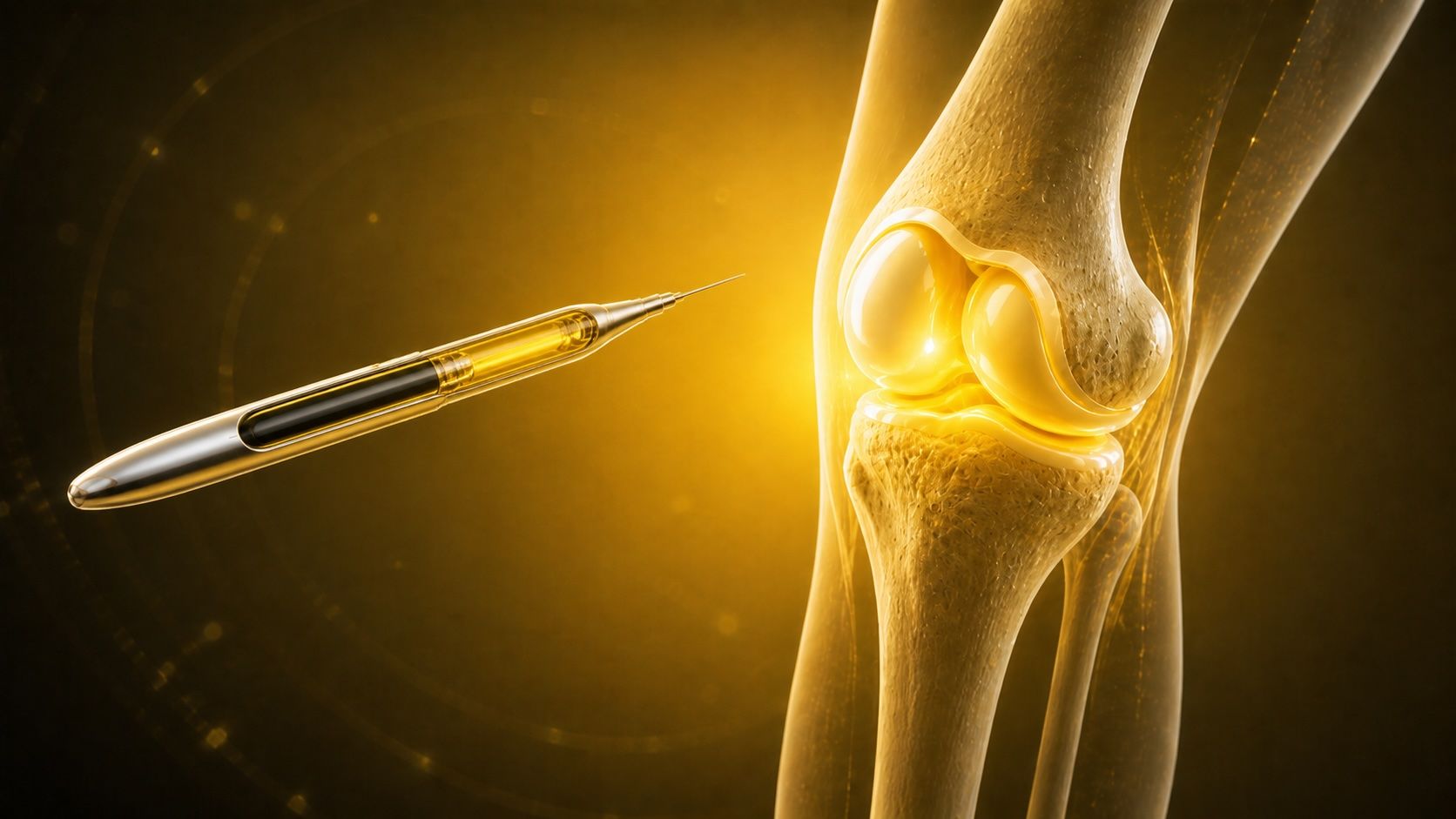
Image source: Images 2.0 / The Rundown
The Rundown: University of Colorado scientists are testing a one-shot injectable therapy that slowly releases an existing drug inside damaged joints, nudging cells to regrow cartilage and potentially reverse osteoarthritis rather than just mask the pain.
The details:
The experimental treatment uses a slow‑release particle system that’s injected directly into the joint, where it dispenses a known drug over weeks.
In animal studies, the shot stimulated cartilage and bone cells to repair worn joint surfaces, restoring smoother motion and cutting inflammation markers.
Today’s standard intra‑articular shots can dial down pain for weeks or months, but do not reliably regrow tissue or halt disease progression.
Researchers are also prototyping an injectable “implant” that anchors to eroded joints and acts as a scaffold to attract native cells and rebuild cartilage.
Why it matters: Osteoarthritis disables hundreds of millions, sending patients through pain meds and temporary joint shots before metal or plastic replacements. A truly regenerative, single‑visit therapy could rewrite that trajectory and potentially disrupt pharma and device makers built on lifelong symptom care, not real repair.
TESLA
🚘 Tesla hit 10B FSD miles, but now what?
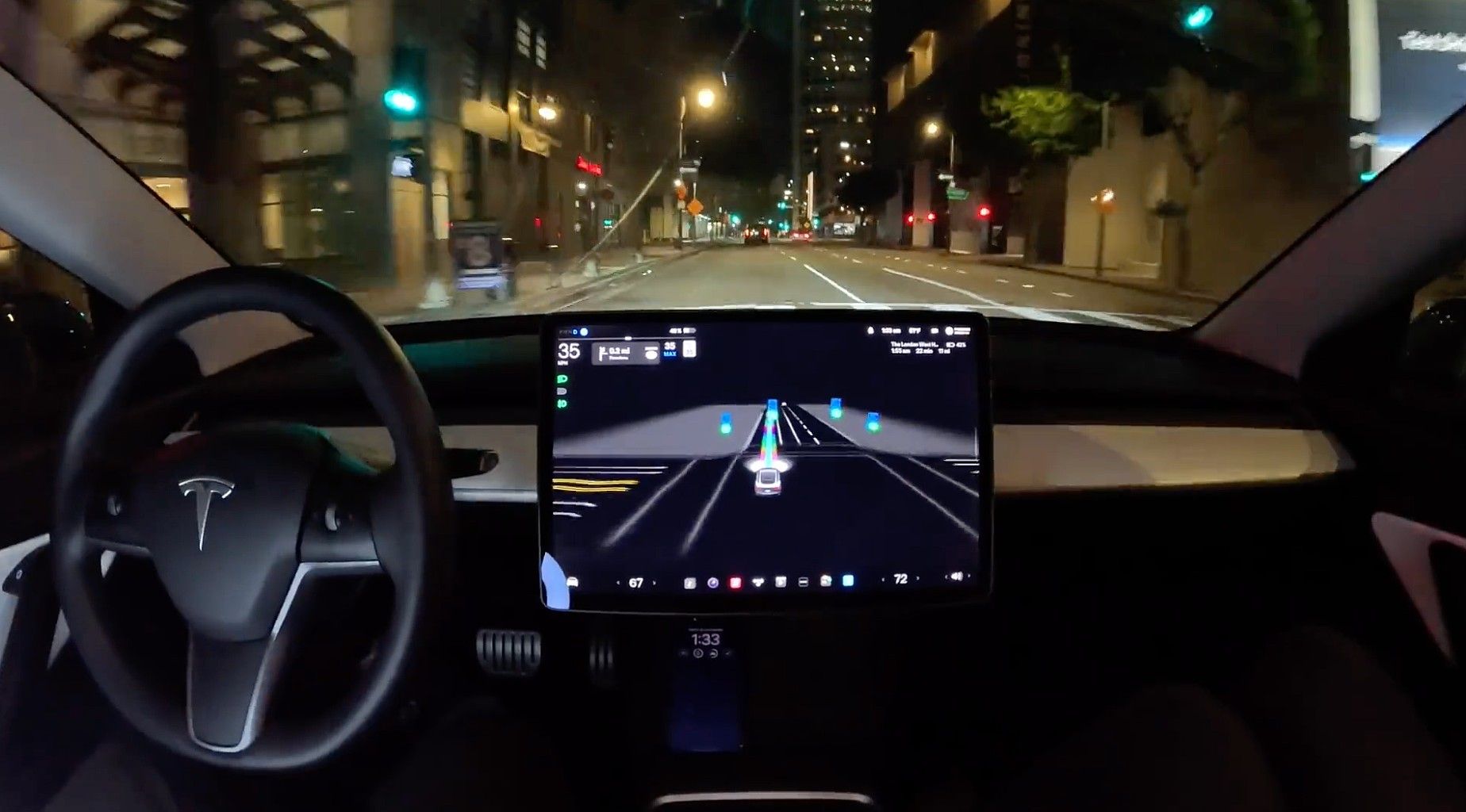
Image source: Tesla
The Rundown: Tesla’s updated safety page says its fleet has now driven over 10B miles with Full Self-Driving (Supervised) engaged, hitting the data threshold Elon Musk recently set as necessary for “safe unsupervised” autonomy, The Verge reports.
The details:
Musk raised that bar from 6B to 10B miles of real‑world training data, arguing that handling edge cases requires far more exposure than his earlier estimate.
The milestone comes after Tesla disclosed passing 7B FSD miles in late 2025 and 8B miles in February 2026.
Tesla’s system remains a driver‑assist product that requires human supervision and still falls short of its own safety targets for going fully driverless.
Musk continues to promise broad U.S. robotaxi expansion in 2026, but regulators haven’t agreed.
Why it matters: Tesla just hit 10B miles on FSD Supervised, the exact threshold Musk set in January for safe driverless operation. The safety numbers are impressive, but a human is still required behind the wheel. Meanwhile, Waymo is already operating driverless rides in 10 cities, on track for a million rides a week by year’s end.
CLIMATE TECH
🔥 AI cams are the West’s new fire lookouts
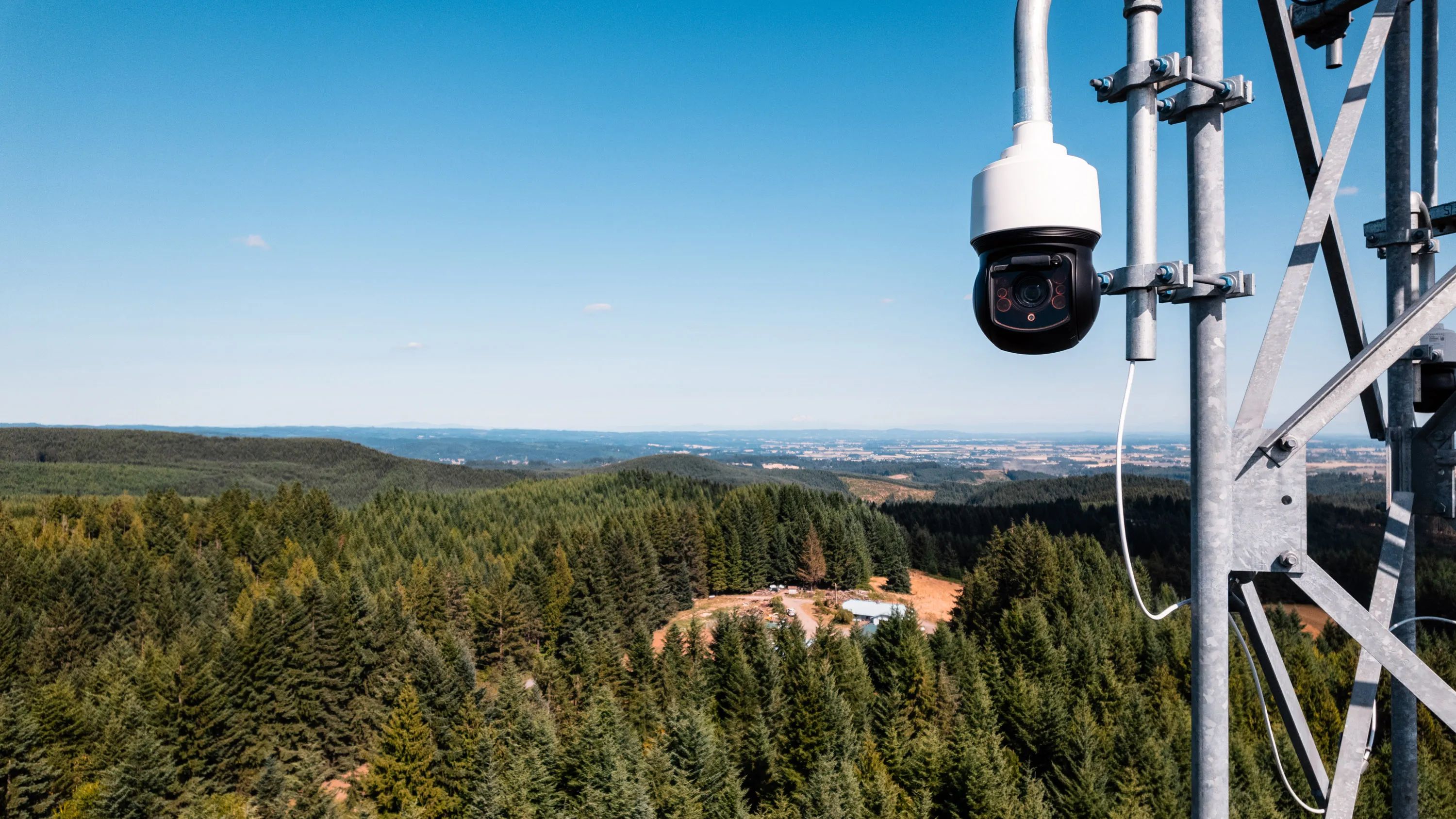
Image source: Pano AI
The Rundown: Utilities in Arizona, California, and Colorado are stringing AI-powered cameras across ridgelines and forest edges, training computer vision systems to catch what human eyes miss: the first gray wisp of a fire before it becomes a wall of flame.
The details:
The systems use computer vision to scan live video feeds, flagging tiny smoke plumes and sending instant alerts to human analysts and fire agencies.
In Arizona’s Coconino National Forest, one of these cameras helped spot the Diamond Fire early enough that firefighters contained it at 7 acres.
Utilities are expanding their networks before peak fire season: Arizona, for example, plans to grow its camera count from around 40 to more than 70.
Speed over traditional detection is significant: one Arizona Public Service meteorologist put the average lead time over the first 911 call at 45 minutes.
Why it matters: This is climate tech moving to frontline infrastructure. Detecting a fire 45 minutes earlier can be the difference between a containable blaze and a fast-moving disaster. As utilities expand these networks ahead of peak fire season, AI smoke detection is becoming a practical adaptation tool for a hotter, drier West.
QUICK HITS
📰 Everything else in tech today
Meta is lining up about $13B to fund its planned El Paso, Texas, AI data center, which it recently expanded to a 1‑gigawatt project slated to come online by 2028.
Apple, having lost its contempt appeal in the Epic Games App Store case, is now asking the U.S. Supreme Court to step in.
Chinese courts ruled that companies cannot legally fire employees solely to replace them with cheaper AI systems.
Amazon said Iranian drone strikes on three AWS data centers in the UAE and Bahrain have left its Middle East cloud regions badly damaged, forcing months-long repair work.
Apple is in early talks with Intel and Samsung about making its core device processors in U.S. fabs, exploring alternatives to its dominant supplier TSMC.
An explosion hit SpaceX’s Starship water‑deluge test at Starbase, casting doubt on whether the upgraded Starship V3 will launch as planned around May 12.
Disney’s new CEO, Josh D'Amaro, is exploring a “super app” that would merge Disney+ with the company’s various park and cruise apps into a single platform.
Geothermal startup Fervo Energy is planning a Nasdaq IPO that could raise up to $1.3B and value the enhanced-geothermal developer at about $6.5B.
COMMUNITY
🎓 Highlights: News, Guides & Events
Read our last AI newsletter: AI data centers head for the ocean
Read our last Tech newsletter: SpaceX is about to crash into the Moon
Read our last Robotics newsletter: Meta buys a humanoid brain
Today’s AI tool guide: How to replace Siri with a free local model
See you soon,
Rowan, Joey, Zach, Shubham, and Jennifer — The Rundown’s editorial team




Stay Ahead on AI.
Join 2,000,000+ readers getting bite-size AI news updates straight to their inbox every morning with The Rundown AI newsletter. It's 100% free.