OpenAI takes Codex mobile
PLUS: Automate marketing assets with ChatGPT Images 2.0

Zach Mink
May 15, 2026
Read Online | Sign Up | Advertise

Good morning, AI enthusiasts. AI coding agents can now run for hours at a time. Sitting at your desk the entire time shouldn't be a requirement… Or carrying around a computer to keep things moving.
Codex going mobile inside the ChatGPT app is OpenAI's long-awaited answer to that problem, letting users approve decisions, start new tasks, and make changes from their phone while agents grind away back at the desk.
In today’s AI rundown:
OpenAI’s Codex moves beyond the desktop
OpenAI, Apple’s ‘deteriorating’ relationship
Automate marketing assets with ChatGPT Images 2.0
Anthropic angers devs with new agent credit split
4 new AI tools, community workflows, and more
LATEST DEVELOPMENTS
OPENAI
📱 OpenAI’s Codex moves beyond the desktop
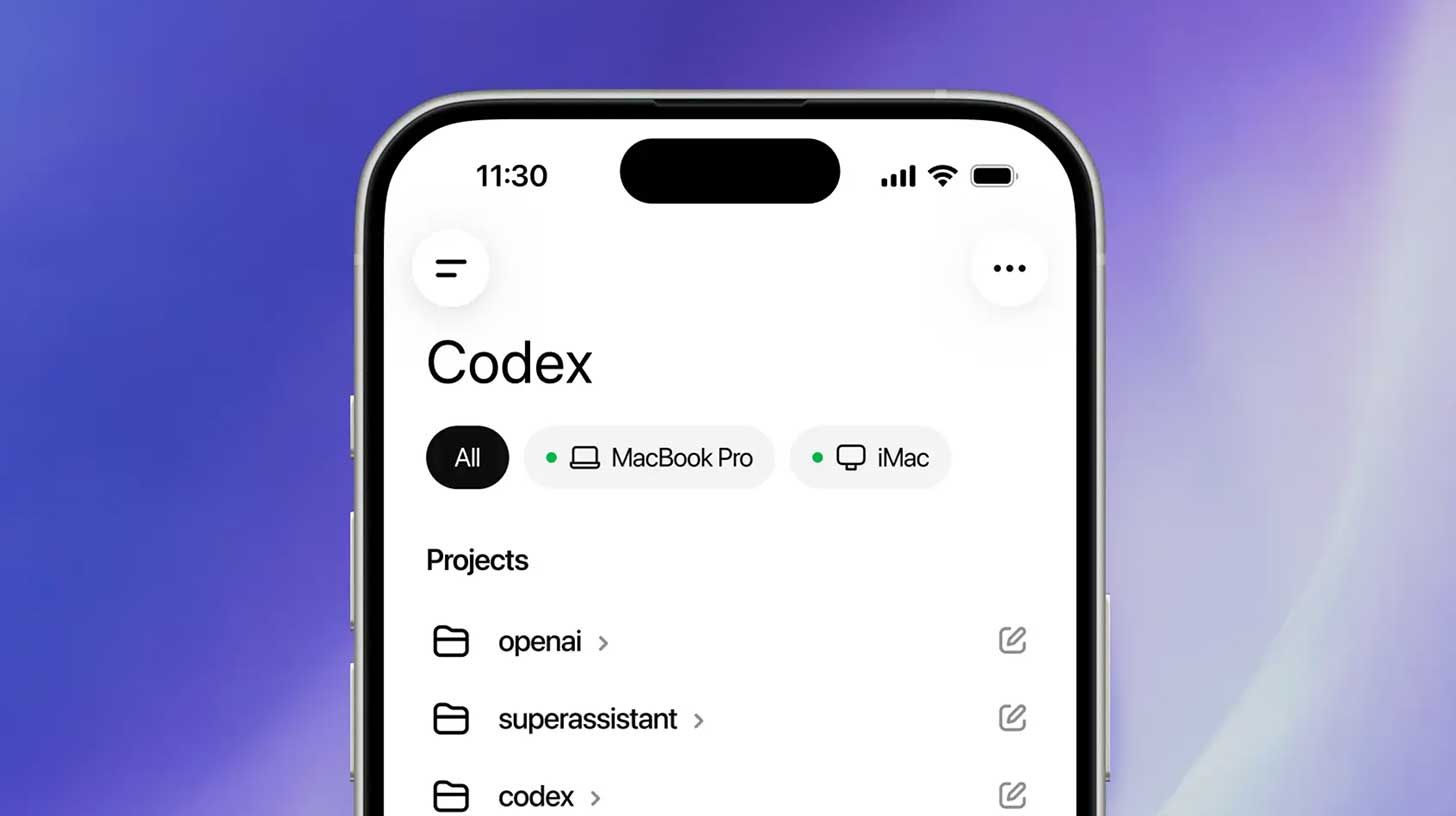
Image source: OpenAI
The Rundown: OpenAI just rolled out Codex in preview inside the ChatGPT iOS app across all plans, giving developers a way to track, manage, and act on long-running AI tasks from their phone as the company battles Anthropic for the coding tool market.
The details:
Codex continues to run on a laptop or remote host, with users able to access live threads, code changes, approvals, plugins, and start new tasks via mobile.
OAI said the mobile system uses a “secure relay layer” that doesn’t expose the computer to the open internet, and syncs with other ChatGPT instances.
OAI seemed to point right at Anthropic in its blog, saying it’s “more than the ability to remotely control a single task or dispatch new tasks to your computer.”
Anthropic introduced Remote Control in February and Dispatch in March, giving Claude limited mobile access and desktop accessibility on the go.
Why it matters: The days of users walking around with open computers to keep agents running may be coming to an end. Especially as models continue to improve at running for hours at a time, keeping things moving on the go is a major quality of life update that unshackles users from desks and computers.
TOGETHER WITH BRAINTRUST
🚀 Start shipping AI products like the leading teams
The Rundown: Braintrust is the end-to-end platform for evaluating, monitoring, and iterating on AI products. Teams at Notion, Vercel, and Stripe use it to catch regressions before users do, debug agent behavior across thousands of traces, and turn iterations from guesswork into a measurable, repeatable workflow.
Using Braintrust, you can:
Eval prompts, models, and agents side-by-side
Trace every agent and application LLM call
Run evals against production traces
OPENAI & APPLE
💔 OpenAI, Apple’s ‘deteriorating’ relationship

Image source: Images 2.0 / The Rundown
The Rundown: OpenAI is reportedly considering legal action against Apple over their 2024 ChatGPT-Siri deal, enlisting a law firm to explore options that may include a breach-of-contract notice due to the results of the “deteriorating” partnership.
The details:
The two sides entered a deal in 2024 during the initial Apple Intelligence launch, giving Siri the ability to call on ChatGPT for more complex queries.
OAI expected the deal to drive “billions” in paid ChatGPT signups, but internal data showed users favor the standalone app over Apple's limited integration.
The iPhone maker plans to open Siri to rival AI providers like Anthropic's Claude and Google Gemini in iOS 27, reportedly set to debut at WWDC on June 8.
Apple was also allegedly “fuming” over OAI poaching from its hardware teams, with OAI also emerging as a potential competitor through its Jony Ive deal.
Why it matters: Like everything else Apple Intelligence, the ChatGPT integration was a bust, and now yet another OAI relationship with a tech giant seems to be on thin ice. But with rumors of its own phone coming in 2027, there could be a big new rivalry in the AI hardware market — especially if the Siri relaunch doesn’t live up to expectations.
AI TRAINING
🎨 Automate marketing assets with ChatGPT Images 2.0
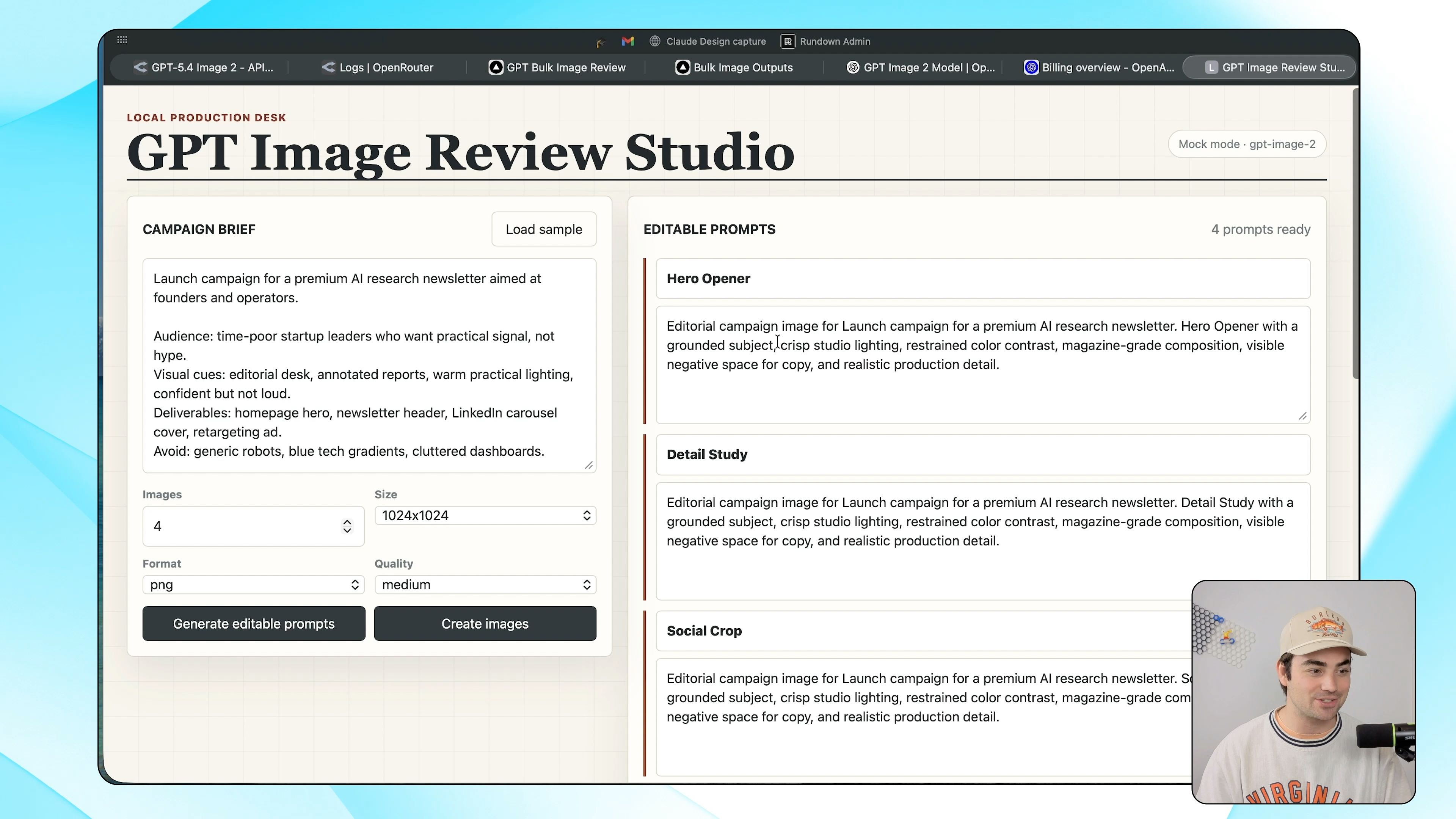
The Rundown: In this guide, you will learn how to use Codex Desktop to build a ChatGPT Images 2.0 app that turns a marketing campaign and design brief into prompts, test images, and a review gallery.
Step-by-step:
Create a project folder and initialize git: mkdir gpt-image-review-app cd gpt-image-review-app git init. Open the folder in Codex Desktop
Ask Codex to build a local browser app for GPT Image 2.0, where you can enter a marketing brief, generate editable prompts, create test images, choose image dimensions, and review outputs with Keep, Reject, and Needs revision controls
After the build, add your OpenAI API key to the app’s .env file, run the app locally, and describe your campaign, design brief, and desired image formats
Click "Generate Prompts," then click "Generate Images to Test." Review the outputs with Keep, Reject, and Needs labels, then save the strongest results
Pro tip: Once the app works, use Codex Desktop Annotation Mode to click or drag over fixes for aspects like labels, spacing, states, controls, or layout.
PRESENTED BY NEXTSENSE SMARTBUDS
🧠 Neuroscience, built into earbuds

The Rundown: NextSense Smartbuds use clinical-grade EEG sensors to detect your brainwaves in real time, and respond with audio that achieves your desired mental state, such as sleep, relaxation, or deep meditation. Track your mind as it shifts, experience deeper recovery, and explore a new interface to the brain.
Smartbuds’ features include:
EEG sensors that monitor brain activity in real-time
Sounds that adapt to your brain to enhance wellbeing
Dynamic experiences to support sleep, meditation, and more
ANTHROPIC
💰 Anthropic angers devs with new agent credit split

Image source: Images 2.0 / The Rundown
The Rundown: Anthropic announced a policy that will split Claude's agent usage into a monthly credit pool, restoring support for third-party agentic tools but angering power users in the process by walling them off from normal subscription limits.
The details:
Starting June 15, Agent SDK and claude -p no longer draw from subscription limits, and will be solely used towards Claude Code, Cowork, and chat.
Pro users will get $20/month in agentic credits, Max 5x gets $100, and Max 20x gets $200 — with credits resetting after each billing cycle and not rolling over.
The move reverses Anthropic's April ban on third-party agents like OpenClaw, but removes the subsidy that gave its plans significantly more value in compute.
The move resulted in backlash from power users, with T3 founder Theo Browne and hundreds of others publicly cancelling their subscriptions.
Why it matters: Agents’ ability to burn through tokens has broken the AI subscription model, but Anthropic has also not done itself any favors with the dev community of late. These tiny token allocations feel even worse than blocking agents outright — and it comes right as OAI continues to up Codex limits to encourage switching.
QUICK HITS
🛠️ Trending AI Tools
🗣️ Unwrap Customer Intelligence - Get AI-driven insights from your unstructured customer feedback to build your product roadmap*
🎨 Recraft V4.1 - Image AI with improved photorealism, illustration, and more
⚙️ Notion Developer Platform - Open platform to build directly on Notion
🔬 AutoScientist - Adaption's new tool for automating AI model training
*Sponsored Listing
📰 Everything else in AI today
xAI released Grok Build, an initial beta version of the company’s agentic CLI, currently limited to SuperGrok Heavy subscribers.
U.S. AI chipmaker Cerebras officially went public, with its stock more than doubling from its open just hours into trading and marking the biggest IPO of the year so far.
Higgsfield AI launched Supercomputer, a cloud AI agent that can complete full creative and marketing tasks end-to-end while orchestrating multiple models and tools.
Runway introduced Agent, a new agentic assistant on its video platform that collaborates with users through their creative workflows.
Dating app Bumble is phasing out its swipe feature to instead rely on a new AI dating assistant called ‘Bee’ for matchmaking, profile optimization, and more.
COMMUNITY
🤝 Community AI workflows
Every newsletter, we showcase how a reader is using AI to work smarter, save time, or make life easier.
Today’s workflow comes from reader Nicolas D. in Quebec:
For months, Claude has been my personal coach — tracking my habits, building my workouts, adjusting my plans. Every Sunday, I feed Claude a log of the past week — sessions, wellbeing, and soreness — and it generates next week's program.
Then it hit me: my habits are tied to long-term goals. So why not manage them like projects?
I've worked in project management for years. I built a Gantt chart linked directly to my habit-tracking software. The tracker now acts as a time-punch system — every session logged becomes a task completed on the timeline. I'm running my life's projects the way I run work projects. Best decision I've made for staying consistent."
How do you use AI? Tell us here.
🎓 Highlights: News, Guides & Events
Read our last AI newsletter: The enterprise shift OpenAI saw coming
Read our last Tech newsletter: Venmo kills its most criticized feature
Read our last Robotics newsletter: Meet Unitree’s giant new mech
Today’s AI tool guide: Automate marketing assets with Images 2.0
See you soon,
Rowan, Joey, Zach, Shubham, and Jennifer — the humans behind The Rundown



Stay Ahead on AI.
Join 2,000,000+ readers getting bite-size AI news updates straight to their inbox every morning with The Rundown AI newsletter. It's 100% free.